

What do you think?

Lives of the Artists
Life of Michelangelo
English (translation)Original Italian
150 pages, Paperback
First published January 1, 2002
About the author
Giorgio Vasari
1,051 books160 followersGiorgio Vasari was an Italian painter and architect, known for his famous biographies of Italian artists.
Ratings & Reviews
Friends & Following
Create a free account to discover what your friends think of this book!
Community Reviews
Displaying 1 - 14 of 14 reviews

October 1, 2016
This is such a good biography. Vasari was a pupil of Michelangelo and obviously adored his master, even though he, himself was a duke.
He gives a thorough out line of all of Michelangelo's works and working relationships with Popes and other people in positions of power.
Really a wonderful, though, relatively brief, account of the Master's life with 45 photos of his works.
He gives a thorough out line of all of Michelangelo's works and working relationships with Popes and other people in positions of power.
Really a wonderful, though, relatively brief, account of the Master's life with 45 photos of his works.

November 11, 2018
vasari jerks it to Michelangelo

Read
March 21, 2024Speed read this for uni. Vasari wants to kiss Michelangelo so bad. That BPD gay yearning is so real.
June 19, 2024
"Das Leben des Michelangelo", oder: Die Vergöttlichung eines Künstlers.
Vasaris Lebensbeschreibung des Michelagnolo Buonarroti stellt den Kulminationspunkt des Gesamten Vitenwerkes dar. Jegliche künstlerische Entwicklung mündet - nicht ohne Widerspruch- seinem teleologischen Geschichtsverständnis nach in dem Erlöser der Kunst aus ihrem miserablen Zustand vergeblicher Mühen, Michelangelo.
Schon der Geburt Michelangelos verleiht Vasari ein theologisches Moment: um der Welt, die sich vergebens um eine Wiedergeburt der vollendeten Kunst der Antiken nach dem Verfall der Kunst im Mittelalter bemüht, einen Heiland zu senden, schenkt der himmlische Statthalter Gottvater an einem Sonntag, an dem die Sterne gut standen, den göttlichen Michelangelo, seinen Erzengel (nomen est omen). Michelangelo, der im Verlauf seines Lebens unter schweren körperlichen Leiden arbeitete, vollzieht seine ganz eigene Passionsgeschichte.
Über die Kunst selbst zu schreiben, ist kein Platz, allein soll bemerkt werden, dass sie immerzu "göttlich" ist, allenthalben Staunen hervorbringt, dass Michelangelo schon im Frühwerk die Antike übertrifft und dass der Höhepunkt der gesamten Kunstentwicklung seit ihren Ursprüngen im Jüngsten Gericht der sixtinischen Kappelle mündet. Somit ist die Christus-Allegorie vollkommen.
Wichtig ist auch die Betonung darauf, dass Michelangelo sich seine Aufgaben selber stellte und mehr oder weniger nach Lust und Laune arbeitete, wodurch er pausenlos seine Kunst perfektioniere und gleichzeitig intrinsische Motivation zum Kunstschaffen offenbare.
Seine Informationen in der Vita stützt Vasari auf zum einen auf Briefe aus Michelangelos Umfeld, die er angeblich gesichtet und von ihm (M.) selber, sowie auf persönliche Erfahrung. Sein Verhältnis zu Michelangelo stellt er dabei besonders vertraut und freundschaftlich dar.
Unvollendete Werke sind dabei eigentlich nie Zeichen mangelnder Kräfte und Kapazitäten Michelangelos, sondern immer wertvolle Lehrstücke, an denen sich die Schüler im Nachahmen erproben sollen und anhand derer sie z.B. den Prozess der Bildhauerei erkennen können.
Letztendlich bleibt der Appell an alle nachfolgenden Künstler, die Michelangelo in keinster Weise überbieten könnten, da er der Zenit der Kunst darstellte, forthin selbigen nachzuahmen und seinen Stil zum Tonangebenden für die Ewigkeit zu machen.
Vasaris Lebensbeschreibung des Michelagnolo Buonarroti stellt den Kulminationspunkt des Gesamten Vitenwerkes dar. Jegliche künstlerische Entwicklung mündet - nicht ohne Widerspruch- seinem teleologischen Geschichtsverständnis nach in dem Erlöser der Kunst aus ihrem miserablen Zustand vergeblicher Mühen, Michelangelo.
Schon der Geburt Michelangelos verleiht Vasari ein theologisches Moment: um der Welt, die sich vergebens um eine Wiedergeburt der vollendeten Kunst der Antiken nach dem Verfall der Kunst im Mittelalter bemüht, einen Heiland zu senden, schenkt der himmlische Statthalter Gottvater an einem Sonntag, an dem die Sterne gut standen, den göttlichen Michelangelo, seinen Erzengel (nomen est omen). Michelangelo, der im Verlauf seines Lebens unter schweren körperlichen Leiden arbeitete, vollzieht seine ganz eigene Passionsgeschichte.
Über die Kunst selbst zu schreiben, ist kein Platz, allein soll bemerkt werden, dass sie immerzu "göttlich" ist, allenthalben Staunen hervorbringt, dass Michelangelo schon im Frühwerk die Antike übertrifft und dass der Höhepunkt der gesamten Kunstentwicklung seit ihren Ursprüngen im Jüngsten Gericht der sixtinischen Kappelle mündet. Somit ist die Christus-Allegorie vollkommen.
Wichtig ist auch die Betonung darauf, dass Michelangelo sich seine Aufgaben selber stellte und mehr oder weniger nach Lust und Laune arbeitete, wodurch er pausenlos seine Kunst perfektioniere und gleichzeitig intrinsische Motivation zum Kunstschaffen offenbare.
Seine Informationen in der Vita stützt Vasari auf zum einen auf Briefe aus Michelangelos Umfeld, die er angeblich gesichtet und von ihm (M.) selber, sowie auf persönliche Erfahrung. Sein Verhältnis zu Michelangelo stellt er dabei besonders vertraut und freundschaftlich dar.
Unvollendete Werke sind dabei eigentlich nie Zeichen mangelnder Kräfte und Kapazitäten Michelangelos, sondern immer wertvolle Lehrstücke, an denen sich die Schüler im Nachahmen erproben sollen und anhand derer sie z.B. den Prozess der Bildhauerei erkennen können.
Letztendlich bleibt der Appell an alle nachfolgenden Künstler, die Michelangelo in keinster Weise überbieten könnten, da er der Zenit der Kunst darstellte, forthin selbigen nachzuahmen und seinen Stil zum Tonangebenden für die Ewigkeit zu machen.

May 15, 2025
I guess everyone at least once had a crush on their teacher.
December 31, 2024
I found it to be a more colorful account than Condivi's. Even if historians rejoice at highlighting Vasaris inaccuracies and indulgences, as a reading experience it is more fun.

June 12, 2024
Pri nedavnoj poseti Veroni, volonterka u crkvi Santa Maria in Organo me je podsetila na Vazarija, dok mi je pokazivala odaje crkve i za jednu od njih rekla da je Vazari baš nju označio kao jednu od najlepših koju je ikada video. Rekapitulirali smo kratko njegov opus o graditeljima, vajarima i slikarima, gde spada i ova biografija, obimnija u odnosu na ostale i pisana u vremenu dok je Mikelanđelo još bio živ.
Vazari je bio Mikelanđelov đak, i iz prve ruke je ispričao neke detalje iz umetnikovog života koji su bili zanimljivi da se saznaju – kao što je njegovo prvo „krivotvorenje“ jedne od njegovih kipova Kupidona koju je zakopao i iskopao kako bi izgledala kao da je antička. Bilo je mnogo lepih ali i teških trenutaka koje autor ovde iznosi, a ponajviše sa crkvenim poglavarima koji su se otimali o Mikelanđela da im načini monumentalne grobnice ili oslika kapele crkava. Svakako, svod Sikstinske kapele je nešto što planiram da vidim uživo što pre. Vazari detaljno, okom umetnika i Mikelanđelovog učenika opisuje sva značajnija dela svog tutora, pa i da se ne zna o kojem je reč, može se vrlo lako zamisliti.
Dva puta sam posetio Firencu, i oba putao išao u katedralu Santa Croce – prvenstveno zbog Danteovog spomenika ispred nje i grobnice unutra u koju nikada nisu prenesene njegove kosti. Međutim, u toj istoj crkvi leže Mikelanđelove kosti, prenesene iz Rima ubrzo nakon što se upokojio i Vazari na kraju traktata opisuje detaljno kako je izgledala sahrana.
Ova je biografija, zbog imena savremenika i saradnika koja se tamo pominju, svakako značajna kao priprema za razumevanje Mikelanđelovih soneta i madrigala kojima planiram da se posvetim uskoro.
Vazari je bio Mikelanđelov đak, i iz prve ruke je ispričao neke detalje iz umetnikovog života koji su bili zanimljivi da se saznaju – kao što je njegovo prvo „krivotvorenje“ jedne od njegovih kipova Kupidona koju je zakopao i iskopao kako bi izgledala kao da je antička. Bilo je mnogo lepih ali i teških trenutaka koje autor ovde iznosi, a ponajviše sa crkvenim poglavarima koji su se otimali o Mikelanđela da im načini monumentalne grobnice ili oslika kapele crkava. Svakako, svod Sikstinske kapele je nešto što planiram da vidim uživo što pre. Vazari detaljno, okom umetnika i Mikelanđelovog učenika opisuje sva značajnija dela svog tutora, pa i da se ne zna o kojem je reč, može se vrlo lako zamisliti.
Dva puta sam posetio Firencu, i oba putao išao u katedralu Santa Croce – prvenstveno zbog Danteovog spomenika ispred nje i grobnice unutra u koju nikada nisu prenesene njegove kosti. Međutim, u toj istoj crkvi leže Mikelanđelove kosti, prenesene iz Rima ubrzo nakon što se upokojio i Vazari na kraju traktata opisuje detaljno kako je izgledala sahrana.
Ova je biografija, zbog imena savremenika i saradnika koja se tamo pominju, svakako značajna kao priprema za razumevanje Mikelanđelovih soneta i madrigala kojima planiram da se posvetim uskoro.

Read
March 11, 2024Giorgio Vasari está considerado uno de los primero historiadores de arte, pero este pequeño libro no está escrito como esperaríamos por parte de un historiador del arte contemporaneo ya que la objetividad ni está ni se la espera.
Vasari admira a Miguel Ángel hasta el punto de considerar son producto de la intervención divina para hacer obras que no se han visto nunca y puede que no lleguen a superarse. Esto puede parecer un inconveniente, pero si partes con ese contexto el libro es interesante para conocer por encima la vida de Miguel Ángel, su carácter, cuando hizo qué obra, para quién y con qué propósito. El libro está lleno de anécdotas que humanizan la figura de Miguel Ángel. Un ejemplo es la tensa relación que mantuvo con el Papa Julio II durante la pintura de la Capilla Sixtina, llegando incluso a tener un conflicto físico por la extrema privacidad que exigía el artista.
Más allá de lo literario, la obra tiene un valor inmenso, ya que está escrita desde tiempos cercanos a la vida de Miguel Ángel, y parece claro que desconoceríamos muchas partes de su vida si no fuera ella.
Vasari admira a Miguel Ángel hasta el punto de considerar son producto de la intervención divina para hacer obras que no se han visto nunca y puede que no lleguen a superarse. Esto puede parecer un inconveniente, pero si partes con ese contexto el libro es interesante para conocer por encima la vida de Miguel Ángel, su carácter, cuando hizo qué obra, para quién y con qué propósito. El libro está lleno de anécdotas que humanizan la figura de Miguel Ángel. Un ejemplo es la tensa relación que mantuvo con el Papa Julio II durante la pintura de la Capilla Sixtina, llegando incluso a tener un conflicto físico por la extrema privacidad que exigía el artista.
Más allá de lo literario, la obra tiene un valor inmenso, ya que está escrita desde tiempos cercanos a la vida de Miguel Ángel, y parece claro que desconoceríamos muchas partes de su vida si no fuera ella.
October 24, 2022
“¿En qué siglo se han visto estatuas antiguas o modernas hechas como éstas? No sólo advertimos en ellas la quietud del que duerme, sino también el dolor y la melancolía de quien pierde una cosa grande y honrada”.
“…pues como no se espera que haya de morir nunca, me ha parecido conveniente hacer este poco en su honor, que cuando bien abandone el cuerpo como todos los hombres, no conocerá jamás la muerte de las inmortalísimas obras suyas, cuya fama, mientras dure el mundo, vivirá siempre gloriosa por boca de los hombres y por la pluma de los escritores, a pesar de la envidia y a despecho de la muerte”.
“…pues como no se espera que haya de morir nunca, me ha parecido conveniente hacer este poco en su honor, que cuando bien abandone el cuerpo como todos los hombres, no conocerá jamás la muerte de las inmortalísimas obras suyas, cuya fama, mientras dure el mundo, vivirá siempre gloriosa por boca de los hombres y por la pluma de los escritores, a pesar de la envidia y a despecho de la muerte”.

December 26, 2025
Miguel Ángel me conmueve, Vasari not so much. Me compré este libro cuando volví de Italia donde ví sus obras más famosas y aprendí de todo sobre él, mucho más de lo que me enseñó este libro que solo recuenta las obras que hizo. Es interesante que se conocían, y que explica escenas que no hubiera entiendo sino.
February 10, 2021
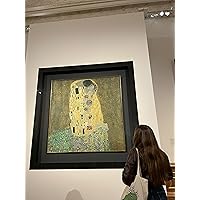
I would’ve loved if the art illustrations continued even after his death - it’s missing Michelagnolo represented by other sculptors and painters, and the church he was buried in✨
May 23, 2023
A biography written by a friend of Michelangelo,who never finds any fault in the subject of the book, which makes the work quite difficult to accept in whole. It is an interesting book nevertheless.

July 13, 2018
This articulation of the motivations, openness and proactive nature of Michelangelo was inspiring. Vasari writes with a seemingly contemporary and fluid tone that connects the audience directly to the influences, interactions and outcomes of the time. It is easy to read and gives a strong commentary on the challenges(artistically, socially, culturally and economically) and strengths of many of the major works produced along Michelangelo's artistic lifespan.
One criticism would be the overly emphatic love and reverence Vasari implicitly includes within his writing. This can deter and slightly taints the text as overly subjective. Vasari often communicates how ingratiated he was with his "dear friend" Michelangelo.
The section towards the end on Michelangelo's direct quotes/sayings is an incredible insight into the temperament of the artists and his intelligence in communicating to artists, audience and patrons.
Overall this was an exceptional find, providing unique insight into the enigmatic and prolific artist. It is motivating and communicates to the reader the raw and rich world of renaissance art and artists.
One criticism would be the overly emphatic love and reverence Vasari implicitly includes within his writing. This can deter and slightly taints the text as overly subjective. Vasari often communicates how ingratiated he was with his "dear friend" Michelangelo.
The section towards the end on Michelangelo's direct quotes/sayings is an incredible insight into the temperament of the artists and his intelligence in communicating to artists, audience and patrons.
Overall this was an exceptional find, providing unique insight into the enigmatic and prolific artist. It is motivating and communicates to the reader the raw and rich world of renaissance art and artists.

June 18, 2012
I'm specifically studying Michelangelo right now, hoping for some insight into his approach to art. Vasari helped to some extent, particularly a few pages in the back of the book where Vasari discusses M's personality and approach to art rather than simply the details of where he went and what he did.
Displaying 1 - 14 of 14 reviews