

What do you think?

Win a free print copy of this book!
15 days and 00:18:44
50 copies available
U.S. only
It Girl: The Life and Legacy of Jane Birkin
Win a free print copy of this book!
15 days and 00:18:44
50 copies available
U.S. only
NATIONAL BESTSELLER
A Most Anticipated Book of 2025: Town & Country • Harper’s Bazaar • W Magazine • Bustle • LitHub • Women’s Wear Daily
The first comprehensive biography of Jane Birkin—actress, singer, and legendary style icon—and her profound cultural impact, from the “acerbic, culturally astute, and genuine” (The New York Times) author of the instant New York Times bestseller Glossy.
Jane Birkin was synonymous with chic. Her effortless style and artistic legacy have been immortalized through her music and film career. And, of course, she was the inspiration behind one of the world’s most coveted bags, the Hermès Birkin. But who was the real woman behind the it girl?
Now, New York Times bestselling author Marisa Meltzer sheds new light on Birkin’s enigmatic life and explores her profound influence on generations in a rigorously reported biography unlike any other.
It Girl paints a vivid portrait of Birkin and her profound legacy, from her early years in 1960s London to her rise as a beloved celebrity in France, detailing personal challenges, her relationships with creative powerhouses, and the duality of her public and private selves. Based on interviews and deep archival research, Meltzer reveals the nuances of Birkin’s her famously tempestuous romantic relationships, life with her three famous daughters, and the creative energy that drove her. It Girl tells the story of her indelible impact on femininity and style, and how what we think of as French girl style grew from her. Far from being just a muse, Birkin is at last given her well-deserved due.
A Most Anticipated Book of 2025: Town & Country • Harper’s Bazaar • W Magazine • Bustle • LitHub • Women’s Wear Daily
The first comprehensive biography of Jane Birkin—actress, singer, and legendary style icon—and her profound cultural impact, from the “acerbic, culturally astute, and genuine” (The New York Times) author of the instant New York Times bestseller Glossy.
Jane Birkin was synonymous with chic. Her effortless style and artistic legacy have been immortalized through her music and film career. And, of course, she was the inspiration behind one of the world’s most coveted bags, the Hermès Birkin. But who was the real woman behind the it girl?
Now, New York Times bestselling author Marisa Meltzer sheds new light on Birkin’s enigmatic life and explores her profound influence on generations in a rigorously reported biography unlike any other.
It Girl paints a vivid portrait of Birkin and her profound legacy, from her early years in 1960s London to her rise as a beloved celebrity in France, detailing personal challenges, her relationships with creative powerhouses, and the duality of her public and private selves. Based on interviews and deep archival research, Meltzer reveals the nuances of Birkin’s her famously tempestuous romantic relationships, life with her three famous daughters, and the creative energy that drove her. It Girl tells the story of her indelible impact on femininity and style, and how what we think of as French girl style grew from her. Far from being just a muse, Birkin is at last given her well-deserved due.
Kindle Edition
First published October 7, 2025
About the author
Marisa Meltzer
5 books185 followersMarisa Meltzer is author of Girl Power: The Nineties Revolution in Music and co-author of How Sassy Changed My Life: A Love Letter to the Greatest Teen Magazine of All Time. Yes, she really loves the nineties that much.
As a freelance writer, her work has appeared in The Wall Street Journal, Elle, Slate, New York Magazine, Teen Vogue, and many other publications. She has covered such diverse topics from why Miley Cyrus is a good role model to which Pride and Prejudice adaptation has the best Mr. Darcy and she's reported on Parisian riots and overachieving New York City high school students.
She is a graduate of The Evergreen State College and currently lives in Brooklyn, NY.
As a freelance writer, her work has appeared in The Wall Street Journal, Elle, Slate, New York Magazine, Teen Vogue, and many other publications. She has covered such diverse topics from why Miley Cyrus is a good role model to which Pride and Prejudice adaptation has the best Mr. Darcy and she's reported on Parisian riots and overachieving New York City high school students.
She is a graduate of The Evergreen State College and currently lives in Brooklyn, NY.
Ratings & Reviews
Friends & Following
Create a free account to discover what your friends think of this book!
Community Reviews
Displaying 1 - 30 of 517 reviews

August 19, 2025
the closest i'll ever get to owning a birkin.
https://emmareadstoomuch.substack.com...
this is truly well researched and interesting in subject matter, but the way it’s written is so dry and redundant.
i found myself reading chapters again and again, confused whether i’d misunderstood the densely packed lists of names and dates and publications, only to confirm that yes the same statement was made in consecutive paragraphs and one headline was years out of place.
it's a testament to jane birkin that this was still, often, an enjoyable read.
bottom line: every detail in this book is out of my price range.
(review to come / thanks to the publisher for the arc)
https://emmareadstoomuch.substack.com...
this is truly well researched and interesting in subject matter, but the way it’s written is so dry and redundant.
i found myself reading chapters again and again, confused whether i’d misunderstood the densely packed lists of names and dates and publications, only to confirm that yes the same statement was made in consecutive paragraphs and one headline was years out of place.
it's a testament to jane birkin that this was still, often, an enjoyable read.
bottom line: every detail in this book is out of my price range.
(review to come / thanks to the publisher for the arc)

July 12, 2025
Unlikely to be viewed as definitive but a reasonably researched biography nonetheless. But and this might be grossly unfair, I thought this was more likely commissioned than driven by the author’s passion for her subject. Perhaps because it felt strangely detached, uncertain and muted – as if Meltzer wasn’t entirely convinced by the Birkin she’s constructing here. However, Meltzer makes some insightful observations and she’s adept at structuring key aspects of Birkin’s life from her birth in 1946 onwards; offering up a series of intriguing snapshots of Birkin as English eccentric who, by happenstance, became a symbol of bohemian nonchalance in post-1968 France.
There’s something quintessentially English about Birkin’s early life. She was born into an upper middle-class family, her father was a wealthy, Nottinghamshire business owner, her mother a celebrated actor known for her work with Noel Coward. Birkin’s childhood experiences could be confused with those of a character from a vintage children’s book: distant parents; nannies; difficult boarding-school years; putting on plays with her family during the holidays. Not unusually, for women of her class and generation, Birkin was primarily educated for marriage and motherhood. To a certain extent Birkin followed that script but, according to Meltzer, disappointed her family by choosing the ‘wrong’ husband and following the ‘wrong’ timeline. When barely 18, Birkin married much older film composer John Barry. She had her first child in her early twenties. Meltzer views Birkin’s choices, where men are concerned, as part of a pattern, a distinct preference for older, controlling men: first Barry then celebrity performer Serge Gainsbourg, and later screenwriter/director Jacques Doillon. But I wondered if Meltzer was placing too much emphasis on the earlier stages of Birkin’s life and not enough on radical shifts in later years. Years in which she not only developed a profile in theatre but toured, wrote, directed, and perfected her signature style.
I’d also have liked more sustained reflection on the broader cultural contexts within which Birkin made her so-called choices. I don’t want to deny Birkin agency here but how far could these be said to be purely personal? And how far were they dictated or constrained by coming of age in an era of toxic masculinity and rampant gender inequality? After parting from Barry, Birkin set out to build an acting career in the male-dominated, European film industry. This bias was even more marked in a deeply-misogynistic France where male auteurs, building on the success of French New Wave, continued to hold sway for decades. Birkin was clearly conflicted and uncomfortable about being positioned as femme-enfant and muse, from very early on she struggled against the gender roles and cultural identities assigned to her. It seems especially relevant that, as time passed, Birkin deliberately cast off many of the trappings of conventional femininity, along with her relationships with men, striving for emotional and economic independence, underlined by her adoption of a more androgynous signature style - which remains highly influential.
Many people have only heard of Birkin because of the hugely-expensive, luxury bag that bears her name. So, I appreciated how carefully Meltzer dismantled possible links between Birkin’s lifestyle and the lifestyles the bag now conjures – bag of choice for nouveau riche, American celebrities desperate to flaunt their considerable wealth. But I was surprised by how dismissive Meltzer was of Birkin’s political activism, that’s when she’s not glossing over it altogether. Birkin regularly collaborated on Amnesty International campaigns, spoke out against racism and anti-immigrant narratives in France, was an AIDs activist, and worked to publicise the dire consequences of climate change. Outside of France, Birkin’s biggest fan base is in Japan where she helped to raise money for communities devastated by the aftermath of Fukushima. Overall, not quite what I’d hoped for but highly readable even so.
Thanks to Edelweiss and publisher Atria Books
There’s something quintessentially English about Birkin’s early life. She was born into an upper middle-class family, her father was a wealthy, Nottinghamshire business owner, her mother a celebrated actor known for her work with Noel Coward. Birkin’s childhood experiences could be confused with those of a character from a vintage children’s book: distant parents; nannies; difficult boarding-school years; putting on plays with her family during the holidays. Not unusually, for women of her class and generation, Birkin was primarily educated for marriage and motherhood. To a certain extent Birkin followed that script but, according to Meltzer, disappointed her family by choosing the ‘wrong’ husband and following the ‘wrong’ timeline. When barely 18, Birkin married much older film composer John Barry. She had her first child in her early twenties. Meltzer views Birkin’s choices, where men are concerned, as part of a pattern, a distinct preference for older, controlling men: first Barry then celebrity performer Serge Gainsbourg, and later screenwriter/director Jacques Doillon. But I wondered if Meltzer was placing too much emphasis on the earlier stages of Birkin’s life and not enough on radical shifts in later years. Years in which she not only developed a profile in theatre but toured, wrote, directed, and perfected her signature style.
I’d also have liked more sustained reflection on the broader cultural contexts within which Birkin made her so-called choices. I don’t want to deny Birkin agency here but how far could these be said to be purely personal? And how far were they dictated or constrained by coming of age in an era of toxic masculinity and rampant gender inequality? After parting from Barry, Birkin set out to build an acting career in the male-dominated, European film industry. This bias was even more marked in a deeply-misogynistic France where male auteurs, building on the success of French New Wave, continued to hold sway for decades. Birkin was clearly conflicted and uncomfortable about being positioned as femme-enfant and muse, from very early on she struggled against the gender roles and cultural identities assigned to her. It seems especially relevant that, as time passed, Birkin deliberately cast off many of the trappings of conventional femininity, along with her relationships with men, striving for emotional and economic independence, underlined by her adoption of a more androgynous signature style - which remains highly influential.
Many people have only heard of Birkin because of the hugely-expensive, luxury bag that bears her name. So, I appreciated how carefully Meltzer dismantled possible links between Birkin’s lifestyle and the lifestyles the bag now conjures – bag of choice for nouveau riche, American celebrities desperate to flaunt their considerable wealth. But I was surprised by how dismissive Meltzer was of Birkin’s political activism, that’s when she’s not glossing over it altogether. Birkin regularly collaborated on Amnesty International campaigns, spoke out against racism and anti-immigrant narratives in France, was an AIDs activist, and worked to publicise the dire consequences of climate change. Outside of France, Birkin’s biggest fan base is in Japan where she helped to raise money for communities devastated by the aftermath of Fukushima. Overall, not quite what I’d hoped for but highly readable even so.
Thanks to Edelweiss and publisher Atria Books

March 1, 2026
𝄞⨾💿✮˚.⋆ ησω ρℓαуιηg ~ ∂ι ∂σσ ∂αн ~ נαηє вιякιη ˚.🎀༘🫧⋆
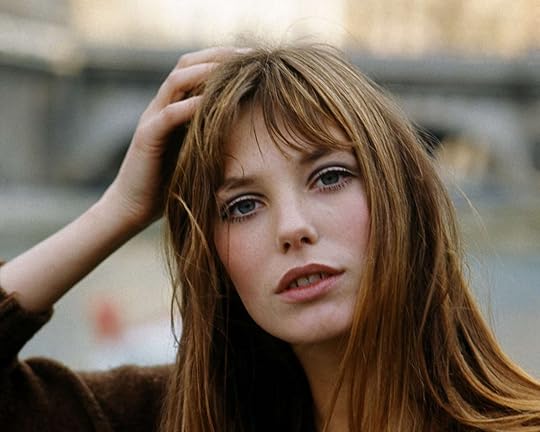
𝓐𝓗𝓗𝓗𝓗𝓗𝓗𝓗𝓗𝓗𝓗𝓗𝓗 𝓘 𝓛𝓞𝓥𝓔 𝓗𝓔𝓡 🫧💗✨
⊹₊˚‧︵‿₊୨ᰔ୧₊‿︵‧˚₊⊹
i didn't get a birkin. instead i got
👜 a 231 page wikipedia page
👜 a cast of neurotic celebrities
👜 a biographer who can supposedly mindread dead people
👜 repetitive repetitive back-handed compliments of jane repetitive repetitive
👜 incredibly triggered
𝓑𝓤𝓣 𝓗𝓔𝓨 𝓣𝓗𝓐𝓝𝓚 𝓨𝓞𝓤 𝓕𝓞𝓡 𝓜𝓐𝓚𝓘𝓝𝓖 𝓜𝓔 𝓕𝓐𝓛𝓛 𝓘𝓝 𝓛𝓞𝓥𝓔 𝓦𝓘𝓣𝓗 𝓙𝓐𝓝𝓔 𝓑𝓘𝓡𝓚𝓘𝓝 🫧💗✨
⊹₊˚‧︵‿₊୨ᰔ୧₊‿︵‧˚₊⊹
interestingly i found jane SO goddamn relatable in all her turmoil, insecurities, spontaneity, and neuroticism (RESPECTFULLY). she was this beautiful, chaotic mix of sweetness & sultriness, muse & artist, carrying around this adorable basket & 3 daughters & JUST PURE CHARM ˚.🎀༘⋆
what a sweetheart. what a superstar. what an ICON.
⊹₊˚‧︵‿₊୨ᰔ୧₊‿︵‧˚₊⊹
ALSO READ THIS
"The story of the Birkin bag began as the ultimate serendipitous meet-cute. Jane Birkin was on an Air France flight to London from Paris in 1983 and had been upgraded to first class. The basket bag she carried, her signature since her London years, was in poor shape. Jacques Doillon had reversed his car over the bag a few days prior after a petty but nonetheless deeply felt argument, which he capped off by yelling, “It’s terrible for you to be known for your object.” As she boarded the plane, all her life’s effects were falling out of it: wallet, keys, pens, business cards, diapers for Lou, cigarettes, glasses.
The man seated next to her eyed the scenario and suggested she should consider owning a bag with pockets. She sighed and told him that the day Hermès made one with pockets, that would be lovely and she would buy it. He responded that he was Hermès, so he could do exactly that."
⊹₊˚‧︵‿₊୨ᰔ୧₊‿︵‧˚₊⊹
~ 𝓶𝓸𝓻𝓮 𝓯𝓾𝓷 𝓯𝓪𝓬𝓽𝓼 ~
jane owned 5 birkins
jane donated birkin #1 to charity
birkin #1 was sold @ auction for $10.1 MILLION
⊹₊˚‧︵‿₊୨ᰔ୧₊‿︵‧˚₊⊹
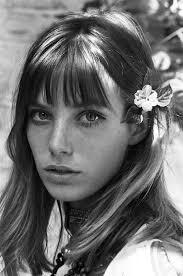
𝓘 𝓛𝓞𝓥𝓔 𝓨𝓞𝓤 𝓙𝓐𝓝𝓔 𝓑𝓘𝓡𝓚𝓘𝓝 🫧💗✨
⊹₊˚‧︵‿₊୨ᰔ୧₊‿︵‧˚₊⊹
˚.🎀༘⋆ 𝕡𝕣𝕖𝕣𝕖𝕒𝕕 ˚.🎀༘⋆
reading this so i can collect my women's history month bookmark...and hopefully a birkin 💋
𝓐𝓗𝓗𝓗𝓗𝓗𝓗𝓗𝓗𝓗𝓗𝓗𝓗 𝓘 𝓛𝓞𝓥𝓔 𝓗𝓔𝓡 🫧💗✨
⊹₊˚‧︵‿₊୨ᰔ୧₊‿︵‧˚₊⊹
i didn't get a birkin. instead i got
👜 a 231 page wikipedia page
👜 a cast of neurotic celebrities
👜 a biographer who can supposedly mindread dead people
👜 repetitive repetitive back-handed compliments of jane repetitive repetitive
👜 incredibly triggered
𝓑𝓤𝓣 𝓗𝓔𝓨 𝓣𝓗𝓐𝓝𝓚 𝓨𝓞𝓤 𝓕𝓞𝓡 𝓜𝓐𝓚𝓘𝓝𝓖 𝓜𝓔 𝓕𝓐𝓛𝓛 𝓘𝓝 𝓛𝓞𝓥𝓔 𝓦𝓘𝓣𝓗 𝓙𝓐𝓝𝓔 𝓑𝓘𝓡𝓚𝓘𝓝 🫧💗✨
⊹₊˚‧︵‿₊୨ᰔ୧₊‿︵‧˚₊⊹
interestingly i found jane SO goddamn relatable in all her turmoil, insecurities, spontaneity, and neuroticism (RESPECTFULLY). she was this beautiful, chaotic mix of sweetness & sultriness, muse & artist, carrying around this adorable basket & 3 daughters & JUST PURE CHARM ˚.🎀༘⋆
what a sweetheart. what a superstar. what an ICON.
⊹₊˚‧︵‿₊୨ᰔ୧₊‿︵‧˚₊⊹
ALSO READ THIS
"The story of the Birkin bag began as the ultimate serendipitous meet-cute. Jane Birkin was on an Air France flight to London from Paris in 1983 and had been upgraded to first class. The basket bag she carried, her signature since her London years, was in poor shape. Jacques Doillon had reversed his car over the bag a few days prior after a petty but nonetheless deeply felt argument, which he capped off by yelling, “It’s terrible for you to be known for your object.” As she boarded the plane, all her life’s effects were falling out of it: wallet, keys, pens, business cards, diapers for Lou, cigarettes, glasses.
The man seated next to her eyed the scenario and suggested she should consider owning a bag with pockets. She sighed and told him that the day Hermès made one with pockets, that would be lovely and she would buy it. He responded that he was Hermès, so he could do exactly that."
⊹₊˚‧︵‿₊୨ᰔ୧₊‿︵‧˚₊⊹
~ 𝓶𝓸𝓻𝓮 𝓯𝓾𝓷 𝓯𝓪𝓬𝓽𝓼 ~
jane owned 5 birkins
jane donated birkin #1 to charity
birkin #1 was sold @ auction for $10.1 MILLION
⊹₊˚‧︵‿₊୨ᰔ୧₊‿︵‧˚₊⊹
𝓘 𝓛𝓞𝓥𝓔 𝓨𝓞𝓤 𝓙𝓐𝓝𝓔 𝓑𝓘𝓡𝓚𝓘𝓝 🫧💗✨
⊹₊˚‧︵‿₊୨ᰔ୧₊‿︵‧˚₊⊹
˚.🎀༘⋆ 𝕡𝕣𝕖𝕣𝕖𝕒𝕕 ˚.🎀༘⋆
reading this so i can collect my women's history month bookmark...and hopefully a birkin 💋

July 28, 2025
3.25 ⭐️ | i believe in its initial promise, it girl sets out to paint jane as more than just a muse, but as the author of her own story. but, sadly what it ultimately does in my opinion, is reinforce the narrative it seeks to challenge.
meltzer tries to position jane’s obsessive journaling and self-documentation as an act of authorship. that one day, through her own words, she would be remembered on her terms. but, despite this thesis, the book primarily tells her story through the lens of her romantic relationships. each man serving as a narrative bookend, marking the beginning and end of each chapter of her life, with jane’s identity being shaped by these men, rather than in spite of them.
in the end, because of my lack of knowledge on jane, the book was a page turner, but it left me wanting more of her, and less of the men who framed her.
meltzer tries to position jane’s obsessive journaling and self-documentation as an act of authorship. that one day, through her own words, she would be remembered on her terms. but, despite this thesis, the book primarily tells her story through the lens of her romantic relationships. each man serving as a narrative bookend, marking the beginning and end of each chapter of her life, with jane’s identity being shaped by these men, rather than in spite of them.
in the end, because of my lack of knowledge on jane, the book was a page turner, but it left me wanting more of her, and less of the men who framed her.
October 31, 2025
There’s no meat here really. And I wish there were pictures.

October 16, 2025
look at how they massacred my girl < / 3
jane baby….you deserved so much better.
let’s make it clear from the start that i am not rating jane’s life, she’s my icon & my everything; i’m rating this abysmal attempt at chronicling her life. & it was abysmal.
marisa! we were all rooting for you!!!! this was perhaps my most highly anticipated book of the year & it could not have let me down more. we get a dry, detached, distant retelling of the jane birkin wikipedia page (i would’ve rather read that, tbh!). it felt so impersonal & bland that i’m concerned about why the author would write about something that she clearly seemed uninterested in.
i have a major problem with how this book was structured, considering marisa frames this book as being ‘jane in her own words’, but then proceeds to prop her entire life up against the backdrop of the men she was involved with. “she is painfully aware of her reputation as a perky, sexy sprite who is at her best when she’s inspiring great men.” GIRL. you’re actually kidding. how misogynistic & weird to let your book & ‘research’ fall into the same trap history did in infamizing a woman who was so much more than a muse.
oftentimes while reading I had to remind myself i was reading a book about jane birkin & not one of the men she dated. so much prime page space was taken up with accounts of these men’s actions instead of the spotlight being on who we’re actually here for. if it wasn’t highlighting the men & how jane fell apart at their every move, it was the author spending way too much time on minor public appearances or explaining movie synopses for an entire page. god, what a disappointment.
i did enjoy that the author only spent a chapter on the infamous ‘birkin bag’, as jane herself didn’t enjoy her namesake becoming synonymous with high luxury. she was a wild, free spirit who simply desired a bag to carry the things she had, not inadvertently become a symbol of exclusivity. it never fit her inner narrative & it definitely wasn’t the thing she wanted to be known for. unfortunately however, this book didn’t give us much else to work with in the form of challenging our preconceived notions of jane.
if you’re interested in jane & the woman she was, please please please read her personal journal entries, especially those in ‘munkey diaries’. they give a much more intimate & accurate portrait of the life she led & the things she experienced— in her own words too!
i love jane, her life, & her work. she is my forever girl crush & fashion icon. only wish this biography could have done her justice.
jane baby….you deserved so much better.
let’s make it clear from the start that i am not rating jane’s life, she’s my icon & my everything; i’m rating this abysmal attempt at chronicling her life. & it was abysmal.
marisa! we were all rooting for you!!!! this was perhaps my most highly anticipated book of the year & it could not have let me down more. we get a dry, detached, distant retelling of the jane birkin wikipedia page (i would’ve rather read that, tbh!). it felt so impersonal & bland that i’m concerned about why the author would write about something that she clearly seemed uninterested in.
i have a major problem with how this book was structured, considering marisa frames this book as being ‘jane in her own words’, but then proceeds to prop her entire life up against the backdrop of the men she was involved with. “she is painfully aware of her reputation as a perky, sexy sprite who is at her best when she’s inspiring great men.” GIRL. you’re actually kidding. how misogynistic & weird to let your book & ‘research’ fall into the same trap history did in infamizing a woman who was so much more than a muse.
oftentimes while reading I had to remind myself i was reading a book about jane birkin & not one of the men she dated. so much prime page space was taken up with accounts of these men’s actions instead of the spotlight being on who we’re actually here for. if it wasn’t highlighting the men & how jane fell apart at their every move, it was the author spending way too much time on minor public appearances or explaining movie synopses for an entire page. god, what a disappointment.
i did enjoy that the author only spent a chapter on the infamous ‘birkin bag’, as jane herself didn’t enjoy her namesake becoming synonymous with high luxury. she was a wild, free spirit who simply desired a bag to carry the things she had, not inadvertently become a symbol of exclusivity. it never fit her inner narrative & it definitely wasn’t the thing she wanted to be known for. unfortunately however, this book didn’t give us much else to work with in the form of challenging our preconceived notions of jane.
if you’re interested in jane & the woman she was, please please please read her personal journal entries, especially those in ‘munkey diaries’. they give a much more intimate & accurate portrait of the life she led & the things she experienced— in her own words too!
i love jane, her life, & her work. she is my forever girl crush & fashion icon. only wish this biography could have done her justice.

Did Not Finish
January 16, 2026dnf at 46% because my libby loan expired and i wasn’t all that interested — takes WORK to lose my interest in JANE BIRKIN

August 27, 2025
Major thanks to Atria Books for sending me an ARC of this in exchange for my honest thoughts:
“𝘛𝘩𝘦 𝘯𝘢𝘵𝘶𝘳𝘦 𝘰𝘧 𝘩𝘦𝘳 𝘧𝘢𝘮𝘦 𝘤𝘢𝘯 𝘰𝘯𝘭𝘺 𝘳𝘦𝘢𝘭𝘭𝘺 𝘣𝘦 𝘶𝘯𝘥𝘦𝘳𝘴𝘵𝘰𝘰𝘥 𝘸𝘩𝘦𝘯 𝘪𝘵’𝘴 𝘴𝘦𝘦𝘯 𝘪𝘯 𝘢 𝘩𝘰𝘭𝘪𝘴𝘵𝘪𝘤 𝘮𝘢𝘯𝘯𝘦𝘳. 𝘚𝘩𝘦 𝘸𝘢𝘴 𝘢 𝘤𝘰𝘮𝘱𝘭𝘦𝘹 𝘢𝘯𝘥 𝘧𝘭𝘢𝘸𝘦𝘥 𝘸𝘰𝘮𝘢𝘯 𝘸𝘩𝘰 𝘸𝘢𝘴 𝘱𝘢𝘳𝘴𝘪𝘯𝘨 𝘢 𝘸𝘦𝘣 𝘰𝘧 𝘢𝘮𝘣𝘪𝘵𝘪𝘰𝘯𝘴, 𝘤𝘳𝘦𝘢𝘵𝘪𝘷𝘪𝘵𝘺, 𝘢𝘯𝘥 𝘳𝘦𝘭𝘢𝘵𝘪𝘰𝘯𝘴𝘩𝘪𝘱𝘴. 𝘏𝘦𝘳 𝘪𝘮𝘢𝘨𝘦 𝘸𝘢𝘴, 𝘰𝘷𝘦𝘳 𝘢𝘯𝘥 𝘰𝘷𝘦𝘳, 𝘵𝘢𝘬𝘦𝘯 𝘢𝘸𝘢𝘺 𝘧𝘳𝘰𝘮 𝘩𝘦𝘳, 𝘢𝘯𝘥 𝘺𝘦𝘵 𝘴𝘩𝘦 𝘸𝘰𝘳𝘬𝘦𝘥 𝘵𝘰 𝘵𝘢𝘬𝘦 𝘪𝘵 𝘣𝘢𝘤𝘬 𝘢𝘯𝘥 𝘸𝘳𝘦𝘴𝘵𝘭𝘦 𝘸𝘪𝘵𝘩 𝘩𝘦𝘳 𝘰𝘸𝘯 𝘩𝘪𝘴𝘵𝘰𝘳𝘺. 𝘐𝘵 𝘸𝘢𝘴 𝘯𝘰𝘵 𝘰𝘯𝘦 𝘰𝘶𝘵𝘧𝘪𝘵, 𝘰𝘯𝘦 𝘳𝘦𝘭𝘢𝘵𝘪𝘰𝘯𝘴𝘩𝘪𝘱, 𝘰𝘯𝘦 𝘴𝘰𝘯𝘨, 𝘰𝘳 𝘰𝘯𝘦 𝘳𝘰𝘭𝘦. 𝘑𝘢𝘯𝘦 𝘉𝘪𝘳𝘬𝘪𝘯 𝘮𝘢𝘥𝘦 𝘩𝘦𝘳𝘴𝘦𝘭𝘧 𝘳𝘦𝘢𝘭.”
You, me, and like many others, we’ve only known Jane maybe from that one Gainsbourg song or that one film she starred so little in. And hell, yes, from the bag, but not much more. She was a woman who always claimed to be an icon, but for so long I had no clue who she was or what she actually did.
Meltzer creates a wholistic profile, hitting all the strong points. Did you know Birkin was originally English? Did you know she was still learning to speak French on the set of La Piscine? Did you know that during the midst of Gainsbourg’s death, her father also passed away? Or how she sold her own Birkin bags to help with the AIDS crisis?
A collection of artifacts from the icon’s life strung together stamped by the creative men in her life as well as the best parts of her diary entries all done in digestible magazine writing. Perfect for anyone curious of Jane’s life and background.
“𝘛𝘩𝘦 𝘯𝘢𝘵𝘶𝘳𝘦 𝘰𝘧 𝘩𝘦𝘳 𝘧𝘢𝘮𝘦 𝘤𝘢𝘯 𝘰𝘯𝘭𝘺 𝘳𝘦𝘢𝘭𝘭𝘺 𝘣𝘦 𝘶𝘯𝘥𝘦𝘳𝘴𝘵𝘰𝘰𝘥 𝘸𝘩𝘦𝘯 𝘪𝘵’𝘴 𝘴𝘦𝘦𝘯 𝘪𝘯 𝘢 𝘩𝘰𝘭𝘪𝘴𝘵𝘪𝘤 𝘮𝘢𝘯𝘯𝘦𝘳. 𝘚𝘩𝘦 𝘸𝘢𝘴 𝘢 𝘤𝘰𝘮𝘱𝘭𝘦𝘹 𝘢𝘯𝘥 𝘧𝘭𝘢𝘸𝘦𝘥 𝘸𝘰𝘮𝘢𝘯 𝘸𝘩𝘰 𝘸𝘢𝘴 𝘱𝘢𝘳𝘴𝘪𝘯𝘨 𝘢 𝘸𝘦𝘣 𝘰𝘧 𝘢𝘮𝘣𝘪𝘵𝘪𝘰𝘯𝘴, 𝘤𝘳𝘦𝘢𝘵𝘪𝘷𝘪𝘵𝘺, 𝘢𝘯𝘥 𝘳𝘦𝘭𝘢𝘵𝘪𝘰𝘯𝘴𝘩𝘪𝘱𝘴. 𝘏𝘦𝘳 𝘪𝘮𝘢𝘨𝘦 𝘸𝘢𝘴, 𝘰𝘷𝘦𝘳 𝘢𝘯𝘥 𝘰𝘷𝘦𝘳, 𝘵𝘢𝘬𝘦𝘯 𝘢𝘸𝘢𝘺 𝘧𝘳𝘰𝘮 𝘩𝘦𝘳, 𝘢𝘯𝘥 𝘺𝘦𝘵 𝘴𝘩𝘦 𝘸𝘰𝘳𝘬𝘦𝘥 𝘵𝘰 𝘵𝘢𝘬𝘦 𝘪𝘵 𝘣𝘢𝘤𝘬 𝘢𝘯𝘥 𝘸𝘳𝘦𝘴𝘵𝘭𝘦 𝘸𝘪𝘵𝘩 𝘩𝘦𝘳 𝘰𝘸𝘯 𝘩𝘪𝘴𝘵𝘰𝘳𝘺. 𝘐𝘵 𝘸𝘢𝘴 𝘯𝘰𝘵 𝘰𝘯𝘦 𝘰𝘶𝘵𝘧𝘪𝘵, 𝘰𝘯𝘦 𝘳𝘦𝘭𝘢𝘵𝘪𝘰𝘯𝘴𝘩𝘪𝘱, 𝘰𝘯𝘦 𝘴𝘰𝘯𝘨, 𝘰𝘳 𝘰𝘯𝘦 𝘳𝘰𝘭𝘦. 𝘑𝘢𝘯𝘦 𝘉𝘪𝘳𝘬𝘪𝘯 𝘮𝘢𝘥𝘦 𝘩𝘦𝘳𝘴𝘦𝘭𝘧 𝘳𝘦𝘢𝘭.”
You, me, and like many others, we’ve only known Jane maybe from that one Gainsbourg song or that one film she starred so little in. And hell, yes, from the bag, but not much more. She was a woman who always claimed to be an icon, but for so long I had no clue who she was or what she actually did.
Meltzer creates a wholistic profile, hitting all the strong points. Did you know Birkin was originally English? Did you know she was still learning to speak French on the set of La Piscine? Did you know that during the midst of Gainsbourg’s death, her father also passed away? Or how she sold her own Birkin bags to help with the AIDS crisis?
A collection of artifacts from the icon’s life strung together stamped by the creative men in her life as well as the best parts of her diary entries all done in digestible magazine writing. Perfect for anyone curious of Jane’s life and background.
January 5, 2026
Maybe like me, your first association with Jane Birkin is the Hermes Birkin bag. If not for The Gilmore Girls, I'm not sure I would know about Birkin bags at all. As Marisa Meltzer shows, there was a lot more to Jane Birkin. Her parents sent her to Paris as a teenager hoping it would give her some direction. She slowly acclimated, marrying an older man, and cultivated an iconic, eccentric style. She made it into French films and music. Meltzer keeps the pace quick and sensitively handles the difficulties Birkin faced. In the epilogue Meltzer alludes to the MeToo movement and "sexual politics" in France. Some (including me) question Birkin's choices in men. Meltzer also discusses Birkin's determination to continue touring when she was extremely ill.

March 31, 2026
3.25 stars

November 27, 2025
I’ve seen people label the book detached, flat, and uniterested.
To me, it was a perfectly good and captivating journey through Jane’s life and art.
A main criticism I’ve seen is that Jane’s story is partly told through the men in her life. In my opinion, the great loves of her life and her existence in those relationships are not a reductionist point of view. Rather, I felt like a learnt a lot from her through those descriptions.
Brb when I go watch her movies and listen to her whisper-sung French pop <3
To me, it was a perfectly good and captivating journey through Jane’s life and art.
A main criticism I’ve seen is that Jane’s story is partly told through the men in her life. In my opinion, the great loves of her life and her existence in those relationships are not a reductionist point of view. Rather, I felt like a learnt a lot from her through those descriptions.
Brb when I go watch her movies and listen to her whisper-sung French pop <3

November 16, 2025
I learned so much! Such an amazing life!

Read
March 3, 2026“And the fact that I won’t be there to comfort you, that I’ll be gone. I put you in orbit only to abandon you,” — there is so much loss and grief in this book it’s so sad

March 28, 2026
A good biography about a fascinating woman. This was easy to read and pretty entertaining. I knew almost nothing about Jane Birkin besides the bag, so I enjoyed learning about her!
I would've liked this more if the author had the chance to interview people close to Birkin instead of just building a timeline, but this probably would've gone in a different direction in that case. As a side note, I listened to some of Jane Birkin and Serge Gainsbourg's music and I did not like it. 'Je t'aime moi non plus' wasn't terrible, but Birkin's awful French accent is grating, especially in songs like 'Ex fan des sixties' and '69 année érotique.' It was a pretty funny listening experience though.
I would've liked this more if the author had the chance to interview people close to Birkin instead of just building a timeline, but this probably would've gone in a different direction in that case. As a side note, I listened to some of Jane Birkin and Serge Gainsbourg's music and I did not like it. 'Je t'aime moi non plus' wasn't terrible, but Birkin's awful French accent is grating, especially in songs like 'Ex fan des sixties' and '69 année érotique.' It was a pretty funny listening experience though.

January 6, 2026
There was so much to Birkin's life that I had no idea about. When I found myself wishing for my detail places, I reminded myself that its not a memoir and Meltzer was at the mercy of journals. I do wish she had the blessing of Birkins family and best friend, which would have made this more conclusive and credible.

November 11, 2025
- it’s so funny how much jane birkin hates the birkin bag
- this author doesn’t give a FUCKKK about jane. the book was so distant and cold
- all of the men in her life should HAVE BEEN IN JAIL GOOD GOD
- this author doesn’t give a FUCKKK about jane. the book was so distant and cold
- all of the men in her life should HAVE BEEN IN JAIL GOOD GOD

October 26, 2025
From posing wicker bags to one of the most iconic luxury bags still dominating the high fashion, Jane Birkin had lived quite the colorful life.


March 30, 2026
This book made me feel poor, boring and inspired all at once

March 4, 2026
لقد حاولت ... حاولت عصر ليمونة على نفسي لأكمل الكتاب ولكني لم أقدر ..
لأول مرة في حياتي لا أكمل كتاب !! ولكن هذا الكتاب يملل الملل بذاته .. أمضيت حوالي 40 صفحة من التحامل على نفسي لأقرأ ما بدا كصفحة ويكيبيديا ممطوطة مط لا يصدق، وطريقة السرد أشعرتني وكأن الكاتبة لا تريد بذل مجهود، جين بيركين ترتدي كذا وتزوجت كذا ومثلت بأفلام كذا .. وانتهى الأمر
جربت الانتقال إلى الفصل الأخير بعد أن فاض بي الكيل وعندها أيقنت أنني لم أفوّت شيئا يستحق !!
الوقت غالي جدا لأضيعه على شئ لا يمتعني أو يفيدني .. كتاب غير مثير للإهتمام وببساطة ردئ ..
لأول مرة في حياتي لا أكمل كتاب !! ولكن هذا الكتاب يملل الملل بذاته .. أمضيت حوالي 40 صفحة من التحامل على نفسي لأقرأ ما بدا كصفحة ويكيبيديا ممطوطة مط لا يصدق، وطريقة السرد أشعرتني وكأن الكاتبة لا تريد بذل مجهود، جين بيركين ترتدي كذا وتزوجت كذا ومثلت بأفلام كذا .. وانتهى الأمر
جربت الانتقال إلى الفصل الأخير بعد أن فاض بي الكيل وعندها أيقنت أنني لم أفوّت شيئا يستحق !!
الوقت غالي جدا لأضيعه على شئ لا يمتعني أو يفيدني .. كتاب غير مثير للإهتمام وببساطة ردئ ..

May 12, 2026
It’s no doubt Jane Birkin was legendary; I just wish the biography packed more of a punch! Informative, yes, but a rather dry and dull account of Birkin’s life and legacy. Many of the statements felt repetitive and began to run together after a point, and the epilogue felt rushed and a bit clunky. I’d give this a flat 3 stars.

December 22, 2025
J’adore!
October 29, 2025
Embarrassed to say the only thing I knew about Jane Birkin prior to this book was her namesake the bag. That being said Meltzer is a talented writer and I found the life of Jane Birkin to be very chaotic but fun to read about. (I will say if you are reading for the history of the bag it is 1 sole chapter)

October 20, 2025
This book was a happy surprise. I picked it up because I’m a fan of Marisa Meltzer’s previous work… and tbh, I liked the cover. Though I’ve always known of the Birkin Bag, I knew little to nothing about Jane Birkin. What I came to love most about this book was the exploration of the disconnect between who Jane Birkin was as a person versus how she was perceived as a muse. For much of her life, she was defined by the projections of the men around her, rather than recognized as the creative, complex individual she truly was. In fact, she barely had anything to do with the creation of the Birkin bag — other than being in the right place at the right time. The bag became a true metaphor for how she’s continually shaped by others narratives. It made me appreciate her aptitude for fashion, as it was the only way, during (many) complicated times, she was able to find autonomy.

August 26, 2025
It Girl is the story of Jane Birkin (yes, of Birkin bag fame), an icon of the 1960s--primarily, it would seem, just for being herself. She was admired, copied, followed. She sang, acted in many films, and was involved in a highly publicized and romanticized relationship with Serge Gainsbourg (who was a well-known French singer/songwriter, actor, composer and director.
Birkin was born to an affluent English family, attending well-established and well-known schools who moved to France in her late teens and somehow drifted into fame and, if not fortune, at least a living. Her first short marriage was a disaster, her second (to famed composer John Barry) tumultuous and longer lasting partnership with Serge Gainsbourg also tumultuous as well as passionate. Birkin recorded an album with Gainsbourg and, despite not ever fully mastering the language, became the prototype of "the French girl."
Birkin had three long term relationships and came out of each with a daughter. She was an adoring mother if somewhat unorthodox and determined to remain relevant and fun, she and Gainsbourg lived their life freely and extravagantly, bringing the children with them. All three daughters achieved fame for themselves in the creative arts. I am most familiar with Kate Barry's photography. Gifted and struggling with substance abuse issues since adolescence, Barry died at 46 years old in a fall from in what was considered most likely a suicide. Some of the most moving pages in this book are about Barry's death and Birkin's devastation.
In Meltzer's very entertaining account, Birkin comes across as likable, quirky, a woman who was for years only the image of the gaze of other people. Birkin struggled to develop her own identity as an artist and ultimately as someone other than part of a romantic couple. She kept a journal, which Meltzer quotes frequently, giving us a better sense of the woman in her own words.
Birkin appeared in Blow-Up in a small role which, nevertheless garnered much attention and in two Agatha Christie films. After reading this book, I tracked down a copy of Beautiful Troublemaker--a wonderful film with a fascinating performance by Birkin.
One of the best qualities of this book is that it created in me an interest in its subject so that I did things like track down films she is in and recordings of her singing. (My opinion: Birkin as an appealing if somewhat thin voice--I'm not sure how "good" she is, but like the clothes she wore, and the wicker basket she carried, she became a huge success in her adopted country)
This is a delightful book, interesting, engaging, fun and at times moving. It brought back a time, an era of which I was just becoming aware at the time and highlights a major trendsetter in it. It held my interest throughout.
In short, I loved it and better than most celebrity bios.
My thanks to Atria Books, NetGalley and the author for providing me with a free advance copy of the book i9 exchange for an honest review. It Girl will be published October 7, 2025.
Birkin was born to an affluent English family, attending well-established and well-known schools who moved to France in her late teens and somehow drifted into fame and, if not fortune, at least a living. Her first short marriage was a disaster, her second (to famed composer John Barry) tumultuous and longer lasting partnership with Serge Gainsbourg also tumultuous as well as passionate. Birkin recorded an album with Gainsbourg and, despite not ever fully mastering the language, became the prototype of "the French girl."
Birkin had three long term relationships and came out of each with a daughter. She was an adoring mother if somewhat unorthodox and determined to remain relevant and fun, she and Gainsbourg lived their life freely and extravagantly, bringing the children with them. All three daughters achieved fame for themselves in the creative arts. I am most familiar with Kate Barry's photography. Gifted and struggling with substance abuse issues since adolescence, Barry died at 46 years old in a fall from in what was considered most likely a suicide. Some of the most moving pages in this book are about Barry's death and Birkin's devastation.
In Meltzer's very entertaining account, Birkin comes across as likable, quirky, a woman who was for years only the image of the gaze of other people. Birkin struggled to develop her own identity as an artist and ultimately as someone other than part of a romantic couple. She kept a journal, which Meltzer quotes frequently, giving us a better sense of the woman in her own words.
Birkin appeared in Blow-Up in a small role which, nevertheless garnered much attention and in two Agatha Christie films. After reading this book, I tracked down a copy of Beautiful Troublemaker--a wonderful film with a fascinating performance by Birkin.
One of the best qualities of this book is that it created in me an interest in its subject so that I did things like track down films she is in and recordings of her singing. (My opinion: Birkin as an appealing if somewhat thin voice--I'm not sure how "good" she is, but like the clothes she wore, and the wicker basket she carried, she became a huge success in her adopted country)
This is a delightful book, interesting, engaging, fun and at times moving. It brought back a time, an era of which I was just becoming aware at the time and highlights a major trendsetter in it. It held my interest throughout.
In short, I loved it and better than most celebrity bios.
My thanks to Atria Books, NetGalley and the author for providing me with a free advance copy of the book i9 exchange for an honest review. It Girl will be published October 7, 2025.

July 18, 2025
4.5 ⭐️ as a lifelong fan of Jane Birkin, I was very excited for this biography. The biography spans her entire life from childhood, which I personally knew the least about. I did find myself wishing it was more in depth at times in her adult years, there’s just so much to Jane and her life, but I specifically longed for more about her activism and passions for helping other. Overall it’s a fascinating story and I did really enjoy it.
Thank you to NetGalley for this ARC
Thank you to NetGalley for this ARC

April 4, 2026
Eh... I could have read Jane Birkin's Wikipedia page with the same result. Sometimes I wonder why such biographies exist if they don't come with anything new or insightful. I wanted a book that would capture the myth of Jane Birkin, the woman who inspired the Hermès Birkin bag and embodied the "French girl" style without being French, but I mostly got a dry biography that's just an enumeration of facts.
The book traces Birkin's life chronologically, from her childhood in post-war England to her rise to global fame. We have a bit of everything - her childhood, her early acting roles, her relationships, her music career, and her later-life reinvention as an activist. It was interesting to see how a shy, bullied English girl became the ultimate symbol of effortless cool without really intending to. We see both her career and the moments when she became a star (like the release of "Je t'aime… moi non plus", which is, to this day, one of my favourite songs) and her personal struggles with relationships, motherhood, illness, and grief. She was a fashion icon, but she was also a woman stuck in the same kind of relationships with older men, where she was infantilized and her agency was limited.
The good thing about this book is that Marissa Meltzer used Jane Birkin's diaries, which added some texture to the story, because we see some of her insecurities and her desire to be taken seriously. But the book missed the opportunity to address some issues like abuse and imbalance of power, especially in the relationship with Gainsbourg, who was a misogynist and abusive to her. These issues were glossed over.
I find Jane Birkin fascinating. She was a woman who shaped fashion and music, but unfortunately, she never fully controlled her own narrative until probably late in life. But her legacy is everywhere, from high-waisted flares to the most coveted handbag in the world. But reading this bio was also uncomfortable, because she normalized the controlling behaviour of the men in her life and criticized movements like #MeToo and defended people accused of abuse, and these issues were never critically examined by the author.
The book traces Birkin's life chronologically, from her childhood in post-war England to her rise to global fame. We have a bit of everything - her childhood, her early acting roles, her relationships, her music career, and her later-life reinvention as an activist. It was interesting to see how a shy, bullied English girl became the ultimate symbol of effortless cool without really intending to. We see both her career and the moments when she became a star (like the release of "Je t'aime… moi non plus", which is, to this day, one of my favourite songs) and her personal struggles with relationships, motherhood, illness, and grief. She was a fashion icon, but she was also a woman stuck in the same kind of relationships with older men, where she was infantilized and her agency was limited.
The good thing about this book is that Marissa Meltzer used Jane Birkin's diaries, which added some texture to the story, because we see some of her insecurities and her desire to be taken seriously. But the book missed the opportunity to address some issues like abuse and imbalance of power, especially in the relationship with Gainsbourg, who was a misogynist and abusive to her. These issues were glossed over.
I find Jane Birkin fascinating. She was a woman who shaped fashion and music, but unfortunately, she never fully controlled her own narrative until probably late in life. But her legacy is everywhere, from high-waisted flares to the most coveted handbag in the world. But reading this bio was also uncomfortable, because she normalized the controlling behaviour of the men in her life and criticized movements like #MeToo and defended people accused of abuse, and these issues were never critically examined by the author.

May 25, 2026
While it’s an interesting read, and I appreciated the research and the insight from Birkins diaries, I don’t think this book achieves what it sets out to do. For a biography that claims to assert Jane Birkin in her own right, not as a muse, or a namesake for a bag, this book spends an awful long time bookending Birkin’s life through the men who surrounded her.
This bleeds into everything. This biography heavily glosses over her activism, the external societal expectations of a woman in the various spaces she occupied (model, actor, musician in quite misogynistic environments), and I think dismisses a lot of Birkin’s choices into quite two-dimensional anecdotes.
It’s surprising too. Meltzer is a self-professed fan of Birkin, but it doesn’t read that way. This is oddly detached, it’s devoid of any passion towards its subject. It’s a testament to who Birkin was as a person that this was as enjoyable as it was.
I think this would have been supported by interviews with people who knew Birkin. Meltzer has the very personal diaries of Birkin, but thoughts, feelings, and ideas from all the other people in Bikrin’s life come from public sources, past interviews, films, and documentaries. It creates this added disconnect between Jane the person and Jane B Birkin the public figure, which is never really rectified. I struggled reading Birkins very personal thoughts paired with a public tidbit to “support” the thought. I didn’t find that it added much of anything, and instead made reading this feel all the more impersonal.
This bleeds into everything. This biography heavily glosses over her activism, the external societal expectations of a woman in the various spaces she occupied (model, actor, musician in quite misogynistic environments), and I think dismisses a lot of Birkin’s choices into quite two-dimensional anecdotes.
It’s surprising too. Meltzer is a self-professed fan of Birkin, but it doesn’t read that way. This is oddly detached, it’s devoid of any passion towards its subject. It’s a testament to who Birkin was as a person that this was as enjoyable as it was.
I think this would have been supported by interviews with people who knew Birkin. Meltzer has the very personal diaries of Birkin, but thoughts, feelings, and ideas from all the other people in Bikrin’s life come from public sources, past interviews, films, and documentaries. It creates this added disconnect between Jane the person and Jane B Birkin the public figure, which is never really rectified. I struggled reading Birkins very personal thoughts paired with a public tidbit to “support” the thought. I didn’t find that it added much of anything, and instead made reading this feel all the more impersonal.

November 19, 2025
3.5🌟 the only things I knew about Birkin before this were the bag and her ironic impact on French culture/beauty as a non French person. this was a story type account of her life from beginning to end with some side stories about her lovers and children to help paint a fuller picture. It was super fascinating and cool! I love learning about culture and influence at different times in history & so amazing to see Birkin’s influence in the “French girl aesthetic” even to this day. Though quite controversial at times, it’s clear the impact Birkin had. If anything this sparked more curiosity & led me down rabbit holes around Gainsbourg & other takes unpacking some of these tumultuous relationships & times in her lice. So fascinating & bingeable

Read
October 21, 2025No rating (nonfiction)
I loved this look at the life and legacy of Jane Birkin. When I picked up this book, I was simply fascinated on learning more about the woman behind the famous handbag. It Girl gives the reader so much more and deep dives into how Jane Birkin became the icon she is known as today. I loved the way Marisa Meltzer told the story of Birkin. She takes snippets from her personal diary, interviews both in person and in print, and her family.
I feel like this nonfiction book scratched an itch in my brain that was curious about how Birkin bags truly started and the woman behind it. There is always another side to a celebrity and Meltzer told the story with grace.
Thank you to Atria for an ARC and finished copy of this book! All thoughts and opinions are my own.
I loved this look at the life and legacy of Jane Birkin. When I picked up this book, I was simply fascinated on learning more about the woman behind the famous handbag. It Girl gives the reader so much more and deep dives into how Jane Birkin became the icon she is known as today. I loved the way Marisa Meltzer told the story of Birkin. She takes snippets from her personal diary, interviews both in person and in print, and her family.
I feel like this nonfiction book scratched an itch in my brain that was curious about how Birkin bags truly started and the woman behind it. There is always another side to a celebrity and Meltzer told the story with grace.
Thank you to Atria for an ARC and finished copy of this book! All thoughts and opinions are my own.
Displaying 1 - 30 of 517 reviews