

What do you think?

Как не написах роман
This work has been selected by scholars as being culturally important, and is part of the knowledge base of civilization as we know it. This work was reproduced from the original artifact, and remains as true to the original work as possible. Therefore, you will see the original copyright references, library stamps (as most of these works have been housed in our most important libraries around the world), and other notations in the work. This work is in the public domain in the United States of America, and possibly other nations. Within the United States, you may freely copy and distribute this work, as no entity (individual or corporate) has a copyright on the body of the work.As a reproduction of a historical artifact, this work may contain missing or blurred pages, poor pictures, errant marks, etc. Scholars believe, and we concur, that this work is important enough to be preserved, reproduced, and made generally available to the public. We appreciate your support of the preservation process, and thank you for being an important part of keeping this knowledge alive and relevant.
240 pages, Paperback
First published January 1, 1893
About the author
Jerome K. Jerome
902 books1,477 followersJerome Klapka Jerome was an English writer and humorist, best known for the comic travelogue Three Men in a Boat (1889). Other works include the essay collections Idle Thoughts of an Idle Fellow (1886) and Second Thoughts of an Idle Fellow; Three Men on the Bummel, a sequel to Three Men in a Boat; and several other novels. Jerome was born in Walsall, England, and, although he was able to attend grammar school, his family suffered from poverty at times, as did he as a young man trying to earn a living in various occupations. In his twenties, he was able to publish some work, and success followed. He married in 1888, and the honeymoon was spent on a boat on the River Thames; he published Three Men in a Boat soon afterwards. He continued to write fiction, non-fiction and plays over the next few decades, though never with the same level of success.
Ratings & Reviews
Friends & Following
Create a free account to discover what your friends think of this book!
Community Reviews
Displaying 1 - 30 of 30 reviews

December 10, 2015
seinfeld + sensibilitate.

January 21, 2015
Scriitura/umorul lui Jerome K Jerome seamana foarte bine cu tutunurile englezesti de pipa : iti trebuie ceva experienta in ale literaturii umoristice, ceva deschidere spre glumele britanice, un strop de rafinament. Nu e genul de umor facil, la care te rupi de ras si uiti in cinci secunde poanta. Nu. Este un umor tipic britanic, adesea grav, amestecat cu episoade triste. Cartile sale sunt practic puzzle-uri de povestiri si anecdote care ar fi putut umple volume bortosele de nuvele pentru un narator mai lacom de coala tipografica. De fiecare data personajele sale, indiferent de scopul intalnirii – merg cu barca, scriu un roman, se plimba cu bicicletele – se apuca sa povesteasca. Sunt naratori inveterati. Jerome K Jerome reduce totul la anecdota/povestirea/frantura de text esentiala, intr-un stil sobru si plin de umor, delicios dupa ce te-ai invatat. Dupa ce l-ai gustat, parca ai vrea doar tutun/umor englezesc. Nu mai vrei aromatice ieftine, cel putin nu la ocazii speciale. - See more at: http://cinabru.blogspot.ro/2008/09/je...
September 23, 2020
Some parts of this work give the impression that his most famous work, Three Men On A Boat (To Say Nothing Of The Dog), grew out of this one; that he'd, by then, given up on attempt to be taken seriously as a profound and serious author, and found his style.
This impression grows stronger, of course, when he describes his living on a houseboat with his family.
............
"Years ago, when I was very small, we lived in a great house in a long, straight, brown-coloured street, in the east end of London. It was a noisy, crowded street in the daytime; but a silent, lonesome street at night, when the gas-lights, few and far between, partook of the character of lighthouses rather than of illuminants, and the tramp, tramp of the policeman on his long beat seemed to be ever drawing nearer, or fading away, except for brief moments when the footsteps ceased, as he paused to rattle a door or window, or to flash his lantern into some dark passage leading down towards the river.
"The house had many advantages, so my father would explain to friends who expressed surprise at his choosing such a residence, and among these was included in my own small morbid mind the circumstance that its back windows commanded an uninterrupted view of an ancient and much-peopled churchyard. Often of a night would I steal from between the sheets, and climbing upon the high oak chest that stood before my bedroom window, sit peering down fearfully upon the aged gray tombstones far below, wondering whether the shadows that crept among them might not be ghosts--soiled ghosts that had lost their natural whiteness by long exposure to the city's smoke, and had grown dingy, like the snow that sometimes lay there."
His mother caught him at it and asked what he was doing, and he told about wondering how ghosts feel. She put him back in bed and sang, and he felt a tear fall on him.
"Poor little mother, she had a notion, founded evidently upon inborn belief rather than upon observation, that all children were angels, and that, in consequence, an altogether exceptional demand existed for them in a certain other place, where there are more openings for angels, rendering their retention in this world difficult and undependable. My talk about ghosts must have made that foolishly fond heart ache with a vague dread that night, and for many a night onward, I fear.
"For some time after this I would often look up to find my mother's eyes fixed upon me. Especially closely did she watch me at feeding times, and on these occasions, as the meal progressed, her face would acquire an expression of satisfaction and relief.
"Once, during dinner, I heard her whisper to my father (for children are not quite so deaf as their elders think), "He seems to eat all right."
""Eat!" replied my father in the same penetrating undertone; "if he dies of anything, it will be of eating."
"So my little mother grew less troubled, and, as the days went by, saw reason to think that my brother angels might consent to do without me for yet a while longer; and I, putting away the child with his ghostly fancies, became, in course of time, a grown-up person, and ceased to believe in ghosts, together with many other things that, perhaps, it were better for a man if he did believe in."
............
Subsequently years later the protagonist - named Harry, so the author isn't owning up being the protagonist - found the novel notes, titled so, which was a collection of endeavours by four friends, and this work is result of his polishing it up a little.
"Diving into a long unopened drawer, I had, by chance, drawn forth a dusty volume of manuscript, labelled upon its torn brown paper cover, NOVEL NOTES."
"The book was a compilation, half diary, half memoranda. In it lay the record of many musings, of many talks, and out of it--selecting what seemed suitable, adding, altering, and arranging--I have shaped the CHAPTERs that hereafter follow."
"When, on returning home one evening, after a pipe party at my friend Jephson's, I informed my wife that I was going to write a novel, she expressed herself as pleased with the idea. She said she had often wondered I had never thought of doing so before. "Look," she added, "how silly all the novels are nowadays; I'm sure you could write one." (Ethelbertha intended to be complimentary, I am convinced; but there is a looseness about her mode of expression which, at times, renders her meaning obscure.)
"When, however, I told her that my friend Jephson was going to collaborate with me, she remarked, "Oh," in a doubtful tone; and when I further went on to explain to her that Selkirk Brown and Derrick MacShaughnassy were also going to assist, she replied, "Oh," in a tone which contained no trace of doubtfulness whatever, and from which it was clear that her interest in the matter, as a practical scheme, had entirely evaporated."
............
Here on, for a while, readers familiar with the author have a treat in the style of his most famous works. Then he turns suddenly and begins to describe dreams, with increasing horror in the Hitchcock sense of doom impending but not quite getting there.
One seems prescient, or is it a common tale?
"In another dream that I remember, an angel (or a devil, I am not quite sure which) has come to a man and told him that so long as he loves no living human thing--so long as he never suffers himself to feel one touch of tenderness towards wife or child, towards kith or kin, towards stranger or towards friend, so long will he succeed and prosper in his dealings--so long will all this world's affairs go well with him; and he will grow each day richer and greater and more powerful. But if ever he let one kindly thought for living thing come into his heart, in that moment all his plans and schemes will topple down about his ears; and from that hour his name will be despised by men, and then forgotten.
"And the man treasures up these words, for he is an ambitious man, and wealth and fame and power are the sweetest things in all the world to him. A woman loves him and dies, thirsting for a loving look from him; children's footsteps creep into his life and steal away again, old faces fade and new ones come and go.
"But never a kindly touch of his hand rests on any living thing; never a kindly word comes from his lips; never a kindly thought springs from his heart. And in all his doings fortune favours him.
"The years pass by, and at last there is left to him only one thing that he need fear--a child's small, wistful face. The child loves him, as the woman, long ago, had loved him, and her eyes follow him with a hungry, beseeching look. But he sets his teeth, and turns away from her.
"The little face grows thin, and one day they come to him where he sits before the keyboard of his many enterprises, and tell him she is dying. He comes and stands beside the bed, and the child's eyes open and turn towards him; and, as he draws nearer, her little arms stretch out towards him, pleading dumbly. But the man's face never changes, and the little arms fall feebly back upon the tumbled coverlet, and the wistful eyes grow still, and a woman steps softly forward, and draws the lids down over them; then the man goes back to his plans and schemes.
"And he succeeds and prospers in all things, and each day he grows richer and greater and more powerful."
Seems too like the Getty story, or at least what was recently shown in a short serial based on history of the family, centred on the kidnapping of the grandson.
............
""But surely there are plenty of good heroines who are interesting," I said.
""At intervals--when they do something wrong," answered Jephson. "A consistently irreproachable heroine is as irritating as Socrates must have been to Xantippe, or as the model boy at school is to all the other lads. Take the stock heroine of the eighteenth-century romance. She never met her lover except for the purpose of telling him that she could not be his, and she generally wept steadily throughout the interview. She never forgot to turn pale at the sight of blood, nor to faint in his arms at the most inconvenient moment possible. She was determined never to marry without her father's consent, and was equally resolved never to marry anybody but the one particular person she was convinced he would never agree to her marrying. She was an excellent young woman, and nearly as uninteresting as a celebrity at home."
""Ah, but you're not talking about good women now," I observed. "You're talking about some silly person's idea of a good woman."
""I quite admit it," replied Jephson. "Nor, indeed, am I prepared to say what is a good woman. I consider the subject too deep and too complicated for any mere human being to give judgment upon. But I am talking of the women who conformed to the popular idea of maidenly goodness in the age when these books were written. You must remember goodness is not a known quantity. It varies with every age and every locality, and it is, generally speaking, your 'silly persons' who are responsible for its varying standards. In Japan, a 'good' girl would be a girl who would sell her honour in order to afford little luxuries to her aged parents. In certain hospitable islands of the torrid zone the 'good' wife goes to lengths that we should deem altogether unnecessary in making her husband's guest feel himself at home. In ancient Hebraic days, Jael was accounted a good woman for murdering a sleeping man, and Sarai stood in no danger of losing the respect of her little world when she led Hagar unto Abraham. In eighteenth-century England, supernatural stupidity and dulness of a degree that must have been difficult to attain, were held to be feminine virtues--indeed, they are so still--and authors, who are always among the most servile followers of public opinion, fashioned their puppets accordingly. Nowadays 'slumming' is the most applauded virtue, and so all our best heroines go slumming, and are 'good to the poor.'""
............
""'No poor!' exclaimed the lady. 'No poor people in the village, or anywhere near?'"
""'I'm sorry to hear that,' said the lady, in a tone of disappointment. 'The place would have suited me so admirably but for that.'"
""My cousin cudgelled his brains again. He did not intend to let a purchaser slip through his fingers if he could help it. At last a bright thought flashed into his mind. 'I'll tell you what we could do,' he said. 'There's a piece of waste land the other end of the village that we've never been able to do much with, in consequence of its being so swampy. If you liked, we could run you up a dozen cottages on that, cheap--it would be all the better their being a bit ramshackle and unhealthy--and get some poor people for you, and put into them.'"
""It ended in the lady's accepting my cousin's offer, and giving him a list of the poor people she would like to have. She selected one bedridden old woman (Church of England preferred); one paralytic old man; one blind girl who would want to be read aloud to; one poor atheist, willing to be converted; two cripples; one drunken father who would consent to be talked to seriously; one disagreeable old fellow, needing much patience; two large families, and four ordinary assorted couples."
""The plan worked exceedingly well, and does so, my cousin tells me, to this day. The drunken father has completely conquered his dislike to strong drink. He has not been sober now for over three weeks, and has lately taken to knocking his wife about. The disagreeable fellow is most conscientious in fulfilling his part of the bargain, and makes himself a perfect curse to the whole village. The others have dropped into their respective positions and are working well. The lady visits them all every afternoon, and is most charitable. They call her Lady Bountiful, and everybody blesses her.""
............
""It happened in a tiny Yorkshire village--a peaceful, respectable spot, where folks found life a bit slow. One day, however, a new curate arrived, and that woke things up considerably. He was a nice young man, and, having a large private income of his own, was altogether a most desirable catch. Every unmarried female in the place went for him with one accord.
""But ordinary feminine blandishments appeared to have no effect upon him. He was a seriously inclined young man, and once, in the course of a casual conversation upon the subject of love, he was heard to say that he himself should never be attracted by mere beauty and charm. What would appeal to him, he said, would be a woman's goodness--her charity and kindliness to the poor.
""Well, that set the petticoats all thinking. They saw that in studying fashion plates and practising expressions they had been going upon the wrong tack. The card for them to play was 'the poor.' But here a serious difficulty arose. There was only one poor person in the whole parish, a cantankerous old fellow who lived in a tumble-down cottage at the back of the church, and fifteen able-bodied women (eleven girls, three old maids, and a widow) wanted to be 'good' to him.
""Miss Simmonds, one of the old maids, got hold of him first, and commenced feeding him twice a day with beef-tea; and then the widow boarded him with port wine and oysters. Later in the week others of the party drifted in upon him, and wanted to cram him with jelly and chickens.
""The old man couldn't understand it. He was accustomed to a small sack of coals now and then, accompanied by a long lecture on his sins, and an occasional bottle of dandelion tea. This sudden spurt on the part of Providence puzzled him. He said nothing, however, but continued to take in as much of everything as he could hold. At the end of a month he was too fat to get through his own back door.
""The competition among the women-folk grew keener every day, and at last the old man began to give himself airs, and to make the place hard for them. He made them clean his cottage out, and cook his meals, and when he was tired of having them about the house, he set them to work in the garden.
""They grumbled a good deal, and there was a talk at one time of a sort of a strike, but what could they do? He was the only pauper for miles round, and knew it. He had the monopoly, and, like all monopolises, he abused his position.
""He made them run errands. He sent them out to buy his 'baccy,' at their own expense. On one occasion he sent Miss Simmonds out with a jug to get his supper beer. She indignantly refused at first, but he told her that if she gave him any of her stuck-up airs out she would go, and never come into his house again. If she wouldn't do it there were plenty of others who would. She knew it and went.
""They had been in the habit of reading to him--good books with an elevating tendency. But now he put his foot down upon that sort of thing. He said he didn't want Sunday-school rubbish at his time of life. What he liked was something spicy. And he made them read him French -
This impression grows stronger, of course, when he describes his living on a houseboat with his family.
............
"Years ago, when I was very small, we lived in a great house in a long, straight, brown-coloured street, in the east end of London. It was a noisy, crowded street in the daytime; but a silent, lonesome street at night, when the gas-lights, few and far between, partook of the character of lighthouses rather than of illuminants, and the tramp, tramp of the policeman on his long beat seemed to be ever drawing nearer, or fading away, except for brief moments when the footsteps ceased, as he paused to rattle a door or window, or to flash his lantern into some dark passage leading down towards the river.
"The house had many advantages, so my father would explain to friends who expressed surprise at his choosing such a residence, and among these was included in my own small morbid mind the circumstance that its back windows commanded an uninterrupted view of an ancient and much-peopled churchyard. Often of a night would I steal from between the sheets, and climbing upon the high oak chest that stood before my bedroom window, sit peering down fearfully upon the aged gray tombstones far below, wondering whether the shadows that crept among them might not be ghosts--soiled ghosts that had lost their natural whiteness by long exposure to the city's smoke, and had grown dingy, like the snow that sometimes lay there."
His mother caught him at it and asked what he was doing, and he told about wondering how ghosts feel. She put him back in bed and sang, and he felt a tear fall on him.
"Poor little mother, she had a notion, founded evidently upon inborn belief rather than upon observation, that all children were angels, and that, in consequence, an altogether exceptional demand existed for them in a certain other place, where there are more openings for angels, rendering their retention in this world difficult and undependable. My talk about ghosts must have made that foolishly fond heart ache with a vague dread that night, and for many a night onward, I fear.
"For some time after this I would often look up to find my mother's eyes fixed upon me. Especially closely did she watch me at feeding times, and on these occasions, as the meal progressed, her face would acquire an expression of satisfaction and relief.
"Once, during dinner, I heard her whisper to my father (for children are not quite so deaf as their elders think), "He seems to eat all right."
""Eat!" replied my father in the same penetrating undertone; "if he dies of anything, it will be of eating."
"So my little mother grew less troubled, and, as the days went by, saw reason to think that my brother angels might consent to do without me for yet a while longer; and I, putting away the child with his ghostly fancies, became, in course of time, a grown-up person, and ceased to believe in ghosts, together with many other things that, perhaps, it were better for a man if he did believe in."
............
Subsequently years later the protagonist - named Harry, so the author isn't owning up being the protagonist - found the novel notes, titled so, which was a collection of endeavours by four friends, and this work is result of his polishing it up a little.
"Diving into a long unopened drawer, I had, by chance, drawn forth a dusty volume of manuscript, labelled upon its torn brown paper cover, NOVEL NOTES."
"The book was a compilation, half diary, half memoranda. In it lay the record of many musings, of many talks, and out of it--selecting what seemed suitable, adding, altering, and arranging--I have shaped the CHAPTERs that hereafter follow."
"When, on returning home one evening, after a pipe party at my friend Jephson's, I informed my wife that I was going to write a novel, she expressed herself as pleased with the idea. She said she had often wondered I had never thought of doing so before. "Look," she added, "how silly all the novels are nowadays; I'm sure you could write one." (Ethelbertha intended to be complimentary, I am convinced; but there is a looseness about her mode of expression which, at times, renders her meaning obscure.)
"When, however, I told her that my friend Jephson was going to collaborate with me, she remarked, "Oh," in a doubtful tone; and when I further went on to explain to her that Selkirk Brown and Derrick MacShaughnassy were also going to assist, she replied, "Oh," in a tone which contained no trace of doubtfulness whatever, and from which it was clear that her interest in the matter, as a practical scheme, had entirely evaporated."
............
Here on, for a while, readers familiar with the author have a treat in the style of his most famous works. Then he turns suddenly and begins to describe dreams, with increasing horror in the Hitchcock sense of doom impending but not quite getting there.
One seems prescient, or is it a common tale?
"In another dream that I remember, an angel (or a devil, I am not quite sure which) has come to a man and told him that so long as he loves no living human thing--so long as he never suffers himself to feel one touch of tenderness towards wife or child, towards kith or kin, towards stranger or towards friend, so long will he succeed and prosper in his dealings--so long will all this world's affairs go well with him; and he will grow each day richer and greater and more powerful. But if ever he let one kindly thought for living thing come into his heart, in that moment all his plans and schemes will topple down about his ears; and from that hour his name will be despised by men, and then forgotten.
"And the man treasures up these words, for he is an ambitious man, and wealth and fame and power are the sweetest things in all the world to him. A woman loves him and dies, thirsting for a loving look from him; children's footsteps creep into his life and steal away again, old faces fade and new ones come and go.
"But never a kindly touch of his hand rests on any living thing; never a kindly word comes from his lips; never a kindly thought springs from his heart. And in all his doings fortune favours him.
"The years pass by, and at last there is left to him only one thing that he need fear--a child's small, wistful face. The child loves him, as the woman, long ago, had loved him, and her eyes follow him with a hungry, beseeching look. But he sets his teeth, and turns away from her.
"The little face grows thin, and one day they come to him where he sits before the keyboard of his many enterprises, and tell him she is dying. He comes and stands beside the bed, and the child's eyes open and turn towards him; and, as he draws nearer, her little arms stretch out towards him, pleading dumbly. But the man's face never changes, and the little arms fall feebly back upon the tumbled coverlet, and the wistful eyes grow still, and a woman steps softly forward, and draws the lids down over them; then the man goes back to his plans and schemes.
"And he succeeds and prospers in all things, and each day he grows richer and greater and more powerful."
Seems too like the Getty story, or at least what was recently shown in a short serial based on history of the family, centred on the kidnapping of the grandson.
............
""But surely there are plenty of good heroines who are interesting," I said.
""At intervals--when they do something wrong," answered Jephson. "A consistently irreproachable heroine is as irritating as Socrates must have been to Xantippe, or as the model boy at school is to all the other lads. Take the stock heroine of the eighteenth-century romance. She never met her lover except for the purpose of telling him that she could not be his, and she generally wept steadily throughout the interview. She never forgot to turn pale at the sight of blood, nor to faint in his arms at the most inconvenient moment possible. She was determined never to marry without her father's consent, and was equally resolved never to marry anybody but the one particular person she was convinced he would never agree to her marrying. She was an excellent young woman, and nearly as uninteresting as a celebrity at home."
""Ah, but you're not talking about good women now," I observed. "You're talking about some silly person's idea of a good woman."
""I quite admit it," replied Jephson. "Nor, indeed, am I prepared to say what is a good woman. I consider the subject too deep and too complicated for any mere human being to give judgment upon. But I am talking of the women who conformed to the popular idea of maidenly goodness in the age when these books were written. You must remember goodness is not a known quantity. It varies with every age and every locality, and it is, generally speaking, your 'silly persons' who are responsible for its varying standards. In Japan, a 'good' girl would be a girl who would sell her honour in order to afford little luxuries to her aged parents. In certain hospitable islands of the torrid zone the 'good' wife goes to lengths that we should deem altogether unnecessary in making her husband's guest feel himself at home. In ancient Hebraic days, Jael was accounted a good woman for murdering a sleeping man, and Sarai stood in no danger of losing the respect of her little world when she led Hagar unto Abraham. In eighteenth-century England, supernatural stupidity and dulness of a degree that must have been difficult to attain, were held to be feminine virtues--indeed, they are so still--and authors, who are always among the most servile followers of public opinion, fashioned their puppets accordingly. Nowadays 'slumming' is the most applauded virtue, and so all our best heroines go slumming, and are 'good to the poor.'""
............
""'No poor!' exclaimed the lady. 'No poor people in the village, or anywhere near?'"
""'I'm sorry to hear that,' said the lady, in a tone of disappointment. 'The place would have suited me so admirably but for that.'"
""My cousin cudgelled his brains again. He did not intend to let a purchaser slip through his fingers if he could help it. At last a bright thought flashed into his mind. 'I'll tell you what we could do,' he said. 'There's a piece of waste land the other end of the village that we've never been able to do much with, in consequence of its being so swampy. If you liked, we could run you up a dozen cottages on that, cheap--it would be all the better their being a bit ramshackle and unhealthy--and get some poor people for you, and put into them.'"
""It ended in the lady's accepting my cousin's offer, and giving him a list of the poor people she would like to have. She selected one bedridden old woman (Church of England preferred); one paralytic old man; one blind girl who would want to be read aloud to; one poor atheist, willing to be converted; two cripples; one drunken father who would consent to be talked to seriously; one disagreeable old fellow, needing much patience; two large families, and four ordinary assorted couples."
""The plan worked exceedingly well, and does so, my cousin tells me, to this day. The drunken father has completely conquered his dislike to strong drink. He has not been sober now for over three weeks, and has lately taken to knocking his wife about. The disagreeable fellow is most conscientious in fulfilling his part of the bargain, and makes himself a perfect curse to the whole village. The others have dropped into their respective positions and are working well. The lady visits them all every afternoon, and is most charitable. They call her Lady Bountiful, and everybody blesses her.""
............
""It happened in a tiny Yorkshire village--a peaceful, respectable spot, where folks found life a bit slow. One day, however, a new curate arrived, and that woke things up considerably. He was a nice young man, and, having a large private income of his own, was altogether a most desirable catch. Every unmarried female in the place went for him with one accord.
""But ordinary feminine blandishments appeared to have no effect upon him. He was a seriously inclined young man, and once, in the course of a casual conversation upon the subject of love, he was heard to say that he himself should never be attracted by mere beauty and charm. What would appeal to him, he said, would be a woman's goodness--her charity and kindliness to the poor.
""Well, that set the petticoats all thinking. They saw that in studying fashion plates and practising expressions they had been going upon the wrong tack. The card for them to play was 'the poor.' But here a serious difficulty arose. There was only one poor person in the whole parish, a cantankerous old fellow who lived in a tumble-down cottage at the back of the church, and fifteen able-bodied women (eleven girls, three old maids, and a widow) wanted to be 'good' to him.
""Miss Simmonds, one of the old maids, got hold of him first, and commenced feeding him twice a day with beef-tea; and then the widow boarded him with port wine and oysters. Later in the week others of the party drifted in upon him, and wanted to cram him with jelly and chickens.
""The old man couldn't understand it. He was accustomed to a small sack of coals now and then, accompanied by a long lecture on his sins, and an occasional bottle of dandelion tea. This sudden spurt on the part of Providence puzzled him. He said nothing, however, but continued to take in as much of everything as he could hold. At the end of a month he was too fat to get through his own back door.
""The competition among the women-folk grew keener every day, and at last the old man began to give himself airs, and to make the place hard for them. He made them clean his cottage out, and cook his meals, and when he was tired of having them about the house, he set them to work in the garden.
""They grumbled a good deal, and there was a talk at one time of a sort of a strike, but what could they do? He was the only pauper for miles round, and knew it. He had the monopoly, and, like all monopolises, he abused his position.
""He made them run errands. He sent them out to buy his 'baccy,' at their own expense. On one occasion he sent Miss Simmonds out with a jug to get his supper beer. She indignantly refused at first, but he told her that if she gave him any of her stuck-up airs out she would go, and never come into his house again. If she wouldn't do it there were plenty of others who would. She knew it and went.
""They had been in the habit of reading to him--good books with an elevating tendency. But now he put his foot down upon that sort of thing. He said he didn't want Sunday-school rubbish at his time of life. What he liked was something spicy. And he made them read him French -

February 24, 2018
The first book I've read by this author, had me laughing out loud in my grandparents' house. The author as a very distinct humor, perhaps which is easier understood by a childish mind than by a mature one.

June 6, 2020
Mildly cynical. Mildly humorous.

July 15, 2022
Greitai perskaitomas romanas, kuris labiau yra istorijų rinkinys. Tik jeigu Haufo "Karavane" visi pasakotojai yra rimti ir pagarbos vyrai, Jerome ir trys jo "bendraautoriai", kuriuos autorius pavadina Makšonesiu, Braunu ir Džefsonu) yra riboti ir dar šaiposi vieni iš kitų, Jerome dar iš savo žmonos ir tarnaitės. Ponai gi nutarė parašyti romaną ir pasakoja vieni kitiems labiausiai įstrigusias istorijas. Pirmame skyriuje aptariamas draugas Makšonesis ir jo pragaištingi patarimai (ir aš dar niekur nemačiau taip žaviai aprašytų tarakonų!), antrame – užkietėjas pasakotojas Braunas, šunų istorijos ir sapnai (artėjantys tik H. P. Lovecrafto), trečiame – herojė moteris ir itin naudingi vargšai (jais reikia rūpintis, bet tik savo gyvenamos aplinkos ribose), ketvirtame – komiškas vasarnamis upėje (taip, taip, mažame laive, į kokį mane tik surištą įneštų), angliško oro subtilybės ir gerklingi paukščiai (o, čia aš net labai pritariu Jerome, nes nuolat pabundu nuo minties nusukti porai-trejetui paukščių galvas), penktame – romano siužetas, kritikos reikšmė, bukumas ir (vėlgi lovecraftiška) siaubo istorijėlė apie kerštą net po mirties, šeštame – atiduodama duoklė katėms ir kokios jos protingos, septintame – žmogaus prigimčiai, aštuntame – nusikaltimams (ir kaip jų galiausiai – naivuolis Jerome – neliks) ir slaugymo metu sužinotoms istorijoms, devintame – herojui vyrui ir Džekilo ir Haido prototipui, dešimtame – dar apie herojų vyrą, visų moterų trauką kareivių uniformoms (iki sąmonės užtemimo), tada dar truputį apie praktiškumą renkantis vyrus ir kažkodėl apie omnibuso konduktorių, vienuoliktame – savanaudiškumas, meilės trikampis, pragaištinga moterų aistra šokti ir pavojingos technologijos, o dvyliktame – svarstant apie herojų vyrą prisimenama apie nuolat pasikeisti bandžiusi draugą ir vokietį kareivį, toliau jau tik dviem draugams svarstant apie literatūros bereikšmingumą.
Tad „Kaip mes rašėme romaną“ tikrai nepasitarnaus tiems, kas planuoja rašyti romaną ir ieško patarimų. Aišku tik viena – romano rašymas yra vieno žmogaus darbas, būtent darbas, o ne kelių draugų malonus laiko leidimas su gėrimais. Ir šalia gero humoro, knygoje nuolat išnyra liūdesio gaidelės - prologe vaikystės prisiminimai apie netoliese namų buvusias kapines, įsivaizduojamus vaiduoklius ir motinos baimę dėl jo, vėliau – tikrasis vargšų vargas.
Jerome knygoje daug dėmesio skiria šunims ir katėms. Jie visi yra protingi, bet – tik katės (daugumoje savanaudės) kalba. Tarpusavyje ar nebyliai, per itin išraiškingą snukutį.
Beje - aš gyvenu sename name ir po šios citatos man smarkiai palengvėjo - juk pas mus nėra nei tarakonų, nei pelių, ir netgi varlių! "Gyvenome labai žavingame sename name, tačiau, kaip dažnai pasitaiko žavingiems seniems namams, visas jo grožis buvo išorėje. Girgždančiose namo grindyse bei sienose buvo gausybė skylių, plyšių ir įtrūkimų. Vidury svetainės kartais išdygdavo sutrikusios, pasiklydusios varlės, kurias susitikimas stebino ir trikdė ne mažiau nei mus. Didelė akrobatiškai nusiteikusių žiurkių ir pelių draugija naudojosi mūsų namais kaip sporto sale, o virtuvė po dešimtos valandos vakaro virsdavo tarakonų klubu. Jie išlįsdavo iš grindų bei sienų plyšių ir nutrūktgalviškai linksmindavosi iki pat aušros." (p. 17)
Ir tais pačiais, 1893 metais išleista kaip tik tinkama daina, Harry S. Miller (1867 – XX a.) "The Cat Came Back" - https://www.youtube.com/watch?v=D3VZD...
Tad „Kaip mes rašėme romaną“ tikrai nepasitarnaus tiems, kas planuoja rašyti romaną ir ieško patarimų. Aišku tik viena – romano rašymas yra vieno žmogaus darbas, būtent darbas, o ne kelių draugų malonus laiko leidimas su gėrimais. Ir šalia gero humoro, knygoje nuolat išnyra liūdesio gaidelės - prologe vaikystės prisiminimai apie netoliese namų buvusias kapines, įsivaizduojamus vaiduoklius ir motinos baimę dėl jo, vėliau – tikrasis vargšų vargas.
Jerome knygoje daug dėmesio skiria šunims ir katėms. Jie visi yra protingi, bet – tik katės (daugumoje savanaudės) kalba. Tarpusavyje ar nebyliai, per itin išraiškingą snukutį.
Beje - aš gyvenu sename name ir po šios citatos man smarkiai palengvėjo - juk pas mus nėra nei tarakonų, nei pelių, ir netgi varlių! "Gyvenome labai žavingame sename name, tačiau, kaip dažnai pasitaiko žavingiems seniems namams, visas jo grožis buvo išorėje. Girgždančiose namo grindyse bei sienose buvo gausybė skylių, plyšių ir įtrūkimų. Vidury svetainės kartais išdygdavo sutrikusios, pasiklydusios varlės, kurias susitikimas stebino ir trikdė ne mažiau nei mus. Didelė akrobatiškai nusiteikusių žiurkių ir pelių draugija naudojosi mūsų namais kaip sporto sale, o virtuvė po dešimtos valandos vakaro virsdavo tarakonų klubu. Jie išlįsdavo iš grindų bei sienų plyšių ir nutrūktgalviškai linksmindavosi iki pat aušros." (p. 17)
Ir tais pačiais, 1893 metais išleista kaip tik tinkama daina, Harry S. Miller (1867 – XX a.) "The Cat Came Back" - https://www.youtube.com/watch?v=D3VZD...
August 18, 2017
I love books that can take serious subjects and light it down with humour and wit. This one did exactly that. Almost every phrase is quotable, almost every situation is the exaggerated version of something that either you experienced or knew someone who has. And the basic premise of having a good idea, but then drop it at every chance you get is a very common thing too. SO in the end you're left smiling, but with a small note of bitterness.

September 8, 2020
Non ai livelli di "Tre uomini in barca", capolavoro assoluto di humour, che consiglio vivamente.
Lo stile di Jerome K. Jerome però resta inconfondibile, e questa simpatica "antologia" di aneddoti e pensieri si fa leggere con piacere.
Lo stile di Jerome K. Jerome però resta inconfondibile, e questa simpatica "antologia" di aneddoti e pensieri si fa leggere con piacere.

December 30, 2024
Sub forma unui roman în care o mână de prieteni decide să scrie un roman, autorul trece atât de elecvent prin etapele conceperii unei povești că te păcălește. Devii atent și râzi la poveștile sale, uitând să notezi și lecțiile. Sunt exemple de cum sa nu judeci natura umana, date prin povestioare multe si variate și interesante.
Așadar, cu intrigi țesute dibace de cei patru prieteni și povești care dau imediat în alte povești, lecțiile despre scris pe care le-am extras din roman sunt:
- nu te pune să scrii o carte cu mai mulți autori, pentru că viziunea celorlați va produce schisme în poveste
- intriga e ceva nou, chiar dacă povestea e ceva vechi și cunoscut
- Visele, poveștile din popor și din auzite, pot deveni subiecte de roman
- Ideea unora de originalitate e sa ia ce nu e original și sa facă invers: cocosul sa faca oua și noaptea sa se numească zi
- Dacă porneşti cu o femeie bună din toate punctele de vedere ca eroină, renunţi la poveste încă din primul capitol: Vrem sa arătăm ca scumpa de fată este la fel de bună cum este de frumoasă. Ce facem? Îi punem pe braţ un coş plin de pui fripţi şi sticle cu vin, îi aranjăm o pălărioară de soare pe cap şi o trimitem printre săraci. Autorul spune ca acest mod antic de a arata ca o persoana e buna, punând-o sa fie bună cu săracii, e un stereotip. Si apoi ne da 3 exemple de povesti cu oameni buni cu săracii care uimesc (O doamna care cumpara un conac doar după ce i se construiește o mahala lângă, si e populata cu săracii pe gusturile ei. Un sat de fete care se întrece în a face bine unui sărac pt a atrage un soț)
- şi să deviezi de la un subiect la altul este, la un povestitor, un păcat grav şi un obicei care proliferează, ce trebuie condamnat.
- evită să citești recenzii: În acele zile, dacă mi s-ar fi spus că a apărut o jumătate de rând despre mine într-un ziar, aş fi traversat pe jos Londra să obţin acea publicaţie. Acum, când văd o coloană care are numele meu în titlu, mă grăbesc să împăturesc ziarul şi să-l pun cât mai departe.
- Dacă o pisica se agita un timpul povestii tale povestea e proasta
- Se poate schimba personajul pe parcurs? El zice ca nu si natura rămâne, prietenii lui spun ca da
- Un roman fara personaj negativ e plictisitor: Eradicaţi păcatul şi literatura va aparţine numai trecutului.
- Drama vinde: „ noi scriitorii – romancieri, dramaturgi, poeţi – ne îngrăşăm pe seama suferinţei semenilor noştri.”
- Un om nu este un singur personaj, ci o duzină de personaje, unul din ele devenind proeminent, celelalte unsprezece rămânând mai mult sau mai puţin dezvoltate. Nu poți sa spui ca un om are doar o fata si drept urmare ca se va comporta doar asa.
Așadar, cu intrigi țesute dibace de cei patru prieteni și povești care dau imediat în alte povești, lecțiile despre scris pe care le-am extras din roman sunt:
- nu te pune să scrii o carte cu mai mulți autori, pentru că viziunea celorlați va produce schisme în poveste
- intriga e ceva nou, chiar dacă povestea e ceva vechi și cunoscut
- Visele, poveștile din popor și din auzite, pot deveni subiecte de roman
- Ideea unora de originalitate e sa ia ce nu e original și sa facă invers: cocosul sa faca oua și noaptea sa se numească zi
- Dacă porneşti cu o femeie bună din toate punctele de vedere ca eroină, renunţi la poveste încă din primul capitol: Vrem sa arătăm ca scumpa de fată este la fel de bună cum este de frumoasă. Ce facem? Îi punem pe braţ un coş plin de pui fripţi şi sticle cu vin, îi aranjăm o pălărioară de soare pe cap şi o trimitem printre săraci. Autorul spune ca acest mod antic de a arata ca o persoana e buna, punând-o sa fie bună cu săracii, e un stereotip. Si apoi ne da 3 exemple de povesti cu oameni buni cu săracii care uimesc (O doamna care cumpara un conac doar după ce i se construiește o mahala lângă, si e populata cu săracii pe gusturile ei. Un sat de fete care se întrece în a face bine unui sărac pt a atrage un soț)
- şi să deviezi de la un subiect la altul este, la un povestitor, un păcat grav şi un obicei care proliferează, ce trebuie condamnat.
- evită să citești recenzii: În acele zile, dacă mi s-ar fi spus că a apărut o jumătate de rând despre mine într-un ziar, aş fi traversat pe jos Londra să obţin acea publicaţie. Acum, când văd o coloană care are numele meu în titlu, mă grăbesc să împăturesc ziarul şi să-l pun cât mai departe.
- Dacă o pisica se agita un timpul povestii tale povestea e proasta
- Se poate schimba personajul pe parcurs? El zice ca nu si natura rămâne, prietenii lui spun ca da
- Un roman fara personaj negativ e plictisitor: Eradicaţi păcatul şi literatura va aparţine numai trecutului.
- Drama vinde: „ noi scriitorii – romancieri, dramaturgi, poeţi – ne îngrăşăm pe seama suferinţei semenilor noştri.”
- Un om nu este un singur personaj, ci o duzină de personaje, unul din ele devenind proeminent, celelalte unsprezece rămânând mai mult sau mai puţin dezvoltate. Nu poți sa spui ca un om are doar o fata si drept urmare ca se va comporta doar asa.

August 8, 2013
My first encounter with this author, as a 1893 edition of this work passed into my hands one day, quite unexpectedly. It was a well loved book, a fact I surmised from the coffee cup ring on the cover. Amusing, I really had to laugh out loud at times, and oddly enough a useful item when you're trying to write your own novel, and indeed I was wrapping up some short stories while reading "Novel Notes." I'd willingly step into the Victorian world of morality and humour again via Mr. Jerome Jerome, it was delightful.

September 10, 2017
I won't say the book is among the funniest ever written because everyone else is already saying that. But beyond the witty humor, the Jerome actually delivers some pretty thoughtful and highly observant insights on human nature, society and relationships etc.
It's not just jokes, since it can get pretty touching every now and then. Also, if it is mostly jokes, this is precisely why they're funny: because they ring oh-so-true. All in all, the book is never boring.
It's not just jokes, since it can get pretty touching every now and then. Also, if it is mostly jokes, this is precisely why they're funny: because they ring oh-so-true. All in all, the book is never boring.

August 12, 2019
Collezione di storielle divertenti, raccontate tra amici durante incontri a base di Liquori, sigari, pipe, davanti a un camino acceso. Un libro scacciapensieri per chi sta prendendo troppo sul serio la propria vita e i suoi scorni.

June 28, 2021
Ar galima juoktis kartu su mirusiu žmogumi?
Kaip gali XIX a. gimęs žmogus būti toks artimas draugas ir taip pakelti nuotaiką?
Kodėl tiek daug kalbama apie jo knygą "Trise valtyje, neskaitant šuns", o apie šitą nebuvau net girdėjus?
Kaip galima sugebėti tokioje linksmoje ir trumpoje knygoje papasakoti tiek daug istorijų, paliesti tiek jautrių visuomeninių temų?
Visa tai galvojau skaitydama knygą, kuria paėmiau dėl dviejų priežasčių, pirma - jos pavadinimas iš keturių žodžių, o tai viena iš vasaros skaitymo iššūkio sąlygų, antra - ieškojau tikslios instrukcijos, kaip parašyti romaną.
Kaip gali XIX a. gimęs žmogus būti toks artimas draugas ir taip pakelti nuotaiką?
Kodėl tiek daug kalbama apie jo knygą "Trise valtyje, neskaitant šuns", o apie šitą nebuvau net girdėjus?
Kaip galima sugebėti tokioje linksmoje ir trumpoje knygoje papasakoti tiek daug istorijų, paliesti tiek jautrių visuomeninių temų?
Visa tai galvojau skaitydama knygą, kuria paėmiau dėl dviejų priežasčių, pirma - jos pavadinimas iš keturių žodžių, o tai viena iš vasaros skaitymo iššūkio sąlygų, antra - ieškojau tikslios instrukcijos, kaip parašyti romaną.

Want to Read
March 27, 2023My copy is a faded hardback falling to bits, scribbled on, stamp on flyleaf with inscription 'T Thorpe 1893' and the book is to Conan Doyle with b/w illustrations, 1893 Leadenhall Press. I liked his other books so should read this one...

October 15, 2017
Funny yet sad...
Simple yet complicated...
Old yet new...
A book that encloses in 2017 the same amount of truth and wisdom it contained when it was first published, in 1893.
An evergreen!
Simple yet complicated...
Old yet new...
A book that encloses in 2017 the same amount of truth and wisdom it contained when it was first published, in 1893.
An evergreen!
Read
December 28, 2020it was bad cause I have not read anything
October 29, 2022
I found this much like Ronnie Corbett's old shaggy dog stories on The Two Ronnies: occasinally entertaining, but mostly pretty tedious.
May 14, 2023
By no means JKJ’s best work but amusing nonetheless. Half the conceit being this is no novel at all, so beware anyone suspecting otherwise. Very dark in places too.
March 4, 2025
A funny and insightful portrayal of people who set out to do things with the best of intentions but never do it
October 20, 2025
DNF @50%

December 25, 2025
Quite an ok read, I've viewed it as a collection of stories that 4 friends tell as they try to write a novel, I guess that in the end is the endeavor that counts

January 19, 2026
A cute, light read about a group of friends who decide to write a novel together.

Read
January 13, 2014Patru prieteni se hotărăsc să scrie un roman împreună, că doar patru minţi strălucite nu ar putea să creeze decât ceva nemaipomenit, se gândesc ei. Aşa că seara se întâlnesc în barca minusculă, locuinţă a unuia dintre ei, pentru a discuta şi a pune cap la cap fiecare idee, povestind întâmplări prin care au trecut sau relatând fapte la care au asistat. Dar cei patru nu se apropie câtuşi de puţin de liniile schiţate iniţial, ajungând, de fapt, să vorbească despre arta… de a nu scrie un roman. Jerome K. Jerome (scriitor şi umorist englez de la începutul secolului XX), în romanul său publicat în 1893, cu titlul Novel Notes, îşi pune personajele, la început entuziaste, apoi tot mai sceptice, să pornească într-o aventură livrescă, având o miză substanţială: de a-şi nota nu ideile obişnuite, ci toată înţelepciunea acumulată de toţi patru, pe care o vor folosi pentru a crea Romanul, unic şi de neegalat, după care nu vor mai scrie nimic, căci acesta le va absorbi toate resursele. (cronică: http://bookaholic.ro/patru-personaje-...)

July 23, 2015
It think reading this in English is sensible.
The puns and play-upon-words are quite difficult to convey, mainly because they rely so heavily on picturing the stereotypical affected gentleman. And some of them imply knowing what Cockney sounds like.
As regards the book itself, it's just a collection of droll anecdotes explaining how lofty ideals fail even before they even show the hint of blossoming. Basically, a very long elaboration of how too many cooks spoil the broth ensues. Oh yes, did I mention it's a riot?
The puns and play-upon-words are quite difficult to convey, mainly because they rely so heavily on picturing the stereotypical affected gentleman. And some of them imply knowing what Cockney sounds like.
As regards the book itself, it's just a collection of droll anecdotes explaining how lofty ideals fail even before they even show the hint of blossoming. Basically, a very long elaboration of how too many cooks spoil the broth ensues. Oh yes, did I mention it's a riot?

March 14, 2009
It is already very well known the humor of Jerome K. Jerome, which eventually came to be a distinctive emblem of this writer. I really enjoyed it and I would look into the possibility of reading other books from this writer. Perhaps he would like to have more readers like me, that knows him and appreciates him for other book than "Three in a boat".
My copy of this book is in romanian.
My copy of this book is in romanian.

September 5, 2011
Funny in a childish way...

August 18, 2012
Леко, забавно четиво, но нищо особено. Англичани си разказват случки и уж ще пишат роман, но само пият и се надприказват. За плажа - става.

October 22, 2012
Simply lovely.
December 28, 2013
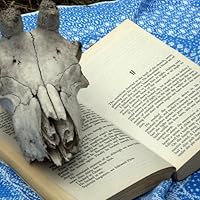
Acum și eu pot să nu scriu un roman ;)
Now I know how not to write a novel ;)
Now I know how not to write a novel ;)

July 26, 2016
Немного рваное повествование, но все истории, из которых роман и состоит, разнообразны и интересны. И всплакнуть, и в голос посмеяться.
Displaying 1 - 30 of 30 reviews