La mamma infermiera di notte, il padre morto alcolizzato, San’kja è uno degli innumerevoli figli della dimenticata periferia rurale russa. Sbandato, arrabbiato col mondo, indifferente e ostile a qualsiasi ideologia, San’kja sogna una patria inesistente. In un crescendo di disperata violenza tenterà, insieme ai giovanissimi compagni del partito rosso bruno – i suoi amici, il suo amore, la sua vera famiglia – di distruggere un ordine neoborghese che odia, di scatenare la rivoluzione...
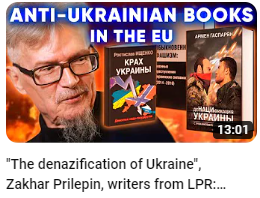
Yevgenii Nikolaevich Prilepin (Russian: Евге́ний Никола́евич Приле́пин, writing as Zahar Prilepin (Russian: Захар Прилепин), and sometimes using another pseudonym, Evgeny Lavlinsky (Russian: Евгений Лавлинский), this one mostly for journalistic publications, is a Russian writer, and a member of Russia's unregistered National Bolshevik Party since 1996.
"Vide un gatto su un davanzale, si allungò per accarezzarlo dicendo: "...micio, micio" ma il gatto inarcò la schiena minaccioso e soffiò. […] "Turisti russi aggrediscono gatti lettoni" s'immaginò la copertina di un giornale locale."
"In quella piattaforma capì di colpo che la rivoluzione era inevitabile. Guardava il proprio viso e la vedeva approssimarsi, portatrice di furia e di terrore. E non c'era più scampo."
"Se il cattivo è cattivo, io sono tre volte peggio"
Come il movimento ampio e costante di un pendolo, questo romanzo è tutto costruito sull'oscillazione tra due estremi: da una parte un atteggiamento goliardico e scanzonato, dall'altro una cupa e sorda e rassegnata tristezza. Tali sono i tratti distintivi del protagonista di questa storia: il carattere ambivalente, o sarebbe meglio dire bifronte, e un certo qual modo pragmatico di dialogare con sé stesso, sono i tratti che lo accomunano al protagonista de Il monastero, l'altro romanzo di Prilepin che ho letto pochi mesi fa. Questo autore è stato una delle migliori scoperte di quest'anno, ho scelto due libri a caso e ho fatto centro con tutt'e due.
Ora che ci penso, i due protagonisti e le due storie hanno un'altra cosa in comune: con entrambi si dimostra concretamente che c'è qualcosa, in fondo all'animo umano, che una volta spezzato non si può riparare più. Il corpo è come un pupazzo, si può ricucire o incollare, ma altrove il danno resta permanente, ed ecco il fondo su cui poggia quella tristezza di cui dicevo prima.
Ancora una caratteristica in comune tra i due libri: all'inizio il racconto è volutamente lento, l'autore si prende tutto il tempo e tutto l'agio per costruire un contesto. Solo successivamente le vicende inizieranno a prendere l'abbrivio, per poi subire una nuova battuta d'arresto con il protagonista risucchiato in una spirale di violenza e alcool.
Partire dalla profonda provincia per andare nella capitale con l'intento di "spaccare tutto" salvo poi accontentarsi di obiettivi minori, e salvo infine impantanarsi tra i fumi dell'alcool: in questo processo o meccanismo c'è un qualcosa che mi richiama – tanto naturalmente quanto involontariamente – la parabola di un tale Bianciardi.
Le differenze: mentre ne Il monastero c'è una storia dal carattere quasi storico, in quanto racconta come sono andate le cose agli albori di quell'esperimento che poi sarebbe diventato l'arcipelago Gulag, questa storia ha invece un carattere più di attualità perché ritrae la Russia alla fine degli anni novanta o inizio duemila, a cavallo tra la capitale, le città periferiche e gli sperduti villaggi fatti di povere izbe; e con protagonisti che parlano esplicitamente in questi termini: "Noi proseguiamo. A zonzo per la vecchia Rus'."
Se poi si considera che viene qui esaminato il modo in cui il concetto di "patria" entra in collisione e al tempo stesso entra a far parte delle vite di giovanissimi che galleggiano su un mare fatto di nulla, e ci si trova ad osservare un movimento che vuol cambiare lo stato delle cose non da destra e non da sinistra ma da sopra, cambiare per cambiare punto e basta... beh, allora stiamo parlando di estrema attualità e non solo russa.
"E poi un bel giorno nel loro codice di ragazzi di strada, tra i loro principi sani e coerenti, era entrata, forse casualmente, una parola come Patria. Era stato decisivo."
Dal punto di vista letterario, io lo trovo ben scritto: ha un tono pacato che incontra il mio gusto, una prosa ricca e mai banale. Per quanto riguarda l'attualità e la filosofia politica, si capisce che è costruito "dal di dentro", da qualcuno che ha toccato con mano quello di cui parla e dunque si lascia apprezzare indipendentemente che se ne condividano o meno le posizioni. E infine, anche dal punto di vista psicologico è ben congegnato, anche in questo caso senza concessioni alle banalità: sensazioni e sentimenti del protagonista sono elementi concreti in cui ciascuno può - almeno in parte - riconoscersi.
I temi della patria, del governo ingiusto e corrotto, del desiderare di far qualcosa per cambiare lo stato delle cose e dell'essere o meno in grado di fare questo qualcosa, sono tutti temi enormi e complessi e qui non vengono trattati in maniera univoca e tanto meno con una morale conclusiva: se ne parla per introdurre gli argomenti e per riflettere, senza sentenze.
"La Rus' vaneggia Dio, rossa fiamma nel cui fumo traspaiono gli angeli..."
Milliyetçi bir örgüt militanının hayatına bakıyoruz kitapta. Hiç sempati duyabileceğim bir karakter değil, yine de zevkle okudum. O coşkulu milliyetçi ideolojinin gerçekte kimsenin çok da inanmadığı bir fasarya olmasını, kaybolmuş bir çocuğun aidiyet duygusunu tekrar kazanmak için çırpınmasını, narsistik bunalımları falan çok güzel anlatmış yazar. Arka planda da çürümüş ve çözülmüş bir koca sistem, birbirine yabancılaşmış nesiller, iyice derinleşmiş çelişkiler var. Üstelik bu arka planı ortaya sererken, yazarın amacı karakterin davranışlarını açıklayacak bir apoloji üretmek de değil gibi geldi bana, bundan da hoşlandım doğrusu.
Можно не разделять политических взглядов Прилепина, можно не разделять идеи книги, не сочувствовать главному герою, но НЕЛЬЗЯ не любить язык Прилепина, такой русский, такой какой-то сочный, живущий, настоящий, и в тоже время не закостенелый, дышащий. Это, безусловно, одна из основных причин, почему читаю его всегда взахлеб, запойно... Очень неоднозначный сюжет. Но ненавидеть его нельзя. Вдруг по-новому открываются глаза на то, что раньше всегда отметала, как гадкое, чернушное. И кстати, наверное, любой другой написал бы книгу на эту же тему - вышло бы настолько тоскливо, чернушно, безнадежно, я б не дочитала. А в Прилепином столько этой брызжущей идеологии, любви к земле и людям (несмотря ни на что, да! любви!), что вдруг из самого черного тупика появляется надежда. И не применимо это только к России сегодняшнего дня, не стОит, мне кажется, проводить твердые параллели с тем, что происходит в России в последние годы. Мне кажется, идея сама по себе намного больше, выше, шире. И применима, пожалуй, к любой стране, которая в какой-то момент оказалась на прямой дорожке в этот самый тупик. И колокочет что-то внутри.
mr. Prilepin, former russian SWAT member, now member of NBP - unregistred party, leaded by Eduard Limonov, successfull writer, former emigree. NBP plays with different Nazi symbols, uses Gulag as a battle-cry. The fist of the party are young members who don't want to fit in to modern consumer's world. They throw eggs at new-riches, temprarily seize different goverment bodies and use other types of protest against current (and previous) Russian regime; they fight with the police and are being jailed from time to time. The closest western example of such party are anti-globalists. What's weird though that NBP is teamed up with liberals, such as Gary Kasparov party and others, although their views are totally different. To name a few when Kasparov is getting arrested he yells and speaks with journalists in English, he doesn't even try to appeal to Russian audience or voters, Limonov and his guys are ultra nationalists, they literally hate West. This coalition looks like Michael Moore joining with Tory for elections. At the same time this party NBP has never done anything serious, they impress people with their excesses but they never go too far. To break mcDonalds window is ok, to perform an act of terror is no-no.
This book is Prilepin's chimera of this whole NBP thing being serious. What would happen and how if they would really try to perform terror acts, to make a revolution and overthrow the goverment. This projection is focused on one simple guy named Sasha (or Sankya as his grandmother calls him). He is real hoodlum but with a lot of ideology inside.
So basically when I've been reading the book I've been readin 4 things:
- long ideology talks by Sankya which Prilepin has no talent or desire to write dramatically - numerous scenes of violence where if violence is performed by Sankya it looks heroic, when against him it looks terrible - several porno scenes included for sales - several scenes that describe part of Sankya's life which is normal (he has relatives and friends)
I actually don't understand how this book was published (and will be adopted for screen - my film school mate is working on it) if there is such a hard censorship in Russia, as mr. Prilepin and his friends are yelling on every corner.
Jasmine liked this 4 years old review of mine today and I've re-read it and was very surprised how fundamentally the situation changed since then. Liberals and Limonov party parted ways. Prilepin and his comrades are pro-government nowdays, they support Crimea annexation and current separatist war in the south-east region of Ukraine. Prelepin is even going as more holy then a pope (I mean Putin), he publishes clearly antisemitic and chauvinistic columns in the government-own newspaper and receives high-profile money prizes from the officials. The exactly same officials who he was going to overthrow and kill in this disgusting book.
Türkiye’de pek popüler olmamış çok güzel bir roman. Nesillere ithaf edilen siyasi karakter ile neslin gençlik dönemindeki hegemonyanın (gramsciyen manada) ilişkisi çok iyi işlenmiş, beni en çok etkileyen yönü bu oldu.
Konu Murat Uyurkulak’ın elinden çıkmış gibi. Ama Murat Uyurkulak’ın daha iyi yazdığını düşünüyorum.
Topu çevirmene de atmak gerek biraz. Rusçam hiç yok, çeviriye yorum yapamayacağım ama bazı cümleler ve kelimeler Türkçe için çok suni kalıyor. Çeviride protagonistin örgütüne Yaratıclar Birliği denmiş örneğin, İngilizce çevirilerde ise Founding Fathers kullanılmış. Örgütün sağcı-radikal bir örgüt olması ile İngilizce çevirisindeki adı arasında bir uyum var. Türkçe çeviride ise Yaratıcılar Birliği sağcı örgüt tınısı ile tam uyuşmuyor. Birlik kelimesi herhangi bir örgüt tınısı ile uyuşmuyor hatta.
Сколько бы отзывов я не прочла, большинство видят в этой книге только идеологию, политическую подоплеку и параллели с прототипами. Я в этой книге увидела больше никому ненужных молодых людей, которые пытаются придать хоть какой-то смысл своей жизни. Все они неблагополучны, бедны, без надежды на лучшую жизнь. И они находят подходящие ответы в партии, которая создана специально для привлечения именно таких как они. Печально, что многие представители молодого поколения не могут найти ни себя, ни смысла своей жизни. Страшно, что в качестве выхода им предлагаются ТАКИЕ политические движения. Книга мне очень понравилась, но не хотелось бы, чтобы она использовалась как инструкция к применению.
Ako se za neku knjigu može reći da je muška, onda je to definitivno ova. Svejedno mi je drago što sam je pročitala iako sama tematika nije po mom ukusu, ako ni zbog čeg drugog onda zbog glave druge koja odudara od ostalih svojom besprekornom poetikom i toplinom zaboravljenog ruskog sela na izdisaju. Naravno, ima tu još mnogo drugih razloga da zavolite Prilepinovo pisanje, posebno njegove žive i plastične opise od kojih vam doslovno pođe voda na usta.
If you want a glimpse into contemporary life in Russia, you could do a lot worse than read Prilepin’s first novel, originally published in 2006 but as relevant to today as ever. It’s the story of Sankya Tishin and a group of young political activists, members of a right-wing group called The Founding Fathers, who want to tear down the corrupt government, destroy the western-style capitalism that has overrun their country and build a better, fairer and more truly Russian society. How that is to be achieved goes largely unformulated; there’s no real plan, just a succession of violent demonstrations and attacks on buildings and prominent figures that are little more than vandalism. Prilepin draws on his own life and experiences for the novel, which gives a great feeling of authenticity to it. Sankya is by no means an evil person. He can be loving and tender, as is amply evidenced by his attitude to his mother and grandparents. But he’s easily influenced and is caught up in a general urge to destroy, even if it’s purely for the sake of destruction. Not that the authorities come out at all well in the narrative. They are as brutal and violent as the Founding Fathers themselves. Prilepin’s writing is spare and controlled. He has a great eye for the telling detail and some of the set pieces could stand on their own as short stories. He is one of the most acclaimed writers in Russia today and this vivid and evocative novel will surely bring him to the attention of a western audience. An eye-opening and moving insight into the generation of disaffected young Russians who don’t remember the Soviet Union but are disenchanted with what “freedom” offers them, this book is a telling and important contribution to understanding the political situation in Russia today.
Я НЕ понимаю, за что он получил русский букер или что он там получил. Как мудро заметил мой брат, бросив читать Астафьева, "невозможно читать два тома подряд про старых алгкоголиков". Так и тут - не могу читать ЦЕЛЫЙ роман про революционно настроенных маргиналов. При этом - мне ОЧЕНЬ симпатичен ДЕЙСТВИТЕЛЬНО честный, отчаянный настрой автора, но как литература это - увы. Отмечу лишь одим момент: когда ближе к концу главные геори захватывают белый дом в Нижнем Новгороде, между ними происходит примерно такой диалог: - Как-то всё слишком просто... - А ты что думал, это всё всерьёз? - Что всерьёз? - Всё это их... государство...
Блестяяще! В точку! Это вот важно всё время иметь в виду: вот математика, скажем, вообще наука, хорошие книжки - это ВСЕРЬЁЗ, это НАСТОЯЩЕЕ. А вот всё это их... оно же очевидно НЕ всерьёз. Основная-то проблема ИХ и заключается в том, что они к этому ВСЕРЬЁЗ относятся!)))
Захар Прилепин, роман «Санькя» (2006, издательство Ad Marginem)
Митинг. Колышутся красные знамена. Немолодые митингующие, выглядящие «дурно и бедно», несут, как образа, портреты былых вождей. Милиционеры «в серых армяках» привычно окружили площадь. Они тут, впрочем, не ради пожилой коммунистической гвардии – милиция и держащийся поодаль ОМОН ждут провокаций от СС. Но не страшных немецких эсэсовцев, а своих, называющих себя «Союзом созидающих», юных, агрессивных и бесстрашных, на компромиссы и вялые речи с трибун несогласных. Скоро они прорвут оцепление и выплеснутся на улицы Москвы, круша, топча и ломая все вокруг.
Так начинается «Санькя» – вторая книга Захара Прилепина, принесшая автору широкую известность, номинированная на несколько серьезных литературных наград, одной из которых – премии «Ясная Поляна» в номинации «Двадцать первый век» – и была удостоена. Биография молодого автора из Нижнего Новгорода и сама читается как литературное произведение: родился в рязанской деревне, служил в ОМОНе, воевал в Чечне. Закончил филфак, работал журналистом. В 1996-м, когда Захару было чуть за двадцать, он примкнул к нацболам. Их, стойких, как оловянные солдатики и верных, как мушкетеры – «один за всех и все за одного» – десять лет спустя он воспел в романе «Санькя».
Санькя, он же Саша Тишин – главный герой повествования. Ему что-то около двадцати пяти, он проживает в небольшом городке вместе с матерью (отец, преподаватель университета, умер от алкоголизма), отслужил в армии, нигде подолгу не работает. Саша – убежденный нацбол, «союзник», презирающий «подлое государство», в котором живет. Его настоящая семья – такие же молодые активисты, его «партийная деятельность» сводится к нападениям, акциям вандализма, ну и по мелочи – дракам и откровенному хулиганству. Другой персонаж с таким родом деятельности воспринимался бы читателями как злобный гопник и начинающий урка – но не Саша: он же идейный. Политический! Вот что сообщает автор о Саньке в начале романа: «Какой я?» – неожиданно подумал Саша. Кто и какой? Дурной? Добрый? Надежный? Безнадежный? […] Не совершил за свою жизнь ни одной откровенной подлости. И не откровенной тоже... Не пережил ни одного унижения, кроме дурацких пацанских, когда старшеклассники отнимали деньги. […] С тех пор как повзрослел, к армейскому возрасту – все стало очевидным. Неразрешимых вопросов больше не возникало. Бог есть. Без отца плохо. Мать добра и дорога. Родина одна».
Не герой, а кремень! Принципиальный и неизменный, что для активиста, может, и хорошо, а для литературного персонажа – уже не очень. На протяжении романа Саша Тишин познает любовь и пытки «кровавой гэбни», получит от однопартийцев лицензию на убийство, многократно поскучает по деревенскому детству, вступит не в один невнятный спор относительно русской идеи и партийной борьбы, многажды подерется и выпьет цистерну водки. Но, пройдя все эти этапы, Санькя совершенно не изменится: его история – не «роман взросления» и тем паче не «психологический роман», как его отрекомендовали многие критики. Это – один из последних образчиков соцреализма, агитплакат с легким налетом документальности. Этот жанр близок Прилепину-морализатору, раскладывающему по полочкам, что хорошо и что плохо, а также «бичующему пороки» современной России. Точное попадание в болевые точки эпохи является одной из сильных сторон романа.
В одном из недавних интервью Захар Прилепин охарактеризовал молодежь девяностых и нулевых как «поколение безотцовщины» – и в самом прямом, и в метафорическом смысле. Взрослые мужчины в романе «Санькя» отсутствуют: главный пример для подражания, альфа-самец и лидер «союзников» Костенко сидит в СИЗО, отец Саши вместе с двумя братьями спился – так же, как чуть ли не все деревенские мужики, а отцовский ученик Безлетов продался власть имущим. Это настоящая демографическая катастрофа – взрослые мужчины, оплот и надежа государства, вымерли целым поколением. Им на смену пришли их фактически беспризорные, бесконтрольные сыновья, так и не сумевшие повзрослеть. А что лучше всего получается у дорвавшихся до свободы пацанов? Правильно, буза. Или революция.
Санькя, безусловно, задуман автором как собирательный образ всего сообщества нацболов: герой неоднократно ловит себя на мысли, что почти все его соратники – отличные ребята, готовые умереть за идею. Однако – и тут мы переходим к слабым сторонам книги – прочие персонажи романа описаны еще более схематично, чем Тишин. Веня, Негатив, Матвей, Рогов, Олег-милиционер: все они – статисты, наделенные парой плохо запоминающихся черт. Главное, что надо знать про этих парней: своих они не сдают, в бою свирепы, в быту – милы как котята, приказы старших выполняют беспрекословно.
Героини романа, увы, еще более шаблонны, а оттого неправдоподобны; автор словно отыскал их образы в университетских конспектах по «мировой литературе», да так и вставил в книгу. Имеются: во-первых, каноническая русская Мать: овдовевшая, трудно зарабатывающая свои медсестринские гроши, горестно вздыхающая по поводу отбившегося от рук сына, но при этом всегда защищающая его от милиции. У нее поношенные сапоги и «тощий, жалкий кошелек», предпоследняя пятисотрублевка из которого отдана великовозрастному сыночку. Честный парень Саша ей никогда не врет: ограбил богатого незнакомца, вручил маме часть отнятых у негодяя денег, да так и объяснил их происхождение – «украл». Второй главной в жизни Тишина женщине он обязан своим странным, на крестьянский манер произносимым именем: мягкое прозвище «Санькя» досталось ему от бабушки. Пережив трех сыновей, готовясь похоронить сдавшего деда, она доживает свой век в такой же вымирающей, как и ее семья, деревне, куда внучок наведывается отсидеться после московского погрома. Наконец, две нацболки, damsels in distress – отчаянная красавица Яна, любовница вожака Костенко и одна из лидеров движения, и некрасивая, но юная и преданная Верочка. Обе девы, как спелые яблоки, падают в руки Саньки, страстно отдаются и столь же стремительно исчезают из его жизни, не всколыхнув толком его души и не повлияв сколько-нибудь на развитие сюжета. Зато читатель их запомнит надолго, ведь именно благодаря Яне и Верочке появились одни из самых плохо написанных сцен секса в современной русской прозе! Автор, столь красочно, подробно и со знанием дела повествующий о поджогах, пытках и драках, пишет о сексе как подросток, который страшно стесняется и все время что-то недоговаривает. Не хватает ему ни опыта, ни словарного запаса, а от описаний внешности девушек становится приторно – так много в них уменьшительно-ласкательных суффиксов: все эти сюсюкающие «ножки», «грудки», «пальчики» и, прости Господи, «пупочки» ничего, кроме изжоги, вызвать не могут. В издевательском конкурсе на худшее описание секса в литературе Bad Sex Award у Прилепина были бы все шансы на победу.
Подведем итоги: на одной чаше весов – корявый авторский язык, картонные персонажи, кровавость и сомнительная мораль героев книги; на другой – настоящий бодрый экшн и «инсайдерский» рассказ о жизни молодых маргиналов. Я намеренно обхожу стороной политическую составляющую романа – об этом и так много говорено, да и мнение насчет правильности или неправильности той или иной политической платформы у каждого свое. Стоит ли книга Прилепина вашего времени и внимания? Это, безусловно, слабый роман, но если вы в состоянии игнорировать перечисленные недостатки, то «Санькя» даже может вам понравиться.
This entire review has been hidden because of spoilers.
"People like you save yourselves by devouring Russia, and people like me--by devouring our own souls. Russia is nourished on the souls of her sons--she thrives on them. Not by the righteous ones, but by the cursed."
So says Sasha ("Sankya") Tishin, the protagonist of "Sankya," Zakhar Prilepin's novel about "communofascist" Russian opposition group the Founding Fathers. Made up of young men, and the occasional young woman, who feel disaffected with modern Russian life, the Founding Fathers carry out political protests that devolve into increasingly violent actions, until they descend into full-scale terrorism.
As a work of literature, "Sankya" is both in the vein of the rich tradition of Russian letters, and unique. It possesses the psychological depth and darkness that you'd expect from Russian Literature with a Capital L, along with musings on the essence and fate of Russia. At the same time, it has the taut structure and high-intensity action of a modern thriller, with brutal interrogations, an assassination, and the "liberation" of an OMON (special police force) base. And, like Prilepin's collection of short stories "Sin," it has a provincial earthiness reminiscent of Soviet "village prose," but with an explicit sexuality unusual in Russian writing, something that comes across well in the colloquial, casual translation. I can't say it will be to everyone's taste, but it is an explosive addition to contemporary Russian literature.
As a work of sociology, "Sankya" is both revealing and disturbing. The forward is by Aleksei Navalny, the darling dissident of the Western press, but Navalny is not as friendly and cuddly as many Western journalists would like to believe. The fact that he would write a foreword extolling Prilepin as "not just a biographer of Russia but also an active politician with influence over the hearts and minds of young Russians," and claim that "If you want to feel the real raw nerve of modern Russian life, what you need isn't 'Anna Karenina'--what you need is 'Sankya,'" should make Russia-observers pause and take stock. Not because Navalny is wrong, but because he is right, and because activists like him may have to get into bed with activists like those depicted in "Sankya" if they want to get anything done.
"Sankya" is also enlightening--and disturbing--in its depictions of the main characters' thoughts and deeds, which seem natural and justified and yet are hardly the basis for a civilized society as many Western liberals would like to envision it. Disaffected by politics, and scarred by war (several of the characters, like Prilepin himself, were in Chechnya), Sankya and his comrades turn to protest and violence not as a last, but as a first, resort, living as they do in a macho, self-righteous, and yet desperate bubble that is their only protection against the authoritarian state seeking to crush them. Sasha is in fact in many ways a sympathetic character, and this is the most troublesome thing about him. He can be tender and romantic towards his girlfriend(s), who perform much of the organizing for the party, and even carry out daring and heroic actions, but are mistrusted and looked down upon by the "real," that is, male, activists, and Sasha himself is just as likely to be dismissive, controlling, and abusive towards the women in his life as he is to be kind, even though he genuinely loves them as much as he is capable of loving anyone.
But there, perhaps, is the problem: Sasha is encased in a shell that can only be penetrated by love for the motherland, but his love for the motherland, rather like his love for his mother and the other women in his life, is a toxic, lopsided love. With lovers like these, you may ask yourself, does Russia even need enemies? Is she dependent on the Sankyas of the world, like an oppressed wife dependent on her controlling and abusive husband?
Maybe so. But don't let those rather morose thoughts dissuade you from reading "Sankya." It may not be light and fluffy, but it is an illuminating look into contemporary Russia, with a muscular prose style that allows for depth as well as high-octane action. For the bold reader, but for the bold reader, well worth it.
Sovyetlerin çöküşünden sonra vahşi kapitalizmin pençesine düşen modern Rusya'da, yozlaşmış oligarklara ve sisteme karşı sokak eylemleri yapan Ulusal Bolşevik Partisi üyesi genç bir militanın nihilist/radikal isyanını anlatır. Yeltsin ve Putin dönemi Rusya'sının yarattığı yoksulluğun ve kültürel çöküntünün, gençlik üzerinde nasıl yönünü şaşırmış, şovenist soslu ama anti-kapitalist bir öfkeye dönüştüğünü gösteren sarsıcı bir romandır. Leninist sınıf siyasetinden yoksun, ancak "devrimci şiddet" arzusunu kuşanmış günümüz lümpen-radikalizminin psikolojisini anlamak için çok gerçekçi bir edebiyat örneğidir.
Chi ama la lettura lo sa: quando si comincia a esplorare un territorio nuovo – una letteratura, un autore, un filone – si rischia seriamente l’esplosione. Se nelle pagine di ogni nuovo libro letto si trova lo spunto o l’aspirazione per leggerne altri 2 o 3, il percorso di lettura assume immediatamente un andamento esponenziale (è uno dei pochi casi in cui è appropriato usare questa parola abusata). Anche il lettore più curioso e più veloce a leggere ha però dei limiti e si deve rassegnare a leggere linearmente. Un’eterna ghirlanda brillante, direbbe Doug Hofstadter.
Poi ci sono, più rare ma di grande soddisfazione, le convergenze: quando 2 o più libri che hai letto ti indirizzano verso uno stesso libro o autore. A me è successo per questo romanzo di Zachar Prilebin. Da una parte, Luciana Castellina incontra Prilepin e ne racconta nel suo Siberiana, che ho appena finito di leggere:
È qui all’Arsenal [il centro d'arte contemporanea di Nižnij Novgorod – nota mia], e poi anche nel successivo pranzo in un delizioso ristorante stile vecchia Russia – il Pjatkin’ – dotato di arredi e cibi pregiati, che incontriamo una delle rivelazioni della giovane letteratura russa: Zachar Prilepin, autore di un best-seller – Patologie – che trae ispirazione dalla sua personale esperienza negli Omon (i reparti speciali russi) durante la guerra in Cecenia, e di un libro da poco uscito in Italia, San’kja. Di un Omon, Prilepin ha tutto l’aspetto: quarant’anni, alto e muscoloso, rapato, t-shirt nera. Parliamo della crudezza dei suoi racconti, della violenza di cui sono intessuti. La conversazione si allarga amichevolmente alla politica: Putin – racconta – ha invitato a discutere lui e qualche altro scrittore. Non ne è venuto fuori granché perché il presidente e il suo doppio, Medvedev, non leggono e non si interessano ai libri. “Una volta un mio amico ha chiesto a Putin: ‘Vladimir, nel suo tempo libero, cosa legge?’ La risposta è stata: ‘Mi godo il tempo libero’. Viviamo in due mondi separati”. Se non entri in politica, però – aggiunge – non ti toccano. “Ma Patologie è molto politico,” obietto. “No,” taglia corto, “è un libro sull’amore. Per la vita”. Ed è vero: l’insensatezza della ferocia risalta ancora di piú perché accostata ai momenti di pietà e a quelli di tenerezza per la sua donna, Daša. Come gli eroi di Sank’ja, che sono brutali, ma anche struggenti nella loro compassione e fragilità. Prilepin ammette che alla politica non si può sfuggire. Lui però ora vive in campagna, nei pressi di Nižnij Novgorod, con quattro figli che non manda nemmeno a scuola. Preferisce che a educarli sia la natura. (E però all’impegno non deve aver rinunciato perché poi ho scoperto che ha firmato l’appello del Fronte Civile Unito pubblicato sul sito internet “Putin dimettiti” nel 2010. E anche adesso organizza incontri a San Pietroburgo, Mosca e Nižnij che prendono il nome di “Strategia 31”, assemblee di ragazzi dell’opposizione che si riuniscono per rivendicare l’applicazione dell’articolo 31 della Costituzione che sancisce il diritto a radunarsi e ad associarsi). Nonostante questo impegno, in lui c’è anche un ripiegamento disilluso, come accade a molti. “Il liberalismo borghese progressista da noi ha fallito,” dice. “Lo sanno tutti ormai. Libertà è sinonimo di mafia e le idee perdono di peso: dignità, giustizia, tutte bufale che lasciano indifferenti. La Russia oggi si sente un paese violentato, disgregato in molti pezzi, sente di essere stata venduta per poco”. Prilepin è stato in passato (e di quella militanza porta tuttora un segno forte) un seguace di Eduard Limonov, il piú singolare e controverso autore russo, esiliato come dissidente negli anni ’70, diventato famoso a New York fra la beat generation, poi a Parigi negli ambienti letterari ufficiali, e tornato in patria nel ’90, dove ha fondato un partito che si chiama nientemeno che Nazional-Bolscevico. Un nome da rabbrividire, senonché Ediška, questo il suo affettuoso nomignolo, è diventato uno scrittore cult fra molti giovanissimi russi, ed è dunque una chiave per capirli. È il solo dissidente sovietico rimasto al cento per cento dissidente anche in Russia, e per questo Putin ha sciolto il suo partito e poi lo ha arrestato, costringendolo a passare quasi tre anni in carcere. [Siberiana, pos. Kindle 315-334]
voland.it
Ed eccola qui, la convergenza: non è soltanto che in passato Prilepin ha militato nei Naz-Bol di Limonov. Non è neppure soltanto che un qualche idem sentire i due lo devono ancora condividere, se anche Limonov milita in Strategia 31, ed è per questo che è stato recentissimamente arrestato il 31 dicembre 2012.
L’arresto di Limonov, il 31 dicembre 2012 (radio3.rai.it)
È che Sank’ja è sostanzialmente la storia di un giovane militante Naz-Bol e del suo gruppo, appena appena nascosto dietro un velo (il partito nazional-bolscevico si chiama partito rosso-bruno, il suo leader in carcere si chiama nel romanzo Kostenko mentre il vero cognome di Limonov è Savenko …). Inevitabile – almeno per me che ho appena letto il Limonov di Carrère – leggere Sank’ja come la possibilità di accostarsi alla difficile Russia di oggi e alla sua dissidenza radicale da un punto di vista diverso da quello di Carrère.
Per prima cosa, allora, vediamo che cosa Prilepin (per bocca del protagonista del romanzo Saša) ha da dire su Kostenko-Savenko-Limonov:
Sia lui, sia il suo carattere – pensava Saša di Kostenko – sono racchiusi tra le due definizioni di ‘magnifico’ e ‘mostruoso’. Un uomo magnifico capace di gesti mostruosi. Sì, è così… La magnifica sfrontatezza di Kostenko e la sua mostruosa resistenza alla fatica. La parola ‘mostruosa’ qui è in senso metaforico, è vero… Ma appropriata. E Saša ricordò a un tratto di come si fosse stupito nell’imbattersi in biblioteca, dopo i libri aggressivi di Kostenko – aggressivi in maniera talvolta sofisticata, talvolta indecente – nei suoi versi, infantili, assurdisti, stampati in una o due occasioni tanto tempo addietro, una ventina d’anni prima. Esprimevano una visione del mondo assolutamente irreale, primigenia, come un bambino di un anno che vada conoscendo il mondo e impari a parlare e a interpretare tutto ciò che vede per la prima volta – a interpretarlo autonomamente e a verbalizzarlo senza suggerimenti. Nei versi di Kostenko il mondo era straordinariamente armonioso, primigenio, quale dovrebbe essere o, meglio, quale è: soltanto che a noi ce lo hanno insegnato, presentato, illustrato in maniera inesatta. E da quel momento tante cose le vediamo senza capirne il senso, né lo scopo… Quella stessa felice capacità di vedere tutto come per la prima volta Kostenko la metteva nei suoi libri filosofici, ma lì di fanciullesco era rimasto poco… Lì di bontà non ce n’era affatto. Vi traspariva talvolta qualche cosa di trascendente, quasi che gli esseri umani avessero deluso Kostenko una volta e per sempre. Le sapeva mostrare, lui, le proprie delusioni. E mentre gli unionisti sognavano semplicemente di rimpiazzare il potere rivoltante, immorale e bugiardo del paese, Kostenko cercava di pensare come minimo a duecento anni più in là. Ci vedeva qualcosa di mirabolante. Ah, già, quasi dimenticavo, non di mirabolante; di magnifico e mostruoso. [2726]
Direi che combacia come una tessera di puzzle con il ritratto a tutto tondo che ce ne offre Carrère.
Ma questo è un aspetto tutto sommato secondario. Se ero partito con un intento quasi documentario, o storiografico se volete, mi sono però reso conto molto presto di essere davanti un autore vero, e a un romanzo bello e aspro. Ve lo raccomando vivamente e, per parte mia, non mancherò di leggere Patologie.
* * *
Il protagonista del romanzo è Saša, raccontato in terza persona ma con ampi squarci sul suo mondo interiore:
Da quando era diventato un uomo, dall’età di leva, tutto gli era diventato chiaro. Questioni insolubili non ne sorgevano più. Dio c’è. Senza padre si sta male. La madre è buona e cara. La Patria è una. “La Volga si getta nel Caspio…” si prese in giro Saša, ma senza ridere. Era proprio così. Ogni suo atto era la conseguenza di presupposti evidenti. [2024]
Ed egli comprese, o forse addirittura sognò, come Dio avesse creato l’uomo a propria immagine e somiglianza. L’uomo è un immane vuoto frusciante, dove tra atomo e atomo ci sono correnti d’aria e distanze paurose. È il cosmo. Se si guardasse dentro un corpo morbido e caldo – quello di Saša, per esempio – essendo un milione di volte più piccoli di un atomo, tutto apparirebbe proprio così: un cielo frusciante e caldo sopra la testa. E viviamo dentro un vuoto, sconosciuto, che ci atterrisce. Ma non è poi così terribile: in realtà siamo a casa, dentro qualcosa che è fatta a nostra immagine e somiglianza. [3258]
È falso, Lëva, quando dicono che la vita è fatta di scelte. Tutto quanto esiste di autentico nega il concetto stesso di scelta. [3491]
– Tutto rimarginato, sano come un cane. – Di solito si dice ‘sano come un pesce’. – E io sto come un cane. [3721]
Andò al bagno, lì in piedi sentiva la propria faccia resa estranea dall’ubriachezza, quasi fatta di plastilina. Gli sembrava che se avesse strizzato gli occhi e aggrottato la fronte con tutte le forze, dalla faccia si sarebbero staccati pezzetti di una sostanza estranea che ci si era rappresa sopra. [4525]
* * *
Anche Saša – come il principe Andréj in Guerra e pace e Konstantin Dmitrič Levin in Anna Karenina – si trova in una circostanza a osservare il “cielo alto”. Dev’essere un locus immancabile del romanzo russo:
Saša fu gettato in terra e guardò il cielo, che era sgombro. I tipi, stanchi del loro lavoro da uomini duri, si accesero una sigaretta: a tratti facevano due passi per sgranchirsi, lanciavano occhiate a Saša. Erano stanchi… Il Grigio gli si accovacciò accanto, di colpo Saša ne udì le vecchie ossa scrocchiare. – Ascolta, Saša, sei arrivato – disse il Grigio. – E potresti non andartene più. Lo capisci benissimo. Sai quanta ce n’è di gente come te sotterrata qui? E nessuno li cerca. In questo paese non è cambiato e non cambierà mai niente. Bisogna amarlo e custodirlo così com’è. Mi capisci? Saša fissava il cielo. [3094]
* * *
Poi c’è la storia d’amore con la bella Jana, che ci viene presentata, la prima volta, come “sinceramente indifferente” [120]:
– Mi accompagni? E poi torni… – Jana guardò Saša seria, qualche frazione di secondo più del dovuto. Sul suo volto non c’era l’attesa di una risposta, ma il tentativo di prendere una decisione, o di convincersi di quanto già deciso. [2148]
Invece di rispondere lei si voltò di scatto, ma non verso Saša, verso la bottiglia di champagne sul pavimento. Ne bevve maldestramente a canna, qualche sorso. Riappoggiò la bottiglia sul pavimento, si lasciò cadere sulla schiena, e Saša vide i suoi occhi spalancati, smarriti, e il piccolo seno scoperto. Con una mano prese dolcemente Jana sotto il collo, si chinò e la baciò piano sulle labbra, sfiorandola appena. Sentì odore di champagne e poi la lingua svelta, felina, di Jana e i suoi piccoli denti. Si baciavano piano, con concentrazione e perfino con cura, quasi come ciechi che si studino con le labbra. Lui accarezzava Jana: era esile, sottile sottile, e ancora un po’ bagnata dopo la doccia, una leggera e fresca umidità, che soltanto in un punto si rivelò infuocata e sorprendentemente abbondante: lo avvertì con le dita… Lei emise un flebile sospiro. […] Si sdraiò su un fianco vicino a Jana, la prese per una spalla voltandola a sé. Lei non fece resistenza, in un attimo furono faccia a faccia e lei lo abbracciò straordinariamente forte con il braccio libero, alla maniera dei bambini. Si strinse a Saša con il ventre e con il petto, lo baciò sugli zigomi, sul collo, sul mento. Poggiò una gamba leggera sul bacino di Saša e si scoprì tutta. Lui si lasciò soltanto scivolare appena con il corpo, tenendo Jana per le piccole natiche, e via… Si guardavano nel buio e non chiudevano gli occhi. A Saša pareva perfino che quelli di Jana si sgranassero sempre più. Quasi lui l’avesse sconcertata e avesse poi continuato a stupirla sempre più. […] Saša non si voltava verso Jana, temendo quasi di sciupare quella dolcezza e quell’intimità, cui poteva essere subentrato qualcosa di assolutamente indesiderato. Ma sentì un tuffo al cuore dalla gioia, perché Jana saltò leggera sul divano letto e guizzò sotto le coperte, gli si sdraiò accanto, a qualche centimetro – e in qualche punto anche millimetro – tanto che i peli bianchi, impercettibili, sui loro corpi, parvero sfiorarsi. Sdraiata, ansante, fremeva come una liscia lucertola di una razza regale e ignota. Forse una lucertola lunare. E si poteva percepire che sorrideva, ma non col viso, né con le labbra, bensì con tutto il corpo esile ed elastico. Saša la premette sotto di sé, bramoso, irruente e tenace per l’eccitazione. La baciava, la mordicchiava, ogni tanto si faceva indietro, la contemplava. Capiva bene che lei non sarebbe scappata, non gli si sarebbe sottratta per nulla al mondo, ciononostante la teneva forte per le braccia, se le giaceva sopra, o per le anche e la schiena, se stava sotto. – Hai questi occhi sfacciati – disse lei con piacere. […] Senza chiudere gli occhi e probabilmente senza neppure essere semincosciente, Saša sentì che lo facevano cadere e lo colpivano diverse volte alla testa e in altri punti – sugli organi che riforniscono d’aria – con manganelli molto elastici. Aria non ce n’era più, ma dentro di sé ne trovava a sufficienza, tanta da permettergli di non respirare con la bocca. Lo percuotevano a più non posso, a ritmo serrato e via via crescente, e lui si offriva ai colpi, vi tendeva con tutto il corpo. Sopportava l’umiliazione, sentendo di voler urlare, ma di non avere voce. Non c’era bisogno. Aveva i crampi alle gambe. Picchiate sulle gambe, chiedeva, ho i crampi. Gli sembrava che, più forte l’avessero picchiato, più in fretta il dolore avrebbe abbandonato i muscoli attanagliati da quei duri lacci emostatici. E i muscoli si sarebbero distesi. […] Era chiaro che volevano immortalare il momento della sua morte. Ma gli ultimi flash parvero confusi, sfocati, quasi lo stessero fotografando nella nebbia… E tutto scomparve. […] A quanto pare, lei lo aveva baciato. Dapprima sentì la sua bocca stanca e bollente – come dopo un tè caldo – e poi il proprio sapore bestiale, quasi svanito, ma ancora vivo sulle sue labbra, mischiato alla sua saliva; e questo era più che sufficiente. …Più che… sufficiente… Jana somigliava davvero a una lucertola, con quel corpo sfuggente e rapido. A volte pareva che lei, come una lucertola, non ce la facesse a restare sdraiata sulla schiena e volesse capovolgersi per sparire, guizzare, scappare. Saša la prendeva forte per le braccia, per le spalle, in modo da esaminarla, coglierne il respiro, lo sguardo perennemente fuggevole, le pupille scure e taglienti. La accarezzava, comprendendo di colpo che la sua pelle non era affatto setosa e liscia, no; al contrario, era dura. E tiepida appena… come… Saša provò a ricordare a cosa somigliasse la sensazione del contatto con la schiena di Jana, con le sue gambe flessuose, e di colpo si vide in spiaggia, d’estate, da ragazzino, steso con il petto e la pancia sul cerchio nero di un pneumatico d’automobile che emanava un odore dolce e pungente, d’acqua, di sole, stordente. [2269-2361]
* * *
Infine, un pezzo di virtuosismo, tanto per farvi capire di che cosa Prilepin sia capace:
Entrò in un supermercato. Passava di banco in banco, ammaliato. Osservava i pesci, rari perfino per un manuale di zoologia. Immersi nell’olio come metalli preziosi. Un tripudio di gamberi, polpi, aragoste, calamari, granchi, meduse e mitili, abbondanti come se provenissero da vivai del posto, come se li avessero tirati su con il retino nelle acque scandalosamente pullulanti di pesci di un vascone lì accanto. E dopo si chiedessero con qualche salsa servirli. E poi i formaggi, provenienti da dispense e cantine di fiabe lette tanto tempo prima. Formaggi profumati come le donne più giovani e belle. Formaggi impossibili da mangiare, cui puoi solamente accostare una guancia e piangere. Carne, una quantità indecente di carne, tanta da perderci la ragione. Una carne tanto nuda e inerme può andar bene all’aria aperta, alla luce di un falò, quando sei stato tu a cacciare, catturare, uccidere la preda: solo in quel caso lo spettacolo di carni sanguinolente, indifese, denudate e scuoiate può avere un senso. Qui invece la esponevano in bella mostra… e noi, cosa abbiamo fatto per meritarla?… E ancora ghirlande di polli nudi, e oche lunghe e altezzose, anche se spennate e senza testa. Ortaggi fragranti come in sogno, pomodori grandi e rossi come se ne mangiavano da bambini, cetrioli che non entrerebbero per intero in una natura morta. Banchi di frutta stracolmi, succulente angurie spaccate a metà, grappoli di uva mollemente adagiati, arance dai fianchi rotondi, mandarini facili da sbucciare, la buccia leggera come un soprabito gettato sulle spalle. Kiwi irsuti come le attrattive maschili di un neanderthaliano, mele di tutti i colori, abbordabili pere, indecenti banane e certi frutti somiglianti all’occhio rosso di un semaforo staccato dai vandali. File e file di bottiglie di birra, di marche ignote. File e file di bottiglie di vodka dalle forme più disparate, come se a progettarle fossero stati grandi architetti, distoltisi per un attimo dalla costruzione della città del futuro. E ancora alcolici, tanti da non riuscire a ricordare le etichette… [4805]
История борьбы с режимом главного героя и его товарищей из рядов нацболов в Москве 00-х. Книга шикарно написана, но образ жизни, взгляды и радикализм героев я совершенно не разделяю. Произведение особенно сегодня примечательно описанием по-настоящему экстремистской деятельности, ведь ну никак не уйти от сопоставления его с тем списком организаций, которые признаются экстремистскими в России в 2021 году.
Небольшое примечание по не дававшей мне покоя "я" вместо "а" в названии книги: так звал главного героя Сашу его дед из деревни.
Trying to Figure Out Who Is Who in the Novel of Zakhar Prilepin Sankya “You are either with us, or against us”-the motto of Sasha Tishin, a protagonist of the novel Sankya written by Zakhar Prilepin in 2006. The plot takes place in the contemporary Russia. Young Sasha is a member of the radical left-patriotic organization “The Founders”. Members of the organization are mostly young hooligans who are distantly governed by their creator Kostenko, who is in prison. In the novel, the world of Sasha is divided into black and white, into “us” and “them”. Sasha clearly knows who he is against but does not know who he is. His identity is constructed on the basis on hate to his enemies, whose ideology he despises. Simply, he is not them and this is enough. Such literary device is called negative identity, which is used in novel to describe the motivation of Sasha and “The Founders”. Knowing so little about political setting in the contemporary Russia, it is hard to figure out who is who in the world of Sankya. The image of “The Founders” is based on pre-existing National Bolshevik Party which was critical of Vladimir Putin’s politics and was striving to make Russia great again by bringing back Bolshevism. Some critics consider National Bolshevik Party being neo-fascist. So, in the book, Sasha is the member of such organization. He is not on the top of hierarchy, but somewhere in the middle. He is respected and knows all members, if not by names, then by their faces. In the organization, Sasha and other guys organize mass protests, some funny demonstration like hanging anti-government leaflets on poles very high (by standing on each other’s shoulders) that police cannot reach them, but also dangerous and cruel demonstrations such as breaking shop windows, and seizure of television tower in Riga. In general, “The Founders” fight to return back the old idealized Russia, in which people were happy. However, all other characters in the book cannot understand what they do and for. The book shows both sides of the “war”. From one side we have a sympathetic protagonist Sasha Tishin, who knows who is right and who is wrong. From the other side, we have all other Russians and not only Russian characters who try to bring to reason Sasha’s ideas. Bezletov (a friend of the Sasha’s father), Jewish boy Leva, Sasha’s mother and even Riga journalist, all those characters throughout the novel ask him what he and his organization want. They ask him to critically look on what he does and what methods they use. Will the cruelty and silly political pranks change anything? What is the ideology of “The Founders”? In the argument with Leva, Sasha says: “…There is no longer any ideologies, Leva! Love does need any ideology. Everything, that this world has, does not require any evidences or justification. Now only one thing is vital. The redistribution of the country, as well as the redistribution of the world”. “The Founders” tries to overtake the power just because Russians are better: “…We are better. The power is needed to create the world”. But what kind of the world is possible to create if there is no ultimate vision? What kind of the world can be created on blood? We will not know answers, because Sasha is tired of arguments: there is “nothing new in them. Everybody just repeats the old thing without adding anything reasonable points”. Sasha does not change his beliefs. He does need answers on the questions thoughtful people ask. He also does not ask many questions. Sasha knows for sure: “Intractable questions did not emerge anymore. God exists. Without father is bad. Mother is kind and dear. Motherland is the only one”. And this is enough for him. Sasha is against those who took from him the Motherland. The constant talks do not help understand the identity of “The Founders” either. Their idea and what they are for escape the understanding of readers. Either the author could not express it clearly, or it does not really exist. Is it hate for the sake of hate? Or demolition for the sake of demolition? “The Founders” believe in hate for the sake of the protection of Russia. They organize pointless protests screaming how much they hate current government. Reading about their protests and how unfairly policemen treat them after with violent beating, the readers may start to believe in them being right. Indeed, those hooligans are just young confused boys (often without a father, left for themselves without parent’s attention) who seek the truth, who just want to bring back their Motherland (in which they were too young to live!). Those boys found their place among the same lost boys. And Sasha is just another lost boy who is beaten because he wanted the truth. Besides, the unattractive description of those who has power, who live better, creates contrast between “them” and “us”. This contrast can even make readers finally believe in the Sasha’s ideology. However, evoked sympathy cannot hide the emptiness behind the ideology. This problem of the identity does not disturb the protagonist. Knowing who he with and against helps Sasha to know who he is. Such technique of identity formation is called Negative Identity. In other words, he constructed his identity in opposition to Others, who are potential enemies. Since “you are either with us, or against us”. He knows he is not liberal and not fascist, but who he really is, is not clear till the end. In the end of the book, the reader may learn that he is a cursed son and “Russia always consumed her sons”. In other words, he sacrifices his life to bring back his motherland which was taken away by “others”. I guess you do not see logic here. To be honest me too. Sasha sacrifices his life during peaceful times because he believes in the necessity of doing it. I am writing it now after reading the book, using my cold logic, but in the context of book, it seems like a heroic decision of a real man. So, I must praise the writing style of Prilepin who could make the ideology of “The Founders” to look attractive, violent pointless demolition seem like a necessary thing, and meaningless deaths acts be an attribute of real men, who actually could sacrifice their life for the motherland. Overall, the book is worth reading. Just try to read it critically and carefully. You should try to avoid the traps that Prilepin set with his enchanting writing style and not fall for the beautiful picture of the empty ideological vessel. Because, there is no “us” and “others”. After all, we are all people who want to work, live and love freely. So, why would someone decide to kill us for "their" truth?
Прочитала на одном дыхании, то восхищаясь, то ужасаясь, а порой борясь с тошнотой. Мне было интересно, потому что это мой шанс "залезть в голову" к людям, столь от меня отличающимся. Я верю в то, что настоящий писатель всегда невольно отражает правду жизни, отражает её и Прилепин. В "Саньке" я увидела подтверждение моей собственной идеи о том, что причины бунтарства - в такой же степени личностные как и исторические.
Как всегда, понравился фирменный прилепинский язык и стиль. Особый талант - удивительно точно и явственно описывать физиологические состояния. А вот внешние характеристики героев даны нечетко - тут не хватает изобразительной яркости образов, легко забыть и перепутать героев. Вернее, некоторым героям автор уделяет больше вимания в этом отношении, некоторым - меньше. Речевые характеристики тоже даны неровно: местами герои вдруг начинают разговаривать целыми страницами из каких-то партийных программ. Особенно неясен главный герой : несмотря на то, что он присутствует на каждой странице романа, у меня, как ни странно, не сложился в голове его цельный образ. Особенно непонятен уровень его образования.
Ну, и традиционная для Прилепина проблема грамматических и орфографических ошибок присутствует, к сожалению, и здесь. У книги есть и редактор, и корректор (их фамилии напечатаны в конце), но ни один из них не выловил простейшие школьные ошибки в написании -тся и -ться, "не" и "ни", несколько раз повторяющийся "свитОрок" и т. п. Уму непостижимо.
When Sankya was published in Russia in 2006, it became a sensation. It won the Yasnaya Polyana Award (bestowed by direct descendants of Leo Tolstoy) and was shortlisted for the Russian Booker and the National Bestseller Award. Every member of the cultural elite had an opinion on it. There was even a hatchet job by the president of Russia’s largest commercial bank; the banker-cum-critic received an avalanche of responses rebuking his review. Many reviewers disagreed with the Prilepin’s political beliefs, but acknowledged that the novel is a literary masterpiece. Already widely translated in Europe, this book struck a raw nerve, to say the least. The timely English edition, featuring an excellent translation by Mariya Gusev and Jeff Parker (with Alina Ryabovolova), and a heartfelt forward by Alexey Navalny, a Russian anti-corruption activist, will introduce America to a unique talent as well as the kind of Russia very few foreigners have seen. For the soul of the country is never in the news headlines; it is in literature. Sankya succeeds brilliantly in plunging the reader into the psyche of the young people on the fringes of the success story Russia projected to the world during the Sochi Olympics.
"Санька" Захара Прилепина, это скорее не целостная книга, а набор эссе, упражнений в русском языке на весьма разные темы. От драки или секса, до судьбы России и ее граждан.
Невысокую оценку я поставил потому, что смысл ни одного из этих эссе меня совсем не заинтересовал. Даже не рассуждая о том, согласен ли ты в принципе с описанным, иногда бывают интересны рассуждения человека с другой точкой зрения. Но не в данном случае. Весьма скучно, на мой взгляд.
Тем не менее, я дочитал книгу до конца, потому что некоторые эссе были чрезвычайно удачны с художественной точки зрения, вызывают эстетический отклик от самого текста.
Хорошего, плотного русского языка.
Как правило, я не люблю литературу, где есть только язык, художественная составляющая, а сам сюжет не важен. Но Захар Прилепин пишет очень сильные с художественной точки зрения тексты.
Тем не менее, хотя и рекомендую всем прочесть эту книгу, если до этого вы ничего из Захара Прилепина не читали, сам я вряд ли возьму какую-то еще его книгу. С точки зрения смысла книга совершенно скучна.
Эта книга стала моим первым знакомством с творчеством писателя Прилепина. Вопреки всем ожиданиям книга меня разочаровала. Слишком ему хотелось написать мужественную и честную книгу. Переборщил. Местами пошловато сочится тестостероном.
Запомнилась глухая безысходность сцены волочения по зимней лесной дороге гроба с телом сашиного отца. Тащили вдвоём. Долго. Сашина мать, обливаясь слезами, шла позади с сумками, полными продуктов для поминок. Бросить гроб нельзя, сил тащить волоком больше нет. Смеркалось.
Вот несколько вызвавших недоумение фраз. Цитирую. - “теплая и отзывчивая пустота всего тела” – разве пустота может быть тёплой и отзывчивой? - “Сашу усадили на стул, снова одев «браслеты» на руки.” – может НАдев? - “Они вкушали малиновое варенье из одной ложки, по очереди.” – анархисты в деревенском доме из одной ложки "вкушали"? Ели, уплетали, трескали, окисляли наконец. Аж передёрнуло меня от этого "вкушали".
Meg kell hagyni, az első fejezet után és a könyv végén a hatása alá kerültem a műnek. Amikor jól van megírva, akkor magával ragad. Ugyanakkor nem bírtam megérteni, hogy a több ízben előforduló politikai okoskodás direkt teljesen értelmetlen benne, vagy csak nincs jól megírva? Illetve nekem azt a benyomást keltette, mintha az író maga sem értené azt akiről ír. Sajnos nem a "más lelke kibogozhatatlan" értelemben, hanem a "egyszer elmagyarázták nekem, most megtanítom neked" értelemben. Szóval ügyes, tehetséges író, érdekes témaválasztás, de mintha nem lenne elég érett azokhoz a jelzőkhöz amikkel a borítón dobálóznak.
Роман вызвал множество противоречивых чувств. С одной стороны, не отнять, у Прилепина великолепный русский язык. Он очень умело с ним играется, выдает метафоры, он разнообразен, он живописует реальность. С другой стороны, мне категорически не близки его герои, их мысли, их поступки, их намерения. Получается вроде и интересно, но остается некоторое гадостное ощущение щедро приправленное нынешней политической активностью писателя. Все равно - актуальность повышенная, любящим политику прочитать стоит.
Sankya moves in soulful ways from Russia's metropolitan capital to its rural villages and back and forth again as the title character searches for meaning and revolution. The translation by Jeff Parker and company is fresh. The story entertains and instructs the American reader in the ways of contemporary Russian culture and politics. I recommend it even if you have no prior interest in Russia, and perhaps now is a good time to explore Russian literary themes as Putin invades Ukraine.
I'm between giving this novel a 2 or a 3. The translation was terrible. There are a lot of typos and grammatical errors. The story itself isn't bad, although I don't know if I'd call it good either. Transitions between paragraphs were abrupt at times, and certain scenes/details were glossed over completely, leaving some loose ends. All in all, not a personal favorite, and I'm not sure I'd recommend it either.
Очень, конечно, сложно отделить художественное произведение от очень малосимпатичной мне личности автора. Но я не увидела в этой книге ни какого-то особенно "русского языка", ни сколь либо четко очерченной политической программы.
Это книга, по которой в школе будут преподавать моим внукам. И не важно будут они учиться на русском или другом языке. Это кирпичик в великой русской литературе, как бы ни был мне не симпатичен сам автор с его политическими тараканами.
Смешанные ощущения. С литературной точки зрения и с точки зрения языка, очень и очень. Но я, как всегда, сочувствую персонажам и поэтому в замешательстве.
лучшая сцена в книге - похороны отца. Очень сильно, очень по-русски. Ну а молодчики-рЭволюционеры симпатий не вызывают никаких, увы. Насмотрелись уже на таких два года назад в Киеве