Aristophanes (Greek: Αριστοφάνης; c. 446 – c. 386 BC) was an Ancient Greek comic playwright from Athens and a poet of Old Attic Comedy. He wrote in total forty plays, of which eleven survive virtually complete today. These provide the most valuable examples of a genre of comic drama known as Old Comedy and are used to define it, along with fragments from dozens of lost plays by Aristophanes and his contemporaries. Also known as "The Father of Comedy" and "the Prince of Ancient Comedy", Aristophanes has been said to recreate the life of ancient Athens more convincingly than any other author. His powers of ridicule were feared and acknowledged by influential contemporaries; Plato singled out Aristophanes' play The Clouds as slander that contributed to the trial and subsequent condemning to death of Socrates, although other satirical playwrights had also caricatured the philosopher. Aristophanes' second play, The Babylonians (now lost), was denounced by Cleon as a slander against the Athenian polis. It is possible that the case was argued in court, but details of the trial are not recorded and Aristophanes caricatured Cleon mercilessly in his subsequent plays, especially The Knights, the first of many plays that he directed himself. "In my opinion," he says through that play's Chorus, "the author-director of comedies has the hardest job of all."
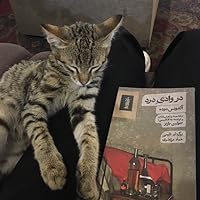
اولین کتابی که از آریستوفان (کمدینویس بزرگ یونانی) خواندم که شامل دو نمایشنامهست. . اکلسیازوس؛ زنان یونانی به هیئت مبدل (لباس مردان را میپوشند، ریش و سبیل میگذارند) به سنا میروند و قانونی تصویب میکنند که طی اون اختیار همهی امور یونان به زنان تفویض میشه. بعد هم جامعه رو اشتراکی میکنند... . پلوتوس؛ خرمیلوس و نوکرش، پلوتوس (خدای ثروت) رو که نابینا شده پیدا میکنند و سعی میکنند چشمهاش رو بینا کنند (صحنهی شفاگرفتن پلوتوس توی معبد معرکهس) تا ثروت رو بین فقیرا و آدمای خوب قسمت کنه و دیگه به کاهنها و خدایان پولی نده... . هر دو اثر رو دوست داشتم. موقعیتها بسیار بامزهاند (مثلاً وسطای دومی، فقر میاد و میگه که اگه همه پولدار باشن دیگه هیچکس هیچکاری نمیکنه، یا جایی که هرمس از گرسنگی و بیپولی میاد در خونهی خرمیلوس) و شدت شوخیها بسیار بالاست؛ از شوخیهای کلامی جنسی گرفته تا باد در دادن گاه و بیگاه نوکر خرمیلوس (کاریو)