

What do you think?

Gilliamesque: A Pre-posthumous Memoir
The screenwriter, innovative animator, highly acclaimed visionary film director, and only non-British member of Monty Python offers an intimate glimpse into his world in this fascinating memoir illustrated with hand-drawn sketches, notes, and memorabilia from his personal archive.
From his no-frills childhood in the icy wastes of Minnesota, to some of the hottest water Hollywood had to offer, via the cutting edge of 1960s and ’70s counter-culture in New York, L.A. and London, Terry Gilliam’s life has been as vivid, entertaining and unorthodox as one of his films.
Telling his story for the first time, the director of Time Bandits, Brazil, The Adventures of Baron Munchausen, The Fisher King, 12 Monkeys, and Fear & Loathing in Las Vegas—not to mention co-founder of Monty Python’s Flying Circus—recalls his life so far. Packed with never-before-seen artwork, photographs and commentary, Gilliamesque blends the visual and the verbal with scabrous wit and fascinating insight.
Gilliam’s “pre-posthumous memoir” also features a cast of amazing supporting characters—George Harrison, Robin Williams, Jeff Bridges, Robert De Niro, Brad Pitt, Uma Thurman, Johnny Depp, Heath Ledger and all of the fellow Pythons—as well as cameo appearances from some of the heaviest cultural hitters of modern times, from Woody Allen to Frank Zappa, Gloria Steinem to Robert Crumb, Richard Nixon to Hunter S. Thompson. Gilliam’s encounters with the great and the not-so-good are revealing, funny, and hugely entertaining.
This book is an unrestrained look into a unique creative mind and an incomparable portrait of late twentieth-century popular culture.
From his no-frills childhood in the icy wastes of Minnesota, to some of the hottest water Hollywood had to offer, via the cutting edge of 1960s and ’70s counter-culture in New York, L.A. and London, Terry Gilliam’s life has been as vivid, entertaining and unorthodox as one of his films.
Telling his story for the first time, the director of Time Bandits, Brazil, The Adventures of Baron Munchausen, The Fisher King, 12 Monkeys, and Fear & Loathing in Las Vegas—not to mention co-founder of Monty Python’s Flying Circus—recalls his life so far. Packed with never-before-seen artwork, photographs and commentary, Gilliamesque blends the visual and the verbal with scabrous wit and fascinating insight.
Gilliam’s “pre-posthumous memoir” also features a cast of amazing supporting characters—George Harrison, Robin Williams, Jeff Bridges, Robert De Niro, Brad Pitt, Uma Thurman, Johnny Depp, Heath Ledger and all of the fellow Pythons—as well as cameo appearances from some of the heaviest cultural hitters of modern times, from Woody Allen to Frank Zappa, Gloria Steinem to Robert Crumb, Richard Nixon to Hunter S. Thompson. Gilliam’s encounters with the great and the not-so-good are revealing, funny, and hugely entertaining.
This book is an unrestrained look into a unique creative mind and an incomparable portrait of late twentieth-century popular culture.
352 pages, Hardcover
First published February 17, 2015
About the author
Terry Gilliam
51 books133 followersTerrence Vance Gilliam is an American-born British writer, filmmaker, animator and member of the Monty Python comedy troupe. He has the distinction of being the only American-born Python, as the rest of the group are all native Britons.
Ratings & Reviews
Friends & Following
Create a free account to discover what your friends think of this book!
Community Reviews
Displaying 1 - 30 of 122 reviews

March 27, 2016
And now for something completely different.
If you are looking for a rock-‘em sock’ em tell all of Terry Gilliam’s Python days, this is not the volume for you. Gilliam says that other Python biographies have taken care of that. And in any case

Physically, Gilliamesque certainly looks more like an art book than an autobiography. It is larger, at 7.5x10 inches, as opposed to a 6x9 inch hardcover. The paper is of the heavy, glossy sort, and the text is liberally accompanied by images. These include a good supply of family and personal snaps, shots of Gilliam’s heroes, early drawings, large quantities of the material for which he first gained international notice, his Python animations, lots of his work, published and not, from all stages of his artistic life and plenty of shots from his sundry cinematic endeavors. The book is visually stimulating, with diverse material splattered onto the pages, doing a great job of breaking up the text.
Terry Gilliam was born in 1940 and spent his earliest years in Minnesota. His family moved to Los Angeles when he was eleven. He drew early inspiration from sources like Sid Caesar, Ernie Kovacs, Disney and Mad comics (before the magazine). After college he headed to New York, presenting himself at the workplace of one of his comic art heroes, Howard Kurtzman, late of Mad Magazine, and then publishing Help! Magazine. By a happy coincidence Kurtzman was down an artist and Gilliam lucked into a cherished job, doing what he had wanted to do, on his first try. Working with Kurtzman did nothing to make the young artist rich, but it was an entrée into the art world. He got a hands-on education, and exposure to people whose names he now drops. It was also the place where he further developed a style of illustration he had come across called Fumetti, which uses text bubbles atop photographs of actual people, places and things. The Fumetti approach would be seminal in Gilliam developing the style he would use later in Python. He began making short films with his work pals. The Fumetti style also offered an intro to laying out storyboards, a significant skill for anyone aspiring to direct.
Gilliam is an entertaining story-teller, quite aware that there is a lot in his early life that is not really all that compelling. He had a nice, happy, middle-class childhood. It gets a bit more interesting as he grows up. There is plenty of silliness to go around. But Terry Gilliam is no Robin Williamsesque madman chewing up scenery and reveling in mayhem. Unlike his wild concoctions that stomped, flew, and spewed across the Python shows, Gilliam the person has a sense of humor that is fairly low key, Midwestern, just folks, with a bit of a devilish wink, and a prankster’s gleam. This also comes across when you see him interviewed (several links at bottom), as does an occasional undertone, and sometimes overtone of nastiness.
It was while he was living and working in New York that he attended a comedy show called “Cambridge Circus.” The performers in the troupe included John Cleese and Graham Chapman. Friendships were formed.
Viet Nam had become a thing, and Gilliam did what many with no draft deferment and no desire to fight in a jungle on the other side of the world did. He joined the National Guard. Of course, having to actually do all the training was not particularly appealing, so he managed to scam his way out of most of it, not exactly establishing a high ethical tone. This, at a time when the Guard was not being used, or even, really, considered for combat.
Back in LA he got work in advertising. Made more connections, the most significant of which was Cambridge-educated English journalist Glenys Robert. One thing led to another. He joined her when she went to London to take charge of a small magazine, was a kept man for a bit but kept busy seeking out and finding illustration employment. And then, magically, was taken on as an art director at the publication his gf was running. It’s fair to say that my entrance into English society was not at the basement level. Glenys knew a lot of people and they were a smart and well-connected crowd.
That did not work out for the long term. He sold some comedy sketches to a children’s show called Do Not Adjust Your Set. The cast included Michael Palin, Terry Jones and Eric Idle. He got another gig for the same producer, working on a TV show drawing caricatures of the guests. Idle was a panelist on that show as well. It was while working there that he made his first animation. It was well received. Offers of work started pouring in.
It was not long after this that MPFC was born. Gilliam had maintained contact with Cleese and Chapman, and with Idle, Palin and Terry Jones, they found kindred spirits. BBC took a chance on the lads. Seven shows or bust. The rest is history. Gilliam’s part was to draw the sketch-connecting animations, and in that role he was able to remain out of the line of fire as the other five competed over whose ideas would be used. There is not a lot on the personal interplay. He tells of their sudden rock-stardom. But adds a bit of bitchiness. …It was exciting to be treated like rock stars (although comedy groupies were a very different animal to the rock star variety—far less beautiful, but they had lots of personality, and we owed them a great debt of thanks for helping us keep our vows of celibacy). What a guy!
He writes a bit about his animation technique. I came across a wonderful video in which he shows how he goes about it. Wonderful stuff. There is a link in Extra Stuff.
Gilliam is known for directing some of the most distinctive and highly regarded films of his time. These include Monty Python and the Holy Grail, Time Bandits, Brazil, The Fisher King, 12 Monkeys, and Fear and Loathing in Las Vegas. More ink (or voice-tape time) is dedicated to directing than anything else. And it is this that is most interesting, the challenges involved in coping with the Hollywood system the challenges of coping with two separate leading men on two separate films dying during production, dealing with the peculiarities of big personalities, huge stars, great talent, lesser talent, and tight budgets. I thought his telling of directorial woes, challenges, failures and triumphs was worth the price of admission.
There were few downsides to the book. First, the telling of his early years was rather uninteresting. I had hoped for more about his Python years and interactions with the rest of that crew. I have not read the other memoirs to which he refers, so remain largely in the dark. I was taken aback at how cavalierly he gamed the system to evade his National Guard training obligations, and then used his newfound success to lawyer his way out of it entirely. While I can appreciate that he might have felt more comfortable in England than he did in the USA, ultimately he ditched his US citizenship over the issue of taxes. Maybe not the highest quality human being walking the earth.
So what is one to make of all this? Gilliam has an amazing visual sense, and a very effective visual sense of humor. The book is indeed more about his art than his life and there is a lot in here about his artistic journey from Minnesota to the most famous circus of its era. The book offers a cornucopia of images, a considerable strength. He is an entertaining story-teller, with a lifetime of encounters with familiar names and tales to tell, some of them surprising and a fair number uproarious. He talks a lot about his experiences as a director and this is pretty wonderful. So, if you don’t mind his personal downside, his professional upsides and insight make Gilliamesque worth a look.
Publication – 10/20/2015
Review posted – 5/20/16
=============================EXTRA STUFF
Links to the author’s personal, Twitter and FB pages
Nifty vid of how TG makes his animations
Interviews
----- A nice, long one from IntelligenceSquared
-----with Sam Rubin at Live Talks Los Angeles
----- A somewhat tetchy one on The Colbert Report
A piece from Vulture - The Man Who Was Almost Killed by Don Quixote - by Bilge Ebiri - on his upcoming (finally) film - the ff Photo is from the article. The film was finally released in 2018, with USA release in 2019, and UK release in 2020.

photo credit Jim Naughten
If you are looking for a rock-‘em sock’ em tell all of Terry Gilliam’s Python days, this is not the volume for you. Gilliam says that other Python biographies have taken care of that. And in any case
It was never intended to have been that. It was Holly, my daughter, had assembled all the art work I had done since childhood, and it was me talking about art. It was supposed to be a classy, classy book, for intelligent, sophisticated rich people. And as I babbled on…I want to make it very clear that John Cleese was very snippy about the fact that I didn’t actually write it, but I talked it into a microphone. I like to think of it myself as a 21st century Homer…He did the Iliad and the Odyssey from memory, so my life, I managed to get most of it done, but because it wasn’t supposed to be a complete autobiography, all the really good stories aren’t in there. You have to wait ‘til the next one.What you do get is a fairly interesting look at someone who has been in the center of certain portions of the arts world for pretty much his entire adult life
Physically, Gilliamesque certainly looks more like an art book than an autobiography. It is larger, at 7.5x10 inches, as opposed to a 6x9 inch hardcover. The paper is of the heavy, glossy sort, and the text is liberally accompanied by images. These include a good supply of family and personal snaps, shots of Gilliam’s heroes, early drawings, large quantities of the material for which he first gained international notice, his Python animations, lots of his work, published and not, from all stages of his artistic life and plenty of shots from his sundry cinematic endeavors. The book is visually stimulating, with diverse material splattered onto the pages, doing a great job of breaking up the text.
Terry Gilliam was born in 1940 and spent his earliest years in Minnesota. His family moved to Los Angeles when he was eleven. He drew early inspiration from sources like Sid Caesar, Ernie Kovacs, Disney and Mad comics (before the magazine). After college he headed to New York, presenting himself at the workplace of one of his comic art heroes, Howard Kurtzman, late of Mad Magazine, and then publishing Help! Magazine. By a happy coincidence Kurtzman was down an artist and Gilliam lucked into a cherished job, doing what he had wanted to do, on his first try. Working with Kurtzman did nothing to make the young artist rich, but it was an entrée into the art world. He got a hands-on education, and exposure to people whose names he now drops. It was also the place where he further developed a style of illustration he had come across called Fumetti, which uses text bubbles atop photographs of actual people, places and things. The Fumetti approach would be seminal in Gilliam developing the style he would use later in Python. He began making short films with his work pals. The Fumetti style also offered an intro to laying out storyboards, a significant skill for anyone aspiring to direct.
Gilliam is an entertaining story-teller, quite aware that there is a lot in his early life that is not really all that compelling. He had a nice, happy, middle-class childhood. It gets a bit more interesting as he grows up. There is plenty of silliness to go around. But Terry Gilliam is no Robin Williamsesque madman chewing up scenery and reveling in mayhem. Unlike his wild concoctions that stomped, flew, and spewed across the Python shows, Gilliam the person has a sense of humor that is fairly low key, Midwestern, just folks, with a bit of a devilish wink, and a prankster’s gleam. This also comes across when you see him interviewed (several links at bottom), as does an occasional undertone, and sometimes overtone of nastiness.
It was while he was living and working in New York that he attended a comedy show called “Cambridge Circus.” The performers in the troupe included John Cleese and Graham Chapman. Friendships were formed.
Viet Nam had become a thing, and Gilliam did what many with no draft deferment and no desire to fight in a jungle on the other side of the world did. He joined the National Guard. Of course, having to actually do all the training was not particularly appealing, so he managed to scam his way out of most of it, not exactly establishing a high ethical tone. This, at a time when the Guard was not being used, or even, really, considered for combat.
Back in LA he got work in advertising. Made more connections, the most significant of which was Cambridge-educated English journalist Glenys Robert. One thing led to another. He joined her when she went to London to take charge of a small magazine, was a kept man for a bit but kept busy seeking out and finding illustration employment. And then, magically, was taken on as an art director at the publication his gf was running. It’s fair to say that my entrance into English society was not at the basement level. Glenys knew a lot of people and they were a smart and well-connected crowd.
That did not work out for the long term. He sold some comedy sketches to a children’s show called Do Not Adjust Your Set. The cast included Michael Palin, Terry Jones and Eric Idle. He got another gig for the same producer, working on a TV show drawing caricatures of the guests. Idle was a panelist on that show as well. It was while working there that he made his first animation. It was well received. Offers of work started pouring in.
It was not long after this that MPFC was born. Gilliam had maintained contact with Cleese and Chapman, and with Idle, Palin and Terry Jones, they found kindred spirits. BBC took a chance on the lads. Seven shows or bust. The rest is history. Gilliam’s part was to draw the sketch-connecting animations, and in that role he was able to remain out of the line of fire as the other five competed over whose ideas would be used. There is not a lot on the personal interplay. He tells of their sudden rock-stardom. But adds a bit of bitchiness. …It was exciting to be treated like rock stars (although comedy groupies were a very different animal to the rock star variety—far less beautiful, but they had lots of personality, and we owed them a great debt of thanks for helping us keep our vows of celibacy). What a guy!
He writes a bit about his animation technique. I came across a wonderful video in which he shows how he goes about it. Wonderful stuff. There is a link in Extra Stuff.
Gilliam is known for directing some of the most distinctive and highly regarded films of his time. These include Monty Python and the Holy Grail, Time Bandits, Brazil, The Fisher King, 12 Monkeys, and Fear and Loathing in Las Vegas. More ink (or voice-tape time) is dedicated to directing than anything else. And it is this that is most interesting, the challenges involved in coping with the Hollywood system the challenges of coping with two separate leading men on two separate films dying during production, dealing with the peculiarities of big personalities, huge stars, great talent, lesser talent, and tight budgets. I thought his telling of directorial woes, challenges, failures and triumphs was worth the price of admission.
There were few downsides to the book. First, the telling of his early years was rather uninteresting. I had hoped for more about his Python years and interactions with the rest of that crew. I have not read the other memoirs to which he refers, so remain largely in the dark. I was taken aback at how cavalierly he gamed the system to evade his National Guard training obligations, and then used his newfound success to lawyer his way out of it entirely. While I can appreciate that he might have felt more comfortable in England than he did in the USA, ultimately he ditched his US citizenship over the issue of taxes. Maybe not the highest quality human being walking the earth.
So what is one to make of all this? Gilliam has an amazing visual sense, and a very effective visual sense of humor. The book is indeed more about his art than his life and there is a lot in here about his artistic journey from Minnesota to the most famous circus of its era. The book offers a cornucopia of images, a considerable strength. He is an entertaining story-teller, with a lifetime of encounters with familiar names and tales to tell, some of them surprising and a fair number uproarious. He talks a lot about his experiences as a director and this is pretty wonderful. So, if you don’t mind his personal downside, his professional upsides and insight make Gilliamesque worth a look.
Publication – 10/20/2015
Review posted – 5/20/16
=============================EXTRA STUFF
Links to the author’s personal, Twitter and FB pages
Nifty vid of how TG makes his animations
Interviews
----- A nice, long one from IntelligenceSquared
-----with Sam Rubin at Live Talks Los Angeles
----- A somewhat tetchy one on The Colbert Report
A piece from Vulture - The Man Who Was Almost Killed by Don Quixote - by Bilge Ebiri - on his upcoming (finally) film - the ff Photo is from the article. The film was finally released in 2018, with USA release in 2019, and UK release in 2020.
photo credit Jim Naughten

October 9, 2015
I almost didn't sign up for this Goodreads giveaway, as biography/memoir is my least favorite genre. Could anything be duller than someone recounting their so-so high school years? Gilliam's memoir has a few yawns, but it's also packed with pictures and drawings that lend more of a scrapbook feel than bland autobiography, or as the man himself puts it - something closer to a Grand Theft Auto-biography: a high speed car chase . . . with lots of skids and crashes, many of the best moments whizzing by in a blur.
Despite Gilliam's best efforts, the story of his early years is pretty dull, though I enjoyed having a gander at his brief stint as a model during college. Hint - he looked nothing like this -

The book is packed with photos and artwork. You'll see plenty of familiar faces, including this guy -
These characters -

And who could ever forget -

Despite being known mainly for his cut and paste animation, Gilliam is quite a talented artist as the featured caricatures and cartoons attest.
His reminiscences of life with Python are lacking in detail, and indeed, Gilliam himself recommends reading Michael Palin's diaries for a more fleshed-out account. Gilliam concerns himself mostly with telling tales about his own films - Time Bandits, Brazil, The Fisher King, 12 Monkeys, including the Johnny Depp Don Quixote vehicle that never got made and the movie that almost didn't get finished due to the death of Heath Ledger - The Imaginarium of Dr Parnassus. I particularly enjoyed an anecdote involving a vulgar story told by Marlon Brando, who Gilliam was hoping would play Vulcan in The Adventures of Baron Munchausen. I'm now itching to see all these films all again.
Though the written content is somewhat uninspiring, Gilliam has created a visually stunning book. It was rather interesting to watch his rise from a "monosyllabic Minnesota farm boy" to an artist, actor and brilliant director who has since proven a command of many, many syllables.
Here he is using syllables to discuss some deleted animations from Monty Python and the Holy Grail - http://laughingsquid.com/terry-gillia...
Despite Gilliam's best efforts, the story of his early years is pretty dull, though I enjoyed having a gander at his brief stint as a model during college. Hint - he looked nothing like this -
The book is packed with photos and artwork. You'll see plenty of familiar faces, including this guy -
These characters -
And who could ever forget -
Despite being known mainly for his cut and paste animation, Gilliam is quite a talented artist as the featured caricatures and cartoons attest.
His reminiscences of life with Python are lacking in detail, and indeed, Gilliam himself recommends reading Michael Palin's diaries for a more fleshed-out account. Gilliam concerns himself mostly with telling tales about his own films - Time Bandits, Brazil, The Fisher King, 12 Monkeys, including the Johnny Depp Don Quixote vehicle that never got made and the movie that almost didn't get finished due to the death of Heath Ledger - The Imaginarium of Dr Parnassus. I particularly enjoyed an anecdote involving a vulgar story told by Marlon Brando, who Gilliam was hoping would play Vulcan in The Adventures of Baron Munchausen. I'm now itching to see all these films all again.
Though the written content is somewhat uninspiring, Gilliam has created a visually stunning book. It was rather interesting to watch his rise from a "monosyllabic Minnesota farm boy" to an artist, actor and brilliant director who has since proven a command of many, many syllables.
Here he is using syllables to discuss some deleted animations from Monty Python and the Holy Grail - http://laughingsquid.com/terry-gillia...

October 18, 2016
This brilliantly and irreverently illustrated autobiography of Monty Python’s animator, the director of a raft of fabulous films and a guy with an interesting take on Hollywood and the British film industry.
“When [The Life of Brian] came out and caused so much trouble, I was in heaven. The fact that the Catholics, the Protestants and the Jews, were all simultaneously marching in protest at the film’s sacrilegious treatment of important religious themes was just the icing on the cake. It takes a lot to bring those guys together, and we had done it by the simple expedient of causing them all offence at the same time.” (183)
It all made me want to see or see again “Time Bandits,” “Brazil,” “Baron Munchausen,” “The Fisher King,” “Lost in La Mancha,” “The Brothers Grimm,” okay, pretty much all of them. If you like Monty Python, if you like the films of Terry Gilliam, I predict you will like this as much as I did.
I received this book via Goodreads and Harper Collins for a fair review on 10/5/16. Thanks!
“When [The Life of Brian] came out and caused so much trouble, I was in heaven. The fact that the Catholics, the Protestants and the Jews, were all simultaneously marching in protest at the film’s sacrilegious treatment of important religious themes was just the icing on the cake. It takes a lot to bring those guys together, and we had done it by the simple expedient of causing them all offence at the same time.” (183)
It all made me want to see or see again “Time Bandits,” “Brazil,” “Baron Munchausen,” “The Fisher King,” “Lost in La Mancha,” “The Brothers Grimm,” okay, pretty much all of them. If you like Monty Python, if you like the films of Terry Gilliam, I predict you will like this as much as I did.
I received this book via Goodreads and Harper Collins for a fair review on 10/5/16. Thanks!

November 30, 2020
A colorful biography of the life and times of Terry Gilliam. The book itself is stylized and contains various pictures as well as art work by TG. It was nevertheless too shallow to retain my attention as I was more curious to learn about his creative process rather than read about various arbitrary incidents of his life.

August 14, 2020
Emlékszem egy beszélgetésre néhány Marvel rajongóval, akik kétszeresen is földönkívülinek néztek: először mikor megemlítettem, én nem szeretem a Marvel filmeket, másodszor pedig amikor a Tideland ürülékszerűségét taglalták, én pedig mondtam nekik, hogy nekem tetszik. Arra akarok kilyukadni, hogy Gilliam munkássága nem való mindenkinek, viszont azt sem állítanám, hogy a filmjei összeegyeztethetőek a jó ízléssel. De azt semmiképpen sem lehet elvitatni tőle, hogy nagyon is egyedi rendező.
Rátérve a könyvre, első benyomásra olyan volt, mintha Vonnegut kevésbé humanista Virágvasárnapját olvasnám, de ahogy haladtam, hülyeségnek tartottam ezt a hasonlatot, és rájöttem az egyedüli hasonlóságra: a maguk módján mind két ember egy zseni.
A könyvben nagyszerű történetek vannak filmes pályafutásáról, és bevallom kellemes volt olvasni egy újabb szösszenetet Hunter S. Thompson-ról is. Bár érdeklődésem Gilliam felé a Félelem és Reszketésből fakad, mégis nagyszerű volt olvasni a könyvet. Ha érdekelnek a filmes sztorik és éppen kedved van egy amerikai, de a szíve mélyén angol pasas agymenéséhez, akkor mindenképp olvasd el.
Egyetlen hátránya a könyv rohadtul szép kiadásából fakad: kényelmetlen olvasni ezt a böszmedék könyvet.
Rátérve a könyvre, első benyomásra olyan volt, mintha Vonnegut kevésbé humanista Virágvasárnapját olvasnám, de ahogy haladtam, hülyeségnek tartottam ezt a hasonlatot, és rájöttem az egyedüli hasonlóságra: a maguk módján mind két ember egy zseni.
A könyvben nagyszerű történetek vannak filmes pályafutásáról, és bevallom kellemes volt olvasni egy újabb szösszenetet Hunter S. Thompson-ról is. Bár érdeklődésem Gilliam felé a Félelem és Reszketésből fakad, mégis nagyszerű volt olvasni a könyvet. Ha érdekelnek a filmes sztorik és éppen kedved van egy amerikai, de a szíve mélyén angol pasas agymenéséhez, akkor mindenképp olvasd el.
Egyetlen hátránya a könyv rohadtul szép kiadásából fakad: kényelmetlen olvasni ezt a böszmedék könyvet.

December 2, 2015
I wish this had been longer. I've long been a Monty Python fan as well as a Terry Gilliam fan (ever since seeing Brazil in its initial theatrical run), so I suppose no single volume could ever satisfy me completely. He seems to have a good head on his shoulders, not letting his success go to his head. Of course the book is copiously illustrated with film stills, photos, drawings, collages, etc. Just one would expect from a director noted for his visuals as well as the Pythons' resident animator. Gilliam skims the Python years as they've been covered extensively elsewhere. In reading this, I realized that there were a few movies of his that I haven't seen yet, so I'll be addressing that lack soon. Definitely worth reading if one is a fan, and possibly even if one isn't. This is a book worth reading in physical form as I doubt an e-reader could do it justice--how would the writing on the edges of the pages be handled, for instance?

June 28, 2019
If Gilliam had an opinion about someone good or bad,he is certainly not afraid to voice it.A lot of interesting history about entertainment and politics.I was interested in the processes in his artwork.It reminded me of Sally Mann and how her technique was made up as she went along.3.5 stars.

January 22, 2018
Ach ja, das Leben als kreativer Gestalter, kein Zuckerschlecken. Terry Gilliam musste dies erstaunlich oft in seinem Schaffen und Sein erfahren, mit "Gilliamesque" gibt es nun eine bunt illustrierte und wunderbar selektive Autobiografie. Auf seine unvergleichliche Art erzählt der Grafiker, Illustrator, Schauspieler, Regisseur und Künstler von seiner Kindheit, seinem Aufwachsen und den Tätigkeiten bis heute. Dabei werden nicht – wie sonst meist – seitenweise Jahreszahlen und Namen aufgelistet, sondern mit einem knackigen Fliesstext die wichtigsten Stationen und Überlegungen abgearbeitet.
Man erhält dabei nicht wirklich viele Blicke hinter die Kulissen von Monty Python oder seinen Filmdrehs, viel eher aber eine unverblümte Perspektive in das Business und die täglichen Kämpfe um Geld oder Freiheit. "Gilliamesque" ist somit vor allem ein Blick in das Gehirn des Mannes und immer sehr unterhaltsam. Toll auch die vielen Abbildungen und Anmerkungen – für Freunde der andersartigen Filmunterhaltung ergibt dies ein nettes Komplettpaket.
Man erhält dabei nicht wirklich viele Blicke hinter die Kulissen von Monty Python oder seinen Filmdrehs, viel eher aber eine unverblümte Perspektive in das Business und die täglichen Kämpfe um Geld oder Freiheit. "Gilliamesque" ist somit vor allem ein Blick in das Gehirn des Mannes und immer sehr unterhaltsam. Toll auch die vielen Abbildungen und Anmerkungen – für Freunde der andersartigen Filmunterhaltung ergibt dies ein nettes Komplettpaket.

November 30, 2015
A hilarious and heartwarming as well as heartbreaking look into the life and work of Terry G. as told by Terry G! Loved it!!!

January 25, 2024
Terry Gilliam sits, and bear with me when I posit this argument, somewhere outside the space of what many people think of when they reflect on Monty Python. It's unfair and certainly not a reflection on his contribution to the group's work over the decades, yet he is definitely an 'other'. Part of this comes from being an American, another part comes from his focus on art, drawing and cinema, and yet another part comes from his iconoclastic directorial achievements. The other Pythons, alive and dead, are all individuals (please, no 'Life of Brian' jokes here), yet they are relatively homogenuous in class, nationality, writing and acting careers. Gilliam stands both within and without that celebrated group.
It comes as no surprise then that Gilliamesque:A Pre-Posthumous Memoir reflects Gilliam's rather different life and career, especially when juxtaposed with the likes of Idle, Cleese, Chapman, Jones and Palin. This is fascinating autobiography in that not only does the author step up and really give the reader a fulsome impression of who Gilliam is (or at least who he thinks he is), but also his work is a well-constructed argosy through much of the sixty or so years of Anglo-American history and pop culture.
In the course of his story Gilliam reflects not just upon his Python entanglements (which, after all, were relatively limited in time), but also his time working with many iconic artistic and creative people who have helped define entertainment and culture in recent decades. For example, in an early chapter Gilliam details his experiences at 'Help' magazine in the 1960s, including working with the likes of Harvey Kurtzmann and Woody Allen. Gilliam was at the Monterey Pop festival in 1967, taking photos of the likes of Janis Joplin and Jimi Hendrix as part of his job. Post-Python Gilliam has been able to work with the likes of Robert de Niro, Hunter S Thompson and Heath Ledger, whilst calling people such as George Harrison and Ralph Steadman a friend.
There's no doubt that Gilliamesque:A Pre-Posthumous Memoir maps the incredibly rich and rewarding life of Terry Gilliam, however it's more than just a simplistic recounting of who did what, where, when, how and why. Gilliam is not shy of arguing certain points, such as his belief that the Bible has lost much of its valid importance as a culture influence ("Stories like David and Bathsheba are the building blocksof our culture, but who knows Bathsheba now? Who even knows David?"). Don't mistake this for some right wing conservative reaction against secularism; as Gilliam states on numerous occasions he holds little truck with the faith that was important to his upbringing during the 1940s and 1950s. For Gilliam it's all about cultural capital, and as his work is both derived from and contributes to this construct, he has strong views on the matter.
There's plenty of insight offered into Gilliam's film making career, which is perhaps where he really has defined himself away from the Pythons, and he offers lots of useful commentary and information on both his specific and general directorial work. The 'battle' for 'Brazil' is duly noted, as is the financial debacle of 'The Adventures of Baron Munchhausen' and the (then failure) to finish his original version of 'Don Quixote'. There are a few neat observations offered by the author on his aesthetic and how he has developed his approach to filming, including how his films "...having a vertiginous aspect - because it's taken (me) decades to process the overwhelming impact of (my) first arrival in New York.". He rails against the modern predilection for superhero films and positions himself as a film maker who is perhaps out of his time. Gilliam's autobiography may not be a complete analysis and discussion of his movies, but it sure as hell reminds one of how important, interesting and provocative his films are.
An important and valuable aspect of Gilliamesque:A Pre-Posthumous Memoir is that it is illustrated with copious drawings, photo s and other images. It seems only right that as Gilliam is first and foremost a visual artist that his life and work is presented in such a way. Many of the pictures remind one that Gilliam has serious chops as an animator, illustrator and visual artist, and whilst this might be hyperbole I would suggest when it comes to post-WW2 Surrealist artists Gilliam should rank in the top echelon.
There's lots to like about Terry Gilliam's autobiography, and not just for the mad Python fan like yours truly. Those with a keen eye for cinema culture and history, devotees of modern art and anyone intrigued by life in Baby Boomer America and the UK will get lots out of Gilliamesque:A Pre-Posthumous Memoir. This is a superlative autobiography and one that is very much worth the effort in reading.
It comes as no surprise then that Gilliamesque:A Pre-Posthumous Memoir reflects Gilliam's rather different life and career, especially when juxtaposed with the likes of Idle, Cleese, Chapman, Jones and Palin. This is fascinating autobiography in that not only does the author step up and really give the reader a fulsome impression of who Gilliam is (or at least who he thinks he is), but also his work is a well-constructed argosy through much of the sixty or so years of Anglo-American history and pop culture.
In the course of his story Gilliam reflects not just upon his Python entanglements (which, after all, were relatively limited in time), but also his time working with many iconic artistic and creative people who have helped define entertainment and culture in recent decades. For example, in an early chapter Gilliam details his experiences at 'Help' magazine in the 1960s, including working with the likes of Harvey Kurtzmann and Woody Allen. Gilliam was at the Monterey Pop festival in 1967, taking photos of the likes of Janis Joplin and Jimi Hendrix as part of his job. Post-Python Gilliam has been able to work with the likes of Robert de Niro, Hunter S Thompson and Heath Ledger, whilst calling people such as George Harrison and Ralph Steadman a friend.
There's no doubt that Gilliamesque:A Pre-Posthumous Memoir maps the incredibly rich and rewarding life of Terry Gilliam, however it's more than just a simplistic recounting of who did what, where, when, how and why. Gilliam is not shy of arguing certain points, such as his belief that the Bible has lost much of its valid importance as a culture influence ("Stories like David and Bathsheba are the building blocksof our culture, but who knows Bathsheba now? Who even knows David?"). Don't mistake this for some right wing conservative reaction against secularism; as Gilliam states on numerous occasions he holds little truck with the faith that was important to his upbringing during the 1940s and 1950s. For Gilliam it's all about cultural capital, and as his work is both derived from and contributes to this construct, he has strong views on the matter.
There's plenty of insight offered into Gilliam's film making career, which is perhaps where he really has defined himself away from the Pythons, and he offers lots of useful commentary and information on both his specific and general directorial work. The 'battle' for 'Brazil' is duly noted, as is the financial debacle of 'The Adventures of Baron Munchhausen' and the (then failure) to finish his original version of 'Don Quixote'. There are a few neat observations offered by the author on his aesthetic and how he has developed his approach to filming, including how his films "...having a vertiginous aspect - because it's taken (me) decades to process the overwhelming impact of (my) first arrival in New York.". He rails against the modern predilection for superhero films and positions himself as a film maker who is perhaps out of his time. Gilliam's autobiography may not be a complete analysis and discussion of his movies, but it sure as hell reminds one of how important, interesting and provocative his films are.
An important and valuable aspect of Gilliamesque:A Pre-Posthumous Memoir is that it is illustrated with copious drawings, photo s and other images. It seems only right that as Gilliam is first and foremost a visual artist that his life and work is presented in such a way. Many of the pictures remind one that Gilliam has serious chops as an animator, illustrator and visual artist, and whilst this might be hyperbole I would suggest when it comes to post-WW2 Surrealist artists Gilliam should rank in the top echelon.
There's lots to like about Terry Gilliam's autobiography, and not just for the mad Python fan like yours truly. Those with a keen eye for cinema culture and history, devotees of modern art and anyone intrigued by life in Baby Boomer America and the UK will get lots out of Gilliamesque:A Pre-Posthumous Memoir. This is a superlative autobiography and one that is very much worth the effort in reading.

March 7, 2017
A really interesting peek into the life of one of my favorite directors. It's funny, interesting, and makes me want to make more things. The only downside is that he mostly just hits the highlights of making some of his movies and there are times when I wish he would have went a little more in-depth. But it's a fun book. Go read it!

October 23, 2015
I am a Monty Python fan, and I was interested in hearing the perspectives of the only American member of that group. Plus, Terry Gilliam directed "Time Bandits," which was one of my favorite movies when I was a kid.
His book was interesting, and he is definitely a very funny guy, with some great stories. He obviously has an artist's mentality, and I like his descriptions of the battles he fought, and continues to fight, in order to make movies the way he likes to make them. I respect that, even though I don't necessarily love all of his movies. He is in no way formulaic, and I don't think he is too concerned with producing or marketing a piece of mass media. He wants his art to come together to be whatever it is supposed to be, and there are nowhere near enough people making movies today who share that sentiment. He seems to think, and I agree, that the fact that Marvel Comics has taken over Hollywood is a pretty devastating blow to movies in general, because let's face it, most of those movies are pure shit.
Along with his artist's temperament, he obviously has a long memory for people who have either critiqued him or genuinely gotten in his way, and many of them are named in this book. That was of less interest to me, but it sort of goes along with the package.
The writing style was very stream-of-consciousness, and he bounces pretty quickly from one topic to the next. I, of course, was hoping he'd spend more time on the Monty Python years and how all of that came together, but he had too many other things he wanted to get into. It almost sounds like he was narrating the whole thing, just talking into a recorder that then transferred what he said into the written word. That's not necessarily a bad way for someone to write a book, especially for someone who clearly has a quick wit and a sense of humor. But I was hoping for something that went a little deeper.
His book was interesting, and he is definitely a very funny guy, with some great stories. He obviously has an artist's mentality, and I like his descriptions of the battles he fought, and continues to fight, in order to make movies the way he likes to make them. I respect that, even though I don't necessarily love all of his movies. He is in no way formulaic, and I don't think he is too concerned with producing or marketing a piece of mass media. He wants his art to come together to be whatever it is supposed to be, and there are nowhere near enough people making movies today who share that sentiment. He seems to think, and I agree, that the fact that Marvel Comics has taken over Hollywood is a pretty devastating blow to movies in general, because let's face it, most of those movies are pure shit.
Along with his artist's temperament, he obviously has a long memory for people who have either critiqued him or genuinely gotten in his way, and many of them are named in this book. That was of less interest to me, but it sort of goes along with the package.
The writing style was very stream-of-consciousness, and he bounces pretty quickly from one topic to the next. I, of course, was hoping he'd spend more time on the Monty Python years and how all of that came together, but he had too many other things he wanted to get into. It almost sounds like he was narrating the whole thing, just talking into a recorder that then transferred what he said into the written word. That's not necessarily a bad way for someone to write a book, especially for someone who clearly has a quick wit and a sense of humor. But I was hoping for something that went a little deeper.

January 11, 2018
Nejsem čtenář životopisů. Jestli si pamatuju dobře, přečetl jsem dohromady tři: Steva Jobse, Bruce Campbella, Nikolu Teslu a skoro i dočetl Charlese Darwina (neptejte se, prostě mi to přišlo jako dobrej nápad). Jenže filmy Terryho Gilliama patří dlouhodobě do mého zlatého fondu kinematografie (bratry Grimmy vykoupil Tidelandem a Zero Theorem je fajn, ok?) a Pythony zbožňuji až na půdu Ministerstva švihlé chůze, takže Gilliameska byla jasnou volbou. Oh boy, to byl boj. Usínal jsem u toho, zuřil nad povrchními pravdami, prokousával se vlastní dílo-hodnotícími pasážemi jako myš betonem (jestli o své tvorbě někdy budete něco psát, tohle nechte na jiných, děkuji), nudil se u name droppingu (prostě neznám kultovní americké a anglické vydavatele satirických časopisů před padesáti lety, takže mě jejich jména nechávají chladným) a vzít knihu do rukou a číst se proměnilo skoro ve fyzické násilí na sobě (občas jsem měl pocit, že stejně bolelo Gilliama psaní). Však jsem taky přečetl během Gilliamesky spoustu jiných. Zatnutí zubů a táhnutí, protože prohra je hloupá. Nakonec jsem rád. Potvrdilo se mi, že Gilliam je chaotický zahořklý ničema s povahou rebela a hlavou plnou fantazie a schopností vylejt jí do filmů. A animací. A ilustrací. Mimochodem, kniha je suprově ilustrovaná a už ne tak suprově jsou na každé stránce infoboxy vysázené "ručním" psaním a často různě naklopené, takže se blbě čtou. Ale to je vlastně maličkost. Tohle není kniha od toho Gilliama, jehož filmy žeru. Tohle je od jeho alter ega, které má tu smůlu, že žije u nás, ale ne v nás. Jinak, samozřejmě, historky o Pythonech a hercích z jeho filmů included, nebojte. Možná se dokonce budete bavit.

May 12, 2016
Terry Gilliam has spoken through his art & films throughout his creative life but it's rewarding to now read his story in his own words. The term is too easily thrown around these days but Gilliam, for me, is an actual visionary & his films (Brazil, 12 Monkeys, The Fisher King, The Adventures Of Baron Munchhausen - my personal favourite, etc etc) have created worlds that overlap with the one the rest of us live in. Unlike many film directors, he credits his collaborators for much of what ends up on the screen, but his personal vision is obvious in all his work. His life story is told in an entertaining fashion & we get a clear sense of his personality. And the book is packed with both artwork & photographic stills from his various escapades. Most film fans will love this. I did.
August 11, 2018
There are some really interesting anecdotes here, and while Gilliam does have a flair with language, there is also a sort of hanging spectre over the proceedings in how narrow, I feel, his worldview is. There's a certain white straight male privilege seeping through sometimes that's off-putting; he loves reveling in his rebelliousness and contrariness and fine, that's his thing. Also I guess like maybe a lot of people I came to this book as a fan of his films so it's a bit throwing that it takes so long to even get to just Monty Python, but then the rest of the movies feel a bit rushed.

July 30, 2016
I had only intended to dip into this book, but once I'd begun I ended up reading it from cover to cover. This is a highly entertaining autobiography by a unique talent. His passion, energy and self depreciating sense of humour really shine through. Highly recommended for anyone with even a passing interest in his work, or Monty Python; but with enough new details for a fan like myself. Plus it's wonderful illustrated - of course, it's Gilliam!

November 10, 2017
Los mundos de Tim Burton se caracterizan por ser cerrados, completos: Los árboles son así y la hierba asá. Y eso es muy bonito, realmente maravilloso. Pero yo hago las cosas más caóticas, extrañas e inesperadas, producto del modo en que se comporta la realidad.
T.G.
T.G.

August 22, 2015
I suppose it's appropriate that the best bits were the (many) illustrations and marginalia. He really doesn't like Spielberg, does he?

June 30, 2025
Bienvenidos al caótico circo de un director iconoclasta. Guionista, dibujante, actor e integrante de los Monty Python, Terry Gilliam escudriña sus memorias en un ejercicio de introspección surreal que abarca desde su llegada al planeta en el gris Medicine Lake de Minnesota, hasta la producción del filme Teorema zero (2013). Gilliamismos. Memorias prepóstumas (2016) es el rocambolesco viaje que cualquier admirador del visionario director esperaría: en 15 capítulos, se atraviesan situaciones más cercanas al fracaso que al éxito en las filmaciones de Jabberwocky (1977), Brazil (1985), Doce monos (1995) y Tideland (2005); los inicios en la animación, los viajes a Europa, el encuentro con Monty Python y el inesperado éxito en el teatro, todas situaciones narradas con el habitual humor ácido del visionario artista que, en algún momento, decide renunciar a la nacionalidad norteamericana para convertirse en británico. El libro, presentado en una bella edición ilustrada por el propio Terry Gilliam, presenta fotos y storyboards inéditas, confesiones inesperadas y anécdotas conocidas que aquí se expanden cuando el narrador decide sincerarse y levantar su propia tapa de los sesos (literalmente, en la portada). El descenso a una de las mentes más excesivas y puntillosas de nuestros tiempos, el culpable del barroquismo de Las aventuras del barón Munchausen (1989), la locura de Miedo y asco en Las Vegas (1998), el juego hilarante de Monty Python and the Holy Grail (1975) y el manual cinematográfico para superar la adversidad que representa The Imaginarium of Doctor Parnassus (2009). Dueño de un estilo inconfundible, repleto de acercamientos acelerados, planos imposibles y cámaras tambaleantes, Terry Gilliam no se detiene y describe fuertes agarrones con las altas esferas de los estudios de Hollywood, siempre a favor de la libertad creativa para llevar sus proyectos a la pantalla justo como los imaginó; también queda tiempo para hablar del amor, los hijos y las dudas existenciales; sobre todo de la muerte que acecha constante. Dos años después de la edición de Gilliamismos. Memorias prepóstumas, se presentaría en el Festival de Cannes El hombre que mató a Don Quijote (2018), el célebre proyecto de Gilliam que, 20 años antes, había quedado hecho pedazos debido a circunstancias inesperadas. Aquel doloroso descalabro quedaría resumido en el documental Lost in La Mancha (2002), con un triste Terry Gilliam pensativo que se funde a negros. En su libro de memorias, el cineasta vuelve a ese momento y reflexiona sobre una de las ideas que rigen su deambular en el arte: persistir sin esperanza.

June 17, 2018
Surprisingly bland, sturdy. No drugs, for instance. But actually this is well and good - a stable life being very helpful in the production of the wild and new. Lots and lots of name-dropping, which I feel is included for our benefit rather than his; "ah, yes, recognise that one, ok".
He endorses something that I, a sheltered western European, have previously felt about America, but which I assumed was a ridiculous exaggeration:
I was intrigued to learn that Brando was a compulsive consequentialist:
The first thing about him I like.
Here is one real hallucination:
3/5.. Skip to chapter 7 in fact.
He endorses something that I, a sheltered western European, have previously felt about America, but which I assumed was a ridiculous exaggeration:
Disembarking in Southampton, I remember... feeling, for the first time in my life, totally safe - safe from people who might want to hit me, or do things to hurt me...
one of the weird things about America is the feeling you get there that if someone doesn't approve of you, there's a good chance they're going to pop you one. It's probably just that go-getter American attitude which dictates that guys who don't like you feel they have to do something about it... I've to ascribe it to the fact that people in England seem to have a much better sense of personal space... They don't feel entitled to invade your territory the way Americans do - perhaps they just scratched that itch with the whole British Empire thing.
I was intrigued to learn that Brando was a compulsive consequentialist:
I said the only way to get [Brando] was to... tell him we'd pay him $2 million, but only if we could give the money direct to the American Indians. I think we would've got him that way, because his own moral scheme would have left him no option but to accept.
The first thing about him I like.
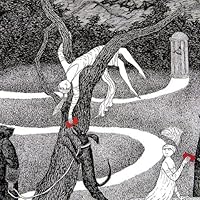
Here is one real hallucination:
...people will often be telling me that my producer is a bit of an operator, and my reply to them is generally "Well, that may very well be true, but I'm only interested in one thing, and that's getting the film done - whether or not I get screwed in the process"... we got two films made together, and no amount of documentaries about his pivotal role in the Israeli nuclear weapons programme can change that.
3/5.. Skip to chapter 7 in fact.
April 3, 2025
I've always felt ambivalent about Terry Gilliam. I like aspects of some of his movies, but generally there's an angry, reactionary stridency to them that ultimately kept me from embracing them. The subtext of his movies is that things used to be better. This feeling is on full display in this ill-advised memoir, in which Gilliam comes off not only as egocentric, tone deaf, and oblivious, but also, strangely for the company he kept, deeply conservative.
Here are some points he makes in the opening chapters that illustrate this:
- He says he never realized how much he was gone when his children were little. How can you not notice this? This speaks volumes about his character. I'm sure his wife and children noticed
- Here's a direct quote on his philosophy of parenting: "I think there's something a little crazy about the age we live in now where you're not supposed to smack a kid or even shout at them." Perhaps it's a good thing he was gone so much when his kids were young.
- Another direct quote: "I do think the generations who've grown up without learning the Bible have really missed out. Stories like David and Bathseba are the building blocks of our culture, but who knows Batsheba now?" Is this Terry Gilliam's memoir or Pat Buchanan's?
- Another Pat Buchanan moment: "Knowing that if you wanted to buy something, you'd have to save hard to get the money, prepared you for the realities of working life as an adult." This from a guy who famously went overbudget on most of his movies.
- And the final straw for me: "My grandfather...was a Baptist preacher who lived in the South, in Hot Springs, Arkansas. The thing that stuck in my mind about the South in the forties and fifites was how civilised it seemed. Everybody was always so polite - black and white, everyone would say 'Good morning' on the street - you couldn't have asked for nicer people."
This book has clarified my feelings about this director. Before, I was ambivalent; now, I've realized he's an asshole and I don't like him, his movies, or his angry, ignorant, Baby-Boomer worldview.
Here are some points he makes in the opening chapters that illustrate this:
- He says he never realized how much he was gone when his children were little. How can you not notice this? This speaks volumes about his character. I'm sure his wife and children noticed
- Here's a direct quote on his philosophy of parenting: "I think there's something a little crazy about the age we live in now where you're not supposed to smack a kid or even shout at them." Perhaps it's a good thing he was gone so much when his kids were young.
- Another direct quote: "I do think the generations who've grown up without learning the Bible have really missed out. Stories like David and Bathseba are the building blocks of our culture, but who knows Batsheba now?" Is this Terry Gilliam's memoir or Pat Buchanan's?
- Another Pat Buchanan moment: "Knowing that if you wanted to buy something, you'd have to save hard to get the money, prepared you for the realities of working life as an adult." This from a guy who famously went overbudget on most of his movies.
- And the final straw for me: "My grandfather...was a Baptist preacher who lived in the South, in Hot Springs, Arkansas. The thing that stuck in my mind about the South in the forties and fifites was how civilised it seemed. Everybody was always so polite - black and white, everyone would say 'Good morning' on the street - you couldn't have asked for nicer people."
This book has clarified my feelings about this director. Before, I was ambivalent; now, I've realized he's an asshole and I don't like him, his movies, or his angry, ignorant, Baby-Boomer worldview.

May 12, 2017
Of all the Pythons, Terry Gilliam has made the most impact beyond the troupe. His films, whilst occasionally difficult and usually overbudget, have a creative vision that few other directors can boast. And yet he still carries the scars of feeling like the stupid one compared to his eloquent fellows. Fittingly, therefore, his "pre-posthumous memoir" is not a dense and detailed biography as afforded to John Cleese or Michael Palin, but a lavishly illustrated series of anecdotes going through Gilliam's life from his upbringing in America to the Python reunion a couple of years ago. It is, however, his own creation - as ever, Gilliam remains stubbornly insistent on creative control.
And it's a fascinating read. In abandoning his home country for England, Gilliam was something of a pioneer of American emigration, and his stories of avoiding the Vietnam draft, of carving out a career first as a cartoonist before making his mark as an animator differentiates him from both his fellow Pythons and, indeed, most other people. His directing career is less interesting - largely because we've heard much of it before - but it obviously needs to be covered for the sake of completion. However, Gilliam appears to recognise it (or has heard himself telling the stories too often) and thus this part of the book is somewhat slimmer.
Gilliam's writing is witty and conversational, with a bit of name-dropping and a very English dose of self-deprecation. The part-scribbled, part-typed captions to the images are a bit awkward and take you away from the body of the text a little more than they should, but this isn't a book to absorb in depth, more one to simply enjoy.
And it's a fascinating read. In abandoning his home country for England, Gilliam was something of a pioneer of American emigration, and his stories of avoiding the Vietnam draft, of carving out a career first as a cartoonist before making his mark as an animator differentiates him from both his fellow Pythons and, indeed, most other people. His directing career is less interesting - largely because we've heard much of it before - but it obviously needs to be covered for the sake of completion. However, Gilliam appears to recognise it (or has heard himself telling the stories too often) and thus this part of the book is somewhat slimmer.
Gilliam's writing is witty and conversational, with a bit of name-dropping and a very English dose of self-deprecation. The part-scribbled, part-typed captions to the images are a bit awkward and take you away from the body of the text a little more than they should, but this isn't a book to absorb in depth, more one to simply enjoy.

August 28, 2017
As you would expect from Terry "Patsy" Gilliam, this is a memoir/autobiography that eschews the convention. He knows exactly what to tell, how to tell it, and does not get bogged down with the details of most personal reflections that bore the reader. Gilliam explains just enough of his childhood to set the stage for how those events of youth shaped his comedy, art and directing as an adult. But he doesn't give away too much. I was fascinated by the number of big names he knows, people that he knew before they were big names in many cases. Some we established by the time he became friends with them, such as George Harrison. Others were small time like him, and they all grew together. He does not drop these names just to exhibit his own importance, but rather as a means to a story. If you only know Terry Gilliam as the man who followed Graham Chapman around while clapping a pair of coconuts together for The Holy Grail, you do not understand the genius of the man behind the artistry. This may sound cliche, but too bad. This is a talented man in multiple aspects of art.
November 29, 2017
Un libro indispensabile per gli amanti del buon cinema e per gli estimatori degli immortali Monty Python. Attraverso immagini, disegni e le stupende parole di Terry Gilliam ripercorriamo la vita di questo straordinario artista. Rimane sempre stupefacente scoprire come avvengono le costituzioni di gruppi come i Monty Python, partiti dal nulla e diventati presto famosi in tutto il mondo. Una delle autobiografie più belle interessanti che abbia mai letto. Molto utile anche per comprendere la genialità di Gilliam e le sue ispirazioni che hanno dato vita a capolavori come Brazil e tutte le animazioni tipiche del Monty Python's Flying Circus.
P.S.: la bellissima edizione in copertina rigida e la straordinaria copertina lo rendono un ottimo libro da tenere esposto. Rimane bellissimo anche solo da sfogliare, grazie ai disegni e alle fotografie che mostrano i momenti chiave della vita di Terry Gilliam.
P.S.: la bellissima edizione in copertina rigida e la straordinaria copertina lo rendono un ottimo libro da tenere esposto. Rimane bellissimo anche solo da sfogliare, grazie ai disegni e alle fotografie che mostrano i momenti chiave della vita di Terry Gilliam.
March 23, 2019
This is very much like a typical Terry Gilliam film. It looks lovely and seems the best fist at a personal idea, but isn't actually as well constructed as could be expected. It uses the exact same gag about Palin's diaries twice, skips over a lot of what has allegedly been over-told, which of course is what everybody was really there for, and calls back twice to something he thought was important in his oeuvre – so important he hardly mentioned it in passing the first time, and never got to describe it. This is certainly no flooded set, mind, but a book that could have done with a firmer grip at the tiller. Programmes, other works – and even whole films – get a mention as slight as an IMDB front page, and there were several clear missed opportunities on those key Python elements. Three and a half stars.
August 16, 2021
Romp through Gilliam's US childhood, adolescence and uni then bursting into London: 'London is the Place for Me' by Chapter 7. Python fans (of which I'm not) will be scrolling through every detail whereas I was captivated by his ups and downs, how he managed to carve a place for himself in some of 20th century's most irreverent humour through his animation skills. How his wife and family gave him stability in the movie-making journey. Guy's a genius and has humility. Not blowing his trumpet so much as letting out a good blast for the road less taken by many.
Must admit I've skimmed quite a bit, picked the elements that captivated me such as his way as a 'Yank' in Britain to somehow keep his own with the OxBridge Monty crew that eventually embraced him, his mighty animations key to their success.
Must admit I've skimmed quite a bit, picked the elements that captivated me such as his way as a 'Yank' in Britain to somehow keep his own with the OxBridge Monty crew that eventually embraced him, his mighty animations key to their success.

May 28, 2024
Gilliam seems to be a fairly irritating individual, but I’ve read Palin’s diaries, as well as Idle’s and Cleese’s books, so thought I should.
It looks great, but there’s not a lot of depth here. He promises he won’t talk about his family, which is fair enough, but then he pretty much skates over every film following BRAZIL. They all only receive a couple of pages. It’s like he gave up halfway through writing (dictating) it.
If, like me, you like to keep abreast on the current relations between the Pythons, then you might remember Eric Idle launching a two-footed Twitter attack on Gilliam (and one of his children) a few months back. For what it’s worth, in this 2015 book, Gilliam is quite favourable towards Idle. It’s Chapman who is slighted, only earned three mentions, and none of them positive.
It looks great, but there’s not a lot of depth here. He promises he won’t talk about his family, which is fair enough, but then he pretty much skates over every film following BRAZIL. They all only receive a couple of pages. It’s like he gave up halfway through writing (dictating) it.
If, like me, you like to keep abreast on the current relations between the Pythons, then you might remember Eric Idle launching a two-footed Twitter attack on Gilliam (and one of his children) a few months back. For what it’s worth, in this 2015 book, Gilliam is quite favourable towards Idle. It’s Chapman who is slighted, only earned three mentions, and none of them positive.

June 21, 2017
Pros: The way it was put together was simply beautiful. The early on focus on the graphic/artistic nature of his career. The focus on the way his career and his approach to filmmaking have changed for good or for ill.
Cons: Not enough information regarding the process of directing. Too many names-dropped. Petty disagreements with critics. Very little emphasis on the time with Monty Python (I know he said it'd be that way...doesn't mean I didn't want Python anyway). Too much grousing about American politics.
I'm glad I read the book. Mr. Gilliam is an amazingly creative fellow who has directed many fun and beautiful films. I understand the shooting is finally finished for Don Quixote and I'll be looking forward to seeing it sometime in the future.
Cons: Not enough information regarding the process of directing. Too many names-dropped. Petty disagreements with critics. Very little emphasis on the time with Monty Python (I know he said it'd be that way...doesn't mean I didn't want Python anyway). Too much grousing about American politics.
I'm glad I read the book. Mr. Gilliam is an amazingly creative fellow who has directed many fun and beautiful films. I understand the shooting is finally finished for Don Quixote and I'll be looking forward to seeing it sometime in the future.

October 3, 2018
Another Python memoir! How many can there be...? Oh and along comes (the increasingly accurately named, as Mr Gilliam puts it) Eric Idle's one too! Festooned in Python autobiogs! Fortunately so far they are high quality, with Mr Cleese's still taking the top spot, of which more later. Mr Gilliam's is a lavishly produced big format graphical affair as one might expect, with lots of old pictures, cheeky cartoons, and big fonts throughout. It is a good fun read, but any detail has been sacrificed at the altar of big pretty layout, and for that I dock a point, sir! No other Python need to go as far as the vast empires of paper that are Mr Palin's diaries (which are wonderful nevertheless) but we want a good back story to things and lots of gossip. Mr Cleese's detail level was perfect.

November 30, 2018
First off, this is certainly a beautifully designed book, which should come as no surprise. It should also come as no surprise that Gilliam favors run-on sentences and lengthy parenthetical digressions. This can make the book a bit wearying, especially in its second, more cantankerous half. It's a lot more interesting to focus on Gilliam's less-often discussed pre-Python life and work. Even Terry G. himself admits that the Python years and the making (or unmaking) of many of his films have been chronicled to death elsewhere. Still, this is an engaging and occasionally exhausting ramble through the one-of-a-kind mind of Terry Gilliam.
Displaying 1 - 30 of 122 reviews