

What do you think?

Поводок
Vicent termina os seus estudos de piano no Conservatório há pouco mais de dois anos quando conheceu Laurence. Casaram-se quase de imediato, não obstante as dúvidas levantadas pelo pai de Laurence em relação ao futuro do jovem pianista, que considerava um execrável marginal apostado em explorar a sua única, inocente e riquíssima filha... Sete anos depois, tais dúvidas - que haviam determinado o corte de relações entre pai e filha - continuavam, justificadamente, a subsidir: nesse longo período de ociosidade e fracaso, Vicent limitara-se a viver sem preocupações, à custa de Laurence, cuja fortuna aumentara várias vezes, graças à considerável herança que entretanto recebera da morte da mãe, uma morte que teria entristecido Vicent se não tivesse sido tão oportuna e, sobretudo, tão providencial.
Todavia, algo mudou, aparentemente, para Vicent quando lhe pediram que escrevesse a música de um filme: o filmes transformou-se num sucesso e a música num verdadeiro triunfo internacional, augurando excelentes perspectivas profissionais e financeiras ao talentoso compositor. E provocando a ira de Laurence...
Um romance sedutor, amargo e lúcido. A obra mais recente de uma das grandes figuras da literatura francesa do nosso século.
Todavia, algo mudou, aparentemente, para Vicent quando lhe pediram que escrevesse a música de um filme: o filmes transformou-se num sucesso e a música num verdadeiro triunfo internacional, augurando excelentes perspectivas profissionais e financeiras ao talentoso compositor. E provocando a ira de Laurence...
Um romance sedutor, amargo e lúcido. A obra mais recente de uma das grandes figuras da literatura francesa do nosso século.
224 pages, Hardcover
First published January 1, 1989
About the author
Françoise Sagan
189 books1,755 followersBorn Françoise Quoirez, Sagan grew up in a French Catholic, bourgeois family. She was an independent thinker and avid reader as a young girl, and upon failing her examinations for continuing at the Sorbonne, she became a writer.
She went to her family's home in the south of France and wrote her first novel, Bonjour Tristesse, at age 18. She submitted it to Editions Juillard in January 1954 and it was published that March. Later that year, She won the Prix des Critiques for Bonjour Tristesse.
She chose "Sagan" as her pen name because she liked the sound of it and also liked the reference to the Prince and Princesse de Sagan, 19th century Parisians, who are said to be the basis of some of Marcel Proust's characters.
She was known for her love of drinking, gambling, and fast driving. Her habit of driving fast was moderated after a serious car accident in 1957 involving her Aston Martin while she was living in Milly, France.
Sagan was twice married and divorced, and subsequently maintained several long-term lesbian relationships. First married in 1958 to Guy Schoeller, a publisher, they divorced in 1960, and she was then married to Robert James Westhoff, an American ceramicist and sculptor, from 1962 to 63. She had one son, Denis, from her second marriage.
She won the Prix de Monaco in 1984 in recognition of all of her work.
She went to her family's home in the south of France and wrote her first novel, Bonjour Tristesse, at age 18. She submitted it to Editions Juillard in January 1954 and it was published that March. Later that year, She won the Prix des Critiques for Bonjour Tristesse.
She chose "Sagan" as her pen name because she liked the sound of it and also liked the reference to the Prince and Princesse de Sagan, 19th century Parisians, who are said to be the basis of some of Marcel Proust's characters.
She was known for her love of drinking, gambling, and fast driving. Her habit of driving fast was moderated after a serious car accident in 1957 involving her Aston Martin while she was living in Milly, France.
Sagan was twice married and divorced, and subsequently maintained several long-term lesbian relationships. First married in 1958 to Guy Schoeller, a publisher, they divorced in 1960, and she was then married to Robert James Westhoff, an American ceramicist and sculptor, from 1962 to 63. She had one son, Denis, from her second marriage.
She won the Prix de Monaco in 1984 in recognition of all of her work.
Ratings & Reviews
Friends & Following
Create a free account to discover what your friends think of this book!
Community Reviews
Displaying 1 - 29 of 29 reviews

November 26, 2018
My 500th review!
Marriage and money. He’s a musical composer in France and a kept man. Married 7 years to Laurence. Her father assumes he married her for her money. Suddenly he comes into big money himself as a composer of a hit song; they create a joint bank account and their whole marriage situation changes, forcing him to reconsider if she ever really loved him.
Her perfume gives him migraines but he never says a word. He’s resigned to being in the wrong. It’s as if she had acquired a big doll to dress. She controls the TV remote and he gives in when she switches off shows he wants to watch. He can’t have a dog; he doesn’t feel he can invite his friends over – all their social set is selected by her. One time he confesses he’s not sure he really loves her and she replies he would one day and it’s okay anyway “As long as you keep pretending as well as you do, my darling!” He thinks “She had always been the owner and I her property.”
He doesn’t think of their house as “at home,” rather, he’s “at Laurence’s” or “the apartment in which we had cohabited after getting married.” The author writes “The brutality of money is more categorical with regard to property than anything else: either you own it or you have to be ready to leave.”
To counter his expertise in music, she claims to be well-versed in literature whereas he’s actually much better read than her. So he says of dinner table discussions of literature “I had to feign ignorance just as often as Laurence had to pretend to be knowledgeable.”
His refuge was his music studio with a piano, also his bedroom, but when he goes there he feels “…not the constraints of a husband trying to escape his wife … but those of a young man giving his mother the slip.”
A French language quirk: when they argued she switched language from the familiar to the formal (from vous to tu) and he followed suit.
Some other quotes I liked:
“Like many women, when you thought of making love before she did, she was perverse enough to express disgust.”
“She had taken the best years of my life, as though I were a woman and she a man.”
“It began to pour with rain - one of those showers, appropriately enough, that made a sound of slaps and kisses.”
His money changes him. At dinner parties [I’m paraphrasing] “…my financial success conferred on me a newfound virility that gave me the right to look at their women with a lustful gaze.”
A good read, a little slow at times. Be prepared for a tragic ending.
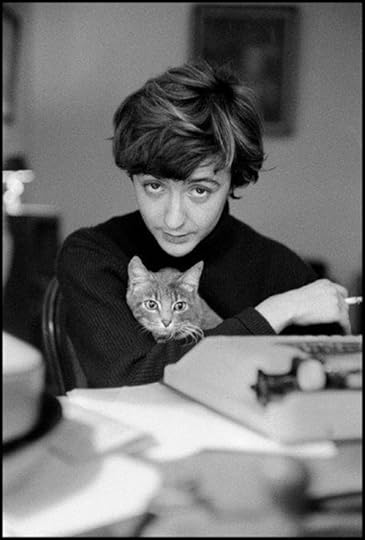
Sagan wrote about 20 novels and led an interesting life. Married twice, she had affairs with men and women. She led the life of a “playgirl,” hanging out with folks like Truman Capote and Ava Gardner. She drove fast cars, liked to gamble, and eventually became addicted to cocaine and pills.
Fans of Proust will be interested to know that the author’s family name was Quoirez and she took the name Sagan from the character ‘Princesse de Sagan’ in Marcel Proust's In Search of Lost Time.
Wikipedia says she is best known for her first novel, Bonjour Tristesse. I think that is true because that novel has about as many ratings on GR as all her other books combined. When I reviewed Bonjour Tristesse I wrote “I occasionally thought that it was a bit of stretch to believe that a seventeen-year-old girl could philosophize this deeply about love, life and men, and then I read that the author was nineteen when she wrote this book. Amazing!”
If you are interested, you can see my review of Bonjour Tristesse here: https://www.goodreads.com/review/show...
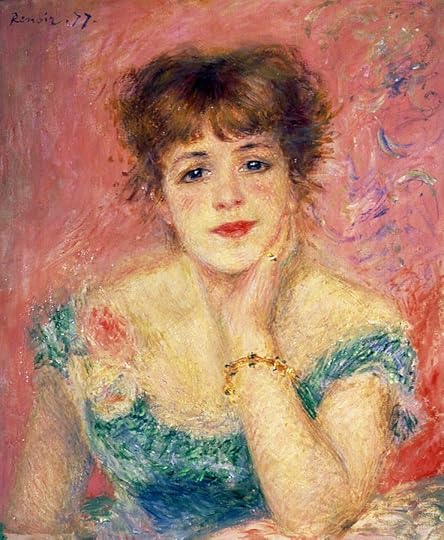
Top image: Portrait of the actress Jeanne Samary by Renoir
Photo of the author from anothermag.com
Marriage and money. He’s a musical composer in France and a kept man. Married 7 years to Laurence. Her father assumes he married her for her money. Suddenly he comes into big money himself as a composer of a hit song; they create a joint bank account and their whole marriage situation changes, forcing him to reconsider if she ever really loved him.
Her perfume gives him migraines but he never says a word. He’s resigned to being in the wrong. It’s as if she had acquired a big doll to dress. She controls the TV remote and he gives in when she switches off shows he wants to watch. He can’t have a dog; he doesn’t feel he can invite his friends over – all their social set is selected by her. One time he confesses he’s not sure he really loves her and she replies he would one day and it’s okay anyway “As long as you keep pretending as well as you do, my darling!” He thinks “She had always been the owner and I her property.”
He doesn’t think of their house as “at home,” rather, he’s “at Laurence’s” or “the apartment in which we had cohabited after getting married.” The author writes “The brutality of money is more categorical with regard to property than anything else: either you own it or you have to be ready to leave.”
To counter his expertise in music, she claims to be well-versed in literature whereas he’s actually much better read than her. So he says of dinner table discussions of literature “I had to feign ignorance just as often as Laurence had to pretend to be knowledgeable.”
His refuge was his music studio with a piano, also his bedroom, but when he goes there he feels “…not the constraints of a husband trying to escape his wife … but those of a young man giving his mother the slip.”
A French language quirk: when they argued she switched language from the familiar to the formal (from vous to tu) and he followed suit.
Some other quotes I liked:
“Like many women, when you thought of making love before she did, she was perverse enough to express disgust.”
“She had taken the best years of my life, as though I were a woman and she a man.”
“It began to pour with rain - one of those showers, appropriately enough, that made a sound of slaps and kisses.”
His money changes him. At dinner parties [I’m paraphrasing] “…my financial success conferred on me a newfound virility that gave me the right to look at their women with a lustful gaze.”
A good read, a little slow at times. Be prepared for a tragic ending.
Sagan wrote about 20 novels and led an interesting life. Married twice, she had affairs with men and women. She led the life of a “playgirl,” hanging out with folks like Truman Capote and Ava Gardner. She drove fast cars, liked to gamble, and eventually became addicted to cocaine and pills.
Fans of Proust will be interested to know that the author’s family name was Quoirez and she took the name Sagan from the character ‘Princesse de Sagan’ in Marcel Proust's In Search of Lost Time.
Wikipedia says she is best known for her first novel, Bonjour Tristesse. I think that is true because that novel has about as many ratings on GR as all her other books combined. When I reviewed Bonjour Tristesse I wrote “I occasionally thought that it was a bit of stretch to believe that a seventeen-year-old girl could philosophize this deeply about love, life and men, and then I read that the author was nineteen when she wrote this book. Amazing!”
If you are interested, you can see my review of Bonjour Tristesse here: https://www.goodreads.com/review/show...
Top image: Portrait of the actress Jeanne Samary by Renoir
Photo of the author from anothermag.com

July 12, 2024
Título original:«La Laisse», tradução de Isabel ST. AUBYN
A anatomia de um casamento visto como uma trela, analisado e explicado numa linguagem sedutora, amarga, lúcida, subtilmente irónica, diálogos muito agéis e pura poesia na descrição da cidade de Paris. Os casamentos podem ser conjugados no presente do indicativo, no futuro do pretérito composto e, tal como a vida, são imprevisíveis, absorventes e irrisórios.
Por definição, o casamento é amor, ternura atenta, alegria apaixonada, afecto, confiança inflexível e não um combate de forças para determinar quem vence, quem manda, quem é dono da trela e, como um axioma, há que analisar o perigo e a violência versus solução e segurança.
Laurence e Vincent são dois jovens de classes sociais diferentes casados há sete anos. Laurence é aspirante a músico e vive da mesada que Laurence de boa vontade lhe dá e ele preguiçosamente aceita apesar de não gostar de ser tratado como um chulo. Era o animal de estimação da mulher que lhe escolhia a roupa e o integrou numa sociedade snob e elitista com uma visão balzaquiana do dinheiro que transforma valores e destrói vidas. Vincent está farto e tem como desejo último libertar-se desta trela. Compõe uma música que faz sucesso e ganha muito dinheiro mas alguém o alerta que está casado em regime de comunhão de bens adquiridos.
Sagan escreve que Laurence tem «a dualidade de tantas mulheres modernas» que não se resigna a não confundir os hábitos de vida com as regras morais e os caprichos de menina mimada com os deveres e tem a paixão pela posse; Vincent, por seu lado, torna-se numa personagem solitária de Carco, Bradbury ou de Fitzgerald.
Livro atravessado por derrota, horror, piedade, obsessão, mágoa, crítica, ódio, remorso, rancor.
Um desfecho trágico ou trivial? Uma mulher com características patológicas, um homem preocupado com o seu orgulho masculino.
É difícil sair de um casamento? Certamente, mas, neste caso, em minha opinião, teria sido preferível o nunca ao tarde demais.
«Mas, esta ária, estas Mágoas Felizes, não, ninguém mas tiraria, não seriam nada mais, para além de uma música para encontros de prazer, de amor, de carícias e de boas recordações.»
Não é o «Bonjour Tristesse» mas está quase lá. Gostei muito.
A anatomia de um casamento visto como uma trela, analisado e explicado numa linguagem sedutora, amarga, lúcida, subtilmente irónica, diálogos muito agéis e pura poesia na descrição da cidade de Paris. Os casamentos podem ser conjugados no presente do indicativo, no futuro do pretérito composto e, tal como a vida, são imprevisíveis, absorventes e irrisórios.
Por definição, o casamento é amor, ternura atenta, alegria apaixonada, afecto, confiança inflexível e não um combate de forças para determinar quem vence, quem manda, quem é dono da trela e, como um axioma, há que analisar o perigo e a violência versus solução e segurança.
Laurence e Vincent são dois jovens de classes sociais diferentes casados há sete anos. Laurence é aspirante a músico e vive da mesada que Laurence de boa vontade lhe dá e ele preguiçosamente aceita apesar de não gostar de ser tratado como um chulo. Era o animal de estimação da mulher que lhe escolhia a roupa e o integrou numa sociedade snob e elitista com uma visão balzaquiana do dinheiro que transforma valores e destrói vidas. Vincent está farto e tem como desejo último libertar-se desta trela. Compõe uma música que faz sucesso e ganha muito dinheiro mas alguém o alerta que está casado em regime de comunhão de bens adquiridos.
Sagan escreve que Laurence tem «a dualidade de tantas mulheres modernas» que não se resigna a não confundir os hábitos de vida com as regras morais e os caprichos de menina mimada com os deveres e tem a paixão pela posse; Vincent, por seu lado, torna-se numa personagem solitária de Carco, Bradbury ou de Fitzgerald.
Livro atravessado por derrota, horror, piedade, obsessão, mágoa, crítica, ódio, remorso, rancor.
Um desfecho trágico ou trivial? Uma mulher com características patológicas, um homem preocupado com o seu orgulho masculino.
É difícil sair de um casamento? Certamente, mas, neste caso, em minha opinião, teria sido preferível o nunca ao tarde demais.
«Mas, esta ária, estas Mágoas Felizes, não, ninguém mas tiraria, não seriam nada mais, para além de uma música para encontros de prazer, de amor, de carícias e de boas recordações.»
Não é o «Bonjour Tristesse» mas está quase lá. Gostei muito.

Read
December 22, 2022A atmosfera deste A Trela poderá diminuir, aos olhos de muitos, o brilhantismo da narrativa, mas nem assim se virão desculpados de ter de reconhecer que a filosofia existencialista de Sagan fica aqui bem explanada.
"Os homens ignoram por completo certos domínios; e imaginar, admitir nervos, sofrimentos, gritos, queixumes em tudo aquilo que podemos tocar, em tudo o que podemos deteriorar, em tudo o que a mim me parecia vulnerável e silencioso - terrivelmente silencioso - deprimia-me por momentos."
Esta pequena novela é o mote para a autora abordar a submissão muda, a resignação a um estado sentimental pervertido pela frivolidade da posse, cuja ação, reduzida a um mínimo imprescindível, torna as relações humanas o foco essencial da narrativa.
Faz então sentido que se nos apresente um narrador, casado com uma tal Laurence, que "em sete anos, perdera o gosto pelo acaso e ganhara, sem dúvida, o gosto pela trela."
Ele não escolhe a roupa que veste, o programa que vê, os amigos que faz... Ele é um compositor, sem grande sucesso, que todos julgam casado com o dinheiro e não com a mulher. E, de facto, pelos seus próprios olhos, ele leva uma vida desafogada, bastante agradável, uma espécie de concubinato ideal - claro que não é tudo cor de rosa já que esta lhe custa a aniquilação pessoal:
"(...)é uma das grandes infelicidades, e das mais generalizadas entre a raça humana, em minha opinião, esta recusa de nós próprios, esta paixão pelo oposto, cuidadosamente oculta e sempre renovada."
E Sagan centra toda a força da narrativa a analisar não só a aniquilação da vontade de viver como a amoralidade das relações possessivas em que a dualidade masculino/feminino; fraqueza/força servem de contraponto à desintegração do ser amado pelo ser amante e vice-versa.
"Laurence apoderara-se dos melhores anos da minha vida, como se eu fosse uma mulher e ela um homem."
A consupção da relação é inevitável, claro, mas a essência do romance (novela) não se fica por aí. Sagan explora a fundo as motivações e desmotivações por detrás desta relação em que "(...)o hábito é uma das piores e mais subtis formas de posse.":
"De início... de início, como pudera permitir que a minha vida, o meu tempo fossem regulamentados deste modo, sem revolta, sem o mínimo conflito?"
E colocando-a num meio citadino boémio, em que as personagens de classe média cedem facilmente ao ócio, ao jogo e ao vício, permite-se criar relações-tipo muito próximas da vida real, sopesando sempre as posições ocupadas por cada elemento: agressor e agredido.
"-(...)Lutei para que ficasses, fiz tudo, fiz de mais, sabe-lo bem, mas, se pudesse, rodeava-te de grades. Se pudesse prendia-te grilhetas aos pés, enclausurava-te para não me fazeres sofrer, para ter a certeza, a certeza absoluta, mesmo por uma noite, por um dia, de que estavas aqui e aqui ficavas. Faria o que fosse preciso."
Sagan é também muito bem sucedida no que concerne a transmitir as contradições dos desejos, dos sentimentos e a incapacidade física de responder ao ímpeto espiritual. E embora faça avançar a ação muito lentamente, essa é uma das forças do seu trabalho. O resultado foi uma leitura absolutamente compulsiva.
"Imaginava-me num apartamento de duas assoalhadas com crianças a chorar e uma mulher estafada: seria preferível como destino? Seria mais suave do que o de um homem, ainda jovem, bem vestido, livre de preocupações e cansaço, preso a um deslumbrante apartamento pela trama tecida por uma mulher histérica e fútil? Seria mais viril se me matasse a trabalhar numa fábrica? Sentir-me-ia mais orgulhoso?
(...)
Não era aí que o meu orgulho se situava não era aí que eu me situava: nem no mérito, nem no esforço. Situava-o na felicidade, sem mais! Fácil de dizer, difícil de acreditar: só me sentia contente comigo mesmo quando feliz."
"Os homens ignoram por completo certos domínios; e imaginar, admitir nervos, sofrimentos, gritos, queixumes em tudo aquilo que podemos tocar, em tudo o que podemos deteriorar, em tudo o que a mim me parecia vulnerável e silencioso - terrivelmente silencioso - deprimia-me por momentos."
Esta pequena novela é o mote para a autora abordar a submissão muda, a resignação a um estado sentimental pervertido pela frivolidade da posse, cuja ação, reduzida a um mínimo imprescindível, torna as relações humanas o foco essencial da narrativa.
Faz então sentido que se nos apresente um narrador, casado com uma tal Laurence, que "em sete anos, perdera o gosto pelo acaso e ganhara, sem dúvida, o gosto pela trela."
Ele não escolhe a roupa que veste, o programa que vê, os amigos que faz... Ele é um compositor, sem grande sucesso, que todos julgam casado com o dinheiro e não com a mulher. E, de facto, pelos seus próprios olhos, ele leva uma vida desafogada, bastante agradável, uma espécie de concubinato ideal - claro que não é tudo cor de rosa já que esta lhe custa a aniquilação pessoal:
"(...)é uma das grandes infelicidades, e das mais generalizadas entre a raça humana, em minha opinião, esta recusa de nós próprios, esta paixão pelo oposto, cuidadosamente oculta e sempre renovada."
E Sagan centra toda a força da narrativa a analisar não só a aniquilação da vontade de viver como a amoralidade das relações possessivas em que a dualidade masculino/feminino; fraqueza/força servem de contraponto à desintegração do ser amado pelo ser amante e vice-versa.
"Laurence apoderara-se dos melhores anos da minha vida, como se eu fosse uma mulher e ela um homem."
A consupção da relação é inevitável, claro, mas a essência do romance (novela) não se fica por aí. Sagan explora a fundo as motivações e desmotivações por detrás desta relação em que "(...)o hábito é uma das piores e mais subtis formas de posse.":
"De início... de início, como pudera permitir que a minha vida, o meu tempo fossem regulamentados deste modo, sem revolta, sem o mínimo conflito?"
E colocando-a num meio citadino boémio, em que as personagens de classe média cedem facilmente ao ócio, ao jogo e ao vício, permite-se criar relações-tipo muito próximas da vida real, sopesando sempre as posições ocupadas por cada elemento: agressor e agredido.
"-(...)Lutei para que ficasses, fiz tudo, fiz de mais, sabe-lo bem, mas, se pudesse, rodeava-te de grades. Se pudesse prendia-te grilhetas aos pés, enclausurava-te para não me fazeres sofrer, para ter a certeza, a certeza absoluta, mesmo por uma noite, por um dia, de que estavas aqui e aqui ficavas. Faria o que fosse preciso."
Sagan é também muito bem sucedida no que concerne a transmitir as contradições dos desejos, dos sentimentos e a incapacidade física de responder ao ímpeto espiritual. E embora faça avançar a ação muito lentamente, essa é uma das forças do seu trabalho. O resultado foi uma leitura absolutamente compulsiva.
"Imaginava-me num apartamento de duas assoalhadas com crianças a chorar e uma mulher estafada: seria preferível como destino? Seria mais suave do que o de um homem, ainda jovem, bem vestido, livre de preocupações e cansaço, preso a um deslumbrante apartamento pela trama tecida por uma mulher histérica e fútil? Seria mais viril se me matasse a trabalhar numa fábrica? Sentir-me-ia mais orgulhoso?
(...)
Não era aí que o meu orgulho se situava não era aí que eu me situava: nem no mérito, nem no esforço. Situava-o na felicidade, sem mais! Fácil de dizer, difícil de acreditar: só me sentia contente comigo mesmo quando feliz."

December 13, 2018
Uma história, muito bem contada, de uma relação pouco saudável com algumas viragens pouco previsíveis mas um final expectável. Ainda assim, gostei bastante.

September 2, 2018
这本整本就是男主我樊尚对妻子劳伦斯的“枷锁”控诉,是,我就因为这样决定离开她的。劳伦斯对其巨细无遗的要求,乃至着装,我作为她身边的小白脸,每个月从她身边拿零花钱。当男女两性的关系在金钱社会地位处于倒置地位是,那么她们的爱情就很危险。不过也不觉得,同事给我说过她身边的例子,两个人在一起条件不能相差太悬殊,丈夫去仰望自己的妻子是不行的,婚姻会出问题。当然也不能说绝对。
这本大段的樊尚的内心独白,归纳为没钱没尊严像小狗一样被拴在女主身边。并不让你有自己的事业和朋友。读者看完都会觉得受不了,你快离开这个女人吧。然而刚开始读。书背后的内容简介,刚开始会觉得男主白眼狼,女主那么爱你供给你一切,你竟然有了一点小钱就跑路,简直是渣男。
想到了之前读过哈里夫库雷西的 亲密 也有类似的感觉。我觉得不是说你被作者价值观带跑蛊毒之类,只是你突然发现,抛弃社会道德纲常伦理,尊重你内心的选择不一定就是错误的。亲密 里面男主一整本也是内心独白,讲明,啊我是如何不爱我的妻子,为什么我要离开她去找我的情人,我会对孩子充满愧疚,我也会为自己背叛家庭而遭到亲朋好友的轻蔑耻笑。但又如何,我最后还是毅然决然的选择离开,准备离婚。
引用我看到友邻的一句话。同时,身为女人的萨冈,用男性的视角来讽刺女人,因为——“女人只拥有能令她们自己感到幸福的逻辑”。她所运用的男性视角也只是她想象下的,语气逻辑还是很女性化的。
文中这句话:“她的一些惯用语,她的一些令人不快的反应,在我看来更多的是因为她所处的阶层,而不是出于本性……我赋予了她二十种优点,却没有想到她唯独缺少——暂且承认她具有那些品质——将它们变得令人可以接受的方式;一种即使再精英的教育也无法传授的方式。”这句话也可以推及很多人,你会发现为什么身边同样家境富裕的人,为什么有的人觉得很舒服,你对她们可以畅无不言,而有的人你会自己想要遮掩感觉自卑,哈哈哈哈哈“打个比方,劳伦斯聪明但却没有思想,大手大脚却并不慷慨,美丽但却没有魅力,……她诽谤但却并非出于怨恨,幼稚但却没有童趣……”萨冈用了好多个近义形容词进行排比,形容女主。咋一看觉得很矛盾,其实还是些许差别的。
这本大段的樊尚的内心独白,归纳为没钱没尊严像小狗一样被拴在女主身边。并不让你有自己的事业和朋友。读者看完都会觉得受不了,你快离开这个女人吧。然而刚开始读。书背后的内容简介,刚开始会觉得男主白眼狼,女主那么爱你供给你一切,你竟然有了一点小钱就跑路,简直是渣男。
想到了之前读过哈里夫库雷西的 亲密 也有类似的感觉。我觉得不是说你被作者价值观带跑蛊毒之类,只是你突然发现,抛弃社会道德纲常伦理,尊重你内心的选择不一定就是错误的。亲密 里面男主一整本也是内心独白,讲明,啊我是如何不爱我的妻子,为什么我要离开她去找我的情人,我会对孩子充满愧疚,我也会为自己背叛家庭而遭到亲朋好友的轻蔑耻笑。但又如何,我最后还是毅然决然的选择离开,准备离婚。
引用我看到友邻的一句话。同时,身为女人的萨冈,用男性的视角来讽刺女人,因为——“女人只拥有能令她们自己感到幸福的逻辑”。她所运用的男性视角也只是她想象下的,语气逻辑还是很女性化的。
文中这句话:“她的一些惯用语,她的一些令人不快的反应,在我看来更多的是因为她所处的阶层,而不是出于本性……我赋予了她二十种优点,却没有想到她唯独缺少——暂且承认她具有那些品质——将它们变得令人可以接受的方式;一种即使再精英的教育也无法传授的方式。”这句话也可以推及很多人,你会发现为什么身边同样家境富裕的人,为什么有的人觉得很舒服,你对她们可以畅无不言,而有的人你会自己想要遮掩感觉自卑,哈哈哈哈哈“打个比方,劳伦斯聪明但却没有思想,大手大脚却并不慷慨,美丽但却没有魅力,……她诽谤但却并非出于怨恨,幼稚但却没有童趣……”萨冈用了好多个近义形容词进行排比,形容女主。咋一看觉得很矛盾,其实还是些许差别的。

August 8, 2024
on ne naît pas femme on le devient etc etc #jesuisvincent

January 6, 2025
Bản dịch là Sợi Dây Buộc Cổ

April 26, 2023
Je sais pas quoi en penser honnêtement. D’un côté je me dis que le livre a vraiment mal vieilli et qu’on est aujourd’hui à des antipodes de ce qu’est la société aujourd’hui (ou peut-être pas ? Je ne connais pas le monde de la bourgeoisie parisienne)
Cependant j’ai aussi l’impression de lire un récit différent et « retourné » dans le sens où Françoise Sagan essaye d’inverser les rôles du patriarcat avec en tête l’homme .. je ne sais pas quoi en penser
Cependant j’ai aussi l’impression de lire un récit différent et « retourné » dans le sens où Françoise Sagan essaye d’inverser les rôles du patriarcat avec en tête l’homme .. je ne sais pas quoi en penser

September 12, 2013
A very joyful book to read; I love it how all things come together for Vincent.

June 9, 2023
No se quina nota posar-li. En alguns moments sentia que em decepcionava i en altres que era brillant. No se si m'ha encantat o l'he odiat. Que complicat.

September 5, 2025
Он пианист и женат на дочери богатых родителей уже 7 лет. Нигде не работает живёт за ее счет. Однажды ему удается написать шлягер и получить миллион долларов. Тесть предлагает положить все деньги на совместный счёт в банк. Теперь на каждом чеке ему нужна подпись жены. Он осознает свое положение. Немного бунтует. И решает уйти от жены. После прощальной ночи он пишет еще один будущий хит. Жена слышит мелодию и упрекает его в том, что уходить он решил понимая, что скоро снова сможет разбогатеть. Он забирает свои чемоданы и уезжает. Уже за городом он узнает, что она выбросилась из окна.
Неуравновешенная суицидница завидовала мужу и была болезненно привязана к нему. Поэтому она пыталась держать его рядом на денежном поводке. А он пристрастился к ленивой жизни за чужой счет, но чудом обретенное богатство позволило ему избавится от нелюбимой. Она разрыв не пережила.
Неуравновешенная суицидница завидовала мужу и была болезненно привязана к нему. Поэтому она пыталась держать его рядом на денежном поводке. А он пристрастился к ленивой жизни за чужой счет, но чудом обретенное богатство позволило ему избавится от нелюбимой. Она разрыв не пережила.
This entire review has been hidden because of spoilers.
July 24, 2026
Ja deze vond ik wel lekker! Villeinig geschreven, ik wilde accuut meer van Sagan lezen (ben halsoverkop ook De geverfde vrouw van haar gaan lezen, maar die vond ik onaangenaam pretentieus geschreven, heel gekunstelde zinnen, vermoeiend om te lezen. Dat is niet het geval in dit boek, leest vlot weg. Ik besefte me af en toe wel dat ik er óók lol in had omdat het door een vrouw is geschreven, vrees dat ik er minder enthousiast over was geweest als de auteur een man was (want mannen die schrijven over losers waar vrouwen tòch dol op zijn komen me de keel uit en dat is in feite precies dit boek), dat was een rare gewaarwording. Maar dat doet er dus blijkbaar toch toe, in ieder geval in dit geval…
July 16, 2026
Empecé a leerlo pensando que sería una historia de una pareja tóxica tradicional y he encontrado una relación de codependencia unida a un paternalismo exorbitante escrito de una forma preciosa y asfixiante al mismo tiempo. Es interesante cómo plantea la relación con diferencia de poder, dinero y estatus tanto social como familiar, y cómo todo eso se empieza a tambalear el día que un golpe de suerte hace que la balanza se incline del lado de uno de los miembros de la pareja.
Y como conclusión: hay gente que no debería estar junta.
Y como conclusión: hay gente que no debería estar junta.
This entire review has been hidden because of spoilers.

September 18, 2025
Sono al quarto libro di Sagan e il suo stile barocco, un po' antiquato, tagliato però da uno sguardo cinico e disincantato, continua a convincere. Non saranno i romanzi "della vita", ma le sue storie hanno il potere di illuminare sentimenti bui, un po' nascosti, decisamente poco nobili, che tutti noi conosciamo. E anche se sono storie sentimentali, c'è molto poco spazio per il sentimentalismo. Come forma di intrattenimento per me è un sì.

June 24, 2026
To już powoli moja nowa tradycja, zaczynanie lata z Françoise Sagan. Zakończenie znowu jest słodko-gorzkie, i przez kilka ostatnich stron nie mogłam przestać myśleć o Nikki z Obsession! Ale ogólnie trochę mało wymagające fabularnie, raczej prosta opowieść o nieszczęśliwym małżeństwie i obsesyjnym przywiązaniu/kontroli, dlatego <3.5.

February 1, 2020
Vienā vakarā izlasāms stāsts par vīrieti un sievieti un sarežģītam manipulāciju pilnām attiecībām. Snobismu un milzīgu neirotismu. Viss, ko mēs gribam paturēt ar varu, pakļaut, ieslodzīt no mums aiziet. Vienmēr.

February 27, 2021
Exquisitely written, this novel flows like a beautiful melody played on a rainy afternoon. Sagan is the maestro, making you float through every sentence, absorbing every smell, sound and feeling of love and hate.
I give this book a standing ovation.
I give this book a standing ovation.

March 8, 2019
Саган - знаток заблудших душ и Поводок тому очередное подтверждение


April 9, 2022
Deuxième essai avec Sagan.
Je n'ai pas vraiment accroché l'histoire, trop gauche caviar.
C'est admirablement bien écrit (bien qu'un tantinet ampoulé parfois) mais le livre a (je pense) mal vieilli.
Je n'ai pas vraiment accroché l'histoire, trop gauche caviar.
C'est admirablement bien écrit (bien qu'un tantinet ampoulé parfois) mais le livre a (je pense) mal vieilli.
August 28, 2024
Un libro que ha envejecido mal. Sin interés.
January 27, 2026
(-)
bel plot, in generale mi ha preso più la fine, ma comunque po' tiresome
bel plot, in generale mi ha preso più la fine, ma comunque po' tiresome
August 11, 2026
bourgeoisie, musique, conflits familiaux, marginaux, suicide c’est du Sagan quoi
This entire review has been hidden because of spoilers.

October 10, 2018
From the very beginning, there's something looming. What, exactly? It's hard to tell.
This novel is about love and money, love and talent, love and deception. It's set among the richest of the rich in Paris, who also happen to be very bad at talking about love, money, talent and deception. And there's a mounting sense of urgency to get everything out in the open.
One of my favourite books this year.
This novel is about love and money, love and talent, love and deception. It's set among the richest of the rich in Paris, who also happen to be very bad at talking about love, money, talent and deception. And there's a mounting sense of urgency to get everything out in the open.
One of my favourite books this year.
June 4, 2008
The title "La Laisse" means "The Leash." In my continuing efforts to resurrect my French before our trip this fall, I read this in French. My primary enjoyment came from reading the French; I didn't find the book/story itself very compelling.

September 17, 2020
Интересно, необычно, волнующе и неожиданно. Несмотря на то, что характеры героев так и не раскрылись полностью, всё же книга оставила положительные впечатления. Язык повествования заслуживает отдельной похвалы.
April 27, 2016
Nice plot but a bit tiresome to read

December 29, 2016
Un roman splendide de Françoise Sagan, sur ce couple formé d'une riche héritière possessif et d'un compositeur sans le sou que la société considère comme le mari gigolo de sa riche épouse.
December 25, 2017
Splendide, intelligent, vivace, drôle, amer. Tout Sagan. Dans ce livre on sent notamment la maturité de l’auteure par rapport aux précédentes nouvelles.
Displaying 1 - 29 of 29 reviews