

What do you think?

Henry IV: The Righteous King
The talented, confident, and intelligent son of John of Gaunt, Henry IV started his reign as a popular and charismatic king after he dethroned the tyrannical and wildly unpopular Richard II. But six years into his reign, Henry had survived eight assassination and overthrow attempts.
Having broken God's law of primogeniture by overthrowing the man many people saw as the chosen king, Henry IV left himself vulnerable to challenges from powerful enemies about the validity of his reign. Even so, Henry managed to establish the new Lancastrian dynasty and a new rule of law - in highly turbulent times.
In this book, noted historian Ian Mortimer, author of The Time Traveler's Guide to Elizabethan London, explores the political and social forces that transformed Henry IV from his nation's savior to its scourge.
Having broken God's law of primogeniture by overthrowing the man many people saw as the chosen king, Henry IV left himself vulnerable to challenges from powerful enemies about the validity of his reign. Even so, Henry managed to establish the new Lancastrian dynasty and a new rule of law - in highly turbulent times.
In this book, noted historian Ian Mortimer, author of The Time Traveler's Guide to Elizabethan London, explores the political and social forces that transformed Henry IV from his nation's savior to its scourge.
Audible Audio
First published August 7, 2007
About the author
Ian Mortimer
35 books1,521 followersAKA James Forrester.
Dr Ian Mortimer is a historian and novelist, best known for his Time Traveller's Guides series. He has BA, MA, PhD and DLitt degrees from the University of Exeter and UCL. He is a Fellow of the Royal Historical Society and a Fellow of the Society of Antiquaries, and was awarded the Alexander Prize by the Royal Historical Society in 2004. Home is the small Dartmoor town of Moretonhampstead, which he occasioanlly introduces in his books. His most recet book, 'Medieval Horizons' looks at how life changed between the eleventh and sixteenth centuries.
He also writes in other genres: his fourth novel 'The Outcasts of Time' won the 2018 Winston Graham Prize for historical fiction. His earlier trilogy of novels set in the 1560s were published under his middle names, James Forrester. In 2017 he wrote 'Why Running Matters' - a memoir of running in the year he turned fifty.
At present he is concentrating on writing history books that have experimental perspectives on the past. One example is a study of England as it would have appeared to the people living in his house over the last thousand years. This is provisionally entitled 'The History of England through the Windows of an Ordinary House'. It is due for completion in December 2024 and publication in 2026.
Dr Ian Mortimer is a historian and novelist, best known for his Time Traveller's Guides series. He has BA, MA, PhD and DLitt degrees from the University of Exeter and UCL. He is a Fellow of the Royal Historical Society and a Fellow of the Society of Antiquaries, and was awarded the Alexander Prize by the Royal Historical Society in 2004. Home is the small Dartmoor town of Moretonhampstead, which he occasioanlly introduces in his books. His most recet book, 'Medieval Horizons' looks at how life changed between the eleventh and sixteenth centuries.
He also writes in other genres: his fourth novel 'The Outcasts of Time' won the 2018 Winston Graham Prize for historical fiction. His earlier trilogy of novels set in the 1560s were published under his middle names, James Forrester. In 2017 he wrote 'Why Running Matters' - a memoir of running in the year he turned fifty.
At present he is concentrating on writing history books that have experimental perspectives on the past. One example is a study of England as it would have appeared to the people living in his house over the last thousand years. This is provisionally entitled 'The History of England through the Windows of an Ordinary House'. It is due for completion in December 2024 and publication in 2026.
Ratings & Reviews
Friends & Following
Create a free account to discover what your friends think of this book!
Community Reviews
Displaying 1 - 30 of 115 reviews

April 19, 2022
5/5 ok I’ll give this 2.5 until I can research a few things from another book. It seems like he’s spot on for everything else EXCEPT he did that other thing that I hate he does: he sticks in these appendices and they seem like opinions dressed up as complete accepted fact. I don’t read those anymore because he just pisses me off. Yes I’m a lady and I just said pisses. He pisses me off.
Ok so I’ve expressed my extremely strong feelings about Mortimer on here. My problem is I bought several of his books before I realized his writing and research styles. So now I’m stuck. I’m going to start this one and see what happens. It could be possible I’ve just had really bad luck…I doubt that but anything is possible.
5/1-and there it is Mortimer I swear why is it only you that always finds this tiny nugget of history that EVERY OTHER HISTORIAN UP TO THIS POINT has never seen? WHY? Why are you the most observant, lucky 🍀 historian out of ALL OF THE HISTORIANS IN THE WORLD who spies with your little eye what no one else has ever done? And that includes Croydon, various ambassadors, and other contemporary sources-people who were actually there. I shake my head at you, sir. I just shake my head.
5/2-ya know it’s times like this that I wish I had spent more time reading about the honorable men of England instead of all of the women, because then I could rightfully say “sweet baby Jesus, Mortimer. You just can’t help yourself, can you?” I think my head may come loose from my body from all of the shaking it’s doing
5/3- good lawd. What will make you stop? You are just so no that I can’t. You’re a big can’t!
5/5- so I googled “books about Henry IV” because I think I need to judge Mortimer justly and I can’t because I do not know enough about this particular time period’s kings. So google right? Well, half of what pops up is all Mortimer because it appears that every time his book goes through another edition or maybe a different publishing house he gives his book a new title-so there’s that. Then there is some sort of historical fiction series. Finally I found university press and it seems that they are slowly accepting books on each monarch but not in order. So I bookmarked that site. But again, I do not recognize any of these authors. But still-how many times do you need to give your bios a new title before you think it will sell? Like people will buy all three or something that seems like book fraud dude
Ok so I’ve expressed my extremely strong feelings about Mortimer on here. My problem is I bought several of his books before I realized his writing and research styles. So now I’m stuck. I’m going to start this one and see what happens. It could be possible I’ve just had really bad luck…I doubt that but anything is possible.
5/1-and there it is Mortimer I swear why is it only you that always finds this tiny nugget of history that EVERY OTHER HISTORIAN UP TO THIS POINT has never seen? WHY? Why are you the most observant, lucky 🍀 historian out of ALL OF THE HISTORIANS IN THE WORLD who spies with your little eye what no one else has ever done? And that includes Croydon, various ambassadors, and other contemporary sources-people who were actually there. I shake my head at you, sir. I just shake my head.
5/2-ya know it’s times like this that I wish I had spent more time reading about the honorable men of England instead of all of the women, because then I could rightfully say “sweet baby Jesus, Mortimer. You just can’t help yourself, can you?” I think my head may come loose from my body from all of the shaking it’s doing
5/3- good lawd. What will make you stop? You are just so no that I can’t. You’re a big can’t!
5/5- so I googled “books about Henry IV” because I think I need to judge Mortimer justly and I can’t because I do not know enough about this particular time period’s kings. So google right? Well, half of what pops up is all Mortimer because it appears that every time his book goes through another edition or maybe a different publishing house he gives his book a new title-so there’s that. Then there is some sort of historical fiction series. Finally I found university press and it seems that they are slowly accepting books on each monarch but not in order. So I bookmarked that site. But again, I do not recognize any of these authors. But still-how many times do you need to give your bios a new title before you think it will sell? Like people will buy all three or something that seems like book fraud dude

August 13, 2021
He Did What He Had To
When I read history, I’m looking for a clear writing style and an analysis supported by explanation. Author Ian Mortimer supplies this in abundance! This book is a clear, accessible and engaging account into the personality and reign of Henry IV (1399-1413), a king often overshadowed by his more famous predecessors and successors. Mortimer seeks to rehabilitate Henry’s reputation, presenting him as a complex figure driven by both ambition and insecurity.
One of The Fears of Henry IV’s greatest strengths is Mortimer’s ability to humanise Henry IV. Rather than simply portraying him as a usurper who seized the throne from Richard II (1377-1399), Mortimer examines the motivations behind Henry’s actions, exploring the personal and political fears that shaped his reign. The author argues that Henry’s life was marked by a constant struggle to legitimize his rule, facing challenges from both internal and external enemies, as well as dealing with the guilt and anxiety stemming from his role in Richard II's deposition.
Mortimer’s narrative is rich in detail, drawing from a wide array of primary sources to paint a vivid picture of the period. He excels at placing Henry IV’s reign within the broader context of medieval England, offering insights into the political, social, and religious dynamics of the time. The author’s exploration of the various rebellions and conspiracies that plagued Henry’s reign is particularly well done, highlighting the precarious nature of his kingship and the continual threats he faced.
The Fears of Henry IV’s structure is well-organized, with Mortimer balancing a chronological account of Henry’s life with thematic chapters that delve into specific aspects of his reign, such as his relationship with the Church, his military campaigns, and his efforts to maintain control over the nobility. This approach allows readers to gain a comprehensive understanding of Henry IV as both a man and a monarch. However, Mortimer’s sympathetic portrayal of Henry IV may be seen by some as overly forgiving. While the author does not shy away from discussing the darker aspects of Henry’s reign, such as his role in the execution of Richard II and the harsh measures taken against his enemies, there is a tendency to frame these actions as necessary responses to the threats he faced. Some readers might feel that Mortimer could have been more critical of Henry’s methods and the moral implications of his decisions.
In terms of writing style, Mortimer strikes a balance between academic rigor and readability. His prose is engaging, making the book accessible to both scholars and general readers with an interest in medieval history. The use of primary sources is deftly handled, with Mortimer often allowing the historical figures to speak for themselves, which adds authenticity to the narrative.
The Fears of Henry IV is first class history, I particularly loved he helped me understand Henry the King and Henry the man. Most importantly, to understand the man in his times, not by modern standards. Why he is largely forgotten and why we see him mainly as a usurper lending sympathy to Richard II. Henry’s qualities are explained such as his conservatism, spirituality and loyalty. He was not evil or a bad king and it’s good to have justice served in those parts here. In part those may seem contradictory, but they are not. Henry often had no choice but to do what he did. Mortimer’s sympathetic yet balanced portrayal of Henry IV definitely offers a fresh perspective on the challenges of medieval kingship and the personal toll it took on the man who wore the crown. While some may find Mortimer’s interpretation too lenient, the book is nonetheless an essential read for anyone interested in the complexities of medieval English politics and the life of one of its most intriguing monarchs. Read this book, it is better than most.
When I read history, I’m looking for a clear writing style and an analysis supported by explanation. Author Ian Mortimer supplies this in abundance! This book is a clear, accessible and engaging account into the personality and reign of Henry IV (1399-1413), a king often overshadowed by his more famous predecessors and successors. Mortimer seeks to rehabilitate Henry’s reputation, presenting him as a complex figure driven by both ambition and insecurity.
One of The Fears of Henry IV’s greatest strengths is Mortimer’s ability to humanise Henry IV. Rather than simply portraying him as a usurper who seized the throne from Richard II (1377-1399), Mortimer examines the motivations behind Henry’s actions, exploring the personal and political fears that shaped his reign. The author argues that Henry’s life was marked by a constant struggle to legitimize his rule, facing challenges from both internal and external enemies, as well as dealing with the guilt and anxiety stemming from his role in Richard II's deposition.
Mortimer’s narrative is rich in detail, drawing from a wide array of primary sources to paint a vivid picture of the period. He excels at placing Henry IV’s reign within the broader context of medieval England, offering insights into the political, social, and religious dynamics of the time. The author’s exploration of the various rebellions and conspiracies that plagued Henry’s reign is particularly well done, highlighting the precarious nature of his kingship and the continual threats he faced.
The Fears of Henry IV’s structure is well-organized, with Mortimer balancing a chronological account of Henry’s life with thematic chapters that delve into specific aspects of his reign, such as his relationship with the Church, his military campaigns, and his efforts to maintain control over the nobility. This approach allows readers to gain a comprehensive understanding of Henry IV as both a man and a monarch. However, Mortimer’s sympathetic portrayal of Henry IV may be seen by some as overly forgiving. While the author does not shy away from discussing the darker aspects of Henry’s reign, such as his role in the execution of Richard II and the harsh measures taken against his enemies, there is a tendency to frame these actions as necessary responses to the threats he faced. Some readers might feel that Mortimer could have been more critical of Henry’s methods and the moral implications of his decisions.
In terms of writing style, Mortimer strikes a balance between academic rigor and readability. His prose is engaging, making the book accessible to both scholars and general readers with an interest in medieval history. The use of primary sources is deftly handled, with Mortimer often allowing the historical figures to speak for themselves, which adds authenticity to the narrative.
The Fears of Henry IV is first class history, I particularly loved he helped me understand Henry the King and Henry the man. Most importantly, to understand the man in his times, not by modern standards. Why he is largely forgotten and why we see him mainly as a usurper lending sympathy to Richard II. Henry’s qualities are explained such as his conservatism, spirituality and loyalty. He was not evil or a bad king and it’s good to have justice served in those parts here. In part those may seem contradictory, but they are not. Henry often had no choice but to do what he did. Mortimer’s sympathetic yet balanced portrayal of Henry IV definitely offers a fresh perspective on the challenges of medieval kingship and the personal toll it took on the man who wore the crown. While some may find Mortimer’s interpretation too lenient, the book is nonetheless an essential read for anyone interested in the complexities of medieval English politics and the life of one of its most intriguing monarchs. Read this book, it is better than most.

December 17, 2012
When is a non-fiction book completely fabulous and unputdownable? Ironically, when it reads like a work of fiction. So it is with Ian Mortimer’s engaging and exciting biographical work on Henry Bolingbroke, The Fears of Henry IV: The Life of England’s Self-Made King who was a son of John of Gaunt, cousin to Richard II, and who was mostly known as a usurper and murderer. He’s also, it turns out, one of the most under-rated kings in British history.
Mortimer begins by informing the reader that good ol’ Will Shakespeare has a lot to answer for. The reason he states this is because contemporary impressions and understanding of Henry IV are mainly drawn from the bard’s portrait of the man across a few plays. As a consequence, the man and king we “know” is largely a distortion drawn not for historical purposes so much as political and dramatic ones. Stating his case, Mortimer sets about trying to set this inaccurate portrait straight.
While each of the chapters has as an epigraph a quote from Shakespeare, the content is rigorously researched using the few extant documents available from the period – many of which are financial records of Henry’s court, all of which leave a terrific and interesting trail (at one stage, Mortimer knows where Henry is because of the toilet paper – cloth –he’s ordered to be at his residence! He literally follows his leavings) for us to follow. He also draws upon French and other documents about the period, analysing their biases or possible inaccuracies in the process. Finally, he also uses contemporary historians, emphasising where they may have misread or misinterpreted a fact or hit the nail on the head. In other words, this is a thoroughly researched book that also contains fascinating appendices, an extensive bibliography and from which a few academic journal articles arose as well.
Commencing in Henry’s childhood and creating a context for his later antagonism with Richard, Mortimer describes the cousins’ early years and is at pains to point out their differences: Richard was quiet, aware of the throne he was to inherit, greatly coddled, not an intellectual and certainly not a fighter. By contrast, Henry, as the eldest son of John of Gaunt, was well educated, privileged, a fine warrior (he was one of the youngest nobles ever to enter a jousting ring – fourteen!), travelled a great deal and was a deeply pious man who believed in the Holy Trinity with a passion.
What may have started out as familiarity, bred through ties of kinship, later became contempt, possibly fuelled through frustration, jealousy, fear and loathing - on both parts. I’m simplifying something here that is complex and which Mortimer explains and explores with the finesse and erudition of a forensic psychologist, profiling with expertise these two very dissimilar men.
Mortimer is at pains to show how Richard’s fears, cruelty and insecurities bred a particular type of response, not simply among his courtiers, but from political allies and enemies, as well as the king himself, and how these also led to Henry becoming and acting a particular way. He doesn’t judge or condone, but he does unpack the diverse approaches of the two men, the way they interact with others and how they understand their roles as men, leaders, friends and sons.
It’s these differences, physical, emotional, spiritual and intellectual that set these men apart in every way and which lead to the huge schism that later divides England along the lines of Richard’s supporters and Henry’s.
Without going into too much detail for those who don’t know the story, Richard’s reign and Henry’s actions and reactions under it are explored – the battles, the pilgrimages, the attempt at crusades, the longing for public acknowledgement, the rewards, riches and punishments – all of which were delivered at the seeming changeable whim of an insecure and nasty king.
When, in 1399, Henry returns to England and takes the throne, it’s to a land confused about what’s happened, torn asunder by petty rivalries and jealousies and on the cusp of common – not rule - but legislature. It’s into this that Henry, a man never raised to be king, steps and takes the reigns of power. Wielding them as best he can it’s inevitable that he makes mistakes and earns the enmity of those who don’t seem to give him a chance. But, if there’s one thing Mortimer makes clear, it’s that Henry Bolingbroke, despite treachery, many, many assassination attempts, a treasury forever in gross debt, foreign countries plotting, scheming and changing sides, and a constant movement to dethrone him in other ways, survives.
While not remembered for performing any great deeds, nor leaving behind any churches or buildings of state (the only memorial to Henry IV is a statue on the east end of Battlefield Church at Shrewsbury), Mortimer proves that Henry was indeed a self-made king – someone who grew into the role and who did the best he could against formidable odds.
Tall, handsome, smart and deeply committed to his wives and children, Henry was a loyal man who nonetheless understood justice, even when it came at a high cost. Terribly ill from his late thirties on, he ruled against the odds in all sorts of ways. Reading his story, I felt like I was plunged into an action-adventure on minute, a political thriller the next, a romance with medical overtones after that. Marvellously told, rich and exciting, Mortimer is such a talent. He literally brings history and the people who made it to life on the page.
An outstanding book for those who love a good read, for the voracious history buff, and for anyone wanting to shed light on England’s past and thus present by looking at the lesser-known figures and their contributions – great and small, I cannot recommend it highly enough.
Mortimer begins by informing the reader that good ol’ Will Shakespeare has a lot to answer for. The reason he states this is because contemporary impressions and understanding of Henry IV are mainly drawn from the bard’s portrait of the man across a few plays. As a consequence, the man and king we “know” is largely a distortion drawn not for historical purposes so much as political and dramatic ones. Stating his case, Mortimer sets about trying to set this inaccurate portrait straight.
While each of the chapters has as an epigraph a quote from Shakespeare, the content is rigorously researched using the few extant documents available from the period – many of which are financial records of Henry’s court, all of which leave a terrific and interesting trail (at one stage, Mortimer knows where Henry is because of the toilet paper – cloth –he’s ordered to be at his residence! He literally follows his leavings) for us to follow. He also draws upon French and other documents about the period, analysing their biases or possible inaccuracies in the process. Finally, he also uses contemporary historians, emphasising where they may have misread or misinterpreted a fact or hit the nail on the head. In other words, this is a thoroughly researched book that also contains fascinating appendices, an extensive bibliography and from which a few academic journal articles arose as well.
Commencing in Henry’s childhood and creating a context for his later antagonism with Richard, Mortimer describes the cousins’ early years and is at pains to point out their differences: Richard was quiet, aware of the throne he was to inherit, greatly coddled, not an intellectual and certainly not a fighter. By contrast, Henry, as the eldest son of John of Gaunt, was well educated, privileged, a fine warrior (he was one of the youngest nobles ever to enter a jousting ring – fourteen!), travelled a great deal and was a deeply pious man who believed in the Holy Trinity with a passion.
What may have started out as familiarity, bred through ties of kinship, later became contempt, possibly fuelled through frustration, jealousy, fear and loathing - on both parts. I’m simplifying something here that is complex and which Mortimer explains and explores with the finesse and erudition of a forensic psychologist, profiling with expertise these two very dissimilar men.
Mortimer is at pains to show how Richard’s fears, cruelty and insecurities bred a particular type of response, not simply among his courtiers, but from political allies and enemies, as well as the king himself, and how these also led to Henry becoming and acting a particular way. He doesn’t judge or condone, but he does unpack the diverse approaches of the two men, the way they interact with others and how they understand their roles as men, leaders, friends and sons.
It’s these differences, physical, emotional, spiritual and intellectual that set these men apart in every way and which lead to the huge schism that later divides England along the lines of Richard’s supporters and Henry’s.
Without going into too much detail for those who don’t know the story, Richard’s reign and Henry’s actions and reactions under it are explored – the battles, the pilgrimages, the attempt at crusades, the longing for public acknowledgement, the rewards, riches and punishments – all of which were delivered at the seeming changeable whim of an insecure and nasty king.
When, in 1399, Henry returns to England and takes the throne, it’s to a land confused about what’s happened, torn asunder by petty rivalries and jealousies and on the cusp of common – not rule - but legislature. It’s into this that Henry, a man never raised to be king, steps and takes the reigns of power. Wielding them as best he can it’s inevitable that he makes mistakes and earns the enmity of those who don’t seem to give him a chance. But, if there’s one thing Mortimer makes clear, it’s that Henry Bolingbroke, despite treachery, many, many assassination attempts, a treasury forever in gross debt, foreign countries plotting, scheming and changing sides, and a constant movement to dethrone him in other ways, survives.
While not remembered for performing any great deeds, nor leaving behind any churches or buildings of state (the only memorial to Henry IV is a statue on the east end of Battlefield Church at Shrewsbury), Mortimer proves that Henry was indeed a self-made king – someone who grew into the role and who did the best he could against formidable odds.
Tall, handsome, smart and deeply committed to his wives and children, Henry was a loyal man who nonetheless understood justice, even when it came at a high cost. Terribly ill from his late thirties on, he ruled against the odds in all sorts of ways. Reading his story, I felt like I was plunged into an action-adventure on minute, a political thriller the next, a romance with medical overtones after that. Marvellously told, rich and exciting, Mortimer is such a talent. He literally brings history and the people who made it to life on the page.
An outstanding book for those who love a good read, for the voracious history buff, and for anyone wanting to shed light on England’s past and thus present by looking at the lesser-known figures and their contributions – great and small, I cannot recommend it highly enough.

May 3, 2015
Henry IV King of England 1399-1413
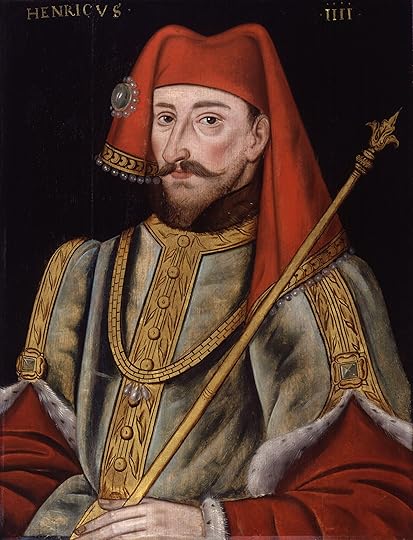
Who was he? How is he important to history? What is his lasting legacy?
Ian Mortimer, in this excellent and thoughtful historical biography on this unjustly forgotten King, traces the life story of the serious, scholarly and determined individual who proudly marched on crusade in Northern Europe, joyfully participated in numerous tournaments, suffered the paisn of unfair exile, unleashed a successful rebellion against a tyrant king (Richard II), had himself crowned as King of England by popular vote, established a new dynasty on England's throne, tenaciously fended his crown from the plots and assassinations and finally defeated his home grown enemies on the field of Shrewsbury, Wales.
Right from the beginning Mortimer asks how is it that this proud, pragmatic and ruthless king is not more well known to history and the public? How is the public's general perception of such a determined and dedicated man restricted to the fictional works of William Shakespeare? Why did Shakespeare himself fail to recognise the greatness of the King before him? Instead, giving attention to the tyrant Richard II and the Lion of Agincourt, Henry IV's own son, Henry V. Why is it that we focus on the paternal grandfather, Edward III, and the father, John of Gaunt, in an almost microscopic gaze while studying in intense interest the successes and failures of Henry IV's son, Henry V, and his grandson, Henry VI? W Why do we lavish such extremes of historical attention on this man's family but not himself?
The answer, according to Ian Mortimer, lies in the manner of how Henry IV came to throne. In purely legal terms, he usurped from the rightfully acknowledged king, Richard II. Never mind that Richard II was a spiteful, petty, suspicious and vengeful monarch with a taste for the utter destruction of those who even slightly defied his royal command. Henry IV took the throne not by right of birth, primogeniture or by the terms set down by Richard II himself, he took the crown through an odd mix of popular support and complicated genealogical wrangling. He overthrew God's anointed king and was never able to fully shake off the belief that he had sinned against the rightful order. This momentous decision , by Henry IV, had lasting repercussions on the English Royal Family and how succession was to be determined. It seems future generations were never fully comfortable with Henry IV being the man who shook throne and how it was governed to its core.
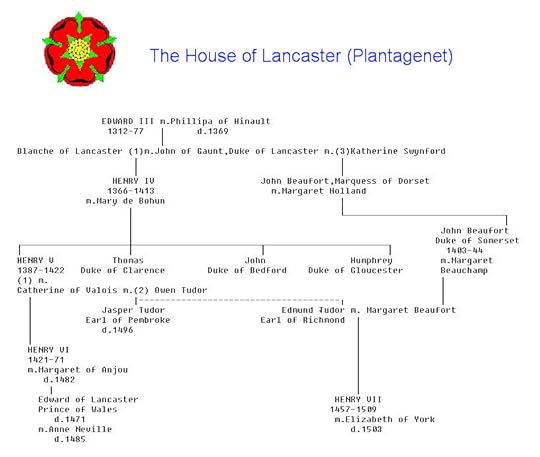
Mortimer goes into careful and minute detail about Henry's family background, who parents were, his grandparents, his brothers and sisters, his aunts and uncles, his wives and finally his children. In going into such elaborate exploration of Henry's royal background, how and by whom he was brought up by and which values were instilled into him by an early age, we receive a more rounded and nuanced picture of this conflicted king. We learn that his mother Blanche of Lancaster died when he was a year old, that his father, John of Gaunt, married two more times. Henry's stepmothers included Constanza of Castile and the famous Katherine Swynford.
He also had a large number of siblings - two full siblings from his mother, Philippa and Elizabeth, a half-sister Catalina from Constanza, another half sister Blanche from his fathers relationship with a lady-in-waiting and finally four half-siblings from Katherine Sywnford, the Beauforts. Therefore for the longest time, until his father had the Beauforts legitimatized, Henry was the sole legitimate son of his father and heir to the Duchy of Lancaster. Indeed in terms of rank and age as a king's grandson the only other royal child close to his age was Richard II, son of the Black Prince. He married twice, first to Mary de Bohun, with whom he had several children and secondly to joanna of Navarre, a childless marriage. He had four sons, Henry, Thomas, John and Humphrey and two daughters, Blanche and Phillippa with Mary. Healso had at least one affair (notably between his marriages) that resulted in his sole bastard child, Edmund Lebourde. Henry, a rarity among medieval nobleman, spears to have been completely faithful to both his wives and to have loved them dearly.
Mortimer peppers his book with key quotations from Shakespeare's Henry IV and goes into great length how the immortal bard paid a service and a disservice to the first Lancastrian king. Henry IV suffers as a kingly character in Shakespeare's plays as he is often unfavorably compared to his rather sympathetic predecessor, Richard II, and his successor the glorious Henry V. Henry IV suffers in duality from both of these kings - he was not divinely appointed by God as king instead seizing the throne from the legitimate king Richard II which makes him a usurper. Even worse his reign, often torn apart by attempted plots, assassinations and financial difficulties, pales miserably when compared to the victorious and warlike of his eldest son, Henry V. To Shakespeare, Henry's breaking of the divine order disrupted the balance of the kingdom and was only restored by the triumphant reign of his lion-like son. This perception of Henry IV as a breaker of divine action has lingered throughout the centuries and may be responsible for many people not knowing more about his life and legacy.
In Mortimer's book, Henry IV and his cousin and rival, Richard II, are compared and contrasted. They were both born around the same time, were grandsons of Famous men (Henry IV King Edward III & Henry of Grosmont) (Richard II King Edward III & Edmund Earl of Kent) had noble upbringings, were expected to succeed to great and lofty positions of power and to partake in the noble art of war once of age. Mortimer highlights the vast differences between Henry and Richard, showing them to be bitter and mistrustful rivals for power throughout their lives. Richard II, who succeeded his grandfather at ten, disliked going to war, partaking in tournaments and in leaving England. He was arrogant, vengeful, pompous, suspicious, crafty, manipulative, stubborn and easily incited to anger. He was also a man who could not be negotiated or compromised with the majority of the time. He had an incredibly and ultimately destructive opinion in his infallible authority that resulted in his unmourned downfall. Henry , on the other hand, was a serious, good-natured, intelligent, logical, proud, righteous and vigorous individual relished tournaments, jousts, pilgrimages, crusades and intellectual exercises throughout his life. He even went to Jerusalem on pilgrimage, a very noble goal in the Middle Ages. Mortimer stresses that Richard II was bitterly jealous of Henry and did all he could to alienate, dishonor, shame and finally disown his cousin. He could stand to see own cousin outshine him in nearly every avenue of royal life and it was this jealously that corroded their relationship to the point of Henry IV ordering the murder of an appointed king.

In short, this is an excellently researched, well-written and fantastic exploration into the life and legend of the forgotten king Henry IV. Mortimer has written a brilliant, insightful and erudite exploration of the life of Henry IV. He expands poignantly upon his life, his family, his personality, his relationships, his overseas adventures across Europe, his rebellion against King Richard II, his trials as king and how he coped with ruling a nation to the best of his ability. This has been expertly researched and fully footnoted with an extensive trustworthy biography of reputable primary and secondary sources. It is accurate, enjoyable, supremely engaging and bursting with thoughtful ideas and theories.
A worthy read. Highly recommended.
Who was he? How is he important to history? What is his lasting legacy?
Ian Mortimer, in this excellent and thoughtful historical biography on this unjustly forgotten King, traces the life story of the serious, scholarly and determined individual who proudly marched on crusade in Northern Europe, joyfully participated in numerous tournaments, suffered the paisn of unfair exile, unleashed a successful rebellion against a tyrant king (Richard II), had himself crowned as King of England by popular vote, established a new dynasty on England's throne, tenaciously fended his crown from the plots and assassinations and finally defeated his home grown enemies on the field of Shrewsbury, Wales.
Right from the beginning Mortimer asks how is it that this proud, pragmatic and ruthless king is not more well known to history and the public? How is the public's general perception of such a determined and dedicated man restricted to the fictional works of William Shakespeare? Why did Shakespeare himself fail to recognise the greatness of the King before him? Instead, giving attention to the tyrant Richard II and the Lion of Agincourt, Henry IV's own son, Henry V. Why is it that we focus on the paternal grandfather, Edward III, and the father, John of Gaunt, in an almost microscopic gaze while studying in intense interest the successes and failures of Henry IV's son, Henry V, and his grandson, Henry VI? W Why do we lavish such extremes of historical attention on this man's family but not himself?
The answer, according to Ian Mortimer, lies in the manner of how Henry IV came to throne. In purely legal terms, he usurped from the rightfully acknowledged king, Richard II. Never mind that Richard II was a spiteful, petty, suspicious and vengeful monarch with a taste for the utter destruction of those who even slightly defied his royal command. Henry IV took the throne not by right of birth, primogeniture or by the terms set down by Richard II himself, he took the crown through an odd mix of popular support and complicated genealogical wrangling. He overthrew God's anointed king and was never able to fully shake off the belief that he had sinned against the rightful order. This momentous decision , by Henry IV, had lasting repercussions on the English Royal Family and how succession was to be determined. It seems future generations were never fully comfortable with Henry IV being the man who shook throne and how it was governed to its core.
Mortimer goes into careful and minute detail about Henry's family background, who parents were, his grandparents, his brothers and sisters, his aunts and uncles, his wives and finally his children. In going into such elaborate exploration of Henry's royal background, how and by whom he was brought up by and which values were instilled into him by an early age, we receive a more rounded and nuanced picture of this conflicted king. We learn that his mother Blanche of Lancaster died when he was a year old, that his father, John of Gaunt, married two more times. Henry's stepmothers included Constanza of Castile and the famous Katherine Swynford.
He also had a large number of siblings - two full siblings from his mother, Philippa and Elizabeth, a half-sister Catalina from Constanza, another half sister Blanche from his fathers relationship with a lady-in-waiting and finally four half-siblings from Katherine Sywnford, the Beauforts. Therefore for the longest time, until his father had the Beauforts legitimatized, Henry was the sole legitimate son of his father and heir to the Duchy of Lancaster. Indeed in terms of rank and age as a king's grandson the only other royal child close to his age was Richard II, son of the Black Prince. He married twice, first to Mary de Bohun, with whom he had several children and secondly to joanna of Navarre, a childless marriage. He had four sons, Henry, Thomas, John and Humphrey and two daughters, Blanche and Phillippa with Mary. Healso had at least one affair (notably between his marriages) that resulted in his sole bastard child, Edmund Lebourde. Henry, a rarity among medieval nobleman, spears to have been completely faithful to both his wives and to have loved them dearly.
Mortimer peppers his book with key quotations from Shakespeare's Henry IV and goes into great length how the immortal bard paid a service and a disservice to the first Lancastrian king. Henry IV suffers as a kingly character in Shakespeare's plays as he is often unfavorably compared to his rather sympathetic predecessor, Richard II, and his successor the glorious Henry V. Henry IV suffers in duality from both of these kings - he was not divinely appointed by God as king instead seizing the throne from the legitimate king Richard II which makes him a usurper. Even worse his reign, often torn apart by attempted plots, assassinations and financial difficulties, pales miserably when compared to the victorious and warlike of his eldest son, Henry V. To Shakespeare, Henry's breaking of the divine order disrupted the balance of the kingdom and was only restored by the triumphant reign of his lion-like son. This perception of Henry IV as a breaker of divine action has lingered throughout the centuries and may be responsible for many people not knowing more about his life and legacy.
In Mortimer's book, Henry IV and his cousin and rival, Richard II, are compared and contrasted. They were both born around the same time, were grandsons of Famous men (Henry IV King Edward III & Henry of Grosmont) (Richard II King Edward III & Edmund Earl of Kent) had noble upbringings, were expected to succeed to great and lofty positions of power and to partake in the noble art of war once of age. Mortimer highlights the vast differences between Henry and Richard, showing them to be bitter and mistrustful rivals for power throughout their lives. Richard II, who succeeded his grandfather at ten, disliked going to war, partaking in tournaments and in leaving England. He was arrogant, vengeful, pompous, suspicious, crafty, manipulative, stubborn and easily incited to anger. He was also a man who could not be negotiated or compromised with the majority of the time. He had an incredibly and ultimately destructive opinion in his infallible authority that resulted in his unmourned downfall. Henry , on the other hand, was a serious, good-natured, intelligent, logical, proud, righteous and vigorous individual relished tournaments, jousts, pilgrimages, crusades and intellectual exercises throughout his life. He even went to Jerusalem on pilgrimage, a very noble goal in the Middle Ages. Mortimer stresses that Richard II was bitterly jealous of Henry and did all he could to alienate, dishonor, shame and finally disown his cousin. He could stand to see own cousin outshine him in nearly every avenue of royal life and it was this jealously that corroded their relationship to the point of Henry IV ordering the murder of an appointed king.
In short, this is an excellently researched, well-written and fantastic exploration into the life and legend of the forgotten king Henry IV. Mortimer has written a brilliant, insightful and erudite exploration of the life of Henry IV. He expands poignantly upon his life, his family, his personality, his relationships, his overseas adventures across Europe, his rebellion against King Richard II, his trials as king and how he coped with ruling a nation to the best of his ability. This has been expertly researched and fully footnoted with an extensive trustworthy biography of reputable primary and secondary sources. It is accurate, enjoyable, supremely engaging and bursting with thoughtful ideas and theories.
A worthy read. Highly recommended.
This entire review has been hidden because of spoilers.

April 23, 2013
Ian Mortimer tells the tale of a tragic prince who lead an incredible life but has been unappreciated throughout history. Some of the lack of appreciation is understandable because his warrior son had left such an incredible legacy that his own suffers from want. The rest of it is due to an unsuccessful reign and the judgments of his time period. It is a great book filled with excitement but told with historical professionalism.
Henry is born the son of the Duke of Lancaster, John of Gaunt, his paternal grandfather is King, and his maternal grandfather was the great warrior, Duke Henry. Throughout his life Henry would try to live the life a prince was expected to. He was a knight, he jousted, he went crusade where he fought holy battles, and he had even traveled to the Holy Land setting foot in Jerusalem. Henry had the potential to be great asset for to his cousin, the King.
Unfortunately, for both Henry and his country, they had King Richard II as their monarch. Many monarchs that have been overthrown were not themselves, bad people. More often than not they were just incapable of doing their jobs and suffered the consequences of it*. Richard, however, was a pure tyrant king who created a climate of fear for his people. King Richard who had come to the throne at the age of ten was often insecure, jealous, and paranoid. He always seemed to make enemies where he could have friends. The King never understood that the rebels in the peasant revolt were actually pro-monarchist, against noble power as much as he. He did not understand his uncle, the Duke of Lancaster, was actually trying to help him. Even his mother tried to get him to see reason but King Richard II really believed that his uncle was out to get him, even though he never acted against him.
Through no fault of his own Henry finds himself banished from England forced into exile, unable to attend his own father's funeral, and is disinherited. Much like Julius Caesar, Henry finds himself forced into an impossible position and acts in a similar manner. He returns to England in head of an army that grows the further he gets into the country (showing clear dislike for the people to Richard) and easily captures his rival.
Henry quickly encounters a problem. He had promised not to take England by conquest only to fight against a perceived injustice. In later ages it would be accepted that rulers who are tyrants can be overthrown, but what Henry was going to do to Richard violated all morals of the day. He took the throne from his cousin and through Parliament had himself proclaimed King Henry IV.
The revolutionary act of disposing of a king and taking his place would condemn Henry to a difficult rule. When King Edward II (great-grandfather to both Henry and Richard) was overthrown he was replaced by his own lawful heir, King Edward III, who did not partake in his father's overthrow. Edward III would avenge his father by killing the man who deposed him, Roger Mortimer, the Earl of March. This allowed King Edward III to rule with legitimacy. Henry was the man who deposed King Richard and replaced him as king. Henry was not Richard's lawful heir as had been Edward III to Edward II; there were multiple people who had better claims than Henry regardless of which method of succession was used**. Yet Henry deposes a king and becomes one at the same time, under the justification that Richard was a bad king. This makes the new King Henry IV vulnerable because the same standard could be used on him! In addition, as W. L. Warren pointed out in his book on King Henry II often times powerful nobles who become king, such as King Stephan, have a difficult time making the transition from nobleman to king. Henry learned the hard way that running a kingdom was not the same as running a duchy.
It has often been said that great leaders are judged by the circumstances that they faced. This is not true for King Henry IV, although he saved the kingdom from a tyrant and handled all crises that came to him rather well. His legacy was tarnished by what he had to do to become king. During his life he went unrecognized by his peers the Kings of Scotland and France. After death, he would unappreciated by his own successors, even his own son. He was Henry the Usurper and no king could glorify a usurper and remain safe on his own throne. Unlike his ancestor, William the Conqueror, he was never able to pull a show of legitimacy that the public could at some level accept.
Ian Mortimer did a great job telling the tale of a tragic figure not even the great William Shakespeare was able to give justice. I would highly recommend this book to anyone it is a great read.
*Henry's own grandson, King Henry VI, is a good example. Others were King Louis XVI of France, and Tsar Nicholas II of Russia.
**As Mortimer points out there were many entails but none of them could be used to create a successful argument that Henry had a hereditary right to be king.
Henry is born the son of the Duke of Lancaster, John of Gaunt, his paternal grandfather is King, and his maternal grandfather was the great warrior, Duke Henry. Throughout his life Henry would try to live the life a prince was expected to. He was a knight, he jousted, he went crusade where he fought holy battles, and he had even traveled to the Holy Land setting foot in Jerusalem. Henry had the potential to be great asset for to his cousin, the King.
Unfortunately, for both Henry and his country, they had King Richard II as their monarch. Many monarchs that have been overthrown were not themselves, bad people. More often than not they were just incapable of doing their jobs and suffered the consequences of it*. Richard, however, was a pure tyrant king who created a climate of fear for his people. King Richard who had come to the throne at the age of ten was often insecure, jealous, and paranoid. He always seemed to make enemies where he could have friends. The King never understood that the rebels in the peasant revolt were actually pro-monarchist, against noble power as much as he. He did not understand his uncle, the Duke of Lancaster, was actually trying to help him. Even his mother tried to get him to see reason but King Richard II really believed that his uncle was out to get him, even though he never acted against him.
Through no fault of his own Henry finds himself banished from England forced into exile, unable to attend his own father's funeral, and is disinherited. Much like Julius Caesar, Henry finds himself forced into an impossible position and acts in a similar manner. He returns to England in head of an army that grows the further he gets into the country (showing clear dislike for the people to Richard) and easily captures his rival.
Henry quickly encounters a problem. He had promised not to take England by conquest only to fight against a perceived injustice. In later ages it would be accepted that rulers who are tyrants can be overthrown, but what Henry was going to do to Richard violated all morals of the day. He took the throne from his cousin and through Parliament had himself proclaimed King Henry IV.
The revolutionary act of disposing of a king and taking his place would condemn Henry to a difficult rule. When King Edward II (great-grandfather to both Henry and Richard) was overthrown he was replaced by his own lawful heir, King Edward III, who did not partake in his father's overthrow. Edward III would avenge his father by killing the man who deposed him, Roger Mortimer, the Earl of March. This allowed King Edward III to rule with legitimacy. Henry was the man who deposed King Richard and replaced him as king. Henry was not Richard's lawful heir as had been Edward III to Edward II; there were multiple people who had better claims than Henry regardless of which method of succession was used**. Yet Henry deposes a king and becomes one at the same time, under the justification that Richard was a bad king. This makes the new King Henry IV vulnerable because the same standard could be used on him! In addition, as W. L. Warren pointed out in his book on King Henry II often times powerful nobles who become king, such as King Stephan, have a difficult time making the transition from nobleman to king. Henry learned the hard way that running a kingdom was not the same as running a duchy.
It has often been said that great leaders are judged by the circumstances that they faced. This is not true for King Henry IV, although he saved the kingdom from a tyrant and handled all crises that came to him rather well. His legacy was tarnished by what he had to do to become king. During his life he went unrecognized by his peers the Kings of Scotland and France. After death, he would unappreciated by his own successors, even his own son. He was Henry the Usurper and no king could glorify a usurper and remain safe on his own throne. Unlike his ancestor, William the Conqueror, he was never able to pull a show of legitimacy that the public could at some level accept.
Ian Mortimer did a great job telling the tale of a tragic figure not even the great William Shakespeare was able to give justice. I would highly recommend this book to anyone it is a great read.
*Henry's own grandson, King Henry VI, is a good example. Others were King Louis XVI of France, and Tsar Nicholas II of Russia.
**As Mortimer points out there were many entails but none of them could be used to create a successful argument that Henry had a hereditary right to be king.

March 28, 2022
James Cameron Stewart does an excellent telling of Ian Mortimer’s life of Henry IV in Britain. Not a standout king, except for the ability to thwart attempts on his life, he still had an interesting time on this earth.
I recommend this book.
I recommend this book.

September 14, 2011
I'm not reviewing a single book here, but a most powerful chronological trilogy of works by one of the foremost modern writers of English history. Ian Mortimer's 'The Fears of Henry IV-The Life of England's Self-Made King' completes the authors publications to date. * It is highly recommended that the reader follows Mortimer's biographies in their published order, namely 'The Greatest Traitor-The Life of Sir Roger Mortimer' and 'The Perfect King-The Life of Edward III', published in 2003 and 2006 respectively.
I can't praise these three books highly enough. The author has BA and PhD degrees in History, and an MA in archive studies. These skills are clearly evident throughout all three biogs. The sweep of history encompasses the fourteenth century, from the reigns of Edward II to Edward III. This third installment, published 2007, covers Richard II's dictatorial monarchy to the pivotal year of 1399 when Henry of Lancaster became Henry IV. There is a profound and highly skilled level of portraiture of all the major players throughout this marvellous triad. The events are momentous, to say the least. Equally important is the fact that all of these boooks re-align our historical view, shatter many popular myths and correct the Shakespearian propoganda still prevalent today.
*
Researching the author on the internet I discover that Mortimer has continued his life of the house of Lancaster,and gone once more into the breach with '1415:Henry V's Year of Glory' which was published in 2009. At this rate, the next decade should take this series through to 1485, which is a delicious thought!
I can't praise these three books highly enough. The author has BA and PhD degrees in History, and an MA in archive studies. These skills are clearly evident throughout all three biogs. The sweep of history encompasses the fourteenth century, from the reigns of Edward II to Edward III. This third installment, published 2007, covers Richard II's dictatorial monarchy to the pivotal year of 1399 when Henry of Lancaster became Henry IV. There is a profound and highly skilled level of portraiture of all the major players throughout this marvellous triad. The events are momentous, to say the least. Equally important is the fact that all of these boooks re-align our historical view, shatter many popular myths and correct the Shakespearian propoganda still prevalent today.
*
Researching the author on the internet I discover that Mortimer has continued his life of the house of Lancaster,and gone once more into the breach with '1415:Henry V's Year of Glory' which was published in 2009. At this rate, the next decade should take this series through to 1485, which is a delicious thought!

November 15, 2013
Henry IV is a curious figure in English history - a man whose reign is so utterly intertwined with the stories of those other much better known kings, his grandfather Edward III, his cousin Richard II and his son Henry V, that his own story tends to get lost. Henry's role in history sometimes seems often to serve little more purpose than to pave the way for the glories of his son Henry V. And yet what would the path of history have been without him? Henry V's glories must to a certain extent be ascribed to Henry IV as well, for it was he who weathered the storms of rebellion and treason in order to pass on a kingdom at peace to his son.
It is impossible to recount the life of Henry IV without telling that of Richard II as well, and Ian Mortimer is as always a master at bringing characters to life, at delving into the historical records to try and draw out some flavour of personality. In doing so, reading this book you begin to understand why history unfolded the way it did, why Henry could have done little else but return in 1399 and challenge his cousin, and why Richard II behaved the way he did. I'm not one for fate or prophecies, but it seems Richard and Henry were always on a collision course, always competing with one another, always compared against one another, and their rivalry shaped both of their lives.
Henry IV comes across as an endlessly contradictory man - a man pious and devout in his religious beliefs who yet executed an archbishop; a man who believed strongly in loyalty, who yet deposed his cousin and ordered his death; a man who believed in mercy, and was yet forced by rebellion and dissent to take actions that made his promises of mercy a lie; a man greeted by the country as a saviour, who then suffered numerous rebellions and assassination attempts. But Henry's defining characteristic was his pragmatism - he did what needed to be done, to safeguard his life, his family, his dynasty, his reputation and his kingdom. And, as Mortimer argues, it was this pragmatism that made his reign a success, when judged against the context of his times - unlike Richard II Henry could bend, be flexible, could accommodate and submit when needed, could weather criticism, withstand indignities. Henry's greatest success was the fact that he was only the fourth king in nearly 200 years to die peacefully in his bed of natural causes and pass on an uncontested throne to his son.
It is impossible to recount the life of Henry IV without telling that of Richard II as well, and Ian Mortimer is as always a master at bringing characters to life, at delving into the historical records to try and draw out some flavour of personality. In doing so, reading this book you begin to understand why history unfolded the way it did, why Henry could have done little else but return in 1399 and challenge his cousin, and why Richard II behaved the way he did. I'm not one for fate or prophecies, but it seems Richard and Henry were always on a collision course, always competing with one another, always compared against one another, and their rivalry shaped both of their lives.
Henry IV comes across as an endlessly contradictory man - a man pious and devout in his religious beliefs who yet executed an archbishop; a man who believed strongly in loyalty, who yet deposed his cousin and ordered his death; a man who believed in mercy, and was yet forced by rebellion and dissent to take actions that made his promises of mercy a lie; a man greeted by the country as a saviour, who then suffered numerous rebellions and assassination attempts. But Henry's defining characteristic was his pragmatism - he did what needed to be done, to safeguard his life, his family, his dynasty, his reputation and his kingdom. And, as Mortimer argues, it was this pragmatism that made his reign a success, when judged against the context of his times - unlike Richard II Henry could bend, be flexible, could accommodate and submit when needed, could weather criticism, withstand indignities. Henry's greatest success was the fact that he was only the fourth king in nearly 200 years to die peacefully in his bed of natural causes and pass on an uncontested throne to his son.

May 10, 2022
3.5 stars rounded up.
This is wordy as fuck🤷🏾♀️😭😬
I enjoyed it but it's almost too much information. My brain hurts🤣
This is clearly exquisitely researched and while I don't agree with all of the authors conclusions I truly appreciate his research and approach.
This is wordy as fuck🤷🏾♀️😭😬
I enjoyed it but it's almost too much information. My brain hurts🤣
This is clearly exquisitely researched and while I don't agree with all of the authors conclusions I truly appreciate his research and approach.

February 17, 2009
If you are even vaguely interested in Henry IV you should read this book. This is because it is by far the best factual book written about Henry since the 19th Century. (If you want the full SP read History of England Under Henry the Fourth by J.H. Wylie, but be aware that Wylie apparently did not know what an editor looked like.) There are some lesser works from the 20th Century but none put in the detail or the thought that Mortimer does.
The only snag is it borders on a hagiography. One wonders that the Pope hasn't at least declared Henry Blessed. Poor old Richard II, you'd think he was worse than Hitler, Stalin and Pol Pot rolled into one. (You'd never guess he sent Henry over £1500 (part of an annual agreed maintenance) literally days before Bolingbroke invaded.)
So do read this, but balance the politics by reading an author who is a bit more understanding of Richard II. Terry Jones or Nigel Saul would be a good starting point.
The only snag is it borders on a hagiography. One wonders that the Pope hasn't at least declared Henry Blessed. Poor old Richard II, you'd think he was worse than Hitler, Stalin and Pol Pot rolled into one. (You'd never guess he sent Henry over £1500 (part of an annual agreed maintenance) literally days before Bolingbroke invaded.)
So do read this, but balance the politics by reading an author who is a bit more understanding of Richard II. Terry Jones or Nigel Saul would be a good starting point.

September 16, 2014
I admit, I am one of those people that remembers Henry IV for primarily two things - one being that he is the father of Henry V and second, that he was the one removed Richard II from the throne. After reading this book, he seemed like someone with talents that were never utilized by the king (Richard II) and that he lived that part of his life searching for ways to fufill his potential. One thing that I admire about Henry IV was that he was very loyal - to his father, his wives, his country.

April 21, 2017
Henry IV is one of those kings best remembered because of Shakespeare, and even there he was overshadowed by more colorful characters. But in reality, he played a pivotal role in English history; without Henry of Lancaster, the Wars of the Roses would probably never have taken place. Ian Mortimer gives us a thorough and sympathetic biography of this unfortunate man, who started out so magnificently and ended up so pathetically. It seems that the antagonism between Richard II and Henry of Bolingbroke went all the way back to their childhood; interestingly enough, they were only a few months apart in age. Richard, raised quietly in his sick father’s (the Black Prince) isolated household, never had the benefit of interacting with children his own age: "He was both lacking in confidence and extremely self-conscious." Henry, on the other hand, had everything a noble son expected, surrounded by boisterous siblings and companions, traveling around the family estates, and of course learning skills of arms including jousting. Just before Edward III’s death, Henry was sent to court and was knighted alongside Prince Richard; he and Richard became Knights of the Garter together in 1377. But the boys never really got along, and during the Peasants Rebellion in 1381, Henry was left behind in the Tower of London while King Richard went to meet the rebels at Miles End; it was only by the quick-witted intervention of one of the tower guards that Henry didn’t meet the same grisly end as Bishop Sudbury and Treasurer Hales. Did Richard leave Henry behind to protect him, or was he indifferent to Henry’s fate?
Although Henry of Bolingbroke was one of the five Appellants who threatened Richard’s rule in 1387, his participation was late in coming and not as virulent as the other earls. In fact, he was the one who argued against Richard’s deposition with his uncle Gloucester, who coveted the crown for himself. The author tells us why: because Edward III’s missing entailment of 1376 had settled the inheritance on male descendants only—which put John of Gaunt next in line. “If Richard was deposed, the Lancastrians might lose their position in the succession forever.” The royal succession was the key to Henry and his father’s behavior, for even though Richard did everything to supplant them over the years, their position was strong and Henry would not be easily displaced. Richard thought he got rid of the problem by banishing Henry for ten years, but when he changed that sentence to banishment for life, Richard crossed the line. By dispossessing the most powerful noble in the land, the king threatened everyone. Nobody was safe from his tyranny. As far as Henry was concerned, Richard had left him no choice. Either he acted the landless exile for the rest of his life, or he would have to take his inheritance back. And the rest of the barons were on his side. Once Henry invaded England, he had no choice but to depose Richard. The dilemma was clear: “If he was successful, and forced Richard to restore his Lancastrian inheritance, Richard would only hate him more intensely. One day the king would seek revenge, just as Edward II had done against Thomas of Lancaster.” We know the rest of Richard’s story, but Henry was in for rude awakening: from now on, “He would have to learn for himself what it was to be a hostage to the mood of the people, especially a people who now knew they had the power to dethrone a king.” The tables were turned; Henry was to discover that criticizing a king was much easier than ruling in his stead.
Halfway through the book, we transition from Henry of Bolingbroke to Henry IV. He had all the attributes of a great king: he was the richest man in England because of his Lancastrian inheritance; he was strong and handsome; “he was the ultimate thoroughbred warrior”, respected all over Europe—although he was soon to be disappointed when few European rulers recognized him as king. And his problems at home began almost immediately. First, what was he going to do with Richard? Not three months after Henry’s coronation, the first rebellion known as the Epiphany Rising was led by nobles who sought to release King Richard from prison. The deposed king had to go, and the author believes that Henry personally ordered him starved to death. But rumors of Richard’s escape to Scotland plagued Henry for years to come. Rebellion after rebellion took their toll on both Henry’s fortune and his health, so that by the end of his fourteen-year reign, he was a broken man, scorned even by his son and heir Henry of Monmouth. Although father and son patched things up at the end, this was only after Parliament tried to wrest the power from his hands, forcing Henry to bounce back from his sickbed with almost superhuman effort and retake control of the country. He had gone through so much to keep his crown, it wasn’t possible for him to relinquish his power when his body failed him.
I found this to be a thoroughly informative book which addressed a lot of issues normally overlooked in a rush to get to the next reign. Henry IV was a powerful influence on his age, and if he hadn’t been struck down in his prime by a still unidentified disease, I believe there’s much more he would have done to bring back the monarchy to a semblance of what it was before Richard II tried his experiment in autocratic rule.
Although Henry of Bolingbroke was one of the five Appellants who threatened Richard’s rule in 1387, his participation was late in coming and not as virulent as the other earls. In fact, he was the one who argued against Richard’s deposition with his uncle Gloucester, who coveted the crown for himself. The author tells us why: because Edward III’s missing entailment of 1376 had settled the inheritance on male descendants only—which put John of Gaunt next in line. “If Richard was deposed, the Lancastrians might lose their position in the succession forever.” The royal succession was the key to Henry and his father’s behavior, for even though Richard did everything to supplant them over the years, their position was strong and Henry would not be easily displaced. Richard thought he got rid of the problem by banishing Henry for ten years, but when he changed that sentence to banishment for life, Richard crossed the line. By dispossessing the most powerful noble in the land, the king threatened everyone. Nobody was safe from his tyranny. As far as Henry was concerned, Richard had left him no choice. Either he acted the landless exile for the rest of his life, or he would have to take his inheritance back. And the rest of the barons were on his side. Once Henry invaded England, he had no choice but to depose Richard. The dilemma was clear: “If he was successful, and forced Richard to restore his Lancastrian inheritance, Richard would only hate him more intensely. One day the king would seek revenge, just as Edward II had done against Thomas of Lancaster.” We know the rest of Richard’s story, but Henry was in for rude awakening: from now on, “He would have to learn for himself what it was to be a hostage to the mood of the people, especially a people who now knew they had the power to dethrone a king.” The tables were turned; Henry was to discover that criticizing a king was much easier than ruling in his stead.
Halfway through the book, we transition from Henry of Bolingbroke to Henry IV. He had all the attributes of a great king: he was the richest man in England because of his Lancastrian inheritance; he was strong and handsome; “he was the ultimate thoroughbred warrior”, respected all over Europe—although he was soon to be disappointed when few European rulers recognized him as king. And his problems at home began almost immediately. First, what was he going to do with Richard? Not three months after Henry’s coronation, the first rebellion known as the Epiphany Rising was led by nobles who sought to release King Richard from prison. The deposed king had to go, and the author believes that Henry personally ordered him starved to death. But rumors of Richard’s escape to Scotland plagued Henry for years to come. Rebellion after rebellion took their toll on both Henry’s fortune and his health, so that by the end of his fourteen-year reign, he was a broken man, scorned even by his son and heir Henry of Monmouth. Although father and son patched things up at the end, this was only after Parliament tried to wrest the power from his hands, forcing Henry to bounce back from his sickbed with almost superhuman effort and retake control of the country. He had gone through so much to keep his crown, it wasn’t possible for him to relinquish his power when his body failed him.
I found this to be a thoroughly informative book which addressed a lot of issues normally overlooked in a rush to get to the next reign. Henry IV was a powerful influence on his age, and if he hadn’t been struck down in his prime by a still unidentified disease, I believe there’s much more he would have done to bring back the monarchy to a semblance of what it was before Richard II tried his experiment in autocratic rule.

August 11, 2018
Mortimer's excellent biography of Henry IV not only chronicles the monarch's life, but also offers deep analysis of some of the open questions from this period. However, just as Henry's life bogs down after he seizes the crown, so too does the narrative.

November 17, 2020
I have so much respect for Ian Mortimer. Seemingly with every book I read of his, I become a bigger fan. "Henry IV: The Righteous King" was no exception.
Henry IV (Henry of Bolingbroke) is an historical presence I knew comparatively little about. Not a terrible king like his predecessors John and Edward II, but also not a great one like his grandparents Edward I and III, Henry is best known as a usurper of the throne and flat protagonist in Shakespeare's history plays. Mortimer successfully creates a multi-dimensional man in Henry - loyal, religious, merciful, pragmatic, frustrated - that help the reader appreciate what it was like to rule England in the late 1300s/early 1400s. As an aristocratic young man and third in line to the throne (John of Gaunt was his father), Henry is repeatedly insulted, ignored, and eventually banished by his spoiled brat cousin Richard II. Richard's horrible mismanagement of England ultimately led to Henry's return to England and usurpation of the throne. The apex of his life was his triumphant return to England. Young, attractive, a proven warrior, strong, charismatic - it is no wonder he successful led Richard's overthrow. From then on lack of finances, a powerful parliament, multiple plots against him, a poor showing against the Welsh and Scots, and failing health stymied his reign. Mortimer does a stellar job in painting Henry as a man and a king, foibles and all.
Of course Henry dies in the end. But I was genuinely sorry to see this man go. 5 stars - recommended for historians but also the lay person who is simply curious about King Henry IV.
Henry IV (Henry of Bolingbroke) is an historical presence I knew comparatively little about. Not a terrible king like his predecessors John and Edward II, but also not a great one like his grandparents Edward I and III, Henry is best known as a usurper of the throne and flat protagonist in Shakespeare's history plays. Mortimer successfully creates a multi-dimensional man in Henry - loyal, religious, merciful, pragmatic, frustrated - that help the reader appreciate what it was like to rule England in the late 1300s/early 1400s. As an aristocratic young man and third in line to the throne (John of Gaunt was his father), Henry is repeatedly insulted, ignored, and eventually banished by his spoiled brat cousin Richard II. Richard's horrible mismanagement of England ultimately led to Henry's return to England and usurpation of the throne. The apex of his life was his triumphant return to England. Young, attractive, a proven warrior, strong, charismatic - it is no wonder he successful led Richard's overthrow. From then on lack of finances, a powerful parliament, multiple plots against him, a poor showing against the Welsh and Scots, and failing health stymied his reign. Mortimer does a stellar job in painting Henry as a man and a king, foibles and all.
Of course Henry dies in the end. But I was genuinely sorry to see this man go. 5 stars - recommended for historians but also the lay person who is simply curious about King Henry IV.
December 10, 2022
Three takeaways from the book:
1. Superbly detailed history that presents Henry as a person, not just a ruler.
2. Every historical argument is examined against the previous counterclaims and presented convincingly.
3. Explains the difference between the way Shakespeare represented Henry IV, but does not overplay the reverence to the bard.
P.S. This is a satisfying, but not an easy book to read. Even as I am a fan of Ian Mortimer's writing, for a long time I could not get myself sufficiently interested to read about the medieval English king of whom I knew nothing beyond a few basic facts. I listened to the audiobook and it was not easy, I had to replay passages to get certain finer points. The book's rich tapestry of the Henry IV's world makes for a deeply rewarding and pleasurable reading experience and expands our understanding of the development of English parliamentarism.
1. Superbly detailed history that presents Henry as a person, not just a ruler.
2. Every historical argument is examined against the previous counterclaims and presented convincingly.
3. Explains the difference between the way Shakespeare represented Henry IV, but does not overplay the reverence to the bard.
P.S. This is a satisfying, but not an easy book to read. Even as I am a fan of Ian Mortimer's writing, for a long time I could not get myself sufficiently interested to read about the medieval English king of whom I knew nothing beyond a few basic facts. I listened to the audiobook and it was not easy, I had to replay passages to get certain finer points. The book's rich tapestry of the Henry IV's world makes for a deeply rewarding and pleasurable reading experience and expands our understanding of the development of English parliamentarism.

Read
July 5, 20256.5 out of 10.
A nice complement to Helen Castor's The Eagle and the Hart: The Tragedy of Richard II and Henry IV. Castor was unable to go much in depth about how Henry IV justified his usurpation of Richard II's throne; Mortimer more than makes up for that lack.
Recommended.
A nice complement to Helen Castor's The Eagle and the Hart: The Tragedy of Richard II and Henry IV. Castor was unable to go much in depth about how Henry IV justified his usurpation of Richard II's throne; Mortimer more than makes up for that lack.
Recommended.

February 7, 2024
Vivid account of a King who is less well known in history . The first Lancastrian King who usurped his cousin Richard ll to take the throne ,Henry was a fascinating character . We know him because of Shakespeares plays about him but that was fiction ,the fact is far more interesting . A long but rewarding read .
February 1, 2025
Henry the 4th life was so much better before he was pushed into a situation where he had to become King. Being King did not make Henry's life any better. So many things got worse. I enjoyed how the author used preserved accounting data to support for his telling of this history.

February 27, 2022
Really enjoyable deep dive into the life and times of Henry IV. He's a less exciting king than either Edward the III or Henry V but his steadiness and tenacity allowed Edward's legacy to continue and Henry V to become so successful. A large portion of the book deals with Richard II and his actions. Without this portion, it's impossible to understand how Henry IV becomes king but it felt as though Henry became part of the background.
If you like British history and dynastic struggles, I highly recommend this book.
If you like British history and dynastic struggles, I highly recommend this book.

Read
March 11, 2025Could not slog through this boring mess. Got stuck 60% through and had zero desire to wade through so many uninteresting and irrelevant details to try to catch the actual story.
March 23, 2011
Most people know little of Henry IV beyond his character in Shakespeare's history plays. He no doubt suffers in comparison to his far more glorious son, Henry V, but to compare the two is to do Henry IV a real injustice. There could never have been an Agincourt had it not been for Henry IV.
Consider that Henry was born the son of a duke, was disregarded and victimized by his cousin Richard II, and finally exiled through no fault of his own. In less than a year he returned to England from exile, accomplished the almost bloodless deposition of a tyrannical King, aided and abetted by Parliament, the people and the nobility, and established his own rule as King. He then survived a great number of rebellions and assassination attempts, conflicts with Wales, Scotland and France, financial and religious crises, and finally died safe in his own bed, his kingdom at peace, and the crown passing unopposed to his eldest son. By anyone's standards that ought to constitute a remarkable reign, and yet because of the martial exploits of Henry V, Henry IV has been largely passed over and ignored.
Ian Mortimer is one of the finest historical writers writing today, and I'm very glad he has been one of the few writers to tackle a life of Henry IV. I've thoroughly enjoyed all of his books - he has a real skill in bringing history to life with drama and flair. He manages to make his subjects come to life whilst never losing sight of the historical truth, as far as it can be known. Henry IV has waited a long time for history to do him justice, and this biography doesn't disappoint.
Consider that Henry was born the son of a duke, was disregarded and victimized by his cousin Richard II, and finally exiled through no fault of his own. In less than a year he returned to England from exile, accomplished the almost bloodless deposition of a tyrannical King, aided and abetted by Parliament, the people and the nobility, and established his own rule as King. He then survived a great number of rebellions and assassination attempts, conflicts with Wales, Scotland and France, financial and religious crises, and finally died safe in his own bed, his kingdom at peace, and the crown passing unopposed to his eldest son. By anyone's standards that ought to constitute a remarkable reign, and yet because of the martial exploits of Henry V, Henry IV has been largely passed over and ignored.
Ian Mortimer is one of the finest historical writers writing today, and I'm very glad he has been one of the few writers to tackle a life of Henry IV. I've thoroughly enjoyed all of his books - he has a real skill in bringing history to life with drama and flair. He manages to make his subjects come to life whilst never losing sight of the historical truth, as far as it can be known. Henry IV has waited a long time for history to do him justice, and this biography doesn't disappoint.

September 17, 2014
Yikes! This was billed as being written by a man who writes "Historical fiction" - - -so I was hoping for a bit more of a story. And actually, the story of Henry IV is quite interesting as it has been so unfairly represented in Shakespeare's plays. Mortimer does get that particular point across. However, the rest of the book is a collection of grocery lists - - things Henry bought, notes he wrote, places he went - - -along with Mortimer's interpretation of those grocery lists as crucial to understanding Henry and his times.
I have no doubt that Mortimer is correct in his interpretations, that he is correct in his basic premise about Henry, and that he is correct in his conclusions. The only problem is, he is so keenly intent on PROVING to you that he is correct that the "grocery lists" go on and on, and the story of Henry IV gets lost.
I will be the first to admit that I am more of a fiction reader, so perhaps I was just not smart enough to follow the reasoning. I managed to beat my way through this book and I came away with some good information about Henry IV and his life and times. But ultimately, as a story, Mortimer failed to deliver for me.
I have no doubt that Mortimer is correct in his interpretations, that he is correct in his basic premise about Henry, and that he is correct in his conclusions. The only problem is, he is so keenly intent on PROVING to you that he is correct that the "grocery lists" go on and on, and the story of Henry IV gets lost.
I will be the first to admit that I am more of a fiction reader, so perhaps I was just not smart enough to follow the reasoning. I managed to beat my way through this book and I came away with some good information about Henry IV and his life and times. But ultimately, as a story, Mortimer failed to deliver for me.
October 27, 2020
Be careful what you ask for, you might get it.
This is absolutely the moral of the life of England’s King Henry IV, as told by Ian Mortimer. Henry Bolingbroke, as he began his life, was the son of John of Gaunt, the richest man in England during the 1300s, and first cousin to King Richard II. Growing up in the shadow of almost mythological ancestors like his great-great-grandfather Edward I—later nicknamed the Hammer of the Scots—and his grandfather Edward III—considered the perfect medieval king—Henry had a lot to live up to. His relationship with his cousin King Richard II, never a close one even when they were boys, deteriorated severely as they both grew older. As a young man Henry traveled to modern-day Poland at considerable personal expense to join in a war that was happening there…only to find out upon his arrival that peace had broken out during his three-week sea voyage to the place and his services were no longer needed. Later, back in England, he publicly called out another noble for talking treason; it was decided that the truth of the matter should be determined by a public joust between Henry and the man he accused (never mind trial by jury) in front of King Richard and the whole court. The king publicly broke the rules of jousting by stopping the proceedings, according to the author, after Henry’s horse had already taken a few steps towards his opponent (what Richard did was a colossal no-no), and then added serious injury to insult by banishing Henry from England for the period of ten years. Henry then returned from banishment without permission about a year later, and went down in history—and more importantly in William Shakespeare’s canon—as the dastard who seized the throne from the lawful King of England at the end of 1399 by deposing Richard (throwing him out of his office); and last but not least, caused the newly ex-king, his own first cousin, to be starved to death.
Then things started to get bad for Henry.
For example, in the first five years of his reign, there were no less than seven plots against his life. Being the eldest son of the richest man in all England, he had never learnt to balance the medieval equivalent of a checkbook, which got him into trouble repeatedly with everybody. Then of course there were the rebellions: at one point, Henry was beset literally by rebels from all points on the compass at the same time.
And so on, and so on, and so on. Despite a few happy interludes, mainly in Henry’s marriages, mostly the usurper copes with loads of disparate challenges during his reign. With a surfeit of information to impart to the reader, Mortimer excels at keeping all the balls in play in a way that makes sense and keeps the pages turning, for which he deserves credit. Along the way, the author faithfully recounts all the errors Henry made, and the enormous learning curve he faced as King of England, in detail. In fact, as Mortimer (and all other good historians) tell it, Henry spent most of his kingship putting down rebellions and essentially looking over his shoulder…and not just at the shade of the rightful monarch from whom he had wrested the English throne. Here, however, just as in Shakespeare’s two, count ‘em, two plays about this king, Henry almost but never quite emerges as a fully-formed personality.
This may well be due to Mortimer’s one shortcoming as a historian (and the reason this book did not get a four-star rating): he is not as good at analyzing the personalities of his subjects as he is at telling a genuinely engaging tale throughout. For example, Mortimer seems to have drunk too much Kool-Aid about the senselessness and cruelty of King Richard’s regular temper tantrums: he does not stop to consider that if you simply do not have the temperament to be good at things like jousting and war (Richard absolutely did not), how else do you keep your courtiers, and your enemies in particular, at bay? Quite revealing is Mortimer’s assessment of what led Henry to disobey the terms of his banishment from England and return home to depose his lawful king: it boils down, essentially, to how much Henry hated Richard by the year 1399, with several nebulous (although understandable) reasons tossed out as justification. Now, it is a known fact that, after the aforementioned “joustus interruptus”—when Richard broke the rules of chivalry by stopping Henry’s attack on the treason-talker in mid-progress—and the subsequent banishment from his homeland, Henry had to endure not only exile in France while his beloved father died. He also had to endure the king’s attempt at a land-grab, when Richard tried to snatch John of Gaunt’s vast amount of real estate away from Henry, who was his eldest surviving son. (It was actually slightly more complicated, but that was the crux of the matter.) This had to have been the straw that broke the camel’s back, that extinguished what little was left of Henry’s honor and patience; yet Mortimer mentions the land grab only almost parenthetically, certainly not as the major contributor it must have been to Henry’s decision to risk not just his own life but also the lives of his descendants by returning before the term of the banishment was complete.
Even Henry’s second wife, Joan, receives the same treatment. In order to marry Henry, this French noblewoman “…would have had to give up her sons (the youngest of whom was just seven), her friends, her title and her home for the past sixteen years”; the author’s one, very understated comment on her predicament is simply, “It cannot have been an easy decision.”
Mortimer’s book paints a clear portrait of a man who grew up with far too much privilege, who was in the end too serious, dutiful, trusting, and dare we say it, just plain square, to turn into the really dynamic king he had originally dreamed himself to be, especially in contrast to King Richard, who had more than his share of faults, but whose court genuinely sparkled during its brief life.
This is absolutely the moral of the life of England’s King Henry IV, as told by Ian Mortimer. Henry Bolingbroke, as he began his life, was the son of John of Gaunt, the richest man in England during the 1300s, and first cousin to King Richard II. Growing up in the shadow of almost mythological ancestors like his great-great-grandfather Edward I—later nicknamed the Hammer of the Scots—and his grandfather Edward III—considered the perfect medieval king—Henry had a lot to live up to. His relationship with his cousin King Richard II, never a close one even when they were boys, deteriorated severely as they both grew older. As a young man Henry traveled to modern-day Poland at considerable personal expense to join in a war that was happening there…only to find out upon his arrival that peace had broken out during his three-week sea voyage to the place and his services were no longer needed. Later, back in England, he publicly called out another noble for talking treason; it was decided that the truth of the matter should be determined by a public joust between Henry and the man he accused (never mind trial by jury) in front of King Richard and the whole court. The king publicly broke the rules of jousting by stopping the proceedings, according to the author, after Henry’s horse had already taken a few steps towards his opponent (what Richard did was a colossal no-no), and then added serious injury to insult by banishing Henry from England for the period of ten years. Henry then returned from banishment without permission about a year later, and went down in history—and more importantly in William Shakespeare’s canon—as the dastard who seized the throne from the lawful King of England at the end of 1399 by deposing Richard (throwing him out of his office); and last but not least, caused the newly ex-king, his own first cousin, to be starved to death.
Then things started to get bad for Henry.
For example, in the first five years of his reign, there were no less than seven plots against his life. Being the eldest son of the richest man in all England, he had never learnt to balance the medieval equivalent of a checkbook, which got him into trouble repeatedly with everybody. Then of course there were the rebellions: at one point, Henry was beset literally by rebels from all points on the compass at the same time.
And so on, and so on, and so on. Despite a few happy interludes, mainly in Henry’s marriages, mostly the usurper copes with loads of disparate challenges during his reign. With a surfeit of information to impart to the reader, Mortimer excels at keeping all the balls in play in a way that makes sense and keeps the pages turning, for which he deserves credit. Along the way, the author faithfully recounts all the errors Henry made, and the enormous learning curve he faced as King of England, in detail. In fact, as Mortimer (and all other good historians) tell it, Henry spent most of his kingship putting down rebellions and essentially looking over his shoulder…and not just at the shade of the rightful monarch from whom he had wrested the English throne. Here, however, just as in Shakespeare’s two, count ‘em, two plays about this king, Henry almost but never quite emerges as a fully-formed personality.
This may well be due to Mortimer’s one shortcoming as a historian (and the reason this book did not get a four-star rating): he is not as good at analyzing the personalities of his subjects as he is at telling a genuinely engaging tale throughout. For example, Mortimer seems to have drunk too much Kool-Aid about the senselessness and cruelty of King Richard’s regular temper tantrums: he does not stop to consider that if you simply do not have the temperament to be good at things like jousting and war (Richard absolutely did not), how else do you keep your courtiers, and your enemies in particular, at bay? Quite revealing is Mortimer’s assessment of what led Henry to disobey the terms of his banishment from England and return home to depose his lawful king: it boils down, essentially, to how much Henry hated Richard by the year 1399, with several nebulous (although understandable) reasons tossed out as justification. Now, it is a known fact that, after the aforementioned “joustus interruptus”—when Richard broke the rules of chivalry by stopping Henry’s attack on the treason-talker in mid-progress—and the subsequent banishment from his homeland, Henry had to endure not only exile in France while his beloved father died. He also had to endure the king’s attempt at a land-grab, when Richard tried to snatch John of Gaunt’s vast amount of real estate away from Henry, who was his eldest surviving son. (It was actually slightly more complicated, but that was the crux of the matter.) This had to have been the straw that broke the camel’s back, that extinguished what little was left of Henry’s honor and patience; yet Mortimer mentions the land grab only almost parenthetically, certainly not as the major contributor it must have been to Henry’s decision to risk not just his own life but also the lives of his descendants by returning before the term of the banishment was complete.
Even Henry’s second wife, Joan, receives the same treatment. In order to marry Henry, this French noblewoman “…would have had to give up her sons (the youngest of whom was just seven), her friends, her title and her home for the past sixteen years”; the author’s one, very understated comment on her predicament is simply, “It cannot have been an easy decision.”
Mortimer’s book paints a clear portrait of a man who grew up with far too much privilege, who was in the end too serious, dutiful, trusting, and dare we say it, just plain square, to turn into the really dynamic king he had originally dreamed himself to be, especially in contrast to King Richard, who had more than his share of faults, but whose court genuinely sparkled during its brief life.

December 15, 2007
This book gave me a wealth of information about Henry IV but didn't entirely succeed in bringing him out of the shadows. For me, what was missing was the perspective of those around him which would have added that extra dimension.
Ian Mortimer has written three medieval 'lives'. I've read two and will read the book about Edward III shortly. His scholarship and energy make each of his books worth reading even if they sometimes raise more questions than answers.
For those interested, here is a link to my review on Amazon.com:
http://tinyurl.com/2tgnbc
I would recommend this book to those interested in this turbulent period of English history.
Ian Mortimer has written three medieval 'lives'. I've read two and will read the book about Edward III shortly. His scholarship and energy make each of his books worth reading even if they sometimes raise more questions than answers.
For those interested, here is a link to my review on Amazon.com:
http://tinyurl.com/2tgnbc
I would recommend this book to those interested in this turbulent period of English history.

April 15, 2012
By the time Henry had returned from exile to depose his cousin and establish a dynasty, I was in love with him. The pace of this narrative, for all of its precision, is thrilling. Mortimer is a tremendous story-teller and I'd like to read more by him. And Henry IV? Read it for yourself, but I came away knowing more about a monarch who was courageous, intelligent, pragmatic (as Mortimer emphasizes ), witty, charming, bold, religious and deeply human.

March 18, 2022
I REALLY want to give this book five stars. Unfortunately, I have one too many criticisms to justify doing that. Ian Mortimer's 'The Fears of Henry IV: The Life of England's Self-Made King' is a genuinely brilliant study. I have not had the best of luck with biographies this year, but this book reminded me why I love them.
I was appropriately sceptical going in and seeing how highly this book was rated. Having read it, though, I understand why. Mortimer's style is second to none. He presents the life of this otherwise ignored English King in an intelligent and evoking way. This book was anything but dry! At the start of the book, Mortimer says that Peter Ackroyd inspired him, and it is easy to see how. Ackroyd, in my opinion, is one of the biographers out there. Mortimer lives up to that comparison. I want to read more of his books for the narration alone.
Of course, I would not rate this book anywhere near four stars if Mortimer had not researched it thoroughly. That almost goes without saying, but it is still worth praising. As an English Literature student, I also really appreciated the discussion of Shakespeare's representation. This praise is personal, but I found it thought-provoking and a great addition to the biography.
All that being said, I do have my criticisms. Mortimer says at the start of the book that he wants to create an accurate picture of the life of the titled man. Doing this involves inferring perhaps more than a biographer normally would. This inferring is fine. What is not okay is the clear bias Mortimer exhibits towards Henry IV. The author tends to valorise the King and search for good intentions in his actions. It is a fine line to tread, but I thought Mortimer veered too much to one side. By the end of the book, he wrote about those 'who deserved to die'. I cannot think of anyone who deserves that, but this is Mortimer's bias showing. They deserve to die because they challenged the almighty Henry IV. Mortimer takes a similar attitude towards the Welsh rebels. He brushes over the real laws that prevented Welsh citizens from marriage and positions of power. In empowering Henry IV, Mortimer disempowers several other historical figures. It is primarily for this reason that I have had to deduct a star.
Did I enjoy the book, though? Absolutely! I would recommend it to any fan of English history. I would also love to reread it and any other of Mortimer's books. Most of the time I was reading 'The Fears of Henry IV: The Life of England's Self-Made King', I thought it would be five stars for me. I have to be honest where I have criticisms, though.
I was appropriately sceptical going in and seeing how highly this book was rated. Having read it, though, I understand why. Mortimer's style is second to none. He presents the life of this otherwise ignored English King in an intelligent and evoking way. This book was anything but dry! At the start of the book, Mortimer says that Peter Ackroyd inspired him, and it is easy to see how. Ackroyd, in my opinion, is one of the biographers out there. Mortimer lives up to that comparison. I want to read more of his books for the narration alone.
Of course, I would not rate this book anywhere near four stars if Mortimer had not researched it thoroughly. That almost goes without saying, but it is still worth praising. As an English Literature student, I also really appreciated the discussion of Shakespeare's representation. This praise is personal, but I found it thought-provoking and a great addition to the biography.
All that being said, I do have my criticisms. Mortimer says at the start of the book that he wants to create an accurate picture of the life of the titled man. Doing this involves inferring perhaps more than a biographer normally would. This inferring is fine. What is not okay is the clear bias Mortimer exhibits towards Henry IV. The author tends to valorise the King and search for good intentions in his actions. It is a fine line to tread, but I thought Mortimer veered too much to one side. By the end of the book, he wrote about those 'who deserved to die'. I cannot think of anyone who deserves that, but this is Mortimer's bias showing. They deserve to die because they challenged the almighty Henry IV. Mortimer takes a similar attitude towards the Welsh rebels. He brushes over the real laws that prevented Welsh citizens from marriage and positions of power. In empowering Henry IV, Mortimer disempowers several other historical figures. It is primarily for this reason that I have had to deduct a star.
Did I enjoy the book, though? Absolutely! I would recommend it to any fan of English history. I would also love to reread it and any other of Mortimer's books. Most of the time I was reading 'The Fears of Henry IV: The Life of England's Self-Made King', I thought it would be five stars for me. I have to be honest where I have criticisms, though.

January 16, 2018
Ian Mortimer states early on in this book that Henry IV is perhaps the least written-about English monarch. And he repeatedly emphasizes that Shakespeare and others have contributed to large misunderstandings about him. Mortimer is attempting to rehabilitate Henry from a usurper to a great man who solidified the kingdom and established the Lancastrian regime, and he makes a strong case for it. He makes the distinction between great king and great man. A man who accomplished a tremendous amount of amazing things in his lifetime despite serious financial constraints and serious health issues.
When most people think of English monarchs and The Crusades, most think of Richard I, but Henry not only crusaded in Lithuania but took a pilgrimage from Prussia all the way to Jerusalem itself. He was a great jouster and a capable military campaigner and strategist. Henry quieted rebellions in Wales, Scotland, and France, and as Mortimer reminds us left a relatively stable kingdom to his heir.
Henry's career seems to me to be divided into two major eras - Richard II's reign, and everything afterwards. After removing Richard, Henry was beset by endless financial hardship, rebellion, and sickness. In some ways, Henry's story cannot be told without Richard's, and Mortimer uses this comparison frequently throughout the narrative, even after Richard's death.
At times I felt like Mortimer was overly concerned with making his case for Henry at the expense of a more satisfying and more objective account of the relevant events. For example Mortimer mentions Prince Henry's arrow to the head at Shrewsbury but does not bother to follow up with any closure on this despite it being a fairly important detail and concern for the Lancastrians. John Bradmore's contribution to the Prince's recovery is both interesting and unique, and he is only mentioned in passing in the appendix.
Overall this was a good read and I will definitely be looking at Mortimer's other books on Edward III and Henry V's battle at Agincourt.
When most people think of English monarchs and The Crusades, most think of Richard I, but Henry not only crusaded in Lithuania but took a pilgrimage from Prussia all the way to Jerusalem itself. He was a great jouster and a capable military campaigner and strategist. Henry quieted rebellions in Wales, Scotland, and France, and as Mortimer reminds us left a relatively stable kingdom to his heir.
Henry's career seems to me to be divided into two major eras - Richard II's reign, and everything afterwards. After removing Richard, Henry was beset by endless financial hardship, rebellion, and sickness. In some ways, Henry's story cannot be told without Richard's, and Mortimer uses this comparison frequently throughout the narrative, even after Richard's death.
At times I felt like Mortimer was overly concerned with making his case for Henry at the expense of a more satisfying and more objective account of the relevant events. For example Mortimer mentions Prince Henry's arrow to the head at Shrewsbury but does not bother to follow up with any closure on this despite it being a fairly important detail and concern for the Lancastrians. John Bradmore's contribution to the Prince's recovery is both interesting and unique, and he is only mentioned in passing in the appendix.
Overall this was a good read and I will definitely be looking at Mortimer's other books on Edward III and Henry V's battle at Agincourt.

January 14, 2019
While reading this book I came to the conclusion that I did not learn enough about the Lancaster side (besides Henry VI) of the English crown. I won't lie, this book is biased in favor of Henry IV but considering he was replacing Richard II can anyone really say he was a bad king? It's an unfortunate side effect of Shakespeare, but you can clearly see how the poet in the Elizabethan era was not historically correct in... well anything with Henry IV. He was writing for a time when the mention of overthrowing the ruler of England was a sure way to a "short drop and sudden stop", so the fact that most of what we have been told about Henry IV is pig swallow is believable.
That being said, I really did like this book. It was a little heavy on the dry facts, the amount of food, money, and troops were a little over done. But then you have to realize this was written by a historian, and we all love our dry facts. When he would add something that seemed like a funny side note I did get a laugh out of them so thank you to the author for writing those in (there were so many I stopped writing them down after Henry deposed Richard for sheer volume).
I've always liked learning about Edward III (and the Black Prince) so reading about how utterly crap the next King (Richard II) was always surprises me. But when you read his idol wasn't Edward III but Edward II that's when my brain went "Ahhh I got you", because everyone who has ever taken an English history class will hear about how pretty awful Edward II at ruling.
I would probably say if you're interested in "medieval" English history and what I would consider to be the beginnings of the smell of the War of the Roses, I'd recommend this book if you're REALLY into history. Having a Bachelors in History with a special place in my heart for English history I can say this book fit the bill. And gave me information about Henry IV that made me realize he may not have been the best King or the worst King, but he was the prefect King for his time. And that's what mattered most.
That being said, I really did like this book. It was a little heavy on the dry facts, the amount of food, money, and troops were a little over done. But then you have to realize this was written by a historian, and we all love our dry facts. When he would add something that seemed like a funny side note I did get a laugh out of them so thank you to the author for writing those in (there were so many I stopped writing them down after Henry deposed Richard for sheer volume).
I've always liked learning about Edward III (and the Black Prince) so reading about how utterly crap the next King (Richard II) was always surprises me. But when you read his idol wasn't Edward III but Edward II that's when my brain went "Ahhh I got you", because everyone who has ever taken an English history class will hear about how pretty awful Edward II at ruling.
I would probably say if you're interested in "medieval" English history and what I would consider to be the beginnings of the smell of the War of the Roses, I'd recommend this book if you're REALLY into history. Having a Bachelors in History with a special place in my heart for English history I can say this book fit the bill. And gave me information about Henry IV that made me realize he may not have been the best King or the worst King, but he was the prefect King for his time. And that's what mattered most.

January 29, 2021
Although England's King Henry IV's reign is not nearly as mythologized as his son Henry V's, the elder Henry really did make the best of a bad situation for both his own personal benefit and the whole of England. In this masterfully researched and superbly written narrative, Ian Mortimer successfully shows his prowess at conducting detailed and thorough historical research while at the same time appreciating the human factors that make each of us who we are which are often hard to quantify or see clearly for historical figures (especially in the 15th Century). Despite the rather illegal manner Henry assumed a throne he never grew up expecting to possess, it was a highly moral action he was forced into taking by Richard II's despotic rule. Just as gaining the throne redeemed Henry's personal situation, so England was set back on a course that would lead to greater prosperity and strength despite the financial and military challenges continually faced during Henry's reign. I cannot over emphasize just how much I personally like Mortimer's style and ability to weaver excellently performed research into a great flowing narrative that quickly captures a reader's attention and progressively brings its subject to life. This is a fantastic book for anyone interested in English history, medieval history, the English monarchy, or the distant roots of our current American government's system of check and balances whose faint roots can be seen the English Parliament's attempts to control and shape their king's rule.

August 19, 2021
A very interesting read an often forgotten, or misunderstood, king of England.
Henry IV is perhaps known for only a few things, being the subject of three Shakespeare plays, rebelling against his cousin Richard II, being the father of Henry V and the first Lancastrian monarch.
However, Mortimer has written a biography on Henry IV that goes some way into giving his life and achievements justice. Born not to be king, the book charts Henry’s life as the son of John of Gaunt, Duke of Lancaster, and the grandson of Edward III. How he had to navigate the hatred Richard II bore him in the tense political climate Richard created, how he went on Crusades, travelled across Europe, became a well respected English prince throughout Europe, and how he eventually decided to return from exile and oppose his cousin.
The story of Henry, first as an Earl then as king should be considered a remarkable one, surviving various assassination attempts, defeating rebellions and pushing his body to the limit through sickness and stress, and dealing with the tedious political affairs that came with being the king.
Henry IV should be remembered far better than he is, but through the centuries of monarchs not wanting to memorialise a ‘usurper’ of an anointed king, Shakespeare’s version in three plays, and being followed by his own son’s astonishing victory at Agincourt, unfortunately he is not. Mortimer’s book, therefore, tries to remedy this by presenting its reader with the story of a king long neglected.
Henry IV is perhaps known for only a few things, being the subject of three Shakespeare plays, rebelling against his cousin Richard II, being the father of Henry V and the first Lancastrian monarch.
However, Mortimer has written a biography on Henry IV that goes some way into giving his life and achievements justice. Born not to be king, the book charts Henry’s life as the son of John of Gaunt, Duke of Lancaster, and the grandson of Edward III. How he had to navigate the hatred Richard II bore him in the tense political climate Richard created, how he went on Crusades, travelled across Europe, became a well respected English prince throughout Europe, and how he eventually decided to return from exile and oppose his cousin.
The story of Henry, first as an Earl then as king should be considered a remarkable one, surviving various assassination attempts, defeating rebellions and pushing his body to the limit through sickness and stress, and dealing with the tedious political affairs that came with being the king.
Henry IV should be remembered far better than he is, but through the centuries of monarchs not wanting to memorialise a ‘usurper’ of an anointed king, Shakespeare’s version in three plays, and being followed by his own son’s astonishing victory at Agincourt, unfortunately he is not. Mortimer’s book, therefore, tries to remedy this by presenting its reader with the story of a king long neglected.
Displaying 1 - 30 of 115 reviews