

What do you think?

Shout! The Beatles in Their Generation by Philip Norman (2013) Hardcover
UPDATED TO INCLUDE PAUL McCARTNEY'S KNIGHTING AND THE DEATHS OF JOHN LENNON AND GEORGE HARRISON Philip Norman's biography of the Beatles is the definitive work on the world's most influential band -- a beautifully written account of their lives
608 pages, Hardcover
First published January 1, 1981
Ratings & Reviews
Friends & Following
Create a free account to discover what your friends think of this book!
Community Reviews
Displaying 1 - 30 of 294 reviews

August 24, 2017
I read this immediately following the John Lennon assassination back in 1980. I remember being just 17, a freshman in college, and living through the melancholy of that time. In the immediate aftermath of Lennon's death, songs from "Double Fantasy" would often be playing in the Barnes & Noble book shop inside our student union building. This book was a real eye opener chocked with before unheard of information about the Beatles' history. Before this tome, the only other major biography was the Hunter Davies' authorized biography. The Norman authored book had revelations about the pre-successful Beatles urinating on the heads of passerby nuns in Hamburg and tacking a condom on the wall of a Hamburg lodging, lighting it and starting a fire. It was gripping reading for someone who loved The Beatles but never had known such a treasure trove of juicy details. Another big takeaway I had was all the little pieces that magically fell into place to foist this legendary talent from Liverpool on the world. I had also just gone to my first Beatlefest around this time and was lucky enough to meet and speak to John Lennon's first wife Cynthia Lennon. I had drawn a portrait of John Lennon that was in the art contest and we shook hands and she said with a smile, "Keep painting!" I was a commercial art major at the time.
I had a college class freshman year in which I had to give a speech, which was my worst nightmare. Armed with the newly gleaned information I received from this book, some of it salacious, I used it as the basis of my speech. In addition, I had created a board with various Beatles memorabilia I had collected over the years such as buttons and a Beatles Yellow Submarine watch to pass around the class. However, prior to the class I had a free period. I had secreted a bottle of wine into the ladies room and drank some of it to give me the needed courage to make the presentation. I can't believe I did that! That's how desperate I was, I suppose. I also wore a black satin Beatles jacket with The Beatles logo embroidered on the back, not just on that day but most days. My teenage son resurrected it just a couple of years ago to wear at high school. Now he's performing with his own band at Beatlefest in the Battle of the Beatles Bands...this will be his third year. So heartwarming and nostalgic to relive the memory of reading this excellent book on The Beatles and all the little tangents it took me through.
Decades later I read in various places that Paul McCartney was unhappy with how Norman portrayed him in this book, in kind of a cynical and snarky way. I don't remember noticing that I when I read the book. However, Norman sort of apologized years later telling McCartney that if he did depict him in a bad light, it was out of envy; Paul envy! Norman wanted to be Paul McCartney! Anyway, Paul forgave him and allowed an authorized biography of him which I do have on kindle but have not yet read. Norman also reissued "Shout!" in recent years, which he updated as well. I also have that on kindle...but have yet to read it. So many books, so little time!
I had a college class freshman year in which I had to give a speech, which was my worst nightmare. Armed with the newly gleaned information I received from this book, some of it salacious, I used it as the basis of my speech. In addition, I had created a board with various Beatles memorabilia I had collected over the years such as buttons and a Beatles Yellow Submarine watch to pass around the class. However, prior to the class I had a free period. I had secreted a bottle of wine into the ladies room and drank some of it to give me the needed courage to make the presentation. I can't believe I did that! That's how desperate I was, I suppose. I also wore a black satin Beatles jacket with The Beatles logo embroidered on the back, not just on that day but most days. My teenage son resurrected it just a couple of years ago to wear at high school. Now he's performing with his own band at Beatlefest in the Battle of the Beatles Bands...this will be his third year. So heartwarming and nostalgic to relive the memory of reading this excellent book on The Beatles and all the little tangents it took me through.
Decades later I read in various places that Paul McCartney was unhappy with how Norman portrayed him in this book, in kind of a cynical and snarky way. I don't remember noticing that I when I read the book. However, Norman sort of apologized years later telling McCartney that if he did depict him in a bad light, it was out of envy; Paul envy! Norman wanted to be Paul McCartney! Anyway, Paul forgave him and allowed an authorized biography of him which I do have on kindle but have not yet read. Norman also reissued "Shout!" in recent years, which he updated as well. I also have that on kindle...but have yet to read it. So many books, so little time!

March 17, 2017
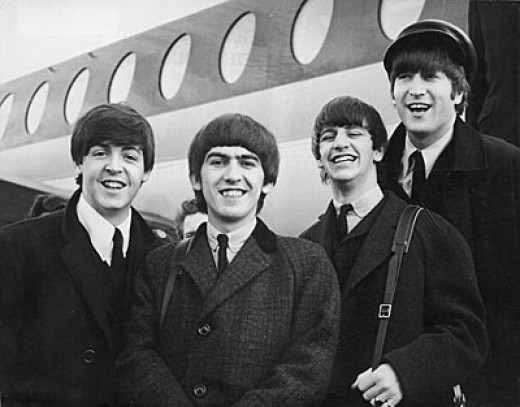
Three and one half sort-of-Fab stars
Before I read this book, the personality rundown for the four lovable mop tops, based on listening to the music and watching “A Hard Day’s Night” a couple of times, was this:
Paul: Charming, cute
George: Quiet
John: Handsome, witty
Ringo: the, uh, drummer
After reading this book:
Paul: Social climbing, two-faced, facile dandy
George: Spiritual, sullen, “you aren’t getting more than two songs per album”
John: Callow, mean-spirited
Ringo: the, uh, drummer
Yep, Ringo gets very little mention in this book, so, if he, by any chance, is your favorite Beatle, then forget it.
John is clearly the author’s favorite getting the lion’s share of attention, especially early on. With diminishing returns for Paul, then George and the aforementioned, poor Ringo, who bought a new car somewhere in this book.
Also, Norman never talked to the Beatles, so no interviews with them, which is like writing a book about the New Testament without the Jesus spoken words highlighted in red or italicized.
Yoko wept.

The book is aptly named: It’s about the Beatles and their times (i.e. their influence on the cultural zeitgeist). Any scholarly or in-depth study of the music sadly takes a back seat.
The Music: Take Norman’s opinions about the Beatles music with a huge grain of salt:
Savoy Truffle was George’s best song on The Beatles? Sorry “While My Guitar Gently Weeps”, you can show yourself out.

Sgt. Pepper was the Beatles best album? Not to pick on George again, but “Within You, Without You” is a song I should never have to listen to again. It’s such a “deep” track that it should never be played on the radio. The album might have been a cultural milestone of sorts (yeah the zeitgeist thing), but, for me, it’s not the go-to Beatles album.
Also: Lucy in the Sky with Diamonds was based on Julian Lennon’s pre-school drawing, not drugs.
Heh. Sure it was.
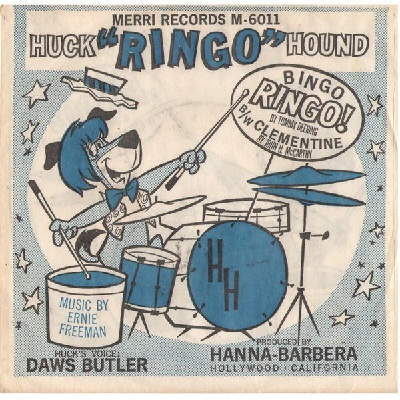
It’s the music bidness!: The Beatles lost out on millions and millions of dollars. First, they were screwed out of money made from the licensing of their images, especially in the U.S. Second, when they formed the Apple Corporation with dreams of funding the Age of Aquarius, it was Hippie idealism running smack into the brick wall that is basic Economics.
And yes, I’m oversimplifying one of the dullest sections of the books.
Murder, He Wrote: Norman floats out the theory that Brian Epstein, the Beatles “troubled” manager and his lawyer pal were murdered by the mob, for having challenged the previously mentioned reaming that the Beatles got over ancillary products released in the U.S. and the resultant law suit filed by Epstein and company.
Was this book a Magical Misery Tour? Not quite. It was entertaining in spurts and if you want a decent rundown of
February 24, 2014
"Now everybody seems to have their own opinion
Who did this and who did that
But as for me I don't see how they can remember
When they weren't where it was at..."
- Paul McCartney, 'Early Days'
I wonder if this book was what Macca had in mind. While it's an entertaining read, the veracity of the book is questionable.
The book starts off well, from the early lives of the band members through their time in Hamburg and the Cavern Club, but starts a steady decline once Brian Epstein begins to manage the band. There are a number of issues which keep this from being an excellent look at the Fab Four:
Omniscient narrator - Norman frequently takes poetic license and spells out the private thoughts of people to further his narrative. Fine in a novel, but misleading and unethical in non-fiction. (Exactly how does he know what the deceased Brian Epstein was thinking at any moment in time?)
Factual errors - As an example, he repeats the urban legend that crime dropped to zero in NYC when the Beatles were on Ed Sullivan. If he's willing to include this as a 'fact', how reliable are the juiciest bits of the book?
Lennon, Lennon, Lennon - in the foreword, Norman says that he prefers Lennon...in the book, he adores Lennon and seems to despise the other band members (Paul especially). Paul is a vain social climber; George is always the kid brother struggling to keep up; Ringo is largely a non-entity. This even continues into the newly added material, where he focuses on the decline of George and Ringo's careers, and ignores Macca's success in favor of criticizing his solo albums.
Tabloid details - lots of focus on sex & drugs, not so much on rock and roll.
There are good bits - the details about the band's finances, their licensing agreements, and the structures of record companies were educational. Overall, the book is ambitious, but ultimately unsatisfying.
Who did this and who did that
But as for me I don't see how they can remember
When they weren't where it was at..."
- Paul McCartney, 'Early Days'
I wonder if this book was what Macca had in mind. While it's an entertaining read, the veracity of the book is questionable.
The book starts off well, from the early lives of the band members through their time in Hamburg and the Cavern Club, but starts a steady decline once Brian Epstein begins to manage the band. There are a number of issues which keep this from being an excellent look at the Fab Four:
Omniscient narrator - Norman frequently takes poetic license and spells out the private thoughts of people to further his narrative. Fine in a novel, but misleading and unethical in non-fiction. (Exactly how does he know what the deceased Brian Epstein was thinking at any moment in time?)
Factual errors - As an example, he repeats the urban legend that crime dropped to zero in NYC when the Beatles were on Ed Sullivan. If he's willing to include this as a 'fact', how reliable are the juiciest bits of the book?
Lennon, Lennon, Lennon - in the foreword, Norman says that he prefers Lennon...in the book, he adores Lennon and seems to despise the other band members (Paul especially). Paul is a vain social climber; George is always the kid brother struggling to keep up; Ringo is largely a non-entity. This even continues into the newly added material, where he focuses on the decline of George and Ringo's careers, and ignores Macca's success in favor of criticizing his solo albums.
Tabloid details - lots of focus on sex & drugs, not so much on rock and roll.
There are good bits - the details about the band's finances, their licensing agreements, and the structures of record companies were educational. Overall, the book is ambitious, but ultimately unsatisfying.

December 2, 2014
This is the first book I read about The Beatles, and I appreciate Norman for his massive amount of research and interesting account of them. I learned a lot and I became ever more fascinated with The Beatles and their power and enigma in their generation. Because of this, I feel generous enough to give this book 3 stars.
Here is why giving 3 stars to this book is generous:
There are a lot of information offered, but recently, I've learned that a massive portion of it is either deliberately wrong or it's outdated.
It's heavily and ridiculously opinionated. Sometimes, having a voice and tone is necessary to keep the reader interested, but too much of it can be off-putting.
Norman excessively favors John, and it oozes from his tone and language. This I found the most annoying, and at times even irritating, especially given that he's very harshly condescending towards the other three Beatles' misdemeanors while he describes John's much worse doings with a sense of glory and awe. Of course there are preferences, and it's not wrong to have them, but when Norman himself admits to this bias (in the book!) and does absolutely nothing to keep it in check, his material obviously become unreliable, and he becomes unforgivable as a non-fiction writer.
So, with all that said, I'm only giving 3 stars to this book because it made me aware of The Beatles on a deeper level, and made me want to know more about them. However, in regards to recommendation, I wouldn't recommend this one; go with Mark Lewisohn's Tune In if you want to truly know The Beatles without any myths or favoritism!
Here is why giving 3 stars to this book is generous:
There are a lot of information offered, but recently, I've learned that a massive portion of it is either deliberately wrong or it's outdated.
It's heavily and ridiculously opinionated. Sometimes, having a voice and tone is necessary to keep the reader interested, but too much of it can be off-putting.
Norman excessively favors John, and it oozes from his tone and language. This I found the most annoying, and at times even irritating, especially given that he's very harshly condescending towards the other three Beatles' misdemeanors while he describes John's much worse doings with a sense of glory and awe. Of course there are preferences, and it's not wrong to have them, but when Norman himself admits to this bias (in the book!) and does absolutely nothing to keep it in check, his material obviously become unreliable, and he becomes unforgivable as a non-fiction writer.
So, with all that said, I'm only giving 3 stars to this book because it made me aware of The Beatles on a deeper level, and made me want to know more about them. However, in regards to recommendation, I wouldn't recommend this one; go with Mark Lewisohn's Tune In if you want to truly know The Beatles without any myths or favoritism!
January 20, 2021
The generic summary above has since conveniently been edited.
The previous carnival-level promotion originally read like a teenager's attempt at a last minute book report for school, copied and pasted from Wikipedia:
"definitive work"
"beautifully written"
"Witty, insightful, and moving"
"essential reading"
Now, the redacted huckster rhetoric eloquently smothers the reader with propaganda:
"beautifully written account"
"this epic tale charts the rise"
"struggle to escape the smothering Beatles’ legacy"
"Witty, insightful, and moving"
"essential reading"
Reality: Book is truly a bizarre tabloid rewrite - most appalling book ever published about the Beatles and the 1960s. Poorly researched and poorly documented. The title should read: "$leeze! Infatuation with John Lennon by $ub$ervient Philip Norman".
A money-grubbing and bottom-feeding JOURNALIST, not a musicologist, not an historian, not a sociologist, attempted to cut and paste the contents of this fiction.
The creativity of the four individual musicians is compromised in favor of the self-promotion from the author. His subconscious need to convey to the public his alienating perspective and misperception of the period is histrionics veiled as a biography.
The reflection of this impoverished status is obvious in the archaic approach to the methodology in researching the culture, music, and euphoria of creativity that permeated the 1960s, i.e. "their generation."
The shallow bibliography of this brazen morass effectively exposes that Philip Norman has not adequately reviewed the material that he proposes to present as authoritative research.
Documentation and original source material are sparse (at best).
The era of the 1960's has adequate archival sources to be reviewed and included.
Not so with Norman’s book.
The book is neither comprehensive nor a valid reflection on the achievements of the group.
The narrative is not authentic, rather a fabrication of predicated conjecture.
The account is overbearingly subjective.
The book is ill-conceived suppositions and borders on contrived speculation.
The book is entertainingly superficial, but has NO biographical merit.
The imaginative comments by Philip Norman on YouTube only serve to emphasize an exaggerated defense of his pseudo-documentary book and his adolescent-level research. Norman is a biased, bumbling, arrogant journalist.
https://www.youtube.com/watch?v=bqhbi...
The Beatles have the final word:
Each of the fab four REFUSED to be any part of the book. John Lennon was still alive at the time and recognized that Norman was / is a Schlemiel.
The members of the group accurately recognized the self-serving intention and subversive nature of Philip Norman's motives as well as his pronounced level of incompetence.
Were it not for the untimely death of John that ironically preceded the original scheduled publication of this book, the fab four may well have initiated legal action against both author and publisher for the various segments of magical misinformation and blatantly undocumented statements.
This UNAUTHORIZED book, therefore, is an inconsequential compilation.
The book is NOT VALID for any Beatles' historiography.
Please compare the farcical comic Shout! to the firsthand accounts in the The Beatles Anthology AND Bob Spitz's The Beatles: The Biography AND Peter Asher's The Beatles from A to Zed: An Alphabetical Mystery Tour.
There are MAJOR discrepancies with Norman's account.
Philip Norman should pen a formal apology to Paul McCartney, Ringo Starr, and the estate of the late George Harrison for such a miserable adolescent-level book.
The veracity and validity of the research methodology here had been called into question in the late 1980s, less than 10 years after publication.
Any reader who naively recorded a positive review here for this concocted discourse by Norman would do very well to reference The Beatles and the Historians: An Analysis of Writings about the Fab Four.
Chapter 3 provides an in depth dissection of Shout!, specifically the numerous issues with the exceptionally flawed research and one-dimensional presentation of material merged into pseudo-book format.
Begin at 7:39
https://www.youtube.com/watch?v=k0etz...
Philip Norman has earned himself an entry in the next edition of DMS
https://www.psychiatryonline.org/dsm
The previous carnival-level promotion originally read like a teenager's attempt at a last minute book report for school, copied and pasted from Wikipedia:
"definitive work"
"beautifully written"
"Witty, insightful, and moving"
"essential reading"
Now, the redacted huckster rhetoric eloquently smothers the reader with propaganda:
"beautifully written account"
"this epic tale charts the rise"
"struggle to escape the smothering Beatles’ legacy"
"Witty, insightful, and moving"
"essential reading"
Reality: Book is truly a bizarre tabloid rewrite - most appalling book ever published about the Beatles and the 1960s. Poorly researched and poorly documented. The title should read: "$leeze! Infatuation with John Lennon by $ub$ervient Philip Norman".
A money-grubbing and bottom-feeding JOURNALIST, not a musicologist, not an historian, not a sociologist, attempted to cut and paste the contents of this fiction.
The creativity of the four individual musicians is compromised in favor of the self-promotion from the author. His subconscious need to convey to the public his alienating perspective and misperception of the period is histrionics veiled as a biography.
The reflection of this impoverished status is obvious in the archaic approach to the methodology in researching the culture, music, and euphoria of creativity that permeated the 1960s, i.e. "their generation."
The shallow bibliography of this brazen morass effectively exposes that Philip Norman has not adequately reviewed the material that he proposes to present as authoritative research.
Documentation and original source material are sparse (at best).
The era of the 1960's has adequate archival sources to be reviewed and included.
Not so with Norman’s book.
The book is neither comprehensive nor a valid reflection on the achievements of the group.
The narrative is not authentic, rather a fabrication of predicated conjecture.
The account is overbearingly subjective.
The book is ill-conceived suppositions and borders on contrived speculation.
The book is entertainingly superficial, but has NO biographical merit.
The imaginative comments by Philip Norman on YouTube only serve to emphasize an exaggerated defense of his pseudo-documentary book and his adolescent-level research. Norman is a biased, bumbling, arrogant journalist.
https://www.youtube.com/watch?v=bqhbi...
The Beatles have the final word:
Each of the fab four REFUSED to be any part of the book. John Lennon was still alive at the time and recognized that Norman was / is a Schlemiel.
The members of the group accurately recognized the self-serving intention and subversive nature of Philip Norman's motives as well as his pronounced level of incompetence.
Were it not for the untimely death of John that ironically preceded the original scheduled publication of this book, the fab four may well have initiated legal action against both author and publisher for the various segments of magical misinformation and blatantly undocumented statements.
This UNAUTHORIZED book, therefore, is an inconsequential compilation.
The book is NOT VALID for any Beatles' historiography.
Please compare the farcical comic Shout! to the firsthand accounts in the The Beatles Anthology AND Bob Spitz's The Beatles: The Biography AND Peter Asher's The Beatles from A to Zed: An Alphabetical Mystery Tour.
There are MAJOR discrepancies with Norman's account.
Philip Norman should pen a formal apology to Paul McCartney, Ringo Starr, and the estate of the late George Harrison for such a miserable adolescent-level book.
The veracity and validity of the research methodology here had been called into question in the late 1980s, less than 10 years after publication.
Any reader who naively recorded a positive review here for this concocted discourse by Norman would do very well to reference The Beatles and the Historians: An Analysis of Writings about the Fab Four.
Chapter 3 provides an in depth dissection of Shout!, specifically the numerous issues with the exceptionally flawed research and one-dimensional presentation of material merged into pseudo-book format.
Begin at 7:39
https://www.youtube.com/watch?v=k0etz...
Philip Norman has earned himself an entry in the next edition of DMS
https://www.psychiatryonline.org/dsm
This entire review has been hidden because of spoilers.
November 2, 2010
This book is the sorriest attempt at a definitive Beatles book I've read. At least he got one thing right, he did spell his name correctly on the front cover. However the title was not so lucky Shout! I'm sorry I think you meant S***!
Seriously Paul hates this book. He refers to it as s***. (Paul McCartney: A Life page 263) Yeah sure best and most definitive book ever, my a**.
Seriously Paul hates this book. He refers to it as s***. (Paul McCartney: A Life page 263) Yeah sure best and most definitive book ever, my a**.

July 24, 2022
Dad says it's important to watch Fox News every so often to see what the other half thinks. Same goes for this wildly biased account of the Fab Four.
Philip Norman really has it out for Paul! Every chance he gets, he adds a little jab against his "sentimental," "treacly," songs, his pomposity, his bossiness, even his good looks. It's a ridiculous and one-dimensional portrait of a complex genius. Norman even finds fault with Paul's success post-Beatles. "You'd think he'd be happy with what he accomplished but nooooo he has to keep making music and getting his grubby little hands in everything, desperate for that fan adulation." (Not a real quote.) How about: Paul is a creative genius and couldn't possibly stay idle? How about music was his entire life and he genuinely loves performing as a way of connecting with people? Meanwhile, John gets the hero treatment, equally ridiculous. Paul's ambition is nefarious while John's ambition is noble. John's songs are of course described "anarchic," and "edgy." (Notice how the language he uses to describe John are masculine and the words he uses to describe Paul are feminine. He literally uses the word "pretty.") His only motivation is apparently anger, horniness, and larking about having a laugh. Very little mention of his deep, DEEP anxieties and insecurities which drive just about everything he does and says particularly around the breakup. Philip Norman truly believes, or wants us to believe, that John really wanted out of the Beatles in 1969. John was ready to move the Beatles to a Greek Island in 1968 for Christ's sake! He was pushing Paul and pushing Paul, but no way in hell did he actually expect him to take him seriously! John was an incredibly sensitive, anxious, codependent guy who loved Paul more than anyone in the world. The weird thing is, we have the receipts, so to speak. John once said something like "I have to smother my jealousy and swallow my ego when I'm around you," (or maybe those two were switched.) But that doesn't fit in with the macho Rock God Norman has painted here, does it? So he left it out. I'm just now realizing how little time he spent on John's heroin addiction! This is a major, major factor in the breakup and in John's overall wellbeing and psyche.
What about the other two? George gets very little air time, mostly to describe how grouchy and curmudgeonly he was. Ringo is practically an afterthought. Norman literally writes that George and Ringo were not very talented and were lucky to be included in the ride. They're no John and Paul, but they were each incredibly talented and crucial to the success of the Beatles. That's rude.
If possible, Norman was even more snide towards Linda than towards Paul. He at least begrudgingly accepted Paul's masterpieces like Hey Jude, Yesterday, and Eleanor Rigby. He falsely accuses Linda of being cloying and dependent upon Paul. Never in a million years. He writes about Paul's Get Back beard and his new Linda-encouraged earthy look with derision, suggesting he had let himself go. He is savage of her and her musical abilities in Wings. (You know, she has a nice voice, showcased especially in harmonies on Ram! She wasn't a professional of course, but there's no need to be rude, Norman.)
The only annoying Beatle theory trope Norman doesn't fall into is Yoko breaking up the Beatles. He writes about her in a surprisingly objective way--reporting plainly on her avant-garde showiness and without editorializing on John and Yoko's ridiculous publicity stunts (woops, editorialized myself there.) Yoko's abysmal treatment of Julian is a footnote. Norman's most egregious editorializing went towards Paul and John of course.
Not NEARLY enough time spent on their time in India, which allegedly is where the ultimate rift between John and Paul started and was never quite repaired. Frankly, not enough time writing about the music itself! A paragraph or two for each album with a twitter-length review of a few hits (usually aiming a pointed eye-roll at Paul and a sycophantic panting at John.) Very little time spent on my girls, Cynthia, Pattie, and May. Pretty much nothing on Maureen. For Jane, he simply decided that Paul was desperate to impress and be included in the upper class intelligentsia, in a social climbing way of course. EDIT: after reading The Beatles and the Historians I learned that Norman wrote such a favorable portrait of Yoko because she agreed to be interviewed. Also because he obviously wanted to get in good with the Lennon estate.
This book is just so egregious and obviously acts as the blueprint for decades of misguided fans and their misinformation about this narrative, spreading these tired, oft-told lies. (All of this said, I always love reading about the Beatles. It activates a part of my brain and my heart never accessed by other nonfiction. I just love them so much!!) It's good to know what the other half is arming themselves with anyway. I've got my rebuttals locked and loaded.
Philip Norman really has it out for Paul! Every chance he gets, he adds a little jab against his "sentimental," "treacly," songs, his pomposity, his bossiness, even his good looks. It's a ridiculous and one-dimensional portrait of a complex genius. Norman even finds fault with Paul's success post-Beatles. "You'd think he'd be happy with what he accomplished but nooooo he has to keep making music and getting his grubby little hands in everything, desperate for that fan adulation." (Not a real quote.) How about: Paul is a creative genius and couldn't possibly stay idle? How about music was his entire life and he genuinely loves performing as a way of connecting with people? Meanwhile, John gets the hero treatment, equally ridiculous. Paul's ambition is nefarious while John's ambition is noble. John's songs are of course described "anarchic," and "edgy." (Notice how the language he uses to describe John are masculine and the words he uses to describe Paul are feminine. He literally uses the word "pretty.") His only motivation is apparently anger, horniness, and larking about having a laugh. Very little mention of his deep, DEEP anxieties and insecurities which drive just about everything he does and says particularly around the breakup. Philip Norman truly believes, or wants us to believe, that John really wanted out of the Beatles in 1969. John was ready to move the Beatles to a Greek Island in 1968 for Christ's sake! He was pushing Paul and pushing Paul, but no way in hell did he actually expect him to take him seriously! John was an incredibly sensitive, anxious, codependent guy who loved Paul more than anyone in the world. The weird thing is, we have the receipts, so to speak. John once said something like "I have to smother my jealousy and swallow my ego when I'm around you," (or maybe those two were switched.) But that doesn't fit in with the macho Rock God Norman has painted here, does it? So he left it out. I'm just now realizing how little time he spent on John's heroin addiction! This is a major, major factor in the breakup and in John's overall wellbeing and psyche.
What about the other two? George gets very little air time, mostly to describe how grouchy and curmudgeonly he was. Ringo is practically an afterthought. Norman literally writes that George and Ringo were not very talented and were lucky to be included in the ride. They're no John and Paul, but they were each incredibly talented and crucial to the success of the Beatles. That's rude.
If possible, Norman was even more snide towards Linda than towards Paul. He at least begrudgingly accepted Paul's masterpieces like Hey Jude, Yesterday, and Eleanor Rigby. He falsely accuses Linda of being cloying and dependent upon Paul. Never in a million years. He writes about Paul's Get Back beard and his new Linda-encouraged earthy look with derision, suggesting he had let himself go. He is savage of her and her musical abilities in Wings. (You know, she has a nice voice, showcased especially in harmonies on Ram! She wasn't a professional of course, but there's no need to be rude, Norman.)
The only annoying Beatle theory trope Norman doesn't fall into is Yoko breaking up the Beatles. He writes about her in a surprisingly objective way--reporting plainly on her avant-garde showiness and without editorializing on John and Yoko's ridiculous publicity stunts (woops, editorialized myself there.) Yoko's abysmal treatment of Julian is a footnote. Norman's most egregious editorializing went towards Paul and John of course.
Not NEARLY enough time spent on their time in India, which allegedly is where the ultimate rift between John and Paul started and was never quite repaired. Frankly, not enough time writing about the music itself! A paragraph or two for each album with a twitter-length review of a few hits (usually aiming a pointed eye-roll at Paul and a sycophantic panting at John.) Very little time spent on my girls, Cynthia, Pattie, and May. Pretty much nothing on Maureen. For Jane, he simply decided that Paul was desperate to impress and be included in the upper class intelligentsia, in a social climbing way of course. EDIT: after reading The Beatles and the Historians I learned that Norman wrote such a favorable portrait of Yoko because she agreed to be interviewed. Also because he obviously wanted to get in good with the Lennon estate.
This book is just so egregious and obviously acts as the blueprint for decades of misguided fans and their misinformation about this narrative, spreading these tired, oft-told lies. (All of this said, I always love reading about the Beatles. It activates a part of my brain and my heart never accessed by other nonfiction. I just love them so much!!) It's good to know what the other half is arming themselves with anyway. I've got my rebuttals locked and loaded.
October 11, 2024
A well written account which seems rushed if you compare it with the likes of Mark Lewisohn but it does have an impressive amount of depth to it. For me, the interesting part is how the Beatles grew up and what made them tick. The characters who played a part in their formative years often have the best stories to tell when the band were at their most unguarded like Horst Fascher the Hamburg bouncer, Mona Best, Astrid Kirrcher, Klaus Voorman, Alan Williams etc. Interviewing those people in more detail would have added more colour but with the passage of time but so many fell by the wayside or died. The bit I don’t envy him writing was the end of The Beatles where the numerous vultures circled after Brian Epstein died. The numerous legal wrangling and business manoeuvring is difficult to follow but he does a good job of trying to convey what happened. A great account but most of us fans are waiting for Mark’s sequel

June 26, 2023
I've been wanting to read a bio on the Beatles for some time now. I tried Bob Spitz's book a few years back, but it seemed dry and I got bogged down right around the time Ringo joined the band. Looking back, after reading Norman's book, I now wish I had stuck with it. I suppose Norman's book (revised edition) did the job for about 400+ pages of a 520 page book. But what brackets his story is first a 30 page, very off-putting, rant about the evils of the 60s leading the excesses in the decades to come. (I wondered Norman had become a Tory in his later years.) In addition, he confesses up front that he is a John-person, and he doesn't really like or think much of Paul McCartney. But he does confess that his views on McCartney have softened a bit, and that he had worked to tone down the new edition of "Shout!" to reflect those changing attitudes. Second is the last 100 post-Beatle pages, which contains extreme hagiography for John, nasty demonization of Paul, and a few pages for George and Ringo. At least Ringo wins in the end.
I wasn't sure what to do with such an overt statement of bias. That seems like an ethical line being crossed. I like all the Beatles. I prefer Paul's singing, but that's a cosmetic thing. John's genius is all over the place in those amazing songs. I even considered not reading the book at all. But I plowed ahead, and was generally pleased for about 400 pages or so. Norman dutifully tells the tale of the rise and fall, of the Beatles. It's all there. The early days of eagerly listening to American rock and roll, their early apprenticeship in the rough Hamberg clubs in what was essentially rock & roll boot camp. The (nicely rendered) discovery of the band by Brian Epstein, a music shop manager, who up until that time had been something of a family failure. After that, things happened fast. And Norman does a good job telling the story. Epstein is a sad figure. He's gay, Jewish, in a society that at the time frowned on both. He as also in love with John. John love aside, Epstein does recognize that the Beatles are special, but he is for the most part in over his head. The Beatles would all become rich, but Epstein's mismanagement of the group would cost them millions more. He would die in 1967 due to an overdose of barbiturates compounded by heavy drinking. Norman suggests, with pretty thin evidence, that Epstein might have been murdered.
Despite Epstein's death, the the Beatles kept on rolling, even though cracks were beginning to appear. John, in particular, had his demons. Fame in particular. About the time "Revolver" came out, possibly the band's high point in Norman's eyes (not an unreasonable judgement, but we all have our favorites), John was mentally emptied out. The band had become a trap for him. I had to wonder if John had suffered a nervous breakdown. Still, there are great albums to come, but the drifting apart between John and Paul has begun. Enter Yoko Ono.
Yoko didn't end the Beatles, and Norman is correct in asserting this. He even has a quote from Ringo somewhat defending Yoko, saying that the things people hated Yoko for was really John being John. That seems a stretch. They did some weird and silly shit together, and I don't call it Art. On the other hand, Paul seems to have been somewhat oblivious to drifting apart, and gamely tries to hold the band together (my take, not Norman's). George, in the wings, feeling neglected, grew increasingly bitter and angry. This portrayal in particular surprised me. I had always liked the "quiet Beatle," but he comes across in Norman's book as a bit of an asshole. He even cheated with Ringo's wife.
Anyway, this is a long book, but a fast reading one. Where Norman strayed the most was in the post-Beatles period. John is portrayed as some sort bread baking saint and house husband. At one point Norman even likens John to Jesus as he counsels a troubled young man. Oh, come on. After John's murder, Norman recounts several visits with Yoko, which are really little more than basking in Johndom while they walk through the rooms of the Dakota. Counterpointing all of this fuzzy love is Norman's mean and viscous portrayal of McCartney. I nearly gave up at this point, but Norman adds a bit to weight to his bias when he recounts how McCartney tried to reverse the song-writing credits on some of the songs (Lennon-McCartney becoming McCartney - Lennon for "Yesterday"). That of course failed, but it does give a window into McCartney's potential pettiness. But in the world of rock & roll, that's small potatoes. On the other hand, Paul had proven a better friend to Lennon's first son Julian ("Hey, Jude") than John had ever been. Given the outstanding quality of McCartney's last few albums, maybe Norman should consider another edition with a different, better Paul.
I wasn't sure what to do with such an overt statement of bias. That seems like an ethical line being crossed. I like all the Beatles. I prefer Paul's singing, but that's a cosmetic thing. John's genius is all over the place in those amazing songs. I even considered not reading the book at all. But I plowed ahead, and was generally pleased for about 400 pages or so. Norman dutifully tells the tale of the rise and fall, of the Beatles. It's all there. The early days of eagerly listening to American rock and roll, their early apprenticeship in the rough Hamberg clubs in what was essentially rock & roll boot camp. The (nicely rendered) discovery of the band by Brian Epstein, a music shop manager, who up until that time had been something of a family failure. After that, things happened fast. And Norman does a good job telling the story. Epstein is a sad figure. He's gay, Jewish, in a society that at the time frowned on both. He as also in love with John. John love aside, Epstein does recognize that the Beatles are special, but he is for the most part in over his head. The Beatles would all become rich, but Epstein's mismanagement of the group would cost them millions more. He would die in 1967 due to an overdose of barbiturates compounded by heavy drinking. Norman suggests, with pretty thin evidence, that Epstein might have been murdered.
Despite Epstein's death, the the Beatles kept on rolling, even though cracks were beginning to appear. John, in particular, had his demons. Fame in particular. About the time "Revolver" came out, possibly the band's high point in Norman's eyes (not an unreasonable judgement, but we all have our favorites), John was mentally emptied out. The band had become a trap for him. I had to wonder if John had suffered a nervous breakdown. Still, there are great albums to come, but the drifting apart between John and Paul has begun. Enter Yoko Ono.
Yoko didn't end the Beatles, and Norman is correct in asserting this. He even has a quote from Ringo somewhat defending Yoko, saying that the things people hated Yoko for was really John being John. That seems a stretch. They did some weird and silly shit together, and I don't call it Art. On the other hand, Paul seems to have been somewhat oblivious to drifting apart, and gamely tries to hold the band together (my take, not Norman's). George, in the wings, feeling neglected, grew increasingly bitter and angry. This portrayal in particular surprised me. I had always liked the "quiet Beatle," but he comes across in Norman's book as a bit of an asshole. He even cheated with Ringo's wife.
Anyway, this is a long book, but a fast reading one. Where Norman strayed the most was in the post-Beatles period. John is portrayed as some sort bread baking saint and house husband. At one point Norman even likens John to Jesus as he counsels a troubled young man. Oh, come on. After John's murder, Norman recounts several visits with Yoko, which are really little more than basking in Johndom while they walk through the rooms of the Dakota. Counterpointing all of this fuzzy love is Norman's mean and viscous portrayal of McCartney. I nearly gave up at this point, but Norman adds a bit to weight to his bias when he recounts how McCartney tried to reverse the song-writing credits on some of the songs (Lennon-McCartney becoming McCartney - Lennon for "Yesterday"). That of course failed, but it does give a window into McCartney's potential pettiness. But in the world of rock & roll, that's small potatoes. On the other hand, Paul had proven a better friend to Lennon's first son Julian ("Hey, Jude") than John had ever been. Given the outstanding quality of McCartney's last few albums, maybe Norman should consider another edition with a different, better Paul.

November 3, 2018
I never liked the Beatles' music,but I enjoyed
this book which details their rise from humble beginnings to the heights of Beatlemania worldwide.Eventually they split,and tragedy followed as John Lennon was assassinated.Interesting,and very readable.
this book which details their rise from humble beginnings to the heights of Beatlemania worldwide.Eventually they split,and tragedy followed as John Lennon was assassinated.Interesting,and very readable.

August 22, 2012
Although this was a easy read I found that the writer didn't really put much thought into how to make the story of each Beatle flow together effectively. I found my self getting confused about who was speaking or what person he was refering to.
Furthermore, I found that Philip Norman didn't really have much good to say about any of them, it was putting them all in a bad light which made me sort of dislike them in the end. (Which I wasn't very happy with!)
Also He focuses a lot on John Lennon (specially in the first half of the book), and when he talks about the other Beatles it always comes back down to Lennon.
But I will say to anyone that doesn't know much about The Beatles at all, read this, its a good starting point.
It just didn't fit what I was looking for.
Furthermore, I found that Philip Norman didn't really have much good to say about any of them, it was putting them all in a bad light which made me sort of dislike them in the end. (Which I wasn't very happy with!)
Also He focuses a lot on John Lennon (specially in the first half of the book), and when he talks about the other Beatles it always comes back down to Lennon.
But I will say to anyone that doesn't know much about The Beatles at all, read this, its a good starting point.
It just didn't fit what I was looking for.

January 1, 2012
This author really annoyed me for various reasons, but this book was okay for a basic intro to the Beatles' career. I didn't take most of what he said about Brian Epstein seriously, because he attributed absolutely everything Brian did to his being a closeted gay man. I also never got the feeling that he particularly LIKED the Beatles or their music at any point in the book, so it was kind of depressing.
December 28, 2008
Having come back and dipped into this book many years after first reading it, I'm struck by the poor quality of Philip Norman's writing. It seems to verge on tabloidese much of the time. He has a low opinion of everyone except Lennon. I shall reread in its entirety and see if my opinion changes. 'Revolution In The Head' is still the best Beatles book in my opinion.
March 9, 2016
A long, turgid, often pompous bio-maybe a little overly researched. It was over 200 pages before they ever made it to the Ed Sullivan show. Admittedly biased toward John Lennon. Wouldn't recommend it unless you are the ULTIMATE Beatles fan (which means you probably already have read it). Some nice revelations but they are few and far between.
July 31, 2014
I just barelt made it through the prologue and first five pages before I tossed it aside. The writer's voice is much too strong and extremely off putting and the prologue had me constantly rolling my eyes.

January 1, 2022
I had always wondered why a book about The Beatles was named after a song by The Isley Brothers, which The Beatles themselves only covered once, forgettably on a BBC session. I understand why now. It’s what I wanted to do at the author on just about every page.
When he’s dealing with the facts of what happened, he’s fine. But when he moves into commentary, be it artistic, historical, or socio-political, he is SO wide of the mark, it calls into question his other research which otherwise seems to be thorough and diligent. For example, did you know a direct line can be drawn between John’s sassing of the aristocracy and the terrorist attacks of September 11th 2001?
Originally published in 1978 and revised in 2004, this was one of the first full and unauthorised biographies of The Beatles. This makes it interesting because it was originally written before John’s murder and as such, does not treat him as a fallen hero. It’s also probably the first book to deal with Brian Epstein’s sexuality with honesty and sensitivity. Elsewhere though, the author rightly calls others out for their racism against Yoko but forgets to check his own. Apparently in 1969 John was spending so much time with Yoko he even began to look Japanese.
I have read some of Philip Norman’s short form work before and never really rated him. I only read this because, a) I took it as my free choice in a buy-x-get-1-free deal, and b) in preparation to read his new biography of Paul McCartney, which I’m not sure I’ll bother with now. This may be one of the first complete Beatles biographies but it’s far from the best. Instead try… pretty much anything this side of Albert Goldman really.
I threw this across the room when I was finished with it.
When he’s dealing with the facts of what happened, he’s fine. But when he moves into commentary, be it artistic, historical, or socio-political, he is SO wide of the mark, it calls into question his other research which otherwise seems to be thorough and diligent. For example, did you know a direct line can be drawn between John’s sassing of the aristocracy and the terrorist attacks of September 11th 2001?
Originally published in 1978 and revised in 2004, this was one of the first full and unauthorised biographies of The Beatles. This makes it interesting because it was originally written before John’s murder and as such, does not treat him as a fallen hero. It’s also probably the first book to deal with Brian Epstein’s sexuality with honesty and sensitivity. Elsewhere though, the author rightly calls others out for their racism against Yoko but forgets to check his own. Apparently in 1969 John was spending so much time with Yoko he even began to look Japanese.
I have read some of Philip Norman’s short form work before and never really rated him. I only read this because, a) I took it as my free choice in a buy-x-get-1-free deal, and b) in preparation to read his new biography of Paul McCartney, which I’m not sure I’ll bother with now. This may be one of the first complete Beatles biographies but it’s far from the best. Instead try… pretty much anything this side of Albert Goldman really.
I threw this across the room when I was finished with it.

February 19, 2021
Quá dài để có thể nhận xét🌝 cho 5 sao vì cuốn sách đã đem 4 anh chàng tới cuộc sống nhạt nhẽo của mình, và hơn nữa, là âm nhạc của họ (hay zl)
Mình không hứng thú với tiểu sử hay bất cứ thứ gì đại loại thế. Đơn giản vì nó thiếu trí tưởng tượng và quá khô khan. Đã từng đọc về Hitler, Đặng Thuỳ Trâm nhưng chưa bao giờ đọc hết. Tuy nhiên, cuốn sách 700 trang này khiến mình say mê. Không phải vì nó viết về The Beatles một huyền thoại (mà mình tin vì mình thích nhạc họ nên mới thích đọc), mà vì câu chuyện vô cùng thú vị trong đó. Riêng lẻ cuộc đời của John Lennon tách ra đã đủ làm một cuốn tiểu thuyết thực thụ rồi.
Và mình mê không khí sống động trong đó. Mình dốt sử. Nhưng đọc cuốn này lịch sử hiện lên sống động. Về con người. Chính trị. Xã hội. Tôn giáo và chiến tranh. Không chỉ là âm nhạc.
Nói chung là, tứ quái nhiều chuyện lắm. Mình cảm thấy phong cách cá tính của họ hiện lên vô cùng rõ ràng, như mình là người được gặp và nói chuyện vậy đó. Dù đôi khi, cách viết của tác giả đã có khả năng điều hướng cách nhìn nhận của mình.
Hết ròi, cứ thấy không trọn vẹn sao á và hơi hụt hẫng. Mình muốn ông viết nhiều hơn về John, dù thực sự đã quá nhiều rồi. Và ông bớt châm biếm Paul đi, anh ấy thực sự dễ thương mà🥺
Mình không hứng thú với tiểu sử hay bất cứ thứ gì đại loại thế. Đơn giản vì nó thiếu trí tưởng tượng và quá khô khan. Đã từng đọc về Hitler, Đặng Thuỳ Trâm nhưng chưa bao giờ đọc hết. Tuy nhiên, cuốn sách 700 trang này khiến mình say mê. Không phải vì nó viết về The Beatles một huyền thoại (mà mình tin vì mình thích nhạc họ nên mới thích đọc), mà vì câu chuyện vô cùng thú vị trong đó. Riêng lẻ cuộc đời của John Lennon tách ra đã đủ làm một cuốn tiểu thuyết thực thụ rồi.
Và mình mê không khí sống động trong đó. Mình dốt sử. Nhưng đọc cuốn này lịch sử hiện lên sống động. Về con người. Chính trị. Xã hội. Tôn giáo và chiến tranh. Không chỉ là âm nhạc.
Nói chung là, tứ quái nhiều chuyện lắm. Mình cảm thấy phong cách cá tính của họ hiện lên vô cùng rõ ràng, như mình là người được gặp và nói chuyện vậy đó. Dù đôi khi, cách viết của tác giả đã có khả năng điều hướng cách nhìn nhận của mình.
Hết ròi, cứ thấy không trọn vẹn sao á và hơi hụt hẫng. Mình muốn ông viết nhiều hơn về John, dù thực sự đã quá nhiều rồi. Và ông bớt châm biếm Paul đi, anh ấy thực sự dễ thương mà🥺

October 19, 2008
An engrossing read ( especially if one was listening simultaneously to the music), showing the band in all their naked glory and un-glory, with touches of humor and sorrow someone would readily expect from these guys. Very informative and entertaining—though some accounts are laden with elaborate prose that it’s quite obvious Norman had no direct attestation and, thus, had had to place his own interpretation of what he thought really happened.
Also, I wished he paid as much attention to Harrison and Starkey as he did on Lennon and McCartney—even on this book, it seems that Ringo is taken for granted and basically shoved to the background. It would also have been more satisfying to have had some more insights behind the rehearsals and processes of song- and album-production, as showing how the guys worked would reveal what made the band, as a whole, and the members, in particular, truly music’s greatest gifts to humanity.
Also, I wished he paid as much attention to Harrison and Starkey as he did on Lennon and McCartney—even on this book, it seems that Ringo is taken for granted and basically shoved to the background. It would also have been more satisfying to have had some more insights behind the rehearsals and processes of song- and album-production, as showing how the guys worked would reveal what made the band, as a whole, and the members, in particular, truly music’s greatest gifts to humanity.

February 27, 2022
This gives you almost everything you want to know about the Beatles. John is described as free spirited but kind of a jerk sometimes, Paul is always scheming but more business-like than the others, George is bitter to everyone, Ringo is clueless but sort of happy go lucky guy. Whether it’s a fair assessment I don’t know but it surely gives you less than sugar-coated views about them. The one area this book is lacking is about Beatles’ music itself: the stories behind the album and the songs. But hey, it’s the Beatles, other sources have explored those extensively.

October 22, 2018
I'm getting a bit nostalgic about my music. I've always been a big music fan but the music of the 60s and 70s and the social situations of that time fascinate more and more the older I get. Reading about the major acts like The Beatles inherently requires an understanding of what was going on around them - as they both were affected and affected the life of the times in equal measure. Norman tells the story at the perfect pace.

January 20, 2021
Couldn't get past the first 3 chapters. The author is extremely biased towards John so if youre a Paul person, don't waste your time. In addition, the book is overly researched and goes over too many small details. After reading another review, I learned it takes over 200 pages for the author to get to the Ed Sullivan show. Unless you're a die hard Beatles fan who needs to know every single detail about them, I would pass this book.

January 1, 2023
Last book of 2022.
Maybe 3.5. A lot of it was about Brian Epstein, which was interesting…but not exactly what I was looking for.
A lot about John and Paul, not a lot about George or Ringo. And VERY sympathetic to John and Yoko…boy does this guy also hate Paul.
Love the Beatles, and loved reading more crazy stories about them! Would love to read a more unbiased book about them. All four guys are fascinating!
Maybe 3.5. A lot of it was about Brian Epstein, which was interesting…but not exactly what I was looking for.
A lot about John and Paul, not a lot about George or Ringo. And VERY sympathetic to John and Yoko…boy does this guy also hate Paul.
Love the Beatles, and loved reading more crazy stories about them! Would love to read a more unbiased book about them. All four guys are fascinating!

February 16, 2016
Painfully biased and judgey. Clearly a big Lennon fan, and made what I think are unfair judgments about the rest, particularly Paul and George. And it seems like according to this author Ringo didn't play much a role in the story. Incredibly long-winded. I wish I had found a better book about the Beatles. Very detailed and wrll-researched though.

September 20, 2008
Tabloidy and bitter.

January 4, 2009
Further indicia that everyone involved in popular music are sleaze-balls.

July 26, 2011
As much as I love The Beatles, Trent & I were bogged down with all the details, & it was not at all entertaining to read.
August 31, 2017
Norman Phillip is full of himself and writes inaccuracies.
March 8, 2018
What a waste of time. I feel I know nothing more about the Beatles than before I started this book.

May 24, 2020
How I Came to Read This Book: I watched a Beatles documentary awhile ago and it made me want to read a book to fully understand their story. After looking at a bunch of Beatles 'best book' lists, this one kept on popping up so I got a bargain book copy of it. It was honestly, the thing I read before I went to bed most nights over the last month, something to relax my mind.
The Plot: Well yeah, it's the story of The Beatles, with a fair bit more loving attention given to John and Paul as the 'heart' of the band. It tackles their earliest days through to early 2000's and the legacy of each bandmate (which I'd argue has evolved and been revised, particularly for new generations who have been exposed to the band through things like the movies Across the Universe and Yesterday, Cirque du Soleil, etc.) Interestingly, a significant portion of the book actually covers the group's earliest days, with hefty sections dedicated to their schoolboy / skiffle days, through to their funny stints in Germany, before slowly but surely breaking into the mainstream under the artful stewardship of Brian Epstein. Of course, the book also takes a look at the decline and unraveling of their empire, financially and personally. One surprising note is it doesn't deal much with their *music* at all, instead, it's more about the group as an entity - in movies, for their fans, as a touring act, as a business proposition in various streams, as a dysfunctional family, and so on. If you want more about their music, it's only covered in splashes here and there, many albums' tracks given no more than two paragraphs of quick-shot reviews or background stories.
The Good & The Bad: I have such mixed feelings about this book. I feel like part of it comes from when it was written, which is just a different style of reporting and editing. So let's break out the things I didn't like first:
- There's a lot of bias and slant here, with incredible proclamations that seem entirely derived by Norman's hand. Most notably, each Beatle is painted with a pretty broad brush throughout the book; Paul as the ruthlessly ambitious, two-faced PR maven; John as the little boy lost turned acidic outlier then sentimental favorite (the author himself acknowledges this in a new preface); George as the always-bitter, underappreciated one that by the same turn should also have counted his lucky stars for being there at all; and Ringo, just a happy-go-lucky afterthought that's ridden the most amazing coattails you could imagine.
- There's also a fair bit of salacious, seemingly unnecessary gossipy bits and an overall tone of derision throughout, as per the 'character brushes' Norman goes with. The extensive chapters dedicated to Brian Epstein's homosexuality and death would probably be handled very differently today, even if, contextually and historically speaking, they made perfect sense to be a heavy weight on Brian, and even on the author in first writing this.
- There are lengthy sections on what was happening in British or global society throughout, which, while helpful for some context, could have been more directly handled in terms of the relationship to The Beatles themselves. He eventually got there most of the time, but it took a lot of time - you could have hacked 50 pages out of this book without those diatribes.
- On a similar note, the business of The Beatles is given lengthy segments as well...and like, it's interesting. It really is. But it's also very dense to follow both in terms of the players at hand and the names of who is involved. I felt like it could have been trimmed or organized better to be easier to follow. There's actually a book out there called You Never Give Me Your Money that's meant to be an awesome breakdown of all this.
- Most significantly, given this is an unauthorized biography (and let's be real, there will never be an authorized one), it felt like there was a real wall between you and The Beatles. The questions I wanted answered: Why these guys? (Seemingly the answer was right place, right time, coupled with the explosive competition stemming from collaboration between two individually talented composers in John and Paul). What was it really like being in this band? Collaborating on this music? Coming up with these album concepts? Breaking up? Apart from snippets with no direct / clear sources (in the book itself, there's a big list of annotations of course), much of the story felt weighed down by the details Norman could suss out instead of the ones I suppose none of us will ever know about: What was it like to be with these four guys, day in and day out (although how much that was the case once they stopped touring is a question mark). I very much felt like I was watching the group's progress through a smeared window, never quite able to discern what was going on. Although it does end on a sweet note as they mention that Ringo's default response about the band was it was just four lads who loved each a lot. Bless.
Despite all that, I think Norman did a pretty impressive job sweeping over decades of history, and digging in deep on certain elements of The Beatles story I hadn't been exposed to before, most notably, their time in Germany, their early bandmates (Pete Best and Stu Sutcliffe, the latter of which I only barely knew about because of a graphic novel about the band I read a year or two ago), Brian Epstein, and yes, the business stuff that was engrossing but hard to digest.
I'll admit that reading this book almost...taints...how I feel about the band. At the very least it's put a new lens on them for me on several fronts. Like the fact they were pretty dickish at various points of their lives to one another and to those that were trying to help them (but they also got screwed over a LOT too, so I can't totally blame them - but they were pretty terrible even in their earliest days). It also made me sad that the thing that made them so great (Lennon/McCartney!) was the very thing that tore them apart. It really colored how I know understand a lot of their music and why it was written and when; they weren't just good songs, they were songs written from specific mindsets and points of view and points in their life, no different than songwriters of today.
Most significantly, the book shed some new light on the legacy that's increasingly been a bit of revisionist history over the decades. Paul McCartney has emerged as the 'true' face of The Beatles to the present generation, given the many long years since John's death - in a way, eclipsing the concept of the 'fab four' to many. Considered a bit of a hip granddad of rock, playing with Kanye and Rihanna on a pop song, it's interesting to see the dogged determination that got him to where he is. And John Lennon's rampant materialism, egocentric standpoint, and downright obnoxious peace-loving posturing, has been given soft focus with Yoko Ono a bit of a folk hero and John the ultimate emblem of 'peace' with the continued fervor around 'Imagine'. And George has been somewhat forgotten to time, other than quiet acknowledgement that some of his songs were some of the best songs, while Ringo continues to bop along as a dutiful troubadour and mascot for the band, when called upon.
Your enjoyment of this book will depend on a lot of things, so I can't say I easily recommend it. I found it overwrought, dense, and stuffed with filler sometimes. But I also found it comprehensive, compelling, and devastating many times over as the luckiest band on earth (perhaps more lucky than talented, given their individual strengths or lack thereof - it should be noted George and Ringo were never considered 'greats' at their instruments).
The Bottom Line: A seriously in-depth, sprawling look at The Beatles, for fans of any generation.
Anything Memorable?: Nope.
2020 Book Challenge?: Book #24 in 2020
The Plot: Well yeah, it's the story of The Beatles, with a fair bit more loving attention given to John and Paul as the 'heart' of the band. It tackles their earliest days through to early 2000's and the legacy of each bandmate (which I'd argue has evolved and been revised, particularly for new generations who have been exposed to the band through things like the movies Across the Universe and Yesterday, Cirque du Soleil, etc.) Interestingly, a significant portion of the book actually covers the group's earliest days, with hefty sections dedicated to their schoolboy / skiffle days, through to their funny stints in Germany, before slowly but surely breaking into the mainstream under the artful stewardship of Brian Epstein. Of course, the book also takes a look at the decline and unraveling of their empire, financially and personally. One surprising note is it doesn't deal much with their *music* at all, instead, it's more about the group as an entity - in movies, for their fans, as a touring act, as a business proposition in various streams, as a dysfunctional family, and so on. If you want more about their music, it's only covered in splashes here and there, many albums' tracks given no more than two paragraphs of quick-shot reviews or background stories.
The Good & The Bad: I have such mixed feelings about this book. I feel like part of it comes from when it was written, which is just a different style of reporting and editing. So let's break out the things I didn't like first:
- There's a lot of bias and slant here, with incredible proclamations that seem entirely derived by Norman's hand. Most notably, each Beatle is painted with a pretty broad brush throughout the book; Paul as the ruthlessly ambitious, two-faced PR maven; John as the little boy lost turned acidic outlier then sentimental favorite (the author himself acknowledges this in a new preface); George as the always-bitter, underappreciated one that by the same turn should also have counted his lucky stars for being there at all; and Ringo, just a happy-go-lucky afterthought that's ridden the most amazing coattails you could imagine.
- There's also a fair bit of salacious, seemingly unnecessary gossipy bits and an overall tone of derision throughout, as per the 'character brushes' Norman goes with. The extensive chapters dedicated to Brian Epstein's homosexuality and death would probably be handled very differently today, even if, contextually and historically speaking, they made perfect sense to be a heavy weight on Brian, and even on the author in first writing this.
- There are lengthy sections on what was happening in British or global society throughout, which, while helpful for some context, could have been more directly handled in terms of the relationship to The Beatles themselves. He eventually got there most of the time, but it took a lot of time - you could have hacked 50 pages out of this book without those diatribes.
- On a similar note, the business of The Beatles is given lengthy segments as well...and like, it's interesting. It really is. But it's also very dense to follow both in terms of the players at hand and the names of who is involved. I felt like it could have been trimmed or organized better to be easier to follow. There's actually a book out there called You Never Give Me Your Money that's meant to be an awesome breakdown of all this.
- Most significantly, given this is an unauthorized biography (and let's be real, there will never be an authorized one), it felt like there was a real wall between you and The Beatles. The questions I wanted answered: Why these guys? (Seemingly the answer was right place, right time, coupled with the explosive competition stemming from collaboration between two individually talented composers in John and Paul). What was it really like being in this band? Collaborating on this music? Coming up with these album concepts? Breaking up? Apart from snippets with no direct / clear sources (in the book itself, there's a big list of annotations of course), much of the story felt weighed down by the details Norman could suss out instead of the ones I suppose none of us will ever know about: What was it like to be with these four guys, day in and day out (although how much that was the case once they stopped touring is a question mark). I very much felt like I was watching the group's progress through a smeared window, never quite able to discern what was going on. Although it does end on a sweet note as they mention that Ringo's default response about the band was it was just four lads who loved each a lot. Bless.
Despite all that, I think Norman did a pretty impressive job sweeping over decades of history, and digging in deep on certain elements of The Beatles story I hadn't been exposed to before, most notably, their time in Germany, their early bandmates (Pete Best and Stu Sutcliffe, the latter of which I only barely knew about because of a graphic novel about the band I read a year or two ago), Brian Epstein, and yes, the business stuff that was engrossing but hard to digest.
I'll admit that reading this book almost...taints...how I feel about the band. At the very least it's put a new lens on them for me on several fronts. Like the fact they were pretty dickish at various points of their lives to one another and to those that were trying to help them (but they also got screwed over a LOT too, so I can't totally blame them - but they were pretty terrible even in their earliest days). It also made me sad that the thing that made them so great (Lennon/McCartney!) was the very thing that tore them apart. It really colored how I know understand a lot of their music and why it was written and when; they weren't just good songs, they were songs written from specific mindsets and points of view and points in their life, no different than songwriters of today.
Most significantly, the book shed some new light on the legacy that's increasingly been a bit of revisionist history over the decades. Paul McCartney has emerged as the 'true' face of The Beatles to the present generation, given the many long years since John's death - in a way, eclipsing the concept of the 'fab four' to many. Considered a bit of a hip granddad of rock, playing with Kanye and Rihanna on a pop song, it's interesting to see the dogged determination that got him to where he is. And John Lennon's rampant materialism, egocentric standpoint, and downright obnoxious peace-loving posturing, has been given soft focus with Yoko Ono a bit of a folk hero and John the ultimate emblem of 'peace' with the continued fervor around 'Imagine'. And George has been somewhat forgotten to time, other than quiet acknowledgement that some of his songs were some of the best songs, while Ringo continues to bop along as a dutiful troubadour and mascot for the band, when called upon.
Your enjoyment of this book will depend on a lot of things, so I can't say I easily recommend it. I found it overwrought, dense, and stuffed with filler sometimes. But I also found it comprehensive, compelling, and devastating many times over as the luckiest band on earth (perhaps more lucky than talented, given their individual strengths or lack thereof - it should be noted George and Ringo were never considered 'greats' at their instruments).
The Bottom Line: A seriously in-depth, sprawling look at The Beatles, for fans of any generation.
Anything Memorable?: Nope.
2020 Book Challenge?: Book #24 in 2020

Read
July 20, 2025Turns out that the narrator for the audiobook just yells the whole time....
Thorough biography of The Beatles (especially John and Paul), gives a lot of background and context as to why they were so monumental.
Thorough biography of The Beatles (especially John and Paul), gives a lot of background and context as to why they were so monumental.
Displaying 1 - 30 of 294 reviews