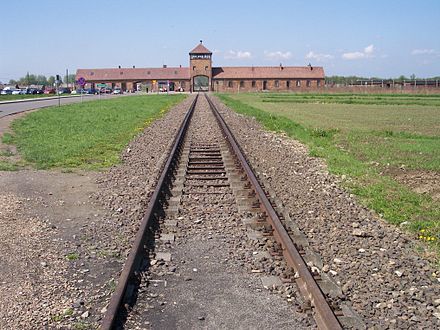
Šis tekstas įkurdintas anapus psichologijos ir suicidologijos. Jis prasideda ten, kur baigiasi mokslinė suicidologija. Mėginau pažvelgti į savavališką mirtį ne iš išorės, iš gyvojo ar išgyvenusiojo pasaulio, bet iš vidujybės tų, kuriuos vadinu suicidarais ar suicidantais.
Jean Améry (October 31, 1912 – October 17, 1978), born Hanns Chaim Mayer, was an Austrian essayist whose work was often informed by his experiences during World War II. Formerly a philosophy and literature student in Vienna, Améry's participation in organized resistance against the Nazi occupation of Belgium resulted in his detainment and torture by the German Gestapo, and several years of imprisonment in concentration camps. Améry survived internments in Auschwitz and Buchenwald, and was finally liberated at Bergen-Belsen in 1945. After the war he settled in Belgium. His most celebrated work, At the Mind's Limits: Contemplations by a Survivor on Auschwitz and Its Realities (1966), suggests that torture was "the essence" of the Third Reich. Other notable works included On Aging (1968) and On Suicide: A Discourse on Voluntary Death (1976). Améry killed himself in 1978.
Ancora una volta Améry mi ha portato in una terra che sembra al di là di qualsiasi altra. La più lontana, in apparenza irraggiungibile, dalla quale la visione complessiva del mondo è radicalmente diversa.
Una terra di ragione e logica (oltre il dolore?), una terra profondamente umana, anzi, assolutamente solo umana, più umana che non si può, dove si rafforza la libertà, la dignità, il diritto alla felicità [Jean Baechler, Les suicides, 1975].
Una terra dove la vita non è il sommo bene, dove l’atto che nessuna parola descrive, che infrange ogni vincolo è libertà.
Entrata principale al campo di concentramento di Buchenwald: "Jedem das Seine” = A ciascuno il suo.
Il male non è mai banale, non certo per chi ne ha sperimentato la crudeltà in prima persona, chi è stato degradato al ruolo di vittima. Chi è stato torturato resta tale, chi è stato nel lager non ne esce più, neppure quando è fuori.
Un libro terribile scritto da un pensatore profondo, che si porta dentro un carico di male senza misura, la sua esperienza ad Auschwitz, Buchenwald, Bergen-Belsen, che per tutta la vita lo tenne vicino alla morte.
Un libro terribile scritto da chi ha già deciso di alzare la mano su di sé, ha già deciso di abbandonare la vita, da chi opta per una disperata affermazione di libertà. Fu pubblicato due anni prima che Améry si suicidasse.
PS Ma perché chiamarlo Olocausto? L’olocausto è un sacrificio a dio. Di quale sacrificio s’è trattato? E, soprattutto, a quale dio? Shoa, molto più appropriato.
PPSS Il suo vero nome era Hans Mayer, essendo nato in Austria, nel 1912 a Vienna: dopo la guerra lo cambiò in Jean Améry (l’anagramma in francese del suo cognome originale) a significare la sua dissociazione dalla cultura tedesca e la sua adesione a quella francese.
Jean Améry. La tortura è stata per lui una interminabile morte, scriverà Primo Levi, che levò la mano su di sé nove anni dopo Améry.
My shrink would hate it, but I loved On Suicide! It was as humorous and light as it was serious and thoughtful, which was a pleasant surprise to someone who has been comforted, as well as tormented, by the knowledge that I can always choose to exit. This is supposed to be a continuation of Améry's "On Aging," which I haven't read, but that didn't seem to matter. On Suicide is a book that will always be relevant, and is especially relevant now in an age where nets are put around factories to stop workers from jumping into the void and queer teens are told "It Gets Better."
One of the most important ideas in this book in my opinion, is that "sociology, psychiatry and psychology are the appointed bearers of public order." Suicide is posited as an answer to the "oppressive provocations of existence, especially the passage of time." I'm glad Jean Améry was able to succeed in leaving the absurdity of this world for the absurdity of nothing, because for him it was a true act of liberation. Suicide: The ultimate negation.
For lovers of existentialism and nihilism and highly recommended to anarchists, people contemplating suicide and anybody who has lost someone to voluntary death.
Nežinau kada geriausiai būtų atsidaryti šią nuorodą. Aš pati informacijos apie jį pradėjau ieškoti po gero pusvalandžio klausymo – kas šis žmogus, taip drąsiai kalbantis tokiomis nepatogiomis temomis? Žmogus, išgyvenęs Auschwitzą.
Nesu galvojus apie savižudybę. Esu depresavus ir smarkiai, po gimdymo. Laimei pakako vieno vizito pas specialistą. Niūrumas ir liūdnos nuotaikos man įprastesnės už pozityvumą, tad psichologų nesibaidau. Bet savižudybė? Vargu. Per daug turiu ryšių su pasauliu ir per smarkiai man rūpi kas ir kokią mane, mano kūną, rastų. Užauginta dvilypėje terpėje, iš vienos pusės išmokyta, kad savižudybė – tai egoistiškas bailio poelgis, nuodėmė, iš kitos – kad tai yra paskutinis drąsus valingo žmogaus poelgis. Aš bijau senatvės ir bejėgystės, tad – tikiuosi dar turiu laiko persvarstyti savo prioritetus. Aš mielai skaitau apie savižudybes. Mane žavi Japonija, tačiau bandymas apie savižudybes pasikalbėti su japonu baigėsi fiasko – visgi tai stigma. Juk į savižudžių miškelį ar savižudybę neišlaikius egzaminų, o tai reiškia nuvylus tėvus žiūriu pašaipiai – būta ko? Lygiai kaip į senovinę porų, negalinčių gyventi kartu savižudybės tradiciją – na buvo, dabar gi gal nėra? Šiaip ar taip, tarp mano knygų yra ir Marion Poschmann „Pušų salos“, Grigorij Čchartišvili „Rašytojas ir savižudybė“, ir Paasilinos „Grupinės savižudybės magija“. Visas labai rekomenduoju – ypač Paasilinos ir ypač apnikus liūdnoms mintims. O va knygos apie susiplanuotą senos poros savižudybę (autorė pasakoja senelių istoriją, prisiminus nurodysiu autorę) – liūdint nerekomenduočiau. Bet grįžkim prie Amery, terminą savižudybė keičiantį į savavališka mirtis. Knygoje jis lėtai ir ramiai skyriuose „Prieš šuolį“, „Ar mirtis natūrali“, „Pakelti prieš save ranką“, „Priklausyti sau pačiam“ ir „Kelias į laisvę“ nagrinėja kas yra laisvė ir ar pasirinkus mirtį savižudybės priežastis tampa pasiekiama, o problema – išsisprendžia? Ne, čia nebus banalių svarstymų apie savavališkos mirties nuodėmingumą, ne. Ne tas autoriaus likimas ir ne ta religija, o ir šiaip vertėtų nepamiršti, kad ne visus reikia matuoti krikščionybės matais. Ar reikia gyventi ir mirti taip, kad visiems būtų patogu? Ar mes turime teisę į savo mirtį? Ar kas turi teisę mus, pasirinkusius tokį kelią teisti? Žmogus linkęs į mirtį, baksnoja mūsų pasirinkimus Amery - daug nereikia: savęs nepriežiūra, alkoholis, rūkymas, narkotikai, o elementariai - sėdimas darbas ir nepakankamas miegas. Tai – ne gyvųjų ir ne išgyvenusių pasakojimas, o žvilgsnis iš vidaus tų, kurie galbūt šį likimą pasirinks.
Labai rekomenduoju. Po šios knygos gyventi tapo ramiau. Savavališka mirtis yra žmogaus privilegija, teigia Amery, šią knygą publikavęs iki savavališkos savo mirties likus dviem metams.
Immer wieder versuche ich dieses Buch zu lesen, seit Jahren schon, und immer wieder bleibe ich stecken. Es ist ein grossartiges Buch, kein Zweifel, ein wichtiges und notwendiges auch, aber für mich ein schwer erträgliches. Ich komme nicht über die ersten gut fünfzig Seiten hinaus. Das Herz wird mir schwer und Augenwasser fliesst. Auch diesmal. So wandert das Buch einmal mehr ungelesen zurück ins Regal.
Tikriausiai, tai pirma knyga lietuviškai, kurioje nesmerkiama, o pateisinama savižudybė, kuri knygoje vadinama savavališka mirtimi. Reikia gerbti savižudžio pasirinkimą. "Laimė, mes jau tiek pasiekėme, kad visos pažangios visuomenės erotinių mažumų nebelaiko nei kriminalinėmis, nei ligoniais. Homoseksualiai, tiek vierai, tiek moterys, nebeizoliuojami nuo visuomenės iki "pasveiks". Tikrai neaišku, kodėl suicidaras vis dar privalo būti paskutinis atstumtasis." Kadangi knyga pilna Sartro, tai ir į mirtį žiūrima tik kaip į pabaigą. "Mirštu, vadinasi nebebūsiu: čia jau nieko nebeprikiši, tai uola mūsų subjektyvios tiesos, kuri tampa objektyvi, kai atsitrenkę į ją pažyrame." Knyga, manau, būtų visai kitokia, jei žvelgti į mirtį kaip į perėjimą, o ne visko pabaigą.
What a writer. Amery's reasoning is baffling at times, but he always seems to end his thoughts with the most gracefully chosen words. This is one of the best books about depression and suicide I've ever read.
Nu sunt în măsură să fac o recenzie acestei cărți fiindcă nu am studii de specialitate, iar câteva fragmente au trecut pe deasupra capului meu. Dar este o colecție fascinantă de eseuri semi-filozofice despre moartea liber aleasă și care este raportul dintre aceasta și concepte generale cum ar fi timpul, sinele, libertatea, ființarea, etc. Nu este sub nicio formă un manifest pentru sinucidere, ci pentru demnitatea umană. Dacă veți citi cartea, veți înțelege ce vreau să spun. Amery nu face altceva decât să disece acest subiect și evită cu mare grație luarea unei poziții anume, deși în anumite secvențe se vede clar să tinde spre o idee sau alta. 4 stele fiindcă nu m-a dat neapărat pe spate, deși m-a făcut să gândesc din altă perspectivă.
Against Amery’s approach 1. Writing in a sort of Wittgensteinian context, Amery keeps silent about certain things: for instance that the suicidal person is a kind hero who escapes Hell and, not unlike Kirillov, almost a God-like individual who destroys his divine possession. 2. Paraphrasing Rilke, the slogan of this book may be “You should kill yourself”. Not to be moralistic - suicide is indeed freedom -, I would choose, like Buddha, the dimming of the will-to-life rather than the will-to-death.
Una estupenda reflexión en torno a la idea del suicidio y de su ejecución concebidas como otro ámbito del ejercicio de la libertad. Améry refuta la distinción entre muerte natural y antinatural para escindir las concepciones individuales y colectivas sobre el final de la vida, del mismo modo que enfrenta los prejuicios respecto la muerte voluntaria que han hecho de los suicidas sujetos que deben ser negados por sus sobrevivientes.
Jean Améry a scris în anii ’70 o carte despre sinucidere ca „moarte liber aleasă”, Despre sinucidere. Discurs asupra morţii liber alese, apărută în limba română anul trecut la Editura Art (traducere din germană de Corina Bernic). Interesant e că perspectiva din care autorul abordează această problemă cât se poate de delicată este nu una psihologică sau sociologică, ci mai degrabă una „fenomenologică”, o perspectivă care încearcă să se plaseze în „forul interior” al suicidarilor sau suicidanţilor, cum îi numeşte el: „Textul de faţă se situează dincolo de psihologie şi sociologie. El începe acolo unde suicidologia ştiinţifică se opreşte. Am încercat să nu privesc moartea liber aleas�� din afară, dinspre lumea vieţuitorilor sau a supravieţuitorilor, ci din forul interior al celor pe care eu îi numesc suicidari sau suicidanţi (s.a.). Deci, o «fenomenologie a morţii liber alese»? Ar fi prea pretenţios” – notează Jean Améry în „Cuvântul înainte” al cărţii.
Aşadar, autorul refuză să pornească de la literatura consacrată subiectului (fie ea de ficţiune sau cercetare de specialitate), preferând să apeleze la experienţa personală şi a prietenilor: „O viaţă oarecum îndelungată, lăuntric petrecută în apropierea morţii în general, a morţii liber alese în particular, discuţii cu prieteni erudiţi, experienţe decisive ale vieţii personale mi-au oferit acea autolegitimare care se constituie ca însăşi condiţie a scrisului”. (cronică: http://bookaholic.ro/un-mic-tratat-de...)
Impresionant în tehnica de sinteză pe care o mânuiește, Améry aduce individul înaintea ,,saltului”, îl dezmembrează de tot ce părea să-i dea viață înainte cu câteva momente de a o pierde, lăsându-l gol și liber. Abia atunci îi acordă statutul de om celui ce-și exercită libertatea asupra proprie-i vieți. Ceea ce inițial scăpa ușor cu eticheta de ,,lipsă de sens” devine un profund dezgust față de viață (échec), ,,un vierme neobosit” care, progresiv, se transformă într-un dezgust al vieții din ghearele căruia scapă doar cei ce știu să-și pună în valoare libertatea. Finalul m-a lăsat în gol, neștiind dacă Améry și-a demonstrat încă un artificiu, însă, în acele câteva momente de ruptură, mi-am amintit de Critchley care în ”Notes on suicide” întâmpină exact golurile pe care le-am întâlnit aici.
Ensayo interesante donde Amèry nos acerca planteamientos fluidos, a veces de la mano, a veces en rosca sobre el suicidio o como le llama ''suicidante'' -el que completa el ''salto''- y el ''suicidario'' -quienes piensan o fantasean con aniquilarse o ''levantarse la mano sobre si mismos''-. A través de sus páginas tendremos citas y renombres de filósofos, soiólogos y entidades de las ciencias que Améry usará para argüir su postura. La cual, él mismo lo dice, no es un experto ni mucho menos. Así nos dislucirá sobre su persepción de lo que es matarse, Sartre danzará bastante sobre el texto, sus definiciones como ''la náusea'' vendrá como anillo al dedo.
Más allá de ésto podrá ser denso y algo reiterativo pero es una buena forma de aprehender más sobre el sino del que se mata.
I don't think I can give this a rating of stars. It's not a narrative, it's an outpouring. I want to read it again and maybe a third time with a pen and marker to make and take notes. There is wisdom in here amongst the back and forth self talk and conversational tone. Not a case for or against suicide but a case for understanding the suicidal. A desire to look past the action and beyond the "reasons" towards something deeper. The root of humanity.
I will give this a 5 star rating. Not for clarity or persuasion but for persistence. A desire to open your eyes with weathered fingers and hold them open to look past the bloody page in the obituaries.
"Mam prawo powiedzieć: incydent, który wydaje się wam nieważny, może wam się taki wydawać, nie przeczę, dla mnie jednak jest kluczowym wydarzeniem życiowym, na tyle kluczowym, że z jego powodu zadaję sobie śmierć."
"Nie należałem jeszcze do ziemi: należałem znowu do świata i świat należał do mnie, świat, w który miałem się wprojektować, abym sam znów cały był światem. Wypełniła mnie głęboka gorycz na myśl o wszystkich tych pełnych dobrych intencji, którzy zgotowali mi tę hańbę.Stałem się agresywny. Nienawidziłem. I wiedziałem, ja, który wcześniej nawiązałem lepiej niż kiedykolwiek intymny kontakt ze śmiercią i jej szczególną formą, dobrowolną śmiercią, że żywię skłonność do śmierci i że odratowanie, którym lekarz się chlubił, należało do najgorszych rzeczy, jakie mi kiedykolwiek zgotowano."
"La logica della vita ci è imposta o, se si vuole, è «programmata» in ogni singola reazione della vita quotidiana. È entrata a far parte del linguaggio di tutti i giorni. «Bisogna pur vivere», dice la gente, giustificando così tutte le nefandezze che compie. Ma, viene da chiedersi, bisogna vivere? Bisogna esserci, dato che ormai ci siamo? Nell'istante che precede il salto, il suicida straccia una norma della natura e la getta ai piedi dell'entità invisibile che l'ha fissata, così come sulla scena un uomo di stato straccia un trattato che in futuro sarà solo un pezzo di carta. Prima ancora che sia stata posta la domanda, colui che cerca la morte libera grida: No! Oppure dice cupo: Forse si deve, ma io non voglio, e non mi piego a un obbligo che si fa sentire tormentosamente, dall'esterno nei termini di una legge sociale e dall'interno in quelli di una lex naturae che io tuttavia non intendo più accettare. È questo il punto in cui si incontrano tutti, i Kleist, i Chatterton, i Pavese, i Celan e gli Szondi, e quel numero infinito di senza nome, che, al di là del fatto che il loro gesto «riesca» o meno, esprimono attivamente un qualcosa di profondamente misterioso, di contraddittorio a livello logico: mi riferisco alla frase: «La vita non è il sommo bene»". ----
"Chi muore di propria mano è fondamentalmente diverso da chi si abbandona alla volontà degli altri: a quest'ultimo accade qualcosa, il primo agisce di propria iniziativa. È lui stesso a porre la scadenza, egli non può sperare di essere tratto in salvo dal fato. Dopo gli ultimi soliloqui – che forse avvengono di fronte allo specchio, dove, senza raggiungerlo, insegue il suo io ormai condannato – arriva inesorabilmente l'istante, l'istante liberamente scelto, in cui egli muore di propria mano. Vi è qualcosa di più inquietante della caccia all'io, che sotto mutevoli sembianti entra in relazione con lui: il tempo. È fissato tutto per le nove della sera (la maggior parte dei suicidi secondo le statistiche avviene verso sera e nelle prime ore della notte). Per le nove; adesso sono le sette, quindi due volte sessanta minuti, ciascuno di sessanta secondi, la lancetta è instancabile, è già passato un minuto, ne sono passati due, tre, cinque, quindici, si può distruggere l'orologio, ma non è possibile interrompere il leggero ticchettio del tempo puro. E nel tempo che ancora rimane – possono essere ore, ma anche solo minuti che ancora ci si concede – il tempo viene vissuto come tale. Lo si ha in sé, ed è solo limitatamente vero quanto afferma Freud, ossia che l'inconscio non conosce il tempo, che esso allinea gli avvenimenti senza un ordine cronologico, che li mescola, li rovescia. Il trascorrere del tempo è sempre presente: è presente in ogni caso a livello della coscienza, e ticchetta anche in un metaforico spazio interiore, collocato a una profondità maggiore rispetto a tutto ciò che è inconscio. Perché se è vero che l'io è mondo e spazio nei quali esso si getta e si progetta, è però altrettanto vero che esso è anche tempo: il suo legame con il soggetto è assai più stretto di quello dello spazio nel quale esso procede per divenire, nello stesso istante, io e mondo. È il corpo che avverte il tempo. È sempre stato, questo tempo-del-corpo, insieme relativo e assolutamente irreversibile. Relativo: il battito cardiaco si ripeteva instancabilmente, un respiro seguiva l'altro, al sonno subentrava il risveglio, sempre da capo: si poteva quasi pensare che le cose sarebbero andate avanti così in eterno. Per anni qualcuno in estate ha soggiornato nello stesso luogo di cura, un luglio era identico all'altro, un settembre assomigliava allo stesso mese dell'anno precedente, la stanza d'albergo, prudentemente prenotata in anticipo, era la medesima. Il tempo relativamente irreversibile si presentava come se non lo fosse, come se fosse reversibile: nel 1972 sono stato nella stessa località sul Mare del Nord dove mi recai nel 1966, le date non significano niente. E nel 1978, quando, percorrendo la stessa autostrada, raggiungerò quello stesso luogo, sarà come nel 1966. Il corpo, lo ripeto, ha una migliore comprensione delle cose. Registra, al pari di uno strumento tremendamente affidabile, non solo gli anni, i mesi e i giorni, ma anche ogni battito cardiaco, sempre diverso dal precedente. Il cuore si logora ad ogni battito, le vene, i reni, gli occhi si deteriorano. Nei momenti – che tutti conoscono – in cui, in maniera repentina e inaspettata, si rende conto della caducità, l'uomo sa di essere una creatura del tempo: anche se non ha mai sentito parlare di entropia. A un certo punto il tempo relativamente irreversibile, che sperimentiamo nella vita di ogni giorno – oh, domani devo fare di nuovo la stessa cosa, percorrere le stesse strade, vedere le stesse facce, e anche fra un anno sarà così –, dal morente è vissuto come irreversibile in senso assoluto. Il tempo: forma dell'intuizione del senso interno profondo. Adesso tuttavia ciò che è profondamente interno è emerso, ha raggiunto il livello del mio io. Ancora un'ora e mezza, una breve eternità. Un nulla. Il corpo e lo spirito adesso parlano contemporaneamente, nello spazio si sente il brusio delle loro voci. Il corpo sa che fra novanta minuti, il tempo in cui normalmente si proietta un film, non sarà più se stesso. Si schianterà sull'asfalto, perderà molto sangue, il suo centro respiratorio risulterà improvvisamente paralizzato, oppure si addormenterà in un sonno agitato che lo trasformerà per sempre. Il corpo insorge sin d'ora, e con violenza ancora maggiore si ribellerà non appena gli verrà sottratto il suo essere. Lo spirito – mi si perdonino questi concetti di comodo, semplificanti, che s'impongono non appena il pensiero raggiunge i propri confini – lo spirito comanda. E a sua volta si ribella perché viene tolto dal tempo, e così facendo scompare tutto il tempo stratificatosi in lui. Ricorda tante cose, tutto ha carattere temporale, giacché lo spazio, che non riguardava solo il corpo, ma anche lo spirito, è destinato a essere rinchiuso. È la morte libera a porgli fine, non vi è scampo, né speranza, perché in nome della dignità e in risposta all'échec l'istanza spirituale impone a se stessa la propria estinzione". ----
"Chi si accosti all'idea della morte libera, fosse anche solo per qualche ora, o addirittura in termini ammiccanti e scherzosi, stenta a comprendere l'importuna inquietudine che la società manifesta per il suo destino. Questa società si è occupata poco del suo esser-ci e del suo essere-così. Si scatena la guerra: verrà chiamato alle armi e avrà il dovere di dar buona prova di sé, tra ferro e sangue. Dopo averlo educato al lavoro, glielo ha tolto: adesso è disoccupato, e si libera di lui con elemosine che egli consuma consumando anche se stesso. Si ammala: purtroppo però all'ospedale mancano i letti, i preziosi lenitivi sono rari e il più prezioso, la camera singola, non è a sua disposizione. Solo ora – quando desidera cedere all'inclinazione alla morte, quando non è più disposto a contrapporre alcunché alla nausea dell'essere, quando dignità e umanità gli impongono di scomparire, di condurre quindi a buon termine quanto un giorno dovrà comunque realizzarsi – solo ora la società si comporta come se egli fosse il suo bene più prezioso, lo circonda di orrende apparecchiature e gli propone la ripugnante ambizione dei medici che, con l'atteggiamento dei cacciatori che si aggirano nel luogo dove hanno abbattuto la loro preda, aggiungono questo «salvataggio» all'elenco dei loro interventi positivi. Lo hanno, pensano, strappato alla morte e si comportano come sportivi reduci da una prestazione di straordinario valore. C'è qualcosa che non funziona: mi riferisco da un lato alla fredda indifferenza con cui la società considera l'essere umano, dall'altro alla perfida attenzione con cui viene circondato quando è in procinto di lasciare volontariamente il consorzio dei vivi. È forse egli di sua proprietà?" ----
"Psicologi e psichiatri sono già pronti a rinfacciarci che questa è la prova decisiva della non-libertà della morte libera, da loro ritenuta inaccettabile; che proprio a questo punto appare del tutto evidente come la volontà di suicidi e aspiranti suicidi non sia più libera: se non fossero dei soggetti «disturbati» in una situazione di necessità che solo per loro è tale – non essendo più in pieno possesso del proprio io – essi agirebbero come gran parte degli esseri umani. È necessario chiedersi se tale obiezione non sia il risultato di un errore logico, ed è mia impressione che in questo caso la premessa – ossia che il continuare a vivere sia comunque giusto – si trasformi in conclusione. Nel momento in cui non pongo il comportamento della maggioranza come valore assoluto che determina ogni considerazione, la premessa e la presunta conclusione vengono a mancare. X si è ucciso in una situazione in cui Y e Z e tutte le lettere dell'alfabeto e tutti i simboli pensabili e immaginabili hanno continuato a vivere. X, l'emarginato, è più impotente, meno padrone della propria volontà? O non è invece proprio la sua volontà libera e forte?"
"Hand an sich legen" will sich nicht als Verteidigung des Suizids verstehen. Aber ich würde es eine Verteidigung des Suizidanten nennen. Es ist als Diskurs einzigartig, insofern dass es zur Empathie mit Suizidalen aufruft, ohne die Prämisse dass es das Ziel sein muss, sie "auf den richtigen Weg zu bringen". Améry nimmt die Ideen ernst, ohne sie gut zu heißen oder zu verurteilen.
Meine Hauptkritik ist, dass die blumige und häufig um sich selbst kreisende Prosa den Text schwer verdaulich macht und häufig die intendierten Aussagen verschleiert. Améry füllt ausserdem gelegentlich Lücken in seinem Diskurs mit No-True-Scotsman Argumenten auf, indem er Umstände die ihm nicht passen als "nicht echten Suizid" deklariert.
Insgesamt ist das Buch lesenswert. Ich habe es das Erste mal in meiner Jugend gelesen, auf Empfehlung meines Philosophielehrers. Beim zweiten Lesen fiel mir vor allem auf, wie nachhalting es meine Ansichten zu dem Thema geformt hat.
"La morte […] è più grande di dio. Tutti hanno almeno una volta visto un morto, il buon dio invece fa vita ritirata, è il trucco che gli consente di vivere." (p. 33)
DEDICATION TO JEAN AMERY - --- PROLOGUE --- YEA ! , THERE IS A PERPETUAL WAR GOING ON EVERYBODY IS DEAD , THEY ARE THE EMISSARIES OF GOD'S THRONE POSING AS THE WORLDLY- WISE ! HOW DARK IT IS HERE WHEN THE NIGHT NO LONGER GOES TO SLEEP LEST IT REVEAL THE HOST OF EXPOSED LIARS IN ITS FATED MORNING ! IN EVERY PART OF THE WORLD EVERYBODY IS DEAD THEY ARE ALL MARRIED ! TO WHOM ? THE HUMAN WAR ! LIKE WILD - BOARS THEY FALL UPON EACH OTHER IN THE WAR OF THE EGO FOR SUPREMACY ! CHILD , PRAY TELL ME , ARE YOU ALONE IN AN ENORMOUS UNSEEN FOREST WHICH NO LONGER SPEAKS EVIL WORDS , WHEREIN BRAVING THE FADS OF THE DEAD AND ANTIPATHISING TO THE LURES OF MATERIALISM , NOT KNOWING WHAT YOU ARE DOING HERE OUTSIDE THE FOREST OF YOUR SECRECY ? ARE YOU LOST IN THE MIDST OF THE HUMAN WAR ? DO YOU KNOW THE ROAD TO THE LIVING ? WALK ME TO WHERE I SHALL NOT DIE OF HUNGER FOR DEATH MYSELF ! THE HUMAN WAR IS A MISCONDUCT EVERYONE LAYS CLAIM TO ! THEY SLASH EACH OTHER WITH CARVING-KNIVES ! BIG AND MURDERING KNIVES ! EVERYBODY IS BLEEDING ! THERE IS BLOOD ON THE WALLS IN WHICH THEY ARE ALL SHUT , THEY CANNOT ESCAPE THEIR CAGE THEY CANNOT ESCAPE THEIR CAPTIVITY ENTANGLED THEY ARE IN THEIR FALSEHOODS AND DOOMED TO A DOWN-GOING ! POISONOUS IS THEIR SALLOW-FACED LOVE HEALING NOBODY BUT THEMSELVES ! TIPPLER OF A CHILD , WILL YOU NOT TAKE ME WITH YOU ? MARRIED WE ARE TO OUR HERMITAGE ! SHRIEK IN THY VAST DARKNESS THAT I MAY FIND THEE AT LAST ! WEEPING - WILLOW OF A CHILD WEEP OVER MY FACE TO INCLINE THY MIRROR SO THAT I BECOME THE MIRROR - IMAGE OF THY BEAUTY ! CHILD I BEHOLD THEE AT LAST ! WHAT A PUELLA OF SWARTHINESS THOU ART ! WITHIN THEE MY DARKNESS FADES ENTRANCING IT THUS AS TO LONGER CAUSE IT TO SCREAM FOR HELP ! NOTHING COULD GRIEVE ME MORE THAN NOT TO BE IN A POSITION TO CARRY OUT ANY OF THY COMMANDS TO ELEVATE THE TWO OF US BEYOND OURSELVES , BEYOND THE PROGRAMMED AMENTIA OF ALL MEN ! WHAT A CRUMPLED HEAP OF DISFIGURED CALAMITY !... WRITTEN BY THE SUPERCUTE BABY GALS OF SHINGLED HAIR WAVING IN ENDLESSNESS OF LENGTH AS THEIR ANTINOMY... --- WHILE EXITING , THE SUPERCUTE BABY GALS MURMURING SOMETHING LIKE THAT : '' WHO WANTS TO SHIMMY WITH THE SUPERCUTE BABY GALS ? WHAT ? YOU SILLY BOYS , YOU GREAT SCIENTISTS AND INTELLECTUALS WITH YOUR DOCTOR'S DEGREE ! , YOU CAN'T DANCE ? YOU CAN'T SHIMMY ? MAKE SOMETHING OUT OF YOUR LIVES BEFORE IT IS OVER ! TURN ON SOME JAZZ MUSIC , GIVE YOUR DUSTY MINDS A BRUSH AND CLEAN YOUR GLASSES AND WATCH THE SUPERCUTE BABY GALS SHIMMY THEREBY ! YOU LEARNT ARITHMETIC AND READING AND WRITING AND TOOK ALL THIS TROUBLE TO STUDY AND YOU DON'T KNOW HOW TO LIVE SINCE YOU CANNOT EVEN DANCE ? HOW LONG WERE YOU AT SCHOOL ? LIKE SEVENTEEN YEARS ? AND YOU CAN'T DANCE ? YOU HAVE NEVER BOTHERED ABOUT LIVING ? MISSPENDING HOURS DISCOURSING WITH GOD ON ERRONEOUS VIEWS FOR YOU TO SWAGGER ABOUT AND VIE WITH EACH OTHER , YOU GAUDY-DRESSED JESTERS AND BUFFOONS ? WEARYING EVERYONE WITH YOUR LONG DECLAMATORY RECITATIVES SUNG IN A HEROIC TENOR ON THE HUMAN STAGE TO MAKE LIFE APPEAR A PEALING ARIA ? YOU HAVEN'T MANAGED TO SPARE SOME TIME FOR DANCING LESSONS ? TELLING ALL YOUR INTELLECTUAL FIBS INSTEAD ? WHAT ILL-HUMOUR YOU SPREAD ! AREN'T YOU OVEWHELMED BY FEELINGS OF COMPLETE ISOLATION SEEING YOURSELVES LIKE THIS ! THE SUPERCUTE BABY GALS ARE GOING TO TEACH YOU HOW TO DANCE , IT'S ALL RIGHT ! NO WORRIES ! AND IT'S FREE INTO THE BARGAIN ! ''... ---
Een zwaar onderwerp om te lezen, de gekozen dood (suïcide). Het is geschreven vanuit een zeer humanistisch en ontzettend begrijpend perspectief, Améry heeft 2j na het schrijven van dit boek ook, niet echt verrassend, zelfmoord gepleegd. Het is geen 'wetenschappelijk' boek, maar probeert de lezer de natuurlijkheid van zelfmoord te doen laten inzien. De auteur probeert neutraal te blijven maar je merkt wel dat hij het al zag zitten, de defensieve houding jegens het woord 'narcistisch' wat in de klinische context niet altijd pejoratief is (denk ik), was wat overbodig maar het nam maar 2-3 pagina's in beslag
In mijn ogen echt een gigantische aanrader. Het bekijkt zo'n taboe onderwerp niet vanuit een maatschappelijk opgelegde 'visie' (veel auteurs doen dit, Mark Fisher is er erg bekend door geworden, maar mist daarom enkele steken door depressie, zelfmoord, etc. een puur kapitalistisch hekelpunt te noemen, omdat hij het ook door de ogen van onze maatschappelijke visie bekijkt, zelfs al is het maatschappijkritisch), maar echt vanuit een menselijk, individueel oog.
As the author suggests/requests at the end of the book, I offer up a lament for him and others. He had a tragic life. Being tortured by the Nazis and sent to the Murder Camps. And A few decades later he committed suicide not long after writing this book. Yes the world can be disgusting and many fine souls get ground into dust.
But this doesn't mean I have to like this particular book much. He continually hovers around a few main points which are fair enough and I wont bother repeating. However his approach is overly abstract and overly intellectualizing for what is meant to be an account from 'the inside'. There is a constant unexpressed but nonetheless obvious self-pitying whine. The never ending high-brow literary/philosophical references are just an annoying distraction. Who is he trying to impress? Though to be fair in the past a lot of people used to write ( and possibly even think ) like that. These days it just comes across as pompous.
Written by someone who attempted suicide and eventually actually committed suicide, however I would not consider this book as a view into the mind of a suicide. One is not suicidal when talking about suicide. In fact, those who talk about it do not do it and is a side that one does not really intend to do it. It is an act of will not reason. Kinda like listening to a great hitter or rider saying what hitting a fastball or racing a Motogp bike is like --- their words are really nothing like the actual act. This book does not really do justice to the despair that is the actual act of suicide. This book is a philosopher contemplating the nature of suicide. It is an interesting contemplation, but the decision to commit suicide is not described.
As someone of an optimistic bent I found this a difficult read. To be at a point where life cannot continue but must end is an extreme too far. Imagination takes one only so far, to continue down this road to the free one must actually make the leap from life to self harm, to self murder. If one waits long enough it will happen naturally, why rush? One can only hope for a soft, a gentle death perhaps confronted with a long drawn out painful struggle then the escape would be attractive.
Amery discusses all of these points and more in an exasperatingly calm and rational way, laying out the steps to be taken and the consequences for those left behind, and the sort of message that a successful suicide leaves behind. It is worth noting that he did in fact die by his own hand in 1978. Hmm.
"Agua turbulenta en donde nos ahogamos. La mano izquierda estira el cuello mientras la derecha aplica la cuchilla de afeitar. El reventar de la cabeza sobre el asfalto. La asfixia de la cuerda alrededor de nuestro cuello. La abrasante detonación del disparo en nuestra sien. Lo cual no excluye que mientras levantamos la mano sobre nosotros mismos, mientras nuestro YO se pierde en el acto de aniquilarse a sí mismo y se realiza por completo, no experimentemos un sentimiento de felicidad desconocido hasta ese momento"
It’s weird. On Suicide: A Discourse on Voluntary Death is a book by Jean Améry – who was born a German named Hans Maier. It was written in German in 1976, two years after his suicide attempt – and two years before dying by his own hand. I picked it up based on a reference in Undoing Suicidism. It reminded me of the mostly – but not always – coherent musings of Albert Camus in The Myth of Sisyphus.
Pieces in here were decent and it's clear to see where he influenced Hermann Burger's writing on the subject but it's genuinely baffling how sanist and defensive of psychiatry's underpinnings (if not its orientation towards the suicidal) that he is at every chance. It really holds back the analysis that he provides of natural vs unnatural death summed up by his statement that this is a distinction of semantics.