Three boys and two ten-year-old girls use an abandoned shed in the fields near their homes as a summer hang-out. They explore each other's bodies as children do, but it is only when 14-year-old Mirko introduces the adult world of pornography into their games that irreparable damage is done.
Vive a Budrio, in provincia di Bologna. Il suo esordio letterario risale al 1997, con il romanzo Dei bambini non si sa niente, edito da Einaudi nella collana Stile libero; il libro, vincitore nel 2000 del Premio Elsa Morante opera prima, fa ottenere alla scrittrice un grande successo di pubblico e di critica, suscitando anche scandalo e polemiche per il tema trattato. Il romanzo è stato tradotto in dodici paesi, tra i quali gli Stati Uniti. Nel 2009 è stata fra gli ospiti del festival letterario Mondello Giovani dedicato agli autori di nuova generazione.
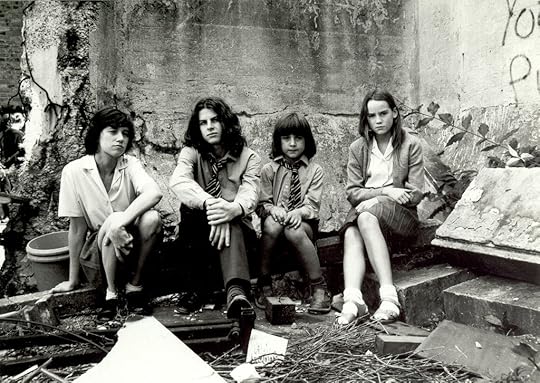
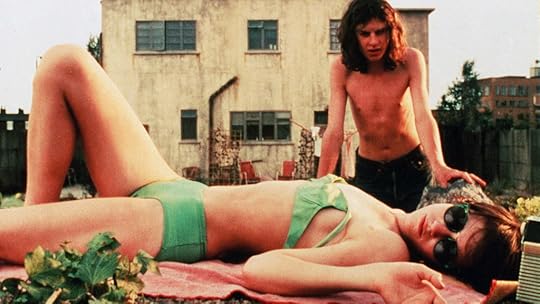
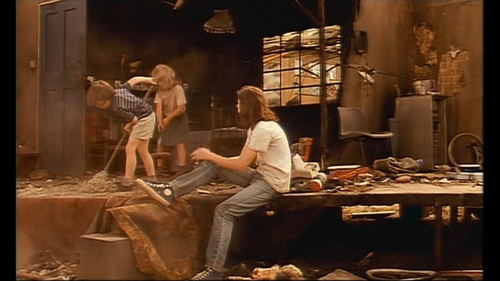
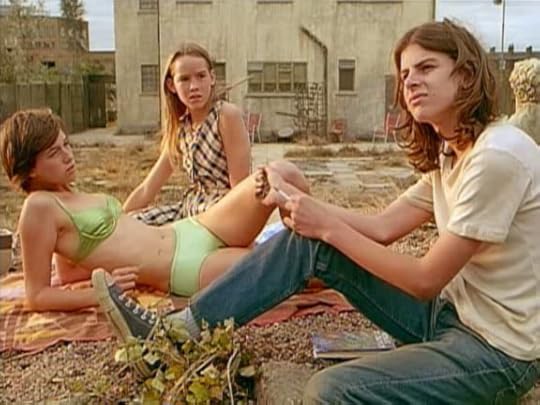
I quattro giovani protagonisti del bel film di Andrew Birkin tratto dal bel romanzo di Ian McEwan “Il giardino di cemento”.
Fine estate, la scuola sta per ricominciare. Siamo tra la campagna e la periferia di un paese nella periferia di Bologna, nel parcheggio di un palazzo al margine di un campo di grano, in un fine pomeriggio ancora caldo. Martina canta una di quelle canzoni che cantano i bambini, canzoni che quando le senti ti ricordano qualcosa e non sai esattamente cosa, forse di quando le cantavi anche tu. È un bell’incipit, un bell’inizio: nel quadro si intuisce un presagio d'inquietudine.
Charlotte Gainsbourg interpretava una ragazzina, ma aveva più di vent’anni, e già un lungo curriculum d’attrice alle spalle.
Martina ha dieci anni e un dolore dentro che non sa spiegare. Tutto ha avuto inizio due mesi prima quando insieme a Greta e a Matteo, suoi coetanei, ha conosciuto due ragazzini più grandi, Luca, di dodici anni, e Mirko, di quattordici. A quell’età due anni in più sono tanti, quattro sono tantissimi, possono essere davvero troppi. Martina si è presa una cotta per Mirko, il più grande, il capo di quella banda improvvisata. In quei due mesi, tutti i giorni, Mirko guida i suoi piccoli ‘adepti’ in un capannone abbandonato, dove non c’è nessuno, dove potrebbero essere al sicuro.
Andrew Birkin, il regista del film, è il fratello maggiore di Jane Birkin, mamma di Charlotte. Ha firmato anche la sceneggiatura di “Il nome della rosa”.
Innocenza, ma soprattutto illusione d’innocenza, scoperta del corpo e delle sue pulsioni, in primis quelle sessuali (ma non solo), spirito d’emulazione, “i giochi dei grandi”, crescere, l’inizio di una tragedia, un incubo… Anche i bambini conoscono la violenza.
Grazie anche a questo primo romanzo di Simona Vinci, il suo esordio letterario, dei bambini sappiamo di più, li conosciamo un pochino meglio.
Il film è del 1993, e Birkin vinse l’Orso d’Argento al Festival di Berlino come miglior regista.
Capisco che sia piaciuto, gli ingredienti giusti ci sono tutti. Capisco perché viene sempre tirato in ballo McEwan, è evidente. Non per niente anche a me è venuto di citare nel titolo di questo commento il suo bellissimo romanzo del 1978, Il giardino di cemento. Immagini forti, colori brillanti, odori acuti, sapori acidi, atmosfere dense, tanto cinema. Una cosa sconosciuta e allo stesso tempo familiare. Divertente.
I have no idea how to even talk about this book. Anyone who knows anything about this book will know it's said to be messed up. I don't even think that's enough to describe this book. It makes Lolita seem tame. I will be unable to discuss this book without spoilers but I do not recommend reading this book at all, so that should not be an issue.
This book follows 5 kids, three are 10 (both of the girls are 10), one is 14, and the last is 15. These kid start fooling around sexually, exploring their bodies and sex, until one day one of the boys brings some BDSM magazines and their explorations take a turn.
This book really spared no punches. You have kids having sex with kids in graphic details, lurid depictions of a 10 year old girls' naked body. You have graphic details of child pornography and other various pornographic material. It's very graphic and detailed and is not for the feint hearted.
Obviously, that's 1 star material in its own right. But you add to that the fact that there's just no purpose to this book. It's graphic to be graphic. The horrid events have no consequences, no teaching moments. You don't learn anything about the kids or get invested in them but you are hearing about some of the most traumatizing moments of their life. I really am not sure what the point of this book was for, but I think it would have been better left unwritten.
I also did not like the Author's Note at the end that says something along the lines of "these events are not real, but they are possible." Like... sure, they are possible, but they are not really common occurrences and I don't know if I needed to read about it.
The one positive I have to say, is the writing was nice.
Un libro difficile che tratta un argomento complesso. Alcuni non riescono a finire il libro, si scandalizzano dopo qualche capitolo, ma credo fraintendano l’argomento del racconto. Bisogna avere la pazienza di arrivare fino in fondo per capire veramente di cosa si tratta. Non è sesso, non è pornografia ma la semplice vita di una provincia italiana, ambientato nella pianura Padana dove l’autrice vive ma che potrebbe riguardare qualunque realtà simile: campagna, noia, assenza di un controllo parentale, assenza di un tessuto sociale stretto, bambini lasciati quasi a se stessi che si lasciano influenzare tra curiosità, smarrimento, immaturità, incomprensione, prime sensazioni pre-adolescenziali (anche se talvolta alcuni passaggi sembrano forzati per dei bambini, sembrerebbero più per pre- o adolescenti) e la voglia di cominciare una propria vita autonoma con i propri segreti e le proprie sensazioni. Chi non si ricorda quei momenti dell’infanzia? La scoperta del proprio corpo? Il contatto con amici di amici più grandi che fanno cose che non capiamo ma che ci intrigano e ci fanno anche un po’ paura? Chi non ha mai incontrato adulti un po’ troppo interessati ai bambini? L’autrice descrive bene le sensazioni che provano dei bambini alla scoperta del proprio corpo, dei bambini forse troppo soli, che capitolo dopo capitolo evolvono verso un finale inatteso, forse improbabile ma non impossibile. Da leggere.
A difficult book that deals with a complex topic. Some are unable to finish the book, are scandalized after a few chapters, but I think they misunderstand the subject of the story. You must have the patience to go through to the end to really understand what it is. It is not sex, it is not pornography but the simple life of an Italian province, set in the Po Valley where the author lives but which could concern any similar reality: countryside, boredom, absence of parental control, absence of a social support, children left almost to themselves who let themselves be influenced by curiosity, bewilderment, immaturity, misunderstanding, first pre-adolescent sensations (even if sometimes some steps seem forced for children, they would seem more for preteen or teenagers) and the desire to start their own life autonomous with its own secrets and sensations. Who doesn't remember those childhood moments? The discovery of one's own body? Contact with friends of older friends who do things we do not understand but that intrigue us and even scare us a little? Who has never met adults who are a little too interested in children? The author describes well the sensations that children experience when discovering their own bodies, children who are perhaps too lonely, which chapter after chapter evolve towards an unexpected ending, perhaps improbable but not impossible. To read.
Appena l'ho finito mi sono detta a questo libro non posso dare un voto e non credevo che mi potesse capitare, ma qualunque voto sarebbe ingiusto in un senso o nell'altro. Un pugno nello stomaco, non c'è altro modo di dirlo, è come se ti strappasse qualcosa dal ventre (la sensazione fisica è proprio quella), e ti lasciasse con un vuoto indescrivibile e terribile dentro... Mi aspettavo un libro e fino a un certo punto le mie aspettative erano esatte, ma non c'era nulla che mi disturbasse particolarmente fino al finale che mi ha incollata alla pagina costringendomi a voler chiudere il libro eppure a non poterlo fare... è un ritratto sconvolgente quello di Simona Vinci, coraggioso e durissimo, e quello che più sconvolge è che una cosa del genere purtroppo può capitare...Dei bambini non si sa niente... non ho figli ma è agghiacciante pensare che i genitori di quei bambini non sappiano niente, agghiacciante pensare che manchi un dialogo che insegni degli ideali, che insegni il valore dell'attesa e del non precorrere i tempi, agghiacciante non essere capaci di dire BASTA, di dire NO... agghiacciante crescere così, con un abisso nell'anima... La crudeltà inconsapevole e non capita è forse ancora più terribile di quella fatta per fare del male consapevolmente... e in quella incomprensibile canzone sussurrata tra le labbra di Martina c'è una tenera eppure disturbante certezza che l'infanzia non c'è più, perché è scomparsa nell'acqua torbida del macero dove vanno i bambini, dove un pezzetto di carta, forse una lettera d'amore, viene colpita da un sasso e affonda senza la possibilità di essere letta... come quella parte di loro che è cresciuta senza crescere, che ha amato senza amare, che ha ucciso senza uccidere e che non sorriderà mai più... mai più...
Quando uscì, nell’oramai lontano 1997, questo romanzo divise in modo netto il pubblico in due:
– chi lo osanna dicendo che è innovativo e coraggioso – chi lo abbatte dicendo che è disturbante ed immorale.
La trama è semplice e breve. Un gruppo di bambini, in una calda estate, scopre il sesso in un capannone dove sono soliti ritrovarsi. Alla guida c’è un quindicenne, di qualche anno più grande degli altri, che hanno sui dieci anni. Sarà lui a portare riviste pornografiche che verranno utilizzate come riferimento per la conoscenza dei propri corpi.
Una storia forte, che inquieta e disturba. Parlare del sesso dei bambini è già di per sé motivo per rifilare una qualsiasi arte nel tritarifiuti. Farlo con un romanzo dove la scoperta infantile della sessualità si mescola con la crudeltà umana, lo è anche di più. La mia personale opinione è che si tratta di un libro che deve far riflettere e soprattutto non è per tutti. Non tanto per le scene che vengono affrontate con un linguaggio decisamente lieve rispetto agli young adult odierni, quanto per il male che pervade la narrazione, così presente che sembra quasi uscire da un momento all’altro dalla pagina per dire: “hey eccomi qui! So che mi aspettavi!”
I believe this is an important but disturbing book because it is an absolutely honest look into the world of children and how disturbing that world is because children are not innocent, they are ignorant, and now-a-days then are less innocent than ever because superficially nothing is unknown but so much is not understood or misunderstood. It is a difficult book because what it is looking at is disturbing - but be clear there is nothing sexual or titillating about this novella, nor is it 'transgressive' writing - transgressive writing is the claptrap that middle class white kids from the suburbs produce while, or after, spending a sabbatical in vanilla slumming which they like to think is a walk on the wild side. A Transgressive is trying to shock by insisting on taking off their clothes when everyone would pay for them to keep them on. It is the equivalent of gesture politics without substance, cause, following or affect.
My apologies for the lengthy digression but nothing in this novella is said or described without reason. You can not have this story without every word as presented. It is not a nice or easy read but it is an important one.
Simona Vinci è una scrittrice bravissima. Le parole sono tagli sulle pagine, sanguinano. Ne "Dei bambini non si sa niente" racconta una storia di erotismo e di bambini. Una tematica che spesso viene taciuta e allontanata finché non diventa un'urgenza. Finché ognuno non gli dà nome da solo. In questo romanzo la ricerca del nome dell'urgenza avviene in gruppo. I corpi sono meccanismi che riconoscono il movimento, come se l'avessero appreso in una dimensione precedente. Il sesso è una pratica da imparare. Un gioco. Un bisogno come dormire o mangiare. Negli uomini, come negli animali. Anche se fingiamo che non sia così. Ma i bambini sono puri e sono feroci. In loro tutto lo è. La bontà quanto la cattiveria. E la scoperta del sesso, nella loro dimensione priva di freni, ancora innocente delle regole del dopo - delle conseguenze - diventa una cosa più grande di quell'età bambina. Molto più grande. Un libro che travolge.
"Sulla mensola del bagno, un flacone piccolo di diorissimo. L'odore di sua madre. Per sempre, l'odore di questo bagno, di questa finestra e di questa vita aperta sul cielo. Mughetto. Un odore semplice e bianco. Buono, da stordire. Per sempre, l'odore dei suoi dieci anni. Di tutta questa storia."
C’è qualcosa di disturbante e allo stesso tempo limpido nel modo in cui racconta quell’età di confine, dove tutto è ancora possibile ma già incrinato. La scrittura è cruda, quasi spietata, ma mai gratuita: ogni parola sembra aderire perfettamente a quel mondo sospeso tra innocenza e consapevolezza. È raro leggere qualcosa che restituisca così bene la prospettiva dei bambini senza addolcirla né giudicarla.
Sono sinceramente sconvolta da questo libro. Ha mille mila trigger warning. Posso dire solo due cose: 1. non sottovalutate mai bambini e adolescenti 2. l’educazione sessuale e affettiva è NECESSARIA.
I read this probably in 2000 or 2001, so its been a while but its not something easy to forget. I was looking for modern Italian fiction, translated into English, so options were limited and this was kind of given prominence in the bookstore; I think it had one of those “recommended by” whatever employee cards. I had read a cool Italian book a year to two previous, Jack Frusciante Has Left the Band, also set in Bologna and following a teen boy and his friends, and that book was a blast to read; wow, this book was different, though both authors seemed similar in how they were touted on the book jackets as the hot young writers of Italy.
Apparently this was first published in English as A Game We Play in ’99, then by Knopf in 2000 in a fancy little hardback with this title, What We Don’t Know About Children, which is what I read (unsure if the first was a British publication and if they were the same translation as the one I read), it had won Italian awards, highly reviewed with comparisons’s to Golding’s Lord of the Flies or Ian McEwan’s writing.
The writing was incredible, I will give it that. I actually just read a short story collection by this author, well over twenty years later now, and it’s the only reason I am bothering writing this review. Her short story collection is also full of exquisite writing. She is extremely talented.
But the story in this book is just dark and twisted, and it felt way too exploitative. It follows a group of young kids, boys and girls around ten, as they play unsupervised in their neighborhood. Things quickly turn dark sexually when they begin hanging around two older boys, and it gets worse as the older boys find an S&M book or magazine and decide to starting acting out what they see. These scenes were just too detailed, and were too many and went on too long, well beyond what was needed to make the point that the author was obviously making.
And the title of the book, that which I had, What We Don’t Know About Children, became obvious and was clearly carefully chosen for the later publication to reflect the author’s theme. I understood it, having grown up in GenX not long before I read this book, having experienced being completely unsupervised and where sexual experimentation at a young age, and even where more mature kids or even young adults preyed on younger kids (not sure preyed is the right word but it fits) was common, and frankly was just at the stage where it was becoming more socially taboo. So I think what takes place in this book was realistic, if the extreme of what commonly happens when kids are left to raise and entertain themselves.
But again, it felt like it made its point quickly and it didn’t require a novel/novella to make its point, it could have been done in a short story a quarter of its length. And I understood the comparison’s to Lord of the Flies (which I had read not too many years before this, in either middle or high school), but I think Golding did a much better job of avoiding being exploitative (that book was more about straight up violence than sexual violence, though there were aspects of that as well), here there wasn’t as much of a takeaway or commentary on the story's theme, its just there, in your face.
So in the end, it’s a tough book to recommend. Thinking back on it now years later and now as a parent, I will admit it has stuck with me. Some might say its made me paranoid, so far as my not letting my kids do things some of their friends are allowed to do, eg, some unsupervised play, sleepovers, etc…, but I don’t really think that is a bad thing, I think as my generation raises our kids, even as we brag about the freedom of our childhoods (drinking from the hose) we also recognize the dangers and in some cases, the abuse that occurred because of it. Some overreact to this and have their kids on complete lockdown and missing out things they need to experience; others like myself, (I hope) are just more careful and allow activities when they are more age appropriate, eg, sleepovers, going to “camps”, playing unsupervised, etc… So in that sense, I will admit this book probably has helped, whether or not that was the author’s point of writing the story. I think it was partially, I don’t think she was trying to write a do-gooder novel like a Lifetime movie, but I do think she did want to discuss the danger of leaving kids unsupervised, and to shove the potential consequence in people’s faces, which she did. I initially thought I'd rate this as a 1/5 stars, maybe a 2/5 for the good writing, but I am going to go with a 3/5 because I think the author really made her point. I just feel she went further than necessary and as a result, probably turned off a lot of potential readers and can understand those who rated it lower, and those who rated it higher.
I was really unimpressed with this book. I think similar stories are probably scattered in notebooks of teens and young adults everywhere, stories about people just like them who took the dark aspects of life too far too soon, and that this author was just the one who bound it up in a readable package. I think we stopped just shy of getting to know the characters, and I felt like all the author wanted to do was write sexually "deviant' and sadistic scenes involving tweens and teenagers. I probably would have thought this was edgy when I was younger, but now it feels forced and makes the plot feel flimsy, like the book existed just for the sex scenes gone wrong. When explanations or descriptions were given they seemed lacking, like they didn't really tell me anything despite being well written, and the book is a quick read to begin with.
Given to me by a friend as part of our seasonal reading challenge.
It's rare for me to be shocked by a novel. It's rare for me to be shocked by much. This leads me to wonder if only fiction still holds the possibility to shock me.
This novel is short and carefully written. It's sparse and gentle, whilst delivering an unsettling storyline that will linger in my mind for sometime.
There was an other-worldly atmosphere throughout, which in a strange way made the events all the more real.
It reminded me in many ways of 'The Cement Garden' - especially as it was hard to lay blame solely with any one character.
Letto sotto consiglio perché mi piacciono queste letture. Libro che ho apprezzato e posso dire che sì, nel complesso è disturbante, crudo, a tratti quasi “irreale” perché certamente l’infanzia dei bambini la immaginiamo pura, innocente, spensierata ma qui troviamo un altro tipo di infanzia. Infanzia fatta di giochi ma non giochi per bambini. Mi è “piaciuta” la storia perché apre gli occhi su quella che, purtroppo, è una realtà e che certamente è difficile da accettare però avrei preferito che l’argomento venisse trattato più specificamente sotto l’aspetto psicologico, anche. L’ho trovato troppo precipitoso.
È un libro duro, ma dopo aver letto altri libri dell'autrice posso dire che è un po' il suo format quello di arrivare a destabilizzare il libro. Mi risulta molto inverosimile che a dieci anni si possa anche solo pensare ad una sfera del piacere personale, quindi la trama in sé per quanto reale mi risulta anche irreale. Mi ha fatto stare male, inorridire e venire la nausea ma quello che più mi ha lasciato perplessa è la chiusura del libro senza sapere altro, avrei voluto sapere fino in fondo la conclusione della vicenda.
Really really powerful. At points I had to put the book down because there were couple of really raw scenes. However, Vinci's descriptions of the country as well as her varying points of view of the children really gives the reader a fresh perspective on child-like innocence and the types of material children are exposed to. Without trying, Vinci also makes the reader question parent involvement with their children and if the policy of "ignorance is bliss" is really the best parenting policy.
Dei bambini non si sa niente, o spesso appena quello che si vuole sapere. Una storia di iniziazione al limite tra infanzia e adolescenza, ambientata in Emilia-Romagna tra caseggiati, cortili, campi sterminati e capannoni. Discreto, nel corso della narrazione, l'uso degli andirivieni temporali; attente le descrizioni (tanti i colori); stile piano (la cosa che mi ha colpito di meno); inatteso il finale.
un po' di signore delle mosche, un po' di giardino di cemento, parecchio sesso. il risultato non è all'altezza di nessuno dei tre ingredienti. mi fa sorridere chi grida allo scandalo e all'orrore: se dei bambini si sa una cosa, è che non sono innocenti - credo che l'abbia affermato, tra gli altri, quel losco figuro di bettelheim. il libro si legge bene; lo stile di simona vinci, che non conoscevo, mi piace, ma mi disturba il desiderio di épater le bourgeois sostenuto da così poco.
Disturbing and creepy and not totally plausible. The descriptions of childhood sexual awakening and discovery are realistic and quite good, but the story seems to focus not enough on particulars and plot development and ends rather abruptly. Could induce nightmares. Might have worked better as a short story and not a novella.
L'ho letto anni fa, quindi non potrei sinceramente dare un parere ragionato. Tuttavia, mi sento di avvisare chi lo vuole leggere che può essere estremamente disturbante, questo libro, ricordo che per tema e descrizioni l'ho trovato assai soffocante, quindi attenzione, se non siete in un periodo in cui nulla vi scalfisce... lasciate perdere!
I'm glad that I've found out there are some books out there that can still shock me. This book shocked me, kind of. If it were written by a man instead by a woman, the author would probably be arrested, threatened, attacked, maybe even murdered. Anyhow, even like this, it is a very brave book. Sickening.
letto tutto d'un fiato in un pomeriggio, finito con le lacrime agli occhi ed una pesantezza nell'animo così forte che pochissime altre opere mi avevano mai dato. non ho altre parole anche perché fisicamente non riesco proprio a parlare