Omoiyari on pyyteetöntä myötätuntoa. Sitä korostava japanilainen ajattelu kehottaa osoittamaan vilpitöntä lähimmäisenrakkautta ja vastaamaan muiden tarpeisiin empaattisesti ilman takaa-ajatuksia.
Tämä syvällinen mutta käytännönläheinen kirja perehdyttää lukijansa omoiyarin taitoon ja keinoihin, joiden avulla voi ilahduttaa muita ja tuoda iloa myös omaan elämään.
Huomaavaisuus ja empatia ovat japanilaisen arkielämän ja yhteisöllisyyden peruspilareita. Ne ilmenevät niin vieraanvaraisuutena (omotenashi), puhtautena ja järjestyksenä (kirei), kierrättämisenä ja korjaamisena (mottainai) kuin ilon ja onnen etsimisenä arkipäiväisistä asioista (zakka). Olennaista on myös kuunteleminen ja eri näkökulmien jakaminen, sillä vain siten voimme ymmärtää toisiamme ja itseämme. Kun valintoja ja päätöksiä tekee omoiyarin hengessä, edistää omaa, lähimmäistensä sekä koko maapallon hyvinvointia. Pienilläkin teoilla on väliä.
Erin Niimi Longhurst on japanilais-brittiläinen kirjailija, jonka esikoisteos Japanismin parhaat - Hyvän elämän ohjeita ikigaista wabi-sabiin, ikebanaan ja metsäkylpyihin (Viisas Elämä) on ollut kansainvälinen menestys ja julkaistu yli kahdellakymmenellä kielellä.
Erin Niimi Longhurst is a half-Japanese, half-British writer and blogger. She currently works as a social media and digital consultant, helping charities, nonprofits, and foundations to improve their interactions with those who are important to them, by telling their stories more effectively online. Her blog, Island Bell, focuses on food, travel, and lifestyle. She is a graduate of the University of Manchester with a degree in social anthropology.
"Thoughts, memories and feelings can come and go. Something you have been pondering might suddenly come to you, arriving in your mind like a train pulling into its final destination (omoitsuku); and omoi can describe not only the thoughts in your mind, but also the way in which you think about things, too. Omoiyari is an extention of this thinking in relation to others - a type of projection. It is the combination of thought (omoi) and the verb 'to do' (yaru), but it is more than just thinking about doing something for other people. The simplest way to describe it might be to anticipate the needs of others, but in an altruistic way, imbued with sympathy, empathy - without the expectation of reward or anything in return."
Ichi-go Ichi-e (いちごいちえ) Treasuring every moment, as it cannot be repeated.
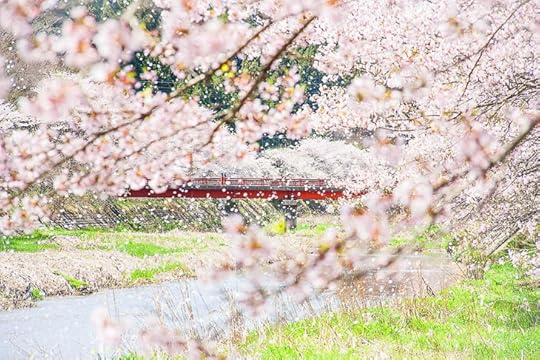
P.S. On the first picture is the Japanese actress Takako Tokiwa. I adore her and her voice, and she's one of those lovely people who come to my mind when I think about Japan!
The most important lesson I have learned from this book (personally) is to have more compassion for myself. I know the book is about empathy for others, but isnt it hypocrite, to give others empathy, without giving it to myself? In this book you learn a lot about the Japanse art of compassion, which we all should include in our lives to give people special moments they wont forget. Every experience should be one to remember.
I always in awe with Japanese culture and manners. Omoiyari is a form of selfless compassion but in this book I think it cover more broad topics in all aspect of our daily life where we can relate to it. Reading this when you want to start anew, refresh start, and celebrating the new year, I think it’s a great book with tips and advices where you and I can incorporate in our life. To change your habits, to be better human, to initiate kindness, to be kind to people and nature. To practice a self love first. I do not agree to some of the points but I did gain a lot from this book. I think it’s a great book to start anew.
Well, this book is similar to 'Lagom', 'Hygge', and other books about some cultural aspects and wisdoms from a country, and how we can adopt them to improve our lives. This book mostly explains about compassion and empathy that would bring peace and harmony in life. Not only related to human-beings but also with our surrounding and environment.
Decorated with pretty photos of Japan and some practical tips (like how to fold furoshiki, simple origami or make simple dish), I like it and it's a good reminder to have faith and do good in life. However, it's too simple and short to get deeper understanding about Japan as a society. Again, it's a self-improvement book 😊
This book was the perfect read for my first flight(s) back to the USA since November 2019. Not only was it calming and validating, but the title was a nice reminder to be compassionate (for anyone who caught a glimpse of it). 😉 There wasn't anything that rocked my world as I was familiar with, and try to live by, most of what was written; but, it reminded me that the culture I have been immersed in for most of my life is what needs some (major?) tinkering, and that I am doing just fine as a sensitive soul navigating a capitalistic world.
A beautiful book. I picked this one because I love all things Japanese. And this book didn't disappoint me. With beautiful illustrations, designing, typography, quotes, concepts and examples this book kept me hooked till the last page. A must-read if you love Japanese culture.
'Let the past drift away with the water' is but one of the many Japanese words of wisdom quoted in lavishly illustrated (in a restrained and beautiful way) Omoiyari, which is all about bringing joy into your own life and that of others, which perusing and ruminating on certainly brought me
Mano viena iš top kelionių-svajonių - nuvykti į Japoniją. Knyga leidžia prisiliesti prie šios šalies kultūros, suprasti filosofijos pagrindą, tačiau sudėtinių dalių daug - norėtųsi gal geriau mažiau, bet kad būtų plačiau papasakota ir įsigilinta. Bet knyga padėjo "nusipaišyti" paveiklą apie Japonijos kultūrą.
I enjoyed this book. A balance of ideas and the experiences the author has had at particular points. We can always be a more selfless, kind version of ourselves. Lovely pictures throughout too.
أختم عام ٢٠٢١ بهذه القراءة الرقيقة. الكتاب الذي رافقني في حالات الصفاء الذهني والأيام الهادئة. تتحدث الكاتبة عن المفاهيم اليابانية العميقة في الحياة اليومية، العلاقات، والتعامل مع الغرباء. كما تعرفنا على بعض العادات المحببة لجعل نمط الحياة أفضل. مرفق للكتاب قائمة بالكلمات بالإنجليزية واليابانية وهي تشكل مرجعًا جيّدًا لمتعلمي اللغة الذين يرغبون في تطوير فهمهم عن الأشياء وتوسيع ثقافتهم بما يتعلق بالحياة والحضارة اليابانية.
The concept of compassion as an art was well-executed with the author's personal upbringing. Illustrations are simply beautiful and go well with the content. In my opinion it is definitely a coffee/tea table book.
Luin tämän suomeksi. Helppolukuinen teos käsitteli japanilaista myötätuntoa, vieraanvaraisuutta, kohteliaisuutta, siisteyttä ja arkisten asioiden kauneutta. Mukana oli myös esimerkiksi pari ruokareseptiä sekä ohje origamikurjen taitteluun. Mitään erityisen uutta en tästä oppinut ja hämmästelin kirjoittajan mielipidettä japanilaisten vähäisestä jätteiden tuottamisesta - ainakin reilut 10 vuotta sitten Japanissa asuessani törmäsin siihen, että kaikki (myös yksittäiset hedelmät) pakattiin muoviin ja esimerkiksi ekibentolaatikoissa oli mukana vihreitä muovikoristeruohoja. Mutta tästä huolimatta kirjassa oli paljon tärkeää ja pätevää asiaa ja fakta on se, että parasta asiakaspalvelua ja eniten "voin-viedä-sinut-oikeaan-paikkaan"-katukokemuksia olen saanut juuri Japanissa.
I enjoyed learning deeper about the beautiful side of Japanese culture. However, sometimes the author takes a tone that's slightly bossy which turns me off. I react this way because I am in Indonesia, and one of the big issues we constantly talk about here is the atrocities of the Japanese invasion from 1942-1945. It's so much horror.
There are always 2 sides of a certain culture. So I enjoyed learning about the beautiful side from this book.
Mình thật sự thấy yêu nước Nhật hơn qua từng trang sách. Văn hoá, con người nơi đây có quá nhiều điều thật ngưỡng mộ, học hỏi và trân trọng. Ikigai và cuốn sách này là lời giới thiệu để mình đưa gia đình tới đất nước mặt trời mọc một ngày không xa.
Từ lâu, mình đã có ấn tượng rất tốt về cách đối nhân xử thế của người Nhật Bản nên khi được cầm trên tay quyển “Omoiyari” này mình vô cùng hứng thú đọc để tìm hiểu sâu xa hơn.
Vợ của anh họ của dượng mình là người Nhật Bản, nhờ được tiếp xúc với cô mà mình nhận ra người dân xứ mặt trời mọc này có một lối sống rất đáng học hỏi. Từ cách cô sinh hoạt, đối mặt với các vấn đề trong cuộc sống và cách cô dạy con đều khiến mọi người xung quanh ngưỡng mộ và yêu mến, nên mình đã chọn quyển “Omoiyari” để tìm hiểu thêm và công nhận là các đức tính tốt đẹp mình từng được chứng kiến ở cô đều được đề cập trong sách.
Mọi người có lẽ đều biết rằng Nhật Bản rất tôn trọng trà và có hẳn một môn trà đạo riêng thì trong quyển này đã nhắc đến triết lý trong chado (trà đạo), đó là luôn đề cao tinh thần Ichigo Ichie - Nhất kỳ nhất hội. Nó nhắc nhở ta rằng mỗi buổi trà là duy nhất và không bao giờ lặp lại. Cả chủ và khách đều phải dành trọn tâm huyết, sự tôn trọng và chú tâm vào khoảnh khắc hiện tại, tinh thần này gắn liền với Mono no aware.
Khi nhắc đến hoa anh đào (Sakura), một loài hoa tượng trưng cho lòng dũng cảm và gắn liền với Bushido (tinh thần võ sĩ đạo), tác giả đã khéo léo lồng ghép Omoiyari vào để nhắc nhở chúng ta về tính kỉ luật. Bushido đề cao sự tự chủ và tuân thủ kỉ luật nghiêm ngặt, từ đó họ tự kiểm soát bản thân tránh gây phiền hà cho người khác (meiwaku). Ngoài ra, cô còn nhấn mạnh lòng trung thành tuyệt đối của võ sĩ đạo khi ứng dụng qua Omoiyari sẽ mở rộng thành sự ân cần, quan tâm và tôn trọng mọi người, tiêu biểu như cách người dân Nhật bản sử dụng keigo (kính ngữ) với bề trên.
Mình rất thích văn hoá tặng quà lưu niệm (omiyage), không nhân dịp gì cả, chỉ là sau một chuyến đi (có thể là đi công tác, du lịch), chúng ta sẽ mua quà ở nơi ta đi đến để đem về tặng cho những người thân, bạn bè của mình, vừa là cách chia sẻ trải nghiệm, vừa thể hiện được sự quan tâm. Kĩ năng lắng nghe (kikubari) - điều vẫn còn thiếu trong văn hoá giao tiếp hiện nay - được tác giả đề cập và nhấn mạnh sự chú tâm tinh tế. Luôn giữ một khoảng cách tôn trọng, dành sự chú ý đến từng lơi đối phương chia sẻ và đọc không khí (kuuki yomu) để hiểu sâu xa hơn những điều không được nói ra. Nhờ đọc quyển này mà mình mới biết Omoiyari không chỉ thể hiện qua cách ta đối xử với mọi người mà còn tồn tại trong cách ta bày trí nhà cửa ngăn nắp, đồ đạc gọn gàng, sạch sẽ (seiri)
Sách được trình bày đẹp mắt, có nhiều ảnh chụp mang phong cách nhẹ nhàng, tạo cảm giác thư giãn và dễ chịu khi đọc. Tuy là non fiction nhưng nhờ tác giả liên hệ với câu chuyên cá nhân, sử du gj giọng văn thân mật nên rất dễ tiếp cận, không bị thiên về học thuật. Mình nghĩ đây là một sự lựa chọn không tồi cho những ai muốn tìm hiểu về “Omoiyari” một cách nhanh gọn, bao quát và dễ hiểu.
Japanese culture is so incredibly beautiful. I absolutely LOVED reading this book. I enjoyed the chapter on Senbazuru, the practice of creating a thousand origami paper cranes. I’ve included some bits to look back on for reference.
“Creating a Senbazuru isn’t just about crafting – it’s about loyalty, dedication, positive manifestation, peace and hope. According to legend, the act of folding a thousand paper cranes is said to grant a wish, or happiness and eternal good luck. It comes from the belief that good luck and good fortune aren’t bestowed, but created; the act of patient and loyal dedication, while demonstrating commitment through attempting to replicate the beauty of the crane will bring the creator good fortune. … I think there is an important message to be derived from the philosophy behind Senbazuru about making your own luck. The creation of a single paper crane on its own might not have an impact or significance – but over a long period of time, your actions can have an incredible impact.” … “In Japanese, there are three words for the heart. One is shinzou, which refers to the organ that pumps blood around the body. The second is ha-to, which refers to the shape of a love heart. The third is kokoro, which means the heart, mind, and spirit – these are all interlinked with the term. In Japanese tea ceremony, you might do things in a kokoroire manner, meaning that everything you do when you perform tea ceremony is done with heartfelt devotion. You put your heart into it and give it your all. … In many instances, the stories of kindness that resonated with people the most involved strangers. All the relationships were, in some sense, fleeting – a guest for a week, a drinking buddy for the evening. These are all examples of individuals extending the feeling of omoiyari to others – through kindness and hospitality. But when you are on the receiving end, the result is anything but fleeting – it stays with you. … Omoiyari is a form of altruistic sensitivity. It is about compassion – almost curating an experience for others, based on anticipating their needs in advance and preparing accordingly, putting a plan in place. It goes beyond the self. Consideration for others, and relationships are at the heart of omoiyari.”
This is the second book by Erin Niimi Longhurst but I read this first.
Omoi reflects the concept of thought, the way people think or their feelings, emotions, sentiments or desires. Omoiyari is an extension of this thinking in relation to others - a type of projection. The simplest way to describe it might be to anticipate the needs of others, in an altruistic way that is imbued with empathy without the expectation of reward or anything in return.
Omoiyari is important because, in a larger scheme of things, we need to try to understand perspectives and worldviews that might be outside of or in contrast to our own. Even if we disagree, there is always value in expanding our minds and trying to make sense of things from a different perspective.
I really enjoyed this book. Apart from feeling calm in having the tactile experience of reading it, similar to my review of Japonisme, this book particularly stood out because I realised that I can be more compassionate to myself. For a few years, I have gotten the realisation from the constructive feedback that I have received, "You are too hard on yourself." Yet for a few years, I fumbled, not knowing really how to show more compassion to myself.
Reading this book helped in showing me the ways on how to keep an open mind, how to be kinder not just to myself but to others as well, and in doing so, I will make my environment a better place. It is a timely reminder, especially so in our hustling life, to slow down and show our appreciation.
This book is focused on showing us the Japanese art of compassion and it truly succeeded in doing so with its aesthetic pictures and amalgamation of great design and typography, infused with Japanese proverbs along the way, just like the Japonisme book. A light read for coffee tables, tea time or just before bed.
Tenei (conscientiousness and attentiveness to detai) “One who smiles Rather than rages is the stronger”
Sumimasen
Furoshiki (wrapping)
Zakka - to find contentment and gratitude in the everyday the beauty of miscellaneous things & of seeing beauty in the mundane Everything has beauty but not everyone sees it
Fashion normcore movement
Ma - negative space & importance of making space
Omoiyari Fortune will always come into a house with laughter
Proactively thinking about what might make someone happy
Wa - harmony - interconnectedness of things
Hanami - enjoying the transience of flowers
Kawaakari- soft light or glow of a river’s surface in darkness, often caused by the reflection of the moon on water.
Ichinichichiipo one day one step Because life is full of uncertainty, one must engrave in his heart the events of the day as if there were no tomorrow.
Omotenashi = kindness Cherish each moment like it is something precious and important, because it can’t be repeated.
Omakase Chefs choice where they decide the meal
Okonome You decide what to order
Okonomiake - Japanese pancake - add what you like!
Kaiseki menu Multi -course Attention to plating No repetition
Kanpai = cheers Otsumami a snack with sake
Meshiagare/ Bon Appetit or eat up
Oishi/ something delicious
Itadakimasu/ acknowledgment of effort that went into preparing the food
It may be biased, but I loved Erin’s first book, A Little Book of Japanese Contentments, and wanted more and that’s exactly what Omoiyari is.
While you do not have to read the first book before you read this book, I would highly recommend both but let’s get into the review of this one: Omoiyari.
Omoiyari dives into the depths of Japanese culture; more specifically the practical and spiritual side of Japanese culture. This ranges from all sorts of important topics such as avoiding waste and cleanliness to things that are more abstract like Harmony, Learning from the Past, Hospitality, and much more.
Omoiyari is complicated to explain since it covers such in-depth emotion and being of self and society but Erin explains each part of the word into chapters that eloquently describe situations, scenarios, and short descriptions that makeup Omoiyari.
You can get significant satisfaction from reading fifty pages, or just reading one. The quality of each page is evident as some pages are dedicated to Japanese proverbs, philosophies, and quotes that enhance each section as you go through the chapters.
I could talk about how wonderful Omoiyari is but it’s best if you get a copy yourself to fully understand just why it’s worth the read.
Non ho trovato molto di nuovo, per quanto riguarda il contenuto di questo manuale, rispetto ad altri titoli analoghi che ho già letto sullo stile di vita giapponese. Avrei dato inizialmente tre stelle, perché il libro è scritto bene, in maniera semplice e chiara, senza troppa ridondanza, e la struttura delle varie parti risulta ordinata. Però la cura editoriale e la veste grafica con le meravigliose illustrazioni e i proverbi meritano di essere valorizzate. I termini in giapponese sono adeguatamente tradotti direttamente nel testo e poi riportati tutti in fondo al libro in un glossario. Ho anche scoperto una delle mie nuove parole preferite, "kokoroire" (che significa fare le cose con sincera dedizione, impegnandosi al massimo e mettendoci il "kokoro", l'intreccio di cuore, mente e anima), e il modo di dire "fugen jikkō" (ossia "fai parlare le tue azioni"). Per tutto questo, e per il fatto che ormai una parte di me è giapponese e si ritrova in moltissimi dei comportamenti descritti e auspicati (come vorrei essere con me stessa e con gli altri), ecco che le stelle sono diventate quattro. Ma, appunto, è un quattro più soggettivo che oggettivo.
Đã lâu mình luôn luôn ngưỡng mộ phong cách sống của người Nhật Bản ( văn minh, tử tế, biết cảm thụ cuộc sống 1 cách tươi đẹp nhất.. ), mình đọc cuốn sách này và mình càng yêu đất nước xinh đẹp đó hơn nữa. Trong sách với những cụm từ Nhật - kèm theo những bài học, lối sống của người Nhật mà mình ngày càng phải học hỏi..Thật sự Việt Nam rất cầnnn noi gương theo đó ! ( mong đất nước mình tương lai cx sẽ có thể “ cảm “ cái lối sống của người Nhật trong người để góp phần làm cuộc sống đầy tình thương, tươi đẹp và hoà bình, phát triển hơn nữa ! ). Những lối sống chỉ bình dị thôi, rất rất bình dị trong cuộc sống..nhưng cực kỳ quan trọng và sâu sắc nếu ta biết cảm thụ nó trọn vẹn ! Sách còn có rất nhiều những hình ảnh xinh xinh ở nước Nhật nè, nên đọc sẽ cực kỳ khó nản và cuốn hơn chút á ( rất hợp với các bạn bắt đầu đọc sách ! )
If I’m being honest, I don’t finish this book with a whole new mind of new definitions or beautiful Japanese words that I think I will use sometimes. But I do get the message of it and inspired by it.
I do think about that one time my friend insist in finishing all the foods despite of the not very good taste. I do think about the beloved thrift store I wanted to go but never come by. I do think about how I take care of my mind and body, how ready am I to take care of others’s mind and body nowadays without burdening myself too much.
This book is giving an idea, a reminder about how you could live a little better, for yourself and then for those closed to you. And I think it’s very important.
Я вже читав першу книжку авторки, Japonisme, і вона залишила лише приємні враження. Іноді хочеться почитати щось легке, розслаблююче та надихаюче. На відміну від бізнес-літератури, де намагаються чомусь навчити та навантажити формулами успіху, подібні книжки лише передають спосіб життя та погляди автора. У цьому випадку ці погляди відповідають моїм.
У цій книжці є важлива функція: вона нагадує про все найважливіше в житті та дає корисні поради щодо нього. Тут немає нічого, чого б ви не знали, але просте нагадування про такі життєві істини викликає вірні думки і допомагає звернути увагу на дійсно важливе, а також трошки змінитися самому в кращу сторону.
Về hình thức, sách có nhiều hình ảnh đẹp giống như tạp chí, dễ đọc cho người mới bắt đầu đọc sách. Nội dung sách nhẹ nhàng, đặc biệt phù hợp với người muốn tìm hiểu về văn hóa Nhật Bản. Phần thích nhất là Omotenashi (Nghệ thuật hiếu khách vô vị kỷ) với những câu chuyện giản dị, đời thường, những hành động ân cần, giúp đỡ dù chỉ là người xa lạ mới gặp lần đầu.
Có lẽ do cách đọc sách của mình mỗi ngày 1 ít và không chú tâm lắm nên cảm giác các chủ đề hơi rời rạc, và không có chiều sâu lắm.
This entire review has been hidden because of spoilers.
I read the majority of this while waiting for my car to be serviced. You'll learn about the Japanese concept of compassion, which is about anticipating the needs of others and fulfilling those needs, like keeping a clean environment, showing basic manners while in public, not being wasteful, etc. Nicely designed, it's a calming read with some stories about the author and her grandparents. The author is half-Japanese and half-British, so she discusses how both sides of her family show care and respect for one another despite cultural differences.




![Takako Tokiwa - Trang [4] - Thế giới kiến thức bách khoa](https://i.gr-assets.com/images/S/compressed.photo.goodreads.com/hostedimages/1680784353i/34115577.jpg)