

What do you think?

Будиночки з історіями
Тридцять три фантастичні будиночки, у яких хотілося б пожити!
Усе в небаченій донині, сповненій мрій та дивовиж збірці ілюстрацій від художника Сейджі Йошіди.
Хто такий пакосний доглядач мостової вежі? Що вирощує відьма у своєму саду? Як поштарю вдалося приборкати дракона-доставника? Розкрийте вміст кожного будинку та його кімнат, а заразом — секрети їхніх мешканців. Оповідь автора проведе вас життям тутешніх персонажів та вкаже на особливості їхньої буденності. А кольорові ілюстрації вкупі з детальними схемами осель допоможуть на мить опинитися в цих фантастичних місцинах.
Усе в небаченій донині, сповненій мрій та дивовиж збірці ілюстрацій від художника Сейджі Йошіди.
Хто такий пакосний доглядач мостової вежі? Що вирощує відьма у своєму саду? Як поштарю вдалося приборкати дракона-доставника? Розкрийте вміст кожного будинку та його кімнат, а заразом — секрети їхніх мешканців. Оповідь автора проведе вас життям тутешніх персонажів та вкаже на особливості їхньої буденності. А кольорові ілюстрації вкупі з детальними схемами осель допоможуть на мить опинитися в цих фантастичних місцинах.
128 pages, Hardcover
First published January 1, 2020
Ratings & Reviews
Friends & Following
Create a free account to discover what your friends think of this book!
Community Reviews
Displaying 1 - 30 of 231 reviews
![Profile Image for s.penkevich [hiatus-will return-miss you all].](https://i.gr-assets.com/images/S/compressed.photo.goodreads.com/users/1735525095i/6431467._UX200_CR0,11,200,200_.jpg)
March 31, 2024
If you need a artistic dose of quiet, calming joy, do I have a book for you!
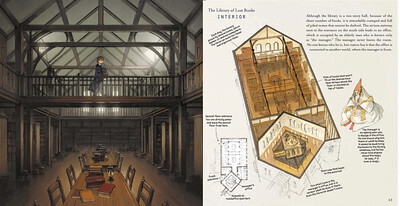
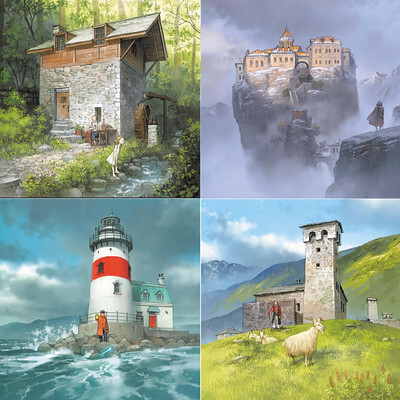
Houses With a Story from Japanese illustrator Seiji Yoshida is a delightful collection about unique houses and the people who call them home. This is like poetry as a visual art you can hold in your hands and was given the 2024 American Library Association Awards Batchelder Award for the wonderful translation by Jan Mitsuko Cash. The artwork is supremely serene and reminds me a bit of Studio Ghibli and I love how each house is examined through small blurbs about various details that culminate as if to point the way towards a whimsical story just out of reach for your imagination to construct. For instance:
What does the solitary lighthouse keeper remember? Who is the mysterious knight in oversized armor in the guard tower? Can we climb into the Dreamer’s treehouse and paint with her? Can I please get a job in the library of lost books and from where do these books keep mysteriously appearing? The imagery is simply marvelous, both on the page and the worlds to which your mind will be transported.
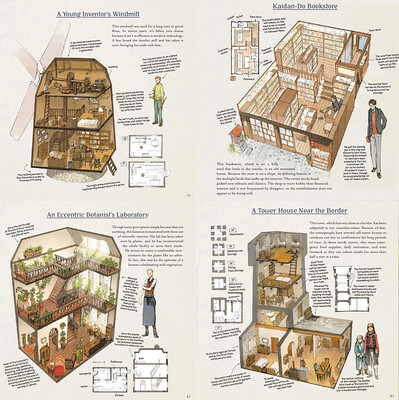
Though perhaps my favorite aspect of this book is something that my childhood self would have also been overjoyed to look at again and again: the cross-sections of the houses. I LOVED those books that were cross sections of things like submarines or castles or airplanes that showed all the rooms and had little notes about the objects and people in them. This book does something similar and it is magical.
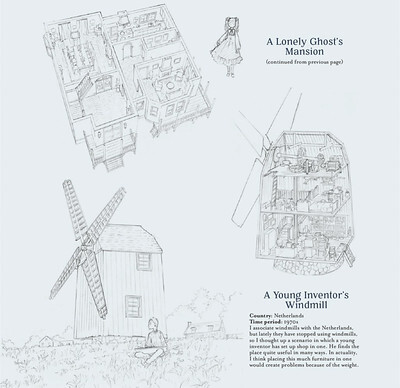
There are 33 adorable and awe-inspiring little homes to enjoy, and I quite enjoyed the later sections where Seiji Yoshida has a “making of” presentation discussing the ideas behind the book and shows us some concept art.
This is a marvelous and creative little art book that is sure to spark the imagination. A wonderful book to spend an afternoon with and turn to again and again. So step inside, there will be dragons!
5/5
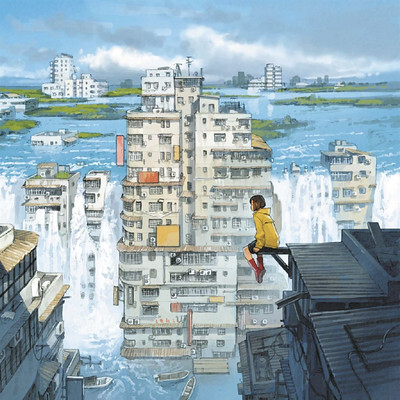
Houses With a Story from Japanese illustrator Seiji Yoshida is a delightful collection about unique houses and the people who call them home. This is like poetry as a visual art you can hold in your hands and was given the 2024 American Library Association Awards Batchelder Award for the wonderful translation by Jan Mitsuko Cash. The artwork is supremely serene and reminds me a bit of Studio Ghibli and I love how each house is examined through small blurbs about various details that culminate as if to point the way towards a whimsical story just out of reach for your imagination to construct. For instance:
‘One day after a storm, the lighthouse keeper picks up a stick of driftwood. The flotsam is about as large as a human femur and glows with a pale light when a storm is approach-
ing. The lighthouse keeper, drawn by curiosity, observes the branch during a storm. As though in response to the branch, a faint voice from the lighthouse's cellar stirs memories from two decades ago that the keeper had forgotten…’
What does the solitary lighthouse keeper remember? Who is the mysterious knight in oversized armor in the guard tower? Can we climb into the Dreamer’s treehouse and paint with her? Can I please get a job in the library of lost books and from where do these books keep mysteriously appearing? The imagery is simply marvelous, both on the page and the worlds to which your mind will be transported.
Though perhaps my favorite aspect of this book is something that my childhood self would have also been overjoyed to look at again and again: the cross-sections of the houses. I LOVED those books that were cross sections of things like submarines or castles or airplanes that showed all the rooms and had little notes about the objects and people in them. This book does something similar and it is magical.
There are 33 adorable and awe-inspiring little homes to enjoy, and I quite enjoyed the later sections where Seiji Yoshida has a “making of” presentation discussing the ideas behind the book and shows us some concept art.
This is a marvelous and creative little art book that is sure to spark the imagination. A wonderful book to spend an afternoon with and turn to again and again. So step inside, there will be dragons!
5/5

August 14, 2024
عاشقش شدم رفت 😮💨
از وقتی یادم میاد، هروقت از جلوی یک خونه / ساختمان مسکونی رد میشم که برام شکلش جالبه، سعی میکنم معماری داخلش ، دیزاینش و آدم هایی که داخلش زندگی میکنن رو تصور کنم. اگه فرصت تماشا داشته باشم براشون قصه هم میسازم و خلاصه توی خیالم تبدیل به یه موجود نامریی میشم و سرک میکشم داخل خونه .
درمورد آدمایی که بهشون فکر میکنم هم این عادت رو دارم، و خیلی خیالبافی درباره خونه و اتاق شون و عادتهاشون برام لذت بخشه.
خلاصه خیلی کیف میده این کار بهم.
این کتاب هم اینجوریه که توی یک صفحه یک تصویر کلی از یک خونه رو از نمای بیرون نشون داده و توی صفحه بعد همون خونه رو از نمای داخلی نشون داده که دیزاینش به شغل و شخصیت صاحب خونه خیلی شباهت داره.
چون یجورایی انگار خیالبافی های منو به تصویر کشیده(البته خیلی خیلی بهتر قطعا) این کتابو به شدت دوست دارم و رفت توی دلم.
از وقتی یادم میاد، هروقت از جلوی یک خونه / ساختمان مسکونی رد میشم که برام شکلش جالبه، سعی میکنم معماری داخلش ، دیزاینش و آدم هایی که داخلش زندگی میکنن رو تصور کنم. اگه فرصت تماشا داشته باشم براشون قصه هم میسازم و خلاصه توی خیالم تبدیل به یه موجود نامریی میشم و سرک میکشم داخل خونه .
درمورد آدمایی که بهشون فکر میکنم هم این عادت رو دارم، و خیلی خیالبافی درباره خونه و اتاق شون و عادتهاشون برام لذت بخشه.
خلاصه خیلی کیف میده این کار بهم.
این کتاب هم اینجوریه که توی یک صفحه یک تصویر کلی از یک خونه رو از نمای بیرون نشون داده و توی صفحه بعد همون خونه رو از نمای داخلی نشون داده که دیزاینش به شغل و شخصیت صاحب خونه خیلی شباهت داره.
چون یجورایی انگار خیالبافی های منو به تصویر کشیده(البته خیلی خیلی بهتر قطعا) این کتابو به شدت دوست دارم و رفت توی دلم.

May 3, 2021
Videorecensione: https://youtu.be/jVi_CtPD95M

October 30, 2021
Un libro maravilloso, que quise comprar en cuanto me enteré de su existencia.
El autor pone la ilustración de un inmueble (y en algunos casos algunas habitaciones bastante móviles), su plano y un corte al interior para mostrarnos qué es lo que hay dentro. Casas excéntricas de escenarios de fantasía, históricas, de terror o futuristas. La gran mayoría habitadas por solitarios meditabundos, melancólicos, pícaros o excéntricos.
Dada la nacionalidad del autor no sorprende tampoco que los dibujos tengan un aire “ghibli-esco”.
A mí me encanta todo lo relacionado al espacio habitable, así que unida a la imaginación y al arte del autor viene una pasión por historias de todo tipo. Algunas son para soñar, otras para sentirse curiosos, otras intrigados, otras apesadumbrados y otras más incluso inquietados. Además, en este largo tiempo en el que nos hemos enfrentado más y más al espacio interior y que nos hemos volcado a hacerlo un habitáculo más acorde en un tiempo de ser eremitas forzados el libro se siente como un detalle bonito y nos confronta con el mensaje de que todo puede ser un hogar.
El autor pone la ilustración de un inmueble (y en algunos casos algunas habitaciones bastante móviles), su plano y un corte al interior para mostrarnos qué es lo que hay dentro. Casas excéntricas de escenarios de fantasía, históricas, de terror o futuristas. La gran mayoría habitadas por solitarios meditabundos, melancólicos, pícaros o excéntricos.
Dada la nacionalidad del autor no sorprende tampoco que los dibujos tengan un aire “ghibli-esco”.
A mí me encanta todo lo relacionado al espacio habitable, así que unida a la imaginación y al arte del autor viene una pasión por historias de todo tipo. Algunas son para soñar, otras para sentirse curiosos, otras intrigados, otras apesadumbrados y otras más incluso inquietados. Además, en este largo tiempo en el que nos hemos enfrentado más y más al espacio interior y que nos hemos volcado a hacerlo un habitáculo más acorde en un tiempo de ser eremitas forzados el libro se siente como un detalle bonito y nos confronta con el mensaje de que todo puede ser un hogar.

September 12, 2021
En la introducción del libro el maestro Yoshida cuenta cómo desde niño ha sentido fascinación por los cuentos de hadas, las leyendas, el folklore de diversos países del mundo y por muchas otras historias. En esta maravilla de obra ha puesto toda esa fascinación poniendo especial interés en las casas que podían existir en aquellas historias y creando otras salidas de su propia imaginación o inspiradas por la vida cotidiana. Así pues las ilustraciones pueden ir desde una casa de un faro, una casa en un árbol, la casa de un cartero que vuela en dragón, una casa que podría ser de Noruega y algunos elementos cuya función inicial no era la de ser una casa pero que se han reintentado como un tren o un tanque.
En todas las ilustraciones se van dejando trocitos de información sobre la casa, que siempre viene dibujada y pintada desde el exterior y luego se crea una o varias imágenes sobre su interior. Los textos cuentan la utilidad de las habitaciones, la estructura de algún que otro mueble, o por qué el habitante de la casa vive en ella y cómo. La verdad es que es una auténtica delicia, un precioso viaje por bosques, mares, países, costumbres y vidas hogareñas, algunas más realistas otras más sacadas de un mundo de fantasía. Es muy Ghibli aunque también me recuerda a las películas de Mamoru Hosoda… es que incluso en lo occidental es muy japonés. Es precioso.
En todas las ilustraciones se van dejando trocitos de información sobre la casa, que siempre viene dibujada y pintada desde el exterior y luego se crea una o varias imágenes sobre su interior. Los textos cuentan la utilidad de las habitaciones, la estructura de algún que otro mueble, o por qué el habitante de la casa vive en ella y cómo. La verdad es que es una auténtica delicia, un precioso viaje por bosques, mares, países, costumbres y vidas hogareñas, algunas más realistas otras más sacadas de un mundo de fantasía. Es muy Ghibli aunque también me recuerda a las películas de Mamoru Hosoda… es que incluso en lo occidental es muy japonés. Es precioso.

August 11, 2024
خیلی کتاب دوست داشتیای بود. اینطوریه که یک خونهس و صفحهی بعدش طراحی و چیدمان خونه رو نشون میده. هر کدومشون هم جزئیات خاص خودشون رو دارن که باعث میشه شبیه یک تیکه از داستان باشن. خیلی موقع خوندنش حس خوبی داشتم. به شدت هم تحت تاثیر انیمههای استودیو جیبلی بود.

July 5, 2026
هر خونهای، یه قصه داره!
بعد از خوندن کتاب «خانهخوانی» از آقای طباطبایی، هر وقت که از کنار خونهای رد میشدم به در و دیوارهاش زل میزدم.
توی کوچهپسکوچههای زند، نزدیک ایستگاه مترو وکیلالرعایا یه خونهی حیاطدار دیدم که درختهای توش سبز بودن، اما از رنگ و روی در و پنجرهش مشخص بود خالی از سکنهست. روزها کنار اون خونه رد میشدم و بابت خالی بودنش غصه میخوردم. با خودم میگفتم: «اگه این خونه مال من بود...» و فقط تا همینجا پیش میرفتم، چون باز هم غصهم میشد.
اون خونه توانایی این رو داشت تا در این کتاب باشه :) اسمش رو میشد بذارن A living house. خونهای که هنوز زندهست و درختهاش سبز و سرحالن، اما آدمهاش رفتن سفر. حالا اینکه کی برگردن هم معلوم نیست.
من عاشق خونهام. در حدی که گاهی به در و دیوارهای خونهی خودم نگاه میکنم و به ساختار کج و معوج و رنگها و چیزهایی که توش چیدم فکر میکنم. اسم خونهی من رو چی میشه گذاشت؟ Happy house? شاید!
شاید هم باید اسمش رو گذاشت، Shadi's moving castle.
بعد از خانهخوانی و دیدار با خانههای تهران، این کتاب مصور خیلی به جونم چسبید. خونههایی که هر کدوم جایی در این دنیا، یا در دنیای قصهها وجود دارن، و هر گوشهشون یه قصهای براش خودش داره.
ممنونم از Dream.M عزیز، که باعث شد منهم این کتاب رو بخونم.
بعد از خوندن کتاب «خانهخوانی» از آقای طباطبایی، هر وقت که از کنار خونهای رد میشدم به در و دیوارهاش زل میزدم.
توی کوچهپسکوچههای زند، نزدیک ایستگاه مترو وکیلالرعایا یه خونهی حیاطدار دیدم که درختهای توش سبز بودن، اما از رنگ و روی در و پنجرهش مشخص بود خالی از سکنهست. روزها کنار اون خونه رد میشدم و بابت خالی بودنش غصه میخوردم. با خودم میگفتم: «اگه این خونه مال من بود...» و فقط تا همینجا پیش میرفتم، چون باز هم غصهم میشد.
اون خونه توانایی این رو داشت تا در این کتاب باشه :) اسمش رو میشد بذارن A living house. خونهای که هنوز زندهست و درختهاش سبز و سرحالن، اما آدمهاش رفتن سفر. حالا اینکه کی برگردن هم معلوم نیست.
من عاشق خونهام. در حدی که گاهی به در و دیوارهای خونهی خودم نگاه میکنم و به ساختار کج و معوج و رنگها و چیزهایی که توش چیدم فکر میکنم. اسم خونهی من رو چی میشه گذاشت؟ Happy house? شاید!
شاید هم باید اسمش رو گذاشت، Shadi's moving castle.
بعد از خانهخوانی و دیدار با خانههای تهران، این کتاب مصور خیلی به جونم چسبید. خونههایی که هر کدوم جایی در این دنیا، یا در دنیای قصهها وجود دارن، و هر گوشهشون یه قصهای براش خودش داره.
ممنونم از Dream.M عزیز، که باعث شد منهم این کتاب رو بخونم.

March 4, 2022
Seiji Yoshida nos enseña las entrañas de un puñado de casas fantásticas. Aunque la colección es un tanto irregular, todos las edificaciones tienen en común una invitación a imaginar su historia. Lo más flojo es quizá el diseño de personajes, ya que en esencia todos están cortados por el mismo patrón: personaje vivo o muerto solitario, a veces acompañado de algún animal fantástico. Se llega a hacer repetitivo, incluso espaciando la lectura. Asimismo, he echado de menos un proyecto, algo sólido detrás que dé coherencia al conjunto. No obstante, como suele pasar con este tipo de libros de arte, los extras son muy agradecidos y elevan la valoración final. En definitiva, un libro de ilustraciones que hará las delicias de quienes, como yo, se haya sentido fascinado desde niño por los hogares ajenos, los tejados, los sótanos, le haya picado la curiosidad una puerta diferente o cualquier elemento arquitectónico singular.

February 11, 2021
I just want to be clear: If you show me an isometric tiny pixel house, or a cutaway of a submarine with little people inside, a detailed map or maze, or a Where's Wally style busy street scene I WILL stare at it for hours in blissful rapture, I live for this kind of thing. This book is an exceptional example of that.

May 12, 2021
Uno dei libri illustrati più belli in assoluto che abbia mai letto.
(E ne ho letti davvero tanti!)
Curatissimo, dettagliatissimo, perfetto per chi ama immaginare i dettagli delle case e le vite di chi le abita.
Dimore fantasiose e ambienti più realistici si mischiano in un insieme magico, che sembra appena uscito da un film Ghibli.
(E ne ho letti davvero tanti!)
Curatissimo, dettagliatissimo, perfetto per chi ama immaginare i dettagli delle case e le vite di chi le abita.
Dimore fantasiose e ambienti più realistici si mischiano in un insieme magico, che sembra appena uscito da un film Ghibli.

October 9, 2025
I found Houses with a Story by Seiji Yoshida listed as a Mildred L. Batchelder (2024) award winner on the TeachingBooks website and borrowed it from my local library. It was also named an ALSC Notable Children’s Book and included on the Publisher’s Weekly Best Books list. Originally published in Japan in 2020, this is a beautiful book that immediately sparked my imagination and excitement. I delighted in looking at each page closely, much like a young child who has just fallen in love with books.
This is truly a book of artwork. It introduces readers to more than 30 imagined houses and the characters who live inside them. The author, Seiji Yoshida, includes illustrations, floor plans, cutaway diagrams, and notes about how the space is used by each unique occupant. Some of my favorite homes included The Dreamer’s Tree House, The Diesel Sisters, The Seven Dwarves’ House, and The House with a Dragon. Yoshida also includes some interesting sidebars such as Examples of Roofs, A Word on Toilets, and a short panel story featuring the man living in the house called The Reserved Mechanic’s Cottage. The book ends with a behind-the-scenes look at how the author approached and created his drawings.
I would most likely use this in a middle school classroom, although it could certainly be used with students both younger and older, depending on the purpose. I feel that this unique book offers many opportunities for students to discover and use their own creativity. My first thought is that students could use this as a mentor text and then create and draw their own house. Just like the author, they would be asked to design their house for a specific character and communicate small details about the character, their past, and how and why they use their particular home. An extension of this would be writing an entire story involving the home and its inhabitant(s).
Similarly, students could borrow one of Yoshida’s characters and write a story about them. They might write about the character’s life before the house, explaining the events that led them to their unique space. This could also become a project connecting to identity, in which students create a fantasy home for themselves. Students could also explore how the environment each house is in helps to shape it and the lives of those who dwell in it. Another idea is a research extension. Some houses mention different materials or cultural designs. Students can look up real buildings or traditions that are similar and write a short report to connect what they learned in the book to real life. Finally, this text could launch a discussion around the types of homes typically included in stories. Students could talk about whose homes and stories are usually shown in books, and how Yoshida creates new kinds of spaces that include different people and ideas. This could then be broadened into a larger discussion about whether the texts we read include enough diversity of all types.
This is truly a book of artwork. It introduces readers to more than 30 imagined houses and the characters who live inside them. The author, Seiji Yoshida, includes illustrations, floor plans, cutaway diagrams, and notes about how the space is used by each unique occupant. Some of my favorite homes included The Dreamer’s Tree House, The Diesel Sisters, The Seven Dwarves’ House, and The House with a Dragon. Yoshida also includes some interesting sidebars such as Examples of Roofs, A Word on Toilets, and a short panel story featuring the man living in the house called The Reserved Mechanic’s Cottage. The book ends with a behind-the-scenes look at how the author approached and created his drawings.
I would most likely use this in a middle school classroom, although it could certainly be used with students both younger and older, depending on the purpose. I feel that this unique book offers many opportunities for students to discover and use their own creativity. My first thought is that students could use this as a mentor text and then create and draw their own house. Just like the author, they would be asked to design their house for a specific character and communicate small details about the character, their past, and how and why they use their particular home. An extension of this would be writing an entire story involving the home and its inhabitant(s).
Similarly, students could borrow one of Yoshida’s characters and write a story about them. They might write about the character’s life before the house, explaining the events that led them to their unique space. This could also become a project connecting to identity, in which students create a fantasy home for themselves. Students could also explore how the environment each house is in helps to shape it and the lives of those who dwell in it. Another idea is a research extension. Some houses mention different materials or cultural designs. Students can look up real buildings or traditions that are similar and write a short report to connect what they learned in the book to real life. Finally, this text could launch a discussion around the types of homes typically included in stories. Students could talk about whose homes and stories are usually shown in books, and how Yoshida creates new kinds of spaces that include different people and ideas. This could then be broadened into a larger discussion about whether the texts we read include enough diversity of all types.

February 15, 2025
Imaginative and wonderful!! Fantastic book that gives me nostalgia for drawing my own cross sections of buildings as a kid. I love the way the author/illustrator gives just enough detail to help imagine what the rest of the world must be like around each dwelling!

July 21, 2024
A beautiful book

Read
April 11, 2025beautiful!!! i want to live in so many of these non-existent houses

May 10, 2026
абсолютно неймовірна збірка ілюстрацій 🥹🙌
тут сила-силенна найрізноманітніших сценаріїв, видів помешкань та ціла купа ґрунтовних, але не менш чарівних від цього деталей — кожнісінький нарис тут шалено гарно та справді майстерно змальований! поміж іншого маємо тут дрібки інформації про мешканців цих будиночків, коментарі щодо особливостей самих будівель та їхнього облаштування, окремі додатки з видами та технічними деталями деяких елементів (як ото різновиди дахів чи таку собі міні еволюцію туалетів), маленький ескурс в історичні періоди та країни, якими автор надихався при створенні кожного конкретного експоната, а також дуже класне знайомство і з частиною його власного будинку та його міркувань під час роботи.
окрім чудовезної художньої та креативної складової, яка мені тут очевидно принесла безліч насолоди, я також неочікувано засофтилась тим, як все було зображено та які почуття в мене викликало. мені так тепло й неабияк втішно було, коли я гортала сторінки з цими домівками та знайомилась з життями інших самітників. якось навіть аж менш самотньо й прикро стало на душі 😌
тут сила-силенна найрізноманітніших сценаріїв, видів помешкань та ціла купа ґрунтовних, але не менш чарівних від цього деталей — кожнісінький нарис тут шалено гарно та справді майстерно змальований! поміж іншого маємо тут дрібки інформації про мешканців цих будиночків, коментарі щодо особливостей самих будівель та їхнього облаштування, окремі додатки з видами та технічними деталями деяких елементів (як ото різновиди дахів чи таку собі міні еволюцію туалетів), маленький ескурс в історичні періоди та країни, якими автор надихався при створенні кожного конкретного експоната, а також дуже класне знайомство і з частиною його власного будинку та його міркувань під час роботи.
окрім чудовезної художньої та креативної складової, яка мені тут очевидно принесла безліч насолоди, я також неочікувано засофтилась тим, як все було зображено та які почуття в мене викликало. мені так тепло й неабияк втішно було, коли я гортала сторінки з цими домівками та знайомилась з життями інших самітників. якось навіть аж менш самотньо й прикро стало на душі 😌

May 17, 2025
Un capolavoro di grafica di cui non ci si può non innamorare: una collezione di case possibili, raffigurate all'esterno e all'interno, ricche di dettagli e funzioni particolari, che rispecchiano chi le abita. Tra abitazioni improvvisate a dimore antiche, manieri infestati e negozi efficienti fino a stanze sospese o riadattate all'interno di mezzi di trasporto, alberi, rocce... Questo volume è un ponte per la fantasia, uno stimolante trampolino verso un mondo di sogni ad occhi aperti.
In conclusione viene mostrato il modus operandi dell'artista, completo di cenni storici e geografici da cui ha preso ispirazione per i suoi disegni.
In conclusione viene mostrato il modus operandi dell'artista, completo di cenni storici e geografici da cui ha preso ispirazione per i suoi disegni.

March 10, 2023
Nonii, lõpuks on piisavalt rahulik hetk, et Goodreadsi kirjutada. Ma ei saa öelda, et ma oleksin seda raamatut tehniliselt võttes lugenud, aga et see koosneb valdavalt piltidest (ja veel millistest!), siis enam-vähem ikka. Palju palju Ghibli-stiilis maju, millel on põrandaplaan ja väikesed selgitused nagu et mis sorti vannitoad sel ajal olid või et miks elutoas on riisihoidmise kast. Riisikirst? Väga detailne ja kaunis vaadata.

December 27, 2023
This is the most beautiful book I’ve ever had the pleasure to read. Everything about it is so cozy and lovely. I checked it out from my library, but I think I will have to buy it because it’s the kind of book you want to go back to again and again.

Read
October 15, 2023Een ode aan de fantasie en het grafische vak.
link naar hele bespreking
link naar hele bespreking

August 27, 2024
Such a delight! If you grew up enjoying illustrations of homes or floor plans in books, then this book is such a fun one to read as an adult. It’s the perfect sort of book to dip in and out of or to read when you’re not quite sure what to pick up next. Loved it!

April 7, 2025
Cute designs. Each of the buildings felt like a little story

August 31, 2025
Maravilloso. Llena de detalles realistas en su diseño y de semillas para que empieces tu propia historia del personaje que allí vive.
Incluye bocetos con la explicación de la inspiración, y un extra del proceso creativo.
Incluye bocetos con la explicación de la inspiración, y un extra del proceso creativo.
October 12, 2022
Precioso de cabo a rabo. Me ha dado muchas ideas de casas para mis novelas y encima las historias de sus habitantes son de lo más variadas y pintorescas.

July 2, 2021
Questo per me non è stato solo un libro: è stata letteralmente una sezione di terapia.
Sono consapevole della cattiveria con cui ho massacrato i miei neuroni negli scorsi mesi (e di recente dato che sono riuscita a trovare la forza per concludere una recensione), ma prendere in mano questa piccola opera mi ha sorpreso nel profondo. Non solo non riuscivo a smettere di sorridere, ma solo nell’osservare le illustrazioni provavo un senso di frizzante felicità.
Sarà stato il tratto morbido dell’autore, l’uso del colore, l’insieme dell’impaginazione o le descrizioni magistrali, ma vi giuro che per tutto il tempo in cui l’ho tenuto in mano mi sono sentita bene.
Ippocampo… TAKE MY MONEY! (e grazie per pubblicare queste piccole meraviglie)
Il libro delle case straordinarie è un libro illustrato che unisce in modo ottimale brevi racconti di vita quotidiana a planimetrie di abitazioni reali quanto inventate. L’insieme è spettacolare, delicato e originale. In poche righe l’autore è riuscito non solo a rispecchiare la realtà, ma anche a crearne di immaginarie e a far trasparire la giusta atmosfera in tutte le case rappresentate, donando loro una storia e un senso di vissuto. Mi ha fatto venire voglia di viaggiare e di osservare il mondo.
Questo per me è un BIG YES che nessuno deve perdersi. Non ci sarà molto testo scritto, ma vi assicuro che descrizioni e illustrazioni compensano questa mancanza con tanto di bacio dello chef.
Nota: nelle ultime pagine, l’autore ci offre degli extra e ci racconta il processo con cui ha realizzato le varie tavole, con tanto di bozzetti e i vari passaggi della colorazione. Ciò mi ha fatto amare ancora di più questo libro, perché non solo ti cura l’anima, ma può essere un valido aiuto a chi si occupa di grafica o vuole sperimentare nuove tecniche col digitale. Insomma, un’opera d’arte in tutti i sensi.
Sono consapevole della cattiveria con cui ho massacrato i miei neuroni negli scorsi mesi (e di recente dato che sono riuscita a trovare la forza per concludere una recensione), ma prendere in mano questa piccola opera mi ha sorpreso nel profondo. Non solo non riuscivo a smettere di sorridere, ma solo nell’osservare le illustrazioni provavo un senso di frizzante felicità.
Sarà stato il tratto morbido dell’autore, l’uso del colore, l’insieme dell’impaginazione o le descrizioni magistrali, ma vi giuro che per tutto il tempo in cui l’ho tenuto in mano mi sono sentita bene.
Ippocampo… TAKE MY MONEY! (e grazie per pubblicare queste piccole meraviglie)
Il libro delle case straordinarie è un libro illustrato che unisce in modo ottimale brevi racconti di vita quotidiana a planimetrie di abitazioni reali quanto inventate. L’insieme è spettacolare, delicato e originale. In poche righe l’autore è riuscito non solo a rispecchiare la realtà, ma anche a crearne di immaginarie e a far trasparire la giusta atmosfera in tutte le case rappresentate, donando loro una storia e un senso di vissuto. Mi ha fatto venire voglia di viaggiare e di osservare il mondo.
Questo per me è un BIG YES che nessuno deve perdersi. Non ci sarà molto testo scritto, ma vi assicuro che descrizioni e illustrazioni compensano questa mancanza con tanto di bacio dello chef.
Nota: nelle ultime pagine, l’autore ci offre degli extra e ci racconta il processo con cui ha realizzato le varie tavole, con tanto di bozzetti e i vari passaggi della colorazione. Ciò mi ha fatto amare ancora di più questo libro, perché non solo ti cura l’anima, ma può essere un valido aiuto a chi si occupa di grafica o vuole sperimentare nuove tecniche col digitale. Insomma, un’opera d’arte in tutti i sensi.

January 12, 2022
Un piccolo gioiello... Bello sia esteticamente sia nel contenuto... La descrizione delle "case straordinarie" è dettagliata ma nello stesso tempo lascia spazio all'immaginazione in un modo per cui è impossibile non figurarsi esattamente il luogo che di volta in volta viene descritto... E ogni luogo rimanda a sua volta a tanti splendidi racconti, favole e letture. Consigliatissimo!

March 4, 2025
ตัดอารมณ์มาที่หนังสือภาพน่ารักๆ บ้าง
หนังสือรวมบ้าน 33 แบบ พร้อมเรื่องราวสั้นๆ ของผู้อยู่อาศัย และคำอธิบายพื้นที่ต่างๆ ภายในบ้าน
ดีมาก ภาพน่ารัก ละมุน ทุกอย่างดูเป็นแฟนตาซี มีเรื่องราวไปหมดเลย
เราชอบบ้านของแม่มดกับนักพฤษศาสตร์ คนที่อ่านแล้วชอบบ้านหลังไหนกันบ้างคะ
Goodreads ให้ 4.5 เราให้ 5
หนังสือรวมบ้าน 33 แบบ พร้อมเรื่องราวสั้นๆ ของผู้อยู่อาศัย และคำอธิบายพื้นที่ต่างๆ ภายในบ้าน
ดีมาก ภาพน่ารัก ละมุน ทุกอย่างดูเป็นแฟนตาซี มีเรื่องราวไปหมดเลย
เราชอบบ้านของแม่มดกับนักพฤษศาสตร์ คนที่อ่านแล้วชอบบ้านหลังไหนกันบ้างคะ
Goodreads ให้ 4.5 เราให้ 5

July 11, 2022
Un libro pieno di sogni.
Ogni pagina ti porta lontano.
Ogni pagina ti porta lontano.
January 29, 2024
What a freaking delight. I wish I had had the patience to look at one house a day and really dream on the story of the house and its inhabitant(s), but it was so beautiful, I couldn't slow down.

November 5, 2024
Che meraviglia 😍

August 18, 2025
Mlle Alice, pouvez-vous nous raconter votre rencontre avec Le Livres des Maisons Extraodinaires ?
"En farfouillant en ligne, sur les sites des libraires, comme souvent, je suis tombée sur cet ouvrage qui m'a tout de suite attirée, puis j'ai eu la chance de pouvoir le feuilleter en librairie, ce qui n'a fait que confirmer mon envie de le lire. Finalement, c'est mon amie Éléonore qui a été assez adorable pour me l'offrir pour mon anniversaire."
Dites-nous en un peu plus sur son histoire...
"L'auteur et illustrateur Seiji Yoshida propose de nous faire découvrir la maison de différents personnages imaginaires, comme celle du botaniste excentrique ou du facteur dompteur de dragons, et de nous laisser aller à inventer nous même leurs histoires..."
Mais que s'est-il exactement passé entre vous ?
"Ce livre est une merveille, un petit bijou d'imagination devant lequel je suis ébahie d'admiration. Je veux vivre dans toutes ces maisons, je veux vire dans ce livre. J'étais certaine que j'allais aimer mais en plus de m'être régalée, je me suis sentie accueillie et enveloppée dans un environnement douillet. Je suis partie à la rencontre de personnages excentriques, souvent solitaires et parfois, quelques pages étaient tristes également, mais chaque découverte était un nouveau voyage pour mon esprit. La vision du monde de Seiji Yoshida m'enchante totalement et j'irais jusqu'à me risquer à dire qu'il faudrait plus d'hommes comme lui pour équilibrer notre planète. J'ai essayé de ne pas dévorer trop vite cet ouvrage, de ne pas tourner les pages trop avidement et de ne pas le terminer trop tôt mais il a bien fallu que ça arrive et là encore, j'ai adoré toutes les dernières pages bonus offertes par l'auteur, le plan de son propre bureau, quelques planches supplémentaires sur l'un des personnages, l'époque et le lieu de chaque création... Un pur régal."
Et comment cela s'est-il fini ?
"Comment je fais moi maintenant pour revenir à la réalité ? C'est bien cruel pour dire la vérité."
http://booksaremywonderland.hautetfor...
"En farfouillant en ligne, sur les sites des libraires, comme souvent, je suis tombée sur cet ouvrage qui m'a tout de suite attirée, puis j'ai eu la chance de pouvoir le feuilleter en librairie, ce qui n'a fait que confirmer mon envie de le lire. Finalement, c'est mon amie Éléonore qui a été assez adorable pour me l'offrir pour mon anniversaire."
Dites-nous en un peu plus sur son histoire...
"L'auteur et illustrateur Seiji Yoshida propose de nous faire découvrir la maison de différents personnages imaginaires, comme celle du botaniste excentrique ou du facteur dompteur de dragons, et de nous laisser aller à inventer nous même leurs histoires..."
Mais que s'est-il exactement passé entre vous ?
"Ce livre est une merveille, un petit bijou d'imagination devant lequel je suis ébahie d'admiration. Je veux vivre dans toutes ces maisons, je veux vire dans ce livre. J'étais certaine que j'allais aimer mais en plus de m'être régalée, je me suis sentie accueillie et enveloppée dans un environnement douillet. Je suis partie à la rencontre de personnages excentriques, souvent solitaires et parfois, quelques pages étaient tristes également, mais chaque découverte était un nouveau voyage pour mon esprit. La vision du monde de Seiji Yoshida m'enchante totalement et j'irais jusqu'à me risquer à dire qu'il faudrait plus d'hommes comme lui pour équilibrer notre planète. J'ai essayé de ne pas dévorer trop vite cet ouvrage, de ne pas tourner les pages trop avidement et de ne pas le terminer trop tôt mais il a bien fallu que ça arrive et là encore, j'ai adoré toutes les dernières pages bonus offertes par l'auteur, le plan de son propre bureau, quelques planches supplémentaires sur l'un des personnages, l'époque et le lieu de chaque création... Un pur régal."
Et comment cela s'est-il fini ?
"Comment je fais moi maintenant pour revenir à la réalité ? C'est bien cruel pour dire la vérité."
http://booksaremywonderland.hautetfor...
Displaying 1 - 30 of 231 reviews