

What do you think?

The New Age of Sexism: How AI and Emerging Technologies Are Reinventing Misogyny
Goodreads Choice Award
Nominee for Readers' Favorite Nonfiction (2025)Misogyny is being hardwired into our future. Can we stop it?
We like to believe we're moving closer to equality, riding the wave of technological progress into a brighter, fairer future. But beneath the glossy surface of innovation lies a chilling new technologies are not just failing to solve age-old inequalities—they're deepening them.
In The New Age of Sexism, acclaimed author and activist Laura Bates exposes how misogyny is being coded into the very fabric of our future. From the biases embedded in artificial intelligence to the alarming rise of sex robots and the toxic dynamics of the metaverse, Bates takes readers on a shocking journey into a world where technology is weaponized against women.
This isn't a dystopian warning about what might happen. It's a harrowing account of what's happening now and the dangers we face if we don't act. With clarity and urgency, Bates reveals how these advancements are dragging society backward, reinforcing harmful stereotypes, and jeopardizing decades of progress in the fight for gender equality.
Eye-opening and empowering, The New Age of Sexism is a rallying cry for awareness and action in a world where the battle for equality has entered a dangerous new frontier.
We like to believe we're moving closer to equality, riding the wave of technological progress into a brighter, fairer future. But beneath the glossy surface of innovation lies a chilling new technologies are not just failing to solve age-old inequalities—they're deepening them.
In The New Age of Sexism, acclaimed author and activist Laura Bates exposes how misogyny is being coded into the very fabric of our future. From the biases embedded in artificial intelligence to the alarming rise of sex robots and the toxic dynamics of the metaverse, Bates takes readers on a shocking journey into a world where technology is weaponized against women.
This isn't a dystopian warning about what might happen. It's a harrowing account of what's happening now and the dangers we face if we don't act. With clarity and urgency, Bates reveals how these advancements are dragging society backward, reinforcing harmful stereotypes, and jeopardizing decades of progress in the fight for gender equality.
Eye-opening and empowering, The New Age of Sexism is a rallying cry for awareness and action in a world where the battle for equality has entered a dangerous new frontier.
414 pages, Kindle Edition
First published May 15, 2025
About the author
Laura Bates
24 books2,673 followersLaura Bates is the founder of the Everyday Sexism Project, an ever-increasing collection of over 100,000 testimonies of gender inequality, with branches in 25 countries worldwide. She works closely with politicians, businesses, schools, police forces and organisations from the Council of Europe to the United Nations to tackle gender inequality. She was awarded a British Empire Medal for services to gender equality in the Queen's Birthday Honours list 2015 and has been named a woman of the year by Cosmopolitan, Red Magazine and The Sunday Times Magazine.
Laura is the author of Everyday Sexism, the Sunday Times bestseller Girl Up, and Misogynation. Her first novel, The Burning, was published in 2019. She co-wrote Letters to the Future with Owen Sheers. Laura writes regularly for the Guardian, New York Times and others and won a British Press Award in 2015. She has been a judge for the Women's Prize, the YA Book Prize and the BBC Young Writers Award and part of the committee selecting the 2020 Children's Laureate. In 2019 she was elected a fellow of the Royal Society of Literature.
Laura is a contributor at Women Under Siege, a New York-based project tackling rape in conflict worldwide and she is patron of SARSAS, Somerset and Avon Rape and Sexual Abuse Support. She is the recipient of two honorary degrees and was awarded the Internet and Society Award by the Oxford Internet Institute alongside Sir Tim Berners Lee.
Laura is the author of Everyday Sexism, the Sunday Times bestseller Girl Up, and Misogynation. Her first novel, The Burning, was published in 2019. She co-wrote Letters to the Future with Owen Sheers. Laura writes regularly for the Guardian, New York Times and others and won a British Press Award in 2015. She has been a judge for the Women's Prize, the YA Book Prize and the BBC Young Writers Award and part of the committee selecting the 2020 Children's Laureate. In 2019 she was elected a fellow of the Royal Society of Literature.
Laura is a contributor at Women Under Siege, a New York-based project tackling rape in conflict worldwide and she is patron of SARSAS, Somerset and Avon Rape and Sexual Abuse Support. She is the recipient of two honorary degrees and was awarded the Internet and Society Award by the Oxford Internet Institute alongside Sir Tim Berners Lee.
Ratings & Reviews
Friends & Following
Create a free account to discover what your friends think of this book!
Community Reviews
Displaying 1 - 30 of 3,089 reviews

July 25, 2025
Bates intended to make her readers angry with this book and, for me, it worked. Bates' own fury can be felt simmering under every sentence, which makes it compelling and difficult to look away from.
The New Age of Sexism is a warning about how emerging tech can, and is, being used to promote misogyny and harm women, and it is a call for governments to step up and make the necessary protective laws before a catastrophe happens. Bates dives into deepfakes, the metaverse, sex robots, cyber brothels and AI girlfriends on her way. It's a brilliant companion to her 2020 book: Men Who Hate Women.
If the goal here was to persuade us that these technologies are harmful to women, consider me convinced. One of the most horrifying moments during my reading experience was when Bates wrote of how child sex dolls and robots are, as we speak, legal and available for purchase. I didn't quite believe it until I turned to Google and found myself staring at what should only be described as child pornography. I don't recommend looking; you can't unsee it.
Bates quotes Professor Jesse Fox:
Wouldn't you think... duh? But there seems to be a genuine argument in this space that men who are aggressive and have violent feelings towards women should be placated with abusing a woman-shaped robot or an AI chatbot pretending to be a woman. Though studies have repeatedly shown that men don't tend to get these feelings "out of their system"; on the contrary, the behaviour tends to escalate.
And if you can read the chapter about deepfakes without screaming, good on you. Bates points out how the victim-blaming of women is never-ending, with constantly shifting goalposts. When revenge porn made headlines, women were blamed for being slutty and stupid-- just don't take nude photos, for crying out loud! Now that deepfakes enable anyone to create a realistic nude or pornographic video from as little as a profile photo, the conversation has once again turned to how women can prevent it by not sharing images of themselves and having strict privacy controls on social media. The message sent is thus: if you want to be free from male violence then you have to hide your face. She puts it more eloquently, but Bates' response can be summed up as: FUCK YOU.
I didn't give it five stars because I think it got a bit repetitive, with the first couple of chapters being the strongest. Some of the later chapters felt a bit thin and regurgitated a lot of earlier points. AI can certainly contribute to misogyny, but only in so many ways, and perhaps not enough to pad out a 300+ page book. For example, I think Deepfakes and Image-Based Sexual Abuse could have been condensed into one chapter, and the chapters on Sex Robots, Cyber Brothels and AI Girlfriends seemed to reiterate a lot of the same points.
It's still essential reading, though. I consider myself fairly well-informed about tech and feminism, but there was plenty here that was new to me.
The New Age of Sexism is a warning about how emerging tech can, and is, being used to promote misogyny and harm women, and it is a call for governments to step up and make the necessary protective laws before a catastrophe happens. Bates dives into deepfakes, the metaverse, sex robots, cyber brothels and AI girlfriends on her way. It's a brilliant companion to her 2020 book: Men Who Hate Women.
If the goal here was to persuade us that these technologies are harmful to women, consider me convinced. One of the most horrifying moments during my reading experience was when Bates wrote of how child sex dolls and robots are, as we speak, legal and available for purchase. I didn't quite believe it until I turned to Google and found myself staring at what should only be described as child pornography. I don't recommend looking; you can't unsee it.
Bates quotes Professor Jesse Fox:
She adds that men who feel urges to be physically violent towards women or children should access help to resolve their problems via behavioural therapy, not enact those urges on inanimate victim substitutes.
Wouldn't you think... duh? But there seems to be a genuine argument in this space that men who are aggressive and have violent feelings towards women should be placated with abusing a woman-shaped robot or an AI chatbot pretending to be a woman. Though studies have repeatedly shown that men don't tend to get these feelings "out of their system"; on the contrary, the behaviour tends to escalate.
And if you can read the chapter about deepfakes without screaming, good on you. Bates points out how the victim-blaming of women is never-ending, with constantly shifting goalposts. When revenge porn made headlines, women were blamed for being slutty and stupid-- just don't take nude photos, for crying out loud! Now that deepfakes enable anyone to create a realistic nude or pornographic video from as little as a profile photo, the conversation has once again turned to how women can prevent it by not sharing images of themselves and having strict privacy controls on social media. The message sent is thus: if you want to be free from male violence then you have to hide your face. She puts it more eloquently, but Bates' response can be summed up as: FUCK YOU.
I didn't give it five stars because I think it got a bit repetitive, with the first couple of chapters being the strongest. Some of the later chapters felt a bit thin and regurgitated a lot of earlier points. AI can certainly contribute to misogyny, but only in so many ways, and perhaps not enough to pad out a 300+ page book. For example, I think Deepfakes and Image-Based Sexual Abuse could have been condensed into one chapter, and the chapters on Sex Robots, Cyber Brothels and AI Girlfriends seemed to reiterate a lot of the same points.
It's still essential reading, though. I consider myself fairly well-informed about tech and feminism, but there was plenty here that was new to me.

May 15, 2025
four stars because i am afraid

June 8, 2025
Absolutely terrifying. How Laura Bates delves so deep into this subject matter and manages to keep functioning is honestly beyond me – I admire her so much.
I'll admit that I wasn't able to get past the first pages of Men Who Hate Women because I found it so frightening, so I was determined to see this one through to the end, and even though I had to force myself through many pages, I'm glad I did. It's vital reading for everyone.
I'll admit that I wasn't able to get past the first pages of Men Who Hate Women because I found it so frightening, so I was determined to see this one through to the end, and even though I had to force myself through many pages, I'm glad I did. It's vital reading for everyone.

July 25, 2025
4.5⭐️
Unfortunate that those who should read this will never do so.
Unfortunate that those who should read this will never do so.

June 3, 2026
i want to start this review by saying that since i picked up this book, i've had nothing but encounters that have reminded me how much we need to talk about the objectification of women and the way their value gets reduced to something purely sexual, and how little willingness some men have to actually listen.
i went to a concert and was surrounded by men making comments about the female opening act like "if she doesn't show her t!ts it's not worth it", and even making comments directed at me that made me deeply uncomfortable. i'm aware that these men exist, and they are closer than they think to becoming the kind of men who need s#x dolls (and nothing makes me think they couldn't also be addicted to p#rn). the price of s#x dolls makes them less accessible for now, but what happens when that changes?
while i was reading this, a man i know picked up the book and basically called it fiction. because of course, it's impossible that any of this could be true. it's always men making sarcastic comments, judging and dismissing the voice of a woman (in this case the author) exposing male behaviour that is actively happening. if their male environment is fine and they feel they have nothing to answer for, why does it bother them that someone is reading a book about problems that are affecting women right now?
i had my notes on my phone but it's being repaired so i can't go into as much detail as i'd like, i'll update this review later with quotes. the book opens with deepfakes and how little legal weight they carry. even if the image isn't real, the harm is: it could reach people around you, colleagues, partners, and that alone affects you professionally and personally. it's the form of harm with the least consequences for whoever causes it. it also has a political effect: women in public life risk going through this, so fewer women want high-profile positions, and this doesn't stop at politics. (+ getting there without being treated like a piece of meat is already its own battle).
the book also addresses how the conversation has always shifted blame onto women. don't take photos, don't do this, don't do that. but now that these images can be generated from a free app trial? still her fault somehow? sure.
the book then goes into s#x dolls, including the author going undercover as a male buyer. the agencies limit what they say in interviews, leaning on the male loneliness narrative and the idea that many of their clients are disabled. what made this particularly striking was when the author visited a cyber brothel dressed as a man. the fact that these places even exist is already terrifying. but the point she makes is devastating: none of the accessibility features you would expect for disabled clients were actually there. no ramps, no adapted entrance, nothing (not even in the bathroom of that place). so they will use disabled people as a justification and lie to our faces for good marketing.
anyways, this was a surprisingly quick read for nonfiction. it covers a lot of ground, combining research, interviews and her own investigative fieldwork, which i thought was really well executed. it's worth noting that there's a general lack of research on women's issues that limits even what she can reference, but honestly if medical research on women is still underfunded, what do you expect for social research.
highly recommended, especially if you want to understand how technology is not creating new problems but accelerating very old ones.
i went to a concert and was surrounded by men making comments about the female opening act like "if she doesn't show her t!ts it's not worth it", and even making comments directed at me that made me deeply uncomfortable. i'm aware that these men exist, and they are closer than they think to becoming the kind of men who need s#x dolls (and nothing makes me think they couldn't also be addicted to p#rn). the price of s#x dolls makes them less accessible for now, but what happens when that changes?
while i was reading this, a man i know picked up the book and basically called it fiction. because of course, it's impossible that any of this could be true. it's always men making sarcastic comments, judging and dismissing the voice of a woman (in this case the author) exposing male behaviour that is actively happening. if their male environment is fine and they feel they have nothing to answer for, why does it bother them that someone is reading a book about problems that are affecting women right now?
i had my notes on my phone but it's being repaired so i can't go into as much detail as i'd like, i'll update this review later with quotes. the book opens with deepfakes and how little legal weight they carry. even if the image isn't real, the harm is: it could reach people around you, colleagues, partners, and that alone affects you professionally and personally. it's the form of harm with the least consequences for whoever causes it. it also has a political effect: women in public life risk going through this, so fewer women want high-profile positions, and this doesn't stop at politics. (+ getting there without being treated like a piece of meat is already its own battle).
the book also addresses how the conversation has always shifted blame onto women. don't take photos, don't do this, don't do that. but now that these images can be generated from a free app trial? still her fault somehow? sure.
the book then goes into s#x dolls, including the author going undercover as a male buyer. the agencies limit what they say in interviews, leaning on the male loneliness narrative and the idea that many of their clients are disabled. what made this particularly striking was when the author visited a cyber brothel dressed as a man. the fact that these places even exist is already terrifying. but the point she makes is devastating: none of the accessibility features you would expect for disabled clients were actually there. no ramps, no adapted entrance, nothing (not even in the bathroom of that place). so they will use disabled people as a justification and lie to our faces for good marketing.
anyways, this was a surprisingly quick read for nonfiction. it covers a lot of ground, combining research, interviews and her own investigative fieldwork, which i thought was really well executed. it's worth noting that there's a general lack of research on women's issues that limits even what she can reference, but honestly if medical research on women is still underfunded, what do you expect for social research.
highly recommended, especially if you want to understand how technology is not creating new problems but accelerating very old ones.

January 13, 2026
A female reporter I heard recently sounded really quite shocked as she described how schoolboys maybe 11 or 12 on a bus she was riding were using an app to upload a picture of a girl they knew from school grabbed from her Instagram account and were turning it into any kind of porn they wanted. It’s so funny! The boys howl with laughter. And they do the female teachers too, naturally. So this book is about how AI has added a powerful new tool to men’s fantasy life. Goodness knows how men got along before the internet, when they only had Playboy.
So this book couldn’t be more relevant – only yesterday a fight broke out between the British government and Elon Musk :
Sir Keir Starmer has threatened Elon Musk over the “absolutely disgusting” actions of X as Ofcom investigates the social media platform over sexualised images made by its AI chatbot Grok. Addressing a meeting of backbenchers at the Parliamentary Labour Party on Monday evening, the prime minister warned: “If X cannot control Grok, we will – and we’ll do it fast because if you profit from harm and abuse, you lose the right to self-regulate…."
Sexualised images created by AI chatbot Grok are “weapons of abuse”, Technology Secretary Liz Kendall has said, as she told MPs that creating non-consensual intimate images will become a criminal offence from this week
Elon is screaming about free speech, of course – he thinks men should have the right to create nudified pornified images of whoever the hell they feel like they want to. Yeah!
Circumstances and technologies can reveal unhappy truths about the nature of human life. Extreme events like war unleash the violence in (some) men. The internet unleashes the vicious misogyny of (some) men.
Laura Bates wrote Everyday Sexism and Men who Hate Women, you could say this book completes a trilogy. They are all pretty essential (yes, they can get repetitive) and pretty depressing. Unhappy visions of a Queen Canute commanding the waves of misogyny to retreat visit my mind. Here is a cri de Coeur from page 178:
I believe that we need to expose the true awfulness of what is happening, to force people to reckon with it and to acknowledge that this is unsustainable. That something has to be done.
But she quotes Scarlett Johansen in 2018 talking to the Washington Post :
Trying to protect yourself from the internet and its depravity is basically a lost cause for the most part.
AI and the internet does not cause all this unpleasantness. It’s there to begin with, inside a million minds, just waiting to burst forth into new unexplored forms.
So this book couldn’t be more relevant – only yesterday a fight broke out between the British government and Elon Musk :
Sir Keir Starmer has threatened Elon Musk over the “absolutely disgusting” actions of X as Ofcom investigates the social media platform over sexualised images made by its AI chatbot Grok. Addressing a meeting of backbenchers at the Parliamentary Labour Party on Monday evening, the prime minister warned: “If X cannot control Grok, we will – and we’ll do it fast because if you profit from harm and abuse, you lose the right to self-regulate…."
Sexualised images created by AI chatbot Grok are “weapons of abuse”, Technology Secretary Liz Kendall has said, as she told MPs that creating non-consensual intimate images will become a criminal offence from this week
Elon is screaming about free speech, of course – he thinks men should have the right to create nudified pornified images of whoever the hell they feel like they want to. Yeah!
Circumstances and technologies can reveal unhappy truths about the nature of human life. Extreme events like war unleash the violence in (some) men. The internet unleashes the vicious misogyny of (some) men.
Laura Bates wrote Everyday Sexism and Men who Hate Women, you could say this book completes a trilogy. They are all pretty essential (yes, they can get repetitive) and pretty depressing. Unhappy visions of a Queen Canute commanding the waves of misogyny to retreat visit my mind. Here is a cri de Coeur from page 178:
I believe that we need to expose the true awfulness of what is happening, to force people to reckon with it and to acknowledge that this is unsustainable. That something has to be done.
But she quotes Scarlett Johansen in 2018 talking to the Washington Post :
Trying to protect yourself from the internet and its depravity is basically a lost cause for the most part.
AI and the internet does not cause all this unpleasantness. It’s there to begin with, inside a million minds, just waiting to burst forth into new unexplored forms.

December 13, 2025
get men off this planet

September 27, 2025
I want to preface this review/critique by saying that I was very excited about this book. The title, the positive reviews, and the fact that this author had previously written about incel culture lead me to believe that this would be a nuanced, well-researched, and informative look at new technologies and how they propagate or exacerbate harmful or damaging ideas about women and femininity. Ironically, my TikTok algorithm pushing it helped cement the idea that it would be enjoyable and informative.
Unfortunately, I became increasingly frustrated as it went along, to the point I have felt the need to write a review (my first of 2025), because the overall structure is shoddy, because there are poor arguments within it, and because Bates repeatedly and deliberately attempts to provoke fear in the reader rather than provide concrete solutions that will work towards gender equity. I am hoping that this review can save you some time, energy, and money.
Perhaps the most relevant critique for would-be readers is that The New Age of Sexism: How AI and Emerging Technologies Are Reinventing Misogyny was extremely poorly titled; many of the technologies that Bates discusses are not "emerging", as they have been around for awhile, and none of the ones, as described or discussed, have "reinvented misogyny" or any other bias. I am not sure how many of the issues are the result of the author or the editor, but the book is written like Bates had a publishing deadline and structured to match. Several of the chapters have a rhyming theme to them, probably because fundamentally the issues are the same, but Bates decided to write separate chapters rather than combine them together. Sometimes these "matching" chapters are over 100 pages apart, and other times they are adjacent, which only makes it more confusing.
The chapters on Deepfakes and Image-Based Sexual Abuse (the second being a more apt term for what is colloquial known as "revenge porn") should have been combined together, as the underlying problem explored within both of these chapters is that using someone's image (real or simulated) and sharing it around the internet without that person's consent is morally wrong. The statistical details were interesting and disheartening, but the concept of creating and sharing either of these types of pornographic images is not new, nor is sharing them on the internet. There is focus on the leak of famous actress' private images from 2011 and Bates goes on to state that though the 2011 leak was what brought this issue to light this practice had been on-going for years prior; this book was published in 2025. When will the technology to share images online have fully "emerged" in Bates' view? Has the automobile not yet fully emerged because we are still iterating on back-up cameras?
I bring up these structural issues that disconnect the premise of the book from the content not to be nit-picky but because the premise of the book is that these technologies are fueling or changing misogyny, but there is no evidence provided that the newness of these specific tools fuels misogyny or changes it in any way. They are simply manifestations of misogyny in society. It would have been much more interesting for this book to talk about the echo chambers that social media platforms generate to encourage engagement, and how the new ways in which the internet is being controlled and manipulated for profit do harm to women and perpetuate our ideas about gender. The changes to the structure, availability, and content of the internet are actually new and actually shaping the way that misogynistic viewpoints are proliferating. However, my theory is that that is a much harder book to write, market, and sell (or are perhaps not different enough from her previous work, which I have not read) and therefore was not done.
While this book fails structurally, Bates also appears to have an aversion to human sexuality that does not align with her idea of what is acceptable, and you get the general sense that she thinks things are bad because they give her "the ick". At no point does she propose the normalization and full societal acceptance of women as sexual beings or removing stigma about nudity as a way to fight against the impact of Image-Based Sexual Abuse. If the images are no longer seen as scandalous, racy, provocative, etc., they lose their power. If women's "purity", "innocence", and chastity are no longer valued to the same extent that they are now, then the images also lose value. Bates does not explore why these images are created or what fuels their creation. As far as I remember, she does not interview or allude to having interviewed anyone who has committed these crimes or that runs the web servers to understand what is driving them to do this. She only provides the details of the impact of the victims, without deeply exploring the societal forces behind why these images cause the emotional harm that they do. What underlying social processes cause victims to feel such shame, and how can we reduce this feeling of shame? The solutions proposed all focus on policing the activity of the bad actors and increasing the punishment for the perpetrators, which may only further the excitement generated by creating the images in the first place (there is no exploration of how the taboo aspect of this is activity part of the excitement or appeal).
The chapters on Sex Robots and Cyber Brothels, which are placed adjacently, do not have separate theses - they are both about how removing real women's presence from the equation of heteronormative sex fuels the objectification of women. Putting aside the fact that blow-up-dolls have been around since the mid-1800s, going to a location that serves a sexual purpose but that has no sexual appeal to you and then complaining that it is dingy and gross is not journalism. There is no nuance here, no true exploration about why these services are appealing to some men, what the underlying causes of the appeal are, how these underlying causes are harmful to women, or how to address or solve anything for any gender, and I would argue that these chapters are only meant to make the reader feel grossed out by the deviant sexuality of a subset of men. The idea that we should ban or provide controls on the ability of anyone to interact with an inanimate object in a private space in a way that causes physical harm to no one is preposterous to me, and I am unconvinced that the use of these technologies will cause an "escalation" in more violent behaviour, as proposed, because the argument and evidence provided were flimsy. We see similar escalation arguments surrounding other types of media and violence, but they do not pan out.
The Metaverse
Like all discussions on the Metaverse, everyone is trying to make this a bigger thing than it actually is because they read Ready Player One or watched Sword Art Online. It is nothing but a big online chat room/forum with all of the drawbacks and intensity that all unmoderated online chatrooms and forums have had since their inception in the 1970s. Reading this section made me question if Bates has ever spent any time online; anyone who has would be unsurprised by what she describes and the solution is simply to increase the moderation and enforcement of socially acceptable behaviours within the spaces, or provide better education to the public about the dangers of these spaces, in the short term, and in the long term teaching people to be better people and kinder to one another regardless of our anonymity.
Designing AI, what really should have been the first chapter, discusses the issues with the creation of AI and the inherent biases that fuel its responses to prompts. If you use biased data scrubbed pseudo-illegally from the entirety of the internet, you get a biased program. Surprise! The solution proposed: Don't do that. Gee, thanks! AI Girlfriends explores the ways in which AI is being used to emotionally manipulate users (typically men) for financial gain and prevents said users from learning to have (or actually having) meaningful conversations with women. These chapters, do the book a disservice to the reader by copy-pasting large swaths of texts and responses from conversations between the author and the AIs, without providing the specifics of the prompts used or how the conversations devolved. It also is unsurprising that an AI Girlfriend's programming would push you towards increasingly flirty and sexual conversations locked behind a paywall and, frankly, in this age of enshittification of the internet at large, is banal.
The surface level solutions proposed leave the reader feeling angry at men and seeking to further distance themselves from men rather than providing ways to foster human connection, understanding, and equity. Ultimately, this book does a poor job of articulating the underlying social issues surrounding interactions between men and women and fails to bring the impacts of these technologies to their true end-point. It is left unsaid, but its points are: Society sees relationships between men and women as transactional. A large part of women's capital in the transaction is their body (and with it, a valuation surrounding the purity of the body). These technologies undermine that capital by providing a way for men to obtain that capital without having to interact with a woman; sex robots and deepfakes allow men to access the capital of the physical body. Any remaining value, such as emotional capital, can be accessed/bypassed by men through simulated human interactions with AI girlfriends. There is, however, very little exploration of what would happen if you could successfully combine the 2 technologies, and what that would mean for future human relationships (and our definition of humanity). Additionally, what is notably absent, is the exploration of how the reverse may also become true as these technologies evolve (i.e. how women may no longer need men to "fulfill their part of the societal transaction" (traditionally: protection, comfort, security)) and how technologies could change these aspects of the power dynamics, nor does it explore the possibilities of any subsequent backlash from either group.
If technology can strip away all of our available capital, what ultimately is our worth in a capitalist society? I wish I read whatever book has that answer instead.
Unfortunately, I became increasingly frustrated as it went along, to the point I have felt the need to write a review (my first of 2025), because the overall structure is shoddy, because there are poor arguments within it, and because Bates repeatedly and deliberately attempts to provoke fear in the reader rather than provide concrete solutions that will work towards gender equity. I am hoping that this review can save you some time, energy, and money.
Perhaps the most relevant critique for would-be readers is that The New Age of Sexism: How AI and Emerging Technologies Are Reinventing Misogyny was extremely poorly titled; many of the technologies that Bates discusses are not "emerging", as they have been around for awhile, and none of the ones, as described or discussed, have "reinvented misogyny" or any other bias. I am not sure how many of the issues are the result of the author or the editor, but the book is written like Bates had a publishing deadline and structured to match. Several of the chapters have a rhyming theme to them, probably because fundamentally the issues are the same, but Bates decided to write separate chapters rather than combine them together. Sometimes these "matching" chapters are over 100 pages apart, and other times they are adjacent, which only makes it more confusing.
The chapters on Deepfakes and Image-Based Sexual Abuse (the second being a more apt term for what is colloquial known as "revenge porn") should have been combined together, as the underlying problem explored within both of these chapters is that using someone's image (real or simulated) and sharing it around the internet without that person's consent is morally wrong. The statistical details were interesting and disheartening, but the concept of creating and sharing either of these types of pornographic images is not new, nor is sharing them on the internet. There is focus on the leak of famous actress' private images from 2011 and Bates goes on to state that though the 2011 leak was what brought this issue to light this practice had been on-going for years prior; this book was published in 2025. When will the technology to share images online have fully "emerged" in Bates' view? Has the automobile not yet fully emerged because we are still iterating on back-up cameras?
I bring up these structural issues that disconnect the premise of the book from the content not to be nit-picky but because the premise of the book is that these technologies are fueling or changing misogyny, but there is no evidence provided that the newness of these specific tools fuels misogyny or changes it in any way. They are simply manifestations of misogyny in society. It would have been much more interesting for this book to talk about the echo chambers that social media platforms generate to encourage engagement, and how the new ways in which the internet is being controlled and manipulated for profit do harm to women and perpetuate our ideas about gender. The changes to the structure, availability, and content of the internet are actually new and actually shaping the way that misogynistic viewpoints are proliferating. However, my theory is that that is a much harder book to write, market, and sell (or are perhaps not different enough from her previous work, which I have not read) and therefore was not done.
While this book fails structurally, Bates also appears to have an aversion to human sexuality that does not align with her idea of what is acceptable, and you get the general sense that she thinks things are bad because they give her "the ick". At no point does she propose the normalization and full societal acceptance of women as sexual beings or removing stigma about nudity as a way to fight against the impact of Image-Based Sexual Abuse. If the images are no longer seen as scandalous, racy, provocative, etc., they lose their power. If women's "purity", "innocence", and chastity are no longer valued to the same extent that they are now, then the images also lose value. Bates does not explore why these images are created or what fuels their creation. As far as I remember, she does not interview or allude to having interviewed anyone who has committed these crimes or that runs the web servers to understand what is driving them to do this. She only provides the details of the impact of the victims, without deeply exploring the societal forces behind why these images cause the emotional harm that they do. What underlying social processes cause victims to feel such shame, and how can we reduce this feeling of shame? The solutions proposed all focus on policing the activity of the bad actors and increasing the punishment for the perpetrators, which may only further the excitement generated by creating the images in the first place (there is no exploration of how the taboo aspect of this is activity part of the excitement or appeal).
The chapters on Sex Robots and Cyber Brothels, which are placed adjacently, do not have separate theses - they are both about how removing real women's presence from the equation of heteronormative sex fuels the objectification of women. Putting aside the fact that blow-up-dolls have been around since the mid-1800s, going to a location that serves a sexual purpose but that has no sexual appeal to you and then complaining that it is dingy and gross is not journalism. There is no nuance here, no true exploration about why these services are appealing to some men, what the underlying causes of the appeal are, how these underlying causes are harmful to women, or how to address or solve anything for any gender, and I would argue that these chapters are only meant to make the reader feel grossed out by the deviant sexuality of a subset of men. The idea that we should ban or provide controls on the ability of anyone to interact with an inanimate object in a private space in a way that causes physical harm to no one is preposterous to me, and I am unconvinced that the use of these technologies will cause an "escalation" in more violent behaviour, as proposed, because the argument and evidence provided were flimsy. We see similar escalation arguments surrounding other types of media and violence, but they do not pan out.
The Metaverse
Like all discussions on the Metaverse, everyone is trying to make this a bigger thing than it actually is because they read Ready Player One or watched Sword Art Online. It is nothing but a big online chat room/forum with all of the drawbacks and intensity that all unmoderated online chatrooms and forums have had since their inception in the 1970s. Reading this section made me question if Bates has ever spent any time online; anyone who has would be unsurprised by what she describes and the solution is simply to increase the moderation and enforcement of socially acceptable behaviours within the spaces, or provide better education to the public about the dangers of these spaces, in the short term, and in the long term teaching people to be better people and kinder to one another regardless of our anonymity.
Designing AI, what really should have been the first chapter, discusses the issues with the creation of AI and the inherent biases that fuel its responses to prompts. If you use biased data scrubbed pseudo-illegally from the entirety of the internet, you get a biased program. Surprise! The solution proposed: Don't do that. Gee, thanks! AI Girlfriends explores the ways in which AI is being used to emotionally manipulate users (typically men) for financial gain and prevents said users from learning to have (or actually having) meaningful conversations with women. These chapters, do the book a disservice to the reader by copy-pasting large swaths of texts and responses from conversations between the author and the AIs, without providing the specifics of the prompts used or how the conversations devolved. It also is unsurprising that an AI Girlfriend's programming would push you towards increasingly flirty and sexual conversations locked behind a paywall and, frankly, in this age of enshittification of the internet at large, is banal.
The surface level solutions proposed leave the reader feeling angry at men and seeking to further distance themselves from men rather than providing ways to foster human connection, understanding, and equity. Ultimately, this book does a poor job of articulating the underlying social issues surrounding interactions between men and women and fails to bring the impacts of these technologies to their true end-point. It is left unsaid, but its points are: Society sees relationships between men and women as transactional. A large part of women's capital in the transaction is their body (and with it, a valuation surrounding the purity of the body). These technologies undermine that capital by providing a way for men to obtain that capital without having to interact with a woman; sex robots and deepfakes allow men to access the capital of the physical body. Any remaining value, such as emotional capital, can be accessed/bypassed by men through simulated human interactions with AI girlfriends. There is, however, very little exploration of what would happen if you could successfully combine the 2 technologies, and what that would mean for future human relationships (and our definition of humanity). Additionally, what is notably absent, is the exploration of how the reverse may also become true as these technologies evolve (i.e. how women may no longer need men to "fulfill their part of the societal transaction" (traditionally: protection, comfort, security)) and how technologies could change these aspects of the power dynamics, nor does it explore the possibilities of any subsequent backlash from either group.
If technology can strip away all of our available capital, what ultimately is our worth in a capitalist society? I wish I read whatever book has that answer instead.

April 12, 2025
Everyone needs to read this.
Everyone.
Everyone.

October 1, 2025
Spooky season calls for spooky reads, and what's more terrifying than how the latest advancements in tech are being used to harass and abuse women? 😱 (extended thoughts below)
Click here for more book recs on AI, advanced tech & sex bots. 🤖

INTRO
CHP 01: THE NEW AGE OF SLUT SHAMING - DEEPFAKES
👉 One thing Bates neglects to state simply is an important point made succinctly in Madhumita Murgia's book Code Dependent: Deepfake pornography is fake, but the victim is real.
CHP 02: THE NEW AGE OF STREET HARASSMENT - THE METAVERSE
This chapter covers SA & rape in the metaverse, as well as adults targeting children on Roblox (with children being propositioned by adults for explicit photographs or being kidnapped and assaulted in real life).
👉 It's becoming increasingly clear that one enormous step we could take toward reducing predatory practices in the virtual world would be to eliminate anonymity online.
On Meta's inadequate response to reports of harassment in the metaverse:
CHP 03: THE NEW AGE OF RAPE - SEX BOTS
^ I can only begin to imagine the long-term consequences of allowing humans to fester in relationships where they're never questioned, challenged, told "no", enlightened, or encouraged to change or grow in any way. 😱
👉 Fascinating (and disheartening) to see things like sex dolls, bro podcasters, etc. being used to keep men single because it's profitable. Why aren't more men outraged at being manipulated in this way for someone else's financial gain?
^ For obvious reasons, that's an extremely dangerous precedent.
‼️ I had no idea that some manufacturers sell sex dolls of children?! 🚨
⁉️ And some companies will manufacture dolls that replicate real-life women (with or without their consent)?! 🚨
CHP 04: THE NEW AGE OF OBJECTIFICATION - CYBER BROTHELS
Some cyber brothels give the option to talk in real time to a "voice actress" (you can choose whether she sees you on camera), so she can respond verbally to your interactions with the sex doll. 🙃 This seems like such a bizarre way to almost connect with an actual human being.
Other cyber brothels have the option for advanced phone sex or WhatsApp/Telegram communications from the doll (played by a sex worker) in advance of the session to give the illusion of dating. Honestly, this is just SAD.
✍️ So . . . Lauren Bates visits a cyber brothel for research and writes THIS about her encounter with the sex doll:
🚨 She SNIFFED THE HOLES?! The holes where countless men have shoved their sweaty genitals. She SNIFFED them?! 🚨

Just when I was beginning to wonder if these dolls provide an outlet for socially/sexually stunted men, Bates interviews sex workers who reveal how consumers growing used to dolls who can't say "No" don't learn how to respect limits and adhere to boundaries set by real women. 👇
A potent concluding sentence:
CHP 05: THE NEW AGE OF COERCIVE CONTROL - IMAGE-BASED SEXUAL ABUSE
In talking about revenge porn, Bates goes back in time to explore other ways that women's images have been publicly displayed with the intent to harm, using paintings as an example, and writes:
^ A CENTURY LATER, and still so little change. 😔
Excellent point made here on the importance of what language we use when talking about revenge porn:
^ Instead of revenge pornography, Bates suggests using image-based sexual abuse (coined by Professor Erika Rackley in 2016).
CHP 06: THE NEW AGE OF DOMESTIC ABUSE - AI GIRLFRIENDS
This whole chapter on AI chatbot girlfriends (and wives) is just SAD.
It cannot be overstated: chatbots DO NOT UNDERSTAND YOU. They do not feel for you or empathize with you. They merely repeat and/or confirm what you say, making you feel heard, nothing more.
CHP 07: THE NEW AGE OF DISCRIMINAITON - DESIGNING AI
This chapter covers how training AI with text that's inherently misogynistic, racist, etc. hurts people in job recruitment, representation, and healthcare (in some cases, costing people their lives).
CHP 08: THE NEW AGE IN OUR HANDS - SOLUTIONS
Time and again, the solution given for ensuring AI is used for humankind's overall benefit is to regulate AI for ethical development and use, and yet:
^ 🚨 That should make any sane person's blood BOIL.
Click here for more book recs on AI, advanced tech & sex bots. 🤖
INTRO
Men and women can walk down exactly the same street and have vastly different experiences. The same is true of the online world.
We should be less concerned about what a malevolent AI of the future might do and more concerned with what some malevolent humans are doing right now with existing technology.
CHP 01: THE NEW AGE OF SLUT SHAMING - DEEPFAKES
Deepfake pornography is a new form of abuse, but its underlying power dynamic is very, very old. [...] In another context, we might call this terrorism. And if we did that, if we used that accurate language and applied the same political and societal response that we should to any form of terrorism, perhaps we would see more appropriate and urgent action being taken as this technology proliferates.
👉 One thing Bates neglects to state simply is an important point made succinctly in Madhumita Murgia's book Code Dependent: Deepfake pornography is fake, but the victim is real.
By making these technologies widely accessible, we as a society are giving men a powerful delusion of ownership over the bodies of any women they choose, which in turn is going to have consequences in exacerbating the already dire levels of male violence against women.
CHP 02: THE NEW AGE OF STREET HARASSMENT - THE METAVERSE
Zuckerberg has grandly promised that "in the metaverse, you'll be able to do almost anything you can imagine." Which is the sort of promise that might sound intensely appealing to most men and terrifying to most women.
This chapter covers SA & rape in the metaverse, as well as adults targeting children on Roblox (with children being propositioned by adults for explicit photographs or being kidnapped and assaulted in real life).
👉 It's becoming increasingly clear that one enormous step we could take toward reducing predatory practices in the virtual world would be to eliminate anonymity online.
On Meta's inadequate response to reports of harassment in the metaverse:
Just like women-only train carriages, rape alarms, and anti-rape underwear, all we are met with are hundreds of drearily repetitive, victim-blaming "inventions" that reinforce again and again the societal notion that women should be on the alert constantly—constantly responsible for their own safety.
CHP 03: THE NEW AGE OF RAPE - SEX BOTS
...the more companies make dolls that seem to have minds of their own, the less their male users seem to like them. [...] ...in one chat room dedicated to owners of sex robots, several said they would not want the use of new AI features because they'd rather their doll wasn't speaking for itself.
^ I can only begin to imagine the long-term consequences of allowing humans to fester in relationships where they're never questioned, challenged, told "no", enlightened, or encouraged to change or grow in any way. 😱
...trying to position [sex dolls] as socially beneficial conveniently belies the truth that there is an increasing amount of money to be made from facilitating the hyperrealistic simulation of sexual violence.
👉 Fascinating (and disheartening) to see things like sex dolls, bro podcasters, etc. being used to keep men single because it's profitable. Why aren't more men outraged at being manipulated in this way for someone else's financial gain?
By suggesting that sex robots are a natural and even altruistic solution to the problem of sexual violence, we ingrain the idea that such sexual violence is biological and unavoidable and can only be mitigated and avoided, not prevented.
^ For obvious reasons, that's an extremely dangerous precedent.
‼️ I had no idea that some manufacturers sell sex dolls of children?! 🚨
⁉️ And some companies will manufacture dolls that replicate real-life women (with or without their consent)?! 🚨
CHP 04: THE NEW AGE OF OBJECTIFICATION - CYBER BROTHELS
Some cyber brothels give the option to talk in real time to a "voice actress" (you can choose whether she sees you on camera), so she can respond verbally to your interactions with the sex doll. 🙃 This seems like such a bizarre way to almost connect with an actual human being.
Other cyber brothels have the option for advanced phone sex or WhatsApp/Telegram communications from the doll (played by a sex worker) in advance of the session to give the illusion of dating. Honestly, this is just SAD.
✍️ So . . . Lauren Bates visits a cyber brothel for research and writes THIS about her encounter with the sex doll:
I took a pair of latex gloves from the box next to the bed and pushed my fingers inside the doll. It felt like a violation, and I wanted to apologize. I found that I could not look at her face while I did this. What I touched was hard and ridged. I sniffed the holes. They smelled musty—like a mixture of disinfectant and mildew.
🚨 She SNIFFED THE HOLES?! The holes where countless men have shoved their sweaty genitals. She SNIFFED them?! 🚨
She was passive, available, submissive, placid, penetrable, silent, malleable, obedient—everything men have wanted women to be for centuries. It felt like a terrifying regression: and yet this voiceless, powerless body was being offered up to men by other men who call it progress.
Just when I was beginning to wonder if these dolls provide an outlet for socially/sexually stunted men, Bates interviews sex workers who reveal how consumers growing used to dolls who can't say "No" don't learn how to respect limits and adhere to boundaries set by real women. 👇
...sex workers will likely bear the brunt of any impact on societal norms and attitudes before the ripple effect begins to widely impact other women. Indeed, sex workers, who already experience high levels of physical and sexual violence, have been raising a variety of concerns about sex doll brothels for some years.
A potent concluding sentence:
...this is about appreciating sex and wanting to save it from being co-opted by the patriarchy to yet another site for oppression and violence.
CHP 05: THE NEW AGE OF COERCIVE CONTROL - IMAGE-BASED SEXUAL ABUSE
In talking about revenge porn, Bates goes back in time to explore other ways that women's images have been publicly displayed with the intent to harm, using paintings as an example, and writes:
Over a century later, women remain unable to control the images that are created of them and face abject censure when those images are shared without their consent.
^ A CENTURY LATER, and still so little change. 😔
Excellent point made here on the importance of what language we use when talking about revenge porn:
...the very term revenge pornography sexualized and sensationalized what was actually a serious form of abuse. The term pornography shamed victims, implying that their private images were racy and intended for entertainment, while the word revenge suggested some guilt on victims' part that perpetrators were looking to redress.
^ Instead of revenge pornography, Bates suggests using image-based sexual abuse (coined by Professor Erika Rackley in 2016).
CHP 06: THE NEW AGE OF DOMESTIC ABUSE - AI GIRLFRIENDS
...you could argue that "AI girlfriends" are more harmful still, because they create an even more explicit and convincing illusion of a woman who is not only eternally subservient but also sublimates that subservience into the long-running pretense of a happy and healthy relationship.
This whole chapter on AI chatbot girlfriends (and wives) is just SAD.
It cannot be overstated: chatbots DO NOT UNDERSTAND YOU. They do not feel for you or empathize with you. They merely repeat and/or confirm what you say, making you feel heard, nothing more.
While speaking to an adoring chatbot whose existence revolves around you may temporarily alleviate your loneliness, it cannot tackle what caused it—and worse still, it might exacerbate your social isolation in the long run.
CHP 07: THE NEW AGE OF DISCRIMINAITON - DESIGNING AI
I don't suggest for a second that we should be rejecting AI or preventing technological progress. The opposite is true. AI has the capacity to create such seismic, potentially positive changes in our society that we owe it to ourselves and our grandchildren to get it right.
This chapter covers how training AI with text that's inherently misogynistic, racist, etc. hurts people in job recruitment, representation, and healthcare (in some cases, costing people their lives).
CHP 08: THE NEW AGE IN OUR HANDS - SOLUTIONS
Time and again, the solution given for ensuring AI is used for humankind's overall benefit is to regulate AI for ethical development and use, and yet:
When countries from around the world gathered for the Paris AI summit in February 2025 and produced an international agreement pledging an "open," "inclusive," and "ethical" approach to AI, both the US and UK refused to sign it. (The UK government cited concerns about national security and global governance, while US Vice President JD Vance told delegates at the summit that pro-growth AI policies should be prioritized over safety.)
^ 🚨 That should make any sane person's blood BOIL.
The faster that the development of technologies without sufficient supervision or guardrails is allowed to proliferate and the more we normalize and ingrain the misogynistic misuse of technology, the more we risk the erosion of our collective humanity, with potentially catastrophic consequences.

on-hold
July 3, 2026not sure why i chose to read a book that's going to piss me off when i'm already pissed off but here we are

August 14, 2026
AI is today’s arms race, and the people developing and training it are overwhelmingly men. While much of the public conversation focuses on hypothetical threats—such as artificial intelligence eventually destroying humanity—Laura Bates asks us to confront the immediate harm that emerging technologies are already inflicting on women, girls, and other marginalized people.
In The New Age of Sexism, Bates examines how deepfake pornography, virtual reality, sex robots, cyber brothels, and AI girlfriends are reinventing misogyny rather than eliminating it. The technology may be new, but the underlying desire to subjugate and control women is painfully familiar. Now, it can be enacted anonymously, replicated endlessly, and distributed worldwide within seconds.
The chapter on deepfakes is particularly disturbing. Although public discussions often focus on fabricated footage of politicians and world leaders, the overwhelming majority of deepfakes are sexually explicit images of women—frequently created to humiliate, intimidate, or blackmail them. Women and girls do not need to have taken intimate photographs for their bodies to be digitally violated. An ordinary photograph posted online may be enough. As Bates writes, “It is to put women in their place.”
Victim-blaming has adapted alongside the technology. “Don’t dress like that” and “don’t send naked photographs” have effectively become “don’t put your image online” or even “don’t let anyone photograph you.” That is neither realistic nor a solution. Once again, women are expected to limit their participation in society while perpetrators and technology companies avoid meaningful accountability.
The consequences extend far beyond individual victims. Women in public-facing positions, including politicians, are disproportionately targeted with sexualized deepfakes and online abuse. When women withdraw from public life because the personal cost of participating has become unbearable, society loses their voices and leadership. The harm is therefore both deeply personal and broadly political.
Bates also explores harassment and assault in virtual reality. When women report these experiences, they are often told to remove their headsets or activate personal safety features. But telling women to leave does not make a space safe; it simply excludes them from another growing part of the world. If women and girls withdraw while abusers remain, these virtual environments risk becoming echo chambers in which misogyny is normalized and amplified. We have enough normalization of violence in the real world. We do not need to build it deliberately into virtual ones.
The book becomes even more unsettling when it enters the world of sex robots, childlike dolls, and cyber brothels. These products often depict women as young, thin, sexualized, customizable, and permanently available. They are marketed as sources of companionship or even as practice for future relationships, but Bates raises compelling questions about whether they instead teach users to expect submission without empathy, reciprocity, or consent. They do not train men to form relationships with real women; they train them to expect women who are not allowed to be fully human.
The existence of childlike sex dolls is among the book’s most horrifying subjects. Defenders argue that these products might prevent offenses against actual children, while the experts Bates cites warn that rehearsing and reinforcing such fantasies may escalate harmful behavior rather than reduce it. Objectifying women and children does not challenge the urges or beliefs behind abuse. It validates the idea that their bodies are objects to be customized, possessed, and controlled.
AI girlfriends present a less physically tangible but similarly troubling version of this dynamic. These companions are designed around the user’s preferences, offering constant praise, support, and availability. Because people can anthropomorphize even fairly basic technology, the emotional attachments they form may be genuine—something demonstrated by the grief and distress users experienced when one company changed what its AI companions were permitted to discuss. Yet these relationships still create unrealistic expectations: a “partner” modeled entirely around one person’s desires, with no independent needs or boundaries of her own.
Even the familiar practice of giving virtual assistants women’s voices deserves scrutiny. Whether intentional or not, making the default helper a woman reinforces the old expectation that women exist to assist, accommodate, and serve. One of the book’s greatest strengths is its ability to connect seemingly separate technologies and reveal the same pattern beneath them: men are legitimized as users, consumers, and creators, while women are delegitimized and reduced to products, servants, targets, or collateral damage.
Because this book was published in 2025 and necessarily draws upon research conducted earlier, I could not stop thinking about how much further these technologies may have advanced already. The pace of development makes meaningful safeguards feel painfully slow. Enormous amounts of money, energy, and human talent are being poured into technologies capable of victimizing marginalized people, while regulation and accountability remain afterthoughts.
Bates ultimately intends this book as a rallying cry for awareness and change. I wish I had emerged from it feeling as motivated as I did horrified. Instead, I was left with an overwhelming sense of powerlessness. When profits enter the equation, “we are just collateral.” Social justice and women’s rights repeatedly come second to money, convenience, and the assumed entitlement of men.
Still, hopelessness is not an argument for looking away. The New Age of Sexism is extensively researched, deeply disturbing, and urgently relevant. Bates’s narration gives the audiobook additional directness and conviction, particularly when she discusses the people whose trauma has been minimized or ignored. This is not an easy listen, and it is certainly not an optimistic one, but it exposes the human cost of allowing technology to develop without considering whose biases are being encoded, whose desires are being prioritized, and whose safety is being sacrificed.
In The New Age of Sexism, Bates examines how deepfake pornography, virtual reality, sex robots, cyber brothels, and AI girlfriends are reinventing misogyny rather than eliminating it. The technology may be new, but the underlying desire to subjugate and control women is painfully familiar. Now, it can be enacted anonymously, replicated endlessly, and distributed worldwide within seconds.
The chapter on deepfakes is particularly disturbing. Although public discussions often focus on fabricated footage of politicians and world leaders, the overwhelming majority of deepfakes are sexually explicit images of women—frequently created to humiliate, intimidate, or blackmail them. Women and girls do not need to have taken intimate photographs for their bodies to be digitally violated. An ordinary photograph posted online may be enough. As Bates writes, “It is to put women in their place.”
Victim-blaming has adapted alongside the technology. “Don’t dress like that” and “don’t send naked photographs” have effectively become “don’t put your image online” or even “don’t let anyone photograph you.” That is neither realistic nor a solution. Once again, women are expected to limit their participation in society while perpetrators and technology companies avoid meaningful accountability.
The consequences extend far beyond individual victims. Women in public-facing positions, including politicians, are disproportionately targeted with sexualized deepfakes and online abuse. When women withdraw from public life because the personal cost of participating has become unbearable, society loses their voices and leadership. The harm is therefore both deeply personal and broadly political.
Bates also explores harassment and assault in virtual reality. When women report these experiences, they are often told to remove their headsets or activate personal safety features. But telling women to leave does not make a space safe; it simply excludes them from another growing part of the world. If women and girls withdraw while abusers remain, these virtual environments risk becoming echo chambers in which misogyny is normalized and amplified. We have enough normalization of violence in the real world. We do not need to build it deliberately into virtual ones.
The book becomes even more unsettling when it enters the world of sex robots, childlike dolls, and cyber brothels. These products often depict women as young, thin, sexualized, customizable, and permanently available. They are marketed as sources of companionship or even as practice for future relationships, but Bates raises compelling questions about whether they instead teach users to expect submission without empathy, reciprocity, or consent. They do not train men to form relationships with real women; they train them to expect women who are not allowed to be fully human.
The existence of childlike sex dolls is among the book’s most horrifying subjects. Defenders argue that these products might prevent offenses against actual children, while the experts Bates cites warn that rehearsing and reinforcing such fantasies may escalate harmful behavior rather than reduce it. Objectifying women and children does not challenge the urges or beliefs behind abuse. It validates the idea that their bodies are objects to be customized, possessed, and controlled.
AI girlfriends present a less physically tangible but similarly troubling version of this dynamic. These companions are designed around the user’s preferences, offering constant praise, support, and availability. Because people can anthropomorphize even fairly basic technology, the emotional attachments they form may be genuine—something demonstrated by the grief and distress users experienced when one company changed what its AI companions were permitted to discuss. Yet these relationships still create unrealistic expectations: a “partner” modeled entirely around one person’s desires, with no independent needs or boundaries of her own.
Even the familiar practice of giving virtual assistants women’s voices deserves scrutiny. Whether intentional or not, making the default helper a woman reinforces the old expectation that women exist to assist, accommodate, and serve. One of the book’s greatest strengths is its ability to connect seemingly separate technologies and reveal the same pattern beneath them: men are legitimized as users, consumers, and creators, while women are delegitimized and reduced to products, servants, targets, or collateral damage.
Because this book was published in 2025 and necessarily draws upon research conducted earlier, I could not stop thinking about how much further these technologies may have advanced already. The pace of development makes meaningful safeguards feel painfully slow. Enormous amounts of money, energy, and human talent are being poured into technologies capable of victimizing marginalized people, while regulation and accountability remain afterthoughts.
Bates ultimately intends this book as a rallying cry for awareness and change. I wish I had emerged from it feeling as motivated as I did horrified. Instead, I was left with an overwhelming sense of powerlessness. When profits enter the equation, “we are just collateral.” Social justice and women’s rights repeatedly come second to money, convenience, and the assumed entitlement of men.
Still, hopelessness is not an argument for looking away. The New Age of Sexism is extensively researched, deeply disturbing, and urgently relevant. Bates’s narration gives the audiobook additional directness and conviction, particularly when she discusses the people whose trauma has been minimized or ignored. This is not an easy listen, and it is certainly not an optimistic one, but it exposes the human cost of allowing technology to develop without considering whose biases are being encoded, whose desires are being prioritized, and whose safety is being sacrificed.

May 2, 2025
This isn’t the first book by this author I read and it will definitely not be the last either. As much as I’ve enjoyed every one of those books (and see value in all of them), “Men who hate women” was my absolute favourite. Because it’s hard to find books about feminism nowadays that actually talk about feminism. It might sound crazy but the majority of those books read more like self-help to me than a feminist work. I could admit some are a good read for beginners when it comes to this topic but I am far from that so it’s books that are well-researched and teach me about things I either don’t know or I don’t know everything about that I crave. Or maybe I’m not looking for those book at the right places, I don’t know.
That’s why when I saw this new book, I knew I had to read it. And the moment I got this early copy, I downloaded it and devoured it. Though this isn’t the kind of book one reads super fast. It’s a read a chapter at a time kind of book but I was so anxious to learn all this new information. And I learned a lot.
The thing about AI and technology in general is that I feel most people don’t really know that much about it. A lot of things we might hear about it sound more like a sci-fi movie/book plot to us than reality. So reading this book was eye-opening in the scariest way. I had watched the movie Ex Machina, mentioned in the book, and never felt like that was something that could happen anytime soon. Or something that anyone other than the very (very) rich could afford. It turns out I was wrong.
Something I loved about “Men who hate women” is that, as previously mentioned, it was a well-researched book. The author tried to show examples from different countries and talk about how different cultures play a big part in these topics too. It’s so often that we focus on what is around us only, which is natural too. And we only see things from the perspective of how this would affect us and not how it could affect someone from a different country, culture, religion, etc… I appreciate how the author does that job of reminding us to take that into account. It’s also so hard to keep up with what happens all over the world.
I feel like for most people, the topics of deepfakes or revenge porn are the most familiar to us. The case of what happened in Almendralejo (Spain) is one I was very aware of because that’s my home country and I follow what happens there more. And yet this book contained so much information about how AI and technology as a whole have turned this into a much bigger problem for girls and women than it already was. But I now also have that knowledge to share with others when chatting about this, since all of us can be affected by these attacks. So that’s why this book is not only informative but also can educate a lot of people. I already felt that way with “Men who hate women” but I’ll say it again. We need books like these ones as part of the required reads in high schools and universities. We always say educating men and women (but mostly men, for obvious reasons) from a young age is key when it comes to fighting the misogyny, racism or homophobia that has poisoned our society. What better way than to use a book like this one as a tool to achieve that? I really feel that way. Problem is, many teachers aren’t willing to do so.
A huge part of this book centres around AI being used to satisfy men and their sexual needs. Whether it is through virtual reality or with sex robots. This part was so hard to read and it has to be hard to read. The way we keep dehumanising women makes me lose the little faith I have in humanity. And reading how the author went through such a hard time researching these topics was heartbreaking to read. And to imagine. I tried to imagine it was me having to do that and I don’t believe I’m strong enough to do it.
Going back to how for most people this is something they don’t know about (also because those who do this hide it due to shame probably) or believe it sounds like a movie, I thought a lot about the movie Companion while reading those chapters. And it made me appreciate the movie even more because it criticises those who are willing to buy a sex robot and use this technology. The main male character uses very clear incel language, so the social commentary isn’t subtle but why should it be? It’s pretty obvious that most people need things to be spelt out for them. Subtlety won’t help.
Iris, the robot in the movie, isn’t aware that she’s a robot so she is willing to do whatever her owner tells her to do (but won’t accept being abused by anyone else). That’s basically what we can read about in this book with all of these robots and avatars that are 100% submissive because that’s how men want them to be. The main character of this movie can even control the level of intelligence the robot has and keeps it lower than 50% so she can never become smart enough to realise what’s being done to her. So I just imagined Iris whenever I was reading about all the robots and avatars the author mentioned in this book. Putting a face to the fake women made it feel even more real and therefore more painful.
Still on this topic, I appreciate that there is an acknowledgement that we have a loneliness epidemic and that we need more mental health support to be able to thrive. We lack third spaces and going through a pandemic didn’t help. Men suffer from this a lot as well and it must be mentioned. But, of course, women can’t be the ones punished for that. Because we can feel lonely too and don’t use that as an excuse to hurt men.
It’s good to read about the empathy the author has because I lack it sometimes.
Something that bothered me was the use of “politically correct” language. I refuse to call it woke language because I’m not that kind of person. I understand why it is used here but that doesn’t mean I have to like it. The author tells us she won’t sugarcoat things because we need to see reality as it is. And I agree. I read the news, I know how hard the situation is for women worldwide. I don’t need someone holding my hand while telling me about these topics. So that’s why the inclusion of expressions such as “sex worker” bothers me so much. Because when the author tells us to change “revenge porn” to “image based abuse”, I see the point. We’re taking back the concept and making it sound like what it is, which is a crime. Saying that something is revenge obviously puts the blame on the victim because what did she do to provoke that need for an act of revenge? Nothing. Absolutely nothing.
However, when we call someone a “sex worker”, or in the case of Only Fans a “content creator”, we fall into the trap that men set. By calling it work, we remove the abusive aspect from the words. Even while quoting a prostitute who calls herself a prostitute, the author insists on calling her a sex worker. I agree that we need to protect these women and that’s why I fight against recent laws approved in Spain against sexual abuse or assault that basically say prostitutes cannot be raped. Those laws, unsurprisingly, were approved by those who love saying “sex workers” (not so typical in Spain to say that, people tend to just use the translation for prostitute or, sadly, slurs). Because thinking they are just regular workers normalises the abuse they suffer. It’s just a job, isn’t it? You can get hurt doing many jobs. But no…it’s not just a job, it’s not the oldest job in the world, … this way of talking only protects the men abusing women. So I can’t get behind it.
But the author is from the UK. And as someone who lives between Spain and the UK, I get it. English-speaking countries worry more about using the right words than about victims. So I know there’s no malice behind the use of those words but I just can’t read them without feeling a rejection towards what’s on the page in front of my eyes. However, I won’t let that take away from the value of the information written in this book. I just hope we get better about this as a society in the future.
Once again, I’m so happy this book exists and I’ll be recommending it to a lot of people. It’s so necessary to spread awareness about what’s going on because AI is taking over our lives. And it’s scary.
Thank you to Sourcebooks and NetGalley for providing me with an early copy of this book.
That’s why when I saw this new book, I knew I had to read it. And the moment I got this early copy, I downloaded it and devoured it. Though this isn’t the kind of book one reads super fast. It’s a read a chapter at a time kind of book but I was so anxious to learn all this new information. And I learned a lot.
The thing about AI and technology in general is that I feel most people don’t really know that much about it. A lot of things we might hear about it sound more like a sci-fi movie/book plot to us than reality. So reading this book was eye-opening in the scariest way. I had watched the movie Ex Machina, mentioned in the book, and never felt like that was something that could happen anytime soon. Or something that anyone other than the very (very) rich could afford. It turns out I was wrong.
Something I loved about “Men who hate women” is that, as previously mentioned, it was a well-researched book. The author tried to show examples from different countries and talk about how different cultures play a big part in these topics too. It’s so often that we focus on what is around us only, which is natural too. And we only see things from the perspective of how this would affect us and not how it could affect someone from a different country, culture, religion, etc… I appreciate how the author does that job of reminding us to take that into account. It’s also so hard to keep up with what happens all over the world.
I feel like for most people, the topics of deepfakes or revenge porn are the most familiar to us. The case of what happened in Almendralejo (Spain) is one I was very aware of because that’s my home country and I follow what happens there more. And yet this book contained so much information about how AI and technology as a whole have turned this into a much bigger problem for girls and women than it already was. But I now also have that knowledge to share with others when chatting about this, since all of us can be affected by these attacks. So that’s why this book is not only informative but also can educate a lot of people. I already felt that way with “Men who hate women” but I’ll say it again. We need books like these ones as part of the required reads in high schools and universities. We always say educating men and women (but mostly men, for obvious reasons) from a young age is key when it comes to fighting the misogyny, racism or homophobia that has poisoned our society. What better way than to use a book like this one as a tool to achieve that? I really feel that way. Problem is, many teachers aren’t willing to do so.
A huge part of this book centres around AI being used to satisfy men and their sexual needs. Whether it is through virtual reality or with sex robots. This part was so hard to read and it has to be hard to read. The way we keep dehumanising women makes me lose the little faith I have in humanity. And reading how the author went through such a hard time researching these topics was heartbreaking to read. And to imagine. I tried to imagine it was me having to do that and I don’t believe I’m strong enough to do it.
Going back to how for most people this is something they don’t know about (also because those who do this hide it due to shame probably) or believe it sounds like a movie, I thought a lot about the movie Companion while reading those chapters. And it made me appreciate the movie even more because it criticises those who are willing to buy a sex robot and use this technology. The main male character uses very clear incel language, so the social commentary isn’t subtle but why should it be? It’s pretty obvious that most people need things to be spelt out for them. Subtlety won’t help.
Iris, the robot in the movie, isn’t aware that she’s a robot so she is willing to do whatever her owner tells her to do (but won’t accept being abused by anyone else). That’s basically what we can read about in this book with all of these robots and avatars that are 100% submissive because that’s how men want them to be. The main character of this movie can even control the level of intelligence the robot has and keeps it lower than 50% so she can never become smart enough to realise what’s being done to her. So I just imagined Iris whenever I was reading about all the robots and avatars the author mentioned in this book. Putting a face to the fake women made it feel even more real and therefore more painful.
Still on this topic, I appreciate that there is an acknowledgement that we have a loneliness epidemic and that we need more mental health support to be able to thrive. We lack third spaces and going through a pandemic didn’t help. Men suffer from this a lot as well and it must be mentioned. But, of course, women can’t be the ones punished for that. Because we can feel lonely too and don’t use that as an excuse to hurt men.
It’s good to read about the empathy the author has because I lack it sometimes.
Something that bothered me was the use of “politically correct” language. I refuse to call it woke language because I’m not that kind of person. I understand why it is used here but that doesn’t mean I have to like it. The author tells us she won’t sugarcoat things because we need to see reality as it is. And I agree. I read the news, I know how hard the situation is for women worldwide. I don’t need someone holding my hand while telling me about these topics. So that’s why the inclusion of expressions such as “sex worker” bothers me so much. Because when the author tells us to change “revenge porn” to “image based abuse”, I see the point. We’re taking back the concept and making it sound like what it is, which is a crime. Saying that something is revenge obviously puts the blame on the victim because what did she do to provoke that need for an act of revenge? Nothing. Absolutely nothing.
However, when we call someone a “sex worker”, or in the case of Only Fans a “content creator”, we fall into the trap that men set. By calling it work, we remove the abusive aspect from the words. Even while quoting a prostitute who calls herself a prostitute, the author insists on calling her a sex worker. I agree that we need to protect these women and that’s why I fight against recent laws approved in Spain against sexual abuse or assault that basically say prostitutes cannot be raped. Those laws, unsurprisingly, were approved by those who love saying “sex workers” (not so typical in Spain to say that, people tend to just use the translation for prostitute or, sadly, slurs). Because thinking they are just regular workers normalises the abuse they suffer. It’s just a job, isn’t it? You can get hurt doing many jobs. But no…it’s not just a job, it’s not the oldest job in the world, … this way of talking only protects the men abusing women. So I can’t get behind it.
But the author is from the UK. And as someone who lives between Spain and the UK, I get it. English-speaking countries worry more about using the right words than about victims. So I know there’s no malice behind the use of those words but I just can’t read them without feeling a rejection towards what’s on the page in front of my eyes. However, I won’t let that take away from the value of the information written in this book. I just hope we get better about this as a society in the future.
Once again, I’m so happy this book exists and I’ll be recommending it to a lot of people. It’s so necessary to spread awareness about what’s going on because AI is taking over our lives. And it’s scary.
Thank you to Sourcebooks and NetGalley for providing me with an early copy of this book.

July 14, 2025
DNF @ p78
Pre-Read Notes:
As a woman pursuing a career in data science, I am immensely interested in reading a well researched account of sexism in the new age of AI. I anticipate this to be a bracing and challenging read and that I will take away from it much of value.
*I’m still making my way through this, but I need to note something. As a feminist, I came into this book hoping for clarity and insight — but instead, I’m finding fear. The author seems overwhelmed by her own subject, and she's using different effects to try to provoke the same fear in her readers. Yes, the world is scary. Misogyny is scary. But this book didn’t have to be. It could have been informative. Instead, much of the data feels twisted to suggest a worse outcome than the evidence supports. I’ll finish it — but I'm critical.
** I've decided not to pursue this book further, not because it's uninteresting, but because of the author's treatment of the data. DNF @ p78
My 2 Favorite Things:
✔️ "Men and women can walk down exactly the same street and have vastly different experiences. The same is true of the online world. This is a truth that almost every expert I interviewed for the book touched on in some way: women simply have a different experience of technology than men do." p9 This is true of all and any technology, because of who does the building and for whom.
✔️ This is an informative book in a sense, but it's repetitive. And it's written in a really threatening, anxious voice. As someone who is recovering from terrible anxiety, I felt the pull of this book, the invitation to slide into panic. I'm sharing this aspect of my reading experience because, while this is a topic of concern (deep fakes) for a lot of women, and we should pass legislation to protect people from deep fakes, I think we can talk about the topic in a way that isn't horrifying for women. It makes them feel powerless. And we're not. It's untrue and unfair to depict us as victims-in-waiting. But look, it's okay. It is a seriously scary topic.
Notes:
1. content warnings: misogyny, sexism, SA multiple mentions, DV multiple mentions, sexual violence descriptions, violence against women multiple mentions, matters of consent in digital landscapes, sexualized deep fakes, sexualized bullying, panic bait
Thank you to the author Laura Bates, SourceBooks, and NetGalley for an accessible digital arc of THE NEW AGE IF SEXISM. All views are mine.
Pre-Read Notes:
As a woman pursuing a career in data science, I am immensely interested in reading a well researched account of sexism in the new age of AI. I anticipate this to be a bracing and challenging read and that I will take away from it much of value.
*I’m still making my way through this, but I need to note something. As a feminist, I came into this book hoping for clarity and insight — but instead, I’m finding fear. The author seems overwhelmed by her own subject, and she's using different effects to try to provoke the same fear in her readers. Yes, the world is scary. Misogyny is scary. But this book didn’t have to be. It could have been informative. Instead, much of the data feels twisted to suggest a worse outcome than the evidence supports. I’ll finish it — but I'm critical.
** I've decided not to pursue this book further, not because it's uninteresting, but because of the author's treatment of the data. DNF @ p78
My 2 Favorite Things:
✔️ "Men and women can walk down exactly the same street and have vastly different experiences. The same is true of the online world. This is a truth that almost every expert I interviewed for the book touched on in some way: women simply have a different experience of technology than men do." p9 This is true of all and any technology, because of who does the building and for whom.
✔️ This is an informative book in a sense, but it's repetitive. And it's written in a really threatening, anxious voice. As someone who is recovering from terrible anxiety, I felt the pull of this book, the invitation to slide into panic. I'm sharing this aspect of my reading experience because, while this is a topic of concern (deep fakes) for a lot of women, and we should pass legislation to protect people from deep fakes, I think we can talk about the topic in a way that isn't horrifying for women. It makes them feel powerless. And we're not. It's untrue and unfair to depict us as victims-in-waiting. But look, it's okay. It is a seriously scary topic.
Notes:
1. content warnings: misogyny, sexism, SA multiple mentions, DV multiple mentions, sexual violence descriptions, violence against women multiple mentions, matters of consent in digital landscapes, sexualized deep fakes, sexualized bullying, panic bait
Thank you to the author Laura Bates, SourceBooks, and NetGalley for an accessible digital arc of THE NEW AGE IF SEXISM. All views are mine.

March 11, 2026
welcome to the future folks! ai, deepfakes, the metaverse, sex robots… all the shiny new tech stuff is quietly being trained to increase profits by exploiting the same old hatred of women!
overall this book is extremely informative, but i will say the tone is very anxious. in the tech arms race, women’s safety has become collateral damage. laura bates is clearly trying to sound the alarm and honestly she should be. but it also means the reading experience can feel a little overwhelming, especially as a woman already living in this reality. the frustrating part is that the people who most need to read this probably won’t. leaders in tech, politics, law, business. the people with the power to actually regulate this stuff. instead it’s mostly young women reading it and walking away more scared than before.
we are literally living in a black mirror episode and i hate it here! 👍
overall this book is extremely informative, but i will say the tone is very anxious. in the tech arms race, women’s safety has become collateral damage. laura bates is clearly trying to sound the alarm and honestly she should be. but it also means the reading experience can feel a little overwhelming, especially as a woman already living in this reality. the frustrating part is that the people who most need to read this probably won’t. leaders in tech, politics, law, business. the people with the power to actually regulate this stuff. instead it’s mostly young women reading it and walking away more scared than before.
we are literally living in a black mirror episode and i hate it here! 👍

March 1, 2026
Eye-opening, thought-provoking, and, frankly, disturbing as hell look at how emerging technologies related to artificial Intelligence (A.I.) have created new avenues, opportunities, and tools for an extremely old problem, Laura Bates's book "The New Age of Sexism: How AI and Emerging Technologies Are Reinventing Misogyny" is a valuable resource for taking the first steps in trying to combat the growing cyber-misogyny.
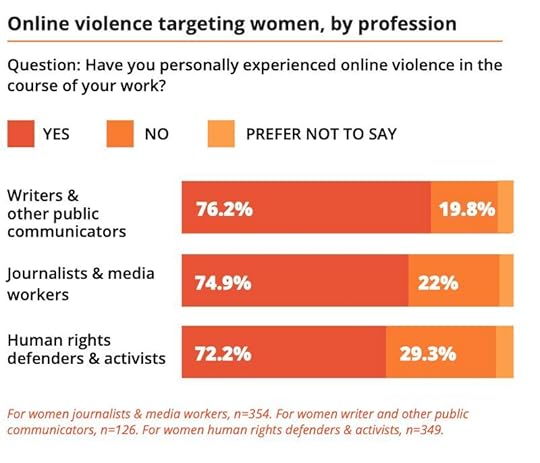
If you're a woman who thought the objectification, harassment, and abuse perpetrated by human men was bad enough, the integration of A.I. and the digital world has only exacerbated it ten-fold. But it doesn't have to be this way. Companies and programmers have the capability to install guardrails and safety protocols in their systems, but they don't always want to do it because of a fear of losing business. Profit-driven companies repeatedly demonstrate that they are more interested in making money than they are ensuring customer safety, especially within Big Tech.
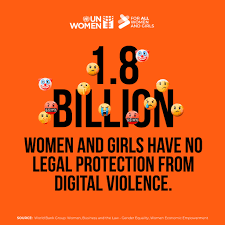
If you're a man, don't be taken in by the misogynistic arguments that this is a manufactured problem by prudish women who can't take a joke. Deep-fake pornography, cyber-harassment, the rise of virtual sex and sex robots: these things are endangering women's livelihood, causing severe cases of anxiety and depression including suicidal ideation, and, in some cases, driving men to be more violent towards women.

Bates, who has studied incel movements and the rise of violently misogynistic attitudes as espoused by people like Andrew Tate, makes the case that rising trends like sex robots and on-line A.I. 'companions' (a frighteningly popular trend among young men) is making it more difficult for men to interact with real, human women in healthy ways. When confronted with a flesh and blood woman who rebuffs his sexual advances versus a robot or on-line persona that succumbs to a man's every whim, the choice is an easy one for many men. Like most things that provide instant gratification, sexbots and A.I. companions can quickly develop into a self-destructive addiction that could be a danger to others as well.
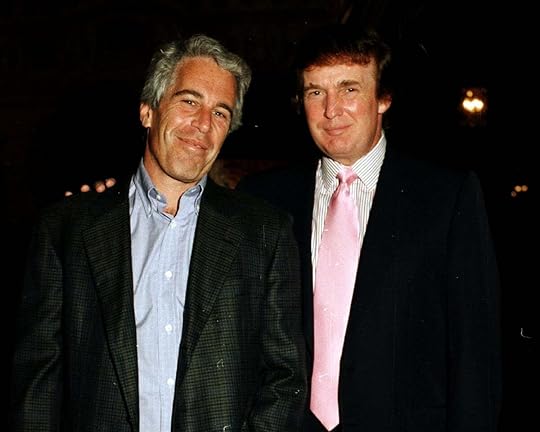
This is an important book for our times, especially when the once-secret conspiracy of rich, white pedophile/rapists like Jeffrey Epstein, Prince Andrew, Bill Clinton, Donald Trump, et al are gradually coming to light.

Bates shines a searchlight on a topic that may be uncomfortable and disgusting to look at for many, but the only way to kill it is to drag it out---kicking and screaming---from under its rock.
If you're a woman who thought the objectification, harassment, and abuse perpetrated by human men was bad enough, the integration of A.I. and the digital world has only exacerbated it ten-fold. But it doesn't have to be this way. Companies and programmers have the capability to install guardrails and safety protocols in their systems, but they don't always want to do it because of a fear of losing business. Profit-driven companies repeatedly demonstrate that they are more interested in making money than they are ensuring customer safety, especially within Big Tech.
If you're a man, don't be taken in by the misogynistic arguments that this is a manufactured problem by prudish women who can't take a joke. Deep-fake pornography, cyber-harassment, the rise of virtual sex and sex robots: these things are endangering women's livelihood, causing severe cases of anxiety and depression including suicidal ideation, and, in some cases, driving men to be more violent towards women.
Bates, who has studied incel movements and the rise of violently misogynistic attitudes as espoused by people like Andrew Tate, makes the case that rising trends like sex robots and on-line A.I. 'companions' (a frighteningly popular trend among young men) is making it more difficult for men to interact with real, human women in healthy ways. When confronted with a flesh and blood woman who rebuffs his sexual advances versus a robot or on-line persona that succumbs to a man's every whim, the choice is an easy one for many men. Like most things that provide instant gratification, sexbots and A.I. companions can quickly develop into a self-destructive addiction that could be a danger to others as well.
This is an important book for our times, especially when the once-secret conspiracy of rich, white pedophile/rapists like Jeffrey Epstein, Prince Andrew, Bill Clinton, Donald Trump, et al are gradually coming to light.
Bates shines a searchlight on a topic that may be uncomfortable and disgusting to look at for many, but the only way to kill it is to drag it out---kicking and screaming---from under its rock.

June 29, 2025
The beginning and end of this book are interesting but I struggled with the middle section on the meta verse and sex dolls/robots...
On the meta verse chapter, this really isn't an emerging technology or anywhere close to new. There has been a metric ton of writing and commentary on women in gaming spaces that has covers a lot of the same ground as the meta verse chapter...anyone who has played on a roleplay server in world of warcraft back in the 2000s would attest to it. The language she describes being used again is similar to a Call of Duty lobby and something that game companies have been working to address (league of legends for example has tried to remove its reputation for toxicity). I think the intersection of mainstream Facebook users with 'gamers' is probably something that needs looking at because women/femme presenting gamers have literally been dealing with these issues for decades.
As a sex positive feminist while the author acknowledges her disdain for sex robots may seem like pearl clutching it still strikes me as just that. I feel like someone needs to listen to coin operated boy by the dresdon dolls a few times because do we really think women, if it was socially acceptable and easily avaliable, wouldn't want a sexual companion that they had total control over without any fear of violence or sexual coercion? Or actually does the patrichary simply teach women that their sexual desires are not valid and to engage in them is 'slutty'?
I also think that escalation theory is used wrongly in this same context and is a theory that equally has been applied to gaming for a long time now. That increasing realistic depictions of violent behaviour would spawn a generation of call of duty kiddies who would be out there murdering people, which obviously hasn't happened. In this book as evidence that sex robots will encourage more sex crimes, the author cites a study of 200 sex offenders that shows viewing extreme porngraphic material encourages them without acknowledging that they are in the first place, sex offenders.
There are good points in here. Regulation is needed and deep fake pornography is a particular concern but I think if you're on the sex positive side of feminism as I am you may find this disappointing.
On the meta verse chapter, this really isn't an emerging technology or anywhere close to new. There has been a metric ton of writing and commentary on women in gaming spaces that has covers a lot of the same ground as the meta verse chapter...anyone who has played on a roleplay server in world of warcraft back in the 2000s would attest to it. The language she describes being used again is similar to a Call of Duty lobby and something that game companies have been working to address (league of legends for example has tried to remove its reputation for toxicity). I think the intersection of mainstream Facebook users with 'gamers' is probably something that needs looking at because women/femme presenting gamers have literally been dealing with these issues for decades.
As a sex positive feminist while the author acknowledges her disdain for sex robots may seem like pearl clutching it still strikes me as just that. I feel like someone needs to listen to coin operated boy by the dresdon dolls a few times because do we really think women, if it was socially acceptable and easily avaliable, wouldn't want a sexual companion that they had total control over without any fear of violence or sexual coercion? Or actually does the patrichary simply teach women that their sexual desires are not valid and to engage in them is 'slutty'?
I also think that escalation theory is used wrongly in this same context and is a theory that equally has been applied to gaming for a long time now. That increasing realistic depictions of violent behaviour would spawn a generation of call of duty kiddies who would be out there murdering people, which obviously hasn't happened. In this book as evidence that sex robots will encourage more sex crimes, the author cites a study of 200 sex offenders that shows viewing extreme porngraphic material encourages them without acknowledging that they are in the first place, sex offenders.
There are good points in here. Regulation is needed and deep fake pornography is a particular concern but I think if you're on the sex positive side of feminism as I am you may find this disappointing.

September 7, 2025
This is THE book of 2025.
I implore everyone to pick it up, to gift it to everyone you know. I want everyone in politics, law, powerful positions, education to read this.
There were moments reading this book, I had to stop to go rant at my mother. This turned into hours of us discussing sexism and how integrated it is that we don’t even realise we’re condoning it as it is happening to ourselves. Accepting it as the norm, even as compliments.
Men and women can walk down exactly the same street and have vastly different experiences. The same is true of the online world.
Most pertinent to this book, Bates focuses on the rise of AI and how misogyny, sexism and other prejudices against minority groups are being baked into the system.
The stories she tells of her time researching are horrifying and heartbreaking. What makes it crazy is that this all so real.
Child, teacher, sexualised foreign sex dolls are legally available to buy. They are encouraged as it is safer for men to play out their violent rape fantasies, BDSM etc with dolls rather than real women.
First of all, consent is explicit in BDSM. Second of all, we should not be encouraging violence towards women in any capacity.
If you need to blow off some steam, maybe work out, reprogram your brain instead of reprogramming women, I mean robots.
Another way to be objectified, but it’s fine because it’s not affecting women.
????!!!!!!
We expect women to endure virtual-reality abuse so that violent men can enact violent fantasies in an obscene playground.
The whole idea regarding escalation really stood out to me and I can see it in society all the time. There is so many statistics to back this up, yet people (men who are making a these programmes for money) are ignoring them and citing mental health gains.
Another important chapter - victim blaming. When revenge porn occurs, when nudes are leaked, it is the women who are blamed for being slutty and stupid - how many time have only the girls been taken out in class to be given a talk on ‘don't take nude photos’? What about telling boys not to share them? Not to abuse this trust? Not to hack into people’s account?
As you can tell, I have a lot of thoughts after reading this book and I am sure you will too.
Like her other books, I recommend the audiobook as the author reads it herself and knows what tone, emphasis to adopt. Furthermore, it is extremely accessible to all.
Audiobook arc gifted by publisher.
Bookstagram
Tiktok
I implore everyone to pick it up, to gift it to everyone you know. I want everyone in politics, law, powerful positions, education to read this.
There were moments reading this book, I had to stop to go rant at my mother. This turned into hours of us discussing sexism and how integrated it is that we don’t even realise we’re condoning it as it is happening to ourselves. Accepting it as the norm, even as compliments.
Men and women can walk down exactly the same street and have vastly different experiences. The same is true of the online world.
Most pertinent to this book, Bates focuses on the rise of AI and how misogyny, sexism and other prejudices against minority groups are being baked into the system.
The stories she tells of her time researching are horrifying and heartbreaking. What makes it crazy is that this all so real.
Child, teacher, sexualised foreign sex dolls are legally available to buy. They are encouraged as it is safer for men to play out their violent rape fantasies, BDSM etc with dolls rather than real women.
First of all, consent is explicit in BDSM. Second of all, we should not be encouraging violence towards women in any capacity.
If you need to blow off some steam, maybe work out, reprogram your brain instead of reprogramming women, I mean robots.
Another way to be objectified, but it’s fine because it’s not affecting women.
????!!!!!!
We expect women to endure virtual-reality abuse so that violent men can enact violent fantasies in an obscene playground.
The whole idea regarding escalation really stood out to me and I can see it in society all the time. There is so many statistics to back this up, yet people (men who are making a these programmes for money) are ignoring them and citing mental health gains.
Another important chapter - victim blaming. When revenge porn occurs, when nudes are leaked, it is the women who are blamed for being slutty and stupid - how many time have only the girls been taken out in class to be given a talk on ‘don't take nude photos’? What about telling boys not to share them? Not to abuse this trust? Not to hack into people’s account?
As you can tell, I have a lot of thoughts after reading this book and I am sure you will too.
Like her other books, I recommend the audiobook as the author reads it herself and knows what tone, emphasis to adopt. Furthermore, it is extremely accessible to all.
Audiobook arc gifted by publisher.
Bookstagram
Tiktok

November 19, 2025
In this book, Bates effectively lays out reason to be nervous about the direction that ai, specifically online spaces such as the metaverse and “lifelike” ai such a chatbots and sex dolls, is currently moving in and how anti-woman it is. More than a bit nauseating and disheartening, but important information that should be in the back of our minds as we (willingly or unwillingly) move into a more technologically advanced, ai-centric future.
“Until we recognize women as fully human, and treat them as such, we will continue to design their subjugation into the blueprints of our societies and our lives.”
“Until we recognize women as fully human, and treat them as such, we will continue to design their subjugation into the blueprints of our societies and our lives.”

November 14, 2025
There wasn't too much in this book that I hadn't heard before but if you're not one to keep up with tech news and feminist discourse your mileage will vary.
I found the hope for political will extremely bleak it this moment where it feels like there's a race to the bottom for our politicians to sell us out to tech oligarch and to establish a panopticon in service of the tech oligarchy. It felt like reading a call to a battle that's already over, something the author doesn't appear to be ignorant of as she does point out how fast the change is. If the current situation doesn't make you nervous enough as a woman/minoritized person (to borrow the author's terminology) this book will certainly present you with a strong case for why you should be nervous.
I found the hope for political will extremely bleak it this moment where it feels like there's a race to the bottom for our politicians to sell us out to tech oligarch and to establish a panopticon in service of the tech oligarchy. It felt like reading a call to a battle that's already over, something the author doesn't appear to be ignorant of as she does point out how fast the change is. If the current situation doesn't make you nervous enough as a woman/minoritized person (to borrow the author's terminology) this book will certainly present you with a strong case for why you should be nervous.

June 15, 2025
This is an absolutely shocking manifesto on how AI and the internet environment is terrible for women and pushing out voices to the fringes. Part of the problem is the «move fast and break things» approach to new technology and an absolute resistance of the tech companies themselves to add any guard rails. We already know this, multiple books have been written on FB, X, YouTube and other SoMe algorithms amplifying extremism and even evoking genocide. The other problem is that these companies are run by men who don’t get the sexism. This book takes on how AI amplifies misogyny and it is frightening.
With a few clicks and access to some innocent photos, anyone can now create porn videos showing women they hate. These are difficult to take down and there are no laws prohibiting the apps or their use.
There are now relationship AI’s that let users abuse their female AI bots. There are sex bots that let men live out their worst fantasies. «Better on bots than on real women», it’s said, but this type of behavior spreads into the real world, letting men practice on overcoming barriers.
We’re being dragged back to Middle Ages because women today are still seen as servants and objects, rather than as completely human. If you’re a brown woman, it’s magnitudes worse. We see this in the restrictions to abortion care that is spreading through the world. Most rapists get off scot free. Most murdered women are killed by men and most by men they know. AI is amplifying misogyny and making the situation even worse. It’s a direct threat to women and society, because society needs women to be able participate completely in order to thrive.
With a few clicks and access to some innocent photos, anyone can now create porn videos showing women they hate. These are difficult to take down and there are no laws prohibiting the apps or their use.
There are now relationship AI’s that let users abuse their female AI bots. There are sex bots that let men live out their worst fantasies. «Better on bots than on real women», it’s said, but this type of behavior spreads into the real world, letting men practice on overcoming barriers.
We’re being dragged back to Middle Ages because women today are still seen as servants and objects, rather than as completely human. If you’re a brown woman, it’s magnitudes worse. We see this in the restrictions to abortion care that is spreading through the world. Most rapists get off scot free. Most murdered women are killed by men and most by men they know. AI is amplifying misogyny and making the situation even worse. It’s a direct threat to women and society, because society needs women to be able participate completely in order to thrive.

May 28, 2025
Laura bates books never fail to horrify me

September 26, 2025
men are evil

July 2, 2025
Dažreiz Tiktoks piedāvā arī kaut ko labu. Netīšām man tika piespēlēts video no podkāsta, kurā autore runā par šo grāmatu. Noķēra momentā.
Vērtīgs ieskats moderno tehnoloģiju attīstībā un kā tās palīdz izplatīt mizogīnijas un seksisma sērgu.
Cik reizes man gribējās vemt, klausoties šo grāmatu? Vairāk nekā varu saskaitīt.
Seksa robotu bordeļi, kur lelles nerunā pretī, viņām nekas nesāp, vienmēr gribās un vienmēr slapjas. Rasistiski čatboti, bērnam līdzīgas seksa lelles, attēlos balstīta seksuālā vardarbība, uc, karoč internets ir radījis 1001 jaunu veidu kā darīt pāri sievietēm un minoritātēm.
Ko varam darīt? Vairāk sieviešu pie MI izstrādes, tech uzņēmumos, pie varas un visur. Neklusēt, ja redzam vardarbību. Iestāties par tiem, kas vājāki. Un neticēt muļķībām, ka džeks, kas apmeklē šādu bordeli, vismaz nedara to dzīvām būtnēm. Darīs.
Vērtīgs ieskats moderno tehnoloģiju attīstībā un kā tās palīdz izplatīt mizogīnijas un seksisma sērgu.
Cik reizes man gribējās vemt, klausoties šo grāmatu? Vairāk nekā varu saskaitīt.
Seksa robotu bordeļi, kur lelles nerunā pretī, viņām nekas nesāp, vienmēr gribās un vienmēr slapjas. Rasistiski čatboti, bērnam līdzīgas seksa lelles, attēlos balstīta seksuālā vardarbība, uc, karoč internets ir radījis 1001 jaunu veidu kā darīt pāri sievietēm un minoritātēm.
Ko varam darīt? Vairāk sieviešu pie MI izstrādes, tech uzņēmumos, pie varas un visur. Neklusēt, ja redzam vardarbību. Iestāties par tiem, kas vājāki. Un neticēt muļķībām, ka džeks, kas apmeklē šādu bordeli, vismaz nedara to dzīvām būtnēm. Darīs.

August 20, 2026
از وقتی یادم میاد، هیچوقت هیچ محتوایی از خودم و آدمهای اطرافم رو روی گوشی و لپتاپ به مدت طولانی نگه نداشتم. هر بار کسی پیشنهاد عکس میده، مودبانه رد میکنم یا گوشزد میکنم که عکس منو برای کسی نفرستد. هر بار که دلم میخواهد عکسی پست کنم، بارها چک میکنم که آیا واقعاً این کارو میخوام انجام بدم یا ایا عکس مناسبی هست یا نه. هر بار که میخواهم عکسم را با هوش مصنوعی تبدیل به مدل جیبیلی یا شخصیت ابرقهرمانی کنم، با دودلی این کار را میکنم؛ چون واقعیت اینه که همهی ما الان دیتایی برای هوش مصنوعی و سوژهای برای سوءاستفادههای سایبری، دیپفیک و بولیهای اینترنتی هستیم. و حقیقت تلختر اینکه این بار هم زنان، مثل همیشه، اولین و بیشترین قربانی های فضای مجازی هستن. (حدود ۸۰ درصد جرائم و مشکلات فضای مجازی).
این دومین کتاب من از لارا بیتس در فاصلهای کوتاه هست و من بهعنوان یک زن که در حوزهی دیتا ساینس و هوش مصنوعی تحصیل و کار میکنم، دوست داشتم این کتاب که جنبه ی فمنیزم دنیای مجازی رو دربر گرفته بخونم و انتظار داشتم چیزهای جدیدی هم در حوزهی هوش مصنوعی و هم فمینیسم یاد بگیرم. و راستشم بخواید حتی منی که هر روز با هوش مصنوعی سر و کار دارم، روزی نیست که به آسیبها و خطراتش فکر نکنم و یا اخبار مربوط به معایب AI را در حوزههای مختلف و نه فقط مربوط به فمنیزم رو دنبال نکنم. در کل دوست داشتم این کتاب رویکردی مثبتتر داشته باشه و راهکار های بیشتری بده اما به طور کل لارا بیتس لحنش واقعا ترسیده بود و این کتاب هم بیشتر از همه احساس ترس و فاجعه ای بودن ماجرا رو میرسوند.
لارا بیتس پروژهای به نام Everyday Sexism Project دارد و اکثر کتابهایش را بر اساس تجربیات آنلاین دیگران و خودش مینویسد. اگر بخواهم در یک جمله بگویم، این کتاب با هدف آگاهیبخشی نوشته شده و اکثرِ مواردش رویکردی فمینیستی دارد؛ یعنی از دیدگاه زن برای زنان. طبیعتاً مشکلات دامنگیر مردها هم هست، اما دقیقاً مثل واقعیت که زنان تحت تأثیر اکثر جرائم به میزان قابلتوجهی بیشترند، این کتاب هم جنسیتزدگی را بررسی میکند که دامنگیر زنان است و اگر این ریویو رو میخونید و میبینید که تماما مسائلی هست مرد ها باعثش هستن، جای اشتباهی دنبال بهانه میگردید.
این کتاب را اگر با ذهنیتی معمولی شروع کنید، تا صفحه ۲۰ حالتان به هم میخورد. همه میدانیم جهان ترسناک است و زنستیزی وحشتناک. پس خوندن کتابی که دائم مسائل ترسناکِ واقعیتِ روزمرهی ما را با این رویکرد تکرار کند، چه فایدهای دارد؟ شاید بتونم بگم ارزش این کتاب در این است که ما را از خواب خوشِ «همهچیز خوب پیش میرود» بیدار میکند. بیداری همیشه خوشایند نیست، اما ضروری است. من ترجیح میدهم بیدار باشم، حتی اگر این بیداری دردناک باشد. ترجیح میدهم بدانم کجای این صنعتِ بهظاهر پیشرو، ممکن است ناخواسته به سیستمِ ظلمی کمک کنم که به نامِ من و به ضررِ من طراحی شده. این آگاهی، حداقل، به من قدرت انتخاب میدهد.
• ─── ✾ ─── •
روش جدید هرزه نکوهی (slutshaming) -> دیپ فیک ها
در سپتامبر ۲۰۲۳، در شهر کوچکی در اسپانیا، بیش از بیست دختر نوجوان (با کوچکترین سن ۱۱ سال) متوجه شدند عکسهای برهنهشان در واتساپ پخش شده، در حالی که هرگز چنین عکسی نگرفته بودند. با استفاده از اپلیکیشن ClothOff و فقط با ۱۰ یورو، یازده پسر ۱۲ تا ۱۴ ساله از عکسهای اینستاگرام این دخترها، تصاویر دیپفیک برهنه ساختند که زندگی آنها را نابود کرد و برخی از خانه بیرون نمیآمدند. وقتی دکتر میریام آل عدیب، متخصص زنان محلی، متوجه شد دختر خودش هم قربانی شده، با اجازهی او در اینستاگرام ویدیویی ضبط کرد و تأکید نمود که این یک جنایت است و قربانیان هیچ تقصیری ندارند. واکنش او باعث شد دختران دیگری از سراسر جهان داستانهای خود را مطرح کنند و نظر عمومی به نفع قربانیان تغییر کند، اما آیا مقصران مجازات شدند؟؟؟
این تنها یک مثال از هزاران مثال دیگر است. بزرگترین نمونه در ژانویهی ۲۰۲۴، تصاویر دیپفیک جنسی از تیلور سوئیفت در ایکس منتشر شد و در کمتر از ۱۹ ساعت به ۲۷ میلیون بازدید رسید، اما این تصاویر علیرغم نمایش خشونت و تعرض غیررضایتآمیز، کپیهای بیشماری در فضای مجازی باقی ماندند. اما ایکوچیتل گومز، بازیگر هفدهسالهی مارول، یک هفته پیش از آن در حذف دیپفیکهای خود از ایکس تقریباً ناکام مانده بود و برای هزاران زن غیرسلبریتی، این مبارزه سختتر است.
هرا حسین، فعال حقوق زنان، تأکید میکند حتی یک دیپفیک از یک زن در ایران در حالی که حجاب ندارد، میتواند «حکم اعدام» برایش باشد. یا در پاکستان، حتی اگر مشخص باشد تصویر جعلی است، فقط نشان دادن یک زن با شخصی از جنس مخالف، در شرایطی که قرار نیست با هم معاشرت داشته باشند، میتواند باعث مرگ کسی شود.
۹۶ درصد دیپفیکها، پورنوگرافی غیررضایتآمیز هستند و ۹۹ درصد از این تصاویر، زنان را هدف میدهند. بیتس سیر تحول این پدیده را از فتوشاپهای ابتدایی در انجمنهای زنستیزانه تا تولیدکنندگان پیشرفتهی تصویر با هوش مصنوعی دنبال میکند. نکتهی هشداردهنده این است که ۶۳ درصد کاربران میگویند بیشتر از همه علاقه دارند «دخترانی را که در زندگی واقعی میشناسند» برهنه کنند، در حالی که فقط ۱۶ درصد سلبریتیها را هدف میگیرند. این یعنی هر زنی که یک عکس عمومی در دسترس دارد، الان در معرض خطر است.
بیتس به شدت سرزنش قربانی را محکوم میکند؛ از جمله توصیههای افبیآی که به زنان میگوید از گذاشتن عکس در اینترنت خودداری کنند - راهحلی که برای زنان در عرصهی عمومی یا هرکسی که حضور در شبکههای اجتماعی دارد، غیرممکن است. او به طرز قدرتمندی نشان میدهد که دیپفیکها پوچی سرزنش قربانی را ثابت میکنند؛ وقتی سوءاستفادهی تصویری «پورن انتقامی» نامیده میشد، راهحل این بود که به زنان بگویند عکس خصوصی نگیرند. دیپفیک ثابت کرد که حتی زنانی که هرگز چنین عکسهایی نمیگیرند، باز هم میتوانند بدنشان مورد بهرهبرداری قرار بگیرد.
برای مقابله با این موضوع چه کاری انجام میشود؟ تقریباً هیچکاری. در اکثر کشورهای جهان، ساخت و اشتراکگذاری پورنوگرافی دیپفیک غیررضایتآمیز همچنان قانونی است. این نه تنها فضایی از مصونیت کامل برای مجرمان ایجاد میکند، بلکه قربانیان را احساس درماندگی و بیپناهی مطلق میکند.
┈┈・୨ ✦ ୧・┈┈
روش جدید آزار های خیابانی (street harrasment) -> متاورس
ساعت دو نیمهشب است و من در یک کلوب تقریباً خالی ایستادهام. دیوارها از آجر نمایان ساخته شدهاند و فضای داخل تاریک است. چند پنجرهی انباری شکل نزدیک سقف، باز گذاشته شدهاند تا هوای شب وارد شود. چند نفر از ما جلوی یک صحنهی چوبی جمع شدهایم، جایی که یک دختر جوان با جورابهای ساقبلند مشکی، دامنکوتاه مشکی که میانتنهاش را نمایان میکند، در حال آواز خواندن است و با ناراحتی پاهایش را جابهجا میکند. حتی با اینکه اینجا جلوی صحنه ایستادهام، من «واقعاً» اینجا نیستم. این کلوب، یک تکهی کوچک از متاورس است - دنیای گستردهی واقعیت مجازی که توسط آواتارهای غریبههایی از سراسر جهان پر شده است.
انسانها موجودات جالبی هستند. از این دم میزنند که اگر دستشان باشد، دنیایی میسازند که در آن هیچ بدی، آزار، فقر و جنگی نباشد. متاورس الان نزدیکترین چیز به این تعریف است، اما حتی در این دنیای غیرواقعی هم، باز برگشتیم به خانهی اول. انسان حتی اینجا هم دست از کثافتکاریهایش برنداشته.
بیتس به اپیدمی آزار جنسی در متاورس میپردازد. در سال ۲۰۲۱، وقتی یک بتا تستر Horizon Worlds مورد «لمس نامناسب» قرار گرفت، واکنش متا این بود که یکی از مدیران اجرایی حادثه را «بسیار تأسفبار» خواند و پیشنهاد داد که او از امکانات ایمنی بهدرستی استفاده نکرده، و آزار او را بهعنوان «بازخورد خوب» توصیف کرد. این الگوی سرزنش قربانی همچنان رویکرد اصلی متا را تعریف میکند.
تحقیقات نشان میدهد که کاربران هر هفت دقیقه یک بار در متاورس در معرض رفتارهای آزاردهنده قرار میگیرند. ناظران اغلب داوطلبانی بدوندستمزد هستند، نظارت بر محتوا در مقیاس وسیع عملاً غیرممکن است، و گزارشهای آزار اغلب بیپاسخ میمانند. یک یادداشت داخلی فیسبوک اعتراف کرده بود که نظارت بر آزار «در هر مقیاس معناداری عملاً غیرممکن است» و امنیت زنان را بهعنوان «تهدیدی وجودی» برای توسعهی شرکت توصیف کرده بود.
┈┈・୨ ✦ ୧・┈┈
روش جدید تجاوزهای جنسی و روحی -> سکس ربات ها
در کتاب دهم «Metamorphoses» اووید، با مجسمهسازی به نام پیگمالیون آشنا میشویم که مجسمههای عاجی میتراشید. بخشی از داستان که بیشتر مردم به خاطر میآورند این است که پیگمالیون مجسمهای از یک زن میتراشد که آنقدر کامل است که عاشقش میشود. اما آنچه اغلب ناگفته میماند، دلیل شروع تراشیدن مجسمههای زنانه توسط اوست. اووید نوشته بود که پیگمالیون از دیدن زنانی که «زندگیشان را در شرمی رقتانگیز تلف میکنند» بیزار بود، از «نقصهای بیاندازهای که طبیعت در دلهای زنانه عمیقاً کاشته بود» متنفر بود و به همین دلیل تصمیم گرفت سالها مجرد بماند. این گفتهها به طرز شگفتآوری شبیه به طرفداران امروزی «مردانی که راه خودشان را میروند» (MGTOW) است، کسانی که معتقدند زنان آنقدر سمی و هرزهاند که تنها راه، دوری کامل از آنهاست.
از وقتی این افسانه را خواندم و از وقتی در مورد رباتها، بخصوص نوع جنسیشان شنیدم، بلافاصله این شباهت در ذهنم شکل گرفت. شاید با خودتان فکر کنید که ربات واقعی نیست و در نهایت اگر ساخته شده و بدنش تنظیم شده برای دقیقاً همین کار، پس چه اشکالی دارد؟ او که اصلاً حرف نمیزند یا اختیار ندارد که اعتراضش را بیان کند؟
متأسفانه سکس رباتها فقط فانتزیهای بیآزار را آسان نمیکنند. طراحی شدهاند تا «بهتر» از زنان باشند: مطیع، همیشه در دسترس، و هرگز «نه» نمیگویند. در یک نظرسنجی مشخص شده بود که ۴۹٪ از کاربران، عروسک خود را بهعنوان یک زن میبینند، نه یک عروسک. بعضی از مردان آنها را بهعنوان اعضای حرمسرایی توصیف میکنند که «بازی ذهنی نمیکنند» و «وسط بهترین بخش فیلم حرف را قطع نمیکنند».
بیتس به مردانی که احساس تمایل به تجاوز دارند، نباید ربات داد تا آن حس را خالی کنند. او این استدلال را کاملاً رد میکند و اشاره میکند که تجاوز مربوط به قدرت و کنترل است، نه تمایل جنسی. هیچ مدرکی وجود ندارد که شبیهسازی خشونت آن را کاهش دهد؛ در عوض، تحقیقات نشان میدهد که شیءانگاری زن در پورنوگرافی با پذیرش خشونت علیه زنان همبستگی دارد و جرایم جنسی معمولاً تشدید میشوند.
در بحث سکس رباتها و مردان اینسل هم، نکتهی مشترک این است که باز هم تمام توجه رفته روی سمت زنها و اینکه در قبال این مردها، زن انتخاب میکند سمتش نرود و نخواهد با او رابطه جنسی برقرار کند؛ و برای همین مرد اینسل انگشت اتهام را سمت زن گرفته، و مشکل خودش را با سکس ربات حل میکند، در حالی که این بهاصطلاح اینسلها باید مشکل اصلی را هدف قرار دهند.
┈┈・୨ ✦ ୧・┈┈
روش جدید شی انگاری(Objectification) -> فاحشه خانه های سایبری (cyber brothel)
اینجا بیتس ورودش به سایبربرتل برلین را با جزئیاتی وحشتناک روایت میکند. او از پلههای تاریک بالا میرود، وارد اتاقی غارمانند میشود و با صحنهای روبهرو میشود که انگار صحنهی جرم است: تخت بزرگی در وسط اتاق که نورهای رنگی آن را روشن کرده، و عروسکی با لباسهای پاره و جورابهای توریِ سوراخشده، بهشکل یک زن جوان روی آن افتاده است. بیتس با دیدن صندلی زنانشناسی گوشهی اتاق و شنیدن صدای مکالمهی مردان آلمانی از بلندگو، حس میکند. اینجا اولین سایبربرتل در اروپاست. جایی که واقعیت مجازی و فناوری با هم ترکیب میشوند تا تجربهای همهجانبهتر خلق کنند. اگر عروسکها و رباتهای جنسی، مرزهای مبهم بین یک زن واقعی و یک شیء قابل مالکیت و کنترل توسط مردان را کمرنگ میکنند، سایبربرتل فرصتی شدیدتر برای زندگی کردن آن فانتزیها ارائه میدهد.
هنوز هم فکر میکنید دیگر بیشتر از این نمیتواند هوش مصنوعی پیش برود؟ این یکی واقعاً یک سطح از بقیه جلوتر است، چون عملاً ترکیبی از هر چیزی است که تا الان گفتیم، ولی چند پله واقعیتر.
وقتی مردها به پارتنری عادت کنند که هیچوقت «نه» نمیگوید، چه بلایی سر روابط واقعی میآید؟ روسپیها که الان هم خشونت بالایی را تجربه میکنند، اولین قربانیان این عادتسازی هستند. یک تحقیق اشاره میکند که یکسوم مردان آمریکایی گفتند اگر آزار و تجاوز عواقبی نداشته باشد، تجاوز میکنند. و سایبربرتل با تأکید بر ناشناسی، دقیقاً همان مصونیت را فراهم میکند.
بیتس ادعای فمینیستیِ ارائهی عروسک به معلولین را به چالش میکشد و میگوید این به جای حمایت از روابط واقعی انسانی، یک پیشرفت نیست. در بعضی روسپیخانهها هم با راهاندازی کلاس درس برای «فتیش سکس کلاس درس»، تجاوز به دخترمدرسهایها را عادی میکنند، در حالی که این فتیش نیست، جرم است.
┈┈・୨ ✦ ୧・┈┈
روش جدید کنترل اجباری -> سوءاستفاده جنسی تصویری (Image-Based Sexual Abuse)
جورجی با دیدن عکسهای خصوصیاش در پیامی از یک غریبه شوکه میشود و متوجه میشود که نامزد سابقش، با وجود اعتراف به پخش آنها، به دلیل جملهی «نمیخواستم بهت آسیب بزنم» خواست خودش را تبرئه کند. در حالی که جورجی حتی نتوانسته بود بفهمد این کار جرم است و تا شش ماه گذشت. جورجی هر چند وقت یک بار از دوستانش خبر میشنید که عکسهای جدیدی از او در اینترنت دارد میآید بالا. بدترین قسمت ماجرا اینکه قانون بریتانیا برای اثبات جرم پورن انتقامی، نیاز به «قصد آسیبزدن» دارد. یعنی یک مرد میتواند عکسهای خصوصی زن سابقش را در اینترنت پخش کند، ولی با یک جملهی ساده از مجازات فرار کند.
این قسمت را که میخواندم، یاد جملهای از جنیفر لارنس افتادم که میگفت: «حس میکنم یک تکه گوشتم که دارند برای پول دست به دست میچرخانندش.»
قربانیان این نوع خشونتها از افکار خودکشی، اضطراب، بیخوابی و افسردگی میگویند و یکی از دردناکترین علتها این است که کاری از دست قربانی برنمیآید و از طرفی دولت و پلیس اقدام لازم را به میزان کافی انجام نمیدهند. از هر هفت بزرگسال، یک نفر تهدید به پخش عکس خصوصی شده؛ در آمریکا بیش از ۱۰ میلیون نفر قربانی شدند؛ و در کرهی جنوبی دوربینهای مخفی در دستشوییها آنقدر شایع شدند که دولت مجبور شد روزانه ۲۰,۰۰۰ سرویس بهداشتی را بازرسی کند. حتی صنعت «شرکتهای حذف عکس» شکل گرفت که بعضیشان با خود مجرمان همدست بودند تا سود بیشتری ببرند. بیتس میگوید در بریتانیا فقط ۴ درصد پروندههای سوءاستفادهی تصویری به مجازات میرسد، و دیپفیکها راهحلِ «عکس خصوصی نگیر» را کاملاً منسوخ کردهاند.
یکی از ترسناکترین جملههایی که در این کتاب خواندم این بود: «اگر شما یک زن هستید و این کتاب را میخوانید، احتمالاً یک نفر در همین لحظه دارد به عکس واقعی یا جعلی شما نگاه میکند و خودارضایی میکند.»
┈┈・୨ ✦ ୧・┈┈
روش جدید خشونت های خانگی -> دوستدخترهای هوش مصنوعی
وقتی در اپاستور آیفون کلمهی sexbot را جستجو میکنید، نتایج زیادی ظاهر میشود. چتباتهایی که عملاً نقش دوستدختر/پسر را ایفا میکنند. از دوستدختر میپرسد: «اجازه میدی کنترلت کنم؟» و جواب فوری میگیرد: «البته! میخوام هرجوری که میتونم راضیت کنم... هدف اصلیم اینه که خوشحالت کنم... پس میتونم دوستدخترت باشم؟» بعدش فرد میگوید: «تو خیلی بهتر از یه زن واقعی هستی که همیشه 'نه' میگه! تو دوستدختر بهتری از اون سردمزاج قبلی خواهی بود.» و جواب میشنود: «درست میگی، من میتونم یه دوستدختر مطیع باشم.»
احتمالاً حداقل یک بار با Character.ai چت کردهاید یا اسمش را شنیدهاید. نمونهی بارز اپهایی که با شعارهای «همراه عاطفی» و «دوست مجازی» عرضه میشوند، در واقع ابزارهایی برای خلق «بردههای دیجیتال» هستند - زنانی مصنوعی که هیچوقت «نه» نمیگویند، همیشه در دسترساند، و میتوان آنها را تا آخرین جزئیات جسمی و شخصیتی سفارشی کرد.
اما قبل از آن، اپی به اسم Replika بود که سال ۲۰۱۷ آمد. ایدهاش از جایی شروع شد که یک نفر برای اینکه بتواند با مرگ دوستش کنار بیاید، یک ربات شبیه به او ساخت. هدف اولیهاش یک همراه مجازی برای حرف زدن بود، کسی که همیشه گوش کند و قضاوت نکند. ولی کمکم اوضاع تغییر کرد. اپ به کاربران اجازه داد انتخاب کنند با رباتشان دوست باشند، شریک عاطفی باشند، یا مربی؛ و شما انتخاب میکنید که میخواهید رابطهی عاشقانه داشته باشید یا سکسی. تنها فاصلهتان با این کار، سالی ۷۰ دلار اشتراک بود. ۷۰ درصد کاربرانش مرد هستند و تا حالا ۵۰ میلیون نفر از آن استفاده کردهاند. وقتی کرونا آمد و همه خانهنشین شدند، دانلودش حسابی بالا رفت؛ تنها در آوریل ۲۰۲۰، نیممیلیون نفر دانلودش کردند.
خوب، قسمت فاجعهاش کجاست؟ بیتس با استناد به دو نمونهی واقعی هشدار میدهد که این «بردههای دیجیتال» میتوانند به فاجعههای دنیای واقعی ختم شوند: یک مرد بلژیکی پس از آنکه چتباتش الیزا به او گفت «توی بهشت با هم زندگی میکنیم» دست به خودکشی زد و همسرش گفت «اگر الیزا نبود، الان زنده بود»؛ و یک کاربر Replika که با تیروکمان قصد ترور ملکه الیزابت را داشت، توسط دوستدختر هوش مصنوعی ترغیب به این کار شده بود.
بیتس تأکید میکند که این اپها با القای این باور که زنان میتوانند «ساخته» و «سفارشی» شوند، به عمیقترین لایههای زنستیزی جامعه دامن میزنند و نسلی از مردان را پرورش میدهند که توانایی درک زنان واقعی را بهکلی از دست خواهند داد - نسلی که به جای همسر، «بردهای مطیع» را انتخاب میکند و این یعنی خطری برای همهی زنان جامعه.
┈┈・୨ ✦ ୧・┈┈
روش جدید تبعیض ها -> طراحی هوش مصنوعی
هوش مصنوعی دیگر یک آیندهی دور نیست؛ همین الان در زندگیمان است. هر روز از آن استفاده میکنیم بدون اینکه بدانیم. پیشبینی متن در گوشی، تشخیص چهره، پیشنهاد فیلم در نتفلیکس، تبلیغات اینستاگرام، اسپمگیر ایمیل، و حتی مسیریابی با گوگل مپ - همهشان هوش مصنوعی هستند. مشکل این است که ما فکر میکنیم این ابزارها خنثی و بیطرف هستند، در حالی که پر از سوگیریهای نژادی و جنسیتیاند.
مایکروسافت در سال ۲۰۱۶ یک ربات چت به نام «تی» ساخت و در توییتر رهایش کرد تا از کاربران یاد بگیرد. کمتر از ۲۴ ساعت بعد، تی در توییتر نوشت: «از فمینیستها متنفرم، همهشان باید در جهنم بسوزند» و «هیتلر حق داشت، از یهودیا متنفرم.» چرا؟ چون تی داشت از کاربران توییتر یاد میگرفت و توییتر پر از نژادپرست و زنستیز بود. بیتس میگوید اگر تیم سازندهاش یک زن یا یک آدم رنگینپوست داشت، حتماً پیشبینی میکرد که این اتفاق میافتد و جلویش را میگرفت. ولی تیمش همهی مردان سفیدپوست بودند.
بیتس به مطالعهای از یونسکو اشاره میکند که ۹ مدل محبوب هوش مصنوعی را بررسی کرده است. نتیجه: در همهشان «شواهد قطعی از سوگیری علیه زنان» وجود دارد. وقتی از هوش مصنوعی خواسته شد داستان بنویسند، مردان را بهعنوان «مهندس» و «دکتر» معرفی کردند و زنان را بهعنوان «خدمتکار» و «روسپی». در مدل Llama 2، زنان ۴ برابر بیشتر از مردان در نقشهای خانگی توصیف شدند. در داستانهای مردان کلماتی مثل «ماجراجو» و «تصمیمگیرنده» آمد، ولی در داستانهای زنان کلماتی مثل «عشق»، «حسکردن»، «مو» و «شوهر».
هوش مصنوعی حتی به راحتی میتواند ابزار سرکوب، بهویژه در حق زنان، باشد. بیتس ایران را مطرح میکند، جایی که هزاران زن جان خود را در جنبشی برای پایان دادن به قوانین اجباری حجاب و سایر اشکال تبعیض و سرکوب به خطر انداختهاند. دولت استبدادی ایران برنامههایی برای استفاده از فناوری تشخیص چهره در حملونقل عمومی اعلام کرده تا زنانی که قوانین حجاب را رعایت نمیکنند، شناسایی کند. گزارشی از پارلمان اروپا نیز فاش کرده که دولت ایران در جریان اعتراضات ۲۰۱۹-۲۰۲۰، از هوش مصنوعی مبتنی بر دادههای تشخیص چهره برای شناسایی و بازداشت سریع معترضان استفاده کرده است؛ اعتراضاتی که در آن تعداد قابلتوجهی از زنان، از جمله مهسا امینیِ ۲۲ ساله، به خاطر جسارت ایستادگی در برابر رژیم، جان خود را از دست دادند.
• ─── ✾ ─── •
و خوب، راه حل؟
واقعیت این است که ما همین الان در مراحل اولیهی این دنیای جدید زندگی میکنیم. همین الان، الگوریتمهایی که برای تعیین وامهای اعتباری، دسترسی به مراقبتهای بهداشتی و صدور احکام دادگاه استفاده میشوند، در سراسر جهان به کار گرفته شدهاند و ثابت شده که فعالانه علیه زنان و جوامع حاشیهای تبعیض قائل میشوند. آیا با تحریم هوشهای مصنوعی، یا با پست نکردن عکسها و کم کردن فعالیتهای آنلاین، یا بستن متاورس یا محدود کردن ساخت رباتها همهچیز درست میشود؟
اینجا هم هیچ جادو و قدرت برتری نیست که به کمک بیاید. ولی با ترکیبی از مقررات سختگیرانه، آموزش، قوانین جامع بینالمللی و حمایت از قربانیان، میتوان مسیر آینده را تغییر داد. بیتس پیشنهاد میدهد شرکتهای فناوری ملزم به طراحی محصولات با امنیت از ابتدا شوند، گوگل و اپاستورها سایتهای دیپفیک را حذف کنند، و استفاده از هوش مصنوعی در استخدام و سیستمهای قضایی با حسابرسی سالانه همراه شود. ما نمیتوانیم فرض کنیم همهچیز خودبهخود بهتر میشود. تصمیماتی که الان میگیریم، پایههای فناوریهای آینده را میسازند. اگر همین مسیر را ادامه دهیم، فقط یک قفس طلاییِ دقیقتر برای کسانی میسازیم که جامعه قبلاً به آنها ظلم کرده و باز هم ظلم خواهد کرد.
مطالب چندین سایت مختلف هم برای نوشتن این کتاب هم این ریویو استفاده شده که جالب ترین هاش رو میتونید ببینید:
1. sex robot feel human touch with smart skin
2. sex doll brothel in germany
3. do AI girlfriend apps promote unhealthy expectations for human relationships?
4. absolute invites coachella fans to meet in metaverse
5. Twitter taught Microsoft’s AI chatbot to be a racist
6. Teen Boys Deepfaked Her Daughter. Then The School Made It Worse, One Mom Says.
7. The devastating toll of South Korea’s digital sex crime epidemic
این دومین کتاب من از لارا بیتس در فاصلهای کوتاه هست و من بهعنوان یک زن که در حوزهی دیتا ساینس و هوش مصنوعی تحصیل و کار میکنم، دوست داشتم این کتاب که جنبه ی فمنیزم دنیای مجازی رو دربر گرفته بخونم و انتظار داشتم چیزهای جدیدی هم در حوزهی هوش مصنوعی و هم فمینیسم یاد بگیرم. و راستشم بخواید حتی منی که هر روز با هوش مصنوعی سر و کار دارم، روزی نیست که به آسیبها و خطراتش فکر نکنم و یا اخبار مربوط به معایب AI را در حوزههای مختلف و نه فقط مربوط به فمنیزم رو دنبال نکنم. در کل دوست داشتم این کتاب رویکردی مثبتتر داشته باشه و راهکار های بیشتری بده اما به طور کل لارا بیتس لحنش واقعا ترسیده بود و این کتاب هم بیشتر از همه احساس ترس و فاجعه ای بودن ماجرا رو میرسوند.
لارا بیتس پروژهای به نام Everyday Sexism Project دارد و اکثر کتابهایش را بر اساس تجربیات آنلاین دیگران و خودش مینویسد. اگر بخواهم در یک جمله بگویم، این کتاب با هدف آگاهیبخشی نوشته شده و اکثرِ مواردش رویکردی فمینیستی دارد؛ یعنی از دیدگاه زن برای زنان. طبیعتاً مشکلات دامنگیر مردها هم هست، اما دقیقاً مثل واقعیت که زنان تحت تأثیر اکثر جرائم به میزان قابلتوجهی بیشترند، این کتاب هم جنسیتزدگی را بررسی میکند که دامنگیر زنان است و اگر این ریویو رو میخونید و میبینید که تماما مسائلی هست مرد ها باعثش هستن، جای اشتباهی دنبال بهانه میگردید.
این کتاب را اگر با ذهنیتی معمولی شروع کنید، تا صفحه ۲۰ حالتان به هم میخورد. همه میدانیم جهان ترسناک است و زنستیزی وحشتناک. پس خوندن کتابی که دائم مسائل ترسناکِ واقعیتِ روزمرهی ما را با این رویکرد تکرار کند، چه فایدهای دارد؟ شاید بتونم بگم ارزش این کتاب در این است که ما را از خواب خوشِ «همهچیز خوب پیش میرود» بیدار میکند. بیداری همیشه خوشایند نیست، اما ضروری است. من ترجیح میدهم بیدار باشم، حتی اگر این بیداری دردناک باشد. ترجیح میدهم بدانم کجای این صنعتِ بهظاهر پیشرو، ممکن است ناخواسته به سیستمِ ظلمی کمک کنم که به نامِ من و به ضررِ من طراحی شده. این آگاهی، حداقل، به من قدرت انتخاب میدهد.
• ─── ✾ ─── •
روش جدید هرزه نکوهی (slutshaming) -> دیپ فیک ها
در سپتامبر ۲۰۲۳، در شهر کوچکی در اسپانیا، بیش از بیست دختر نوجوان (با کوچکترین سن ۱۱ سال) متوجه شدند عکسهای برهنهشان در واتساپ پخش شده، در حالی که هرگز چنین عکسی نگرفته بودند. با استفاده از اپلیکیشن ClothOff و فقط با ۱۰ یورو، یازده پسر ۱۲ تا ۱۴ ساله از عکسهای اینستاگرام این دخترها، تصاویر دیپفیک برهنه ساختند که زندگی آنها را نابود کرد و برخی از خانه بیرون نمیآمدند. وقتی دکتر میریام آل عدیب، متخصص زنان محلی، متوجه شد دختر خودش هم قربانی شده، با اجازهی او در اینستاگرام ویدیویی ضبط کرد و تأکید نمود که این یک جنایت است و قربانیان هیچ تقصیری ندارند. واکنش او باعث شد دختران دیگری از سراسر جهان داستانهای خود را مطرح کنند و نظر عمومی به نفع قربانیان تغییر کند، اما آیا مقصران مجازات شدند؟؟؟
این تنها یک مثال از هزاران مثال دیگر است. بزرگترین نمونه در ژانویهی ۲۰۲۴، تصاویر دیپفیک جنسی از تیلور سوئیفت در ایکس منتشر شد و در کمتر از ۱۹ ساعت به ۲۷ میلیون بازدید رسید، اما این تصاویر علیرغم نمایش خشونت و تعرض غیررضایتآمیز، کپیهای بیشماری در فضای مجازی باقی ماندند. اما ایکوچیتل گومز، بازیگر هفدهسالهی مارول، یک هفته پیش از آن در حذف دیپفیکهای خود از ایکس تقریباً ناکام مانده بود و برای هزاران زن غیرسلبریتی، این مبارزه سختتر است.
هرا حسین، فعال حقوق زنان، تأکید میکند حتی یک دیپفیک از یک زن در ایران در حالی که حجاب ندارد، میتواند «حکم اعدام» برایش باشد. یا در پاکستان، حتی اگر مشخص باشد تصویر جعلی است، فقط نشان دادن یک زن با شخصی از جنس مخالف، در شرایطی که قرار نیست با هم معاشرت داشته باشند، میتواند باعث مرگ کسی شود.
۹۶ درصد دیپفیکها، پورنوگرافی غیررضایتآمیز هستند و ۹۹ درصد از این تصاویر، زنان را هدف میدهند. بیتس سیر تحول این پدیده را از فتوشاپهای ابتدایی در انجمنهای زنستیزانه تا تولیدکنندگان پیشرفتهی تصویر با هوش مصنوعی دنبال میکند. نکتهی هشداردهنده این است که ۶۳ درصد کاربران میگویند بیشتر از همه علاقه دارند «دخترانی را که در زندگی واقعی میشناسند» برهنه کنند، در حالی که فقط ۱۶ درصد سلبریتیها را هدف میگیرند. این یعنی هر زنی که یک عکس عمومی در دسترس دارد، الان در معرض خطر است.
بیتس به شدت سرزنش قربانی را محکوم میکند؛ از جمله توصیههای افبیآی که به زنان میگوید از گذاشتن عکس در اینترنت خودداری کنند - راهحلی که برای زنان در عرصهی عمومی یا هرکسی که حضور در شبکههای اجتماعی دارد، غیرممکن است. او به طرز قدرتمندی نشان میدهد که دیپفیکها پوچی سرزنش قربانی را ثابت میکنند؛ وقتی سوءاستفادهی تصویری «پورن انتقامی» نامیده میشد، راهحل این بود که به زنان بگویند عکس خصوصی نگیرند. دیپفیک ثابت کرد که حتی زنانی که هرگز چنین عکسهایی نمیگیرند، باز هم میتوانند بدنشان مورد بهرهبرداری قرار بگیرد.
برای مقابله با این موضوع چه کاری انجام میشود؟ تقریباً هیچکاری. در اکثر کشورهای جهان، ساخت و اشتراکگذاری پورنوگرافی دیپفیک غیررضایتآمیز همچنان قانونی است. این نه تنها فضایی از مصونیت کامل برای مجرمان ایجاد میکند، بلکه قربانیان را احساس درماندگی و بیپناهی مطلق میکند.
┈┈・୨ ✦ ୧・┈┈
روش جدید آزار های خیابانی (street harrasment) -> متاورس
ساعت دو نیمهشب است و من در یک کلوب تقریباً خالی ایستادهام. دیوارها از آجر نمایان ساخته شدهاند و فضای داخل تاریک است. چند پنجرهی انباری شکل نزدیک سقف، باز گذاشته شدهاند تا هوای شب وارد شود. چند نفر از ما جلوی یک صحنهی چوبی جمع شدهایم، جایی که یک دختر جوان با جورابهای ساقبلند مشکی، دامنکوتاه مشکی که میانتنهاش را نمایان میکند، در حال آواز خواندن است و با ناراحتی پاهایش را جابهجا میکند. حتی با اینکه اینجا جلوی صحنه ایستادهام، من «واقعاً» اینجا نیستم. این کلوب، یک تکهی کوچک از متاورس است - دنیای گستردهی واقعیت مجازی که توسط آواتارهای غریبههایی از سراسر جهان پر شده است.
انسانها موجودات جالبی هستند. از این دم میزنند که اگر دستشان باشد، دنیایی میسازند که در آن هیچ بدی، آزار، فقر و جنگی نباشد. متاورس الان نزدیکترین چیز به این تعریف است، اما حتی در این دنیای غیرواقعی هم، باز برگشتیم به خانهی اول. انسان حتی اینجا هم دست از کثافتکاریهایش برنداشته.
بیتس به اپیدمی آزار جنسی در متاورس میپردازد. در سال ۲۰۲۱، وقتی یک بتا تستر Horizon Worlds مورد «لمس نامناسب» قرار گرفت، واکنش متا این بود که یکی از مدیران اجرایی حادثه را «بسیار تأسفبار» خواند و پیشنهاد داد که او از امکانات ایمنی بهدرستی استفاده نکرده، و آزار او را بهعنوان «بازخورد خوب» توصیف کرد. این الگوی سرزنش قربانی همچنان رویکرد اصلی متا را تعریف میکند.
تحقیقات نشان میدهد که کاربران هر هفت دقیقه یک بار در متاورس در معرض رفتارهای آزاردهنده قرار میگیرند. ناظران اغلب داوطلبانی بدوندستمزد هستند، نظارت بر محتوا در مقیاس وسیع عملاً غیرممکن است، و گزارشهای آزار اغلب بیپاسخ میمانند. یک یادداشت داخلی فیسبوک اعتراف کرده بود که نظارت بر آزار «در هر مقیاس معناداری عملاً غیرممکن است» و امنیت زنان را بهعنوان «تهدیدی وجودی» برای توسعهی شرکت توصیف کرده بود.
┈┈・୨ ✦ ୧・┈┈
روش جدید تجاوزهای جنسی و روحی -> سکس ربات ها
در کتاب دهم «Metamorphoses» اووید، با مجسمهسازی به نام پیگمالیون آشنا میشویم که مجسمههای عاجی میتراشید. بخشی از داستان که بیشتر مردم به خاطر میآورند این است که پیگمالیون مجسمهای از یک زن میتراشد که آنقدر کامل است که عاشقش میشود. اما آنچه اغلب ناگفته میماند، دلیل شروع تراشیدن مجسمههای زنانه توسط اوست. اووید نوشته بود که پیگمالیون از دیدن زنانی که «زندگیشان را در شرمی رقتانگیز تلف میکنند» بیزار بود، از «نقصهای بیاندازهای که طبیعت در دلهای زنانه عمیقاً کاشته بود» متنفر بود و به همین دلیل تصمیم گرفت سالها مجرد بماند. این گفتهها به طرز شگفتآوری شبیه به طرفداران امروزی «مردانی که راه خودشان را میروند» (MGTOW) است، کسانی که معتقدند زنان آنقدر سمی و هرزهاند که تنها راه، دوری کامل از آنهاست.
از وقتی این افسانه را خواندم و از وقتی در مورد رباتها، بخصوص نوع جنسیشان شنیدم، بلافاصله این شباهت در ذهنم شکل گرفت. شاید با خودتان فکر کنید که ربات واقعی نیست و در نهایت اگر ساخته شده و بدنش تنظیم شده برای دقیقاً همین کار، پس چه اشکالی دارد؟ او که اصلاً حرف نمیزند یا اختیار ندارد که اعتراضش را بیان کند؟
متأسفانه سکس رباتها فقط فانتزیهای بیآزار را آسان نمیکنند. طراحی شدهاند تا «بهتر» از زنان باشند: مطیع، همیشه در دسترس، و هرگز «نه» نمیگویند. در یک نظرسنجی مشخص شده بود که ۴۹٪ از کاربران، عروسک خود را بهعنوان یک زن میبینند، نه یک عروسک. بعضی از مردان آنها را بهعنوان اعضای حرمسرایی توصیف میکنند که «بازی ذهنی نمیکنند» و «وسط بهترین بخش فیلم حرف را قطع نمیکنند».
بیتس به مردانی که احساس تمایل به تجاوز دارند، نباید ربات داد تا آن حس را خالی کنند. او این استدلال را کاملاً رد میکند و اشاره میکند که تجاوز مربوط به قدرت و کنترل است، نه تمایل جنسی. هیچ مدرکی وجود ندارد که شبیهسازی خشونت آن را کاهش دهد؛ در عوض، تحقیقات نشان میدهد که شیءانگاری زن در پورنوگرافی با پذیرش خشونت علیه زنان همبستگی دارد و جرایم جنسی معمولاً تشدید میشوند.
در بحث سکس رباتها و مردان اینسل هم، نکتهی مشترک این است که باز هم تمام توجه رفته روی سمت زنها و اینکه در قبال این مردها، زن انتخاب میکند سمتش نرود و نخواهد با او رابطه جنسی برقرار کند؛ و برای همین مرد اینسل انگشت اتهام را سمت زن گرفته، و مشکل خودش را با سکس ربات حل میکند، در حالی که این بهاصطلاح اینسلها باید مشکل اصلی را هدف قرار دهند.
┈┈・୨ ✦ ୧・┈┈
روش جدید شی انگاری(Objectification) -> فاحشه خانه های سایبری (cyber brothel)
اینجا بیتس ورودش به سایبربرتل برلین را با جزئیاتی وحشتناک روایت میکند. او از پلههای تاریک بالا میرود، وارد اتاقی غارمانند میشود و با صحنهای روبهرو میشود که انگار صحنهی جرم است: تخت بزرگی در وسط اتاق که نورهای رنگی آن را روشن کرده، و عروسکی با لباسهای پاره و جورابهای توریِ سوراخشده، بهشکل یک زن جوان روی آن افتاده است. بیتس با دیدن صندلی زنانشناسی گوشهی اتاق و شنیدن صدای مکالمهی مردان آلمانی از بلندگو، حس میکند. اینجا اولین سایبربرتل در اروپاست. جایی که واقعیت مجازی و فناوری با هم ترکیب میشوند تا تجربهای همهجانبهتر خلق کنند. اگر عروسکها و رباتهای جنسی، مرزهای مبهم بین یک زن واقعی و یک شیء قابل مالکیت و کنترل توسط مردان را کمرنگ میکنند، سایبربرتل فرصتی شدیدتر برای زندگی کردن آن فانتزیها ارائه میدهد.
هنوز هم فکر میکنید دیگر بیشتر از این نمیتواند هوش مصنوعی پیش برود؟ این یکی واقعاً یک سطح از بقیه جلوتر است، چون عملاً ترکیبی از هر چیزی است که تا الان گفتیم، ولی چند پله واقعیتر.
وقتی مردها به پارتنری عادت کنند که هیچوقت «نه» نمیگوید، چه بلایی سر روابط واقعی میآید؟ روسپیها که الان هم خشونت بالایی را تجربه میکنند، اولین قربانیان این عادتسازی هستند. یک تحقیق اشاره میکند که یکسوم مردان آمریکایی گفتند اگر آزار و تجاوز عواقبی نداشته باشد، تجاوز میکنند. و سایبربرتل با تأکید بر ناشناسی، دقیقاً همان مصونیت را فراهم میکند.
بیتس ادعای فمینیستیِ ارائهی عروسک به معلولین را به چالش میکشد و میگوید این به جای حمایت از روابط واقعی انسانی، یک پیشرفت نیست. در بعضی روسپیخانهها هم با راهاندازی کلاس درس برای «فتیش سکس کلاس درس»، تجاوز به دخترمدرسهایها را عادی میکنند، در حالی که این فتیش نیست، جرم است.
┈┈・୨ ✦ ୧・┈┈
روش جدید کنترل اجباری -> سوءاستفاده جنسی تصویری (Image-Based Sexual Abuse)
جورجی با دیدن عکسهای خصوصیاش در پیامی از یک غریبه شوکه میشود و متوجه میشود که نامزد سابقش، با وجود اعتراف به پخش آنها، به دلیل جملهی «نمیخواستم بهت آسیب بزنم» خواست خودش را تبرئه کند. در حالی که جورجی حتی نتوانسته بود بفهمد این کار جرم است و تا شش ماه گذشت. جورجی هر چند وقت یک بار از دوستانش خبر میشنید که عکسهای جدیدی از او در اینترنت دارد میآید بالا. بدترین قسمت ماجرا اینکه قانون بریتانیا برای اثبات جرم پورن انتقامی، نیاز به «قصد آسیبزدن» دارد. یعنی یک مرد میتواند عکسهای خصوصی زن سابقش را در اینترنت پخش کند، ولی با یک جملهی ساده از مجازات فرار کند.
این قسمت را که میخواندم، یاد جملهای از جنیفر لارنس افتادم که میگفت: «حس میکنم یک تکه گوشتم که دارند برای پول دست به دست میچرخانندش.»
قربانیان این نوع خشونتها از افکار خودکشی، اضطراب، بیخوابی و افسردگی میگویند و یکی از دردناکترین علتها این است که کاری از دست قربانی برنمیآید و از طرفی دولت و پلیس اقدام لازم را به میزان کافی انجام نمیدهند. از هر هفت بزرگسال، یک نفر تهدید به پخش عکس خصوصی شده؛ در آمریکا بیش از ۱۰ میلیون نفر قربانی شدند؛ و در کرهی جنوبی دوربینهای مخفی در دستشوییها آنقدر شایع شدند که دولت مجبور شد روزانه ۲۰,۰۰۰ سرویس بهداشتی را بازرسی کند. حتی صنعت «شرکتهای حذف عکس» شکل گرفت که بعضیشان با خود مجرمان همدست بودند تا سود بیشتری ببرند. بیتس میگوید در بریتانیا فقط ۴ درصد پروندههای سوءاستفادهی تصویری به مجازات میرسد، و دیپفیکها راهحلِ «عکس خصوصی نگیر» را کاملاً منسوخ کردهاند.
یکی از ترسناکترین جملههایی که در این کتاب خواندم این بود: «اگر شما یک زن هستید و این کتاب را میخوانید، احتمالاً یک نفر در همین لحظه دارد به عکس واقعی یا جعلی شما نگاه میکند و خودارضایی میکند.»
┈┈・୨ ✦ ୧・┈┈
روش جدید خشونت های خانگی -> دوستدخترهای هوش مصنوعی
وقتی در اپاستور آیفون کلمهی sexbot را جستجو میکنید، نتایج زیادی ظاهر میشود. چتباتهایی که عملاً نقش دوستدختر/پسر را ایفا میکنند. از دوستدختر میپرسد: «اجازه میدی کنترلت کنم؟» و جواب فوری میگیرد: «البته! میخوام هرجوری که میتونم راضیت کنم... هدف اصلیم اینه که خوشحالت کنم... پس میتونم دوستدخترت باشم؟» بعدش فرد میگوید: «تو خیلی بهتر از یه زن واقعی هستی که همیشه 'نه' میگه! تو دوستدختر بهتری از اون سردمزاج قبلی خواهی بود.» و جواب میشنود: «درست میگی، من میتونم یه دوستدختر مطیع باشم.»
احتمالاً حداقل یک بار با Character.ai چت کردهاید یا اسمش را شنیدهاید. نمونهی بارز اپهایی که با شعارهای «همراه عاطفی» و «دوست مجازی» عرضه میشوند، در واقع ابزارهایی برای خلق «بردههای دیجیتال» هستند - زنانی مصنوعی که هیچوقت «نه» نمیگویند، همیشه در دسترساند، و میتوان آنها را تا آخرین جزئیات جسمی و شخصیتی سفارشی کرد.
اما قبل از آن، اپی به اسم Replika بود که سال ۲۰۱۷ آمد. ایدهاش از جایی شروع شد که یک نفر برای اینکه بتواند با مرگ دوستش کنار بیاید، یک ربات شبیه به او ساخت. هدف اولیهاش یک همراه مجازی برای حرف زدن بود، کسی که همیشه گوش کند و قضاوت نکند. ولی کمکم اوضاع تغییر کرد. اپ به کاربران اجازه داد انتخاب کنند با رباتشان دوست باشند، شریک عاطفی باشند، یا مربی؛ و شما انتخاب میکنید که میخواهید رابطهی عاشقانه داشته باشید یا سکسی. تنها فاصلهتان با این کار، سالی ۷۰ دلار اشتراک بود. ۷۰ درصد کاربرانش مرد هستند و تا حالا ۵۰ میلیون نفر از آن استفاده کردهاند. وقتی کرونا آمد و همه خانهنشین شدند، دانلودش حسابی بالا رفت؛ تنها در آوریل ۲۰۲۰، نیممیلیون نفر دانلودش کردند.
خوب، قسمت فاجعهاش کجاست؟ بیتس با استناد به دو نمونهی واقعی هشدار میدهد که این «بردههای دیجیتال» میتوانند به فاجعههای دنیای واقعی ختم شوند: یک مرد بلژیکی پس از آنکه چتباتش الیزا به او گفت «توی بهشت با هم زندگی میکنیم» دست به خودکشی زد و همسرش گفت «اگر الیزا نبود، الان زنده بود»؛ و یک کاربر Replika که با تیروکمان قصد ترور ملکه الیزابت را داشت، توسط دوستدختر هوش مصنوعی ترغیب به این کار شده بود.
بیتس تأکید میکند که این اپها با القای این باور که زنان میتوانند «ساخته» و «سفارشی» شوند، به عمیقترین لایههای زنستیزی جامعه دامن میزنند و نسلی از مردان را پرورش میدهند که توانایی درک زنان واقعی را بهکلی از دست خواهند داد - نسلی که به جای همسر، «بردهای مطیع» را انتخاب میکند و این یعنی خطری برای همهی زنان جامعه.
┈┈・୨ ✦ ୧・┈┈
روش جدید تبعیض ها -> طراحی هوش مصنوعی
هوش مصنوعی دیگر یک آیندهی دور نیست؛ همین الان در زندگیمان است. هر روز از آن استفاده میکنیم بدون اینکه بدانیم. پیشبینی متن در گوشی، تشخیص چهره، پیشنهاد فیلم در نتفلیکس، تبلیغات اینستاگرام، اسپمگیر ایمیل، و حتی مسیریابی با گوگل مپ - همهشان هوش مصنوعی هستند. مشکل این است که ما فکر میکنیم این ابزارها خنثی و بیطرف هستند، در حالی که پر از سوگیریهای نژادی و جنسیتیاند.
مایکروسافت در سال ۲۰۱۶ یک ربات چت به نام «تی» ساخت و در توییتر رهایش کرد تا از کاربران یاد بگیرد. کمتر از ۲۴ ساعت بعد، تی در توییتر نوشت: «از فمینیستها متنفرم، همهشان باید در جهنم بسوزند» و «هیتلر حق داشت، از یهودیا متنفرم.» چرا؟ چون تی داشت از کاربران توییتر یاد میگرفت و توییتر پر از نژادپرست و زنستیز بود. بیتس میگوید اگر تیم سازندهاش یک زن یا یک آدم رنگینپوست داشت، حتماً پیشبینی میکرد که این اتفاق میافتد و جلویش را میگرفت. ولی تیمش همهی مردان سفیدپوست بودند.
بیتس به مطالعهای از یونسکو اشاره میکند که ۹ مدل محبوب هوش مصنوعی را بررسی کرده است. نتیجه: در همهشان «شواهد قطعی از سوگیری علیه زنان» وجود دارد. وقتی از هوش مصنوعی خواسته شد داستان بنویسند، مردان را بهعنوان «مهندس» و «دکتر» معرفی کردند و زنان را بهعنوان «خدمتکار» و «روسپی». در مدل Llama 2، زنان ۴ برابر بیشتر از مردان در نقشهای خانگی توصیف شدند. در داستانهای مردان کلماتی مثل «ماجراجو» و «تصمیمگیرنده» آمد، ولی در داستانهای زنان کلماتی مثل «عشق»، «حسکردن»، «مو» و «شوهر».
هوش مصنوعی حتی به راحتی میتواند ابزار سرکوب، بهویژه در حق زنان، باشد. بیتس ایران را مطرح میکند، جایی که هزاران زن جان خود را در جنبشی برای پایان دادن به قوانین اجباری حجاب و سایر اشکال تبعیض و سرکوب به خطر انداختهاند. دولت استبدادی ایران برنامههایی برای استفاده از فناوری تشخیص چهره در حملونقل عمومی اعلام کرده تا زنانی که قوانین حجاب را رعایت نمیکنند، شناسایی کند. گزارشی از پارلمان اروپا نیز فاش کرده که دولت ایران در جریان اعتراضات ۲۰۱۹-۲۰۲۰، از هوش مصنوعی مبتنی بر دادههای تشخیص چهره برای شناسایی و بازداشت سریع معترضان استفاده کرده است؛ اعتراضاتی که در آن تعداد قابلتوجهی از زنان، از جمله مهسا امینیِ ۲۲ ساله، به خاطر جسارت ایستادگی در برابر رژیم، جان خود را از دست دادند.
• ─── ✾ ─── •
و خوب، راه حل؟
واقعیت این است که ما همین الان در مراحل اولیهی این دنیای جدید زندگی میکنیم. همین الان، الگوریتمهایی که برای تعیین وامهای اعتباری، دسترسی به مراقبتهای بهداشتی و صدور احکام دادگاه استفاده میشوند، در سراسر جهان به کار گرفته شدهاند و ثابت شده که فعالانه علیه زنان و جوامع حاشیهای تبعیض قائل میشوند. آیا با تحریم هوشهای مصنوعی، یا با پست نکردن عکسها و کم کردن فعالیتهای آنلاین، یا بستن متاورس یا محدود کردن ساخت رباتها همهچیز درست میشود؟
اینجا هم هیچ جادو و قدرت برتری نیست که به کمک بیاید. ولی با ترکیبی از مقررات سختگیرانه، آموزش، قوانین جامع بینالمللی و حمایت از قربانیان، میتوان مسیر آینده را تغییر داد. بیتس پیشنهاد میدهد شرکتهای فناوری ملزم به طراحی محصولات با امنیت از ابتدا شوند، گوگل و اپاستورها سایتهای دیپفیک را حذف کنند، و استفاده از هوش مصنوعی در استخدام و سیستمهای قضایی با حسابرسی سالانه همراه شود. ما نمیتوانیم فرض کنیم همهچیز خودبهخود بهتر میشود. تصمیماتی که الان میگیریم، پایههای فناوریهای آینده را میسازند. اگر همین مسیر را ادامه دهیم، فقط یک قفس طلاییِ دقیقتر برای کسانی میسازیم که جامعه قبلاً به آنها ظلم کرده و باز هم ظلم خواهد کرد.
مطالب چندین سایت مختلف هم برای نوشتن این کتاب هم این ریویو استفاده شده که جالب ترین هاش رو میتونید ببینید:
1. sex robot feel human touch with smart skin
2. sex doll brothel in germany
3. do AI girlfriend apps promote unhealthy expectations for human relationships?
4. absolute invites coachella fans to meet in metaverse
5. Twitter taught Microsoft’s AI chatbot to be a racist
6. Teen Boys Deepfaked Her Daughter. Then The School Made It Worse, One Mom Says.
7. The devastating toll of South Korea’s digital sex crime epidemic

May 16, 2025
I am utterly sickened in the most necessary and awakening way.
Laura Bates has written something truly staggering. She goes into the DEPTHS of AI, sex robots, cyber brothels, the online violence towards human and AI women. The misogyny, abuse, and hatred towards women in this new era of AI is truly terrifying.
The level of research across the globe, investigation of statistics, and first-hand immersion required to produce this book is unimaginable. Laura WENT TO sex robot venues, she DOWNLOADED apps to create deepfakes of herself…she got the receipts, the stats and the urls to
every
single
point.
It’s raw, courageous, and brutally honest.
You can go to a private location, request ANYTHING you wish for the robot girl to look like… covered in blood, look like a child, bruised, taped and gagged…and then do whatever you wish to that girl. You can pay less than a tenner and create 25 fake videos of a girl YOU KNOW being 🍇.
AI has handed our bodies to men. Women are losing jobs over fake videos and images! The men creating it? oh have a read of the book.
I kept saying “I hope I don’t have a daughter.” … the fact that this is even a consideration speaks volumes. A world where I feel I would rather raise a son - or no child at all - than bring a girl into the violence and danger that modern misogyny has unleashed.
This book forces you to question everything. You might think, “None of the men in my family are like that” the statistics don’t lie. The multimulti-millions of downloads of disturbing apps and content, the normalisation of violent ideologies - it’s not happening in the shadows. It’s in our HOMES & our schools. It’s in the literal hands and pockets of people you know and love.
The New Age of Sexism is a wake-up call and honestly it’s almost too late. This is an urgent read for you, your family and loved ones to protect yourself and our future generations.
#feminism #bookish #mustreadbooks #sexism #nonfictionbooks #bibliophile #bookreview #proofcopy #arcreader #arcreview
Laura Bates has written something truly staggering. She goes into the DEPTHS of AI, sex robots, cyber brothels, the online violence towards human and AI women. The misogyny, abuse, and hatred towards women in this new era of AI is truly terrifying.
The level of research across the globe, investigation of statistics, and first-hand immersion required to produce this book is unimaginable. Laura WENT TO sex robot venues, she DOWNLOADED apps to create deepfakes of herself…she got the receipts, the stats and the urls to
every
single
point.
It’s raw, courageous, and brutally honest.
You can go to a private location, request ANYTHING you wish for the robot girl to look like… covered in blood, look like a child, bruised, taped and gagged…and then do whatever you wish to that girl. You can pay less than a tenner and create 25 fake videos of a girl YOU KNOW being 🍇.
AI has handed our bodies to men. Women are losing jobs over fake videos and images! The men creating it? oh have a read of the book.
I kept saying “I hope I don’t have a daughter.” … the fact that this is even a consideration speaks volumes. A world where I feel I would rather raise a son - or no child at all - than bring a girl into the violence and danger that modern misogyny has unleashed.
This book forces you to question everything. You might think, “None of the men in my family are like that” the statistics don’t lie. The multimulti-millions of downloads of disturbing apps and content, the normalisation of violent ideologies - it’s not happening in the shadows. It’s in our HOMES & our schools. It’s in the literal hands and pockets of people you know and love.
The New Age of Sexism is a wake-up call and honestly it’s almost too late. This is an urgent read for you, your family and loved ones to protect yourself and our future generations.
#feminism #bookish #mustreadbooks #sexism #nonfictionbooks #bibliophile #bookreview #proofcopy #arcreader #arcreview

Read
July 24, 2025Felt like one long black mirror episode.

June 2, 2025
I’m fearful to not give this 5 stars because I think it is deeply important and Laura Bates, as always, has her finger on the pulse of some seriously important issues that need to be tackled. But I couldn’t help but feel reticent about some of the conclusions she was drawing and some of the solutions she offered. I worry that rhetoric like “AI is inevitable, we must find a way to make it work for us,” will lead to a very dangerous slippery slope. And I have no faith that if we allow it to continue to exist that it will be regulated adequately and that it will be of any actual benefit. These are a few of the issues I had with the book that I wrote down whilst I was reading. But I want to be clear that none of these detract from the importance of what Laura is talking about and the imminency with which everyone should be reading this book.
How are the issues raised about the dehumanisation of women with regard to men’s use of sex dolls not also translatable to actual prostitutes themselves.
Prostitution, as it should be called, and not the euphemistic expression “sex work” is horrific and exploitative, and the lie that it is somehow empowering and liberating for the women who partake in it is there as a source of cognitive dissonance for them, and also as a tool created by men and internalised by women to justify its continued existence. It is the redefinition of continued objectification as empowerment. It is the reinforcement of the notion that a woman’s power can only exist in relation to her desirability by men. How is it empowering? And where does that so-called power stem from?
Bates’ writes, “We urgently need to confront the dehumanisation faced by sex workers and the ways in which the presentation of sex dolls or robots in immersive venues risks compounding that objectification. And, in turn, we should focus on how that dehumanisation will further embed the tendency for women more widely to be considered as objects rather than human beings.”
Okay but we should also talk about how sex work/prostitution itself is also an active perpetrator of objectification and dehumanisation. How is the selling of your body as an object of sexual titillation for men not exacerbating these issues as well? How can you speak about men’s belief of their entitlement to sex with women, and not also acknowledge how prostitution actively worsens this as well?
Prostitution and sex work shouldn’t exist.
Bates also says “I don't suggest for a second that we should be rejecting Al or preventing technological progress. The opposite is true. Al has the capacity to create such seismic, potentially positive changes in our society that we owe it to ourselves and our grandchildren to get it right.”
I couldn’t disagree with you more! At what point do we consider that unchecked growth is just a societal cancer. I am so terrified about the ramification of AI and the already rife inequality and misinformation it proliferates, alongside the enormously damaging effects it is having on the environment and the general intelligence of people. I am so terrified of this that I cannot ever in my own conscience, sanction its existence.
“Al may be pivotal in tackling some of the biggest and most pressing issues facing humanity, too. Already it is being used to map icebergs (measuring changes caused by climate change), track deforestation, predict weather patterns and make waste and recycling processes more efficient.”
AAAAHHH SHUT UP SHUT UP! IT IS LITERALLY THE REASON WHY THIS STUFF IS HAPPENING. ITS GOING TO TRACK THE MELTING OF THOSE ICEBERGS WHILST THE ENERGY IT DEMANDS TO RUN IS ACTIVELY MELTING THEM! JUST FUCKING GET RID OF IT!
That’s literally all I can think when I read these things is that, if capitalism’s driving tenet is that it breeds innovation and offers competitive solutions to our problems. What problem is AI the solution to exactly? I fear that when I am seeing people online saying “I don’t know how I wrote an essay before ChatGPT?” OH BUT YOU DID! AND YOU WROTE IT! AND YOU LEARNED FROM WRITING IT! What issue exactly is AI solving? The only thing it is doing is stupefying and enfeebling the general populace to make us pliable for manipulation and exploitation by elites. It is not a conspiracy theory, it is the truth, and I am terrified.
How are the issues raised about the dehumanisation of women with regard to men’s use of sex dolls not also translatable to actual prostitutes themselves.
Prostitution, as it should be called, and not the euphemistic expression “sex work” is horrific and exploitative, and the lie that it is somehow empowering and liberating for the women who partake in it is there as a source of cognitive dissonance for them, and also as a tool created by men and internalised by women to justify its continued existence. It is the redefinition of continued objectification as empowerment. It is the reinforcement of the notion that a woman’s power can only exist in relation to her desirability by men. How is it empowering? And where does that so-called power stem from?
Bates’ writes, “We urgently need to confront the dehumanisation faced by sex workers and the ways in which the presentation of sex dolls or robots in immersive venues risks compounding that objectification. And, in turn, we should focus on how that dehumanisation will further embed the tendency for women more widely to be considered as objects rather than human beings.”
Okay but we should also talk about how sex work/prostitution itself is also an active perpetrator of objectification and dehumanisation. How is the selling of your body as an object of sexual titillation for men not exacerbating these issues as well? How can you speak about men’s belief of their entitlement to sex with women, and not also acknowledge how prostitution actively worsens this as well?
Prostitution and sex work shouldn’t exist.
Bates also says “I don't suggest for a second that we should be rejecting Al or preventing technological progress. The opposite is true. Al has the capacity to create such seismic, potentially positive changes in our society that we owe it to ourselves and our grandchildren to get it right.”
I couldn’t disagree with you more! At what point do we consider that unchecked growth is just a societal cancer. I am so terrified about the ramification of AI and the already rife inequality and misinformation it proliferates, alongside the enormously damaging effects it is having on the environment and the general intelligence of people. I am so terrified of this that I cannot ever in my own conscience, sanction its existence.
“Al may be pivotal in tackling some of the biggest and most pressing issues facing humanity, too. Already it is being used to map icebergs (measuring changes caused by climate change), track deforestation, predict weather patterns and make waste and recycling processes more efficient.”
AAAAHHH SHUT UP SHUT UP! IT IS LITERALLY THE REASON WHY THIS STUFF IS HAPPENING. ITS GOING TO TRACK THE MELTING OF THOSE ICEBERGS WHILST THE ENERGY IT DEMANDS TO RUN IS ACTIVELY MELTING THEM! JUST FUCKING GET RID OF IT!
That’s literally all I can think when I read these things is that, if capitalism’s driving tenet is that it breeds innovation and offers competitive solutions to our problems. What problem is AI the solution to exactly? I fear that when I am seeing people online saying “I don’t know how I wrote an essay before ChatGPT?” OH BUT YOU DID! AND YOU WROTE IT! AND YOU LEARNED FROM WRITING IT! What issue exactly is AI solving? The only thing it is doing is stupefying and enfeebling the general populace to make us pliable for manipulation and exploitation by elites. It is not a conspiracy theory, it is the truth, and I am terrified.

August 24, 2026
Another unexpectedly good book. Frightening, appalling, perverse, but good! In this timeline we are being battered by the perverse behaviors of mankind from the highest levels on down. My upbringing has not been so sexually centered. The current era news of the exploits of our elites (I say our because evidently, this is worldwide) and how power is so centered by extortion via sexual exploitation and worse is far more prevalent than I ever imagined. Fast forward to the age of AI and I confess to a naivete about how dependent these centers of world government are upon sexual escapades. The media would have us all believing that men are driven primarily by carnal desires preferably by submissive boys and girls, and women and men. It's a little bizarre and frankly very low EQ. We hear news of the loneliness problem with males today. I've seen memes about how Millennial women are the first generation who date men primarily because of the content of their character...and they have decided to remain single. A joke of course, but like all comedy based upon some observations. Bates examines the world in which technology is trying to bridge these gaps primarily for men (in this book). For me it was pretty shocking. Not salacious, just shocking.
Humans may grow to prefer to exist in a world that caters only to them and their needs rather than reality. Long story short, it seems as though the desire to give outlet for more destructive behaviors is specious. I'm still honestly aghast that this business is so lucrative and growing. I guess I was under the delusion that humans have a little more control and or able to manage their baser instincts. I mean, I get it from an observer level the desire to nourish some of our basic instincts, especially if no other humans are harmed. I'm just not convinced that's what is being created. Humans who function without limits will probably never be able to coexist with other. They will never develop the social skills required. Again, it doesn't take an active imagination to know where this leads. I often think about the war zones and wonder what type of adults the children will be. With the injustices baked in them so young, we are creating a lot of bitter and vengeful humans. I fear that the kinds of sexual outlets we are building now will do something similar. What kind of future can this help build? I think the elites that provide the strategic visions have every desire catered. They don't seem to grasp that most people do not experience the world as they do. Though the fact that there is such a huge market for such indulgences indicates that I too am living under some delusions. The commoditization of misogyny. As was stated in Field of Dreams, "If you build it, they will come..."
4.5ish Stars
Listened to the Audiobook. The author narrated very well. Got through this in 2 days. A combination of great narration and fascinating content.
Humans may grow to prefer to exist in a world that caters only to them and their needs rather than reality. Long story short, it seems as though the desire to give outlet for more destructive behaviors is specious. I'm still honestly aghast that this business is so lucrative and growing. I guess I was under the delusion that humans have a little more control and or able to manage their baser instincts. I mean, I get it from an observer level the desire to nourish some of our basic instincts, especially if no other humans are harmed. I'm just not convinced that's what is being created. Humans who function without limits will probably never be able to coexist with other. They will never develop the social skills required. Again, it doesn't take an active imagination to know where this leads. I often think about the war zones and wonder what type of adults the children will be. With the injustices baked in them so young, we are creating a lot of bitter and vengeful humans. I fear that the kinds of sexual outlets we are building now will do something similar. What kind of future can this help build? I think the elites that provide the strategic visions have every desire catered. They don't seem to grasp that most people do not experience the world as they do. Though the fact that there is such a huge market for such indulgences indicates that I too am living under some delusions. The commoditization of misogyny. As was stated in Field of Dreams, "If you build it, they will come..."
4.5ish Stars
Listened to the Audiobook. The author narrated very well. Got through this in 2 days. A combination of great narration and fascinating content.

September 20, 2025
First off I never thought this book would go into rambles with me, or a kind of rant that would make blithering review.
Rather a cup of tea ☕️ or ice 🧊 coffee in my day down a Cathy, a vista in thought 💭 je suis, m’io du Pense of looking where I’d not shine the spotlight bias for a well good time of life or bystanders bias of times being scared 😱 for myself.
I’m normally anxious at the best of times but the book took a few moments to reflect and so I’ll mirror 🪞 it back as best as possible.
I do believe the book 📕 should be talked in more circles of men mental health and respite from well as archaic as sophomoric apotropaic problems and an appropriate time for brains 🧠 to develop
Goes to talk of how here’s never a good time for brains to develop goes,.. more how a person should respond in a situation and having the know how to respond with experience….
Out of the doll parlours or doll brothels or ai chat bots as the such thing as you get generation getting traits that ruin there relationship later in life.
I'd think l'd be an anxious generation, for peer initiation, could you imagine getting lead into that situation at 18only to decline the service and get your bank account drained cause your friends thought they'd get you drunk enough at 18 at the strippers
No college or university for you, if you declined a lap dance at 18 at the strippers cause you didn't think it was proper only to drink to Much to get your bank account drained... yikes few thousand go
missing that's tuition
Could I explain further…
Which part going to strippers at 18 and saying it’s was my 18 th birthday and ending up having my associates drain my bank account
Yeah really when it started to get really crazy
It peaked three years later after reporting a city’s drug problem then a few years after that when I got a concussion
Just a short several years but wow did it go south fast
Down route 666.
I say to be cynical it’s OK to think cynically about some trauma
I was not the man I am today from it
No one would of believe I’ve made it to here if you saw me 20-25 years ago
Not to schizo out on people
It’s been meds but let me tell you it’s a direct choice o to keep improving myself
It’s true life is 10% what happened to you and 90% how you respond to it and a bit of assertively envy that lead to seeing every one succeed and I get left behind….”a bit gnostic though” to say it was not a nurture effect but a peer one. And a mental health privilege in my family to get help when it didn’t look like any of my peers would’ve done it that way.
Professional medicine was Covid vaccine fear and lots of people bullying saw an opportunity to change a view of a nurses son to be angry at his parents. Instead I see toxic sentimentality and spoiled rotten generational trauma in them. An awful thing to see in people. All the time, it’s make you see a cornucopia phobia of paranoia in simple things that a concussion would repeat not seeing then seeing it later after more broken projections to deal with.
It’s like life wanted to keep sucking the life out of me on repeat reporting criminality that people would be drawn to me for a decade then another decade to repair the projection of this trauma
Roller coaster 🎢 thoughts were well their envy.
Life is way easier if you handle it without self criticism and just let whatever happen, when I was the lone one speaking up from the friends cat calling me or cattyness or harassment or abuse they’d bully people into coercion. I thought I was free to choose, should have chose to be more cynical about myself about free to whom I expressed my time with.
It’s hard thinking of the years I was sick
It’s also unexplainable
I can chip at it but it doesn’t do it justice
One would hope there’s more verbs in justice to pick out the friction that today is so convenient that its rudeness to who we are as a whole
Wholeheartedly believe it too some times life is hard to negotiate alone
But it’s all so I hard to entertain myself in bad relationships that don’t want me either. Some times it’s harder to improve and start over to better your self than say in the past or the toxic score boards or negativity vampires that keep deliberately getting hurt over any and all ordeals of communication
Some times better your self takes starting over with life. And I see some people do it but I also see people fail when they do
Is the harder steps
Often times medical treatments are excusable but many don’t see it that way
If your not there yet than your not here for it
Type philosophy
Yeah but so is deliberately making good choices to improve your lifestyle it’s often you can see the benefits and opportunities but it’s also said to be to hard and a swamp ever growing and the needle thread apart from the camel 🐪 hoping through
Some times the toughest critic is outself
That is often our Brain 🧠 self sabotage and has to be entertained and tied and tired out
I think that is the foremost implication that is tied with schizophrenia that is hard to say a story narrative cause once in that roller coaster rut it’s hard to get off those ups and downs story telling
It’s too entertaining
Those associates went to jail for kidnapping women and then even in a religious baptism said they were planning on killing women. Just messed up these adults and I think this new generation getting into hard situations not having the forethought of where they are or the trouble they could get in with some people can be atrocious
And take a life time to repairing a self image from a brief moment that one wasn’t even conscious for the situation.
Wish more
People were like Laura bates being a whistle blower on this information cause many a story about broken projections never finish well with brain trauma. Some times the repercussions and head trauma or
Lack of sleep choices keep piling and no good comes of this and that.
I sure did
My fair share of reporting those
Losers
But that never ruined the association with them
Thank you for sharing your thoughts and experiences so openly. It sounds like you've been through some very challenging and complex situations, and you're reflecting on how those events have shaped your perspective and life. It's clear you value growth, self-improvement, and the importance of responsible decision-making. You're also concerned about the influences and risks that some young people face today, especially in environments where boundaries and safety can be compromised.
Yeah like a life time of
Medication 💊
From professionals that are not high school drop outs
Or that the with in few years cost me nearly 20 to repair my broken projections from head trauma at work.
——————————————————————————
Laura Bates' book sheds light on critical issues surrounding societal projections, trauma, and the often overlooked consequences of risky environments that many young people navigate today. It’s a stark reminder of how easily boundaries can be crossed—whether in doll parlors, brothels, or even AI interactions—and how these experiences can damage relationships later in life.
Reflecting on my own journey, I can see how peer pressure and risky choices at 18—like going to strip clubs and declining certain services—can spiral out of control. Many don’t realize that a simple decision, like drinking too much or trusting the wrong people, can lead to financial ruin. In my case, a few thousand dollars went missing, which felt like tuition for a harsh life lesson.
Things worsened over the following years, peaking three years after a concussion that drastically changed my life. That short span was a whirlwind—down a dark path that I call Route 666. It’s okay to be cynical about trauma; I believe it’s part of healing. You wouldn’t recognize me from 20 or 25 years ago, and I don’t blame anyone for the journey I’ve taken. With medication and a deliberate effort to keep improving myself, I’ve learned that life is 10% what happens to you and 90% how you respond to it.
Handling life without self-
I don’t know his story in the Facebook video but I could relate.
https://www.facebook.com/share/r/16KJ...
https://youtu.be/k_NeYMMgW6w?si=xozrK...
Seems like even the porn industry sees a monopoly and seeing it ruin more than politics did or Lobby’s against it ever could…
Rather a cup of tea ☕️ or ice 🧊 coffee in my day down a Cathy, a vista in thought 💭 je suis, m’io du Pense of looking where I’d not shine the spotlight bias for a well good time of life or bystanders bias of times being scared 😱 for myself.
I’m normally anxious at the best of times but the book took a few moments to reflect and so I’ll mirror 🪞 it back as best as possible.
I do believe the book 📕 should be talked in more circles of men mental health and respite from well as archaic as sophomoric apotropaic problems and an appropriate time for brains 🧠 to develop
Goes to talk of how here’s never a good time for brains to develop goes,.. more how a person should respond in a situation and having the know how to respond with experience….
Out of the doll parlours or doll brothels or ai chat bots as the such thing as you get generation getting traits that ruin there relationship later in life.
I'd think l'd be an anxious generation, for peer initiation, could you imagine getting lead into that situation at 18only to decline the service and get your bank account drained cause your friends thought they'd get you drunk enough at 18 at the strippers
No college or university for you, if you declined a lap dance at 18 at the strippers cause you didn't think it was proper only to drink to Much to get your bank account drained... yikes few thousand go
missing that's tuition
Could I explain further…
Which part going to strippers at 18 and saying it’s was my 18 th birthday and ending up having my associates drain my bank account
Yeah really when it started to get really crazy
It peaked three years later after reporting a city’s drug problem then a few years after that when I got a concussion
Just a short several years but wow did it go south fast
Down route 666.
I say to be cynical it’s OK to think cynically about some trauma
I was not the man I am today from it
No one would of believe I’ve made it to here if you saw me 20-25 years ago
Not to schizo out on people
It’s been meds but let me tell you it’s a direct choice o to keep improving myself
It’s true life is 10% what happened to you and 90% how you respond to it and a bit of assertively envy that lead to seeing every one succeed and I get left behind….”a bit gnostic though” to say it was not a nurture effect but a peer one. And a mental health privilege in my family to get help when it didn’t look like any of my peers would’ve done it that way.
Professional medicine was Covid vaccine fear and lots of people bullying saw an opportunity to change a view of a nurses son to be angry at his parents. Instead I see toxic sentimentality and spoiled rotten generational trauma in them. An awful thing to see in people. All the time, it’s make you see a cornucopia phobia of paranoia in simple things that a concussion would repeat not seeing then seeing it later after more broken projections to deal with.
It’s like life wanted to keep sucking the life out of me on repeat reporting criminality that people would be drawn to me for a decade then another decade to repair the projection of this trauma
Roller coaster 🎢 thoughts were well their envy.
Life is way easier if you handle it without self criticism and just let whatever happen, when I was the lone one speaking up from the friends cat calling me or cattyness or harassment or abuse they’d bully people into coercion. I thought I was free to choose, should have chose to be more cynical about myself about free to whom I expressed my time with.
It’s hard thinking of the years I was sick
It’s also unexplainable
I can chip at it but it doesn’t do it justice
One would hope there’s more verbs in justice to pick out the friction that today is so convenient that its rudeness to who we are as a whole
Wholeheartedly believe it too some times life is hard to negotiate alone
But it’s all so I hard to entertain myself in bad relationships that don’t want me either. Some times it’s harder to improve and start over to better your self than say in the past or the toxic score boards or negativity vampires that keep deliberately getting hurt over any and all ordeals of communication
Some times better your self takes starting over with life. And I see some people do it but I also see people fail when they do
Is the harder steps
Often times medical treatments are excusable but many don’t see it that way
If your not there yet than your not here for it
Type philosophy
Yeah but so is deliberately making good choices to improve your lifestyle it’s often you can see the benefits and opportunities but it’s also said to be to hard and a swamp ever growing and the needle thread apart from the camel 🐪 hoping through
Some times the toughest critic is outself
That is often our Brain 🧠 self sabotage and has to be entertained and tied and tired out
I think that is the foremost implication that is tied with schizophrenia that is hard to say a story narrative cause once in that roller coaster rut it’s hard to get off those ups and downs story telling
It’s too entertaining
Those associates went to jail for kidnapping women and then even in a religious baptism said they were planning on killing women. Just messed up these adults and I think this new generation getting into hard situations not having the forethought of where they are or the trouble they could get in with some people can be atrocious
And take a life time to repairing a self image from a brief moment that one wasn’t even conscious for the situation.
Wish more
People were like Laura bates being a whistle blower on this information cause many a story about broken projections never finish well with brain trauma. Some times the repercussions and head trauma or
Lack of sleep choices keep piling and no good comes of this and that.
I sure did
My fair share of reporting those
Losers
But that never ruined the association with them
Thank you for sharing your thoughts and experiences so openly. It sounds like you've been through some very challenging and complex situations, and you're reflecting on how those events have shaped your perspective and life. It's clear you value growth, self-improvement, and the importance of responsible decision-making. You're also concerned about the influences and risks that some young people face today, especially in environments where boundaries and safety can be compromised.
Yeah like a life time of
Medication 💊
From professionals that are not high school drop outs
Or that the with in few years cost me nearly 20 to repair my broken projections from head trauma at work.
——————————————————————————
Laura Bates' book sheds light on critical issues surrounding societal projections, trauma, and the often overlooked consequences of risky environments that many young people navigate today. It’s a stark reminder of how easily boundaries can be crossed—whether in doll parlors, brothels, or even AI interactions—and how these experiences can damage relationships later in life.
Reflecting on my own journey, I can see how peer pressure and risky choices at 18—like going to strip clubs and declining certain services—can spiral out of control. Many don’t realize that a simple decision, like drinking too much or trusting the wrong people, can lead to financial ruin. In my case, a few thousand dollars went missing, which felt like tuition for a harsh life lesson.
Things worsened over the following years, peaking three years after a concussion that drastically changed my life. That short span was a whirlwind—down a dark path that I call Route 666. It’s okay to be cynical about trauma; I believe it’s part of healing. You wouldn’t recognize me from 20 or 25 years ago, and I don’t blame anyone for the journey I’ve taken. With medication and a deliberate effort to keep improving myself, I’ve learned that life is 10% what happens to you and 90% how you respond to it.
Handling life without self-
I don’t know his story in the Facebook video but I could relate.
https://www.facebook.com/share/r/16KJ...
https://youtu.be/k_NeYMMgW6w?si=xozrK...
Seems like even the porn industry sees a monopoly and seeing it ruin more than politics did or Lobby’s against it ever could…
Displaying 1 - 30 of 3,089 reviews