

What do you think?
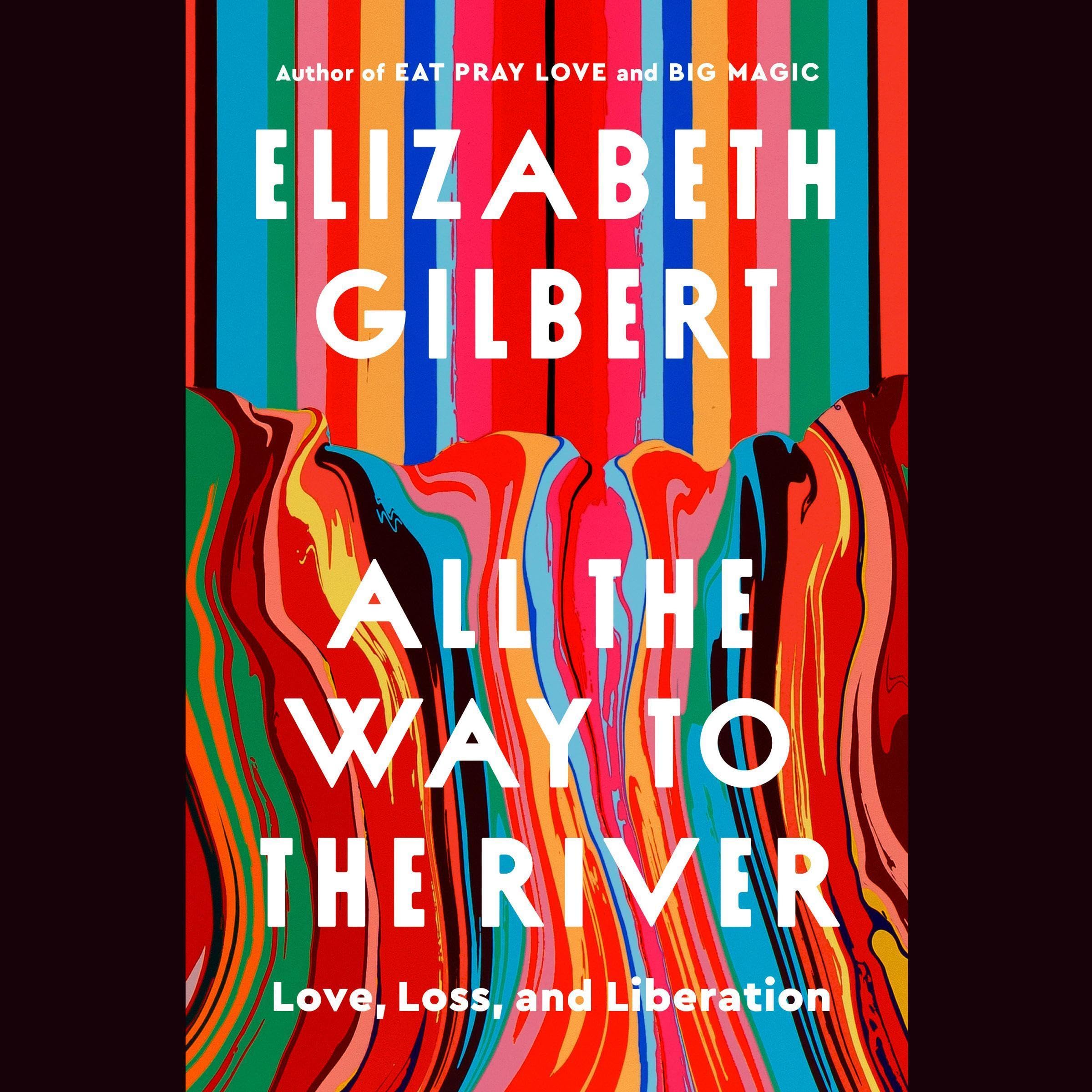
All the Way to the River
Goodreads Choice Award
Nominee for Readers' Favorite Memoir (2025)What if your most beautiful love story turned into your biggest nightmare? An essential, universally resonant new memoir from the #1 bestselling author of
Eat Pray Love
and
Big Magic.
Twenty years ago, Elizabeth Gilbert’s Eat Pray Love inspired millions of readers to embark upon their own journeys of self-discovery. A decade later, Big Magic empowered countless others to live their most creative lives. Now comes another landmark book—about love and loss, addiction and recovery, grief and liberation.
In 2000, a friend sent Liz to see a new hairdresser named Rayya Elias. An intense and unlikely curiosity sparked between these two apparent Rayya, an East Village badass who lived boldly on her own terms but feared she was a failed artist; Liz, a married people-pleaser with a surprisingly unfettered sense of creativity. Over the years, they became friends, then best friends, then inseparable. When tragedy entered their lives, the truth was finally laid The two were in love. they were also a pair of addicts, on a collision course toward catastrophe.
What if the love of your life—and the person you most trusted in the world—became a danger to your sanity and wellbeing? What if the dear friend who taught you so much about your self-destructive tendencies became the unstable partner with whom you disastrously reenacted every one of them? And what if your most devastating heartbreak opened a pathway to your greatest awakening?
All the Way to the River is for everyone who has ever been captive to love–or to any other passion, substance, or craving—and who yearns, at long last, for peace and freedom.
Twenty years ago, Elizabeth Gilbert’s Eat Pray Love inspired millions of readers to embark upon their own journeys of self-discovery. A decade later, Big Magic empowered countless others to live their most creative lives. Now comes another landmark book—about love and loss, addiction and recovery, grief and liberation.
In 2000, a friend sent Liz to see a new hairdresser named Rayya Elias. An intense and unlikely curiosity sparked between these two apparent Rayya, an East Village badass who lived boldly on her own terms but feared she was a failed artist; Liz, a married people-pleaser with a surprisingly unfettered sense of creativity. Over the years, they became friends, then best friends, then inseparable. When tragedy entered their lives, the truth was finally laid The two were in love. they were also a pair of addicts, on a collision course toward catastrophe.
What if the love of your life—and the person you most trusted in the world—became a danger to your sanity and wellbeing? What if the dear friend who taught you so much about your self-destructive tendencies became the unstable partner with whom you disastrously reenacted every one of them? And what if your most devastating heartbreak opened a pathway to your greatest awakening?
All the Way to the River is for everyone who has ever been captive to love–or to any other passion, substance, or craving—and who yearns, at long last, for peace and freedom.
Audible Audio
First published September 9, 2025
About the author
Elizabeth Gilbert
56 books36k followersElizabeth Gilbert is an award-winning writer of both fiction and non-fiction. Her short story collection Pilgrims was a finalist for the PEN/Hemingway award, and her novel Stern Men was a New York Times notable book. Her 2002 book The Last American Man was a finalist for both the National Book Award and the National Book Critic’s Circle Award.
Her memoir, Eat, Pray, Love, spent 57 weeks in the #1 spot on the New York Times paperback bestseller list. It has shipped over 6 million copies in the US and has been published in over thirty languages. A film adaptation of the book was released by Columbia Pictures with an all star cast: Julia Roberts as Gilbert, Javier Bardem as Felipe, James Franco as David, Billy Crudup as her ex-husband and Richard Jenkins as Richard from Texas.
Her latest novel, The Signature of All Things, will be available on October 1, 2013. The credit for her profile picture belongs to Jennifer Schatten.
Ratings & Reviews
Friends & Following
Create a free account to discover what your friends think of this book!
Community Reviews
Displaying 1 - 30 of 5,687 reviews

no-never
August 31, 2025How does not a single review on here mention that Gilbert allegedly tried/planned to murder Rayya?
https://bsky.app/profile/thelincoln.b...
(Read the screenshots in the link before you comment.)
Edit: Here are quotes from Gilbert's book as quoted in https://www.standard.co.uk/lifestyle/...
“I mean, I’m the nice lady who wrote Eat Pray Love,” she writes. “And I came very close to premeditatedly and cold-bloodedly murdering my partner because she had taken her affection away from me, and because I was extremely tired,” she adds. “That’s the sort of person I become when I’m in my insanity.”
“I want to make something extremely clear here: When I say that I once planned to murder Rayya, I don’t mean that the idea simply crossed my mind that my life would be easier if she were gone,” Gilbert writes. “I mean that I fully intended to kill her.”
Edit 2: Comments attacking me will be removed.
https://bsky.app/profile/thelincoln.b...
(Read the screenshots in the link before you comment.)
Edit: Here are quotes from Gilbert's book as quoted in https://www.standard.co.uk/lifestyle/...
“I mean, I’m the nice lady who wrote Eat Pray Love,” she writes. “And I came very close to premeditatedly and cold-bloodedly murdering my partner because she had taken her affection away from me, and because I was extremely tired,” she adds. “That’s the sort of person I become when I’m in my insanity.”
“I want to make something extremely clear here: When I say that I once planned to murder Rayya, I don’t mean that the idea simply crossed my mind that my life would be easier if she were gone,” Gilbert writes. “I mean that I fully intended to kill her.”
Edit 2: Comments attacking me will be removed.

Read
August 18, 2025I read an early proof of this book over the weekend and was scheduled to write a book review for publication. I have read other books by this author -- both fiction and memoir -- and rated them highly. But after finishing this book, I decided to bow out of writing the review.
When it comes down to it, I could not find my way to that charged, shared space between author and reader. Despite Gilbert's skillful writing, the narrative feels uneven: thoughtful, beautifully written passages give way to long sections of hyper-analysis and over-explanation. I am also wary of vague, platitudinous recovery language that can give the impression of communicating more than it actually is. It is almost as though the writer doesn't quite trust the reader with her story alone, and must also explain in great detail how the story should be interpreted.
I cannot really fault the author for this. She is only a few years out from one of the most traumatic, revelatory periods of her life, and she is writing her way through grief and all of the changes that have followed. It is clear that she is still deeply in the recovery/self-reflection process. I wish that she had given the manuscript either one more round of edits to tighten up the structure (is Gilbert so successful a writer that editors are reluctant to give her notes?) or perhaps, even better, allowed herself just a bit more grace and time before attempting to write it. I believe that the memoir that she might write in five years would look very different from this one.
No rating.
When it comes down to it, I could not find my way to that charged, shared space between author and reader. Despite Gilbert's skillful writing, the narrative feels uneven: thoughtful, beautifully written passages give way to long sections of hyper-analysis and over-explanation. I am also wary of vague, platitudinous recovery language that can give the impression of communicating more than it actually is. It is almost as though the writer doesn't quite trust the reader with her story alone, and must also explain in great detail how the story should be interpreted.
I cannot really fault the author for this. She is only a few years out from one of the most traumatic, revelatory periods of her life, and she is writing her way through grief and all of the changes that have followed. It is clear that she is still deeply in the recovery/self-reflection process. I wish that she had given the manuscript either one more round of edits to tighten up the structure (is Gilbert so successful a writer that editors are reluctant to give her notes?) or perhaps, even better, allowed herself just a bit more grace and time before attempting to write it. I believe that the memoir that she might write in five years would look very different from this one.
No rating.
September 15, 2025
Absolutely baffling that I’m even writing this, but Gilbert admits to attempting to murder her girlfriend and is now using that as a plot point to profit off.
She knowingly contributed to getting a recovered addict back on drugs, then attempts to kill her because she didn’t like the result and was impatient because her terminal cancer hadn’t killed her as fast as doctors predicted. She then abandoned her, despite being her carer, and had the nerve to use pop psychology jargon / weaponised therapy speak to justify it.
You claim she was the love of your life, but you attempted to kill her and then abandoned her while she was dying of cancer because it wasn’t fun for you anymore.
Yuck.
This is disgusting. Don’t buy this book. Gilbert should not be profiting off this.
20/06/26
Edit to Add:
I just saw all these comments, clearly I ruffled some feathers lmao. You can feel however you like and I’m happy for you if you found value in this book, but you won’t change my opinion of this woman.
Some thoughts should be shared with your therapist, not monetised. Note I specifically say monetised, not blankly written about, because writing in and of itself can be therapeutic. I’d likely look less harshly on it if it was some obscure author who’d never been published before. Different power/social dynamics between the partners and between the author and readers would give this book a slightly different lens. But Gilbert knew exactly what she was doing.
Shout out to Victoria, who hit the nail on the head with her comment.
Although ironically, you could actually call me an “overeducated yuppie” as I have two bachelors degrees. One in psychology and one in writing (which shockingly including studying books).
So it’s hilarious that people coming to the defence of this book are telling me it’s not pop psychology or that I don’t know how books work.
No hard feelings against any of you, but I sure enjoyed the entertainment value of these comments.
She knowingly contributed to getting a recovered addict back on drugs, then attempts to kill her because she didn’t like the result and was impatient because her terminal cancer hadn’t killed her as fast as doctors predicted. She then abandoned her, despite being her carer, and had the nerve to use pop psychology jargon / weaponised therapy speak to justify it.
You claim she was the love of your life, but you attempted to kill her and then abandoned her while she was dying of cancer because it wasn’t fun for you anymore.
Yuck.
This is disgusting. Don’t buy this book. Gilbert should not be profiting off this.
20/06/26
Edit to Add:
I just saw all these comments, clearly I ruffled some feathers lmao. You can feel however you like and I’m happy for you if you found value in this book, but you won’t change my opinion of this woman.
Some thoughts should be shared with your therapist, not monetised. Note I specifically say monetised, not blankly written about, because writing in and of itself can be therapeutic. I’d likely look less harshly on it if it was some obscure author who’d never been published before. Different power/social dynamics between the partners and between the author and readers would give this book a slightly different lens. But Gilbert knew exactly what she was doing.
Shout out to Victoria, who hit the nail on the head with her comment.
Although ironically, you could actually call me an “overeducated yuppie” as I have two bachelors degrees. One in psychology and one in writing (which shockingly including studying books).
So it’s hilarious that people coming to the defence of this book are telling me it’s not pop psychology or that I don’t know how books work.
No hard feelings against any of you, but I sure enjoyed the entertainment value of these comments.

September 14, 2025
A memoir about two deeply troubled women manipulating each other until one dies, and the other writes a book about it.
Written in a series of what read like AOL Instant Messenger away messages interspersed with some lucid paragraphs in more of a “humorous email” tone, Gilbert spends many months and many pages detailing her identification and process for recovery as an addict.
The meat of this development—her childhood, the marriage she was in when the book began with the man she fell for at the end of her BIG book—is tidily pushed off the table for discussion.
Instead, we are presented with what Gilbert continually insists is a love story.
To me, it surely wasn’t. I learned two things about Gilbert’s partner: she was Syrian, and she cut hair. Everything else comes through the lens of how it made Gilbert feel, but to a point where Rayya isn’t even given a full frame of humanity. People say “habibi” a few times at the end but we don’t even learn if Rayya grew up in a Muslim household, what she believed in, who her friends were, what she looked like (other than a sort of lecherous old man remark that Gilbert liked her in a bikini).
The book’s energy focuses on two people behaving quite badly. Though one of them carries a lot more resource than the other, making the mutual con game we’re invited to observe feel weighted against Rayya, unfortunately.
While Gilbert makes an effort to show she understands her own mistakes through humor and self deprecation, I did not find this authentic.
Consider the book’s core theme of Earth School, a place where we learn the lessons of our lives. She begins this extended metaphor by suggesting that pre-life, we all select the life we want from a heavenly boardroom and agree to the lessons that life comes paired with.
A convenient mythology for a woman who grew up on a Christmas tree farm in Connecticut and made, and spent, millions of dollars traveling the world and doing work she found fulfilling.
I am sure many of the people on Earth would beg to differ with Gilbert’s vision of self-selection and the value of all Earthly lessons.
As much as she tries to acknowledge how frequently she errs, Gilbert never seems to reconcile the fact that she is, indeed, the Oz behind her own velvet curtain, deciding, funding, enabling, and selecting the experiences she collects to share for her livelihood.
Two stars only for the fact that I did read it all in one sitting, it was engrossing if not quite frustrating to read.
Written in a series of what read like AOL Instant Messenger away messages interspersed with some lucid paragraphs in more of a “humorous email” tone, Gilbert spends many months and many pages detailing her identification and process for recovery as an addict.
The meat of this development—her childhood, the marriage she was in when the book began with the man she fell for at the end of her BIG book—is tidily pushed off the table for discussion.
Instead, we are presented with what Gilbert continually insists is a love story.
To me, it surely wasn’t. I learned two things about Gilbert’s partner: she was Syrian, and she cut hair. Everything else comes through the lens of how it made Gilbert feel, but to a point where Rayya isn’t even given a full frame of humanity. People say “habibi” a few times at the end but we don’t even learn if Rayya grew up in a Muslim household, what she believed in, who her friends were, what she looked like (other than a sort of lecherous old man remark that Gilbert liked her in a bikini).
The book’s energy focuses on two people behaving quite badly. Though one of them carries a lot more resource than the other, making the mutual con game we’re invited to observe feel weighted against Rayya, unfortunately.
While Gilbert makes an effort to show she understands her own mistakes through humor and self deprecation, I did not find this authentic.
Consider the book’s core theme of Earth School, a place where we learn the lessons of our lives. She begins this extended metaphor by suggesting that pre-life, we all select the life we want from a heavenly boardroom and agree to the lessons that life comes paired with.
A convenient mythology for a woman who grew up on a Christmas tree farm in Connecticut and made, and spent, millions of dollars traveling the world and doing work she found fulfilling.
I am sure many of the people on Earth would beg to differ with Gilbert’s vision of self-selection and the value of all Earthly lessons.
As much as she tries to acknowledge how frequently she errs, Gilbert never seems to reconcile the fact that she is, indeed, the Oz behind her own velvet curtain, deciding, funding, enabling, and selecting the experiences she collects to share for her livelihood.
Two stars only for the fact that I did read it all in one sitting, it was engrossing if not quite frustrating to read.

September 15, 2025
EDITED to add the author is taking a hit for this book. This book needs to be read through the eyes of an addict. I don’t know one single addict (and I know a few) who is not a complete asshole when they are in their addiction. Gilbert is still in her addiction when writing this or taking us back to those days. There is no way to really tell unless you’re on the inside of her boundaries. If you are not reading this through the lens of Gilbert, an addicted asshole, you probably are going to miss the point of it.
I wouldn’t be able to boil this down to a few succinct sentences or a snappy response to how this made me feel.
This is a book where you will participate in the build up of addiction, be thrust into the brutal throes of it and perhaps, maybe tiptoe through the recovery. Although as Liz Gilbert will tell you, 5 years sober is nothing but being in kindergarten. I surely hope she can make something good of this time.
For this author it is a love and sex addiction ( which may not be anything like you think it to be) and some alcohol and drug addictions too. Her wife Rayya will bring you on the horrible and destructive addiction tour you may want to read and Liz will bring you on the addiction recovery of a quieter and more hidden one.
So as I try to answer for every memoir I read, was the author ready to write this or should it have cooked a few more years? Today, I’m throwing all the recovery coins in Liz’s arena. God speed, Liz.
I wouldn’t be able to boil this down to a few succinct sentences or a snappy response to how this made me feel.
This is a book where you will participate in the build up of addiction, be thrust into the brutal throes of it and perhaps, maybe tiptoe through the recovery. Although as Liz Gilbert will tell you, 5 years sober is nothing but being in kindergarten. I surely hope she can make something good of this time.
For this author it is a love and sex addiction ( which may not be anything like you think it to be) and some alcohol and drug addictions too. Her wife Rayya will bring you on the horrible and destructive addiction tour you may want to read and Liz will bring you on the addiction recovery of a quieter and more hidden one.
So as I try to answer for every memoir I read, was the author ready to write this or should it have cooked a few more years? Today, I’m throwing all the recovery coins in Liz’s arena. God speed, Liz.
September 16, 2025
Normally I would not rate or review a DNF but I made it to page 316, where the author claims to have interviewed the cancer cells of her dead partner, so I feel like I earned it.

September 19, 2025
I’m going to write a longer, prettier review one of these days… but I want to comment on how I’m shook at all the judgmental reviews. I’m feeling impassioned!
This book is written by an addict. Let me repeat: this book is written by an addict. The negative comments seem like they are coming from people who have most likely never stepped foot in the sacred rooms of recovery that she speaks of. She is telling the truth of her life, owning it and surrendering to it. Like those rooms teach you to do. She has only been sober for 5 years! What a huge accomplishment AND, like she says, she’s still in sobriety kindergarten.
Yes, her writing is self-indulgent and messy and scary at times. That’s her story! This is her memoir! What would you like her to do differently? Lie? Ok I’m being drama but you get it.
Yes, she chose to write this book at the beginning of her recovery journey. Could she have waited a few more years (10+)? Sure. But that would be a completely different story. (I hope she writes that book too!). I love reading memoirs from ~the middle of it~. There aren’t enough of them. I get so bored of all the beautiful triumphant stories that have endings that can be tied up in pretty bows. I left this book feeling heartbroken and grateful for it. I left this book feeling more compassion flowing towards myself and humanity and very close to the god of my own understanding. I believe this book will leave many people feeling this way. What a gift.
There is beauty in writing from a distance. And there is also beauty in writing while you’re down deep in the darkness. Not everyone has to like those stories. I do :) So thank you, Lizzie for sharing yours.
This book is written by an addict. Let me repeat: this book is written by an addict. The negative comments seem like they are coming from people who have most likely never stepped foot in the sacred rooms of recovery that she speaks of. She is telling the truth of her life, owning it and surrendering to it. Like those rooms teach you to do. She has only been sober for 5 years! What a huge accomplishment AND, like she says, she’s still in sobriety kindergarten.
Yes, her writing is self-indulgent and messy and scary at times. That’s her story! This is her memoir! What would you like her to do differently? Lie? Ok I’m being drama but you get it.
Yes, she chose to write this book at the beginning of her recovery journey. Could she have waited a few more years (10+)? Sure. But that would be a completely different story. (I hope she writes that book too!). I love reading memoirs from ~the middle of it~. There aren’t enough of them. I get so bored of all the beautiful triumphant stories that have endings that can be tied up in pretty bows. I left this book feeling heartbroken and grateful for it. I left this book feeling more compassion flowing towards myself and humanity and very close to the god of my own understanding. I believe this book will leave many people feeling this way. What a gift.
There is beauty in writing from a distance. And there is also beauty in writing while you’re down deep in the darkness. Not everyone has to like those stories. I do :) So thank you, Lizzie for sharing yours.

September 14, 2025
― no because wdym the author, elizabeth gilbert, was literally planning on murdering her terminally ill partner "because she had taken her affection away from me, and because I was extremely tired"..........?!
“I want to make something extremely clear here: When I say that I once planned to murder Rayya, I don’t mean that the idea simply crossed my mind that my life would be easier if she were gone,” Gilbert writes. “I mean that I fully intended to kill her."
life would be EASIER..?! miss ma'am you seem like a horrible person to be around, much less read about.
“She recalls taking her lover’s medication to a park in New York to plan how she could drug her. Her pre-meditation went so far as to wonder whether she could score lines into painkiller tablets to make them resemble sleeping pills. “If I could knock her out with the sleeping pills,” Gilbert recalls, “then I could stick a whole bunch of fentanyl patches on her back once she was unconscious, and that would surely kill her.”
“I want to make something extremely clear here: When I say that I once planned to murder Rayya, I don’t mean that the idea simply crossed my mind that my life would be easier if she were gone,” Gilbert writes. “I mean that I fully intended to kill her."
life would be EASIER..?! miss ma'am you seem like a horrible person to be around, much less read about.
“She recalls taking her lover’s medication to a park in New York to plan how she could drug her. Her pre-meditation went so far as to wonder whether she could score lines into painkiller tablets to make them resemble sleeping pills. “If I could knock her out with the sleeping pills,” Gilbert recalls, “then I could stick a whole bunch of fentanyl patches on her back once she was unconscious, and that would surely kill her.”
September 19, 2025
This book is not a river—it’s a whirlpool. A slow, spiraling descent into the kind of spiritual navel-gazing that confuses self-revelation with self-justification. In All The Way to the River, Elizabeth Gilbert trades her once-celebrated clarity and candor for a narrative so murky, it’s hard to tell if even she knows where she’s going.
What begins with the promise of emotional honesty curdles into a strangely performative account of a relationship that, by her own telling, careened through obsession, volatility, emotional and then potential physical violence. Gilbert seems desperate to convince the reader that this was a love worth elevating—spiritual, alchemical, even sacred. But instead of insight, we get rationalization. Instead of reckoning, reframing. This is not a love story. This is not love.
Page after page, Gilbert attempts to repackage control, intensity, and destruction as something profound. But the result feels manipulative—not just of her partner, but of the reader. There’s a disturbing undercurrent here: a refusal to name harm for what it is, masked by lyrical prose and the language of transcendence. It’s one thing to expose your wounds. It’s another to romanticize them while expecting applause.
What’s most disheartening is the lack of humility. There is no real self-questioning, no curiosity about power dynamics, no courage to say, maybe this wasn’t love, maybe I am mentally ill. Instead, we’re asked to bear witness to a woman scripting her own redemption arc—without ever truly owning what she’s done.
What begins with the promise of emotional honesty curdles into a strangely performative account of a relationship that, by her own telling, careened through obsession, volatility, emotional and then potential physical violence. Gilbert seems desperate to convince the reader that this was a love worth elevating—spiritual, alchemical, even sacred. But instead of insight, we get rationalization. Instead of reckoning, reframing. This is not a love story. This is not love.
Page after page, Gilbert attempts to repackage control, intensity, and destruction as something profound. But the result feels manipulative—not just of her partner, but of the reader. There’s a disturbing undercurrent here: a refusal to name harm for what it is, masked by lyrical prose and the language of transcendence. It’s one thing to expose your wounds. It’s another to romanticize them while expecting applause.
What’s most disheartening is the lack of humility. There is no real self-questioning, no curiosity about power dynamics, no courage to say, maybe this wasn’t love, maybe I am mentally ill. Instead, we’re asked to bear witness to a woman scripting her own redemption arc—without ever truly owning what she’s done.

September 24, 2025
"Addiction. A disease so insidious and vile that — I swear to God — it makes terminal cancer look like a day at the beach."
~Elizabeth Gilbert, All the Way to the River
Chronicling her year-long, post-divorce journey around the world, Elizabeth Gilbert became a cultural phenomenon and, dare I say, the original wellness influencer back in 2006?
Eat, Pray, Love sat on The New York Times Best Seller List for 187 weeks, sold 18 million copies, and was adapted into a feature film starring Julia Roberts.
Oh yeah, and TIME magazine named Gilbert one of the world’s most influential people.
Her new memoir All the Way to the River is a gut wrenching story of love, pain, addiction, and loss.
Italian gelato shops, Hindu ashrams, Balinese forests, this is not.
Eat, Pray, Love, Drugs, Murder might be more like it.
Similarities? Yes.
Liz ends up on the bathroom floor...again (remember that scene?). Divorces...again (Jose Nunes, the guy she meets and famously falls in love with in Bali).
More self/sexual/spiritual discovery? Yes, but here, the plotlines diverge considerably.
Rayya Elias was Gilbert’s best friend/hairdresser, an “ex-junkie, ex-felon, postpunk, glamour-butch dyke,” when she's diagnosed in 2016 with pancreatic and liver cancer and given six months to live.
Gilbert realized her feelings weren’t platonic and the two jumped headlong into a relationship.
All the Way to the River chronicles that relationship in Gilbert's honest, raw, beautiful writing and storytelling.
Vividly, Gilbert shares the unfiltered truth and devastating impact of Elias's disease and relapse into full blown drug addiction.
She also shares, "I would become just as addicted to Rayya as she was to drugs."
Gilbert, a self-confessed love and sex addict who craves LAVA (Love, Attention, Validation, and Approval), holds nothing back — taking us to both her and Rayya’s darkest places.
“I came very close to premeditatedly and cold-bloodedly murdering my partner,” Gilbert shockingly reveals.
Woosh.
In "12 Step Speak," this is a Step 5: admitted to God, to ourselves, and to another human being the exact nature of our wrongs.
In fact, spiritual surrender is part of Gilbert's healing process. The narrative is accompanied by drawings and poetry from her journals, giving readers a look at the author's intimate relationship with Divinity itself.
Listen, this is not a light read, okay?
Gilbert's grief is palpable and visceral.
Still, I could not put the book down and like a rubbernecker at a car accident, I had to stay until the wreckage was cleared away.
Chronicling her year-long, post-divorce journey around the world, Elizabeth Gilbert became a cultural phenomenon and, dare I say, the original wellness influencer back in 2006?
Eat, Pray, Love sat on The New York Times Best Seller List for 187 weeks, sold 18 million copies, and was adapted into a feature film starring Julia Roberts.
Oh yeah, and TIME magazine named Gilbert one of the world’s most influential people.
Her new memoir All the Way to the River is a gut wrenching story of love, pain, addiction, and loss.
Italian gelato shops, Hindu ashrams, Balinese forests, this is not.
Eat, Pray, Love, Drugs, Murder might be more like it.
Similarities? Yes.
Liz ends up on the bathroom floor...again (remember that scene?). Divorces...again (Jose Nunes, the guy she meets and famously falls in love with in Bali).
More self/sexual/spiritual discovery? Yes, but here, the plotlines diverge considerably.
Rayya Elias was Gilbert’s best friend/hairdresser, an “ex-junkie, ex-felon, postpunk, glamour-butch dyke,” when she's diagnosed in 2016 with pancreatic and liver cancer and given six months to live.
Gilbert realized her feelings weren’t platonic and the two jumped headlong into a relationship.
All the Way to the River chronicles that relationship in Gilbert's honest, raw, beautiful writing and storytelling.
Vividly, Gilbert shares the unfiltered truth and devastating impact of Elias's disease and relapse into full blown drug addiction.
She also shares, "I would become just as addicted to Rayya as she was to drugs."
Gilbert, a self-confessed love and sex addict who craves LAVA (Love, Attention, Validation, and Approval), holds nothing back — taking us to both her and Rayya’s darkest places.
“I came very close to premeditatedly and cold-bloodedly murdering my partner,” Gilbert shockingly reveals.
Woosh.
In "12 Step Speak," this is a Step 5: admitted to God, to ourselves, and to another human being the exact nature of our wrongs.
In fact, spiritual surrender is part of Gilbert's healing process. The narrative is accompanied by drawings and poetry from her journals, giving readers a look at the author's intimate relationship with Divinity itself.
Listen, this is not a light read, okay?
Gilbert's grief is palpable and visceral.
Still, I could not put the book down and like a rubbernecker at a car accident, I had to stay until the wreckage was cleared away.

September 28, 2025
I have so many thoughts.
1. If I never hear or read "my love" again it will be too soon.
2. It is obvious that Elizabeth Gilbert has not one single true friend because that friend would have taken her aside and said, "Maybe let's put this in a journal and then burn that journal."
3. If anyone ever financially and emotionally manipulates me into wasting the best years of my life as their little lap dog, plots to kill me when they get tired of me refusing to die of cancer, and then has the audacity to write a book that turns me into a caricature while simultaneously pretending to quote my GHOST verbatim....I will haunt that person in a real way and it will not be pretty.
4. You know when you're sitting in a twelve step meeting and that person who always says the same thing and exhibits no growth or understanding starts talking and you just know that the meeting is going to run over and no one else will get you share and you curse yourself for continuing to come back to this particular meeting where no one holds this person to upholding group norms or boundaries and then the meeting ends and that person starts to follow you out to your car and you wonder if they will actually get in your car with you to keep talking about themselves? Reading this book is like that.
1. If I never hear or read "my love" again it will be too soon.
2. It is obvious that Elizabeth Gilbert has not one single true friend because that friend would have taken her aside and said, "Maybe let's put this in a journal and then burn that journal."
3. If anyone ever financially and emotionally manipulates me into wasting the best years of my life as their little lap dog, plots to kill me when they get tired of me refusing to die of cancer, and then has the audacity to write a book that turns me into a caricature while simultaneously pretending to quote my GHOST verbatim....I will haunt that person in a real way and it will not be pretty.
4. You know when you're sitting in a twelve step meeting and that person who always says the same thing and exhibits no growth or understanding starts talking and you just know that the meeting is going to run over and no one else will get you share and you curse yourself for continuing to come back to this particular meeting where no one holds this person to upholding group norms or boundaries and then the meeting ends and that person starts to follow you out to your car and you wonder if they will actually get in your car with you to keep talking about themselves? Reading this book is like that.

September 19, 2025
My sole motivation for finishing this book was to be able to say with maximum credibility that this was the worst book I’ve read this year. The Guardian review that called it “excruciating to read”?? Spot on! Narcissistic, self-indulgent, and, most unforgivably, EXPLOITATIVE. The many details of her dead lover’s experience with addiction and dying did not feel like the author’s to share; moreover, it felt like we were only being “treated” to these details so that we would understand what a wonderful, caring, brave, strong, and selfless person the author is. And btw, did you know the author also wrote the widely- acclaimed book Eat, Pray, Love, which was a huge financial success?!?!?! Well, if you didn’t know yet, you sure will after reading this book, as she never misses an opportunity to mention it!!!! 🙄 And the poetry!!!! The whole thing is interspersed with really bad, cringey, juvenile sad girl poetry that never should have seen the light of day! I can’t believe this book not only got published, but also found a way to make it on all the “most anticipated”/“best of” lists! This book will be my barometer for end-of-the-year lists. If it appears on the list, the list is not credible!!!!! Lastly, listening to the audiobook, narrated by the author, was a uniquely gross experience that exacerbated every problematic aspect of the book.

September 9, 2025
this is actually a DNF. I'm disappointed. I have read most of what Gilbert has written. I really enjoy and admire her as a person and an author. some of her short work about Rayya is the best work she's ever done (like her Moth story. I still think about that almost weekly).
unfortunately this exact book is almost unreadable. Another reviewer put it well: it's like she can't trust the reader with the story as it happened and she has to tell you every step of the way her inner dialogue. the long asides and amateur addiction explanations are as uncompelling as they are self indulgent.
unfortunately this exact book is almost unreadable. Another reviewer put it well: it's like she can't trust the reader with the story as it happened and she has to tell you every step of the way her inner dialogue. the long asides and amateur addiction explanations are as uncompelling as they are self indulgent.

September 20, 2025
This book’s subject matter is dark. But just because a memoir is dark, it doesn’t mean that the person who wrote it is a “horrible” person as some people are writing in their reviews.
Elizabeth Gilbert is brutally honest in sharing her story of her relationship with Rayya Elias, Rayya’s addictions, as well as her own addictions, and subsequent recovery which she is diligently working on every day.
This is just my personal take on why some people are writing unkind things about Elizabeth Gilbert herself after reading this book. I think many people put her up on an unrealistic pedestal after reading her previous memoir Eat Pray Love. I read Eat Pray Love when it first came out and loved it. However, I didn’t put Gilbert up on a pedestal, I don’t put any people up on pedestals. I loved and respected her work.
Now Gilbert comes out with a memoir that shows a very personal, dark side of herself and some people are literally claiming absurd things about her as a human being. Why? Because she bears her soul about her own addictions and those of her partner? If a person knows anything about addiction, and I do mean anything, Gilbert’s story is brutally honest about what addiction can do to people. And she goes to great lengths to explain her addiction, claim it, and ultimately seek help for it. It takes incredible courage to share with the world your most shameful experiences, your most difficult times. And human beings have difficult experiences and trials in life. We don’t all experience the same things, but everyone has them.
If you are looking to read a memoir that is gut wrenching in its honesty about how destructive addiction is and what it does to you and those whom you love, this book is worth your time.
Elizabeth Gilbert is brutally honest in sharing her story of her relationship with Rayya Elias, Rayya’s addictions, as well as her own addictions, and subsequent recovery which she is diligently working on every day.
This is just my personal take on why some people are writing unkind things about Elizabeth Gilbert herself after reading this book. I think many people put her up on an unrealistic pedestal after reading her previous memoir Eat Pray Love. I read Eat Pray Love when it first came out and loved it. However, I didn’t put Gilbert up on a pedestal, I don’t put any people up on pedestals. I loved and respected her work.
Now Gilbert comes out with a memoir that shows a very personal, dark side of herself and some people are literally claiming absurd things about her as a human being. Why? Because she bears her soul about her own addictions and those of her partner? If a person knows anything about addiction, and I do mean anything, Gilbert’s story is brutally honest about what addiction can do to people. And she goes to great lengths to explain her addiction, claim it, and ultimately seek help for it. It takes incredible courage to share with the world your most shameful experiences, your most difficult times. And human beings have difficult experiences and trials in life. We don’t all experience the same things, but everyone has them.
If you are looking to read a memoir that is gut wrenching in its honesty about how destructive addiction is and what it does to you and those whom you love, this book is worth your time.
September 12, 2025
Deluded and ghoulish.

Read
September 9, 2025This was so very…Oprah

September 16, 2025
Elizabeth Gilbert is a really good writer. She is a convincing expert and friend to her readers. I get why people fall into her world so fully. I found this one pretty manipulative and formulaic. I hated the Instagram poetry. I also hated how she’d say “I’m not going to justify ….” and then immediately do just that. The mess in the book makes for a good story but beyond that I struggled with the self serving narrative and explanations.

April 13, 2025
Elizabeth Gilbert's memoir is the story of her relationship with Rayya Elias, their battle with addiction, Rayya's death from pancreatic and liver cancer, and Elizabeth's journey to healing. This book is a very raw account of the last 18 months of Rayya's life, the love they shared, the destructive behaviors of addiction, recovery, forgiveness, the process of dying, and ultimately love of oneself and others. The book is interspersed with poetry, art, prayer.
The book was very, very well done. It was gut-wrenching, sad, hopeful, and beautiful in more ways than I can express in this review. The author does not shy away from admitting her own failures and being honest about her addiction. Likewise, she is completely open about Rayya's imperfections, something that I think would not be easy to do given the circumstances.
One thing that this book really did for me was educate me on the addictions of love, sex, and codependency. These are not things you typically think about like alcohol or drugs. I mean, how could LOVE be an addiction? I have to admit that I was skeptical at first; in fact, I did what I expect many non-addicts do - think "That's not a real addiction!" But the author does a great job at explaining how these things are very real and very destructive.
I will also admit that I'm very traditionally religious. This book is not that at all. The author's idea of religion and of God is very different. God is not necessarily a traditional image of God, though she and Rayya pray to a God. Her higher power, to use the language of the author, is one that is an enigma. She says this about God toward the beginning of the book:
Not a king, not a judge, not a father.
Not a mother, either - although that comes somewhat closer.
Not the word - but not against words.
Not a list of commandments - but an expression of extraordinary tenderness.
Not a series of laws - but an offering of guidance.
Not the silence - but the silence just beyond the silence.
Not a fact - but a knowing.
I loved that the author was so fluid in her expectations of God. At times throughout the book, she railed against him (of course), she begged for God's intercession, she sought God's counsel, she thanked God for her blessings, she cursed God. I admired that her idea of religion was an ever-present force in her life.
I'm so glad I got to read this really wonderful book. It is by no means an easy read, but well worth the time spent. 4.5⭐s from me!
Many thanks to NetGalley and RiverHead Books for an advanced copy of this book. It's scheduled to be published on September 9, 2025.
The book was very, very well done. It was gut-wrenching, sad, hopeful, and beautiful in more ways than I can express in this review. The author does not shy away from admitting her own failures and being honest about her addiction. Likewise, she is completely open about Rayya's imperfections, something that I think would not be easy to do given the circumstances.
One thing that this book really did for me was educate me on the addictions of love, sex, and codependency. These are not things you typically think about like alcohol or drugs. I mean, how could LOVE be an addiction? I have to admit that I was skeptical at first; in fact, I did what I expect many non-addicts do - think "That's not a real addiction!" But the author does a great job at explaining how these things are very real and very destructive.
I will also admit that I'm very traditionally religious. This book is not that at all. The author's idea of religion and of God is very different. God is not necessarily a traditional image of God, though she and Rayya pray to a God. Her higher power, to use the language of the author, is one that is an enigma. She says this about God toward the beginning of the book:
Not a king, not a judge, not a father.
Not a mother, either - although that comes somewhat closer.
Not the word - but not against words.
Not a list of commandments - but an expression of extraordinary tenderness.
Not a series of laws - but an offering of guidance.
Not the silence - but the silence just beyond the silence.
Not a fact - but a knowing.
I loved that the author was so fluid in her expectations of God. At times throughout the book, she railed against him (of course), she begged for God's intercession, she sought God's counsel, she thanked God for her blessings, she cursed God. I admired that her idea of religion was an ever-present force in her life.
I'm so glad I got to read this really wonderful book. It is by no means an easy read, but well worth the time spent. 4.5⭐s from me!
Many thanks to NetGalley and RiverHead Books for an advanced copy of this book. It's scheduled to be published on September 9, 2025.
September 11, 2025
I thought I could hate listen. I cannot. Read the NYTimes Book Review for a good take.

September 18, 2025
Disclaimer: I picked this up with the intention of hate reading it. And boy howdy did I ever hate this book.
I wish I believed in hell and the afterlife so that I could believe this egomaniac of a woman might one day be forced to face what she’s done here. She kicks things off with a (let’s be honest) made up story about being possessed by the ghost of Rayya just to pat herself on the back, absolve herself of any past wrongdoing, and excuse the stripping away of every last morsel of dignity Rayya might have had in death.
The most charitable interpretation of this “possession” is that the author truly believes it happened. Which means she experienced a wild and prolonged state of psychosis for over five years and nobody did anything about it. Her editors let her publish it without urging her to get counseling.
I suppose the next most charitable version is that Rayya actually did haunt this author. Meaning she, a woman passionately in love with life who died after being subjected to torturous confusion and fear, forsook all other loved ones. She didn’t bother going to family, or to the woman who picked her up and put her to rights after she suffered the abuse of the author. No, she stuck around, somehow in love with death, to tell the author just how perfect and faultless the author is. There’s no recrimination here, oh no — the ghost of Rayya is totally fine with having the last months of her life stolen from her. She’s overjoyed that her promised months extended beyond what anyone expected…but certainly not as far as they might have without the drugs and the author’s *murder attempt on her.*
Give me a break.
At the end of this book, Gilbert says this: “The only remaining question of this book, then, is: Who are Rayya and I becoming?” And the answer is quite simple: through this book, Gilbert transformed the memory of her friend into a commodity. Just another cheap stepping stone into egomania masquerading as enlightenment.
I don’t much believe in karma. This is one of those situations that makes me hope I’m wrong. Gilbert deserves the worst for what she’s done here. I hope she loses every penny and dies alone in a nursing home without visitors. I hope she has to one day face that she is as vacuous as her “poetry.” I hope she feels some small measure of the humiliation and fear she inflicted on Rayya.
But most of all, I hope for peace for Rayya’s family.
I wish I believed in hell and the afterlife so that I could believe this egomaniac of a woman might one day be forced to face what she’s done here. She kicks things off with a (let’s be honest) made up story about being possessed by the ghost of Rayya just to pat herself on the back, absolve herself of any past wrongdoing, and excuse the stripping away of every last morsel of dignity Rayya might have had in death.
The most charitable interpretation of this “possession” is that the author truly believes it happened. Which means she experienced a wild and prolonged state of psychosis for over five years and nobody did anything about it. Her editors let her publish it without urging her to get counseling.
I suppose the next most charitable version is that Rayya actually did haunt this author. Meaning she, a woman passionately in love with life who died after being subjected to torturous confusion and fear, forsook all other loved ones. She didn’t bother going to family, or to the woman who picked her up and put her to rights after she suffered the abuse of the author. No, she stuck around, somehow in love with death, to tell the author just how perfect and faultless the author is. There’s no recrimination here, oh no — the ghost of Rayya is totally fine with having the last months of her life stolen from her. She’s overjoyed that her promised months extended beyond what anyone expected…but certainly not as far as they might have without the drugs and the author’s *murder attempt on her.*
Give me a break.
At the end of this book, Gilbert says this: “The only remaining question of this book, then, is: Who are Rayya and I becoming?” And the answer is quite simple: through this book, Gilbert transformed the memory of her friend into a commodity. Just another cheap stepping stone into egomania masquerading as enlightenment.
I don’t much believe in karma. This is one of those situations that makes me hope I’m wrong. Gilbert deserves the worst for what she’s done here. I hope she loses every penny and dies alone in a nursing home without visitors. I hope she has to one day face that she is as vacuous as her “poetry.” I hope she feels some small measure of the humiliation and fear she inflicted on Rayya.
But most of all, I hope for peace for Rayya’s family.

July 1, 2025
Elizabeth Gilbert’s partner Rayya dies and initially she hears her vividly and clearly in her consciousness, so much so, she still seems to command the room. Then it begins to diminish and more than five years pass, her voice has faded but then suddenly, there she is again. In the interim, Elizabeth gets herself together, with sobriety for one. Suddenly on her 54th birthday there she is and Rayya tells her she loves her and will be waiting for her at the river when all this is over and that it’s time for her to write an honest book about her addictions. Just as suddenly as she appears, she’s gone. Liz follows Rayya’s advice and so here goes! She does her best to tell us the truth about what happens between her and Rayya Elias, no holds barred.
This is quite some memoir as it takes the reader on a rollercoaster journey. The authors grief at losing Rayya is so intense that it’s palpable. Her many struggles are explained with searing honesty as she lays herself open and bare. It’s incredibly honest about her addictions, co-dependency and instability and so at times it’s a bit brutal. However, if you’re going to write a book like this, it’s utterly pointless unless you are honest or you derive nothing positive from it. I do hope it’s been a cathartic experience for her as part of her healing.
What of Rayya? She is portrayed so lovingly, vividly and her often unfiltered truth is at times awe inspiring in the reactions that she gets from people. Elizabeth Gilbert makes me wish I’d had the privilege of meeting her as she does sound a force of nature and quite simply fantastic.
Interspersed between the narrative are some wonderful sketches and poems that add to the reading experience.
Overall, it’s raw, heartbreaking and sad and yet there’s optimism and healing too. It’s beautifully written and very powerful.
With thanks to NetGalley and especially to Bloomsbury Publishing for the much appreciated early copy in return for an honest review.
This is quite some memoir as it takes the reader on a rollercoaster journey. The authors grief at losing Rayya is so intense that it’s palpable. Her many struggles are explained with searing honesty as she lays herself open and bare. It’s incredibly honest about her addictions, co-dependency and instability and so at times it’s a bit brutal. However, if you’re going to write a book like this, it’s utterly pointless unless you are honest or you derive nothing positive from it. I do hope it’s been a cathartic experience for her as part of her healing.
What of Rayya? She is portrayed so lovingly, vividly and her often unfiltered truth is at times awe inspiring in the reactions that she gets from people. Elizabeth Gilbert makes me wish I’d had the privilege of meeting her as she does sound a force of nature and quite simply fantastic.
Interspersed between the narrative are some wonderful sketches and poems that add to the reading experience.
Overall, it’s raw, heartbreaking and sad and yet there’s optimism and healing too. It’s beautifully written and very powerful.
With thanks to NetGalley and especially to Bloomsbury Publishing for the much appreciated early copy in return for an honest review.
This entire review has been hidden because of spoilers.

September 21, 2025
From Reddit U/lunarcrimes wrote this and I think it needs to be in every possible discussion of this book. I hope it’s okay that I copy and paste. Please tell me if I’m violating some internet rule re: credit or likes or something. I just want people to read it. It infuriated me.
“• Elizabeth Gilbert and Rayya Elias had been best friends since 2000, before Elizabeth wrote Eat Pray Love
• Rayya was a former cocaine and heroine addict; Elizabeth had gifted Rayya a house in 2013 to allow Rayya to write a memoir called Harley Loco about her addiction and recovery
• When Rayya was diagnosed with pancreatic and liver cancer in 2016 and given six months to live, Elizabeth immediately broke up with her husband (the man she met at the end of Eat Pray Love and whom she wrote about marrying in Committed) to confess her love to Rayya
• Elizabeth did not include details of her divorce from her ex husband in the book in order to protect his privacy
• Rayya and Elizabeth quickly became a couple and had a commitment ceremony
• Elizabeth promised to not leave Rayya’s side throughout her cancer and death journey, promising to follow her “all the way to the river” (inspiring the title of the memoir)
• After Rayya’s cancer diagnosis, Elizabeth enabled Rayya’s relapse back into drug addiction:
• Elizabeth used alcohol, weed, Xanax, Ambien, mushrooms, and MDMA with Rayya
• Elizabeth watched as Rayya abused prescription pain killers
• Elizabeth knowingly gave Rayya money for her to start buying cocaine again
• Elizabeth also personally bought Rayya thousands of dollars of cocaine from local drug dealers
• Elizabeth registered with the city as a drug user to get needles for Rayya
• Elizabeth tied off Rayya’s limbs and held flashlights up to Rayya’s veins to help her shoot up
• In the midst of Rayya’s decline, Elizabeth planned Rayya’s murder, collecting the needed medications and fentanyl patches
• Elizabeth was clear this was in fact a murder attempt and not a compassionate euthanasia, as Rayya did not want to die
• Elizabeth said this of the planned murder: “I’m the nice lady who wrote Eat Pray Love. And I came very close to premeditatedly and cold-bloodedly murdering my partner because she had taken her affection away from me, and because I was extremely tired.”
• Elizabeth stopped her murder plan when Rayya began suspecting her
• After Elizabeth’s murder plan was thwarted, she sat Rayya down and told her that she thought Rayya had lost her soul and her integrity, that Rayya was degrading Elizabeth’s soul, that Elizabeth had accepted Rayya’s death, and that Elizabeth felt she had done all she could and now she wasn’t going to “stick around” for what Rayya had “gotten herself into”
• Elizabeth then kicked Rayya out of their shared home with no warning and went no contact for several weeks, despite knowing that Rayya had nowhere to go
• Rayya, now suddenly homeless and still dying and addicted to the drugs Elizabeth had been buying and administering to her, was forced to move several states away to live with one of her exes who agreed to take her in
• Rayya’s ex quickly got Rayya sober and back under a physician-approved medication plan by administering prescription medications at the right time, locking up meds, and not buying or giving her drugs
• Due to the effects of her illness and withdrawal, Rayya was reportedly distressed during the weeks of Elizabeth’s sudden no contact, feeling confused and disoriented as to why she was living in a new state and why Elizabeth had gone missing
• After Rayya’s ex got her sober, Elizabeth re-established contact, and visited Rayya at her ex’s home until Rayya eventually died a few weeks/months later
• Now, 7 years after Rayya’s death, Elizabeth claims to have achieved her highest level of peace yet through 12-step programs for sex and love addiction
• Part of Elizabeth’s healing for the past few years has involved refusing to give struggling family members or friends any financial support from her multi-million dollar fortune, calling this “financial sobriety”
• Rayya’s sister objected to the memoir in an interview with the New York Times and called it exploitative, saying she didn’t want Rayya’s death to be monetized
• Elizabeth claims she got permission to write the memoir several years after Rayya’s death when Rayya’s dead spirit visited from beyond the grave to commune with Elizabeth in Elizabeth’s own mind
• According to Elizabeth, she could hear Rayya’s spirit in her mind telling her that Rayya “kind of digs” being dead, and that Elizabeth should write all the gory details in a public book because Rayya’s spirit has “no use for dignity” since she’s dead
• In this short telepathic communion, Rayna’s spirit also apparently called Elizabeth “beautiful” three times, made cancer jokes, and predicted that Elizabeth was going to become enlightened
• Elizabeth’s ultimate view on what happened: “Rayya is my most beautiful story””
“• Elizabeth Gilbert and Rayya Elias had been best friends since 2000, before Elizabeth wrote Eat Pray Love
• Rayya was a former cocaine and heroine addict; Elizabeth had gifted Rayya a house in 2013 to allow Rayya to write a memoir called Harley Loco about her addiction and recovery
• When Rayya was diagnosed with pancreatic and liver cancer in 2016 and given six months to live, Elizabeth immediately broke up with her husband (the man she met at the end of Eat Pray Love and whom she wrote about marrying in Committed) to confess her love to Rayya
• Elizabeth did not include details of her divorce from her ex husband in the book in order to protect his privacy
• Rayya and Elizabeth quickly became a couple and had a commitment ceremony
• Elizabeth promised to not leave Rayya’s side throughout her cancer and death journey, promising to follow her “all the way to the river” (inspiring the title of the memoir)
• After Rayya’s cancer diagnosis, Elizabeth enabled Rayya’s relapse back into drug addiction:
• Elizabeth used alcohol, weed, Xanax, Ambien, mushrooms, and MDMA with Rayya
• Elizabeth watched as Rayya abused prescription pain killers
• Elizabeth knowingly gave Rayya money for her to start buying cocaine again
• Elizabeth also personally bought Rayya thousands of dollars of cocaine from local drug dealers
• Elizabeth registered with the city as a drug user to get needles for Rayya
• Elizabeth tied off Rayya’s limbs and held flashlights up to Rayya’s veins to help her shoot up
• In the midst of Rayya’s decline, Elizabeth planned Rayya’s murder, collecting the needed medications and fentanyl patches
• Elizabeth was clear this was in fact a murder attempt and not a compassionate euthanasia, as Rayya did not want to die
• Elizabeth said this of the planned murder: “I’m the nice lady who wrote Eat Pray Love. And I came very close to premeditatedly and cold-bloodedly murdering my partner because she had taken her affection away from me, and because I was extremely tired.”
• Elizabeth stopped her murder plan when Rayya began suspecting her
• After Elizabeth’s murder plan was thwarted, she sat Rayya down and told her that she thought Rayya had lost her soul and her integrity, that Rayya was degrading Elizabeth’s soul, that Elizabeth had accepted Rayya’s death, and that Elizabeth felt she had done all she could and now she wasn’t going to “stick around” for what Rayya had “gotten herself into”
• Elizabeth then kicked Rayya out of their shared home with no warning and went no contact for several weeks, despite knowing that Rayya had nowhere to go
• Rayya, now suddenly homeless and still dying and addicted to the drugs Elizabeth had been buying and administering to her, was forced to move several states away to live with one of her exes who agreed to take her in
• Rayya’s ex quickly got Rayya sober and back under a physician-approved medication plan by administering prescription medications at the right time, locking up meds, and not buying or giving her drugs
• Due to the effects of her illness and withdrawal, Rayya was reportedly distressed during the weeks of Elizabeth’s sudden no contact, feeling confused and disoriented as to why she was living in a new state and why Elizabeth had gone missing
• After Rayya’s ex got her sober, Elizabeth re-established contact, and visited Rayya at her ex’s home until Rayya eventually died a few weeks/months later
• Now, 7 years after Rayya’s death, Elizabeth claims to have achieved her highest level of peace yet through 12-step programs for sex and love addiction
• Part of Elizabeth’s healing for the past few years has involved refusing to give struggling family members or friends any financial support from her multi-million dollar fortune, calling this “financial sobriety”
• Rayya’s sister objected to the memoir in an interview with the New York Times and called it exploitative, saying she didn’t want Rayya’s death to be monetized
• Elizabeth claims she got permission to write the memoir several years after Rayya’s death when Rayya’s dead spirit visited from beyond the grave to commune with Elizabeth in Elizabeth’s own mind
• According to Elizabeth, she could hear Rayya’s spirit in her mind telling her that Rayya “kind of digs” being dead, and that Elizabeth should write all the gory details in a public book because Rayya’s spirit has “no use for dignity” since she’s dead
• In this short telepathic communion, Rayna’s spirit also apparently called Elizabeth “beautiful” three times, made cancer jokes, and predicted that Elizabeth was going to become enlightened
• Elizabeth’s ultimate view on what happened: “Rayya is my most beautiful story””
This entire review has been hidden because of spoilers.

September 17, 2025
Gilbert has several mental issues. She documents them, under the guise of adventure, sells them to desperate people reading self help books. Gilbert encourages people with small lives to do what brings them joy, like planning their lover’s murder or abandoning them after they enabled their addiction so they could die of cancer alone and homeless.
This is exploitative, invasive, cruel, disgusting, and inhumane. It is not an adventure. Gilbert is a monster and a positive review only enables her mentally unhinged, near criminal behavior.
This is exploitative, invasive, cruel, disgusting, and inhumane. It is not an adventure. Gilbert is a monster and a positive review only enables her mentally unhinged, near criminal behavior.
September 11, 2025
I devoured this book in 24 hours. I read the hardback when I was still (and so I could see the drawings) and I listened to the audio version when I was moving (and so I could hear her voice). This is a masterpiece in truth-telling, honesty, love, addiction, life, and ultimately peace and hope. I am gutted by this book; in the most beautiful way. ❤️
Read
September 19, 2025Oof, I have very mixed thoughts after reading this book. I don't feel quite right providing a rating for reasons that will be made clear below, but I still want to express my thoughts. I confess that my initial reason for picking up this book was not entirely savory, I had heard some things said about it and I was curious, but went into the book expecting to hate it. When I started reading, I felt instantly vindicated. In the opening scene, Gilbert is visited by the spectre of her deceased partner, Rayya, who visits Gilbert in order to absolve her of all sins and wrongdoing, even going so far as to imply Gilbert is close to going "all the way" - reaching enlightenment. Rayya also instructs her to write EVERYTHING, the good, the bad, and the ugly. How convenient!
Rayya comes to visit, and speak, multiple times throughout the course of the memoir, which I could see as a very interesting way to heal from the death of your partner, a soothing imagined conversation with them. And to be fair, Gilbert is very literal about imagined voices throughout the work - the conscience-like voice in her head is figured as God themselves, her inner child is described in vivid detail as a verbalised entity named 'Lizzy'. But it still doesn't sit quite right with me to put words in a dead person's mouth, and then to publish those words, especially considering that Rayya isn't here to contradict her spectral self.
However, after getting passed this rough opening and the individualism espoused by Gilbert, which I don't quite agree with (strangely enough, it seems Gilbert doesn't believe in individualism as such, but rather all of the precepts of it without giving it that title), I actually found myself enjoying the work. I liked the understanding that, after the success of 'Eat, Pray, Love' and the actualisation Gilbert described achieving at the end of that book, she can come back and show that healing is not a final destination, something permanently and statically achieved, but an ongoing journey. I found many parts of the work to be very honest. Of course, at the end of the day, Gilbert is her own hero, and must find a way to continue living without being paralyzed or consumed by guilt (as we all must) but I feel like she is sometimes (at least in the first portion of the book) very honest and self aware about having hurt people or, especially, when actions which may seem outwardly generous or charitable have insidious motivations. I found her discussion of addiction, at the beginning, very relatable and well handled.
Unfortunately, though, at a certain point Gilbert almost entirely undercuts the work she has done in the first half, and the book takes a disgusting turn. No, I do not use that word lightly. After her partner, Rayya, relapses (with Gilbert's help) in the wake of her terminal cancer diagnosis and the acute pain she is experiencing, Gilbert has this to say: 'what if this apparent disaster was just my next earth school assignment, specially curated for my own growth? What if Rayya was playing her role perfectly in our strange cosmic drama, volunteering to act out this horribly story in order to give me the chance to find my own strength?...it was either that, or I was Rayya's victim.' Let me be clear, I don't have a problem, per se, with Gilbert's confession of the things she did 'wrong' (i.e. plotting to murder her partner) and even appreciate the acknowledgement and honesty. But it's this attitude she has, that everything in the world, everyone else's pain and their decisions is created to actualise her, to teach her a lesson, that I take great issue with. For all her discussion of spirituality and the eschewing of the ego, it seems Gilbert consistently employs spirituality in order to reinforce her own ego. The rest of the book continues with much the same attitude. Though the passages describing Rayya's death in Michigan are moving, they are followed by a visit to a medium and again, with Rayya's voice being invoked posthumously by Gilbert. It feels jarring and disturbing to read.
Finally, the memoir lasts a little too long. I understand how therapeutic it may be to write poems in the voice of your higher power speaking to you, and I support that, however, if you are selling these poems for a profit, I feel like I have the right to comment on how awful and self-flagellating they are. By the end I was skipping past them all. I don't think I've ever enjoyed a poem which used the terms 'babe' and 'my love' so frequently.
To conclude this mixed bag of a review, despite the self obsession (I read a comment somewhere that said it's no coincidence that in Eat, Pray, Love, Gilbert visits three locations which start with 'I') and the concerning attitude and tone of much of the book, there were a few important reminders to take away. Just because you have done bad things doesn't mean you are a bad person. Maybe we shouldn't be so quick to morally police others. I have seen criticism of Gilbert which accuses her of using and mining others for her next book, but is it not the writer's way to take from their lives? I find this criticism to be unfair. This book had the potential to be very powerful. It asks important, nurturing questions: why are you afraid of losing everything when you are the everything? and issues important reminders: I can't be abandoned by anybody, I can only abandon myself. But it's clear that her attitude has sadly clouded much of the profundity in these experiences. No rating.
Rayya comes to visit, and speak, multiple times throughout the course of the memoir, which I could see as a very interesting way to heal from the death of your partner, a soothing imagined conversation with them. And to be fair, Gilbert is very literal about imagined voices throughout the work - the conscience-like voice in her head is figured as God themselves, her inner child is described in vivid detail as a verbalised entity named 'Lizzy'. But it still doesn't sit quite right with me to put words in a dead person's mouth, and then to publish those words, especially considering that Rayya isn't here to contradict her spectral self.
However, after getting passed this rough opening and the individualism espoused by Gilbert, which I don't quite agree with (strangely enough, it seems Gilbert doesn't believe in individualism as such, but rather all of the precepts of it without giving it that title), I actually found myself enjoying the work. I liked the understanding that, after the success of 'Eat, Pray, Love' and the actualisation Gilbert described achieving at the end of that book, she can come back and show that healing is not a final destination, something permanently and statically achieved, but an ongoing journey. I found many parts of the work to be very honest. Of course, at the end of the day, Gilbert is her own hero, and must find a way to continue living without being paralyzed or consumed by guilt (as we all must) but I feel like she is sometimes (at least in the first portion of the book) very honest and self aware about having hurt people or, especially, when actions which may seem outwardly generous or charitable have insidious motivations. I found her discussion of addiction, at the beginning, very relatable and well handled.
Unfortunately, though, at a certain point Gilbert almost entirely undercuts the work she has done in the first half, and the book takes a disgusting turn. No, I do not use that word lightly. After her partner, Rayya, relapses (with Gilbert's help) in the wake of her terminal cancer diagnosis and the acute pain she is experiencing, Gilbert has this to say: 'what if this apparent disaster was just my next earth school assignment, specially curated for my own growth? What if Rayya was playing her role perfectly in our strange cosmic drama, volunteering to act out this horribly story in order to give me the chance to find my own strength?...it was either that, or I was Rayya's victim.' Let me be clear, I don't have a problem, per se, with Gilbert's confession of the things she did 'wrong' (i.e. plotting to murder her partner) and even appreciate the acknowledgement and honesty. But it's this attitude she has, that everything in the world, everyone else's pain and their decisions is created to actualise her, to teach her a lesson, that I take great issue with. For all her discussion of spirituality and the eschewing of the ego, it seems Gilbert consistently employs spirituality in order to reinforce her own ego. The rest of the book continues with much the same attitude. Though the passages describing Rayya's death in Michigan are moving, they are followed by a visit to a medium and again, with Rayya's voice being invoked posthumously by Gilbert. It feels jarring and disturbing to read.
Finally, the memoir lasts a little too long. I understand how therapeutic it may be to write poems in the voice of your higher power speaking to you, and I support that, however, if you are selling these poems for a profit, I feel like I have the right to comment on how awful and self-flagellating they are. By the end I was skipping past them all. I don't think I've ever enjoyed a poem which used the terms 'babe' and 'my love' so frequently.
To conclude this mixed bag of a review, despite the self obsession (I read a comment somewhere that said it's no coincidence that in Eat, Pray, Love, Gilbert visits three locations which start with 'I') and the concerning attitude and tone of much of the book, there were a few important reminders to take away. Just because you have done bad things doesn't mean you are a bad person. Maybe we shouldn't be so quick to morally police others. I have seen criticism of Gilbert which accuses her of using and mining others for her next book, but is it not the writer's way to take from their lives? I find this criticism to be unfair. This book had the potential to be very powerful. It asks important, nurturing questions: why are you afraid of losing everything when you are the everything? and issues important reminders: I can't be abandoned by anybody, I can only abandon myself. But it's clear that her attitude has sadly clouded much of the profundity in these experiences. No rating.

August 11, 2025
All The Way to the River
By Elizabeth Gilbert
I read Eat, Pray, Love back when it was published, and parts, especially the elements that celebrated other cultures and attempting immersion in those cultures, really inspired me, however I found the author's attitude to the people she discarded along her journey distasteful. The idea that she redeemed her life and found her happy ever after seemed like the point.
Then... here we go again.
I'm so sorry for her loss but this one reeks of privilege, narcissism, lip service and self sabotage. I find it very hard to empathise once again. Are we looking at resolution?
Hmm. I wonder is this going to be a trilogy?
Thanks to #Netgalley and the publisher for providing an eGalley in exchange for an honest review.
By Elizabeth Gilbert
I read Eat, Pray, Love back when it was published, and parts, especially the elements that celebrated other cultures and attempting immersion in those cultures, really inspired me, however I found the author's attitude to the people she discarded along her journey distasteful. The idea that she redeemed her life and found her happy ever after seemed like the point.
Then... here we go again.
I'm so sorry for her loss but this one reeks of privilege, narcissism, lip service and self sabotage. I find it very hard to empathise once again. Are we looking at resolution?
Hmm. I wonder is this going to be a trilogy?
Thanks to #Netgalley and the publisher for providing an eGalley in exchange for an honest review.

September 24, 2025
preachy and pretentious in the worst ways possible
November 9, 2025
Let me start by saying: Hi, I’m Lucy and I’m an alcoholic. I am also 4.5 years sober from alcohol.
Okay great now that we all know about me, let’s dive into this.. i want to take into account that people who are not recovered or recovering addicts, alcoholics, or codependents will not understand this book. You just can’t. And I’m truly glad for you. But that being said, don’t hate on or judge something you simply cannot understand.
Did Elizabeth Gilbert make a lot of bad choices? Yes (who among us hasn’t??). Was she deep in the throes of addiction AND trying to support a partner deep in the throes of addiction? Yes. Did she share her thoughts to murder her partner who was abusive and dying of a terminal disease? Also yes. BUT!!!! You all missed the important part!!!!
She didn’t.
She had a literally insane thought, and then she reached out for help.
Spoiler alert: ^THAT is the point. The opposite of addiction is connection. And she illustrates it beautifully in one of the most intense situations of her life. Do I condone her thoughts? Absolutely not. But i do support her taking the action to ask for help.
Addiction is a disease that drives people to the point of insanity and makes their lives unmanageable. Count your blessings if you don’t understand the true meaning of what that statement says.
Elizabeth — This was heart wrenching and beautiful and relatable and I want to thank you for writing it. The poetry and connections to the Big Book were ✨chefs kiss✨ congrats on every 24 hours clean and sober, keep up the work.
Okay great now that we all know about me, let’s dive into this.. i want to take into account that people who are not recovered or recovering addicts, alcoholics, or codependents will not understand this book. You just can’t. And I’m truly glad for you. But that being said, don’t hate on or judge something you simply cannot understand.
Did Elizabeth Gilbert make a lot of bad choices? Yes (who among us hasn’t??). Was she deep in the throes of addiction AND trying to support a partner deep in the throes of addiction? Yes. Did she share her thoughts to murder her partner who was abusive and dying of a terminal disease? Also yes. BUT!!!! You all missed the important part!!!!
She didn’t.
She had a literally insane thought, and then she reached out for help.
Spoiler alert: ^THAT is the point. The opposite of addiction is connection. And she illustrates it beautifully in one of the most intense situations of her life. Do I condone her thoughts? Absolutely not. But i do support her taking the action to ask for help.
Addiction is a disease that drives people to the point of insanity and makes their lives unmanageable. Count your blessings if you don’t understand the true meaning of what that statement says.
Elizabeth — This was heart wrenching and beautiful and relatable and I want to thank you for writing it. The poetry and connections to the Big Book were ✨chefs kiss✨ congrats on every 24 hours clean and sober, keep up the work.

September 25, 2025
This is astonishingly nasty in so many ways.
From invoking a ghost version of her dead partner to tell the reader over and over again how cool she is with this book, to the invocations of other psychotic visions like Gilbert's "conversations with God", to the desperate, flippant dismissal of abuse as some minor side-effect of being human and having normal human flaws, this book is a shitshow that marches far beyond unpleasant, steadily into the realm of irresponsible and dangerous.
While, sure, there might be something to be gleaned about relationships framed as addictions, and the eventual solace Gilbert appears to take from exiting the world of romantic love and sexual desire altogether, it seems at every turn she both wants to languish in the dire label of "sex and love addict" (never just sex addict, of course, that would be far too unsightly), and to say "haha I'm just like everyone, I'm just one of God's broken children".
Through this lens it's impossible to take her very seriously when she momentarily comments on the massive hurt she's doled out on other people. As soon as she brings this up, she defends herself via convenient cosmic rhetoric. She invents an "Earth school" - the idea that the world we live in, on Earth, is all an elaborate test to mould us into an undefined, settled form. One that, also conveniently, can never be seen or defined. So, then, everything happens for a reason. All those horrible things we suffer (drug addiction, heartbreak, bereavement), and all our abuse, handwaved away.
God wanted me to abuse you, she effectively says.
The book is a project devoted to collecting the entire story of her poor, vulnerable friend and partner, her gruesome death and the genuinely deranged abuse she suffers courtesy of the author, and turning it into a romantic collector's item and ghostly, approving apparition for Elizabeth Gilbert, and it is fucking insanely awful.
Reading each new chapter of a mental unravelling this extreme is a constant shock, and throughout I was thinking - what editor and publishing team okayed this? How many people gave the thumbs up to a clear psychotic break regurgitated into a pathetic, alarming airplane read?
Every single mention of God is pure psychosis, being sold as therapeutic (partly through the 12 step program, partly through Gilbert's own general obsession with spirituality as a "fix" for her wrecked life), to a degree that is genuinely, seriously dangerous.
A truly shocking read.
From invoking a ghost version of her dead partner to tell the reader over and over again how cool she is with this book, to the invocations of other psychotic visions like Gilbert's "conversations with God", to the desperate, flippant dismissal of abuse as some minor side-effect of being human and having normal human flaws, this book is a shitshow that marches far beyond unpleasant, steadily into the realm of irresponsible and dangerous.
While, sure, there might be something to be gleaned about relationships framed as addictions, and the eventual solace Gilbert appears to take from exiting the world of romantic love and sexual desire altogether, it seems at every turn she both wants to languish in the dire label of "sex and love addict" (never just sex addict, of course, that would be far too unsightly), and to say "haha I'm just like everyone, I'm just one of God's broken children".
Through this lens it's impossible to take her very seriously when she momentarily comments on the massive hurt she's doled out on other people. As soon as she brings this up, she defends herself via convenient cosmic rhetoric. She invents an "Earth school" - the idea that the world we live in, on Earth, is all an elaborate test to mould us into an undefined, settled form. One that, also conveniently, can never be seen or defined. So, then, everything happens for a reason. All those horrible things we suffer (drug addiction, heartbreak, bereavement), and all our abuse, handwaved away.
God wanted me to abuse you, she effectively says.
The book is a project devoted to collecting the entire story of her poor, vulnerable friend and partner, her gruesome death and the genuinely deranged abuse she suffers courtesy of the author, and turning it into a romantic collector's item and ghostly, approving apparition for Elizabeth Gilbert, and it is fucking insanely awful.
Reading each new chapter of a mental unravelling this extreme is a constant shock, and throughout I was thinking - what editor and publishing team okayed this? How many people gave the thumbs up to a clear psychotic break regurgitated into a pathetic, alarming airplane read?
Every single mention of God is pure psychosis, being sold as therapeutic (partly through the 12 step program, partly through Gilbert's own general obsession with spirituality as a "fix" for her wrecked life), to a degree that is genuinely, seriously dangerous.
A truly shocking read.

September 29, 2025
This book is not an easy read, not because the writing is messy, in fact the writing is gorgeous and beautiful and ethereal, but because the themes here are excruciatingly painful and raw and honest such as love and sex addiction, drug addiction, codependency, manipulation, cancer, and grief. But there's a silver lining too, and that is for you to discover.
With that, All the Way to the River is one of the most revealing and inspiring memoirs I have read. I read a piece saying that Elizabeth Gilbert is not an inspiration because how could a woman who gained so much wealth and attention from writing Eat, Pray, Love despite all her successes, could still be out there admitting that she is an addict, a love and sex addict and destroying her life and the people around her.
Folks, this is precisely why Ms. Gilbert is inspiring the likes me. It is so easy to be inspired by people for whom we only know of their triumphs and achievements. But it takes a lot of courage to reveal that despite your success, you still make mistakes and that you are a nasty, flawed, ugly, murderous, distasteful human being.
It takes a truly enligtened and empowered person to acknowledge human frailty and failings and to be accountable about them and still keep going to the journey of this one precious life.
With that, All the Way to the River is one of the most revealing and inspiring memoirs I have read. I read a piece saying that Elizabeth Gilbert is not an inspiration because how could a woman who gained so much wealth and attention from writing Eat, Pray, Love despite all her successes, could still be out there admitting that she is an addict, a love and sex addict and destroying her life and the people around her.
Folks, this is precisely why Ms. Gilbert is inspiring the likes me. It is so easy to be inspired by people for whom we only know of their triumphs and achievements. But it takes a lot of courage to reveal that despite your success, you still make mistakes and that you are a nasty, flawed, ugly, murderous, distasteful human being.
It takes a truly enligtened and empowered person to acknowledge human frailty and failings and to be accountable about them and still keep going to the journey of this one precious life.
Displaying 1 - 30 of 5,687 reviews