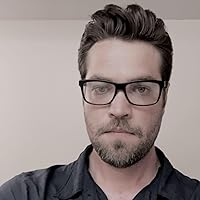
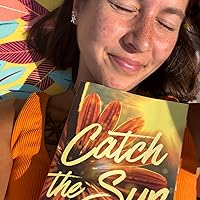
These are the 14 red flags to identify the scammer in your life before they con you—from a victim-turned-vigilante and host of the hit podcast Queen of the Con.
“Johnathan Walton has written a master class on how to spot scammers, con artists, grifters, and thieves. And his storytelling reads like a crime novel. . . . A must-read.”—Joe Navarro, FBI special agent (ret.) and author of the international bestseller Dangerous Personalities
“Some people play golf on the weekends,” Johnathan Walton says. “I hunt con artists.”
Con artists are everywhere—your new boyfriend or girlfriend, your new neighbor or coworker, your new friend—and they don’t outsmart you; they out-feel you to get their hands on your money. In Anatomy of a Con Artist, Walton lays out “the tells” based on hundreds of real-life cases he’s investigated,
Red Flag #1—A Stranger Offering Someone new and overly helpful insinuates themselves into your life.
Red Flag #3—Drama, Drama, Constant dramatic “emergencies” to pull you in.
Red Flag #8—Beak Faux generosity—gifts, money, or favors to bring your guard down.
After being scammed out of nearly $100,000 by a devious con artist, Walton was turned away by police. Infuriated and armed with the investigative skills he’d gained from years as a TV reporter, Walton launched his own investigation and built a compelling criminal case authorities could not ignore. Walton got his con artist charged, prosecuted, and convicted, then devoted his life to helping other victims do the same. This book packs in all he has learned.
Some con artists scheme for money, some for attention, some just for the thrill of lying. And if you think it can’t happen to you, then you are exactly the kind of “mark” a professional con artist is looking for. With this insightful guide in your hands, you are far less likely to get conned and far more likely to spot these nefarious manipulators from a mile away—and cross the street when you see them coming.
The first thing worth doing when reading a book like this is to check the credentials of the author.
Jonathan Walton hosts a podcast called “The Queen of the Con: The Irish Heiress,” he’s also a con artist vigilante, who has taken down con artists and he’s also a regional Emmy award winner in the US (source Wikipedia).
This book neatly summarises the things to look out for if someone is trying to con you. These, Walton calls RED FLAGS:
For example:
RED FLAG #1: “I just want to help”. RED FLAG #4: “Isolation” RED FLAG #5: “I’m better than you”.
I’ve only listed three of the RED FLAGS – there are fourteen. Each RED FLAG has its own chapter, nicely explained by the author and with several real-life stories to illustrate each one. It’s amazing the gall of some of these con-artists, I don’t know how they do it. They leave a trail of destruction, broken people, and families. It’s horrible.
This is a fascinating read and if you’re interested in this topic you will find this worthwhile.
Many thanks to NetGalley for providing me with a copy of this book, in exchange for my review.
This feels like it should have been an article. Anatomy of a Con Artist by Johnathan Walton has a few things going for it. True crime is always an easy sell, and Walton is a victim of a con himself. Plus, lists are always fun to peruse on your own time and pick apart.
The actual execution of all of this is pretty flawed, however. Walton immediately raised on eyebrow for me when he says that we can't really trust the "research" (and yes, he used quotes) from scientific studies. Instead, someone like him, who was actually conned, is in a better place to put out this information. Ironically, it makes him sound like a con man.
The organization is also suspect. While breaking down the con artist into 14 red flags sounds good, each of those flags is strangely marked and then mixed up with the long story of Walton's own con. Some red flags are well tagged, like "Too Kind, Too Quick" but another is just tagged as "Technology." Each red flag has an explanation and a story that goes along with it. I found myself wanting to know more about each of these stories, but instead the book then goes into another sub-chapter of Walton's con experience. It all felt like Walton wanted to tell his own story by itself, but it wasn't book length so he added the extra stuff without forming a cohesive narrative. Allusions to past and future podcast projects gave me the feeling that is a sideshow to what is supposed to be the main event.
Walton's writing style also grated on me. He seems to ramp the drama up unnecessarily and says things like, "Do you see where this is going?" As I mentioned, if this was an article and not a book, this wouldn't bother me as much. But a book is much longer, and it begins to feel like you are having your intelligence insulted.
If you don't mind the hodgepodge of information, then you can find some interesting stories in here. I think, though, that like me you will just want to read something that tells those stories specifically.
(This book was provided as an advance copy by Netgalley and Rodale Books.)
Anatomy of a Con Artist: The 14 Red Flags to Spot Scammers, Grifters, and Thieves was written as an aid for identifying and protecting oneself from con artists. Walton, himself, was scammed out of nearly $100,000.00 by the person he considered to be his best friend. He was turned away by police when he tried to report it, which infuriated him. Armed with the investigative skills he’d gained from years as a TV reporter, Walton launched his own investigation and built a compelling criminal case authorities could not ignore.
While reading, it felt like many of the chapters about red flags (or about other conned individuals), kept veering back towards the author's personal experiences. I believe some of the repetition about the author's experiences could have been cut to maintain cohesiveness. However, there are some very helpful tips to keep in mind, which I appreciated.
Thank you, #RodaleBooks, for providing Anatomy of a Con Artist: The 14 Red Flags to Spot Scammers, Grifters, and Thieves for review and consideration via #NetGalley. All opinions are my own.
Special thanks to NetGalley and the publisher for a free, electronic ARC of this novel received in exchange for an honest review.
Expected publication date: Aug. 19, 2025
After being taken advantage of by a con artist of his own, Johnathan Walton decided to write a book and tell others what to look out for, and how to avoid being scammed and conned themselves. His non-fiction book, “Anatomy of a Con Artist: The 14 Red Flags to Spot Scammers, Grifters, and Thieves” is informative and emotional. Not only does Johnathan share his very personal story, using his interactions with his con artist as examples, but he also talks about others who were swindled in other ways, highlighting all the practices con artists share.
This is an absolute must-read for anyone, anywhere (except maybe con artists themselves). There are always going to be some of us that laugh at those who got conned and reassure themselves that they’d “never fall for a con”, but these people, especially, should read Walton’s book. Walton gives plenty of examples of the different ways individuals can infiltrate our lives, eventually taking it over and, maybe most importantly, how to get law enforcement to pay attention and bring con artists to justice.
I was surprised (naively so, I admit) on how many different ways people actively seek out to scam or con others. All the examples Walton provides highlights how very common it is, and how anyone, anywhere, can get scammed at any time, and “Anatomy” is a sure eye-opener.
“Anatomy” was well constructed. Walton started every chapter with a specific red flag (fourteen in all), then he would provide an example of someone else who had been scammed or conned (and how) and then, of course, he would go into detail about his own scam, with each chapter revealing more details about how he was swindled. The book flowed very well and was actually entertaining to read, even if it was terrifying in its honesty.
As Walton admits, most people who have been scammed don’t come forward, due to the embarrassment of admitting this fact. So Walton’s true account speaks to his bravery, and how passionate he is about helping others avoid the same fate. If nothing else, Walton deserves props for taking the oppourtunity that few others do, advocating for not just himself, but for others who reached out to him for assistance.
“Anatomy”, again, is for anyone of any age. Scamming and conning can happen to anyone, regardless of how informed they think they are, and Walton has created a must-read on how to catch a con before it happens. Not only is “Anatomy” relevant and informative, but Walton’s writing is also engaging and fascinating, making this book accessible to everyone.
My best friend wrote this book. I can say this book is a great read — which it is — but you may dismiss my praise based on our history.
So I won’t try to convince you that this is a great read - which it is - not just for the valuable advice Johnathan imparts on how to protect yourself from a con artist, but also how he tells these heartbreaking stories of victims that are duped and lose everything.
Instead, lemme tell you what this book represents. This is a labor of love, and honestly, trauma, that represents a man clawing himself back from financial and emotional ruin. To make sense of his life and find new purpose in the wake of meeting Mair Smyth- a true Queen of the Con.
If you’ve listened to the Queen of the Con podcast - you already know Johnathan Walton is a born storyteller, but this book comes from a place of service. To help people. To prevent others from having to go through what he has — and in many ways — what he’s still going through.
The devastation a con artist can wreak on your life is hard to quantify because it’s a lot more than a dollar sign. It’s a total mind fuck.
At the end of the day - this is a book by the victim of a master con artist and it can help you protect yourself. You may think it could never happen to you.
Well, that’s what everyone says. And yet, somehow, the con artist business is booming. Just trust me — I’ve seen it. You might not know it’s happening until it’s too late.
Johnathan Walton is an American television producer and podcaster who wants the entire world to know he was conned by a woman he knew as Mair Smyth. His 2025 book Anatomy of a Con Artist is largely about his own experience getting conned by Smyth and his extensive efforts to get the justice system to intervene and other cons Smyth has perpetrated. The 14 red flags mentioned in the subtitle are largely repetitive and tie back to the Smyth story, so I'm not sure how generalizable they'd be to describe other con artists. Although this book is already fairly short (256 pages/9 hour audiobook), I felt it could have been substantially shorter without losing any important details.
Thank you to Netgalley and Rodale Inc. | Rodale Books for an early copy of this book in exchange for a honest review. I throughly enjoyed this book and read it in one sitting. I was amazed at what the con artists do to actually con people out of money. I definitely will be more aware of con artists and scams after reading this book. I felt for the author for what all he went through after having being conned. I would definitely recommend this book.
Thank you to NetGalley and the publisher for inviting me to read this ARC in exchange for an honest review!
2.5 stars.
I thought this was an informative read! It is very short, so if you are interested on getting information on how not to get conned, pick this up. It’s one of those books where you might as well read it if it sounds interesting to you, but it’s not like it’s a MUST read.
Even if you think it won’t happen to you, it helps to at least be aware of red flags that you may be getting conned. That way you can prevent it from happening.
This was super easy to get through and it did have some good tips.
I really do think this book could have just been an article. Walton could just say his tips on how not to be conned and leave it at that. Some people may be interested in the personal stories on who and how they got conned, but I didn’t really care. It showed examples of how these people didn’t see the red flags and fell for the con, but I still feel like I’d rather just read tips with maybe short story examples of personal stories, instead of it filling up the whole chapter with it.
It started off interesting, but as I went along I started to get less and less intrigued.
Some of this book rubbed me the wrong way. Not that it was super bad or anything, just not personally for me. The author seemed very bitter, which I don’t blame him, it sucks to be conned and it is justifiable to be angry. You could really feel his emotion through the book. Which some people may appreciate, but I was expecting a more matter of fact book. I just wasn’t expecting it to be that way so it threw me off.
He seemed harsh against women a little bit too. Sure a lot of the con artists he worked with were women, but it still felt really intense at times. Which is where the strong emotion came from. A line later in the book stated that if a woman said a man was stalking or harassing her, the judge would believe and protect her. He made it sound like a bad thing. Yes in this case he was being falsely accused, but most of the time it’s nearly impossible for people to believe a woman is being stalked or threatened, so that is simply not true. I’m not saying there can’t be liars, like in this case, but most of the time they are telling the truth and not being protected. That is a whole other matter, but that is just one example where I felt he was being too harsh.
Another big point of his book was to not trust anyone. Don’t get me wrong, it is better to be safe than sorry and you shouldn’t always explicitly trust someone, but not everyone who is nice to you or helpful is a con artist. He made it seem like that was the case. Most people aren’t going to think someone is faking text messages or emails. Which may be part of the problem and why people get conned, but to me, life shouldn’t be lived that way. You can be cautious, but not to that extreme. It’s just a pessimistic view on life. I don’t totally blame him, since he was conned, but still. It was hard for me to read that outlook on life.
I think you can be wary once people start asking you for large sums of money, but before then maybe not.
This book seemed a little bit like a ploy to sell himself. Which is fine, get your bank, but there were lots of references to his podcasts and his jobs. Not necessarily a bad thing, but if you don’t want to read about that, just be aware.
It was kind of repetitive at times too. I know he was trying to pull in all the red flags throughout and relate them to what he was talking about, but it got to be a bit much at times.
Also trigger warning for death of animals at the end of chapter 12. That broke my heart completely. I wish it wasn’t in there because I did not need to know that.
If you are looking for the type of book I described in this review you will like it, but if you think you will dislike it based on what I said, I would skip out on this one!
Johnathan Wilson, TV producer in LA, was good friends with a neighbor in his apartment building. He was shocked to learn the hard way that she was a professional con artist who cleverly asked him as well as many others for money – lots of it. His experience and knowledge outlines how to spot a scammer with “14 red flags.”
Years ago, people had trust in each other for the most part and then there was the internet which changed everything. Now technology is a huge concern. We know not to return e-mails from someone in Nigeria. However, he said it’s now possible for scammers to call from any country and make it appear as if it’s a family member with their actual phone number. He said AI can sound like anyone you may know.
This book has some hair-raising stories that may give you chills for what has happened to people simply wanting to help others. He said sometimes it’s a loved one or someone you’ve known for years who will ask for money.
Often times, people don’t say a word about it as it’s embarrassing. I know as it happened to someone in my extended family years ago when $100,000 went into the hands of a con artist. She checked off many of the red-flag categories.
The book is informative with first-hand experience from being scanned to sending the criminal to jail. It’s a quick book to read. It may save you or others from being a target.
My thanks to Rodale Books and NetGalley for allowing me to read an advanced copy of this book with an expected release date of August 19, 2025.
Psychological crimes/issues are always intriguing to me. We have seen many scams lately at a macro level in the media (Apple Cider Vinegar, Anna Delvey, Theranos, etc) but what about your everyday people who fall into a trap? In this book, Walton discusses his and others experiences with scammers. What he’s realized is that at their core, these people all pull the same behavior.
I thought this book was very insightful. It described many situations where people were scammed, and even though sometimes I feel like I’d catch a scammer, they really play into your feelings to break you. I think everyone should read this book.
Also, not a bad idea to run a quick background check on people who enter your life. Might seem a lil weird at first but I’ve watched too many true crime stories and listened to too many podcasts.
Thanks Rosalie Books & Net Galley for an advanced copy of this book.
His personal story was interesting. I’m glad he was able to get justice, but what I didn’t read was any personal reflection of his wild amount of privilege intertwined throughout the story. It also still seems like he’s baffled by the broken justice system and police who didn’t care. Kind sir…even when a violent crime is committed, it takes an inordinate amount of effort, more privilege, and education for it to proceed through the court system. I’m not sure why this is still so baffling to upper class men. Heteronormative or not.
Good information, and it is interesting to read about various con artists and their scams - but I found the writing to be too conversational / too casual.
Advanced reading copy provided by Edelweiss+ and the publisher. Publication date Aug 19, 2025.
Wow! This isn't the type of book I usually pick up, but I couldn't put it down! I was invited to read it, and I’m so glad I downloaded it. This is a must-read for everyone, especially since I frequently come across new scams while scrolling through Instagram. In today's world dominated by AI, it's tough to keep pace with some of the elaborate scams out there. These scammers might have legitimate jobs, but their main focus seems to be scamming you!
Johnathan Walton, a former victim of con artists who now helps others identify and avoid scams. In this book, he outlines key red flags to spot potential scammers. After being scammed out of nearly $100,000 and initially dismissed by police, Walton conducted his own investigation, leading to the prosecution of his con artist. His guide aims to educate readers on identifying and protecting themselves from con artists, emphasizing the importance of awareness in avoiding becoming a target.
The book is easy to read and incredibly eye-opening! It highlights 14 red flags that new acquaintances—whether colleagues or friends—might display, so be sure to pay attention and take notes. The value packed into this book is immense, especially the insights from a firsthand victim that truly leave you stunned.
We learn about Jonathan’s experience with his scammer, who was once his best friend, and he carefully outlines how the warning signs began to appear gradually. Toward the end, you'll discover how everything gets resolved. In addition to his case, Jonathan shares stories from other people who reached out to him through his online platform to prevent others from falling victim to similar scams. The writing is straightforward and to the point, so you can easily finish this book in a day.
I especially appreciate that Jonathan offers some helpful tips at the end about what to do if you find yourself scammed or if your credit gets compromised. The information in this book is invaluable and resonates deeply with me, as I too experienced being scammed for over $3,000 when I first arrived in the U.S. At the time, I was told there was nothing I could do. Having this book in my hands would have made a world of difference because, with the red flags outlined, I could have avoided that situation altogether. I sincerely hope you read this or consider gifting it to an elderly person or a friend. This is truly valuable information, everyone!
Thank you, Rodale Books, for the digital ARC copy. I am leaving this review voluntarily.
Johnathan Walton never expected to be targeted by a con artist, but when his apartment building lost its pool he wanted to meet with other neighbors to work together to get their pool access back. That's when he met Mair Smyth and she quickly inserted herself into his life. He thought they were good friends until he realized she was a con artist and had conned him out of close to $100,000. But Walton didn't tuck his tail between his legs in shame and embarrassment - he got loud. He created a blog and ended up finding several other victims of Mair and eventually brought a criminal case against her. After being conned himself, Walton started helping other con victims get justice. In doing so he realized there are several red flags that con artists use to find and con victims. And that's where this book comes in, he wants to share with the world the Anatomy of a Con Artist to try to help people avoid being scammed or get justice if they have been scammed.
I agree with some of the reviews that I read that the book is a little repetitive. Each chapter tells the story of someone who's been conned that Walton helped and part of his own story of being conned by Mair Smyth. So there is a lot of reiteration around the red flags in each chapter. And honestly, any one of the red flags he talks about alone wouldn't be enough to be suspicious. But these red flags together or combined with other gut feelings or logic-defying situations could point to a con artist. The biggest downfall of honest people is that you assume other people are honest as well - and con artists count on that. This book wasn't amazing, but it was interesting and I definitely admire the lengths Walton went to to get Mair Smyth prosecuted and to help other victims.
Meh. Some of the anecdotes were interesting, but a lot of the advice was repetitive and obvious. The last chapter had some good practical advice. The book was an expansion on an article by the same author, but it probably should have just stayed an article.
I did not particularly enjoy this book. However I think it’s really eye-opening and a great overview of the indicators of a con artist. Apparently if you are already a fan and listen to his podcast this book is an overview of the stories told on the podcast. And he has found consistent threads throughout that he has identified as the 15 red flags you are getting conned. I have not listened to his podcast so this was all new to me. And I realize I was able to avoid a very similar con to one of the ones he spoke about in here but had this book been out, I may have been able to stop one of my friends from losing a lot of money. I noticed some inconsistencies and my Spidey senses were up but I didn’t have anything concrete to point to other than logic. I think it’s an important topic we all have to be educated on in this day and age- and I found his navigation of the legal side of getting scammed really interesting and I think he shared some good tips and encouragement.
This book is well worth taking the time to read. I had often wondered how to spot scammers and professional cons, but didn’t think about the fact that they have traits in common. This book describes those traits and helps you see when these traits are just a normal person being kind and when they cross the line into con territory.
TV producer Johnathan Walton shares the fourteen red flags to help you spot a scammer before you get fleeced. With detailed stories and concrete advice, he tells the reader exactly what to look for. So many people think they could never be fooled, but then they are. Walton himself was scammed out of thousands of dollars. Besides his day job, he now helps people who have been scammed and hosts a podcasts about what happened to him. His story is interspersed with the chapters about each red flag. In a clear and compelling voice, Walton shares both emotion and instruction.
This book is a must read to learn the signs con artists use to lure you in. I have first hand experience with this and highly recommend the book. There is some language.
Words can’t express how much I loved this book. The authors are a linguist and a sociologist, and one worked for Google’s ethics department. Like many jobs, mine is trying to shove AI down our throats, and the more I use it, the more I realize what it is and isn’t. It scares the hell out of me how our whole economy is being propped up by this idea that AI is something that it’s definitely not, but uneducated people just hear “AI” and think it’s already at this insane level that we’re nowhere near.
This book helps dispel all the nonsense going around about AI. The main myth about AI is that it’s this “thinking” thing, when it’s not. I’ve read a lot of books on consciousness, and even with all these years of research, we’re nowhere near understanding human consciousness, but the tech oligarchs would have you believe that AI is already there. The authors really do a great job of explaining that AI is no more than a system that’s able to automate tasks. Don’t get me wrong, AI is a super helpful tool, but the majority of people think it’s something it’s not.
Aside from that, there are a ton of issues with AI and automation. The authors discuss how these systems have an insane amount of bias, harming people of color, women, and other minorities.
The thing I loved the most about this book is how it talks about the rich, AI hype people and then the rich AI doomers. It’s been super confusing seeing people like Elon Musk do all these interviews talking about how AI is going to destroy humanity while he’s also dumping billions into the technology. The authors explain how both the AI hype people and the doomers have the same goal, and that’s to get stupid rich off AI, while we receive minimal benefits.
I could go on and on about this. But at the end of the day, if you understand anything about capitalism, just know that every company is trying to figure out how to replace you so they can increase profit margins, regardless of what your job is. In addition to that, it’s destroying the planet and making mental illness worse. These authors cover all these topics and more, making this book a must-read.
First, thank you to Rodale Books for the opportunity to win an ARC copy through a Goodreads giveaway!
Anatomy of a Con Artist: The 14 Red Flags to Spot Scammers, Grifters, and Thieves is an informative and easily digestible read that offers readers helpful tips to avoid being scammed. As the title states, the book is divided into 14 chapters that describe common behaviors of con artists, provide real life case studies of those behaviors in action, and end with commentary from the author's personal experience falling prey to a con artist that scammed him of over $100,000.
As a cybersecurity professional for over a decade, I was and am familiar with some of Johnathan's red flags, including using technology to convince or confuse people, creating false urgency to encourage action instead of thought, and insisting on wiring money. I have heard from many people scammed into sending money or gift cards to overseas scam artists, but Johnathan Walton does a fantastic job outlining how you can recognize combinations of red flags in people you meet.
Lastly, Walton provides sound and practical guidance on how to mitigate scams and how to report con artists to law enforcement. I recommend this book for anyone interested in how con artists operate, or those looking to reduce their susceptibility to scammers through Walton's helpful tips.
After reading other reviews, I had high hopes for this book. In the end, I was greatly disappointed. First - what I enjoyed: 1. The author does a good job of identifying common shared personality traits of a con artist and what to look out for. 2. Walton's writing style is very conversational and easy to read. No need to have an advance degree to understand anything in this book. And that is everything good I can say about the book and why I gave it the two stars. Otherwise, I found everything in this book very repetitive and emotional overwrought. I have sympathy for the fact that Walton was scammed. It sucks. However, his insistence on REPEATEDLY telling the reader how traumatized he was by the betrayal, makes me think he should see a psychiatrist stat. I mean, he mentions it at least 3 0r 4 times IN EACH CHAPTER. To my mind, Walton sounds a bit unhinged and his crazed tone really diminished the validity of the pointers in the book. I skimmed through the last 5 chapters because I grew tired of his manic repetition. I am happy that he has found his calling in exposing scams and con artists, as they need to be exposed and prosecuted. But he really needs to tone down the hysteria - or at least talk to a shrink.
I have an educational background in psychology and international criminal law and justice (e.g., white collar crime, trafficking, etc), so I was hoping this would be an entertaining, informative take on a serious topic. Based on his 14 red flags of a professional scammer, the book features chapters of others’ unfortunate experiences with con artists (which reminded me of mini synopses of American Greed episodes), including the author’s personal retelling of events involving Queen of the Con, Mair Symth. Unfortunately I was familiar with some of the cases mentioned so I skimmed through some pages. If I was not familiar with the subject already this definitely would have been a better reading experience.
Thank you to NetGalley and Rodale Books for this complimentary ARC in exchange for my honest review.
I found this book to be a very slow read but throughout it there are tidbits about how to avoid becoming the victim of a con. The author shows how he became a victim and how he went about trying to get justice for it. I found it interesting that the interaction from the police was so lacking and that he had to take it into his own hands to catch the thief. I hope that I never have to deal with such but realize from this book that everyone is a potential victim. I will take some of the suggested tips and apply them now.
This is not a feel-good book but one that will increase your awareness of the people around you. I wish to thank Net Galley and Rodale Inc - Rodale Books Publishers for allowing me to read an advanced copy of this book. I have voluntarily read and reviewed this advanced copy. All thoughts and opinons are my own.
"Con artists like Mair don't just take your money, they take a piece of your soul you can never get back" The author has been personally impacted by con artists and out of that experience, they are able and willing to provide guidance to other victims. This book is not only informational but also entertaining. I, thankfully, have not lost hundreds of thousands of dollars to a scammer but this book still offered me intriguing insights. As internet influencers are part of the world economy now, some of these con artist commandments can be applied to them. I'm now going to check out Jonathan's podcast!
Thank you to NetGalley for providing an advanced readers copy.