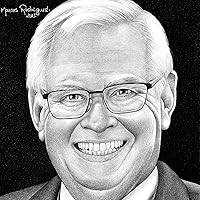
The world’s answer is to live for yourself. But the Bible directs us to a higher the honor of God. Apart from this central priority, even many Christians are left aimless and unmotivated. But as we realize who God is in all His holy majesty, we delight in our ultimate purpose of bringing glory to His name.
In this audiobook, Rev. Grant Castleberry presents a God-centered vision for life. After surveying Scripture’s teaching on the honor of God, he hones in on the shame of sin and the grace of Jesus Christ in delivering us from dishonor. Finally, we see how the gospel motivates us to a fulfilling life of joyful reverence in our worship, our service, and the honor we give in our relationships with others.
“How does the Bible define honor? The Hebrew word used to translate "honor" is kabod, which literally means being "weighty," "heavy," or "severe." Sometimes, it is translated in the Old Testament as "glory." The basic idea is that honoring something or someone means that we are showing the heaviness or weightiness of that person in our life.... On the flip side is the concept of shame. To shame something is to treat it as though it were nothing.”
The Honor of God, written by Grant Castleberry (Unashamed Truth Ministries) and published by Ligonier Ministries, is a direct challenge to readers to realign their lives to the ultimate purpose of Christianity: worshipping God. Castleberry argues that the true motivation and direction of a Christian’s life flow directly from recognizing God’s holiness and majesty. Rooted deeply in scriptural exposition, the book reclaims the concepts of honor and shame for the Western world in a Biblical context. Castleberry presents honor not as a relic that binds consciences and curtails freedoms, but as the pathway to transforming worship, service, and the very fabric of our lives.
The little book is, hands down, the best thing I’ve read in 2025 and has firmly cemented Grant Castleberry as an author I’ll return to. He opens by addressing a crucial loss in Western culture - the loss of honor. In our modern, individualistic societies, the old notion of honor is largely foreign. Drawing on his experience in the Marine Corps, Castleberry demonstrates the need for reverence, awe, and respect in modern American churches—institutions too often given over to casual displays of entertainment. Readers familiar with Dr. R. C. Sproul’s work will not be surprised to find The Holiness of God frequently referenced. In particular, Castleberry emphasizes God as a consuming fire—a towering mountain of holiness—before whom, if we truly grasped the implications, we would approach only with the utmost reverence. For Grant, God is not a benevolent grandfather in the heavens but a weight of glory, a presence so overwhelming that our finite senses can scarcely begin to comprehend Him. It is an encounter with this God, he argues, that propels Christians toward holiness in their lives. If Castleberry has a thesis statement in the book, it is this: “If the modern church would recover this type of reverence for God, I believe that churches would fill up again.”
The rest of the book is a roadmap of how to get there.
Castleberry begins by laying out what he calls “the rule of honor.” Drawing primarily from 1 Samuel 17, he uses the story of David and Goliath as a test case for understanding how a Christian can navigate a fallen and dangerous world according to the principles of honor. For forty days and nights, the armies of Israel cowered before a blasphemous warrior. In their fear, God was neither remembered nor honored. Into this scene steps young David, who demonstrates what it means to live by the rule of honor:
Obedience — David begins by honoring his father’s command to bring food to his brothers. Castleberry later unpacks this in greater detail, emphasizing that obedience and honor toward one’s parents (the fifth commandment) form the foundation for honoring God. Seeing the unseen God — David looks beyond the visible threat and recognizes that Goliath’s challenge is a spiritual attack against the living God. Persevering through opposition — When David questions why God has been forgotten, his own brother falsely accuses him. (That brother, tellingly, is among those who stood idly by while God’s name was dishonored for forty days.) David ignores the accusations and continues to contend for God’s honor. Standing in the stream of God’s honor — David understands that God defends His own name. When he steps forward to confront Goliath, he reminds both Goliath and the reader that he comes “in the name of the Lord of hosts.” The battle belongs to the Lord, and because of this, David advances into an impossible situation with complete confidence.
From here, Castleberry turns to examine why God demands honor—and why He is right to do so (readers of Henry Scougal or John Piper will find this chapter especially resonant.) God’s zeal for His own name is not a peripheral idea but a vital truth for all who claim Christ; without it, we would have no hope at all. In Castleberry’s view, honor is what gives moral purpose to the existence of suffering. To use his words:
“God is so serious about the honor of His name that He even appoints Christians to suffer on behalf of His name. This is because suffering for Christ is one of the greatest tangible expressions of His weightiness.”
While this doesn’t come close to answering the unanswerable question about evil’s origin, I find this reframing of suffering to be the next best thing.
Second, Castleberry turns to the inverse of honor—shame. If honor can be understood as weight, then shame is its opposite: lightness, the absence of weight or substance. Shame, he argues, lies at the root of cultural decline because it represents the removal of every sphere of life from under the weight of Almighty God. Rebellion against God severs us from honor and leaves us in shame—and shame, in turn, produces guilt. Castleberry observes that our world has become so inverted in its understanding that Christians are now shamed by society for doing what God calls morally good. He identifies four ways we respond to shame:
We cover it up - we hide the wrong we have done from the world and refuse to acknowledge its existence. We flee God’s presence - we stop attending church, and we cut off friends and family members who remind us of God. We pursue a life of lostness - shame drives us to think lightly of ourselves, opening the door to morally profligate behavior. We deal with our shame by shifting blame - often the last resort; we tell ourselves that others are responsible for our moral failings.
The only antidote to shame is Christ Himself. In what is perhaps the most tender chapter of the book—at least as I received it—Castleberry descends into the depths of the shame Christ was willing to bear for us. He endured betrayal, blasphemy, injustice, ignominy, false accusation, and one of the cruelest deaths ever devised by mankind. Here, Castleberry pauses to remind the reader, “A vertical transaction was taking place in this moment.” So immense is our shame that nothing less than God Himself was required to vindicate us before His holiness. Perhaps the greatest paradox in all of history is this: in the deepest shame, obscenity, and ignominy of the Cross, God is most magnified in all His glory.
Third, Castelberry turns from exposition to application. His own words here supersede mine:
“It is through faith in Christ alone that God credits us with all of Christ’s work. When we hear the rule of honor (“Those who honor me I will honor, and those who despise me shall be lightly esteemed”; 1 Sam 2:30), we must recognize that only the true Christian who has trusted in Christ is on the good side of the rule.”
The Christian bears specific honors, like a decorated war hero—and because of these honors, the believer’s life must reflect their weight. What is the primary expression of that weight? Castleberry would argue that worship is the only logical conclusion. And worship, he contends, has become a lost art in the modern American church. Corporate worship is not optional; it is essential, for it manifests the weightiness of God. To illustrate this, Castleberry points to the glimpses of heaven in Isaiah 6, where even in the highest realms of existence, the worship of God remains the chief end. It’s here that we come to my favorite quote in the entire book. After describing the worship of the angels and the declaration that creation is full of God’s glory, Castleberry writes:
“The whole earth reflects the weightiness of God. The whole earth proclaims the grandeur of God. When we look at a beautiful canyon, a glimmering sunset at the beach, or towering oaks covering a meadow, we are meant to feel the kabod of God, the heaviness of God.”
Castleberry doesn’t call out the implied quotation in this statement, but I recognized it regardless. In The Four Loves, C.S.Lewis makes the following observation:
“Many people - I am one myself - would never, but for what nature does to us, have any content to put into words we must use in confessing faith. Nature never taught me that there exists a God of glory and of infinite majesty. I had to learn that in other ways. But nature gave the word glory a meaning for me. I still do not know where else I could have found one. I do not see how "fear" of God could have ever meant to me anything but the lowest prudential efforts to be safe, if I had never seen certain ominous ravines and unapproachable crags. And if nature had never awakened certain longings in me, huge areas of what I can now mean by "love" of God would never, so far as I can see, have existed.”
~ The Four Loves, Chapter 2, C.S.Lewis
No discussion of honor would be complete without addressing to whom else honor is due—and Castleberry does not disappoint. If honoring God is fundamental to the Christian life, then extending honor in every sphere of existence becomes its natural outflow. By necessity, that means showing proper respect and dignity to our fellow human beings. And where does this begin? In the home. The Ten Commandments are often understood as divided between how we are to relate to God and how we are to relate to one another. The fifth commandment sits at the intersection of these two categories. Castleberry argues that this placement is intentional, for we learn how to treat others by first obeying and honoring our parents. In fact, he asserts a direct correlation between those who dishonor their parents and those who ultimately dishonor God. Later in life, those who have learned to honor their parents will also honor their civil and church authorities. Castleberry concludes his argument with a searching question: What do I live for? What we live for, we honor. What we live for, we love. The book closes with a charge to Christians to continually renew their minds in eight practical ways:
View the world through Psalm 19 Read or listen to the Bible daily Memorize Scripture Meditate on Scripture Listen to expository preaching Sing the great hymns of the faith Pray without ceasing Use the previous seven points to develop a Biblical worldview
These practices allow our minds to be renewed and bring us into deeper alignment with God’s will and in deeper knowledge and love of Him. If I may speculate, I believe this renewal echoes what Jewel the Unicorn describes in chapter fifteen of The Last Battle:
"I have come home at last! This is my real country! This is the land I have been looking for all my life, though I never knew it till now. The reason why we loved the old Narnia is that it sometimes looked a little like this. Bree-hee-hee! Come further up! Come further in!"
How marvelous it is that we can begin this journey even now, on this side of heaven.
If you’ve made it this far in my review, you know I’m giving this book five stars—it deserves no less. But let me go a step further and suggest that this book forms a natural conversation with two others. I recommend starting with R. C. Sproul’s The Holiness of God, then moving on to Matthew Everhard’s Worshiptainment: The Modern Church's Golden Calf. Five stars, without hesitation.
I found this book to be thought provoking, convicting and encouraging. Its relatively short but packs a bit of a punch as the content is arguably weighty. There is much to chew on in this work that Ill likely be pondering over for some time. I appreciated the balance in both the theological/doctrinal knowledge and implementation/practical life lived that the author presented. He didn't leave this as just some heady, intellectual concept, but was able to bring points back to the application for life in the day in day out. This is a work that I think I would revisit down the road again as it is one of those foundations for "christian living" that is pretty critical.
What a powerful lesson there is to learn in the reading of this book. It made me realize even more so of how deserving God is of honor, and that everything we do in our lives reflects on how we are personally honoring God.
What an excellent and elegant treatise on one of the most overlooked (and yet most critical and central) concepts in the modern church of the West. This is a must-read for anyone who calls themself a follower of Christ.
"The Honor of God" was sent to me by a friend and I thoroughly enjoyed this fresh perspective on the concept of "HONOR" and how it relates to the Christian life. Honor is a word that most modern day folks gloss over but it has depth, power, and meaning that should not be taken lightly. It is evident that significant thought and research went into this book. I also appreciated how the book finishes with very practical steps to take in order to better live out the honor of God in our daily lives.
This is well-researched and well-written. Taking a unique, and yes, an urgent look at God’s Honor, man’s dishonor - and the glorious gospel that removes our dishonor.. Castleberry writes clearly and carefully. Every Christian would benefit from reading this book. It demands and deserves a wide readership.
The honor of God is what we are called to exalt and seek as Christians. This book helps focus our hearts and minds on how we can grow to honor God in every area of our lives.