What do you think?
Rate this book


216 pages, Paperback
First published August 1, 1951
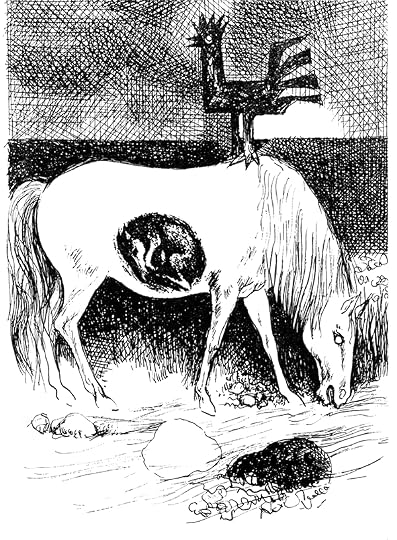
The paths cross the high limestone mesetas that slope down into the steep valleys. Once a year, in the distance, you might glimpse the tricorn hats of the civil guard who are out riding along these paths. But the paths belong to foxes and thieves, and the civil guard are in the city, at the social club, playing dominos with a local grocer, his thumbs hooked in his waistcoat. Thieves sleep in the underground passages of the castles that crown the steep hills, and little old ladies dressed in black, sisters of the cooking pot and the frying pan, dance in a ring in the green fields. The little old ladies have bones made of wire and they outlive the men and the poplars.
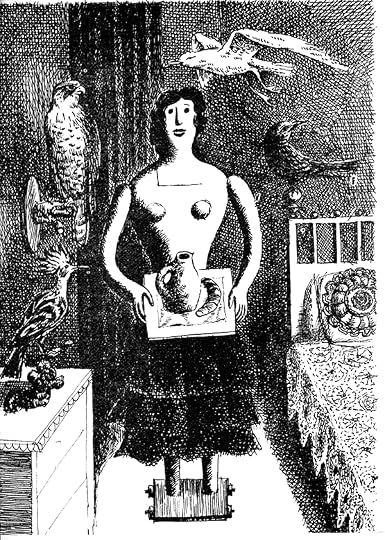
Madrid. This was in the days of Don Zana the Marionette, he of the hair made from cream-coloured shoelaces, he of the broad, watermelon smile, he of the tap dance on table tops and on coffins.
The other birds leave, but the magpies stay, ancient birds of the Castilian meseta. They denounce heinous crimes and call for revenge for the violated. They recognise individual men and know a great deal of geography. They know what goes on in the villages and on the roads. They speak the names of the dead and remember them without sadness. They recount to each other the stories of the dead. They see the dead pass by on their way to the cemetery and they perch on a stone, describing all they have seen. Men live and grow old; magpies speak and look. The pitiless magpies do not believe in hope; they merely tell the stories of the dead and repeat their names. The dead walk along the mountain road. They are going, like rainless storm clouds, across the dark peaks. Their names linger in the voices of the birds.