

What do you think?

Answered Prayers
Although Truman Capote's last novel was unfinished at the time of his death, its surviving portions offer a devastating group portrait of the high and low society of his time.
As it follows the career of a writer of uncertain parentage and omnivorous erotic tastes, Answered Prayers careens from a louche bar in Tangiers to a banquette at La Côte Basque, from literary salons to high-priced whorehouses. It takes in calculating beauties and sadistic husbands along with such real-life supporting characters as Colette, the Duchess of Windsor, Montgomery Clift, and Tallulah Bankhead. Above all, this malevolently funny book displays Capote at his most relentlessly observant and murderously witty.
As it follows the career of a writer of uncertain parentage and omnivorous erotic tastes, Answered Prayers careens from a louche bar in Tangiers to a banquette at La Côte Basque, from literary salons to high-priced whorehouses. It takes in calculating beauties and sadistic husbands along with such real-life supporting characters as Colette, the Duchess of Windsor, Montgomery Clift, and Tallulah Bankhead. Above all, this malevolently funny book displays Capote at his most relentlessly observant and murderously witty.
150 pages, Paperback
First published January 1, 1986
About the author
Truman Capote
373 books7,536 followersLibrarian Note: There is more than one author by this name in the Goodreads database.
Truman Capote was an American writer whose non-fiction, stories, novels and plays are recognised literary classics, including the novella Breakfast at Tiffany's (1958) and In Cold Blood (1965), which he labeled a "non-fiction novel." At least 20 films and TV dramas have been produced from Capote novels, stories and screenplays.
He was born as Truman Streckfus Persons to a salesman Archulus Persons and young Lillie Mae. His parents divorced when he was four and he went to live with his mother's relatives in Monroeville, Alabama. He was a lonely child who learned to read and write by himself before entering school. In 1933, he moved to New York City to live with his mother and her new husband, Joseph Capote, a Cuban-born businessman. Mr. Capote adopted Truman, legally changing his last name to Capote and enrolling him in private school. After graduating from high school in 1942, Truman Capote began his regular job as a copy boy at The New Yorker. During this time, he also began his career as a writer, publishing many short stories which introduced him into a circle of literary critics. His first novel, Other Voices, Other Rooms, published in 1948, stayed on The New York Times bestseller list for nine weeks and became controversial because of the photograph of Capote used to promote the novel, posing seductively and gazing into the camera.
In the 1950s and 1960s, Capote remained prolific producing both fiction and non-fiction. His masterpiece, In Cold Blood, a story about the murder of the Clutter family in Holcomb, Kansas, was published in 1966 in book form by Random House, became a worldwide success and brought Capote much praise from the literary community. After this success he published rarely and suffered from alcohol addiction. He died in 1984 at age 59.
Truman Capote was an American writer whose non-fiction, stories, novels and plays are recognised literary classics, including the novella Breakfast at Tiffany's (1958) and In Cold Blood (1965), which he labeled a "non-fiction novel." At least 20 films and TV dramas have been produced from Capote novels, stories and screenplays.
He was born as Truman Streckfus Persons to a salesman Archulus Persons and young Lillie Mae. His parents divorced when he was four and he went to live with his mother's relatives in Monroeville, Alabama. He was a lonely child who learned to read and write by himself before entering school. In 1933, he moved to New York City to live with his mother and her new husband, Joseph Capote, a Cuban-born businessman. Mr. Capote adopted Truman, legally changing his last name to Capote and enrolling him in private school. After graduating from high school in 1942, Truman Capote began his regular job as a copy boy at The New Yorker. During this time, he also began his career as a writer, publishing many short stories which introduced him into a circle of literary critics. His first novel, Other Voices, Other Rooms, published in 1948, stayed on The New York Times bestseller list for nine weeks and became controversial because of the photograph of Capote used to promote the novel, posing seductively and gazing into the camera.
In the 1950s and 1960s, Capote remained prolific producing both fiction and non-fiction. His masterpiece, In Cold Blood, a story about the murder of the Clutter family in Holcomb, Kansas, was published in 1966 in book form by Random House, became a worldwide success and brought Capote much praise from the literary community. After this success he published rarely and suffered from alcohol addiction. He died in 1984 at age 59.
Ratings & Reviews
Friends & Following
Create a free account to discover what your friends think of this book!
Community Reviews
Displaying 1 - 30 of 806 reviews

April 20, 2016
NON SO COSA MI ASPETTO. SO CHE COSA MI PIACEREBBE ESSERE: UNA PERSONA ADULTA.

Il romanzo che avrebbe dovuto essere il suo capolavoro, la sua ricerca del tempo perduto, per sua esplicita intenzione e dichiarazione all’altezza di quell'illustre precedente.
E invece fu l’opera che lo rovinò, portandolo alla morte, gli amici di un tempo gli si rivoltarono contro, Truman fu ostracizzato e isolato, trasformato in reietto, alcolizzato e tossico (vodka e cocaina essenzialmente).
L’opera che non fu mai completata, oppure sì, ma nessuno lo sa, e nessuno l’ha vista e letta tutta intera.
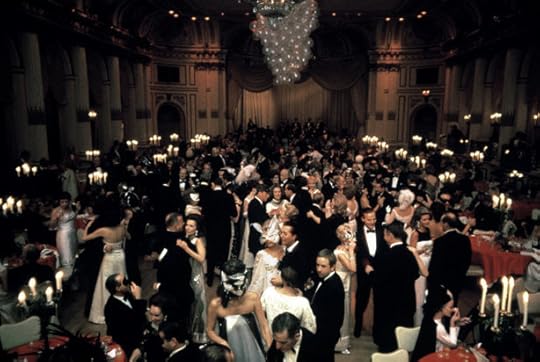
Per festeggiare il grande successo di “A sangue freddo” Capote organizzo il Black&White Ball all’Hotel Plaza di New York. Era il 28 novembre del 1966. Ho invitato cinquecento persone e mi sono fatto 15 mila nemici fu il commento di Capote.
Preghiere esaudite uscì postumo nel 1987, Capote era morto da tre anni (1924 – 1984), e uscì nella versione che si presume incompleta.
Nel 1975 erano stati pubblicati a puntate sulla rivista Esquire i capitoli che conosciamo e fu come lanciare bombe a grappolo.
Capote era stato messo in guardia da alcuni amici, gli era stato predetto che le persone di cui scriveva si sarebbero riconosciute nelle sue parole e non avrebbero gradito – come puoi pensare che un insetto legga le opere del suo entomologo, gli fu profetizzato: andò avanti, fece uscire i quattro capitoli che conosciamo, e le reazioni furono di rifiuto e respinta totale, gli insetti non gradirono il lavoro del loro entomologo.

Truman Capote mentre accoglie gli invitati alle sua festa.
Capote rimase isolato, rifiutato da quel mondo e quella gente di cui aveva raccontato, nelle cui vite aveva per così dire immerso la penna.
Si affidò sempre più all’alcol e alla cocaina, completando la trasformazione fisica del camaleonte che fu: l’eterno adolescente dalla pelle diafana si trasformò in un buffo nano col testone. Solo la voce rimase identica, stridula, infantile.
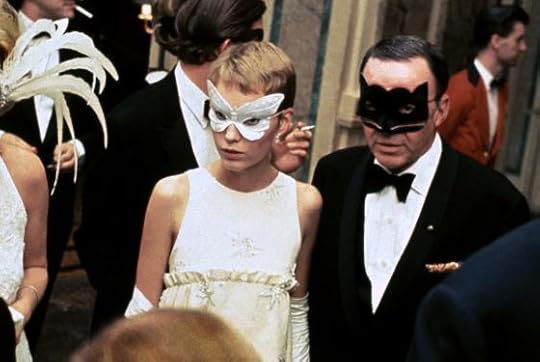
Frank Sinatra e una giovanissima Mia Farrow, sua moglie da due anni.
Il protagonista di questo romanzo per capitoli è un gigolo, che vuole fare lo scrittore e intanto si guadagna da vivere facendo il massaggiatore.
Vive di espedienti, e così acquisisce attitudini insolite, tipo leggere alla rovescia (capacità che Capote possedeva, oltre a una memoria prodigiosa, al punto da fidarsi più di questa che degli appunti).
Una carogna, come si autodefinisce l’io narrante, nel quale non è difficile individuare lo stesso Truman: ma anche qualcuno che sa ascoltare e sa entrare in sintonia, dotato di rara empatia verso gente che sembra avere un solo desiderio, frantumare la giornata in tanti pezzi dorati, per la qual cosa l’alcol è viatico di base.
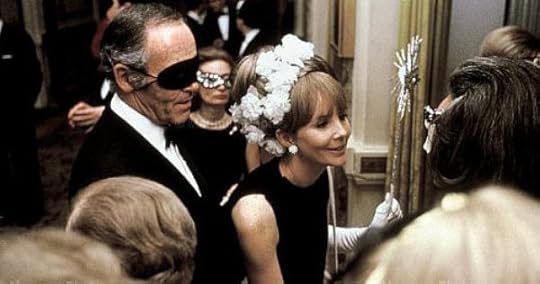
Henry Fonda con la quinta moglie Shirlee Mae Adams.
Purtroppo non è il capolavoro cui mirava il suo autore: è un bel libro, con squarci molto belli, ma non all’altezza di sue opere precedenti.
Direi che in queste pagine l’arte del gossip non s’illumina fino a trasformare sempre il gossip in arte.
PS
Quando Capote morì, a sessant'anni, Gore Vidal, caustico, commentò: Saggia mossa per favorire la sua carriera.
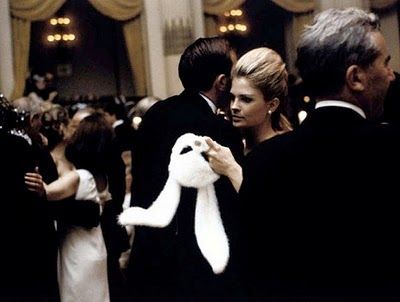
Candice Bergen balla con Truman Capote.

Gianni e Marella Agnelli.
Il romanzo che avrebbe dovuto essere il suo capolavoro, la sua ricerca del tempo perduto, per sua esplicita intenzione e dichiarazione all’altezza di quell'illustre precedente.
E invece fu l’opera che lo rovinò, portandolo alla morte, gli amici di un tempo gli si rivoltarono contro, Truman fu ostracizzato e isolato, trasformato in reietto, alcolizzato e tossico (vodka e cocaina essenzialmente).
L’opera che non fu mai completata, oppure sì, ma nessuno lo sa, e nessuno l’ha vista e letta tutta intera.
Per festeggiare il grande successo di “A sangue freddo” Capote organizzo il Black&White Ball all’Hotel Plaza di New York. Era il 28 novembre del 1966. Ho invitato cinquecento persone e mi sono fatto 15 mila nemici fu il commento di Capote.
Preghiere esaudite uscì postumo nel 1987, Capote era morto da tre anni (1924 – 1984), e uscì nella versione che si presume incompleta.
Nel 1975 erano stati pubblicati a puntate sulla rivista Esquire i capitoli che conosciamo e fu come lanciare bombe a grappolo.
Capote era stato messo in guardia da alcuni amici, gli era stato predetto che le persone di cui scriveva si sarebbero riconosciute nelle sue parole e non avrebbero gradito – come puoi pensare che un insetto legga le opere del suo entomologo, gli fu profetizzato: andò avanti, fece uscire i quattro capitoli che conosciamo, e le reazioni furono di rifiuto e respinta totale, gli insetti non gradirono il lavoro del loro entomologo.
Truman Capote mentre accoglie gli invitati alle sua festa.
Capote rimase isolato, rifiutato da quel mondo e quella gente di cui aveva raccontato, nelle cui vite aveva per così dire immerso la penna.
Si affidò sempre più all’alcol e alla cocaina, completando la trasformazione fisica del camaleonte che fu: l’eterno adolescente dalla pelle diafana si trasformò in un buffo nano col testone. Solo la voce rimase identica, stridula, infantile.
Frank Sinatra e una giovanissima Mia Farrow, sua moglie da due anni.
Il protagonista di questo romanzo per capitoli è un gigolo, che vuole fare lo scrittore e intanto si guadagna da vivere facendo il massaggiatore.
Vive di espedienti, e così acquisisce attitudini insolite, tipo leggere alla rovescia (capacità che Capote possedeva, oltre a una memoria prodigiosa, al punto da fidarsi più di questa che degli appunti).
Una carogna, come si autodefinisce l’io narrante, nel quale non è difficile individuare lo stesso Truman: ma anche qualcuno che sa ascoltare e sa entrare in sintonia, dotato di rara empatia verso gente che sembra avere un solo desiderio, frantumare la giornata in tanti pezzi dorati, per la qual cosa l’alcol è viatico di base.
Henry Fonda con la quinta moglie Shirlee Mae Adams.
Purtroppo non è il capolavoro cui mirava il suo autore: è un bel libro, con squarci molto belli, ma non all’altezza di sue opere precedenti.
Direi che in queste pagine l’arte del gossip non s’illumina fino a trasformare sempre il gossip in arte.
PS
Quando Capote morì, a sessant'anni, Gore Vidal, caustico, commentò: Saggia mossa per favorire la sua carriera.
Candice Bergen balla con Truman Capote.
Gianni e Marella Agnelli.

July 2, 2020
Well I suppose it was a good thing that the friends Truman Capote chose to publicly betray and humiliate were mainly a bunch of high society matrons (including one on her deathbed from cancer) because otherwise I think someone might have gotten his ass kicked. Deservedly.
Name dropping. Name dropping. Name dropping. Name dropping. Name dropping! Reading this was like being forced to spend a weekend with some long-winded, pretentious air-quoter who glories in dropping the names of all of his famous friends and acquaintances - most of whom I've never heard of - while also doing his gossipy, petty best to trash each of them completely, on the most repulsively personal of levels. I've had to deal with such weekends, it's not fun. Just like this book: not fun. I wanted sparkling, somewhat malicious wit, not an open-mouthed deep dive into the sewers led by a person who loves talking shit.
This was a particularly sad and frustrating experience because prior to this book, Capote had talent to burn. Some of his stories are amazing. I read his classic In Cold Blood way back in college and it still stays with me, his ability to get inside a head, that calm mastery of his effects, the indelible prose. The intensity, the tension, the restraint.
But burn that talent he did, and how. Capote certainly didn't do things by halves. There is the ghost of a vaguely intriguing idea in this incomplete set of linked novellas, but it is totally lost in the toxic crap. The last one "La Côte Basque" is possibly the single most tediously bitchy story I've ever had the displeasure of reading. It is also the story that ruined Capote: his friends all understandably turned their backs on him after being vilified in print, and he sunk into a pit of alcohol, drugs, and a particularly Capote-esque stew of megalomania and depression. Karmic payback's a bitch, much like Capote. I shed a theoretical tear for the talent lost but certainly not for the man himself.
Name dropping. Name dropping. Name dropping. Name dropping. Name dropping! Reading this was like being forced to spend a weekend with some long-winded, pretentious air-quoter who glories in dropping the names of all of his famous friends and acquaintances - most of whom I've never heard of - while also doing his gossipy, petty best to trash each of them completely, on the most repulsively personal of levels. I've had to deal with such weekends, it's not fun. Just like this book: not fun. I wanted sparkling, somewhat malicious wit, not an open-mouthed deep dive into the sewers led by a person who loves talking shit.
This was a particularly sad and frustrating experience because prior to this book, Capote had talent to burn. Some of his stories are amazing. I read his classic In Cold Blood way back in college and it still stays with me, his ability to get inside a head, that calm mastery of his effects, the indelible prose. The intensity, the tension, the restraint.
But burn that talent he did, and how. Capote certainly didn't do things by halves. There is the ghost of a vaguely intriguing idea in this incomplete set of linked novellas, but it is totally lost in the toxic crap. The last one "La Côte Basque" is possibly the single most tediously bitchy story I've ever had the displeasure of reading. It is also the story that ruined Capote: his friends all understandably turned their backs on him after being vilified in print, and he sunk into a pit of alcohol, drugs, and a particularly Capote-esque stew of megalomania and depression. Karmic payback's a bitch, much like Capote. I shed a theoretical tear for the talent lost but certainly not for the man himself.

July 20, 2023
Oh my. Truman, honey, just … no. I take back what I said in my review of
Summer Crossing
about how "nothing Capote writes is ever disappointing," because this one made me very, very sad. I'm not saying not to read it, though, because if you don't you'll miss out on quotable lines such as “Christ, if Kate had as many pricks sticking out of her as she's had stuck in her, she'd look like a porcupine.” It pains me, but I can't possibly give this one more than two stars … and one of those stars is just because Truman Capote – who is otherwise an extraordinary writer – wrote it. At least now I can say that I've read all of his novels, I suppose.

October 21, 2008
That's the question: is truth an illusion, or is illusion truth, or are they essentially the same? Myself, I don't care what anybody says about me as long as it isn't true.
Answered Prayers: The Unfinished Novel ~~~ Truman Capote
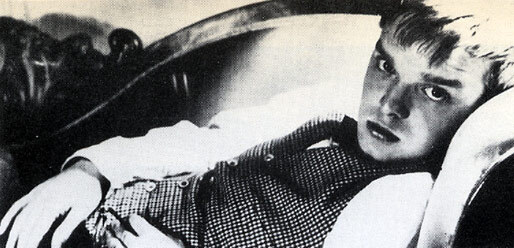
Today, on a whim, I decided to revisit Truman Capote’s, Answered Prayers: The Unfinished Novel. It was a far better read than I remembered from my youth.
This is the book that is credited with destroying Truman Capote's life, although I think that honor belongs to In Cold Blood.
Answered Prayers: The Unfinished Novel is a very enjoyable read, fast-paced and cleverly written. The subject confirmed my love of Capote; his writing style held center stage here. Capote’s humor is vicious throughout ~~ he’s both witty and snarky. And while I did enjoy this, it is second rate Capote. But, second rate Capote is far superior to most writers best.
Answered Prayers: The Unfinished Novel ~~~ Truman Capote
Today, on a whim, I decided to revisit Truman Capote’s, Answered Prayers: The Unfinished Novel. It was a far better read than I remembered from my youth.
This is the book that is credited with destroying Truman Capote's life, although I think that honor belongs to In Cold Blood.
Answered Prayers: The Unfinished Novel is a very enjoyable read, fast-paced and cleverly written. The subject confirmed my love of Capote; his writing style held center stage here. Capote’s humor is vicious throughout ~~ he’s both witty and snarky. And while I did enjoy this, it is second rate Capote. But, second rate Capote is far superior to most writers best.

June 1, 2012
Too bad that this is an unfinished novel. I could have given this at least 4 stars.
According to Wiki, Capote was not able to finish this novel because he got busy with the stardom In Cold Blood (4 stars) gave him. In 1966, he signed a contract with Random House to write this book with January 1st 1968 as the delivery date. He missed the date and the contract was renegotiated in 1969 with 1973 as the new delivery date. He missed again so it was moved further to 1974. Missed again so on to 1977. Missed again so it was moved to 1981. Then he died of liver cancer in 1984. He was 59 years old.
But he was able to finish these 4 chapters and they got published in Esquire. One of the four, "Mojave" was moved to his earlier book Music for Chameleons (3 stars) and only 3 got compiled in this book that was first published in 1986, the year of his death.
The story revolves around P. B. Jones the 30ish masseur who is also the narrator of the story. Jones is also an aspiring writer so he always looks forward to meeting writers and entertainment personalities. Not contented with his income, he is lured to also sell his body as a male prostitute catering to the needs of rich gays and lonely matrons.
Capote's original plan was to make this book the modern counterpart of Marcel Proust's In Search of Lost Time. The whole idea was to write his own experiences including the lives of the rich and famous in the high society but changing the names of his characters to protect them. Well, he did that in these 3 chapters and the result, for me, was very promising: the prose is well-written, the exposes are intriguing and the telling is frank and no-holds-barred. I do not know all of these people mentioned in the book except those famous ones whose real names Capote used such these three: here Montgomery Cliff is being touched by the drunk Dorothy Parker and Estelle Winwood is telling Dottie to stop but she continues: "Sensitive. So finely made. The most beautiful young man I've ever seen. What a pity he's a cocksucker."
Kate McCloud (2nd chapter) or Ann Dillon (3rd chapter) are housewives of rich businessmen who they killed apparently to get their inheritance and marry their respective lovers. Well, another reason why Capote was unable to finish this book was that the characters in this book were his friends and upon publication of the stories, they started to stay away from him. An example of this is the chapter "La Cote Basque" that readers are saying to be a resemblance of what happened to Capote's benefactor, CBS Mogul Bill Paley and his wife Babe. Another Wiki entry says that Kate McCloud was in fact a real person who shot her husband in the shower thinking that he was a burglar. She went unpunished, got her inheritance but later killed herself. Their two kids also committed suicide some years later.
These juicy exposes that Capote told in elegant fashion make this book really an entertaining read. Behind the posh and glamour of the American and Parisian societies are stories of prostitution, drugs, alcoholism, deceit and murder. However, the book does not end up like those showbiz gossip magazines, Capote is too brilliant to allow his last book to be like those.
An example is this scene when Woodrow Hamilton is asking P. B. Jones about the novel that the latter is trying to write. Jones says that the title is Answered Prayers.:
According to Wiki, Capote was not able to finish this novel because he got busy with the stardom In Cold Blood (4 stars) gave him. In 1966, he signed a contract with Random House to write this book with January 1st 1968 as the delivery date. He missed the date and the contract was renegotiated in 1969 with 1973 as the new delivery date. He missed again so it was moved further to 1974. Missed again so on to 1977. Missed again so it was moved to 1981. Then he died of liver cancer in 1984. He was 59 years old.
But he was able to finish these 4 chapters and they got published in Esquire. One of the four, "Mojave" was moved to his earlier book Music for Chameleons (3 stars) and only 3 got compiled in this book that was first published in 1986, the year of his death.
The story revolves around P. B. Jones the 30ish masseur who is also the narrator of the story. Jones is also an aspiring writer so he always looks forward to meeting writers and entertainment personalities. Not contented with his income, he is lured to also sell his body as a male prostitute catering to the needs of rich gays and lonely matrons.
Capote's original plan was to make this book the modern counterpart of Marcel Proust's In Search of Lost Time. The whole idea was to write his own experiences including the lives of the rich and famous in the high society but changing the names of his characters to protect them. Well, he did that in these 3 chapters and the result, for me, was very promising: the prose is well-written, the exposes are intriguing and the telling is frank and no-holds-barred. I do not know all of these people mentioned in the book except those famous ones whose real names Capote used such these three: here Montgomery Cliff is being touched by the drunk Dorothy Parker and Estelle Winwood is telling Dottie to stop but she continues: "Sensitive. So finely made. The most beautiful young man I've ever seen. What a pity he's a cocksucker."
Kate McCloud (2nd chapter) or Ann Dillon (3rd chapter) are housewives of rich businessmen who they killed apparently to get their inheritance and marry their respective lovers. Well, another reason why Capote was unable to finish this book was that the characters in this book were his friends and upon publication of the stories, they started to stay away from him. An example of this is the chapter "La Cote Basque" that readers are saying to be a resemblance of what happened to Capote's benefactor, CBS Mogul Bill Paley and his wife Babe. Another Wiki entry says that Kate McCloud was in fact a real person who shot her husband in the shower thinking that he was a burglar. She went unpunished, got her inheritance but later killed herself. Their two kids also committed suicide some years later.
These juicy exposes that Capote told in elegant fashion make this book really an entertaining read. Behind the posh and glamour of the American and Parisian societies are stories of prostitution, drugs, alcoholism, deceit and murder. However, the book does not end up like those showbiz gossip magazines, Capote is too brilliant to allow his last book to be like those.
An example is this scene when Woodrow Hamilton is asking P. B. Jones about the novel that the latter is trying to write. Jones says that the title is Answered Prayers.:
WH: "Answered Prayers. A quote. I suppose."If that is not brilliant writing, I don't know what it is.
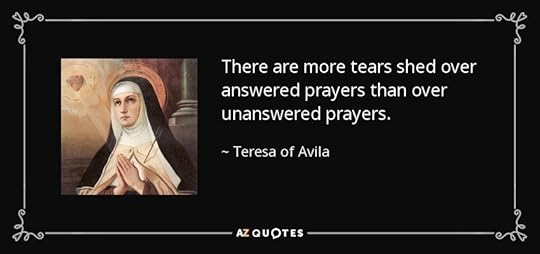
PBJ: "St. Teresa. I never looked it up myself, so I don't know exactly what she said, but it was something like 'More tears are shed over answered prayers than unanswered ones.'"
WH: "I see a light flickering. This book - it's about Kate McCloud, and gang."
PBJ: "I wouldn't say it's about them - though they're in it."
WH: "Then what is it about?"
PBJ: "Truth as illusion."
WH: "And illusion is truth?"
PBJ: "The first. The second is another proposition."
WH: "How so?"
PBJ: "As truth is nonexistent, it can never be anything but illusion - but illusion, the by-product of revealing artifice, can reach the summits nearer the unobtainable peak of Perfect Truth. For example, female impersonators. The impersonator is in fact a man (truth), until he recreates himself as a woman (illusion) - and of the two, the illusion is the truer."

November 13, 2014
Why do people see shrinks? To tell someone their most secret woes and stories. They don't expect (or get) answers. They just wanna Let Go. Famous People, it seems, revealed all to Capote and were not happy when he put their "tales" in a book. He was blacklisted by Society after some chapters appeared in Esquire, and never finished what would have been a sensationally good novel. Capote was mortal. He cared what people thought.

October 31, 2024
“More tears are shed over answered prayers than unanswered ones.” — Saint Teresa
Answered Prayers was published in 1987 after Truman Capote’s death in 1986. There is still uncertainty as to what happened to the complete manuscript. What remains was published as a series of short and loosely connected short stories. In the Preface to Music for Chameleons Capote wrote:
“For four years, roughly from 1968 through 1972, I spent most of my time reading and selecting, rewriting and indexing my own letters, other people’s letters, my diaries and journals (which contain detailed accounts of hundreds of scenes and conversations) for the years 1943 through 1965. I intended to use much of this material in a book that I had long been planning: a variation on the nonfiction novel. I called the book ‘Answered Prayers’ . . . . .”
“In 1972 I began work on this book by writing the last chapter first (it’s always good to know where one’s going). Then I wrote the first chapter, ‘Unspoiled Monsters.’ Then the fifth, ‘A Severe Insult to the Brain.’ Then the seventh, ‘La Cote Basque.’ I went on in this manner, writing different chapters out of sequence. I was able to do this only because the plot—or rather plots—was true, all the characters were real; it wasn’t difficult to keep it all in mind, for I hadn’t invented anything.”
Against advice to the contrary, Truman Capote decided to publish some of the chapters from Answered Prayers in Esquire. When “La Cote Basque” was published it caused a furor in that small literary and social group of his friends that he had set out to describe. Truman Capote was not dismayed by their reaction, basically asking what did they expect as he was a writer, and, as such, he used everything. Whatever happened to the complete manuscript remains a mystery although there are many theories about the missing chapters. There are moments when the style is rich and immersing with Capote’s snarky blend of humor and gossip throughout but the overall effect is wearying. It is certainly not one of my favorite books by Truman Capote but I am glad that I read it.

March 7, 2016
"Would you care to hear a truly vile story? Really vomitous?"
Not going to lie: that's exactly what I came for. But I leave it feeling uncomfortably complicit in Capote's bitter spite. His incisive descriptions are wielded here less like a scalpel and more like a melee weapon, inflicting as much gleeful cruelty as possible, and it became the grotesquerie that kept me reading rather than the prose itself: this is Capote past his prime and he knew it. OF COURSE it was entertaining...it was also Capote's schadenfreude writ large.
So why did Capote bite the hands that fed him? Resentment that he had been granted some conditional entrée into their world but was never accepted as being *of* their world? Because he saw his artistic potency and promise dwindling and wanted to lash out? Because he was too addled on booze and pills to give a rat's ass anymore? I don't know, but I am reminded of the fable of the frog and the scorpion: perhaps he stung them because it was just his nature.
In any case, the introduction by long-time Capote editor Joseph M. Fox is worth the price of admission, and serves as both context and apologia for what follows.
Not going to lie: that's exactly what I came for. But I leave it feeling uncomfortably complicit in Capote's bitter spite. His incisive descriptions are wielded here less like a scalpel and more like a melee weapon, inflicting as much gleeful cruelty as possible, and it became the grotesquerie that kept me reading rather than the prose itself: this is Capote past his prime and he knew it. OF COURSE it was entertaining...it was also Capote's schadenfreude writ large.
So why did Capote bite the hands that fed him? Resentment that he had been granted some conditional entrée into their world but was never accepted as being *of* their world? Because he saw his artistic potency and promise dwindling and wanted to lash out? Because he was too addled on booze and pills to give a rat's ass anymore? I don't know, but I am reminded of the fable of the frog and the scorpion: perhaps he stung them because it was just his nature.
In any case, the introduction by long-time Capote editor Joseph M. Fox is worth the price of admission, and serves as both context and apologia for what follows.

July 5, 2012
.Answered Prayers: Truman Capote's unfinished novel of life among the low and high side of life
More tears are shed over answered prayers than unanswered ones.--St. Teresa of Avila
Capote's Answered Prayers: The Unfinished Novel began as a series of notes in 1958. It was a project Capote kept under close wraps. It was not until January 5, 1966, Capote approached Random House signing a contract with an advance of $25,000 with a delivery date of January 1, 1968.
Capote described the novel as a Proustian bildungsroman of a contemporary nature, a kite string of characters drawn from real life. Capote, the great dissembler, had his Random House editor, Joe Fox, believing that as deadlines passed, he was progressing steadily on the book. Why, he was over half done. He described in detail chapters to be included in the book. Random House repeatedly raised advances in exchange for new completion dates. Ultimately, Capote was offered a Million Dollar advance with a completion date in October, 1978. The calendar's page was flipped and no novel produced, nor any advance paid.

Joe Fox, Random House Editor
Only three chapters of "Answered Prayers" are definitely known to exist. Random House in conjunction with the Truman Capote Literary Trust decided the three chapters possessed enough structure to be published. And published it was in 1987.
However, that was not the first appearance of the infamous three chapters. Capote struck a deal with Esquire Magazine to publish the three chapters. Fox and Capote argued endlessly over that amount of pre-publication exposure. However, Capote, ever assured of how to promote his own material insisted. It would be his downfall in New York High Society.

Capote dressed as an assassin on the May, 1976, issue of Esquire
SYNOPSIS, Chapter One, "Unspoiled Monsters"
Our protagonist is P.B. Jones, Capote's stand in. However, Capote was inclined to call him his evil twin. With his parents and stepfather dead, Capote viewed himself now as a true orphan. He portrayed himself as being born in a theater, abandoned by his mother, and raised by nuns in New Orleans, Louisiana.
Jones learned the art of massage from a professional masseur and described himself as a Hershey Bar whore who would do anything for a piece of chocolate. Jones traveled to New York and successfully published a first novel titled, guess what, "Answered Prayers."
Jonesey, as he came to be called by his growing circle of friends, was sought out as a lover by the famous and infamous. He became an employee of the Self Agency, a service that provided sexual favors to men and women. Jonesey assured his employer he would do anything but "catch" as he suffered from hemorrhoids. Jonesey had no problem whether the client was male or female. His first client was a Mr. Watson. Watson first wanted Jonesey to walk his English Bull Dog in Central Park before retiring to bed for more recreational pursuits.
Although Capote never revealed the identity of Mr. Watson, Tennessee Williams disclosed his own identity by claiming that Capote was a Goddamned liar and he didn't even have an English Bulldog. Capote never said he did.

Perhaps Williams borrowed the dog
Another client,was Alice Lee Langham, actually Katherine Anne Porter. Capote based the sections on the exploitation of Ms. Porter by another writer Bill Goyen whom Capote's biographer Gerald Clarke described as a writer of mediocre talent but whose reputation was boosted by his attachment to Ms. Porter.
Quite differently from his other works, Capote is frankly sexual in "Answered Prayers." From his visit with Ms. Langham:

Katherine Anne Porter
Jonesey is then offered his first trip to Europe complete with ticket on the Queen Mary by Denham Fout, who was known as "the best kept boy in the world." Denham frightened Jonesey because of his addiction to drugs which ultimately snared Capote.

The Best Kept Boy in the World
Ironically Fouts died taking a cure for his addiction. He suffered a heart attack at age thirty six. His death was further undignified by the fact that he spun off this mortal coil while perched on the John.
Capote closes out "Unspoiled Monsters" in a spirit of disaffection for the life he has led.
Synopsis: Kate McCloud
Of all his heroines, perhaps Kate McCloud was closest to Capote's heart. Older than Holly Golightly, Kate is a wild thing that cannot be held. Capote originally modeled her on Pamela Churchill, a well known socialite. However as his chapter grew he adapted Cappy Badrutt, an infamous gold digger of the sixties and seventies.

Capote's Kate McCloud, Cappy Badrutt
Jonesey is first introduced to Kate as a masseur. She drops her thin negligee and lies naked on the massage table. As Jonesey goes about his work he has to excuse himself for a quick trip to the john to relieve himself. When he returns, Kate' coyly asks, "Feeling better?" And it is in this chapter we learn that the perfect way to maintain a firm jaw line is to suck cock.
Jonesey is not unaware of Kate's faults. He exclaims, "Christ, if Kate had as many pricks sticking out of her as she's had stuck inside her, she'd look like a porcupine."
"Kate McCloud" turns into something of a suspense thriller when Jonesey becomes her bodyguard to kidnap her child being withheld from her by a German Count named Jaeger. The chapter ends on a whimper, leaving the reader to wonder what happened to the concluding chapter.
Synopsis: La Cote Basque
This chapter is a piece totally set inside La Cote Basque, operating from the 1950s to its closing in 2004. Upon its closing, the New York Times described it as the former high temple for high society with a yen for French cuisine.

60 55th Avenue, New York, New York
Capote blew the lid off high society with the final installment of "Answered Prayers." While having lunch with "Lady Ina Coolbirth," actually longtime friend Slim Keith, who had been stood up for lunch by the Duchess of Windsor, Capote is treated to all the secrets of the rich and famous in the room, from a philandering husband who has sex with a menstruating woman while his wife is away and finds there are no clean sheets to pointing out a possible murderess who killed her husband with a shotgun, alleging she believed he was a burglar.

Secrets are best kept from Slim Keith
Upon the release of the chapter, the alleged murderess committed suicide by taking an overdose of Seconal. Capote was on the outs. He was ostracized.
In Clarke's biography, he attributes to Capote the following:
But at night, when he had been drinking, he would break into tears. "I didn't mean to hurt anybody. I didn't know the story would cause such a fuss."
Yes, in truth, more tears are shed over answered prayers than unanswered ones.
There remains an unsolved mystery surrounding "Answered Prayers." What happened to the rest of it? The theories are plentiful. It's locked in a safety deposit box waiting to be discovered. Capote destroyed it. Capote never completed it after the furor resulting from the publications of the excerpts in Esquire. A lover stole it out of revenge. It is a question that may never be answered. Perhaps it is an unanswered prayer.
More tears are shed over answered prayers than unanswered ones.--St. Teresa of Avila
Capote's Answered Prayers: The Unfinished Novel began as a series of notes in 1958. It was a project Capote kept under close wraps. It was not until January 5, 1966, Capote approached Random House signing a contract with an advance of $25,000 with a delivery date of January 1, 1968.
Capote described the novel as a Proustian bildungsroman of a contemporary nature, a kite string of characters drawn from real life. Capote, the great dissembler, had his Random House editor, Joe Fox, believing that as deadlines passed, he was progressing steadily on the book. Why, he was over half done. He described in detail chapters to be included in the book. Random House repeatedly raised advances in exchange for new completion dates. Ultimately, Capote was offered a Million Dollar advance with a completion date in October, 1978. The calendar's page was flipped and no novel produced, nor any advance paid.

Joe Fox, Random House Editor
Only three chapters of "Answered Prayers" are definitely known to exist. Random House in conjunction with the Truman Capote Literary Trust decided the three chapters possessed enough structure to be published. And published it was in 1987.
However, that was not the first appearance of the infamous three chapters. Capote struck a deal with Esquire Magazine to publish the three chapters. Fox and Capote argued endlessly over that amount of pre-publication exposure. However, Capote, ever assured of how to promote his own material insisted. It would be his downfall in New York High Society.

Capote dressed as an assassin on the May, 1976, issue of Esquire
SYNOPSIS, Chapter One, "Unspoiled Monsters"
Our protagonist is P.B. Jones, Capote's stand in. However, Capote was inclined to call him his evil twin. With his parents and stepfather dead, Capote viewed himself now as a true orphan. He portrayed himself as being born in a theater, abandoned by his mother, and raised by nuns in New Orleans, Louisiana.
Jones learned the art of massage from a professional masseur and described himself as a Hershey Bar whore who would do anything for a piece of chocolate. Jones traveled to New York and successfully published a first novel titled, guess what, "Answered Prayers."
Jonesey, as he came to be called by his growing circle of friends, was sought out as a lover by the famous and infamous. He became an employee of the Self Agency, a service that provided sexual favors to men and women. Jonesey assured his employer he would do anything but "catch" as he suffered from hemorrhoids. Jonesey had no problem whether the client was male or female. His first client was a Mr. Watson. Watson first wanted Jonesey to walk his English Bull Dog in Central Park before retiring to bed for more recreational pursuits.
Although Capote never revealed the identity of Mr. Watson, Tennessee Williams disclosed his own identity by claiming that Capote was a Goddamned liar and he didn't even have an English Bulldog. Capote never said he did.

Perhaps Williams borrowed the dog
Another client,was Alice Lee Langham, actually Katherine Anne Porter. Capote based the sections on the exploitation of Ms. Porter by another writer Bill Goyen whom Capote's biographer Gerald Clarke described as a writer of mediocre talent but whose reputation was boosted by his attachment to Ms. Porter.
Quite differently from his other works, Capote is frankly sexual in "Answered Prayers." From his visit with Ms. Langham:
"That's better better and better Billy let me have billy now that's uh, uh, uh, it that's it only slower slower and slower now hard hard hit it hard ay ay los cohones let me hear them ring now slower slower dradraaaaagdrag it out now hit hard hard ay ay daddy Jesus Jesus goddamdaddyamighty come with me Billy come! Come!
How can I when the lady won't let me concentrate on areas more provocative than her roaring roiling undisciplined persona?"

Katherine Anne Porter
Jonesey is then offered his first trip to Europe complete with ticket on the Queen Mary by Denham Fout, who was known as "the best kept boy in the world." Denham frightened Jonesey because of his addiction to drugs which ultimately snared Capote.

The Best Kept Boy in the World
Ironically Fouts died taking a cure for his addiction. He suffered a heart attack at age thirty six. His death was further undignified by the fact that he spun off this mortal coil while perched on the John.
Capote closes out "Unspoiled Monsters" in a spirit of disaffection for the life he has led.
Synopsis: Kate McCloud
Of all his heroines, perhaps Kate McCloud was closest to Capote's heart. Older than Holly Golightly, Kate is a wild thing that cannot be held. Capote originally modeled her on Pamela Churchill, a well known socialite. However as his chapter grew he adapted Cappy Badrutt, an infamous gold digger of the sixties and seventies.

Capote's Kate McCloud, Cappy Badrutt
"Kate! McCloud! My love, my anguish, my Gotterdammmerung, my very own Death in Venice: inevitable, perilous as the asp at Cleopatra's breast."
Jonesey is first introduced to Kate as a masseur. She drops her thin negligee and lies naked on the massage table. As Jonesey goes about his work he has to excuse himself for a quick trip to the john to relieve himself. When he returns, Kate' coyly asks, "Feeling better?" And it is in this chapter we learn that the perfect way to maintain a firm jaw line is to suck cock.
Jonesey is not unaware of Kate's faults. He exclaims, "Christ, if Kate had as many pricks sticking out of her as she's had stuck inside her, she'd look like a porcupine."
"Kate McCloud" turns into something of a suspense thriller when Jonesey becomes her bodyguard to kidnap her child being withheld from her by a German Count named Jaeger. The chapter ends on a whimper, leaving the reader to wonder what happened to the concluding chapter.
Synopsis: La Cote Basque
This chapter is a piece totally set inside La Cote Basque, operating from the 1950s to its closing in 2004. Upon its closing, the New York Times described it as the former high temple for high society with a yen for French cuisine.

60 55th Avenue, New York, New York
Capote blew the lid off high society with the final installment of "Answered Prayers." While having lunch with "Lady Ina Coolbirth," actually longtime friend Slim Keith, who had been stood up for lunch by the Duchess of Windsor, Capote is treated to all the secrets of the rich and famous in the room, from a philandering husband who has sex with a menstruating woman while his wife is away and finds there are no clean sheets to pointing out a possible murderess who killed her husband with a shotgun, alleging she believed he was a burglar.

Secrets are best kept from Slim Keith
Upon the release of the chapter, the alleged murderess committed suicide by taking an overdose of Seconal. Capote was on the outs. He was ostracized.
In Clarke's biography, he attributes to Capote the following:
All a writer has for material is what he knows. At least, that's all I've got--what I know.
But at night, when he had been drinking, he would break into tears. "I didn't mean to hurt anybody. I didn't know the story would cause such a fuss."
Yes, in truth, more tears are shed over answered prayers than unanswered ones.
There remains an unsolved mystery surrounding "Answered Prayers." What happened to the rest of it? The theories are plentiful. It's locked in a safety deposit box waiting to be discovered. Capote destroyed it. Capote never completed it after the furor resulting from the publications of the excerpts in Esquire. A lover stole it out of revenge. It is a question that may never be answered. Perhaps it is an unanswered prayer.

January 10, 2022
I had not expected this unfinished novel to be so crude and vulgar … how could the man who wrote such touching and sensitive stories like The Grass Harp and A Christmas Memory concoct such shallow characters and churn out the dirtiest gossip that one finds in this story … this story should have remained unpublished … his gifts were wasted on this pile of rubbish …

February 9, 2016
Wanted to read this since it figures prominently in the last book I read, 'The Swans of Fifth Avenue'. Being unfinished, it suffers from being a bit disjointed, but still has enough to warrant the quick read.

June 28, 2013
Incomplete, but still often magnificent; hilarious, scabrous, beyond candid and often as accomplished as sentence writing gets.

May 12, 2020
Un libro tristísimo y no por el tema, más bien por que si hubiera sido escrito por alguien promedio, hasta sería curioso y entretenido.
Pero saber que fue escrito por la misma persona que hizo A sangre fría o Desayuno en Tiffany’s es realmente triste.
Las circunstancias alrededor de este libro inacabado son tan peculiares que dan tema para otro libro, con tanto éxito que provocó A sangre fría, la editorial esta ávida de otro éxito y le da un sustancioso adelanto a Capote, y él envuelto en vanidad y la seguridad en su talento promete algo que será como mínimo a la altura de En busca del tiempo perdido, es decir una locura.
Pero lo que resulta es: fechas de entrega postergadas, un Capote en el abismo, contemplando la sequía en su escritura, yo deduzco que al darse cuenta de que no tenía nada más que contar y en lugar de asumirlo y decirlo, sin pudor, vivir de todo lo que había creado a partir de su genio, prefirió aventarse por ese abismo, recurrir a lo único que tenía como fuente de inspiración, las mujeres de la alta sociedad y las actrices de Hollywood que eran sus amigas y le contaban confidencias propias y extrañas, pero en lugar de tomar ese material y convertirlo en arte, lo que hizo fue revolcarlo en el lodo, pasarlo por heces secas, freírlo y servirlo en la loza más fina.
Triste final y triste, muy triste libro.
Pero saber que fue escrito por la misma persona que hizo A sangre fría o Desayuno en Tiffany’s es realmente triste.
Las circunstancias alrededor de este libro inacabado son tan peculiares que dan tema para otro libro, con tanto éxito que provocó A sangre fría, la editorial esta ávida de otro éxito y le da un sustancioso adelanto a Capote, y él envuelto en vanidad y la seguridad en su talento promete algo que será como mínimo a la altura de En busca del tiempo perdido, es decir una locura.
Pero lo que resulta es: fechas de entrega postergadas, un Capote en el abismo, contemplando la sequía en su escritura, yo deduzco que al darse cuenta de que no tenía nada más que contar y en lugar de asumirlo y decirlo, sin pudor, vivir de todo lo que había creado a partir de su genio, prefirió aventarse por ese abismo, recurrir a lo único que tenía como fuente de inspiración, las mujeres de la alta sociedad y las actrices de Hollywood que eran sus amigas y le contaban confidencias propias y extrañas, pero en lugar de tomar ese material y convertirlo en arte, lo que hizo fue revolcarlo en el lodo, pasarlo por heces secas, freírlo y servirlo en la loza más fina.
Triste final y triste, muy triste libro.

May 20, 2025
Enough time has passed—even Ned Rorem is dead now—that the casual cruelty of Capote's characterizations & disclosures can be enjoyed simply on the level of juicy gossip, tuned to a specific key of old school gay bitchiness that Capote managed to turn into a type of art across the last stages of his life & career. Capote kills his darlings here; I often just wished we got a better sense of what it meant to make such sacrifices in this way.
To read Answered Prayers is to strap into a roller coaster ride that veers precariously between the insightful & the downright tawdry. Which is, of course, the great fun of it all, & P.B. Jones, our raucous, idealized narrator—he's both impossibly sexy & excessively literate—is a great hang. He is primarily why Capote's posthumous text manages to work so well on a sentence-to-sentence level, even if it kind of evaporates on contact (I'm having to keep thumbing through my copy as I write this to remind myself what these pages exactly contain).
I'm glad this exists at all, but it can't be described as anything but one of literature's great ruins.
"That's the question: is truth an illusion, or is illusion truth, or are they essentially the same? Myself, I don't care what anybody says about me as long as it isn't true."
To read Answered Prayers is to strap into a roller coaster ride that veers precariously between the insightful & the downright tawdry. Which is, of course, the great fun of it all, & P.B. Jones, our raucous, idealized narrator—he's both impossibly sexy & excessively literate—is a great hang. He is primarily why Capote's posthumous text manages to work so well on a sentence-to-sentence level, even if it kind of evaporates on contact (I'm having to keep thumbing through my copy as I write this to remind myself what these pages exactly contain).
I'm glad this exists at all, but it can't be described as anything but one of literature's great ruins.
"That's the question: is truth an illusion, or is illusion truth, or are they essentially the same? Myself, I don't care what anybody says about me as long as it isn't true."

November 23, 2015
Truman (in)acabado
Obra inacabada, fruto de constantes atrasos e renegociações com editoras. Sucessivamente ultrapassada por outros livros como ”In Cold Blood” – A Sangue Frio, tornou-se um ícone do voyeurismo social bissexual tornado narrativa.
Envolto em espectativa e polémica desde a sua génese, gerou tanto alarido quanto a cativante Holly Golightly (”Breakfast at Tiffany’s”, A Boneca de Luxo), sem nunca atingir a sua genialidade ou glamour.
”Answered Prayers” - Suplicas Atendidas é uma sucessão de três capítulos de uma obra dita maior, cujas páginas não publicadas nunca foram encontradas e/ou tornadas públicas.
Truman alterna entre a (média) eloquência e a verborreia controlada, transpõe vivências sociais de um meio que o comum dos mortais pouco conhece e dispara em todas as direcções, sem aparente fio condutor.
Torna-se por demais difícil acomodar na mesma estante literária, e lado a lado, este "Suplicas Atendidas", "A Sangue Frio" e mesmo "A Boneca de Luxo". Por muito que seja um “romance” não terminado, parece-me que a balança penderia mais para o lado do “pioraria ao longo dos restantes capítulos” do que para o prato do “endireitaria a caminho do estatuto de clássico”.
A linguagem de Truman aqui é outra, a musicalidade, classe e elegância também…
”Prefiro”, disse-me Miss Langman, “ter só dois garfos realmente bons do que uma dúzia apenas boa. É por isso que há tão poucos móveis nestas divisões. Só consigo viver com o melhor, mas não tenho dinheiro suficiente para o fazer.”
“Resmungou sarcasticamente como todos os bêbados piegas, não sentia compaixão. “Que tal se fossemos a isto? Volta-te e afasta-me essas nádegas”. “ Desculpe, mas não apanho bolas. Lançar, sim. Apanhar, não”.
"Chocantemente repugnante e completamente difamatório.", Tennessee Williams
"Capote morde as mãos que o alimentam.", New York Magazine
Nota: 2.0/5.0
Obra inacabada, fruto de constantes atrasos e renegociações com editoras. Sucessivamente ultrapassada por outros livros como ”In Cold Blood” – A Sangue Frio, tornou-se um ícone do voyeurismo social bissexual tornado narrativa.
Envolto em espectativa e polémica desde a sua génese, gerou tanto alarido quanto a cativante Holly Golightly (”Breakfast at Tiffany’s”, A Boneca de Luxo), sem nunca atingir a sua genialidade ou glamour.
”Answered Prayers” - Suplicas Atendidas é uma sucessão de três capítulos de uma obra dita maior, cujas páginas não publicadas nunca foram encontradas e/ou tornadas públicas.
Truman alterna entre a (média) eloquência e a verborreia controlada, transpõe vivências sociais de um meio que o comum dos mortais pouco conhece e dispara em todas as direcções, sem aparente fio condutor.
Torna-se por demais difícil acomodar na mesma estante literária, e lado a lado, este "Suplicas Atendidas", "A Sangue Frio" e mesmo "A Boneca de Luxo". Por muito que seja um “romance” não terminado, parece-me que a balança penderia mais para o lado do “pioraria ao longo dos restantes capítulos” do que para o prato do “endireitaria a caminho do estatuto de clássico”.
A linguagem de Truman aqui é outra, a musicalidade, classe e elegância também…
”Prefiro”, disse-me Miss Langman, “ter só dois garfos realmente bons do que uma dúzia apenas boa. É por isso que há tão poucos móveis nestas divisões. Só consigo viver com o melhor, mas não tenho dinheiro suficiente para o fazer.”
“Resmungou sarcasticamente como todos os bêbados piegas, não sentia compaixão. “Que tal se fossemos a isto? Volta-te e afasta-me essas nádegas”. “ Desculpe, mas não apanho bolas. Lançar, sim. Apanhar, não”.
"Chocantemente repugnante e completamente difamatório.", Tennessee Williams
"Capote morde as mãos que o alimentam.", New York Magazine
Nota: 2.0/5.0

March 11, 2020
Truman Capote classificou «Súplicas Atendidas» como «um equivalente contemporâneo da obra-prima de Marcel Proust Em Busca do Tempo Perdido».
Na página 68, numa conversa sobre o escritor John Cheever, lemos:
«Porque quando qualquer coisa é verdadeira não significa que seja convincente, quer na vida real ou em arte. Pensa no Proust. Em Busa do Tempo Perdido teria o impacto que tem se fosse historicamente literal, se Proust não tivesse transposto sexos e alterado acontecimentos e identidades? Se ele tivesse sido absolutamente factual, teria sido menos credível, mas – isso era o que eu pensava muitas vezes – talvez fosse melhor…A questão é a seguinte: é a verdade uma ilusão, ou a ilusão verdade, ou são ambas essencialmente a mesma coisa? Pessoalmente estou-me nas tintas quanto ao que os outros dizem de mim, desde que não seja verdade.»
Quem fala assim é o narrador, P.B.Jones, bissexual, escritor ou aspirante a tal, acrescentando que está a preparar um romance - «Se jamais o acabar. Claro está que nunca acabo nada.»-, cujo título será »Súplicas Atendidas» baseado numa frase de Santa Teresa:
«Mais lágrimas são choradas por súplicas atendidas do que por aquelas que não o são.»
P.B.Jones, boémio com uma vida de expedientes e incapaz de parar quieto, relata-nos a vida social de uma época com pormenores sobre a vida sexual e privada de artistas, milionários e até membros de famílias reais famosos, sem ocultar a sua verdadeira identidade.
Livro incompleto e publicado postumamente gerou uma enorme controvérsia e contestação como se pode confirmar por três comentários publicados na revista Esquire:
«Chocantemente repugnante e completamente difamatório.»
Tennessee Williams, dramaturgo
«Capote morde as mãos que o alimentam.»
New York Magazine
«Aquele serzinho desprezível e sujo nunca mais vai colocar os pés nas minhas festas.»
Nedda Logan, atriz
Na página 68, numa conversa sobre o escritor John Cheever, lemos:
«Porque quando qualquer coisa é verdadeira não significa que seja convincente, quer na vida real ou em arte. Pensa no Proust. Em Busa do Tempo Perdido teria o impacto que tem se fosse historicamente literal, se Proust não tivesse transposto sexos e alterado acontecimentos e identidades? Se ele tivesse sido absolutamente factual, teria sido menos credível, mas – isso era o que eu pensava muitas vezes – talvez fosse melhor…A questão é a seguinte: é a verdade uma ilusão, ou a ilusão verdade, ou são ambas essencialmente a mesma coisa? Pessoalmente estou-me nas tintas quanto ao que os outros dizem de mim, desde que não seja verdade.»
Quem fala assim é o narrador, P.B.Jones, bissexual, escritor ou aspirante a tal, acrescentando que está a preparar um romance - «Se jamais o acabar. Claro está que nunca acabo nada.»-, cujo título será »Súplicas Atendidas» baseado numa frase de Santa Teresa:
«Mais lágrimas são choradas por súplicas atendidas do que por aquelas que não o são.»
P.B.Jones, boémio com uma vida de expedientes e incapaz de parar quieto, relata-nos a vida social de uma época com pormenores sobre a vida sexual e privada de artistas, milionários e até membros de famílias reais famosos, sem ocultar a sua verdadeira identidade.
Livro incompleto e publicado postumamente gerou uma enorme controvérsia e contestação como se pode confirmar por três comentários publicados na revista Esquire:
«Chocantemente repugnante e completamente difamatório.»
Tennessee Williams, dramaturgo
«Capote morde as mãos que o alimentam.»
New York Magazine
«Aquele serzinho desprezível e sujo nunca mais vai colocar os pés nas minhas festas.»
Nedda Logan, atriz

October 7, 2017
Answered Prayers is one of the few works of Capote's I haven't read, this and Music for Chameleons, which is still on my list. If you have never read anything by Capote or have only read In Cold Blood, I'd advise you to steer clear of this one. Start with one of his short stories (may I suggest Children on Their Birthdays? Miriam is also good, very Southern Gothic, as is A Christmas Memory- that one made me ugly cry) or perhaps Breakfast at Tiffany's or Other Voices Other Rooms. This work is only really for the already established Capote fans, those who wouldn't mind much the unfinished nature of the work. And I admit, it's not his best. It's obvious the book was written by Capote at the end, something that made this a little hard to read at some places. Hate to say it, but Capote is the warning story to all young hopeful authors, one of the brightest stars in the literary world at one time, until the publication of his magnum opus In Cold Blood and then his subsequent downfall into self-destructive alcoholism. Nowadays, few know him as anything other than the In Cold Blood guy, with Breakfast at Tiffany's sustaining itself in popular conscious only due to Audrey Hepburn's Holly Golightly- how many know it even was a novella in the first place? But enough about the tragedy of Capote. What of the work here? Answered Prayers started out strong, very strong. I was invested in the character of PB Jones, a character who is causally unlikable and a bit deluded and just self-aware enough to understand that he is both deluded and unlikable. There was some very darkly humorous passages that got me laughing and the descriptions and Capote's way of setting up scenes were so vivid I could perfectly picture everything going on as if it was playing on a movie reel in my head (for some reason, I pictured it in Wes Anderson's film style, don't really know why). So if it had just been Unspoiled Monsters, this would be an easy 5 star book. Unfortunately, the book declined as it went on. The second chapter, whose name I'm blanking on for some reason, wasn't my favorite, as I wasn't too invested in the relationship between PB Jones and Kate McCloud. However, in that chapter's favor, it at least followed Unspoiled Monsters nicely. The last chapter, the infamous Cote Basque, was the weakest in my opinion. I wasn't that invested in what was going on and I wished it had more of a connection to the first two chapters. Alas, if only this book was completed. As it stands, Answered Prayers is interesting only to those who are familiar with him and his works, since, like most books by famous authors, it is heavily autobiographical (PB Jones is a fairly obvious author surrogate, and interestingly enough, one that says that Capote was at least a little self-aware by the writing of Answered Prayers and wasn't entirely a victim of his own narcissism). Answered Prayers is a shadow of what it could have been.
Read more like this review on my blog, http://www.bookwormbasics.blogspot.com
Read more like this review on my blog, http://www.bookwormbasics.blogspot.com

January 2, 2014
Why I picked up what some consider to be Truman Capote's worst work is to this day a mystery to me. I was at Alias East Bookstore on Brand, and I had $7 more credit. Due that I didn't want to hold on to a credit in my pocket for the next week or so, decided on this as a mood purchase. Also I recently got back from New York City, and I wanted to read something 'classic' from Manhattan aesthetic. My understanding is that "Answered Prayers" was a novel that Capote never finished, but talked about consistently on TV chat shows, and through the print media. He was consistently late in delivering the final manuscript to his publisher, and some thought, for awhile at least, that this work doesn't really exist. Perhaps due to his alcohol/drug dependance of the time, or plain old writer's block.
Once he did publish an excerpt of the book, a chapter called "La côte Basque," and hell opened up to him and swallow him and his book. The controversy was that he based this story on real people, even including their real names. Society pretty much threw him, as well as literary critics. Keep in mind the only other book I read by Capote was "Breakfast at Tiffany's" a novella that did nothing for me. So, I read "Answered Prayers" thinking it will be a slighter version of the inferno, but alas, it was a pure joy.
One, Capote's really bitchy and funny, and two, he is a remarkable stylist as a writer. I may have trouble with him as being a narrative type of writer, but for someone like me who enjoys a good sentence or two, Capote is my guy, for now. Also I have a deep respect for gossip being part of social history. Gossip may or may not be true, but it speaks a greater version of truth in the narration that is history. Capote attempted to capture the genius of Marcel Proust, but I think he failed. But what he did capture was a moment in time, and a time that was very much Capote's last stance in that world. Surely he knew that once he writes this, he will never be part of that world again. Is that what happened to "Answered Prayers?" Nevertheless this is an excellent document of life in Manhattan for the few, and luckly Capote is one of the few to capture that series of moments.
Once he did publish an excerpt of the book, a chapter called "La côte Basque," and hell opened up to him and swallow him and his book. The controversy was that he based this story on real people, even including their real names. Society pretty much threw him, as well as literary critics. Keep in mind the only other book I read by Capote was "Breakfast at Tiffany's" a novella that did nothing for me. So, I read "Answered Prayers" thinking it will be a slighter version of the inferno, but alas, it was a pure joy.
One, Capote's really bitchy and funny, and two, he is a remarkable stylist as a writer. I may have trouble with him as being a narrative type of writer, but for someone like me who enjoys a good sentence or two, Capote is my guy, for now. Also I have a deep respect for gossip being part of social history. Gossip may or may not be true, but it speaks a greater version of truth in the narration that is history. Capote attempted to capture the genius of Marcel Proust, but I think he failed. But what he did capture was a moment in time, and a time that was very much Capote's last stance in that world. Surely he knew that once he writes this, he will never be part of that world again. Is that what happened to "Answered Prayers?" Nevertheless this is an excellent document of life in Manhattan for the few, and luckly Capote is one of the few to capture that series of moments.

December 10, 2017
I love Truman Capote. And I love his self mythology almost as much as his writing. That said, this was a bit of a disaster, and unworthy of being the last book of a man who had a lot of genius. I read a review of this book that said it was written as "his internal editor was collapsing" and that feels super true.

July 24, 2008
Whatever possessed Capote to turn on his lifelong friends, like Jackie O. and her sister, Lee Raziwill, William and Babe Paley, and the rest of the New York social set is beyond me. The fact that this novel was contracted for in 1966 and remained unpublished until after his death, says much about his ambivalence towards the project. At the same time, Capote spent many years being the lapdog to moneyed New Yorkers, wined and dined at the finest restaurants before going back to his room at the YMCA. He was also one of the organizers of the Black and White Ball, one of the seminal social events in NYC in the seventies. Perhaps the reality disconnect between his humble beginnings and those of the plutocrats, or his rented room and their uptown mansions simply got to be too much to take. Whatever the case, when Esquire Magazine published four chapters from the manuscript, there was a firestorm of controversy that left Capote shunned by the upper crust.
In Handcarved Coffins, Capote states, ...great fury, like great whiskey, requires long fermentation." That is certainly the case here. The swishy little man with the wispy little voice wielded his pen like a saber, and heads rolled. Including his.
In Handcarved Coffins, Capote states, ...great fury, like great whiskey, requires long fermentation." That is certainly the case here. The swishy little man with the wispy little voice wielded his pen like a saber, and heads rolled. Including his.

January 15, 2009
Capote's unfinished roman à clef has its moments, when the snark is enjoyable and the cattiness chuckleworthy. But the impression I was left with is more one of subdued disgust; how much of the doings of a bisexual hustler can you absorb before you need to imbibe some Willa Cather, or Cotton Mather, as a palate cleanser?
Key:
P.B. Jones = Truman Capote
Alice Lee Langman = Katherine Ann Porter
Kate McCloud = an amalgam of women, including Mona Bismarck (Mrs. Harrison Williams), Ann Woodward, Pamela Churchill, and Cappy Badrutt
Denham Fouts = himself
Mr. Wallace = Tennessee Williams
Lady Ina Coolbirth = Slim Keith Hayward
Ann Hopkins = Ann Woodward
Sidney Dillon = Bill Paley
Key:
P.B. Jones = Truman Capote
Alice Lee Langman = Katherine Ann Porter
Kate McCloud = an amalgam of women, including Mona Bismarck (Mrs. Harrison Williams), Ann Woodward, Pamela Churchill, and Cappy Badrutt
Denham Fouts = himself
Mr. Wallace = Tennessee Williams
Lady Ina Coolbirth = Slim Keith Hayward
Ann Hopkins = Ann Woodward
Sidney Dillon = Bill Paley

May 3, 2019
„Die heilige Theresia von Ávila bemerkte einst: ,Es werden mehr Tränen über erhörte Gebete vergossen als über nicht erhörte.‘ Das Thema (...) ist (...), wie Menschen ein verzweifeltes Ziel nur um den Preis erreichen, dass es auf sie zurückfällt- und ihre Verzweiflung verstärkt und beschleunigt.“ (S. 33)
Der Roman ist leider (und zum Glück) Fragment geblieben.
Der Roman ist leider (und zum Glück) Fragment geblieben.

Read
December 19, 2024"Is it—I'm not certain—possible to love someone if your first interest is the use you can make out of him? Doesn't the gainful motive, and the guilt accruing to it, halt the progression of other emotions? It can be argued that even the most decently coupled people were initially magnetized by the mutual-exploitation principle—sex, shelter, appeased ego; but still that is trivial, human: the difference between that and truly usinganother person is the difference between edible mushrooms and the kind that kill: Unspoiled Monsters." (22-23)Only the third and final part of what is now known as Answered Prayers was published in Truman Capote's lifetime. La Côte Basque came out in Esquire magazine in 1965, and instantly turned Capote—a celebrity through the success of his writing—into a social pariah. It is not hard to see why. Capote envisioned Answered Prayers as his magnum opus—a towering chronicle in the vein, if not the spirit, of Proust's À la recherche du temps perdu. Unlike other great sagas, this was to be a roman-à-clef; yet the veil was hardly there, and the persons depicted, if not actually by name, knew precisely who they were. Capote's society friends were shocked, then, to find themselves and their dirty secrets so blatantly exposed. Whether or not Capote miscalculated the implosive effect that La Côte Basque would have, the full novel never materialized. There is some speculation about its existence in the first place—perhaps Capote never completed the other chapters (although some claim to have had other chapters read to them by Capote). What is left, or what was made, of the sprawling chronicle that Capote envisioned is published here as Answered Prayers (with the exception, I have since learned, of some previously unseen manuscript pages. In short, the incomplete novel, which includes two chapters prior to the one published in Esquire—Unspoiled Monsters and Kate McCloud—raises more questions than it can answer. It is a lively, living, messy work, at times endearing in its honesty. There is brilliant storytelling with some cruder attempts at shock thrown in. All in all, it is unforgettable. The story of Kate McCloud is especially great and haunting; it stands on its own among the many sub-stories told throughout Answered Prayers. I won't rate the overall work; it wasn't finished by Capote, and wasn't meant to be judged as it now stands.

abbandoni
May 15, 2023"Mollo" a metà.
L'interesse è nullo: la prosa d'autore in questo caso per me non è motivazione sufficiente per il proseguo.
Peccato perché non sono riuscita in questo 50% a trovare qualche argomento di connessione al motivo per il quale ho cominciato a leggerlo, ovvero la citazione di Santa Teresa che mi aveva solleticato.
“Si versano più lacrime per le preghiere esaudite che per quelle non accolte”.
Interessante la prefazione di Nicola La Gioia.
L'interesse è nullo: la prosa d'autore in questo caso per me non è motivazione sufficiente per il proseguo.
Peccato perché non sono riuscita in questo 50% a trovare qualche argomento di connessione al motivo per il quale ho cominciato a leggerlo, ovvero la citazione di Santa Teresa che mi aveva solleticato.
“Si versano più lacrime per le preghiere esaudite che per quelle non accolte”.
Interessante la prefazione di Nicola La Gioia.

October 29, 2022
"¿Es posible, no estoy seguro, amar a alguien si lo primero que nos interesa es el provecho que podemos sacar de esa persona? Se podría argumentar que incluso las personas más decentemente emparejadas se vieron atraídas inicialmente por el principio de mutua explotación: sexo, protección, apaciguamiento narcisista; sin embargo, todo eso es trivial, humano: la diferencia entre esto último y la verdadera utilización de otra persona es la misma que hay entre las setas comestibles y las que matan: Monstruos Perfectos."

April 7, 2009
This is my favorite Capote book even over Other Voices, Other Rooms. Perhaps because it IS unfinished and shrouded in such mystery, despair, potential, and ultimately dissolution. I reread it every couple years. Was Capote blacklisted because he was telling tales outside of school, or because he revealed the glitterati for what they were, hypocrites and debauches? A novel that raises more questions as it moves to conclusion. Answered Prayers indeed!

July 21, 2022
Hochglanzklatsch aus der Schwanzperspektive
Die Abrechnung mit der Welt der Schönen und Reichen war schon in Vorbereitung während der Arbeit an Kaltblütig und als Gegenentwurf zum Killerdrama in der Unterschicht geplant.
Gewissermaßen die Hochglanzversion der vom Autor kreierten Gattung des Dokumentarromans.
Als Society-Biest und Veranstalter das legendären Black-and-White-Balls im Astoria, das in Don De Lillos Underworld das morbide Herzstück des Sechziger-Strangs bildet, hatte Truman Capote persönlichen Zugang zu zahlreichen Geheimnissen und feuchten Paparazzi-Träumen, die er auch reichlich verarbeitet hat. Manche Vorbilder sind auch für Nachgeborene leicht zu erkennen. Auf halbem Wege beging Truman Capote allerdings einen fatalen Akt von Selbstsabotage, indem er vorab einzelne Kapitel im Lifestyle-Magazin Esquire veröffentliche. Die Mitglieder des internationalen Jet-Set sind keine armen Hinrichtungskandidaten, die Quittung fiel entsprechend heftig aus, der Anspruch, als Proust seiner Epoche schnell auf seine Kosten zu kommen, war damit erledigt. Nachlassende Schaffenskraft sorgte dafür, dass nicht mehr viel nachkam, schon gar nicht qualitativ Besseres. Insofern war der Esquire-Schnellschuss so etwas wie ein literarischer Selbstmordversuch. Entsprechend groß ist der Mythos, der dieses Fragment umwabert, denn mehr als die Esquire-Kapitel sind nicht auf die Nachwelt gekommen, dabei wurde der literarische Nachlass gründlichst ausgekämmt. Der angeblich vollständige Roman, dessen fehlende Kapitel der zuversichtliche Autor seinem Lektor (und Herausgeber dieser Version) mehrfach identisch erzählt hat, muss also einem Autodafé zum Opfer gefallen sein.
Als schnöder Leser und Liebhaber der Society-Romane jener Epoche kann ich mich nur an meine Lektüre-Erfahrungen halten und eine prominente Vergleichsgröße als Inspirator dieses Anfalls von Größenwahn wie vernichtender Maßstab und Auslöser des Autodafés ins Spiel bringen: Harold Robbins. In Sachen Schwulenliteratur bietet Truman Capote sicherlich den leckereren Happen, obwohl der Verrat des Helden an der Disposition für Leser mit überwiegend hormonellem Zugang eine kalte Dusche sein dürfte, gerechte Bestrafung hin oder her. Auch ist der Großmeister der bessere Stilist, rein inhaltlich hat man es aber mit einer flachgeistigen Luxusversion der Robbins-Romane zu tun.
Denn auf intellektueller Ebene liefert Capote keinerlei Bonus. Zu den 1966, als zwei Jahre vor dem offiziellen Start der erhörten Gebete veröffentlichten Adventurerers/Die Abenteurer, gibt es allerlei persönliche Schnittstellen. Ob sich TC von Robbins ernsthaftesten Ausrutscher zum großen Gesellschaftsroman inspirieren ließ, müssen andere mit besserem Zugang zu den Quellen heraus finden. In einem Moment der Wahrheit dürfte dem Autor aber nicht entgangen sein, dass er unnötigerweise ziemlich viel Freundschaften und Lebenszeit für ein kaum Besseres Buch aufs Spiel gesetzt hatte, während The man with the smoking Typewriter seinen alljährlichen Schlüsselroman in drei Wochen rausrotzte, um den Rest der Zeit zum Jetset zu gehören. Angesichts von Schreibtempo und Millionenauflagen konnte sich ein Harold Robbins en Liebesentzug von z.B. der Familie Ford, deren schmutzige Geheimnisse und inzestuöse Verbindungen in Cars leicht nachvollziehbar verarbeitet wurden, natürlich viel eher leisten als so ein akribischer Wortkünstler wie Truman Capote, der nach den Erhörten Gebeten auch als gut versorgter Hofnarr abdanken musste.
Nach seiner Glanzzeit war sich Robbins nicht zu schade in seinem Roman Hollywood, in dem er auch die Erfahrungen mit jenem Schlaganfall verarbeitete, der seinen Niedergang einleitete, ziemlich schamlos aus Erhörte Gebete zu klauen. Die Kapitel mit z.B. Tennessee Williams als Jugenderlebnisse seines Helden, in diesem Fall ein dealender Drehbuchautor und eben nicht ein Taugenichts mit gewissen Talenten als Masseur.
Lohnt sich die Lektüre?
Nach ein paar mehrfach gelesenen Vorabdruck-Kapiteln habe ich den Roman nun zwei mal durch und würde halt sagen: nicht schlecht, aber kaum das Risiko wert, das der Autor dafür gegangen ist, weil eben keine Message erkennbar ist. Insofern fällt er sogar hinter Harold Robbins zurück, der den gesellschaftlichen Wandel und diverse Umbrüche in unterschiedlichen Industrien mit den Auswirkungen auf sein Personal, bzw. die Generationswechsel in seine Romane mit eingebracht hat.
Von der unrühmlichen Vergleichsgröße übernimmt er allenfalls gnadenlos die Schwanzperspektive beim Zugang zu prominentem Personal, das sonst die Klatschspalten füllt. Es gibt aber nichts, was irgend welche Ansprüche auf die nächste Generation Proust rechtfertigt. Sicherlich sind die paar Seiten eine kurzweiligere Lektüre und längst nicht so repetitiv oder skrupulös in Sachen Selbsterforschung wie das angebliche Vorbild, das seine regelmäßig durch die Wirklichkeit entzauberten Projektionen minutiös protokolliert.
Jede Epoche hat nun mal die Bücher, die sie verdient, Prousts Modelle kenne ich nur aus der Sekundärliteratur und müsste sie jedes mal wieder nachschlagen, so lange es sich nicht um die Witwe von Georges Bizet handelt, die als Odette verwurschtet wurde. Gunter Sachs ist für Angehörige meiner Generation klar als Ziel jenes fatalen Kavalierdienstes erkennbar, den Capotes Erzähler jenem zum Muttertier gewordenen Geschöpf leisten will, das einst seine bislang schlummernde Libido fürs andere Geschlecht geweckt hat. Der deutsche Gesellschaftslöwe ist ebenso leicht zu identifizieren, wie man die Ford, Kennedys, Maria Callas und Onassis oder Howard Hughes bei Robbins instinktiv erkennt, auch wenn das Vorbild schon mal mit richtigem Namen als Ablenkungsmanöver einen unverbindlichen Kurzauftritt hat. Leider erfährt man nur zwischen den Zeilen des Fragments, dass die Entführung der Frucht einer kurzen Ehe der Schönen mit dem Großindustriellen, die wohl eine komplette Pleite gewesen ist, zur Niederschrift der Lebensbeichte im New Yorker YMCA geführt hat. Damit bin ich wieder bei der Überschrift des Unterkapitels:
Kann man die Lektüre empfehlen? Jein, Freunde der Hochliteratur werden enttäuscht sein, gewisse Thrills vermittelt Robbins als eigentlicher Erfinder des Genres, in das sich Capote bei seinem anmaßenden Versuch, sich als Proust seiner Epoche zu profilieren, verirrt hat, einfach besser. Tatsächlich verschiebt der Vergleich mit konsequent durchdachten Großromanen wie Underworld, Capotes Erhörte Gebete in die Robbins-Liga. Don DeLillo war Anfang der 70er noch meilenweit von diesem Reflexionsniveau entfernt, Americana ist eher eine Art Underground-Robbins mit einem narzistischen Eulenspiegel als Helden. Insofern hatte Truman jene Bücher nicht zur Hand, die seinen Anlauf zur Größe so kläglich erscheinen lassen. Falls es einen derartigen Moment der Wahrheit vor einem Autodafé gegeben haben sollte, dann war die Einsicht Du gleichst dem Geist, den du begreifst das wohl die schwärzeste Stunde in diesem Autorenleben. Aber, wenn man nicht mehr als ein wenig süffige Unterhaltung von diesem Fragment erwartet, wird man auf jeden Fall gut davon unterhalten und weniger gequält als bei Kaltblütig.
Die Abrechnung mit der Welt der Schönen und Reichen war schon in Vorbereitung während der Arbeit an Kaltblütig und als Gegenentwurf zum Killerdrama in der Unterschicht geplant.
Gewissermaßen die Hochglanzversion der vom Autor kreierten Gattung des Dokumentarromans.
Als Society-Biest und Veranstalter das legendären Black-and-White-Balls im Astoria, das in Don De Lillos Underworld das morbide Herzstück des Sechziger-Strangs bildet, hatte Truman Capote persönlichen Zugang zu zahlreichen Geheimnissen und feuchten Paparazzi-Träumen, die er auch reichlich verarbeitet hat. Manche Vorbilder sind auch für Nachgeborene leicht zu erkennen. Auf halbem Wege beging Truman Capote allerdings einen fatalen Akt von Selbstsabotage, indem er vorab einzelne Kapitel im Lifestyle-Magazin Esquire veröffentliche. Die Mitglieder des internationalen Jet-Set sind keine armen Hinrichtungskandidaten, die Quittung fiel entsprechend heftig aus, der Anspruch, als Proust seiner Epoche schnell auf seine Kosten zu kommen, war damit erledigt. Nachlassende Schaffenskraft sorgte dafür, dass nicht mehr viel nachkam, schon gar nicht qualitativ Besseres. Insofern war der Esquire-Schnellschuss so etwas wie ein literarischer Selbstmordversuch. Entsprechend groß ist der Mythos, der dieses Fragment umwabert, denn mehr als die Esquire-Kapitel sind nicht auf die Nachwelt gekommen, dabei wurde der literarische Nachlass gründlichst ausgekämmt. Der angeblich vollständige Roman, dessen fehlende Kapitel der zuversichtliche Autor seinem Lektor (und Herausgeber dieser Version) mehrfach identisch erzählt hat, muss also einem Autodafé zum Opfer gefallen sein.
Als schnöder Leser und Liebhaber der Society-Romane jener Epoche kann ich mich nur an meine Lektüre-Erfahrungen halten und eine prominente Vergleichsgröße als Inspirator dieses Anfalls von Größenwahn wie vernichtender Maßstab und Auslöser des Autodafés ins Spiel bringen: Harold Robbins. In Sachen Schwulenliteratur bietet Truman Capote sicherlich den leckereren Happen, obwohl der Verrat des Helden an der Disposition für Leser mit überwiegend hormonellem Zugang eine kalte Dusche sein dürfte, gerechte Bestrafung hin oder her. Auch ist der Großmeister der bessere Stilist, rein inhaltlich hat man es aber mit einer flachgeistigen Luxusversion der Robbins-Romane zu tun.
Denn auf intellektueller Ebene liefert Capote keinerlei Bonus. Zu den 1966, als zwei Jahre vor dem offiziellen Start der erhörten Gebete veröffentlichten Adventurerers/Die Abenteurer, gibt es allerlei persönliche Schnittstellen. Ob sich TC von Robbins ernsthaftesten Ausrutscher zum großen Gesellschaftsroman inspirieren ließ, müssen andere mit besserem Zugang zu den Quellen heraus finden. In einem Moment der Wahrheit dürfte dem Autor aber nicht entgangen sein, dass er unnötigerweise ziemlich viel Freundschaften und Lebenszeit für ein kaum Besseres Buch aufs Spiel gesetzt hatte, während The man with the smoking Typewriter seinen alljährlichen Schlüsselroman in drei Wochen rausrotzte, um den Rest der Zeit zum Jetset zu gehören. Angesichts von Schreibtempo und Millionenauflagen konnte sich ein Harold Robbins en Liebesentzug von z.B. der Familie Ford, deren schmutzige Geheimnisse und inzestuöse Verbindungen in Cars leicht nachvollziehbar verarbeitet wurden, natürlich viel eher leisten als so ein akribischer Wortkünstler wie Truman Capote, der nach den Erhörten Gebeten auch als gut versorgter Hofnarr abdanken musste.
Nach seiner Glanzzeit war sich Robbins nicht zu schade in seinem Roman Hollywood, in dem er auch die Erfahrungen mit jenem Schlaganfall verarbeitete, der seinen Niedergang einleitete, ziemlich schamlos aus Erhörte Gebete zu klauen. Die Kapitel mit z.B. Tennessee Williams als Jugenderlebnisse seines Helden, in diesem Fall ein dealender Drehbuchautor und eben nicht ein Taugenichts mit gewissen Talenten als Masseur.
Lohnt sich die Lektüre?
Nach ein paar mehrfach gelesenen Vorabdruck-Kapiteln habe ich den Roman nun zwei mal durch und würde halt sagen: nicht schlecht, aber kaum das Risiko wert, das der Autor dafür gegangen ist, weil eben keine Message erkennbar ist. Insofern fällt er sogar hinter Harold Robbins zurück, der den gesellschaftlichen Wandel und diverse Umbrüche in unterschiedlichen Industrien mit den Auswirkungen auf sein Personal, bzw. die Generationswechsel in seine Romane mit eingebracht hat.
Von der unrühmlichen Vergleichsgröße übernimmt er allenfalls gnadenlos die Schwanzperspektive beim Zugang zu prominentem Personal, das sonst die Klatschspalten füllt. Es gibt aber nichts, was irgend welche Ansprüche auf die nächste Generation Proust rechtfertigt. Sicherlich sind die paar Seiten eine kurzweiligere Lektüre und längst nicht so repetitiv oder skrupulös in Sachen Selbsterforschung wie das angebliche Vorbild, das seine regelmäßig durch die Wirklichkeit entzauberten Projektionen minutiös protokolliert.
Jede Epoche hat nun mal die Bücher, die sie verdient, Prousts Modelle kenne ich nur aus der Sekundärliteratur und müsste sie jedes mal wieder nachschlagen, so lange es sich nicht um die Witwe von Georges Bizet handelt, die als Odette verwurschtet wurde. Gunter Sachs ist für Angehörige meiner Generation klar als Ziel jenes fatalen Kavalierdienstes erkennbar, den Capotes Erzähler jenem zum Muttertier gewordenen Geschöpf leisten will, das einst seine bislang schlummernde Libido fürs andere Geschlecht geweckt hat. Der deutsche Gesellschaftslöwe ist ebenso leicht zu identifizieren, wie man die Ford, Kennedys, Maria Callas und Onassis oder Howard Hughes bei Robbins instinktiv erkennt, auch wenn das Vorbild schon mal mit richtigem Namen als Ablenkungsmanöver einen unverbindlichen Kurzauftritt hat. Leider erfährt man nur zwischen den Zeilen des Fragments, dass die Entführung der Frucht einer kurzen Ehe der Schönen mit dem Großindustriellen, die wohl eine komplette Pleite gewesen ist, zur Niederschrift der Lebensbeichte im New Yorker YMCA geführt hat. Damit bin ich wieder bei der Überschrift des Unterkapitels:
Kann man die Lektüre empfehlen? Jein, Freunde der Hochliteratur werden enttäuscht sein, gewisse Thrills vermittelt Robbins als eigentlicher Erfinder des Genres, in das sich Capote bei seinem anmaßenden Versuch, sich als Proust seiner Epoche zu profilieren, verirrt hat, einfach besser. Tatsächlich verschiebt der Vergleich mit konsequent durchdachten Großromanen wie Underworld, Capotes Erhörte Gebete in die Robbins-Liga. Don DeLillo war Anfang der 70er noch meilenweit von diesem Reflexionsniveau entfernt, Americana ist eher eine Art Underground-Robbins mit einem narzistischen Eulenspiegel als Helden. Insofern hatte Truman jene Bücher nicht zur Hand, die seinen Anlauf zur Größe so kläglich erscheinen lassen. Falls es einen derartigen Moment der Wahrheit vor einem Autodafé gegeben haben sollte, dann war die Einsicht Du gleichst dem Geist, den du begreifst das wohl die schwärzeste Stunde in diesem Autorenleben. Aber, wenn man nicht mehr als ein wenig süffige Unterhaltung von diesem Fragment erwartet, wird man auf jeden Fall gut davon unterhalten und weniger gequält als bei Kaltblütig.

November 30, 2017
La novela está inacabada y casi que nos ha hecho un favor.

February 29, 2016
As truth is nonexistent, it can never be anything but illusion – but illusion, the by-product of revealing artifice, can reach the summits nearer the unobtainable peak of Perfect Truth. For example, female impersonators. The impersonator is in fact a man (truth), until he recreates himself as a woman (illusion) – and of the two, the illusion is the truer.
I learned of Answered Prayers while reading The Swans of Fifth Avenue, and although it's an “unfinished novel”, the history behind this book just might be more interesting than the book itself. Wanting to make a Proustian tableau of the rich and famous of his day (in an effort to record Perfect Truth), Truman Capote went to work on his journals and correspondence, arranging and rearranging decades worth of anecdotes into a nonfiction novel of his own life. Capote had been paid a large advance for this book, but despite always assuring his publisher that it just needed a bit more polishing, the due date kept getting pushed back (by years), Capote would negotiate more advances by bundling this title in with other books he was working on, and in the end, he died without finishing it. Capote did, however, arrange for Esquire to publish four chapters from Answered Prayers over the years (one chapter was later published in a different collection of stories, leaving three completed chapters for this book proper) and those excerpts had a devastating effect on Capote's personal life: Telling the secrets of his high society friends led to at least two suicides and Capote's banishment from their inner circle. Capote's response: What did they expect? I'm a writer, and I use everything. Did all those people think that I was there just to entertain them?
From the three chapters that are finished, the linking factor is the narrator P. B. Jones: a bisexual hustler who uses his youth and good looks to go from penniless orphan to the companion of jet-setters. Of his childhood he says: I was a kind of Hershey Bar whore – there wasn't much I wouldn't do for a nickel's worth of chocolate. (This character is apparently an amalgam of Capote and one of the killers from In Cold Blood, Perry Smith, that Capote is said to have fallen in love with.) As Jones is a gigolo, there is a lot of sex in this book, and as Capote was working from his collection of anecdotes about the rich and famous, there's a very catty, gossipy vibe. Some could be funny:
Both Dietrich and Garbo occasionally came to Boaty's, the latter always escorted by Cecil Beaton, whom I'd met when he photographed me for Boaty's magazine (an overheard exchange between these two: Beaton, "The most distressing fact of growing older is that I find my private parts are shrinking." Garbo, after a mournful pause, "Ah, if only I could say the same.")
And some could border on defamatory (the following is from a section apparently based on Tennessee Williams):
“How about it?” he said, blowing the ash off his cigar. “Roll over and spread those cheeks.”
“Sorry, but I don't catch. Pitch, yes. Catch, no.”
“Ohhh,” he said, his way-down-yonder voice mushy as sweet potato pie, “I don't want to cornhole you, old buddy. I just want to put out my cigar.”
Consistently, Capote is able to capture a character with just a few sentences; often scathingly:
• Christ, if Kate had as many pricks sticking out of her as she's had stuck inside her, she'd look like a porcupine.
• She was somewhat porcine, a swollen muscular baby with a freckled Bahamas-burnt face and squinty-mean eyes; she looked as if she wore tweed brassieres and played a lot of golf.
With just the three non-consecutive chapters (and despite totalling nearly two hundred pages), it's hard to evaluate Answered Prayers as a novel. The writing is certainly interesting (although I got the impression that Capote was trying a little too hard to be shocking while acting blasé; I chose “clean” quotes believe it or not) and each section does stand up as a short work on its own. I'd love to know if Capote ever finished any more of it (he always claimed to have finished this book although no drafts of any form surfaced after his death), or if he cared more about his social death than he let on; if along with his friends he lost his confidence and his muse. I don't know if Capote would have achieved the Proustian ideal, but I'm giving four stars for the quality of what he did accomplish; truth is another matter.
That's the question: is truth an illusion, or is illusion truth, or are they essentially the same? Myself, I don't care what anybody says about me as long as it isn't true.
February 26, 2023
This novel, if it can be called that, is a collection of the three chapters known to be completed out of the seven planned for Capote's Answered Prayers, a roman a clef send up of the jet set high society women he called his closest friends and confidantes. The narrator is P. B. Jones, former orphan raised by nuns and aspiring author turned bisexual prostitute/masseuse to the rich and famous, who's writing his memoir on notepads in a Manhattan YMCA years after his fall from high society. He describes in detail his months-long live-in prostitute arrangement with a thinly veiled Katherine Anne Porter (of all fucking people) whom he sleeps with to get his short story collection Answered Prayers published, cut abruptly short by an invitation to live in France with prostitute to the stars Denny Fouts, whom he drops off in rehab to run off with Kate McCloud and help her concoct a plan to kidnap her own children from her meanie "richest man in Germany" husband/benefactor.
The story is set up in the first two chapters but is cut off by the third chapter, originally intended to be the fifth chapter in the novel. This fifth chapter shows Jones having dinner with his friend Ina Coolbirth (based on real-life socialite Slim Keith) as she delivers him all the latest gossip of their world and says things like:
"That's what I meant when I told Princess Margaret it was too bad she didn't like fags because it meant she would have a very lonely old age. Fags are the only people who are kind to worldly old women; and I adore them, I always have, but I really am not ready to become a full-time fag's moll; I'd rather go dyke."
Included in Ina/Slim's gossip is the story of serial cheater Ann Hopkins (IRL Ann Woodward, wife of National Bank heir William Woodward) who murders her husband in cold blood and gets off clean after William's mom pays off the police and courts; the hot and hung Sidney Dillon (IRL CBS CEO Bill Paley) who cheats on his wife with an ugly wife of a former Governor and is almost found out after said Governor's wife intentionally menstruates on the bed to stain the sheets for Dillon's wife to find; the story of JFK's dad (no pseudonym here) sleeping with Ina Coolbirth/Slim Keith right after she had turned 18 in the Kennedy home with his wife and all his children in the house. Jones looks around the room and sees Jackie Kennedy dining with her sister, Ann Hopkins at another table making a public display of "atoning" by dining with a priest, and Gloria Vanderbilt and Carol Matthau gossiping together about their old friend's affair with J. D. Salinger. It's fucking hilarious. One-liner after one-liner.
The Mesdames [Gloria Vanderbilt] Cooper and [Carol] Matthau, having heard their fill, self-consciously prepared to depart.
Mrs. Cooper said: "D-darling, there's the most m-m-marvelous auction at Parke Bernet this afternoon—Gothic tapestries."
"What the fuck," asked Mrs. Matthau, "would I do with a Gothic tapestry?"
Mrs. Cooper replied: "I thought they might be amusing for picnics at the beach. You know, spread them on the sands."
The publication of this final chapter in Esquire magazine immediately ostracized Capote from all of these aforementioned socialite besties and is commonly seen as a direct cause of his turn to alcoholism and drug addiction. Ann Woodward committed suicide just days before the story was published presumably because she was shown an advance copy, and her two sons' later suicides were likely related. "I think Truman really hurt my mother," said Anderson Cooper on Capote's depiction of Gloria as a shallow dolt (in one scene, she doesn't recognize her own first husband when she runs into him in public). I can relish in the scandal and hilarity of these remnants of a novel now, but how does one reconcile that with the immense pain and loss caused by its publication? Should I really be concerned with how these now-dead enormously wealthy vain socialites felt by being publicly flayed for their private indiscretions? Why do they have to be made a public spectacle of? Why do I feel the need to sympathize for these violent, cruel, wealthy people of generations past? Why do I feel guilty for sympathizing with them?
I don't know how to answer any of these questions, but I do love that this novel has led me to ask them. The writing is lush and extravagant and I had an absolute ball reading this. Totes recommend.
The story is set up in the first two chapters but is cut off by the third chapter, originally intended to be the fifth chapter in the novel. This fifth chapter shows Jones having dinner with his friend Ina Coolbirth (based on real-life socialite Slim Keith) as she delivers him all the latest gossip of their world and says things like:
"That's what I meant when I told Princess Margaret it was too bad she didn't like fags because it meant she would have a very lonely old age. Fags are the only people who are kind to worldly old women; and I adore them, I always have, but I really am not ready to become a full-time fag's moll; I'd rather go dyke."
Included in Ina/Slim's gossip is the story of serial cheater Ann Hopkins (IRL Ann Woodward, wife of National Bank heir William Woodward) who murders her husband in cold blood and gets off clean after William's mom pays off the police and courts; the hot and hung Sidney Dillon (IRL CBS CEO Bill Paley) who cheats on his wife with an ugly wife of a former Governor and is almost found out after said Governor's wife intentionally menstruates on the bed to stain the sheets for Dillon's wife to find; the story of JFK's dad (no pseudonym here) sleeping with Ina Coolbirth/Slim Keith right after she had turned 18 in the Kennedy home with his wife and all his children in the house. Jones looks around the room and sees Jackie Kennedy dining with her sister, Ann Hopkins at another table making a public display of "atoning" by dining with a priest, and Gloria Vanderbilt and Carol Matthau gossiping together about their old friend's affair with J. D. Salinger. It's fucking hilarious. One-liner after one-liner.
The Mesdames [Gloria Vanderbilt] Cooper and [Carol] Matthau, having heard their fill, self-consciously prepared to depart.
Mrs. Cooper said: "D-darling, there's the most m-m-marvelous auction at Parke Bernet this afternoon—Gothic tapestries."
"What the fuck," asked Mrs. Matthau, "would I do with a Gothic tapestry?"
Mrs. Cooper replied: "I thought they might be amusing for picnics at the beach. You know, spread them on the sands."
The publication of this final chapter in Esquire magazine immediately ostracized Capote from all of these aforementioned socialite besties and is commonly seen as a direct cause of his turn to alcoholism and drug addiction. Ann Woodward committed suicide just days before the story was published presumably because she was shown an advance copy, and her two sons' later suicides were likely related. "I think Truman really hurt my mother," said Anderson Cooper on Capote's depiction of Gloria as a shallow dolt (in one scene, she doesn't recognize her own first husband when she runs into him in public). I can relish in the scandal and hilarity of these remnants of a novel now, but how does one reconcile that with the immense pain and loss caused by its publication? Should I really be concerned with how these now-dead enormously wealthy vain socialites felt by being publicly flayed for their private indiscretions? Why do they have to be made a public spectacle of? Why do I feel the need to sympathize for these violent, cruel, wealthy people of generations past? Why do I feel guilty for sympathizing with them?
I don't know how to answer any of these questions, but I do love that this novel has led me to ask them. The writing is lush and extravagant and I had an absolute ball reading this. Totes recommend.
Displaying 1 - 30 of 806 reviews