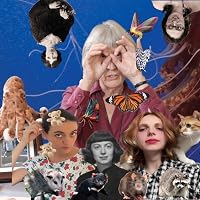
Como plantea Marshall Sahlins en algún punto, La ilusión occidental de la naturaleza humana es la aclaración de «un gran error» que afecta a toda la historia occidental: la separación entre naturaleza y cultura, que ha condicionado nuestra idea del mundo, de la humanidad y nuestros modelos de sociedad.
La coartada sobre la «naturaleza animal» del ser humano ha servido para establecer formas de gobierno o jerarquías sociales que han justificado el miedo y la violencia como base de los sistemas de gobierno, o las segregaciones mujer/hombre o sociedad civilizada/sociedad salvaje.
Pero si durante siglos la filosofía y las ciencias sociales han sostenido la idea de una maldad humana esencial (o su contrario: el buen salvaje rusoniano), eso ha sufrido un giro. El egoísmo innato que antes había que embridar se considera hoy como algo bueno por ser «natural»: la naturaleza humana justifica así la individualidad neoliberal.
Frente a ello, Marshall Sahlins desarma y desnuda toda esta construcción histórica, planteando una pregunta que habría estado delante de nuestras narices durante siglos: ¿la única naturaleza humana no será precisamente la cultura en toda su diversidad de formas sociales, históricas y antropológicas?
Marshall David Sahlins was an American cultural anthropologist best known for his ethnographic work in the Pacific and for his contributions to anthropological theory. He was the Charles F. Grey Distinguished Service Professor Emeritus of Anthropology and of Social Sciences at the University of Chicago.
Prickly Paradigm Press has taken to printing “pamphlets”, shortish polemical works by important thinkers. This is the first I have seen, and it is pretty good. Its convoluted title is an agreeable spoof based on the titles of pamphlets from earlier times. The discussion itself, however, is no spoof.
Sahlins is an influential American social anthropologist, best known for a collection of essays, Stone Age Economics, dealing with hunters and gatherers. Here, he addresses a more abstract question, the relation between nature and culture. He asks if there is indeed a “human nature” that one can discuss separately from human culture.
The first half of his essay contrasts what he labels the Hobbesian and Rousseauesque views of nature and culture.
The Hobbesian view is that man, by nature, is vicious, something that can be overcome only by developing culture. According to Hobbes himself, human nature can be controlled only when people subordinating themselves to an overarching authority. Sahlins shows that this "hierarchical" opinion had a more distant origin in Tacitus and especially in Thucydides's account of the Peloponnesian War. “If Thucydides seems Hobbesian, it is because Hobbes was a Thucydidean” p 10 However, Sahlins shows that there are others who have taken the same line “The same politics of human self-contempt have been advocated by many famous and not-so-famous people” p14, and he quickly quotes Hesiod, Kant, Melville, Lincoln, and Nietzsche.
In ancient Greece, this view emerges as an opposition between the two ruling principles of equality and hierarchy. Sahlins elegantly shows that in egalitarian Athens Plato and Pericles had worried about the power of self-interest to overwhelm the good of the state. Before them, Anaximander of Miletus “had made the governing of self-interest by the interaction of equal and opposed forces the principle of good order in the whole universe” p25. This egalitarian alternative to hierarchy, he notes, is enshrined in the medical ideas of Hippocrates and Galen, whose notions of balance between the humours persisted into modern times.
In contrast to all this, Sahlins points to the Sophists and, indeed, to Aristotle, who thought that what was “natural” in human beings was “good”, thereby laying down a line of thought that, via Rousseau, still exists among the shampoo advertisers, ecologists and health-food-shop-owners of the present day pp33ff. This Rousseauesque view claims that culture is, at bottom, “artificial”, and that it distorted human nature.
So we have two sets of philosophy, tagged “Hobbsean” and “Rousseauesque”, both of which depend on an opposition between nature and culture, but which hold opposite definitions as to which is good and which bad.
Sahlins goes on to claim that there are other historically important versions of the relation between “nature” and “culture”.
One , found in Thucydides, but bobbing up in Freud, sees culture as a disguised form of man’s (bad) natural impulses which cannot be totally repressed.
Another, found almost universally, but seldom mentioned in western ideologies, is that in that most “natural” of human relations, kinship, there is amity. According to a version of this view, humanity (or maybe a particular society) is one big family, so, by recognizing our kinship one to another, we may discover our bonds of mutuality.
Sahlins also discusses the theory of medieval monarchy, as found in SS Augustine and Thomas Aquinas. Augustine’s ideas of rule from above, and the necessity of controlling one’s base animal appetites (based in his notion of Original Sin), seems remarkably similar to the Hobbesian view. St Thomas found monarchy in everything, believing that whenever things are organized in a unity there is always something that rules the rest. “All bodies in the cosmos are ruled by one primary celestial body; all earthly bodies are ruled by rational creatures; in man, the body is ruled by the soul; in the soul, the irascible and concupiscible appetites are ruled by reason; while within the body proper, the members are ruled by the head or the heart – hence it is fitting that ‘in every multitude there should be a ruling principle’ And having noted a few paragraphs on that even bees have a king (sic), St Thomas concluded that all multiplicity is derived from unity”. Pp57-58
The American Founding Fathers (Sahlins quotes particularly John Adams) drew on the gloomy view found in Hobbes and Ancient Greek history but with the particular emphasis that human beings were atoms of self-interest. Madison in particular thought that the self-interest of different men should counteract each other, with ambition countering ambition. This model of society had ancient roots, but was supplemented by the natural model of Newton’s solar system with its checks and balances.
By the end of the eighteenth century, says Sahlins, the allegedly natural “self-interest beating in every human breast” was “well on its way to becoming a good thing”, though he is careful to note that even in modern times, self-interest never finally lost its taint of wickedness p84. The theory was developed by the likes of Helvétius, Baron d’Holbach and La Méttrie.
“By the twentieth century, the worst in us had become the best” p86 “What St Augustine had perceived as slavery and indeed divine punishment, man’s endless subservience to desires of the flesh, the neo-liberal economists, neo-conservative politicians and most Kansans take to be the bedrock freedom. (The antithesis between state power and self-interest remains, only now the self-interest is the good thing, the least government is the best government).”pp87-87 And as human beings are discovered to be “naturally selfish”, so this selfishness is imputed to other aspects of the natural world, in particular to the “selfish gene”.
Sahlins now takes us away from western societies into more exotic settings where animals and other natural objects relate to man differently from the patterns just discussed. For example, according to certain Maori notions, the entire universe - people, animals, plants, objects – are all kindred, descended from the primal parents, Earth and Heaven. The Chewong hunter-gatherers of Malaysia see themselves more closely related to certain familiar non-human persons, including plants, animals, objects and sprits, than they are to more distant humans who are “different people”. He mentions too the Dunne-za of British Columbia, whose views are somewhat Platonic, and for whom “events follow from the knowledge of them in dreams, myths and the like”. They too see animals, winds, rocks, and natural forces as “people” pp91-92. Sahlins remarks that “the ‘magical’ power of words and ritual performances may seem less mystical or at least less mystifying when it is realized that they are addressed to persons”p92.
Sahlins concludes that culture is the basis for human existence with biological species as secondary and conditional. The evolution of culture in the higher animals is prior, he says, to the evolution of the human species. It is not a new idea. Plato, for example, argued in the Laws, Timaeus and, Phaedothat the body, “secondary and derivative”, is subject to the soul: thus culture before nature. “Respectable biological opinion now has it that the human brain is a social organ: that it evolved in the Pleistocen under the ‘pressure’ of maintaining a relatively extensive, complex and solidary set of social relationships – which in all probability included kinds of non-human persons”, and he argues for the co-evolution of biology and culture. P106
“Regarding sex, for example, what is most pertinent to the relations between biology and culture is nto that all cultures have sex, but that all sex has culture”p110.
“There is no such thing as a pre-social individual, no such thing as a human being existing before or apart from society. Humans are constituted, for better or for worse, within society, and variously so in different societies”. The “human essence”, he says, paraphrasing Marx, "exists in and as social relationships, not in some poor bugger squatting outside the universe” p109..
I shall finish with his quotation of a “golden passage” from the sage of the Scottish Enlightenment, Adam Ferguson. “If we are asked, therefore, where is the state of nature to be found? We may answer, It is here; and it matters not whether we are understood to speak in the island of Great Britain, at the Cape of Good Hope, or in the Straits of Magellan” p109
Thus Sahlins seeks to establish the truth of the here and now and the cultural as well as the biological reality of human beings. It is not perhaps the final word on the subject, but it is an elegant and interesting piece of work.
In Ovid’s Metamorphoses, we come across a man named Actaeon, a great hunter, who wandered too far from his city state into the dark woods. There he accidentally saw the Greek goddess of the wild, Artemis, bathing. Enraged, Artemis transformed Actaeon into a stag, and then he was hunted and killed by his own 50 hounds --- the dogs changed from loyal companions to fanged predators. This transformation of the hounds strikes at a very human anxiety: our communities are ordered, but in the natural world, it can seem that chaos reigns. We are all at times exposed to this random ferocity of nature, our grip over the wild is only ever a tenuous one.
This myth has always seemed very interesting to me: there has always been something liminal about the woods, the deep dark forests. This liminality of the wilderness has always surpassed our rationality, it is a place where we expel our irrationalities, our fears, anxieties. The Western canon is replete with myths like Actaeon the hunter: a witness to their “selfish and evil” account of human 'nature', predicated on the nature/culture divide, endemic to Christianised Europe in particular. Zeus defeated the Titans -- represented as the archetype of human nature -- with violent conquest to impose order. A wild beast that sleeps in the belly of a human being, that must be brought to heel by a totalising metaphysics of “order” of culture, wherein “an elemental anarchy” can be resolved either by monarchical absolutism or equality. This essentialist view of an evil human nature runs deeper and older than Hobbes, it can be found in Thucydides’ History of Peloponnesian War and Hesiod’s Works and Days. The origin myth of capitalist mentality can be found here too, more specifically in Hobbes’ narrative of natural to political state, in Leviathan. Most of Western history has thus been these attempts to ameliorate the self-interested evil that lives within us and how we learn to cope with it.
So far, so good. But this becomes problematic when this “nature” is universalised at the cost of neglecting the rest of the world, overflowing with cultures SO DIFFERENT from those of the West that they couldn't even dream of it. A classic bourgeois adult male subject is considered in the portrait of a “universal” human nature. Aristotle, in Nicomachean Ethics, defines kinships as “same entity in different subjects”; a mutual relationship of being; “an ethics of sameness”, predicated on love and mutual aid. Unlike the unitary, autonomous, indivisible, individual of the West, Asian and African cultures believe the Self to be a composition of other selves with whom we are joined in "mutual relations of being." The individual is the locus of "shared biographies." This means that others become the "predicates" or characteristics of my own existence, and vice versa. What does self-interest then mean if the self constitutes trans-personal relationships?
When so many aspects of the individual are shared and made up of mutuality and community, then leaning into the Western animalistic human-nature is a mistake of "world-anthropological proportions” and now it runs the world. An all-round theory of culture based on natural egoism: by the 20th century, the worst in us had become the best; possessive individualism conflated with basic freedom. Human beings’ subservience to the desires of flesh was considered slavery by St. Augustine. But today, neo-liberal economists and neo-conservatives consider it the bedrock of freedom. Today this self-love has been naturalised by the “selfish gene” theory of sociobiologists and the revived Social Darwinism of evolutionary psychologists; or even the rational choice theory of economists. Today’s obsession with “power functionalism” has turned cultural diversity into a medley of domination-effects.
We are humanity-in-becoming rather than animality-to-be-overcome. In the western folklore, we, the Rest, are savage while they, the West, are civilised just like nature is to culture and body is to mind. But in anthropology, it is the West whose human condition is so preoccupied with nature and the body while for the Rest it is culture and mind. Sahlins then asks: who does more credit to the human race? Culture is the OG state of humankind and the biological species secondary and conditional. However, the issue isn’t our inherent goodness or badness, but biologism itself. Attacking a human’s innate egoism with their innate goodness or sociability is still remaining within the same rigid framework of a corporal determination of cultural forms. We are the creatures of “indeterminacy.” We are “animal creatures of culture” endowed with the biology of symbology. The idea that humans are slaves to their animal dispositions is an illusion.
This is less of a rigorous academic work than a long scintillating rant: it is incredibly eye-opening, stimulating, and dizzying all the same. This is exactly what I needed to soothe my despondent existential condition in the midst of this god-awful pandemic. HIGHLY RECOMMENDED.
On a ‘contempt for the human’ in Western ideas, that infiltrates every area of thought because it is in our Greek underpinnings.
The Judeo-Christian tradition is often blamed for our negativity towards the species, and I’ve often wondered sadly (yet with hope) what we’d be without the concept of Original Sin, in our heads’ history. But I’ve also been sick of ancient Greeks and their vaunted influence. I’m sorry – Sahlins is here asked to write in pamphlet-style, so I’ll write a pamphlet-style review. Sahlins traces the condemnation of a thing called ‘human nature’ from the dog-eat-dog politics of Thucydides (hang on. Dogs don’t actually eat dogs; nor do wolves behave in the manner ascribed to them in our age-old metaphors; and peoples who keep company with wolves don't see them as we do, either. This is part of his argument.) – through Original Sin, uninterrupted in our wicked-by-nature theories in sociobiology and the selfish gene; along the way he follows our politics as the perceived need to keep a lid on people, self-interest being our only motivation.
But the nature/culture split upon which these thousands of years are predicated is a thing of the West, not of the Rest. The majority of humankind do not see a war of tooth and nail between nature and culture, whether culture is the one corrupt and primitive nature innocent (Rousseau) or whether culture tames the ferocious beast that is man (Hobbes).
In most other societies, beasts aren’t ferocious and neither is humankind, and the very notion of an unsocialised person, a pre-social state, is non-existent – because culture always was. Before homo sapiens. Even in animals.
This is an anthropologist’s take on the negative view of the human, and its resultant cynicism, that runs through the Western intellectual tradition.
Like I say, it’s a pamphlet series, where intellectuals are let loose to rant on the state of their disciplines. He takes them up on that and this can be quite humorous, at least if you’re in sympathy with his views.
I am, and only reserve a star because I found the Greek part a slog, and I have no background in the American founding fathers (there’s a large section on John Adams); and probably because I didn’t need to be convinced of much in here. I see the consequences everywhere I turn, though, and to read this was a health-giving draught for my existential condition.
More in my line is his work on historiography, Apologies to Thucydides: Understanding History as Culture and Vice Versa, where Thucydides’ school is seen as a product of his culture, here described, although he thought he was depicting a universal ‘human nature’ in the politics of his day; he’s contrasted with history elsewhere – Fijian, for a case study. I’m going there next.
Γενεαλογία και κριτική της έννοιας της "ανθρώπινης φύσης¨από τους αρχαίους έλληνες ως τα σύγχρονα πολιτικά συστήματα και της μεταφυσικής τάξης που αυτή δημιουργεί με απτά πολιτικά και κοινωνικά αποτελέσματα.
Απαραίτητο ανάγνωσμα για όσους ψυλιάζονται ότι κάτι δε πάει καλά στη φράση: ¨μα αυτό είναι το φυσικό".
Szerzőnk antropológus és feketeöves kulturális relativista.
Szerinte a nyugati politikai berendezkedések (a monarchiától a köztársaságig) arra az elgondolásra épültek, hogy létezik egy eredendően rossz (önző, gyarló, erőszakos stb.) emberi természet, s ezt az állandót kell valahogy a civilizáció/uralkodó/kultúra/törvények/állam által kordában tartani. Ha ez nem sikerül és az emberek nem tapasztalnak semmilyen intézményes korlátot, akkor jön a zombiapokalipszis. A zombiapokalipszis rémképének leírásához pedig Thuküdidész híres művét használták a reneszánsztól kezdve Hobbes-ig (aki szerint a természeti állapot = mindenki háborúja mindenki ellen), majd a 18. századi amerikai alapító atyákig. Marshall Sahlins jogosan hívja fel rá a figyelmet, hogy ezen politikaelméleti gondolkodók biztosan nem tudták, milyen "alapból" az ember, inkább egy rémképet alkottak róla antik forrásokat tanulmányozva, hogy legyen mire hivatkozva különböző (egalitárius köztársasági vagy hierarchikus autoriter) pol. rendszereket létrehozni. Az eredendő rossz, önző, individualista természet aztán a huszadik században ünnepelnivaló jó lett a kapitalizmusban.
Mindezek alapján felfedezhető egy ellentét, egy duális szemlélet, amely állandó a nyugati civilizáció gondolkodásában: a természet objektív valóság és az erre épített érveknek nagy súlyuk van vs. a kultúra hamis, ember alkotta, múlékony. Erre épül az evolúciópszichológia és az önző gén elmélete, amelyeket szerzőnk károsnak tart.
Ezzel szemben a szerző különdöző afrikai, indián stb. népek tanulmányozása után arra jut, hogy nem mindenhol választják el a kultúrát a természettől. Egyes népeknél a természet része a kultúrának, az állatoknak emberi tisztelet jár ki, az egyén pedig a közösség része, nem individuum. Az ember tehát "alapból" se nem jó, se nem rossz: állam nélkül nem feltétlenül esik egymásnak és vív végeláthatatlan polgárháborút egymással.
Mindez még úgy-ahogy oké is lenne, bár szerintem a szerző párszor idealizálja az általa vizsgált népeket (szemben pl. David Graeber anarchista antropológiájával). De aztán a könyv végén jön egy fejtegetés arról, hogy a biológia vs. kultúra vitájában a kultúráé az elsőbbség, a biológia csak másodrangú a homo sapiens fejlődésében. Szerintem ez a vita nem eldöntendő egyik vagy másik tényező javára, sőt maga a két tényező elválasztása és szembeállítása, mérlegre tétele is mesterkéltnek tűnik. Ez azért ironikus, mert a szerző pont azt mutatja be, hogy a kultúra vs. természet ellentétpár milyen különböző politikai és más érdekeket szolgált a történelem során.
It's one of the better cold baths I've taken. As a critical-cultural theory enthusiast, it wasn't all new to me, although I hadn't known that Adams plagiarized Hobbes plagiarized Thucydides, or that Western cynicism went back that far (I knew Plato was kind of a dick, but not with such tradition behind him). With the overall argument about human nature, coupled with the assault on Western cynicism that has a history of self-fulfilled prophecies of fascism, I think Sahlins presents (almost) everything good about postmodern criticism and the de-articulation of History and Nature.
I also feel validated, since this book is the basic premise of every class I've taught in the humanities.
However, I was a bit disappointed to see Sahlins become yet another anthropologist to rely so heavily on kinship as the end all/be all with little appreciation for diachronic perspective (which is weird because the other chapters are all more about change/continuity over time). I would have been more impressed if he could have tied kinship more explicitly to existentialism (which is, after all, a humanism that totally subverts what has historically passed for humanism).
"It’s all been a huge mistake. My modest conclusion is that Western civilization has been constructed on a perverse and mistaken idea of human nature. Sorry, beg your pardon; it was all a mistake. It is probably true, however, that this perverse idea of human nature endangers our existence." (112)
An interesting and informal essay on the history of Western views of human nature. I appreciate Sahlins for calling out the cynical, self-loathing and essentialist views on this topic.
Tukidides, Thomas Hobbes, John Adams -ve Amerika’nın diğer kurucu babaları- Freud, Montaigne, Adam Smith vs kısacası Batı kanonunun belli başlı tüm isimlerini ya da sağlığı 4 farklı vücut sıvısının dengesi olarak anlayan Ortaçağ Tıp anlayışını, modern Cumhuriyet’in kuvvetler ayrılığı prensibini, “toplum sözleşmesi” tezlerini ve Psikanalizin Bilinçaltı/Süperego zıtlığını birbirine bağlayan ortak nokta nedir? İşte kitabın başlığı bu soruya bir yanıt.
Kökü çok derinlere inen Batı’nın “hayvansı” insan doğası saplantısı, “genlerimizin bencil” olduğu inanışı, iddia edilebilir ki bütün Batı kültürünün kurucu ilkesi olmuş ve bugünlere kadar uzanarak sadece Batı kültürü için değil, Batı’nın kapitalist egemenliği sayesinde artık bütün bir insan türüne yönelik, hakkında en küçük kuşku duyulmayan a priori bir “olgu” haline gelmiştir.
Sözkonusu olan, kaptalist göreceliliğe karşı evrensel ilkeler bulmak olduğunda hemen “özcülük” suçlaması getiren egemen kapitalist ideoloji, bütün bir koca insan uygarlığını asla değişmez, vahşi bir insan doğası iddiası ile tam teşekküllü biyolojik bir özcülük üzerinde kurmuş olduğu bariz gerçeğini gözardı eder. Bu burjuva “büyük anlatı”sına göre “insan insanın kurdudur”, “gen bencildir”; insanların doğal durumu, bir “toplum sözleşmesi” ile kontrol edilmezse kaotik bir durum doğar. Ancak İnsanların “doğal” “bencil” dürtüleri hiçbir zaman tam olarak bastırılamaz, öyleyse en iyisi bunları bütün toplumun yararına olabilecek hale getirmek. Böylece ünlü kapitalist mit, yani “görünmez el” tezi ortaya çıkıyor. İnsanın hayvansı doğasının önüne geçmek mümkün değil, ancak her birey koşulsuz olarak kendi vahşı doğasının sesini dinler ve bireysel çıkarlarının peşinde koşarsa, bütün herkes aynısını yapacağı için, gücün tek bir elde toplanması önlenir, farklı güçler birbirini dengeler ve sonuçta toplumsal yarar ortaya çıkar. Kuvvetler ayrılığı yani.
Bu anlatı/ideoloji öylesine etkili olmuştur ki, bilimsellik/maddecilik adına, anti-kapitalist bireyler bile Richard Dawkins gibilerin “bencil gen” gibi biyolojist özcü tezlerinin etkisinde kalabilmiş, insan doğası gibi spekülatif bir varsayımı materyalist olmanın bilimsel bir gereği olarak kabul edebilmişlerdir.
Marshall Sahlins, bu mükemmel kısa kitabında oldukça ikna edici bir şekilde, bu hayvansı, vahşi insan doğası tezinin sadece Batı uygarlığına özgü olduğunu, kökeninin Antik Yunana ve ardından Hristiyanlığın İlk Günah tezine kadar gittiğini ve burjuvazinin bir sınıf olarak ortaya çıkmasıyla birlikte de kapitalist üretim ilişkileri açısından son derece uygun bir ideoloji haline geldiğini gösteriyor. “İnsan doğası diye adlandırmaktan hoşlandığımız şey, çoğunlukla yetişkin -burjuva- erkeklerinin eğilimlerinden ibarettir.” (A.g.y. Sh 55).
Bu maalesef çok başarılı olmuş egemen anlayışa karşı Sahlins, gerçek bilim insanı vicdanına sahip araştırmacıların çalışmalarına dayanarak, Batı’ya özgü “Doğa-Kültür”karşıtlığının , ehlileştirilmesi gereken “vahşi doğamız” anlayışının başka toplumlarda olmadığını gösteriyor.Bırakalım evrensel bir yasa olmasını, farklı insan topluluklarında yaygın, egemen eğilim bile değildir; “Aslında, bizimkisi dışında, antropolojinin incelediği pek az toplum, çocukların doğuştan gelen anti-sosyal eğilimlerinin ehlileştirilmesi (...) “ gerektiğini bir mesele olarak ortaya koyar. Ama bu “bizim şimdi veya herhangi bir zamanda biyolojik zorunlulukları olmayan ‘boş sayfalar’ “ yalnızca kültür tarafından doldurulan tabula rasa olduğumuz anlamına gelmez. Sahlins, sadece doğa-kültür çatışmasında, doğa’nın değil, kültürün önceliğine vurgu yapar. Bir anlamda, özün varoluştan sonra geldiği varoluşçu tezinin bir yansımasını buluruz burda. Aslında vulgar marxismin sandığının aksine, yani maddenin (doğanın) bilinci belirlediği inancına karşı Marx’ın insanın özü algılayışı da böyle kültürle etkileşimi içinde dinamik bir insan doğası anlayışına dayanır. “İnsan doğası, her daim var olan bir varlıktan ziyade, bir oluş’tur” (agy Sh 127).
Şahsen benim için -olasıdır ki başka pekçok materyalist gibi- yeni bir bilimsel bulgu aktarır; “kültür homo sapiens’ten eskidir” . Hominid’ler arasında kültürün ilk izleri 2 milyon yıl öncesine kadar dayanıyormuş, ancak biyolojik bir tür olarak bugünkü fizyolojimiz 50-60bin yıllık. Yani, egemen Batı kültürünün ( Richard Dawkins gibilerin) iddia ettiği gibi biyoloji , kültürü değil, bilakis kültür biyolojiyi belirlemiştir. İnsan türü , kültür ve doğanın karşılıklı etkileşimi içinde evrilmiştir. Bilincimiz, doğamızın pasif bir nesnesi değildir. “Kültürden bağımsız insan doğası diye bir şey yoktur” (agy sh 130).
Batı kültürünün binlerce yıllık açgözlü kültürünü sözde bilimsel bir onaydan geçirip tartışma götürmez mutlak bir evrensellik kazandıran Richard Dawkins gibilerlerle kıyaslandığında çok daha sevecen bir toplum özlemiyle yazan bu gibi insanların çok daha az bilinmesi ne acı.
Zaten kendisi de bunun bilincinde olarak, vahşi egoist Batı kültürünün insanlığı bugün getirdiği felaket, toptan yokoluş tehlikesi karşısında biraz buruk bitirmiş kitabını:
“Bunların hepsi büyük bir hataydı. Benim çıkardığım naçizane sonuç, Batı medeniyetinin sapkın ve hatalı bir insan doğası anlayışı üzerine kurulu olduğudur. Affedersiniz, özür dilerim, ama hepsi büyük bir hataydı. Bununla birlikte, bu sapkın insan doğası anlayışının varoluşumuzu tehlikeye attığı büyük olasılıkla doğru” (agy sh133).
Buna şunu eklemeliyim; Bunların hepsi derken kastettikleri arasında Montaigne’ler, Shakespeare’ler, Nietzschler’ler de yani Batı kültürünün hayran olduğumuz yüksek kültür ürünleri de var. Hatta bizzat kendini materyalist olarak tanımlayanlar da; Richard Dawkins gibilerin bilimi burjuva ahlakına teslim eden yaklaşımlarını bilimsellik olarak algılayanlar da bu hatada yer alıyorlar.
Dawkins, Nietzsche, Ayn Rand vs gibilerin vahşi insan doğası zehirli tezlerine karşı bir panzehir bu kitap.
Ancak bence önemli bir eksiği var; diğerlerinin değil de neden Batı kültürünün böyle bir insan doğası anlayışı geliştirdiğine hiç değinmiyor.
Marshall Sahlins est un grand anthropologue très érudit qui fut professeur honoraire à l'université de Chicago, mais aussi professeur de David Graeber.
Il le dit en avertissement : "l'enseignement connu sous le nom de 'civilisation occidentale' a progressivement perdu de son importance dans le cursus des étudiants américains. L'objectif de cet ouvrage est d'accélérer ce processus en réduisant la 'civi occidentale' à trois heures de lecture."
L'ouvrage confronte différentes perspectives sur la nature humaine : Naturellement bon ? Naturellement mauvais ? Qu'en dit la tradition occidentale ? Et si l'on se décentrait pour voir ce qu'en pensent d'autres peuples ? Finalement, l'homme est-il naturellement quoi que ce soit, ou est-il surtout culturellement déterminé ? Et au fond, quelle importance ?
Quelle importance ? Ce que l'on impute à la nature de l'homme détermine largement la façon dont on le traite, dont on justifie par exemple les structures de pouvoir censés nous préserver de nos démons. C'est ainsi que Sahlins montre notamment comment Thucydide et sa -Guerre du Peloponnèse-, particulièrement le récit du soulèvement de Corcyre, ont influencé la tradition occidentale. Ils ont révélé l'appétit fondamental de l'homme pour le pouvoir et l'argent. Comme Thucydide l'écrit lui-même :
"La source de tous les maux fut l'amour du pouvoir qui naît de la cupidité et de l'ambition, et de ces affections naquirent les disputes violentes des partis opposés" qui se reproduiront "tant que la nature humaine demeurera ce qu'elle est". À moins d'être contrôlé par un pouvoir souverain selon Thomas Hobbes, ou l'équilibre des pouvoirs selon John Adams.
Pour mémoire, Sahlins restitue l'histoire : "Il s'agit du soulèvement de la classe privilégiée contre les règles démocratiques du peuple, afin d'affranchir la cité vis-à-vis d'Athènes en établissant un régime oligarchique allié à Sparte. Les affrontements se succédèrent, les lois et la religion furent bafouées, les deux partis gagnaient une bataille chacun leur tour, causant des victimes dont le nombre alla croissant lorsque les Spartiates et les Athéniens s'immiscèrent dans le conflit, les premiers aux côtés des oligarques et les seconds aux côtés du peuple. Finalement, la flotte athénienne encercla la cité, et la faction oligarchique fut écrasée dans le sang. Dépassant la violence de toutes les -stasis- précédentes, la guerre civile de Corcyre fut la première d'une longue série de conflits particulièrement meurtriers de la guerre du Péloponnèse."
Il cite ensuite un passage caractéristique du livre III : "Pendant les sept jours qui suivirent l'arrivée d'Eurymédon et où il fut là avec ses soixante navires, les Corcyréens firent un carnage de leurs concitoyens qui passaient pour des opposants ; ils en rejetaient la responsabilité sur les adversaires de la démocratie, mais certains moururent aussi victimes de haines privées, et d'autres, qui avaient prêté de l'argent, sous les coups de leurs débiteurs. La mort revêtit toutes les formes et, comme cela se produit en pareil cas, on ne recule devant rien, et pis encore. Le père tuait son fils, les suppliants étaient arrachés des sanctuaires ou tués sur place, certains périrent même emmurés dans le sanctuaire de Dyonisos."
John Adams, second président américain après George Washington et "Père Fondateur", écrivait par exemple dans sa préface de la -Défense des Constitutions des États-Unis- : "Il est impossible de lire sans frémir d'horreur ce que Thucydide décrit au livre III à propos des factions et des troubles qui s'ensuivirent dans toute la Grèce, à cause d'une volonté d'équilibrer les forces... Si cet historien nerveux avait connu l'équilibre des trois pouvoirs, il n'aurait jamais considéré ce fléau comme incurable, mais aurait ajouté tant que les partis des cités ne s'équilibreront pas".
De son côté, Thomas Hobbes était le célèbre auteur du -Léviathan- (1651) qui prône la nécessité d'un pouvoir tyrannique ayant le monopole de la violence légitime pour sortir l'homme de son état de nature de "guerre de tous contre tous". Bien avant, en 1628, il avait publié sa traduction de l'œuvre de Thucydide où il le décrivait comme "le plus grand historien politique qui ait jamais écrit." Dans sa biographie, il écrivait encore : "J'ai lu Homère, Virgile, Horace, Sophocle, Plaute, Euripide, Aristophane, et bien d'autres encore ; mais de tous ces auteurs, c'est Thucydide qui a ma faveur ; il déclare que la démocratie est une farce, et qu'à une République, il faut préférer un Roi."
Ce que Sahlins nous rappelle, c'est combien ces jugements qui ont marqué la tradition occidentale peuvent s'apparenter à une bourgeoisie projetant sur autrui ses propres vices, et prêchant ainsi pour sa paroisse tout en reproduisant les mécanismes d'oppression et de coercition qu'ils justifient ainsi. Il nous rappelle d'ailleurs que ce n'est pas qu'une entreprise bourgeoise, et que l'église s'y était également employée.
Pourtant d'autres visions ont bien existé, ici et ailleurs. Confucius et Aristote considéraient l'homme comme naturellement bon. Aristote y voyait même un "animal politique" naturellement fait pour vivre en société et aspirer au bien commun. D'ailleurs, le nouveau-né ne peut survivre sans ses parents pour s'occuper de lui, et nécessite une attention proprement humaine pendant une période de développement particulièrement longue. L'homme ne fait pas ses premiers pas dans la haine et la compétition, mais dans l'amour et la coopération. Cela dit, Aristote considère aussi dans les -Politiques- que "le désir est par nature illimité, et la plupart des hommes vivent pour satisfaire leur désir". La société devra donc éduquer l'âme désirante.
Là où Aristote produisait une pensée nuancée, Sahlins souligne comment son ambivalence sera exploitée par l'église pour naturaliser l'ordre politique : "Voici une occasion pour Thomas d'Aquin de rappeler qu'une société est fondée sur l'intérêt et le besoin, et que la royauté est un instrument nécessaire à la communauté. Saint Thomas a largement contribué à réduire le proverbe aristotélicien, que l'homme est un animal politique, à une fonction économique, en insistant sur le fait que les hommes s'associent dans la -polis- comme un moyen d'assurer leur existence matérielle. Aristote avait pourtant dit que la -polis- n'avait pas pour fonction immédiate de satisfaire un intérêt particulier, mais visait le bonheur général de ses citoyens. Cependant, pour Thomas d'Aquin, la société était naturelle au sens où c'est seulement en s'associant en nombre suffisant que les hommes pourraient continuer à vivre. Seuls ou sans famille, ils ne pourraient subsister."
"Dans son traité sur la royauté, Thomas d'Aquin voit la monarchie partout, sur la terre comme au ciel, en supposant que là où il existe une unité organisée, il y a toujours un principe qui domine le reste. Tous les corps de l'univers sont gouvernés par un corps céleste originaire ; tous les corps terrestres sont gouvernés par des créatures rationnelles ; chez l'homme, c'est l'âme qui gouverne le corps ; dans l'âme, c'est la raison qui gouverne la partie irascible et la partie concupiscible ; et dans le corps à proprement parler, c'est la tête ou le cœur qui gouverne les membres. C'est pourquoi il faut 'qu'en chaque ensemble multiple se trouve un principe souverain."
On voit ainsi comment ce qui est conçu comme naturel vient légitimer le politique, avec l'émergence de la monarchie de droit divin. Avant Thomas, Sahlins citait également Augustin d'Hippone, concepteur du pêché originel qui pensait qu'en l'absence de gouvernement, les hommes se dévoraient entre eux comme des bêtes sauvages, victime de leurs désirs charnels sans fin : "Voyez comme ils se persécutent les uns les autres, et voyez comme ils s'entre-dévorent ! Et lorsqu'un poisson plus gros a dévoré le plus petit, il est à son tour dévoré par un plus grand." Dans la -Cité de Dieu-, Saint Augustin écrit que les hommes sont pires que des bêtes entre elles, "car jamais les lions ni les tigres ne se sont fait la guerre comme les hommes."
Sahlins commente : "Augustin pouvait approuver non seulement le pouvoir du roi, mais aussi la peine de mort que prononçait le juge, le crochet du bourreau, les armes du soldat et même la rigueur du père de famille." C'est cette doctrine de maîtrise du péché originel que les médiévistes ont coutume d'appeler 'augustinisme politique'. Comme Augustin l'écrit lui-même : "Tant que ces derniers inspireront la crainte, les méchants seront maîtrisés, et les justes pourront vivre en paix parmi les méchants."
Sahlins expose ainsi les racines profondes du pêché originel et de cette méfiance de l'homme pour son prochain justifiant surveillance, contrôle, répression et domination. Il continue de montrer que des voix alternatives se sont élevés, peignant un autre modèle, mais qu'elles n'ont su s'imposer. Il donne notamment l'exemple d'un des plus grands humanistes de son temps, Leonardo Bruni (1370-1444) qui fut longtemps chancelier de Florence et dont il dit qu'il "fut un des rares cicéroniens à lutter pour l'intérêt collectif". Il cite alors un passage de son "Oraison funèbre pour Nanni Strozzi" qui surprendra les esprits orgueilleux qui pensaient que le monde avait attendu la révolution américaine ou française de 1776 et 1789 pour oser rêver de liberté et d'égalité :
"La constitution du gouvernement de notre république a pour fin la liberté et l'égalité de tous les citoyens... Nous ne tremblons pas devant le pouvoir arrogant d'un seul homme, ni ne sommes esclaves du pouvoir d'un petit nombre. Notre liberté est égale pour tous ; sa limite, ce sont les lois, et elle ne connaît pas la peur des hommes. L'espoir de servir la république et de s'élever par cet office est égal pour tous... La vertu et la probité des citoyens sont nécessaires à notre État. Quiconque les possède est assez bien né pour gouverner la république."
Mais là où Bruni prônait liberté, égalité et vertu pour la Florence, Sahlins nous fait comprendre qu'un autre modèle s'imposa avec les recommandations de Machiavel. Fondateur d'une science politique amorale, il écrivit le -Prince- (1532) où "la fin justifie les moyens" pour "prendre le pouvoir et le conserver". En parallèle, l'essor du capitalisme et de la bourgeoisie mena progressivement à un renversement moral, où l'occident se mit à chanter les vertus de l'égoïsme contre la morale chrétienne. Sahlins donne de nombreux exemples. Le plus frappant est sans doute la -Fable des abeilles- de Bernard Mandeville (1705) sous-titrée "les vices privés font les vertus publiques", puis la célèbre "main invisible du marché" d'Adam Smith. Mais il souligne que le "système égoïste" commença ce renversement de valeur dès Montaigne (1580) et La Rochefoucauld avec l'idée que "nos vertus ne sont le plus souvent que des vices déguisés" dans l'épigraphe de ses -Maximes-.
Face à ce cynisme occidental qui s'impose, Sahlins nous invite à nouveau à nous décentrer en citant Philippe Descola. C'est aussi l'occasion d'interroger la façon dont nos démons égoïstes aux désirs insatiables se manifestent, car ils n'engagent pas que notre rapport à l'homme, mais au monde. Dans -Par delà nature et culture-, il écrit : "La manière dont l'Occident moderne se représente la nature est la chose du monde la moins partagée. Dans de nombreuses régions de la planète, humains et non humains ne sont pas conçus comme se développant dans des mondes incommunicables et selon des principes séparés ; l'environnement n'est pas objectivé comme une sphère autonome ; les plantes et les animaux, les rivières et les rochers, les météores et les saisons n'existent pas dans une même niche ontologique définie par son défaut d'humanité."
Sahlins commente alors pour nous aider à comprendre : "plantes, animaux, corps célestes... sont des êtres comme eux : des personnes qui possèdent certaines qualités humaines, et même parfois leur apparence, comme dans les rêves ou dans les visions. Comme les êtres humains, ces autres personnes sont dotées d'une âme ou sont animées d'un esprit, d'où leur capacité de conscience, d'intelligence, d'intentionnalité, de mobilité, d'émotivité, ainsi que leur capacité à communiquer un sens entre eux ou aux hommes." Ici encore, l'important est de réaliser combien notre conception de la "nature" détermine notre rapport à celle-ci : domination et exploitation d'un côté ; respect et harmonie de l'autre.
Sahlins conclut alors en nous rappelant de nous méfier de cette opposition entre nature et culture, et de la prétention à justifier nos projections par ces théories "naturelles" comme le "gène de l'égoïsme" qui peuvent rappeler les chapitres sombres de la science pour justifier de nombreuses thèses racistes dans un passé pas si lointain. Une des dernières citations du livre nous rappelle au contraire notre faculté d'autodétermination qui invoque notre responsabilité. Il s'agit du -Discours sur la dignité de l'homme- (1486) de Pic de la Mirandole, un passage où Dieu s'adresse à Adam : "Pour les autres, leur nature définie est tenue en bride par des lois que savons prescrites : toi, aucune restriction ne te bride, c'est ton propre jugement auquel je t'ai confié, qui te permettra de définir ta nature... Si nous ne t'avons fait ni céleste ni terrestre, ni mortel ni immortel, c'est afin que, doté pour ainsi dire du pouvoir arbitral et honorifique de te modeler et de te façonner toi-même, tu te donnes la forme qui aurait eu ta préférence. Tu pourras dégénérer en formes inférieures, qui sont bestiales ; tu pourras, par décision de ton esprit, te régénérer en formes supérieures, qui sont divines."
Dans la même veine, mais plus académique et contemporain, Sahlins cite ensuite Margaret Mead pour donner corps à la dimension culturelle : "Il est bien plus cohérent de considérer la nature humaine comme un matériau tout à fait brut et parfaitement indifférencié qui ne prendra une forme reconnaissable que lorsqu'elle aura été formée par la tradition culturelle."
Sahlins termine définitivement en ses propres mots : "Nous ne sommes pas condamnés à une nature humaine irrépressible, qui nous pousserait à chercher toujours notre avantage aux dépens d'autrui, et au risque de détruire notre existence sociale. Tout cela n'a été qu'une longue erreur. Je conclus modestement en disant que la civilisation occidentale est construite sur une vision pervertie et erronée de la nature humaine. Pardon, je suis désolé, mais tout cela est une erreur. Ce qui est vrai en revanche, c'est que cette fausse idée de la nature humaine met notre vie en danger."
Συμφωνώ με τα επιχειρήματα του Sahlins ότι η ανθρώπινη φύση είναι ο πολιτισμός και αυτός προηγείται των γονιδίων (τουλάχιστον όπως υπάρχουμε σήμερα) αλλά αμφιβάλλω ακόμα αν όντως δεν είμαστε προγραμματισμένοι (οικουμενικά) "εγωιστές" και αυτό το γεγονός να το αλλάζει μετέπειτα ο πολιτισμός. Επίσης, η γενεαλογία της σκέψης από τον Θουκυδίδη έως τον Φρόιντ μου φαίνεται σωστή και λογική (αν όχι μεροληπτική). Σε καμία όμως περίπτωση δεν πιστεύω ότι πρόκειται για ψευδαίσθηση, παρά για μια εναλλακτική περιγραφή της αλήθειας ή απλά ένα παιχνίδι με τις λέξεις (εννοώ την όλη διαμάχη περί φύση-πολιτισμός/ εγωισμός- αλτρουισμός). Μήπως τελικά ως άνθρωποι είμαστε πέραν όλων αυτών των κλασσικών διπόλων;
It is a short pamphlet, easily read and effectively makes the point that the debate about human nature for the last 2500 years basically has not progressed from an argument between "bad and savage" or "good and angel-like", and a medicine, politics and metaphysics that accompanies both positions. You can appreciate that Sahlins reduced this foolish history to a short book (as it says in the preface, it is like a cold bath: one should get into and out of it as quick as possible).
The comparative notes are well inserted, e.g. his examples of kinship community, on which Sahlins concludes: "Natural self-interest? For the greater part of humanity, self-interest as we know it is unnatural in the normative sense: it is considered madness, witchcraft or some such grounds for ostracism, execution or at least therapy. Rather than expressing a pre-social human nature, such avarice is generally taken for a loss of humanity. It puts in abeyance the mutual relationships of being that define human existence".
Also, this seems to be a short version spread out from Antiquity to Modern Times of Sahlins' more focused project 'Apologies to Thucydides'.
Bugünlerde okunması iyi olabilecek kitaplardan. Özellikle insanın doğal olarak bencil , kendi çıkarı peşinde koşan bir varlık olduğuna inandırılıp, bunun dengelenmesi için devlet/kurum vs yapıların kurallarına ihtiyaç olduğuna tamamen inandırıldığımız bir ortamda .
Marshall batı dışı toplulukların kültür yapısına, toplum kavramının nasıl anlaşıldığına bakarken, Aristodan başlayıp, Hobbes’a varan bir akışta batının insan algısının nasıl geliştiğini anlatıyor.
Kültür ve ruhun ortaya çıkardığı insanın biyolojik, fiziki yapısının , batı anlayışında nasıl daha öne geçip , diğer tarafın unutulduğunu ve hatta ben merkezciliğin gelişme için iyi bir şey olduğu kavramı ile bu anlayışın, insanı kurallar ile yönetilen ve sadece kendi çıkarlarına odaklanan bir varlık halinde nasıl konumlandırdığını anlatıyor.
Çocuğun erişkenliğe varışını Fiji su insanı olması yani toplumun kültürü içinde yetişmesi ile tanımlayan topluluklar ile sadece maddi eğitim ile yetiştiren batı arasındaki farklılık , anlattığı algı farkını iyi tanımlayan bir örnek.
Brilliant analysis of the idea of human nature. From the greek historian Thucydides, through modern times, there is an idea of anarchic and savage human nature that must be tamed. Then, the author brings some Anthropological evidences that this kind of interpretation of the human nature is a european construction that received some influence of a biblical point of view. Nowadays this myth was recreated with the aid of a biological flavour: the idea of a gene of egoism. Biological dispositions are important, but they are not the unique players. I quote: "The idea is that human nature is a becoming, based on the capacity to comprehend and enact the appropriate cultural scheme: a becoming, rather than as always-already being".
Very, very good. Very good indeed. A bit involved at times, as one would expect, but mostly fairly easy reading. Calls into question just about everything, even if one has already considered the fundamental questions Sahlins addresses.
Las tesis centrales ("La naturaleza del ser humano es la cultura", "No existe humanidad mala o buena, sino que eso lo determina la cultura en la que germina cada ser", "El ser humano potencialmente puede ser mil cosas distintas, aunque se vea conminada a una", etcétera ) son fundamentales, tanto ayer como hoy, especialmente cuando son tan malentendidas (y desoída) por toda una legión de deterministas y fanáticos: los constructivistas totalistas, los cientifistas, los psicólogos evolucion-stalinistas, etcétera...
La tesis central, esto es "la noción de una naturaleza humana es una ilusión que, además, casi exclusivamente se ha dado en Occidente", está bien expuesta y argumentada, si bien es necesario una serie de matices críticos:
1) La primera parte es un tanto innecesaria, si tenemos en cuenta que ya otros autores habían tratado el tema, y que Sahlins sólo puede ofrecernos una serie de pinceladas. Se hace incluso un tanto pesada y obscurece el sentido central de este opúsculo, pese a que es ilustrativo. 2) Eso hace que luego dedique poco espacio a lo que es su especialidad y lo que constituye la parte más interesante de su libro: la exposición etnográfica. Ahora bien, es menester señalar que toda su tesis se puede encontrar, mucho más ampliamente, en dos autores que cita: Philippe Descola y Viveiros de Castro (recomiendo, especialmente, el de "Más allá de la naturaleza y la cultura" de Descola). 3) En ocasiones, por querer abarcar demasiado, puede incurrir en ciertos errores. Por ejemplo, en su crítica a Sigmund Freud, donde confunde el que el vienés señale una realidad histórica (esto es, de las culturas históricas), a saber, la del Eros y el Tanatos que ha movido las civilizaciones (con sus dinámicas de guerras, sacrificios, conquistas, crueldades), con que éste crea en una naturaleza buena o mala per se. Es cierto que algo de esto hay en Freud sí, aunque no es menos cierto que las tesis centrales del ensayo serían aceptadas por aquel sin problemas (no olvidemos que tiene un libro llamado "El malestar en la cultura", y no "El malestar en la naturaleza humana"). En cualquier caso, el psicoanálisis lacaniano, el desarrollo del freudiano, precisamente plantea lo mismo que Sahlins (y antes que él).
Concise though conclusive study on the unilateral version of the western culture on human nature. The author considers the prevailing paradigm that mainly initiated with the enlightment and tends with the aid of postmodernism to become the norm throughout the globe. The above mentions the Hobbesian notion that human being is an animal that needs to be tamed by civilization so that it won't reach the frames of its natural being and furthermore so that society won't be affected but a certain and necessary equilibrium is going to be established. All these in a total utilitarian mode , since selfishness is referred as something which is beneficial despite what people reckon and thus promote the advance of our species. In contrast to this , Sahlins adopts the human being notion from other peoples and tribes who don't belong to the western canon and can be considered as rather reasonable ,i.e. people in more primitive tribes such as Java and new guinea that take the infant as an incomplete 'person' that needs to obtain character through nurture and do not accept biology as a main determinant in one. Or the confrontation of nature in their eyes that reckon in this a collective and not the total other that needs to be taken advantage of and dominated.
The epilogue phrases that the western culture with the polemic - war all against all - that adopted, engendered a distortion of the habitat and still continues to do so , through its politics and mental status. Egoist notion and monolithic thinking may not be fruitful and the consequences cannot be weighed and evaluated . We had better be a little more humble and take the position of the student and not the master in many occasions
This could've been a great article, but we ended with a 100 page book that, in synthesis, makes a good critique of all the western preconceptions of human nature, tackling principally Hobbes and the christian imperative of original sin.
Christian metaphysics postulate that we have an original sin that has to be cleansed and Thucydides had already posited that humans were greedy and violent creatures. Mix them up and we have the Hobbesian ideals: we are our own wolfs. This human = bad formula is all over western philosophy, from Kant to neoliberals.
The answer is, straight up from Clifford Geertz, that the human nature is our culture. Sahlins agrees with Marx to a certain degree that social relationships in a determined historical context is what makes us human. Marhsall only adds that this context is also symbolic, cultural and meaningful (structuralist jargon).
Overall a decent book (there isn't that much structuralism, so hey, we won) that at least shows how the classic western conception of human = bad is an ideological justification of private property, because if we are all bad and perverse, then someone (those who have the means of production / private property / authority / militia / ideological apparatuses) has the responsability of mainting the status quo, order, the State, family, private property, accumulation and all of that bullshit we communists hear everyday.
I'd rate this higher but the text is slow, the prose is dull, its repetitive, redundant and the principal argument (a good one) could've been introduced much sooner and in a more simpler way. Sometimes more is less.
Liked it very much, found it terribly dense in certain moments but got along with it anyway. I think that Sahlin's work had to be done, an amazing valuable document, a massive research from the Greeks to the funding fathers of the United States. The thing is, as Marshall writes in the end, that we got it wrong. It's been said, throughout history, over and over, that we the humans and intrinsically aggressive, violent, unruly, irrational, wicked. Over and over, again and again, it's been said that we must be dominated, that there's no alternative, that it has to be done for our own sake: else we would rip each other apart. But a lied told a thousand times doesn't become a truth, as long as there's someone like Kropotkin or Sahlins to advocate for it. From Greek philosophers to politicians, from Christian theologists to medieval kings, the social contract thinkers, the first economics treatises and the funding fathers, they all got it wrong. We've never been bad, not all of us but a few, not all the time but hardly ever. I just wished everybody got to read this book, so we could begin working on new social structures -rizomatic ones, perhaps.
Ο συγγραφέας μεταξύ των άλλων προσπαθεί να δείξει ότι "ο ρεαλισμός και ο νατουραλισμός που έχει επαινεθεί σαν το ξεμάγεμα του κόσμου δεν είναι άλλο από το μαγεμα της κοινωνίας από τον κόσμο, από το συμβολισμό του σώματος και της ύλης στη θέση του πνεύματος. Αντιτίθεται "στο κύμα του γενετικού ντετερμινισμού με λάβαρο το εγωιστικό γονίδιο των κοινωνιοβιολόγων, τον αναγεννημένο Κοινωνικό Δαρβινισμό των εξελικτικών ψυχολόγων καθώς και στις φαντασιοκοπίεςτων οικονομολόγων. " Πιστεύει " ότι τα ανθρώπινα όντα δεν είναι γεννημένα καλά ή κακά αλλά η πράξης με την οποία πλάθουν τον εαυτό τους είναι πολιτισμικά διαπλασμένη. Δεν είμαστε καταδικασμένοι από μια ακαταμάχητη ανθρώπινη φύση να κοιτάμε μόνο το δικό μας όφελος σε βάρος οποιουδήποτε βρεθεί στο δρόμο μας, απειλώντας έτσι την κοινωνική μας ύπαρξη. " "Λυπάμαι, κάναμε λάθος".
Sinceramente me parece un ensayo, perfecto para empezar a plantearse, la idea de naturaleza humana, es verdad que cita mucho otros autores y no profundiza tanto, Pero no creo que haya sido tampoco la idea del autor. Te hace replantearte muchas ideas preconcebidas dentro de nuestra cultura y sobre todo les pone un origen claro.
Por lo que se puede concluir, que la cultura occidental es un relato, de hombres blancos burgueses escrita para sus intereses.
Other than absurd references to (then contemporary) people like Rumsfeld, Clinton etc. which makes the target audience of the text not me, some American which is older, it was full of thought provoking ideas, and quotations. As an economist, I appreciate the reminder about homo homini lupus might actually be wrong, just as homo economicus might be.
Informative and engaging, even though the direct subject was the construction and evolution of the Western conception of human nature, I think it would have benefitted from a more in-depth account of other worldviews, and one based more in the experience/perspectives of members of those groups and somewhat less in anthropological texts.
Humankind'ı okuduktan sonra bu kitabı duydum ve okudum. Sahlin cesurca bazı Batı düşünce kalıplarının altını oyuyor ve yeni bir düşünce tarzının, ve bunun sonucu olarak yönetim şekillerinin önünü açıyor. Çok beğendim, diğer eserlerini de incelemek gerekir.
«ένα σύμπαν αυθύπαρκτης ανθρωπιάς […] όπου οι σχέσεις μεταξύ ανθρώπινων προσώπων και αυτού που αποκαλούμε “φύση” παίρνει την υφή των κοινωνικών σχέσεων.»
Short and pithy dash through Western culture development which comparatives to other cultural norms so point out how weird we are to use ourselves as the human default setting.