

What do you think?

Saints & Sinners
Enemies by design. Partners by fate. Lovers by mistake.
Grace
I never wanted to come to Celestia.
An elite academy for Ascendants—people who were blessed with angelic powers—seemed like the last place I’d belong. Especially when I’m not like them. I’m just… human. But when you’re raised by an angel, you don’t get much of a choice.
Thrown into a world where everyone’s stronger, faster, and more powerful, I’m struggling to survive among beings destined for angelhood. My roommates—Brandon, Silas, and the infuriating Hunter—are far from ordinary, and being the only human here makes me a target in ways I never expected or wanted.
Hunter
I never wanted her here.
Grace Martin is trouble, plain and simple. A human, out of her depth, in a world where power is everything. She doesn’t belong at Celestia, and every part of me wants to prove it.
But there’s something about her, something that gets under my skin. It’s dangerous. She’s dangerous. I keep telling myself I can keep her at a distance, but the more she digs into this place—the secrets, the lies—the more I find myself drawn to her.
Grace thinks she can handle this. She has no idea what’s coming. I should protect her, push her away… but part of me knows she might just be my downfall.
Grace
I never wanted to come to Celestia.
An elite academy for Ascendants—people who were blessed with angelic powers—seemed like the last place I’d belong. Especially when I’m not like them. I’m just… human. But when you’re raised by an angel, you don’t get much of a choice.
Thrown into a world where everyone’s stronger, faster, and more powerful, I’m struggling to survive among beings destined for angelhood. My roommates—Brandon, Silas, and the infuriating Hunter—are far from ordinary, and being the only human here makes me a target in ways I never expected or wanted.
Hunter
I never wanted her here.
Grace Martin is trouble, plain and simple. A human, out of her depth, in a world where power is everything. She doesn’t belong at Celestia, and every part of me wants to prove it.
But there’s something about her, something that gets under my skin. It’s dangerous. She’s dangerous. I keep telling myself I can keep her at a distance, but the more she digs into this place—the secrets, the lies—the more I find myself drawn to her.
Grace thinks she can handle this. She has no idea what’s coming. I should protect her, push her away… but part of me knows she might just be my downfall.
532 pages, Kindle Edition
First published June 10, 2025
About the author
Rina Vasquez
9 books261 followersKarina Natalia Vasquez is a fantasy romance author based in England. She is of Peruvian and Spanish descent and adores anything that has dulce de leche in it. When she isn’t writing, she is reading fantasy, romance and fangirling over Star Wars. You can usually find her holed up in her room, cuddling her two dogs, collecting crystals for her superstitious mind or daydreaming in the hope that she will magically end up in a Fae kingdom one day.
Ratings & Reviews
Friends & Following
Create a free account to discover what your friends think of this book!
Community Reviews
Displaying 1 - 30 of 67 reviews

April 9, 2025
Instagram review
🗓Release date: 10 June 2025
First of all, a huge thank you Rina for the chance to read this book!🫂🫶🏻
Love is forbidden… but since when has that ever stopped anyone?
Secrets, tension, and a rich atmosphere of angels and demons. A story where one moment you’re laughing, and the next you’re in tears...
I cried at the end. Thanks a lot, where’s my sequel? I kept putting off the final chapters because I was too afraid of how it would end🫣
Grace makes her presence known right from the start. She’s determined to fight for her place in a world that doesn’t make it easy, and she’s not the type to blindly follow orders.
Hunter is a moody guy carrying a wounded heart, but Grace never backed down, no matter how many times he tried to push her away.
They’re the perfect duo: the chaotic one who jumps into everything, and the one constantly pulling them out of trouble. Grace can’t control her brain or her heart. Hunter can’t control his hands (or his heart either)
I love the angels and demons trope, especially when it’s paired with an academy setting where a found family slowly starts to form (and yes, it breaks your heart). There’s a ball, tournaments, a search for the truth, and a forbidden love that makes you fear for everyone’s fate. Who can you trust? And how do you protect the ones you love?
I can’t wait for the sequel!😩
The book even has a playlist, and it fits perfectly.
It gives off Shadowhunters, Divergent, Fallen, and Vampire Academy vibes⚔️
After A City of Flames, I knew I’d read everything Rina writes🤌🏻
Tropes:
🪽angels vs demons
⚔️ enemies to lovers🤭
💌forbidden romance😩
🏫dark academia
❤️🔥slow burn🤌🏻
🛏only one bed 😏
😡«Who did this to you?»🥵
☀️sarcastic grumpy & sunshine
🗓Release date: 10 June 2025
First of all, a huge thank you Rina for the chance to read this book!🫂🫶🏻
Love is forbidden… but since when has that ever stopped anyone?
Secrets, tension, and a rich atmosphere of angels and demons. A story where one moment you’re laughing, and the next you’re in tears...
I cried at the end. Thanks a lot, where’s my sequel? I kept putting off the final chapters because I was too afraid of how it would end🫣
Grace makes her presence known right from the start. She’s determined to fight for her place in a world that doesn’t make it easy, and she’s not the type to blindly follow orders.
Hunter is a moody guy carrying a wounded heart, but Grace never backed down, no matter how many times he tried to push her away.
They’re the perfect duo: the chaotic one who jumps into everything, and the one constantly pulling them out of trouble. Grace can’t control her brain or her heart. Hunter can’t control his hands (or his heart either)
I love the angels and demons trope, especially when it’s paired with an academy setting where a found family slowly starts to form (and yes, it breaks your heart). There’s a ball, tournaments, a search for the truth, and a forbidden love that makes you fear for everyone’s fate. Who can you trust? And how do you protect the ones you love?
I can’t wait for the sequel!😩
The book even has a playlist, and it fits perfectly.
It gives off Shadowhunters, Divergent, Fallen, and Vampire Academy vibes⚔️
After A City of Flames, I knew I’d read everything Rina writes🤌🏻
Tropes:
🪽angels vs demons
⚔️ enemies to lovers🤭
💌forbidden romance😩
🏫dark academia
❤️🔥slow burn🤌🏻
🛏only one bed 😏
😡«Who did this to you?»🥵
☀️sarcastic grumpy & sunshine
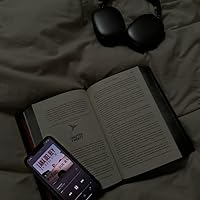
October 26, 2025
3.5⭐️
“I don’t just want you, Grace—I fucking need you. And that scares the shit out of me.”
. ݁₊ ⊹ . ݁ ⟡ ݁ . ⊹ ₊ ݁. . ݁₊ ⊹ . ݁ ⟡ ݁ . ⊹ ₊ ݁. . ݁₊ ⊹ . ݁ ⟡ ݁ . ⊹ ₊ ݁. . ݁₊ ⊹ . ݁ ⟡ ݁ . ⊹ ₊ ݁.
🪽forbidden Romance
⚔️ academic setting
🪽dislike to love
⚔️ betrayals
🪽 she tends his wounds
⚔️ he trains her
. ݁₊ ⊹ . ݁ ⟡ ݁ . ⊹ ₊ ݁. . ݁₊ ⊹ . ݁ ⟡ ݁ . ⊹ ₊ ݁. . ݁₊ ⊹ . ݁ ⟡ ݁ . ⊹ ₊ ݁. . ݁₊ ⊹ . ݁ ⟡ ݁ . ⊹ ₊ ݁.
I liked the storyline even though I felt like sometimes the pace was sometimes a bit slow . I was a bit confused with the powers of warriors and guardians I’d have loved if it was described a little more . I loved the main characters I wished there was more of their backstories but I guess it will be in the next book/s ; IDK how many books in this series .
The FMC was sweet and kind but snarky . I liked her she wasn’t that strong but she wasn’t weak either . She knew how to sand up for herself but she would also crumble.
The MMC was our typical grumpy protective MMC who at first wanted the FMC to stay the hell away but eventually couldn’t leave her . I liked his protectiveness and the way he challenged and defended her . Again, I would love to know more about his past so much .
The side characters were adorable. Silas is a diva! I liked him and Brandon a lot
“I don’t just want you, Grace—I fucking need you. And that scares the shit out of me.”
. ݁₊ ⊹ . ݁ ⟡ ݁ . ⊹ ₊ ݁. . ݁₊ ⊹ . ݁ ⟡ ݁ . ⊹ ₊ ݁. . ݁₊ ⊹ . ݁ ⟡ ݁ . ⊹ ₊ ݁. . ݁₊ ⊹ . ݁ ⟡ ݁ . ⊹ ₊ ݁.
🪽forbidden Romance
⚔️ academic setting
🪽dislike to love
⚔️ betrayals
🪽 she tends his wounds
⚔️ he trains her
. ݁₊ ⊹ . ݁ ⟡ ݁ . ⊹ ₊ ݁. . ݁₊ ⊹ . ݁ ⟡ ݁ . ⊹ ₊ ݁. . ݁₊ ⊹ . ݁ ⟡ ݁ . ⊹ ₊ ݁. . ݁₊ ⊹ . ݁ ⟡ ݁ . ⊹ ₊ ݁.
I liked the storyline even though I felt like sometimes the pace was sometimes a bit slow . I was a bit confused with the powers of warriors and guardians I’d have loved if it was described a little more . I loved the main characters I wished there was more of their backstories but I guess it will be in the next book/s ; IDK how many books in this series .
The FMC was sweet and kind but snarky . I liked her she wasn’t that strong but she wasn’t weak either . She knew how to sand up for herself but she would also crumble.
The MMC was our typical grumpy protective MMC who at first wanted the FMC to stay the hell away but eventually couldn’t leave her . I liked his protectiveness and the way he challenged and defended her . Again, I would love to know more about his past so much .
The side characters were adorable. Silas is a diva! I liked him and Brandon a lot

April 8, 2025
Enemies by design. Partners by fate. Lovers by mistake.
Grace Martin is an ordinary girl forced to study at Celestia — an elite academy for the Ascended, people gifted with angelic powers. She’s the only human among future angels, making her an easy target.
Her relationship with Hunter becomes especially complicated — dangerous, cold, and determined to keep his distance, he’s everything she should stay away from. But something sparks between them, defying logic and the strict rules of Celestia.
This was an atmospheric and at times funny story. Still holding off on rating the main characters, because let’s be honest — nudist Silas completely stole the spotlight 😏. It gave me strong Fate: The Winx Saga, Shadowhunters, Fallen, and Sweet Evil vibes.
Tropes:
— angels vs demons
— enemies to lovers
— forbidden romance
— dark academia
— slow burn
— only one bed (you know the drill)
— «Who did this to you?»
— sarcastic grumpy + sunshine = 🔥
My rating: 3.5 ⭐⭐⭐💫
Thank you to Rina Vasquez for providing this eARC in exchange for an honest review.
Grace Martin is an ordinary girl forced to study at Celestia — an elite academy for the Ascended, people gifted with angelic powers. She’s the only human among future angels, making her an easy target.
Her relationship with Hunter becomes especially complicated — dangerous, cold, and determined to keep his distance, he’s everything she should stay away from. But something sparks between them, defying logic and the strict rules of Celestia.
This was an atmospheric and at times funny story. Still holding off on rating the main characters, because let’s be honest — nudist Silas completely stole the spotlight 😏. It gave me strong Fate: The Winx Saga, Shadowhunters, Fallen, and Sweet Evil vibes.
Tropes:
— angels vs demons
— enemies to lovers
— forbidden romance
— dark academia
— slow burn
— only one bed (you know the drill)
— «Who did this to you?»
— sarcastic grumpy + sunshine = 🔥
My rating: 3.5 ⭐⭐⭐💫
Thank you to Rina Vasquez for providing this eARC in exchange for an honest review.
May 7, 2025
1.5⭐️
Listen, no one is more surprised than me that I ended up not liking Saints & Sinners. I’ve loved all of Rina’s previous work, so I was genuinely excited for this one. I went in expecting to fall in love with the world, the characters, the romance—but instead, I found myself confused, frustrated, and honestly kind of shocked by how rough the execution was. I found out later that this was actually the first book she ever wrote, and sadly, it really shows.
The writing itself feels incredibly unpolished. It’s repetitive and awkward, with moments of cringey dialogue that completely pulled me out of the story—like that bizarre tampon scene, which felt so out of place and served no real purpose. Like what even was that? It had no relevance to the plot or characters and felt shoehorned in for shock value or maybe humor, but it completely missed the mark.
The repetition in the dialogue stood out a lot too. I lost count of how many times Hunter called Silas and Brandon “idiots.” It didn’t come across as endearing or funny, just lazy. There’s a general lack of depth in the way things are written—it feels like the characters are just going through the motions of the plot without any emotional grounding or personality. We never get a real sense of who any of them are as people. Grace, the protagonist, is clearly meant to be the heart of the story, but she has no clear motivation, no distinct voice, and we’re never really shown how she feels beyond surface-level reactions. Same goes for her romance with Hunter—it’s presented as this intense, forbidden connection, but there’s no buildup, no real chemistry, and no emotional payoff. Their relationship just sort of happens, and we’re expected to be invested in it without understanding why they even like each other.
But what really dragged this book down for me was the worldbuilding. It is, frankly, a mess. None of the mechanics of this universe are clearly explained, and what little information we are given is vague, inconsistent, or just doesn’t make sense. We’re told that Ascendants are born with a piece of a celestial soul, but what does that actually mean? How do they differ from regular humans? Are they chosen, or born to specific bloodlines? Are they spiritually marked or genetically altered? That foundation is never laid, which leaves the entire concept of what makes an Ascendant feel hollow and confusing.
The rules of the world don’t make sense either. Early on, it’s established that the law prohibits Celestials from falling in love—not Ascendants. But then somehow, Grace and Hunter’s romance is forbidden to the point where their memories could be wiped. It contradicts the earlier setup and doesn’t explain why Ascendants, who don’t always ascend, are held to the same standards.
And then there’s the setting itself, which contradicts its own internal logic at every turn. Characters use phones and computers in the beginning, but later Hunter pulls out a physical map like smartphones never existed, and suddenly no one knows how to drive. By the end, phones are completely forgotten—like the author just stopped remembering they were part of the world. It’s jarring and makes the world feel like it only functions when it’s convenient to the plot. There are also massive plot holes everywhere. For instance, Celestia is described as a place specifically for Ascendants with powers, and the entire structure is built around developing and mastering those powers. So how on earth is Grace—who has no powers—placed there at all? Her entire class schedule revolves around learning to use abilities she doesn’t possess. It’s not just strange, it’s completely nonsensical. The book tries to play it off like it’s just her feeling like she doesn’t belong, but the reality is that she literally doesn’t. It’s like putting someone with no arms in a sword-fighting academy and expecting no one to notice.
On top of that, we’re introduced to terms and concepts like Riftkeepers, corrupted souls, demons, Ascension—all these elements that could be fascinating if they were developed—but they’re just thrown in and barely explained. Riftkeepers, for example, are said to be humans who know about Celestials, but then one of them is randomly described as being “extremely powerful,” with no explanation of how a human can go toe-to-toe with supernatural beings. The idea of corruption is also laughably vague. Apparently, someone can become corrupted by doubting or loving someone, and then if they die while corrupted, they turn into demons. But until then, there are no real consequences—not for the corrupted person, not for the people around them. It just weakens some magical barrier around a random place where only a portion of people are. Why would anyone care about corruption if nothing happens unless you die? And even then, the only impact is that demons show up sometimes? It feels like a vague concept thrown in to raise stakes that are never actually felt.
The book is just riddled with contradictions. At one point, someone says casual flings are common, yet by the end, we’re told Grace and Hunter could be mind-wiped for having one. We’re told Ascendants aren’t allowed to have children—but how are Ascendants even made in the first place? If they’re born, then someone had to have children. That question is never answered. And if not all Ascendants ascend into angels, wouldn’t it make more sense that the ones who don’t would start families to keep the line going? But instead, there’s this vague law that applies to everyone, even though it doesn’t make sense for all of them.
And the ending. Oh my god, the ending. Not only was it completely random, but there was absolutely no buildup. No clues, no foreshadowing, nothing to make the reveal feel earned. It didn’t feel like a twist—it felt like the author picked someone out of a hat and said “You’re the villain now.” That kind of writing doesn’t shock the reader; it just leaves them feeling cheated. There were no “aha!” moments, no connections to draw. It just happened, and I was left blinking at the page wondering if I missed something.
All in all, Saints & Sinners had some solid bones—a compelling premise, an intriguing world, the potential for emotionally charged conflict—but it needed so much more development. The characters are underwritten, the world is barely held together, and the plot is full of holes and inconsistencies that make it impossible to suspend disbelief. I truly wanted to love this, and I still believe Rina is a talented author based on her later work, but this book simply wasn’t ready. It needed several more drafts, clearer rules, stronger character arcs, and a lot more thought put into how the world actually works. As it stands, it just doesn’t hold up.
Listen, no one is more surprised than me that I ended up not liking Saints & Sinners. I’ve loved all of Rina’s previous work, so I was genuinely excited for this one. I went in expecting to fall in love with the world, the characters, the romance—but instead, I found myself confused, frustrated, and honestly kind of shocked by how rough the execution was. I found out later that this was actually the first book she ever wrote, and sadly, it really shows.
The writing itself feels incredibly unpolished. It’s repetitive and awkward, with moments of cringey dialogue that completely pulled me out of the story—like that bizarre tampon scene, which felt so out of place and served no real purpose. Like what even was that? It had no relevance to the plot or characters and felt shoehorned in for shock value or maybe humor, but it completely missed the mark.
The repetition in the dialogue stood out a lot too. I lost count of how many times Hunter called Silas and Brandon “idiots.” It didn’t come across as endearing or funny, just lazy. There’s a general lack of depth in the way things are written—it feels like the characters are just going through the motions of the plot without any emotional grounding or personality. We never get a real sense of who any of them are as people. Grace, the protagonist, is clearly meant to be the heart of the story, but she has no clear motivation, no distinct voice, and we’re never really shown how she feels beyond surface-level reactions. Same goes for her romance with Hunter—it’s presented as this intense, forbidden connection, but there’s no buildup, no real chemistry, and no emotional payoff. Their relationship just sort of happens, and we’re expected to be invested in it without understanding why they even like each other.
But what really dragged this book down for me was the worldbuilding. It is, frankly, a mess. None of the mechanics of this universe are clearly explained, and what little information we are given is vague, inconsistent, or just doesn’t make sense. We’re told that Ascendants are born with a piece of a celestial soul, but what does that actually mean? How do they differ from regular humans? Are they chosen, or born to specific bloodlines? Are they spiritually marked or genetically altered? That foundation is never laid, which leaves the entire concept of what makes an Ascendant feel hollow and confusing.
The rules of the world don’t make sense either. Early on, it’s established that the law prohibits Celestials from falling in love—not Ascendants. But then somehow, Grace and Hunter’s romance is forbidden to the point where their memories could be wiped. It contradicts the earlier setup and doesn’t explain why Ascendants, who don’t always ascend, are held to the same standards.
And then there’s the setting itself, which contradicts its own internal logic at every turn. Characters use phones and computers in the beginning, but later Hunter pulls out a physical map like smartphones never existed, and suddenly no one knows how to drive. By the end, phones are completely forgotten—like the author just stopped remembering they were part of the world. It’s jarring and makes the world feel like it only functions when it’s convenient to the plot. There are also massive plot holes everywhere. For instance, Celestia is described as a place specifically for Ascendants with powers, and the entire structure is built around developing and mastering those powers. So how on earth is Grace—who has no powers—placed there at all? Her entire class schedule revolves around learning to use abilities she doesn’t possess. It’s not just strange, it’s completely nonsensical. The book tries to play it off like it’s just her feeling like she doesn’t belong, but the reality is that she literally doesn’t. It’s like putting someone with no arms in a sword-fighting academy and expecting no one to notice.
On top of that, we’re introduced to terms and concepts like Riftkeepers, corrupted souls, demons, Ascension—all these elements that could be fascinating if they were developed—but they’re just thrown in and barely explained. Riftkeepers, for example, are said to be humans who know about Celestials, but then one of them is randomly described as being “extremely powerful,” with no explanation of how a human can go toe-to-toe with supernatural beings. The idea of corruption is also laughably vague. Apparently, someone can become corrupted by doubting or loving someone, and then if they die while corrupted, they turn into demons. But until then, there are no real consequences—not for the corrupted person, not for the people around them. It just weakens some magical barrier around a random place where only a portion of people are. Why would anyone care about corruption if nothing happens unless you die? And even then, the only impact is that demons show up sometimes? It feels like a vague concept thrown in to raise stakes that are never actually felt.
The book is just riddled with contradictions. At one point, someone says casual flings are common, yet by the end, we’re told Grace and Hunter could be mind-wiped for having one. We’re told Ascendants aren’t allowed to have children—but how are Ascendants even made in the first place? If they’re born, then someone had to have children. That question is never answered. And if not all Ascendants ascend into angels, wouldn’t it make more sense that the ones who don’t would start families to keep the line going? But instead, there’s this vague law that applies to everyone, even though it doesn’t make sense for all of them.
And the ending. Oh my god, the ending. Not only was it completely random, but there was absolutely no buildup. No clues, no foreshadowing, nothing to make the reveal feel earned. It didn’t feel like a twist—it felt like the author picked someone out of a hat and said “You’re the villain now.” That kind of writing doesn’t shock the reader; it just leaves them feeling cheated. There were no “aha!” moments, no connections to draw. It just happened, and I was left blinking at the page wondering if I missed something.
All in all, Saints & Sinners had some solid bones—a compelling premise, an intriguing world, the potential for emotionally charged conflict—but it needed so much more development. The characters are underwritten, the world is barely held together, and the plot is full of holes and inconsistencies that make it impossible to suspend disbelief. I truly wanted to love this, and I still believe Rina is a talented author based on her later work, but this book simply wasn’t ready. It needed several more drafts, clearer rules, stronger character arcs, and a lot more thought put into how the world actually works. As it stands, it just doesn’t hold up.
August 11, 2025
giving fourth wing meets hunger games. cant wait for the plot to thicken

May 3, 2025
I was lucky enough to get this as an ARC & have absolutely devoured this in 48 hours!!! For fans of enemies to lovers, touch her & die, TENSION👀 Then this is for you! Angels v Demons, celestial beings, secrets to learn….this book is incredible! Rina’s writing is just so easy to read & follow & the best thing is she really knows how to tell a story too! This book will have you in your feels & will absolutely have you demanding book 2 instantly! 🤍

January 7, 2026
a holy mess.
this was just filled with cliches and cringe. you have the ordinary girl that accidentally is put in a dorm room with 3 guys. has a happy go lucky new girl bestfriend. the roommates consist of the typical “bad boy”, “nice nerd” and the sarcastic “funny guy”. why didn’t we leave these books on wattpad. every single (badly done) trope showed up and i couldn’t do it anymore. this stuff has no place in fantasy or published books tbh. ugh. made it to page 149. bye.
this was just filled with cliches and cringe. you have the ordinary girl that accidentally is put in a dorm room with 3 guys. has a happy go lucky new girl bestfriend. the roommates consist of the typical “bad boy”, “nice nerd” and the sarcastic “funny guy”. why didn’t we leave these books on wattpad. every single (badly done) trope showed up and i couldn’t do it anymore. this stuff has no place in fantasy or published books tbh. ugh. made it to page 149. bye.

August 12, 2025
0,5 solo perché ho sprecato una giornata sana a leggere sto scempio di storia

July 29, 2025
3.8
Ending was kinda wishy washy, will need book 2 cause I know it will get better! Loved the angel system in this book, was cool. Sometimes FMC got me tight but what can you do, she's just a human! :P
Ending was kinda wishy washy, will need book 2 cause I know it will get better! Loved the angel system in this book, was cool. Sometimes FMC got me tight but what can you do, she's just a human! :P

May 3, 2025
I am going to need everyone to get this book when it comes out in June. Thank you. Actually, you will be thanking me after you read this heart wrenching emotional roller coaster. Rina has done it again.
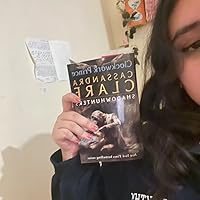
July 29, 2025
2⭐️ no thank you
this book was a HARD read which is quite disappointing because i loved the beginning😭 how did we go from Grace kneeing Hunter and actually having a personality to then being a whiney rat
nah but honestly the way i loved Grace at the beginning and thought she was really funny but as the book went on she got more on my nerves and just made me cringe😣 i loved the bit where her and Hunter had a small feud going on but that lasted FOUR PAGES like bffr😐 this book deffo had good bits but they were way to short and it focussed more on them just sneaking around😭 im surprised they got any training done cause it seemed like they couldn’t keep their hands to themselves🤨 i really think this would’ve been wayyyyy better if it was more of a slow burn and we had more build up before they just randomly got together
Marnies death was SO unnecessary like you’ve already killed off Lucas and half of the school why take Marnie for no reason😭 literally her only friend
even the relationship Grace had with Brandon and Silas seemed to get shitter as the book went on. i loved it at the beginning but then it fizzled out which was annoying☹️ i really enjoy the found family troupe and there was potential there (i did enjoy that one bit of the competition where they were all together, but again it was SO SHORT)
Eden being a bad person was obvious from the first moment, was kinda shocked about Hunter but we knew he was hiding something. im happy they clarified that Grace was only in the competition because they were proving a point, i was confused why this 5’ nothing girl who barely trained made top 5🤨
the plot was ALL over the place, one second they’re searching for Hunters brother, then they are in a rs and forgot about said brother, then completion, then dead people - like just focus on one and execute it well because it was not all blending together.
also side note i hate the fact they can’t be in relationships it makes it so boring idk like why am i just reading about Silas staring about Veronica every two mins
the only positive is that the short chapters made it a very easy read but i would not recommend this. its basically all romance (not a very good one might i add) and the plot is incoherent👼
this book was a HARD read which is quite disappointing because i loved the beginning😭 how did we go from Grace kneeing Hunter and actually having a personality to then being a whiney rat
nah but honestly the way i loved Grace at the beginning and thought she was really funny but as the book went on she got more on my nerves and just made me cringe😣 i loved the bit where her and Hunter had a small feud going on but that lasted FOUR PAGES like bffr😐 this book deffo had good bits but they were way to short and it focussed more on them just sneaking around😭 im surprised they got any training done cause it seemed like they couldn’t keep their hands to themselves🤨 i really think this would’ve been wayyyyy better if it was more of a slow burn and we had more build up before they just randomly got together
Marnies death was SO unnecessary like you’ve already killed off Lucas and half of the school why take Marnie for no reason😭 literally her only friend
even the relationship Grace had with Brandon and Silas seemed to get shitter as the book went on. i loved it at the beginning but then it fizzled out which was annoying☹️ i really enjoy the found family troupe and there was potential there (i did enjoy that one bit of the competition where they were all together, but again it was SO SHORT)
Eden being a bad person was obvious from the first moment, was kinda shocked about Hunter but we knew he was hiding something. im happy they clarified that Grace was only in the competition because they were proving a point, i was confused why this 5’ nothing girl who barely trained made top 5🤨
the plot was ALL over the place, one second they’re searching for Hunters brother, then they are in a rs and forgot about said brother, then completion, then dead people - like just focus on one and execute it well because it was not all blending together.
also side note i hate the fact they can’t be in relationships it makes it so boring idk like why am i just reading about Silas staring about Veronica every two mins
the only positive is that the short chapters made it a very easy read but i would not recommend this. its basically all romance (not a very good one might i add) and the plot is incoherent👼
May 4, 2025
This was SO good! The world building was so interesting and the take Rina took on Celestial hierarchy was one that I’d never read about before.
This whole story kept me interested and on the edge of my seat the whole time! I had so many theories going at the end of each chapter, that I just wanted to keep devouring the pages to find out if I was right or not.
Grace was such a relatable character. She was a human living in a world that wasn’t meant for her. She was constantly battling with wanting to find her place while knowing she wasn’t welcomed where she was. It was so interesting while I read and thinking of my own background with growing up in with religion. We are taught that angels (celestials) are there to protect us and yada yada yada, but in this world humans were looked at as these weak little specks of dirt that didn’t deserve even a thought from the all powerful celestials. The way it kept challenging that thinking was so interesting!
Hunter…boy. You’ve got some explaining to do!
Can’t wait for book two!!!
This whole story kept me interested and on the edge of my seat the whole time! I had so many theories going at the end of each chapter, that I just wanted to keep devouring the pages to find out if I was right or not.
Grace was such a relatable character. She was a human living in a world that wasn’t meant for her. She was constantly battling with wanting to find her place while knowing she wasn’t welcomed where she was. It was so interesting while I read and thinking of my own background with growing up in with religion. We are taught that angels (celestials) are there to protect us and yada yada yada, but in this world humans were looked at as these weak little specks of dirt that didn’t deserve even a thought from the all powerful celestials. The way it kept challenging that thinking was so interesting!
Hunter…boy. You’ve got some explaining to do!
Can’t wait for book two!!!
June 10, 2025
Booksta review 10th june 2025:
✨Review of Saints and Sinners✨
First of all! Happy release day of thisamazing book!
I had the honor to read this book as an ARC (advanced readers copy). And boy it did not dissapoint.
I knew from the first chapter that I would love this book. I’m familiar with the writing style of Karina, because she also wrote the amazing A city of flames series!
now onto my review. I loved the banter between our bambi and huntsman so much!
The attraction could be felt from the page. I occasionally giggled a lot about what happened then, because I liked it so much!
There are a number of elements in the book that I personally really like! For example, they are roommates, enemies to lovers, it takes place at a school, there is a competition element and especially a lot of fun moments with the other roommates ( I am in Love!!!! With Silas! Brandon is also a cutie!), a ball, found family. Well I can go on, so it's just a really nice book if you like fantasy.
I cannot wait to read the next book from this series!
Thanx Rina for letting me join your streetteam❤️
⭐️⭐️⭐️⭐️
✨Review of Saints and Sinners✨
First of all! Happy release day of thisamazing book!
I had the honor to read this book as an ARC (advanced readers copy). And boy it did not dissapoint.
I knew from the first chapter that I would love this book. I’m familiar with the writing style of Karina, because she also wrote the amazing A city of flames series!
now onto my review. I loved the banter between our bambi and huntsman so much!
The attraction could be felt from the page. I occasionally giggled a lot about what happened then, because I liked it so much!
There are a number of elements in the book that I personally really like! For example, they are roommates, enemies to lovers, it takes place at a school, there is a competition element and especially a lot of fun moments with the other roommates ( I am in Love!!!! With Silas! Brandon is also a cutie!), a ball, found family. Well I can go on, so it's just a really nice book if you like fantasy.
I cannot wait to read the next book from this series!
Thanx Rina for letting me join your streetteam❤️
⭐️⭐️⭐️⭐️
July 23, 2025
dnfd at 22%
so I saw this blurb and thought it would be interesting but honestly it just a mess. I'm still not 100% sure what I read because it's kind of all over the place and the World building is definitely almost non-existent. there's also a lot of repetition and it's very close together so it's noticeable and kind of takes you out of the story. also as other reviews of mentioned the names of the characters can be somewhat confusing like one is named Hunter Cain or Cain Hunter I'm not 100% sure.
storyline doesn't really make a whole lot of sense plus the attitude of the fmc. she's supposed to be human I think and supposedly she was left at the doorstep of an angel named Joe who used to be a celestial in the academy that she ends up going to. he ascended to Angel status within two weeks of being at the school. apparently they're the group of people who go after these angels and she is brought to the school because she's finally 18 and they want her to be safe there. the book starts where she's being dropped off and when she goes to her dorm room she walks in to a room with three guys who are warriors.
what I don't understand about the school is she basically tells the office staff that she wants to stay in that room and become a warrior like them but has absolutely no training and is a human and they just like let her. but she's weak and then towards like the 20% Mark she makes herself look stupid in front of the council and then talk shit to one of the guys Hunter about his brother who was killed.
so I saw this blurb and thought it would be interesting but honestly it just a mess. I'm still not 100% sure what I read because it's kind of all over the place and the World building is definitely almost non-existent. there's also a lot of repetition and it's very close together so it's noticeable and kind of takes you out of the story. also as other reviews of mentioned the names of the characters can be somewhat confusing like one is named Hunter Cain or Cain Hunter I'm not 100% sure.
storyline doesn't really make a whole lot of sense plus the attitude of the fmc. she's supposed to be human I think and supposedly she was left at the doorstep of an angel named Joe who used to be a celestial in the academy that she ends up going to. he ascended to Angel status within two weeks of being at the school. apparently they're the group of people who go after these angels and she is brought to the school because she's finally 18 and they want her to be safe there. the book starts where she's being dropped off and when she goes to her dorm room she walks in to a room with three guys who are warriors.
what I don't understand about the school is she basically tells the office staff that she wants to stay in that room and become a warrior like them but has absolutely no training and is a human and they just like let her. but she's weak and then towards like the 20% Mark she makes herself look stupid in front of the council and then talk shit to one of the guys Hunter about his brother who was killed.
This entire review has been hidden because of spoilers.
Read
June 14, 2025Please don't write characters with last names that are often used as first names as well, it makes it really confusing for the reader. I had to reread a couple of pages multiple times before I realized there were not more characters :(
July 9, 2025
I made it to 69% but I just can't anymore. This book had a lot of potential but the execution... Characters who are supposed to he in their early twenties act like 16 year olds and don't get me started on the cringy dialogues, why? Just why?
I'm starting to lose faith in booktoks recommendations.
I'm starting to lose faith in booktoks recommendations.

May 13, 2025
i'm incredibly grateful to have received an ARC for this book and to be a part of Grace and Hunter's journey. i saw Rina's posts few times on tiktok and the last time i took it as a sign and applied to be in her team. what i feel about the book is hard to put in words. it made me feel nostalgic in the best way possible. it reminded me of 'fallen', 'shadowhunters', 'giver' and sometimes 'divergent'. i was eating it up. i literally couldn't put it down but if i did, all i would be thinking about is them.
Grace is so kind and beautiful (inside and outside). as a girlie with curly hair, it warmed my heart to meet her. her mental struggles were so real, i could relate and it made me feel not alone in this. Hunter is such a tortured soul, so distant but when he opens up, his soul is craving to be better and wants to share all the love and care he has inside. i enjoy how their story started with disliking each other and then they uncovered with layers that maybe that's not what they expected it to be. first, i felt like it's unfair to treat her like this not even knowing her. however, it happens in real life so many times, i don't have enough fingers to count. i also liked how it was all explained. 'forbidden romance' is my roman empire: them sneaking out, stolen kisses - I'M SAT. i'd not use 'enemies-to-lovers' trope fully to describe the book, just because it sets certain expectations and people tend to take everything too seriously.
side characters are chefs kiss. Silas is my boy, he was giving me Ridoc vibes from Fourth Wing. he's such a cinnamon roll. Brandon is such a cute nerdy. i absolutely adored their quartet. the friendship in this book was like a warm hug. they even had a ball, i wish we could see more of it, i love the ball aesthetics and i took one star from this book just because i wanted more description, more being in a moment. the angel codex was one of the most interesting things that i've encountered in this book. the way they wanted to control everyone in academy was crazyyyy. i like how we see angel not like they're the definition of the good on the earth but how cruel and manipulative they can be. the mystery was building up and if i'm being honest i don't even imagine what's going to happen in book 2. i already sense the struggle between our main characters. i'm genuinely hyped.
the ending broke my heart. there are so many things to be uncovered and faced. i'm not ready...
i highly recommend this series and suggest you to read it while listening to the playlist and maybe that's your sign to rewatch old movies that have similar vibes, because that's what i'm going to do <3
Grace is so kind and beautiful (inside and outside). as a girlie with curly hair, it warmed my heart to meet her. her mental struggles were so real, i could relate and it made me feel not alone in this. Hunter is such a tortured soul, so distant but when he opens up, his soul is craving to be better and wants to share all the love and care he has inside. i enjoy how their story started with disliking each other and then they uncovered with layers that maybe that's not what they expected it to be. first, i felt like it's unfair to treat her like this not even knowing her. however, it happens in real life so many times, i don't have enough fingers to count. i also liked how it was all explained. 'forbidden romance' is my roman empire: them sneaking out, stolen kisses - I'M SAT. i'd not use 'enemies-to-lovers' trope fully to describe the book, just because it sets certain expectations and people tend to take everything too seriously.
side characters are chefs kiss. Silas is my boy, he was giving me Ridoc vibes from Fourth Wing. he's such a cinnamon roll. Brandon is such a cute nerdy. i absolutely adored their quartet. the friendship in this book was like a warm hug. they even had a ball, i wish we could see more of it, i love the ball aesthetics and i took one star from this book just because i wanted more description, more being in a moment. the angel codex was one of the most interesting things that i've encountered in this book. the way they wanted to control everyone in academy was crazyyyy. i like how we see angel not like they're the definition of the good on the earth but how cruel and manipulative they can be. the mystery was building up and if i'm being honest i don't even imagine what's going to happen in book 2. i already sense the struggle between our main characters. i'm genuinely hyped.
the ending broke my heart. there are so many things to be uncovered and faced. i'm not ready...
i highly recommend this series and suggest you to read it while listening to the playlist and maybe that's your sign to rewatch old movies that have similar vibes, because that's what i'm going to do <3
September 24, 2025
Este libro me ha devastado pero en el buen sentido. Llevaba ya un tiempo sin encontrar un libro que me hiciera querer terminarlo de una sentada hasta que empecé a leer esta maravilla.
Saints and Sinners es una cortina de humo que te hace creer cosas para luego machacarte el corazón, desmantelar tus teorías y pedir que por favor salga ya la segunda parte. Todo esto mientras no terminas de creer lo que acaba de ocurrir. Wow.
Grace no es más que una humana en un mundo donde los ángeles intentan no sucumbir a la corrupción de los demonios. Su padre adoptivo, un ángel que ocupa un asiento en el Consejo Divino, lleva cuidando de ella desde que era una niña y para evitar tener que huir de los peligros de este mundo, decide que el lugar más seguro para ella es la academia en la que todos los seres Celestiales se forman para potenciar sus habilidades y dones para servir y defender los ideales de esta sociedad. Solo hay dos reglas: no amar y no cuestionar ya que el amor y la rebeldía conllevarán a su caída y a la de cualquiera.
Sin embargo, aunque Grace lleve desde la infancia siendo parte de este mundo ajeno a la raza humana, hay cosas que no entiende y muchos seres celestiales no aceptan que Grace forme parte de su mundo. Una de estas personas es Hunter, el mejor guerrero en formación de la academia. Para él y sus dos compañeros de cuarto, Silas y Brandon, que una humana como Grace vaya a la misma escuela que ellos es absurdos, más aún que la acepten en el grupo de guerreros y peor, que comparta cuarto con ellos. ¿Qué pinta ella ahí?
La verdad es que todo lo que he marcado en el libro o en su gran mayoría, son frases o pensamientos de Hunter porque, por mucho que lo intente y quiera evitarlo poniendo distancia entre él y Grace, termina rendido a sus pies y los sentimientos que desarrolla por ella se vuelven incontrolables (he fall first and harder).
Por otra parte, cuando el pasado de Grace (más bien el de su familia) sale a la luz, todo cambia. Pero no sólo para ella, sino para todos los que la rodean.
Este libro no solo va de una chica desamparada en una academia en la que no debería de estar y que se enamora del chico misterioso de clase. No. Esto es mucho más. Secretos, misterios, intriga, amistad, valentía, superación, traiciones… todo esto está presente a lo largo de la historia y se hace imposible dejar de leerla. Te atrapa y te deja con ganas de más, de saber por qué, de lo que va a pasar.
Sinceramente, una obra de arte.
Saints and Sinners es una cortina de humo que te hace creer cosas para luego machacarte el corazón, desmantelar tus teorías y pedir que por favor salga ya la segunda parte. Todo esto mientras no terminas de creer lo que acaba de ocurrir. Wow.
Grace no es más que una humana en un mundo donde los ángeles intentan no sucumbir a la corrupción de los demonios. Su padre adoptivo, un ángel que ocupa un asiento en el Consejo Divino, lleva cuidando de ella desde que era una niña y para evitar tener que huir de los peligros de este mundo, decide que el lugar más seguro para ella es la academia en la que todos los seres Celestiales se forman para potenciar sus habilidades y dones para servir y defender los ideales de esta sociedad. Solo hay dos reglas: no amar y no cuestionar ya que el amor y la rebeldía conllevarán a su caída y a la de cualquiera.
Sin embargo, aunque Grace lleve desde la infancia siendo parte de este mundo ajeno a la raza humana, hay cosas que no entiende y muchos seres celestiales no aceptan que Grace forme parte de su mundo. Una de estas personas es Hunter, el mejor guerrero en formación de la academia. Para él y sus dos compañeros de cuarto, Silas y Brandon, que una humana como Grace vaya a la misma escuela que ellos es absurdos, más aún que la acepten en el grupo de guerreros y peor, que comparta cuarto con ellos. ¿Qué pinta ella ahí?
La verdad es que todo lo que he marcado en el libro o en su gran mayoría, son frases o pensamientos de Hunter porque, por mucho que lo intente y quiera evitarlo poniendo distancia entre él y Grace, termina rendido a sus pies y los sentimientos que desarrolla por ella se vuelven incontrolables (he fall first and harder).
Por otra parte, cuando el pasado de Grace (más bien el de su familia) sale a la luz, todo cambia. Pero no sólo para ella, sino para todos los que la rodean.
Este libro no solo va de una chica desamparada en una academia en la que no debería de estar y que se enamora del chico misterioso de clase. No. Esto es mucho más. Secretos, misterios, intriga, amistad, valentía, superación, traiciones… todo esto está presente a lo largo de la historia y se hace imposible dejar de leerla. Te atrapa y te deja con ganas de más, de saber por qué, de lo que va a pasar.
Sinceramente, una obra de arte.
Read
May 28, 2025✧ 𝙰𝚁𝙲 𝚁𝚎𝚟𝚒𝚎𝚠 ✧
🪽 This book swept me up in a tide of nostalgia, with an addictive amalgamation of elements reminiscent of Divergent, Shadowhunters, and Supernatural 💜.
🪽 I found the FMC, Grace, to be relatable and likeable. Her anxious rambling was endearing, and her inner monologue was hilarious 😂.
🪽 The morally grey, broody MMC, Hunter, is definitely book-boyfriend material and has a complex backstory I'm curious to learn more about.
🪽 The FMC's and MMC's dynamic gave me the same vibes as Tris and Four from Divergent 🫠.
🪽 Hate to love (their meet-cute literally involves her kicking him in the 🍒 🤣🙌), forbidden romance, forced proximity, grumpy × sunshine, slowburn, banter, tension, and spice ❤️🔥.
🪽 Intriguing world with angels vs. demons, other celestial and infernal creatures, and magic 👼👿.
🪽 I'm a sucker for magic/fantasy academies, so I loved reading about Celestia Academy with all its classes, training, and the tournament ⚔️.
🪽 Rina has a knack for creating lovable side characters, and for weaving levity and humour throughout her stories — which I appreciate as it keeps the tone upbeat despite all the tribulations.
🪽 The major plot twist at the end floored me (I was clutching my metaphorical pearls 🪦), and I can not wait to read more and see how this series unfolds 🙌!
I'd recommend it to romantasy/paranormal-romance readers who love academy settings, and fans of Divergent, Shadowhunters, and Supernatural 🫶
FAVOURITE QUOTES:
• “You lay a single hand on her again, and I’ll make sure you never get the chance to regret it.”
• I had never known what love was before. Not really. I didn’t understand how it could unravel you and hold you together all at once. How it could feel like standing at the edge of a cliff, the wind daring you to jump, but knowing there’s no solid ground waiting below.
• Love was silent and invisible but inescapable like gravity. It pulls you in slowly at first, so subtly you barely notice. Then, all at once, it drags you under. It doesn’t ask for permission. It doesn’t care if you’re ready. And Hunter... He was my gravity.
• Grace’s face, her voice, and her smile filled my mind again. She was becoming my weakness and my anchor all at once. And the terrifying truth was, I didn’t mind risking it all for her.
🪽 This book swept me up in a tide of nostalgia, with an addictive amalgamation of elements reminiscent of Divergent, Shadowhunters, and Supernatural 💜.
🪽 I found the FMC, Grace, to be relatable and likeable. Her anxious rambling was endearing, and her inner monologue was hilarious 😂.
🪽 The morally grey, broody MMC, Hunter, is definitely book-boyfriend material and has a complex backstory I'm curious to learn more about.
🪽 The FMC's and MMC's dynamic gave me the same vibes as Tris and Four from Divergent 🫠.
🪽 Hate to love (their meet-cute literally involves her kicking him in the 🍒 🤣🙌), forbidden romance, forced proximity, grumpy × sunshine, slowburn, banter, tension, and spice ❤️🔥.
🪽 Intriguing world with angels vs. demons, other celestial and infernal creatures, and magic 👼👿.
🪽 I'm a sucker for magic/fantasy academies, so I loved reading about Celestia Academy with all its classes, training, and the tournament ⚔️.
🪽 Rina has a knack for creating lovable side characters, and for weaving levity and humour throughout her stories — which I appreciate as it keeps the tone upbeat despite all the tribulations.
🪽 The major plot twist at the end floored me (I was clutching my metaphorical pearls 🪦), and I can not wait to read more and see how this series unfolds 🙌!
I'd recommend it to romantasy/paranormal-romance readers who love academy settings, and fans of Divergent, Shadowhunters, and Supernatural 🫶
FAVOURITE QUOTES:
• “You lay a single hand on her again, and I’ll make sure you never get the chance to regret it.”
• I had never known what love was before. Not really. I didn’t understand how it could unravel you and hold you together all at once. How it could feel like standing at the edge of a cliff, the wind daring you to jump, but knowing there’s no solid ground waiting below.
• Love was silent and invisible but inescapable like gravity. It pulls you in slowly at first, so subtly you barely notice. Then, all at once, it drags you under. It doesn’t ask for permission. It doesn’t care if you’re ready. And Hunter... He was my gravity.
• Grace’s face, her voice, and her smile filled my mind again. She was becoming my weakness and my anchor all at once. And the terrifying truth was, I didn’t mind risking it all for her.

June 22, 2025
I’m back with another review—this one’s a bit overdue, but as you know, life happened.
I had been dying to read Saints and Sinners, and OMG, this one was so much fun. It’s like Shadowhunters and Vampire Academy had a baby that only inherited the best aspects of both.
We follow Grace, a human raised by her adoptive father, Joe—who just so happens to be an angel. In order to protect her, Joe enrolls her in an academy where future angels are trained. The twist? She’s roomed with three male trainees, and one of them, Hunter, seriously hates her. He’s determined to make her leave the academy... and from there, chaos (and entertainment) ensues.
Let me be clear: the delay in my reading wasn’t because this book wasn’t entertaining—it totally was. In fact, the moment I had a few hours to myself, I binged 80% of it in one sitting. That’s how addicting it was.
There were moments when Grace annoyed me—but honestly, that kind of worked. She's 18, and sometimes she acts like it. It’s realistic, and kudos to the author for writing a character whose age really shows. That said, she still got on my nerves occasionally.
And Hunter? Where do I even begin? He’s grumpy in the most entertaining way, and reading his interactions was a highlight. Also, the secondary characters are so well developed. I adored Silas and Brandon—but I get the feeling I shouldn’t get too attached...
The story centers on angelic warriors training to ascend into angelhood, but there’s so much more going on. You’ve got demons, political intrigue, racism, angst—you name it. It’s layered without being overwhelming.
The worldbuilding is simple but solid. It’s the perfect book for someone new to fantasy—not too complicated but still rich enough to satisfy seasoned readers. Everything fits together nicely and sets the stage for what I assume will be an even bigger story in future installments.
I really enjoyed this book and will definitely be checking out more of Rina Vasquez’s work. I’m also very eager for the next installment!
I had been dying to read Saints and Sinners, and OMG, this one was so much fun. It’s like Shadowhunters and Vampire Academy had a baby that only inherited the best aspects of both.
We follow Grace, a human raised by her adoptive father, Joe—who just so happens to be an angel. In order to protect her, Joe enrolls her in an academy where future angels are trained. The twist? She’s roomed with three male trainees, and one of them, Hunter, seriously hates her. He’s determined to make her leave the academy... and from there, chaos (and entertainment) ensues.
Let me be clear: the delay in my reading wasn’t because this book wasn’t entertaining—it totally was. In fact, the moment I had a few hours to myself, I binged 80% of it in one sitting. That’s how addicting it was.
There were moments when Grace annoyed me—but honestly, that kind of worked. She's 18, and sometimes she acts like it. It’s realistic, and kudos to the author for writing a character whose age really shows. That said, she still got on my nerves occasionally.
And Hunter? Where do I even begin? He’s grumpy in the most entertaining way, and reading his interactions was a highlight. Also, the secondary characters are so well developed. I adored Silas and Brandon—but I get the feeling I shouldn’t get too attached...
The story centers on angelic warriors training to ascend into angelhood, but there’s so much more going on. You’ve got demons, political intrigue, racism, angst—you name it. It’s layered without being overwhelming.
The worldbuilding is simple but solid. It’s the perfect book for someone new to fantasy—not too complicated but still rich enough to satisfy seasoned readers. Everything fits together nicely and sets the stage for what I assume will be an even bigger story in future installments.
I really enjoyed this book and will definitely be checking out more of Rina Vasquez’s work. I’m also very eager for the next installment!

July 27, 2025
It’s too bad I don’t have the patience for long stories because I almost didn’t finish the novel. It’s awesome; I love a good angel romance.
This review may seem disjointed; I had to start another novel while finishing this one!
{M/F; dual POV; closed door scenes}
--Forbidden Love
--human and celestial
First sentence “I wasn’t suicidal. I promised.”
Oh, wow. That dragged me into the story!
The
Magic system
Or angel social hierarchy =
⁃ Messengers: have telepathy
⁃ Warriors: have super strength
⁃ Healers
⁃ Guardians
Unfortunately Grace is none of the above. Her guardian angel adopted her, but as a human she is a potential target for their enemies. Joe decided to enroll her in the school . He was hoping she would train as a healer. She chose the warrior path to hopefully protect herself. Ha! At least she can claim the ribbon for “most improved.”
“But fairness is a luxury in this world, and justice... justice is for those who serve”
“the second rule of the Angelic Code: ‘To question is to rebel. To rebel is to fall.”
Their social contract is not a moral code guided by laws but a need to follow the rules and conform. I would love to read more angel academy romances with an exploration of castes and romance. A good rendition like this just makes me crave more.
The
Romance:
50/50 plot/romance
I have to say, every girl might like to hear a guy tell her he dreams about her and needs her like air. Hunter and Grace are so in love they surreptitiously grope in the armory and in the woods. It’s swoon worthy. Their love is so believable the plot twist at the end nearly made me cry!
Sub characters
Marnie:healer
Lucas:warrior
Hunter’s friends Silas and Brandon. The three stooges act just like brothers, and they obviously grew up together.
This review may seem disjointed; I had to start another novel while finishing this one!
{M/F; dual POV; closed door scenes}
--Forbidden Love
--human and celestial
First sentence “I wasn’t suicidal. I promised.”
Oh, wow. That dragged me into the story!
The
Magic system
Or angel social hierarchy =
⁃ Messengers: have telepathy
⁃ Warriors: have super strength
⁃ Healers
⁃ Guardians
Unfortunately Grace is none of the above. Her guardian angel adopted her, but as a human she is a potential target for their enemies. Joe decided to enroll her in the school . He was hoping she would train as a healer. She chose the warrior path to hopefully protect herself. Ha! At least she can claim the ribbon for “most improved.”
“But fairness is a luxury in this world, and justice... justice is for those who serve”
“the second rule of the Angelic Code: ‘To question is to rebel. To rebel is to fall.”
Their social contract is not a moral code guided by laws but a need to follow the rules and conform. I would love to read more angel academy romances with an exploration of castes and romance. A good rendition like this just makes me crave more.
The
Romance:
50/50 plot/romance
I have to say, every girl might like to hear a guy tell her he dreams about her and needs her like air. Hunter and Grace are so in love they surreptitiously grope in the armory and in the woods. It’s swoon worthy. Their love is so believable the plot twist at the end nearly made me cry!
Sub characters
Marnie:healer
Lucas:warrior
Hunter’s friends Silas and Brandon. The three stooges act just like brothers, and they obviously grew up together.
May 16, 2025
In a world where everything seems black and white, you discover that reality is dark gray... almost black, haha.
I actually devoured the first half of the book (at my own pace) and I think part of this has to do with the similarity to the 2016 movie Fallen (I haven't read the books, though, but yeah). And I'm glad about this, because fantasy books intimidate me a lot because of the possible new terms, creatures and powers, etc., and I can confirm that with this one there is no way to get lost.
On the other hand, if we talk about the characters, I really liked Brandon and Professor Sariel... and, I confess, I also liked Hunter's complexity a little.
That ending?! It blew my mind (kinda), it left me speechless, I was pleased to have been surprised and to have been wrong with my prediction.
Now, I did find some details that I didn't love and one of them is that I think this book doesn't pass the Bechdel test. Yes, there are women in important positions and teachers and students, but almost 98% of the conversations ended up mentioning a man. Whether it was Joe or Hunter.
And this caused the book's mission of representing misfits and “the ones who try to carve their own place in a world that tells them they don't fit,” as it says in the dedication, to falter a bit. Especially considering that Grace is constantly saved by men.
Also, like I said, one of the characters that I liked and hated the most, was Hunter. That man has a quite complex backstory, with traumas and secrets that fell short. They simply mention them at the end of the book as if they were nothing. And, in my opinion, I feel like that potential was lost, because simultaneously this could have given the opportunity to develop another character. But anyways…
For these reasons and more, I decided to give it 3.25⭐️.
I'm pretty grateful for the opportunity to get to know about this story, these characters, and this world beforehand, and I'll definitely be coming back to read the second book in the series because that ending?! hahaha, I liked it.
Make sure you read the trigger warnings before reading the book!
I actually devoured the first half of the book (at my own pace) and I think part of this has to do with the similarity to the 2016 movie Fallen (I haven't read the books, though, but yeah). And I'm glad about this, because fantasy books intimidate me a lot because of the possible new terms, creatures and powers, etc., and I can confirm that with this one there is no way to get lost.
On the other hand, if we talk about the characters, I really liked Brandon and Professor Sariel... and, I confess, I also liked Hunter's complexity a little.
That ending?! It blew my mind (kinda), it left me speechless, I was pleased to have been surprised and to have been wrong with my prediction.
Now, I did find some details that I didn't love and one of them is that I think this book doesn't pass the Bechdel test. Yes, there are women in important positions and teachers and students, but almost 98% of the conversations ended up mentioning a man. Whether it was Joe or Hunter.
And this caused the book's mission of representing misfits and “the ones who try to carve their own place in a world that tells them they don't fit,” as it says in the dedication, to falter a bit. Especially considering that Grace is constantly saved by men.
Also, like I said, one of the characters that I liked and hated the most, was Hunter. That man has a quite complex backstory, with traumas and secrets that fell short. They simply mention them at the end of the book as if they were nothing. And, in my opinion, I feel like that potential was lost, because simultaneously this could have given the opportunity to develop another character. But anyways…
For these reasons and more, I decided to give it 3.25⭐️.
I'm pretty grateful for the opportunity to get to know about this story, these characters, and this world beforehand, and I'll definitely be coming back to read the second book in the series because that ending?! hahaha, I liked it.
Make sure you read the trigger warnings before reading the book!

July 24, 2025
“To love is to fall.To fall is to be forgotten”
In a world that never really felt like her own Grace is destined for greatness. Raised by an angel named Joe, Grace has been privy to a world of angels and demons with mysterious and secrets for the ages. In order to keep her safe she is sent to Celestia an academy for angels to prepare themselves for the sectors they will be placed in. Grace is strong, independent and determined to prove that she is worthy of the Warrior Sector. The protectors of the world. Enter Hunter, the top student, who just so happens to be grumpy, handsome as hell and Graces accidental roommate.As much as Hunter tries to push the pull he has towards Grace away in every way he can it's useless. That is until interesting and unexpected events start to occur and together they are determined to find the truth to all the mysterious and secrets around them.
To Hunter, Grace is the moon and to Grace, Hunter is her gravity but will that remain after truths are exposed?
Forbidden Love ✔️
Angels & Demons ✔️
Secrets & Mysterious ✔️
I absolutely loved this world and story and can not wait for the next book. I need it like yesterday! Rina, thank you so much for the opportunity to read your beautiful story early!
In a world that never really felt like her own Grace is destined for greatness. Raised by an angel named Joe, Grace has been privy to a world of angels and demons with mysterious and secrets for the ages. In order to keep her safe she is sent to Celestia an academy for angels to prepare themselves for the sectors they will be placed in. Grace is strong, independent and determined to prove that she is worthy of the Warrior Sector. The protectors of the world. Enter Hunter, the top student, who just so happens to be grumpy, handsome as hell and Graces accidental roommate.As much as Hunter tries to push the pull he has towards Grace away in every way he can it's useless. That is until interesting and unexpected events start to occur and together they are determined to find the truth to all the mysterious and secrets around them.
To Hunter, Grace is the moon and to Grace, Hunter is her gravity but will that remain after truths are exposed?
Forbidden Love ✔️
Angels & Demons ✔️
Secrets & Mysterious ✔️
I absolutely loved this world and story and can not wait for the next book. I need it like yesterday! Rina, thank you so much for the opportunity to read your beautiful story early!

July 11, 2025
I am speechless..what a cliffhanger🫣😱!! The ending shattered me 🤧 and left me with so many questions..
Grace Martin, a human FMC, attends Celestia, an elite academy for Ascendants. Ascendants possess angelic powers, putting Grace at a significant disadvantage. Despite this, she embodies unwavering will and determination to prove herself worthy to the Celestials and to survive at this academy. I found myself rooting for her as the underdog, and her character development was evident throughout the story.
Hunter Cain, a warrior Ascendant and the MMC, affectionately calls her Bambi. 🥴 He is grumpy and immediately sets out to prove that Grace doesn’t belong at Celestia. The layers of this man were truly captivating. He is more than just his appearance and ranking; it was evident how much weight he carries on his shoulders.
Silas Dunn, another warrior Ascendant, is a friend we all need in our group. He’s hilarious and you can’t take him seriously. He even has a pet tarantula named Jerry. Oh, and for some reason, he has an aversion to clothes, so he always seems to be naked. 🤣
• Forced proximity
• Forbidden love
• Academy setting
• Angels & demons
Grace Martin, a human FMC, attends Celestia, an elite academy for Ascendants. Ascendants possess angelic powers, putting Grace at a significant disadvantage. Despite this, she embodies unwavering will and determination to prove herself worthy to the Celestials and to survive at this academy. I found myself rooting for her as the underdog, and her character development was evident throughout the story.
Hunter Cain, a warrior Ascendant and the MMC, affectionately calls her Bambi. 🥴 He is grumpy and immediately sets out to prove that Grace doesn’t belong at Celestia. The layers of this man were truly captivating. He is more than just his appearance and ranking; it was evident how much weight he carries on his shoulders.
Silas Dunn, another warrior Ascendant, is a friend we all need in our group. He’s hilarious and you can’t take him seriously. He even has a pet tarantula named Jerry. Oh, and for some reason, he has an aversion to clothes, so he always seems to be naked. 🤣
• Forced proximity
• Forbidden love
• Academy setting
• Angels & demons
July 18, 2025
4.5/5
this book got me out of my reading slump after trailing on a different book series 🥲 still need to finish the other one. but that’s besides the point! the initial promise intrigued me of angel vs demons + the academy style plot! it also has enemies to lovers which is a beloved trope.
grace was a relatively pleasant character to read about although there were a couple moments where she came out a little too stubborn or impulsive but hey, chaos it is lol hunter is the brooding grumpy guy with secrets.
their initial interactions had a lot of “pranks” and revenge as they tried to get on each others nerves but the man folded pretty quickly. there’s also the slightest spice.
🌶️🌶️.5/5
there’s one MAIN moment where they have sex (it’s not fully explicit but we are in the room) and then everything else is either mentioned or they have some fun
anyway, only reason i docked a .5 is for the ending a little. it was kinda rushed and i wish there was more foreshadowing. i could catch onto some of the plots but there were some unexpected events that occurred that werent written well. overall, i am excited to read the second book!
this book got me out of my reading slump after trailing on a different book series 🥲 still need to finish the other one. but that’s besides the point! the initial promise intrigued me of angel vs demons + the academy style plot! it also has enemies to lovers which is a beloved trope.
grace was a relatively pleasant character to read about although there were a couple moments where she came out a little too stubborn or impulsive but hey, chaos it is lol hunter is the brooding grumpy guy with secrets.
their initial interactions had a lot of “pranks” and revenge as they tried to get on each others nerves but the man folded pretty quickly. there’s also the slightest spice.
🌶️🌶️.5/5
there’s one MAIN moment where they have sex (it’s not fully explicit but we are in the room) and then everything else is either mentioned or they have some fun
anyway, only reason i docked a .5 is for the ending a little. it was kinda rushed and i wish there was more foreshadowing. i could catch onto some of the plots but there were some unexpected events that occurred that werent written well. overall, i am excited to read the second book!
May 15, 2025
Grace is thrown into an celestia academy as a human who clearly doesn’t belong there but is determined to prove everyone wrong and become the best she possibly can. She wants to prove that she can be just as good as those gifted with celestial power. What she doesn’t expect is to fall in love with her grumpy roommate Hunter who wants her gone. But through her training they must come together and uncover secrets along the way that could change everything they know.
Praise for Rina Vasquez and her brilliant writing. I had so much fun in the halls of celestia and learning about the different sections they could train for. The build up to Grace and Hunters relationship was just right, but that ending was something end and was not at all expecting the twist.
I am dying for book 2 and book 1 hasn't even officially been released.. If you are looking for a new book to sink your teeth into, definitely look out for Saints & Sinners release date! School setting, forbidden romance, celestials and a plot twist that leaves you wanting more!
Praise for Rina Vasquez and her brilliant writing. I had so much fun in the halls of celestia and learning about the different sections they could train for. The build up to Grace and Hunters relationship was just right, but that ending was something end and was not at all expecting the twist.
I am dying for book 2 and book 1 hasn't even officially been released.. If you are looking for a new book to sink your teeth into, definitely look out for Saints & Sinners release date! School setting, forbidden romance, celestials and a plot twist that leaves you wanting more!

May 17, 2025
“I don’t just want you Grace— I fucking a need you. And that scares the shit out of me.”
Rina Vasquez has outdone herself with Saints and Sinners. From the very first page, Oh. My. Celestia. dark, magical, and emotional in all the right ways. “To love is to fall and to fall is to be forgotten”
Grace is the kind of heroine I adore, she is powerful and determined. Her journey to learn angelic history, push past every boundary, and carve out a place for herself in Celestia made me root for her with my entire heart. And Hunter. Whew. The kind of danger you definitely want knocking at my dorm door! Grumpy, dangerous, and SO HOT! Their tension was so well done, it explodes when you least expect it.
That ending for a second! I’m shattered while also kicking my feet, I am emotionally clinging to the edge of that cliffhanger. This isn’t just a read—it’s an obsession. Book two can’t come soon enough.
Rating: ★ ★ ★ ★ ★/5
Spice: ♥︎ ♥︎.5 /5
Thank you for the Arc opportunity!
I am reviewing this honestly and voluntarily
Rina Vasquez has outdone herself with Saints and Sinners. From the very first page, Oh. My. Celestia. dark, magical, and emotional in all the right ways. “To love is to fall and to fall is to be forgotten”
Grace is the kind of heroine I adore, she is powerful and determined. Her journey to learn angelic history, push past every boundary, and carve out a place for herself in Celestia made me root for her with my entire heart. And Hunter. Whew. The kind of danger you definitely want knocking at my dorm door! Grumpy, dangerous, and SO HOT! Their tension was so well done, it explodes when you least expect it.
That ending for a second! I’m shattered while also kicking my feet, I am emotionally clinging to the edge of that cliffhanger. This isn’t just a read—it’s an obsession. Book two can’t come soon enough.
Rating: ★ ★ ★ ★ ★/5
Spice: ♥︎ ♥︎.5 /5
Thank you for the Arc opportunity!
I am reviewing this honestly and voluntarily

July 20, 2025
I love me a Rina Vasquez book. This one is thematically so different from her others, and I love it. The characters and world are exactly what I crave - multifaceted, well constructed, and entirely engaging. I love most how books or shows like this make me feel. It’s kind of hard to describe, but it gives me the same feels as when I read Vampire Academy or watched Fate: The Winx Saga. Like kind of young adult crack. Sometimes cringe, always dramatic and never boring.
Forbidden love eats when done right, and Rina does it well. That tension of “I have to hate you so that I don’t want you” 🫠 Couple that with a human main character trying to survive in a supernatural world, and I’m gnawing at the bars of my enclosure.
My one complaint is that the technical part of the writing felt lacking at points. Which surprised me based on Rina’s usual writing. Some of it was overly simple in structure, but other parts were downright confusing. It wasn’t enough to make me not want to read, but a few times I did have to reread sentences to figure out what was going on.
Tbh, the premise really reminds me of the actual academy in Vampire Academy, but with “Riftkeepers” instead of “Strigoi.” And listen, I love a magic school so the similarities don’t really bother me. I haven’t read The Mortal Instruments, but I did watch it, and I’m pretty sure if you loved that one as a teen, you would like this as an adult. There are some pretty gritty parts. I would suggest (as always) checking content warnings before reading. My rating? 4 stars! ⭐️⭐️⭐️⭐️
**I received Saints & Sinners as an ARC, and my review contains my honest thoughts and opinions.**
Forbidden love eats when done right, and Rina does it well. That tension of “I have to hate you so that I don’t want you” 🫠 Couple that with a human main character trying to survive in a supernatural world, and I’m gnawing at the bars of my enclosure.
My one complaint is that the technical part of the writing felt lacking at points. Which surprised me based on Rina’s usual writing. Some of it was overly simple in structure, but other parts were downright confusing. It wasn’t enough to make me not want to read, but a few times I did have to reread sentences to figure out what was going on.
Tbh, the premise really reminds me of the actual academy in Vampire Academy, but with “Riftkeepers” instead of “Strigoi.” And listen, I love a magic school so the similarities don’t really bother me. I haven’t read The Mortal Instruments, but I did watch it, and I’m pretty sure if you loved that one as a teen, you would like this as an adult. There are some pretty gritty parts. I would suggest (as always) checking content warnings before reading. My rating? 4 stars! ⭐️⭐️⭐️⭐️
**I received Saints & Sinners as an ARC, and my review contains my honest thoughts and opinions.**
November 1, 2025
*⭐️⭐️⭐️⭐️.75
I REALLYYYY enjoyed this book!!!
First off, the plot. The whole idea of the book was genius; the ascending to become an angel and having the four different categories was really interesting. I feel like it expressed a hunger games or shatter me vibe with the combat and training thing. Also the adding on the four types, I thought it added to the uniqueness of the book as well as the relatability (cause I was definitely imagining myself as a messenger).
Now for the characters…THEY WERE AMAZING. The FMC actually wasn’t annoying and I liked how despite her setbacks from the rest of the group, she was able to persevere and lowkey do better than everyone else. The love interest Hunter was soooo good too. He was the perfect opposite of Grace and the tension between them was so good. I also thought their chemistry felt so real and genuine.
I honestly have nothing bad to say about this book, all I need is a sequel. Anyways go read it!!!
P.S. Keep Jerry out of the sequel. Thank you, bye!!
I REALLYYYY enjoyed this book!!!
First off, the plot. The whole idea of the book was genius; the ascending to become an angel and having the four different categories was really interesting. I feel like it expressed a hunger games or shatter me vibe with the combat and training thing. Also the adding on the four types, I thought it added to the uniqueness of the book as well as the relatability (cause I was definitely imagining myself as a messenger).
Now for the characters…THEY WERE AMAZING. The FMC actually wasn’t annoying and I liked how despite her setbacks from the rest of the group, she was able to persevere and lowkey do better than everyone else. The love interest Hunter was soooo good too. He was the perfect opposite of Grace and the tension between them was so good. I also thought their chemistry felt so real and genuine.
I honestly have nothing bad to say about this book, all I need is a sequel. Anyways go read it!!!
P.S. Keep Jerry out of the sequel. Thank you, bye!!

June 8, 2025
Summary
Overall rating: ⭐️⭐️⭐️💫 3.5/5 (rounded up for goodreads)
This book felt really nostalgic to read and reminded me of my 00’s Shadow hunters and Fallen reading era. Angels, demons and a human girl fighting for her place in a supernatural academy.
Grace is our rebellious and stubborn FMC constantly getting herself in trouble and Hunter is the grumpy MMC who hates her at first sight 👀👀 eventually coming around to Grace and helping train her. However the rules of the celestial life strictly forbid romantic entanglements.
I really enjoyed the supporting cast and developments of the found family they build for themselves as well as the mysterious plot. There’s balls and tournaments and plenty of tension with a side of humor to get your teeth stuck in to. That cliff hanger is a bit brutal though so beware 😅
But I will say the start was pretty choppy and lacked some world building and it takes a long time to get on board with why Hunter actually hates Grace. As well as reading a bit young at times.
Overall rating: ⭐️⭐️⭐️💫 3.5/5 (rounded up for goodreads)
This book felt really nostalgic to read and reminded me of my 00’s Shadow hunters and Fallen reading era. Angels, demons and a human girl fighting for her place in a supernatural academy.
Grace is our rebellious and stubborn FMC constantly getting herself in trouble and Hunter is the grumpy MMC who hates her at first sight 👀👀 eventually coming around to Grace and helping train her. However the rules of the celestial life strictly forbid romantic entanglements.
I really enjoyed the supporting cast and developments of the found family they build for themselves as well as the mysterious plot. There’s balls and tournaments and plenty of tension with a side of humor to get your teeth stuck in to. That cliff hanger is a bit brutal though so beware 😅
But I will say the start was pretty choppy and lacked some world building and it takes a long time to get on board with why Hunter actually hates Grace. As well as reading a bit young at times.
Displaying 1 - 30 of 67 reviews