Jump to ratings and reviews
Rate this book

Imposture intellettuali

Rate this book
In 1996, an article entitled "Transgressing the Boundaries: Toward a Transformative Hermeneutics of Quantum Gravity" was published in the cultural studies journal Social Text. Packed with recherché quotations from "postmodern" literary theorists and sociologists of science, and bristling with imposing theorems of mathematical physics, the article addressed the cultural and political implications of the theory of quantum gravity. Later, to the embarrassment of the editors, the author revealed that the essay was a hoax, interweaving absurd pronouncements from eminent intellectuals about mathematics and physics with laudatory--but fatuous--prose.

In Fashionable Nonsense, Alan Sokal, the author of the hoax, and Jean Bricmont contend that abuse of science is rampant in postmodernist circles, both in the form of inaccurate and pretentious invocation of scientific and mathematical terminology and in the more insidious form of epistemic relativism. When Sokal and Bricmont expose Jacques Lacan's ignorant misuse of topology, or Julia Kristeva's of set theory, or Luce Irigaray's of fluid mechanics, or Jean Baudrillard's of non-Euclidean geometry, they are on safe ground; it is all too clear that these virtuosi are babbling.

Their discussion of epistemic relativism--roughly, the idea that scientific and mathematical theories are mere "narrations" or social constructions--is less convincing, however, in part because epistemic relativism is not as intrinsically silly as, say, Regis Debray's maunderings about Gödel, and in part because the authors' own grasp of the philosophy of science frequently verges on the naive. Nevertheless, Sokal and Bricmont are to be commended for their spirited resistance to postmodernity's failure to appreciate science for what it is. --Glenn Branch

306 pages, Paperback

First published October 1, 1997

241 people are currently reading
7451 people want to read

About the author

Alan Sokal

10 books119 followers
Alan David Sokal (born 1955) is a professor of mathematics at University College London and professor of physics at New York University. He works in statistical mechanics and combinatorics. To the general public he is best known for his criticism of postmodernism, resulting in the Sokal affair in 1996.

Sokal received his B.A. from Harvard College in 1976 and his Ph.D. from Princeton University in 1981. He was advised by Arthur Wightman. In the summers of 1986-1988, Sokal taught mathematics at the National Autonomous University of Nicaragua, when the Sandinistas were heading the elected government.

Sokal’s research lies in mathematical physics and combinatorics. In particular, he studies the interplay between these fields based on questions arising in statistical mechanics and quantum field theory. This includes work on the chromatic polynomial and the Tutte polynomial, which appear both in algebraic graph theory and in the study of phase transitions in statistical mechanics. His interests include computational physics and algorithms, such as Markov chain Monte Carlo algorithms for problems in statistical physics. He also co-authored a book on quantum triviality.

Sokal is best known to the general public for the Sokal Affair of 1996. Curious to see whether the then-non-peer-reviewed postmodern cultural studies journal Social Text (published by Duke University Press) would publish a submission which "flattered the editors' ideological preconceptions," Sokal submitted a grand-sounding but completely nonsensical paper entitled "Transgressing the Boundaries: Toward a Transformative Hermeneutics of Quantum Gravity."

The journal did in fact publish it, and soon thereafter Sokal then revealed that the article was a hoax in the journal Lingua Franca, arguing that the left and social science would be better served by intellectual underpinnings based on reason. He replied to leftist and postmodernist criticism of the deception by saying that his motivation had been to "defend the Left from a trendy segment of itself."

The affair, together with Paul R. Gross and Norman Levitt's book Higher Superstition, can be considered to be a part of the so-called Science wars.

Sokal followed up by co-authoring the book Impostures Intellectuelles with Jean Bricmont in 1997 (published in English, a year later, as Fashionable Nonsense). The book accuses other academics of using scientific and mathematical terms incorrectly and criticizes proponents of the strong program for denying the value of truth. The book had mixed reviews, with some lauding the effort, some more reserved, and others pointing out alleged inconsistencies and criticizing the authors for ignorance of the fields under attack and taking passages out of context.

In 2008, Sokal revisited the Sokal affair and its implications in Beyond the Hoax.

Ratings & Reviews

What do you think?
Rate this book

Friends & Following

Create a free account to discover what your friends think of this book!

Community Reviews

5 stars
682 (30%)
4 stars
877 (39%)
3 stars
470 (21%)
2 stars
126 (5%)
1 star
67 (3%)
Displaying 1 - 30 of 215 reviews
Profile Image for J.G. Keely.
546 reviews12.7k followers
Want to read
July 8, 2010
Why is it that whenever a theory of social science is found to be flawed, and loses the respect of the scientific community, it manages to find new success as a branch of literary criticism? Freud's theories are by this point laughable, and yet they persist as viable modes of literary analysis. Marx's tautological economic theories have gone the same way. If I had to predict, I'd say Chomsky is up next.

There is a point at which ahistoricism and structuralism are willing to accept any method, any idea, any theory, and clasp it close, independent of whether it has any worth. Many literary critics seem to judge an idea good not due to its merit, but its novelty and outrageousness.

Alan Sokal would go further and say that the upper echelon of Literary criticism, the tenured professors, the peer-reviewed journals, and the most successful critics are more interested in vague, garbled nonsense than in really sound or revolutionary ideas. Which is why he famously submitted an essay filled with jargon terms, popular ideas, and quotes from the right people, but comically nonsensical and scientifically childish, and of course it was accepted, printed and lauded.

This book, like much of Sokal's work, is aimed at debunking the modern powerhouses of literary criticism, by the simple act of pointing out that their rhetoric, definitions, and understanding of the scientific principles they invoke are entirely flawed and amount to nonsense.

Even to those of us without Sokal's scientific background, it quickly becomes clear that Lacan and Derrida (and to a lesser extent, Foucault and Barthes) are just sensationalist, erudite nonsense, and that they are only quoted so often because little they say has any foundation in reality, and hence, they can be used to support or refute anything.

Hopefully the bloated, meandering heads of academia will soon be shamed into doing real work by the efforts of men like Sokal. It would be nice to return to some semblance of reason and rhetoric in the Lit Crit field.

Hopefully I'll find a copy of this book to go through, myself. Though Dawkins isn't my favorite, I have to thank him for cluing me into Sokal, and to the Postmodernism Generator, which creates random postmodernist papers whenever you hit refresh, and which are surprisingly difficult to tell from the work of real postmodernists.
Profile Image for Valeriu Gherghel.
Author 6 books2,066 followers
September 12, 2025
O critică nemiloasă a limbajului opac, folosit de mulți șarlatani din filosofie, psihanaliză și teoria literară etc. Din păcate, critica lor a rămas și astăzi foarte actuală. Filosofii ironizați s-au „scos” pretinzînd că Alan Sokal și Jean Bricmont nu i-au înțeles. Niște specialiști în fizică, precum cei doi autori, n-au fost în stare să pătrundă gîndurile lor abisale. Filosofia nu e de nasul oricui. Gînditorii de orientare analitcă și oamenii de știință au recenzat favorabil volumul. Derrida (cine altul?) l-a ras...

Șarlatanii au nume glorioase. Au apărut (sau apar) la TV, povățuiesc vulgul profan. Dintre profeți, îi voi aminti doar pe cei pe care i-am răsfoit eu însumi, din motive asupra cărora nu vreau să insist: Jacques Lacan, Julia Kristeva, Gilles Deleuze, Félix Guattari (ultimii doi au inventat „schizoanaliza” și „ecosophia”), Jean Baudrillard, Jacques Derrida. L-aș așeza cu plăcere în rîndul lor și pe Jean-Luc Marion, tradus cu perseverență în română. Crucea vizibilului e un exemplu eminent de text deliberat incomprehensibil. Principala obiecție adusă scrierilor produse de acești șarlatani se referă la folosirea improprie, după ureche, cum ar veni, a unor termeni ștințifici (din matematică, fizică și științele sociale). Textele lor se caracterizează prin „mistificări grosolane, limbaj obscur, folosit cu premeditare (în scopul de a-i prosti pe snobi), raționamente confuze și folosirea alandala a conceptelor din științe”.

Mulți dintre impostori s-au bazat pe impulsul natural al publicului de a considera profund tot ceea ce nu înțelege nici la prima, nici la a doua, nici la a treia încercare. Mulți cititori (naivi) cred că e vina minții lor că nu pricep absolut nimic din elucubrațiile acestor corifei ai gîndirii contemporane. O dogmă pedagogică spune: Pentru a părea foarte inteligent, folosește termeni cît mai pompoși, chiar dacă nici tu nu-i pricepi!

Aș recomanda, în încheiere, și The Dictionary of Fashionable Nonsense: A Guide for Edgy People, redactat de Ophelia Benson și Jeremy Stangroom.
Profile Image for Jimmy Cline.
150 reviews233 followers
December 18, 2012
Assessing the usefulness or relevance of philosophy is a seemingly confounding endeavor. It becomes even trickier when approaching a specifically nuanced trend or style of philosophy. Since endless question-begging thought cycles are the genesis of any given philosophy, there is understandable difficulty in posing additional ones that might trump the foundation of that given philosopher's logic or reasoning. To add to that, there is the incessant theoretical backpedaling and earnest apologetics that are such a characteristic reaction to a critique of a particular philosopher's thought. The reason this is complicated is because said apologetics typically entail claims that the philosopher in question was being misread, misunderstood, or read or understood in the incorrect context. They might also claim that the translation of the work in question was a poor one, or that their critics have a very particular axe to grind against them, whether it be political, racial, or class-based. Of course, people usually question philosophers with good reason. These are, after all, academics that make a living out of composing texts full of "deep questions", ones that typically aren't steeped in methodologies that tend to provide reliable evidence or proof. So it's usually the soundness, logic, style, and originality of the philosopher's body of work and thought that tends to be revered or questioned in the end. The point here is that the importance or relevance of philosophy tends to be found in the act of posing big questions in unique ways, all the while offering something new to the theoretical ground that has been covered since the time of Thales and the pre-Socratics. In this sense, science, philosophy's clichéd adversary, often remains silent. What would be the point in questioning anyone’s philosophical system when it's more or less common knowledge that philosophy tends to be a contrived, and narrowly subjective purview of the basic questions of our purpose on this earth, how knowledge works, how perception works, and what way of life is the most morally sound? Well, probably when philosophers purport to understand actual science and implement it as a tool for understanding less scientifically observable phenomena such as the aforementioned types which are so inimical to the concerns of philosophy.

At least this was the problem that Alan Sokal, professor of physics at New York University, seemed to have with an intrinsically French brand of thought which came to popularity in the early 1970’s that usually went by the name postmodernism. Well, it actually went by and/or came out of quite a few different names; structuralism, post-structuralism, deconstruction, etc. It also came to the attention of Western academics around the same time as the academic “discipline” of cultural studies did. Since the late sixties, postmodernity was (and continues to be) a vague moniker under which a variety of culture (in general) defined and questioned itself. Sokal was really just interested in what could roughly be considered postmodern philosophy; specifically the philosophies of Jacques Lacan, Julie Kristeva, Jean Baudrillard, Luce Irigaray, Bruno Latour, Gille Deleuze, Félix Guattari, and Paul Virilio. As an intellectual, Sokal probably found the writings of these particular philosophers to be nothing more than a lot of shallow, erudite poetics that, when analyzed on a grammatical and syntactical level, meant relatively little. Yet as a physicist, he struggled with the fact that the level of understanding displayed in the math and physics that these thinkers were employing in their respective philosophies was flat-out incorrect, when it wasn't simply banal. So in 1996, Sokal devised a devilishly clever intellectual prank: he contrived his own parody of a standard sort of postmodern essay, using the names of the aforementioned French (and Belgian) thinkers as references and source material; it was aptly entitled Transgressing the Boundaries; Toward a Transformative Hermeneutics of Quantum Gravity. Sokal submitted this essay to a prestigious American cultural studies journal by the name of Social Text. His fake essay was immediately lauded with praise from some of the intellectuals mentioned in it, as well as a number of American academics and philosophers who were influenced by the prominent postmodern thinkers. Naturally, at the realization that the essay was a parody, intended to reveal the lack of intellectual rigor on the part of the editors of Social Text, as well as that of cultural studies departments all over the world, the editors claimed that Sokal seemed like an earnest scientific academic interested bringing the disciplines of the natural sciences and the social sciences closer together, furthermore that the writing was bad and that, “its status as parody does not alter, substantially, our interest in the piece, itself, as a symptomatic document." What Sokal’s intentions truly were, above all else, was to illustrate the fraudulence of postmodern approaches to critical thinking by submitting a sociological essay on the academic divide between the hard sciences and the social sciences - an essay that did so by flattering its references, using deliberately obscure and meaningless language, and making false scientific claims – he could show how this style of thinking was “fashionable nonsense” that caused more harm than good. In other words, these thinkers were frauds, through purporting an understanding of science that they didn’t possess, and possibly in various other aspects of their respective philosophies.

A year later, Sokal collaborated with Jean Bricmont, a Belgian theoretical physicist, on a book covering the research and motivation for the Social Text essay entitled Fashionable Nonsense: Postmodern Intellectuals’ Abuse of Science. In it, the two run through the list of names, with fully researched analysis of writings illustrative of particular instances in which erroneous claims about science are made. The two also attempt to explain, to a popular audience, some of the theoretical arguments and discussions that have occurred throughout the history of the philosophy or sociology of science; thinkers such as Karl Popper, Thomas Kuhn, and Paul Feyeraband are taken into account. Sokal also devotes an entire chapter to the so-called “science wars” and offers suggestions, from a scientists point of view, of ways in which the two disciplines would benefit from a sort of academic synthesis. Much like Edward O. Wilson’s best-selling book Consilience, Fashionable Nonsense reveals that in fact there wouldn’t really be much need for philosophers in this hypothetical scenario. Or rather, if social scientists were still needed, their services would be required in a more poetic context, rather than one of research, or merely that of developing theories and methodologies for use in the field.

Certain aspects of Fashionable Nonsense offer complications for the general reader uninitiated in technical physics, math, and science. On the one hand, if the technical explanations are over their head, much of the argument probably won’t make a great deal of sense. Or, if one is of an intellect not steeped in technical science, but more than capable of gleaning the thrust of the debate and controversy, then a little blind faith is required in order to trust Sokal’s explanations. Still, any rational person should be able to see that it’s quite unlikely that a professor of physics would utilize erroneous math and physics in order to debunk the fraudulence inherent in other writers who do the same. Not only would this be immediately revealed by even more outraged scientists, but what exactly would be the point?

Of course, things continue to seem even more complicated thanks to something called epistemic relativism. This is the school of thought that suggests that any mode of knowing – usually what people refer to as an objective truth – is just as good as the next. In other words, what is commonly implied is that western science is just as solidly objective and reliable as tribal myth. Sokal discusses Feyeraband and his anarchic views on scientific method in discourse on the plausibility of epistemic relativism. Again, to the skeptical lay-reader, the entire argument might sound like two sides vociferously attempting to persuade and convince a neutral party. Such is the essence of discussion and argument really. To further complicate things, the Strong Programme is discussed as well, which makes the claim that “true” and “false” scientific theories should be treated equally, and that social status and culture play a role in influencing different scientific theories. Or to put it rather bluntly, the Strong Programme basically states that there is no such thing as observable rationality or reason. In a sense, epistemic relativism lies at the heart of what Sokal and Bricmont are criticizing. This sort of philosophical vagueness, coupled with an unfulfilled, question-begging prophecy are characteristic of what Jacques Derrida’s deconstruction attempted to do with language and writing. In fact, it’s quite characteristic of the analytical approach that most of the authors who are discussed in Fashionable Nonsense rely on in order to excuse the ostensible lack of meaning in their writings.

There are some gargantuan debates and intellectual controversies discussed in Sokal and Bricmont’s incredibly layered book, which is why it should encourage the reader to investigate the verisimilitude of certain philosophies. The two physicists are very much aware of the apologetic arguments that might keep philosophical hucksters theoretically safe, but the basic question of why one would bandy about a very technical and specific scientific language to meet the ends of their philosophical means, remains inadequately answered. It most likely will for some time. The responses to Sokal’s Hoax from the writers in question were predictably incredulous. If it wasn’t the likes of Julie Kristeva accusing them of spreading “disinformation as part of an anti-French, politico-economic campaign”, it was Robert Maggiori in Libération saying that, “Sokal and Bricmont are Humorless scientific pedants who correct grammatical errors in love letters”. Along with this, accusations of right-wing politics and conservatism were made.

In the face of such abysmal intellectual denial, scientific reason can only repeatedly make the claim that there are such things as facts, and that they are observable. This has much to do with why scientists aren’t attached to specific theories for terribly long; these theories are created with the intention of being exploded or discarded if they turn out to serve as unstable groundwork for method. Fashionable Nonsense is polemical, but only in the sense that Sokal feels an obligation to his notions of truth and fact as a scientist. He repeatedly mentions the point that these writers willfully chose to include specifically scientific terminology in their writings. As he mentions in the book, science doesn’t exactly have a monopoly on words such as chaos, velocity, or speed, but when used along with other well recognized terms clearly alluding to specific scientific facts, they cannot be construed as metaphors. Sokal set out to reveal how one aspect of postmodernism was fraudulent, and in doing so seemed to invariably reduce that particular style of thinking and writing to what it truly is: superficial erudition garnished with a lot of fancy-sounding technical language. He wasn't arguing against the usefulness or relevance of the social sciences, rather, he was arguing against pretentious nonsense promulgated as fact under the guise of science.
Profile Image for nostalgebraist.
Author 5 books715 followers
March 4, 2015
This is a book that serves its modest purpose reasonably well, but after finishing it, I was left mostly wondering whether it was a purpose that needed to be served.

First, a note on context -- this book was co-authored by Alan Sokal, the perpetrator of the (in)famous Sokal Hoax. I won't describe or weigh in on the hoax here, since there has been a lot said about it elsewhere (this article by Michael Bérubé is a good even-handed retrospective), and also because this book is a much less inherently contentious entity than the Hoax. In some ways, it's a shame that Sokal became famous for the Hoax first, because this book would probably have made a bigger impact if it weren't associated with an author already famous for contentious, partisan views.

With that said, on to the book itself. Its purpose is to show that a number of well-regarded continental (mostly French) philosophers, as well as certain sociologists, have made invalid usage of mathematics and physics in their writing. "Invalid" here is meant in a strong sense -- this isn't mere pedantic nitpicking, like correcting someone's grammar. The errors are substantial ones, to the point of being fatal: Sokal and Bricmont claim that the errors made by these authors render their math-based arguments and judgments either wrong or meaningless.

The book has a peculiar format: aside from a few interspersed philosophical essays (labelled "Intermezzos"), it is essentially a very long list of quotations from the authors' targets, followed by brief explanations of how the targets have erred. The quotations are often very long, and are typically longer than the commentary; this may have the highest quotation-to-main-text ratio of any book I've ever read.

I found myself agreeing with Sokal and Bricmont in almost every case. The quotations they choose are, to someone with a mathematical background, self-undermining: they clearly demonstrate a lack of facility with the concepts they invoke. I have to wonder how effective the book would be for someone without a math background -- often Sokal and Bricmont's commentary boils down things like to "the author doesn't appear to understand relativity theory" or "the author states this theorem incorrectly," and while that's clear to me (because I'm familiar with the topics in question), I'm not sure S&B do a good enough job of explaining it. None of their criticisms are mere nitpicks, but many of them might sound like mere nitpicks to the uninitiated.

There is also another, much more significant way in which this book feels like it's preaching to the choir. To describe it, let me first say that the mistakes catalogued here divide into two types. One type is misunderstanding of math or theoretical physics in itself -- say, when an author misquotes a mathematical definition. These errors are relatively clean-cut -- it is easy to say, definitively, that the targets really have erred -- although, again, those who don't know the math will just have to take this on faith from S&B.

But there is another, second kind of error: erroneous use of math and physics concepts as parts of arguments or as metaphors. And it is in this case that the quoted authors really fall on their faces. It would be one thing to simply get a definition wrong (such errors can be produced by misprints, after all), but the way in which mathematical concepts are linked to topics like psychoanalysis or sociology by these authors is a very different and more bizarre sort of error. Often it feels, to someone who knows the math, like an absurd category mistake, roughly analogous to asserting (without explanation or justification) that "modern telephones communicate by sending Leibnizian monads" or "political solidarity is properly categorized as a particular flavor of ice cream."

And this is where I worry that this book's very existence is kind of superfluous. It's not just that these sorts of bizarre claims -- say, that Cantor's infinities have something to do with psychoanalysis, or that the notion of "lightlike intervals" in special relativity theory can somehow explain modern society -- it's not just that these claims happen to be wrong. It's that I have a hard time imagining how anyone could think they weren't wrong. Even if I didn't happen to know anything about the mathematics of infinity, I imagine I would be confused if someone started telling me that it can help us understand the human subconscious; at the very least I would want an acknowledgement that this is an outlandish claim, and that it requires some legwork to get the reader "on board." Instead, these authors just barrel ahead.

So the reason people don't object to these kinds of errors can't (just) be a lack of math and physics education. It must be something deeper: a greater tolerance for outlandish conceptual leaps, or a greater willingness to put one's faith in an author, to assume that if they make outlandish claims they must have good justifications for them hidden somewhere, although not explicitly stated in the text itself. (Why some authors get this lenient treatment and others don't is an interesting sociological question in itself.)

This connects back to the fact that this book is composed largely of quotations: to someone like me or S&B, the fact that these people are making absurd category mistakes is evident from their writing itself, so that the commentary is almost superfluous. (Indeed, to someone with our cast of mind, reading Fashionable Nonsense provides essentially the same experience as just reading Lacan, Kristeva, Irigaray, et. al. directly; S&B's commentary simply echoes what I was already thinking when reading their quotations.)

But of course if everyone had this cast of mind, then these authors would not have the renown they do. (S&B usefully quote a number of reviews that laud their targets' "precision," etc., to make the point that people really do treat these authors as serious intellectuals, and not just as writers of an odd and awkward sort of academic poetry.) So what I'm left with is a sense of a huge and unbridgeable gulf. If you're like Sokal and Bricmont and me, you'll agree with Fashionable Nonsense, but you probably don't have to read it in the first place; if you're not like us, it probably won't convince you of anything, because it mainly argues by exhibiting its targets as though their flaws were self-evident. I do wonder what it's like on the other side of the bridge; this book gives little insight into that question.
Profile Image for Ali Ahmadi.
153 reviews76 followers
February 16, 2024
۱- رویکرد انتقادی به نظام‌های سیاسی و اقتصادی از طریق برملا کردن سوگیری‌های مختلف علم مدرن در سطوح دانشگاهی و پایه، یا تقدیس پیشامدرن لفاظی‌های گنگ گویندگانی که مدام با ارجاعات فنی – غلط/نامربوط – فضل می‌فروشند؟

۲- داستان از این قرار بوده که آلن سوکال، ریاضی‌دان آمریکایی، در سال ۱۹۹۶ تصمیم می‌گیرد پارودی یا نقیضه‌ای از مقالات پست‌مدرن رایج در آن زمان بنویسد و روایتی عجیب و ساختارشکن از تاثیر یکی از بحث‌برانگیز‌ترین ایده‌های فیزیک مدرن یعنی گرانش کوانتومی بر علوم اجتماعی و سیاسی ارائه دهد. مقاله‌ای سرشار از نقل قول‌هایی از پست‌مدرن‌های سرشناس (مثل بودریار و لیوتار) و افراد مرتبط دیگر (مانند لکان و دلوز). در عین حال جدی و با هدف چاپ شدن در یکی از اسم‌ورسم‌دارترین مجلات علوم انسانی آن زمان یعنی social text.

مدتی بعد سوکال در نامه‌ای رسمی ضمن عذرخواهی از همه، می‌گوید تنها می‌خواسته ببیند آیا چنین مقاله‌ای که پر از گزاره‌های اشتباه و حقیقت‌ها و نیمه‌حقیقت‌های نامربوط و خارج از بافتار است، مورد نقد جدی سردبیران قرار می‌گیرد (این مجله به داوری همتا یا peer review اعتقاد نداشت) یا تنها چون مد روز است پذیرفته می‌شود. که متاسفانه مورد دوم اتفاق افتاد.

۳- کتاب پیش رو – که ترجمه‌ی خواندنی آن‌ را عرفان ثابتی عزیز انجام داده – علاوه بر آوردن همان مقاله‌ی کذایی، با تفصیل بیشتری نمونه‌های آسمان‌وریسمان‌بافی روشنفکران مذکور را با رعایت اختصار – و به شیوه‌ای که خواننده‌ی غیرمتخصص هم بتواند بیشترین استفاده را ببرد – به بوته‌ی نقد علمی می‌برد.

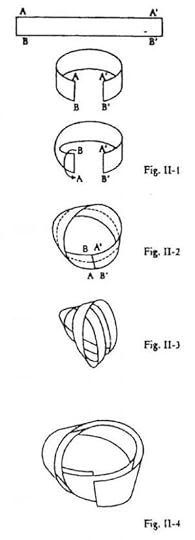
ژاک لکان از همانندی دقیق ساختار روان‌نژند با مفاهیم توپولوژیک مثل نوار موبیوس می‌گوید. ژولیا کریستوا به‌دنبال پیدا کردن یک منطق ریاضی جدید برای زبان شاعرانه است. لوس ایریگارای معتقد است E = mc2 ذاتی مردانه دارد. ژیل دلوز و فلیکس گتاری روان‌کاوی را با معادلات دیفرانسیل پیوند می‌زنند. و همه‌ی آن‌ها به نحوی از نوعی نسبیت‌گرایی شناختی حاد می‌گویند. این که هیچ حقیقتی در جهان خارج وجود ندارد، یا اگر هم باشد ایده‌های ما راجع به آن تنها نوعی برساخته‌ی اجتماعی هستند. علم برتری ذاتی بر دین، شهود، عرفان و باقی اشکال غیرمدرن شناخت ندارد.

۴- سوکال (به کمک همکاری فرانسوی فیزیکدانش ژان بریکمون) می‌گویند که نه به هیچ وجه با مطالعات بینارشته‌ای مخالفند، نه فکر می‌کنند که علوم طبیعی به‌طور ذاتی از علوم انسانی برترند و نه حتا این که افراد باید از هر گونه اظهار نظری در زمینه‌ی غیرتخصصی‌شان پرهیز کنند. آنچه از نظر آن‌ها بسیار مضر است اما آشفته‌فکری و مبهم گویی است که در نهایت افراد را به دنیایی از بازی‌های کلامی نامفهوم و بی‌فایده می‌کشاند و قبل از هر چیز علوم انسانی را ضعیف می‌کند.

نویسندگان نشان می‌دهند که روشنفکران پست‌مدرن در ابتدا هیچ دلیلی برای ایجاد رابطه‌ی مدنظرشان بین علوم طبیعی و انسانی ارائه نمی‌دهند، در مرحله‌ی بعد مشخص نمی‌کنند که این رابطه تنها در سطح استعاره‌ است یا بسیار فراتر از آن. آن‌ها بدون آشنایی درستی با ایده‌های پیچیده‌ی مدرن در ریاضی و فیزیک، در تعاریف پایه‌ای به بیراهه می‌روند و مفاهیم را به‌جای هم اشتباه می‌گیرند، طوری که نتیجه‌ برای هم برای متخصص در علوم ریاضی و طبیعی و خواننده‌ی غیرمتخصص مبهم و در بیشتر موارد بی‌معناست. سوکال و بریکمون درباره‌ی گفت‌وگویی واقعی میان دو فرهنگ این توصیه‌ها را می‌کنند:

• ایده‌ی خوبی است که بدانیم درباره‌ی چه چیزی حرف می‌زنیم.
• هر چیز مبهمی ضرورتن ژرف نیست.
• از علوم طبیعی تقلید نکنید زیرا پیچیدگی برخی مسائل بشری آنقدر زیاد است که هرگونه‌ی رویکرد تقلیل‌گرایانه‌ی فرمولی به آن خطرات بزرگی به دنبال دارد.
• به حرف نگاه کنید نه گوینده.
• شکاکیت خاص را با شکاکیت افراطی خلط نکنید. اولی برای هر رویکرد مدرن انتقادی در علم مدرن (طبیعی یا انسانی) لازم است، اما دومی ابطال‌ناپذیر است و بن‌بستی که فرد و اجتماع را در خود درگیر می‌کند.

۵- و بلاخره، چه شد که به اینجا رسیدیم؟ مجموعه‌ی از علت‌های به‌هم‌پیچیده مثل:
• بدنام‌ شدن تجربه‌‌گرایی
• علم‌گرایی شدید در علوم اجتماعی توسط مارکسیست‌ها، اقتصاددانان نوکلاسیک، رفتارگرایان و بقیه،
• افراط در نسبیت‌گرایی طبیعی علوم اجتماعی
• دلسردی جناح چپ از شکست‌ها و فضای عمومی جامعه و تلاش برای پاک کردن صورت مسأله به‌جای نگاه انتقادی

۶- در زمانه‌ی سرکوب که همه در زندانند یا زیر تیغ سانسور، دو بازار همچنان گرم است (گرچه برای دو گروه مختلف):
— دستورالعمل‌های چگونه – به هر قیمتی – موفق شویم (چون بلاخره اگر فقیر به‌دنیا بیاییم تقصیر ما نیست اما اگر فقیر بمیریم چرا)
— دوره‌های رهیافت‌های پست‌مدرن به تحلیل آثار فرهنگی و علمی و ورزشی (با نگاه پساساختارگرایانه برای شکستن الگوی قضیب‌محور)

۷- پیدا کردن پرتقال و فروشنده‌اش با شما.
Profile Image for Eric_W.
1,952 reviews428 followers
January 15, 2010
In 1996, Alan Sokal submitted an article to Social Text entitled "Transgressing the Boundaries: Toward a Transformative Hermeneutics of Quantum Gravity." If that title means little to you, that's OK because the article was, in fact, nonsense. It was part of an elaborate hoax and parody that Sokal was perpetrating on those who subscribe to "epistemic relativism," i.e., the belief that modern science is nothing more than myth, a "social construction."

This philosophy is particularly endemic to modern French philosophers who have attempted to appropriate the language of science in order to validate some of their thinking without understanding the science itself. Sokal, a renowned physicist, by filling his article with scientific balderdash and liberally citing the editors of Social Text (David Lodge's Law of Academic Life says "It is impossible to be excessive in flattery of one's peers.") had his article gleefully accepted, revealing the ignorance and vacuity of the pseudo-thinkers.

Fashionable Nonsense expands the revelations behind the parody and thoroughly reveals the emperor's nakedness. The authors, by analysis of several postmodernist French philosophers, show how they misuse, misrepresent, and misunderstand basic science. Sokal and Bricmont disclose how "deliberately obscure language" is used to hide confused thinking, that often if something is difficult to understand in the writings of these philosophers it's because they aren't saying anything.

Postmodernism, a trend fashionable in some social science and humanist circles, adopts the view that rejects the rationalism of the enlightenment and proposes that science is a "social construction" or "narration" and that there is no need to look for empirical evidence.
Unfortunately, much of postmodernist "thinking" has become associated with the left, a linkage Sokal abhors. He wants to defend the Left from a trendy segment of itself. As Michael Albert, wrote for Z Magazine, "There is nothing truthful, wise, human, or strategic about confusing hostility with injustice and oppression, which is leftist, with hostility to science and rationality, which is nonsense."

A follow-up article, published as an appendix to the book, was submitted to Social Text but was rejected as not meeting their intellectual standards! It must have been understandable and made sense. In it Sokal wrote, "I confess that I am an unabashed Old Leftist who never quite understood how deconstruction was supposed to help the working class. And I'm a stodgy old scientist who believes, naively, that there exists an external world, that there exist objective truths about that world, and that my job is to discover some of them."

This book is a delightful attack on intellectual confusion and a ringing call to obfuscate obfuscation.

reposted with minor editing 1/15/10
Profile Image for Lane Wilkinson.
153 reviews126 followers
September 10, 2007
"We can clearly see that there is no bi-univocal correspondence between linear signifying links or archi-writing, depending on the author, and this multireferential, multi-dimensional machinic catalysis. The symmetry of scale, the transversality, the pathic non-discursive character of their expansion: all these dimensions remove us from the logic of the excluded middle and reinforce us in our dismissal of the ontological binarism we criticised previously"

This quote, from psychoanalyst Félix Guattari, is typical of the obfuscation that runs amok in contemporary humanities; an obfuscation called into question some years ago by the famous Sokal Affair and re-invigorated by Sokal and Bricmont's Fashionable Nonsense .

There is a reason that science and the humanities are administered by different departments in (almost) every university. Common-sense would dictate that physicists are not in the habit of teaching courses on Shakespeare, and English professors are not in the habit of teaching quantum mechanics. However, as Sokal shows us, the latter is no longer true in all cases.

As a scientist, Sokal does not overstep his own areas of expertise, while showing that po-mo academics routinely overstep theirs. Keeping strictly to the scientific claims (and subsequent abuses) of several famous po-mo academics, Sokal shows both that post-modernism has created a parody of intellectual rigor, and that the post-modern methodology is in danger of undermining the once proud study of arts and letters.

The results of Sokal's critique are often hilarious. That the theories of Irigiray, Guattari, Deleuze, et. al. are supposedly malleable enough to be applied to any topic whatsoever is almost a running gag. To wit, Sokal's discussion of Irigiray's bizarre combination of gender studies, feminist ethics, and special relativity is a comedic highpoint (E=mc^2 is a sexist equation?!). The underlying message is, of course, that po-mo theorists are intellectually dishonest insofar as they purport that a scientific theory is just another 'text' to be deconstructed. That 'special relativity' and 'cultural relativism' share the same etymological root does not mean they share the same epistemological foundation. The equivocation is blatant enough to be funny; though Sokal shows that we should temper our laughter.

If Sokal is correct, the shibboleths 'hermeneutics', 'Lacanian' and 'desituationism' are sufficient for advanced degrees from premier universities, and this has lead to a crisis. This crisis is not so much a 'dumbing-down' of the humanities, but, rather, that the humanities are in danger of losing credibility. By making scientific claims from outside of the scientific method, post-modernists are coming across as the ivory-tower equivalents of Ann Coulter: incredibly bright but misguided to the point of parody. The credibility gap is perpetuated when po-mo academics couch their usually non-existent 'theories' in language so dense and difficult to read that those who cannot understand are looked down upon as intellectual inferiors and those who do understand are lying. In sum, post-modern theories are the epitome of the academic foolishness described by Pope: "Such laboured nothings in so strange a style, / Amaze th' unlearn'd, and make the learned smile." Unfortunately, if Sokal is correct about the humanities, a majority of English majors may not even know who Pope is.
4 reviews1 follower
January 28, 2008
If you've ever had to read the postmodernist writings of Focault, Derrida, Lacan, or any of their innumerable disciples and come away with only the vaguest idea as to their meaning, you might want to read this book. But if like me, you regularly have to encounter postmodernism in the flesh and just don't get it, this is a must-read. It will reassure you that incoherent sentences mixed shameless displays of (false) erudition--although extremely humorous--cannot change the fact that reason, evidence, and the truth do matter (even if rich, white men believe in them too).
Profile Image for Margitte.
1,188 reviews666 followers
September 2, 2019
Some things need to be said. An enjoyable, somewhat academic discussion, but food for thought for those who feel comfortable with this genre.
Profile Image for Mark.
47 reviews47 followers
January 31, 2015
I think it's crucial that respectable academics stop purveying semantically vacuous nonsense that egregiously expropriates terms that have precise scientific meanings, with demonstrably no understanding whatever of those meanings, for the purpose of furthering an atmosphere of moral equivalency for sense and nonsense. (I use the word "respectable" contextually: the perpetrators of this furtherance of discursive entropy are respected by many of the academics within their own fields.)
Profile Image for Bezimena knjizevna zadruga.
227 reviews159 followers
November 25, 2020
Mislio sam da su sećanja na vreme studija psihologije izbledela, ali ova ih je knjiga tako dinamično i živo vratila na površinu istih. U centru tih misli stoji ona koja je definisala čitave studije, može li psihologija uopšte postojati kao nauka, tako mlada, porozna, metodološki ranjiva i bez ijednog aksioma koji bi je definisao, niti jednog. Samo more teorija koje se takmiče u pokušajima, najčešće ignorišući jedna drugu. Na divnim predavanjima psihometrije, profa je dao odgovor. Može da postoji kao nauka, ali samo ako je prebacimo na PMF i od nje zadržimo samo ono što možemo metrički potvrditi. Ali onda neće ostati ništa, vapili smo. Profesor se samo lakonsko osmehivao. Kako je samo bio sjajan, i on i taj neshvaćeni suvoparni predmet i njegov genijalni udžbenik.

I ova je knjiga više udžbenički tekst, metodološki savršeno postavljen, dovoljno čitljiv, iako strogo oivičen pravilima nauke. Gotovo da je strašno ako ste društvenjak, gledati kako autori u paramparčad i bez milosti razbijaju čitav niz postimpresionističkih filozofa i psihoanalitičara iz sedamdesetih godina koji su koketirajući sa matematičkim teorijama gradili mit o svom mističnom super znanju, upotrebljavajući ih u svom stvaralaštvu, često bez apsolutno ikakvog smisla.
No, ako ste otvorenog duha, od srca ćete se smejati tom ogoljavanju bezosnovane nadobudnosti.

Problem je, što još od kraja prošlog veka, kad je ova knjiga nastala i dospela na naslovnice svih velikih svetskih medija, dižući neopevanu buru, pokušavajući da zaštiti integritet nauke u celini, ništa od njenog uticaja nije ostalo. Intelektualni šarlatani svih vrsta su dominantno ugalopirali u novi milenijum, suvereno osvajajući javni prostor i ostavljajući pošten naučni svet u svojim laboratorijama. Intelektualni šarlatani danas vladaju svetom, valjaju svoje pseudo termine na konferencijama za medije kriznih štabova, predsednikuju, ne znajući zapravo ništa ni o čemu. Tužno. Ostade ovaj genijalni spis kao dokaz da je neko to ako ništa drugo makar ismejao kako treba. Ako je za utehu.

A nije. Knjiga je završila na rasprodajnoj akciji. Uzmite je.
Profile Image for Owlseyes .
1,805 reviews301 followers
March 9, 2025
Les grandes personnes sont decidement bien bizarres, se dit le petit prince.
—Antoine de Saint Exupery, Le Petit Prince


(Kristeva)


(Baudrillard)


(Lacan)


(Iragaray)


(Deleuze)


(Virilio)

In the Spanish edition I read: "La Filosofia francesa actual es una sarta de bobadas"*. Maybe. A non-sensical GIBBERISH; or, an "exercise of the absurd". But Derrida makes me wonder. Deconstruction, Aporia and Logocentrism make sense. To me.

Sokal and Bricmont main arguments against those French intellectuals are : (1) on their abusive use of several concepts and scientific terms; some scientific ideas are taken out of context; (2) According to Epistemological relativism, Modern Science is just a 'narrative'; a social construction.

The authors may be right in some instances like when Lacan seems to use topological concepts in the wrong way; as well as Kristeva using Sets Theory. Indeed, they provide numerous examples on mathematical concepts.


(in The Seminar of Jacques Lacan, Book XII: Crucial Problems for Psychoanalysis, 1965-1965)

As for Iragaray I would pinpoint her merits and intuitions regarding the differential usage of language according to gender.

"In some cases, Baudrillard’s invocation of scientific concepts is clearly metaphorical. For example, he wrote about the Gulf War as follows:

What is most extraordinary is that the two hypotheses, the apocalypse of real time and pure war along with the triumph of the virtual over the real, are realised at the same time, in the same space-time, each in implacable pursuit of the other. It is a sign that the space of the event has become a hyperspace with multiple refractivity, and that the space of war has become definitively non-Euclidean. (Baudrillard 1995,
p. 50, italics in the original)

There seems to be a tradition of using technical mathematical notions out of context."

The texts of Deleuze "lack clarity", borrowing concepts ("chaos", "limit" and "energy") from Physics and Mathematics, it seems, applied not in the right way.

Another intellectual, whose texts are under scrutiny, is Paul Virilio. Sokal et al just say “no comments” after exposing the “mélange” of “optics, geometry, relativity and photography”.

This is demolishing. Again, Kristeva and Virilio just "abuse" on the Gödel theorem.

I read, and conclude, Derrida got it wrong on the Einstein constant (a propos Derrida’s theory of structure and sign in scientific discourse).

It seems this is a sort of appeal for the Humanities intellectuals to be more scientific when using science notions. Moreover, one may wonder if they should use a (precise) mathematical language, which is truly the language of science. Yet, the authors open the door for a legitimization of the so-called abused-language heretofore mentioned.

The authors use a curious expression: “neither logic nor mathematics escapes the ‘contamination’ of the social". And as feminist thinkers have repeatedly pointed out, in the present culture this contamination is overwhelmingly capitalist, patriarchal and militaristic: “mathematics is portrayed as a woman whose nature desires to be the conquered Other.”

True, it is a question of language. Liberated language. Socialized language. Poetic language. Whatever. Take them (those “abuses”) as metaphors, then none will complain, I guess. But, in that case, non-sense MAKES SENSE. In that case, Alan Sokal and Jean Bricmont are in dire straits. I can easily imagine what the French intellectuals are doing.

Les intellectuels français rient beaucoup. Ils ne peuvent pas arrêter. C'est un énorme rire. Ils se moquent des scientifiques.
😉 😊 😋 😁 😂 😜

*"Modern French philosophy is simply a load of old tosh"
This entire review has been hidden because of spoilers.
Profile Image for Janet.
134 reviews8 followers
August 25, 2012
I wanted to like this, I really did. It was completely relevant to my interests. I'm sick of the contempt for the sciences communicated by the humanities even after their post-60s dialogue with scientific language. I think that actually understanding the concepts one uses to break down the convention of analogy is interesting. I don't think that the doubts and complexities of actual science are fundamentally responsible for political and social damage. Sokal could have been moderate, understanding, and just as open to understanding the doubts and complexities of pomo gibberish.
Instead, here are these assholes, and here's the joke, flying over them beyond the orbit of the moon. See, the whole point of cultural theorists "abusing" (that sure is some strong language, sure glad it's sworn to protect and serve) math and science is not to actually draw analogies, but to manifest the underlying absurdity of analogies, to create greater confusion and that unique feel of incomprehensibility. They write ABOUT the sensation of encountering the arcane, the gaps between realms of knowledge, the incommensurability of intellectual (and otherwise) cultures. When Sokal laments that they seem to at least know the sciences they "abuse" but are deliberately obfuscating to "impress their readers", he could use that same recognition of their trans-disciplinary research to guide him into fucking Getting It.
I admit, I stopped reading when he started digging into Latour, a philosopher who has himself bridged the same gap, and sought to understand science in post-modern, intersubjective way, by moving from sociology of science through posthuman politics. Admittedly, he can be dry and Gallically smug, but Latour understands how science does and does not work, and how applying it to itself engages a worlds-enclosing-worlds-that-enclose-them dynamic that non-Euclidean mathematics has probably also gotten around to, no conceptual misuse accusations necessary. Claiming it to be outside of Latour's dissection and inversion of it indicates an enclosed dogmatism as thorough of that he thinks he sees in postmodern theory.
When Sokal holes the literarizing of meta-literature up to the standards of scientific analysis, it's worse than the structuralism shown earlier by some of his targets. Postmodern theory aimed to establish a place in an academy based on Enlightenment (and prior) rationalism for irrationality. The potentialities of nonsense are a larger infinity than those of rationality, itself, as Sokal univentively connected, undermined within mathematics. The concept of an intellectual institution without a place for and vigorous exploration of nonsense horrifies me, as does Sokal's highly unscientific failure to self-examine. I speak as someone who understands and appreciates science, here, dammit, and I don't like the reputation he's giving it.
When Sokal published his famous joke paper, the joke was really that he didn't realize it was all a joke already.
Profile Image for Luis.
812 reviews198 followers
December 24, 2019
Hace ya varios años que Sokal provocó su escándalo publicando su artículo «La transgresión de las fronteras: hacia una hermenéutica transformativa de la gravedad cuántica» en la revista posmoderna Social Text. Su intención era meramente provocadora, ya que ese artículo usaba citas reales de textos científicos y filosóficos para construir una serie de sinsentidos imposibles de descifrar. No obstante, el artículo gustó bastante a los eruditos del momento y fue citado varias veces, lo cual contribuyó más a reforzar la postura de Sokal de que el pensamiento posmoderno es un intenso vacío con préstamos lingüísticos injustificados.

Años después, Sokal y Bricmont incluyen el artículo original junto a sus motivaciones en este libro, donde analizan varios ejemplos de textos extraídos de autores como Lacan, Kristeva o Derrida. En esos fragmentos seleccionados, los autores originales incluyen términos tomados de la física o las matemáticas y pervierten su significado original para hacerlos encajar en el seno de sus especulaciones filosóficas o de las ciencias sociales. Sokal y Bricmont analizan cada uno de estos ejemplos de una forma crítica desde el conocimiento científico, contrastando su significado real, pero también intentado demostrar que la frase en sí que toma estos conceptos es una oración que no tiene sentido. Los abundantes ejemplos llevan a la reflexión de que el pensamiento posmoderno está lleno de este tipo de abusos, aunque los autores aclaran que se limitan a impugnar estos fragmentos, y no toda la obra de los teóricos originales.

Si bien la parte del análisis de fragmentos puede ser un tanto elevada - y a veces, un tanto abstracta por parte tanto de los originales como de los interesados -, la obra está en todo punto comentada y bien dirigida, de manera que crea un avance pautado muy bien documentado con abundancia de referencias. El mejor aspecto de la obra, en mi opinión, es la parte del epílogo, en la cual se trata de profundizar sobre las raíces de este pensamiento posmoderno - muy dirigido a combatir el empirismo, a la vez que considera a la ciencia como uno más de sus "relatos" - y sus consecuencias, centradas en producir una absoluta falta de pensamiento crítico en sus alumnos. No falta la crítica hacia la parte de la izquierda política que se ha dejado mecer por unos ideales relativos que no defienden a su clase social,y que se ha sentado en un trono de retórica vacía que es incapaz de resolver los problemas reales de la clase trabajadora.

Es una lástima que este ensayo no tenga un nuevo aire renovado a estas alturas del siglo XXI. Seguiremos esperando a más audaces científicos dispuestos a desenmascarar a los farsantes del relativismo absolutista.
Profile Image for Ed Erwin.
1,188 reviews128 followers
August 22, 2018
For a long time I thought that Sokal's famous hoax publication, plus this book, were intended to show that modern philosophers, particularly in France, are spouting nothing but nonsense. But recently I saw a bit of a yootoobe video where some guy says that is not what Sokal was doing, and that Sokal himself said so.

Well, the yootoober was right. Sokal and Bricmont are saying something more limited and more nuanced. They have two main points:
1. Some (not all) journals publishing philosophical articles do horrible peer review, if any at all.
2. Some (not all) philosophers sprinkle their texts with allusions to scientific or mathematical concepts that they do not appear to understand, and do not seem to care that they don't understand. Even when those allusions are meant to be taken as metaphors they often make no sense.

The first problem, sadly, exists in scientific fields as well. The prestigious journals do a good job, but there are some that will publish anything.

The second problem is more telling. If philosophers hold up Lacan and Kristeva (and some others) for praise after they write such garbage, there is a big problem there. It doesn't necessarily mean everything they've written is junk, but they need to be held responsible for the fact that some of what they write is non-sense.
Profile Image for Argos.
1,259 reviews488 followers
December 17, 2023
Bu kitabın öyküsü Alan Sokal’ın “Sınırları Aşmak: Kuantum Kütleçekiminin Dönüştürücü Bir Hermeneutiğine Doğru” başlıklı bir yazıyı çağdaş postmodern kuramcıların önemli bir kültür dergisi olan impact faktörü yüksek “Social Text” adlı dergiye (Amerika’da) göndermesiyle başlar. Makale kabul edilir ve postmodernizm eleştirilerine cevap veren özel bir sayıda yayınlanır. Ardından, Sokal “Lingua Franca Dergisi”ne gönderdiği bir başka yazıda, makalesinin baştan aşağı saçmalıklarla dolu, postmodernizmin maskesini düşürmek için yazılmış hileli bir yazı olduğunu, makalenin aslında saçma bir kolaj olduğunu açıklar. Elimizdeki Sokal ve kendisi gibi fizikçi olan arkadaşı Brichmont ile birlikte yazdığı “Son Moda Saçmalar - Postmodern Aydınların Bilimi İstismar Etmesi” kitabı literatüre “Sokal Vakası” olarak geçen entelektüel skandalın irdelendiği bir kitaptır. Tahmin edileceği gibi günümüzde de postmodern (veya postyapısalcı) aydınların kendi bilim arenalarında sırtını fizikten ve matematikten aldığı kavramlara hatta formüllere dayandırarak yaptığı çarpıtmaları ve istismarları, bütün bunların görmezden gelinmelerini örnekleriyle gözler önüne seren, postmodern düşünürleri son derece rahatsız eden bir çalışmanın kitabıdır.

Bu aydınlar ve entellektüeller arasında psikanalist Jacques Lacan, felsefeci ve dilbilimci Julia Kristeva, bilim sosyoloğu Bruno Latour, sosyolog ve felsefeci Jean Baudrillard, düşünür Gilles Deleuze ile psikanalist Felix Guattari gibi ünlü isimler de vardır. Eleştirdikleri yazarların neredeyse tamamı Fransız olup eğitim-kültür alanlarında derin etkileri olan, çok sayıda mürid ve takipçiye sahip son 50 yıla damgasını vuran kişilerdir.

Kitabı iki bölüme ayırabiliriz. İlk bölüm Sokal’ın uydurma makalesi ve verdiği örnekler üzerine düşünceleri içeriyor. İkinci bölüm ise “postmodern bilim” ve “epistemik göreciliğin” eleştirildiği, kasten anlaşılması güç bir dilin kullanılması, karmakarışık ve bulanık düşüncelerin bilimsel kavramların kötüye kullanımı ile aşırı istismar edilmesine ilişkin eleştirel düşüncelerden oluşuyor. Tabii tüm kitabı burada iki cümleyle anlatmak imkansız ama özet olarak; adı geçen bilim insanlarının matematik ve fizikten alınan kavramlar ve terimlerle yazılarında sürekli bir bilim istismarı yaptıkları, örneğin; görelilik, belirsizlik, entropi, kaos ve karmaşıklık, kuantum mekaniği, Gödel kuramı, topoloji, torus, irrasyonel sayılar, kütleçekim, parçacıklar, akışkanlar fiziği, süreklilik niceliği, Öklid teoremi vb çok sayıda kavram ile yine oldukça çok sayıda cebir de dahil matematik ve fizik formüllerinin hiçbir açıklaması yapılmadan kullanılmasına dikkat çekiliyor.

Kitabı gerçekten olabildiğince objektif okudum, yan okumalar yaptım. Bu ünlü kişilerin özellikle Lacan’ın Freud sonrası psikanalizme etkisine ilişkin okumalar yaptım. Tabii ki benim ne felsefi, ne sosyolojik, ne dilbilimsel ne psikolojik bilgilerim bu insanları değil yargılamaya, değerlendirmeye bile yetmez, onları uzmanlık alanlarında eleştirmek aklımın ucundan geçmez. Ancak şunu söylemeye hakkım olduğunu düşünüyorum: Evet bu aydın-entellektüel-bilim insanlarını yani, “erekte olmuş organlarımızın hazdaki yerini -1’in kareköküne eşitleyen” Lacan’ı, “savaşı televizyondan gördüğüme göre savaş yoktur demektir” diye konuşan Baudrilliard’ı, “bir şiirsel mantıkla yola çıkarak edebi bir göstergebilim kurulmalıdır ve burada süreklilik gücü kavramı 0’dan 2’ye taşınmalı, 0 yerinde kalmalı, 1’in yeri örtük olarak aşılmalıdır” diye neyi matematikleştirdiği belli olmayan Kristeva’yı, artık kullanılmayan 1821 yılında terkedilen çok eski “Taylor serileri”ni anlatarak diferansiyel ve integral hesapları ile akılları karıştıran yapısökümcü Deleuze’un ve ekürisi Guattari’nin yazdıklarını ciddiye almakta zorlanacağım. Sanki anlaşılmaz olan şeyler her zaman derin anlamlar taşırmış gibi okuyucu üstünde çekim etkisi yaratmaya çalışmaları anlaşılır gibi değil. Zaten yazdıklarının saçmalığı otyaya çıkarsa iki savunma mekanizması kullanıyorlar, “biz metafor kullandık ya da biz analoji yapıyoruz, siz anlamıyorsunuz.”

Bu kitaptan postmodern-postyapısalcı akım nasıl başladı, hangi alanlarda yaygın, ortada bir sol-sağ karşıtlığı var mı gibi sorular ayrı bir yazı konusu. Postmoden edebiyatı seven bir okurum ancak postmodernlerin çok sık kullandığı mecralar olan neoklasik ekonomi, davranışçılık, psikanaliz, aydınlanma ve Marksizm gibi konularda elbette söylenecek çok söz var. Ancak bu kitabın sınırları fiziksel ve matematiksel kavram-kuram-formüllerin istismarı ile belirlenmiş. Bu konuda merak ederseniz çok sayıda örnek kitapta var. Bu kitap ülkemizde pek tanınmıyor ve okunmamış, örneğin “goodreads’de tek Türkçe okur gördüm ki bence daha fazlasını hakediyor. Velhasıl Alan Sokal ve arkadaşları birilerini rahatsız etmeye devam edecek gibi. Özellikle kendini postmodern olarak tanımlayanların okuması gereken bir kitap.

Noam Chomsky ve Richard Dawkins ile aynı düşüncelerde olma onuruna sahibim.
Profile Image for Aurélien Thomas.
Author 9 books121 followers
August 11, 2022
One will never be grateful enough to Sokal and Bricmont for pointing fingers towards a naked Emperor.

Being French, I know far too well how postmodernism/poststructuralism/social constructivism (or whatever other stupid name a certain intelligentsia wants to call itself) damaged a whole field of academics, and, as such, modern intellectual life and debate.

Stemming from the likes of Lacan, Deleuze, Kristeva, Baudrillard, Irigaray, Latour, Virilio and co (to name just the ones targeted here) there is indeed a vague intellectual Zeitgeist, corrupting a whole part of modern societies, and, based on subjectivism, relativism, and all in all a reject of the rationalism of the Enlightenment, that needed to be addressed.

If the impact of these intellectuals upon political issues, especially via their influence on part of the Left, is well known (cultural relativism, multiculturalism, political correctness etc.) politics however is not what Sokal and Bricmont are here interested in. Both scientists by trade, specialists in mathematics and physics, they are in fact coming back on their now famous hoax (the so-called 'Sokal Affair') to better expose how fallacious such philosophies are.

Analysing the texts of some of these 'thinkers' that they quote at large (and, oh gosh! What an heavy and pompous nausea their prose is!) they show that, their extensive use of scientific terminology (drawn from topology, chaos theory, quantum mechanics, relativity etc.) applied to fields of social sciences (psychoanalysis, linguistics, political philosophy etc.) is not only irrelevant but, more often than not, based upon a complete ignorance and/or misunderstanding of the hard sciences involved!

Hence, nonsensical verbiage, demonstrating that such philosophies are nothing more than 'mystification, deliberately obscure language, confused thinking, and the misuse of scientific concepts', the authors dismiss them for what they are: intellectual imposture and frauds.

Of course, this is NOT an attack on Humanities as a whole, or, against French academias, or, against the political Left (Sokal, deliciously, even actually defines himself as 'an old Leftist who never quite understood how deconstruction was supposed to help the working class')! Such reading, beyond its denunciation of ignorant and incompetent nonsense, serves on the contrary as a warning against that so called 'postmodern Zeitgeist', a dangerous and irresponsible way of thinking in a world prey to obscurantism, fanaticism and superstition. In fact, even the campaigns these philosophical stances are supposed to help (feminism, gay rights, anti racism) would be far better off without such imbecilities...

This book is thus a pure delight for anyone fed up and annoyed by pompous and farcical 'philosophers' being, dangerously enough, taken seriously among some pedantic leftist circles. Point fingers and laugh: the Emperor, at long last, has been revealed naked.
728 reviews314 followers
December 23, 2007
This book started off as a prank when Sokal sent an article to Social Text which was full of nonsense, but used pomo's vague and pompous style and confirmed some of their social/political beliefs. The editors, excited that a physicist has converted to their side, promptly published the article. Once caught, they refused to publish the subsequent paper in which Sokal explained the reason for his prank and how absurd the first article had been.

Richard Dawkins said it best in one of his essays in A Devil's Chaplin. These postmodern/poststructuralist/deconstructionist/whatever writers have "physics complex". Physics is a subject that is genuinely very difficult. Most of the things that the pomo camp is trying to say, if you have the patience to go through their pretentious and convoluted writing, are quite ordinary and can be said much more simply. (I've certainly had this impression from the few pomo books and articles that I had the patience to go through.) To give their ideas the impression of being involved and complicated, and impress their peers and readers and satisfy their vanity, they resort to mixing pomposity with nonsense. It used to be quite fashionable, and fortunately it's going out of fashion.

One particular form of their pretentiousness is their (ab)use of scientific concepts and jargon in their writing. They not only don't understand the subject, a lot of them are against science and rationality and deny the very existence of any objective truth - which makes you wonder why they want to employ (pseudo)science in their arguments. The book has a lot of such examples from various prominent pomo thinkers. My favorite ones are Luce Irigaray's analysis of why Einstein's famous equation E=mc2 is a sexist equation; and Jaques Lacan's assertion that penis represents square root of minus one (only a deconstructionist psychoanalyst can come up with such a genius idea).

As for the prank itself - vanity is something that afflicts all of us, including scientists. The prominent neuroscientist Ramachandran (Phantoms of the Brain) sent an article to a magazine specializing in evolutionary biology. He compiled a bunch of scientific-sounding arguments to prove why it make evolutionary sense for men to prefer blond women over brunettes. (Has such preference among men been statistically proven? I personally cast my vote for brunettes.) The editors got too excited that such a famous neuroscientist has discovered yet another minor detail about our nature to be the result of evolution and natural selection. They gladly published the article, and then Ramachandran told them, Hahaha, that was just a joke!
Profile Image for Dylan O'Brien.
21 reviews12 followers
May 19, 2021
It's important to understand before reading Sokal and Bricmont's book that it is a polemic piece. It's intended to blast postmodernism, not to clarify it. In fact, after reading this book, you may decide that there is nothing to understand whatsoever in the postmodern works it discusses, and that the people who read these works are breaking their heads over nothing.

Alleged postmodernists have discussed the central issue raised in fashionable nonsense: abuse of scientific language by philosophers. The best discussion I've found on this policing of language is from Gilles Deleuze (who is frequently attacked by Sokal & Bricmont in Fashionable Nonsense). Deleuze's attitude towards scientific language as a non-scientist is summarized below:

"[T]here are two sorts of scientific notions, even though they get mixed up in particular cases. There are notions that are exact in nature, quantitative, defined by equations, and whose very meaning lies in their exactness: a philosopher or writer can use these only metaphorically, and that's quite wrong, because they belong to exact science. But there are also essentially inexact yet completely rigorous notions that scientists can't do without, which belong equally to scientists, philosophers, and artists. They have to be made rigorous in a way that's not directly scientific, so that when a scientist manages to do this, [s/]he becomes a philosopher, and an artist, too [. . .] Conversely, it's not impossible for a philosopher to create concepts that can be used in science. . ." Gilles Deleuze, Negotiations at 29-30 (Columbia, 1995).

So, go ahead, read Fashionable Nonsense for a good laugh at impudent philosophers misunderstanding scientific concepts (spoiler alert: they have done it, and a lot). But before you get too smug, take two steps. First, check for evidence that those philosophers have not been equally misunderstood. After all, Deleuze and Lacan never tried to pass themselves off as STEM professors. Second, ask yourself whether books like this contribute or take away from interdisciplinary problem-solving, which is so essential to pushing academic progress along, while preventing each discipline from stewing in its own dogma.

This book gets two stars from me for drawing attention to exciting "postmodern" works, even though it makes straw men out of them.
Profile Image for Benedict Reid.
Author 1 book3 followers
August 11, 2011
If you ever find yourself thinking the postmodern French philosophers actually have a point. This is the book you need to read. It is simply undeniable proof that postmodern thinking is word-games, not actual theories. More sense is in these pages than most undergraduate arts degrees.
112 reviews48 followers
July 27, 2016
I give Fashionable Nonsense five stars because for all its shortcomings, it achieves exactly what Alan Sokal & Jean Bricmont set out to do. This book is a few things: a love letter to science, a critique of bad academic writing, a plea for clarity and reason in the political left. But to understand what this book is, you also have to understand what it is not. Contrary to popular belief, this is not an attack on postmodernism and the humanities at large by arrogant scientists who simply don't get it. The preface and introduction to my edition make this clear, and the care Sokal and Bricmont employ in defining terms and not overstepping their boundaries of expertise is commendable. This book is extremely charitible to the subject of its critique, in fact, but charity can only be taken so far. What we have here is a catalogue of some of the most blatantly stupid and lazy things ever written by an academic of some prestige, all of which have in common the tendency to invoke scientific and mathematic concepts the author does not understand. This is where Sokal and Bricmont step in, to offer commentary on misuses and explain the underlying concepts in layman's terms the best they can where they see them. There are chapters on Jacques Lacan, Julia Kristeva, Luce Irigaray, Bruno Latour, Jean Baudrillard, Gilles Deleuze and Felix Guattari, and Paul Virilio. I have read some criticism that Sokal and Bricmont's approach is little more than quoting a block of text from these writers and offering a short remark with some footnotes, but for their purposes, this is fine. It is the chapter on Epistemic Relativism in the Philosophy of Science that is the true highlight for me. Sokal and Bricmont help the reader contextualise several relativist threads within the philosophy of science that are frequently used to undermine its authority, namely underdetermination, the work of Thomas Kuhn and Paul Feyerabend, and the strong programme of sociology. I found their argument in this chapter an exhilarating defense of science as practice. There are also chapters on chaos theory and Gödel's incompleteness theorems, which are similarly terrific. Sokal's original essay on how gravity is a social construct is also included here with notes, and if you are anything like me, there is delight to be had in combing over it to see how he exploited common tropes of postmodernist writing for his prank. Fashionable Nonsense is a timely and necessary book, one I would recommend to both students of the sciences and humanities alike.
Profile Image for Fauré.
50 reviews17 followers
July 16, 2016
Thanks to this book I came to realize why I didn't understand so many things of the continental philosophy classes at the university: we were simply taught either bullshit or deepities. It's a shame our money is spent so foolishly to support the production of postmodern and obscurantist crap.
Profile Image for Manny.
Author 48 books16.1k followers
Want to read
January 18, 2010
I've heard so much about this book, and I just can't imagine why I haven't read it!
Profile Image for Vik.
292 reviews352 followers
June 29, 2016
A must read for all who are interested in social science
Profile Image for Stephie Williams.
382 reviews43 followers
November 20, 2017
This book shows up some of the postmodernists and poststructuralists misuse and abuse of mathematics and science (especially physics). One of the authors, Alan Sokal, wrote a paper that mimics these types of scholars as a hoax, published in the postmodernist journal Social Text, which is included as appendix A, followed by some further comments in appendix B. The scholars, all I believe are tenured professors, hence why I am calling them scholars, are Jacques Lacan, Julia Kristeva, Luce Irigaray, Bruno Latour, Jean Baudrillard, Gilles Deleuze, Felix Guattari, and Paul Virilio. Intertwined are chapters on these scholars views on philosophy of science, chaos theory, Godel’s Incompleteness theorem and set theory, and how they are wrong in their interpretations. There is an afterword as appendix C.

The following comments are based on notes I took while reading the book. Kindle locations are given in brackets [].

[905] I have an objection to this line of thought - “We never have direct access to the world; we have direct access only to sensations.” This is accepted in the authors answer to “solipsism and radical skepticism.” I do not concede this to those that hold this position. We do have direct contact with the world. We see things because of light (made of photons) impinging on our nervous system; we touch many things directly; we smell because of contact with chemical molecules; we taste because of touch and chemical reactions, and we hear because of sound waves that enter our ears.

[1003] “In a sense, we always return to Hume’s problem: No statement about the real world can ever literally be proven; but to use the eminently appropriate expression from Anglo-Saxon law, it can sometimes be proven beyond any reasonable doubt. The unreasonable doubt subsists.” (authors italics). I have been saying this for some years. If I hold a belief that is beyond a reasonable doubt, I should be willing to act on it, and for me a belief is not a belief until it is beyond a reasonable doubt. Otherwise, for me it is just a thought or feeling, something I think or feel about, but that I am not completely sure of, and when I write I say “I think or I feel.”*

[1644] Within in a quote by Irigaray is “Neitzsche also perceived his ego as an atomic nucleus threatened with explosion,” trying to argue some fantastic idea. Neitzsche also was mentally ill, and finally cracked (or went insane) at the end of his life. Maybe that atom nucleus did explode.

[1785] “Finally, it is hard to see what relation, besides a purely metaphorical one, fluid mechanics could have with psychoanalysis. Suppose tomorrow someone were to come up with a satisfactory theory of turbulence. In what way would (or should) that affect our theories of human psychology.” Brain fluid turbulence, maybe :-)

[2307] Within a long quote by Baudrillard it says: “It combines in effect an inflation, a galloping acceleration, a dizzying whirl of mobility, an eccentricity of events and an excess of meaning and information with an exponential tendency towards total entropy.” (my italics) Besides the authors critique, I would add that besides its meaninglessness, if total entropy were reach there would be no reason to continue chuntering on. And, then: “It would seem that there will be no end . . .” Total entropy would be the end. Further on [2316] in the same quotation, there is this “. . . the potential hurricanes which end in the beating of a butterfly’s wings?” Should not this be the beginning if he is trying to use the popular analogy?

[2388] From a quote by Deleuze and Guattari: “. . . they [endoreferences] are not relations but numbers, and the entire theory of functions depends on numbers.” First, I have no idea what “endoreferences” in brackets are. Second, functions depend not just on numbers; they are really relations of variables with the numbers occurring in them as constants that do not vary. It is okay if a functions have no constants at all, like: f(x) = y + y.

[3494] Here is a sentence in a quote by Aronowitz: “Surely, the earth [sic] evolved long before life on earth.” First, the Earth does not evolve itself (at least not in the Darwinian sense as life does). Second if as stated previously in the quote: “natural objects are also socially constructed,” how can the earth (evolving or not) be anything other than a social construct, which as such could equally be socially constructed to not exist to be consistent?

[4475] Note 52 states: “Bertrand Russell . . . tells the following amusing story. ‘I once received a letter from an eminent logician, Mrs. Christine Ladd Franklin, saying that she was a solipsist, and was surprised that there were not others.” This is somewhat a surprising thing to say if you are a solipsist because if you hold to such a belief there are no others to be solipsists, since as a solipsist you must hold that only you exist.

[4507] Note 62 partially says: “Our [the authors] analysis in this section [‘Epistemology in Crisis’ in chapter four.] is inspired in part by Putnam (1974), Stove (1982), and Laudan (1990b). . . . Tim Burdon drew our attention to Newton-Smith (1981), where a similar critique of Popper’s epistemology can be found.” I am not sure how similar Susan Haack’s opposition to Popper in her Putting Philosophy to Work is with these others, but it could very well go on the list as well.

The book was okay, but repetitive and way to many lengthy quotes. I tended to enjoy the authors “Intermezzos” on different common problems with postmodernist writers, but how much gobbledygook can one take. I mean it felt like I was drowning in it—give me some air please. As you can see from my comments I found other qualms other than what the authors provided, so in this case it was a little fun. Remember, it seems like I get my jollies (though not in a mean way, at least not ordinarily) figuring out critiques with what others’ think.

If you are interested in critiques of postmodernist thought in the academy, you should enjoy the book, given my caveat above, but if you enjoy a dizzy head you may not have any issues with it. I think it would help if you are already familiar with some of the postmodernists’ positions to understand the book better.

* See my blog post “Can You Believe That?” which discusses my scale of belief I tend to use when I write. Click here for the link - https://aquestionersjourney.wordpress...

Profile Image for Brett Williams.
Author 2 books66 followers
October 23, 2017
Postmodern medicine that tastes good!

This book will keep you laughing for hours. It’s about The Sokal Hoax, a phony article made up of esoteric scientific jargon applied to social issues through convolutions of logic and obfuscated language. Sokal then infiltrated postmodernist turf when he got his paper published in one of their premier journals, “Social Text: A daring and controversial leader in the field of cultural studies.” The paper was an instant smash throughout postmodern circles, later to win the 1996 Ig Noble Award – more than Sokal could hope for.

Sokal, a professor of physics, canvassed what looks like hundreds of postmodern papers flushed in untreated torrents from academia. By pulling together this nasty set of aromas he creates a bouquet for those he drenches with praise throughout the hoax by applying Lodge’s maxim, “It is impossible to be excessive in flattery of one’s peers.” Like any good snake oil salesman, Sokal simply kludged the language into what postmoderns want to hear most, “that physical reality is at bottom a social and linguistic construct,” he writes. Thus science is mere politics, another Western bias, nothing whatsoever to do with the realities of nature. (Ignoring the curing of small pox, man on the moon, Voyager to Saturn, computers, TVs, cell phones, planes, trains and automobiles.) There is thus no objective truth, allowing postmoderns to tell us what it really is.

At some point Sokal could bare no more praise heaped high, nor references to his “ground-breaking work” among postmodern publications, so he revealed the article for what it was. Not only did the kings and queens have no clothes, but their bodies looked so funny under the optic of Sokal’s glare. They’d been duped and they knew it. Wheels of postmodern correctness squealed into reverse to say they’d always known Sokal was a fake.

Sokal makes postmodernism fun, and shows us there’s a good chance we’ve been misunderstanding these people for these last fifty years – they’re really comedians. And to think we took them seriously. If the public only knew what academic freedom protected at the university at their tax dollar’s expense, they might not be laughing.
Profile Image for Katja Riya.
56 reviews3 followers
November 27, 2020
All these revelations of math manipulations are quite funny but I got tired and in the final, I had the feeling: ok, so what, that postmodern intellectuals abuse the poor poor science?
Profile Image for Worthless Bum.
43 reviews48 followers
April 23, 2010
Alan Sokal is known for having written a splendid parody known as the "Sokal Hoax", a paper submitted and published in the journal "Social Text" which criticizes certain academic trends in literary criticism, philosophy, and sociology, such trends being largely influenced by certain French philosophers. Categorizing these trends and philosophies under the regrettably vague moniker "postmodernism" (a term whose vagueness owes itself in no small part to the tendency for obscurity, inconsistency, and incoherence of philosophies so called), Sokal and co-author Jean Bricmont take to task some of the most famous and influential of these so called postmodernist (PoMo) thinkers. Just about every chapter in the book is devoted to a particular PoMo thinker, the exceptions being a couple of fascinating "intermezzo" chapters dealing with epistemic relativism and chaos theory respectively. The criticisms of the PoMos was confined to abuses of concepts in math and science.

The chapters dealing with the PoMo thinkers consist of textual excerpts analyzed by Sokal and Bricmont. These excerpts are painful to read. They exhibit what the authors call "superficial erudition", an obscure and technical verbiage laden form of writing that turns out to be either incoherent or trivial when unpacked. A person reading such passages who doesn't understand the technical math and science concepts invoked may well think "wow, this is so profound that it goes over my head", and that seems to be one of the motivations behind this kind of writing, to wow laypeople with superficial, pedantic intellectuality. In other words it is intellectual masturbation. In the quoted excerpts from the PoMos, it always turns out that they don't understand the technical concepts that are using, or that the use of them is gratuitous, that the comparisons and analogies made between a math or science concept and something in literature or sociology is not adequately justified.

I found the first intermezzo chapter dealing with epistemic relativism to be the most interesting chapter in the book. Feyerabend's "epistemic anarchy" as put forward in his putative "Against Method" is analyzed, as is a radical interpretation of Quinean underdetermination and incomensurability, and Thomas Kuhn's "The Structure of Scientific Revolutions".
Profile Image for Justin.
21 reviews17 followers
February 18, 2013
Although this is an important book, it is not a very enjoyable one to read, for the simple fact that the authors felt compelled to quote at length from some of the most disfigured and meaningless jumbles of words that I have ever seen sewn together in the guise of sentences.

A major portion of the book is given over to reproductions of original 'postmodernist' sources that ramble for pages on end, with trifling comments by the authors on how the different scientific concepts have been misinterpreted or misused. However, the long barrage of academic verbiage is such manifest nonsense to begin with that there is little left for the sagacity of Sokal and Bricmont to say.

If a reader is not convinced of the absurdity of the postmodern examples within the first two sentences of a quotation, they probably so completely lack of the discriminating facility that another twenty pages will not do them any more good.

There are only so many ways to call a fraud a fraud, so many ways to point to a syntactic confusion of adjectives and say, 'this is gibberish.'

Much more instructive were the sections between the criticisms of the individual postmodern authors, that dealt more broadly with the roles of science and reason in the humanities and politics. Despite what other reviewers have said, there is nothing in these parts which does not seem to me to be thoroughly reasonable and correct.

Most incomprehensible is how anyone could have ever taken these postmodernist authors seriously in the first place - how entire segments of the academic world could have so completely taken leave of their senses as to give even one of these imposters an academic post - let alone legions of them spanning several generations.

By sheer chance, I recently ran into this comment by Jonathan Swift which seems to have some bearing on the situation:

"There are certain common Privileges of a Writer,
the Benefit whereof, I hope, there will be no Reason to doubt;
Particularly, that where I am not understood, it shall be concluded,
that something very useful and profound is coucht underneath." (1704)
Displaying 1 - 30 of 215 reviews

Can't find what you're looking for?

Get help and learn more about the design.