Povídka Ladislava Klímy Slavná Nemesis, která poprvé vyšla v roce 1936, je jedním z nejlepších příkladů temné fantastiky 20. století. Hrdinou vyprávění je Sider, který je doslova uhranutý dámou v modrém a je odhodlaný ji hledat na vrcholcích hor, v hlubokých lesích i v psychiatrické léčebně. Je však dáma v modrém skutečná? Nejde jen o vidinu? Siderovy úvahy se čím dál víc propadají do víru paranoie, iluzí a klamu a povídka pozvolna odhaluje odvrácenou tvář lásky, totiž neředěné zlo a šílenství. Povídka se strhujícím, i když dnes již místy archaickým jazykem, ztělesňuje Klímovu ústřední myšlenku, že svět je jen naše vědomí, jinak nic. Slavnou Nemesis lze také vnímat jako básnivý obraz světa inspirovaný individualistickou filozofií 19. století.
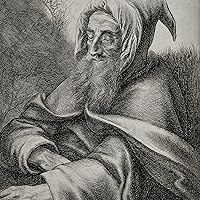
Ladislav Klíma (August 8, 1878 – April 19, 1928), was a Czech philosopher and novelist influenced by George Berkeley, Schopenhauer and Nietzsche. His philosophy is referred to varyingly as existentialism and subjective idealism.
Why can’t modern novels be more passionately unhinged like GLORIOUS NEMESIS by Ladislav Klíma? I’m sure they’re still being written, but few of those are championed and most of what is held up as the highest expression of the form are dull and lifeless. Not this crazy piece of philosophical madness, which seeks rapture and pushes existence to the very edge before taking a great leap into the abyss. I want nothing less in my literature.
Mysterious and philosophical, potentially creepy and, at times, creaky in its execution, Klima's short novel is worth reading for its fervid style and the way he keeps catching the reader out.
UPDATE: Some time ago The Review of Contemporary Fiction removed its archive of reviews. Here's what I wrote there about this novel, in the Summer 2102, Vol. XXXII, No. 2 issue (reprinted by permission):
Ladislav Klíma. Glorious Nemesis. Trans. Marek Tomin. Twisted Spoon, 2011. 123 Pp. Cloth: £14.50. “Only those who have experienced neither dreaming nor waking distinguish between the two—and dreaming is the same as vision and as death,” says a character in Ladislav Klíma’s Glorious Nemesis, a fast-paced novella, full of creepiness and mystery, that aims to disrupt every firm distinction we make between not only the real and the imaginary, but also curiosity and obsession, innocence and guilt, mental health and an unbalanced mind. A writer of philosophy as well as fiction, Klíma (1878-1928) finished revising this book in 1926, and Twisted Spoon has brought out its first English translation. The main character, Sider, a man of some wealth and no family, is very soon in an impossible situation, and we are given a hint that nothing is going to [go] smoothly for him from the first paragraph: “it was just this lack of clarity that made [certain sensations] so immensely exhilarating.” The torturous path he takes over several years while trying to establish what are facts and what are myths and rumors leads him to what some readers might call destiny, and others Romanticism in its most pungent state. What starts in a haze builds to a dissolution of the concrete world, and at the conclusion of Glorious Nemesis we confront the porous border that barely separates the past (and its crimes) and the present (where penance is possible). The action leads into metaphysics and questions about eternity and the afterlife. This book’s ideas might seem terribly out-of-fashion now (unless M. Night Shyamalan adapted it), and at times the plot creaks, but questions of harmful actions and their repercussions are never dated; and the febrile mind pushing things along assures that this remains a literary work that is also a page-turner.
From the times when the Eternal Return was the only important thought. A simple story, which is not bad, that didn't sustain all the written pages in the book (too many). As sadly expected, taking into account the moment and the place it was written (even though it would be cool to discover someone not so predictable), the treatment of women is just awful.
Somewhere between Nietzsche and a blind, narcotic fairytale is Ladislav Klima, writing hard prose that is deeply colored by a sense of the mystical interconnectedness of humanity and the environment but urging you to — you know — just fuck it and jump off the cliff anyhow — if only in order to control your destiny and "be like God." Suicide, horror and madness are constant preoccupations in his work. But so is a kind of mystic's sense of the beauty in the random, quotidian and the grotesque. Fun read.
This is a book absolutely drenched with horror and madness and uncertainty. It definitely keeps you engaged and guessing and never lets up, and Klima's feverish and beautiful writing keeps you wrapped around his finger as you're reading it. The ending was not my favorite, but it doesn't undo the best parts of the rest of the book. The lead to the climax was almost seductive with how fanatical it was.
The whole book is draped with such an otherworldly mist that is hard to put into words. The short description is just mystical, gothic horror, but then you add in the religious allegory and psychology of dreams and it becomes something different.
"Time, which is but the unfurling of thought, flows slowly, ever so slowly, more than enough of it in Eternity. And the Sublime creeps towards every human, every animal, sometimes as a pleasant tingling sensation, at others in the form of the greatest delight; more commonly it is as the most intense horror, creeping closer and closer like a tiger silently on the prowl..., so that the people of today, who are animals through and through, may one day become -- God."
Slovenskemu prevodu Slavne Nemeze je pridana še Klimova Avtobiografija. V Nemezi se srečata ekscentrikova praktična filozofija in surrealistične poteze, ki kasneje, v mrzli češkoslovaški dobi normalzacije pomembno vpliva na disidentske "Plastike".
A bookshop owner in Prague recommended this book to me as someone who has never read Czech literature besides Kafka. And it’s a good time! It’s a mysterious, creepy, and Nietzsche ghost story you can finish in several sittings.
This starts of as a ghost story but soon enough you realise it is so much more! Very weird and yet fascinatingly intriguing, it subtly deals with some metaphysical concepts like reincarnation, karma, moksha etc that are all too common in India and yet to think these are coming from a Czech author who wrote this book in the early 1900s!
Will definitely recommend it. It's short, crisp, fast paced and very lucid. Kudos to the publisher for unearthing this rare gem for English language readers
"A v polosnu vystupovaly tyto myšlenky: "Co bude as dnes k obědu? - Eh, stát to bude jako tak za hovno! Či snad proboha budu muset žrát zas ty její sračky? Eh, co na tom! Skočil jsem psu, čtrnáct dní chcíplému, s plotu na břicho, on se vyblil, já to ochutnal - a bylo to na mou duši lepší než sračky, které ona ukuchtí..." (...) "...neboť viditelný svět jest jen hadrem ducha, psyché je vlastní přírodou, kde kdo za něco stál, byl pouze psychologem, přírodověda je eufemismus povrchního človíčka." -Skutečná událost sběhnuvší se v Postmortalii (...) Klíma, pokud jste se někdy s něčím od něj setkali (já jsem četl na Íslandu 'Utrpení knížete Sternenhocha' dodnes si pamatuju jen to, že to byla totální šílenost, zároveň ale jedna z mála věcí, co jsem dal jako ebook), tak víte, že Klíma je absolutní magor... v tom nejlepším slova smyslu. Nepracoval a tak měl plno času na svoje (p*čoviny) filozofie, svoje vnímání reality, svůj egodeismus. 'Slavná Nemesis' (přičemž stejnojmenné romaneto, která dává sbírce název, je nejdelším a asi nejambicióznějším textem), se svými třinácti povídkami představuje povětšinou solidní trip mezi bděním, snem, šílenstvím a skutečnosti, což v Klímově pojetí jsou stejně nakonec "jen hry, protože není třeba žádná morálka, etika, nikomu se zodpovídat - prostě, robím, čo chcem" (v tomhle pojetí jsem si vzpomněl, že mi to připomíná "rouhačské" postavy, jakými je třeba Crowley), ale povídky se stylem blížily někdy spíše H.P. Lovecraftovi, někdy Poeovi, napadl mě i Jiří Karásek, jen byly zasazené více do českých reálií počátku minulého století a více o tom, co si člověk vnitřně buduje, ze své hlavy, spíš, než o "zlu tam venku" (jak John Carpenter říká, horor jsou vždy pouze dva příběhy: zlo "uvnitř" nás vs zlo "tam" venku) některé jsou originálnější, některé spíš duchařina, některé jakoby zlé sny, některé vás i rozesměji, ale na každý pád slušná motačka. Slušnou perlou je pak i třeba Klímův vlastní životopis. Na konci dne, je to dnes víc zábava (koneckonců Klíma sám tyto příběhy psal sám pro sebe) a tak číst si tyhle absurdní štěky, s groteskní nadsázkou (podobně vnímám i Tarantinovy filmy), nad tím, jak to měl na háku, i když Klíma končil, jako mnoho mužů, co měli "big talk" v sevření nemoci a toho, že se tenhle sebezvaný Bůh, nestaral o svoji tělesnou schránku a tak odešel "jinam". Možná, že 49 let je dost na život, když ho žijete, jak chcete sami. Ale Klíma určitě stojí za pozornost, protože na něco takového jen tak nenarazíte a protože, mě osobně, šílenci jako on, vždycky inspirují, protože nerespektují pravidla. Já jsem byl ve škole stejný. Člověk před svou krví neuteče. (...) Klíma měl všechny na háku. Z životopisu: "...až jsem byl vyhozen v 1. semestru septimy ze všech cislajtanských učelišť - proto, že jsem nazval ve školní úloze, v neznalosti historie, Habsburky - myslím - prasečí dynastií.." (...) "...neukradl jsem jim, trouba, docela nic, až na to, že jsem jim vychlastal flašku éteru..." (...) "...Lítost, "Výčitky svědomí", pocit viny, závist, žárlivost - věci mně odjakživa naprosto neznámé; patří jen dobytku..." (...) "...vše hlavní jsem udělal a myriády let přikulhají teprve pomalu za tím, co jsem myslil (ne napsal - což je vedlejší). Vytvořil jsem vše, co jsem chtěl (v sobě - což je hlavní), a přece ne." (...) Z doslovu: "Jde o divné lidi s nevymáchanou hubou." (...) "Číst Klímu není na dobrou noc ani intelektuální rozcvička po ránu, je to na celý život. Je to horror, ze kterého nemáme v gatích, ale v hlavě..."
Klíma's Glorious Nemesis is wild ride and a crazy novel that explores eternal recurrence, fate vs. free will, wether or not that duality even matters and Schaupenhauer's take on inner essence and Will Power. Plot wise it reminiscent of Borges's Death and The Compass with touches of Adolfo Bioy Casares's The Invention of Morel. Flawed but passionately written.
Some memorable lines ‘Do the depths of the soul not know everything, everything? Is there anything that has for all eternity not been the property of the soul? (8) ‘As if everything a human sees, everything desired, everything thought must not necessarily become manifest and visualized and realized over and over, as if the force animating all things were not desire and yearning and Will 15 But what is a dream except the continuation of reality, or is reality the continuation of the dream? 25 Time, which is but the unfurling of thought, flows slowly, ever so slowly, more than enough of it in Eternity. And the Sublime creeps towards every human, every animal, somethings as a pleasant tingling sensation, at others in the form of greatest delight; more commonly it is as the most intense horror, creeping closer and closer like a tiger silently on the prowl…, so that the people of today, who are animals through and through, may one day become-God 34 His faith now resided in these three things: ‘She will now finally provide the purpose I have lost; she will fill my emptiness; She will give me life!’ 39 Asleep and mad, laddie, and awake as well, and of sound mind you are! 45 Oh with this picture and this handwriting I’ll be happy forever 46 Eternity herself is flinging arms towards me Her eternal soul dissolves into atoms far from them The concert of reality is non-sensical 105 If I cannot have eternity, I don’t want anything 108
Z této povídkové sbírky jsem poslouchala ústřední povídku Slavná Nemesis coby audioknihu, ostatní povídky zatím neznám, takže se můj komentář bude vztahovat jen k tomu jednomu textu. A moje nadšení je velké. Trochu jsem se bála toho, jestli textu budu v první řadě vůbec rozumět. Bůh ví proč už léta vnímám Ladislava Klímu jako složitého autora. A to i přesto, že jsem od něj dosud četla jen jednu knihu (Utrpení knížete Sternenhocha), která se mi moc líbila. No nakonec jsem se bála zbytečně, protože i povídku Slavná Nemesis jsem si velmi užila. Bavilo mne, jak se to skvěle pohybovalo na hranici mezi realitou a snem, na hranici mezi šílenstvím a jasnou myslí. A je na čtenáři, aby si ujasnil, kde je ta pravda a jestli se hlavní hrdina zmítá na hranici šílenství, či nikoliv. Ta hranice je tu velmi tenká a čtenář do poslední chvíle neví, čemu věřit. Ty Klímovy vize tu jsou neuvěřitelně silné a přesvědčivé. A navíc ta hra s jazykem, kterou tu autor předvádí, je neuvěřitelná. Pokud máte silné jazykové cítění, je ta hra se slovy, ta květnatost jazyka něčím, co tu oceníte. Ta psychologická hra, co se odehrává okolo našeho hrdiny a taky v jeho hlavě, jsou přitom popsané dost syrově. Při tom blouznění, kdy si není člověk ničím jist, si člověk připadá jako na horské dráze. Jako by se sám čtenář propadal do nějakého psychedelického snu, který ne a ne skončit. Trošku mi to připomínalo právě již zmíněného Sternenhocha, kdy jsem měla po dočtení podobný pocit psychického kolotoče, který ne a ne zastavit. Za mne skvělé, bavilo mne to velmi a za sebe mohu určitě doporučit. Minimálně ta povídka Slavná Nemesis je úžasná. A určitě se časem budu chtít dostat i ke zbytku sbírky.
I read the wonderful Portuguese translation by José Miguel da Silva (2025), and the experience was captivating. The narrative flows with such intensity and elegance that I found it impossible to stop reading. The story is both fantastic and terrifying, yet it carries a remarkable philosophical depth. Klíma, deeply influenced by Schopenhauer and Nietzsche, weaves their ideas into the fabric of the narrative, transforming the plot into a metaphysical exploration.
First, we encounter Schopenhauer’s concept of the Will, the blind, irrational force that generates suffering, conflict, and inner unrest. For Schopenhauer, the Will is the fundamental enemy of peace, and Klíma interprets it as a kind of humanity’s nemesis, the force that disturbs our interior harmony and binds us to the tragic condition of existence.
Second, the novel echoes Nietzsche’s view of struggle as the engine of growth. The nemesis becomes not only an adversary but a necessary condition for self‑overcoming. The Nietzschean idea that the Übermensch is forged through conflict, not comfort, resonates strongly throughout the narrative.
The book ultimately conveys a profound existentialist atmosphere. Through its fantastic elements, it reflects the human condition—marked by disturbance, longing, and a natural sadness. Klíma transforms these philosophical tensions into a powerful literary experience.
I am still processing the ending of this book, but in the best way possible.
It may not be my personal view of how the world works, that Klíma ends up articulating in this arguably insane tale of ghosts, sadism, revenge, death, rebirth, mind melding and much more. What it is however, is something wholly and utterly unique. Never have I read something like this, nor do I think there will ever be many books such as this written. It commits to the vision 100% and I adore it much for that, for it's brevity and for the brilliant moments of horror, levity, sarcasm and philosophy.
might be doing some heavy projecting here but all i really got was the extremely validating notion that liking somebody is a self-perpetuating cycle of constant embarrassment and you eventually end up hating yourself because you realize you've always been suffering it of your own volition, spiraling into self-deprecation. awesome book, please never read if you are prone to unrequited, irrevocable infatuation
Perhaps some of the horror was lost in translation. Definitely an absurdist interpretation of the transformative power of love, or something like that.
I read this book because I recently moved to the Czech Republic and was looking to find some new authors. The blurb on the back caught my attention because it reminded of themes I came across in other books written by Central European authors such as Kafka, Kundera and Hesse. There is a fine line between reality and dreams, male and female, caution and insanity.
The author tries to capture all of these dichotomies in an action novel, but in doing so just forces the issue and ends up having to tell you explicitly what is what rather than letting the reader squirm in the unknowing. It's a very fast and entertaining read, and was probably radical at it's time, but in comparison to other authors who have tackled similar themes, Klimsa is much less elegant.