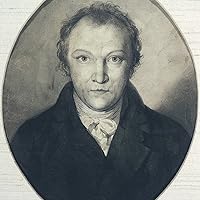
Lecciones de Aristóteles [Lessons from Aristotle]: Comprender al mayor filósofo de todos los tiempos [Understanding the greatest philosopher of all time]
¿Por qué ha tenido Aristóteles una influencia tan asombrosa en el mundo? ¿Cuáles son sus ideas clave y qué puede enseñarnos aún hoy?
«A todo el mundo debería interesarle Aristóteles, ya que su filosofía es una base crucial para la ética, la ciencia, la lógica, la política y la estética del mundo occidental. Este libro breve es una introducción brillante y clara a todo el abanico de su pensamiento».
Robert Eaglestone
El Liceo de Atenas, hoy en ruinas, puede presumir de haber sido uno de los lugares más significativos de la historia del pensamiento. Fue la sede de la escuela de Aristóteles. Allí el filósofo enseñó y discutió las respuestas a los misterios más profundos de la condición humana, y cambió nuestra forma de reflexionar.
Hoy puede resultar difícil comprender plenamente la asombrosa influencia de sus lecciones. Sin embargo, sus observaciones sobre el mundo y sus reflexiones sobre la naturaleza del conocimiento sentaron las bases de toda ciencia empírica. Sea lo que sea que nos preocupe o interese, es casi seguro que Aristóteles dijera algo extremadamente inteligente al respecto. Su estudio del pensamiento racional dio lugar a la lógica formal, piedra angular de la investigación filosófica; su examen de las ciudades-estado griegas inauguró la ciencia política; y su análisis del arte dramático sigue siendo un pilar de los cursos de literatura en todo el mundo.
El aclamado filósofo John Sellars nos embarca en un viaje a través del pensamiento de Aristóteles, haciendo revivir con entusiasmo sus ideas clave y demostrando que la capacidad de curiosidad del célebre filósofo sigue ofreciéndonos a todos una visión de la vida más plena. Sellars demuestra que las lecciones de Aristóteles aún tienen mucho que enseñarnos hoy.
La crítica ha «John Sellars sobresale escribiendo libros breves sobre filosofía antigua para un público general. Una excelente manera de adentrarse en uno de los más importantes filósofos de todos los tiempos». Nigel Warburton, Five Books
«Un librito delicioso. Sellars defiende que todos debemos tener una idea del pensamiento de Aristóteles y de cómo ha moldeado nuestra forma de pensar. El filósofo vivió hace más de dos mil años, pero, teniendo en cuenta su influencia en casi cada aspecto del pensamiento humano actual, estoy totalmente de acuerdo con Sellars. Este libro cumple su función con mérito». Jim Al-Khalili
«Sellars es un escritor claramente comprometido con la misión de hacer que la filosofía clásica sea relevante hoy». The Scotsman
عندما يتعلق الأمر بالتفكير في الكيفية التي يجب أن يعيش بها الناس وما يعنيه التمتع بحياة إنسانية جيدة ، استدعى أرسطو كلا الجانبين من خلفيته الفكريتين. من ناحية ، تناول الموضوع كعالم أحياء ، معتمداً على دراساته للحيوانات. ومن ناحية أخرى ، اعتمد على تجربته كطالب لأفلاطون ، حيث أمضى الكثير من الوقت بالتفكير في طبيعة الخير بطريقة أكثر تجريدية.
يفتتح أرسطو المحاضرات التي نعرفها الآن باسم الأخلاق النيقوماخية بالسؤال عما يريده الناس من الحياة. ما هو أعلى شيء ، الشيء الذي نريده أكثر من أي شيء آخر؟ ما الذي نسعى إليه من أجل شيء آخر وما الذي نسعى إليه من أجل ذاته؟ خذ المال كمثال. إنه شيء نسعى إليه جميعًا بدرجة أكبر أو أقل ، لأننا نحتاجه من أجل العيش. نريده بسبب ما يمكننا شراؤه به. ومع ذلك ، فإن المال في حد ذاته ليس مثيرًا للاهتمام على الإطلاق. نحن لا نريده لذاته، ولكن من أجل أشياء أخرى ، سواء كان ذلك طعامًا ، أو ملابس ، أو عطلة جميلة. على هذا النحو ، يسميه أرسطو مجرد "خير أداتي". يقارن هذا مع ما يسميه "السلع الجوهرية" ، تلك الأشياء التي تستحق امتلاكها من أجل ذاتها. هناك أيضًا بعض الأشياء التي نسعى إليها والتي تكون ذات قيمة في حد ذاتها ومرغوبة من أجل شيء آخر. ما يريد أرسطو عزله هو الشيء الوحيد - إذا كان موجودًا - الذي يتم السعي إليه من أجل ذاته فقط وليس من أجل أي شيء آخر. مثل هذا الشيء سيكون هو الهدف الأسمى والنهائي لكل ما نقوم به.
هل هناك شيء من هذا القبيل؟ يعتقد أرسطو أن هناك فعلا شيء كهذا : السعادة. ما نريده جميعًا هو أن نعيش حياة سعيدة. قد نختلف حول الشكل الذي قد تبدو عليه الحياة السعيدة أو ما نحتاجه لتحقيقها ، لكننا في النهاية نسعى جميعًا لتحقيق الشيء نفسه. إذا سألنا أحدهم عن سبب رغبتنا في أن نكون سعداء ، فربما نرتبك بعض الشيء. بالتأكيد هذا بديهي ، لأن الجميع يريد أن يكون سعيدًا. ليس هذا فقط ، ولكن لا يوجد تفسير يمكن أن نقدمه ، لأن السعادة ، باعتبارها أفضل خير ، ليست من أجل أي شيء آخر. نريد أن نكون سعداء لأننا نريد أن نكون سعداء ، وهذا كل شيء. إنها النقطة التي تنتهي فيها جميع المبررات والتفسيرات.
لذلك ، وفقًا لأرسطو ، نحن جميعًا نريد السعادة وهذا هو أعلى خير. لكن كيف نحققها؟ الكلمة اليونانية التي تُرجمت إلى "سعادة" هنا هي eudaimonia ، والتي تُترجم أحيانًا على أنها "رفاهية" أو "ازدهار" أو ببساطة "حياة طيبة". إنها تعني شيئًا أكثر من مجرد الشعور الذاتي ، والذي من المحتمل أن يكون عابرًا ، والذي يرتبط أحيانًا بالكلمة الإنجليزية "السعادة". ما يفكر فيه أرسطو هو أن حياتك ككل تسير بشكل موضوعي بشكل جيد وأن الآخرين سيكونون قادرين على إدراك ذلك. ويقول إن هذا ما نريده جميعًا - وليس إحساسًا عابرًا بـ "الشعور بالسعادة".
ما الذي يدخل في عملية ازدهار حياتنا بهذه الطريقة؟ هذا هو المكان الذي يستخدم فيه أرسطو عقلية عالم الأحياء. إذا فكرنا في أجزاء من جسم الإنسان ، فإن العين الجيدة هي التي تستطيع الرؤية جيدًا والقلب السليم هو الذي يضخ الدم بشكل فعال. كل عضو له وظيفته ، والعضو الجيد هو الذي يؤدي وظيفته بشكل جيد. وبالمثل ، يقترح أرسطو أن الإنسان الصالح هو الشخص الذي يؤدي وظيفته بشكل جيد. كما رأينا سابقًا ، يعتقد أرسطو أن وظيفة الكائنات الحية الكاملة هي البقاء على قيد الحياة والتكاثر. هذه وظيفة نتشاركها مع الكائنات الحية الأخرى. ولكن هل هناك وظيفة إنسانية فريدة ، شيء ما للبشر ، بنفس طريقة العين والرؤية؟ لا يمكن أن يكون مجرد كوننا على قيد الحياة ، والذي نتشاركه مع النباتات ، ولا يمكن أن يكون قدرتنا على الإدراك والتحرك ، وهو ما نتشاركه مع الحيوانات الأخرى. إن الوظيفة البشرية المميزة هي قدرتنا على التفكير بعقلانية ، أو كما يصفها أرسطو ، "نشاط الروح وفقًا للعقل". الإنسان الصالح هو الذي يفكر ويتصرف بعقلانية. عندما نفعل هذا ، فإننا نؤدي كما ينبغي كحيوانات عقلانية ، و "السعادة" أو "الرفاهية" هو الاسم المناسب لهذا الأداء السليم. . John Sellars Aristotel Translated By #Maher_Razouk
Un prólogo largo o un libro corto (?). Me gustó mucho. Brinda, en un lenguaje muy sencillo, las nociones necesarias para entender la vida y obra de Aristoteles.
Ayer tuve ocasión de escuchar a Sellars en su conferencia 'Understading Aristotle', y enriqueció, enormemente, la experiencia que tuve leyendo este libro.
A quick and accessible digest on the life and works of one of the greatest philosophers of all time.
Aristotle's exploits were definitely vast, with his ideas touching upon an array of subjects and affairs. I was impressed by his biological sophistication, given that, in his period, scientific method had yet to be established.
I think we can learn a lot by embracing the contemplative life and fulfilling our purpose as curious and rational beings.
Aristotle was undoubtedly the greatest philosopher of the Western world whose immense clout guided quests for knowledge in Europe for several centuries. He was the last word on points of contention among scholars. Even in the modern world, he has an assured place in the pantheon of philosophers. Though many people will be put off by the term 'philosophy', it means only a rational study of the fundamentals of a given thing. Some part of philosophical enquiry every human should do because it is the only route to a happy life in the fullest sense. It's an extension of our natural human curiosity. One who wonders at the beauty and complexity of the natural world through a TV documentary is also participating in the same activity that Aristotle and his companions did. This short book is ideal for novices like me getting aware of the complexities of philosophical thought. It provides nothing in detail, and acts only as a primer. The author himself admits that this book does not cover anything in depth but gives only a taste, an opportunity, to get a flavour of who Aristotle was, what he thought and his vast impact. John Sellars is an academic, being a lecturer in philosophy at Royal Holloway University in London. He is the author of many books which are translated into over a dozen languages. This book claims that Aristotle's ideas and concepts are the basis of our natural ways of thinking in science, philosophy or logic.
Aristotle was the disciple of Plato, who himself was a disciple of Socrates. Aristotle has derived many ideas from Platonic thought and Sellars introduces the salient points of Plato's ideas in a highly simplified way, but even this treatise may appear cumbersome in some places. Plato put forward his theory of ideal forms. The objects we encounter in the changing physical world are but copies of more perfect, unchanging ideal forms. Aristotle was a strident critic of his teacher Plato while also remaining deeply influenced by him. Aristotle's 'physics' is the study of the natural world. In it, he tackles the most fundamental questions connected to the study of nature – like causation, divisibility and infinity. It includes some wild guesses like spontaneous generation of some species in the flora and fauna of the world. However, it should be taken as no more than an educated guess until truth is uncovered through further observation. Sellars notes with regret that there are some influential modern books which depict Aristotle in a very bad light as to appear like a champion of superstition and conservatism. They imply that Aristotle loathed experiments of any kind and fully immersed only in mental exercises. I remember reviewing a book claiming that Aristotle believed that women had more teeth in their mouth than men, yet he did not care to verify this hypothesis even though he had married twice! This is untrue and it is clear that Aristotle studied lifeforms extensively while he was in Lesbos Island and dissected them for analysis.
The author introduces the books in the traditional sequence of Aristotle's logical works one by one and very briefly. The logical arguments and conclusions that are derived from them are examined. So are the peculiar way of some arguments initiated by the great philosopher. Opening a claim like 'for the sake of argument' and pursue wherever it goes is a method put forth by Aristotle. To argue for and against a particular view in order to test it is another tool in his arsenal. Aristotle classified data related to animals and in his logical works set out formal rules for further analysis on this data. This is clearly a part of the modern 'scientific method'. To have done either of these would have been a major achievement, to have done both is truly awe-inspiring. He believed that the role of human beings is the activity of the soul in accordance with reason, or rational thinking, to understand the world around us.
Even though Aristotle's reputation transcends time and reaches out to us still, some of his ideas are stunningly outdated and some are politically incorrect to express in today's society. Whatever may be one's intellectual merit, everybody is a prisoner of the zeitgeist and perhaps unknowingly it restricts the range of one's thought. Likewise, Aristotle justified slavery or at least didn't find any qualms in keeping slaves himself. He claimed that some people can legitimately be described as 'natural slaves' and that women are naturally ruled by men. The author then holds his nose and supports this assertion by alluding the term 'natural slave' as someone who is mentally impaired and in need of someone else's help, yet concedes that Aristotle seems to assume that it is perfectly normal for most households to include slaves. Regarding women, he does a tight-rope walk by claiming that 'by nature' might mean 'for the most part' or 'usually what happens'. Aristotle was also biased towards the ideal of the 'city state' as a political unit to live under. If a man is focussed entirely on subsistence, he is closer to an animal. A rich human life which requires contemplation mandates a reflective intellectual pursuit. A city-state provides the infrastructure to make it happen. Even though Aristotle was Alexander the Great's tutor, there is no real evidence of any influence between them. Aristotle makes no mention of Alexander in his works and there is no trace of any of Aristotle's ideas shaping Alexander's subsequent behaviour.
This book really has a large scope in picturizing Aristotle's contribution to the society he lived in. His writings on the art forms such as drama or play still find relevance in today's art even though cinema has fully appropriated what was originally meant for the exclusive use of plays. The book contains an analysis of Athenian drama and its components. Aristotle thought about why people enjoyed tragic plays. We can enjoy, he says, a pleasurable release when we experience extreme emotions such as pity and fear. He calls this a moment of purification in which any excess of these emotions get cleared, restoring us to a state of balance. We enjoy them because we know in our mind that even though we may be sharing the emotions of the characters, at the end of the play we can go back to the comfort of our homes. A work of art can prompt us to experience difficult emotions in a relatively safe and artificial setting helping us to process the real emotions that befall us in our own lives. The idea of philosophy is anointed with a touch of elitism as conceived by great masters such as Aristotle. Leisure was one of the things required for anyone to do philosophy. You should not be overburdened with distracting practical responsibilities and to have basic necessities of life provided for. It is absolutely not intended for menial labourers whose wages would not allow them to skip work for any meaningful length of time. Lyceum was a community of scholars in this sense, of individuals wealthy enough not to have to work all day.
As noted earlier, this book is an excellent primer for stepping into the world of philosophy and highly recommended for novices who are serious about the job. Ordinary readers may better leave it aside.
You wait ages for a good book on Ancient Greek philosopher, and two come along in a matter of weeks. Hot on the heels of Rovelli's Anaximander comes Aristotle from John Sellars.
For me, this is the ideal way to get an introduction to one of the great philosophers (I find it hard to truly support Sellars' superlative) - like most people, I suspect, I had heard of Aristotle but didn't know much about him. I'd read bits of his books on logic, physics and natural history and all his surviving Poetics, but had no overview. This is a proper introduction to the topic, not a watered-down text book - not too long at around 100 pages, and aimed at those with very little existing knowledge, presenting Aristotle's life, work and impact in an approachable fashion.
As was the case with Anaximander, one of the impressive things about Aristotle was that his work covered such a wide range of topics. Sellars introduces us to, amongst other things, Aristotle on the nature of being, logic (establishing some aspects of the field), nature, politics, literature and plays (sadly without knowing the content of his book on comedy) and what makes a good life. I'd have liked a bit more from his Physics, notably his thoughts on infinity, but in an introduction of this length, you can't pack everything in.
Until recently, scientists have been hard on Aristotle, pointing out the way that his theories on matter and cosmology held back science, while often highlighting his unscientific approach in the way that he apparently stated women had fewer teeth than men while never bothering to actually check. If I have one criticism of Sellars is the extent to which he presents Aristotle's philosophy and proto-science without going into its limitations - he often states Aristotle's view without criticism. Several times, Sellars emphasises the way that (in his natural history work), Aristotle demonstrates a stress on observation rather than pure philosophical argument - but this perhaps overplays the degree to which Aristotle truly took a scientific viewpoint (not something that we would particularly expect in this period).
Did Aristotle have a huge impact on the development of thought and on the eventual birth of real science? Absolutely. We can't truly understand science without putting it into context - and having a better understanding of Aristotle is an excellent contribution to this requirement.
Leer filosofía no es fácil ,pero libros como El Mundo de Sofía o este de John Sellars, Lecciones de Aristóteles, hace que todo sea mas inteligible, todo mas fácil, te permite conectarte con los grandes filósofos de grandes contemplaciones, de preguntas que nos resultan incómodas pero que es parte del “ser” del ser humano. Aristóteles reflexionó sobre los animales y sus formas de vida, sobre argumentación y estructura lógica, sobre llevar una buena vida, sobre la felicidad, sus virtudes y lo que somos y hacemos y Sellars se encarga de trasladarnosla, su propósito es hacernos reflexionar, tal como lo hizo Aristóteles, sobre asuntos que podrían no significarnos, pero que en fin nos hace ser mejores porque nos conduce a reflexiones de mayor profundidad. Quién no ha reflexionado sobre la vida, su propósito e inclusive sobre como hacer mejores seres humanos a nuestros hijos?, de lo contrario seríamos nihilistas y el ser humano, es mucho, pero mucho mas que eso. Escritores e interpretes como Sellars, deberían haber mas, nos ayudan a entender, a interpretar, a traducir esas grandes mentes que han dado origen a enormes conceptos, teorías, hipótesis que siguen evolucionando miles de años después
Sellars does a fantastic job at laying out Aristotle's life, interests, and ways of thought, along with some tastings from different philosophers he influenced or was influenced by.
Ranging from the nitty gritty anatomy of fish to what it means "to be", I was pleasantly surprised by the enormous range of thoughts Aristotle had throughout his life.
This was my first shallow dive into Greek philosophy as a whole, and it has left me wanting more. The book is written in a very accessible way, but also gives you enough deep passages to truly get you thinking and wondering about all sorts of things you hadn't thought about before.
This is a good, short overview of Aristotle’s thought covering his metaphysics, ethics, politics, poetics and natural history. There are also a useful sketches of Aristotle’s life and later influence.
Sellars is very good at explaining the key philosophical ideas in a concise and contemporary way. My only quibble is that nothing is made of Aristotle’s influence on modern virtue ethics and capabilities thinking. And no connection is made with current thinking on civic republicanism and city-state models, which would make Aristotle political philosophy much more relevant than Sellars’ presentation of it in this book.
Read on the plane in Colombia - a fine read to pass the time. Useful filler knowledge about Aristotle’s main areas. Useful to see how broad his scope was (from biology to physics to metaphysics to ethics to logic to politics etc). Also nice to see common threads in his thought. For example, he notes that reason primarily distinguishes humans from animals (which I don’t agree with - exhibit A is AI), but that ties directly to his interest in formal logic. I didn’t realize how vast his thought was.
The author also defends Aristotle’s sexism & pro-slavery stance which was surprising. Besides that it wasn’t particularly unique and did not stand out.
Resulta muy difícil simplificar la filosofía, Sellar lo ha conseguido. Me ha gustado mucho como ha abordado todos los campos que cultivo Aristóteles. Algunos son más desconocidos como su estudio del teatro. Por ponerle una pega, me hubiera gustado que hubiera abarcado más a Platón. Hacer la triada que resulta la base de la filosofía occidental. También hacer un símil con la actualidad y su importancia. Me recuerda a la colección de Descubre la filosofía, que son libros cortos dedicados a un filósofo. Aristóteles es más fácil de entender que otro filósofo como schopenhauer o Heidegger
El libro es ameno y ofrece un resumen exhaustivo de las ideas de Aristóteles. Se nota que toma varias obras sobrevivientes del autor y es capaz de combinarlas en temas comunes para explicarlos. Sin embargo, me falló en la parte de la metafísica de Aristóteles; el libro mismo se complica y se enreda al explicarla. Aunque es algo complejo, esperaría que este tipo de libros contribuyeran a aclararlo de manera satisfactoria.
Además, aunque las demás explicaciones están bien, son muy sosas y superficiales, como se esperaría de este tipo de libros.
Un llibre que es llegeix com un d’aquells bons documentals de National Geographic: complet, coherent i escrit amb una clara voluntat pedagògica. Sellars fa un recorregut per la vida i, sobretot, per l’obra d’Aristòtil, partint de la seva dimensió de biòleg per a donar sentit als seus escrits sobre política, metafísica i lògica. És evident que no és ni el llibre més precís ni el més concret, però serveix per a donar una imatge general dels camins que recorre Aristòtil, i potser per a resignificar conceptes en un llenguatge més planer. Molt bo.
John Sellars como buen profesor de filosofía en una de las mejores universidades de Londres, nos adentra en las lecciones de Aristóteles, y explica brevemente cómo el filósofo indagó infinidad de temas que competen a la curiosidad y conocimiento del ser humano: política, matemática, física, biología, etc. un libro corto, increíblemente escrito que te adentras en temas cruciales en el conocimiento humano, y como todo ese conocimiento influye en lo que nos preocupa hoy como sociedad.
In short: Aristotle for millennials. Clear, concise, well written and - above all - accessible. Highly recommended for anyone who is looking to a gentle but thorough introduction to Aristotelian thought and to the man himself.
Physics, logic, empirical science, biology, literature, art, philosophy, state politics, ethics, aesthetics, sports, academy, natural laws … you name it, and this man has already provided you with a blueprint or, in fact, a complete structure.
Super short and not watered down read to dive into!
Libro simpatico e agevole, scorre bene e ha una bella prosa. Tuttavia a mio parere non dice nulla di che, contiene tante informazioni sulla figura e il pensiero di Aristotele ma nulla che già non si sappia a chi conosca un minimo questo filosofo.