

What do you think?

The Nero Trilogy #2
Tyrant: The Ruthless Rise of Roman Emperor Nero, The Sunday Times Bestselling Series Continues
Brought to you by Penguin.
Travel to the heart of a Roman dynasty beset by power struggles and betrayal in this latest chapter of the tale of Nero.
The boy Nero lives. His mother Agrippina has married her way to power, tangling the Emperor Claudius in her skirts.
The emperor may have a son and heir of his own, but Agrippina sees no obstacles to her ambition.
Rome is a path through a marsh, lit by torches. Those who walk it are always one step from disaster – and the road itself is treacherous, slippery with blood.
Claudius may have the world at his feet, but he has Agrippina in his bed.
'Breathtakingly good’ Bernard Cornwell
‘Deft and robust storytelling, that whips through the history with plenty of blood, guts and plot-twists’ The Times
'Pacy and propulsive, cracking with energy, violence and stirring speeches, Iggulden chronicles power struggles, political machinations and the bloodthirsty ravages of up-close combat' Daily Mail
‘A master of the historical novel’ Washington Post
Conn Iggulden 2025 (P) Penguin Audio 2025
Travel to the heart of a Roman dynasty beset by power struggles and betrayal in this latest chapter of the tale of Nero.
The boy Nero lives. His mother Agrippina has married her way to power, tangling the Emperor Claudius in her skirts.
The emperor may have a son and heir of his own, but Agrippina sees no obstacles to her ambition.
Rome is a path through a marsh, lit by torches. Those who walk it are always one step from disaster – and the road itself is treacherous, slippery with blood.
Claudius may have the world at his feet, but he has Agrippina in his bed.
'Breathtakingly good’ Bernard Cornwell
‘Deft and robust storytelling, that whips through the history with plenty of blood, guts and plot-twists’ The Times
'Pacy and propulsive, cracking with energy, violence and stirring speeches, Iggulden chronicles power struggles, political machinations and the bloodthirsty ravages of up-close combat' Daily Mail
‘A master of the historical novel’ Washington Post
Conn Iggulden 2025 (P) Penguin Audio 2025
Audible Audio
Published May 22, 2025
About the author
Conn Iggulden
160 books6,316 followersAlso publishes under author name C.F. Iggulden.
I was born in the normal way in 1971, and vaguely remember half-pennies and sixpences. I have written for as long as I can remember: poetry, short stories and novels. It’s what I always wanted to do and read English at London University with writing in mind. I taught English for seven years and was Head of English at St. Gregory’s RC High School in London by the end of that period. I have enormous respect for those who still labour at the chalk-face. In truth, I can’t find it in me to miss the grind of paperwork and initiatives. I do miss the camaraderie of the smokers’ room, as well as the lessons where their faces lit up as they understood what I was wittering on about.
My mother is Irish and from an early age she told me history as an exciting series of stories – with dates. My great-grandfather was a Seannachie, so I suppose story-telling is in the genes somewhere. My father flew in Bomber Command in WWII, then taught maths and science. Perhaps crucially, he also loved poetry and cracking good tales. Though it seems a dated idea now, I began teaching when boys were told only girls were good at English, despite the great names that must spring to mind after that statement. My father loved working with wood and equations, but he also recited ‘Vitai Lampada’ with a gleam in his eye and that matters, frankly.
I’ve always loved historical fiction as a genre and cut my teeth on Hornblower and Tai-Pan, Flashman, Sharpe and Jack Aubrey. I still remember the sheer joy of reading my first Patrick O’Brian book and discovering there were nineteen more in the series. I love just about anything by David Gemmell, or Peter F. Hamilton or Wilbur Smith. I suppose the one thing that links all those is the love of a good tale.
That’s about it for the moment. If you’d like to get in touch with me leave a comment in the forum or you can tweet me @Conn_Iggulden. I’ll leave it there for the moment. If you’ve read my books, you know an awful lot about the way I think already. There’s no point overdoing it.
Conn Iggulden
I was born in the normal way in 1971, and vaguely remember half-pennies and sixpences. I have written for as long as I can remember: poetry, short stories and novels. It’s what I always wanted to do and read English at London University with writing in mind. I taught English for seven years and was Head of English at St. Gregory’s RC High School in London by the end of that period. I have enormous respect for those who still labour at the chalk-face. In truth, I can’t find it in me to miss the grind of paperwork and initiatives. I do miss the camaraderie of the smokers’ room, as well as the lessons where their faces lit up as they understood what I was wittering on about.
My mother is Irish and from an early age she told me history as an exciting series of stories – with dates. My great-grandfather was a Seannachie, so I suppose story-telling is in the genes somewhere. My father flew in Bomber Command in WWII, then taught maths and science. Perhaps crucially, he also loved poetry and cracking good tales. Though it seems a dated idea now, I began teaching when boys were told only girls were good at English, despite the great names that must spring to mind after that statement. My father loved working with wood and equations, but he also recited ‘Vitai Lampada’ with a gleam in his eye and that matters, frankly.
I’ve always loved historical fiction as a genre and cut my teeth on Hornblower and Tai-Pan, Flashman, Sharpe and Jack Aubrey. I still remember the sheer joy of reading my first Patrick O’Brian book and discovering there were nineteen more in the series. I love just about anything by David Gemmell, or Peter F. Hamilton or Wilbur Smith. I suppose the one thing that links all those is the love of a good tale.
That’s about it for the moment. If you’d like to get in touch with me leave a comment in the forum or you can tweet me @Conn_Iggulden. I’ll leave it there for the moment. If you’ve read my books, you know an awful lot about the way I think already. There’s no point overdoing it.
Conn Iggulden
Ratings & Reviews
Friends & Following
Create a free account to discover what your friends think of this book!
Community Reviews
Displaying 1 - 30 of 164 reviews

April 23, 2026
This sublime historical novel is the 2nd volume of a trilogy about Lucius Ahenobarbus, but now better known as Nero.
At the beginning of the book you'll notice well-drawn maps of the Roman Empire in the 1st Century and one of Rome in AD50, and there's the Julio-Claudian Family Tree, while at the end you can find very well documented and researched historical details concerning this book within the Historical Note.
Storytelling is excellent, and all characters come vividly to life and historical events come splendidly off the pages in these times of Roman turmoil.
The book is divided into four parts, starting with AD50, then AD54, followed by AD55, and ending with AD56, and in each new part there will be a significant occurrence that will shape the future, power and influence within this Roman family.
The first two parts is more about the formidable Agrippina, sister, wife and mother of an Emperor, who will let her presence known by letting Emperor Claudius name Nero as his heir to the throne, and by trying to shape Nero in a faithful and dependant on his mother Emperor but failing to do so, while the last two parts will show the rift showing between mother Agrippina and son Nero, right until a final confrontation that will result in a death, and where the Praetorian Prefect Burrus will be essential and in the end fooled due to a conspiracy between Nero and Serenus.
What is to follow is a wonderful and intriguing account of the history of Rome and its scandals in the years AD50 until AD56, and those are brought to us in a most accomplished fashion by the author.
Very much recommended, for this is a fabulous addition to this wonderful trilogy, and that's why I like to call this episode: "A Superb Nero Sequel"!
At the beginning of the book you'll notice well-drawn maps of the Roman Empire in the 1st Century and one of Rome in AD50, and there's the Julio-Claudian Family Tree, while at the end you can find very well documented and researched historical details concerning this book within the Historical Note.
Storytelling is excellent, and all characters come vividly to life and historical events come splendidly off the pages in these times of Roman turmoil.
The book is divided into four parts, starting with AD50, then AD54, followed by AD55, and ending with AD56, and in each new part there will be a significant occurrence that will shape the future, power and influence within this Roman family.
The first two parts is more about the formidable Agrippina, sister, wife and mother of an Emperor, who will let her presence known by letting Emperor Claudius name Nero as his heir to the throne, and by trying to shape Nero in a faithful and dependant on his mother Emperor but failing to do so, while the last two parts will show the rift showing between mother Agrippina and son Nero, right until a final confrontation that will result in a death, and where the Praetorian Prefect Burrus will be essential and in the end fooled due to a conspiracy between Nero and Serenus.
What is to follow is a wonderful and intriguing account of the history of Rome and its scandals in the years AD50 until AD56, and those are brought to us in a most accomplished fashion by the author.
Very much recommended, for this is a fabulous addition to this wonderful trilogy, and that's why I like to call this episode: "A Superb Nero Sequel"!

May 31, 2025
Great book. I could have done without the sex scenes but they do happen. 😂
It’s sad how things are still the same. People fighting for power. And when it’s families it’s disappointing. It would be terrible to literally not be able to trust anyone. 😢
It’s sad how things are still the same. People fighting for power. And when it’s families it’s disappointing. It would be terrible to literally not be able to trust anyone. 😢

June 11, 2025
I liked this book much more than the first book of the trilogy. At the beginning of this book, Nero is now 13. That is a big improvement over the infant Nero. We can now see who he is becoming, and how he is shaped by his mother, the scheming, treacherous, murderous Agrippina. This book also has Claudius, who is one of my favorite emperors to read about. Agrippina pretty much has him under control. Nero, on the other hand, is not so easy to manipulate. After the first book, I wasn’t even sure I wanted to continue with the trilogy. But book 2 was very entertaining and now I am looking forward to book three.
I received a free copy of this book from the publisher.
I received a free copy of this book from the publisher.

April 30, 2025
I have thoroughly enjoyed everything I have read of Conn Iggulden’s and was so looking forward to this second book in his Nero trilogy. I’m sorry to say that I am really disappointed.
Nero is still a child when the book opens. His mother, Agrippina, has married Emperor Claudius and persuades him to adopt her son, changing his name from Lucius to Nero. There is little to like about Nero who is, quite frankly, a brat! Seneca is drafted in to tutor him and his classmates and has more success at disciplining them than his predecessors. Claudius’ son, Britannica, is the dynastic heir but Agrippina persuades Claudius that Nero should be his heir to protect Britannica from harm. She also persuades him to marry Nero to Octavia, Claudius’ daughter, to secure the bloodline. Agrippina is devious, scheming, and power hungry. She thinks that she will be the power behind the emperor when her son takes over.
These are the foundations for this part of the trilogy. Iggulden pads out the sparsity of known facts with scenes that do not move the storyline on, interesting and well researched though they are. For example, the description of the naumachia, a public entertainment consisting of a mock naval battle on ships manned with British slaves who must fight to the death or gain their freedom by winning, goes on and on and on but has little relevance to Nero’s life specifically. Personally, I was bored. In fact, I found that many other episodes were drawn out to the point where any suspense or excitement was quite drained by the denouement.
Having reluctantly said all this, I will look forward to the last book of the trilogy because I am sure that it will be better than this very average book.
With thanks to NetGalley and Michael Joseph, Penguin Random House, for a review copy.
Nero is still a child when the book opens. His mother, Agrippina, has married Emperor Claudius and persuades him to adopt her son, changing his name from Lucius to Nero. There is little to like about Nero who is, quite frankly, a brat! Seneca is drafted in to tutor him and his classmates and has more success at disciplining them than his predecessors. Claudius’ son, Britannica, is the dynastic heir but Agrippina persuades Claudius that Nero should be his heir to protect Britannica from harm. She also persuades him to marry Nero to Octavia, Claudius’ daughter, to secure the bloodline. Agrippina is devious, scheming, and power hungry. She thinks that she will be the power behind the emperor when her son takes over.
These are the foundations for this part of the trilogy. Iggulden pads out the sparsity of known facts with scenes that do not move the storyline on, interesting and well researched though they are. For example, the description of the naumachia, a public entertainment consisting of a mock naval battle on ships manned with British slaves who must fight to the death or gain their freedom by winning, goes on and on and on but has little relevance to Nero’s life specifically. Personally, I was bored. In fact, I found that many other episodes were drawn out to the point where any suspense or excitement was quite drained by the denouement.
Having reluctantly said all this, I will look forward to the last book of the trilogy because I am sure that it will be better than this very average book.
With thanks to NetGalley and Michael Joseph, Penguin Random House, for a review copy.

August 20, 2026
Świetna kontynuacja historii Nerona i tego w jakich okolicznościach doszedł do władzy. Wiem, że wiele faktów jest podkoloryzowanych i przeinaczonych przez autora, dlatego nie mogę dać więcej niż 3 gwiazdki. Ale mimo wszystko przyjemnie się czyta i tylko czekam, aż moja biblioteka zakupi ostatni tom i będę mogła zamknąć tę trylogię

June 4, 2025
⭐️⭐️⭐️⭐️⭐️
I thoroughly enjoyed Tyrant. Conn Iggulden’s writing is as gripping and well-researched as ever. The historical detail is rich without feeling overwhelming, and I really felt drawn into the world of ancient Rome. The characters are strong and believable, and the sense of tension builds steadily throughout.
One small part that didn’t fully land for me was the extended section on the naumachia (I hope I’ve got that right). While those scenes were fascinating in themselves, they felt a little long and didn’t seem directly connected to Nero’s story, which is where the main interest is focused. But that’s a very minor point in what was otherwise a brilliant read.
The book ends on quite the cliffhanger, and I’m already looking forward to the next one.
I thoroughly enjoyed Tyrant. Conn Iggulden’s writing is as gripping and well-researched as ever. The historical detail is rich without feeling overwhelming, and I really felt drawn into the world of ancient Rome. The characters are strong and believable, and the sense of tension builds steadily throughout.
One small part that didn’t fully land for me was the extended section on the naumachia (I hope I’ve got that right). While those scenes were fascinating in themselves, they felt a little long and didn’t seem directly connected to Nero’s story, which is where the main interest is focused. But that’s a very minor point in what was otherwise a brilliant read.
The book ends on quite the cliffhanger, and I’m already looking forward to the next one.

September 9, 2025
(1.1) So there is a bee at the bookcover of the first book and we have snake on the second book's!!!
(1.2) In the first book Nero was five years old and at the beginning of the sequel he was 13.
(2) Sea battle, with sharks! Yaaaaaaaaaahhhhhhhooooooooo!!!
(3) He could feel the end coming, whatever that might mean.
(4.1) By the end of the book, More plots from mommy dear. 🤣🤣🤣
(4.2) But I can't say I understand Agrippina, she was already an empress and her son now sat on the throne, so why must she continue to do battles with her son over power? I mean........she could have just gone into retirement and enjoyed herself.
(5) I had recently watched Caligula: The Ultimate Cut (2023) and it's quite impressive!!!!
My review for the first book: Nero: https://www.goodreads.com/review/show...
Extra:
The awesome artwork by Yoshikazu Yasuhiko, from his manga My name is Nero (Chinese translation: 一代暴君)


(Link: https://mangadex.org/title/75edfbac-7...)
PS: years ago I read "Caligula" by Camus and I love it!
(1.2) In the first book Nero was five years old and at the beginning of the sequel he was 13.
(2) Sea battle, with sharks! Yaaaaaaaaaahhhhhhhooooooooo!!!
(3) He could feel the end coming, whatever that might mean.
(4.1) By the end of the book, More plots from mommy dear. 🤣🤣🤣
(4.2) But I can't say I understand Agrippina, she was already an empress and her son now sat on the throne, so why must she continue to do battles with her son over power? I mean........she could have just gone into retirement and enjoyed herself.
(5) I had recently watched Caligula: The Ultimate Cut (2023) and it's quite impressive!!!!
My review for the first book: Nero: https://www.goodreads.com/review/show...
Extra:
The awesome artwork by Yoshikazu Yasuhiko, from his manga My name is Nero (Chinese translation: 一代暴君)
(Link: https://mangadex.org/title/75edfbac-7...)
PS: years ago I read "Caligula" by Camus and I love it!

June 10, 2025
Iggulden at his best. Can't wait to read the final book of the trilogy.

May 5, 2026
Продовження історії про становлення і тиранію Нерона, нескінченні інтриги його матері Агріппіни й усіх нещасних, котрим не пощастило потрапити у змови цих двох.
Мені подобається, що в другій книзі половина розповіді все ще належить Агріппіні: автору вдалося створити сповнену амбіцій та протиріч героїню, яку неможливо однозначно назвати злодійкою, авантюристкою чи жертвою обставин. Хоча ні, останнім вона точно не є — Агріппіна це хто завгодно, але не жертва. Дуже хороша репрезентація нетривіального жіночого персонажа з сірою мораллю.
З нетерпінням чекаю наступну книгу, що в Польщі вийде ось-ось.
Мені подобається, що в другій книзі половина розповіді все ще належить Агріппіні: автору вдалося створити сповнену амбіцій та протиріч героїню, яку неможливо однозначно назвати злодійкою, авантюристкою чи жертвою обставин. Хоча ні, останнім вона точно не є — Агріппіна це хто завгодно, але не жертва. Дуже хороша репрезентація нетривіального жіночого персонажа з сірою мораллю.
З нетерпінням чекаю наступну книгу, що в Польщі вийде ось-ось.

April 26, 2025
Another superb piece of historical fiction from Conn Iggulden, with the focus of this trilogy being the rise of Emperor Nero.
Tyrant is the second book of the series, continuing directly on from Nero, and it is just as good, if not better. Political plotting and family scheming continues unabated, but there are also some superb action sequences, the standout being the naumachia.
As ever, Igglulden brings historical characters to life so effortlessly, making events of the past so gripping and thrilling.
Roman history has always fascinated me and when it's told so vividly like this, I'm reminded why.
A thrilling read and a very solid 4.5 stars!
Thank you NetGalley and Michael Joseph | Penguin Random House for the ARC!
Tyrant is the second book of the series, continuing directly on from Nero, and it is just as good, if not better. Political plotting and family scheming continues unabated, but there are also some superb action sequences, the standout being the naumachia.
As ever, Igglulden brings historical characters to life so effortlessly, making events of the past so gripping and thrilling.
Roman history has always fascinated me and when it's told so vividly like this, I'm reminded why.
A thrilling read and a very solid 4.5 stars!
Thank you NetGalley and Michael Joseph | Penguin Random House for the ARC!

May 18, 2025
Agrippina is still as devious and power-hungry in this second instalment of the Nero trilogy as she manoeuvres and manipulates her way around her husband the Emperor Claudius to make sure her son Lucius, is his next heir.
As this book progresses, the main focus moves to the young Nero and the start of his reign.
With real historical figures, events, full of political intrigue, this book does a good job of building up to the final instalment.
I've said it once, and I'll say it again Conn Iggulden is the master storyteller when it comes to historical fiction.
Thank you, NetGalley and publishers, for the ARC.
As this book progresses, the main focus moves to the young Nero and the start of his reign.
With real historical figures, events, full of political intrigue, this book does a good job of building up to the final instalment.
I've said it once, and I'll say it again Conn Iggulden is the master storyteller when it comes to historical fiction.
Thank you, NetGalley and publishers, for the ARC.

May 16, 2026
This book continues presenting historical fiction in the manner I like it. Accurate factually (as much as one can tell from the re-written, distorted, histories that come down to us) and with the characters given the depth that’s consistent with their actions. The author even includes a short final chapter explaining where he’s had to fill in gaps, or how he’s tried to explain some apparently inexplicable horror performed by the powerful actors in this Roman drama.
The second volume takes us through Nero’s adolescence. His mother Agrippina continues to be the dominant character. She’s built a sort of power base of her own, having survived the horrors of her brother Caligula and determined to control her own destiny. Now married to her uncle Claudius the new emperor, she tries to enhance her son’s (Nero’s) position in the succession. Sounds like a TV soap?! It happened!
Nero comes into his own a lot more in this volume. Much of it involves seeing what happens when you allow a spoilt brat so much freedom of action with limited consequences. The story emphasises that normality in Rome was the dominance of the patrician class over those less wealthy and connected. This was even more the case for the emperor and his family, supported by their Pretorian Guards.
This volume concludes soon after Nero becomes emperor at 16, mainly due to the machinations of his mother. But it’s also a time when tensions between Nero and Agrippina reach a climax.
I continue to see how little the relationship has changed in the present compared to Ancient Rome, between the powerful mega-rich and the rest of us. The untouchability when they do ‘bad things’ and the excesses in their lifestyles is apparent now as it was in Rome. Even parallels when leaders, modern and ancient, allowed almost unchecked power, let it go to their heads and do crazy things!
The third volume is already available, with Nero apparently established as emperor. What could go wrong?! I’ll get onto it later this year.
My sort of historical fiction, character heavy, well researched, 5*.
The second volume takes us through Nero’s adolescence. His mother Agrippina continues to be the dominant character. She’s built a sort of power base of her own, having survived the horrors of her brother Caligula and determined to control her own destiny. Now married to her uncle Claudius the new emperor, she tries to enhance her son’s (Nero’s) position in the succession. Sounds like a TV soap?! It happened!
Nero comes into his own a lot more in this volume. Much of it involves seeing what happens when you allow a spoilt brat so much freedom of action with limited consequences. The story emphasises that normality in Rome was the dominance of the patrician class over those less wealthy and connected. This was even more the case for the emperor and his family, supported by their Pretorian Guards.
This volume concludes soon after Nero becomes emperor at 16, mainly due to the machinations of his mother. But it’s also a time when tensions between Nero and Agrippina reach a climax.
I continue to see how little the relationship has changed in the present compared to Ancient Rome, between the powerful mega-rich and the rest of us. The untouchability when they do ‘bad things’ and the excesses in their lifestyles is apparent now as it was in Rome. Even parallels when leaders, modern and ancient, allowed almost unchecked power, let it go to their heads and do crazy things!
The third volume is already available, with Nero apparently established as emperor. What could go wrong?! I’ll get onto it later this year.
My sort of historical fiction, character heavy, well researched, 5*.
September 17, 2025
I didn’t quite enjoy this one as much as book 2 for some reason, even though this book actually had Nero in it. In this one, Nero is a teenager and Seneca and Agrippina are preparing him to lead one day. He is showing signs of serious anger issues that will one day lead to heinous acts.

July 20, 2025
nero was too much of a diva for rome and no one knew what to do with him

May 29, 2025
Another masterclass from one of the best in the business.
Tyrant is as immersive as it is shocking. The rise of Nero told from the POV of the man himself and those closest to him. From the tutor Senaca who thought he could make an errant child into an honourable man, to the Praetorian Prefect who fell under his mother's spell and can't find a way out.
To Aggrippina herself, so wicked, so single minded, she willl do anything to see her son climb to the very top. It is a book where everything happens and nothing happens. A political chess match with more casualties than an ancient battlefield.
I found it fascinating, even knowing the history as well as I do. Iggulden has an easy prose that draws the reader in and keeps them hooked. Really looking forward to seeing how he tackles the latter part of Nero's reign. The great fire, and then the lead up to the year of the four emperors. Should be fascinating
Tyrant is as immersive as it is shocking. The rise of Nero told from the POV of the man himself and those closest to him. From the tutor Senaca who thought he could make an errant child into an honourable man, to the Praetorian Prefect who fell under his mother's spell and can't find a way out.
To Aggrippina herself, so wicked, so single minded, she willl do anything to see her son climb to the very top. It is a book where everything happens and nothing happens. A political chess match with more casualties than an ancient battlefield.
I found it fascinating, even knowing the history as well as I do. Iggulden has an easy prose that draws the reader in and keeps them hooked. Really looking forward to seeing how he tackles the latter part of Nero's reign. The great fire, and then the lead up to the year of the four emperors. Should be fascinating

October 12, 2025
Tore through this one. Full of action and back-stabbery!

March 7, 2026
The pages had to keep turning and they did not let up. You expect nothing less from a master of Historical Fiction, but Conn Iggulden delivers again

October 16, 2025
Lucius is adopted by his stepfather Emperor Claudius and takes on the name of ‘Nero’. His mother Agrippina, the empress, even ensures that he is appointed heir to the throne, above his stepbrother Brittanicus, Claudius’ biological son. But Nero is young and always looking for adventure with his friends. He doesn’t like his mother’s constant interference in his life.
In this second book of the trilogy, Nero is finally a little older and we follow Claudius’ reign further. We see Agrippina’s power grow and she arranges for Nero to be taught by the Stoic Seneca. His lessons prove to have a good influence on him, as does the Praetorian Burrus, who keeps an eye on things. But when Claudius begins to question Nero as his successor, Agrippina takes action and Nero becomes emperor. And that young emperor has to make some tough choices.
I think Tryant is a much more focused novel than the first book ‘Nero‘ was. Nero really develops his own character here, as do his two friends Otho and Serenus, Seneca, Burrus, and of course Agrippina and Claudius. The intrigues follow one another in quick succession. In between, we get a fight scene in a naumachia, a pop-up arena that is flooded with water and is supposed to provide bread and circuses. I didn’t think those scenes were badly written, but they suddenly slowed down the pace of the story, even though there is a certain symbolism in them that you only understand at the end of the book.
I really liked the ending. It was gripping. Agrippina is an incredible historical figure. That woman experienced so much in one lifetime and really symbolizes the bloody Julio-Claudian dynasty. In this novel, she’s a real schemer who drew power to herself—and I liked that presentation as it will probably come very close to how she came across. The transition of power to Nero is well done. I do agree with Iggulden in his historical note that what we know about Nero is mostly negative propaganda influenced by his successors and that it’s not easy to see the real man behind the myth. Iggulden tries to give him a more moderate and human perspective.
So I’m looking forward to the final book. Although I have to say I still prefer Iggulden’s series on Caesar.
Dutch review:
Lucius wordt door zijn stiefvader Claudius geadopteerd en krijgt de naam Nero. Zijn moeder Agrippina, de keizerin, zorgt er zelfs voor dat hij vroeger volwassen wordt verklaard en aangesteld wordt als troonopvolger, boven zijn stiefbroer Brittanicus, de biologische zoon van Claudius. Maar Nero is jong en op zoek naar avontuur en vindt al die bemoeienissen van zijn moeder maar niets.
In dit tweede boek is Nero eindelijk wat ouder en volgen we de heerschappij van Claudius verder. We zien Agrippina's macht groeien en ze regelt dat Nero les krijgt van de stoicijnse Seneca. Diens lessen blijken een goede invloed op hem te hebben, net als praetorian Burrus die mee een oogje in het zeil houdt. Maar wanneer Claudius vragen begint te stellen bij Nero als opvolger, neemt Agrippina actie en wordt Nero keizer. En die jonge keizer moet ook harde keuzes maken.
Ik vind dit deel al een veel beter boek dan het eerste boek. Nero krijgt hierin echt zelf een karakter, net als zijn twee belangrijke vrienden Otho en Serenus, Seneca, Burrus en natuurlijk Agrippina en Claudius. De intriges volgen elkaar op. Tussendoor krijgen we een vechtscène in een naumachia, een pop-up arena die onder water staat en voor brood en spelen moet zorgen. Ik vond die scènes niet slecht geschreven, maar ze haalden de vaart plots uit het verhaal, ook al zit er een zeker symboliek in die je op het einde van het boek past begrijpt.
Het einde vond ik echt goed en pakkend. Agrippina is een ongelofelijk historisch personage, die vrouw heeft in één leven zoveel meegemaakt en staat echt symbool voor de bloederige Julius-Claudiaanse dynastie vind ik. Dit verhaal maakt van haar een echte schemer en een vrouw die zelf macht naar haar toetrok - wat ze ook was en dat vind ik mooi. En de overgang van de macht naar Nero is gewoon goed gedaan.
Ik kijk dus wel uit naar het volgende boek. Al moet ik blijven zeggen dat deze boeken niet van hetzelfde niveau zijn als de Caesarboeken.
In this second book of the trilogy, Nero is finally a little older and we follow Claudius’ reign further. We see Agrippina’s power grow and she arranges for Nero to be taught by the Stoic Seneca. His lessons prove to have a good influence on him, as does the Praetorian Burrus, who keeps an eye on things. But when Claudius begins to question Nero as his successor, Agrippina takes action and Nero becomes emperor. And that young emperor has to make some tough choices.
I think Tryant is a much more focused novel than the first book ‘Nero‘ was. Nero really develops his own character here, as do his two friends Otho and Serenus, Seneca, Burrus, and of course Agrippina and Claudius. The intrigues follow one another in quick succession. In between, we get a fight scene in a naumachia, a pop-up arena that is flooded with water and is supposed to provide bread and circuses. I didn’t think those scenes were badly written, but they suddenly slowed down the pace of the story, even though there is a certain symbolism in them that you only understand at the end of the book.
I really liked the ending. It was gripping. Agrippina is an incredible historical figure. That woman experienced so much in one lifetime and really symbolizes the bloody Julio-Claudian dynasty. In this novel, she’s a real schemer who drew power to herself—and I liked that presentation as it will probably come very close to how she came across. The transition of power to Nero is well done. I do agree with Iggulden in his historical note that what we know about Nero is mostly negative propaganda influenced by his successors and that it’s not easy to see the real man behind the myth. Iggulden tries to give him a more moderate and human perspective.
So I’m looking forward to the final book. Although I have to say I still prefer Iggulden’s series on Caesar.
Dutch review:
Lucius wordt door zijn stiefvader Claudius geadopteerd en krijgt de naam Nero. Zijn moeder Agrippina, de keizerin, zorgt er zelfs voor dat hij vroeger volwassen wordt verklaard en aangesteld wordt als troonopvolger, boven zijn stiefbroer Brittanicus, de biologische zoon van Claudius. Maar Nero is jong en op zoek naar avontuur en vindt al die bemoeienissen van zijn moeder maar niets.
In dit tweede boek is Nero eindelijk wat ouder en volgen we de heerschappij van Claudius verder. We zien Agrippina's macht groeien en ze regelt dat Nero les krijgt van de stoicijnse Seneca. Diens lessen blijken een goede invloed op hem te hebben, net als praetorian Burrus die mee een oogje in het zeil houdt. Maar wanneer Claudius vragen begint te stellen bij Nero als opvolger, neemt Agrippina actie en wordt Nero keizer. En die jonge keizer moet ook harde keuzes maken.
Ik vind dit deel al een veel beter boek dan het eerste boek. Nero krijgt hierin echt zelf een karakter, net als zijn twee belangrijke vrienden Otho en Serenus, Seneca, Burrus en natuurlijk Agrippina en Claudius. De intriges volgen elkaar op. Tussendoor krijgen we een vechtscène in een naumachia, een pop-up arena die onder water staat en voor brood en spelen moet zorgen. Ik vond die scènes niet slecht geschreven, maar ze haalden de vaart plots uit het verhaal, ook al zit er een zeker symboliek in die je op het einde van het boek past begrijpt.
Het einde vond ik echt goed en pakkend. Agrippina is een ongelofelijk historisch personage, die vrouw heeft in één leven zoveel meegemaakt en staat echt symbool voor de bloederige Julius-Claudiaanse dynastie vind ik. Dit verhaal maakt van haar een echte schemer en een vrouw die zelf macht naar haar toetrok - wat ze ook was en dat vind ik mooi. En de overgang van de macht naar Nero is gewoon goed gedaan.
Ik kijk dus wel uit naar het volgende boek. Al moet ik blijven zeggen dat deze boeken niet van hetzelfde niveau zijn als de Caesarboeken.

May 11, 2025
Conn Iggulden’s Tyrant is another masterclass in historical fiction from one of the genres very best in the business.
This novel, the second in the series combines rich historical detail with vivid storytelling that brings Rome to life. Set in a time of political upheaval and brutal conflict, the novel explores power, loyalty, and survival in a way that is both authentic and gripping.
One of the standout features of Tyrant is Iggulden’s brilliant prose. His writing is fluid, punchy and balanced.
The novel's historical depth is another of its great strengths. Iggulden skillfully weaves real events and figures into the fabric of the story. Clearly there has been meticulous research which enhances the authenticity of the narrative without overwhelming it.
What elevates this book, is the captivating characters. Nero really is an asshole of the highest order and Agrippina is single minded, devious and disgustingly ambitious too. These two will stop at nothing to lead Rome.
Tyrant is a richly written and thoroughly engaging novel that showcases Conn Iggulden at his best. It earns its four stars with its compelling blend of style, substance, and leaving me wanting more!
This novel, the second in the series combines rich historical detail with vivid storytelling that brings Rome to life. Set in a time of political upheaval and brutal conflict, the novel explores power, loyalty, and survival in a way that is both authentic and gripping.
One of the standout features of Tyrant is Iggulden’s brilliant prose. His writing is fluid, punchy and balanced.
The novel's historical depth is another of its great strengths. Iggulden skillfully weaves real events and figures into the fabric of the story. Clearly there has been meticulous research which enhances the authenticity of the narrative without overwhelming it.
What elevates this book, is the captivating characters. Nero really is an asshole of the highest order and Agrippina is single minded, devious and disgustingly ambitious too. These two will stop at nothing to lead Rome.
Tyrant is a richly written and thoroughly engaging novel that showcases Conn Iggulden at his best. It earns its four stars with its compelling blend of style, substance, and leaving me wanting more!
March 31, 2026
It baffles me that Goodreads does not allow for the giving of half stars, perhaps that’s my ignorance from only just joining the app. This book is a 3.5 for me.
The book itself was an enjoyable read, as is evidenced by the speed with which I read it. It is well written and I found myself engaged with the chapters as they developed, often readily coming back for more to see what potential machination was coming next.
I do think, however, that the book took liberties. Key characters and their personalities felt thinly developed. Aside from Agrippina and to a lesser extent Nero, the other characters were merely shells whose sole purposes seemed to be to wait in the shadows until called upon to take a particular action. They lacked development of their own, which could at times leave the story feeling flat when it is unclear why they act in the ways that they do. Serenus and Burrus in particular come to mind.
The book also hopped from plot point to plot point. Time was not allowed for storylines to develop, but rather you were thrust immediately into the next significant development that historians were aware of within this time period. Characters were suddenly making decisions that could, at times, feel bizarre and confusing.
As I say, I enjoyed the book and if you’re willing to discard feeling affinity for characters within the story then this book could be for you. It’s easy to follow along and the author is adept at making events feel tense and exciting, which was enough for me to read on.
The book itself was an enjoyable read, as is evidenced by the speed with which I read it. It is well written and I found myself engaged with the chapters as they developed, often readily coming back for more to see what potential machination was coming next.
I do think, however, that the book took liberties. Key characters and their personalities felt thinly developed. Aside from Agrippina and to a lesser extent Nero, the other characters were merely shells whose sole purposes seemed to be to wait in the shadows until called upon to take a particular action. They lacked development of their own, which could at times leave the story feeling flat when it is unclear why they act in the ways that they do. Serenus and Burrus in particular come to mind.
The book also hopped from plot point to plot point. Time was not allowed for storylines to develop, but rather you were thrust immediately into the next significant development that historians were aware of within this time period. Characters were suddenly making decisions that could, at times, feel bizarre and confusing.
As I say, I enjoyed the book and if you’re willing to discard feeling affinity for characters within the story then this book could be for you. It’s easy to follow along and the author is adept at making events feel tense and exciting, which was enough for me to read on.

February 21, 2026
‘𝙔𝙤𝙪 𝙬𝙞𝙡𝙡 𝙣𝙤𝙩 𝙨𝙩𝙖𝙣𝙙 𝙛𝙤𝙧 𝙞𝙩? 𝙋𝙤𝙤𝙧 𝙘𝙤𝙘𝙠𝙚𝙧𝙚𝙡, 𝙩𝙤 𝙥𝙪𝙛𝙛 𝙮𝙤𝙪𝙧 𝙘𝙝𝙚𝙨𝙩 𝙞𝙣 𝙨𝙪𝙘𝙝 𝙖 𝙬𝙖𝙮. 𝙄 𝙨𝙪𝙧𝙫𝙞𝙫𝙚𝙙 𝙏𝙞𝙗𝙚𝙧𝙞𝙪𝙨, 𝙗𝙤𝙮 – 𝙖𝙣𝙙 𝙢𝙮 𝙗𝙧𝙤𝙩𝙝𝙚𝙧 𝘾𝙖𝙡𝙞𝙜𝙪𝙡𝙖! 𝙄 𝙧𝙖𝙞𝙨𝙚𝙙 𝙮𝙤𝙪 𝙩𝙤 𝙩𝙝𝙚 𝙥𝙪𝙧𝙥𝙡𝙚 – 𝙮𝙤𝙪 𝙨𝙝𝙤𝙪𝙡𝙙 𝙧𝙚𝙢𝙚𝙢𝙗𝙚𝙧 𝙩𝙝𝙖𝙩. 𝙄 𝙨𝙬𝙚𝙖𝙧, 𝙞𝙛 𝙮𝙤𝙪 𝙚𝙫𝙚𝙧 𝙩𝙝𝙧𝙚𝙖𝙩𝙚𝙣 𝙢𝙚 𝙖𝙜𝙖𝙞𝙣, 𝙮𝙤𝙪 𝙬𝙞𝙡𝙡 𝙧𝙚𝙜𝙧𝙚𝙩 𝙞𝙩. 𝙄 𝙘𝙤𝙪𝙡𝙙 𝙙𝙖𝙨𝙝 𝙮𝙤𝙪 𝙙𝙤𝙬𝙣 𝙟𝙪𝙨𝙩 𝙖𝙨 𝙦𝙪𝙞𝙘𝙠𝙡𝙮. 𝘿𝙤 𝙮𝙤𝙪 𝙪𝙣𝙙𝙚𝙧𝙨𝙩𝙖𝙣𝙙?’
🗡Tyrant, the 2nd installment in the Nero trilogy, is a gripping work of historical fiction that chronicles Emperor Nero’s early life—from Agrippina’s marriage to Claudius to Nero’s calculated rise to power—told through the compelling perspectives of the mother-son duo.
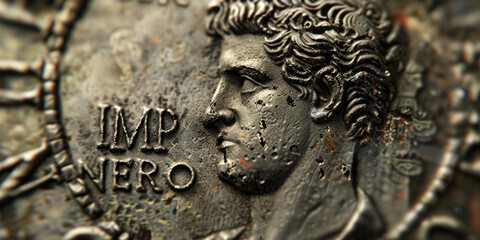
The story opens in 49 AD Rome with the marriage of Agrippina and Claudius—an event that reshapes the political landscape and sets in motion a deadly game of power, one that claims more victims than a battlefield. On one side, we follow Nero—still a boy—being guided by Seneca and Praetorian Prefect Burrus, as he competes with his brother and fellow heir Britannicus for their father’s favor. On the other hand, Agrippina maneuvers through intrigue and manipulation, determined to see her son ascend to the throne—no matter the cost.
‘𝙍𝙤𝙢𝙚 𝙬𝙖𝙨 𝙢𝙖𝙙𝙚 𝙞𝙣 𝙬𝙤𝙡𝙛’𝙨 𝙢𝙞𝙡𝙠 𝙖𝙣𝙙 𝙖 𝙗𝙧𝙤𝙩𝙝𝙚𝙧’𝙨 𝙗𝙡𝙤𝙤𝙙, 𝙇𝙤𝙘𝙪𝙨𝙩𝙖. 𝙒𝙚 𝙬𝙚𝙧𝙚 𝙗𝙧𝙚𝙙 𝙨𝙩𝙧𝙤𝙣𝙜, 𝙛𝙧𝙤𝙢 𝙩𝙝𝙚 𝙫𝙚𝙧𝙮 𝙛𝙞𝙧𝙨𝙩. 𝙏𝙝𝙖𝙩 𝙞𝙨 𝙬𝙝𝙮 𝙬𝙚 𝙧𝙪𝙡𝙚 𝙂𝙧𝙚𝙚𝙘𝙚 𝙖𝙣𝙙 𝘽𝙧𝙞𝙩𝙖𝙣𝙣𝙞𝙖, 𝙃𝙞𝙨𝙥𝙖𝙣𝙞𝙖 𝙖𝙣𝙙 𝙂𝙖𝙪𝙡… 𝙅𝙪𝙙𝙖𝙚𝙖 𝙖𝙣𝙙 𝙀𝙜𝙮𝙥𝙩 𝙖𝙣𝙙 𝙖𝙡𝙡 𝙩𝙝𝙚 𝙧𝙚𝙨𝙩. 𝙇𝙞𝙠𝙚 𝙍𝙤𝙢𝙪𝙡𝙪𝙨, 𝙬𝙚 𝙨𝙚𝙚 𝙬𝙝𝙖𝙩 𝙝𝙖𝙨 𝙩𝙤 𝙗𝙚 𝙙𝙤𝙣𝙚 𝙖𝙣𝙙 𝙬𝙚 𝙙𝙤 𝙞𝙩, 𝙬𝙞𝙩𝙝𝙤𝙪𝙩 𝙧𝙚𝙜𝙧𝙚𝙩.’
🗡Iggulden once again demonstrates his mastery in blending historical fact with fiction. His meticulous research shines through, lending authenticity to the narrative without ever overwhelming it. The plot is tightly woven, delving into themes of power, loyalty, and survival, while the rich historical detail and vivid storytelling bring ancient Rome to life. The writing is fluid, punchy, and balanced, with accessible prose that keeps you hooked throughout.
🗡The characterization is one of the novel’s strongest aspects. Nero is portrayed as tyrannical, self-indulgent, and increasingly debauched, while Agrippina emerges as a scheming, ruthless, and deeply ambitious force. They are both deeply unlikable—and yet, you can’t help but stay invested in their journey. Supporting characters like Seneca, Burrus, Claudius, and Octavia are noteworthy, though they receive comparatively limited exploration.
🗡The climax is satisfying, though it leaves you wanting more. If you’re familiar with history, you’ll already have a sense of where events are headed, so I’ll avoid spoilers. That said, it only heightens the anticipation for how the next book will tackle the later, darker phase of Nero’s reign.
Overall, Tyrant is a richly crafted and thoroughly engaging novel that showcases Iggulden at his best. It’s a must-read for history enthusiasts and comes highly recommended.
𝙈𝙮 𝙍𝙖𝙩𝙞𝙣𝙜: ⭐⭐⭐⭐✨(4.5/5)
🗡Tyrant, the 2nd installment in the Nero trilogy, is a gripping work of historical fiction that chronicles Emperor Nero’s early life—from Agrippina’s marriage to Claudius to Nero’s calculated rise to power—told through the compelling perspectives of the mother-son duo.
The story opens in 49 AD Rome with the marriage of Agrippina and Claudius—an event that reshapes the political landscape and sets in motion a deadly game of power, one that claims more victims than a battlefield. On one side, we follow Nero—still a boy—being guided by Seneca and Praetorian Prefect Burrus, as he competes with his brother and fellow heir Britannicus for their father’s favor. On the other hand, Agrippina maneuvers through intrigue and manipulation, determined to see her son ascend to the throne—no matter the cost.
‘𝙍𝙤𝙢𝙚 𝙬𝙖𝙨 𝙢𝙖𝙙𝙚 𝙞𝙣 𝙬𝙤𝙡𝙛’𝙨 𝙢𝙞𝙡𝙠 𝙖𝙣𝙙 𝙖 𝙗𝙧𝙤𝙩𝙝𝙚𝙧’𝙨 𝙗𝙡𝙤𝙤𝙙, 𝙇𝙤𝙘𝙪𝙨𝙩𝙖. 𝙒𝙚 𝙬𝙚𝙧𝙚 𝙗𝙧𝙚𝙙 𝙨𝙩𝙧𝙤𝙣𝙜, 𝙛𝙧𝙤𝙢 𝙩𝙝𝙚 𝙫𝙚𝙧𝙮 𝙛𝙞𝙧𝙨𝙩. 𝙏𝙝𝙖𝙩 𝙞𝙨 𝙬𝙝𝙮 𝙬𝙚 𝙧𝙪𝙡𝙚 𝙂𝙧𝙚𝙚𝙘𝙚 𝙖𝙣𝙙 𝘽𝙧𝙞𝙩𝙖𝙣𝙣𝙞𝙖, 𝙃𝙞𝙨𝙥𝙖𝙣𝙞𝙖 𝙖𝙣𝙙 𝙂𝙖𝙪𝙡… 𝙅𝙪𝙙𝙖𝙚𝙖 𝙖𝙣𝙙 𝙀𝙜𝙮𝙥𝙩 𝙖𝙣𝙙 𝙖𝙡𝙡 𝙩𝙝𝙚 𝙧𝙚𝙨𝙩. 𝙇𝙞𝙠𝙚 𝙍𝙤𝙢𝙪𝙡𝙪𝙨, 𝙬𝙚 𝙨𝙚𝙚 𝙬𝙝𝙖𝙩 𝙝𝙖𝙨 𝙩𝙤 𝙗𝙚 𝙙𝙤𝙣𝙚 𝙖𝙣𝙙 𝙬𝙚 𝙙𝙤 𝙞𝙩, 𝙬𝙞𝙩𝙝𝙤𝙪𝙩 𝙧𝙚𝙜𝙧𝙚𝙩.’
🗡Iggulden once again demonstrates his mastery in blending historical fact with fiction. His meticulous research shines through, lending authenticity to the narrative without ever overwhelming it. The plot is tightly woven, delving into themes of power, loyalty, and survival, while the rich historical detail and vivid storytelling bring ancient Rome to life. The writing is fluid, punchy, and balanced, with accessible prose that keeps you hooked throughout.
🗡The characterization is one of the novel’s strongest aspects. Nero is portrayed as tyrannical, self-indulgent, and increasingly debauched, while Agrippina emerges as a scheming, ruthless, and deeply ambitious force. They are both deeply unlikable—and yet, you can’t help but stay invested in their journey. Supporting characters like Seneca, Burrus, Claudius, and Octavia are noteworthy, though they receive comparatively limited exploration.
🗡The climax is satisfying, though it leaves you wanting more. If you’re familiar with history, you’ll already have a sense of where events are headed, so I’ll avoid spoilers. That said, it only heightens the anticipation for how the next book will tackle the later, darker phase of Nero’s reign.
Overall, Tyrant is a richly crafted and thoroughly engaging novel that showcases Iggulden at his best. It’s a must-read for history enthusiasts and comes highly recommended.
𝙈𝙮 𝙍𝙖𝙩𝙞𝙣𝙜: ⭐⭐⭐⭐✨(4.5/5)

September 12, 2025
Conn Iggulden writes great historical novels, and I think I have maybe read them all to date! He is a fine writer whose work I always enjoy. His foray into fantasy is equally enjoyable. All the same, in this latest volume about Nero, I failed to get into this as deeply as I have with other works by this author. Have I just read too much of it? Or is the subject and story of Nero too well known, so that this story lacked surprise for me?
I did enjoy the story, well told as always. The rise of the young Nero here includes some of his infamous acts, and Nero is so well known because those acts make for quite a story. Neither can I fault much in Iggulden's telling - although one niggle: there is an amusing story that Nero has with the younger son of Claudius, Britannicus, that gains him a nickname. But the story and the nickname are lifted straight from Iggulden's earlier work, Dunstan. Self plagiarisation may not be morally wrong, but for anyone who has read Dunstan, the effect of that is going to fall pretty flat. Of course, if you never read Dunstan and never will then it will work well.
That was a small thing though, and I can't put my finger on why I didn't really enjoy this work. Yet I did enjoy it and I will happily keep reading this series and continue to recommend this author. Good stuff from an accomplished writer.
I did enjoy the story, well told as always. The rise of the young Nero here includes some of his infamous acts, and Nero is so well known because those acts make for quite a story. Neither can I fault much in Iggulden's telling - although one niggle: there is an amusing story that Nero has with the younger son of Claudius, Britannicus, that gains him a nickname. But the story and the nickname are lifted straight from Iggulden's earlier work, Dunstan. Self plagiarisation may not be morally wrong, but for anyone who has read Dunstan, the effect of that is going to fall pretty flat. Of course, if you never read Dunstan and never will then it will work well.
That was a small thing though, and I can't put my finger on why I didn't really enjoy this work. Yet I did enjoy it and I will happily keep reading this series and continue to recommend this author. Good stuff from an accomplished writer.

May 10, 2026
The second installment in Iggulden's Nero Trilogy opens in the last years of Claudius' reign with his wife Agrippina at his side. Agrippina was ruthless in promoting her son Lucius, and convinced Claudius first to adopt him (changing his name to Nero) and then to allow him to rule in his father's stead while Claudius traveled to other parts of the empire. Before long Agrippina had connived to place Nero on the throne over the presumed heir, Brittanicus, the biological son of Claudius. Like book 1, this second book shows the violence and harsh "justice" of the period, under Nero's rule as it had been under his predecessors.
A fascinating read! I look forward to book 3, Inferno, to be released later this month.
A fascinating read! I look forward to book 3, Inferno, to be released later this month.

September 22, 2026
Another classic Conn Iggulden romp, full of violence, deceit, murder and politics. As always, this book moves quickly through dramatic moments, so it lacks a little in space and depth. Character suffers the most, though he does a good job of showing who people are by what they do rather than how they think and feel. I did find that I actively disliked almost every character in this book - especially Agrippina & Nero - but that doesn't make their sneaking, plotting and power games any less entertaining.
A fun, if slightly shallow, time!
A fun, if slightly shallow, time!

November 19, 2025
Better than the first Conn, keen to read about Nero’s very happy ending in the final book

February 2, 2026
I love this author. His research into his subject is extensive. I especially love reading his acknowledgement at the end where he talks about his sources and what he added.

February 18, 2026
Ottimo romanzo storico. Iggulden non mi delude mai. Voto: 8

February 12, 2026
2.5. This is so clearly historical fiction written by a man. All action and telling you what happens. No character develops or introspection. One step above reading a nonfiction account of Nero.

July 14, 2025
Fantastic book. Can’t wait to read ‘Inferno’ the next in the series Conn Iggulden composes a brilliant story of the Emperor Nero! ⚔️

August 25, 2026
Iggulden is by far the best historical fiction writer I’ve read from the Wars of the Roses series to this brilliant series on Nero. This book was entirely engrossing with characters so well written. Each setting, dialogue, tension, historical event weaved in felt like scenes from a riveting film. I also liked how he skilfully develops Nero’s character with foreshadowing elements of how the emperor he will turn out to be.
I’m definitely going to re-read this book again. Netflix please don’t turn this into a show. It’s too good for a film adaptation.
I’m definitely going to re-read this book again. Netflix please don’t turn this into a show. It’s too good for a film adaptation.
Displaying 1 - 30 of 164 reviews