Portrait of the Artist as 20th-century Woman
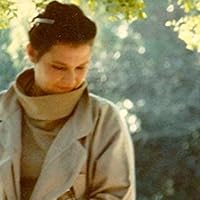
The way an artistic biography is taken up here, without chapters, and shaped by the conventional trappings of a novel, has the reader toying with whether adroit brush flicks or fine pen play have produced this remarkable portrait of an artist. Jenner Mallow's struggle, like Francesca Kay's, one imagines, is to find a space where 'a startle of green hummingbird's wings, a fleeting breath of mist, of woodsmoke, of salt water' can produce both the impressionistic effects art requires them to be as well as providing a permanent sense of home for an artist and a novelist 'lost for an anchor'. The dilemma is acute, as Jennet's fleeting periods of fulfilment are thwarted by a sense of paralysis and mortification in the lives of those she feels obliged to nurture, not least that of her husband. He, like Jennet's father, are both etiolated by the gruelling reminiscences of war in places like Spain where her husband, David Heaton, is nearly destroyed by 'its black edges, its blood reds, its stark colours, its Goyaghosts', but where, in Santiago, Jenner experiences an unleashing of astonishing artistic inspiration. Later, in the closing scenes of the novel, she finds a different kind of space at Ravens in the Yorkshire moors where 'long empty hours of silence filled with nothing, hours in which she might embalm herself in the fine stuff of dreams'. The book tries too hard to place itself in those fine, interstitial places between inspiration and execution and one often gets a sense of the whole novel coming to a standstill, neutralized by its own misty ruminations on Jennet's latest artistic period. It's best to prepare yourself for this, a tableau of delicately nuanced hues, bars and lines wherever you look; the vast canvases Jenner uses are also the narrative tableaux of this novel, but its main subject remains perpetually opaque, as if Jenner has her back to the reader, or is looking askance into a rarefied recess where the reader cannot go. The family scenes are the best: they're messy and uncomfortably grounded in scenes where you have to come down off the ladder and stop slopping around with paint. But the real horror of twentieth century life-in-death, is merely hinted at: where Jennet's father lived, fought and suffered, in the trenches of WW1, green hummingbirds never stood a chance.