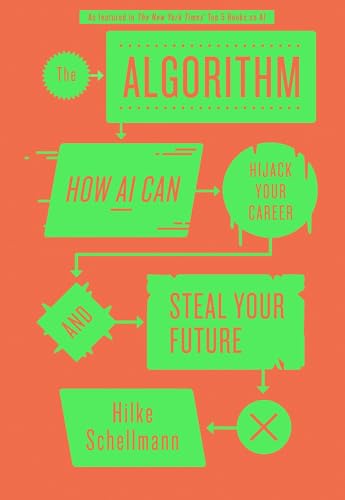
This book is a great collection of case studies, interviews, and research on how HR is approaching recruitment today. It is written in a very clear style and is divided into 10 sections, each explaining different issues related to the main theme. The overall structure and style make it quick and easy to read.
I want to clarify from the start that this is not a book intended to comfort applicants and provide excuses for unsuccessful job searches. I believe (as does the author) that the main bottleneck in the current job market is simply the high level of competition. What this book aims to show are the implications and side effects of that trend. HR departments are unable to keep up with the volume of applications and therefore increasingly rely on AI to speed up the process. However, the book highlights how carelessly and irresponsibly these tools are sometimes used in decision-making. It explains why highly skilled and experienced applicants can fail at different stages of the application process without a clear reason. Again, this is just a possibility, it doesn’t imply to every case.
The book raises awareness of how applicants should prepare their CVs, interviews, and assessments, and what to be mindful of in terms of how HR processes information. It provides examples of how AI systems can misjudge candidates based on irrelevant keywords in CVs, social media activity, personality tests, and even unrelated games. It also discusses the problematic use of facial and voice analysis, the marginalisation of people with disabilities (one of the most interesting chapters, very striking), unfair monitoring of online behaviour and personal health data, and how AI can ultimately be used to fire employees unfairly.
This is what the book explores. It showcases a future of recruitment that feels closer to a dark, Orwellian world which we were meant to fight against. I would recommend this book to anyone researching this topic or interested in discussions about the challenges of modern recruitment.