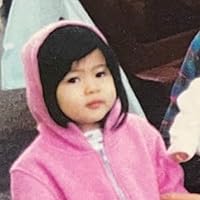
פרודנס היתה ילדת הפלא הכי מפורסמת בעולם. בגיל שלוש לימדה את עצמה לנגן בפסנתר והופיעה בתוכניות אירוח בטלוויזיה, ובגיל שמונה ניגנה בפני נשיא ארצות הברית.
אבל מאז עברו הרבה שנים. פרודנס בת ארבעים ושמונה עכשיו, ומשבר אמצע החיים תקף אותה. הבנות עזבו את הבית, ופרודנס שוכבת ובוהה וחושבת על המוות. ואז מגיעה הצעה מפתיעה: להשתתף בגמר הגדול של תוכנית הריאליטי "דו-קרב הפסנתרים של אלכסיי פטרוב".
פרודנס לא הופיעה מול קהל זה עשורים, והעיסוק שלה במוזיקה הסתכם בהלחנה של ג'ינגלים. אבל התשוקה לזכות בהזדמנות שנייה, בסוף אחר – בוערת בה.
אבל לחשיפה יש מחיר. מעברה הנשכח צץ בעלה לשעבר. הנוכל החמדן מנסה לסחוט את פרודנס, ויש לו קלף מנצח נגדה.
עכשיו היא לא נלחמת רק על כבוד או תהילה. עכשיו היא נלחמת כדי להציל את משפחתה ונישואיה, את החיים שבנתה לעצמה. וכדי להוכיח, בעיקר לעצמה, שאף פעם לא מאוחר לכתוב סוף חדש לסיפור שלך.
הסוף השני הוא ספר הביכורים של מישל הופמן, עיתונאית לשעבר, נגנית פסנתר מגיל חמש. זהו סיפור מצחיק ופרוע, אבל גם מרגש וחשוף, על המחיר הכבד של התהילה, על כוחה של המוסיקה, ועל ההזדמנות השנייה שמחכה לנו – אם רק נעז לנסות שוב.
This book is undeniably one of the finest works of fiction this year, and I implore all my fellow book enthusiasts: do not, under any circumstances, overlook this gem or allow it to languish on your ever-growing TBR list! It demands your undivided attention, praise, admiration, and utmost focus. The characterization within these pages is nothing short of perfection, and the book's heartwarming and inspiring message compels you to confront the obstacles that hinder your pursuit of dreams. It's invigorating, potent, and a breath of fresh air! The storytelling is enchanting, and I found myself yearning for more, not wanting it to reach its end. I could easily lose myself in this book for days, immersing myself further in the lives of these eccentric, one-of-a-kind, and delightfully quirky characters, while savoring each song that serves as the title for every chapter, amplifying the overall experience. This is a dreamlike journey that embraces the transformative power of music, allowing us to introspect and unleash our pent-up emotions.
The narrative revolves around two central figures who reluctantly find themselves pitted against each other in the intense realm of Alexei Petrov's Dueling Piano Wars, a prestigious competition showcasing classical music prowess. One of these individuals is Prudence Childs, a former child prodigy of the piano who abandoned her aspirations of becoming a performer, opting instead to create memorable jingles for advertisements. This decision granted her a life of luxury, a stunning house, an array of jewelry, and the ability to fund her daughters' college education. At 48 years old, Prudence is plagued by a midlife crisis induced by empty nest syndrome. However, her ex-husband, Bobby Wheeler (whose marriage to Prudence was annulled), threatens to expose the truth to the press: that the jingle responsible for her wealth actually belongs to her music teacher, possessing a letter as evidence. Suddenly, Prudence realizes she stands to lose everything she has worked so hard for: her home, her reputation, her savings, and even her marriage. Reluctantly, she accepts an offer from the competition's producer to compete and potentially win the prize money as a means to counter Bobby's blackmail. Little does she know that Bobby is not the only person determined to ruin her standing.
Our second main character is Alexei Petrov, a 22-year-old Russian piano prodigy burdened by the suffocating expectations set by his controlling parents. Every aspect of his life, from the meals he consumes to the meticulously planned routines, is dictated by their unwavering control, leaving him feeling trapped in a monotonous existence devoid of true freedom and emotional expression. Now, he must learn to master "Great Balls of Fire" as the competition organizers have altered the categories.
Both Prudence and Alexei find themselves in a fight for survival, knowing that failure could result in losing everything they hold dear. However, the ultimate challenge they face lies in confronting those who seek to control their lives. Perhaps, in the grand scheme of things, learning to let go is more vital than claiming victory in the contest.
Overall, the book's conclusion left me immensely satisfied, and it is undoubtedly one that I plan to revisit in the near future. It is truly a remarkable read, deserving of high praise!
I extend my heartfelt gratitude to NetGalley and Random House Publishing Group/Ballantine Books for generously providing me with an advance review copy of this exceptional book in exchange for my honest thoughts.
If you’re interested in reading my extended book reviews, movie critiques, and hilarious astrology articles, be sure to check out my Medium account using the link below:
The Second Ending is both a light and humorous story and a deep, moving one. Both Prudence and Alexei were master pianists. Prudence was a child prodigy, performing at eight years old at The White House. But she walked away when she was in her teens, away from her domineering grandmother. Meanwhile, Alexei was pushed to become a star by his overbearing mother. His talent was the result of hard work, which left him no time for friends or a life. Now, Prudence is 48 and an empty nester. And Alexei is the young (22) host of a surprisingly successful dueling piano tv show. But they both are facing issues that could change their lives. The solution for each is to win a new competition where they must compete head to head. Other characters are brought in with their own issues. There are multiple POVs, which keeps the book moving at a brisk pace. There’s Prudence’s failure of an ex-husband, loaded with debt and looking for a windfall, the president of the HOA, who’s convinced Prudence ruined her chance to be a famous ballerina and the producer of Alexei’s show, being driven crazy by the demands of the studio. Hoffman does a great job giving us two main characters that are realistic and relatable. Despite their age differences, they share things in common. Neither was allowed a childhood and had to live their lives for someone else. I love a book that can combine humor and drama without either one being slighted. This book does that. Hoffman also manages to convey on paper music well played and the joy that comes from it. I was driven to see how the story would end and I was so pleased with the ending Hoffman fashioned. This is just a lovely story about dreams and not giving up on them. The only reason this wasn’t a five star read for me was that the plot did feel a little contrived at times. My thanks to Netgalley and Ballantine Books for an advance copy of this book.
The Second Ending is a charming comedy about two pianists who compete against each other in a reality show competition. Prudence Childs, now in her late 40s, was a child prodigy who gave up piano entirely to raise a family. The other competitor is the young host of the reality show Alexei Petrov's Dueling Piano Wars! Each of them must overcome fears and the strict upbringings that made them so successful to prepare for the competition.
Since it happened early in the novel, I had to ignore my pet peeve of authors who give incorrect legal advice. First, we do not have debtors' prisons in America. Second, a lienholder does not "possess" a debtor's house and cannot prevent the sale of the property. Another thing I disliked was the way Prudence acted at the end of the competition. But those things aside, it was still very enjoyable.
Prudence Childs was a child prodigy. She taught herself to play the piano at the age of three and went on to play at the White House and inspired children across the globe to take piano lessons. She quit playing when she was a teenager after realizing that she was an exploited child star. Now that her children are grown, she decided that it was time to play again.
Alexei Petrov is a twenty-two-year-old internet sensation. His parents are domineering and pushed him to be successful at the cost of having friends or a life outside of music.
The two will be playing against each other hoping to win. Both have their reasons for wanting to win. Both have something to prove, but as the Highlander films would tell us “There can be only one."
This book was music to my ears. This wonderful book is about second chances, taking chances, and the love of music. It is well written with interesting characters who were both pushed to be successful.
What an enjoyable debut novel. I look forward to reading more of Michelle Hoffman's books in the future.
Thank you to Random House Publishing Group - Ballantine, and NetGalley who provided me with a copy of this book in exchange for an honest review. All the thoughts and opinions are my own.
This debut novel has an eccentric cast of characters centered around two celebrated and very talented pianists and a dueling piano competition. The story ultimately urges us not to give up on our dreams, but to be open to new beginnings and welcome the opportunity for a "second ending".
The first half of the book almost lost me due to the lengthy back stories on each and every character and this part may have been improved with some judicial editing. Also, the narrative lacked good flow at times in the beginning. The revenge and blackmail part of the story seemed a little disjointed and quirky too. However, I was glad that I persevered, because the pace picked up and the story greatly improved with the addition of two very likable characters that were added to help the emotionally challenged musical competitors train for their contest. Overall, my patience paid off and I ended up liking this book.
My sincere thanks to NetGalley and Random House Publishing-Ballantine for giving me the opportunity to read and review a digital ARC of this book.
Great debut!!! This is all about second chances + hope.. has a quirky cast of characters, and was a whole lot of fun!!! The story was so entertaining that it kept me glued to my Kindle. Is well worth the read. ❥ 4 stars — Pub. 5/30/23
Much thanks to NetGalley and the publisher! All opinions are my own.
Prudence is a child prodigy pianist who is now 48 and is being threatened with exposure as a plagiarist over an advertising jingle she wrote as a child. Prudence is currently facing a mid-life crisis as her children are now grown and she tries to find purpose in her life.
Alexei is a pianist who is currently hosting a game show where pianists compete against one another. He has issues with his mother who has gotten the family out of Russia on the ticket of her son's expertise in music.
Both of these characters are eccentric and their stories are engrossing. The author has somehow managed to convey the beauty and love of music onto the page that makes the reader feel it. The descriptions of music and piano playing are exhilarating!
I thoroughly enjoyed the characters, the plot and especially the music. The sideline with Tamara's grudge from a perceived slight when she and Prudence were both children, as well as the blackmailing ex-husband Bobby were just that - sidelines. I disliked both of these characters, as I'm sure the author intended. Highly recommend this read to anyone who likes music or who likes competition.
Thanks to Random House Publishing Group - Ballantine through Netgalley for an advance copy. This book will be published on May 30, 2023.
I just read my favorite book of the month!! This cute, sweet, little gem was such a treat! Don't let this cartoon cover distract you from life's truths shared within!
We follow two piano stars, Prudence and Alexei Petrov. One is a complete child prodigy who was pushed to the point of exploitation and playing the piano became more of a chore than a joy, she now never plays. The other is a famous, young, Russian pianist that NEEDS his piano performance to remain stellar in order for him to continue residency in the United States.
Their stories slowly unravel in such a beautiful way. I found myself rooting for all by one of the characters (IYKYK) and loved the character development displayed of each person to differing levels based on their involvement in the story.
The book was clever, sharp, sweet, endearing, motivating, fun, exciting, sad, full of longing, the list goes on! It got to the point where I dreamed about buying a new piano and it's actively in the works!
Thank you to NetGalley and Ballantine for the advance e-copy of this book.
I flew through this book. I found the premise to be fully original and engaging. Told through two points of view - both pianists - one at the prime of his career and the other looking backwards at what was and what could possibly be again.
I loved the study of musicianship - the dedication required and the often found issue of over-bearing parents - many times living vicariously through their child. The subject was difficult at times - but the author adeptly infused humor into the story. There were several laugh out loud moments.
This story is about finding your voice, finding your passion for your art , learning to block out those self-deceiving inner voices, taking chances, trusting your heart and finding community. I really enjoyed this one! Thank you to NetGalley and Random House - Ballentine for the ARC to read and review. Pub date: 5.30.23
I had a hard time getting through this book. It just did not hold my interest. I know it will be a very good story for some. Different strokes for different folks.
This book was awesome! It centers on Prudence, a child prodigy whose talents as a pianist are phenomenal but now at age 48, she is being threatened as a plagiarist because of a jingle she "wrote" years ago. At the same time, she becomes interested in a "piano war" with the celebrated Alexie even as she's contemplating divorce from her second husband. Lots of great plot lines, so many songs that I remember from my youth, and funny, awkward characters who often do what is least expected. I laughed and I cried and I seriously considered taking piano lessons...but we don't have a piano, so there you go! Thanks to NetGalley for this ARC!
#TheSecondEnding #NetGalley Thank you to NetGalley and the publisher for the opportunity to read and review this novel. I encourage you to check this one out!
Sublime, which means "extraordinarily or transcendently impressive" and I found this book to be so. It took me a few to get into it.. it seemed so much more telling than showing or action, but it was just awe-inspiring. There was just so much hope written into each character, who, by the way, were all dealing with their personal flaws and issues inspired by their upbringing and the loving people who surrounded them. I was able to settle in comfortably to the pace and the style, each chapter and character so clearly and precisely defined.
The story is about losing sight of your dream, losing hope to recover any meaning to your life, regardless of your age or elevation of your dream. Told through the trials and tribulations of Prudence Childs, a former prodigy who has lost hope of being the prodigy she was held out to be she is about to lose everything. Pitted against her is a young Russian virtuoso Alexei Petrov, who has given his life to his overbearing parents and drilled him into a technically flawless pianist without anything else, including friends. Each of these people is facing financial ruin unless they can win a competition and beat the other, but getting there is the journey and the story and each believes their life will be different.
What a fantastic debut from Michelle Hoffman! I predict that The Second Ending is going to be on a lot of "Best of" lists for 2023.
"Prudence was a child prodigy playing the piano for the White House and the Queen. She eventually realizes she's become just another child star pushed into fame by her cruel grandmother. At 18, she runs away from both. Flat broke and alone, she takes a job writing commercial jingles. This earns her a fortune but shuts down her creativity. Now with her daughters at school, Prudence is determined to reconnect with the artist she used to be. She agrees to compete on a wildly popular TV Show - Dueling Pianos with Alexei. Her terrible ex-husband, Bobby, finds out and blackmails her with a secret she doesn't want revealed. She must win to pay him off. Her opponent, Alexei Petrov, is a piano virtuoso, but he has problems of his own. His parents are domineering and control every aspect of his life. Alexei has no friends or hobbies outside of performing. He is desperate to break away. As Prudence and Alexei prepare, they both realize it is never too late for a second ending"
Prudence has an exceptional gift and has not used it. Her kids think she just writes jingles and plays the occasional pop song on their little spinet. Have you ever heard a song or piece of music of even a chorus and been transported back to a specific place and time when it meant something to you? Hoffman's descriptions of Prudence's playing are what make this book phenomenal. So many characters that are brought to tears by a memory brought on by her playing. You may recognize some of yourself in Alexei - the difficulty in breaking away from your parents, especially if they have control issues. Hoffman is not kind to "Stage parents, tiger moms or Little League Dads"
The competition at the end is fantastic. I would love to see Alexei's rendition of Great Balls of Fire. And there's a pleasant surprise for Prudence.
Hoffman's book is about never giving up on your dreams - no matter your age. It's about intentional choices and communication. It's about sharing a gift. If you ever took a music lesson (or were in middle school band) or have ever been moved by music you will adore this book. Add this to your summer reading list.
This has been compared to Where’d You Go, Bernadette?, but I liked The Second Ending so much more. It’s quirky and outlandish at times, but it is interspersed with wonderful moments of humanity that made it a delightful reading experience for me. Really enjoyed ❤️
Having recently finished “The Second Ending” by Michelle Hoffman, I am happy to have had the chance for the Advanced Reader’s Edition e-copy; thank you NetGalley and Random House Publishing Group- Ballantine Books!
Although the synopsis grabbed me, it was slow warming up to these characters in crisis. I sympathized with the pressures of their youth, but struggled to believe or understand their adult behavior and choices.
I did highlight and search YouTube for some of the classical music mentioned, and that was a nice diversion when I wanted to set the story aside. Learning and listening to something new, entertained me as I anticipated the finale of The Second Ending.
~~~
“Because each of us lives on in the people we connect with, whether through music, or love, or a shared dream.”
This book was adorable!!! Thanks to NetGalley and the publisher I was able to read this advanced copy during a few dreary days here and I was all the happier for it. The people in this book felt very real to me. The ups and downs, the insecurities, the moments of reckoning. The storyline was very original and surrounding the characters was music and the love and joy and sadness we can get from it. I have already started recommending this book!
Prickly Prudence was marched in lock-step toward stardom at an early age, a piano prodigy, but now she's a middle-aged woman with no purpose now that her daughters are in college. Alexei is another who was bludgeoned into expertise by parents desperate for far different reasons than Prudence's horrible grandmother. Because her ex husband shows up with an offer--a threat--she agrees to participate in a TV reality show that involves piano duels.
On the way to the showdown we meet a number of characters whose lives are tangled up with this main story. The author delves into each backstory, then pulls back to a light brush with omniscient narrator, always with reference to the effects of music.
This is far less a romance than it is a novel about families, and expectation, talent and the dark side of child stardom. But the author clearly loves all her characters, flawed as they are; she understands the pain and bewilderment that can bring people to shadowy places, and how music can set them free. It's a feel-good novel, and I really loved it. Especially the writing about music, and about playing the piano. If you've ever played an instrument, the chances are you will resonate with this book. I know I sure did.
The Second Ending was a delight! This is the kind of book I would call fluff (in the best possible way), perfect for when you need a smile and a feel good moment.
Prudence Childs is maybe having a mid-life crisis. Prudence is struggling to find purpose in her days: the kids are mostly grown and don't need much, she doesn't work, her husband travels a lot. Prudence keeps thinking that starting a book club would be nice, but can't quite find the motivation to do anything at all.
Also, Prudence is a childhood piano prodigy. She hasn't played in years and isn't thrilled when the concert piano of her youth is delivered to her home as a surprise gift. Around the same time, Prudence's ex also pays a surprise visit. He needs cash and has some dirt on Prudence that is perfect for blackmail. Prudence's piano may be the perfect way for her make the cash she needs to pay off the ex and move on with her life.
There are two other characters, Alexei and Tamara, whose stories connect to Prudence's. Alexei is almost as fun to read about as Prudence, while Tamara is intentionally unlikable. I'm only going to talk about Alexei - he's a young, semi-famous pianist from Russia. Alexei's reputation is growing because of a new piano competition show (think The Voice). The TV network that hosts his show wants to make him into the next big star, so they dream up a dueling piano a competition. The competitor? Of course it's Prudence Childs.
Alexei and Prudence both have a lot of practicing to do to be ready for this duel. There are ups and downs for both of them along the way, with a few wild monkey wrenches thrown in. This story could make a great comedy film, the kind that warms your heart. Highly recommended. Thanks to the publisher for the ARC in exchange for an honest review.
Favorite quotes:
“God loves the poets more than the saints, Prudence. To suffer is human. To turn it into art is extraordinary.”
“I think all they really need is for us to believe in them. That’s our most powerful tool as parents.”
“Everyone thinks their dreams are silly. That’s why so few go after them.”
“You rewarded yourself for escaping something terrifying. You felt calm. That feeling helped reinforce the idea that your response to the perceived trauma was reasonable. Incorrect, of course. But if you keep deceiving your brain in this way, you’ll be too afraid to play in public at all.”
“You just have to envision your strongest moment, a moment you know you’ve played your absolute best—I’m sure you’ve had many of those—and hold on to it whenever you start to doubt yourself.”
The Second Act is an engrossing, entertaining, and poignant novel. The story revolves around two pianists: Prudence, a former child prodigy, and Alexei, a Russian virtuoso. They each have a shot at fulfilling a dream by competing against each other for a million dollars on a dueling pianos TV show. Prudence is trying to recapture the spirit of the artist she once was, while also trying to outrun her last which has appeared at her doorstep. Alexei is technically brilliant but a lonely man still under the thumb of his overbearing parents. The story moves quickly as both of them prepare for the competition, fraught with doubt and fear and outside forces threatening to upend their quest to no only win the money, but to discover who they are musically, and to rewrite the endings of their personal journeys. The author does a brilliant job getting the reader to feel and hear the music as Prudence and Alexei perform, and I applaud her for an outstanding debut!
Oh man, I enjoyed this book immensely. It was hilarious & heartwarming. I loved that it took place in the Phoenix valley where I live...that was extra fun. It did have lots of bad words for such a sweet little book though.
I loved this book. Since I live in an HOA “controlled” environment I could completely sympathise with the unwanted and at times unnecessary interference of The Board.
I liked Prudence and I could understand her leaving her past in the past until she realized her empty nest was making her unhappy and she had no clue how to fill the emptiness. On the other hand I could also understand Alexei finally realizing that he had never made a decision on his own in his entire life and now enjoying the feeling of rebellion he experienced when he did make his own decisions. I really liked both of these characters to the point where I couldn’t make up my mind who I wanted to win because I really liked both main characters so much.
This was a very different storyline and the end was a clever way to solve the problem of who would, really should, win and how Prudence would handle her problem with the past. Loved the end solution for Prudence and Alexei.
This was such an enjoyable read that I almost wanted to put off reading the last chapters but I just had to find out how the author would work out the problems of both Alexei and Prudence’s situations.
I won this book in a First Reads giveaway. Thank you to Ballantine Books, Penguin and the author, Michelle Hoffman.
THE SECOND ENDING by Michelle Hoffman is a definite delight of a read!
Prudence Childs is nearing 50 and is gifted her old piano from when she was a child prodigy. This isn't a pleasant memory for Prudence and she grapples with what to do when her ex-husband comes out of the woodwork with a compromising situation and begins the blackmail process. When the music calls to Prudence, she falls back into it fully and finds herself with an opportunity to solve her ex issue: winning a piano duel contest on TV! What she doesn't know, is that the host of this piano duel, Alexei Petrov has his own demons to conquer.
This is a strong story of second chances, or maybe even third or fourth. It has a light-hearted feel with clever, snarky humor that made me chuckle, while probing deeper issues of familial expectations and trauma. I thoroughly fell in love with Prudence and wish we could go out for drinks, though she could absolutely drink me under the table. I also fell in love with her husband (not the ex!), who seemed to understand and care for her in ways I haven't seen as much in novels lately. The "mid-life" protagonist is one I relate to in many ways, and I found this story to be a bit of a comfort read. Now, on with that bookclub...
Thank you to @netgalley & Ballantine Books @randomhouse for sharing @michelle.hoffman_ 's debut book & letting me share my thoughts! This title will be available on May 30th, so pre-order or head in to your bookstore then!
A solid women's fiction debut about second chances in middle age featuring a piano prodigy empty nester. Funny and heartfelt. I enjoyed this as a whole but felt some parts dragged a bit. Good on audio and definitely marks the author as someone I will be eagerly waiting for her next book. Many thanks to NetGalley and the publisher for an early digital copy in exchange for my honest review!
Humorous, feel-good story about two pianists who both desperately need to win an upcoming competition. I love how their stories and lives paralleled and the message of finding your identity in something other than what you’ve always done.
The characters were quirky and often impulsive, which annoyed me at first, but I ended up enjoying their journeys and growth.
The only thing I disliked was the storyline involved Tamara. It seemed completely ridiculous.
What a lovely, lovely book. It's a sweet story about second chances. I like how the reader gets to learn about so many different characters, no matter how brief. The main character is older (near her 50s) and reconnects with her love of piano. I like how the author touches upon the idea of building talent vs being born talented, as well as the idea of finding wisdom in your years. While there is a plot (2 characters face off in a TV competition), the characters' pasts and motivations were just as meaningful and enjoyable to read about. If you like "A man called Ove", "Remarkably bright creatures", and "The storied life of AJ Fikry", I highly recommend this book. It has the humor of AJ Fikry with the sensitivity and insight of Ove/Remarkably bright creatures. If you need a heartwarming, humorous read, give this one a try!
This is definitely my favorite work of contemporary fiction I've read this year, and maybe my favorite that I've read ever. After finishing it, I just rested my palm on the cover and stared off into space for awhile. I will be thinking about this story for some time to come.
To be fair, I am a middle-aged woman musician with a trauma history -- basically, the exact perfect audience for this book.
May we all have the courage, when needed, to re-write our second endings. I found this story immensely affecting and empowering. Five stars, and I would give more if I could. All the stars.