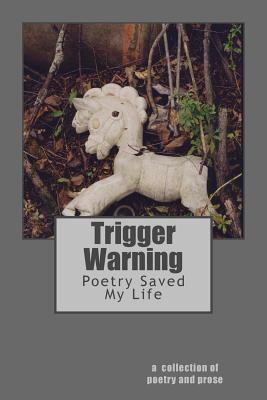
An odd collection of poetry and prose with the theme of being saved by poetry. In some cases, I see it, the battered and bruised who never read poetry, who never wrote. In despair they turned to poetry, and they were saved, maybe, except for those who weren't saved, who nearly ended their lives, or reverted to drugs. But all were eventually saved. Except famous poets like Silvia Plath, Virginia Wolff, or 154 others. In a sense this reminds me of all those who are "saved" by religions, by running, by incredible diets, by AA -- in other words, perhaps the poetry, or some other religion didn't really save their lives, as much as they did, by simply trying something new, by focusing on it, practicing it, and using it as a a tool to change when they simply would not get their shit together any other way, or life itself was too overwhelming. So, essentially, they changed their lives themselves, after deciding to, which is pretty much how we all deal with life. People seem to get into this rut of thinking that nothing will change, that they will always feel this way, or be treated this way, or that they are the only ones who feel this way or suffer defeats or deaths, or soul-crushing losses, whereas everything changes, often whether you take an active part in it or not, and nearly everyone experiences such things.
So, it seems to me, that poetry can change your life, or your attitude towards it, simply by telling it. Confessing it. And then suddenly you find out that other people understand that. That you weren't connecting with other peoples' lives, problems, and solutions. But, now people will listen, maybe applaud, maybe publish what you write, and connect with you. And you go to poetry readings and slams and listen to other people. And read what other people have written. Congratulations! you're part of the human race. Of poverty, suffering, pain, ostracism, defeat, loneliness and despair. But mostly life is about how you survive all that, if you so choose.
Oddly enough, writers are twice as likely to commit suicide. Is it because they were drawn to poetry or writing by their melancholia, and it made them more creative? And their success masked their troubled minds? Or because there are no panaceas? Not even poetry?