

What do you think?

Disparition de La Langue Francaise
« Vingt ans d'exil vont-ils lui paraître irréels, coulée sombre s'évanouissant derrière lui ? Rues en lacis de la Casbah (celles de Pépé le Moko, lui disait en souriant Marise qui ne vint jamais jusqu'ici), il va les revoir dans le clair-obscur de ce vieil Alger, Djazirat el Bahdja, la belle, la glorieuse, si longtemps l'imprenable, la cité des pirates légendaires, bribes d'histoire que sa mémoire, à lui, l'enfant du quartier, ce matin sur la route macère... »
La Disparition de la langue française évoque le retour d'un homme en Algérie après un long exil. Pris au piège du souvenir, écartelé entre son éducation française, l'apprentissage de la rue dans l'Alger des années 50 et son engagement précoce dans la guerre d'indépendance, il ne reconnaît plus la terre natale...
La Disparition de la langue française évoque le retour d'un homme en Algérie après un long exil. Pris au piège du souvenir, écartelé entre son éducation française, l'apprentissage de la rue dans l'Alger des années 50 et son engagement précoce dans la guerre d'indépendance, il ne reconnaît plus la terre natale...
306 pages, Paperback
First published August 1, 2003
About the author
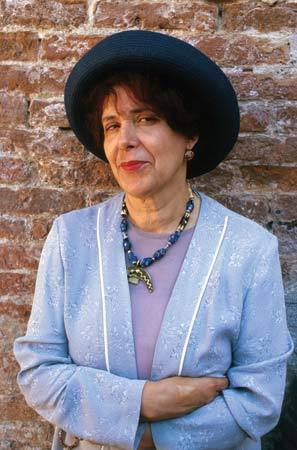
Assia Djebar
39 books405 followersAssia Djebar was born in Algeria to parents from the Berkani tribe of Dahra. She adopted the pen name Assia Djebar when her first novel, La Soif (Hunger) was published in 1957, in France where she was studying at the Sorbonne.
In 1958, she travelled to Tunis, where she worked as a reporter alongside Frantz Fanon, travelling to Algerian refugee camps on the Tunisian border with the Red Cross and Crescent. In 1962, she returned to Algeria to report on the first days of the country's independence.
She settled in Algeria in 1974, and began teaching at the University of Algiers. In 1978, she made a feature film with an Algerian TV company, The Nouba of the Women on Mont Chenoua, which won the critics' prize at Venice. Her second feature, La Zerda, won a prize at Berlin in 1983. In 1995, she took up an academic post at the University of Louisiana, Baton Rouge, and in 2002 was named a Silver Chair at New York University. She is a member of the Belgian Royal Academy and of the Academie Française.
She published her first four novels in France, between 1957 and 1967. These were followed by her Algerian quartet, of which three titles are complete to date, and by her three "novels of exile." Djebar has also published short stories, essay collections and two libretti. All of her writing is in French.
In 1958, she travelled to Tunis, where she worked as a reporter alongside Frantz Fanon, travelling to Algerian refugee camps on the Tunisian border with the Red Cross and Crescent. In 1962, she returned to Algeria to report on the first days of the country's independence.
She settled in Algeria in 1974, and began teaching at the University of Algiers. In 1978, she made a feature film with an Algerian TV company, The Nouba of the Women on Mont Chenoua, which won the critics' prize at Venice. Her second feature, La Zerda, won a prize at Berlin in 1983. In 1995, she took up an academic post at the University of Louisiana, Baton Rouge, and in 2002 was named a Silver Chair at New York University. She is a member of the Belgian Royal Academy and of the Academie Française.
She published her first four novels in France, between 1957 and 1967. These were followed by her Algerian quartet, of which three titles are complete to date, and by her three "novels of exile." Djebar has also published short stories, essay collections and two libretti. All of her writing is in French.
Ratings & Reviews
Friends & Following
Create a free account to discover what your friends think of this book!
Community Reviews
Displaying 1 - 12 of 12 reviews

February 17, 2017
very good book .assia very talented author descripe algerian society before the independance and in the middle of our war againt terrorism very good book for those who want to understand a very important era of our history

January 19, 2026
Roman magnifique, touchant et tragique écrit avec une plume superbe.
- « L'ancienne Jenina d'El Djezair, plusieurs palais, de rares mosquées ottomanes si raffinées, plus d'un quart des monuments du centre d'Alger a disparu pour donner cette surface plate, cette place d'armes à la française, face à la mosquée el Ketchaoua devenant leur cathédrale ! Cette rapidité, cette efficacité barbare dans la destruction m'a toujours laissé pantois. »
- « -Je n'ai jamais su, quand j'écoutais ce jargon, si ce mot qui a fleuri ici avec l'indépendance, ce terme de « responsable » était venu de l'arabe (el Mes’oul) et avait été traduit ensuite en français... auquel cas, l'abus de sens est dans le français car el Mes'oul devrait être traduit par « celui qu'on interroge», ce qui suppose dialogue, parole de part et d'autre, ce qui signifie que ce mes'oul a à répondre à un questionnant, à dire, certes, ce qu'il peut savoir... mais pas à décider, lui, et surtout pas, au nom des autres. »
- « L'ancienne Jenina d'El Djezair, plusieurs palais, de rares mosquées ottomanes si raffinées, plus d'un quart des monuments du centre d'Alger a disparu pour donner cette surface plate, cette place d'armes à la française, face à la mosquée el Ketchaoua devenant leur cathédrale ! Cette rapidité, cette efficacité barbare dans la destruction m'a toujours laissé pantois. »
- « -Je n'ai jamais su, quand j'écoutais ce jargon, si ce mot qui a fleuri ici avec l'indépendance, ce terme de « responsable » était venu de l'arabe (el Mes’oul) et avait été traduit ensuite en français... auquel cas, l'abus de sens est dans le français car el Mes'oul devrait être traduit par « celui qu'on interroge», ce qui suppose dialogue, parole de part et d'autre, ce qui signifie que ce mes'oul a à répondre à un questionnant, à dire, certes, ce qu'il peut savoir... mais pas à décider, lui, et surtout pas, au nom des autres. »

January 4, 2019
اختفاء اللغة الفرنسية: La Disparition de la langue française
مِمّا لا يمكنني الجِدال فيه، هو أنّ "آسيا جبار" روائيّة فذّة.
يمكنني تسميَتها سفيرة الأدب الأجنبيّ في الجزائر. ستدركون لماذا! تستطيعُ الحكم في درجة تعقيد لُغتها .. مثلًا رأيتُ هذا المؤلّف أسهل ومفهوم أكثر من كتاب "ظلال سُلطانية" شيء لا يستطيع أدائه "مولود فرعون" أو "ياسمينا خضرا" أو "بوجدرة"-دون التقليل منهم- الذين يسيرون على نفس نهجِ أسلوبهم الذي لا يتغير إلا قليلاً.
تتحدَّث هذه الرواية عن "بركان"، رجل في الخمسينات قضى منتصف عمرهِ في فرنسا، وعندما استقـال من عمله، قرّر العودة إلى أرض الوطن وهنا يغترِبُ من جديد، ويعيشُ في تضارُبٍ ثقافيّ وحضاري، مفهوم الممنوع والمسموح .. الحلال والحرام، الحرمة والتحرّر .. النوستالجيا والحنين لتلك الطفولة المُتَعجرِفَـة التي قضاها مع أخيه إدريس. الإطار الزَّماني قد مسَّ الحِقبة الاستعمارية، العشريَّة السوداء وآلامها .
هناك بعض الوَقفات التي لم تَرُق لي في الرواية، تبرّر لي أنّ شخصية "بركان" لم يكن سِوى تسجيد روائي لآسيا جبّار التي تقوم بسرد آيدولوجيّاتها ومواقفها لتوجّهات معيّنة لم أتّفق معها فيها، إنَّ آسيا عاشت حياة بركان، لربما البيئة التي نشأت فيها جعلها تُكوّن مواقف مغلوطة جدًا.
.بعضها صائب لا شكّ فيه عند حديثها عن شخصية مصالي الحاج على لسان بركان .. كان فعلاً فصلاً مميّزًا.
ثانياً العنوان لم يرق لي، لا معنى له، قد كان فيه حِس تشويقي لكن فعلاً غريب. فبركان قد اختفى في ختام الرواية في منطقة "دلس" ولم يجدوه بعد ذلك. لكن ما العلاقة بين بركان واللغة الفرنسية؟ لماذا تلك المقاربة؟ ولو أنّه قال أنَّ اللغة الفرنسية هو عبارة عن لغة ذاكرة Une langue de mémoire
.. لكن لا أثر لها في جلّ التسلسل الروائي كنتُ أفضّل عنوانًا شاملاً.
في الأخير، أدعو الله أن يرحم الكاتبة ويسكنها فسيح جنّاته، وأرفع القبعة لهذه المرأة العظيمة التي آمنت بنفسها وكوّنت ثقافة لا بأس بها، وكتبت للوطن فقط.. للوطن.
مِمّا لا يمكنني الجِدال فيه، هو أنّ "آسيا جبار" روائيّة فذّة.
يمكنني تسميَتها سفيرة الأدب الأجنبيّ في الجزائر. ستدركون لماذا! تستطيعُ الحكم في درجة تعقيد لُغتها .. مثلًا رأيتُ هذا المؤلّف أسهل ومفهوم أكثر من كتاب "ظلال سُلطانية" شيء لا يستطيع أدائه "مولود فرعون" أو "ياسمينا خضرا" أو "بوجدرة"-دون التقليل منهم- الذين يسيرون على نفس نهجِ أسلوبهم الذي لا يتغير إلا قليلاً.
تتحدَّث هذه الرواية عن "بركان"، رجل في الخمسينات قضى منتصف عمرهِ في فرنسا، وعندما استقـال من عمله، قرّر العودة إلى أرض الوطن وهنا يغترِبُ من جديد، ويعيشُ في تضارُبٍ ثقافيّ وحضاري، مفهوم الممنوع والمسموح .. الحلال والحرام، الحرمة والتحرّر .. النوستالجيا والحنين لتلك الطفولة المُتَعجرِفَـة التي قضاها مع أخيه إدريس. الإطار الزَّماني قد مسَّ الحِقبة الاستعمارية، العشريَّة السوداء وآلامها .
هناك بعض الوَقفات التي لم تَرُق لي في الرواية، تبرّر لي أنّ شخصية "بركان" لم يكن سِوى تسجيد روائي لآسيا جبّار التي تقوم بسرد آيدولوجيّاتها ومواقفها لتوجّهات معيّنة لم أتّفق معها فيها، إنَّ آسيا عاشت حياة بركان، لربما البيئة التي نشأت فيها جعلها تُكوّن مواقف مغلوطة جدًا.
.بعضها صائب لا شكّ فيه عند حديثها عن شخصية مصالي الحاج على لسان بركان .. كان فعلاً فصلاً مميّزًا.
ثانياً العنوان لم يرق لي، لا معنى له، قد كان فيه حِس تشويقي لكن فعلاً غريب. فبركان قد اختفى في ختام الرواية في منطقة "دلس" ولم يجدوه بعد ذلك. لكن ما العلاقة بين بركان واللغة الفرنسية؟ لماذا تلك المقاربة؟ ولو أنّه قال أنَّ اللغة الفرنسية هو عبارة عن لغة ذاكرة Une langue de mémoire
.. لكن لا أثر لها في جلّ التسلسل الروائي كنتُ أفضّل عنوانًا شاملاً.
في الأخير، أدعو الله أن يرحم الكاتبة ويسكنها فسيح جنّاته، وأرفع القبعة لهذه المرأة العظيمة التي آمنت بنفسها وكوّنت ثقافة لا بأس بها، وكتبت للوطن فقط.. للوطن.

Read
October 30, 2023I didn’t fully understand this—so I can’t rate it—but it was cool I guess. Read for French class.

January 26, 2023
Citaat : Schrijven en overgaan op de Franse taal, dat is de beste manier om je stem, je woorden dicht bij me vast te houden. Hun nagalm in mijn kamer te laten voortduren, met tegenover me de zee en haar einder, duidelijk als een draad die me het verlangen verbindt, me helpt de hoop levend te houden dat mijn woorden -ook bij mij 'de woorden na het bedrijven van de liefde'- je ooit zullen bereiken.
Review : De Frans-Algerijnse Assia Djebar(Cherchell 04-08-1936) (pseudoniem van Fatima Imalayène) werd als eerste schrijver uit de Magreb opgenomen in de illustere Académie Française. Ook wordt ze heel vaak genoemd als kandidaat voor de Nobelprijs.
Assia Djebar heeft een belangrijke plaats in de hedendaagse Franstalige literatuur. Ze is historica en cineast. Ze schrijft sinds meer dan 40 jaar romans en novelles en sinds enkele jaren ook theaterstukken en is professor Franse en Franstalige literatuur aan de universiteit van New York.
De Algerijn Berkane heeft gekozen om terug te keren naar zijn vaderland na een lange tijd in Parijs te hebben gewoond. Hij kwijnt weg van heimwee naar zijn vaderland, zeker nu zijn vriendin een eind aan hun relatie heeft gemaakt. Hij trekt in in een villa aan zee nabij een klein dorpje, waar hij alle rust heeft om herinneringen op te halen aan zijn jeugd en om te schrijven. Hij worstelt met de taal: moet hij in het Frans schrijven of is zijn arabisch nog goed genoeg?
Berkane is na lange jaren in Frankrijk gewoond te hebben toch tot de slotsom gekomen dat hij in Algerije thuishoort waar zijn jeugdherinneringen liggen. Hij herkent het nieuwe Algerije echter amper en ook onderkent hij de gevaren van de strijd die het zelfstandige Algerije verscheurt. Berkane heeft in de gevangenis gezeten, is gemarteld tijdens de onafhankelijkheidsoorlog en voelt zich daardoor vrij van gevaar.
Hij gaat op zoek naar plekken uit zijn jeugd. Hij is opgegroeid in de levendige Kashba in Algiers, maar zijn wijk herkent hij niet meer. Ook wil hij de plek bezoeken waar hij in een gevangenkamp heeft gezeten. Reizen in het moderne Algerije is echter erg gevaarlijk.. Naast het feit dat hij zijn geliefde Marise mist, gaat zijn innerlijke strijd over de taal van zijn vaderland die hij opnieuw moet leren hanteren. Schrijven in het Frans gaat des te makkelijker, maar sinds de onafhankelijkheid van Algerije (1962) wordt iedereen geacht arabisch te spreken én te schrijven. Ook Berkane wil in het arabisch schrijven, maar hij merkt dat hij door het Franse leven meer veranderd is dan hij had gedacht.
Wanneer hij Nadjia ontmoet, ook een Algerijnse die in het buitenland woont, komen ze tot de conclusie dat het heerlijk is om elkaar in het arabisch lief te hebben. Beide zijn getekend door de onafhankelijkheidsoorlog tegen de Fransen, beide vinden troost en liefde in elkaars armen voor elkaar en voor hun vaderland.
Het verloren woord is een boek dat over het innerlijk, het omgaan met een taal en over de liefde gaat en waarin het hoofdpersonage uitzonderlijk een man is. Maar ook in dit boek is, zoals altijd in het werk van Djebar, de vrouw heel nadrukkelijk geestelijk en lijfelijk aanwezig. Een integer geschreven boek dat mooi aansluit bij de rest van Djebar's werk.
Review : De Frans-Algerijnse Assia Djebar(Cherchell 04-08-1936) (pseudoniem van Fatima Imalayène) werd als eerste schrijver uit de Magreb opgenomen in de illustere Académie Française. Ook wordt ze heel vaak genoemd als kandidaat voor de Nobelprijs.
Assia Djebar heeft een belangrijke plaats in de hedendaagse Franstalige literatuur. Ze is historica en cineast. Ze schrijft sinds meer dan 40 jaar romans en novelles en sinds enkele jaren ook theaterstukken en is professor Franse en Franstalige literatuur aan de universiteit van New York.
De Algerijn Berkane heeft gekozen om terug te keren naar zijn vaderland na een lange tijd in Parijs te hebben gewoond. Hij kwijnt weg van heimwee naar zijn vaderland, zeker nu zijn vriendin een eind aan hun relatie heeft gemaakt. Hij trekt in in een villa aan zee nabij een klein dorpje, waar hij alle rust heeft om herinneringen op te halen aan zijn jeugd en om te schrijven. Hij worstelt met de taal: moet hij in het Frans schrijven of is zijn arabisch nog goed genoeg?
Berkane is na lange jaren in Frankrijk gewoond te hebben toch tot de slotsom gekomen dat hij in Algerije thuishoort waar zijn jeugdherinneringen liggen. Hij herkent het nieuwe Algerije echter amper en ook onderkent hij de gevaren van de strijd die het zelfstandige Algerije verscheurt. Berkane heeft in de gevangenis gezeten, is gemarteld tijdens de onafhankelijkheidsoorlog en voelt zich daardoor vrij van gevaar.
Hij gaat op zoek naar plekken uit zijn jeugd. Hij is opgegroeid in de levendige Kashba in Algiers, maar zijn wijk herkent hij niet meer. Ook wil hij de plek bezoeken waar hij in een gevangenkamp heeft gezeten. Reizen in het moderne Algerije is echter erg gevaarlijk.. Naast het feit dat hij zijn geliefde Marise mist, gaat zijn innerlijke strijd over de taal van zijn vaderland die hij opnieuw moet leren hanteren. Schrijven in het Frans gaat des te makkelijker, maar sinds de onafhankelijkheid van Algerije (1962) wordt iedereen geacht arabisch te spreken én te schrijven. Ook Berkane wil in het arabisch schrijven, maar hij merkt dat hij door het Franse leven meer veranderd is dan hij had gedacht.
Wanneer hij Nadjia ontmoet, ook een Algerijnse die in het buitenland woont, komen ze tot de conclusie dat het heerlijk is om elkaar in het arabisch lief te hebben. Beide zijn getekend door de onafhankelijkheidsoorlog tegen de Fransen, beide vinden troost en liefde in elkaars armen voor elkaar en voor hun vaderland.
Het verloren woord is een boek dat over het innerlijk, het omgaan met een taal en over de liefde gaat en waarin het hoofdpersonage uitzonderlijk een man is. Maar ook in dit boek is, zoals altijd in het werk van Djebar, de vrouw heel nadrukkelijk geestelijk en lijfelijk aanwezig. Een integer geschreven boek dat mooi aansluit bij de rest van Djebar's werk.

June 12, 2020
This book broke my brain and then put it back together again. I remain fucked up, but in the best of ways. This is the first work of fiction, not autobiography or autofiction, that I’ve read by Djebar, but it’s every bit as gripping and vivid. It’s a tale of memory, language, exile, and other themes that I shall not name because spoilers, but like many of her works, it’s set in colonial and postcolonial Algeria and deals with colonialism, the Algerian war, and its aftermath. If you can get your hands on this book, I highly recommend you read it. My fingers are already itching to write about it.
May 26, 2026
Assia Djebar propose un récit de mémoire, d’identité, de racines. Par le truchement de Berkhane, sa famille, ses amies et ses souvenirs le lecteur parcourt l’histoire récente de l’Algérie, depuis les années 50 avant l’indépendence à la décennie noire des années 90. Il s'agit aussi d’une partie de l’histoire de la Casbah d’Algiers qui est réflétée. L’Algérie d’aujourd’hui n’est pas, certes, celle d’hier, mais elle reste profondément façonné par l’histoire des gens qui sont encore là et ceux qui sont parties vers d’autres rives. Djebar savoure les mots et construit des phrases qui invitent à une réflexion profonde sur des sujets comme l’identité et les aléas de l’histoire.

March 23, 2025
Ma deuxième Assia Djebar. L’Algérie me fascine depuis toujours. Disparition de La Langue Française est intriguant comme titre, mais en lisant son bouquin c’était peut-être le meilleur titre qu'elle pourrait choisir. Pendant la guerre civile dans les années 90 la langue française était un des cibles. Les islamistes ont cible des intellos, et, le plus souvent, les intellos étaient des francophones. Le Québec venait en tête souvent en lisant ce livre - le sort des francophones n'est pas rose en Amérique du Nord si la tendance actuelle continue.

March 30, 2018
Lesenswerte Gedanken zu Sprache, Identität und Heimat und Einblicke in die Geschichte Algeriens. Eindringlich erzählt, allerdings mit schwächeren Passagen.

July 12, 2018
Histoire intéressante qui s'agit de comment vivre à deux patrimoines ou plutôt comment retrouver les racines d'un pays natal abandonné.
June 23, 2022
Une expériende de lecture qui se vit plus qu'elle ne se partage. Comme toujours avec la plume à la fois dure et poétique d'Assia Djebar

à-considérer
February 7, 2015
Displaying 1 - 12 of 12 reviews