

What do you think?

Terrorist: Gavrilo Princip, the Assassin Who Ignited World War I
"I am not a criminal, because I destroyed that which was evil. I think that I'm good."―Gavrilo Princip, October 23, 1914.
This much we On June 28, 1914, a young man stood on a street corner in Sarajevo, aimed a pistol into a stalled car carrying Archduke Franz Ferdinand of Austria, and pulled the trigger. Within a few minutes, the archduke was dead, and Europe would not know peace again for five years. More than 16 million people would die in the fighting that came to be known as World War I.
Little else is known about the young man named Gavrilo Princip. How could a poor student from a tiny Serbian village turn the wheel of history and alter the face of a continent for generations? Henrik Rehr's dark and riveting graphic novel fills the gaps in the historical record and imagines in insightful detail the events that led a boy from Obljaj to become one of history's most significant terrorist.
This much we On June 28, 1914, a young man stood on a street corner in Sarajevo, aimed a pistol into a stalled car carrying Archduke Franz Ferdinand of Austria, and pulled the trigger. Within a few minutes, the archduke was dead, and Europe would not know peace again for five years. More than 16 million people would die in the fighting that came to be known as World War I.
Little else is known about the young man named Gavrilo Princip. How could a poor student from a tiny Serbian village turn the wheel of history and alter the face of a continent for generations? Henrik Rehr's dark and riveting graphic novel fills the gaps in the historical record and imagines in insightful detail the events that led a boy from Obljaj to become one of history's most significant terrorist.
232 pages, Library Binding
First published January 1, 2014
Ratings & Reviews
Friends & Following
Create a free account to discover what your friends think of this book!
Community Reviews
Displaying 1 - 30 of 100 reviews

Read
May 30, 2023I am fairly regularly impressed with the range of topics covered by graphic novels, the reality of them is a far cry from my basic conception of their consisting of superhero stories or comedies. This one is a piece of historical fiction about the assassination of Franz Ferdinand in Sarajevo in June 1914. It runs the lives of Franz and Gavrilo Princip in parallel, focusing intently on the day of the assassination.
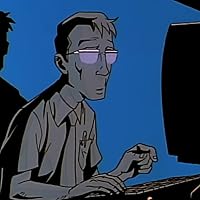
The art work is in black and white throughout, in places the illustrations have a slightly fuzzy quality rather like the photographs reproduced in turn of the century newspapers. Perhaps the artist wanted to suggest veracity or that this might be a kind of graphic documentary. Although it is relatively long - about a centimetre and a half thick in A4 format (sorry there are no page numbers), it is selective in want it does and does not cover.
In one scene, about three-fifths of the way through the book, Gavrilo with a fellow conspirator and a third man are playing cards. the other man asks them why they are going to attempt to assassinate the Archduke, after a few words Gavrilo looks blankly at his companion, the only answer they can come up with is to assert that the Croats and Serbs are one people brushing over the lack of a logical sequence from the proposed action (kill Archduke) to desired result (all south Slavs to be unified in a single state (whether they want that or not)).
The final pages show the outbreak of war and tell us what happened to the other people in the book before finishing with the death of Princip from tuberculous in prison at Thersienstadt. Before his final cough, he is shown telling a prison guard that one person can't change history, he only pulled the trigger. I feel this ending puts too great a weight of responsibility on to the shoulders of Princip, but like I said, it's historical fiction, it tells a story, it doesn't aim to open up the past to show it as being as complex as the present.
The art work is in black and white throughout, in places the illustrations have a slightly fuzzy quality rather like the photographs reproduced in turn of the century newspapers. Perhaps the artist wanted to suggest veracity or that this might be a kind of graphic documentary. Although it is relatively long - about a centimetre and a half thick in A4 format (sorry there are no page numbers), it is selective in want it does and does not cover.
In one scene, about three-fifths of the way through the book, Gavrilo with a fellow conspirator and a third man are playing cards. the other man asks them why they are going to attempt to assassinate the Archduke, after a few words Gavrilo looks blankly at his companion, the only answer they can come up with is to assert that the Croats and Serbs are one people brushing over the lack of a logical sequence from the proposed action (kill Archduke) to desired result (all south Slavs to be unified in a single state (whether they want that or not)).
The final pages show the outbreak of war and tell us what happened to the other people in the book before finishing with the death of Princip from tuberculous in prison at Thersienstadt. Before his final cough, he is shown telling a prison guard that one person can't change history, he only pulled the trigger. I feel this ending puts too great a weight of responsibility on to the shoulders of Princip, but like I said, it's historical fiction, it tells a story, it doesn't aim to open up the past to show it as being as complex as the present.

July 11, 2015
The publisher catalogues this as fiction, and author Rehr agrees, as for this story he invents scenes and dialogue, based on what he knows from the factual history. There's some mistakes in it, too, factual errors, but what history text doesn't have some, and what biography of a WWI doesn't have some invention or speculation in it! This is really a project of historical fiction by the Danish author of 24 graphic novels who now lives in NYC, where he researched for this book at the NY Public Library, but it seems to be faithful to the facts and spirit of Princip's life and at least hints at the complexities leading to WWI, the Great War.
Okay, I'm not a historian. My angle on it, besides history courses, is informed by a lot of texts, films, fiction, history, some of them read recently, some of them graphic novels, (see below) some of them by Jacques Tardi, but you know, this is roughly the hundred year anniversary of the war, so there's a lot of books still coming out about it. John Reed's The Days That Shook the World was highly influential in my early "commie" days in helping me see the basis of the war in a Marxist vein. See the award-winning film made by and starring Hollywood leftie pretty boy Warren Beatty, which is a bio of journalist and historian Reed and a version of some of the events of the war scene through Reed's Marxist perspective. I still recall Beatty, as Reed, standing up and answering a question in a public meeting about why WWI was being fought. He said, simply, "profit."
Princip hardly makes a showing in Reed's version of the events. Sure, he was an anarchist--now recharacterized by the fashionable word terrorist--who assassinated Austrian Archduke Franz Ferdinand of Austria, but he was just one individual, part of an anarchist group The Black Hand, that set off events that most people think would have happened eventually, anyway. Some folks wanted the war to be fought, anyway, for their own reasons based in power and profit. The killing was just an excuse to declare war, and Rehr admits this is true, but unlike Marx, whose theory of historical inevitability precludes an idea of individual actors having that much to do with the march of history, Rehr says he isn't so sure.
I also, as a pacifist, and based on my research on--among other authors--the Nobel Peace Prize winner Jane Addams, of Chicago's Hull House and Women's International League for Peace and as Freedom fame, am pretty convinced the war to end all wars that killed 15 million human beings did not have to be fought. Addams was vilified for taking on Roosevelt and the international community in order to try and stop the war, and though once was the most loved woman in America, was almost the most hated as she was suddenly defiled in the press as anti-patriotic. Read Peace and Bread in Time of War, written while stinging from that hatred, and you'll see a different view of that war than gets told in US history books. And I think Terrorist confirms that this assassination by Princip Terrorist functions as just one moment in a series of complex geopolitical relations that almost no one completely understands. I think of it as a kind of comics historical prequel to Joe Sacco's Safe Area Goradze. Both are quick studies of the political complexities of that region in the early twentieth and late twentieth century, the Bosnian war and genocide.
As a story, I liked getting to know the working class Princip and the Anarchist group he joined, and his girlfriend, too. Those stories humanize him. We also get to know the Archduke, though Rehr is less sympathetic about him. The artwork, done in pen and ink, is accomplished, detailed, with some varied layouts and some worlds pages that I admired, but it's also pretty dark, sometimes too dark, and some of the characters are hard to distinguish from each other at times, especially as he has them age over the years. But on the whole it's a very ambitious project and a pretty impressive effort to meet that ambition. I think this is a good entree into the war especially for younger or first time readers. I liked it quite a bit.
You want to read about WWI? Read Tardi's recent graphic novels, Hemingway's A Farewell to Arms, Solzhenitzyn's 1914, Remarque's All Quiet on The Western Front, Pat Barker's Regeneration Trilogy, the poetry of Sassoon and Owens, and from above, Reed, and Addams's Peace and Bread in Time of War and this book. I defer to my historian friends for the best histories to read.
Okay, I'm not a historian. My angle on it, besides history courses, is informed by a lot of texts, films, fiction, history, some of them read recently, some of them graphic novels, (see below) some of them by Jacques Tardi, but you know, this is roughly the hundred year anniversary of the war, so there's a lot of books still coming out about it. John Reed's The Days That Shook the World was highly influential in my early "commie" days in helping me see the basis of the war in a Marxist vein. See the award-winning film made by and starring Hollywood leftie pretty boy Warren Beatty, which is a bio of journalist and historian Reed and a version of some of the events of the war scene through Reed's Marxist perspective. I still recall Beatty, as Reed, standing up and answering a question in a public meeting about why WWI was being fought. He said, simply, "profit."
Princip hardly makes a showing in Reed's version of the events. Sure, he was an anarchist--now recharacterized by the fashionable word terrorist--who assassinated Austrian Archduke Franz Ferdinand of Austria, but he was just one individual, part of an anarchist group The Black Hand, that set off events that most people think would have happened eventually, anyway. Some folks wanted the war to be fought, anyway, for their own reasons based in power and profit. The killing was just an excuse to declare war, and Rehr admits this is true, but unlike Marx, whose theory of historical inevitability precludes an idea of individual actors having that much to do with the march of history, Rehr says he isn't so sure.
I also, as a pacifist, and based on my research on--among other authors--the Nobel Peace Prize winner Jane Addams, of Chicago's Hull House and Women's International League for Peace and as Freedom fame, am pretty convinced the war to end all wars that killed 15 million human beings did not have to be fought. Addams was vilified for taking on Roosevelt and the international community in order to try and stop the war, and though once was the most loved woman in America, was almost the most hated as she was suddenly defiled in the press as anti-patriotic. Read Peace and Bread in Time of War, written while stinging from that hatred, and you'll see a different view of that war than gets told in US history books. And I think Terrorist confirms that this assassination by Princip Terrorist functions as just one moment in a series of complex geopolitical relations that almost no one completely understands. I think of it as a kind of comics historical prequel to Joe Sacco's Safe Area Goradze. Both are quick studies of the political complexities of that region in the early twentieth and late twentieth century, the Bosnian war and genocide.
As a story, I liked getting to know the working class Princip and the Anarchist group he joined, and his girlfriend, too. Those stories humanize him. We also get to know the Archduke, though Rehr is less sympathetic about him. The artwork, done in pen and ink, is accomplished, detailed, with some varied layouts and some worlds pages that I admired, but it's also pretty dark, sometimes too dark, and some of the characters are hard to distinguish from each other at times, especially as he has them age over the years. But on the whole it's a very ambitious project and a pretty impressive effort to meet that ambition. I think this is a good entree into the war especially for younger or first time readers. I liked it quite a bit.
You want to read about WWI? Read Tardi's recent graphic novels, Hemingway's A Farewell to Arms, Solzhenitzyn's 1914, Remarque's All Quiet on The Western Front, Pat Barker's Regeneration Trilogy, the poetry of Sassoon and Owens, and from above, Reed, and Addams's Peace and Bread in Time of War and this book. I defer to my historian friends for the best histories to read.

January 23, 2016
If you could go back in time and kill Hitler, would you?
I've often wondered that when dealing with speculative time-travel executions, why do we always focus on Hitler, and never Gavrilo Princip?
Again: highly speculative. Highly flawed reasoning here. But if killing Hitler avoids the Holocaust, and WWII - would killing Princip avoid WWI, and therefore also the Holocaust and WWII?
Maybe you agree with what Otto Von Bismark's 1878 statement, "Europe today is a powder keg, and the leaders are like men smoking in an arsenal... A single spark will set off an explosion that will consume us all... I can't tell you when that explosion will occur, but I can tell you where... Some damned foolish thing in the Balkans will set it off."
Maybe you're saying killing Princip wouldn't stop the arrival of The Great War - because the people wanted it. Europe was ripe for it. There was no stopping it.
But couldn't we say the same thing for killing Hitler?

Henrik Rehr's graphic novel is superb. It captures a piece of history many are unfamiliar with. I bet the average educated person would know the assassination of Archduke Franz Ferdinand II set into motion the opening moves of WWI - pieces which had been assembled for quite some time. But I don't believe many would know who Gavrilo Princip was, or why he committed the act.
Sure, Rehr's graphic novel is historical fiction. He adds dialogue and takes some liberties. But (for some reason) I didn't know that there were footprints and a commemorative plaque in Sarajevo celebrating this spark.

(The inscription here essentially reads, "In this place on 28 June in the year 1914, Gavrilo Princip's gunshot expressed a national protest against tyranny and the centuries-old aspiration of our people for freedom.")
The title, "Terrorist," too is interesting. The book was written by a Danish author/artist who moved to New York - and witnessed the 9-11 attacks. But Princip's action was that of a terrorist, no? And it's a good reminder that terrorism isn't new, and we can only address the problems of terrorism if we address the causes, rather than the effects.
Sure, there are plenty of reasons against killing Hitler. Take for instance, this fairly convincing piece. (The best argument against is that we're pitting the chance to avoid the Holocaust against the surety of winning the war in the end... i.e. what if Germany wins if Hitler dies?)
Here's what I would do: I'd go back in time and talk to Princip. We'd get back in my time machine, and I'd take him to shortly after WWI - and show him all the destruction. 1.3 Million Serbs killed...
Then, we'll go to shortly after WWII. Maybe I can change his mind? Maybe he'll be the biggest advocate of world peace we will have ever known.
It's not that I want to go back in time to kill Princip. It's just that I'm surprised nobody ever asks.
I've often wondered that when dealing with speculative time-travel executions, why do we always focus on Hitler, and never Gavrilo Princip?
Again: highly speculative. Highly flawed reasoning here. But if killing Hitler avoids the Holocaust, and WWII - would killing Princip avoid WWI, and therefore also the Holocaust and WWII?
Maybe you agree with what Otto Von Bismark's 1878 statement, "Europe today is a powder keg, and the leaders are like men smoking in an arsenal... A single spark will set off an explosion that will consume us all... I can't tell you when that explosion will occur, but I can tell you where... Some damned foolish thing in the Balkans will set it off."
Maybe you're saying killing Princip wouldn't stop the arrival of The Great War - because the people wanted it. Europe was ripe for it. There was no stopping it.
But couldn't we say the same thing for killing Hitler?
Henrik Rehr's graphic novel is superb. It captures a piece of history many are unfamiliar with. I bet the average educated person would know the assassination of Archduke Franz Ferdinand II set into motion the opening moves of WWI - pieces which had been assembled for quite some time. But I don't believe many would know who Gavrilo Princip was, or why he committed the act.
Sure, Rehr's graphic novel is historical fiction. He adds dialogue and takes some liberties. But (for some reason) I didn't know that there were footprints and a commemorative plaque in Sarajevo celebrating this spark.
(The inscription here essentially reads, "In this place on 28 June in the year 1914, Gavrilo Princip's gunshot expressed a national protest against tyranny and the centuries-old aspiration of our people for freedom.")
The title, "Terrorist," too is interesting. The book was written by a Danish author/artist who moved to New York - and witnessed the 9-11 attacks. But Princip's action was that of a terrorist, no? And it's a good reminder that terrorism isn't new, and we can only address the problems of terrorism if we address the causes, rather than the effects.
Sure, there are plenty of reasons against killing Hitler. Take for instance, this fairly convincing piece. (The best argument against is that we're pitting the chance to avoid the Holocaust against the surety of winning the war in the end... i.e. what if Germany wins if Hitler dies?)
Here's what I would do: I'd go back in time and talk to Princip. We'd get back in my time machine, and I'd take him to shortly after WWI - and show him all the destruction. 1.3 Million Serbs killed...
Then, we'll go to shortly after WWII. Maybe I can change his mind? Maybe he'll be the biggest advocate of world peace we will have ever known.
It's not that I want to go back in time to kill Princip. It's just that I'm surprised nobody ever asks.
April 1, 2015
I read this book with the hope that it would bolster my limited knowledge of the assassination that triggered World War I; in this, the book came through for me. Some of the illustrations, particularly those in the final pages, are quite moving in their depictions of the tragic results the war brought to so many. Other illustrations were less successful; in the scenes featuring multiple characters, the figures tend to look the same, which I found confusing. There is at least one typo, and also one factual error regarding a date of death (where was the fact checker?).
I recognize that it is no small task to create a coherent through-line for this many threaded story, given that Gavrilo Princip did not act alone; firmer editorial oversight, though, could have resulted in a tighter presentation.
I recognize that it is no small task to create a coherent through-line for this many threaded story, given that Gavrilo Princip did not act alone; firmer editorial oversight, though, could have resulted in a tighter presentation.

November 7, 2020
Hendrik Rehr is een Deense striptekenaar die strips gemaakt heeft in veel uiteenlopende stijlen. Hij is vooral bekend door de klassieke strip Ferdinand die liep van 1988 tot 2006. Hij schreef ook oorlogs- en autobiografische strips waarvan Gavrilo Princip er eentje is.
Deze graphic novel leert ons het levensverhaal van Gavrilo Princip. Van zijn geboorte tot de moord op Franz Ferdinand Van Habsburg en zijn dood in gevangenschap. De start van de eerste Wereldoorlog.
Er wordt in grijstinten gewerkt en dit past perfect bij het verhaal. Het gebruik van kleur zou niet werken bij de donkere toon die over de gebeurtenissen hangt. De tekeningen zelf komen op mij over als pentekeningen.
Gavrilo is dan wel het hoofdpersonage maar deze graphic novel toont ook welk geheimzinnig raderwerk meehielp om Gavrilo zover te krijgen dat hij Franz Ferdinand doodschoot. Hoe hij gemanipuleerd werd zonder dat hij het zelf doorhad.
Men is ook niet vergeten om de achtergrond weer te geven. De druk van het Oostenrijkse juk, de nationalistische gevoelens die bij velen naar boven kwamen. De manier van leven, armoede en onderdrukking. Alles samen zorgde voor de aanzet van Gavrilo naar zijn uiteindelijke daad die als reden werd aangegrepen voor de start van een wereldoorlog.
Eens je aan het einde van het verhaal bent heb je een verhaal gelezen die zal blijven kleven en zich nestelt in je geheugen. En stel je je de vraag of de uitkomst van Ferdinand zijn dood wel was wat Gavrilo echt gewild had.
Het voorwoord werd opgesteld door Marc Reynebeau, een Belgische historicus.
Conclusie
Een graphic novel die ons informeert naar de aanzet van de eerste Wereldoorlog. Een verhaal die blijft kleven in je geheugen. Die ons aantoont dat wanneer de juiste knopjes ingedrukt worden men in staat is een mens tot ongekende daden te verleiden. Dat ondanks wat hij gedaan heeft, Gavrilo nog altijd een mens blijft. Dit was ook het idee van de auteur bij het maken van de novel. Aantonen dat zelfs indien iemand een wereldoorlog ontketend, er nog altijd een mens achter de gebeurtenis schuilt.
Engels
Hendrik Rehr is a Danish cartoonist who has made comics in many different styles. He is best known for the classic Ferdinand comic that ran from 1988 to 2006. He also wrote war and autobiographical comics, of which Gavrilo Princip is one.
This graphic novel teaches us the life story of Gavrilo Princip. From his birth to the murder of Franz Ferdinand Van Habsburg and his death in captivity. The start of the First World War. Rehr works in shades of gray and this fits perfectly with the story. Using color wouldn't work with the dark tone that hangs over the events. The drawings themselves appear to me as pen drawings.
Gavrilo may be the main character, but this graphic novel also shows the mysterious background that helped to get Gavrilo to shoot Franz Ferdinand. How he was manipulated without realizing it.
It has also not been forgotten to display the background. The pressure of the Austrian yoke, the nationalistic feelings that arose in many. The way of life, poverty and oppression. All together provided the impetus for Gavrilo to his ultimate act that was used as the reason for the start of a world war.
Once you have reached the end of the story you have read a story that will stick and settle in your memory. And imagine if the outcome of Ferdinand's death was what Gavrilo really wanted.
The preface was written by Marc Reynebeau, a Belgian historian.
Conclusion
A graphic novel that informs us about the onset of the First World War. A story that sticks in your memory. Which shows us that when the right buttons are pressed one is able to seduce a person into unprecedented acts. That despite what he did, Gavrilo still remains human. This was also the author's idea in the making of the novel. To show that even if someone starts a world war, there is still a person behind the event.
Deze graphic novel leert ons het levensverhaal van Gavrilo Princip. Van zijn geboorte tot de moord op Franz Ferdinand Van Habsburg en zijn dood in gevangenschap. De start van de eerste Wereldoorlog.
Er wordt in grijstinten gewerkt en dit past perfect bij het verhaal. Het gebruik van kleur zou niet werken bij de donkere toon die over de gebeurtenissen hangt. De tekeningen zelf komen op mij over als pentekeningen.
Gavrilo is dan wel het hoofdpersonage maar deze graphic novel toont ook welk geheimzinnig raderwerk meehielp om Gavrilo zover te krijgen dat hij Franz Ferdinand doodschoot. Hoe hij gemanipuleerd werd zonder dat hij het zelf doorhad.
Men is ook niet vergeten om de achtergrond weer te geven. De druk van het Oostenrijkse juk, de nationalistische gevoelens die bij velen naar boven kwamen. De manier van leven, armoede en onderdrukking. Alles samen zorgde voor de aanzet van Gavrilo naar zijn uiteindelijke daad die als reden werd aangegrepen voor de start van een wereldoorlog.
Eens je aan het einde van het verhaal bent heb je een verhaal gelezen die zal blijven kleven en zich nestelt in je geheugen. En stel je je de vraag of de uitkomst van Ferdinand zijn dood wel was wat Gavrilo echt gewild had.
Het voorwoord werd opgesteld door Marc Reynebeau, een Belgische historicus.
Conclusie
Een graphic novel die ons informeert naar de aanzet van de eerste Wereldoorlog. Een verhaal die blijft kleven in je geheugen. Die ons aantoont dat wanneer de juiste knopjes ingedrukt worden men in staat is een mens tot ongekende daden te verleiden. Dat ondanks wat hij gedaan heeft, Gavrilo nog altijd een mens blijft. Dit was ook het idee van de auteur bij het maken van de novel. Aantonen dat zelfs indien iemand een wereldoorlog ontketend, er nog altijd een mens achter de gebeurtenis schuilt.
Engels
Hendrik Rehr is a Danish cartoonist who has made comics in many different styles. He is best known for the classic Ferdinand comic that ran from 1988 to 2006. He also wrote war and autobiographical comics, of which Gavrilo Princip is one.
This graphic novel teaches us the life story of Gavrilo Princip. From his birth to the murder of Franz Ferdinand Van Habsburg and his death in captivity. The start of the First World War. Rehr works in shades of gray and this fits perfectly with the story. Using color wouldn't work with the dark tone that hangs over the events. The drawings themselves appear to me as pen drawings.
Gavrilo may be the main character, but this graphic novel also shows the mysterious background that helped to get Gavrilo to shoot Franz Ferdinand. How he was manipulated without realizing it.
It has also not been forgotten to display the background. The pressure of the Austrian yoke, the nationalistic feelings that arose in many. The way of life, poverty and oppression. All together provided the impetus for Gavrilo to his ultimate act that was used as the reason for the start of a world war.
Once you have reached the end of the story you have read a story that will stick and settle in your memory. And imagine if the outcome of Ferdinand's death was what Gavrilo really wanted.
The preface was written by Marc Reynebeau, a Belgian historian.
Conclusion
A graphic novel that informs us about the onset of the First World War. A story that sticks in your memory. Which shows us that when the right buttons are pressed one is able to seduce a person into unprecedented acts. That despite what he did, Gavrilo still remains human. This was also the author's idea in the making of the novel. To show that even if someone starts a world war, there is still a person behind the event.

March 15, 2015
An impressive book, categorized as "fiction" by the publisher, that makes a better history lesson than regular history books. Rehr admits that he takes liberties with this subject matter -- specifically, the conversations and everyday lives of Princip and his colleagues -- but even that is structured around the scaffolding of historical record. If any wants to learn about not only the history of the years leading up to WW I, or if someone wants more education on the ethnic conflicts that gave rise to European violence and destruction up to this very day, then Rehr's Terrorist is book to turn to. For readers fascinated with Joe Sacco's Safe Area Gorazde, this reads as almost a necessary prequel.
Read
December 9, 2016The book I read is called Terrorist, I think the book genre is action and adventure. The author of Terrorist is Henrick Rehr. The book Terrorist was a good book in my opinion. The characters in this book show a lot of patriotism to the country (Serbia). The main character in this book is Gavrilo Princip, as you can tell from the title of the book. The book is about Gavrilo and a few other Serbians wanting to assassinate The Austrian Archduke Franz Ferdinand. The reason for them to assassinate the Archduke is because the Austrians have taken over Serbia. The Serbians feel that they need to do their civic duty by killing him. They planned how they would pull of the assassination and got the supplies they needed to do it. Each one of the members were given a pack of cyanide (this is a poison that will kill you almost instantly). If one of the members were to kill or attempt to kill the Archduke they were to eat the cyanide packets. In the book the cyanide packets didn't work (I believe it's because there wasn't enough) so the ones that attempted to kill the Archduke were captured( including Gavrilo) by Austrian soldiers. In the book Gavrilo had given up on killing the Archduke because the others had attempted and failed and the Archduke got away. The men who attempted to kill the Archduke threw a grenade at the wrong car driving by. Gavrilo went to a nearby cafe and had thought he had failed his country. The Archduke felt that he needed to go to the hospital to honor the men that died for him. So while Gavrilo was sitting in the cafe having a self pity party, the Archduke car was coming down the road. Gavrilo heard all the commotion outside so he stepped out of the cafe and to his surprise the Archduke's car was right in front of him. So he pulled the pistol he had in his coat out and shot the Archduke and his wife ass they drove past. After he fired off his gun he took the cyanide, but like the others it didn't work and he was tackled by a guard. The Archduke's wife died almost instantly and The Archduke died in a hospital shortly after. To honor Gavrilos bravery and the Archduke, the Serbians but an concret slab where Gavrilo stood to shoot the Archduke. In the end Gavrilo spent the rest of his life in a cell at the Terezin prison camp. On the wall of his cell he wrote a poem " Our ghosts will walk through Vienna and roam the palace frightening the lords." In conclusion this is a good book and I would recommend it if you like action and adventure. Many may think that what Gavrilo did was bad and I would have too if I hadn't read this book. After reading this book I now realize that what he did was for a cause that he dearly believed would help his people become free from the Austrians.

May 21, 2017
La biografía del anarquista serbio que gatilló la 1 Guerra Mundial cuando disparó al archiduque Francisco Fernando de Habsburgo. El dibujo es correcto (en blanco y negro) pero lo mejor es como está articulada de la historia que muestra desde la génesis del anarquismo de Princip, cuándo decide disparar y finalmente, el destino que recibe después.

July 22, 2017
Et meget spændende emne, der fik mig til at droppe den bog, jeg ellers havde tænkt mig at læse bagefter og i stedet hive 1914: The Year the World Ended af Paul Ham ned fra reolen.
Historien er velfortalt, og der er godt pace og suspense, de rigtige steder.
Jeg er dog enig med Anetq (se hendes anmeldelse) i, at stregen til tider er lidt problematisk. Det hele er meget mørkt og illustreret på en måde, der gør det svært at skelne personerne fra hinanden, og der mister bogen lidt for mig - og en stjerne her på Goodreads.
Men derudover er det bare med at få den læst. Det er en spændende personorienteret fortælling om mordet, der fik først krudttønden på Balkan til at eksplodere og derefter den på tværs af Europas alliancer.
Historien er velfortalt, og der er godt pace og suspense, de rigtige steder.
Jeg er dog enig med Anetq (se hendes anmeldelse) i, at stregen til tider er lidt problematisk. Det hele er meget mørkt og illustreret på en måde, der gør det svært at skelne personerne fra hinanden, og der mister bogen lidt for mig - og en stjerne her på Goodreads.
Men derudover er det bare med at få den læst. Det er en spændende personorienteret fortælling om mordet, der fik først krudttønden på Balkan til at eksplodere og derefter den på tværs af Europas alliancer.

November 5, 2024
This is a fascinating story! In this world that still suffers from great oppression today, it's useful to look back and see the situations that led to violence in the past. This book is immersive, the black and white artwork is excellent, and the story draws you along. The characters are fleshed out, and you can tell that the author developed a lot of empathy toward all the parties involved: the racial, political, national, religious.
In the end is violence. The end of this story is the start of World War I, one of the bloodiest wars of all of history. It's a dark and brutal history. It's a history that humanity has lived.
In the end is violence. The end of this story is the start of World War I, one of the bloodiest wars of all of history. It's a dark and brutal history. It's a history that humanity has lived.
December 27, 2024
This novel is a great example of the huge potential of the graphic novel medium. Its simple ink-line style is effective and engaging, and the story combines beautiful illustrations with real historical accounts, which truly immerses you in the political and social atmosphere of 20th-century Serbia.
However, the use of fictional elements was a weak point for me, as they often felt a bit melodramatic and unnecessary. It seems like Rehr wanted to flesh out some of the character arcs with his own fictional narratives, but in my opinion, this ended up taking more away from the story than it added.
However, the use of fictional elements was a weak point for me, as they often felt a bit melodramatic and unnecessary. It seems like Rehr wanted to flesh out some of the character arcs with his own fictional narratives, but in my opinion, this ended up taking more away from the story than it added.
March 29, 2018
Thoughtfully done, and very well illustrated, I definitely recommend this book. Almost earned a five star review for giving me a new perspective on a vague part of history, but for three things: an obvious date typo, a totally unnecessary casual c-bomb in the text (otherwise this book doesn’t have sex or swearing! come on, author and editors! this is clearly educational in tone! know your school-based audience!) and, most significantly, because I would have like the author to cite his sources for such historically accurate historical fiction.

October 12, 2022
This was such a unique way to read into such a tumultuous time in history. I enjoyed the blend of art and story found within these pages. It makes me want to find other similar books to read and enjoy.

Want to Read
April 16, 2021Note: I received a digital review copy of this book from the publisher through NetGalley.
August 24, 2025
Ik heb de Nederlandse versie gelezen. Echt een prachtig getekend verhaal over de anarchistische leerweg van Principe en over de maatschappelijke spanningen die er aan de vooravond in het Oostenrijk-Hongaarse Rijk en in heel Europa al aanwezig waren.

July 18, 2017
Εξαιρετικά ενδιαφέρουσα τεχνική σχεδίου.
Οι εναλλαγές γκρίζου-μαύρου δίνουν τον κατάλληλο τόνο για να ερμηνεύσουμε την εποχή πριν το ξέσπασμα του Α.Π.Π.
Οι εναλλαγές γκρίζου-μαύρου δίνουν τον κατάλληλο τόνο για να ερμηνεύσουμε την εποχή πριν το ξέσπασμα του Α.Π.Π.

April 12, 2015
This fascinating graphic novel account of the events that led to WWI shines the spotlight on Gavrilo Princip, the man who assassinated Archduke Franz Ferdinand and his wife Sophie on the streets of Sarajevo. Although the author spends a great deal of time focusing on that particular day, June 28, 1914, he also explores the early days of both victim and assassin. When the young Serb leaves his village to study in the city, he is filled with ambition and excited about his future as well as proud of his heritage. But that positive attitude quickly changes when he ends up rooming with a landlady and not his older brother. For reasons not explained, he does poorly in school but falls in with a group of philosophers and revolutionaries. As conditions worsen, he gets caught up in the assassination plot. All of those involved were determined to die in their attempt. Most astonishing of all is that the first attempt on the archduke's life fails, and that Princip happens to be at the right place at the right time when his target passes by, offering him a chance to get things right. There are no heroes here, and readers like me who only received a one- or two-line description of the assassination from history texts will be a lot more informed about the men behind the plot and their motivations after reading this book. This account provides food for thought and an exploration of what might bring someone to take the life of a political figure and what might lead someone to an act of terrorism. Poverty, bigotry, oppression, desperation, illness, and a desire to act on behalf of one's cultural group all play a part in motivating the assassination. For those insights alone, it is worth reading and reading again. It's also worth reading to explore whether the actions of one man can change history. Arguably, other events might have eventually led to WWI, but the fact of the matter is that this one caused a whole line of political dominoes to fall. I was mesmerized by this account of a little-explored part of history and by the emotionally stunning illustrations used in the story. As I reached the concluding pages and read about Princip's death in 1918 weighing 88 pounds, I couldn't help but feel sorrow for a life lost.

November 14, 2019
This graphic history book taught me so much today, and I'm still digesting the information. More importantly than the new knowledge, I've acquired completely different perspectives leading to much deeper understanding of both sides of this epic event. Of all the graphic history books that I've read, this is by far, the best.
Thank you Henrik Rehr for sharing your findings with the rest of the world. You've shown and given an excellent example of how we should not only seek the understanding of others, but it is even more important that we strive to understand others.
Thank you for the loan Franklin Public Library!
Thank you Henrik Rehr for sharing your findings with the rest of the world. You've shown and given an excellent example of how we should not only seek the understanding of others, but it is even more important that we strive to understand others.
Thank you for the loan Franklin Public Library!

March 10, 2015
A fictionalized graphic biography of Gavrilo Princip, who killed Archduke Franz Ferdinand and sparked World War I. Following the Serbian nationalist's long journey toward the assassination of Archduke Ferdinand, Rehr creates a penetrating portrait of what drives people to become terrorists. Stark, powerful, and fascinating.

July 30, 2016
Little is known of the fanatic who set the world in flames. This graphic novel paints the journey of a young Serb's descent into one act of assassination that changed everything. It bounces between Princip and Archduke Ferdinand who was evidently clueless of the world outside his happy family.
Highly rec.
Highly rec.

August 23, 2017
This is certainly one of the harder Books I've reviewed and not only for its subject, but also for my opinion of it; that being mixed and confused.
A biographical account of the life behind the infamous Gavrilo Princip and his motivations for the assassination of Franz Ferdinand is a big ask, and whilst it largely delivers, it does so with constantly shifting sympathies; something that becomes very grating in the latter half of the Book.
So, if I dislike it so, why have I rated it four stars? Well, whilst there are substantial gaps in the recorded history of Princip's life, the Book makes a stunningly well-educated guess as to the filler of these gaps; so much so that it's absolutely seamless. Rehr has clearly researched every inch of material available on Princip and it shows.
The Artwork is stunning with its dark, heavily saturated charcoal appearance. Page layout is largely easy to manoeuvre and whilst character identification is mostly fast and simple, there are a couple instances where we see similar characters with similar moustaches and similar facial shapes in similar positioning in the same "talking head" sequence of panels. Rehr is clearly not scared of the time and dedication required for big, expansive landscape backgrounds and the results are beautiful.
A worthwhile read, but be prepared for some moralistic flip-flopping.
A biographical account of the life behind the infamous Gavrilo Princip and his motivations for the assassination of Franz Ferdinand is a big ask, and whilst it largely delivers, it does so with constantly shifting sympathies; something that becomes very grating in the latter half of the Book.
So, if I dislike it so, why have I rated it four stars? Well, whilst there are substantial gaps in the recorded history of Princip's life, the Book makes a stunningly well-educated guess as to the filler of these gaps; so much so that it's absolutely seamless. Rehr has clearly researched every inch of material available on Princip and it shows.
The Artwork is stunning with its dark, heavily saturated charcoal appearance. Page layout is largely easy to manoeuvre and whilst character identification is mostly fast and simple, there are a couple instances where we see similar characters with similar moustaches and similar facial shapes in similar positioning in the same "talking head" sequence of panels. Rehr is clearly not scared of the time and dedication required for big, expansive landscape backgrounds and the results are beautiful.
A worthwhile read, but be prepared for some moralistic flip-flopping.

May 8, 2017
Novela gráfica que aborda la vida del hombre que detonó la Primera Guerra Mundial, mediante el atentado al archiduque Francisco Fernando de Austria-Hungría. Considerado un terrorista por occidente (Austria y EEUU a la cabeza), es un héroe para los serbio-bosnios. Al punto que en el lugar donde perpetró el magnicidio había una placa que rezaba así: «Desde este lugar, el 28 de junio de 1914, Gavrilo Princip expresó con su disparo la protesta popular contra la tiranía y la centenaria aspiración de nuestro pueblo por la libertad.»
El libro relata sus orígenes campesinos, su vida en la ciudad (donde fue enviado a estudiar a cargo de su hermano) que lo va llevando a darse cuenta de la injusticia cometida contra su pueblo. Allí, ciertas amistades lo fueron llevando a la radicalización, llegando a integrar la "Mano Negra". Al menos así nos lo cuentan. El amor también está presente, pero nada es más importante para Gavrilo que la lucha por la libertad de su pueblo, nada... ni su propia vida.
Dibujado en 1 tinta y con gran trabajo de achurados, está bien editado aunque el papel couché era innecesario.
El libro relata sus orígenes campesinos, su vida en la ciudad (donde fue enviado a estudiar a cargo de su hermano) que lo va llevando a darse cuenta de la injusticia cometida contra su pueblo. Allí, ciertas amistades lo fueron llevando a la radicalización, llegando a integrar la "Mano Negra". Al menos así nos lo cuentan. El amor también está presente, pero nada es más importante para Gavrilo que la lucha por la libertad de su pueblo, nada... ni su propia vida.
Dibujado en 1 tinta y con gran trabajo de achurados, está bien editado aunque el papel couché era innecesario.

August 17, 2025
What if the boy who started a world war wasn’t a villain… but a dreamer?
Henrik Rehr’s Terrorist reimagines Gavrilo Princip, the man whose gunshot lit the fuse of WWI, not as a monster, but as a youth with fire in his chest and a dream of uniting the Slavic people. A dream that would one day become Yugoslavia.
The brilliance of this graphic novel lies in its balance. Archduke Franz Ferdinand isn’t painted as pure tyrant, but as a ruler wrestling with Bosnia’s unrest. No easy heroes, no easy villains. Just people colliding with history.
The art? Stark, haunting black-and-white sketches. Like lost reels of silent cinema, every panel humming with the weight of a century.
And at its heart, a truth. Hate is never born in a vacuum. Princip thought his act would end the struggles of Serbia and lead to a peaceful future. Instead, Serbia would see war after war through the 20th century, proving that rage can spark change, but never peace.
It's story of one young man’s fury, and the world it set ablaze.
Henrik Rehr’s Terrorist reimagines Gavrilo Princip, the man whose gunshot lit the fuse of WWI, not as a monster, but as a youth with fire in his chest and a dream of uniting the Slavic people. A dream that would one day become Yugoslavia.
The brilliance of this graphic novel lies in its balance. Archduke Franz Ferdinand isn’t painted as pure tyrant, but as a ruler wrestling with Bosnia’s unrest. No easy heroes, no easy villains. Just people colliding with history.
The art? Stark, haunting black-and-white sketches. Like lost reels of silent cinema, every panel humming with the weight of a century.
And at its heart, a truth. Hate is never born in a vacuum. Princip thought his act would end the struggles of Serbia and lead to a peaceful future. Instead, Serbia would see war after war through the 20th century, proving that rage can spark change, but never peace.
It's story of one young man’s fury, and the world it set ablaze.

November 27, 2019
Une excellente bande dessinée qui raconte l'assassinat du prince héritier d'Autriche-Hongrie à Sarajevo le 28 juin 1914, l'étincelle qui a embrasé la poudrière des Balkans et déclenché la Première Guerre Mondiale. Le récit est principalement centré sur Gavrilo Princip, le jeune nationaliste serbe qui a appuyé sur la détente, avec des parallèles sur la vie du prince François-Ferdinand et son épouse Sophie, tous deux victimes de l'attentat.
Le dessin est sombre mais très efficace. Le récit est prenant, avec quelques pages bien amenées qui expliquent le contexte historique et géopolitique des Balkans à la fin du XIX° siècle et au début du XX°.
Le résultat est passionnant : une belle leçon d'histoire, joliment illustrée - c'est le cas de le dire - par le destin d'individus pris dans le courant de l'Histoire.
Le dessin est sombre mais très efficace. Le récit est prenant, avec quelques pages bien amenées qui expliquent le contexte historique et géopolitique des Balkans à la fin du XIX° siècle et au début du XX°.
Le résultat est passionnant : une belle leçon d'histoire, joliment illustrée - c'est le cas de le dire - par le destin d'individus pris dans le courant de l'Histoire.
February 18, 2020
I was excited to read this book, because I wanted to know more about the assassination of Archduke Franz Ferdinand, the event that sparked WWI, which itself shaped so much of the history of the 20th century. However, I ended up feeling disappointed. I would have preferred more detail of the political environment of the region, to provide a better understanding of the assassins' feelings of oppression that led them sacrifice their lives for their country.
The art style was a mixed bag: the heavy, dark style fit the mood of the story, but it made it difficult to differentiate the various characters. I did enjoy the narrative style, especially the nonverbal spreads.
Overall, while I didn't learn as much as I would have liked, I enjoyed reading the book. Ultimately, I gave it three stars, which means I might recommend it to someone but only if they were looking for a book on the subject.
The art style was a mixed bag: the heavy, dark style fit the mood of the story, but it made it difficult to differentiate the various characters. I did enjoy the narrative style, especially the nonverbal spreads.
Overall, while I didn't learn as much as I would have liked, I enjoyed reading the book. Ultimately, I gave it three stars, which means I might recommend it to someone but only if they were looking for a book on the subject.

December 22, 2017
I wish history was taught to students through graphic novels like this. I gained a lot of information about what triggered World War I that I had never learned in any history class I took. I never realized that things were so tense in Europe before World War I. People felt oppressed and many were afraid to voice their opinions. A group of young Serbs who loved their people and felt oppressed thought they were doing the right thing and that it would help Serbs in the long run, but the war took out over a quarter of the Serbian population. It helps to see things through other people's perspective, even when they are perceived as the enemy.

February 28, 2019
3.5 stars. I teach about these events in my grade 10 History class and wanted to see if this graphic novel was worth recommending to students. Terrorist introduces us to the royal family of Austria-Hungary, but spends most of its time with Gavrillo Princip - specifically his radicalization as a young man in the years leading up to WWI. Henrik Rehr does his research, not only telling the story of the 20th century's most significant assassination, but putting it in context with a mini-history of the Balkans. The stark, scratchy artwork isn't particularly remarkable, but serves the time period of the events well.

July 21, 2018
An interesting and fairly detailed historical novel about the assassination that set off World War I. The drawing are very dark and intensely cross-hatched, giving the story the look of a hundred years ago and a world where thunderclouds were gathering. At first it was a little difficult to follow, but I grew to enjoy as I read more. It's about the foolishness of young men, the evils of imperialism and how conquered people can grow twisted in their understandable resentment. And it asks the question, are assassination or terrorism ever justified?

January 25, 2020
This was okay. The art went perfectly with the tale being told: dark, brooding, heavy. And it's a relatively interesting story, but I'm just not a huge history buff, and this, obviously, is history heavy. Lots of war/geography/political stuff that I wasn't all that interested in following.
But as far as it goes, it seems like the author did his research and certainly presented a very realistic scenario for how Princip ended up where he ended up. I think history buffs will enjoy it a bit more than I did.
But as far as it goes, it seems like the author did his research and certainly presented a very realistic scenario for how Princip ended up where he ended up. I think history buffs will enjoy it a bit more than I did.

April 21, 2018
Bijzonder boek dat een stukje geschiedenis tastbaar maakt door mooie zwart-witte tekeningen waarvan de emotie afspat en krachtige personages. Maakt de ideeën van Gavrilo Princip en de situatie in de Balkan aan het begin van de 20e eeuw inzichtelijk. Soms was het wel enigszins lastig om alle namen en personen uit elkaar te houden. Ik hoop in de toekomst meer van dit soort historische graphic novels te lezen!
Displaying 1 - 30 of 100 reviews