The Rue du Tourniquet-Saint-Jean, formerly one of the darkest and most tortuous of the streets about the Hotel de Ville, zigzagged round the little gardens of the Paris Prefecture, and ended at the Rue Martroi, exactly at the angle of an old wall now pulled down. Here stood the turnstile to which the street owed its name; it was not removed till 1823.
French writer Honoré de Balzac (born Honoré Balzac), a founder of the realist school of fiction, portrayed the panorama of society in a body of works, known collectively as La comédie humaine.
Honoré de Balzac authored 19th-century novels and plays. After the fall of Napoléon in 1815, his magnum opus, a sequence of almost a hundred novels and plays, entitled, presents life in the years.
Due to keen observation of fine detail and unfiltered representation, European literature regards Balzac. He features renowned multifaceted, even complex, morally ambiguous, full lesser characters. Character well imbues inanimate objects; the city of Paris, a backdrop, takes on many qualities. He influenced many famous authors, including the novelists Marcel Proust, Émile Zola, Charles John Huffam Dickens, Gustave Flaubert, Henry James, and Jack Kerouac as well as important philosophers, such as Friedrich Engels. Many works of Balzac, made into films, continue to inspire.
An enthusiastic reader and independent thinker as a child, Balzac adapted with trouble to the teaching style of his grammar. His willful nature caused trouble throughout his life and frustrated his ambitions to succeed in the world of business. Balzac finished, and people then apprenticed him as a legal clerk, but after wearying of banal routine, he turned his back on law. He attempted a publisher, printer, businessman, critic, and politician before and during his career. He failed in these efforts From his own experience, he reflects life difficulties and includes scenes.
Possibly due to his intense schedule and from health problems, Balzac suffered throughout his life. Financial and personal drama often strained his relationship with his family, and he lost more than one friend over critical reviews. In 1850, he married Ewelina Hańska, his longtime paramour; five months later, he passed away.
Η συγκεκριμένη νουβέλα δημοσιεύτηκε αρχικά με τον τίτλο " La Femme vertueuse" (Η ενάρετη γυναίκα). Γράφτηκε στα 1830 και κυκλοφόρησε στον δεύτερο τόμο της συλλογικής έκδοσης με γενικό τίτλο: Scènes de la vie privée. Tome 2 par M. de Balzac στα 1832.
Από τα κεντρικά πρόσωπα, οι δύο ηρωίδες, Caroline Crochard και Angélique Bontems, παραμένουν ως έχουν στις μεταγενέστερες εκδόσεις και οι διαφορές είναι ελάχιστες. Πχ ο κεντρικός ήρωας που στην αρχή αναφέρεται ως M. Eugene, γίνεται κατόπιν Roger, ο ανώνυμος γιατρός παίρνει την οικεία μορφή του Horace Bianchon, και το όνομα του άσωτου Solvet δεν υπάρχει πουθενά στην αρχική έκδοση.
Εδώ ο Balzac δοκιμάζει για πρώτη φορά να γράψει την ιστορία του χρησιμοποιώντας "τη διαδικασία της αναδρομής στο παρελθόν" ή αλλιώς αυτό που λέμε flashback. Ενώνει έτσι δυο ξεχωριστές ιστορίες οι οποίες συνδέονται και καταλήγουν σε ένα πεσιμιστικό κρεσέντο το οποίο αφήνει τον αναγνώστη να αναρωτιέται για τα όσα μεσολάβησαν και τα οποία δεν εξιστορούνται πουθενά (σε καμία έκδοση).
Στην πρώτη ιστορία παρουσιάζεται η Caroline Crochard, μια κεντήστρα που κερδίζει με δυσκολία το ψωμί της και που δέχεται ως ουρανόσταλτο δώρο τον έρωτα του μυστηριώδους και θλιμμένου Roger ο οποίος θα την εξασφαλίσει οικονομικά και μαζί του θα αποκτήσει μια όμορφη οικογένεια: Έναν γιο τον Charles και μια κόρη την Eugenie. Το ζευγάρι δεν θα δεθεί με τα δεσμά του γάμου, αλλά θα ευλογηθεί με εκείνα του έρωτα. Ζουν στιγμές θαλπωρής και οικογενειακής γαλήνης και αυτό αρκεί για την νεαρή γυναίκα που μοιάζει αποκλεισμένη και απομονωμένη από τον υπόλοιπο κόσμο, δεν ρωτάει πολλά, δεν ζητάει τίποτα, όσα έχει φαίνεται πως της αρκούν με το παραπάνω.
Στην δεύτερη ιστορία δίνεται το πορτραίτο μιας διαφορετικής γυναίκας, της νεαρής Angélique Bontems που μεγαλώνει μέσα στο αριστοκρατικό περιβάλλον μιας επαρχιακής πόλης της Νορμανδίας από μια υπερβολικά θρησκοληπτη μητέρα. Οταν παντρεύεται τον πλούσιο κόμη de Granville και μετακομίζει στο Παρίσι δεν είναι διατεθειμένη να αλλάξει τα αυστηρά ήθη της (σε αυτό παίζει ρόλο και ένας φιλόδοξος ιερέας, ο αββας Fontanon που την κάνει υποχείριό του) και μοιραία συγκρούεται με τον σύζυγό της. Είναι μια καλή μητέρα, είναι μια αφοσιωμένη σύζυγος αλλά πάνω από όλα είναι μια θρησκόληπτη γυναίκα, με μια θρησκευτικότητα νοσηρή που την αποξενώνει από τον κόσμο, τους ανθρώπους την κοινωνία, μοιάζει να απεχθάνεται όλα εκείνα τα ωραία πράγματα που ομορφαίνουν τη ζωή όπως ο έρωτας, η τέχνη, το γέλιο.
Και σε αυτό το σημείο οι ιστορίες συγκλίνουν.
Η νουβέλα αυτή, ένα πρώιμο έργο του συγγραφέα, απέχει μακράν από το να χαρακτηριστεί ως άρτιο έργο. Έχει χάσματα και αδυναμίες και λογικά κενά, ωστόσο, ακόμα κι έτσι, είναι εμφανής η εξαιρετική ικανότητα του συγγραφέα στο να διηγείται ενδιαφέρουσες ιστορίες πιάνοντας τον παλμό της εποχής του, δίνοντας μια ρεαλιστική και πειστική εικόνα της πραγματικότητας, ζωγραφίζοντας με αδρές πινελιές τον ψυχισμό των ηρώων του. Είναι οι μικρές λεπτομέρειες που συχνά με ενθουσιάζουν, καμιά φορά περισσότερο κι από το ίδιο το έργο.
Για παράδειγμα σε ένα σημείο αναφέρει:
"Το βράδυ ένας μαγικός φανός (lanterne magique) ξεδίπλωσε τις φαντασμαγορικές εικόνες του επάνω σε έναν λευκό καμβά, γεγονός που προκάλεσε τεράστια εντύπωση στον μικρό Charles κι έκανε τους γονείς του να γελούν στη θέα του εκστασιασμένου γιου τους".
Αυτή η μικρή αναφορά μου κέντρισε την περιέργεια. Τί είδους συσκευή προβολής εικόνων ήταν αυτή, σημειωτέον ο συγγραφέας τοποθετεί την σκηνή στα 1822, πώς λειτουργούσε και ποιο ήταν το αισθητικό της αποτέλεσμα; Οι εικόνες ζωγραφισμένες επάνω σε φύλλα γυαλιού δεν ήταν στατικές αλλά είχαν σημεία που άλλαζαν δίνοντας έτσι την αίσθηση της κίνησης. Υπήρχαν επαγγελματίες που έδιναν παραστάσεις για το κοινό και όσοι είχαν την οικονομική δυνατότητα μπορούσαν να τις χρησιμοποιούν για ιδιωτικές προβολές. Θα βάλω ένα λινκ από ένα βίντεο, από παραγωγή του του British Film Institute, που εξηγεί τα πάντα με τρόπο σύντομο και κατανοητό:
Αυτές τις μικρές λεπτομέρειες, μπορεί κάποιος εύκολα να τις παραβλέψει, ωστόσο θεωρώ πως δεν είναι αμελητέες. Το ρεαλιστικό μυθιστόρημα, και ειδικά ο Balzac, επενδύει μεγάλο μέρος από τις περιγραφές του εστιάζοντας σε τέτοιου είδους αναφορές και καταφέρνει να διασώσει τα στοιχεία του υλικού πολιτισμού μιας περασμένης εποχής, τα ψήγματα μιας αστικής λαογραφίας εν προκειμένω.
E con questo credo di aver letto tutti i racconti lunghi-romanzi brevi che Balzac pubblicò nell’aprile 1830 in due volumi intitolati Scènes de la vie privée, presso gli editori Mame, Delaunay-Vallée et Levasseur. E bene ho fatto! Credo che avrebbe senso anche ripensarli come insieme, primo ampio nucleo di quella che diventerà la Commedia umana, ma per diversi motivi questa è una lettura interessante anche da sola.
Il titolo originale era diverso: La Femme vertueuse, e col senno di poi mi sembra migliore; più straordinariamente ambiguo, visto che compaiono due donne (quale quella virtuosa? in che senso?), e tenuto conto del punto di vista del narratore, tutt'altro che distaccato e obiettivo per quanto riguarda la "virtù".
Il primo dei motivi di interesse è proprio all'inizio: uno di quegli strepitosi inizi descrittivi parigini, da grande visionario e “antiquario” che Balzac sa regalare: «La rue du Tourniquet-Saint-Jean, naguère une des rue les plus tortueuses et les plus obscures du vieux quartier qui entoure l’hôtel de ville, serpentait le long des petits jardins de la Préfecture de Paris et venait aboutir dans la rue du Martroi, précisément à l’angle d’un vieux mur maintenant abattu. […] Aussi, par les temps pluvieux, des eaux noirâtres baignaient-elles promptement le pied des vieilles maisons qui bordaient cette rue, en entraînant les ordures déposées par chaque ménage au coin des bornes. Les tombereaux ne pouvant point passer par-là, les habitants comptaient sur les orages pour nettoyer leur rue toujours boueuse, et comment aurait-elle été propre? Lorsqu’en été le soleil dardait en aplomb ses rayons sur Paris, une nappe d’or, aussi tranchante que la lame d’un sabre, illuminait momentanément les ténèbres de cette rue sans pouvoir sécher l’humidité permanente qui régnait depuis le rez-de-chaussée jusqu’au premier étage de ces maisons noires et silencieuses.»
Ecco appunto la vantata "città della luce":
«Les habitants, qui au mois de juin allumaient leurs lampes à cinq heures du soir, ne les éteignaient jamais en hiver. Encore aujourd’hui, si quelque courageux piéton veut aller du Marais sur les quais, en prenant, au bout de la rue du Chaume, les rue de l’Homme-Armé, des Billettes et des Deux-Portes qui mènent à celle du Tourniquet-Saint-Jean, il croira n’avoir marché que sous des caves. Presque toutes les rues de l’ancien Paris, dont les chroniques ont tant vanté la splendeur, ressemblaeint à ce dédale humide et sombre où les antiquaires peuvent encore adimrer quelques singularités historiques.»
L'obiettivo poi si restringe e si concentra su un misero e dignitoso interno, tutto visto come quadro vivente, esposto agli sguardi dei passanti. E il lettore è infatti tirato dentro innanzi tutto come spettatore: «A l’aspect fortuit de cet intérieur, le passant le plus égoïste emportait une image complète de la vie que mène à Paris la classe ouvrière, car la brodeuse ne paraissait vivre que de son aiguille.»
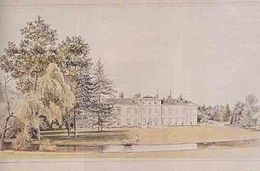
Un secondo motivo di interesse è una pura curiosità: all'inizio della vicenda ha una certa importanza una gita in carrozza a Saint-Leu-la-Forêt, nella Val-d’Oise, dove c’era un castello che era stato residenza di Hortense de Beauharnais, figlia della prima moglie di Napoleone, moglie di Luigi Bonaparte, re d’Olanda, e madre di Napoleone III. Dopo la restaurazione diventò proprietà di Luigi VI Enrico di Borbone, principe di Condé, che il 27 agosto 1830 venne trovato morto proprio nel castello di Saint-Leu: sucidio? omicidio? gioco erotico finito male? Ereditò tutto l’amante del principe, la baronessa de Feuchères... Balzac non accenna a nulla di tutto questo (la prima edizione, d'altra parte, era uscita qualche mese prima del fattaccio), nomina soltanto il parco, la «reine Hortense» e il “piccolo caporale” che si era seduto proprio su quella panchina… Ma sicuramente ai lettori di quegli anni scattavano molti campanellini. E il lettore degli anni di internet può farne risuonare qualcuno:
Acquarello di Victor-Louis Nicolle (c. 1807) del castello, demolito qualche anno dopo la prima edizione del romanzo, nel 1837
Passando da un giardino a un interno domestico, un altro motivo di interesse è per la storia del gusto (non mi ricordo se Praz conoscesse queste pagine: di sicuro le avrebbe amate molto). Visto che la bigotteria è inseparabile dal cattivo gusto, rifiuta la gioia dell’arte decorativa del momento (siamo in un momento di narrazione del passato, nel pieno trionfo dell'Impero), che è questa: «A cette époque l’école de David arrivait à l’apogée de sa gloire, tout se ressentait en France de la correction de son dessin et de son amour pour les formes antiques qui fit en quelques sorte de sa peinture une sculpture coloriée.»
Ultimo - ma solo per posizione - motivo di interesse è la vertiginosa ellissi narrativa, con ampio salto temporale, che porta con inquietante simmetria alla messa in scena di una versione orribile della più importante scena iniziale.
Bene, mi sembra di non aver detto nulla che possa rovinare il piacere della scoperta progressiva della trama. Che però - chi l'avrebbe mai detto? - ruota intorno a una "doppia famiglia".
This was both typical Balzac and not the story I anticipated. The original title is Un double famille - A Double Family - and I anticipated bigamy, or, at the very least, a duplicitous relationship. That, it is. However, my sympathies were allied with the wrong character and the ending was completely unexpected. I should come to expect the unexpected with Balzac - this is not the first time.
If I have not said it before, I think I am coming to appreciate his short offerings more than the longer ones. It is characterization that makes Balzac such a compelling read. These shorter pieces provide less opportunity for wandering as to plot. The character we see most clearly in this one is another of his recurring characters, that of Monsieur Roger de Granville. There are three women who we see almost as clearly as he.
I am not reading these close enough to each other to remember all of the back story with Granville, and perhaps the backstory contained in this provides insight to the others. A group on the internet has read all of La Comedie Humaine and offered a recommended reading order. I started my reading of him before I knew of it, and I decided to just try to fit all of them into the challenges, rather than abide by it.
Inițial eram tentat să acord 4 stele, dar finalul mi s-a părut de prost gust și în totală contradicție cu direcția în care evoluase acțiunea până atunci. Ai senzația că lui Balzac i-a fost teamă ca nu cumva nuvela sa să fie considerată o pledoarie împotriva căsătoriei (ceea ce, de altfel, nici nu este) și un elogiu la adresa bărbaților care sunt dispuși să aibă nu una, ci două soții, chiar dacă nerecunoscute oficial. Cu atât mai mult cu cât, din reproșurile lui Granville adresate soției sale, pe care o acuză că nu a știut să-l facă fericit, se înțelege că situația sa nu este nici pe departe singulară, ci destul de frecvent întâlnită: "Ar fi trebuit să fii pe rând, când iubita mea, când sfânta care se roagă în altar. Recunoaşte că nu sunt nici pornit pe rele, nici destrăbălat. Sunt curat la suflet! Vai! după şapte ani de suferinţă, năzuinţa spre fericire m-a făcut pe nesimţite să iubesc o altă femeie, să întemeiez o altă familie decât a mea. De altfel, să nu crezi că sunt singurul. În oraşul acesta, sunt mii de bărbaţi care duc, din felurite pricini, această viaţă dublă". Orașul la care Granville face referire este Parisul, iar ulterior, în Iluzii pierdute și în Strălucirea și suferințele curtezanelor, dar și în multe altele, Balzac nu va ezita să scoată la lumină duplicitatea bărbaților și a femeilor, așa că e greu de înțeles de ce scriitorul francez recurge la acest deznodământ, în care Caroline Crochard, cea de-a doua soție a lui Granville, pare să fie răspunzătoare de toate lucrurile rele, inclusiv de faptul că nu a știut să-l crească cum trebuie pe fiul ei și al lui Granville, Charles Crochard. Dar, dincolo de deznodământul ciudat din anul 1829, A doua familie are o intrigă destul de consistentă, ce evoluează pe două direcții care se vor completa reciproc. Tema cu rezonanța cea mai puternică este cea a bigotismului de care suferă Angélique, soția lui Granville: "Cu cât aşa-zişii necredincioşi privesc mai cu de-amănuntul o casă prea evlavioasă, cu atât descoperă atunci că urâtul se întinde acolo pretutindeni; regăsesc totodată înfăţişarea de calicie şi de taină a locuinţelor de cămătari şi umezeala aceea mirosind a tămâie, care pluteşte în aerul rece din biserici. Rânduiala meschină, sărăcia de idei, pe care totul o trădează, nu se poate reda decât printr-un singur cuvânt: bigotism. În casele acelea sinistre şi neînduplecate, bigotismul e întipărit în mobile, în gravuri, în tablouri; vorbirea e bigotă, tăcerea e bigotă, chipurile sunt bigote. Prefacerea oamenilor şi a lucrurilor în ceva bigot e o taină de neînţeles, dar faptul există. Oricine a băgat de seamă că bigoţii nu umblă, nu se aşază, nu vorbesc aşa cum umblă, se aşază şi vorbesc oamenii de lume: în casă la ei te simţi stânjenit, la ei nu râzi, la ei domneşte peste tot o rânduială, o aşezare neclintită, începând cu boneta gazdei şi până la perniţa ei cu ace; privirile nu sunt sincere, oamenii par nişte umbre şi stăpâna casei parcă ar sta pe un tron de gheaţă...Unele cusururi ale femeii se pot îndrepta prin lecţiile aspre pe care i le dă experienţa sau bărbatul, dar prin nimic nu se poate lupta împotriva tiraniei falselor idei religioase". Interesant este faptul că aceste observații ale lui Balzac nu au devenit, din păcate, desuete. Lectură plăcută!
Notă: citatele sunt din ediția apărută în 1956, traducere Petru Dumitriu. Mai există și o altă traducere semnată Sanda Oprescu, în anul 1983.
You know the rooms fat Caroline Bellefeuille had, in the Rue Taitabout, the Spaniard said. The poor creature, cast off by her magistrate, was in the greatest poverty, she was about to be sold up. I bought the place all standing and she turned out, with her clothes. Esther Happy : How a Courtesan can love Du kennst die Wohnung der dicken Caroline Bellefeuille in der Rue Taitbout, fuhr der Spanier fort,. Dieses Mädchen war, als sie von ihrem Richter verlassen wurde, in furchtbarer Not, sie sollte gepfändet werden. Ich habe ihre Wohnung in Bausch und Bogen kaufen lassen, sie ist mit ihren Sachen ausgezogen. Glanz und Elend der Kurtisanen I Von der Liebe der Damen
Geschichten von Vormietern sind immer interessant, insbesondere, wenn sie ein unglückliches Ende genommen haben. Ich gebe ganz offen zu, A second Home stand vor der Lektüre von Glanz und Elend der Kurtisanenen nicht besonders hoch in meiner Liste der nächsten Schritte innerhalb der Comédie Humaine. Aber da die Familienvorgeschichte der Töchter von Richter Grandville schon in A daughter of Eve/Eine Evastochter meine Neugier geweckt hatte, änderte ich meinen Fahrplan, zumal der lebenskluge Jurist am Ende von Glanz und Elend jenen Deal aushandelt. A second Home/Eine doppelte Familie hat etwa 10% des Umfangs des dicksten Romans des Zyklus ist aber über einen ähnlich langen Zeitraum (1830-1842) entstanden, aber längst nicht so populär wie Glanz und Elend, schon gar nicht so spannend wie das Finale, in dem sich Frankreichs bester Agent und der Kriminelle ein Duell über sämtliche legalen und krummen Instanzen liefern. Von daher erscheinen meine vier Sterne für diese kurze Geschichte, die sonst nicht allzu gut weg kommt, unverhältnismäßig positiv. Als gelungene Auseinandersetzung mit dem Thema weibliche Bigotterie und männliche Doppelmoral ist die Bewertung durchaus verdient, zumal sich Balzac im dicken Schmöker einige Patzer erlaubt, die dieser unstandesgemäßen Liebesgeschichte nicht vorkommen. Die gesellschaftlichen Umbrüche von Ancien Règime, Revolution, Kaiserreich, Restauration und Julirevolution betrifft sein Personal immer wieder. Am Anfang steht das Elend von Mutter und Tochter Crochard, die mit Handarbeiten kläglich ihren Leben fristen, der Ernährer und Revolutionsheld ist in der Grande Armée weit avanciert, aber während der 100 Tage gefallen, gleichbedeutend mit dem Wegfall von Pensionen und mittellosen Hinterbliebenen. Einziger Lichtblick für die hart arbeitenden Frauen in ihrem dunklen Loch ist ein Unbekannter, der in unregelmäßigen Abständen vorbei geht. Aus Blickkontakten entsteht die Einladung zu einem Ausflug, dort hält die Mutter stets genügend Abstand, so dass die Liebenden zum Einverständnis kommen und ein Versorger an Land gezogen. Mehr als den Namen ihres Liebsten, der sich Roger nennt, erfährt Caroline nicht, auch wenn er ihr eine Wohnung einrichtet und für den Unterhalt der Mutter aufkommt. Im Lauf der Jahre kommen zwei Kinder (Charles und Eugenie) dazu. Die im Roman erwähnte Gewichtszunahme, der aus dem Elend geretteten Schönheit, wird in der Erzählung nie thematisiert. Die zwecks Vermögenszuwachs arrangierte Ehe des Karrierejuristen bildet den Mittelteil, Granville hat schon allerbeste Karriereaussichten als sein hochadeliger Vater die Heirat mit einer Spielkameradin vorschlägt, deren Vater als scharfer Revolutionär ziemlich viel ehemaliges Kirchenland auf seine Seite gebracht hat und damit ist die inzwischen verwaiste Tochter ein lukratives Heiratsobjekt. Die ebenso fromme wie trübsinnige Behausung der Zukünftigen ist ein Schock, als echter Mann des ancien Reǵime verweist Graf Granville die Bedenken seines Sohnes wegen Übereinstimmung unter Ehegatten unter neuere Spinnereien, zumal sich ein Mann von Stand ja jederzeit anderswo holen könnte, was ihm die Angetraute nicht bietet. Doch Granville verliebt sich wirklich in die Schönheit mit dem absolut symmetrischen Gesicht, zuallererst in Angéliques Stimme, damit nimmt das Missverständnis zwischen der frommen Frau, die ihr ganzes Leben auf das eigene Seelenheil ausrichtet und dem auf gesellschaftlichem Glanz angewiesenen Karrierejuristen seinen Lauf. Glanzpunkt der Erzählung ist Beschreibung des bigotten Milieus in sämtlichen Erscheinungsformen von der Mimik über die duckmäuserische Konversation bis zum unfrohen Kleidungs- und Einrichtungsstil, die dem Richter das eigene Haus komplett vermiesen und die Entscheidung für ein lieblicheres zweites Zuhause nach dem eigenen Geschmack begünstigen. Den Konflikt zwischen einer Frau, die in erster Linie ihr Seelenheil im Sinn hat und einem Mann, der immer an erster Stelle stehen will, arbeitet Balzac klar heraus. Tatsächlich gerät der Streit zwischen den Ehegatten, nachdem Angélique durch ihren Beichtvater von der Doppelexistenz erfahren hat, zum Wendepunkt bei der Darstellung. So wenig Sympathien Balzac auch für den heuchlerischen Betrieb hat, in den Angélique unauflöslich verwickelt ist, so kommt der Richter am Ende als rachsüchtiger Patron kaum besser weg. Die Kinder aus Ehe und Liebschaft sind die Opfer, Granville hat seine Töchter von vorn herein den religiösen Ambitionen der Ehefrau überlassen, die zwei denkbar weltfremde Geschöpfe erzieht, die Richter Granville so schnell wie möglich verheiratet, um Schlimmeres zu verhüten. Die Jüngere wird regelrecht an den Finanzhai Du Tillet verschachert, der seiner hübschen Vorzeigepuppe nicht die geringste Freiheit gönnt, den Ausbruch der Mitwisserin aber mit dem Tod bestrafen würde. Die Ältere bekommt dafür einen Mann, der alle Damen der Gesellschaft schon aus nächster Nähe kennen gelernt hat und deshalb nicht länger außerhalb sein Glück suchen muss. Die Verhängnisse der beiden Grandville-Töchter werden in A daughter of Eve/Eine Evastochter verhandelt. Dank zahlreicher Schnittstellen zur Finanz- und Künstlerwelt sogar eine saftigere Lektüre als Glanz und Elend der Kurtisanen. Um noch mal auf die unstandesgemäße Gleichbewertung der Lappalie mit dem Monumentalroman zurück zu kommen: A Second Home ist psychologisch in sich schlüssig, Glanz und Elend (leider) nicht immer.
This is one of Balzac's best stories, but because it rejoices in different names in different translations, I didn't realise I had already read it when I put it on my Balzac TBR. It is known variously as A Second Home, A Double Family or A Double Life and it is, as you would easily guess, be about a man who keeps two households.
The story begins with a chaste and lovely needlewoman called Caroline who spends her days by the window of a run-down house in a seedy part of Paris. A gloomy young man passes by each day and inevitably he notices her and begins to take an interest in her despite his depression. One day he sees that she is deperately short of money and throws his purse in through the window, and after that there's a picnic. One thing leads to another, and he sets her up in a charming house where she lives contentedly and bears him a couple of children.
Her mother, a rather crafty old woman, falls ill before long and there's a splendid scene where three old biddies and her servant are all waiting for her to die so that they can get their hands on her money. On her death-bed she reveals the name of the man whose mistress her daughter is.
It turns out that Granville was a rising young lawyer who was persuaded by his father to marry a rich heiress called Angelique who is very religious. (This is not the only story where Balzac paints a disturbing picture of the excesses of religious fervour.) She furnishes his house in gloomy style and poor taste, and she inflicts excessive fasting on him but things were not too bad until the arrival in Paris of the Canon of Bayeaux Cathedral who had been her confessor. From then on her religious bigotry made her difficult indeed: she refused to dress fashionably at social functions, and she won't dance. She wants to boycott the social functions Granville needed to attend and even sought the advice of the Pope, who told her it was her duty to go wherever her husband took her. This made little impression on her however, and he couldn't even invite anyone to dinner at home any more. To protect his sons from her bigotry he sent them away to school, but his daughters he allowed to remain at home because he intended to marry them off ASAP (and they turn up in a later story called A Daughter of Eve).
This goes on for years and years and his relationship with Caroline is the only thing that brings him joy - but of course Angelique has to find out somehow and she does when the Abbe tells her all about it. He ticks off Caroline who of course is distraught and there is a dreadful scene when Angelique arrives and has hysterics.
Some years later, Granville meets up with his friend the doctor, Bianchon in the street: it is where Caroline Crochard and her children is living in poverty with a wretch called Solvet but he isn't interested - he has become bitter and twisted and won't take an interest in any relationship ever again. None of his children bring him joy; they are only interested in their own lives and just want his money. He breaks off his friendship with Bianchon because he has helped Caroline who has transferred her affection to Solvet and broken his heart.
Later Granville sees his son Eugene and gives money, saying that a father should not have to 'blush before his son' but a lack of union between a husband and a wife always leads to terrible misfortune.
This entire review has been hidden because of spoilers.
Balzac has me thinking the story would end some way different than it ended and I had to re-read the last couple of pages to grasp fully the ending and with the help of a Kindle search. I mean I read the ending and understood it but it was very unexpected. I didn't read this edition but from a Delphi Collection of his works, which during my Kindle search, I found a glossary of characters of the whole La Comedie Humaine. (Very handy and one reason why I LOVE electronic reading.)
As the title suggests, another home and family for a man, which my Delphi edition states at the introduction to the story, which is below.
"This novella was originally released in 1830 under the title Une double famille. It concerns a man who keeps two households. The narrative begins with a chaste and attractive needlewoman called Caroline, who spends her days by the window of a run-down house in a seedy denizen of Paris. A gloomy young man passes by each day and inevitably notices her and begins to take an interest. One day he sees that she is desperately short of money and throws his purse in through the window and so they become friends. One thing leads to another, and he sets her up in a charming house where she lives contentedly and bears him children."
I felt for Roger Granville in his life with his wife which had the extreme of a convent feeling. He had a foreboding he should not marry, yet yields to other factors. How much should religion and marriage be united is one question, Balzac brings up in extreme, which is a very interesting take. I know from my Kindle search that some characters will show up again and maybe many questions unanswered will be finalized. I know how it ends but how it came to be is the question?
Story in short - A gentleman passes a certain street daily and sees mother and daughter working hard at sewing in this poverty stricken area. What happens after he stops and talks to the daughter is where the story line begins.
I have been in a reading whirlwind with Balzac's masterpiece, he hits on so many things, I love in a book. 💖
"The young man’s heart felt an involuntary chill in this silent retreat where Angelique dwelt. The habit of frequenting the glittering Paris drawing-rooms, and the constant whirl of society, had effaced from his memory the dull and peaceful surroundings of a country life, and the contrast was so startling as to give him a sort of internal shiver. To have just left a party at the house of Cambaceres, where life was so large, where minds could expand, where the splendor of the Imperial Court was so vividly reflected, and to be dropped suddenly into a sphere of squalidly narrow ideas — was it not like a leap from Italy into Greenland? — ”Living here is not life!” said he to himself, as he looked round the Methodistical room."
I want to know what happened between Angelique finding out about her husband's lover and the year 1833, when 55 year old Granville has no further sympathy for Caroline, his former lover. I know she found another to love but her love for Granville was so strong, what happened! Charles their son is in trouble in a future story, so when all is done, we might know more or Balzac leaves the imagination to us readers. I was hoping they would be happy! Her mother in confessing to a priest without scruples brought their life down.
It was extremely upsetting to see that Caroline had found another to Love and obviously rejected Granville! What we don't know is all the details, like what happened after his wife confronted him and Caroline. Did he spend less time with Caroline? Did his wife change? Did he change? Later his son Charles comes back because of trouble which will be in a later book but what about Caroline, he refuses to help her after she let the other man go through her fortune that his uncle gave her. He is bitter. He knew when he first saw Angelique's austere home, something was telling him not to marry but he was fooled into thinking she loved him as a wide not a duty. I felt bad for him and I Liked Caroline until this other man but all is not known. Caroline's mother in confessing brought destruction to them because the priest was self serving to his news and told Angelique. A gentleman passes Madame Crochard's home daily for quite sometime seeing both mother and daughter. Madame hopes that they will be married but her daughter seems not to even make his acquaintance. One late night he sees the mother and daughter talking about bills and grief which he throws some money their way. Caroline is grateful. The gentleman take the women to their destination but he thinks the mother is trying to deceive him, though he thinks Caroline is innocent. Caroline's mother knew wealthy but after her husband died, and the toil of work began. Roger and Caroline fall in love and are married. Or are they married? He goes home? It seems he is a lawyer. So five years later the children are a boy and girl. So they are not really married. A young lawyer is told by his father of a chance to marry money. Granville the lawyer is told by his father about a match with a childhood friend but after seeing the home he decides that this austere life is extreme and decides the marriage would not be good. Granville after seeing Angelique has fallen for her but her attitude on religion has deceived him and after they marry they live in a depressed area because of the church nearby and the mistress gives a cold feeling to the rooms, akin to her mother's that Granville disliked. Granville living in a cold house and his children are restricted to him by his cold wife. The priest that listened to Caroline's mother was who found out to tell Madame Granville. Granville had been married 15 years but the last 7 he had found Caroline and happiness. He tells Caroline of his sad married life and his wife confronts them. She flings the immorality of it all in his face. Thinking that Caroline would always love Granville, we are mistaken and this is sadness. Caroline rejects Granville for a young man who goes through her fortune and she has children that are starving but Granville will not do anything for her because of her not staying with him. His son Charles by Caroline is in trouble which goes to see Granville's lawyer son. Granville is bitter and tries to give advice to his son. Why did Caroline's love decline?
UNE DOUBLE FAMILLE-HONORE DE BALZAC ✒️"Souviens-toi d’étudier longtemps le caractère de la femme avec laquelle tu dois t’associer ; mais consulte-moi, je veux la juger moi-même. Le défaut d’union entre deux époux, par quelque cause qu’il soit produit, amène d’effroyables malheurs " ❤️Na prvi pogled ovo je priča protiv dvostrukog života i vanbračnih avantura. ❤️Međutim,kako kod Balzaka uvek postoji prvo društvena kritika i studija karaktera,stvari nisu tako jednostavne. ❤️Grof živi u bigamiji,dve žene,sa svakom ima decu. ❤️Zvanična supruga je religiozni fanatik koja ga smatra grešnikom kadgod on pokuša da joj izmami malo radosti življenja. ❤️Žena broj 2 u početku ne zna da je on već oženjen. Ona je siromašna švalja željna života i sposobna da voli i pruži radost. Ali,onda sazna da od svadbe nema ništa iako mu je rodila dvoje dece. Vremenom se ljubav ugasi,ona se zaljubi u drugog muškarca kome je spremna da žrtvuje sve. Jer,takva je osoba. Kad voli-voli do kraja. ❤️Zaključak, koji sam citirala,sve kaže. Treba upoznati osobu pre braka,i znati u šta se upuštaš. ❤️Ali prvo treba znati šta hoćeš,jer grof na kraju ostaje sam 🤷🏻♀️ #7sensesofabook #bookstagram #knjige #readingaddict #literature #balzac
Interesante manejo de perfiles psicológicos, con un vuelco final interesante. Es quizás el cuento más logrado del primer volumen de los dieciseis volúmenes de La Comedia Humana.
This novella from Balzac's "Scenes From Private Life" section of The Human Comedy was enjoyable until the ending which felt incomplete. Or, more accurately, it felt as if there was a missing section that should have proceeded the ending...
The plot of this book reminded me of an old movie with Adolphe Menjou & Barbara Stanwyck called Forbidden but with an even more dismal ending.
Caroline, una joven costurera que vive asfixiada, junto a su anciana madre, en una casa baja, ve el mundo a través de la ventana por la que pasan cada día los mismos transeúntes. Un día, la aparición de un señor de alcurnia le cambiará la vida.
La décima historia de "La comedia humana" plantea la dicotomía de quién puede dar más amor y felicidad: una joven con posibles y bastante beata de provincias, o una joven trabajadora sin nada más que ofrecer que sus ganas de vivir. Balzac lo tiene claro.
Aunque ya lo apuntaba en algunas de sus otras novelas del ciclo, aquí Balzac ataca ya de manera muy directa a ese mudo rancio de los curas que buscan aprovecharse (fundamentalmente) de mujeres para quedarse con sus almas y, sobre todo, con su dinero.
Da igual lo que se lea de Balzac, sorprende siempre su capacidad increíble de descripción, que te traslada a los sótanos más lúgubres, las casas religiosas más siniestras o los salones suntuosos donde se habla mucho, pero se dice poco.
Une double famille… Mais qu’est-ce qu’une vraie famille ?
Est-ce celle qu’impose la société, au nom du mariage, de la religion, et des conventions sociales ? Ou bien celle qui est choisie, bâtie dans la tendresse, la chaleur et la sincérité du cœur et des sentiments ?
Caroline Crochard est, à mes yeux, la lumière de ce court récit. Elle incarne la candeur, parfois jusqu’à la naïveté la plus désarmante, la loyauté, l’enthousiasme d’une femme qui aime sans calcul, qui donne sans compter, qui vit l’amour comme un don total de soi. Une personne rare, que ce soit à l’époque de la Restauration ou encore aujourd’hui. Avec elle, le comte de Granville connaît enfin un bonheur simple, doux, et profondément humain.
Mais en face, il y a Angélique, l’épouse originelle, légitime, mariage arrangé dès le départ avec ses conditions financières, l'incarnation glaciale d’une religion figée, d’une piété rigide poussée jusqu’à la bigoterie. Elle représente la loi sociale, le devoir imposé, l’ordre moral d’une certaine époque.
Alors, qu’est-ce qu’une vraie famille ? Celle du devoir ou celle de l’amour ?
Balzac, fidèle à lui-même, ne nous épargne rien. Nous retrouvons ses descriptions délicieusement balzaciennes, minutieuses, où chaque personnage est peint jusque dans ses moindres détails. L’histoire progresse lentement, dans ses nuances, dans ses méandres. Et puis, soudain, comme souvent chez Balzac, tout bascule : une fin abrupte, quelques pages à peine, et toute la construction s’effondre brutalement. Pas de transition, peu d’explication. C’est violent, difficile à saisir, presque incompréhensible dans son retournement brutal. Loin de moi l’idée de critiquer un géant, mais c’est, à mes yeux, un défaut récurrent chez notre titan : Balzac bâtit de majestueuses narrations, puis referme parfois la porte beaucoup trop vite, nous laissant sur le seuil, sur notre faim, face au destin de ses personnages. Une fin balzacienne dans son amertume, shakespearienne dans sa cruauté.
Quelle morale tirer de cette histoire ? Derrière cette dualité entre Caroline et Angélique, entre l’amour et les convenances, Balzac nous montre une société où les apparences et la religion triomphent, mais au prix du sacrifice du vrai bonheur.
Alors, pour conclure, qu’est-ce qu’une véritable famille ? Un refuge ? Une faute ?
À chacun sa réponse, selon sa grille de lecture et son expérience. Balzac nous donne la sienne, dans une conclusion abrupte qui, plus qu’elle n’éclaire, nous laisse dans l’incertitude et dans l’amertume.
English Version
A Double Family… But what is a true family?
Is it the one imposed by society, in the name of marriage, religion, and social conventions? Or is it the one freely chosen, built in tenderness, warmth, and the sincerity of the heart and of feelings?
To me, Caroline Crochard is the light of this short tale. She represents candor, sometimes to the point of disarming naivety, loyalty, and the sheer enthusiasm of a woman who loves without calculation, who gives without counting, who lives love as a total gift of herself. A rare being, whether in the time of the Restoration or even today. With her, Count de Granville finally experiences a happiness that is simple, gentle, and profoundly human.
But on the other side stands Angélique, the original, legitimate wife, a marriage arranged from the beginning with its financial conditions, the cold incarnation of frozen religion, of rigid piety pushed to bigotry. She represents social law, imposed duty, the moral order of her age.
So then, what is a true family? That of duty, or that of love?
Balzac, faithful to himself, spares us nothing. We find his deliciously balzacian descriptions, meticulous, where each character is painted down to their smallest details. The story builds up slowly, through nuance, through meanders. And then, suddenly, as often with Balzac, everything collapses: an abrupt ending, just a few pages, and the patient construction brutally falls apart. No transition, almost no explanation. It is violent, hard to grasp, almost incomprehensible in its sudden reversal. Far be it from me to criticize a giant, yet this seems to me a recurring flaw in our titan: Balzac builds majestic narratives, then sometimes closes the door far too quickly, leaving us on the threshold, hungry, facing the fate of his characters. An ending balzacian in its bitterness, shakespearean in its cruelty.
What lesson, then, to draw from this story? Behind the duality of Caroline and Angélique, between love and convention, Balzac shows us a society where appearances and religion triumph, but only at the cost of sacrificing true happiness.
So in the end, what is a true family? A refuge? A mistake?
Each reader must find their own answer based on their read and their own experience.
Balzac gives us his, in an abrupt conclusion that, more than it provides answers, leaves us in uncertainty and in bitterness.
Location 5635: L'amour, ma chère, répondit Granville avec une sorte de surprise ironique, vous n'êtes pas en état de le comprendre. Le ciel froid de la Normandie ne peut pas être celui de l'Espagne. Sans doute la question des climats est le secret de notre malheur. Se plier à nos caprices, les deviner, trouver des plaisirs dans une douleur, nous sacrifier l'opinion du monde, l'amour-propre, la religion même, et ne regarder ces offrandes que comme des grains d'encens brûlés en l'honneur de l'idole, voilà l'amour...
Location 5761: Louis XV n'aurait-il pas donné tout son royaume pour pouvoir se relever de son cercueil et avoir trois jours de jeunesse et de vie? N'est-ce pas là l'histoire d'un milliard de morts, d'un milliard de malades, d'un milliard de vieillards?
Location 5811: Le défaut d'union entre deux époux, par quelque cause qu'il soit produit, amène d'effroyables malheurs: nous sommes, tôt ou tard, punis de n'avoir pas obéi aux lois sociales.
This novel was published in April 1830 in the second volume of Scenes de la Vie Privee, under the title "Femme Vertueuse" (a fragment, "La Grisette parvenue" was published the same month in the periodical le Voleur. It was used from 1835 to 1839 in Scenes de la vie parisienne and returned in 1842 in Scenes de la Vie Privee, with its original title.
3* La maison du Chat-qui-pelote (1830) 3* Le bal de Sceaux (1830) 3* La Bourse (1830) 4* La Vendetta (1830) 3* Madame Firmiani (1832) 3* Une Double Famille (1830)
Une Double Famille aka A Double Family by Honore de Balzac – you can find this wonderful chapter from the epic La Comedie Humaine and many other outstanding books, free of charge, since the copyright has expired, at https://librivox.org/ …thank you Bernard for reading with great talent six books so far Nine out of 10
In La Maison de Chat Qui Pelotte, the first in the monumental La Comedie Humaine, the noble, if ultimately ignoble main character falls in love with a young woman, marries her, only to cheat and betray her - http://realini.blogspot.com/2020/05/l... - in the second story of the magnum opus, Le Bal de Sceaux, a very proud, aristocratic young woman falls – but not in love – for a splendid young man, only to be terrified by the prospect of marrying a sales assistant, when she sees him working in a shop – a horrific mistake of snobbishness that would be paid in full for when the man would become a paire aka peer of France - http://realini.blogspot.com/2020/05/l...
Another mistake is about to be made in the next episode, that of La Bourse - http://realini.blogspot.com/2020/05/l... - wherein the hero is suspicious of his neighbors, who win the same at cards every night, while living in what looks like serious poverty, to the point where he thinks his Bourse must have been taken by the girl that he appeared to love…the fourth narrative deals with the subject exposed in the title, La Vendetta http://realini.blogspot.com/2020/05/l... - the protagonists are Bartolomeo di Piombo and his daughter, in love just as Juliet was of Romeo, with someone from the rival family of Porta, all born in the same island of Corsica – the father would allow his daughter, Ginevra, to die in absolute squalor, hungry and together with her own child, rather than give up his more treasured Vendetta… The only ‘positive’ story in outcome so far is Madame Firmiani, wherein there is a cloud to begin with, for the young man who is in love with the splendid woman appears to have lost his fortune and the rumor is that he wasted it because of and for that lady, but the more optimistic outcome reveals that he has in fact done the right thing in repaying a debt and accumulating something more worthy, a human capital, an otherwise lost honor - http://realini.blogspot.com/2020/06/m...
Une Double Famille returns to the pattern of rather sad, if not depressing at times aspects of The Human Folly, in this particular case bigotry is stigmatized -perhaps we can also say that excessive virtue could be in the cross hairs – the original title was La Femme Vertueuse aka A Virtuous Woman – bigotry epitomized by Angelique, the austere, exaggerated woman that will sin by the fervor with which she tries to impose on others a life without joy, maybe just because she has masochistic tendencies and even pleasures… There are two parts in this narrative, for we are talking about the double life of the man who appears very upset, joyless in the first chapters, when he walks in the vicinity of the humble abode of two women, Madame Crochard and her daughter, Mademoiselle Caroline Crochard…the latter does not speak to the young man who walks by their premises almost daily, but the two appear to grow dependent on seeing each other and communication with their eyes and maybe their posture, without using words…
One night, when it is very late, the stranger hears about the torments of the two women, as he happened to be near when the daughter was trying to soothe the mother by saying that the landlord might not sell the furniture and there are only a couple of days left before she would finish the dress she is working on – this is what they do by the way – and then their trauma would be averted…after he learns about the prospect that the women would be thrown in the street, the man whose name is unknown so far throws his Bourse – the small bag of money which was pivotal in a previous part of The Human Comedy – with money. Eventually, the young man will talk with Caroline and she will find that his name is Robert, they are very enchanted with each other and this exuberance will be placed in contrast with the gloom, the negativity that is the main course in the ‘other family’ of Roger – we will get to see that he had been married, because his father had wanted it, but the woman who is his wife is obsessed with the church and the rituals and furthermore falls in the trap of a dishonest, interested priest – the point made here is that the money and affluence of material possessions do not offer happiness, on the contrary, they seem to be the recipe for disaster, since the husband is utterly dissatisfied with everything his spouse is doing, from the buying of furniture to her appearance and her antisocial behavior…
In fact, Roger de Granville- his whole name is revealed, albeit Caroline lives with him, they have two children together, but she still only knows him as roger, a very busy man who disappears for three days to work, but this still a satisfied home, with happy children…up to the point where his son might be involved in a crime and invoke the family relation he has with his own father, if not the official, recognized one, at least the biological parent – lectures his lawful spouse – we could argue that she is in fact less his other half than Caroline – on the duties she has, which include attending social gatherings. When she does that, she has to be told that her demeanor was the laugh of society, for she is dressing inadequately and her manner betrays her contempt for such antics, she is almost fully engaged with the ‘higher world’…an attitude which is however in opposition to precepts from the bible – for some reason ‘give onto Caesar what is due to him’ comes to mind, pertains perhaps that you have to give to those of this world what belongs to them and as husband, roger does have some claims, if they are to stay married…
Meanwhile, Caroline appears to be more of a ‘real’ Christian than her let us call her rival, because even if she now has a woman to help her in the house and can access other support, as the partner, maybe we should say mistress of roger, she declares she still wants to work and make dresses and if she does not need to sell them now, she would use the money to give to those who need them in what looks like the perfect, generous way to live…
(The Human Comedy #12/98) Definitely one of the better entries in the Human Comedy, so far. The "double life" of the title is a sad little affair, with nobody winning anything in the long term and deception doing nobody any good (even those who had been deceived). Balzac, as was the fashion of the time, spends more time that I'd have liked in telling us what we should think about the characters rather than showing us why we should think that, but I'll forgive it because the tale was an interesting one. Overall, it was probably a 3.5 star book, but I'm feeling generous towards Balzac today.
Deux récits, deux foyers, deux vérités qui finissent par se rejoindre. D’un côté, l’idylle secrète et chaleureuse de Caroline, brodeuse devenue mère aimante ; de l’autre, le mariage glacé et bigot d’Angélique, union sans tendresse. Quand le lien se révèle entre ces deux mondes, l’histoire prend un tour sombre. Balzac ne peint pas l’amour. Il le mesure au poids de la société, de l’argent, des convenances. Et il rappelle, avec une lucidité tranchante que les mariages fondés sur le mensonge portent en germe leurs propres ruines.
Described as "average" Balzac by Saintsbury, but that only shows how "average" Balzac is above the norm for most writers. As Granville ruefully recognizes at story's end: "A lack of union between husband and wife, from whatever cause, leads to terrible misfortune; sooner or later we are always punished for contravening the social law."
Strada Tourniquet1-Saint-Jean – odinioară una dintre străzile cele mai întortocheate şi mai întunecoase ale vechiului cartier care înconjoară Primăria – şerpuia de-a lungul micilor grădini ale Prefecturii Parisului şi da în strada Martroi, tocmai la colţul unui zid, dărâmat astăzi. În locul acesta, se vedea bariera de în care s-a tras numele străzii şi care n-a fost desfiinţată decât în 1823, când oraşul Paris a clădit pe locul unei grădiniţe ce ţinea de Primărie, o sală de bal pentru serbarea dată în onoarea ducelui de Angouleme la întoarcerea lui din Spania2. Strada Tourniquet, în partea ei cea mai lată, la ieşirea din strada Tixeranderie, nu avea decât o lăţime de cinci picioare. Astfel că, pe vreme ploioasă, o apă murdară scălda partea de jos a caselor vechi ce mărgineau această stradă, luând cu ea gunoaiele puse de fiecare gospodină la colţul casei. Căruţele cu gunoi nu puteau trece pe-acolo, locuitorii îşi puneau nădejdea în vreo furtună ca să le cureţe strada, veşnic plină de noroi. Dar cum putea fi curată? Vara, când soarele îşi arunca din plin razele asupra Parisului, o perdea de aur scânteia ca ascuţişul unei săbii, luminând pentru o clipă întunericul acestei străzi, fără a putea usca umezeala de totdeauna, ce se întindea de la parter până la catul întâi al acelor case tăcute şi negre. Locuitorii, care în luna iunie îşi aprindeau lămpile la ora cinci, nu le stingeau niciodată iarna.
Astăzi încă, trecătorul inimos care porneşte din Marais3 pe cheiuri, luând-o de la capătul străzii Chaume, pe străzile Homme-Armé, Billettes şi Deux-Portes, dând în strada Tourniquet, va crede că a mers doar pe sub nişte hrube.
Aproape toate străzile vechiului Paris, a cărui strălucire a fost atât de mult lăudată în cronici, semănau cu acest labirint umed şi întunecos, în care iubitorii de trecut se mai pot încă minuna de unele ciudăţenii istorice. Astfel, când casa aşezată pe colţul făcut de strada Tourniquet cu strada Tixeranderie mai era în fiinţă, privitorii vedeau urmele a două inele groase de fier prinse în zid, rămăşiţă a acelor lanţuri pe care paznicul cartierului le întindea în fiecare seară pentru pază.
“De même que le garçon le plus jovial entré dans la gendarmerie aura le visage gendarme, de même les gens qui s’adonnent aux pratiques de la dévotion contractent un caractère de physionomie uniforme; l’habitude de baisser les yeux, de garder une attitude de componction, les revêt d’une livrée hypocrite que les fourbes savent prendre à merveille.”
La Femme vertueuse, le premier titre choisi par Balzac, avait le mérite de ne pas dévoiler la surprise que ménage la construction disloquée de cette longue nouvelle, à savoir l'existence d'une double famille que le titre définitif révèle immédiatement. Heureusement l’essentiel est comme souvent chez Balzac dans la caractérisation. On découvre l’obscurité et l’exiguïté des logements ouvriers dans le Marais, le personnage de la grisette, cette ouvrière qui devient l’amante accommodée d’un riche homme de justice. On est également introduit dans les milieux religieux de la province normande et Balzac explore essentiellement ici le phénomène de la bigoterie à travers le personnage de la femme légitime. La critique féroce de cette dévotion exagérée qui s’attache à la lettre de la religion plutôt qu’à son esprit pousse à se demander laquelle des deux est la femme vertueuse.
Dieselbe Geschichte", "zwei verschiedene Handlungen", die Geschichte einer Doppelehe.
Die "erste" Geschichte beginnt in der düsteren Rue du Tourniquet-Saint-Jean: In einem dieser dunklen Häuser sind eine alte Frau und ein junges Mädchen - Caroline Crochard- zu sehen. Die Mutter scheint mit den Passanten um ihre Tochter zu feilschen, und jeder Passant ist ein Vorwand für einen möglichen Roman. Das Mädchen hingegen wird als anmutig, charmant und frisch beschrieben. Bald erscheint immer wieder ein "schwarze Herr". Bald entwickelt sich eine bukolische Idylle auf dem Lande und wir erfahren, dass die beiden - Roger und Caroline- in Greatna Green geheiratet haben und zwei Kinder haben. Die "zweite" Geschichte handelt vom Scheitern einer gut geplanten Ehe: Roger de Granville heiratet Angélique Bontems, eine Freundin aus Kindertagen. Diese erweist sich jedoch als unverbesserliche Frömmlerin. Und so wird die Geschichte zu der eines angekündigten Ehebruchs, der durch Angeliques Bigotterie gerechtfertigt wird. Am Ende treffen wir Roger im Alter von 50 Jahren und erfahren, dass seine so sehr geliebte Caroline nun wiederum einen jungen Mann kennen gelernt hat, der ihr Vermögen durchbringt. Insgesamt eher schwierig zu lesen, stark moralisierend und belehrend.
This entire review has been hidden because of spoilers.
Wow, if you can read French, you should be reading Balzac! I'm sure he's great in translation, too. This is another short novel in the first part of the Comedie Humaine called Scenes of Private Life. It's about a wealthy, noble magistrate, who keeps a beautiful young mistress. Money is magic for Balzac. The rich people have an endless supply of it, and they fill their houses with expensive things that he loves to describe. The poor - the pretty young girl and her widowed mother, who do embroidery in an insalubrious dwelling and barely make ends meet - exist in his fiction, and, despite his conservative politics, are described with sympathy. The first part of the novella is about the way the girl and her lover get together, and how happy they are. The second part is about the lover's unhappy marriage to a bigoted Catholic, which explains why he needed a second family. It's a vigorous diatribe, not against religion per se, but against it's misinterpretation and exaggeration. As usually, the plot has quite a few twists, turns, and surprises, not all of which are convincing, but Balzac's confident energy pulls the reader along. Emphatically not a boring writer.
This is an interesting story told about a man who seemingly has it all but has no joy. The following comes from the end of the story (but is not a spoiler).
When you marry, do not undertake it lightly; that act is the most important of all which society requires of us. Remember to study at your leisure the character of the woman who is to be your partner; but consult me too, I will judge of her myself. A lack of union between husband and wife, from whatever cause, leads to terrible misfortune; sooner or later we are always punished for contravening the social law.
It’s true that it’s difficult to have joy when one has a bad marriage. But our hero Granville has no faith either. Hope is integral to a joy-filled life, and there’s no hope to be had for the faithless in a bad marriage—not even in Florence.
Dans une ruelle qui ne voit jamais le soleil vivent Caroline et sa mère, des brodeuses.
Monsieur Roger Granville tombe amoureux depuis la rue de la jeune femme et l’installe dans un appartement richement meublé.
Mais Roger est marié avec une femme bigote, vit dans une maison triste meublée sans goût par Angelique, sa femme.
Balzac écrit dans ces pages que les bigots voient la règle, la lettre et non l’esprit ; qu’Angelique a sacrifié le bonheur de son mari à son salut ; qu’Angelique aurait dû faire le bon choix entre un mari et un couvent.
J’ai trouvé la fin étrange où Caroline finit dans la pauvreté et son fils en prison : finalement, Roger a fait le choix de rester avec sa femme l’ascète.
2 stars - A cautionary tale, about marriage, religious fervor, love and the loss of love, deception, secrets, the effect on children of all the above. Told in sections; the first raises questions, the second explains everything. The bitter conclusion is sudden and brief. A much better treatment of the character flaw behind this tragic story is The Woman of the Pharisees by François Mauriac (1941).
Dosyć przewrotny tekst o Granville'u (ojcu bohaterek "Córki Ewy"), który szuka rodzinnego szczęścia poza domem, w którym króluje dewocja i seksualna oziębłość pani Granvillowej. Dosyć mocne oskarżenie konwenansów i bigoterii, zakończone pełną goryczy woltą, gdy pozamałżeńskie szczęście też się okazuje złudzeniem (trochę mam wrażenie, że Balzac chciał się w ten sposób ustrzec przed oskarżeniami o niemoralność, ale efekt jest całkiem niezły). Swoją drogą, na razie mam wrażenie, że mężczyzna szukający miłości poza małżeństwem występuje u Balzaca znacznie rzadziej niż kobiety w tej samej sytuacji. To zwykle one są uwięzione w małżeństwie z safandułą, kretynem albo draniem.
L'étranger échangea seulement avec Caroline un regard, rapide il est vrai, mais par lequel leur âmes eurent un léger contact, et ils conçurent tous deux le pressentiment qu'ils penseraient l'un à l'autre.
Cependant les sentiments éclos au fond de leur cœurs y restaient ensevelis, sans qu'aucun événement leur en apprît l'un à l'autre la force et l'étendue, ils ne connaissaient même pas le son de leurs voix.
This novella starts out as a love story and then becomes a very interesting analysis of domestic religious extremism -- one of the characters is a "devot", a word I remembered from Moliere's plays. I didn't particularly like the ending, which was rushed and in Balzac's most cynical vein. There were whole passages I was tempted to quote here, but read the book.
This is the best of the short novellas I have read so far - the characters are completely credible and of course the settings are minutely described and totally imaginable. There's a more realistic plot than usual, too.
This is an interesting story of Granville a man who has a mistress with children. He is not happy with his wife. The last paragraph of the book was amazing!!!! He gives advice to his son about the person he marries one day. I really enjoyed this short story!!!