After her mother is sentenced to life in a hilltop prison, Suzanna vows to return to the hill forever. An unexpectedly funny and deeply moving novel about the many ways we punish and return to each other.
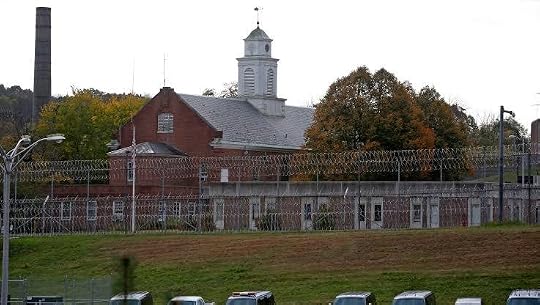
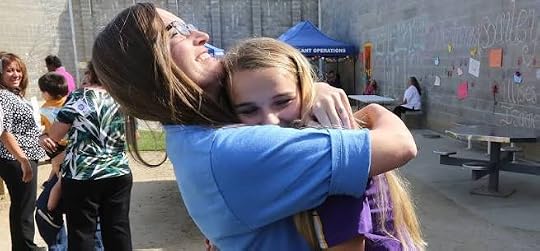
Suzanna Klein was a baby when her mother got up early one morning to rob a bank with a group of fellow radicals. Now, every Saturday, Suzanna lines up at the prison gates among the other children, each dressed as if for celebration. Inside there is a nursery and a cemetery; there are watchful guards and distractable nuns; there are women counting down to release and women like Suzanna’s mother, who will never be released.
At home, Suzanna is raised by her grandmother, who is entirely unforgiving of her daughter’s crime and refuses to visit the prison. Surrounding Suzanna are her grandmother’s friends, who know one another from their years in the Communist Party and still spend extended cocktail hours debating the Hitler-Stalin pact. Though these women once insisted on changing the world, they are torn between teaching Suzanna how the world works and shielding her from it.
Suzanna vows to return to the prison forever but her mother wants her to be free. Harriet Clark’s The Hill is an incandescent novel of a child growing up between worlds, the last of three generations whose fates have been tied to punishment. It is the tale of a family broken apart by the desire for change, told with irreverent wisdom and visionary force. The Hill brings new music to American fiction.
A truly breathtaking debut, filled with sublime prose and interior depth. Yes, it is based on Clark's experiences; no, that's not what makes it good or interesting (though knowing it does add another experiential layer).
*Thanks to NetGalley and the publisher for an advance reader copy of this novel in exchange for an honest review.*
The Hill follows Suzanna Klein as a child as she lives with her grandparents because her mother is in prison. Suzanna was only a baby when her mother robbed a bank with a group of radicals and now, every Saturday, Suzanna visits her mother in prison. Suzanna’s mother will never be released and when Suzanna’s grandfather dies it is up to her grandmother to raise her. Suzanna’s grandmother will not visit her daughter in prison and she is a difficult woman to be around. Suzanna is surrounded by her grandmother’s friends who know each other from their years in the communist party. Suzanna’s mother wants Suzanna to be free but Suzanna finds herself drawn to the prison and her mother.
I really enjoyed reading this novel and I appreciate the story as a whole. It was easy to understand Suzanna and this book is really just about her and how she lives her life despite her circumstances. Suzanna’s grandmother wasn’t the nicest character but there were some sweet moments that I liked. I don’t really have much to say about this book because you really just have to read this story and appreciate it in its entirety. The author’s note at the end also makes you appreciate this story more and recognise its importance.
Favourite Quote - “Do you want me to watch you walk to the train?” my grandmother asked on the first day of the new school year. She was still in bed and I assumed she would, if anything, watch me through the window. But when I walked out of the building, crossed the street, and looked up, there she was on the terrace. Her housecoat gave her the solid folded look of a hero. I waved so that she knew which figure was me. Then I walked the three blocks to the train—she was there on the terrace each time I looked back—and it was only when I walked down the stairs into the dark of the subway that my grandmother disappeared and the whole world closed in around me.