

What do you think?

Until the Last Gun Is Silent: A Story of Patriotism, the Vietnam War, and the Fight to Save America's Soul
"The untold story of the Black patriots—from soldiers in combat to peace protesters—who ended the Vietnam War and defended the soul of American democracy, from a pre-eminent civil rights historian and the award-winning author of Half American
As the civil rights movement blazed through America, more than 300,000 Black troops were drafted and sent to fight in the Vietnam War. These soldiers, often from disadvantaged backgrounds and subjected to the brutalities of racism back home, found themselves thrust onto the frontlines of a war many saw as unjust. On the homefront, Black antiwar activists faced another Opposition to the Vietnam War, vilified by key allies in the media and government as anti-American, jeopardized the fight for civil rights. For Black Americans, the Vietnam War forced a generation to question what it truly meant to fight for justice.
Award-winning civil rights historian Matthew F. Delmont weaves together the stories of two Black heroes of the Vietnam War Coretta Scott King, who bravely championed the antiwar cause—and eventually persuaded her husband to do the same—and Dwight “Skip” Johnson, a Medal of Honor recipient whose life ended tragically after returning from battle to his native Detroit. Together, these extraordinary accounts expose the contradictions of Black activism and military service during the Vietnam War. Through rich storytelling, Delmont offers a portrait of this period unlike any other, shedding light on a fractured civil rights movement, a generation of veterans failed by the country they served, and the valor of Black servicemen and peace advocates in the midst of it all.
Vivid, revelatory, and meticulously researched, Until the Last Gun Is How a Civil Rights Icon and Vietnam War Hero Changed America is essential reading for anyone looking to understand the enduring legacy of Black military service, protest, and patriotism in the United States.
"
As the civil rights movement blazed through America, more than 300,000 Black troops were drafted and sent to fight in the Vietnam War. These soldiers, often from disadvantaged backgrounds and subjected to the brutalities of racism back home, found themselves thrust onto the frontlines of a war many saw as unjust. On the homefront, Black antiwar activists faced another Opposition to the Vietnam War, vilified by key allies in the media and government as anti-American, jeopardized the fight for civil rights. For Black Americans, the Vietnam War forced a generation to question what it truly meant to fight for justice.
Award-winning civil rights historian Matthew F. Delmont weaves together the stories of two Black heroes of the Vietnam War Coretta Scott King, who bravely championed the antiwar cause—and eventually persuaded her husband to do the same—and Dwight “Skip” Johnson, a Medal of Honor recipient whose life ended tragically after returning from battle to his native Detroit. Together, these extraordinary accounts expose the contradictions of Black activism and military service during the Vietnam War. Through rich storytelling, Delmont offers a portrait of this period unlike any other, shedding light on a fractured civil rights movement, a generation of veterans failed by the country they served, and the valor of Black servicemen and peace advocates in the midst of it all.
Vivid, revelatory, and meticulously researched, Until the Last Gun Is How a Civil Rights Icon and Vietnam War Hero Changed America is essential reading for anyone looking to understand the enduring legacy of Black military service, protest, and patriotism in the United States.
"
368 pages, Hardcover
Published January 27, 2026
Ratings & Reviews
Friends & Following
Create a free account to discover what your friends think of this book!
Community Reviews
Displaying 1 - 27 of 27 reviews

February 23, 2026
I have been searching for books that capture the events and spirit of the years when I grew from a child to an adult. Until The Last Gun Is Silent is certainly a worthy member of that group of books. It presents the events of those days from the perspectives of Coretta Scott King and Dwight 'Skip' Johnson.

November 30, 2025
Protesting can be complicated. It can also be complicated to take on a bunch of Vietcong with only your sidearm. These two sides of a coin come together in Matthew Delmont's Until the Last Gun is Silent. The book follows Coretta Scott King as she leads protests against the Vietnam War. Dwight "Skip" Johnson, on the other hand, goes to Vietnam where he wins the Medal of Honor like a damn boss. Unfortunately, the highest of military awards would prove to be an albatross around his neck.
Delmont goes between each of these lives while tracing the eventual commingling of the peace movement with the civil rights movement. I learned a tremendous amount about each in this book and Delmont writes an easy to read book from a prose perspective. I did feel, however, that both Skip and Coretta get short shrift at times. Coretta's story takes a big of a backseat to her husband, Dr. Martin Luther King Jr. Additionally, MLK does not come off looking good in a few anecdotes. It humanizes him a bit more to see situations where he doesn't necessarily live up to the paragon of virtue history focuses on. Coretta, however, comes off positively saintly in Delmont's retelling. I think this has less to do with Delmont's unwillingness to dive into all sides of Coretta and more to do with keeping the narrative moving. As it stands, Coretta's chapters will often be about a lot of people other than her until later chapters where she shines completely.
Ultimately, I wanted more time with Skip. I will fully admit my bias here. Skip was an Army tanker like me and I am also the son of a Vietnam veteran. Skip's story was so inspiring, visceral, and tragic that I could have devoured a whole book just on him. The complete fumbling of his PTSD diagnosis (another similarity I have with him) is the ultimate tragedy that continues to happen to this day. I think there was much more to be mined here, but I will defer to Delmont because he is clearly a talented writer that maybe he got as much as he could from the records that existed. Either way, there is a lot to like about, and learn from, this book.
(This book was provided as an advance reader copy by NetGalley and Viking Books.)
Delmont goes between each of these lives while tracing the eventual commingling of the peace movement with the civil rights movement. I learned a tremendous amount about each in this book and Delmont writes an easy to read book from a prose perspective. I did feel, however, that both Skip and Coretta get short shrift at times. Coretta's story takes a big of a backseat to her husband, Dr. Martin Luther King Jr. Additionally, MLK does not come off looking good in a few anecdotes. It humanizes him a bit more to see situations where he doesn't necessarily live up to the paragon of virtue history focuses on. Coretta, however, comes off positively saintly in Delmont's retelling. I think this has less to do with Delmont's unwillingness to dive into all sides of Coretta and more to do with keeping the narrative moving. As it stands, Coretta's chapters will often be about a lot of people other than her until later chapters where she shines completely.
Ultimately, I wanted more time with Skip. I will fully admit my bias here. Skip was an Army tanker like me and I am also the son of a Vietnam veteran. Skip's story was so inspiring, visceral, and tragic that I could have devoured a whole book just on him. The complete fumbling of his PTSD diagnosis (another similarity I have with him) is the ultimate tragedy that continues to happen to this day. I think there was much more to be mined here, but I will defer to Delmont because he is clearly a talented writer that maybe he got as much as he could from the records that existed. Either way, there is a lot to like about, and learn from, this book.
(This book was provided as an advance reader copy by NetGalley and Viking Books.)

Want to Read
January 25, 2026Super excited to have been gifted a hard copy of this book by the author and the Gilder Lerhman Institute of American History!

April 12, 2026
Matthew F. Delmont delivers a powerful and well-researched account of the Vietnam War in Until the Last Gun is Silent. By focusing on individuals like Skip Johnson and Coretta Scott King, he humanizes the conflict beyond facts and figures. The result is a compelling and deeply moving perspective on a tragic period in American history.

March 14, 2026
In my "get extremely pissed off reading about Vietnam" era.
Could have read 200 more pages.
Could have read 200 more pages.
May 7, 2026
This is a very good book by Delmont (whose previous Half-American, about black Americans in WWI I absolutely adored). It's two narratives that go back and forth from one chapter to the other. On one track, you learn about Coretta Scott King, MLK's wife/widow and also a very impressive activist in her own right. On the other track you learn about Dwight "Skip" Johnson, one of the first (the first?) black men in Vietnam to win the Medal of Honor.
The chapters on King do a good job presenting Coretta Scott King as more than just Mrs. King. Yes, she is Mrs. King and is proud of it, but she's engaged and involved on her own accord. MLK even noted to a reporter once that if anything, she educated him as an activist more than the other way around. She spoke out about Vietnam long before he did, and clearly influenced him to do likewise. She also played a key role in some of the more substantial role in protests after MLK's assassination. In doing so, she did her best linking civil rights to the cause of peace, recognizing that linking civil rights to other key causes could help maintain the movement's gains and push for continued improvements.
Johnson was a black kid from Detroit who got drafted, and sent to Vietnam. He was a nice kid and married his sweetheart before setting out, when they were both quite young. An ambush caused his heroism -- he'd switched tanks the day before, and the tank receiving the worst of the ambush was the one with guys he'd bonded with. That day proved to be his last one on the front lines. At first, the adulation and prestige was very nice for him. The family was able to get his biological father back in Detroit (he'd been deported years earlier for coming here from the Carribean without proper paperwork), and was honored at the White House with other Medal of Honor winners. But things started to change. The army pressured him to reenlist as a recruiter, and he agreed. But as time went on, he felt worse about the war, and more that the army was using him. Delmont makes points that go beyond just Johnson, noting how black soldiers experienced more mental strain and anguish both in-country and upon coming home. Johnson began lashing out some, and eventually tried to rob a nearby store, only to be shot and killed in the attempt. He left behind a wife and young son. Delmont points out how Johnson's case became studied as an early example of "Vietnam syndrome" that later became PTSD, with Johnson something of a patient zero for it.
It's all very good. So why "only" four stars? Well, it never really comes together. The two stories are both very strong, but remain two stories. Still, it's a very good book and I'm glad I read it.
The chapters on King do a good job presenting Coretta Scott King as more than just Mrs. King. Yes, she is Mrs. King and is proud of it, but she's engaged and involved on her own accord. MLK even noted to a reporter once that if anything, she educated him as an activist more than the other way around. She spoke out about Vietnam long before he did, and clearly influenced him to do likewise. She also played a key role in some of the more substantial role in protests after MLK's assassination. In doing so, she did her best linking civil rights to the cause of peace, recognizing that linking civil rights to other key causes could help maintain the movement's gains and push for continued improvements.
Johnson was a black kid from Detroit who got drafted, and sent to Vietnam. He was a nice kid and married his sweetheart before setting out, when they were both quite young. An ambush caused his heroism -- he'd switched tanks the day before, and the tank receiving the worst of the ambush was the one with guys he'd bonded with. That day proved to be his last one on the front lines. At first, the adulation and prestige was very nice for him. The family was able to get his biological father back in Detroit (he'd been deported years earlier for coming here from the Carribean without proper paperwork), and was honored at the White House with other Medal of Honor winners. But things started to change. The army pressured him to reenlist as a recruiter, and he agreed. But as time went on, he felt worse about the war, and more that the army was using him. Delmont makes points that go beyond just Johnson, noting how black soldiers experienced more mental strain and anguish both in-country and upon coming home. Johnson began lashing out some, and eventually tried to rob a nearby store, only to be shot and killed in the attempt. He left behind a wife and young son. Delmont points out how Johnson's case became studied as an early example of "Vietnam syndrome" that later became PTSD, with Johnson something of a patient zero for it.
It's all very good. So why "only" four stars? Well, it never really comes together. The two stories are both very strong, but remain two stories. Still, it's a very good book and I'm glad I read it.

July 9, 2026
This book is a recap of my lifetime and points out many of the nation's flaws. One has to be only a passing historian not to recall the struggles of the Negro and the poor in this country over the past ninty years. A great deal of wealth, but just not in the "correct" hands. Coretta King was a civil servant who had a story similar to her husband's, only she lived. Skip Johnson a Detroit Negro excelled with his military service and was awarded the Metal of Honor, but PTSD did him in.
The book details the challenges of war, poverty, politics, and civil rights that had developed deep ingrainment into the culture. No easy answers, but needed leaders to "protest" the establishent. There were no real winners for many years, but some progress has been made. Great culture change happens very slowly!
The book details the challenges of war, poverty, politics, and civil rights that had developed deep ingrainment into the culture. No easy answers, but needed leaders to "protest" the establishent. There were no real winners for many years, but some progress has been made. Great culture change happens very slowly!
August 9, 2026
Heartbreaking story but very important to read
This has to bee one of the best books I have ever read about protests, Vietnam and the 60s/70s. Well written and powerful message. I was in the military during the Vietnam War but, thankfully, never was in that conflict. I was also living down south, in Florida, where we had riots because of segregation. Paddy wagons coming into the junior high and taking white and black away.
I loved the historical context that the author wrote. Great stories of MLK and his wife Corretta. Very impressive. Even though we've come along way from the 60's I feel like we really aren't that much different when it comes prejudice.
Read this book. You won't be disappointed!
This has to bee one of the best books I have ever read about protests, Vietnam and the 60s/70s. Well written and powerful message. I was in the military during the Vietnam War but, thankfully, never was in that conflict. I was also living down south, in Florida, where we had riots because of segregation. Paddy wagons coming into the junior high and taking white and black away.
I loved the historical context that the author wrote. Great stories of MLK and his wife Corretta. Very impressive. Even though we've come along way from the 60's I feel like we really aren't that much different when it comes prejudice.
Read this book. You won't be disappointed!

August 26, 2026
“Our nation’s preoccupation with building up the military in the name of national defense has led to a disastrous neglect of the real social needs of the people of our country.” - Coretta Scott King
Coretta Scott King has been dead for twenty years, and Dr. King has been dead for almost sixty. Both would be horrified that their work for peace has not only yielded no results, but that things have gotten worse, and that American interventions continue with almost no signs of ever stopping. In every decade of my life, the USA has been involved in an armed conflict whilst ignoring the very real troubles at home. Theres always money available to fund killing, never for living.
This book was fucking depressing. Great, edifying, and well-written. But, ultimately fucking depressing.
Coretta Scott King has been dead for twenty years, and Dr. King has been dead for almost sixty. Both would be horrified that their work for peace has not only yielded no results, but that things have gotten worse, and that American interventions continue with almost no signs of ever stopping. In every decade of my life, the USA has been involved in an armed conflict whilst ignoring the very real troubles at home. Theres always money available to fund killing, never for living.
This book was fucking depressing. Great, edifying, and well-written. But, ultimately fucking depressing.
May 4, 2026
A gut wrenching review on the intrinsic tie between the fight for civil rights and the fight for peace in 1960s America. Delmont tells about the brilliant life of Coretta Scott King and her influence in both movements. He also highlights the life of Medal of Honor recipient, Dwight “Skip” Johnson, one of the many impoverished black soldiers that fought and died, not on the battlefields of Vietnam, but on the streets of the United States. The country that should have taken care of them after their sacrifice overseas. Filled with facts and figures and grounded in an emotional narrative that grips you from beginning to end.

May 4, 2026
Good over view of Vietnam war and protests involving MLK Jr. and his wife, Coretta, who had a more involved role then I realized before. Also mentions soldiers that came back had very mental damage that wasn’t always apparent. Formerly called ShellShock and eventually PTSD. Dwight “Skip” Johnson, a Medal of Honor recipient had his own demons and metal damage and eventually came to a tragic end. I’m not sure I totally buy the story of him attempting to rob a store and getting gunned down. It could have been he was gunned down for simply being black. Eerily the war then mirrors similarly to the war now. Not much has changed.
March 14, 2026
This book started out strong but I believe the author just ran out of material. I was hoping for more detail on the Black soldier experience; he won a Medal of Honor, but it damaged him in so many ways. The sections that dealt with Coretta Scott King were mainly made up of dates when speeches were made, what was said (by both her and MLK) and the intersectionality of the opposition to Vietnam and the civil rights movement that was taking place at the same time. I was disappointed overall and would not recommend to anyone who was alive during that time!

May 2, 2026
"If the FBI wants to find the wellspring of radicalism," she later said, "tell them not to look on the campus... or in the haunts of so-called revolutionaries. Tell them to look to the White House and in the marbled halls of Congress. The policies there radicalized more young people than a million books by revolutionaries."
It is sad to see how much progress is being undone. Reading this was a great reminder of why we must never give up the fight.
It is sad to see how much progress is being undone. Reading this was a great reminder of why we must never give up the fight.

April 11, 2026
What an excellent piece of work. Chapters alternate between Coretta’s story of passionate anti-war advocacy and Dwight Johnson’s powerful, sad story. I knew very little about Mrs. King before and feel like I know her well now. I had two uncles who died in Vietnam, but now I know a LOT more about the unique struggles of the black veterans.

September 21, 2026
“Our society is critically ill when the president of the United States can escalate and expand an illegal, immoral and unjust war. Our country is close to becoming a fascist state where no redress is permitted.”
Coretta Scott King, during a speech delivered in 1970 condemning Nixon's actions in Vietnam and the deaths of student anti-war protesters.
Same shit, different decade. 😮💨
Coretta Scott King, during a speech delivered in 1970 condemning Nixon's actions in Vietnam and the deaths of student anti-war protesters.
Same shit, different decade. 😮💨

February 1, 2026
This is really good and you should read it. Protesting is complicated and this books covers that but not in a complicated way. This book is accessible and well-written, as well as heart-wrenching. I learned a lot. Highly recommend. 4.3 stars

March 5, 2026
Delmont writes a powerful history of the anti war movement and Vietnam. Juxtaposing Coretta Scott King’s antiwar activities with the tragic life of Dwight “Skip” Johnson, the author brings how the trauma of Vietnam to the U.S. in general and Black America specifically. It’s a must read.
June 17, 2026
I got this book for free from a teacher company, but I loved it so much! Super informative and well-written. I loved how much attention they put on Coretta Scott King, who I hadn’t known much about before reading this.

August 3, 2026
A deep dive into the American tensions surrounding the war as it played out in the lives of two different Black lives, one made very public and the other who wanted anything but publicity. Really an interesting work and a quick read.
August 19, 2026
Great look at Coretta Scott King and Black soldiers and veterans from Vietnam. The individual focus is on Detroiter, Skip Johnson, a Black solider awarded the Congressional Medal of Honor, and how his PTSD affected the rest of his short life.
September 4, 2026
A look at the intersection of the Civil Rights movement and Vietnam, during the war and WRT to veterans. Mostly follows Coretta Scott King, and Dwight Johnson, Medal of Honor winner fatally failed by the system. A good primer on an overlooked subject.

May 11, 2026
Learned that “gross stress reactions” was taken off the DSM in 1968, and only replaced with PTSD 12 years later, saving the government millions in medical claims

June 5, 2026
Informative. Fast paced, well written. A must read.
June 15, 2026
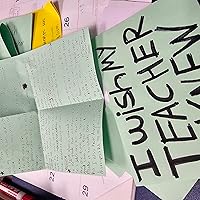
Great read and perspectives on so many topics. Turns pages and makes connections. As a teacher I was taking more notes than usual, so show my students connections and narratives alike!


July 7, 2026
Very engagaing/fast read, especially considering the gravity of the subject. Easy to pick up and put down. Learned a lot. Highly applicable to life in 2026.
September 8, 2026
6⭐️
An absolute masterclass in historical research and writing
An absolute masterclass in historical research and writing
Displaying 1 - 27 of 27 reviews