

What do you think?
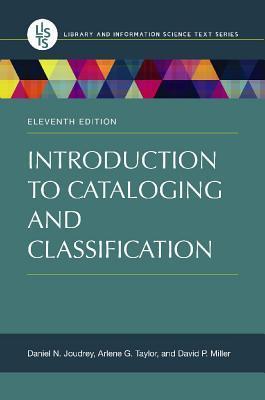
Introduction to Cataloging and Classification
A new edition of this best-selling textbook reintroduces the topic of library cataloging from a fresh, modern perspective.
Not many books merit an eleventh edition, but this popular text does. Newly updated, Introduction to Cataloging and Classification provides an introduction to descriptive cataloging based on contemporary standards, explaining the basic tenets to readers without previous experience, as well as to those who merely want a better understanding of the process as it exists today. The text opens with the foundations of cataloging, then moves to specific details and subject matter such as Functional Requirements for Bibliographic Records (FRBR), Functional Requirements for Authority Data (FRAD), the International Cataloging Principles (ICP), and RDA.
Unlike other texts, the book doesn't presume a close familiarity with the MARC bibliographic or authorities formats; ALA's Anglo-American Cataloging Rules, 2nd Edition , revised (AACR2R); or the International Standard Bibliographic Description (ISBD). Subject access to library materials is covered in sufficient depth to make the reader comfortable with the principles and practices of subject cataloging and classification. In addition, the book introduces MARC, BIBFRAME, and other approaches used to communicate and display bibliographic data. Discussions of formatting, presentation, and administrative issues complete the book; questions useful for review and study appear at the end of each chapter.
Not many books merit an eleventh edition, but this popular text does. Newly updated, Introduction to Cataloging and Classification provides an introduction to descriptive cataloging based on contemporary standards, explaining the basic tenets to readers without previous experience, as well as to those who merely want a better understanding of the process as it exists today. The text opens with the foundations of cataloging, then moves to specific details and subject matter such as Functional Requirements for Bibliographic Records (FRBR), Functional Requirements for Authority Data (FRAD), the International Cataloging Principles (ICP), and RDA.
Unlike other texts, the book doesn't presume a close familiarity with the MARC bibliographic or authorities formats; ALA's Anglo-American Cataloging Rules, 2nd Edition , revised (AACR2R); or the International Standard Bibliographic Description (ISBD). Subject access to library materials is covered in sufficient depth to make the reader comfortable with the principles and practices of subject cataloging and classification. In addition, the book introduces MARC, BIBFRAME, and other approaches used to communicate and display bibliographic data. Discussions of formatting, presentation, and administrative issues complete the book; questions useful for review and study appear at the end of each chapter.
1080 pages, Paperback
First published January 1, 1971
Ratings & Reviews
Friends & Following
Create a free account to discover what your friends think of this book!
Community Reviews
Displaying 1 - 30 of 34 reviews

August 13, 2016
I have been copy cataloging and original cataloging for over 14 years. I used this book in my graduate class to learn about RDA concepts and FRBR rules. It was not very helpful. The information is redundant and gives very little real world applications for using the information for showing the record displays using MARC.

August 8, 2017
Whew! This is a thorough book...

August 10, 2023
I hate reading about cataloging.

January 27, 2019
This text is incredibly thorough, so if you're looking for the nitty gritty details about learning how to do some cataloging and classification, you've come to the right place! This book is filled with examples and direct quotations from RDA, and even goes so far as to discuss classification systems that are not common in the United States. Not only that, but this book offers an overview of some administrative issues that come along with cataloging, from cost, to staffing, to outsourcing--not to mention of course, the upkeep, the changes to LCSH's subject headings, and the expected changes to cataloging as a whole as new means and systems come out.
Overall, this text is informative, helpful, instructive, and a must-read if you're thinking about becoming a cataloger!
Review cross-listed here!
Overall, this text is informative, helpful, instructive, and a must-read if you're thinking about becoming a cataloger!
Review cross-listed here!

October 20, 2021
I read large parts of this book for a study module Library and Information Science. Some parts are interesting, other parts are extremely difficult to understand and even more boring. Would I read through the book for fun? Perhaps, but I might still skip over some parts.

December 9, 2017
quite helpful for all things cataloging

December 8, 2011
I found reading this book torturous. To be fair, the content is dry to begin with. Taylor does a good job of including relevant information, and she made it as readable as she possibly could. Obviously, I only pick up this book because it was assigned. Reading it and taking a course in cataloging helped me grasp the basics, and I do think every librarian should have this knowledge. But--this text and the course made me realize I would not enjoy copy cataloging. It's tedious and repetitive. I'm glad some people enjoy doing this task, though, 'cause it's gotta be done, and I don't want to do it! :)

August 21, 2012
After owning this book for around five years, I have still only found about 5 pages of the content really helpful. This might have some role as a reference book for beginning catalogers who are still working in AACR2, but it would not serve very well as a text book or tutorial. The text is very dense and formatted in a confusing manner. I had hoped this book would provide a greater range of examples than those offered in the LC Cataloger's Desktop, but the examples are usually terse and often unhelpful. Obviously as more libraries switch to RDA, this book will become increasingly obsolete.
Assigned for the course SLIS 5210 - Organization and Control of Information Resources I
Assigned for the course SLIS 5210 - Organization and Control of Information Resources I

February 4, 2014
This book is comprehensive and full of examples of AACR2 rules. It also describes the virtues and vices of classification schemes like Dewey and LCC; and it outlines important classmarks and MARC fields (though the online MARC descriptions from OCLC and the Library of Congress are far more detailed and updated). But it's short on RDA since it was written around the time that RDA was being developed and tested.

November 11, 2009
Finally gave in and bought this 11 weeks into the semester. Planning on permanently keeping it at my desk at work. I'm the kind of person who buys about 3 books a year and borrows the rest. This one is worth the investment, though it certainly doesn't win any prizes for being fun or interesting or easy to read.
February 2, 2011
This is the textbook from my class. Not a bad read so far. I was expecting cataloging to be some beast, and although it does require a lot of work, cataloging is natural human work...it is what we do with everything in life to get organized and keep ourselves on track (organizing the kitchen pantry, our cloths, our movie collection, etc.).

Read
December 7, 2011I chose this book because I think that it may be handy in the future. The books that I read for library science courses were beneficial but I searched online for a better resource with more detailed information. This book sounds like a great introduction to cataloging and classification which will be very beneficial in my future career.

July 12, 2011
This was a wonderful book introduction to AACR2 and other common cataloging rules. If you are a library student who has interest in cataloging this is worth getting. It is also a great reference source if you don't hace access to Catalogers Desktop.

January 30, 2016
The book is incredibly detailed and very informative. I read many, many sentences in this book over and over until I understood. The course I took on cataloging was intense, extremely intense and the text did help.

March 7, 2018
The Library of Congress training materials that are available online are a far better resource. Perhaps someone with years of cataloguing experience could interpret this text, but I found it to be dull and unhelpful.
December 23, 2019
This is an incredible resource for cataloging professionals, though there were times when I found it to be repetitive. All the essentials on cataloging history and the standard formats currently used, will be obsolete in a few years when/if BIBFRAME takes off.

May 14, 2021
My MLIS required textbooks haven't been fabulous, but this is by far the worst. For a text that is supposedly introductory, it is full of complicated jargon that a true novice doesn't know, repetitive, and just plain too much.

October 22, 2007
Currently reading. Great book of making sense of MARC21, AACR2 and cataloging books...if that's what your interested in.
Read
December 11, 2007 I did not read this book for enjoyment. However it served as a very handy reference in completing my cataloging assignments! And I would guess it's one of the better textbooks on the subject.

January 15, 2008
Thanks, Arlene! Now I know for sure that I don't want to be a cataloger.
April 24, 2008
I have learned how to catalog. I have learned that I do not like cataloging.

June 27, 2008
For class... obviously. Actually cataloging is kind of fun. Reading about it is not so fun.
Read
August 22, 2008Introduction to Cataloging and Classification: Tenth Edition (Library and Information Science Text Series) by Arlene G. Taylor (2006)

August 17, 2010
Awesome if youre into that stuff.

November 29, 2010
This book is a lot to take in; quite chewy at times. It is so helpful, though, for anyone who wants to be a cataloger, or who just wants to know why catalog records look so funny.

Read
September 17, 2011Very informative. A little outdated, needs a new edition.
Want to Read
November 28, 2011I read some of the other reviews of this book and thought it might come in handy one day. So maybe I will read it someday.

July 22, 2013
Adding books from grad school to GR.

January 25, 2016
This is a great book for beginning and experienced catalogers. There are great examples and diagrams that illustrate and enrich the text!

May 17, 2016
it's a great book i would love to read more
This entire review has been hidden because of spoilers.
Displaying 1 - 30 of 34 reviews