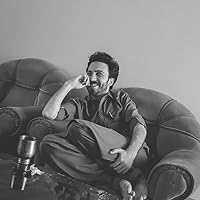
Basharat and his family are Indian Muslims who have relocated to Pakistan, but who remain deeply steeped in the nostalgia of pre-Partition life in India. Through Mirages of the Mind s absurd anecdotes and unforgettable biographical sketches which hide the deeper unease and sorrow of the family s journey from Kanpur to Karachi Basharet emerges as a wise fool, and the host of this unique sketch comedy. From humorous scenes in colonial north India, to the heartbreak and homesickness of post-colonial life in Pakistan, Mirages of the Mind forms an authentic portrait of life among South Asia s Urdu speakers, rendered beautifully into English by Matt Reeck and Aftab Ahmad."
Mushtaq Ahmad Yousufi D.Litt (HC), SI, HI is an Urdu satirical and humor writer from Pakistan. Banker by profession, Yousufi has also served as the head of several national and international financial institutions. He has received Sitara-e-Imtiaz and Hilal-e-Imtiaz, the highest civil honors by the Government of Pakistan. He was also given the highest literary award by Pakistan Academy of Letters in 1999 the Kamal-e-Fun Award. His books have received many awards and critical acclaim.
Yousufi was born in British India in a learned family. His father Abdul Karim Khan Yousufi was chairman of the Jaipur Municipality, and later Speaker of the Jaipur Legislative Assembly. Yousufi completed his early education in Rajputana and earned B.A. from Agra University while M.A. Philosophy and LL.B from Aligarh University. After partition of India his family migrated to Karachi, Pakistan.
Ibn-e-Insha, himself an Urdu satirist and humourist, wrote about Yousufi: "...if ever we could give a name to the literary humour of our time, then the only name that comes to mind is that of Yousufi!" Another scholar Dr Zaheer Fatehpuri wrote, "We are living in the '...Yousufi era' of Urdu literary humour..." The Yousufi era started in 1961 when Yousufi's first book Chiragh Talay was published.
کتاب کیا ہے صاحب ، ہند و پاک کا اچھا خاصا سفر ہے . پورا کتھا ساگر ہے . بات سے بات نکلتی ہے اور کانپور سے کراچی ، کراچی سے سرحدی کوہستان ، وہاں سے یو پی کے دیہات اور قصبات پہونچ جاتے ہیں . کتاب پڑھنے میں ایسی دلچسپ اور انداز ایسا شگفتہ کہ جی چاہتا ہے صفحات کا سلسلہ کبھی ختم نہ ہو ! طنزیہ و مزاحیہ تحریروں کے شائقین اس دریاۓ لطافت میں ایک غوطہ ضرور لگائیں
You know you are in for a ride when the introduction to your book says it’s “a challenging book. It is challenging because of its length but more so due to its erudition.” Never one to shirk a challenge, and given I was looking forward to reading some Urdu fiction in translation, I dived straight in. And what a wonderfully colourful and rich world we have.
Mushtaq Ahmed Yousufi, born in 1923, is a highly respected businessman as well as a multi awarded writer. From General Manager at the Muslim Commercial Bank in 1950 to the President of the United Bank in 1977 onto Chairman of the Pakistan Banking Council, following his father’s footsteps (his father the Speaker of the Jaipur Legislative Assembly). In January 1950 his family migrated to Pakistan after the Urdu language was replaced by Hindi in India, so four years after the partition of India and the creation of East (later to be known as Bangladesh) and West Pakistan (later to become simply Pakistan).
“Mirages of the Mind” opens with an explanatory, uncredited, “introduction” where a “reading guide” is presented on the “encyclopaedic culture”, the “Poetic punning”, “narrative digressions”, and “cultural nostalgia”. Whilst handy at assisting with the reading, these instructions are not mandatory and a reading of the book would not be diminished without the assistance,it does contain some memorable material, including a quote from Mushtaq Ahmed Yousufi himself:
You cannot write humour until you love your target or subject of attack. Love is the foremost condition. In satire it’s not necessary.
Yes, this is a humour filled story, whilst containing lashings of satire, it is primarily a funny tale, one with a unique structure.
Our work is split into five sections, each containing chapters, those containing subheadings and within them quotes of world poetry (with a bent towards the Urdu poets of course). So rather than a linear plot, we have vignettes, different story tellers, flash backs, oral tales and interpretations. Yes it does sound “challenging”....
A beautiful slice-of-life book, hilarious in half the places and heart wrenching in others. This book won't treat you to a traditional structure with a plot, a build up and a conclusion. Instead, you have to approach this book like a daily conversation with a wise elderly person who will keep you engaged and entertained with hilarious anecdotes and at the same time show a deep understanding of life and human nature.
As the name suggests, it follows the lives of people who are caught up and entangled in mirages made up by their own mind relating to their former lives, which keep them from fully assimilating in their current lives. The author manages to poke fun at these people who are longing for a past that exists only in their nostalgia, it wasn't ever a reality to being with, and yet he makes you feel for their helplessness. The narration is a bit difficult to follow, owing to the author's tendency to indulge in many digressions, but the book already warns you about it challenging nature. If you really get into the story, you'd never want it to end. If you find the length of the book intimidating, just take it in little doses.
نوٹ :کتاب پڑھنے سے پہلے اس کو مت پڑھیں ۔۔یوسفی کے قلم سے نکلے دوسرے باب پر اک تبصرہ
یوسفی جس کوزے میں انسان کو بند کرتا ہے وہ بہت تنگ ہےجس میں انسانی حالت ناگفتہ بہ ہے ان کے لفظوں کے کھیل تماشے اور ادب کی کن کنیوں میں چیتھڑوں کا کھیل دیدنی ہے یوسفی ماہر سرجن کی طرح سوسائیٹی کو "خلیفے نائی " کی کینچی سے ڈائیسکٹ کرتا ہے اس نان سرجیکل اپروچ سے معاشرتی چیخیں مولانا کی حالاتِ زار بن کر "بشارت "کے دماغ پر نقش چھوڑتی ہیں اس قصہ پارینہ میں پیپ سے رس رہا خون" بلبن" ہے جو بزرگوار کی رندی بھی ہے اور کئی حرام خوروں کا رزقِ حلال بھی۔ زندگی کےہارمونیم کی ننگی تاروں پر رقص کرتا بشارت کبھی غربت کے کیچڑ میں ابکائی کرتاہے کبھی رشوت، شازش،دھوکہ کے کیچڑ میں اپنا آپ گدلا کرتا ہے ۔کراچی کے سلمز میں زندگی اوپرا کے راگ کی ماند دکھوں میں بھیگ کرسلو اور لمبی ہوتی چلی جاتی ہے ۔
جوان قارئیں کے لیے لفطوں کی وسکی اور شاید چند مہیں یادوں پر قلم کی بکھری سیاہی کے سوا کچھ نہیں۔۔ یوسفی کا قلم باریک ہو کر مستقبل کےان لمحوں کی تصویر کشی کرتا ہے جب انسان نسٹلجیا میں جینے لگے گا ۔قلم کی لرکھراہٹ میں دکھوں کا گداز ، زندگی کے کورے کاغذ پر یادوں کے دھبے، جن کو مٹانے کی خواہش میں انسان میں جگتی بجتی رہتی ہے ، انسان کو فیوچر کی سیر کرواتے ہیں کہ شاید خان صاحب کی طرح ہر کوئی چلغوزوں ، باداوں ،ناشتوں کو بغیر عذر تلاش کیے کھاے اور مشکی اور پشتو کی سی محبت زندگی سے کرے
I cannot think of any other book that was so extraordinarily hard to read and at the same time, so utterly beautiful.
It was challenging because there is no real “plot”, it’s more like a tapestry of many different stories, which revolve around a bunch of main characters but branch out to a myriad of other smaller characters and situations. Intertwined with them are many philosophical digressions and extracts from poetry, and this gives the chapter a feeling of Chinese boxes which was sometimes very hard to follow.
The beauty of the book is in its wisdom, in its warm, frank humor. I feel like the author effortlessly managed to concentrate the irony and the tragedy of life in these four hundred pages.
I don’t give a full 5 stars for this book not because of any shortcomings on its side, but because I am not familiar enough with the Indian/Pakistani culture to fully appreciate every aspect of the book, if I was I would probably include this book among my all-time favorites, such a deep impression it made.
When you break down, you make peace with your friends and family, with strangers, and even with your worst enemy—that is, you make peace with yourself.
[…]
There are those cautious types who ensconce themselves within the protective walls of inaction in order to escape the trials and tribulations of life. Like heavy, expensive curtains, they too eventually fray. Then there are those overly serious people who crack like walls: tiny cracks appear that could easily be painted over or covered with decorations, but these cracks reveal that the walls are collapsing slowly from the inside. Some people crack like porcelain. They’re easily fixed with glue, but all you see are the cracks. On the other hand, there are shameless sycophants made of unbreakable stuff. They are like chewing gum: regardless of how much you chew them, they don’t break.
[…]
There are also people who are like windshields. When they are whole, they are as clean and transparent as a mystic’s heart: through them, you can see the whole world. And when they suddenly break, they do so completely. They don’t ding, chink, or split. Rather, they shatter into a thousand pieces so that there remains no evidence of the mystic, the world, or the glass. Nor is there any fear any longer; the only thing that remains is mystical ecstasy.
There are egos that break like the fortune of tyrants, or like Solomon’s staff, against which he was leaning when the bird of his soul flew from the cage of his body. His lifeless body stood for many years, and no one suspected that he had died.
“While flowing through the desert of the past, the heady rivers of memory descend into the mirages of the mind.”
Though Nostalgia seems to lie at the core of the book (the book is set in post-partition Karachi, Lahore, Lucknow and Kanpur but the narrative often flies to the pre-partition times), it is not the theme that has led me to include this book suddenly in the list of my all-time favorites, but rather what the author mentions in passing somewhere in the prose:
“But look at what nonsense I’ve written! I started with Hakim Ahsanullah Tasleem, weaved my way through the brothels and ended up in Ajanta and Ellora. But what can I do? This is how my elegant friend talks. He weaves seamless stories from the rays of sun and moon.”
The author could well have been talking about himself. The book has no head, no tail and a lot of body with broken pieces. Basharat, the unfortunate horse-loving Urdu teacher is more of a butt for Mushtaq’s jokes, ridicule and satire than the ‘central character’. Though his stories fill up more than half the book, the other characters that flit through haphazardly, the barbers, horses, servants, cooks, dogs, maulavis, corrupt orphanage owners and prostitutes; all make up one rich narrative.
Added to the prose here and there are couplets in Urdu and Persian by Ghalib, Mir and the neighborhood fakir (translated to English) for that immersive experience of Muslim life in India and Pakistan.
“The problem with living so far from home is that each bit of news (and each rumor) makes your heart pound and your blood run fast. The biggest problem with rumors from Pakistan is that they turn out to be true …..
……Also, the British are extremely well mannered and sympathetic. Drivers are so well-behaved that should a single pedestrian indicate that he would like to cross the street, drivers would rather create a mini traffic jam than not let this soul cross. Yes, Mirza Abdul Wadud Baig is the height of sentimentality. When he sees someone stop for him, he feels so honoured that he has to restrain himself from rushing into the crosswalk and bowing to each and every car from crossing the street. In short, my corner of cage is comfortable enough.
O Hunter, I am OK in this cage Except how I want to fly away”
- Writes Mushtaq in the Afterword about how living away from Pakistan made him appreciate his homeland more, leading to this wonderful piece of art.
Allow me to mention again, that the theme of nostalgia for one’s own country has been done to death, and it in itself does not merit particular notice. But the beauty of the prose lies in the way the most common, the most mundane have been brought to life effortlessly.
“God made the common people in such great number, you can see that it must have given him pleasure or why else would he have made so many? Every person is like an unread page. How can we read them all? If they aren’t extraneous and pedantic, but rather are true and interesting, then they tell their own story; there’s no need to force fit them into some fictional frame or to push them into whatever ideal form you have in your mind” – Again, Mushtaq in the Afterword on his own narrative style.
The book is unabashedly full of peculiar references that those unfamiliar with the particular language used to write (Urdu or Persian) or that particular geographic location might not understand. However, plenty effort has been made by the Translators Matt Reeck and Aftab Ahmad to provide cultural context wherever possible.
“….and He’s from Delhi. So he hugs you three times. The upper class from Awadh just do it once.”
The book is full of such cultural nitty-gritties of the people and places of India and Pakistan of yore, allowing us to take a peep at the times and people not only miles but years away from us. And the best part? It really doesn’t make a lot of difference whether the character being talked about is in Karachi or Awadh or Lucknow or Lahore. No difference at all in the manner of talking, description of surrounding or strings of thought- though a stark difference can be observed about the state of business, law and order on each side of the border. With this Mushtaq very subtly, without even mentioning it once, drives home the point that people across the borders have always been the same within. The differences did not exist, were rather created.
“But back in those days as soon as a man passed outside his town, he considered himself a stranger in a strange land. And by ‘homeland’, people only meant their town and vicinity; no one considered the country or state their homeland.”
The book will leave you an entire culture richer- and a new perspective wider.
By far one of the most beautiful, witty,funny and yet heart wrenching books I have ever had the pleasure of reading. the chapter titled "Kaun Kaisay toot ta hai" is one of my favorite works in urdu literature
Mirages of the Mind. Mushtaq Ahmed Yousufi. 2014. Pp-560. Random House India. "Sometimes the only way to survive loss and life is by resorting to humour." Mirages of the Mind, the English translation of Mushtaq Ahmed Yousufi’s Urdu novel Aab-e-Gum, is all about that- camouflaging pain with humour. The narrative talks about the struggles of a Muslim family, it's journey from Kanpur to Karachi, a journey not just geographical, but a journey psychological and intensely emotional. The entire text despite of being humourous, does not fail to conceal the deep nostalgia behind each and every account of it's- proving once again that humour can be a defense mechanism for survival. The last time I read about partition- the stories talked about blood clots and violence and death and more blood clots. Mirages of the Mind, despite being different in its temperament and approach to war and re-allocation, has brought me closer to the genre. This one is a must read for everyone who has, at least once, slept off to their grandmother's stories of a home and of a life miles apart. A good 4 out of 5 it is.
Virtually flawless. Tolstoy wanted to write for all times, but this is how you do it. Damn. This guy pulls the best metaphors and aphorisms in one sentence, it's crazy. I think metaphor (= allegory = homomorphism) is the single device that, more than any other, makes great art. This does score like negative on the Bechdel test though and not because of Basharat's... predilection... there are just literally zero female characters in this book. But the intensity of humanity that this book extracts from its characters, entirely from an anecdotal mode, is something else -- you'd be hard-pressed to read this as a book with any hatred in its heart. I mean, it's written in a way where you're smiling all the time. For me it's not laugh-out-loud funny but honestly I prefer constant wit than laughs -- it sticks with you more, elevates your soul a bit, not just a distraction, and everything this book parodies and lampoons, well, it loves it, but the most annoying part of loving something is you want it to do better. In this case, not get trapped by nostalgia, because when you return or manage to take off those rosy-coloured glasses, well, you may have had more, maybe, but you were still the same person, and usually you were more naive and astray. Lastly I'd like to add that it's insane the density of cultural references in here, most completely lost on me, and still it was the funniest and most enjoyable book I've read in a while. Makes me want to read Persian poetry. And the afterword gave me the impression of someone who had a very reasonable relationship with his work. He said he'd write something and then leave it for a couple years and return to it. I gotta do that more.
I got a big kick out of this, which is less a novel than 5 novellas or even a whole bunch of connected stories and anecdotes. It's about several Indian Muslims who move to Pakistan after Partition, and it's poignant and funny and sad. It reminded me in parts of the Wise Men of Chelm stories. It's quite long, but it reads like a recorded conversation-it wanders and meanders and remembers this and makes reference to that and eventually usually gets back to where it meant to be. It is, be warned, a story of and about men. I don't think there's a single woman who is the subject of a story, although they appear in many. But it's his story and he gets to tell it the way he wants.
Mushtaq Ahmed Yousufi was a professional banker and writer as well. My first book by him was "Hakam e Badhan" which was very good.
Aab e Gum revolves around mainly Basharat (wood trader) with two chapters dedicated one to his Father-in-Law and pathan friend.
Unique writing style of author is at its peak in this book, perhaps that's why it's most popular book by him. It's sad, funny and captivating. Plot of novel is loose but characters somehow are interlinked. Choice of words/vocabulary is awesome and author loves to use words of different languages. Sentences are structured in such a manner that every time we read we get a different perspective.
At the end i would like to say that he is king of ONE LINERS.
آبِ گم کے بارے میں کیا لکھا جائے کہ اس کتاب کے بارے میں جاننے کے لیے اس کو پڑھنا ضروری ہے۔ یہ کتاب مشتاق احمد یوسفی کی آپ بیتی بھی ہے، طنز و مزاح کا شاہکار بھی ہے۔ اس کتاب کے مزاحیہ جملے پڑھ کر انسان بے حساب ہنستا ہے، اور جب ہنس ہنس کر بے حال ہوجاتا ہے تو یوسفی صاحب اچانک ہی ایسا سماں باندھ دیتے ہیں کہ قاری سوچتا رہ جاتا ہے آیا یہ کتاب مزاحیہ ادب کا شاہکار ہے یا سنجیدہ ادب کا۔
میری نظر میں یہ کتاب اردو میں لکھی جانے والی بہترین کتاب ہے جو بڑے بڑے شاہکار و بیسٹ سیلر ناولوں پر بھاری ہے۔ آپ اس کو آپ بیتی جان کر پڑھیں یا جگ بیتی، یا پھر فکشن، یہ ہر صورت میں بہترین کتاب ہے۔
This is one of the best books I ever read. This was for the first time that I read Yousafi sb, and after reading this, I have become a huge fan of him. He has described human tragedies in a light and thought provoking manner. You cannot read even a single page without laughing.
This book is about the struggles of Muslim family who move to Pakistan after Partition, and it's poignant and funny and sad.
The entire text despite of being humourous, does not fail to conceal the deep nostalgia behind each and every account of it's proving once again that humour can be a defense mechanism for survival.
A humour filled story, whilst containing lashings of satire, it is primarily a funny tale, one with a unique structure. I would recommend you this story if you have slept off to your grandmother's stories of a home and of a life miles apart.
The English translation of this book is also available with the name of Mirages of the Mind.
The fact that I had to look up so many Urdu words in a dictionary to fully understand the author's intent was a bit annoying. Other than that, it was an exciting adventure. The author's humor is an advanced one and besides comedy, there are places where to will realize the sad and true facets of life which will leave an impact. In short, give it a read if you want to know about the Indian subcontinent society in the middle of the twentieth century in a funny and life-lessons giving way.
The fact that I had to look up so many Urdu words in a dictionary to fully understand the author's intent was a bit annoying. Other than that, it was an exciting adventure. The author's humor is an advanced one and besides comedy, there are places where to will realize the sad and true facets of life which will leave an impact. In short, give it a read if you want to know about the Indian subcontinent society in the middle of the twentieth century in a funny and life-lessons giving way.
یوسفی قہقہے کو انتہا بخشنے سے زیادہ آنسو کو ' تری والا ' بنانے کا ماہر ہے، یوسفی کی تحریر کی سطح کو ذرا سا کھرچ کر اس کی تہ میں جھانکنے کی کوشش کریں گے تو آنسوؤں کے چشمے ابلتے ملیں گے،