

What do you think?

Μανιτουάνα
Μετά το
Αλτάι
και το
54
, ένα επικό μυθιστόρημα από την κολεκτίβα των Ιταλών συγγραφέων που στο ξεκίνημά της υπέγραφε ως Luther Blisset (στον
Εκκλησιαστή
).
1775, αυγή της επανάστασης από την οποία γεννήθηκαν οι Ηνωμένες Πολιτείες της Αμερικής. Στη Μασαχουσέτη, η σύγκρουση μεταξύ της Βρετανικής Αυτοκρατορίας και των αμερικανικών αποικιών μετατρέπεται σε καθολικό πόλεμο. Στην αποικία της Νέας Υόρκης, τα Έξι Έθνη των Ιροκέζων πρέπει ν' αποφασίσουν ποια πλευρά θα επιλέξουν. Η βουή της μάχης στη Βοστώνη αρχίζει ν' αντηχεί στην κοιλάδα του ποταμού Μοχώκ όπου ζει ένας ετερόκλητος κόσμος, μια μεγάλη κοινότητα Ινδιάνων, Ιρλανδών και Σκωτσέζων που ιδρύθηκε από τον Σερ Ουίλιαμ Τζόνσον, τον επίτροπο Ινδιάνικων Υποθέσεων, για λογαριασμό του Άγγλου βασιλιά Γεωργίου Γ΄. Τώρα οι παλιοί δεσμοί έχουν διαρρηχθεί, και η κοινότητα που ονομάστηκε Χώρα των Ιροκέζων έχει μετατραπεί σ' ένα σκηνικό μίσους και οργής.
Ένα μυθιστόρημα που αφορά στη γέννηση ενός έθνους και την εξόντωση πολλών άλλων πιθανών κόσμων. Γραμμένο από τη λάθος πλευρά της Ιστορίας, όταν όλα ήταν ακόμη πιθανά.
1775, αυγή της επανάστασης από την οποία γεννήθηκαν οι Ηνωμένες Πολιτείες της Αμερικής. Στη Μασαχουσέτη, η σύγκρουση μεταξύ της Βρετανικής Αυτοκρατορίας και των αμερικανικών αποικιών μετατρέπεται σε καθολικό πόλεμο. Στην αποικία της Νέας Υόρκης, τα Έξι Έθνη των Ιροκέζων πρέπει ν' αποφασίσουν ποια πλευρά θα επιλέξουν. Η βουή της μάχης στη Βοστώνη αρχίζει ν' αντηχεί στην κοιλάδα του ποταμού Μοχώκ όπου ζει ένας ετερόκλητος κόσμος, μια μεγάλη κοινότητα Ινδιάνων, Ιρλανδών και Σκωτσέζων που ιδρύθηκε από τον Σερ Ουίλιαμ Τζόνσον, τον επίτροπο Ινδιάνικων Υποθέσεων, για λογαριασμό του Άγγλου βασιλιά Γεωργίου Γ΄. Τώρα οι παλιοί δεσμοί έχουν διαρρηχθεί, και η κοινότητα που ονομάστηκε Χώρα των Ιροκέζων έχει μετατραπεί σ' ένα σκηνικό μίσους και οργής.
Ένα μυθιστόρημα που αφορά στη γέννηση ενός έθνους και την εξόντωση πολλών άλλων πιθανών κόσμων. Γραμμένο από τη λάθος πλευρά της Ιστορίας, όταν όλα ήταν ακόμη πιθανά.
656 pages, Paperback
First published January 1, 2007
About the author
Wu Ming
38 books1,312 followersWu Ming (extended name: Wu Ming Foundation) is a band of authors based in Italy. At present, the members are three, respectively known as "Wu Ming 1", "Wu Ming 2" and "Wu Ming 4". "Wu Ming" means "anonymous" in Chinese. Although their real names are not secret, the three authors never use them in public.
In different phases of their career the band was a quintet and a quartet. One member, Luca Di Meo aka Wu Ming 3, passed away in 2023. Another one, Riccardo Pedrini aka Wu Ming 5, left the band in 2015.
Wu Ming signed their debut novel Q with another pen name: Luther Blissett.
http://www.goodreads.com/author/show/....
Each member of the group also writes solo novels, but, as they stated:
«there are no sharp boundaries between the body of our collective books and the “solo” books. In fact, we’re using the adjective “solo” less and less, and we will probably stop using it altogether. All the books, whether signed by Wu Ming, Wu Ming 1, Wu Ming 2, or Wu Ming 4, or by one of us together with a co-author, still come out of our workshop; they are part of a single great body of work. And they are increasingly linked to one another by a network of mutual references».
Wu Ming 1
http://www.goodreads.com/author/show/...
Wu Ming 2
http://www.goodreads.com/author/show/...
Wu Ming 4
http://www.goodreads.com/author/show/...
Wu Ming 5
http://www.goodreads.com/author/show/...
In different phases of their career the band was a quintet and a quartet. One member, Luca Di Meo aka Wu Ming 3, passed away in 2023. Another one, Riccardo Pedrini aka Wu Ming 5, left the band in 2015.
Wu Ming signed their debut novel Q with another pen name: Luther Blissett.
http://www.goodreads.com/author/show/....
Each member of the group also writes solo novels, but, as they stated:
«there are no sharp boundaries between the body of our collective books and the “solo” books. In fact, we’re using the adjective “solo” less and less, and we will probably stop using it altogether. All the books, whether signed by Wu Ming, Wu Ming 1, Wu Ming 2, or Wu Ming 4, or by one of us together with a co-author, still come out of our workshop; they are part of a single great body of work. And they are increasingly linked to one another by a network of mutual references».
Wu Ming 1
http://www.goodreads.com/author/show/...
Wu Ming 2
http://www.goodreads.com/author/show/...
Wu Ming 4
http://www.goodreads.com/author/show/...
Wu Ming 5
http://www.goodreads.com/author/show/...
Ratings & Reviews
Friends & Following
Create a free account to discover what your friends think of this book!
Community Reviews
Displaying 1 - 30 of 138 reviews

November 17, 2014
There was no room for the past in America.
There is an irony in that statement, rhetorical as it might be. It is exactly the surfeit of room which allows so much of America to malinger and multiply, to prosper and fester in equal parts. This is an epic book but it is a soft 5 on the GR scale. This is a collection of silences, omissions and unplayed notes: it is a Kind of Blue for the Vollmann set.
They ran to save a clutch of souls from the Apocalypse. They ran, because it was written thus. Time was ending, and everything was reaching its conclusion.
(perhaps Sweet Reader one should fashion a list of the novelistic histories, the Seven or so Dreams of our Rabelaisian erudition)
Wu Ming have collectively penned a tale of Destiny -- and Despair. It is the American War of Independence from the perspective of the Native Americans in league with the Loyalists. The novel was published originally in Italian in 2007 and it bears the acerbic awareness of those weary years of Mission Accomplished and the Dick Cheney Rule of International Law. There is even a minor character named Rumsfeld. It doesn't require explanation but this text weeps for loss, the narrative rests and rolls on those salty, muddy tears. Manituana shines when the focus shifts to London and an audience with (mad) King George. The narrative then returns to the New World and its manufacture of hope. There history is reaped in brazen prose. The only complaint is the dearth. This novel should have been twice its length.
There is an irony in that statement, rhetorical as it might be. It is exactly the surfeit of room which allows so much of America to malinger and multiply, to prosper and fester in equal parts. This is an epic book but it is a soft 5 on the GR scale. This is a collection of silences, omissions and unplayed notes: it is a Kind of Blue for the Vollmann set.
They ran to save a clutch of souls from the Apocalypse. They ran, because it was written thus. Time was ending, and everything was reaching its conclusion.
(perhaps Sweet Reader one should fashion a list of the novelistic histories, the Seven or so Dreams of our Rabelaisian erudition)
Wu Ming have collectively penned a tale of Destiny -- and Despair. It is the American War of Independence from the perspective of the Native Americans in league with the Loyalists. The novel was published originally in Italian in 2007 and it bears the acerbic awareness of those weary years of Mission Accomplished and the Dick Cheney Rule of International Law. There is even a minor character named Rumsfeld. It doesn't require explanation but this text weeps for loss, the narrative rests and rolls on those salty, muddy tears. Manituana shines when the focus shifts to London and an audience with (mad) King George. The narrative then returns to the New World and its manufacture of hope. There history is reaped in brazen prose. The only complaint is the dearth. This novel should have been twice its length.

Read
March 1, 2026Geschätzte 5 bis 10 Millionen Ureinwohner lebten vor 1500 in Nordamerika, 400 Jahre später waren es nur mehr 237.000.
Der polnische Jurist Raphael Lemkin definierte 1944 den Begriff Genozid im Auftrag der UNO durchaus umfassend. Doch als 1948 die Genozidkonvention verabschiedet wurde, sorgten Russland, Großbritannien, Frankreich, Kanada, Australien und die USA dafür, dass die Formulierung die kolonialen Verbrechen ausnimmt.
Es heißt, die Vernichtung der Indigenen in Nordamerika wurde nicht gezielt und auf staatliche Anordnung, sondern durch Siedlergewalt und Seuchen verursacht. Das stimmt - zum Teil:
George Washington an General John Sullivan 1779:
“Die Expedition, die Eurem Kommando unterstellt wurde, richtet sich gegen die feindlichen Stämme der SECHS NATIONEN, einschließlich ihrer Gefährten und Handelspartner. Vorrangiges Ziel ist die totale ZERSTÖRUNG ihrer Dörfer und die Ergreifung möglichst vieler Gefangener beiderlei Geschlechts und jedweden Alters. Von entscheidender Bedeutung ist die Verwüstung der Felder, wodurch die laufenden und alle zukünftigen Ernten zu verhindern sind.
Ich rate und empfehle, sich im Zentrum des indianischen Territoriums festzusetzen, mit ausreichender Verpflegung und Munition, und von dort aus Feldzüge gegen die umliegenden Dörfer zu unternehmen. Diese sind in der bestmöglichen und wirkungsvollsten Art und Weise durchzuführen, sodass das Dorf nicht nur geplündert, sondern ZERSTÖRT wird.
Ihr dürft den Stimmen, die Friedensangebote machen wollen, bis zur vollständigen Zerstörung aller Dörfer kein Gehör schenken. Unsere zukünftige Sicherheit hängt ab von ihrer Unfähigkeit, uns zu schädigen, und vom Terror, den die Entschiedenheit unserer Strafexpedition in ihre Gehirne pflanzt. ”
Ok, Washington war damals noch kein staatlicher Akteur, sondern Führer der amerikanischen Unabhängigkeitsbewegung. Und besagte Stämme kooperierten mit dem britischen Königshaus. Trotzdem wirft der Brief ein eindeutiges Licht auf die Strategie und den Geist des großen Helden der Vereinigten Staaten.
Die Verlierer in diesem blutigen Konflikt war die Irokesenkonföderation, vertreten durch die Mohawks Joseph Thayendanegea Brant und seine Schwester Molly Degonwadonti, die in diesem Buch die Hauptrollen spielen. Wie üblich in den historischen Romanen des italienischen Wu Ming Kollektivs wird Geschichte auf die unkonventionelle Art und aus Sicht der kleinen Leute, der Untertanen und in diesem Fall der Verlierer erzählt.
Das Buch ist in drei Teile gegliedert. Der erste beschreibt die Ausgangslage in dem Gebiet zwischen New York und dem Ontariosee, dem Irokiland, oder Haus der sechs Nationen. Auf der einen Seite stehen die Indigenen, verbündet mit irischen Siedlern und der britischen Krone, auf der anderen die “Kontinentalen” und in ihrem Gefolge Irreguläre, Siedler, Landräuber und übergelaufene Indianer. Im zweiten Teil reisen Joseph Brant und einige seiner Verbündeten nach London zu einer Audienz im Königshaus, um sich Unterstützung zu holen. Der dritte Teil bringt schließlich den tragischen Shutdown. Hier ist auch der oben zitierte Brief Washingtons abgedruckt. Die Überlebenden flüchten auf ein paar Inseln des St.-Lorenz-Stromes.
Ich muss zugeben, dieser (kleine) Teil der nordamerikanischen Geschichte war mir völlig unbekannt. Nie hätte ich gedacht, dass das britische Königshaus im Unabhängigkeitskrieg mit den Indigenen auf einer Seite stand. Aber ja, die Briten schufen auch wenige Jahrzehnte später als erste die Sklaverei ab. Ein anderes Thema, bei dem sich Washington auch nicht gerade auszeichnete. Aus diesem Grund war das Buch schon sehr interessant.
Literarisch haben mir die bereits früher gelesenen Romane von Wu Ming (Q, 54, Die Armee der Schlafwandler) besser gefallen. Im Kollektiv einen Roman zu schreiben, stelle ich mir ohnedies schwierig vor, und hier hatte ich das erste Mal das Gefühl einer gewissen Inkonsistenz. Trotzdem, das Konzept der vier Italiener, auf einem historischen Thema eine spannungsgeladene, plotgetriebene Erzählung aufzubauen, dabei die Sichtweise von oben nach unten zu drehen und auch noch zahlreiche Anspielungen auf die Gegenwart einzubauen, ist wieder einmal aufgegangen.
Der polnische Jurist Raphael Lemkin definierte 1944 den Begriff Genozid im Auftrag der UNO durchaus umfassend. Doch als 1948 die Genozidkonvention verabschiedet wurde, sorgten Russland, Großbritannien, Frankreich, Kanada, Australien und die USA dafür, dass die Formulierung die kolonialen Verbrechen ausnimmt.
Es heißt, die Vernichtung der Indigenen in Nordamerika wurde nicht gezielt und auf staatliche Anordnung, sondern durch Siedlergewalt und Seuchen verursacht. Das stimmt - zum Teil:
George Washington an General John Sullivan 1779:
“Die Expedition, die Eurem Kommando unterstellt wurde, richtet sich gegen die feindlichen Stämme der SECHS NATIONEN, einschließlich ihrer Gefährten und Handelspartner. Vorrangiges Ziel ist die totale ZERSTÖRUNG ihrer Dörfer und die Ergreifung möglichst vieler Gefangener beiderlei Geschlechts und jedweden Alters. Von entscheidender Bedeutung ist die Verwüstung der Felder, wodurch die laufenden und alle zukünftigen Ernten zu verhindern sind.
Ich rate und empfehle, sich im Zentrum des indianischen Territoriums festzusetzen, mit ausreichender Verpflegung und Munition, und von dort aus Feldzüge gegen die umliegenden Dörfer zu unternehmen. Diese sind in der bestmöglichen und wirkungsvollsten Art und Weise durchzuführen, sodass das Dorf nicht nur geplündert, sondern ZERSTÖRT wird.
Ihr dürft den Stimmen, die Friedensangebote machen wollen, bis zur vollständigen Zerstörung aller Dörfer kein Gehör schenken. Unsere zukünftige Sicherheit hängt ab von ihrer Unfähigkeit, uns zu schädigen, und vom Terror, den die Entschiedenheit unserer Strafexpedition in ihre Gehirne pflanzt. ”
Ok, Washington war damals noch kein staatlicher Akteur, sondern Führer der amerikanischen Unabhängigkeitsbewegung. Und besagte Stämme kooperierten mit dem britischen Königshaus. Trotzdem wirft der Brief ein eindeutiges Licht auf die Strategie und den Geist des großen Helden der Vereinigten Staaten.
Die Verlierer in diesem blutigen Konflikt war die Irokesenkonföderation, vertreten durch die Mohawks Joseph Thayendanegea Brant und seine Schwester Molly Degonwadonti, die in diesem Buch die Hauptrollen spielen. Wie üblich in den historischen Romanen des italienischen Wu Ming Kollektivs wird Geschichte auf die unkonventionelle Art und aus Sicht der kleinen Leute, der Untertanen und in diesem Fall der Verlierer erzählt.
Das Buch ist in drei Teile gegliedert. Der erste beschreibt die Ausgangslage in dem Gebiet zwischen New York und dem Ontariosee, dem Irokiland, oder Haus der sechs Nationen. Auf der einen Seite stehen die Indigenen, verbündet mit irischen Siedlern und der britischen Krone, auf der anderen die “Kontinentalen” und in ihrem Gefolge Irreguläre, Siedler, Landräuber und übergelaufene Indianer. Im zweiten Teil reisen Joseph Brant und einige seiner Verbündeten nach London zu einer Audienz im Königshaus, um sich Unterstützung zu holen. Der dritte Teil bringt schließlich den tragischen Shutdown. Hier ist auch der oben zitierte Brief Washingtons abgedruckt. Die Überlebenden flüchten auf ein paar Inseln des St.-Lorenz-Stromes.
Ich muss zugeben, dieser (kleine) Teil der nordamerikanischen Geschichte war mir völlig unbekannt. Nie hätte ich gedacht, dass das britische Königshaus im Unabhängigkeitskrieg mit den Indigenen auf einer Seite stand. Aber ja, die Briten schufen auch wenige Jahrzehnte später als erste die Sklaverei ab. Ein anderes Thema, bei dem sich Washington auch nicht gerade auszeichnete. Aus diesem Grund war das Buch schon sehr interessant.
Literarisch haben mir die bereits früher gelesenen Romane von Wu Ming (Q, 54, Die Armee der Schlafwandler) besser gefallen. Im Kollektiv einen Roman zu schreiben, stelle ich mir ohnedies schwierig vor, und hier hatte ich das erste Mal das Gefühl einer gewissen Inkonsistenz. Trotzdem, das Konzept der vier Italiener, auf einem historischen Thema eine spannungsgeladene, plotgetriebene Erzählung aufzubauen, dabei die Sichtweise von oben nach unten zu drehen und auch noch zahlreiche Anspielungen auf die Gegenwart einzubauen, ist wieder einmal aufgegangen.

November 3, 2011
Otro libro para la lista. Después de leer 54 y enterarme que habían liberado de forma gratuita la traducción de su último libro editado en español, me entraron ganas de leerlo. La suerte es que lo había incluido en mi antibiblioteca el verano anterior.
Sinceramente la novela es otro hito en la trayectoria del grupo de escritores Wu Ming, sigo teniendo muy buen recuerdo de Q y creo que esta está a la misma altura que este. Aunque según escribo esto, pienso que puede tener partes mejores o peores que Q. En general una novela de 5 estrellas.
Además Wu Ming se despliegan en todo su esplendor mediático con una completa web dedicada al libro, con una serie de mapas para activar en G**gle Earth, con un audio libro (en italiano) que sirve de prolegómeno y cuenta la historia del jefe indio Pontiac, con un nivel 2 de información que se activa al responder una pregunta sobre un personaje del libro, en general espectacular.
Sinceramente este libro me ha ayudado a conocer por qué los nativos norteamericanos fueron masacrados de esta forma por la nueva nación (como ejemplo la carta real de George Washington donde pide destruir y eliminar todas las aldeas indias entre Nueva York y los grandes lagos). Es increíble saber como las comunidades mixtas de europeos y nativos que se estaban creando antes de la guerra de la independencia desaparecieron. En conclusión un desastre.
Como todas las novelas de Wu Ming, hay que ser paciente en las primeras páginas, normalmente la sensación es que nos hemos perdido 50 páginas y que la historia ya ha empezado sin nosotros. Aquí, hay que añadir la dificultad de los nombre de los indios. Al estar bautizados tenían nombres cristianos e indios a la vez, y éstos además eran muy largos como: Philip Lacroix Ronaterihonte o Joseph Brant Thayendanega.
Para ampliar aún más la información, estas reseñas:
Manituana en la Cara Ve
CounterPunch (EEUU): Manituana, una novela del cuarto mundo
Bookslut (EEUU), una de las mejores reseñas sobre un nuestro libro
Y como ambientación para leer o después de leer la novela creo que son recomendables películas y comics como:
El nuevo mundo
Indian Summer
incluso Revolución o El último Mohicano
Sinceramente la novela es otro hito en la trayectoria del grupo de escritores Wu Ming, sigo teniendo muy buen recuerdo de Q y creo que esta está a la misma altura que este. Aunque según escribo esto, pienso que puede tener partes mejores o peores que Q. En general una novela de 5 estrellas.
Además Wu Ming se despliegan en todo su esplendor mediático con una completa web dedicada al libro, con una serie de mapas para activar en G**gle Earth, con un audio libro (en italiano) que sirve de prolegómeno y cuenta la historia del jefe indio Pontiac, con un nivel 2 de información que se activa al responder una pregunta sobre un personaje del libro, en general espectacular.
Sinceramente este libro me ha ayudado a conocer por qué los nativos norteamericanos fueron masacrados de esta forma por la nueva nación (como ejemplo la carta real de George Washington donde pide destruir y eliminar todas las aldeas indias entre Nueva York y los grandes lagos). Es increíble saber como las comunidades mixtas de europeos y nativos que se estaban creando antes de la guerra de la independencia desaparecieron. En conclusión un desastre.
Como todas las novelas de Wu Ming, hay que ser paciente en las primeras páginas, normalmente la sensación es que nos hemos perdido 50 páginas y que la historia ya ha empezado sin nosotros. Aquí, hay que añadir la dificultad de los nombre de los indios. Al estar bautizados tenían nombres cristianos e indios a la vez, y éstos además eran muy largos como: Philip Lacroix Ronaterihonte o Joseph Brant Thayendanega.
Para ampliar aún más la información, estas reseñas:
Manituana en la Cara Ve
CounterPunch (EEUU): Manituana, una novela del cuarto mundo
Bookslut (EEUU), una de las mejores reseñas sobre un nuestro libro
Y como ambientación para leer o después de leer la novela creo que son recomendables películas y comics como:
El nuevo mundo
Indian Summer
incluso Revolución o El último Mohicano
Y por supuesto recordaos de nuevo que podéis descargar de forma gratuita y legal el libro completo en español en formato PDF y ePub.

July 18, 2023
Magnifico fumettone con tanti personaggi tagliati con l'accetta, anzi col tomahawk. Mancano i disegni di Hugo Pratt, ma a volte sembra di vederli.

Read
December 12, 2009Manituana - Wu Ming (pen-name for a collective of four Italian authors)
This book is terrific, the best book of this sort that i've read in a very long time. It extremely well written, and perhaps a fifth name should be added to the four, the translator Shaun Whiteside. The translation is beautiful, it seems tight and quite transparent to the original.
It makes real both a time and a place now lost, and then ... the story shifts again in dramatic ways you'll not forget. Strongly based in historic events, the story involves individually the life and development across a whole group, through worlds you'll not expect, with the recreation of this group of people most riveting. The history while very real recedes to background.
The story is divided into three main parts, a time before and leading into war, a bizarre and troubling time in England, and then in the chaos and brutal dissolution of war. (Warning: At points this book describes brutal combat, murder and torture.) The story really hangs together, and takes you inside the lives of these people.
This book makes clear that the time that marks the "birth of our nation" was also the time that marks the death of the nation of the Iroquois along with the destruction of their whole way of life, the Iroquois with a history longer than that of the U.S., with the expropriation of their land and with mass extermination through starvation, disease, mass murder and institutional genocide. This book makes real that the horror, meaning and finality of this complete inversion was blazingly apparent to the few Iroquois who eventually survive.
This book also makes very clear that the war we call the "War of Independence" or the "Revolutionary War" was really just a civil war. It was a civil war among the colonists, it was a civil war among the native peoples, and a civil war between all these groups. The book also makes clear the parallel with those who rebelled against King George inside England around this time. [I had no knowledge of this before reading this book.] I was also surprised to find another book that understands and examines the Somerset decision and it's perverse influence on 'the founders'. See my review of Slave Nation by Alfred and Ruth Blumrosen.
A small specific: Notice while you read how the momentary break in narration from third person omniscient to first person (near the end) creates an exciting and dramatic break, something other authors can observe and experience.
I read elsewhere in a review that what the authors wrote was referencing in metaphor the invasion and occupation of Iraq and Afghanaistan. This review has things reversed, it's George Bush and the Bush administration that repeat and recreate!
The book will take persistance for most readers. It also helps if you have a background in central New York native history, Five/Six Nations etc, as i do. You likely will need to look up some of the history as background. Definitely recommended.
Characters: Joseph Brant, Philip Lacroix, Guy Johnson, Esther Johnson, Molly Brant, William Johnson
This book is terrific, the best book of this sort that i've read in a very long time. It extremely well written, and perhaps a fifth name should be added to the four, the translator Shaun Whiteside. The translation is beautiful, it seems tight and quite transparent to the original.
It makes real both a time and a place now lost, and then ... the story shifts again in dramatic ways you'll not forget. Strongly based in historic events, the story involves individually the life and development across a whole group, through worlds you'll not expect, with the recreation of this group of people most riveting. The history while very real recedes to background.
The story is divided into three main parts, a time before and leading into war, a bizarre and troubling time in England, and then in the chaos and brutal dissolution of war. (Warning: At points this book describes brutal combat, murder and torture.) The story really hangs together, and takes you inside the lives of these people.
This book makes clear that the time that marks the "birth of our nation" was also the time that marks the death of the nation of the Iroquois along with the destruction of their whole way of life, the Iroquois with a history longer than that of the U.S., with the expropriation of their land and with mass extermination through starvation, disease, mass murder and institutional genocide. This book makes real that the horror, meaning and finality of this complete inversion was blazingly apparent to the few Iroquois who eventually survive.
This book also makes very clear that the war we call the "War of Independence" or the "Revolutionary War" was really just a civil war. It was a civil war among the colonists, it was a civil war among the native peoples, and a civil war between all these groups. The book also makes clear the parallel with those who rebelled against King George inside England around this time. [I had no knowledge of this before reading this book.] I was also surprised to find another book that understands and examines the Somerset decision and it's perverse influence on 'the founders'. See my review of Slave Nation by Alfred and Ruth Blumrosen.
A small specific: Notice while you read how the momentary break in narration from third person omniscient to first person (near the end) creates an exciting and dramatic break, something other authors can observe and experience.
I read elsewhere in a review that what the authors wrote was referencing in metaphor the invasion and occupation of Iraq and Afghanaistan. This review has things reversed, it's George Bush and the Bush administration that repeat and recreate!
The book will take persistance for most readers. It also helps if you have a background in central New York native history, Five/Six Nations etc, as i do. You likely will need to look up some of the history as background. Definitely recommended.
Characters: Joseph Brant, Philip Lacroix, Guy Johnson, Esther Johnson, Molly Brant, William Johnson

February 20, 2017
Considering the brutality of some of the deaths, and the knife-edge being trodden, I felt I was handling something fragile, delicate. The dying days of an indigenous people amongst the fratricide of revolution and war. A noble people both familiar yet slightly alien treading with care on clouds. Heroes with names that seem to have come down from some time of legend striding across a land that rings with fabulous names; Ronaterihonte and Thayendanegea, Canajoharie and Cayuga.
In sharp contrast there is the chapter where Warwick holds a soiree in honour of the Iroquois representatives in London. Here a surreal menagerie of painted, odiously smelly aristocrats promenade and preen in a room infested with rats. The women wear dresses so heavy that they have to be supported by outrageous wheeled contraptions. How very alien is London in 1775.
The contrast between Iroquoisland and London has a bizarre quality about it that rings true. Mohawk Indians discuss Voltaire and Shakespeare with the nobles of the city, in surroundings that are both glamorous and decadent at the same time. The down-to-earth, life-on-the-edge, in touch with nature of the Mohawk Valley contrasts with the artificial, painted superficiality of "civilisation". Here we have a vision of a world that is to be lost; a young world, a wild world, yet closer to Eden for all that and not peopled by savages but nobles of a different cast. Here is a vision of the world that will replace it, drown it in ordure and stench.
There is a meditative mood throughout; contemplative. One feels one is eavesdropping on quietly-spoken conversations in small rooms or corners, on thoughts and dreams and fears. There is a sense that this is a "coming-of-age" tale but without a happy ending.
And so back, back to America where the theme is fire and the flames burn - not simply the inferno consuming Manhattan but also the fires of hate fuelled by greed and intolerance and war. The quiet world, the harmony, is being upset by disease, by fear, and by the White American greed for land, where the Indians are seen as vermin, an inconvenience, a stumbling-block. Calmness still presides, but for how long? The young warriors strain at the leash... And then it erupts into blood and splintered bone, pain and death amongst the chaos of leaves and trees, madness and refugees... and it isn't just men that die in the violence.
And as it all disintegrates we are the witnesses. We have seen this so often... This is our story.
In sharp contrast there is the chapter where Warwick holds a soiree in honour of the Iroquois representatives in London. Here a surreal menagerie of painted, odiously smelly aristocrats promenade and preen in a room infested with rats. The women wear dresses so heavy that they have to be supported by outrageous wheeled contraptions. How very alien is London in 1775.
The contrast between Iroquoisland and London has a bizarre quality about it that rings true. Mohawk Indians discuss Voltaire and Shakespeare with the nobles of the city, in surroundings that are both glamorous and decadent at the same time. The down-to-earth, life-on-the-edge, in touch with nature of the Mohawk Valley contrasts with the artificial, painted superficiality of "civilisation". Here we have a vision of a world that is to be lost; a young world, a wild world, yet closer to Eden for all that and not peopled by savages but nobles of a different cast. Here is a vision of the world that will replace it, drown it in ordure and stench.
There is a meditative mood throughout; contemplative. One feels one is eavesdropping on quietly-spoken conversations in small rooms or corners, on thoughts and dreams and fears. There is a sense that this is a "coming-of-age" tale but without a happy ending.
And so back, back to America where the theme is fire and the flames burn - not simply the inferno consuming Manhattan but also the fires of hate fuelled by greed and intolerance and war. The quiet world, the harmony, is being upset by disease, by fear, and by the White American greed for land, where the Indians are seen as vermin, an inconvenience, a stumbling-block. Calmness still presides, but for how long? The young warriors strain at the leash... And then it erupts into blood and splintered bone, pain and death amongst the chaos of leaves and trees, madness and refugees... and it isn't just men that die in the violence.
And as it all disintegrates we are the witnesses. We have seen this so often... This is our story.

December 31, 2011
Following on from Q (authored as Luther Blissett) and 54, comes a new novel Manituana by the Bologna fiction collective known as Wu Ming. Verso are publishing Shaun Whiteside’s English translation, the proof copies were circulated last month, and the book will be available in both the UK and the US shortly. Like the earlier tomes by the same authors, Manituana is a heavily researched historical novel that speaks as much about a future we have yet to make, as the past in which it is set. The main action takes place around the ‘American War of Independence’, with the focus on the alliance the Iroquois Indians made with the English.
The Iroquois way of life was destroyed by the development of capitalism, and this entailed the exploitation of both Africa and the Americas, as well as the European working class. The diseases that accompanied European traders and their goods decimated the indigenous American population and thereby opened the way for their conquest. The Iroquois were caught between a rock and a hard place and mostly chose to ally with ‘perfidious Albion’, rather than the equally barbarous French or – slightly later – the genocidal armies of George Washington. However, for me the real ‘heroes’ of this novel are not the characters who take up the bulk of its pages (some are actual historical figures), but rather those shadowy proletarian figures who attempt to make an alliance with the Iroquois when some of their leaders visit London.
Read the full review here: http://stewarthomesociety.org/blog/ar...
The Iroquois way of life was destroyed by the development of capitalism, and this entailed the exploitation of both Africa and the Americas, as well as the European working class. The diseases that accompanied European traders and their goods decimated the indigenous American population and thereby opened the way for their conquest. The Iroquois were caught between a rock and a hard place and mostly chose to ally with ‘perfidious Albion’, rather than the equally barbarous French or – slightly later – the genocidal armies of George Washington. However, for me the real ‘heroes’ of this novel are not the characters who take up the bulk of its pages (some are actual historical figures), but rather those shadowy proletarian figures who attempt to make an alliance with the Iroquois when some of their leaders visit London.
Read the full review here: http://stewarthomesociety.org/blog/ar...

November 22, 2016
Un romanzo molto interessante per guardare la guerra d'indipendenza americana da un diverso punto di vista (quello della Nazione Mohawk e degli altri nativi che, insieme a loro, costituiscono le sei Nazioni Irochesi).
Nella mia idea (preconcetta? stereotipata?) indiani e uomini bianchi sono sempre contrapposti, con gli indiani nella parte delle vittime e tutti gli altri in quella dei carnefici; per tale ragione mi ha stupito molto leggere di un'alleanza politica e militare tra nativi e inglesi: forse, se la guerra d'indipendenza fosse andata diversamente, la storia dei nativi americani sarebbe stata molto diversa.
Rispetto ad altri libri dei Wu Ming (primo fra tutti Q) l'intreccio narrativo ha la prevalenza sulla ricostruzione delle motivazioni delle varie parti in gioco, in compenso la lettura risulta molto più scorrevole.
Nella mia idea (preconcetta? stereotipata?) indiani e uomini bianchi sono sempre contrapposti, con gli indiani nella parte delle vittime e tutti gli altri in quella dei carnefici; per tale ragione mi ha stupito molto leggere di un'alleanza politica e militare tra nativi e inglesi: forse, se la guerra d'indipendenza fosse andata diversamente, la storia dei nativi americani sarebbe stata molto diversa.
Rispetto ad altri libri dei Wu Ming (primo fra tutti Q) l'intreccio narrativo ha la prevalenza sulla ricostruzione delle motivazioni delle varie parti in gioco, in compenso la lettura risulta molto più scorrevole.

October 14, 2021
13/10/2021 (***)
Ho letto diversi romanzi dei Wu Ming, tutti piaciuti molto, e le aspettative su Manituana, anche se il periodo storico trattato non mi aveva mai interessato granché, erano alte.
Se devo essere sincero, le aspettative sono state in parte deluse e in parte soddisfatte: da qui il giudizio medio sul libro.
Come d'abitudine, la ricostruzione storica è eccellente, così come i personaggi, perfettamente calati nel loro secolo e nel loro ambiente culturale. La trama del romanzo è solo in parte finzione, poiché le peripezie dei pellerossa Mohawk e dei due protagonisti, il fiero e diplomatico Joseph Brant Thayendanega (personaggio realmente esistito) e il malinconico Philip Lacroix Ronaterihonte (personaggio fittizio), è coinvolgente per larghi tratti.
Siamo nel pieno della guerra d'indipendenza americana, e la bravura degli autori nel presentarci il conflitto dalla parte degli sconfitti, ossia gli indiani e i loro alleati britannici, è come al solito notevole.
La visione è del tutto anomala, non ci siamo abituati. Gli Stati Uniti, d'altra parte, hanno fatto di quella guerra il loro mito fondativo, la grande e giusta guerra per la libertà, e la loro formidabile macchina propagandistica culturale ha fatto il resto, occultando il punto di vista dei veri, grandi sconfitti della guerra: gli indiani d'America, più che gli inglesi.
Joseph Brant, nato e vissuto al limitare fra la cultura europea e indiana, ci rappresenta il punto di vista della sua gente, gli Irochesi (di cui i Mohawk furono una delle sei nazioni) e il lungo percorso di quei pochi anni che separarono la nazione irochese dal sogno di una pacifica indipendenza a fianco dell'impero britannico all'apocalisse della totale sconfitta e distruzione della guerra con i ribelli, con la successiva perdita dei propri territori.
La narrazione è meno complessa di quella presente in altri romanzi del collettivo, e meno sono i punti di vista, tutti sostanzialmente coinvolti dai medesimi eventi. Linee temporali coerenti, dunque, che in diversi punti si sommano senza aggiungere molto alla trama. Alcuni personaggi riusciti, altri molto meno (l'utilità di Esther Johnson nell'economia del libro non l'ho ancora capita).
Interessante il racconto della trasferta londinese degli indiani, anche solo per la descrizione vividissima della devastata plebe inglese dell'epoca, in una città che già prefigura gli slum ottocenteschi di spaventosa miseria e degradazione. L'obbiettivo del collettivo, narrando la trasferta europea dei protagonisti (realmente avvenuta), è di mostrare come il sordido capitalismo britannico abbia favorito scientemente la rivoluzione americana, in contrasto allo Stato e trasportando nel nuovo mondo le sue caratteristiche più abiette quali individualismo e sopraffazione, mostrando come la lotta di classe - già allora, e come sempre, latente - fosse già stata vinta, ampiamente, dai ricchi borghesi (in contrapposizione, questi, sia con il popolo che con i nobilardi nullafacenti e nullapensanti favoriti dell'Ancient Regime).
I wigs, i ribelli, in America non hanno fatto altro che portare avanti, a spese degli Irochesi, le istanze della borghesia inglese e del vil denaro, prefigurando in grande la devastazione del popolo sopraffatto e degradato a schiuma della terra. Il che, se rimane indubbiamente vero, non spiega l'introduzione dei pezzenti del Mohock Club e della loro rivolta semi-comica e grottesca fra le strade di Londra, che finisce semplicemente nel nulla. E per una fetta di trama che copre un terzo del libro, pare davvero poco sensato.
Ho visto qui, in abbozzo, quanto poi messo giù meglio dai Wu Ming con il personaggio di Leo Modenesi ne L'armata dei sonnambuli, che era riuscito a unire con efficacia registri diversi (grottesco, comico e drammatico), senza scadere nel macchiettismo; Manituana si ispira invece, nella costruzione, decisamente più alle atmosfere cupe di Q, risentendo però di una piattezza generale più accentuata. Perfino la descrizione dell'apocalisse finale del popolo irochese, della loro terra devastata dai ribelli e dalla fuga verso le isole Manituana sul lago Ontario, pur nell'efficacia dei ritratti, mi è parsa tirata via in fretta, troppo.
Se il romanzo non mi ha pienamente convinto, devo dire che sorprendentemente mi ha avvicinato molto alla storia degli Indiani d'America, di cui avevo una conoscenza men che mediocre e che invece merita grande attenzione, soprattutto per quel che riguarda quei popoli dell'area orientale degli odierni Stati Uniti che per primi conobbero l'uomo bianco e che per primi subirono l'onda devastante dell'arrivo degli europei, attutendone in parte l'impatto con l'occidentalizzazione dei costumi, vagheggiando un sogno d'indipendenza non così campato per aria.
Ho letto diversi romanzi dei Wu Ming, tutti piaciuti molto, e le aspettative su Manituana, anche se il periodo storico trattato non mi aveva mai interessato granché, erano alte.
Se devo essere sincero, le aspettative sono state in parte deluse e in parte soddisfatte: da qui il giudizio medio sul libro.
Come d'abitudine, la ricostruzione storica è eccellente, così come i personaggi, perfettamente calati nel loro secolo e nel loro ambiente culturale. La trama del romanzo è solo in parte finzione, poiché le peripezie dei pellerossa Mohawk e dei due protagonisti, il fiero e diplomatico Joseph Brant Thayendanega (personaggio realmente esistito) e il malinconico Philip Lacroix Ronaterihonte (personaggio fittizio), è coinvolgente per larghi tratti.
Siamo nel pieno della guerra d'indipendenza americana, e la bravura degli autori nel presentarci il conflitto dalla parte degli sconfitti, ossia gli indiani e i loro alleati britannici, è come al solito notevole.
La visione è del tutto anomala, non ci siamo abituati. Gli Stati Uniti, d'altra parte, hanno fatto di quella guerra il loro mito fondativo, la grande e giusta guerra per la libertà, e la loro formidabile macchina propagandistica culturale ha fatto il resto, occultando il punto di vista dei veri, grandi sconfitti della guerra: gli indiani d'America, più che gli inglesi.
Joseph Brant, nato e vissuto al limitare fra la cultura europea e indiana, ci rappresenta il punto di vista della sua gente, gli Irochesi (di cui i Mohawk furono una delle sei nazioni) e il lungo percorso di quei pochi anni che separarono la nazione irochese dal sogno di una pacifica indipendenza a fianco dell'impero britannico all'apocalisse della totale sconfitta e distruzione della guerra con i ribelli, con la successiva perdita dei propri territori.
La narrazione è meno complessa di quella presente in altri romanzi del collettivo, e meno sono i punti di vista, tutti sostanzialmente coinvolti dai medesimi eventi. Linee temporali coerenti, dunque, che in diversi punti si sommano senza aggiungere molto alla trama. Alcuni personaggi riusciti, altri molto meno (l'utilità di Esther Johnson nell'economia del libro non l'ho ancora capita).
Interessante il racconto della trasferta londinese degli indiani, anche solo per la descrizione vividissima della devastata plebe inglese dell'epoca, in una città che già prefigura gli slum ottocenteschi di spaventosa miseria e degradazione. L'obbiettivo del collettivo, narrando la trasferta europea dei protagonisti (realmente avvenuta), è di mostrare come il sordido capitalismo britannico abbia favorito scientemente la rivoluzione americana, in contrasto allo Stato e trasportando nel nuovo mondo le sue caratteristiche più abiette quali individualismo e sopraffazione, mostrando come la lotta di classe - già allora, e come sempre, latente - fosse già stata vinta, ampiamente, dai ricchi borghesi (in contrapposizione, questi, sia con il popolo che con i nobilardi nullafacenti e nullapensanti favoriti dell'Ancient Regime).
I wigs, i ribelli, in America non hanno fatto altro che portare avanti, a spese degli Irochesi, le istanze della borghesia inglese e del vil denaro, prefigurando in grande la devastazione del popolo sopraffatto e degradato a schiuma della terra. Il che, se rimane indubbiamente vero, non spiega l'introduzione dei pezzenti del Mohock Club e della loro rivolta semi-comica e grottesca fra le strade di Londra, che finisce semplicemente nel nulla. E per una fetta di trama che copre un terzo del libro, pare davvero poco sensato.
Ho visto qui, in abbozzo, quanto poi messo giù meglio dai Wu Ming con il personaggio di Leo Modenesi ne L'armata dei sonnambuli, che era riuscito a unire con efficacia registri diversi (grottesco, comico e drammatico), senza scadere nel macchiettismo; Manituana si ispira invece, nella costruzione, decisamente più alle atmosfere cupe di Q, risentendo però di una piattezza generale più accentuata. Perfino la descrizione dell'apocalisse finale del popolo irochese, della loro terra devastata dai ribelli e dalla fuga verso le isole Manituana sul lago Ontario, pur nell'efficacia dei ritratti, mi è parsa tirata via in fretta, troppo.
Se il romanzo non mi ha pienamente convinto, devo dire che sorprendentemente mi ha avvicinato molto alla storia degli Indiani d'America, di cui avevo una conoscenza men che mediocre e che invece merita grande attenzione, soprattutto per quel che riguarda quei popoli dell'area orientale degli odierni Stati Uniti che per primi conobbero l'uomo bianco e che per primi subirono l'onda devastante dell'arrivo degli europei, attutendone in parte l'impatto con l'occidentalizzazione dei costumi, vagheggiando un sogno d'indipendenza non così campato per aria.
October 8, 2016
«Dio ti benedica, Molly Brant»
1775, regione di New York, a sud dei Grandi Laghi. Due barbuti cacciatori di pellicce entrano nell’emporio di Molly Arendiwanen Brant. L’emporio sorge in cima ad una collina dalla quale si domina il fiume Mohawk. Stretti tra l’ansa del fiume e la collina, i campi e le abitazioni di legno, costruite sul modello delle Lunghe Case.
Il territorio delle Sei Nazioni è una Lunga Casa: i Seneca difendono la porta Occidentale, i Mohawk quella orientale; al centro gli Onondaga custodiscono il Fuoco. Cayuga, Oneida e Tuscarora aiutano i loro alleati. Le tredici colonie nordamericane hanno da poco dato il via alla American War of Independence.
«Appartengo al Popolo della Selce, custode della porta orientale della Lunga Casa. Sono figlio del Clan del Lupo. Prego Dio alla maniera dei papisti francesi e ho combattuto per i re d’Inghilterra. I filosofi non hanno mai messo piede in America né hanno mai incontrato un indiano.»
La guerra dei sette anni si è da poco conclusa con la sconfitta della Francia. È la fine della dominazione francese in Canada. Ora i coloni non hanno più la necessità di protezione da parte del regno britannico e sono ancora più insofferenti dei privilegi che di cui gode l’Inghilterra, a scapito dell’economia e dell’autonomia delle colonie. Due anni prima, i Figli della Libertà hanno dato vita al Boston Tea Party.
Le tribù della Lunga Casa si dividono. Oneida e Tuscarora si alleano con gli americani; i Mohawk, i Seneca, gli Onondaga e i Cayuga rimangono fedeli agli inglesi, sperando di mantenere i propri territori.
Sappiamo come è andata a finire. Inizia così la diaspora delle tribù e la fine della Confederazione della Lunga Casa. Parte dei Mohawk e dei Cayuga si trasferiscono in Canada. Una parte degli Oneida raggiunge il … Wisconsin!
Ma torniamo ai due cacciatori. Escono dall’emporio carichi di provviste che depositano sul loro carro. Partendo, perdono la lista dei loro acquisti. Scopriamo così i loro nomi e cosa hanno acquistato: una pentola, un barattolo di pece, cinque galloni di rhum, dieci libbre di carne salata, un flacone dell’infuso contro il mal di denti, trenta piedi di corda di canapa, un acciarino, una scatola di chiodi, due pietre focaie, dieci candele, due pale, due giacche di pelle, quattro coperte, quattro paia di stivali, dieci libbre di formaggio affumicato, e poi ancora, due sacchi di pannocchie di mais, cento barattoli di fagioli, quattro grandi zucche …
«E c’era lei, Degonwadonti, copia viva di Donna del Cielo, che raccontava ai più piccoli la leggenda del Giardino di Dio e dei mille frammenti scampati alla distruzione. Mille gocce di Paradiso dove allevare la speranza. Sull’aia, una giovane donna dai capelli biondi sceglieva i semi da far germogliare a primavera. La discendenza di Pannocchia, Fagiolo e Zucca.» …
Ah, già, i due cacciatori, i loro nomi … Nonno Wu Ming 1 e Nonno Wu Ming 5 …
Storia e Emozione. Sempre …
1775, regione di New York, a sud dei Grandi Laghi. Due barbuti cacciatori di pellicce entrano nell’emporio di Molly Arendiwanen Brant. L’emporio sorge in cima ad una collina dalla quale si domina il fiume Mohawk. Stretti tra l’ansa del fiume e la collina, i campi e le abitazioni di legno, costruite sul modello delle Lunghe Case.
Il territorio delle Sei Nazioni è una Lunga Casa: i Seneca difendono la porta Occidentale, i Mohawk quella orientale; al centro gli Onondaga custodiscono il Fuoco. Cayuga, Oneida e Tuscarora aiutano i loro alleati. Le tredici colonie nordamericane hanno da poco dato il via alla American War of Independence.
«Appartengo al Popolo della Selce, custode della porta orientale della Lunga Casa. Sono figlio del Clan del Lupo. Prego Dio alla maniera dei papisti francesi e ho combattuto per i re d’Inghilterra. I filosofi non hanno mai messo piede in America né hanno mai incontrato un indiano.»
La guerra dei sette anni si è da poco conclusa con la sconfitta della Francia. È la fine della dominazione francese in Canada. Ora i coloni non hanno più la necessità di protezione da parte del regno britannico e sono ancora più insofferenti dei privilegi che di cui gode l’Inghilterra, a scapito dell’economia e dell’autonomia delle colonie. Due anni prima, i Figli della Libertà hanno dato vita al Boston Tea Party.
Le tribù della Lunga Casa si dividono. Oneida e Tuscarora si alleano con gli americani; i Mohawk, i Seneca, gli Onondaga e i Cayuga rimangono fedeli agli inglesi, sperando di mantenere i propri territori.
Sappiamo come è andata a finire. Inizia così la diaspora delle tribù e la fine della Confederazione della Lunga Casa. Parte dei Mohawk e dei Cayuga si trasferiscono in Canada. Una parte degli Oneida raggiunge il … Wisconsin!
Ma torniamo ai due cacciatori. Escono dall’emporio carichi di provviste che depositano sul loro carro. Partendo, perdono la lista dei loro acquisti. Scopriamo così i loro nomi e cosa hanno acquistato: una pentola, un barattolo di pece, cinque galloni di rhum, dieci libbre di carne salata, un flacone dell’infuso contro il mal di denti, trenta piedi di corda di canapa, un acciarino, una scatola di chiodi, due pietre focaie, dieci candele, due pale, due giacche di pelle, quattro coperte, quattro paia di stivali, dieci libbre di formaggio affumicato, e poi ancora, due sacchi di pannocchie di mais, cento barattoli di fagioli, quattro grandi zucche …
«E c’era lei, Degonwadonti, copia viva di Donna del Cielo, che raccontava ai più piccoli la leggenda del Giardino di Dio e dei mille frammenti scampati alla distruzione. Mille gocce di Paradiso dove allevare la speranza. Sull’aia, una giovane donna dai capelli biondi sceglieva i semi da far germogliare a primavera. La discendenza di Pannocchia, Fagiolo e Zucca.» …
Ah, già, i due cacciatori, i loro nomi … Nonno Wu Ming 1 e Nonno Wu Ming 5 …
Storia e Emozione. Sempre …

November 4, 2009
After the superb Q, I decided to give a try to this one despite that its subject is of much less interest to me; the book is well written, most likely is technically better than Q but I could not care that much about the characters and what was happening; history rolled over a group of people, not for the first nor last time and Joseph Brant is not that a compelling character to make the book stand out; still a good read and I am interested in the sequel(s)

February 21, 2020
Manituana, quarto libro che leggo dei Wu Ming, non mi ha convinto fino in fondo. Ormai il loro stile, che personalmente adoro, è una certezza. I Wu Ming sanno scrivere divinamente, sia che si tratti di una scena cruenta, di una che emozioni il lettore o, perché no, una scena caciarona.
Il libro è molto focalizzato sulla storia, che narra della battaglia tra indiani (alleati della corona britannica) e i ribelli (che come sappiamo formeranno poi gli Stati Uniti d’America), ed è diviso in 3 parti.
La prima parte, forse un po’ lenta ma che comunque ci sta nell’economia del libro, presenta la vicenda e i vari personaggi. Ho trovato ottime le descrizioni dell’ambientazione (foreste, laghi, ecc. del nordest dell’America), come anche la presentazione di usi e costumi indiani.
La seconda parte invece ci porta a Londra, in quello che è, purtroppo, nient’altro che un filler di un centinaio di pagine. Dico purtroppo perché, per me, se il libro fosse stato incentrato solo sulle vicende di Londra sarebbe stato ben più interessante, sebbene la Londra wumingiana, come ambientazione, mi abbia deluso. In questo spezzone del libro troviamo indiani poser (il Mohock club) e individui misteriosi che tramano nell’ombra contro gli indiani (quelli veri). Il Mohock club in pratica è una piccola banda di criminali, fan degli indiani, che vuole ottenere il riconoscimento di settima nazione irochese. Per loro i Wu Ming hanno optato per un cambio di registro, anche se sembra essere più grezzo, meno curato, rispetto a quello usato per il popolino nell’Armata dei sonnambuli.
Terminata rapidamente la parentesi londinese si torna in America per la terza e ultima parte, che narra quasi quattro anni di battaglie tra indiani/inglesi e americani (nel frattempo c’è stata la dichiarazione d’indipendenza). Mi sono sentito più volte smarrito nel leggerla. L’ho trovata poco omogenea, con alcune vicende che hanno il giusto spazio mentre altre riassunte in poche righe.
I problemi, però, che hanno pesato di più sul voto sono due: la storia e i personaggi.
La prima è già debole in partenza. Troppo lineare e praticamente senza colpi di scena (stranissimo per i Wu Ming). Che si siano sentiti sin troppo vincolati dalla vera storia?
I personaggi invece non risaltano. Secondo me i Wu Ming si sono focalizzati su altri aspetti a discapito della caratterizzazione dei personaggi, però questo mi ha portato a non provare nulla per loro. Inoltre, si è sentita davvero moltissimo la mancanza di un vero e proprio antagonista.
Di interessante c’è la visione di una vicenda dal punto di vista a cui non siamo abituati, anche se rispetto ad altri loro romanzi mancano personaggi di una certa caratura dalla parte opposta per mostrare la contrapposizione delle idee e degli interessi in gioco.
Il libro è molto focalizzato sulla storia, che narra della battaglia tra indiani (alleati della corona britannica) e i ribelli (che come sappiamo formeranno poi gli Stati Uniti d’America), ed è diviso in 3 parti.
La prima parte, forse un po’ lenta ma che comunque ci sta nell’economia del libro, presenta la vicenda e i vari personaggi. Ho trovato ottime le descrizioni dell’ambientazione (foreste, laghi, ecc. del nordest dell’America), come anche la presentazione di usi e costumi indiani.
La seconda parte invece ci porta a Londra, in quello che è, purtroppo, nient’altro che un filler di un centinaio di pagine. Dico purtroppo perché, per me, se il libro fosse stato incentrato solo sulle vicende di Londra sarebbe stato ben più interessante, sebbene la Londra wumingiana, come ambientazione, mi abbia deluso. In questo spezzone del libro troviamo indiani poser (il Mohock club) e individui misteriosi che tramano nell’ombra contro gli indiani (quelli veri). Il Mohock club in pratica è una piccola banda di criminali, fan degli indiani, che vuole ottenere il riconoscimento di settima nazione irochese. Per loro i Wu Ming hanno optato per un cambio di registro, anche se sembra essere più grezzo, meno curato, rispetto a quello usato per il popolino nell’Armata dei sonnambuli.
Terminata rapidamente la parentesi londinese si torna in America per la terza e ultima parte, che narra quasi quattro anni di battaglie tra indiani/inglesi e americani (nel frattempo c’è stata la dichiarazione d’indipendenza). Mi sono sentito più volte smarrito nel leggerla. L’ho trovata poco omogenea, con alcune vicende che hanno il giusto spazio mentre altre riassunte in poche righe.
I problemi, però, che hanno pesato di più sul voto sono due: la storia e i personaggi.
La prima è già debole in partenza. Troppo lineare e praticamente senza colpi di scena (stranissimo per i Wu Ming). Che si siano sentiti sin troppo vincolati dalla vera storia?
I personaggi invece non risaltano. Secondo me i Wu Ming si sono focalizzati su altri aspetti a discapito della caratterizzazione dei personaggi, però questo mi ha portato a non provare nulla per loro. Inoltre, si è sentita davvero moltissimo la mancanza di un vero e proprio antagonista.
Di interessante c’è la visione di una vicenda dal punto di vista a cui non siamo abituati, anche se rispetto ad altri loro romanzi mancano personaggi di una certa caratura dalla parte opposta per mostrare la contrapposizione delle idee e degli interessi in gioco.

September 25, 2014
"Corsero attraverso la piana e nel fitto degli alberi, incalzati dal crepuscolo e dalla sorte, un'armata di cinque uomini e molti fantasmi.
Corsero per salvare un pugno di anime dall'Apocalisse. Corsero, perché così era scritto. Ora che il tempo finiva, ogni cosa trovava compimento."
Manituana is definitely one of the best books I read in the past year and one that I will remember and think of for a long time.
This is the first book I read by the Italian collective Wu Ming and I am pleasantly surprised by the power, consistence and beauty of the narrative composition of this group of writers. They offer an alternative perspective of the historical events of the American War of Independence, without the claim of writing an accurate historical reconstruction of the events, although the book is heavily researched.
While other reviewers described Manituana not as consistent in the language and style as other Wu Ming’s works and, at times, even boring, I found it, instead, easy to read despite its complexity, and the variation of register functional and clever. It is one of those stories where a captivating plot, history and passages of great lyricism intertwine to shape a great novel.
Corsero per salvare un pugno di anime dall'Apocalisse. Corsero, perché così era scritto. Ora che il tempo finiva, ogni cosa trovava compimento."
Manituana is definitely one of the best books I read in the past year and one that I will remember and think of for a long time.
This is the first book I read by the Italian collective Wu Ming and I am pleasantly surprised by the power, consistence and beauty of the narrative composition of this group of writers. They offer an alternative perspective of the historical events of the American War of Independence, without the claim of writing an accurate historical reconstruction of the events, although the book is heavily researched.
While other reviewers described Manituana not as consistent in the language and style as other Wu Ming’s works and, at times, even boring, I found it, instead, easy to read despite its complexity, and the variation of register functional and clever. It is one of those stories where a captivating plot, history and passages of great lyricism intertwine to shape a great novel.

February 7, 2016
Un tros de novel·la. Pura èpica històrica sobre els que les pelis yankis sempre han pintat com a els dolents: les nacions iroqueses que van donar suport a la corona anglesa a partir del 1776. Perquè gairebé ningú us ho explicarà, però la victòria dels "fills de la llibertat" de George Washington significava la carta blanca per a expropiar, saquejar les terres dels mohawks, oneides i seneques, eliminar-los de la faç de la Terra. Com deia un dels crits de guerra dels rebels: "Civilització o mort!"

October 9, 2010
Romanzo storico a tratti prolisso.
Degni di originalità letteraria i brani e i dialoghi della banda di teppisti la "settima nazione", che terrorizza la Londra di fine '700.
Mi piace pensare, ma non ho trovato nessun riscontro, ad un'associazione con il movimento degli "indiani metropolitani" di fine '900.
Degni di originalità letteraria i brani e i dialoghi della banda di teppisti la "settima nazione", che terrorizza la Londra di fine '700.
Mi piace pensare, ma non ho trovato nessun riscontro, ad un'associazione con il movimento degli "indiani metropolitani" di fine '900.

January 3, 2016
Non era ciò che mi aspettavo, perciò si è rivelato una sorpresa! Più affascinante di altri romanzi sulla guerra di indipendenza, un punto di vista decisamente diverso e forse per questo più interessante.

July 10, 2022
Dopo attenta meditazione, credo che questo romanzo non meriti meno di quattro stelle nonostante in più di qualche punto mi abbia fatta arrancare. Ho trovato faticosissima la prima parte, godibilissima la seconda, quella ambientata a Londra (fosse stato tutto scritto così avrei dato cinque stelle più applausi), e di nuovo abbastanza provante la terza. In generale, questo libro pare volersi piegare più o meno consapevolmente all'assioma secondo cui non si può fare letteratura di sinistra senza ingenerare almeno un po' di noia. A tratti troppo retorico (la guerra è brutta e imbruttisce chi la pratica, lo sappiamo, ed è anche un po' di destra, sappiamo anche questo), a tratti genuinamente toccante, in altri persino divertente, alla fine si lascia dietro un profondo senso di tristezza che spinge il lettore a riflettere su un argomento poco noto e ancora purtroppo attuale. E immagino fosse questo l'obiettivo. Motivo per cui alla fine della fiera la considero una lettura doverosa, che malgrado tutto sono contenta di aver intrapreso e portato a termine.

February 5, 2012
The blurb for this fabulous book describes it as “a story from the wrong side of history”, and it is easy to forget in North American history just how ‘wrong’ the side is. The Mohawk nation, one the Six Nations of what is now upstate New York and borderland Ontario, was once lionised as among the most ‘civilised’ of the native peoples. The Six Nations (known widely by their French label – Iroquois, and less widely by their own collective name – Haudenosaunee), among other things, provided the model of a federation of nations/states that became the basis of the federal structure of the United States – but as with any First Nation were also seen as an impediment to colonisation, civilisation and the taming of the wild New World. In this, their third novel, the Milan-based collective of five authors known as Wu Ming set out to tell the story of the American Revolution/War of Independence (depending on your perspective) from the point of view of the Mohawks, and they succeed admirably. In doing so, they help remind us of the importance of the First Nation’s stories, so otherwise obscured by the war for independence, and later by the story of slave society – and also of the eastern First Nations, so often lost behind the histories of the West. (See also http://www.goodreads.com/book/show/36... for Jill Lepore’s outstanding history of ‘King Philip’s War’ and http://www.goodreads.com/book/show/70... for Karen Ordahl Kupperman’s superb exploration of early contact histories.)
Many of the characters and events are real: the brother and sister central pairing of Molly (also Konwatsi'tsiaienni, or Degonwadonti) and Joseph Brand (also Thayendanegea) and much of their family are close to accurate in their outline (some details have authorial license taken – Joseph’s second wife Susanna died of TB in 1773, not smallpox in 1777, for instance), as are their links to the loyalist forces centred on the Johnson family (the leading member of whom was Molly’s husband/lover/partner, and their eldest son was, indeed, killed fighting for the loyalists near Philadelphia). But then Wu Ming have adopted this approach in each of the novels, where known figures and their lives ground the broader tale and its politics in a sense of historical verisimilitude.
In telling the tale of the war from the perspective of the indigenous, this is a tale of those who lost doubly. The long relations and links between the people of Haudenosaunee and the British meant that the effects of colonisation were mitigated, but were neither non-existent nor necessarily ameliorated, but managed, in part because the indigenous were still the larger of the two populations and the Haudenosaunee had sided with the British against the French earlier in the 18th century. The historical evidence suggests also that the Haudenosaunee saw the prospect of unfettered settlement, as offered by those seeking independence, as more of a threat in part because the alliances of kin were not so well developed. Although this sense of a relationship-based alliance is clear in the novel, Wu Ming do well also to place limits on it and to show the British mistrust of and contempt for the First Nations peoples, a view shared by the majority of both ‘loyalists’ and ‘rebels’.
One of the many impressive elements of the book is this complexity of character groups so that each has a rich set of likeable, unlikeable, complex and nuanced characters – meaning that the all-too-often simple stereotypes of politically charged and savvy novels are avoided, although the English aristocrats in the London soujourn (a visit Thayendanegea/Joseph Brand did make) are all fairly unappealing characters, unlike the close to lumpenproletarian Londoners calling themselves Mohocks who claim affinity and try to build, if not an alliance, a comradeship with the visiting Mohawks in a common struggle against oppression and wealth.
Not surprisingly, the story ends badly, in defeat and expulsion, while the depravations inflicted on the Haudenosaunee by General Sullivan under Washington’s instructions are told in grim detail and leave us with a sense of a mission based in something close to what we would call genocide: the total destruction of a people, of an ethnic group. But it does not end hopelessly – Molly Brand and her niece Esther Johnson, who is not of First Nations descent, reside in Manituana, the Thousand Islands of the St Lawrence, and in doing so suggest a new and more subtle sense of indigeneity, Esther having rejected her English world for that of the people of the land. If the novel claimed realism rather than verisimilitude, this would be an anachronistic postcolonial image; instead it presages a different way of exploring the area’s colonial past.
Wu Ming write collectively, and the result is novels that tend to the baggy, that tend to have parts that seem to be tangential – but in this Manituana is a marked improvement over their Cold War based 54. Here they have got better to produce a rich and complex narrative that tells big stories through small events, individuals and often subtle relations where at times the big image can be a small as a light in a shop window, and a clause at the end of a sentence. We should not be surprised that five 21st century Italian authors should have done so well at telling the story of the Independence War from the “native’s point of view” (as the anthropologists say) – this is, after all, fiction – but we should be grateful that they have done it so well. An impressive piece of work.
Many of the characters and events are real: the brother and sister central pairing of Molly (also Konwatsi'tsiaienni, or Degonwadonti) and Joseph Brand (also Thayendanegea) and much of their family are close to accurate in their outline (some details have authorial license taken – Joseph’s second wife Susanna died of TB in 1773, not smallpox in 1777, for instance), as are their links to the loyalist forces centred on the Johnson family (the leading member of whom was Molly’s husband/lover/partner, and their eldest son was, indeed, killed fighting for the loyalists near Philadelphia). But then Wu Ming have adopted this approach in each of the novels, where known figures and their lives ground the broader tale and its politics in a sense of historical verisimilitude.
In telling the tale of the war from the perspective of the indigenous, this is a tale of those who lost doubly. The long relations and links between the people of Haudenosaunee and the British meant that the effects of colonisation were mitigated, but were neither non-existent nor necessarily ameliorated, but managed, in part because the indigenous were still the larger of the two populations and the Haudenosaunee had sided with the British against the French earlier in the 18th century. The historical evidence suggests also that the Haudenosaunee saw the prospect of unfettered settlement, as offered by those seeking independence, as more of a threat in part because the alliances of kin were not so well developed. Although this sense of a relationship-based alliance is clear in the novel, Wu Ming do well also to place limits on it and to show the British mistrust of and contempt for the First Nations peoples, a view shared by the majority of both ‘loyalists’ and ‘rebels’.
One of the many impressive elements of the book is this complexity of character groups so that each has a rich set of likeable, unlikeable, complex and nuanced characters – meaning that the all-too-often simple stereotypes of politically charged and savvy novels are avoided, although the English aristocrats in the London soujourn (a visit Thayendanegea/Joseph Brand did make) are all fairly unappealing characters, unlike the close to lumpenproletarian Londoners calling themselves Mohocks who claim affinity and try to build, if not an alliance, a comradeship with the visiting Mohawks in a common struggle against oppression and wealth.
Not surprisingly, the story ends badly, in defeat and expulsion, while the depravations inflicted on the Haudenosaunee by General Sullivan under Washington’s instructions are told in grim detail and leave us with a sense of a mission based in something close to what we would call genocide: the total destruction of a people, of an ethnic group. But it does not end hopelessly – Molly Brand and her niece Esther Johnson, who is not of First Nations descent, reside in Manituana, the Thousand Islands of the St Lawrence, and in doing so suggest a new and more subtle sense of indigeneity, Esther having rejected her English world for that of the people of the land. If the novel claimed realism rather than verisimilitude, this would be an anachronistic postcolonial image; instead it presages a different way of exploring the area’s colonial past.
Wu Ming write collectively, and the result is novels that tend to the baggy, that tend to have parts that seem to be tangential – but in this Manituana is a marked improvement over their Cold War based 54. Here they have got better to produce a rich and complex narrative that tells big stories through small events, individuals and often subtle relations where at times the big image can be a small as a light in a shop window, and a clause at the end of a sentence. We should not be surprised that five 21st century Italian authors should have done so well at telling the story of the Independence War from the “native’s point of view” (as the anthropologists say) – this is, after all, fiction – but we should be grateful that they have done it so well. An impressive piece of work.

June 22, 2022
Libro davvero bello.. tratta un pezzo di storia di cui conoscevo poco e nulla.. molto appassionante e toccante.. lo stile di scrittura è davvero figo, come solito loro.. la parte sugli indiani a Londra con i capitoli in slang è superba.. struttura narrativa creativa e per niente scontata, con punti di vista inusuali.. ma che riescono a dare un punto di vista d'insieme e buon ritmo alla storia...

January 26, 2012
History is written by the victors
Era una delle massime di Winston Churchill. Come dargli torto? La Storia, come la conosciamo, volenti o nolenti è un insieme di date e fatti scelti dai vincitori. Sta poi allo storiografo proporre un'interpretazione di quei fatti. Sta poi allo scrittore offrire un punto di vista alternativo. Il più delle volte questo punto di vista alternativa esita nella risposta al dilemma "E se fosse andata a finire in un'altra maniera?" (cfr. La svastica sul sole o altre mille ucronie e distopie). Altre volte, mischiando sempre storia e fiction, il punto di vista è quello di qualcuno realmente esistito e poiché sconfitto, lasciati ai margini sia della Storia che della sua figlioccia storiografia. In questo filone si inserisce il romanzo dei Wu Ming, proponendoci quello "sguardo obliquo" che hanno assunto come stilema (http://it.wikipedia.org/wiki/New_Ital...) delle loro opere. Alzi la mano chi non pensa alla Rivoluzione Americana come a una netta contrapposizione tra madrepatria inglese e coloni ribelli, con tutto il cruogiolo di concetti che si porta appresso (libertà, autodeterminazione dei popoli, proprietà privata). Certo è che a pochi viene in mente che la guerra che portò all'affrancatura delle colonie americane dall'impero britannico fu in realtà una partita a tre (almeno all'inizio). E che questa partita a tre ha poi funto da base per il genocidio dei nativi americani, perpetrato nel secolo dopo dagli statunitensi.
E quindi ci ritroviamo questo volume tra le mani, che narra la storia di Joseph Brant, indiano d'America che viaggiò fino a Londra per ricevere l'appoggio dell'impero nella guerra contro i ribelli americani, e di altri personaggi (molti realmente esistiti, altri finzionali e funzionali alla storia raccontata). Già questo rende il libro interessante: il concretizzarsi sotto i nostri occhi di una realtà storica tanto ovvia quanto sconosciuta è di per se sufficiente per rendere meritoria la lettura del romanzo. Ed è anche il motivo per cui apprezzo (e tanto) i Wu Ming. Al di là delle idee politiche che possono traspirare dalle pagine (vi è un netto orientamento anti-americano), la sola offerta di un punto di vista alternativo può indurre a scardinare il nostro sistema di pensiero convenzionale. Certo, mai come in altri romanzi loro che ho letto, le varie fazioni vengono descritte in maniera un po' manichea: ai decadenti britannici ed agli ingordi coloni vengono contrapposti gli spirituali nativi americani. E gli avvenimenti di fantasia sembrano quasi voler accentuare questa caratterizzazione piatta, fornendo un valido motivo alle azione più barbare dei nativi da una parte e rivelando la bruttezza d'animo dei coloni o l'inconsistenza morale dei britannici. Il che regala, alla fine della fiera, un retrogusto di "forzato" che stona con la grande coralità del romanzo. Ça va sans dire che fa parte del gioco, che quello che ci ritroviamo tra le mani è un romanzo storico non un libro di storia, che quella che ci viene offerta non è principalmente una ricostruzione storica dettagliata od una lettura storiografica (anche se entrambi presenti), ma una "suggestione" storica. Ed in questo il romanzo fa pienamente centro.
La vera pecca, a mio avviso, è la pesantezza del romanzo stesso e la sua disomogeneità di registro. Non nascondo che dopo 150 pagine sono stato tentato di buttarlo dalla finestra. Fortunatamente, sarà che avendo letto altro del collettivo Wu Ming conoscevo l'andazzo, l'ho riposto per un paio di mesi. Per lasciare sedimentare quelle 150 pagine, che non sono altro che il preambolo, la costruzione della base di quello che verrà. Infatti, quando mi son deciso a riaprire il tomo, sono pressoché volato sulle pagine, portandolo a termine in un paio di giorni. Che dire? Se vi capitasse tra le mani, non disperate! D'altro canto, ciò che mi ha fatto storcere il naso è la disomogeneità della scrittura. Se le parti dedicate alla tribù Mohock di Londra (esistita veramente benché si possa pensare il contrario!) sono originali e giustificano il cambio della prosa, nel resto del libro si passa da descrizioni al limite del lirismo, ad argomentazioni macchiavelliche e riassunti temporali di vari mesi piuttosto asciutti alternati a passi veramente prolissi. Non so se questa disomogeneità sia dovuta alla scrittura a otto (?) mani, ma certo è che è la prima volta che noto una tale caratteristica in uno dei loro lavori. Pazienza, la prossima volta andrà meglio.
Non esiste distruzione per chi comprende la legge del tempo.
P.S: un sentito ringraziamento ai Wu Ming che rendono le copie digitali dei loro libri gratis.
Era una delle massime di Winston Churchill. Come dargli torto? La Storia, come la conosciamo, volenti o nolenti è un insieme di date e fatti scelti dai vincitori. Sta poi allo storiografo proporre un'interpretazione di quei fatti. Sta poi allo scrittore offrire un punto di vista alternativo. Il più delle volte questo punto di vista alternativa esita nella risposta al dilemma "E se fosse andata a finire in un'altra maniera?" (cfr. La svastica sul sole o altre mille ucronie e distopie). Altre volte, mischiando sempre storia e fiction, il punto di vista è quello di qualcuno realmente esistito e poiché sconfitto, lasciati ai margini sia della Storia che della sua figlioccia storiografia. In questo filone si inserisce il romanzo dei Wu Ming, proponendoci quello "sguardo obliquo" che hanno assunto come stilema (http://it.wikipedia.org/wiki/New_Ital...) delle loro opere. Alzi la mano chi non pensa alla Rivoluzione Americana come a una netta contrapposizione tra madrepatria inglese e coloni ribelli, con tutto il cruogiolo di concetti che si porta appresso (libertà, autodeterminazione dei popoli, proprietà privata). Certo è che a pochi viene in mente che la guerra che portò all'affrancatura delle colonie americane dall'impero britannico fu in realtà una partita a tre (almeno all'inizio). E che questa partita a tre ha poi funto da base per il genocidio dei nativi americani, perpetrato nel secolo dopo dagli statunitensi.
E quindi ci ritroviamo questo volume tra le mani, che narra la storia di Joseph Brant, indiano d'America che viaggiò fino a Londra per ricevere l'appoggio dell'impero nella guerra contro i ribelli americani, e di altri personaggi (molti realmente esistiti, altri finzionali e funzionali alla storia raccontata). Già questo rende il libro interessante: il concretizzarsi sotto i nostri occhi di una realtà storica tanto ovvia quanto sconosciuta è di per se sufficiente per rendere meritoria la lettura del romanzo. Ed è anche il motivo per cui apprezzo (e tanto) i Wu Ming. Al di là delle idee politiche che possono traspirare dalle pagine (vi è un netto orientamento anti-americano), la sola offerta di un punto di vista alternativo può indurre a scardinare il nostro sistema di pensiero convenzionale. Certo, mai come in altri romanzi loro che ho letto, le varie fazioni vengono descritte in maniera un po' manichea: ai decadenti britannici ed agli ingordi coloni vengono contrapposti gli spirituali nativi americani. E gli avvenimenti di fantasia sembrano quasi voler accentuare questa caratterizzazione piatta, fornendo un valido motivo alle azione più barbare dei nativi da una parte e rivelando la bruttezza d'animo dei coloni o l'inconsistenza morale dei britannici. Il che regala, alla fine della fiera, un retrogusto di "forzato" che stona con la grande coralità del romanzo. Ça va sans dire che fa parte del gioco, che quello che ci ritroviamo tra le mani è un romanzo storico non un libro di storia, che quella che ci viene offerta non è principalmente una ricostruzione storica dettagliata od una lettura storiografica (anche se entrambi presenti), ma una "suggestione" storica. Ed in questo il romanzo fa pienamente centro.
La vera pecca, a mio avviso, è la pesantezza del romanzo stesso e la sua disomogeneità di registro. Non nascondo che dopo 150 pagine sono stato tentato di buttarlo dalla finestra. Fortunatamente, sarà che avendo letto altro del collettivo Wu Ming conoscevo l'andazzo, l'ho riposto per un paio di mesi. Per lasciare sedimentare quelle 150 pagine, che non sono altro che il preambolo, la costruzione della base di quello che verrà. Infatti, quando mi son deciso a riaprire il tomo, sono pressoché volato sulle pagine, portandolo a termine in un paio di giorni. Che dire? Se vi capitasse tra le mani, non disperate! D'altro canto, ciò che mi ha fatto storcere il naso è la disomogeneità della scrittura. Se le parti dedicate alla tribù Mohock di Londra (esistita veramente benché si possa pensare il contrario!) sono originali e giustificano il cambio della prosa, nel resto del libro si passa da descrizioni al limite del lirismo, ad argomentazioni macchiavelliche e riassunti temporali di vari mesi piuttosto asciutti alternati a passi veramente prolissi. Non so se questa disomogeneità sia dovuta alla scrittura a otto (?) mani, ma certo è che è la prima volta che noto una tale caratteristica in uno dei loro lavori. Pazienza, la prossima volta andrà meglio.
Non esiste distruzione per chi comprende la legge del tempo.
P.S: un sentito ringraziamento ai Wu Ming che rendono le copie digitali dei loro libri gratis.
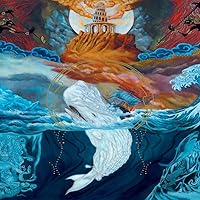
June 9, 2025
Una storia nella Storia in pieno stile Wu-Ming.
Manituana è la fine di un popolo. Il primo arcipelago-ghetto, storia del Nuovo Mondo che verrà.
Il lettore conosce già il finale ma anche in questo romanzo il collettivo bolognese fa viaggiare il medesimo tra le terre del Nord America e di qua dell’oceano. Nativi, coloni, lealisti, sudditi, ribelli.
Uomini (nel senso più ampio possibile del termine) che plasmano il proprio futuro. Ideali come radici come leggende come sangue come violenza come amori.
La guerra dei vinti e il rifugio a Manituana.
Manituana è la fine di un popolo. Il primo arcipelago-ghetto, storia del Nuovo Mondo che verrà.
Il lettore conosce già il finale ma anche in questo romanzo il collettivo bolognese fa viaggiare il medesimo tra le terre del Nord America e di qua dell’oceano. Nativi, coloni, lealisti, sudditi, ribelli.
Uomini (nel senso più ampio possibile del termine) che plasmano il proprio futuro. Ideali come radici come leggende come sangue come violenza come amori.
La guerra dei vinti e il rifugio a Manituana.
January 22, 2010
This is not the story we learned in grade school about the Revolutionary War. In the 1700's the Six Nations of the Iroquois (Mohawk, Oneida, Onondaga, Cayuga, Seneca and Tuscarora) had a remarkably advanced system of laws. It was also a common practice to take captives from other tribes into their culture. The Six Nations lived peaceably with the white settlers and intermarriage was not unknown. Leaders of the Six Tribes met with and were respected by the British. However, as more and more white settlers moved into the Indian territories, tensions arose. But even more complicating was the tension that was developing between the American colonies and Britain. The Indians did not understand the whites rebelling against the Great King in Britain. Chief Joseph Brandt as leader of the Mohawks finds himself in an increasingly difficult position.
History slowly unfolds taking Joseph eventually to England for a meeting with the King. Part Two is an interesting, sometimes humorous, depiction of the Indians stay in England complete with British thugs posing as the "seventh nation of the Indian tribe". The last part of the novel dissolves into raw violence between the Indians fighting the Rebels. Peopled with characters as Ethan Allen, King George, and Sir William Johnson, the novel provides a wide panorama of the US fight for independence.
Although somewhat difficult to follow at the beginning of the book (both the Indian name and the Anglo name is often used interchangeably), the story soon becomes gripping. The really short chapters seemed to fit the story perfectly. "Manituana" is an excellent example of how complicated history really is.
I knew nothing about the "authors" of this title and find it totally fascinating that a "collective of Italian fiction writers" could paint such a vivid picture of America's history from an angle that few have considered before. If you enjoy historical fiction, check this one out.
History slowly unfolds taking Joseph eventually to England for a meeting with the King. Part Two is an interesting, sometimes humorous, depiction of the Indians stay in England complete with British thugs posing as the "seventh nation of the Indian tribe". The last part of the novel dissolves into raw violence between the Indians fighting the Rebels. Peopled with characters as Ethan Allen, King George, and Sir William Johnson, the novel provides a wide panorama of the US fight for independence.
Although somewhat difficult to follow at the beginning of the book (both the Indian name and the Anglo name is often used interchangeably), the story soon becomes gripping. The really short chapters seemed to fit the story perfectly. "Manituana" is an excellent example of how complicated history really is.
I knew nothing about the "authors" of this title and find it totally fascinating that a "collective of Italian fiction writers" could paint such a vivid picture of America's history from an angle that few have considered before. If you enjoy historical fiction, check this one out.

July 28, 2017
Forse senza la parte londinese mi sarebbe piaciuto ancora di più. Ma ne ho capito il senso, credo: mostrare cosa accadeva a Londra mentre gli indiani lottavano in America per difendere le proprie terre, in nome anche del re, mentre dall'altra parte c'era una società quasi indifferente al reale problema, che si invaghiva degli indiani più per un gusto dell'inedito e del nuovo. Forse ci sono troppi personaggi da seguire, e infatti alcuni a lungo andare vengono un po' abbandonati a loro stessi. Ma la storia si riscatta grazie all'intensità della scrittura, alla bellezza delle descrizioni dei paesaggi e degli stessi personaggi. Impossibile non sperare fino all'ultimo per Joseph Brant Thayendanega e i suoi compagni mohawk, anche se i libri di storia li conosciamo.
March 4, 2014
Un po' impegnativo da leggere, ma vale davvero l'impegno.
A mio avviso ha due grossi pregi: parlare della storia nascosta della guerra civile americana, quella dei vinti che non furono solo gli inglesi, ma anche i nativi, che, dopo i soprusi dei colonialisti, certo non potevano allearsi coi ribelli americani. E poi il notevole pregio di farti vacillare... cambiare idea... vivere i diversi punti di vista che possono condurre a una guerra, fino ad arrivare a interiorizzare il concetto per cui, in una guerra, la ragione sta dappertutto e da nessuna parte...
Chissà quante guerre dovremo vivere per poterci finalmente arrivare.
Grazie Wu Ming.
A mio avviso ha due grossi pregi: parlare della storia nascosta della guerra civile americana, quella dei vinti che non furono solo gli inglesi, ma anche i nativi, che, dopo i soprusi dei colonialisti, certo non potevano allearsi coi ribelli americani. E poi il notevole pregio di farti vacillare... cambiare idea... vivere i diversi punti di vista che possono condurre a una guerra, fino ad arrivare a interiorizzare il concetto per cui, in una guerra, la ragione sta dappertutto e da nessuna parte...
Chissà quante guerre dovremo vivere per poterci finalmente arrivare.
Grazie Wu Ming.

May 10, 2011
The last 50 pages were full of graphic torture scenes and the whole middle bit was oddly slapstick & its plotline sort of left hanging, but the majority of this novel was a serious epic about the US revolutionary war from the perspective of Mohawk people aligned with the British. Really good (mostly-- the violence was gratuitous and disconnected from the majority of the narrative and made it almots impossible for me to finish) and an interesting perspective, kinda depressing, enjoyable but I'm not sure I'd honestly recommend it?
[Read on a ferry between Italy and Greece]
[Read on a ferry between Italy and Greece]

August 5, 2012
The book for anyone, who want's to get into the mood for »Assassins Creed III«.
Totally remarkable, how Wu Ming achieves to give you a alternative perspective of the Independence War. Commonly the roles are mostly fixed like this: the evil, monarchic, catholic Brits on one side, the good WASP Yankees on the other side, and the heathen and barbarous native americans here and there as spice in the story and general lurking danger.
Not so here: Wu Ming reminds the reader, that history is never as easy and simple as the lore written by the victors.
Totally remarkable, how Wu Ming achieves to give you a alternative perspective of the Independence War. Commonly the roles are mostly fixed like this: the evil, monarchic, catholic Brits on one side, the good WASP Yankees on the other side, and the heathen and barbarous native americans here and there as spice in the story and general lurking danger.
Not so here: Wu Ming reminds the reader, that history is never as easy and simple as the lore written by the victors.

February 1, 2022
Questo libro, nei suoi primi 3/4, non mi ha convinto troppo.
Rispetto alle altre opere di Wu Ming, mi sembrava sotto tono.
Ma un singolo personaggio come Ronaterihonte (da sottolineare, uno dei pochi se non l'unico inventato di sana pianta e incastrato alla perfezione nella storia e nella cultura) dà a quest'opera quell'aria mistica e senza eguali che ci si aspetta da una storia su questo popolo.
La storia della popolazione indiana è indubbiamente misteriosa e affascinante.
Qui i Wu Ming insieme l'hanno esaltata alla perfezione.
Rispetto alle altre opere di Wu Ming, mi sembrava sotto tono.
Ma un singolo personaggio come Ronaterihonte (da sottolineare, uno dei pochi se non l'unico inventato di sana pianta e incastrato alla perfezione nella storia e nella cultura) dà a quest'opera quell'aria mistica e senza eguali che ci si aspetta da una storia su questo popolo.
La storia della popolazione indiana è indubbiamente misteriosa e affascinante.
Qui i Wu Ming insieme l'hanno esaltata alla perfezione.

December 31, 2013
A very good book on the decisions the Six Nations had to made at the start of the Revolutionary War, and with the British on how to use the Indians effectively without breaking the rules of warfare as the British wage it. Joseph Brant is one of the major characters of the book. Only two faults with the book, it needs more maps, and the book is not long enough.

May 24, 2013
Manituana è un canto bellissimo. Pieno di odori quasi, perché non so, io mi sono sentita quasi accudita leggendolo, e oltre l'epicità della situazione (che secondo me non è poi l'intento principale, quello dell'epicità), mi sono sentita così in mezzo a degli esseri umani.

November 18, 2010
raschia, raschia...si trova il fondo del barile.
Displaying 1 - 30 of 138 reviews