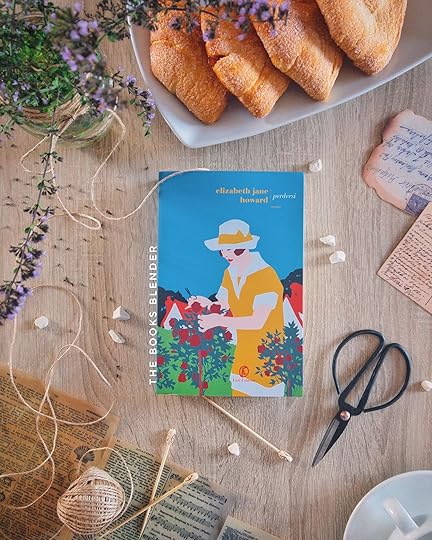
Harry Kent is a sensitive man in late middle age, a reader and a thinker, without means perhaps but not without charm.
Daisy has recovered from her unhappy past by learning to be self-sufficient, and viewing trust as a weakness. But there is still a part of her that yearns to be cared for once more.
It is this part that Henry sees, and with dedicated and calculated patience he works at her defences. So it is that despite all attempts to resist his attentions, Daisy finds herself falling under Henry's spell...
PRAISE FOR FALLING
'Troubling, subtle and distinctive... completely unputdownable.' Miranda Seymour, Independent
'A superb storyteller whose elegantly written novels never fail to pull you in... she tells a taut and compelling story with a subtle build-up of tension that will keep the reader worrying till the end.' Sunday Express
'And engaging study of love which explores our deepest needs and desires.' Tatler
'I found myself seduced by her clever evocation of people and places, her perfect ear for dialogue and her elegant, sensitive portrayal of contemporary life.' Sunday Telegraph
'A novel which, although full of subtle touches, is as unputdownable as any thriller.' The Times
Elizabeth Jane Howard, CBE, was an English novelist. She was an actress and a model before becoming a novelist. In 1951, she won the John Llewellyn Rhys Prize for her first novel, The Beautiful Visit. Six further novels followed, before she embarked on her best known work, a four novel family saga (i.e., The Cazalet Chronicles) set in wartime Britain. The Light Years, Marking Time, Confusion, and Casting Off were serialised by Cinema Verity for BBC television as The Cazalets (The Light Years, Marking Time, Confusion and Casting Off). She has also written a book of short stories, Mr Wrong, and edited two anthologies.
Her last novel in The Cazalet Chronicles series, "ALL CHANGE", was published in November 2013.
I protagonisti di Perdersi, che si alternano anche nella narrazione della storia, sono Henry e Daisy.
Henry è un uomo solo, con più di sessant’anni alle spalle, senza un lavoro, che vive sulla barca di una coppia di amici. Daisy è una drammaturga, anche lei ha superato i sessant’anni, e ha appena acquistato un piccolo cottage di campagna. È una donna che ha sofferto molto per amore, il rapporto con la figlia non è dei migliori, conduce una vita piuttosto solitaria, ma ha due migliori amici su cui può sempre contare.
Viene forse naturale pensare che tra i due nasca una storia d’amore, ed effettivamente così è. Si tratta però di un amore malato, perché Henry non è una bella persona.
Henry è un essere infimo e subdolo. È un uomo che ha letto molto e che ha avuto diverse esperienze con le donne, tanto che sa capirle quasi alla perfezione, prevedendo ogni loro comportamento, necessità e pensiero. È un uomo che non cerca l’amore, ma semplicemente una donna piuttosto facoltosa che gli consenta di vivere senza far nulla, conducendo una bella vita senza meritarsela.
Già col primo capitolo narrato da Daisy si percepisce tutta la sua sofferenza, tutto quello che ha passato e patito. Sapere quanto ha sofferto, sapere quanto è stata presa in giro, ed essere consapevole di quanto verrà di nuovo abbindolata mi ha fatto stare parecchio male. È come se fin da subito sentissi la necessità di proteggerla, salvaguardarla da quell’essere spregevole che ha puntato gli occhi su di lui.
Alla luce di quello che succede, tra l’altro verso la fine scopriremo che Henry è pure peggiore di quello che pensavamo, Henry è un mostro anche perché è consapevole, pienamente cosciente di quanto Daisy abbia sofferto. Lei arriverà a confidarsi con lui. Così lui saprà benissimo che è una donna che fa fatica a fidarsi delle altre persone, degli uomini in particolare, per via delle esperienze passate. Eppure non smette mai di prendersi gioco di lei, di usarla, di sfruttare i suoi sentimenti, anche se che quell’ennesima presa in giro potrebbe minare per sempre la sua fiducia negli altri, e in sé stessa.
Ogni qualvolta che leggevo un capitolo narrato da Henry mi ritrovavo letteralmente schifata. Schifata dal suo modo di pensare e di agire, dalle sue bugie, dalle sue convinzioni e dalle sue motivazioni.
I bugiardi sottraggono valore alle parole, perché nel momento in cui sappiamo che hanno mentito su qualcosa, non è più possibile sapere se ci sia mai stata verità, e se c’è stata a che punto sia finita.
E sapere che Perdersi rappresenta, anche se in modo romanzato, una tragica vicenda vissuta in prima persona da Elizabeth Jane Howard, l’autrice del libro, fa ancora più male.
Sono stata completamente catturata da questo romanzo. Elizabeth Jane Howard è una scrittrice che mi piace sempre molto; oltre che per lo stile, semplice ma curato, ha una bellissima capacità di scavare nella psicologia dei personaggi, di mettere su carta i pensieri più intimi e personali, scrivendo di debolezze e incertezze.
«Siamo abituati a pensare che lo shock coincida con la scoperta di qualcosa che non ci aspettavamo, mentre spesso coincide con il venire a galla di certe nostre paure profonde».
Può capitare di perdersi, a volte siamo noi che non leggiamo correttamente i segnali, a volte veniamo trascinati fuori strada dalle persone che ci stanno accanto e su cui abbiamo riposto la nostra fiducia. Può capitare. L’importante è rendersene conto e ritrovare poi la strada giusta.
I have never read this author's work before, assuming it to be in the romantic fiction or "women's" novels genre. However, this book was passed to me by a friend whose taste in literature is close to mine and so I decided to "give it a go".
This novel is unputdownable; it draws the reader in and exerts its power ( as the deeply unpleasant but outwardly charming character Henry Kent seduces and exerts his power over his unfortunate victims). The characters are drawn with convincing detail and the plot is plausible.
As one other reviewer remarked, it's not a book to read if you've ever been in an abusive relationship. This is a book that will haunt me for some time.
"Falling" is not only a novel that delves into the anatomy of a seduction. It is also masterful in that it gives the reader access into both the inner and outer lives of the two people involved: Henry Kent and Daisy Langrish. Elizabeth Jane Howard fleshes them out with the skill that Vermeer, Goya, Manet, and John Singer Sargent showed to such fine effect on canvas.
Henry, the son of a gardener who never showed him love, learned to be resourceful early in life by trusting to his own wits. He developed a proficiency for discerning the emotional states of women --- preferably ones with wealth and status --- and exploiting them for his own benefit. He had this charm and savoir faire, which he was not abash to speak of, from time to time, with the reader. (The author has most chapters titled either "Henry" or "Daisy", so the reader always knows who is occupying center stage.)
Daisy, who grew up with an aunt ("Jess") who gave her unselfish and unconditional love, had 2 failed marriages, and had turned to playwriting (and scriptwriting) for solace and as a way of making a livelihood for her and her daughter. Eventually, Daisy's work became her life. She learned to be self-sufficient and to view trust as a weakness. So when Henry first approached her at her country cottage about doing some gardening work for her, she was wary. But from the bleakness of an English winter to the warmth of the following summer, he steadily (not minding a few missteps, which he quickly covered up) worked his way into Daisy's heart and affections.
What is remarkable about the development of Daisy's and Henry's relationship over time is how subtly and cleverly it unfolds. The reader can see both sides clearly and make up his/her mind about Henry and Daisy. Here's an example from what Daisy herself had to say after she has been all but won over to Henry:
"Am I in love? It is three weeks now since we went to bed; we have been lovers for twenty-one days and nights. He has continued to love me with the same wholehearted emotion and kindness and I have graduated from what I, somewhat defensively, described as some sort of old virgin to what he has described as a normal sensual woman for whom sex has become a joyous necessity. Indeed, I think I have become more sexual than he, but when I said this to him, he laughed and said it was because I had been starved for so long. ‘Not just of sex,’ he had added, ‘but of everything that goes with it. My greatest pleasure is giving you pleasure.’
“I am afraid that I do not give him enough back, but I have noticed that he often makes me want him and then withholds his favours --- teases me --- and that he certainly enjoys that. Sometimes he starts that game in the afternoon and then we go upstairs, but more often he deliberately excites me hours before he will take me to bed. I have begun to enjoy this game. It is wonderful to want him and to have no shame, no self-conscious reservations at all. ‘You trust me now, don’t you?’ he said yesterday. And I do. Even when he hurt me a little at the beginning, he was so aware of it and so tender… Those are the moments when I do feel love for him.” (pp. 300-301)
Henry, all through the novel, shows how calculating and cunning he can be, showing how attuned he can be to a woman's wants and needs once he knows that she has become susceptible to his shows of care, patience, and his apparently inexhaustible well of kindness and understanding:
"She was silent all the way back, and I was content to savour the salt of her tears from her mouth. I was light-headed with the exhilaration of that first kiss --- are not all first kisses unlike any others? --- and the certainty that I was on the brink of achieving all that I had schemed and dreamed about for so long.
"This was right. That night, she invited me into her bed." (p. 274)
Talk about a smooth operator!
To find out what happens between Henry and Daisy, I invite you now reading this review to take the plunge and see what ensues. So, hold on tight, because you're going to be in for quite a rocky ride.
First published in 1999, when Elizabeth Jane Howard was nearing the twilight of her career, Falling was inspired by real-life events. When Howard was in her seventies, she fell for the charms of a con man – a seemingly attentive man who took advantage of the fact that she was unattached and vulnerable yet receptive to admiration. At first, Howard was flattered by the attention, but the affair proved devastating when her lover’s true intentions became clear. Having been badly bruised by these events, she channelled her experiences into Falling, a fictionalised version of the story that feels horribly real. It’s an excellent book – engrossing, chilling and beautifully written, like a slow-burn thriller in the Patricia Highsmith vein.
In the novel, the narrative is conveyed through alternating chapters, giving readers an insight into both central characters – Henry Kent, a relatively good-looking man in his sixties with a background in gardening, and Daisy Langrish, a successful playwright, also in her sixties. Having separated from his wife, Hazel – a woman who always resented his lack of success – Henry is living from one day to the next, camping out on a dilapidated boat while its owners are abroad. With no money to speak of, Henry is on the lookout for a well-heeled woman, preferably someone middle-aged with no thoughts of having children. Of course, a faded beauty would be ideal, a neglected divorcee or widow just ripe for the picking; but most importantly, she must be comfortably off, wealthy enough to support Henry without his needing to work…
When Daisy Langrish (aka Redfearn) moves into a nearby cottage, she quickly becomes the target of Henry’s attention. With two bruising marriages behind her, Daisy is wary of getting her fingers burnt again. In particular, she was badly hurt by her second husband, Jason, a successful actor who left her for a much younger woman following two years of wedded bliss. Nevertheless, despite a few reservations, she agrees to let Henry sort out the garden for her when he calls to enquire.
The ‘Henry’ sections of the book are written in the first person, giving the reader full access to his thought processes right from the very start. Consequently, we can see how quickly Henry sizes Daisy up, pinpointing her vulnerabilities and planning his strategy accordingly. He knows he needs to win Daisy’s trust, carefully disarming her as gently as possible.
Trust. I could clearly recall that the first time our eyes met hers were full of wary defence; she was not accustomed to trusting people. I must disarm her, but so gradually that she would be hardly aware of it. (p. 70)
Almost immediately after their initial meetings, Daisy has to go the US for a couple of months, much to Henry’s dismay. While abroad, Daisy breaks her shoulder and foot during a trip to Mexico – an accident that leaves her hospitalised in the US for several weeks as she recovers from the injuries. Meanwhile, Henry is eager to discover more about Daisy, viewing this as a way of bolstering his chances. As far as Henry sees it, the more he knows about his target, the deeper the connection he can forge. So, he breaks into the cottage and rifles through Daisy’s belongings, reading her diary and personal letters – all of which give him an insight into her painful break-up with Jason.
Armed with this information and a few sob stories of his own, Henry starts writing to Daisy in hospital, gradually developing their relationship while she is vulnerable and alone. Moreover, when Daisy is finally well enough to return to the UK, Henry makes himself invaluable to her recovery, fetching groceries and keeping an eye on her as she settles back into the cottage.
This was a very well-told story with a very interesting and unique premise: a man (Henry), is down on his luck, and decides to rectify his abysmal life and financial problems by ingratiating himself with and slowly seducing a well-to-do woman (with the plan of marrying her). Henry has no moral compass. He grew up in poverty, learned the trade of a gardener (as which is very competent), and then generally used people and spun lies to advance through life. Daisy, a successful playwright, has purchased an English country cottage. She is lonely – neither of her marriages was successful and she is not close to her daughter. Henry sees her and decides to make her his ”mark”. He talks her into a gardening job at the cottage, then maneuvers himself into a caretaker job (after illegally entering the cottage and reading Daisy’s personal papers), and then manages to care for her when she is injured, when he can advance to proclaiming love for her. Daisy is bewildered at first, but then starts to fall deeply for his “love”. The ending is perfect. The story is told from both Henry’s and Daisy’s POV. The author did an extremely good job of portraying a man who used false love and kindness over time to obtain his goal – marriage to a woman with money – as well as the reactions to his advances of a previously hurt woman. As always, Elizabeth Jane Howard’s writing is excellent and entertaining. Unfortunately, I think there are a lot of Henries in the world (even if they do not plot quite as completely as this Henry did), and this novel was a great description of that kind of person.
How could I have just discovered Elizabeth Jane Howard? The moment I finished reading FALLING I wanted to start it all over again. An outstanding character study. I look forward to reading Howard's other novels.
Lovely writing, as always, but not my favourite EJH. A man who is clearly a liar becomes involved with a trusting woman, and all the time we're shouting at her 'run away, run away!' The denouement is a little clunky and unsatisfying.
This is a novel about many human issues: desire, loneliness, ageing, vulnerability, trust and love. They all become weaved into this extraordinary subtle study of two characters; Daisy and Henry. I would have given it five stars but I thought that the ending was somewhat simplistic and contrived and differed from the greater complexities that were explored in previous chapters.
3.5 stars; would have been a 4-star book except it was too long. Excellent pacing and convincing characters. I kept thinking, how can this woman be so dumb? but that's the whole point. It's not that she was dumb, it's that he was so slick, so deft at deceit.
I watched the film adaptation some years ago; Michael Kitchen was perfect for the part.
Daisy Langrish is a sixty-year-old, successful playwright who has known much pain and loneliness in her life; the loss of the beloved aunt who brought her up, betrayal by two husbands. When she buys a country cottage as a retreat, she meets Henry Kent, a gardener who lives on a boat. Slowly, slowly, he inveigles his way into her life. They become close, and she is happy to be granted another chance for love and companionship. On the surface he seems like the perfect man, in so many ways... but he has been less than honest about his history, and his motivations.
The story is written in alternate viewpoints—Henry in the first person and Daisy in the third, and some of the story is conveyed by way of letters and diary entries. All of this worked beautifully; I was completely engrossed in this novel all the way through. That Elizabeth Jane Howard is a master of the human drama goes without saying, but what I liked most about it was the unravelling of Henry's hidden self, which is done so subtly. There is enough information for us to realise that he has an alcohol problem, and that he has a short temper and reacts violently when events do not go the way he wants them to, but this is never lain out in black and white; it is suggested, as the picture of him slowly builds.
When I started to read the book I already knew about the true story, but knowing what sort of outcome it must have didn't spoil it; indeed, it opens with Henry saying that Daisy has told him their affair is over, and a fair indication of the sort of man he is, so this review is no 'spoiler'; the beauty of the book is in the gradual seduction of Daisy, the uncovering of Henry's past life, and the question it left with me: did Henry actually love her, as much as he was capable of loving anyone?
By today's standards this is a 'slow' book, and, although set in the mid 1980s, seems a little dated, more as if it is set in the 1960s or early 1970s; also, there were some elements I questioned. For instance, Henry's most recent wife, Hazel, is supposed to be a fair bit older than him. He is sixty-five. Yet she is working as a physiotherapist; if she is nearing or possibly over seventy, wouldn't she have retired? Also, when the truth about Henry's past life is revealed, it seems a little muddled and rushed, with Daisy's friends having conversations with complete strangers that are then reported back to Daisy; I was disappointed by this, as I was so looking forward to it; although the way it was wrapped up was realistic, it felt a little anti-climactic. I wondered if it was just me, but I looked at other reviews and some of them said the same.
However! I still give this book five stars because I loved it, generally, and looked forward to getting back to it at every moment I could.
3.5 stars bumped up to 4. In fact I would give this novel 5 stars for the writing, which is absolutely exquisite! The only reason I can't give it more is because I didn't actually enjoy reading it very much; it made me feel rather uncomfortable. This is due to the skillful psychological manipulation of one of the two main characters, who feeds off women who desperately need to feel loved. The wonder of it all is that it is so credible and beautifully accomplished!
Elizabeth Jane Howard's "Cazalet Chronicles" are amongst my all-time favourite novels: you simply MUST read them, if you haven't already.
But please don't let me put you off "Falling", especially if you like reading psychological thrillers, because the last chapter is really splendid and even very funny. I won't spoil it for you, but whoever wrote "men are from mars and women are from Venus" (John Gray, 1992) couldn't have put it better!!
I don't want to say I loved this book because this would give the wrong impression. This Author was excellent at portraying a narcissistic male character who grooms women to over power and control. This character was cleverly written and evoked the emotions of repulse, anger, and fear. A real page turner. If you have come out of a domestic abuse relationship don't read it. If you want learn about a perpetrator then read if you don't want to make the same mistake again. This was very close the the mark. Some of the ending was rather difficult to believe but otherwise a good book.
Reading this straight after the Cooper biography was interesting. It is about a real period in Howard's later life when she was preyed on by a conman who tricks his way into her life and her affections. She writes it from both the point of view of a late middle-aged female writer, and the conman himself. What's most startling in this is the cruel way she describes the way he sees her, it must have been painful to write and that pain came right through to me. Both saddening and horribly gripping.
A tragic an depressing tale of trust,love and betrayal. in her 60s the heroine Daisy opens her heart once again to love in the hope and desperate desire to find love and companionship, only to find herself totally taken in by a fake. Maybe a little slow at first but well worth the read.
Perdersi di Elizabeth Jane Howard (Fazi editore) è un romanzo pieno di malinconia. Forse, se non avessi letto il lungo articolo pubblicato su La Lettura qualche tempo fa, non credo che sarei riuscita ad apprezzarlo così tanto.
Perdersi - Elizabeth Jane Howard - Fazi EditoreAncora una volta Howard inserisce gli elementi autobiografici nel romanzo, senza svelare troppo vi dico che l’autrice ha vissuto praticamente la stessa esperienza della protagonista.
Amo tutto ciò che scrive Howard anche se credo che nulla si avvicini alla saga de I Cazalet, ho accolto con entusiasmo la proposta di lettura da parte dell’ufficio stampa!
Daisy è una donna matura e di successo. Drammaturga londinese, ha deciso di acquistare un cottage in campagna con un grande giardino bisognoso di cure e attenzioni, proprio come lei. Daisy è una donna single, attorno a lei ruotano principalmente due figure femminili: l’amica e la figlia.
Capiamo subito che Daisy è una donna sola e malinconica. Le sue ferite d’amore non si sono mai rimarginate. Non è stata molto fortunata, il suo primo matrimonio è stato breve e pieno di sofferenza. Il marito la tradiva, non la teneva in considerazione e soprattutto era un alcolizzato.
A mano a mano che le pagine scorrono scopriamo che nemmeno l’infanzia di Daisy è stata così idilliaca. Cresciuta con la zia Jess che era in grado di amare per due, Daisy non ha mai avuto intorno la famiglia che sognava e anche il suo secondo matrimonio si trasforma presto in un incubo. Il bell’attore, giovane, affascinante e promettente la lascia dal giorno alla notte.
La felicità di Daisy va in pezzi in un battito di ciglia. Era tornata a vivere, avevano una splendida intesa, sessuale e mentale, con il nuovo marito e quel sogno si infrange una mattina con una lettera pietosa e ingiusta.
Il titolo originale (Falling) è senz'altro più adatto a questa storia in cui la protagonista "cade" innamorata; lei non lo sa, ma sta cadendo anche in una diabolica trappola di un narciso manipolatore. La struttura dei due punti di vista alternati dei due protagonisti (vittima e carnefice) è particolarmente adatta per mostrare a chi legge i meccanismi tremendi della manipolazione psicologica. La storia parte con molta calma, ma man mano il ritmo si fa incalzante, quasi come un thriller. Mi è dispiaciuto sapere che l'autrice purtroppo ha preso spunto per la storia da una vicenda autobiografica.
Testament to the importance of a good TITLE and a good COVER. This is actually a well-written, insightful, even gripping grandmacore thriller trapped inside a boring as hell package that sat on my table for days at a time begging me NOT to pick it up. Plenty of gardening and smut for old grannies to enjoy.
I think I would have enjoyed it a lot more had it been a lot shorter. I may never understand why some books can be as many pages as they want and never seem too long, and others start seeming TOO LONG by page 100. I do believe I'm getting pickier as the years pass but even in my younger more forgiving days I don't think I'd have appreciated all the repetition and minute detail of Falling.
The ending was worth it, but just barely. I've read that the Cazalet Chronicles books are better than this and I hope that's the case, because I still want to read them. I think.
Perdersi è il nuovo romanzo pubblicato dalla Fazi Editore di Elizabeth Jane Howard, autrice inglese che abbiamo conosciuto in Italia, e imparato ad amare, grazie alla saga dei Cazalet.
Perdersi è un romanzo difficile da leggere, non per la complessità della lingua o della trama, ma per i sentimenti che mette in scena e che suscita. Più volte leggendolo, mi sono chiesta quanto debba essere stato difficile scriverlo. Perché? Perché, seppure in forma romanzata, è il racconto autobiografico di un’esperienza che la Howard ha vissuto realmente: un plagio psicologico.
Trama – Perdersi Perdersi racconta della vita della sessantenne Daisy, scrittrice e sceneggiatrice, che a seguito di due matrimoni falliti alle spalle, un rapporto conflittuale con la figlia e un lavoro che la porta spesso a viaggiare, decide di comprare un cottage nella campagna inglese, per trovare un po’ di pace lontana da Londra.
Lì conosce Henry, un giardiniere con qualche anno in più di lei, che si offre di curarle il giardino prima e poi, mentre lei sarà in America per lavoro, si offrirà anche di custodire la casa, avviando così una corrispondenza epistolare.
Al suo rientro in Inghilterra, Daisy trova un’accogliente casa ad attenderla e Henry che, dopo l’intimo scambio di lettere, non considera più unicamente come giardiniere e tuttofare. Tra i due nasce, infatti, una storia d’amore che si trasforma subito in convivenza e in una proposta di matrimonio.
Sembrerebbe una favola e invece è una macchinazione studiata ad hoc da Henry per poter vivere a spese di Daisy, senza doversi preoccupare di lavorare o di dove dormire, avendo sempre a disposizione un camino che tiene al caldo, tantissimi libri da leggere, una donna che cucina per lui e che lo soddisfa a letto e una bottiglia di vodka pronta a essere consumata.
Perché leggerlo Perdersi è un romanzo a due voci: da una parte abbiamo il racconto di Henry e dall’altra quello di Daisy. È proprio la preziosa possibilità di leggere intimamente ciò che pensano i due personaggi che rende difficile la lettura. L’indignazione che sale, pagina dopo pagina, per le macchinazioni di Henry è sconvolgente. È proprio qui che mi chiedo come abbia fatto la Howard a tracciare così bene la mente di una persona tanto abietta e cattiva, di trovarvi le giustificazioni che lui – giustamente – trova verso se stesso e la sua storia. Considerando che il racconto muove da un’esperienza personale, trovo il compito ancora più difficile. Mi auguro che sia stato anche terapeutico per l’autrice.
Henry è uno scansafatiche, alcolizzato e violento, un bugiardo seriale che ha speso la sua vita a rovinare quella delle donne che sono – sfortunatamente – incappate sulla sua strada. Dal primo momento in cui incontra Daisy, per puro caso, intesse una rete di macchinazioni e di bugie, grazie alla sua inspiegabile comprensione dell’animo femminile, che gli permetteranno di guadagnarsi la fiducia della donna e che la porteranno a capitolare ai suoi piedi. Henry fiuta istintivamente la diffidenza di Daisy e mentre lei è in America entra furtivamente nella sua casa per scoprire tutti i pezzetti della storia personale della donna e creare il puzzle della sua personalità, che gli permetterà, con più facilità, di farla cedere.
Henry leggerà i suoi diari segreti, le lettere dei suoi amori passati, spierà le sceneggiature da lei scritte e scriverà di suo pugno delle lettere per raccontarle la propria vita. Ogni lettera sarà un susseguirsi di bugie, dove Henry cercherà di dare l’idea di una persona sfortunata, a cui la vita ha riservato molte sofferenze e per questo innocua e incapace di far soffrire gli altri. Quando Daisy tornerà al cottage, si prodigherà in attenzioni tutte ben studiate e architettate per catturare il suo interesse e il suo affetto.
È meschino tutto ciò che pensa e che mette in pratica. E il lettore, leggendo i capitoli del libro dal suo punto di vista, non è vittima come Daisy, bensì complice, testimone impotente di quello che Daisy sta subendo. E non può fare niente se non arrabbiarsi e indignarsi ed essere felice che Daisy abbia al suo fianco due fidati amici e una figlia che le vuole molto più bene di ciò che dimostra apertamente.
Perdersi è un romanzo spietato e feroce, ma allo stesso tempo ho riconosciuto e trovato tutta la sensibilità e la dovizia di particolari famigliari alla Howard, che mi hanno fatto amare i Cazalet e che mi hanno fatto amare anche questo libro, nonostante il personaggio di Henry mi abbia suscitato un odio profondo. Solo una penna magistrale come quella della Howard può riuscire a far convivere due sentimenti così agli antipodi.
Perdersi è un romanzo molto diverso dai precedenti: mancano quella coralità e quei momenti d'insieme che caratterizzavano la saga dei Cazalet ma anche i racconti meno affollati come Cambio di rotta e All'ombra di Julius; c'è, forse, qualcosa che richiama Le mezze verità, soprattutto nella sfumatura di thriller che si definisce via via, ma la grande novità è che la vicenda si articola intorno a due figure onnipresenti e che, mentre l'azione è affidata fondamentalmente ad un personaggio, all'altro sono concessi perlopiù momenti riflessivi. https://athenaenoctua2013.blogspot.co...
I found this one the least likeable book to date by Elizabeth Jane Howard, only because the main male character is so unlikeable. Reading from his perspective made my skin crawl at times - which must mean the book is well written - I just wasn't always sure I wanted to continue. Of course I did finish because I wanted to make sure he got his just desserts!...
I was going to give this three but the last few pages made me up my game. It made clear that there were negative implications for both characters on the decisions made. Also really pleased to see a book based on characters over 30. The author really used the age of the characters to build insightful and meaningful narrative.
Ho adorato l’inizio, sarebbe stato un 5 stelle. Poi diventa un pochino surreale e anche incasinato, Daisy sembra sempre più… tonta. E purtroppo il personaggio femminile che prima mi piaceva tanto non mi ha più suscitato le stesse emozioni. Comunque un bel libro che si ha voglia di riprendere in mano e si legge in pochi giorni se si ha qualche ora libera
I don't think I have ever read a book that made me feel so angry about a character. It is a powerful book - a slow starter, but once I was half way through I was gripped wanting to know what was going to happen.