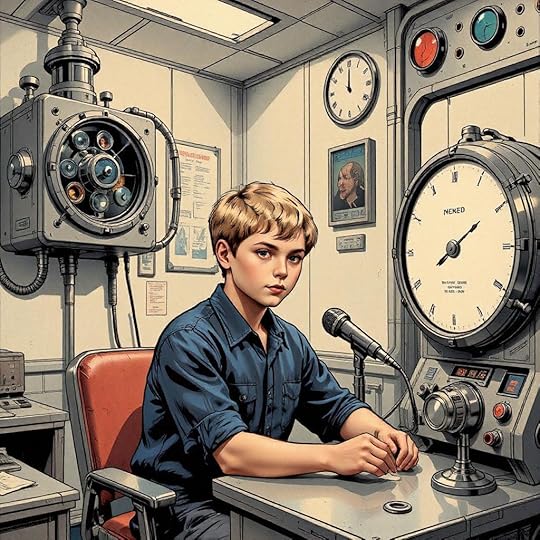
Dickie Jordan has just turned twelve, so it's time for him to take a Government mandated intelligence test. His parents don't say much about it. They seem to be worried about Dickie's performance.
دوتا ترجمهی جدید دارم، اول این رو میذارم و دومی رو فردا. متوجه شدم جای ادبیات اعتراضی توی ترجمههام خالی بوده. این داستان، «روز آزمون»، در جهانی اتفاق میافته که هر کودک بعد از دوازده سالگی باید یک جور تست هوش دولتی بده. فایل ترجمههام رو توی این کانال تلگرام میذارم: https://t.me/TranslationZahra
بافت تاریخی داستان و نویسنده این داستان بسیار کوتاه در سال 1958 نوشته شده. بیاین در بافت دوران خودش بررسیش کنیم: نویسنده، هنری اسلسار، فرزند دو یهودی مهاجر اوکراینی بود که در نیویورک متولد شد و در کودکی شاهد رکود بزرگ بود، در جنگ جهانی دوم شرکت داشت و در دوران جنگ سرد هم مینوشت. در اون زمان، جنگ سرد شدت پیدا کرده بود. هم حکومت شوروی و هم مککارتیسم آمریکا به دنبال یکرنگی سیاسی بودن و مخالفانشون رو سرکوب میکردن. نویسنده اینجا نگرانیهاش از پیشرفت علمی و رژیمهای تمامیتخواه شورویوار و همسانی مردم آمریکا رو بروز داده.
تیترهای پایین رو بهتره بعد از خوندن داستان بخونید.
کنجکاوی خطرناک در طول داستان، دیکی روحیهی پرسشگرش رو نشون میده. اول درباره بارون سوال میپرسه ولی واکنش پدرش تنده و جلوی سوال پرسیدنش رو میگیره. در پاسخ به سوال بعدیش (فاصله خورشید از زمین) هم جواب غلط میده. این جوابها نشون میده پدر عاجزانه میخواد کنجکاوی خطرناک بچهش رو سرکوب کنه یا همونطور که حکومت میخواسته کمهوشه و سیستم پیروز شده؟
زبان اداری وقتی درباره آزمون و عواقبش میخونیم، زبان داستان کاملاً رسمی و اداریه. کارمند پشت تلفن طوری از قتل کودک حرف میزنه انگار میخواد جریمهی پارک ماشین رو به والدین اطلاع بده. روندهای اداری روتینی، رخدادهای وحشتناک رو عادی میکنن. خشونت و واقعیت ماجرا رو کمرنگ میکنن. همونطور که توی برگهها مینویسن «ضربات جسم سخت» و تو ملایمتر از واقعیت تصورش میکنی. هانا آرنت درباره این ابتذال شر در «آیشمن در اورشلیم» حرف زده بود؛ شرّی که پشت صحبتهای اتوکشیده و موقرانه قایم میشه. بوروکراسی نمیذاره کارمندها ببینن اون یه بچهست، یه انسانه که کشته شده.
فرار مغزها این داستانها رو با وضع کنونیتون غریبه فرض نکنید! یکی از بزرگترین مهاجرتهای تاریخ برای ما اتفاق افتاده. جمعیت بزرگی از تحصیلکردگان و نخبگان خارج از ایرانند. از اونهایی که موندند نه حمایتی میشه و نه فرصت و امکاناتی دارند. ادبیات پادآرمانشهری در اکثر مواقع صرفاً آشناییزدایی یا مبالغهی وضعیت موجوده. شاید بهطرزی ساختارمند مثل اینجا از ما آزمون گرفته نشه، ولی افراد باهوش بیسروصدا از صحنهی اجتماعی کشور حذف شدن. این حذف لزوماً فیزیکی و خشونتآمیز نیست: نظام آموزشی ناکارآمد، هوشِ پرسشگر و خلاق و ناسازگار رو سرکوب میکنه یا صرفاً شرایط اسفبارِ زندگی، فرد تحصیلکرده رو مجبور به ترک کشور میکنه. و در نهایت، آینده دست بچهها و جوانهاست.
I think that this book was really well written, it uses a good choice of vocabulary and hints to keep the reader going, and the clues that the author gives really helps with the suspense and understanding what is happening. It was a smart idea to refer to people with code numbers as it adds to the fact that the atmosphere in the book is a very dark and empty place, and by referring to people as numbers it makes them feel as if they are not important.
This entire review has been hidden because of spoilers.
This short story successfully leads us to believe that this is just a normal birthday day. However, there are also hints that are there is something more to it. This makes the twist not IF it will happen, but when.
This story explores one of the possibilities of the future with a tyrannical government. In my opinion, this is very possible/realistic. There is a lot of lore in this world and it was very entertaining.
This entire review has been hidden because of spoilers.
I thought that the story was quite interesting, but I got lost a few times. Also I had to read this for my English class, so I felt pressured. Other than that I thought that overall this was a great read.
"Examination Day" is a short, science-fiction story set in a dystopian world where intelligence is everyone's greatest fear. The story takes focus on the Jordans family whose son is old enough to take a test required by the government. The test assesses a child's intelligence at the age of 12. They are forced to take a specially-made drink that ensures the children will give honest answers. If the child scores too high on the intelligence test, they seemingly executed and buried.
My concept is choice and ironically, this story lacks choice. I felt that it was a good reading to include with my collection because of this. Similar to the story, there are many times in our lives where we lack the ability to make our own decisions, especially if the consequences are severe. I felt that this story demonstrated the stakes of freedom and a lack thereof which is crucial when our students begin to think critically and assess their own society.
I picked this for MS students because the main character is 12 years old which is around the same age as most students in middle school. I felt that they would relate the most to this character as well as just simply enjoy the story itself. Some of the other reviews on this mentioned how they read this in school and it stuck with them well into adulthood. I find that very important when we think about what we want our students to take away from the class.
Ideas was the trait that stuck out the most as the story is so unique when we think about the fact that it was published in 1958. For a writing activity, I would use "Burning Questions" because this story has an abrupt and shocking ending. Using this activity would get them thinking about the story and engaging with it even more. After they write their questions, I would ask students to share what they came up with (one at a time) and ask the class to brainstorm some ideas openly in order to answer them. An example question could be, "Why is the government scared of intelligence?" and the students could come up with hypothetical answers.
I remember reading a short story in English class, probably around 8-9th grade. It was about a boy taking a mandatory test, that he failed, because he was smarter than others wanted. Thus he was killed. I remember being shocked (in an intrigued, mind-blowing way) at the time. Along the years, I kept remembering it. I finally decided to give a try to finding out more about it, since the internet can usually help with that. I was lucky, one google search lead me to the name of the piece, which was indeed a short story, written quite some time ago.
I decided to read it again, now with an adult's perspective, and to also compare my hazy memory.
I admit that it doesn't hold up as well as I'd hoped. It's pretty on the nose and not subtle at all. But I attribute that to the fact it was written in a different time. Also, I think it was intended for a younger audience. And it'd done it's job when I was younger, having much less real world experience and fairy jaded.
I liked how throughout the book there is are little bits of evidence that sums up the ending. Like the questions Dickie asked, the answers dad gave and mum's teary eyes... The ending was surprising as it wasn't a simple happy ending and the writer didn't write out but give us enough information to figure out what happened. In the middle of the book before Dickie having the test, mum and dad avoid to bring out the subject and told Dickie not to worry, this makes the readers to think about what's different with the exam. It also give chills at last when realised what the exam's for. The formal room and the mood also makes the readers feel tensed.
Such a powerful short story! Depressing but potent with feeling. It’s ironic that this seems to be so close to reality. The world gets rid of those whose lights shine too bright
like a worse version of Harrison Bergeron. I hope this was an original idea when this story first came out bc i have read countless stories exactly like this that were a little more developed
A very short and depressing 1958 story of a dystopia that discourages mental excellence and a perfect exemplar of intellectual distrust of mass society and socialism. It was published in Playboy which, of course, then represented American male aspiration to freedom from social conformity.
The story tells us more about American paranoia in the Eisenhower era than it does about socialism but it is interesting to see how people might have responded emotionally to fear of the latter. It is part of the literature of communist takeover although communism is never mentioned.
This book had a big plot twist at the end where the son had to be killed because of his intelligence. Normally in test people see how smart a person is not to fail someone smart. The book shows many clues on what the emotions of the parents are because the author wrote clues like the mum's eyes, the dad's feelings etc. You can tell the parents aren't that smart because there are many false pieces of information while the son is really interested and wants to know different things.
The setting is the winner here: the dialogue and interactions make it feel as if it is set in the 50s, the technology and examination itself propel it into the future; the contradictions create a wonderful tension!