

What do you think?

Fylling's Illustrated Guide to Pacific Coast Tide Pools
This scientifically accurate yet utterly charming field guide to the Pacific coast intertidal zone introduces readers to a world populated by spectacular wildlife: 150-year-old giant green anemones that paralyze their prey with their petal-like tentacles; sunflower sea stars that traverse the tide pool floor on twenty-four limbs; orange-tipped, opalescent sea slugs that dabble in cannibalism; and much, much more. Small enough to fit in a back pocket during a beach hike, the guide contains concise descriptions of tide pools’ most common residents, noting each organism’s size and zonation, as well as a few of its fascinating (and sometimes grotesque) habits. Full-color illustrations reminiscent of prints by Ernst Haeckel help tide poolers with easy identification.
96 pages, Paperback
First published June 2, 2015
Ratings & Reviews
Friends & Following
Create a free account to discover what your friends think of this book!
Community Reviews
Displaying 1 - 22 of 22 reviews

June 29, 2015
**I received this book from the publisher in exchange for an honest review.**
This is wonderfully beautiful and informative field guide to Pacific tidal pools. As a South Bay resident of California, I have had contact with tidal pools and many aquariums in my life time. During my time as an undergraduate at UCSC, I had taken a marine biology course out of pure interest as was even treated to a field trip to the local tide pools at Natural Bridges. This book provides the basic information regarding the environment and habitants of tide pools along the Pacific coast and will likely be able to aid newcomers interested in observing nature to understand and distinguish the animals and plants within this diverse ecosystem.
Not only was this written in a way that would be easily understood by even the youngest of inquisitive minds, it was in depth on the habits of each individual creature as well as informed readers on how to be respectful and caring when observing. The only downside to this is that it doesn't get particularly detailed about each animal and plant it touches on. As an learning guide, it only skims the surface (pun intended) of the tide pool dwellers, but as a field guide, it'll do just the job to inform you on how to distinguish between similar creatures and how to treat their homes with kindness.
The illustrations are a wonderful addition to the book and provide reference to the textual description as well as aid for the reader when actually observing tidal pools. Each bright and detailed illustration page is clustered with different creatures and are even drawn mostly to scale with one another so that each animal and plant and easy to differentiate with each other. I do wish that the author could have provided a drawing at the very end, depicting the over all ecosystem, showing all flora and fauna cohabiting with each other.
This was a brilliant and easy to follow guide and I highly recommend it to anyone who is the least bit interested in marine biology or our ecosystem!
This is wonderfully beautiful and informative field guide to Pacific tidal pools. As a South Bay resident of California, I have had contact with tidal pools and many aquariums in my life time. During my time as an undergraduate at UCSC, I had taken a marine biology course out of pure interest as was even treated to a field trip to the local tide pools at Natural Bridges. This book provides the basic information regarding the environment and habitants of tide pools along the Pacific coast and will likely be able to aid newcomers interested in observing nature to understand and distinguish the animals and plants within this diverse ecosystem.
Not only was this written in a way that would be easily understood by even the youngest of inquisitive minds, it was in depth on the habits of each individual creature as well as informed readers on how to be respectful and caring when observing. The only downside to this is that it doesn't get particularly detailed about each animal and plant it touches on. As an learning guide, it only skims the surface (pun intended) of the tide pool dwellers, but as a field guide, it'll do just the job to inform you on how to distinguish between similar creatures and how to treat their homes with kindness.
The illustrations are a wonderful addition to the book and provide reference to the textual description as well as aid for the reader when actually observing tidal pools. Each bright and detailed illustration page is clustered with different creatures and are even drawn mostly to scale with one another so that each animal and plant and easy to differentiate with each other. I do wish that the author could have provided a drawing at the very end, depicting the over all ecosystem, showing all flora and fauna cohabiting with each other.
This was a brilliant and easy to follow guide and I highly recommend it to anyone who is the least bit interested in marine biology or our ecosystem!

January 5, 2026
An absolutely gorgeous introduction to tide-pooling. Since it’s so small, this is the first of the pacific coast guides I plan to look through. I read it cover to cover just to get my bearings on the categories and terminologies we’re working with. It’s not detailed enough to be a proper field guide, though, so I don’t plan on owning a personal copy for ID/reference purposes.
Sidenote: This is the first I’m learning about ocean life and it is shattering my conception of life on earth.
Sidenote: This is the first I’m learning about ocean life and it is shattering my conception of life on earth.
December 23, 2019
“Fylling’s Illustrated Guide to Pacific Coast Tide Pools” is an beautifully illustrated guide to one of my favorite places to hang out... a tide pool. The author helps you identify small fishes, mollusks, seaweeds, and other creatures with lovely illustrations and simple descriptions. This would make a nice gift for someone who enjoys spending time at the beach. While the book seems to be somewhat focused on what you would find on a California beach, the Pacific tide pool range is much larger, I did enjoy it and recommend it.
March 3, 2017
A handy guide to the living things you're likely to find in West Coast tidepools. After a short introduction to tidepools, it goes through the major groups -- mollusks, arthropods, echinoderms (sea stars, etc.), algae, and so on -- with descriptions and drawings of the most common species. Small enough to fit in your pocket when you go to the tidepools.

August 17, 2021
I recently saw my first glimpse of The Pacific Ocean, and it's incredible tide pools! I found this book in a little book store the next day and it was perfect! I was able to match up all of the pictures I took of the tide pool creatures and learn their names and habits.
This is a field guide unlike any other. Highly helpful, scientific, and knowledgeable but writren almost like poetry at the same time with a deep reverence for nature. The illustrations are simply beautiful, and honestly, it's the only field guide I've ever read cover to cover.
This is a field guide unlike any other. Highly helpful, scientific, and knowledgeable but writren almost like poetry at the same time with a deep reverence for nature. The illustrations are simply beautiful, and honestly, it's the only field guide I've ever read cover to cover.

October 8, 2023
I hate giving this a 2 because it is so beautifully illustrated and I have learned form the guide. However, it's very lacking. It feels like it's written somewhere between child's and an adults reading level. There is also many creatures lacking in this guide- while tidepooling I searched this book for over an hour before I realized the animal I found was not in the book. And it was a sea hare, which is very common to find in CA! I liked this as a very basic guide, but searching for something with much more information and guidance
August 2, 2025
the illustrations are very pretty and it was a whimsical little guide! i am kind of annoyed it never once mentions the importance of conservation - i know that is not the intended purpose of this book but given how relevant not killing the tide pools is to this book i think it may be worth mentioning (+ bc whimsy is a good way to get people to care about things). also this book commits the cardinal sin of forgetting about sea cucumbers

January 23, 2025
Great guide for any person who wants to explore the amazing tide pools of the Pacific Northwest! The guide covers many types of species you can find in tide pools, but in easy to understand blurbs with fun facts and lovely illustrations. I am heading on an Oregon coast trip soon and plan to use this guide!

June 23, 2025
An Informative and simple way to learn about the plants and animals living in the Pacific Coast tide pools. The book is small enough to take in your pocket should you ever visit one and want to identify what you see. It also shares how to safely observe and handle many of these species so as not to harm them or yourself. Cute little book that I picked up in Carmel by the Sea.

May 11, 2021
Beautiful illustrations and charming descriptions by someone who clearly loves tide pools and gets excited about every element of them. Pocket size and perfect to bring with you on tide pool adventures!
July 17, 2018
The illustrations in this book are amazing!

June 18, 2021
This was a fun read with gorgeous illustrations. Marine animals have such interesting and weird adaptations. I must bring this to the tide pools!

October 4, 2022
A charming and informative little treasure of a book.

December 6, 2022
truthfully I wanted more pictures

January 1, 2025
best stocking stuffer of 2024
i love it: the size, the illustrations, the information, just everything.
i love it: the size, the illustrations, the information, just everything.
February 23, 2025
This is a perfect overview for anyone interested in Pacific coast tide pools.

December 18, 2025
I AM SO EXCITED TO GO TIDEPOOLING! manifesting a pacific octopus or a nudibranch or a keyhole limpet or a hermit crab in my future
May 21, 2026
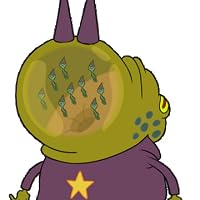
Opalescent nudibranch, Lined chiton, Plume worm, Bat star, Surfgrass

September 12, 2026
Brought it with me tide pooling!
July 11, 2017
Read this book before going tidepooling in Washington state. It was really helpful in knowing what to expect. The illustrations are beautiful and reading this book improved our tidepooling experience. After we made our trip, we used it and were able to identify most of the creatures we took pictures of.

August 30, 2021
This is a great guide! The author explains how tides and tidepools work and then presents several chapters about the different kinds of animals. The descriptions are specific and clear, the illustrations are detailed and beautiful, and there is a ton of information in the back for people who want to do exploring. I will review this every time before I go look at new tide pools.

April 14, 2016
Yay sea creatures!
Displaying 1 - 22 of 22 reviews