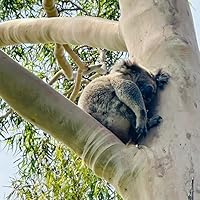
“These trees, these plants I have written to you about have taught me all I needed to know about your death.”
B loves M, her favorite sister.
Then M is gone—taken too young, too suddenly, under the strange and quiet shroud of the pandemic. In the absence that follows, B sets out each day into the vast wilds of Griffith Park with her dog, walking uphill and down in search of understanding, of peace, of reconciliation.
She talks to her sister in the language of the landscape, sports with her in the shape-shifting form of the wild animals and plants of the park—rabbits, coyotes, snakes, owls, oleander, dodder, nettle, walnut. She leaves gifts—shells, stones, tokens of memory—and finds them answered in unexpected ways.
B now finds herself open to the mystery of change—willing to release old habits, weary truths, impossible expectations, and the comforting fictions of family. She revisits her life as an anxious and dutiful daughter, sister, wife, mother, and artist, pausing to linger, to glance sideways, to laugh. She walks onward, guiding us gently toward a place we all must reach—where much can be left behind and a new wisdom awaits. And then she writes.
Wild Things is the 59 letters to her sister, one for each year of her life, alive with grief, wonder, and transformation. A book about loss and about the radical clarity that comes when everything falls away––a luminous, unforgettable work.
M ist tot. Barbara hat ihre geliebte Schwester verloren. Die Schwester, der sie in ihrer chaotischen Geburtsfamilie am nächsten stand, der sie alles anvertrauen konnte und die sie verstanden hat. Jetzt ist sie gestorben, ohne dass sie sie auf ihrem letzten Weg begleiten konnte, die Pandemie hat es nur möglich gemacht, sie in den letzten Tagen zu besuchen.
Der Tod der Schwester nimmt Barbara die Möglichkeit, das auszusprechen, was sie ihr noch sagen wollte. Das holt sie in jetzt nach. Auf unzähligen Spaziergängen durch den Griffith Park mit ihrem Hund formuliert sie Briefe, in denen alles steht, was sie M nicht mehr sagen konnte.
Gleich am Anfang sind mir die Hilflosigkeit und die Wut aufgefallen, die B empfindet. Es ist so viel passiert, über das sie mit ihrer Schwester nicht mehr sprechen konnte, obwohl sie ihre Hilfe so dringend braucht. Ein Sohn kämpft seit Jahren gegen die Sucht, B und ihr anderer Sohn stehen hilflos daneben. Es gibt kaum Kontakt zur anderen Schwester, die sich schon lange aus der Familie zurückgezogen hat.
Auch über diese Familie redet B. Über die Eltern, die sich so liebten, dass die älteste Schwester wie ein Störenfried in der Beziehung angesehen wurde und wie sehr M sich auf B, die neue kleine Schwester freute. Es war keine einfache Kindheit, die bei jeder der drei Schwestern Narben hinterlassen hat.
Für ihre Briefe wählt B eine interessante Herangehensweise. Am Anfang steht immer eine Pflanze oder ein Tier, das sie auf ihrer immer gleichen Runde sieht. Damit verknüpft sie das, was sie im jeweiligen Brief erzählt. Das meiste dreht sich um schwere Themen, was gerade am Anfang bedrückend ist. Aber nach und nach erzählt sie auch davon, wie sie aus den schweren Zeiten gelernt hat und stärker geworden ist. Es gibt Hoffnung, auch wenn gerade die Krankheit ihres Sohns immer ein Thema bleiben wird. Manchmal ist sie für mich ein wenig zu spirituell, das liegt aber daran, dass ich zu dem, was sie dann erzählt, eine andere Einstellung habe. Ich frage mich auch, ob sie mit ihrer Schwester so ehrlich geredet hat, als sie noch am Leben war.
Aber die Briefe erfüllen ihren Zweck. Nach und nach sind sie nicht mehr so wütend, sondern ich habe den Eindruck, dass B ihre Trauer zulässt. Vergehen wird sie nie, aber sie hat einen Weg gefunden, ihr einen Platz in ihrem Leben zu geben und sie kann sich wieder an ihre Schwester erinnern, ohne dass der Schmerz sie überwältigt.
Wild Things by Barbara Wansbrough is a book with 59 letters written to a beloved sister lost too soon, carried by the rhythms of grief and the quiet wisdom of the natural world.
I love reading books in the form of letters. Wild Things is a little different in structure, but still feels like a collection of personal letters. What I love about this form is that the author isn’t trying to impress the reader - we’re simply outsiders, invited to peek into something intimate. We don’t need to catch every reference or know the background of everyone mentioned. It’s enough to witness. It’s a privilege, really. Especially when the letters are written out of mourning, as a way to heal…there’s nothing to judge, nothing to nitpick. You just read, reflect on your own life and loved ones, and root for them on their journey.
Thank you to NetGalley, the publisher, and the author for the opportunity to read this eARC in exchange for an honest review.
Beautifully written series of letters from the central character to her sister who has died. It interspersed musings and nature watching with reflections from the writer about herself and her relationships specifically her sister. Perfect for readers that enjoy the letter form for a novel. Thank you to the author. Thanks to #netgalley and the publisher for an ARC.
Beautifully written letters mourning the loss of a sister. The setting, nature during walks along trails. The grief and the mourning process, helped along by the wondrous setting of nature, birds, insects, trees, and flowers. It is lovely read.