

What do you think?

ক্লিওপেট্রা
স্বপ্নে দেখল নবজাতক হারমাচিসের মা, তার ছেলে একদিন মিশরের রাজা হবে। কথাটা কানে যাওয়ামাত্রই ছেলেকে হত্যা করতে সৈন্য পাঠালেন রাজা, কিন্তু দাই মা আটোয়ার কারণে বেঁচে গেল হারমাচিস। বড় হয়ে জানতে পারল সে, রাণী ক্লিওপেট্রা তার শত্রু, মিশরের শত্রু। বছরের পর বছর কঠোর সাধনা করল সে, ক্লিওপেট্রার কবল থেকে সিংহাসন উদ্ধারের প্রস্তুতি নিল। একরাতে রাণীকে খুন করার উদ্দেশ্যে খঞ্জর নিয়ে ঢুকল ক্লিওপেট্রার শয়নকক্ষে। কিন্তু…প্রেম, বিশ্বাসঘাতকতা আর তার পরিণতির এক অভূতপূর্ব কাহিনী।
242 pages, Paperback
First published January 1, 1851
About the author
H. Rider Haggard
1,966 books1,128 followersSir Henry Rider Haggard, KBE was an English writer of adventure novels set in exotic locations, predominantly Africa, and the creator of the Lost World literary genre. His stories, situated at the lighter end of the scale of Victorian literature, continue to be popular and influential. He was also involved in agricultural reform and improvement in the British Empire.
His breakout novel was King Solomon's Mines (1885), which was to be the first in a series telling of the multitudinous adventures of its protagonist, Allan Quatermain.
Haggard was made a Knight Bachelor in 1912 and a Knight Commander of the Order of the British Empire in 1919. He stood unsuccessfully for Parliament as a Conservative candidate for the Eastern division of Norfolk in 1895. The locality of Rider, British Columbia, was named in his memory.
His breakout novel was King Solomon's Mines (1885), which was to be the first in a series telling of the multitudinous adventures of its protagonist, Allan Quatermain.
Haggard was made a Knight Bachelor in 1912 and a Knight Commander of the Order of the British Empire in 1919. He stood unsuccessfully for Parliament as a Conservative candidate for the Eastern division of Norfolk in 1895. The locality of Rider, British Columbia, was named in his memory.
Ratings & Reviews
Friends & Following
Create a free account to discover what your friends think of this book!
Community Reviews
Displaying 1 - 30 of 274 reviews

September 7, 2021
Background: In an Audible-binging mood I look for interesting biographies in the Plus Catalogue. I come across Duane Roller’s Cleopatra: A Biography.
I look it up: This is an authoritative account of Cleopatra’s life based on Greco-Roman primary materials, Egyptian documents, and representations of her in art and coinage during her lifetime. And it portrays the Egyptian queen as a strategically and politically adept monarch who commandeered her own navy and managed a huge kingdom.
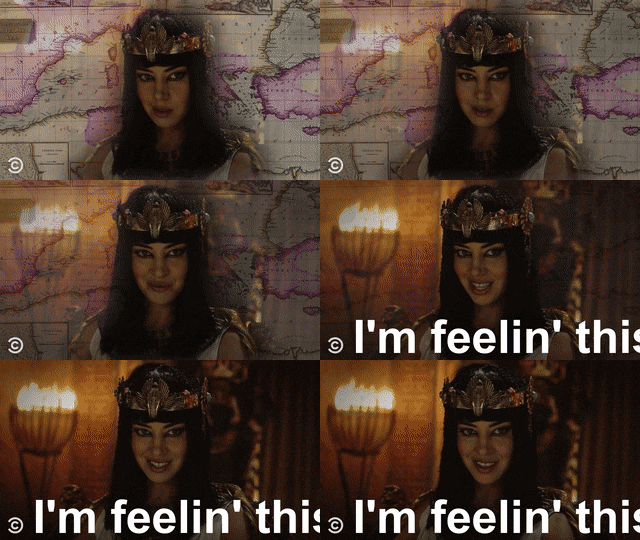
Five minutes in: «Wait, so this is written in the first-person perspective of Harmachis of the pharaoh’s bloodline? Kinda weird historical take, but okay»

Some more minutes later: «Yeah, I’m not sure I’m finding this story about Harmachis killing a lion on his own that believable»

More minutes in with implausible history: «This can’t be right. Am I listening to the right audiobook?»

An hour later with dream-interpretations, prophecies, and summoning the dead:

Alas, in my Audible-binging stupor I realize that I’m not listening to Roller’s Cleopatra biography at all. Instead, I’m listening to the 19th-century adventure novel about Harmachis and Cleopatra by Haggard H. Rider.

My audible version is thus mislabelled. Both in title and cover.

Was I disappointed? Yes. Did I continue listening anyway?

And I’m glad I did. Because it was a blast. I’ll be looking for my Cleopatra biography elsewhere I guess. Lol
The point of this story: None. Just use common sense and don’t be a fool of a Took like me

I look it up: This is an authoritative account of Cleopatra’s life based on Greco-Roman primary materials, Egyptian documents, and representations of her in art and coinage during her lifetime. And it portrays the Egyptian queen as a strategically and politically adept monarch who commandeered her own navy and managed a huge kingdom.
Five minutes in: «Wait, so this is written in the first-person perspective of Harmachis of the pharaoh’s bloodline? Kinda weird historical take, but okay»
Some more minutes later: «Yeah, I’m not sure I’m finding this story about Harmachis killing a lion on his own that believable»
More minutes in with implausible history: «This can’t be right. Am I listening to the right audiobook?»
An hour later with dream-interpretations, prophecies, and summoning the dead:
Alas, in my Audible-binging stupor I realize that I’m not listening to Roller’s Cleopatra biography at all. Instead, I’m listening to the 19th-century adventure novel about Harmachis and Cleopatra by Haggard H. Rider.
My audible version is thus mislabelled. Both in title and cover.
Was I disappointed? Yes. Did I continue listening anyway?
And I’m glad I did. Because it was a blast. I’ll be looking for my Cleopatra biography elsewhere I guess. Lol
The point of this story: None. Just use common sense and don’t be a fool of a Took like me

May 23, 2019
আগেও পড়েছি বইটা। অথচ যতবার ই পড়ি ততবার ই নতুন করে মুগ্ধ হই।
হারমাচিস, যার জন্ম ই হয়েছিল ক্লিওপেট্রা কে হত্যা করে মিশর কে মুক্ত করার উদ্দেশ্যে। কিন্তু ক্লিওপেট্রা তো কোনও সাধারন নারী নয়। সে ছিল সুন্দরীশ্রেষ্ঠা। কোনও পুরুষের পক্ষেই কি তাকে হত্যা করা এতই সহজ? শেষ পর্যন্ত কি হয়েছিল তার পরিনতি সেটাই বর্ণিত হয়েছে বইটিতে হারমাচিস এর ভাষায়।
হারমাচিস, যার জন্ম ই হয়েছিল ক্লিওপেট্রা কে হত্যা করে মিশর কে মুক্ত করার উদ্দেশ্যে। কিন্তু ক্লিওপেট্রা তো কোনও সাধারন নারী নয়। সে ছিল সুন্দরীশ্রেষ্ঠা। কোনও পুরুষের পক্ষেই কি তাকে হত্যা করা এতই সহজ? শেষ পর্যন্ত কি হয়েছিল তার পরিনতি সেটাই বর্ণিত হয়েছে বইটিতে হারমাচিস এর ভাষায়।
September 2, 2012
Never before in my life have I been so obsessed with a book as I have been with this one. The fact that it's based on a translation of a roll of papyrus found in Harmachis' tomb and within the mummy itself, makes it even more haunting. The idea that the fate of Ancient Egypt in all its might is at stake to be determined by a bunch of people namely, Harmachis, Cleopatra and Charmion, to have the power that could potentially change history itself, to have the choice of ending a civilization that lived on for 3000 years is just unthinkable!
How could it be so vulnerable? how could it be ?!
How could it be so vulnerable? how could it be ?!

March 31, 2017
বইয়ের নামঃ ক্লিওপেট্রা
লেখকঃ হেনরি রাইডার হ্যাগার্ড
রূপান্তরঃ সায়েম সোলায়মান
প্রকাশনাঃ সেবা প্রকাশনী
পৃষ্ঠা সংখাঃ ২৪৪
মুল্যঃ ৯৭ টাকা
শর্ট রিভিউঃ
* অনেকদিন ধরে বই পড়লেও সেবা প্রকাশনীর কোন বই এই প্রথম পড়লাম। ভালোই লেগেছে... যদিও নিউজপ্রিন্ট, পেপারব্যাকে আমি অভ্যস্ত নই, তবুও মন্দ লাগে নাই ব্যাপারগুলা।
* মিশরের এক প্রাচীন শহরের এক পুরানো মন্দির এর নিচে খুঁজে পাওয়া যায় একটি কবর তার মধ্যে একটি লাশের থেকে পাওয়া যায় তিনটি প্যাপিরাসের খন্ড।গল্পের শুরুটা এমন। কাহিনীটা হামারচিসের, তার সাথেআছে ক্লিওপেট্রার কাহিনী। পৃথিবীর অনিন্দ্যসুন্দরী ক্লিওপেট্রা। আর হামারচিস? জন্মের পর তার মা ভবিষ্যৎবাণী করে গিয়েছিলেন যে তার ছেলে হবে মিশরের রাজা এবং তার মায়ের ভবিষ্যৎবাণী কখনো মিথ্যে হয় না। আর হামারচিসের চেহারা যেনো সাক্ষাৎ গ্রিক দেবতা। কিন্তু জন্মের পরপরই তাকে নিয়ে শুরু হয় নানান ষড়যন্ত্র। কীভাবে সে রক্ষা পেলো? কীভাবে সে ক্লিওপেট্রার জীবনের সাথে আষ্টেপৃষ্ঠে জড়িয়ে যায়? সে কী তার জীবনের অন্তিম ইচ্ছা, তথা, মিশরবাসীর ইচ্ছেপূরণ করতে পারবে?
* উপন্যাসটির শুরুটা চমৎকার। মাঝখানে হালকা বিরক্তি থাকলেও শেষটা চললনসই হয়েছে। পেপারব্যাক, তাই দামে সাশ্রয়ী। অনেক কমে, অনেক বড় উপন্যাস পড়া হয়, তাই সেবা প্রকাশনী একটা ধন্যবাদ পাওয়ার যোগ্য!
লেখকঃ হেনরি রাইডার হ্যাগার্ড
রূপান্তরঃ সায়েম সোলায়মান
প্রকাশনাঃ সেবা প্রকাশনী
পৃষ্ঠা সংখাঃ ২৪৪
মুল্যঃ ৯৭ টাকা
শর্ট রিভিউঃ
* অনেকদিন ধরে বই পড়লেও সেবা প্রকাশনীর কোন বই এই প্রথম পড়লাম। ভালোই লেগেছে... যদিও নিউজপ্রিন্ট, পেপারব্যাকে আমি অভ্যস্ত নই, তবুও মন্দ লাগে নাই ব্যাপারগুলা।
* মিশরের এক প্রাচীন শহরের এক পুরানো মন্দির এর নিচে খুঁজে পাওয়া যায় একটি কবর তার মধ্যে একটি লাশের থেকে পাওয়া যায় তিনটি প্যাপিরাসের খন্ড।গল্পের শুরুটা এমন। কাহিনীটা হামারচিসের, তার সাথেআছে ক্লিওপেট্রার কাহিনী। পৃথিবীর অনিন্দ্যসুন্দরী ক্লিওপেট্রা। আর হামারচিস? জন্মের পর তার মা ভবিষ্যৎবাণী করে গিয়েছিলেন যে তার ছেলে হবে মিশরের রাজা এবং তার মায়ের ভবিষ্যৎবাণী কখনো মিথ্যে হয় না। আর হামারচিসের চেহারা যেনো সাক্ষাৎ গ্রিক দেবতা। কিন্তু জন্মের পরপরই তাকে নিয়ে শুরু হয় নানান ষড়যন্ত্র। কীভাবে সে রক্ষা পেলো? কীভাবে সে ক্লিওপেট্রার জীবনের সাথে আষ্টেপৃষ্ঠে জড়িয়ে যায়? সে কী তার জীবনের অন্তিম ইচ্ছা, তথা, মিশরবাসীর ইচ্ছেপূরণ করতে পারবে?
* উপন্যাসটির শুরুটা চমৎকার। মাঝখানে হালকা বিরক্তি থাকলেও শেষটা চললনসই হয়েছে। পেপারব্যাক, তাই দামে সাশ্রয়ী। অনেক কমে, অনেক বড় উপন্যাস পড়া হয়, তাই সেবা প্রকাশনী একটা ধন্যবাদ পাওয়ার যোগ্য!

May 8, 2022
পৃথিবীটা খুব খারাপ জায়গা। যত কম সময় পারা যায়, থাকা উচিৎ এখানে।
এত্তো সুন্দর একটা বই
এত্তো সুন্দর একটা বই

May 25, 2016
A very interesting story of Anthony and Cleopatra told by another man who loved Cleopatra, who could not kill her and who should have been Pharaoh but was betrayed by his love for her. The man was Harmachis, the son of a Priest of Isis, who was schooled and groomed to be Pharaoh and actually crowned by the secret Priests of Isis to rule Egypt. The story told, was written by Harmachis on three papyrus scrolls and found in his coffin along, with his unembalmed body by a friend of the author.

August 19, 2025
হেনরি রাইডার হ্যাগার্ডের ‘ক্লিওপেট্রা’: এক প্রেম, বিশ্বাসঘাতকতা ও কর্তব্যের মহাকাব্য
স্যার হেনরি রাইডার হ্যাগার্ডের লেখা "ক্লিওপেট্রা" একটি বিখ্যাত ঐতিহাসিক অ্যাডভেঞ্চার উপন্যাস। ১৮৮৯ সালে প্রথম প্রকাশিত এই বইটি প্রাচীন মিশরের পটভূমিতে রচিত, যেখানে ইতিহাসের সাথে কল্পনা মিশে এক অনবদ্য আখ্যান তৈরি হয়েছে। বইটি শুধুমাত্র মিশরের শেষ ফারাও ক্লিওপেট্রার জীবনী নয়, বরং এটি প্রেম, ঘৃণা, বিশ্বাসঘাতকতা এবং কর্তব্যের এক করুণ উপাখ্যান।
পটভূমি ও আখ্যানভাগ
উপন্যাসটির মূল প্রেক্ষাপট টলেমীয় যুগের মিশর, যখন রোমান সাম্রাজ্যের প্রভাব ধীরে ধীরে গ্রাস করছিল মিশরকে। গল্পের কথক এবং প্রধান চরিত্র হারমাচিস, যিনি মিশরের প্রাচীন ফারাওদের রাজবংশের শেষ উত্তরসূরি। তাকে শৈশব থেকেই পুরোহিত এবং জাদুকরদের তত্ত্বাবধানে বড় করে তোলা হয় এক মহান উদ্দেশ্য সাধনের জন্য বিশ্বাসঘাতক রানী ক্লিওপেট্রাকে সিংহাসনচ্যুত করে মিশরের হৃত গৌরব পুনরুদ্ধার করা এবং নিজে ফারাওয়ের সিংহাসনে বসা।
গল্পের আখ্যান শুরু হয় অনেক পরে, যখন প্রত্নতাত্ত্বিকরা একটি প্রাচীন সমাধিতে হারমাচিসের নিজের হাতে লেখা প্যাপিরাসের স্ক্রোল খুঁজে পান। সেই স্ক্রোলের পাঠোদ্ধারের মাধ্যমেই হারমাচিসের জীবনের করুণ কাহিনী উন্মোচিত হয়।
হারমাচিস তার দীর্ঘ প্রস্তুতির পর অ্যালেক্সান্দ্রিয়ায় আসেন এবং রানীর চিকিৎসক ও জ্যোতিষী হিসেবে রাজসভায় স্থান করে নেন। তার মূল পরিকল্পনা ছিল সুযোগ বুঝে ক্লিওপেট্রাকে হত্যা করা। কিন্তু সৌন্দর্যের প্রতিমা, বুদ্ধিমতী ও রহস্যময়ী ক্লিওপেট্রার সান্নিধ্যে এসে হারমাচিসের সংকল্প টলে যায়। রানীর প্রতি তার তীব্র ঘৃণা ধীরে ধীরে গভীর প্রেমে রূপান্তরিত হয়। একদিকে দেশের প্রতি, তার পূর্বপুরুষদের প্রতি এবং দেবতাদের প্রতি তার কর্তব্য, অন্যদিকে ক্লিওপেট্রার প্রতি তার সর্বগ্রাসী প্রেম এই দুইয়ের দ্বন্দ্বে হারমাচিস ক্ষতবিক্ষত হতে থাকে।
এই প্রেমই তার জীবনের কাল হয়ে দাঁড়ায়। ক্লিওপেট্রা হারমাচিসের দুর্বলতার সুযোগ নেন এবং তার মাধ্যমে ষড়যন্ত্রের সকল তথ্য জেনে নেন। উপন্যাসের শেষে হারমাচিসের পরিকল্পনা ব্যর্থ হয় এবং তার জীবনের করুণ পরিণতি ঘটে, তবে তার তৈরি করা বিষেই পরবর্তীতে ক্লিওপেট্রা আত্মহত্যা করেন বলে কাহিনীতে উল্লেখ করা হয়।
প্রধান চরিত্রসমূহ
হারমাচিস: উপন্যাসের নায়ক ও কথক। তিনি মিশরের প্রাচীন রাজবংশের ধারক এবং একজন শক্তিশালী জাদুকর। দেশের মুক্তির জন্য জীবন উৎসর্গ করার শপথ নিলেও ক্লিওপেট্রার প্রেমে পড়ে তার লক্ষ্যচ্যুত হন।
ক্লিওপেট্রা: মিশরের ঐতিহাসিক রানী। হ্যাগার্ড তাকে শুধু একজন রূপসী শাসক হিসেবেই দেখাননি, বরং দেখিয়েছেন একজন ধূর্ত, উচ্চাকাঙ্ক্ষী এবং নিষ্ঠুর নারী হিসেবে, যিনি নিজের ক্ষমতা টিকিয়ে রাখার জন্য যেকোনো পথ অবলম্বন করতে পারেন।
চার্মিয়ন: হারমাচিসের চাচাতো বোন এবং ক্লিওপেট্রার প্রধান সহচরী। সে ষড়যন্ত্রের একজন গুরুত্বপূর্ণ অংশ এবং হারমাচিসকে তার কর্তব্য বারবার স্মরণ করিয়ে দেয়। তার চরিত্রটিও বেশ জটিল এবং রহস্যময়।
মূলভাব ও লেখনীর ধরণ
হ্যাগার্ডের লেখনীতে প্রাচীন মিশরের এক জীবন্ত চিত্র ফুটে উঠেছে। তখনকার সামাজিক প্রথা, ধর্মীয় বিশ্বাস, জাদুবিদ্যা এবং রাজনৈতিক ষড়যন্ত্রের নিখুঁত বর্ণনা পাঠকদের সেই সময়ে নিয়ে যায়। বইটির মূল উপজীব্য বিষয়গুলো হলো
কর্তব্য বনাম আবেগ,হারমাচিসের ভেতরের দ্বন্দ্বই এই উপন্যাসের মূল চালিকাশক্তি।প্রেম ও বিশ্বাসঘাতকতা , প্রেম কীভাবে একজন মানুষকে তার লক্ষ্য থেকে সরিয়ে দিতে পারে এবং বিশ্বাসঘাতকতার পরিণতি কতটা ভয়াবহ হতে পারে, তা এই উপন্যাসে দেখানো হয়েছে। ক্ষমতার রাজনীতি, ক্লিওপেট্রার চরিত্রের মাধ্যমে ক্ষমতার জন্য মানুষের নৈতিক অধঃপতনের চিত্র তুলে ধরা হয়েছে।
ঐতিহাসিক প্রেক্ষাপটে লেখা অ্যাডভেঞ্চার, প্রেম ও ট্র্যাজেডির মিশেলে "ক্লিওপেট্রা" একটি ক্লাসিক সাহিত্যকর্ম যা আজও পাঠকদের মুগ্ধ করে।
স্যার হেনরি রাইডার হ্যাগার্ডের লেখা "ক্লিওপেট্রা" একটি বিখ্যাত ঐতিহাসিক অ্যাডভেঞ্চার উপন্যাস। ১৮৮৯ সালে প্রথম প্রকাশিত এই বইটি প্রাচীন মিশরের পটভূমিতে রচিত, যেখানে ইতিহাসের সাথে কল্পনা মিশে এক অনবদ্য আখ্যান তৈরি হয়েছে। বইটি শুধুমাত্র মিশরের শেষ ফারাও ক্লিওপেট্রার জীবনী নয়, বরং এটি প্রেম, ঘৃণা, বিশ্বাসঘাতকতা এবং কর্তব্যের এক করুণ উপাখ্যান।
পটভূমি ও আখ্যানভাগ
উপন্যাসটির মূল প্রেক্ষাপট টলেমীয় যুগের মিশর, যখন রোমান সাম্রাজ্যের প্রভাব ধীরে ধীরে গ্রাস করছিল মিশরকে। গল্পের কথক এবং প্রধান চরিত্র হারমাচিস, যিনি মিশরের প্রাচীন ফারাওদের রাজবংশের শেষ উত্তরসূরি। তাকে শৈশব থেকেই পুরোহিত এবং জাদুকরদের তত্ত্বাবধানে বড় করে তোলা হয় এক মহান উদ্দেশ্য সাধনের জন্য বিশ্বাসঘাতক রানী ক্লিওপেট্রাকে সিংহাসনচ্যুত করে মিশরের হৃত গৌরব পুনরুদ্ধার করা এবং নিজে ফারাওয়ের সিংহাসনে বসা।
গল্পের আখ্যান শুরু হয় অনেক পরে, যখন প্রত্নতাত্ত্বিকরা একটি প্রাচীন সমাধিতে হারমাচিসের নিজের হাতে লেখা প্যাপিরাসের স্ক্রোল খুঁজে পান। সেই স্ক্রোলের পাঠোদ্ধারের মাধ্যমেই হারমাচিসের জীবনের করুণ কাহিনী উন্মোচিত হয়।
হারমাচিস তার দীর্ঘ প্রস্তুতির পর অ্যালেক্সান্দ্রিয়ায় আসেন এবং রানীর চিকিৎসক ও জ্যোতিষী হিসেবে রাজসভায় স্থান করে নেন। তার মূল পরিকল্পনা ছিল সুযোগ বুঝে ক্লিওপেট্রাকে হত্যা করা। কিন্তু সৌন্দর্যের প্রতিমা, বুদ্ধিমতী ও রহস্যময়ী ক্লিওপেট্রার সান্নিধ্যে এসে হারমাচিসের সংকল্প টলে যায়। রানীর প্রতি তার তীব্র ঘৃণা ধীরে ধীরে গভীর প্রেমে রূপান্তরিত হয়। একদিকে দেশের প্রতি, তার পূর্বপুরুষদের প্রতি এবং দেবতাদের প্রতি তার কর্তব্য, অন্যদিকে ক্লিওপেট্রার প্রতি তার সর্বগ্রাসী প্রেম এই দুইয়ের দ্বন্দ্বে হারমাচিস ক্ষতবিক্ষত হতে থাকে।
এই প্রেমই তার জীবনের কাল হয়ে দাঁড়ায়। ক্লিওপেট্রা হারমাচিসের দুর্বলতার সুযোগ নেন এবং তার মাধ্যমে ষড়যন্ত্রের সকল তথ্য জেনে নেন। উপন্যাসের শেষে হারমাচিসের পরিকল্পনা ব্যর্থ হয় এবং তার জীবনের করুণ পরিণতি ঘটে, তবে তার তৈরি করা বিষেই পরবর্তীতে ক্লিওপেট্রা আত্মহত্যা করেন বলে কাহিনীতে উল্লেখ করা হয়।
প্রধান চরিত্রসমূহ
হারমাচিস: উপন্যাসের নায়ক ও কথক। তিনি মিশরের প্রাচীন রাজবংশের ধারক এবং একজন শক্তিশালী জাদুকর। দেশের মুক্তির জন্য জীবন উৎসর্গ করার শপথ নিলেও ক্লিওপেট্রার প্রেমে পড়ে তার লক্ষ্যচ্যুত হন।
ক্লিওপেট্রা: মিশরের ঐতিহাসিক রানী। হ্যাগার্ড তাকে শুধু একজন রূপসী শাসক হিসেবেই দেখাননি, বরং দেখিয়েছেন একজন ধূর্ত, উচ্চাকাঙ্ক্ষী এবং নিষ্ঠুর নারী হিসেবে, যিনি নিজের ক্ষমতা টিকিয়ে রাখার জন্য যেকোনো পথ অবলম্বন করতে পারেন।
চার্মিয়ন: হারমাচিসের চাচাতো বোন এবং ক্লিওপেট্রার প্রধান সহচরী। সে ষড়যন্ত্রের একজন গুরুত্বপূর্ণ অংশ এবং হারমাচিসকে তার কর্তব্য বারবার স্মরণ করিয়ে দেয়। তার চরিত্রটিও বেশ জটিল এবং রহস্যময়।
মূলভাব ও লেখনীর ধরণ
হ্যাগার্ডের লেখনীতে প্রাচীন মিশরের এক জীবন্ত চিত্র ফুটে উঠেছে। তখনকার সামাজিক প্রথা, ধর্মীয় বিশ্বাস, জাদুবিদ্যা এবং রাজনৈতিক ষড়যন্ত্রের নিখুঁত বর্ণনা পাঠকদের সেই সময়ে নিয়ে যায়। বইটির মূল উপজীব্য বিষয়গুলো হলো
কর্তব্য বনাম আবেগ,হারমাচিসের ভেতরের দ্বন্দ্বই এই উপন্যাসের মূল চালিকাশক্তি।প্রেম ও বিশ্বাসঘাতকতা , প্রেম কীভাবে একজন মানুষকে তার লক্ষ্য থেকে সরিয়ে দিতে পারে এবং বিশ্বাসঘাতকতার পরিণতি কতটা ভয়াবহ হতে পারে, তা এই উপন্যাসে দেখানো হয়েছে। ক্ষমতার রাজনীতি, ক্লিওপেট্রার চরিত্রের মাধ্যমে ক্ষমতার জন্য মানুষের নৈতিক অধঃপতনের চিত্র তুলে ধরা হয়েছে।
ঐতিহাসিক প্রেক্ষাপটে লেখা অ্যাডভেঞ্চার, প্রেম ও ট্র্যাজেডির মিশেলে "ক্লিওপেট্রা" একটি ক্লাসিক সাহিত্যকর্ম যা আজও পাঠকদের মুগ্ধ করে।

December 29, 2022
নারী মানেই রহস্যময়ী প্রাণী।

July 14, 2012
Read this on my Kindle from a file on the Internet Archive (I think). As these things go, it wasn't a bad scan. As for the novel itself, great fun, and most likely an extremely unreliable source of information about things Ancient Egyptian! As usual with literature of this period, the attitude towards women is infuriating, in entirely predictable ways, and Cleopatra's power is ascribed entirely to preternatural beauty (a notion that contemporary portraits tend to discredit). The first person narrator is an interesting one - a fictional rival for the throne, from the older, more ancient culture, who worship the older gods like Isis. Harmachis is trained up at great length to insinuate himself into Cleopatra's palace, assassinate her, and take power. Unfortunately, he makes the mistake of falling for her; it's a double mistake because Cleopatra - who has distinct similarities to Elizabeth I - doesn't fully give her heart away to anyone, though she comes closest with Mark Anthony. There's a secondary female character, Charmion (is that an Egyptian name? edited to add: it's Greek, and was the name of one of Cleopatra's attendants according to Plutarch) who manages to push the plot along with her jealousies and emotions. The highlight from the teenage male perspective (always Haggard's primary audience) would be the grave-robbing scene, where Harmachis and Cleopatra break into an ancient Pharaoh's tomb, and remove the jewels that are quite literally embedded in his corpse. Were Haggard a modern author, I would accuse him of writing for the screen at that point in his narrative! Truly ghoulish, especially the detail of a massive bat that attaches itself to the face of a murdered guard. Anyway, lots of page-turning plot, and not too much sappy stuff, so the teenage boy reader in me had a great time with this one!

December 22, 2022
বরাবরের মত এবার হারিয়ে গেছি মিশরে, পিরামিডে, প্রতিটা চরিত্রের গভীরে। ভালোবাসা আর বিশ্বাসঘাতকতা যে কতটা গভির ভাবে মিশে থাকে হ্যাগ্রার্ড সাহেব আরো একবার বুঝিয়ে দিলেন!

October 26, 2012
A biography of Cleopatra, a bit more restrained than some later ones, but heavily dependent on Roman sources. This means that Cleopatra is a genius, a wicked woman who studies the effects of poison on her prisoners, and a mistress of the arts of seduction. I recently read a bio based on Arabic sources, which basically takes the local view that she was a philosopher queen and that all the purient sex stuff is Romans doing what Romans do when they hate foreigners. So, interesting, yes. Factual? Well…that’s arguable.
Originally reviewed on book coasters
Originally reviewed on book coasters

December 12, 2020
This, in my opinion, could have been a much better book if:
1. There hadn't been an excessive use of long-winded sentences.
2. The author hadn't been too judgmental and overlaid his modern (Christian?) ideas of morality and deviations from what is "natural" on historical affairs that are now more than two thousand years old.
1. There hadn't been an excessive use of long-winded sentences.
2. The author hadn't been too judgmental and overlaid his modern (Christian?) ideas of morality and deviations from what is "natural" on historical affairs that are now more than two thousand years old.
August 27, 2012
listened to the Libervox recording. Learned a lot. this book went into great details. if I was reading it I may have gotten overwhelmed with the info and the deviations from the main story, however listening to it was fascinating.

May 20, 2022
The story is about love and betrayal, and the story is about the history of Egypt. However, there are many differences in history. So the story of these books cannot be considered trustworthy. There is no harm in thinking something is genuine, something is false.

October 15, 2021
এত ভালো একটা বই!
আজ থেকে আমার প্রিয় বইয়ের তালিকায় যুক্ত হলো এটি......
আজ থেকে আমার প্রিয় বইয়ের তালিকায় যুক্ত হলো এটি......

August 4, 2023
Best epic historical drama book ever.

December 3, 2024
تو کتابخونه دانشگاه بین یه عالمه کتاب یهو چشمت میخوره به یه کتاب خیلی قدیمی کوچیک که ورقه هاش قهوه ای شدن و آخرین باری که کسی قرض گرفته و رو کاغذ پشتش تاریخ زده مربوط میشه به سال 1374 قبل اینکه تو حتی به دنیا بیای :) و تو هم برمیداری و تو همون کتابخونه شروع میکنی به خوندن و لذت رفتن به دنیای هزاران سال پیش رو با یه کتاب قدیمی تجربه میکنی، کتابی که معمولا به چشم کسی نمیومد، اولین بار بود که درمورد کلئوپاترا (کتاب) میخوندم و جالب بود داستانش واقعا

August 31, 2024
Another great book by Henry Rider Haggard—I thoroughly enjoyed the journey it took me on. The translation is well done, too. If you're a fan of history, adventure, and especially ancient history, I believe you'll like this book.

August 13, 2021
আকৃষ্ট করে রাখার মতো একটা বই।

August 19, 2021
বেশ জমজমাট একটা গল্প.


December 30, 2023
অনেকদিন পর জোস একটা বই পড়লাম।।

December 30, 2025
একটু অতি নাটকীয়তা থাকলেও এ যে ভীষণ উপাদেয় আর উপভোগ্য একখান উপন্যাস তা বলায় বাহুল্য।

April 4, 2021
5 stars for the entertainment value alone!
This is very pulpy late Victorian fiction - full of all sorts of problematic content. Cleopatra, among other things, is a raging anti-Semitic - to the point that when her anti-Semitism first appears my knee jerk reaction was to laugh, thinking it was an over the top joke like Mel Brooks 'The Inquisition' song. And then I remembered the year this was written and my heart sank.
The book is also very dated in how it reflects changing tastes in what audiences want in historical fiction. Today, you're likely to see historical fiction using anachronistic, modern language in order to make sure the modern audience understands how the characters really feel. Here, however, Haggard attempted to write in an "ancient" style that is full of 'thee's' and 'thou's' and stilted exclamation, like a Sunday school class performing something from the Old Testament.
The main character, Harmachis, is the last pure line descendent of the old "true" Pharaohs from before the Ptolemys. He is raised in an absolute bubble and told by everyone around him how awesome he is and how the throne is just waiting for him to take it back and bring back all the old ways.
He really wants to make Egypt great again, you know?
He should have been annoying with how he keeps telling the reader how perfect he is and nothing that goes wrong is his fault - its all these women with their feelings! But he's so self-involved it tips over into sheer entertainment. It doesn't hurt that he fails miserably in his régime change plots. (As history tells us, its going to take Augustus himself to shake Cleopatra from the throne that she grimly holds onto, like a cat digging her claws into your arms when you try and give her a bath.)
Plots fail, more plotting happens, many feelings are hurt, and Harmachis scribbles away his secret history of what 'almost' happened, if it hadn't been for those uppity women and their agency!

September 4, 2023
ক্লিওপেট্রা
হেনরি রাইডার হ্যাগার্ড
"ভাগ্যকে দোষ দিয়ে আমরা পাপীরা নিজেদেরকে হালকা করতে চাই। অথচ একই পাপ আরেকজন করলে ওকে অপবাদ দিতে, সর্বোচ্চ শাস্তি দিতে বাধে না আমাদের। ভাগ্যে লেখা ছিলো- বলে ক্ষমা করে দেই না লোকটাকে।"
হেনরি রাইডার হ্যাগার্ডের নাম জানতে পারি প্রথম প্রিয় লেখক বিভূতিভূষণ বন্দ্যোপাধ্যায়ের 'অপরাজিত' বইয়ে। এ বইয়ে অপুর মাধ্যমে বইটির রিভিউ তিনি এভাবে দিয়েছিলেন:
❝ফাগুন মাসের অপূর্ব অদ্ভুত দিনগুলি। বাতাসে কিসের যেন মৃদু মিগ্ধ, অনির্দেশ্য সুগন্ধ। আমের বউলের সুবাস সকালের রৌদ্রকে যেন মাতাল করিয়া তুলিয়াছে। কিন্তু অপুর আনন্দ সে-সব হইতে আসে নাই—গত কয়েকদিন ধরিয়া সে রাইডার হ্যাগার্ডের ক্লিওপেট্রা পড়িতেছিল। তাহার তরুণ কল্পনাকে অদ্ভুতভাবে নাড়া দিয়াছে বইখানা। কোথায় এই হাজার হাজার বৎসরের পুরাতন সমাধি-জ্যোৎস্নাভরা নীলনদ, বিস্মৃত রা দেবের মন্দির!-ঔপন্যাসিক হ্যাগার্ডের স্থান সমালোচকের মতে যেখানেই নির্দিষ্ট হউক তাহাতে আসে যায় না—তাহার নবীন, অবিকৃত মন একদিন যে গভীর আনন্দ পাইয়াছিল বইখানা হইতে—এইটাই বড়ো কথা তাহার কাছে।❞
সেবার অনুবাদ নিয়ে কিছু বলার নেই। সেরা বই, ভালো অনুবাদ ও সেবা এগুলো আমার কাছে সমার্থক শব্দ। কিন্তু সায়েম সোলায়মানের অনুবাদটা আরো বেশি ভালো লাগল।
ক্লিওপেট্রা একটি ইতিহাস আশ্রিত অ্যাডভেঞ্চার উপন্যাস। যুদ্ধ, গুপ্তধন, রহস্য এবং মিথ সবই আছে বইটিতে। টুইস্টও আছে কিছু। প্রাচীন মিশরের প্রেক্ষাপটে কাহিনী আবর্তিত হয়েছে। নামচরিত্র ক্লিওপেট্রা হলেও গল্পটির প্রধান চরিত্র হারমাচিস। দেবতাদের করা এক ভবিষ্যৎবাণী সত্য করার জন্য হারমাচিস প্রস্তুতি নেয় ক্লিওপেট্রাকে হত্যা করে সিংহাসন দখল করার জন্য। ফলস্বরূপ একরাতে সে খঞ্জর নিয়ে ঢুকে পড়ে ক্লিওপেট্রার শয়নকক্ষে। কিন্তু রানীর পূর্বপ্রেমকে উপেক্ষা করে হারমাচিস কি পারে ক্লিওপেট্রাকে হত্যা করতে? গল্পটি প্রেম, বিশ্বাসঘাতকতা আর তার পরিণতির।
২৪৩ পৃষ্ঠার বইটির প্রতিটি শব্দ উপভোগ করেছি। সম্পূর্ণ মেদহীন লেখা। গল্পটি তাড়াতাড়ি শেষ হয়ে যাওয়ায় কিছুটা খারাপ লেগেছে। আরো বড়ো হলে আরো কিছু সময় আনন্দে কাটত।
অপুর মতো ক্লিওপেট্রা আমারও ভালো লেগেছে। ধন্যবাদ বিভূতিভূষণকে হেনরি রাইডার হ্যাগার্ডের মত লেখকের সন্ধান দেয়ার জন্য।
রূপান্তর: সায়েম সোলায়মান
ধরন: অ্যাডভেঞ্চার উপন্যাস, হিস্টোরিক্যাল ফ্যান্টাসি
হেনরি রাইডার হ্যাগার্ড
"ভাগ্যকে দোষ দিয়ে আমরা পাপীরা নিজেদেরকে হালকা করতে চাই। অথচ একই পাপ আরেকজন করলে ওকে অপবাদ দিতে, সর্বোচ্চ শাস্তি দিতে বাধে না আমাদের। ভাগ্যে লেখা ছিলো- বলে ক্ষমা করে দেই না লোকটাকে।"
হেনরি রাইডার হ্যাগার্ডের নাম জানতে পারি প্রথম প্রিয় লেখক বিভূতিভূষণ বন্দ্যোপাধ্যায়ের 'অপরাজিত' বইয়ে। এ বইয়ে অপুর মাধ্যমে বইটির রিভিউ তিনি এভাবে দিয়েছিলেন:
❝ফাগুন মাসের অপূর্ব অদ্ভুত দিনগুলি। বাতাসে কিসের যেন মৃদু মিগ্ধ, অনির্দেশ্য সুগন্ধ। আমের বউলের সুবাস সকালের রৌদ্রকে যেন মাতাল করিয়া তুলিয়াছে। কিন্তু অপুর আনন্দ সে-সব হইতে আসে নাই—গত কয়েকদিন ধরিয়া সে রাইডার হ্যাগার্ডের ক্লিওপেট্রা পড়িতেছিল। তাহার তরুণ কল্পনাকে অদ্ভুতভাবে নাড়া দিয়াছে বইখানা। কোথায় এই হাজার হাজার বৎসরের পুরাতন সমাধি-জ্যোৎস্নাভরা নীলনদ, বিস্মৃত রা দেবের মন্দির!-ঔপন্যাসিক হ্যাগার্ডের স্থান সমালোচকের মতে যেখানেই নির্দিষ্ট হউক তাহাতে আসে যায় না—তাহার নবীন, অবিকৃত মন একদিন যে গভীর আনন্দ পাইয়াছিল বইখানা হইতে—এইটাই বড়ো কথা তাহার কাছে।❞
সেবার অনুবাদ নিয়ে কিছু বলার নেই। সেরা বই, ভালো অনুবাদ ও সেবা এগুলো আমার কাছে সমার্থক শব্দ। কিন্তু সায়েম সোলায়মানের অনুবাদটা আরো বেশি ভালো লাগল।
ক্লিওপেট্রা একটি ইতিহাস আশ্রিত অ্যাডভেঞ্চার উপন্যাস। যুদ্ধ, গুপ্তধন, রহস্য এবং মিথ সবই আছে বইটিতে। টুইস্টও আছে কিছু। প্রাচীন মিশরের প্রেক্ষাপটে কাহিনী আবর্তিত হয়েছে। নামচরিত্র ক্লিওপেট্রা হলেও গল্পটির প্রধান চরিত্র হারমাচিস। দেবতাদের করা এক ভবিষ্যৎবাণী সত্য করার জন্য হারমাচিস প্রস্তুতি নেয় ক্লিওপেট্রাকে হত্যা করে সিংহাসন দখল করার জন্য। ফলস্বরূপ একরাতে সে খঞ্জর নিয়ে ঢুকে পড়ে ক্লিওপেট্রার শয়নকক্ষে। কিন্তু রানীর পূর্বপ্রেমকে উপেক্ষা করে হারমাচিস কি পারে ক্লিওপেট্রাকে হত্যা করতে? গল্পটি প্রেম, বিশ্বাসঘাতকতা আর তার পরিণতির।
২৪৩ পৃষ্ঠার বইটির প্রতিটি শব্দ উপভোগ করেছি। সম্পূর্ণ মেদহীন লেখা। গল্পটি তাড়াতাড়ি শেষ হয়ে যাওয়ায় কিছুটা খারাপ লেগেছে। আরো বড়ো হলে আরো কিছু সময় আনন্দে কাটত।
অপুর মতো ক্লিওপেট্রা আমারও ভালো লেগেছে। ধন্যবাদ বিভূতিভূষণকে হেনরি রাইডার হ্যাগার্ডের মত লেখকের সন্ধান দেয়ার জন্য।
রূপান্তর: সায়েম সোলায়মান
ধরন: অ্যাডভেঞ্চার উপন্যাস, হিস্টোরিক্যাল ফ্যান্টাসি

November 23, 2014
Written in the 19th century by a Christian, the book (understandably) have several paragraphs dedicated to praise the superiority of said religion, and at many points it criticizes "the heathens". Obviously, these should all be taken with more than a grain of salt.
Cleopatra, the titular character, was painted in a most unfavorable light: the book potrayed her as a selfish ruler with no restraints, a cruel woman, and in short, an immoral temptress that ruined the life and career of two great men. The whole dynasty from which she descended received similar treatment: all its faults and vices exposed and condemned, while its every accomplishment must be somehow tainted. It was quite harsh, but not completely unfair (unobjective, maybe). Other notables figures and monuments was also mentioned at length, the wars and conflicts highlighted, making for an intriguing story. The general outline is accurate, but some details are too privy, too fancy and entirely too cliche to be anything but embellishments. I'm guessing the author's main source of references is the Greeks.
All thing considered, "story" would make for a better, and more honest title than "history", since this book is more of a tale than a record of facts. Granted, tales are almost all we have from that time, in a manner of speaking. Hence the three stars.
Cleopatra, the titular character, was painted in a most unfavorable light: the book potrayed her as a selfish ruler with no restraints, a cruel woman, and in short, an immoral temptress that ruined the life and career of two great men. The whole dynasty from which she descended received similar treatment: all its faults and vices exposed and condemned, while its every accomplishment must be somehow tainted. It was quite harsh, but not completely unfair (unobjective, maybe). Other notables figures and monuments was also mentioned at length, the wars and conflicts highlighted, making for an intriguing story. The general outline is accurate, but some details are too privy, too fancy and entirely too cliche to be anything but embellishments. I'm guessing the author's main source of references is the Greeks.
All thing considered, "story" would make for a better, and more honest title than "history", since this book is more of a tale than a record of facts. Granted, tales are almost all we have from that time, in a manner of speaking. Hence the three stars.
March 2, 2017
It was great. It was like dope. It was history of ancient Egypt. Tale of Cleopatra, the mother of beauty; Hermasis the last blood of Pharaoh; Charmian, loyal lover and cousin of Hermasis, the mystic woman Egyptian faithful maid of Cleopatra who always wish her (Cleopatra’s) death and hurl her imprecations at Cleopatra. This is the tragic story blend of romance, vengeance, pride and aristocracy, temptation, intelligence, dexterity, violence, betrayal and stab in the back. Chronicle of love and loyalty. No one knows how and where fate will drive you. This story will touch your heart and unlock your imagination while digging into the ultimate conflicts between good and evil, man and God, glory and sin, triumph and destruction.

November 5, 2018
Firstly, I would like to say that I'm NOT someone who's interested in History. I read this book only because I had no other choice.
I guess this book really helped me for my general knowledge 'cause I had absolutely no idea that Julius Caeser and Cleopatra were related (yup, that's me).
Anyways, coming to the more serious part of this, I guess that this book is kinda nice and interesting, and anyone interested in History mustn't miss this book
I guess this book really helped me for my general knowledge 'cause I had absolutely no idea that Julius Caeser and Cleopatra were related (yup, that's me).
Anyways, coming to the more serious part of this, I guess that this book is kinda nice and interesting, and anyone interested in History mustn't miss this book

January 11, 2020
A perfect story of Cleopatra and her life. Impressed with the details over few things but also a good insight of the life's of ancient legends like Octavia and octavius
May 10, 2022
বড্ড নাটকীয়তা।
Displaying 1 - 30 of 274 reviews