Jump to ratings and reviews
Rate this book

The Enchanter

Rate this book
The Enchanter is a novella written by Vladimir Nabokov in Paris in 1939. As Волшебник (Volshebnik) it was his last work of fiction written in Russian. Nabokov never published it during his lifetime. After his death, his son Dmitri translated the novella into English in 1986 and it was published the following year. Its original Russian version became available in 1991. The story deals with the hebephilia of the protagonist and thus is linked to and presages the Lolita theme.

The story is essentially timeless, placeless, and nameless. The protagonist is a middle-aged man who lusts after a certain type of adolescent girls. Infatuated with a specific girl, he marries the mother to gain access to her. The mother, already sick, soon passes away, and the orphan girl now is in his care. He takes her on a tour. On their first night, she is terrified when she is exposed to his “magic wand”. Shocked at his own monstrosity, he runs out on the street and is killed by a car.

None of the key persons is named; it is just "the man", "the widow" (also "mother", even "person"), and "the girl". Only the viewpoint of the man is presented, - we learn close to nothing about the views of his victims. He is conflicted and tries to rationalize his behavior, but is also disgusted by it. “How can I come to terms with myself?” is the opening sentence. He makes his moves like a chess player. But once he seems to have reached his goal, he is startled by her reaction. The conflict is not resolved but by his destruction.

127 pages, Hardcover

First published January 1, 1939

99 people are currently reading
4326 people want to read

About the author

Vladimir Nabokov

890 books14.9k followers
Vladimir Nabokov (Russian: Владимир Набоков) was a writer defined by a life of forced movement and extraordinary linguistic transformation. Born into a wealthy, liberal aristocratic family in St. Petersburg, Russia, he grew up trilingual, speaking Russian, English, and French in a household that nurtured his intellectual curiosities, including a lifelong passion for butterflies. This seemingly idyllic, privileged existence was abruptly shattered by the Bolshevik Revolution, which forced the family into permanent exile in 1919. This early, profound experience of displacement and the loss of a homeland became a central, enduring theme in his subsequent work, fueling his exploration of memory, nostalgia, and the irretrievable past.
The first phase of his literary life began in Europe, primarily in Berlin, where he established himself as a leading voice among the Russian émigré community under the pseudonym "Vladimir Sirin". During this prolific period, he penned nine novels in his native tongue, showcasing a precocious talent for intricate plotting and character study. Works like The Defense explored obsession through the extended metaphor of chess, while Invitation to a Beheading served as a potent, surreal critique of totalitarian absurdity. In 1925, he married Véra Slonim, an intellectual force in her own right, who would become his indispensable partner, editor, translator, and lifelong anchor.
The escalating shadow of Nazism necessitated another, urgent relocation in 1940, this time to the United States. It was here that Nabokov undertook an extraordinary linguistic metamorphosis, making the challenging yet resolute shift from Russian to English as his primary language of expression. He became a U.S. citizen in 1945, solidifying his new life in North America. To support his family, he took on academic positions, first founding the Russian department at Wellesley College, and later serving as a highly regarded professor of Russian and European literature at Cornell University from 1948 to 1959.
During this academic tenure, he also dedicated significant time to his other great passion: lepidoptery. He worked as an unpaid curator of butterflies at Harvard University's Museum of Comparative Zoology. His scientific work was far from amateurish; he developed novel taxonomic methods and a groundbreaking, highly debated theory on the migration patterns and phylogeny of the Polyommatus blue butterflies, a hypothesis that modern DNA analysis confirmed decades later.
Nabokov achieved widespread international fame and financial independence with the publication of Lolita in 1955, a novel that was initially met with controversy and censorship battles due to its provocative subject matter concerning a middle-aged literature professor and his obsession with a twelve-year-old girl. The novel's critical and commercial success finally allowed him to leave teaching and academia behind. In 1959, he and Véra moved permanently to the quiet luxury of the Montreux Palace Hotel in Switzerland, where he focused solely on writing, translating his earlier Russian works into meticulous English, and studying local butterflies.
His later English novels, such as Pale Fire (1962), a complex, postmodern narrative structured around a 999-line poem and its delusional commentator, cemented his reputation as a master stylist and a technical genius. His literary style is characterized by intricate wordplay, a profound use of allusion, structural complexity, and an insistence on the artist's total, almost tyrannical, control over their created world. Nabokov often expressed disdain for what he termed "topical trash" and the simplistic interpretations of Freudian psychoanalysis, preferring instead to focus on the power of individual consciousness, the mechanics of memory, and the intricate, often deceptive, interplay between art and perceived "reality". His unique body of work, straddling multiple cultures and languages, continues to

Ratings & Reviews

What do you think?
Rate this book

Friends & Following

Create a free account to discover what your friends think of this book!

Community Reviews

5 stars
790 (16%)
4 stars
1,921 (39%)
3 stars
1,606 (33%)
2 stars
404 (8%)
1 star
87 (1%)
Displaying 1 - 30 of 491 reviews
Profile Image for J.L.   Sutton.
666 reviews1,247 followers
May 6, 2022
"How can I come to terms with myself?"

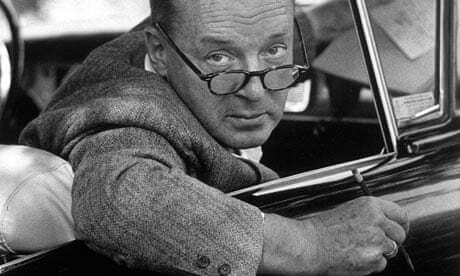
The Enchanter: Nabokov and Happiness by Lila Azam Zanganeh – review | Vladimir Nabokov | The Guardian

I've always been a fan of Vladimir Nabokov's writing. With his deft style, images come alive in ways that are both beautiful and disturbing; language is used not as a way to tell a story but to explain character. On that score, Vladimir's seminal novel Lolita quickly comes to mind. Nabokov's The Enchanter (1939) tells a similar story and is considered an Ur-Lolita (Lolita would be published well over a decade later in 1955). The themes which resonate so powerfully in Lolita are all here in this early work, even if they don't play out in the same way.

While The Enchanter is not as fully developed as one would hope (Nabokov reportedly lost the manuscript when he came to America and it wasn't published until after his death) Nabokov's masterful style is abundantly clear. And that style is employed to help us understand protagonists struggling with their demons (or who are themselves demons). The opening line of The Enchanter asks, "How can I come to terms with myself?" The Enchanter is an interesting and thoughtful work which should appeal to those who want more insight into the author of Lolita; it also serves as a nice introduction for those who haven't read Nabokov before. And Nabokov's works are definitely worth exploring! 3.75 stars
Profile Image for Darwin8u.
1,835 reviews9,034 followers
June 30, 2017
Like the back of the novel says, 'the Enchanter' is "the Ur-Lolita, the precursor to Nabokov's classic novel." A short, quick novella that flirts and throbs with similar themes as 'Lolita', but also a terrible infant work that explores the themes of maddness, indulgence, obsession and fantasy that Nabokov's novels like Despair and Pale Fire also explore. A mad king who reigns in his lecherous and multi-level hell of his own impulses. Distilled down, reading 'the Enchanter' is like eating powdered Nabokovian Jello out of the box. The sweetness quickly disolves in your gut into clumpy images of boiled bones, connective tissues, and the intestines of small, lecherous dead animals.
Profile Image for MJ Nicholls.
2,274 reviews4,845 followers
April 18, 2013
The Enchanter is the blueprint for Lolita, there’s no dancing around that fact. The story concerns a middle-aged man-of-private-means who falls for a twelve-year-old nymphet and marries her unappealing mother, later bumping her off to satisfy his crazed libido. The slinky prose wonderment of Lolita is here in miniature too, minus the distinctive lyricism of HH and pervading darkly comedic tone. In true [P] style, all that remains is to tell a 2000-word anecdote about my early years and in some wildly tangential way try to relate it to the novella. Try this on for size. I was working as a travelling salesman in Dundee, selling old paperbacks door-to-door when this foxy teenage delight swung back the door and asked for the latest Louise Bagshawe. She had beautiful cheekbones and silky astral-dark manes of luscious hair, not to mention two of the pertest prehensile dugs this young farmboy had ever seen. But because she chose repulsive chick-lit written by a Tory dragon I slammed the door in her pretty face, despite the come-to-bed eyes she was making and the lusty lip-licking she did in response to my manliness and scholarly power and standing as 5th most popular reviewer on UK Goodreads. Integrity is integral in this reading game—nymphets don’t read at my speed.
Profile Image for Jayakrishnan.
544 reviews228 followers
August 3, 2023
Nobody creates dangerous art like The Enchanter anymore. It is a dangerous novella. The skeleton for what eventually became Lolita. I remember reading Christopher Hitchens memoir in which he said that Martin Amis was obsessed with Nabokov. Amis went so deep into Nabokov's novels that he ended up having conflicted feelings about Nabokov and the great writers attitude towards little girls. So yes, it is the sort of novella that can inspire crazy people to do crazy things.

John Updike said that Nabokov writes prose ecstatically. It is a perfect description of Nabokov's prose. It is almost as if Nabakov was drunk while writing this. The images and feelings he conjures up are like ones that no other writer can.

On the weekends, I take my wife to some Bollywood/Hollywood film and while the film is going on, I often wonder to myself - "This is just shit. Is this all that this writer/filmmaker cares about? All this yuppie feel good shit? Is this why he became an artist? To completely hide himself and make this filth for multiplex audiences?". Some of us need dangerous art in our lives. If only to confirm that there are others in this world that feel and think the way we do.
Profile Image for Ian "Marvin" Graye.
948 reviews2,783 followers
May 14, 2023
CRITIQUE:

Two Works From the One Source

Despite common opinion, this novella isn't a blueprint for, or a precursor to, Nabokov's "Lolita".

Instead, it simply shares a source of inspiration, without necessarily adopting or arriving at the same perspective on, or literary approach to, it.

Nabokov thought he had destroyed his only copy of the novella, when he started writing "Lolita". He didn't find a copy, until after he had finished writing the later novel.

What the two works share is a narrative in which an older male marries a widow in order to have a sexual relationship with her adolescent daughter from a previous marriage.

In "Lolita", Humbert Humbert was 37 years old, while Lolita was 12. In "The Enchanter", none of the three principal characters is named, but the male protagonist is 40, while the daughter is 12.

Step-Father as Sorcerer

The girl's mother is already ill when the protagonist meets her, and it doesn't take long for them to get married and, then, for her to die of her illness, notwithstanding the protagonist's plan to murder her.

The daughter doesn't live in Paris with her mother or her new husband. Only after her mother's death does it become possible for step-father and daughter to live under the same roof. His plan is that they go on a holiday in the French Riviera.

They are only there for one night before the novella comes to its conclusion. Hence, Nabokov avoids the need to describe the ongoing sexual relationship and the rise, decline and fall that characterised "Lolita". Here, there is only a rapid, pre-emptive fall.

Paedophilic Aesthetics

The protagonist appears to have had five or six conventional relationships (he calls them "normal affairs") in his lifetime. However, he found them unsatisfactory, and asks, "How can one compare their insipid randomness with my unique flame?" His answer: "It's not a degree of a generic whole, but something totally divorced from the generic, something that is not more valuable but invaluable.". He grants himself "a licence to grow savage", to circumvent the generic norm, which casts this novella as both savage and enchanting.

He proceeds with what he calls a "refined selectivity...:"

"I'm not attracted to every schoolgirl that comes along, far from it - how many one sees, on a grey morning street, that are husky, or skinny, or have a necklace of pimples or wear spectacles - those kinds interest me as little, in the amorous sense, as a lumpy female acquaintance might interest someone else."

This admission suggests that his taste is determined by an aesthetic ideal: other girls or women don't necessarily comply with this ideal. For example, he describes his wife as if he finds her repulsive. She is described as his "monstrous bride", a giantess, a "cumbersome behemoth"... she is -

"a tall, pale, broad-hipped lady, with a hairless wart near a nostril of her bulbous nose: one of those faces you describe without being able to say anything about the lips or the eyes because any mention of them - even this - would be an involuntary contradiction of their utter inconspicuousness..."

He doubts his ability to -

"tackle those broad bones, those multiple caverns, the bulky velvet, the formless anklebones, the repulsively listing conformation of her ponderous pelvis, not to mention the rancid emanations of her wilted skin and the as yet undisclosed miracles of surgery..."

He regards their relationship as "a joke", which he hopes to share with the girl - it's a vehicle within which he plans "to meld the wave of fatherhood with the wave of sexual love".

Unlike Humbert Humbert, there's no suggestion that there is any genuine emotional love. The protagonist's yearning is wholly physical. For him, she is just "that absolutely unique and irreplaceable being". Until now, he has felt "the perpetual ripple of unsatisfied desires, the painful burden of his rolled-up, tucked-away passion - the entire savage, stifling existence that he, and only he, had brought upon himself." He has enchanted nobody but himself. He's a victim of his own fantasy.

At the mother's funeral, a distant relative cautions him:

"...What a pretty girl she is! You'll have to watch her like a hawk - she's already biggish for her age, just wait another three years and the boys will be sticking to her like flies, you'll have no end of worries..."

Meanwhile, he was guffawing to himself, as if he knew he would beat these boys to the prize.

description
Photo of Vera Nabokov (Credit: Jean Vong) (Source:)

The Metamorphosis of an Adolescent Girl

Sometimes, the protagonist's revulsion toward the mother, and preference for the daughter, seem to be an aversion for the natural process of aging.

In contrast, he seems to want to preserve an image of the daughter as the girl she was when they first met:

"As he imagined the coming years, he continued to envisage her as an adolescent - such was the carnal postulate. However, catching himself on this premise, he realised without difficulty that, even if the putative passage of time contradicted, for the moment, a permanent foundation for his feelings, the gradual progression of successive delights would assure natural renewals of his pact with happiness, which took into account, as well, the adaptability of living love...

"Against the light of that happiness, no matter what age she attained... her present image would always transpire through her metamorphoses, nourishing their translucent strata from its internal fountainhead. And this very process would allow him, with no loss of diminishment, to savour each unblemished stage of her transformations.

"Besides, she herself, delineated and elongated into womanhood, would never again be free to dissociate, in her consciousness and her memory, her own development from that of their love, her childhood recollections from her recollections of male tenderness.

"Consequently, past, present, and future would appear to her as a single radiance whose source had emanated, as she had herself, from him, from her viviparous lover."


If the daughter can't be preserved as an adolescent girl, then the protagonist believes he can at least witness (and imprint himself on) her metamorphosis, as if she were transforming from an egg to a caterpillar, and then from a chrysalis to a butterfly.

Butterflies and Beauty

You have to wonder whether Nabokov's interest in butterflies reflects his fascination with metamorphosis or their aesthetic beauty.

While the portrait of the protagonist is more obviously hostile than that of Humbert in "Lolita", this novella is as perfectly written and satisfying as the later novel. I highly recommend it, although some readers might take offence at some of the content, if not the fate of the protagonist.
Profile Image for Mariel.
667 reviews1,209 followers
February 1, 2013
I have a fascination with ballet that doesn't move. The little engine that could warms up and shit I'm just the understudy. Watching a ballet performance would not hold my interest. My inner eye droops and roams to a back up eye (I put up with "four-eyes" jokes since I was fourteen. I get to have a back up third eye. I hope my fellow wearer of glasses are going "We can do that?"). Yet the idea of it is a kind of romance to me. Bloodied feet, tip toes and sweat. Smoke to sting the eyes and the mirror to work. I love the idea of breaking in shoes. (The Olympics too. I had no interest in ever watching it but that people would deform their existences for this absurd ideal that couldn't last past this closing window I thought about. In exchange for glimpses of shining medals. Rushing roars and cereal boxes. Not that last part.) Legs in the air, frills and prima anything doesn't. I read this in the library and so do not have any quotes to share. There are no quotes on the internet. The Enchanter was rubbed out as the glimpse out of the first eye on the mother and the second on the bequest of a very small person. A 1987 review from The Guardian claims that the very small person does not have a name. "Claudia" floated into my review. I could swear it was said her name was Claudia. Already she would be an ideal image to hold newer faces to, a comparing beacon of their stolen youth. He wouldn't have been stopped. So I have a name in doubt and no quotes but I have a memory like an idea of a rehearsed ballet performance before I float off into my own movements. Images of what desire must feel like and no life in my limbs. No, it isn't Lolita. Lolita who lives as a real person no matter what anyone says. "Love" cannot claim you. The little girl removing her skates could have had another foot in the shoe. An arm bending over her chest over another's heart. But it is her heart, not his. I don't have to know her to give her that. I felt his helpless moan and thought about the turmoil of never wanting to ever want anyone because then you'd have to worry about what part belongs to you. Love doesn't need two people. A given chocolate sandwich and then running off with skates in hand. I could have wanted a blade of grass, nearly, his sighs could be heard over the freeze framed chattering of their neighbors. Plotting, dreaming, he has collected them all his life, what is not his. It wasn't his sexual desire for her. Her crotch he sees the heat and moving on the bed and heard the sheets. I felt a petrie dish containing an outbreak. Please close his eyes and could she run away horror. A mother who plans her death with a eulogy that would probably read like overhearing an elderly person detailing their cancer treatment to the cousin of their next door neighbor's florist. She is already dead even to herself. Someone notice something. The little girl was in the realm of seen and not heard. I want to blame the mother but she's already dead. To him she is a prey in the mouth, tasted by scent, not savored in his eagerness. I was relieved when he is caught her scream in the inn en route to his final destination of we were going to be lovers by the sea. I almost wanted to laugh. But I already heard his beast moan and there's no growl. He's already dead too. Shot out of misery. I could almost feel some beating, some howling, some dying. Sometimes I don't know if I'm the ghost or the walls they pass through any time I read about someone "in love". It's some kind of image, a show.

Before The Enchanter I read Nabokov's last novel the satire of himself Look at the Harlequins! It's nymphet this and sit on my lap that (his character borders on incest with his daughter as well). Did people truly take Nabokov for a pedophile because he wrote Humbert Humbert? I personally thought it was not needed (although it is often quite clever, like the pleasure of a really good word game). Ada, or Ardor is tongue in cheek already (and a much better book. Romance of aliens, another planet). So is this slight story (it is billed as a novella and reads like a short story. The Dimitri Nabokov translator's notes reminded me how I've been reading his short story collection for nearly two years. Reading Nabokov seems to make me want to read more Nabokov, although not predictably the Nabokov that I was already reading. It's a restless feeling. I feel he has what I'm looking for and then I am on the move to go get it. You know what they say if you get lost you should stay where you are? I should. I really need to finish The Gift already. But then I don't want to have the stupor of a ballet dream. He's not my "real thing", more like a tantalizing vision I could never reach. His ecstasy kills me. The Gift is a kind of torture. Speak, Memory killed my love of reading even as I was almost in love with it). I guess I think that he is more interesting exploring what someone else wants, in their animal eyes, than what he thought someone else wanted him to be, in dead dog's eye. Who cares about the dip shits that thought he was a pedo because of Lolita. They could not have read that book, then. Or this one. My reviews are bleeding together.... I am positive her name was Claudia. She should have a name, anyway.
Profile Image for Margarita Garova.
483 reviews264 followers
December 3, 2020
Набоков е майстор в описанието на лепкави желания, от които потръпваш с неприятни тръпки.
Profile Image for L.S. Popovich.
Author 2 books459 followers
September 28, 2020
Nabokov is unapproachable, never ordinary. He is a master and is fundamentally enjoyable to read. This short short novel is elegant in the extreme. Nab describes the desire to write Lolita as a throb plaguing him much of his life. It produces a corollary in this work. An offshoot, the proto-Lolita. But be not fooled. This is a polished, pristine, powerful publication.
The same set-up as his great work with all the inbuilt tension. Contemplates the nature of carnality, lechery, love and lust, social strictures, and passion, all in versatile, angelic prose, inducing literary bliss. It is a refined sustained, lucid dream of a novella, another ode to nympholepsy. Vladikov exhibits extreme variation in word choice, as he seeks to express the justification of the guilts of his tortured characters, the sophisticated warring, internal conflicts, the sensuous nature of their artistic souls. His writing is dense with observations, pithy, imagistic, suggestive ethereality, and barbed phrases, a honeydewed style perfectly suited to the descriptions of obsession, psychological clarity versus intense moral confusion, and yearning, amid the empty substitutes provided by propriety, always seeking after ideal beauty, running from mortality, and appreciating the finest cadences of the English language. It is a magnificent evocation of vigorous emotion, blossoming effortlessly in its contained structure, radiant, fraught with complex caricatures, and utterly riveting. He is fond of chess metaphors, and he is a keen player in this game of language. His approach betrays a keen insight into the motives of deception, the vain art of seduction. Somehow it is more daring than Lolita, and just as enchanting.
Profile Image for Helga.
1,386 reviews480 followers
July 31, 2023
The spider pauses, the heartbeat halts...

With Excellent and lucid prose, The Enchanter in Nabokov’s own words, is a pre-Lolita novella.
It was the last book he wrote in the Russian language and not being satisfied with the outcome, thought of destroying it and in fact believed it to have been discarded, until years later a single copy was found among his other manuscripts.
Eventually the manuscript was translated by his son and published posthumously.
Profile Image for Théo d'Or .
651 reviews303 followers
Read
July 11, 2024
- Nabo, can you explain to me what the hell this means ?

- What do you mean, Lolita ?

- Don't try to dodge, who's the girl in your story ? I always thought c'est moi your ever angel.

- Uh...oh... Lolita darling, you weren't born when I wrote this. You are and will always be the star of one of my most famous story. " The Enchanter " is merely a sketch that paved the way for your story.

- You don't say ! A sketch ? Tell me, does she have my charm ?

- Well, she has a certain allure, yes, but she lacks your depth and complexity. You're a vivid character, with a voice that echoes through literary history.

- Yeah...bla-bla, plus bla-bla it's still a bla-bla.. Yet, I suppose I can't blame you for exploring your ramblings. An artist must follow his muse, even if she's a bit...younger than expected.

- Let's be clear, Lolita. It's not about age, it's about capturing the human condition, about pushing boundaries and exploring the forbidden to reveal truths about our nature.

- Sure. Your nature. Nabo darling...I've been thinking... If imitation is the sincerest form of flattery, should I consider " The Enchanter " a tribute act ?

- Ah...Lolita, you're as sharp as ever. But no, not a tribute. Think of it as a rough draft in the grand scheme of my literary simphony, where you, my dear , are the crescendo.

- Hmmm...Better "crescendo "than the trumpet.. A rough draft, huh ? I suppose every great composer needs a practice run. But let's not forget who's the masterpiece, and who's the...what's a polite word for it ? The doodle ?

- Indeed, The Enchanter is but a doodle, and you, Lolita, are the Mona Lisa of my œuvre. Yet, even Da Vinci sketched before painting.

- Yeah... but did Mona Lisa have to compete with a sketch ? I mean..I'm not one to brag, but I've been told I have a certain...je ne sais quoi...

- And rightly so, sweetie. Your " je ne sais quoi " - is unparalleled. But it's not about competition. It's evolution. From the chrysalis of " The Enchanter " emerged the butterfly that is " Lolita ".

- Ah, okay...I like that - " butterfly "..Btw, are you playing hide and seek with your readers ? Some of them are still scratching their heads over your metaphors. You know, not all readers have your IQ...

- My dear, a little cerebral exercise never hurt anyone. Besides, if they wanted easy reading, they'd pick up a payment invoice, or a Hustler, or something , not Nabokov.

- Good to know. I'd hate to have to compete with a continental breakfast for attention. I'm more of a full English breakfast myself-impossible to ignore.

- Indeed, you are. Full of flavor and a little bit naughty. Just the way literature should be.
Profile Image for Steven Godin.
2,782 reviews3,373 followers
January 11, 2019
I love Nabokov, and will always read Nabokov, in the form of a physical book. So why I decided, for some strange reason, to make The Enchanter my first Audiobook remains a mystery to even me.

Maybe my eyes were feeling lazy.

The narrator was reading slower than snail pace for one thing, and he even tried to mimic the voice of some devious pervert. OK, that I understand, considering what the story is about, but this will remain my one and only audiobook. At least I gave it a go.

Sorry Vlad, I will not let you down again. You deserve the real deal. A proper book, with lovely smooth pages and all. Not some dullard whose voice spoiled what is probably a decent read.

Three stars, but only because it's Nabokov.
Profile Image for Cody.
988 reviews300 followers
May 11, 2017
If one looks through the thousands of reviews of Lolita, a thematic unifier becomes abundantly clear: it is de rigueur to explicitly state that Lo’s age, HH’s lascivious lustings, the consummation thereof, blah-diddy-blah-di-da were personally reprehensible to you. Every fiber of your being was tested as you repeatedly swallowed the rising bile in your throat, so repulsed were you by the contents. You braved on in search of justice and vain hope of a reckoning for Humbertx2. Lastly, you concede that the book was very well-written but an agony on par with Christ’s Passion and a vileness you would never be able to endure again.

Ok, cool. Can I recommend to you The Enchanter as your next Nabokov then? Sure, the nameless female target of sexual lust is younger this time, 10 or 11, but don’t let that stop you. Or the fact that the equally-nameless narrator, middle-aged male, can’t help but go all goo-goo over knee socks, roller skates, and the undropped eggs of premenstrual babes. Yes, it’s the original Russian kernel of that other book, but besides the above and approximately ten other plot points we’re talking different games altogether.

Or you could make a case below this review that Nabokov had an unusual tendency to write about pre-pubescent gals. To which I say he had an unusual tendency to write about butterflies and chess as well.

Just make sure to stick around for what may be VVN’s single-most arresting closing sentence found anywhere in his entire, sprawling corpus. And then go write a review of how sick The Enchanter made you, if only to spare others the same assault against all that is good and pure and virginal in this world. Because, y’know, one must always follow the invisible rules of decorum in FICTION.

Sincerely,
—A Concerned Father of a Young Daughter
Profile Image for Vanessa.
959 reviews1,213 followers
November 30, 2015
Oh Nabokov, you truly are a master of the written word.

I read this novella as part of the Dewey's 24 Hour Readathon this year (my first time attempting it, and a very enjoyable experience!). Seeing as Lolita is one of my favourite books of all-time, I couldn't wait to check out Nabokov's almost precursor to the classic novel.

The unnamed protagonist, the "enchanter" himself, is a mixture of funny, calculating, and vile. The way in which he weaves his spider's web around the young girl he becomes obsessed with and her mother is perfectly devious, and I loved waiting for him to constantly trip up or get caught.

Nabokov's writing is as usual on point and a joy to read, even with the disturbing subject matter. Despite its tiny length, the story was perfectly structured and paced. It never lagged, and the attention to detail was brilliant. If you're a fan of Lolita or Nabokov's work in general, I'd definitely recommend checking this out.
Profile Image for Adam Floridia.
604 reviews30 followers
February 18, 2012
5 stars. 5 stars for a book whose margins are now filled by my insightful literary analyses reading "creepy," "disturbing," "ewwwww," "gross," and even "that's really fucked up." This is the first half of Lolita in the making--no mere similarities, but exactly. Only, it's cruder. This is the first time I've found some of Nabokov's prose actually obtuse. Also it's more vulgar. There still aren't any vulgarities/obscenities, per say, but this is so much more vulgar AND obscene than I remember Lolita being--the "subtle" metaphors just aren't subtle here: "the captive would be ignorant of the temporarily noxious nexus between the puppet in her hands and the puppet-master's panting, between the plum in her mouth and the rapture of the distant tree" (55). Finally, this unnamed "enchanter" is actually no where near as...dare I say...sympathetic as Humbert. Using such a term to describe Humbert Humbert is almost as unnerving and uncomfortable as following either character's perverse obsessions: and it is the book's power to so upset emotions (quite literally upset) that makes it 5 stars.

Disturbing Quotation: "he might be rewarded by...meld[ing] the wave of fatherhood with the wave of sexual love" (31).

Miscellany:
--It was odd (oh, by far the least discomforting thing about the book) to read a Nabokov written in third person.
--The first three pages are amazingly structured: two pages of mathematical rationalization for pedophiliac desire (without overtly naming it) and philosophical jargon that leads abruptly to the sentence "I'm not attracted to every schoolgirl that comes along" (5), followed by the sincere claims that he'd make a great father. Then, back to the "law of degrees" and "sum of sensations" and "rules of arithmetic." Just astounding, really.
Profile Image for NeDa.
434 reviews20 followers
November 24, 2019
Мълчалива възхита и няколко изречения в подкрепа ...

Набоков + Иглика Василева =

Никога преди това не се беше случвало подчиненото изречение на страховития му живот да се допълни от главното...

... на моменти спираше, дълбоко умислена, след което го догонваше с някое позакъсняло питане, подсказано ѝ от неговите предпазливи думи, излезли на пръсти от устата му.

Той погледна гората, която се приближаваше на вълнообразни скокове от склон на склон, докато накрая се спусна по едно нанадолнище и се препъна в пътя...
Profile Image for Φώτης Καραμπεσίνης.
435 reviews221 followers
June 12, 2022
Ο γητευτης, εκδόσεις Νεφέλη.

Μικρή νουβέλα, εισαγωγή στη Λολίτα.
Λογοτεχνία, επιπέδου Ναμπόκοφ.
Profile Image for Diana Stoyanova.
608 reviews160 followers
Read
June 14, 2021
Много харесвам как пише Набоков, но педофилските наклонности във " Вълшебникът" надскачат многократно възприятията ми за приемливост. То и " Лолита" беше доста скандална и предизвикателна, но там като че ли мъжките блянове бяха по- умерени и платонични. Тук обаче, мераците граничат с пошлост.
В тази повест героите са безименни, а страстите граничат с болезнена обсесия.

Набоков ни въвежда в главата на един мъж на средна възраст, чиято забранена похот го разпъва на кръст и го превръща в безскрупулен Хищник.
От едната страна на цялата пъклена схема е болната Жена, Майката, която без да подозира беше станала средство Мъжът да бъде по- близо до дъщеря й.
От друга страна беше Мъжът, който беше готов на всичко, за да постигне целта си и да се добере до Момичето.
А пресечната точка на цялото това задкулисие е едно невръстно дете, което беше жертва на обстоятелствата и на болните щения на един извратен мъж.
Набоков сериозно разклаща човешката ценностна система, като се почне от неустоимото желание да се прекрачи границата на сексуалния копнеж, и се стигне до срутване на идеята на съюза между двама човека, а именно нещо много повече от задоволяване на първични потребности, независимо дали от физическо или материално естество.
Опорочена е идеята за същината на Любовта, измествайки фокуса върху първичността, низките страсти и интересчийството. Но пък Набоков го е направил толкова естествено, автентично и внушително.
Дори мъжът, обрисуван като злодей, заради неговите лукави планове, водени от безумното му и болно увлечение, всъщност е жертва на самия себе си, на собствени си слабости.

" Вълшебникът" всъщност е прелюдия към " Лолита", но в доста по- суров вид. Явно Набоков нахвърляйки идеите си тук, е бил вдъхновен за написването на " Лолита". Аз лично смятам, че двете произведения е хубаво да бъдат публикувани в едно издание.

Набоков е неотразим майстор на словото, независимо, че се съпротивлявам вътрешно срещу тематиката.
Profile Image for LW.
357 reviews93 followers
December 20, 2017
Volshebnik

L'Incantatore è una novella scritta nel 1939 a Parigi
firmata con lo pseudonimo "V.Sirin" usato da Nabokov per i suoi scritti in russo dalla prima giovinezza in poi, perché non fossero confusi con quelli del padre ,Vladimir pure lui.
C'è nella novella un primo vago palpito di Lolita, ci sono echi di certe idee e immagini ,tuttavia ,come scriveva l'autore in una nota
Lolita era una cosa nuova , che aveva sviluppato di nascosto gli artigli e le ali di un romanzo vero e proprio.
I protagonisti non hanno nome , la vicenda -c'è suspense, ironia, la follia vista con la mente del folle - non ha né luogo né epoca, emblematico è l'orologio dal quadrante cieco del perverso maestro d'inganni : è come se per lui fosse necessaria una negazione del tempo, della realtà,della moralità adulta ,una dimensione "sospesa", per poter tradurre le proprie fantasie sessuali in azioni vere, per poter vivere la sua aberrante eccitazione senza freni...
Scrittura pregiata e multistrato :)
4 stelline !
Profile Image for Кремена Михайлова.
630 reviews208 followers
June 16, 2015
Какъв подходящ преход – от японската „Гласът на планината“ (20 годишна жена и > 60 г. мъж) към уж западна (но наречена от самия Набоков руска) проза (12 г. момиче и > 40 г. мъж). И при двете книги ми мина мисълта - май трябва малко да се сърдим на красотата (както Мизогучи от „Златният храм“ не понесе онази „трудна“ красота). Няма смисъл сега да описвам другите прилики и разлики между споменатите романи. Но определено си припомних: обичам книги, в които се пише така – както чисто литературно (като език), така и като способност да се проникне в емоциите на героите.

Не знаех, че харесвам толкова Набоков. Като си погледнах неусетно събраните и прочетени книги и спомените от всяка, осъзнах това. По различен начин от обичайния протече сближаването ми с него. Обикновено харесвам един автор и започвам да чета/купувам следващи негови книги. Сега без да усетя, от Набоков у дома намерих четири, без първоначално да съм имала такава цел и силно харесване.

Конкретно за „Вълшебникът“ – напоследък ми е интересно да се разказва за „виновниците“. Например прочетох две книги от гледната точка на нацистки офицери. Сега много се зарадвах, че в началото пряко „слушаме“ мислите на главния герой. Но това се оказа само началото и после повествованието продължи от името на разказвач – който се справя перфектно.

И друг път за подобни книги (12-40; 16-45) съм казвала – сигурно щях да мисля малко пó иначе, ако имах дъщеря (още по-категорично отрицателно). Темата е толкова болезнена. Обикновено за потърпевшите. А извършителите какви са всъщност? Това влечение подлежи ли на овладяване? Съпоставимо ли е със зависимостта например към шоколада (освен че на шоколада нищо няма да му стане, дори и да се консумира). И още като пиша това, усещам, че се прокрадва някаква симпатия към главния герой. Все пак книгата започва със самоанализ на манията му, т.е. някаква степен на осъзнаване.

„Похотливост ли беше това, това мъчение, което изпитваше, докато я поглъщаше с поглед, възхищавайки се на пламналото ѝ лице, на пестеливостта и съвършенството на всяко нейно движение.“

Затова се питах – ще успее ли да се спре. С приближаването към края се притеснявах дали няма да съжалявам за това мое толериране на иначе едно от най-противните престъпления. Но въпреки финалните трясъци по-скоро бях успокоена донякъде (и все пак час-два след края доста бурно беше и при мен), поне първоначално. По-късно се питах за ролята на шанса и какви други развития би могло да има.

Какво ли ме чака с „Лолита“? Засега само я имам, но не съм я чела. Чувала съм всичко – че е най-добрата на Набоков, че не е най-добрата на Набоков. Може да се окаже само, че е най-популярната му – заради естеството ѝ. Както на Рушди най-популярната е „Сатанински строфи“, но според мен не е най-добрата му. Ще видим. Ще се опитам да мине малко време преди следващия ми Набоков. Освен „Лолита“ искам и други негови книги да прочета, не знам какви още има, но дори да са на сходна тема, сигурно пак ще ме държи здраво най-малкото заради езика си. Всеки път ми действа като enchanter, дори книгата да не се нарича „Вълшебникът.“ Все повече оценявам писането на Набоков – като чист писателски талант и като проникновен ум.

„Появата на момичето, дъхът му, краката му, всичко, което вършеше – дори когато почесваше пищяла си, оставяйки бели следи върху кожата, или подхвърляше малката черна топка във въздуха, или пък неволно отъркваше в него голия си лакът, настанявайки се върху пейката, - всичко това (докато в същото време се правеше на погълнат от приятния разговор) възбуждаше у него болезнено усещане за пълнокръвна, кожна и мултиваскуларна връзка с момичето, като че чудовищната бисектриса, изпомпвайки всичките сокове от дълбините на съществото му, стигаше до нея като пулсиращ пунктир, като че момичето израстваше от него, като че с всяко неволно движение подръпваше и разклащаше собствените си жизнени връзки, дълбоко вкоренени в неговите вътрешности, така че, когато тя рязко променяше позата си или пък се затичваше напред, той усещаше внезапно и мъчително обтягане, разпъване, дори за миг изгубваше равновесие…“

„… извивката на тесния ѝ гръб, двата малки гъвкави, кръгли мускула по-долу, начинът, по който каретата на роклята ѝ (другата, кафявата) се удължаваха, когато се случеше да вдигне ръце, изящните глезени, петите. Изглежда��е малко затворена в себе си, от онези деца, които повече се оживяват в игрите, отколкото в разговор, не беше нито свенлива, нито дръзка, с душа, като че потопена в искряща влажност. Непрозирна на повърхността, ала бистра в дълбочина, тя сигурно обичаше бонбони, малки кученца и рисувани филми.“


Както при споменатата японска книга, и сега си мислех за „горкичкия“ мъж (който и да е) – как да понесе толкова покоряваща красота, как да не загуби ума и дума („За всичко това, за руменината на бузите ѝ, дванайсетте чифта тънки ребра, мъха по протежение на гърба, малката ѝ крехка душа, онзи леко дрезгав глас, ролковите кънки и сивия ден, незнайната мисъл, която току-що бе минала през главата ѝ, докато гледаше неизвестно какво от моста. За всичко това би дал торба жълтици, кофа кръв – каквото му поискат…“), какво да прави с „разтопения си восък“, след като е „… подтикван от таен стимул, далеч по-точен от разума му.“

И пак като в японската книга си мислех за несправедливостта - ами „грозните, дебелите и старите“? (поне не предизвикват такъв тип полуда)

„…няма да може физически да се справи с тези широки кокали и многобройни отверстия, с тази месеста мекота и безформени глезени, с тази отблъскваща, свлечена конструкция на масивния ѝ таз, да не говорим за миризмата на граниво, която повехналата ѝ кожа изпускаше…“

„Макар и да си мислеше за години напред, той продължаваше да си я представя като малка – това е основният принцип на плътта.“


И още защо ми харесва Набоков – защото е безкомпромисен и няма половинчато развитие на действие и герои при него. А момичето – без почти дума да каже – пак си го представях какво е (на какъв език си говореха в тази неясна страна – на всякакъв може да е).

„Кестенявите ѝ къдрици, които отново тръсна (седем осми навик и една мъничка осма – склонност към флиртуване).“

Във всякакви случаи на сексуално общуване/насилие върху (малка/голяма) жена винаги се запитвам и за нейната роля, частица упрек отива понякога и за нея, като се има предвид лесната „запалимост“ на мъжете. Но в книгата в какво да упрекнем момичето – заради тази чисто природна осминка…? Остава да си мислим за безбройните заобикалящи ни чичковци с утвърдено социално и финансово положение и безупречно видимо поведение – на какво ли е способен всеки от тях (надявам се в книгата обсебването да е нарочно пресилено, както и в „Смях в тъмното“; не зная случайно ли беше спомената и една малка сестра от миналото).

За превода – иска ми се да кажа лейди Иглика Василева (както примерно сър Антъни Хопкинс).

„…слабото му сияние се мержелееше някъде наблизо.“

„…усещанията, специално мобилизирани отвсякъде – меланхолия, ненаситност, нежност, лудост, - сега се бяха съсредоточили единствено върху образа на онова неповторимо и незаменимо създание, което имаше навика да тича нагоре-надолу, докато слънцето и сянката си съперничеха кой да го заметне със собственото си одеяние.“

„Равномерното дишане на светлата ѝ дреха, примесено с новото разбулване на нейната красота, продължаваше да трепти пред взора му вълнообразно, както се вижда картина през шлифован кристал.“


От 125 страници (може би е нямало смисъл да се оставят толкова широки полета на страниците, а просто книгата да изглежда като от стотина страници) най-силен кулминационен момент за мен бяха страниците 90-95 (като действие, език, връзка със заглавието), освен разбира се финалните 121 и 125. Именно последната страница бих искала да споделя като пример за това, с което ме наелектризира писането на Набоков, но няма как. И без това при такъв малък обем дори цитираните откъси ми се струват разкриващи.

Не зная защо книгата ми подейства чак толкова драматично, но темата си е драма – щом и самият безименен герой „…беше оглушал от собствения си ужас...“
Profile Image for Henk.
1,195 reviews304 followers
September 27, 2025
This precursor of Lolita is a dark story about obsession and ruthlessness. It is a slow carcrash, at times surreal, and quite suspenseful
The man is a dreamer like others, although in this case a very rotten dreamer.

The cover is gorgeous and fitting well with this short work! A 30 year age gap and obsession lead to a travesty of a marriage. The main character acts as husband to (A woman pregnant with her own death) and has unknowable motives to the outside world, while desperately trying to gain access to an underage, sexually unawakened girl.

The juxtaposition of normal sexual desire, flaunted at the hotel, and the secret undercurrents of the main character is interesting (if deeply uncomfortable) and I actually like the ending with the symmetry what happens to the main character versus what he wants with the girl.
One of his last Russian works this shows at times a main character longing for decency through hunter-like, calculating cynicism.
The adagio of those who live by the sword die by the sword seems true here, making this strangely reflective of a certain belief in karma even; bad things transpire to people with bad thoughts and intent.

Animalistic overtones and echoes of Red Riding Hood and the wolf create suspense culminating in almost surrealist hotel scenes where the protagonist is lost almost in a kind of mysterious maze, while a blank faced watch and an antique walking stock serve as cyphers, phallic in the latter instance.
Profile Image for Derodidymus.
257 reviews74 followers
November 25, 2020
doamne, scriitura!!! cât de subtil e în a transmite idei mari prin cuvinte și gesturi mărunte. ador, ador, ador. mi-a plăcut mai mult decât lolita, poate pentru că finalul, poate pentru că sunt aduse față în față iluzia/nebunia/monstruosul și realitatea nefiltrată, într-un moment culminant. plăcerea și teama, dezgustul.
scurtă, dar damn nabokov sir u are top!!!

introducerea m-a făcut să plâng (vorbește despre inspirația pentru nuvelă)
Profile Image for Teresa.
1,492 reviews
October 29, 2018
O Encantador é o último trabalho de Vladimir Nabokov em russo. Escrito em Paris em 1939 e arrumado na gaveta, é traduzido para inglês por Dimitri Nabokov e publicado em 1986, depois da morte do pai.
Este conto seria um esboço de Lolita, escrito em 1955, com o qual tem algumas semelhanças no enredo: um homem de quarenta anos obcecado por uma menina de doze.
"Como poderei reconciliar-me comigo mesmo?" é a primeira frase deste conto — e o seu fio condutor — sobre um homem em conflito com os seus desejos e a sua consciência.

Apesar do tema, não considero um texto chocante, até porque não existe envolvimento sexual entre o predador e a criança, que é muito mais infantil do que Lolita. Na verdade, o que mais me incomodou nesta história não foi a paixão do pedófilo (que Nabokov fez questão de torturar e castigar) mas a menina ser tratada, pela mãe, como um empecilho e ter de viver com estranhos.

Esta edição inclui um comentário de Dimitri Nabokov onde, além de falar sobre o conto, demonstra a falsidade de terem atribuído a Vladimir Nabokov a autoria da obra Romance Com Cocaína.
Profile Image for Daniel Chaikin.
593 reviews71 followers
January 1, 2021
My latest Nabokov and his last Russian language effort in long fiction. This is a kind of precursor to Lolita (which I haven't read). It's also a pedophile story, written in 1939 in France (as WWII kicked off) in perfect Russian prose, apparently shared around a little, but it wasn't published and all copies and versions were lost. A single manuscript was rediscovered in the early 1980's, and was translated in 1985 by Vladimir Nabokov's son, Dmitri. It runs 77 pages in this paperback.

It's a terrific little story, funny on the surface, obviously pretty dark underneath. There is a lot of play in the way the story works out. The unnamed pedophile is crafty but doesn't really seem to think anything through. He tries to reason with himself, using the phrase "providential sophistry" brilliantly. (I had to look up both words). Then he stumbles upon what he sees as a golden opportunity - a beautiful pre-teen girl whose mother is a terrible mother, widowed and dying. He explores a bit, and then marries the dying mother, intending to inherit his victim. As the book works it out, he almost accidentally becomes a good person, supporting the lonely dying mother. He always stays decent outward, while entirely an animal on the hunt inside. He gets very frustrated and bitter with each piece of good news, as the mother stays well for a bit. Alas, things start to work out except that this story can only end it disaster.

Nabokov has many tricks here. I liked that the man first sort of plays god, manipulating everyone, but then suffers as he become subject to fickle fate. Things go his way and then they undermine him in humorous patterns, seriously messing with his patience and, well, his sense. It's such a playful touch, you almost forget all the harm he intends. The end feels a little rushed and convenient, but who knows which draft this was. An entertaining novella to end the year.

-----------------------------------------------

64. The Enchanter by Vladimir Nabokov]
translation: from Russian by Dmitri Nabokov, 1985
published: written 1939, found in the 1980’s
format: 113-page paperback
acquired: October
read: Dec 30
time reading: 2 hr 53 min, 1.5 min/page
rating: 4
locations: Paris and French Riviera
about the author: 1899 – 1977. Russia born, educated at Trinity College in Cambridge, 1922. Lived in Berlin (1922-1937), Paris, the US (1941-1961) and Montreux, Switzerland (1961-1977).
Profile Image for Jaroslav Zanon.
226 reviews182 followers
May 12, 2023
Dopo frasi come: "Pregustare la ragazzina era come sentire la cocaina fondersi nei suoi lombi" e "Successo del cesso", non so se ho letto un libro di Nabokov o una canzone trap tra cocaina, sesso e successo postumo dopo aver fatto una vita di merda. Comunque, è trap bro.
Profile Image for Мая.
133 reviews80 followers
April 16, 2015
Тази пра-Лолита ме възхити доста повече от оригиналната. Не, нямам предвид, че тук имаме също така дръзко поведение от почти дете, съблазняващо по-възрастен мъж. Даже напротив - тук момиченцето е невинно и крехко създание, с което похотливите мисли и щения на главния герой се хранят.
Героите така и не получават имена до края на новелата. Незнайно защо, може би Набоков иска да си изградим наша представа за хората, да решим в сърцата си дали да съдим някого, чиято съдба е да е пленен от красота, която бързо си отива и не оставя дори спомен за себе си.
Да намерим собствено име и определение за подобен вид човек.

Преводът на Иглика Василева е зашеметяващ, как може да играе с езика така, че да го накара да се лее като река - неспирен и буен, когато трябва и леко и ненарушимо плавно, докато картината, която читателят трябва да види, не изникне пред очите му по-ясна от реалността.

Бях впечатлена от тази кратка новела, която казват, предшествала "Лолита" и поставила основите на така добре познатия ни роман. Съгласна съм обаче и с мнението, че трябва човек да е чел "Лолита", за да направи своите съпоставки на двете произведения, да търси приликите и разликите между тях и да реши за себе си кое е неговото произведение. За мен със сигурност е това.
Вие може да решите обратното или да харесате и двете.
Мога да кажа, че Набоков пише красиво, а когато с превода се е заел правилният преводач - резултатът е налице!

"Вълшебникът" ме омагьоса, срещнете се с него и вие ..
Profile Image for Stian.
88 reviews143 followers
June 15, 2016
Familiar Nabokovian motifs and a recognisably Nabokovian story, and a precursor to Lolita: a deluded man concocts a plan to marry a sick (dying) woman in order to molest her twelve year old daughter. The man goes a long period of time frustrated as the woman refuses to die; a period of frustration that Nabokov depicts brilliantly (as is his wont). Finally, as the main character (never named; neither are anyone else in the story except for one inconsequential one), at last, manages to get to his dreamed-about scenario, alone with the girl in a hotel room, the mother recently deceased, Murphy's law kicks in and everything that can go wrong, does go wrong for the deluded man.

The writing is wonderful, the story is creepy and off-putting, as it generates an uneasy atmosphere where you hope that, please, for the love of all that is good, let nothing happen to this girl. The type of disturbing atmosphere that Nabokov is a master at creating.
Profile Image for Jeff Jackson.
Author 4 books527 followers
May 21, 2025
The Enchanter's relationship to Lolita is frankly overstated, but it works as its own brisk novella that offers a whirlwind of brightly narrated scenes brimming with dark humor. Our anti-hero here is more hapless than Humbert and has more qualms about his own illicit and plainly illegal desires. The narration offers us some access to his thoughts, but also signals that his prey will remain free from his sweaty clutches. Ultimately, it's a puppetmaster's shadow play of a queasy morality tale. What might be most remarkable is how utterly Nabokov transformed this scenario into one of the 20th Century's masterpieces.
Profile Image for Marysia.
45 reviews1 follower
April 24, 2022
Obrzydliwe. Po tej książce wiem, że nie jestem jeszcze gotowa na Lolitę.
Profile Image for Evan.
1,086 reviews902 followers
March 16, 2016
Humbert Humbert goes Anna Karenina? Say it ain't so, Nabby!

Despite my appreciation for what VN does with this most of the way -- particularly the slow, excruciating tortures of anticipation suffered by his ever-frustrated protagonist, followed by his lustful loss of control and the absurdly funny collapse of all his carefully laid plans for his nubile charge -- I just never really felt this was in the same league as this story's later, fuller iteration as Lolita, which may not be fair, but so be it.

It's probably for the best that this did not see the light of day until after Nabokov's death; it would have undercut the effectiveness and shock value of the later more famous (and better) novel, and possibly have hurt VN's reputation (both as a writer and a respectable man).

In certain passages, this book seems dirtier than Lolita, even though there is no consummation of the pair's relationship. My transgressive self appreciates this, certainly.

Dmitri Nabokov does a yeoman job of recreating the elder's English styling in this translation from Russian. Even so, I was kind of underwhelmed. Sorry Nab fans.
This entire review has been hidden because of spoilers.
Profile Image for Atticus06.
105 reviews58 followers
Read
March 29, 2019
Non riesco a votarlo.
È scritto talmente bene e in modo talmente elegante che il torbido sfuma tra le parole ma il tema è così fastidioso che certe descrizioni(bellissime) possono creare disagio.
Gran bel racconto.
Displaying 1 - 30 of 491 reviews

Join the discussion

Can't find what you're looking for?

Get help and learn more about the design.