

What do you think?

A SOLO ACT: ...in SOULITUDE
THIS IS MY STORY,
THE STORY OF OLD JOHN.
I have been left behind.
By my children.
All three of them.
I chose to stay back.
All by myself.
I, ME, MYSELF.
I live Alone. We come alone, we go alone.
My wife too has gone.
Forever.
I used to fight with her. Now I admit to myself , I miss her.
These are my three states of being.
It took me long to realize.
I, ME, MY SOUL, is just looking for peace.
For SOULITUDE.
Believe me, this looking.
It is A SOLO ACT.
THE STORY OF OLD JOHN.
I have been left behind.
By my children.
All three of them.
I chose to stay back.
All by myself.
I, ME, MYSELF.
I live Alone. We come alone, we go alone.
My wife too has gone.
Forever.
I used to fight with her. Now I admit to myself , I miss her.
These are my three states of being.
It took me long to realize.
I, ME, MY SOUL, is just looking for peace.
For SOULITUDE.
Believe me, this looking.
It is A SOLO ACT.
208 pages, Paperback
Published May 17, 2025
Ratings & Reviews
Friends & Following
Create a free account to discover what your friends think of this book!
Community Reviews
Displaying 1 - 30 of 98 reviews
January 24, 2026
'Solo Act' is a hauntingly beautiful narrative that unfolds like a quiet stage play, leaving you breathless in its stillness🌻🤍
The story of Old John, a man abandoned by his children and grappling with the loss of his wife, is told with a simplicity that's both poignant and powerful.As you read, you'll feel like you're intruding on a personal diary, witnessing the raw emotions of a man confronting his solitude... The writing is simple yet vivid and poetic, painting a stark picture of Old John's life. The narrative feels like a beautiful and slow, mournful melody...
The scenes where Old John hallucinates his dead wife and daughter are devastating and makes your heart ache...These moments are crafted with such tenderness that I felt like I was eavesdropping on a private grief🥺
What sets this book apart is its nuanced exploration of grief/ loss..not just the one caused by death, but also the pain of physical distance and abandonment. It's a beautiful depiction of how old age brings reflections on past actions, mistakes, and whatifs🤍And yet at the end, it also celebrates the beauty of acceptance and solitude, a theme that's both profound and timely.
This book is totally different from anything I've read before...unique in its own way, with a quiet power that lingers long after you finish reading. If you're in the mood for a contemplative, introspective read, Solo Act is a masterpiece 🌻
The story of Old John, a man abandoned by his children and grappling with the loss of his wife, is told with a simplicity that's both poignant and powerful.As you read, you'll feel like you're intruding on a personal diary, witnessing the raw emotions of a man confronting his solitude... The writing is simple yet vivid and poetic, painting a stark picture of Old John's life. The narrative feels like a beautiful and slow, mournful melody...
The scenes where Old John hallucinates his dead wife and daughter are devastating and makes your heart ache...These moments are crafted with such tenderness that I felt like I was eavesdropping on a private grief🥺
What sets this book apart is its nuanced exploration of grief/ loss..not just the one caused by death, but also the pain of physical distance and abandonment. It's a beautiful depiction of how old age brings reflections on past actions, mistakes, and whatifs🤍And yet at the end, it also celebrates the beauty of acceptance and solitude, a theme that's both profound and timely.
This book is totally different from anything I've read before...unique in its own way, with a quiet power that lingers long after you finish reading. If you're in the mood for a contemplative, introspective read, Solo Act is a masterpiece 🌻

February 16, 2026
A Solo Act is one of those books that makes you want to slow down. The book is written as a play, and that format works well for this story. The chapters are short... The scenes are quiet... But the emotions, they are heavy. This is a story about grief, loneliness, and growing old with memories that you can't seem to get over.
In this, we follow John. He is an elderly widower, who is navigating life after a huge loss. His days feel empty, his thoughts becomes repetitive... And his loneliness, almost constant! What mesmerized me was how real everything felt. Nothing was dramatic or exaggerated. The emotions were raw and real... At the same time, messy, uncomfortable, and unresolved.
I really liked how the book explored relationships. And especially marriage and parenthood. It's not like there is a villain here. Just people who loved, failed, and carried their emotional baggage and generational trauma without knowing how to get rid of it. John’s internal conversations felt raw and sometimes painful to read... But they added so much depth to his character.
This is not a fast paced book. It's good because, it is not meant to be. The pacing shows grief, as slow, as heavy, and as lingering. By the end, it didn’t feel like I had read a story, but like watching someone's life unfold right infront of my eyes.
If you enjoy reads that sit with you long after you finish, A Solo Act by Sun:jeev is worth picking up. It is quiet, emotional, and deeply human.
In this, we follow John. He is an elderly widower, who is navigating life after a huge loss. His days feel empty, his thoughts becomes repetitive... And his loneliness, almost constant! What mesmerized me was how real everything felt. Nothing was dramatic or exaggerated. The emotions were raw and real... At the same time, messy, uncomfortable, and unresolved.
I really liked how the book explored relationships. And especially marriage and parenthood. It's not like there is a villain here. Just people who loved, failed, and carried their emotional baggage and generational trauma without knowing how to get rid of it. John’s internal conversations felt raw and sometimes painful to read... But they added so much depth to his character.
This is not a fast paced book. It's good because, it is not meant to be. The pacing shows grief, as slow, as heavy, and as lingering. By the end, it didn’t feel like I had read a story, but like watching someone's life unfold right infront of my eyes.
If you enjoy reads that sit with you long after you finish, A Solo Act by Sun:jeev is worth picking up. It is quiet, emotional, and deeply human.

March 4, 2026
A Solo Act by sunjeev bhatia (sun:jeev)
If you are going through a time in your life where you are rethinking who you are, this book is for you. Sanjeev Bhatia gives us a gentle roadmap to finding what he calls "soulitude" the peace of being alone with yourself.
It is a story of a man named John who has lost the love of his life, Sylvia. He is broken. He spends his days remembering her, crying, and feeling so much pain that he sometimes wants to end up all. The story is built around his three inner voices: I, Me, and Myself. Through John, we see how sadness can make a person feel old before their time. But as the story goes on and he starts talking to people again, he slowly changes. The most important lesson he learns is the art of letting go, which he learns from his eldest daughter, Eva.
This book asks a deep question:
When everyone else is gone, what is left inside you?
It will change how you look at hard situations. It teaches you how to accept yourself and how to move forward.
You don’t just read this book, you live it. It feels like you are sitting in a theater watching a powerful live play happen right in front of you.🥺
If you are going through a time in your life where you are rethinking who you are, this book is for you. Sanjeev Bhatia gives us a gentle roadmap to finding what he calls "soulitude" the peace of being alone with yourself.
It is a story of a man named John who has lost the love of his life, Sylvia. He is broken. He spends his days remembering her, crying, and feeling so much pain that he sometimes wants to end up all. The story is built around his three inner voices: I, Me, and Myself. Through John, we see how sadness can make a person feel old before their time. But as the story goes on and he starts talking to people again, he slowly changes. The most important lesson he learns is the art of letting go, which he learns from his eldest daughter, Eva.
This book asks a deep question:
When everyone else is gone, what is left inside you?
It will change how you look at hard situations. It teaches you how to accept yourself and how to move forward.
You don’t just read this book, you live it. It feels like you are sitting in a theater watching a powerful live play happen right in front of you.🥺

September 5, 2026
At its heart, A Solo Act is a story about love, loss, memories, and the emptiness left behind when a loved one is no longer there. John’s journey is deeply human, making it easy for readers to feel sympathy for him and connect with his loneliness.❤️🌻

April 17, 2026
𝐀 𝐒𝐎𝐋𝐎 𝐀𝐂𝐓
𝐀𝐮𝐭𝐡𝐨𝐫: 𝐒𝐮𝐧:𝐣𝐞𝐞𝐯
🥀 𝐈𝐟 𝐲𝐨𝐮 𝐚𝐫𝐞 𝐬𝐨𝐦𝐞𝐨𝐧𝐞 𝐰𝐡𝐨 𝐥𝐨𝐯𝐞𝐬 𝐭𝐨 𝐞𝐱𝐩𝐞𝐫𝐢𝐦𝐞𝐧𝐭 𝐡𝐮𝐦𝐚𝐧 𝐩𝐬𝐲𝐜𝐡𝐞 𝐮𝐧𝐝𝐞𝐫 𝐭𝐡𝐞 𝐰𝐞𝐢𝐠𝐡𝐭 𝐨𝐟 𝐩𝐫𝐨𝐟𝐨𝐮𝐧𝐝 𝐠𝐫𝐢𝐞𝐟, 𝐭𝐡𝐞𝐧 𝐲𝐨𝐮 𝐚𝐫𝐞 𝐨𝐧 𝐭𝐡𝐞 𝐫𝐢𝐠𝐡𝐭 𝐩𝐚𝐭𝐡. It blurs the line between a traditional novel and a stage play, focusing heavily on the "𝘵𝘩𝘦𝘢𝘵𝘳𝘦 𝘰𝘧 𝘵𝘩𝘦 𝘮𝘪𝘯𝘥". I have got the sense of 𝘈 𝘔𝘈𝘕 𝘊𝘈𝘓𝘓𝘌𝘋 𝘖𝘝𝘌. If you know, you know. It's more like a hug to yourself and a new perspective towards life.
🥀 𝐓𝐡𝐞 𝐩𝐥𝐨𝐭
{𝘑𝘰𝘩𝘯 𝘵𝘶𝘳𝘯𝘴, 𝘭𝘰𝘰𝘬𝘴 𝘢𝘵 𝘵𝘩𝘦 𝘱𝘩𝘰𝘵𝘰-𝘧𝘳𝘢𝘮𝘦 𝘰𝘧 𝘩𝘪𝘴 𝘸𝘪𝘧𝘦. 𝘏𝘦 𝘵𝘢𝘬𝘦𝘴 𝘰𝘯 𝘢 𝘯𝘰𝘪𝘴𝘦 𝘤𝘢𝘯𝘤𝘦𝘭𝘭𝘪𝘯𝘨 𝘩𝘦𝘢𝘥-𝘱𝘩𝘰𝘯𝘦 𝘵𝘩𝘢𝘵 𝘤𝘰𝘷𝘦𝘳𝘴 𝘩𝘪𝘴 𝘦𝘢𝘳𝘴. 𝘖𝘱𝘦𝘯𝘴 𝘵𝘩𝘦 𝘥𝘳𝘢𝘸𝘦𝘳 𝘢𝘯𝘥 𝘮𝘶𝘯𝘤𝘩𝘦𝘴 𝘰𝘯 𝘴𝘰𝘮𝘦 𝘴𝘦𝘦𝘥𝘴 𝘢𝘯𝘥 𝘯𝘶𝘵𝘴. 𝘛𝘩𝘦𝘳𝘦 𝘪𝘴 𝘢 𝘥𝘦𝘢𝘥 𝘴𝘶𝘯𝘧𝘭𝘰𝘸𝘦𝘳 𝘴𝘵𝘢𝘭𝘬 𝘥𝘳𝘰𝘰𝘱𝘪𝘯𝘨 𝘧𝘳𝘰𝘮 𝘢 𝘵𝘢𝘭𝘭 𝘷𝘢𝘴𝘦 𝘣𝘦𝘧𝘰𝘳𝘦 𝘩𝘪𝘴 𝘸𝘪𝘧𝘦'𝘴 𝘱𝘪𝘤𝘵𝘶𝘳𝘦. 𝘏𝘦 𝘳𝘦𝘮𝘰𝘷𝘦𝘴 𝘪𝘵 𝘢𝘯𝘥 𝘸𝘢𝘭𝘬𝘴 𝙩𝙤𝙬𝙖𝙧𝙙 𝙖 𝙘𝙤𝙛𝙛𝙞𝙣 𝘵𝘩𝘢𝘵 𝘩𝘢𝘴 𝘣𝘦𝘦𝘯 𝘢𝘵 𝘵𝘩𝘦 𝘤𝘦𝘯𝘵𝘳𝘦 𝘰𝘧 𝘵𝘩𝘦 𝘴𝘵𝘢𝘨𝘦.}
𝘑𝘰𝘩𝘯: {𝘦𝘹𝘤𝘭𝘢𝘪𝘮𝘴...} "𝙏𝙄𝙇𝙇 𝘿𝙀𝘼𝙏𝙃 𝘿𝙊 𝙐𝙎 𝘼𝙋𝘼𝙍𝙏". 𝘔𝘮𝘱𝘩!
𝘞𝘪𝘧𝘦: {𝘷𝘰𝘪𝘤𝘦} 𝘎𝘰𝘪𝘯𝘨 𝘯𝘶𝘵𝘴 𝘑𝘰𝘩𝘯?
• John, a young widower who has been emotionally "𝘢𝘨𝘦𝘥" by the sudden loss of his wife, Sylvia. Through chronologically young, John identifies as an "𝘰𝘭𝘥 𝘮𝘢𝘯", retreating into a shell of crankiness, rigidity and isolation. He lives in a state of self-imposed exile, claiming abandonment by his three children, though the narrative cleverly suggests that his own grief-induced hostility maybe the true cost of the rift.
• As the 34 chapters unfold, I witnessed John's daily life. His 𝘩𝘢𝘭𝘭𝘶𝘤𝘪𝘯𝘢𝘵𝘪𝘰𝘯𝘴, 𝘱𝘴𝘺𝘤𝘩𝘰𝘭𝘰𝘨𝘪𝘤𝘢𝘭 𝘥𝘦𝘤𝘢𝘺 and 𝘵𝘩𝘦 𝘲𝘶𝘦𝘴𝘵 𝘰𝘧 𝘩𝘰𝘱𝘦 give me a path of loneliness. Sylvia remains a haunting presence, blurring the lines between memory and current reality.
𝘌𝘷𝘢: {𝘢𝘴 𝘴𝘩𝘦 𝘴𝘵𝘦𝘱𝘴 𝘰𝘶𝘵} 𝘠𝘰𝘶 𝘥𝘰𝘯'𝘵 𝘩𝘢𝘷𝘦 𝘵𝘰 𝘱𝘳𝘰𝘫𝘦𝘤𝘵 𝘨𝘳𝘪𝘦𝘧, 𝘸𝘩𝘦𝘯 𝘺𝘰𝘶 𝘢𝘳𝘦 𝘫𝘶𝘴𝘵 𝘢𝘯𝘨𝘳𝘺 𝘸𝘪𝘵𝘩 𝘺𝘰𝘶𝘳𝘴𝘦𝘭𝘧. 𝘋𝘰𝘯'𝘵 𝘩𝘰𝘭𝘥 𝘰𝘯 𝘴𝘰 𝘵𝘪𝘨𝘩𝘵𝘭𝘺.
𝘑𝘰𝘩𝘯: 𝘠𝘰𝘶 𝘤𝘰𝘶𝘭𝘥 𝘩𝘢𝘷𝘦 𝘨𝘪𝘷𝘦𝘯 𝘣𝘢𝘤𝘬 𝘴𝘰𝘮𝘦 𝘭𝘰𝘷𝘦, 𝘺𝘰𝘶 𝘰𝘯𝘭𝘺 𝘵𝘢𝘬𝘦, 𝘵𝘢𝘬𝘦, 𝘵𝘢𝘬𝘦.
• John oscillates between intense anger and suicidal ideation, portraying the "𝘶𝘨𝘭𝘺" side of mourning that is rarely discussed - the bitterness and the crankiness that pushes others away. Sometimes we feel sorry to ourselves for not taking the time to say goodbye to them, but what about those who are alive after their demise? Do they need that sobbing eyes to feel that grief? 𝙊𝙧 𝙟𝙪𝙨𝙩 𝙣𝙚𝙚𝙙 𝙩𝙝𝙚 𝙨𝙥𝙖𝙘𝙚 𝙩𝙤 𝙖𝙗𝙨𝙤𝙧𝙗 𝙖𝙡𝙡 𝙤𝙛 𝙩𝙝𝙚 𝙝𝙖𝙥𝙥𝙚𝙣𝙞𝙣𝙜𝙨? Maybe they only need their close ones to hold their hands and stay silently for a while. Maybe they need that understanding that while their close one is not with them, still they're not alone. But is 𝘑𝘰𝘩𝘯 getting that offer?
𝘔𝘦: 𝘞𝘢𝘴 𝘺𝘰𝘶𝘳 𝘸𝘪𝘧𝘦 𝘯𝘰𝘵 𝘵𝘳𝘶𝘦?
𝘚𝘩𝘦 𝘣𝘰𝘳𝘦 𝘺𝘰𝘶 𝘵𝘩𝘳𝘦𝘦 𝘬𝘪𝘥𝘴.
𝘛𝘩𝘢𝘵 𝘪𝘴 𝘸𝘩𝘢𝘵 𝘺𝘰𝘶 𝘸𝘢𝘯𝘵𝘦𝘥 𝘰𝘶𝘵 𝘰𝘧 𝘮𝘢𝘳𝘳𝘢𝘪𝘨𝘦.
𝘔𝘠𝘚𝘌𝘓𝘍: 𝘐𝘵 𝘸𝘢𝘴 𝘮𝘺 𝘧𝘢𝘵𝘩𝘦𝘳'𝘴 𝘸𝘢𝘺.
𝘛𝘰 𝘢𝘥𝘥 𝘱𝘳𝘰𝘨𝘦𝘯𝘺, 𝘵𝘰 𝘣𝘶𝘪𝘭𝘥 𝘢 𝘧𝘢𝘮𝘪𝘭𝘺.
𝘚𝘩𝘦 𝘫𝘶𝘴𝘵 𝘸𝘢𝘯𝘵𝘦𝘥 𝘢 𝘩𝘰𝘶𝘴𝘦.
𝘚𝘦𝘤𝘶𝘳𝘪𝘵𝘺.
𝘛𝘩𝘢𝘵'𝘴 𝘸𝘩𝘢𝘵 𝘸𝘪𝘷𝘦𝘴 𝘸𝘢𝘯𝘵.
𝘔𝘦: 𝘚𝘩𝘦 𝘸𝘢𝘯𝘵𝘦𝘥 𝘺𝘰𝘶𝘳 𝘭𝘰𝘷𝘦.
𝘞𝘩𝘢𝘵 𝘺𝘰𝘶 𝘴𝘢𝘺, 𝘸𝘢𝘴 𝘺𝘰𝘶𝘳 𝘔𝘰𝘵𝘩𝘦𝘳'𝘴 𝘸𝘢𝘺 𝘰𝘧 𝘵𝘩𝘪𝘯𝘬𝘪𝘯𝘨.
𝘠𝘰𝘶 𝘵𝘢𝘭𝘬 𝘭𝘪𝘬𝘦 𝘺𝘰𝘶𝘳 𝘮𝘰𝘵𝘩𝘦𝘳, 𝘢𝘯𝘥 𝘣𝘦𝘩𝘢𝘷𝘦 𝘭𝘪𝘬𝘦 𝘺𝘰𝘶𝘳 𝘧𝘢𝘵𝘩𝘦𝘳.
𝘛𝘩𝘢𝘵 𝘮𝘢𝘬𝘦𝘴 𝘺𝘰𝘶 𝘥𝘰𝘶𝘣𝘭𝘺 𝘥𝘪𝘧𝘧𝘪𝘤𝘶𝘭𝘵. 𝙄𝙢𝙥𝙤𝙨𝙨𝙞𝙗𝙡𝙚.
𝘔𝘠𝘚𝘌𝘓𝘍: 𝘠𝘰𝘶 𝘴𝘦𝘦𝘮 𝘵𝘰 𝘣𝘦 𝘢𝘯 𝘦𝘤𝘩𝘰 𝘧𝘳𝘰𝘮 𝘵𝘩𝘦 𝘱𝘢𝘴𝘵, 𝘭𝘪𝘬𝘦 𝘮𝘺
𝘸𝘪𝘧𝘦.
🥀 It was utterly impossible not to look at the prominent themes of this book. How elegantly the author highlights the longing, grief, love, security and in the beginning, the emotions of a wife through the lens of a husband. It solely an unique way to show a husband's longing for his late wife but how many of us think what our beloved wished or could not done for our sake? How they wanted to live their lives of there were no barriers available to them? How they put them on our plates so easily which once were impossible to think about? - 𝙗𝙪𝙩 𝙖𝙩 𝙡𝙖𝙨𝙩, 𝙬𝙝𝙤 𝙩𝙝𝙞𝙣𝙠𝙨 𝙖𝙡𝙡 𝙤𝙛 𝙩𝙝𝙖𝙩 𝙢𝙖𝙩𝙩𝙚𝙧𝙨 𝙩𝙝𝙚 𝙢𝙤𝙨𝙩!
🥀 𝐀 𝐒𝐎𝐋𝐎 𝐀𝐂𝐓 of the title refers to both his literal isolation and the performance he puts on for the world. The core tension lies in whether John can break character and find a reason to continue living, or if he will remain trapped in his mental loop forever.
🥀 Unlike typical narratives, this particular plot is structured as a play of 34 scenes, a choice that stripes away descriptive filler to focus purely on the raw, often uncomfortable dialogue of a man losing his grip on reality. It targets us who appreciate "𝘤𝘩𝘢𝘳𝘢𝘤𝘵𝘦𝘳 𝘴𝘵𝘶𝘥𝘪𝘦𝘴" stories where the primary conflict isn't an external villain, but the protagonist’s own fractured mental state.
🥀 It is a haunting, minimalist take on the "𝘸𝘪𝘥𝘰𝘸𝘦𝘳'𝘴 𝘫𝘰𝘶𝘳𝘯𝘦𝘺". By using this format of a play, the author forces us to confront John's intrusive thoughts and emotional outbursts without the safety of a traditional narrator. It is ofcourse a heavy read, leaning more toward 𝘱𝘴𝘺𝘤𝘩𝘰𝘭𝘰𝘨𝘪𝘤𝘢𝘭 𝘥𝘳𝘢𝘮𝘢 than a fast-paced thriller, but it excels in its portrayal of how grief can distort one's personality.
𝐀𝐮𝐭𝐡𝐨𝐫: 𝐒𝐮𝐧:𝐣𝐞𝐞𝐯
🥀 𝐈𝐟 𝐲𝐨𝐮 𝐚𝐫𝐞 𝐬𝐨𝐦𝐞𝐨𝐧𝐞 𝐰𝐡𝐨 𝐥𝐨𝐯𝐞𝐬 𝐭𝐨 𝐞𝐱𝐩𝐞𝐫𝐢𝐦𝐞𝐧𝐭 𝐡𝐮𝐦𝐚𝐧 𝐩𝐬𝐲𝐜𝐡𝐞 𝐮𝐧𝐝𝐞𝐫 𝐭𝐡𝐞 𝐰𝐞𝐢𝐠𝐡𝐭 𝐨𝐟 𝐩𝐫𝐨𝐟𝐨𝐮𝐧𝐝 𝐠𝐫𝐢𝐞𝐟, 𝐭𝐡𝐞𝐧 𝐲𝐨𝐮 𝐚𝐫𝐞 𝐨𝐧 𝐭𝐡𝐞 𝐫𝐢𝐠𝐡𝐭 𝐩𝐚𝐭𝐡. It blurs the line between a traditional novel and a stage play, focusing heavily on the "𝘵𝘩𝘦𝘢𝘵𝘳𝘦 𝘰𝘧 𝘵𝘩𝘦 𝘮𝘪𝘯𝘥". I have got the sense of 𝘈 𝘔𝘈𝘕 𝘊𝘈𝘓𝘓𝘌𝘋 𝘖𝘝𝘌. If you know, you know. It's more like a hug to yourself and a new perspective towards life.
🥀 𝐓𝐡𝐞 𝐩𝐥𝐨𝐭
{𝘑𝘰𝘩𝘯 𝘵𝘶𝘳𝘯𝘴, 𝘭𝘰𝘰𝘬𝘴 𝘢𝘵 𝘵𝘩𝘦 𝘱𝘩𝘰𝘵𝘰-𝘧𝘳𝘢𝘮𝘦 𝘰𝘧 𝘩𝘪𝘴 𝘸𝘪𝘧𝘦. 𝘏𝘦 𝘵𝘢𝘬𝘦𝘴 𝘰𝘯 𝘢 𝘯𝘰𝘪𝘴𝘦 𝘤𝘢𝘯𝘤𝘦𝘭𝘭𝘪𝘯𝘨 𝘩𝘦𝘢𝘥-𝘱𝘩𝘰𝘯𝘦 𝘵𝘩𝘢𝘵 𝘤𝘰𝘷𝘦𝘳𝘴 𝘩𝘪𝘴 𝘦𝘢𝘳𝘴. 𝘖𝘱𝘦𝘯𝘴 𝘵𝘩𝘦 𝘥𝘳𝘢𝘸𝘦𝘳 𝘢𝘯𝘥 𝘮𝘶𝘯𝘤𝘩𝘦𝘴 𝘰𝘯 𝘴𝘰𝘮𝘦 𝘴𝘦𝘦𝘥𝘴 𝘢𝘯𝘥 𝘯𝘶𝘵𝘴. 𝘛𝘩𝘦𝘳𝘦 𝘪𝘴 𝘢 𝘥𝘦𝘢𝘥 𝘴𝘶𝘯𝘧𝘭𝘰𝘸𝘦𝘳 𝘴𝘵𝘢𝘭𝘬 𝘥𝘳𝘰𝘰𝘱𝘪𝘯𝘨 𝘧𝘳𝘰𝘮 𝘢 𝘵𝘢𝘭𝘭 𝘷𝘢𝘴𝘦 𝘣𝘦𝘧𝘰𝘳𝘦 𝘩𝘪𝘴 𝘸𝘪𝘧𝘦'𝘴 𝘱𝘪𝘤𝘵𝘶𝘳𝘦. 𝘏𝘦 𝘳𝘦𝘮𝘰𝘷𝘦𝘴 𝘪𝘵 𝘢𝘯𝘥 𝘸𝘢𝘭𝘬𝘴 𝙩𝙤𝙬𝙖𝙧𝙙 𝙖 𝙘𝙤𝙛𝙛𝙞𝙣 𝘵𝘩𝘢𝘵 𝘩𝘢𝘴 𝘣𝘦𝘦𝘯 𝘢𝘵 𝘵𝘩𝘦 𝘤𝘦𝘯𝘵𝘳𝘦 𝘰𝘧 𝘵𝘩𝘦 𝘴𝘵𝘢𝘨𝘦.}
𝘑𝘰𝘩𝘯: {𝘦𝘹𝘤𝘭𝘢𝘪𝘮𝘴...} "𝙏𝙄𝙇𝙇 𝘿𝙀𝘼𝙏𝙃 𝘿𝙊 𝙐𝙎 𝘼𝙋𝘼𝙍𝙏". 𝘔𝘮𝘱𝘩!
𝘞𝘪𝘧𝘦: {𝘷𝘰𝘪𝘤𝘦} 𝘎𝘰𝘪𝘯𝘨 𝘯𝘶𝘵𝘴 𝘑𝘰𝘩𝘯?
• John, a young widower who has been emotionally "𝘢𝘨𝘦𝘥" by the sudden loss of his wife, Sylvia. Through chronologically young, John identifies as an "𝘰𝘭𝘥 𝘮𝘢𝘯", retreating into a shell of crankiness, rigidity and isolation. He lives in a state of self-imposed exile, claiming abandonment by his three children, though the narrative cleverly suggests that his own grief-induced hostility maybe the true cost of the rift.
• As the 34 chapters unfold, I witnessed John's daily life. His 𝘩𝘢𝘭𝘭𝘶𝘤𝘪𝘯𝘢𝘵𝘪𝘰𝘯𝘴, 𝘱𝘴𝘺𝘤𝘩𝘰𝘭𝘰𝘨𝘪𝘤𝘢𝘭 𝘥𝘦𝘤𝘢𝘺 and 𝘵𝘩𝘦 𝘲𝘶𝘦𝘴𝘵 𝘰𝘧 𝘩𝘰𝘱𝘦 give me a path of loneliness. Sylvia remains a haunting presence, blurring the lines between memory and current reality.
𝘌𝘷𝘢: {𝘢𝘴 𝘴𝘩𝘦 𝘴𝘵𝘦𝘱𝘴 𝘰𝘶𝘵} 𝘠𝘰𝘶 𝘥𝘰𝘯'𝘵 𝘩𝘢𝘷𝘦 𝘵𝘰 𝘱𝘳𝘰𝘫𝘦𝘤𝘵 𝘨𝘳𝘪𝘦𝘧, 𝘸𝘩𝘦𝘯 𝘺𝘰𝘶 𝘢𝘳𝘦 𝘫𝘶𝘴𝘵 𝘢𝘯𝘨𝘳𝘺 𝘸𝘪𝘵𝘩 𝘺𝘰𝘶𝘳𝘴𝘦𝘭𝘧. 𝘋𝘰𝘯'𝘵 𝘩𝘰𝘭𝘥 𝘰𝘯 𝘴𝘰 𝘵𝘪𝘨𝘩𝘵𝘭𝘺.
𝘑𝘰𝘩𝘯: 𝘠𝘰𝘶 𝘤𝘰𝘶𝘭𝘥 𝘩𝘢𝘷𝘦 𝘨𝘪𝘷𝘦𝘯 𝘣𝘢𝘤𝘬 𝘴𝘰𝘮𝘦 𝘭𝘰𝘷𝘦, 𝘺𝘰𝘶 𝘰𝘯𝘭𝘺 𝘵𝘢𝘬𝘦, 𝘵𝘢𝘬𝘦, 𝘵𝘢𝘬𝘦.
• John oscillates between intense anger and suicidal ideation, portraying the "𝘶𝘨𝘭𝘺" side of mourning that is rarely discussed - the bitterness and the crankiness that pushes others away. Sometimes we feel sorry to ourselves for not taking the time to say goodbye to them, but what about those who are alive after their demise? Do they need that sobbing eyes to feel that grief? 𝙊𝙧 𝙟𝙪𝙨𝙩 𝙣𝙚𝙚𝙙 𝙩𝙝𝙚 𝙨𝙥𝙖𝙘𝙚 𝙩𝙤 𝙖𝙗𝙨𝙤𝙧𝙗 𝙖𝙡𝙡 𝙤𝙛 𝙩𝙝𝙚 𝙝𝙖𝙥𝙥𝙚𝙣𝙞𝙣𝙜𝙨? Maybe they only need their close ones to hold their hands and stay silently for a while. Maybe they need that understanding that while their close one is not with them, still they're not alone. But is 𝘑𝘰𝘩𝘯 getting that offer?
𝘔𝘦: 𝘞𝘢𝘴 𝘺𝘰𝘶𝘳 𝘸𝘪𝘧𝘦 𝘯𝘰𝘵 𝘵𝘳𝘶𝘦?
𝘚𝘩𝘦 𝘣𝘰𝘳𝘦 𝘺𝘰𝘶 𝘵𝘩𝘳𝘦𝘦 𝘬𝘪𝘥𝘴.
𝘛𝘩𝘢𝘵 𝘪𝘴 𝘸𝘩𝘢𝘵 𝘺𝘰𝘶 𝘸𝘢𝘯𝘵𝘦𝘥 𝘰𝘶𝘵 𝘰𝘧 𝘮𝘢𝘳𝘳𝘢𝘪𝘨𝘦.
𝘔𝘠𝘚𝘌𝘓𝘍: 𝘐𝘵 𝘸𝘢𝘴 𝘮𝘺 𝘧𝘢𝘵𝘩𝘦𝘳'𝘴 𝘸𝘢𝘺.
𝘛𝘰 𝘢𝘥𝘥 𝘱𝘳𝘰𝘨𝘦𝘯𝘺, 𝘵𝘰 𝘣𝘶𝘪𝘭𝘥 𝘢 𝘧𝘢𝘮𝘪𝘭𝘺.
𝘚𝘩𝘦 𝘫𝘶𝘴𝘵 𝘸𝘢𝘯𝘵𝘦𝘥 𝘢 𝘩𝘰𝘶𝘴𝘦.
𝘚𝘦𝘤𝘶𝘳𝘪𝘵𝘺.
𝘛𝘩𝘢𝘵'𝘴 𝘸𝘩𝘢𝘵 𝘸𝘪𝘷𝘦𝘴 𝘸𝘢𝘯𝘵.
𝘔𝘦: 𝘚𝘩𝘦 𝘸𝘢𝘯𝘵𝘦𝘥 𝘺𝘰𝘶𝘳 𝘭𝘰𝘷𝘦.
𝘞𝘩𝘢𝘵 𝘺𝘰𝘶 𝘴𝘢𝘺, 𝘸𝘢𝘴 𝘺𝘰𝘶𝘳 𝘔𝘰𝘵𝘩𝘦𝘳'𝘴 𝘸𝘢𝘺 𝘰𝘧 𝘵𝘩𝘪𝘯𝘬𝘪𝘯𝘨.
𝘠𝘰𝘶 𝘵𝘢𝘭𝘬 𝘭𝘪𝘬𝘦 𝘺𝘰𝘶𝘳 𝘮𝘰𝘵𝘩𝘦𝘳, 𝘢𝘯𝘥 𝘣𝘦𝘩𝘢𝘷𝘦 𝘭𝘪𝘬𝘦 𝘺𝘰𝘶𝘳 𝘧𝘢𝘵𝘩𝘦𝘳.
𝘛𝘩𝘢𝘵 𝘮𝘢𝘬𝘦𝘴 𝘺𝘰𝘶 𝘥𝘰𝘶𝘣𝘭𝘺 𝘥𝘪𝘧𝘧𝘪𝘤𝘶𝘭𝘵. 𝙄𝙢𝙥𝙤𝙨𝙨𝙞𝙗𝙡𝙚.
𝘔𝘠𝘚𝘌𝘓𝘍: 𝘠𝘰𝘶 𝘴𝘦𝘦𝘮 𝘵𝘰 𝘣𝘦 𝘢𝘯 𝘦𝘤𝘩𝘰 𝘧𝘳𝘰𝘮 𝘵𝘩𝘦 𝘱𝘢𝘴𝘵, 𝘭𝘪𝘬𝘦 𝘮𝘺
𝘸𝘪𝘧𝘦.
🥀 It was utterly impossible not to look at the prominent themes of this book. How elegantly the author highlights the longing, grief, love, security and in the beginning, the emotions of a wife through the lens of a husband. It solely an unique way to show a husband's longing for his late wife but how many of us think what our beloved wished or could not done for our sake? How they wanted to live their lives of there were no barriers available to them? How they put them on our plates so easily which once were impossible to think about? - 𝙗𝙪𝙩 𝙖𝙩 𝙡𝙖𝙨𝙩, 𝙬𝙝𝙤 𝙩𝙝𝙞𝙣𝙠𝙨 𝙖𝙡𝙡 𝙤𝙛 𝙩𝙝𝙖𝙩 𝙢𝙖𝙩𝙩𝙚𝙧𝙨 𝙩𝙝𝙚 𝙢𝙤𝙨𝙩!
🥀 𝐀 𝐒𝐎𝐋𝐎 𝐀𝐂𝐓 of the title refers to both his literal isolation and the performance he puts on for the world. The core tension lies in whether John can break character and find a reason to continue living, or if he will remain trapped in his mental loop forever.
🥀 Unlike typical narratives, this particular plot is structured as a play of 34 scenes, a choice that stripes away descriptive filler to focus purely on the raw, often uncomfortable dialogue of a man losing his grip on reality. It targets us who appreciate "𝘤𝘩𝘢𝘳𝘢𝘤𝘵𝘦𝘳 𝘴𝘵𝘶𝘥𝘪𝘦𝘴" stories where the primary conflict isn't an external villain, but the protagonist’s own fractured mental state.
🥀 It is a haunting, minimalist take on the "𝘸𝘪𝘥𝘰𝘸𝘦𝘳'𝘴 𝘫𝘰𝘶𝘳𝘯𝘦𝘺". By using this format of a play, the author forces us to confront John's intrusive thoughts and emotional outbursts without the safety of a traditional narrator. It is ofcourse a heavy read, leaning more toward 𝘱𝘴𝘺𝘤𝘩𝘰𝘭𝘰𝘨𝘪𝘤𝘢𝘭 𝘥𝘳𝘢𝘮𝘢 than a fast-paced thriller, but it excels in its portrayal of how grief can distort one's personality.

February 6, 2026
I finished this book feeling softly shaken, not because of dramatic twists, but because it left me sitting in quiet long after the last page. This isn’t just a book you read. It’s one you sit with, like a whispered conversation you weren’t expecting but needed.
It follows the life of Old John, a widower living alone in Pondicherry after the death of his wife, Sylvia. His children are grown and living their own lives, physically and emotionally distant. John stays back in the house they once shared, carrying memories that are louder than the world outside.
The book is written more like a stage play than a novel, with 34 scenes that read like monologues. Because of that, it never feels like a story being told to you. It feels like you are inside John’s mind, hearing his thoughts as they happen.
What struck me most was how the author divides John’s inner world into three voices:
his past, filled with regrets
Me, his present self, stubborn and burdened
Myself, his soul, quietly longing for peace
This structure doesn’t feel clever. It feels real. Because all of us carry inner voices like these, even if we don’t name them. That made John’s internal struggle intensely human to me.
There were moments while reading when I paused just to breathe, because the emotions were moving slower and deeper than usual fiction. Silence isn’t an absence here. Silence is speech. The quiet moments feel heavy because that is exactly how real grief feels. It is not loud. It just doesn’t go away.
This book doesn’t sugarcoat emotional pain. It shows you a man in the aftermath of love, a man who talks to the memory of his wife, reflects on his life choices, and struggles with the distance that grew between him and his children.
John’s loneliness isn’t dramatic. It is relentless. Some days he just sits with silence, and that silence hurts. The conversations between his inner voices, raw, honest, and at times uncomfortable, made me feel like I was watching someone under a quiet spotlight, not reading from a distance.
There is a line in the book, "We come alone. We go alone," and for days after finishing, I kept thinking about it. That simplicity broke me open because it felt true in a way few books do.
This isn’t a story about finding instant happiness or dramatic redemption. It is a story about acceptance, a slow, uneven, and imperfect kind of acceptance. Some days John finds a tiny piece of peace. Other days he just remembers. And that feels real.
I think this book will deeply resonate if you are someone who, prefers emotional honesty over plot fireworks, connects with stories that feel like internal conversations, feels that silence and solitude can be as meaningful as dialogue And has ever reflected on loss, regret, or quiet loneliness
This isn’t a book you rush through. You slow down with it. You breathe with it. And in the end, you take a little of its quiet strength with you.
This is a gentle yet powerful look at the silent places of the human heart, heartfelt, introspective and quietly unforgettable.
It follows the life of Old John, a widower living alone in Pondicherry after the death of his wife, Sylvia. His children are grown and living their own lives, physically and emotionally distant. John stays back in the house they once shared, carrying memories that are louder than the world outside.
The book is written more like a stage play than a novel, with 34 scenes that read like monologues. Because of that, it never feels like a story being told to you. It feels like you are inside John’s mind, hearing his thoughts as they happen.
What struck me most was how the author divides John’s inner world into three voices:
his past, filled with regrets
Me, his present self, stubborn and burdened
Myself, his soul, quietly longing for peace
This structure doesn’t feel clever. It feels real. Because all of us carry inner voices like these, even if we don’t name them. That made John’s internal struggle intensely human to me.
There were moments while reading when I paused just to breathe, because the emotions were moving slower and deeper than usual fiction. Silence isn’t an absence here. Silence is speech. The quiet moments feel heavy because that is exactly how real grief feels. It is not loud. It just doesn’t go away.
This book doesn’t sugarcoat emotional pain. It shows you a man in the aftermath of love, a man who talks to the memory of his wife, reflects on his life choices, and struggles with the distance that grew between him and his children.
John’s loneliness isn’t dramatic. It is relentless. Some days he just sits with silence, and that silence hurts. The conversations between his inner voices, raw, honest, and at times uncomfortable, made me feel like I was watching someone under a quiet spotlight, not reading from a distance.
There is a line in the book, "We come alone. We go alone," and for days after finishing, I kept thinking about it. That simplicity broke me open because it felt true in a way few books do.
This isn’t a story about finding instant happiness or dramatic redemption. It is a story about acceptance, a slow, uneven, and imperfect kind of acceptance. Some days John finds a tiny piece of peace. Other days he just remembers. And that feels real.
I think this book will deeply resonate if you are someone who, prefers emotional honesty over plot fireworks, connects with stories that feel like internal conversations, feels that silence and solitude can be as meaningful as dialogue And has ever reflected on loss, regret, or quiet loneliness
This isn’t a book you rush through. You slow down with it. You breathe with it. And in the end, you take a little of its quiet strength with you.
This is a gentle yet powerful look at the silent places of the human heart, heartfelt, introspective and quietly unforgettable.

December 7, 2025
When I finished A SOLO ACT I felt like I had been sitting in the quiet corner of someone’s life and watching their private, slow unravelling. It’s spare, honest, and small in shape but big in feeling — the kind of book that doesn’t shout but keeps ringing in your head afterwards.
What the book is about
The whole piece follows Old John, a man who becomes “old too soon” after losing Sylvia. The book reads like a stage play made of scenes: short, focused moments that move between memory, anger, hallucination and quiet reflection. John walks the reader through grief, loneliness, flashes of the past, and the very human urge to either give up or find a new way to be alone.
How it felt to read
Reading it felt intimate — as if the pages were a kind of private monologue. The scene-by-scene structure made emotions hit quickly: one moment I was uncomfortable with John’s rage, the next moment I was struck silent by a line about memory. The pace is not rushed; it lets feelings sit and breathe. That I liked a lot.
Writing and format
Because it’s written as a play rather than a straight novel, the language is often direct and immediate. There’s very little decorative fluff — most lines do the heavy lifting by themselves. That format also makes the loneliness feel theatrical and real at the same time: you can almost see the empty room, hear the silence.
Characters — mostly John
This is John’s story above all. He’s stubborn, cranky, hurt, sometimes cruel to himself — but always recognizably human. Because the book stays so close to his interior, even small actions (a memory, a strange hallucination, a sudden smile) reveal a lot. The supporting people are glimpsed through John’s eyes, which keeps the focus tight and personal.
Themes that stayed with me
Two things kept returning to me: the idea of being left behind, and the thin line between solitude that hurts and solitude that heals. The book explores aging, regret, and the slow work of coming to terms with loss — not in neat steps, but in messy, true moments. Those themes are grounded in the text and never feel tacked on.
Very small critique
If I have to mention one tiny thing: the play format means we rarely step far from John’s head. I wished for a slightly clearer sense of time at a few points — but that’s a stylistic choice more than a flaw, and it didn’t spoil the overall experience.
Who I think will love this book
If you like quiet, emotionally honest reads that focus on a single life and don’t mind a theatrical, scene-driven style, this will speak to you. It’s a good pick for readers who prefer feeling and interior truth over plot fireworks.
Final thought
A SOLO ACT is a gentle, powerful look at loss and what it means to live on after someone is gone. It isn’t flashy, but it is sincere — the kind of book that stays with you as a soft, persistent ache and, slowly, a little peace.
What the book is about
The whole piece follows Old John, a man who becomes “old too soon” after losing Sylvia. The book reads like a stage play made of scenes: short, focused moments that move between memory, anger, hallucination and quiet reflection. John walks the reader through grief, loneliness, flashes of the past, and the very human urge to either give up or find a new way to be alone.
How it felt to read
Reading it felt intimate — as if the pages were a kind of private monologue. The scene-by-scene structure made emotions hit quickly: one moment I was uncomfortable with John’s rage, the next moment I was struck silent by a line about memory. The pace is not rushed; it lets feelings sit and breathe. That I liked a lot.
Writing and format
Because it’s written as a play rather than a straight novel, the language is often direct and immediate. There’s very little decorative fluff — most lines do the heavy lifting by themselves. That format also makes the loneliness feel theatrical and real at the same time: you can almost see the empty room, hear the silence.
Characters — mostly John
This is John’s story above all. He’s stubborn, cranky, hurt, sometimes cruel to himself — but always recognizably human. Because the book stays so close to his interior, even small actions (a memory, a strange hallucination, a sudden smile) reveal a lot. The supporting people are glimpsed through John’s eyes, which keeps the focus tight and personal.
Themes that stayed with me
Two things kept returning to me: the idea of being left behind, and the thin line between solitude that hurts and solitude that heals. The book explores aging, regret, and the slow work of coming to terms with loss — not in neat steps, but in messy, true moments. Those themes are grounded in the text and never feel tacked on.
Very small critique
If I have to mention one tiny thing: the play format means we rarely step far from John’s head. I wished for a slightly clearer sense of time at a few points — but that’s a stylistic choice more than a flaw, and it didn’t spoil the overall experience.
Who I think will love this book
If you like quiet, emotionally honest reads that focus on a single life and don’t mind a theatrical, scene-driven style, this will speak to you. It’s a good pick for readers who prefer feeling and interior truth over plot fireworks.
Final thought
A SOLO ACT is a gentle, powerful look at loss and what it means to live on after someone is gone. It isn’t flashy, but it is sincere — the kind of book that stays with you as a soft, persistent ache and, slowly, a little peace.

September 11, 2026
A Solo Act by Sunjeev bhatia is one of those rare books that feels less like something you read and more like something you experience.
The story moves forward through the mental conflicts of John, who is left alone in life after losing his wife, Sylvia. Even though he has three children, in the end, John is all alone. His wife's departure, the distance from his children, old memories, and guilt create a huge void in his mind. Within that loneliness, John questions his own life, his decisions, and his relationships again and again.
The most unique feature of this book is the concept of "I, Me, Myself". The author presents the different layers of John's mind through these three voices. When they talk, argue, blame, and console each other, what we are actually seeing is the inner struggle of a human being.
The book takes us into many layers such as the relationship between parents and children, the unspoken words in a marital relationship, guilt, loneliness, old age, loss, forgiveness, and inner peace.
In the moments when John talks with the memories of Sylvia after her death, even the boundaries between memory and reality fade away. John's hallucinations make the story deeper. Rather than who he is actually talking to, the question arises in the reader's mind whether he is talking to his own mind itself.
Another specialty is the play-like structure of this book. In the story that progresses through 34 scenes, small emotions and silences get more importance than big events. This is not a book to be read quickly and finished. The depth of the book is felt more when you read it slowly and understand the emotions behind each dialogue and silence.
What I liked the most is that the author has not shown loneliness as mere emptiness. Sometimes it is when everyone moves away from us that we start to recognize ourselves. John's journey is also one such journey a journey to recognize oneself through the three levels of I, Me, Myself and finally to seek peace of mind.
Even though the language and presentation are very simple, the emotions within have great depth. Often, it is silence that speaks more than words.
A Solo Act is not just John's story. It is a story that makes us think about the relationships in our lives, about the words we left unsaid, and about how much we have finally understood ourselves.
This is not a book that should be read quickly. It is a book that should be read slowly, experiencing the emotions hidden between the silences.
A Solo Act is not just the story of a man's loneliness, but a Solo Act into one's own soul itself.
The story moves forward through the mental conflicts of John, who is left alone in life after losing his wife, Sylvia. Even though he has three children, in the end, John is all alone. His wife's departure, the distance from his children, old memories, and guilt create a huge void in his mind. Within that loneliness, John questions his own life, his decisions, and his relationships again and again.
The most unique feature of this book is the concept of "I, Me, Myself". The author presents the different layers of John's mind through these three voices. When they talk, argue, blame, and console each other, what we are actually seeing is the inner struggle of a human being.
The book takes us into many layers such as the relationship between parents and children, the unspoken words in a marital relationship, guilt, loneliness, old age, loss, forgiveness, and inner peace.
In the moments when John talks with the memories of Sylvia after her death, even the boundaries between memory and reality fade away. John's hallucinations make the story deeper. Rather than who he is actually talking to, the question arises in the reader's mind whether he is talking to his own mind itself.
Another specialty is the play-like structure of this book. In the story that progresses through 34 scenes, small emotions and silences get more importance than big events. This is not a book to be read quickly and finished. The depth of the book is felt more when you read it slowly and understand the emotions behind each dialogue and silence.
What I liked the most is that the author has not shown loneliness as mere emptiness. Sometimes it is when everyone moves away from us that we start to recognize ourselves. John's journey is also one such journey a journey to recognize oneself through the three levels of I, Me, Myself and finally to seek peace of mind.
Even though the language and presentation are very simple, the emotions within have great depth. Often, it is silence that speaks more than words.
A Solo Act is not just John's story. It is a story that makes us think about the relationships in our lives, about the words we left unsaid, and about how much we have finally understood ourselves.
This is not a book that should be read quickly. It is a book that should be read slowly, experiencing the emotions hidden between the silences.
A Solo Act is not just the story of a man's loneliness, but a Solo Act into one's own soul itself.

July 16, 2026
Book : A SOLO ACT
✒️Author : SANJEEV BHATIA
🌟 Rating: 4/5
✒️ Review by : Sourashmi
📚 Theme : Contemporary Literary Fiction
🔺️REVIEW :
A Solo Act by Sanjeev Bhatia is not something that you read in if you are into a fast pacing book , it's nothing like that. The book is slow,quiet & thoughtful and takes us inside of an emotional and touching story about grief,loneliness & loss where John the central character of the book loses his wife Sylvia and daughter Eva.This book explores the loneliness and takes us through different
stages of John's life from a young guy to an old man and the transitions that occur makes us realize that how time changes people and shape them into the person they are today. The book isn’t dramatic by any means,it is rather quiet.Throughout the book there is a constant tension between the desire to be understood and the fear of not being seen & that conflict gives the character depth.The supporting characters contribute to the emotional aspect of the novel while carrying their own wounds,regrets & hope.Their struggles feel genuine their decisions felt believable and their relationships reflect the complicated nature of human connection.They are memorable not because of their perfection but rather their imperfections; they make mistakes in ways that feel deeply authentic. The book's greatest strength lies in its empathy.It never judges its characters for their weaknesses and allows them the space to be complicated,contradictory & real.
🪄WRITING STYLE :
This is not the first time i have read a book from the author but this time there is something so gentle about the way the author writes in A Solo Act. The story is penned in such a way that the big & the small moments grabs your attention easily. The moments that stayed with me were not somethingbig or dramatic rather it was some conversations or realizations. The writing is reflective,observant and deeply empathetic as if the author knows that some of the most important things people experience are the things they never say out loud. This book is slow paced and it made me think as if I had spent time understanding a collection of deeply human experiences.
🔹️PEOPLE WHO MIGHT LIKE THIS BOOK :
This book is perfect for readers who love slow-paced, reflective reads that make you think quiet, character-driven stories about loneliness, self-discovery, and the search for meaningful human connection. 🌻✨📖
🤝 COLLAB NOTE :
Thank you so much for trusting me again with your beautiful work. It was an honour to read and review it. 🌿✨
✒️Author : SANJEEV BHATIA
🌟 Rating: 4/5
✒️ Review by : Sourashmi
📚 Theme : Contemporary Literary Fiction
🔺️REVIEW :
A Solo Act by Sanjeev Bhatia is not something that you read in if you are into a fast pacing book , it's nothing like that. The book is slow,quiet & thoughtful and takes us inside of an emotional and touching story about grief,loneliness & loss where John the central character of the book loses his wife Sylvia and daughter Eva.This book explores the loneliness and takes us through different
stages of John's life from a young guy to an old man and the transitions that occur makes us realize that how time changes people and shape them into the person they are today. The book isn’t dramatic by any means,it is rather quiet.Throughout the book there is a constant tension between the desire to be understood and the fear of not being seen & that conflict gives the character depth.The supporting characters contribute to the emotional aspect of the novel while carrying their own wounds,regrets & hope.Their struggles feel genuine their decisions felt believable and their relationships reflect the complicated nature of human connection.They are memorable not because of their perfection but rather their imperfections; they make mistakes in ways that feel deeply authentic. The book's greatest strength lies in its empathy.It never judges its characters for their weaknesses and allows them the space to be complicated,contradictory & real.
🪄WRITING STYLE :
This is not the first time i have read a book from the author but this time there is something so gentle about the way the author writes in A Solo Act. The story is penned in such a way that the big & the small moments grabs your attention easily. The moments that stayed with me were not somethingbig or dramatic rather it was some conversations or realizations. The writing is reflective,observant and deeply empathetic as if the author knows that some of the most important things people experience are the things they never say out loud. This book is slow paced and it made me think as if I had spent time understanding a collection of deeply human experiences.
🔹️PEOPLE WHO MIGHT LIKE THIS BOOK :
This book is perfect for readers who love slow-paced, reflective reads that make you think quiet, character-driven stories about loneliness, self-discovery, and the search for meaningful human connection. 🌻✨📖
🤝 COLLAB NOTE :
Thank you so much for trusting me again with your beautiful work. It was an honour to read and review it. 🌿✨

November 13, 2025
A Solo Act is a literary fiction novel written by the author Sunjeev, published in June 2025. It’s rare to come across a book that doesn’t tell a story but performs one — and A Solo Act is exactly that. It reads like a deeply intimate stage play where every pause, every silence, and every fragment of dialogue carries emotional weight.
We follow Old John, a widower grappling with the loss of his wife Sylvia and the emptiness that follows. His children have moved on, life has slowed to a stillness, and what’s left is him — alone with his thoughts, memories, and regrets. But rather than being purely melancholic, Sunjeev turns solitude into something profound — a quiet mirror reflecting grief, forgiveness, and self-realization.
What stood out to me most is how the story isn’t driven by big moments. Instead, it flows through emotional undercurrents — small confessions, moments of awareness, and fragments of conversations between John and his own conscience. The “I, Me, Myself” concept gives the narrative a layered depth, showing how a person can be fractured by loss and yet stitched back together through self-understanding.
Sunjeev’s writing is minimalist yet poetic. He doesn’t over-explain; he trusts the silence between his words. The play-like format adds a cinematic feel — I could almost imagine John under a dim spotlight, talking to Sylvia’s memory or to his own soul, and that visual made the reading experience even more powerful.
There’s something deeply human about this story — it’s not just about mourning someone who’s gone, but about reconciling with yourself in the aftermath. The book left me feeling both heavy and calm, which honestly, is the best kind of emotional contradiction a story can offer.
Rating: 5/5 🌟🌟🌟🌟🌟
A haunting, poetic exploration of loneliness, grief, and the quiet courage it takes to simply keep living.
Final Verdict: A Solo Act is a quiet masterpiece — reflective, emotional, and beautifully humane. It doesn’t rush, it doesn’t dramatize, it simply unfolds like life does — one truth at a time. For readers who appreciate introspective, literary works that make you pause and think, this one is a must-read.
We follow Old John, a widower grappling with the loss of his wife Sylvia and the emptiness that follows. His children have moved on, life has slowed to a stillness, and what’s left is him — alone with his thoughts, memories, and regrets. But rather than being purely melancholic, Sunjeev turns solitude into something profound — a quiet mirror reflecting grief, forgiveness, and self-realization.
What stood out to me most is how the story isn’t driven by big moments. Instead, it flows through emotional undercurrents — small confessions, moments of awareness, and fragments of conversations between John and his own conscience. The “I, Me, Myself” concept gives the narrative a layered depth, showing how a person can be fractured by loss and yet stitched back together through self-understanding.
Sunjeev’s writing is minimalist yet poetic. He doesn’t over-explain; he trusts the silence between his words. The play-like format adds a cinematic feel — I could almost imagine John under a dim spotlight, talking to Sylvia’s memory or to his own soul, and that visual made the reading experience even more powerful.
There’s something deeply human about this story — it’s not just about mourning someone who’s gone, but about reconciling with yourself in the aftermath. The book left me feeling both heavy and calm, which honestly, is the best kind of emotional contradiction a story can offer.
Rating: 5/5 🌟🌟🌟🌟🌟
A haunting, poetic exploration of loneliness, grief, and the quiet courage it takes to simply keep living.
Final Verdict: A Solo Act is a quiet masterpiece — reflective, emotional, and beautifully humane. It doesn’t rush, it doesn’t dramatize, it simply unfolds like life does — one truth at a time. For readers who appreciate introspective, literary works that make you pause and think, this one is a must-read.
December 2, 2025
Ummm!!! what should I say for this book speechless I am literally can't describe in words firstly I felt this is not just a book that is pen down on pages with black ink it is a journey who lived by someone who observe and live all emotion very very closely I don't think this is fictional but anyway............................................
A SOLO ACT is a quietly soul piercing, solitude, alone, devastating portrait of a man trying to hold himself together after losing everything that once gave his life meaning. Sun:jeev draws John with such raw honesty that you feel every moment of his solitude—especially the scenes where he speaks to Sylvia’s photograph, clinging to the love that shaped him. Their bond, even in memory, feels painfully real.
The hallucination of his daughter Eva is one of the most heart-wrenching moments in the book; it exposes the depth of John’s grief and how fragile the line between memory and madness can become. Through these intimate, haunting encounters, the novel explores how love lingers long after loss, reshaping the person left behind.
This isn’t a dramatic story—it’s a quiet, deeply human one. It's a play which completely you feel like you watching this on the stage with tears in your eyes and those happy moments...lizard incident and the happy Christmas dinner Gave happy butterflies...
This book lesson us healing is not sudden. It's quiet, imperfect, and often unnoticeable until you look back and realise how far you've come.
I want to highlight one special character which i feel like everyone should speak on that...like in my opinion his son JOY- YES stick of his father from that childhood incident to mature man with his mentality, he was there for his care, I know somewhere he was wrong but it's life that teaches us. This is how we have to live...like author wrote WE CAME ALONE WE GO ALONE!! kabhi khusi kabhi gum...
I recommend this book to readers who appreciate character-driven fiction that feels truthful, tender, emotionally deep dark, quietly shattering, A Solo Act is a book that lingers long after the play.
You came out with happy tears in your eyes!
A SOLO ACT is a quietly soul piercing, solitude, alone, devastating portrait of a man trying to hold himself together after losing everything that once gave his life meaning. Sun:jeev draws John with such raw honesty that you feel every moment of his solitude—especially the scenes where he speaks to Sylvia’s photograph, clinging to the love that shaped him. Their bond, even in memory, feels painfully real.
The hallucination of his daughter Eva is one of the most heart-wrenching moments in the book; it exposes the depth of John’s grief and how fragile the line between memory and madness can become. Through these intimate, haunting encounters, the novel explores how love lingers long after loss, reshaping the person left behind.
This isn’t a dramatic story—it’s a quiet, deeply human one. It's a play which completely you feel like you watching this on the stage with tears in your eyes and those happy moments...lizard incident and the happy Christmas dinner Gave happy butterflies...
This book lesson us healing is not sudden. It's quiet, imperfect, and often unnoticeable until you look back and realise how far you've come.
I want to highlight one special character which i feel like everyone should speak on that...like in my opinion his son JOY- YES stick of his father from that childhood incident to mature man with his mentality, he was there for his care, I know somewhere he was wrong but it's life that teaches us. This is how we have to live...like author wrote WE CAME ALONE WE GO ALONE!! kabhi khusi kabhi gum...
I recommend this book to readers who appreciate character-driven fiction that feels truthful, tender, emotionally deep dark, quietly shattering, A Solo Act is a book that lingers long after the play.
You came out with happy tears in your eyes!
August 30, 2026
。°✩ BOOK REVIEW
A Solo Act by sun:jeev is an emotionally layered and introspective play that explores grief, ageing, family, parenthood, regret, and the difficult process of learning to let go. Rather than presenting a straightforward story, the play takes the reader into the inner world of John, an ageing man whose memories become a mirror through which he examines his life, his marriage to Sylvia, and his relationship with his children.
What makes the play particularly compelling is its psychological depth. John's emotional journey is not linear; it moves through anger, loneliness, connection, guilt, forgiveness, love, and finally acceptance
From Anger to Forgiveness
The opening scenes immediately establish John's emotional turmoil. Following Sylvia's death, he isolates himself from those around him, declaring:
“I do not need any of you, I prefer it that way.”
The statement initially sounds harsh, but as the story unfolds, it becomes clear that John's anger is merely grief wearing a different face. He pushes people away because accepting their presence would mean confronting his own pain
Scene 2 deepens this emotional exploration through the fascinating interaction between “Me” and “MYSELF.” The younger and older versions of John represent more than two stages of life—they embody the conflict between who John once was and who he has become. His memories of Sylvia reveal just how profoundly her presence shaped his happiness.
“Oh Sylvia, where are you?! I miss you so much.”
This moment captures the rawness of his grief. Beneath his bitterness lies a man desperately longing for the person he has lost✨
The question:
“Can you get Sylvia back?”
is particularly poignant because it strips away John's anger and reveals the helplessness beneath it.
The play reminds us that the past cannot be rewritten, but it can be understood. Forgiveness does not necessarily mean forgetting what happened—it means learning to live with it without allowing it to control the rest of your life.✨
⭐ My Rating
4.5/5 ⭐
Story & Concept: ⭐⭐⭐⭐⭐
Characterisation: ⭐⭐⭐⭐⭐
Emotional Depth: ⭐⭐⭐⭐⭐
A Solo Act by sun:jeev is an emotionally layered and introspective play that explores grief, ageing, family, parenthood, regret, and the difficult process of learning to let go. Rather than presenting a straightforward story, the play takes the reader into the inner world of John, an ageing man whose memories become a mirror through which he examines his life, his marriage to Sylvia, and his relationship with his children.
What makes the play particularly compelling is its psychological depth. John's emotional journey is not linear; it moves through anger, loneliness, connection, guilt, forgiveness, love, and finally acceptance
From Anger to Forgiveness
The opening scenes immediately establish John's emotional turmoil. Following Sylvia's death, he isolates himself from those around him, declaring:
“I do not need any of you, I prefer it that way.”
The statement initially sounds harsh, but as the story unfolds, it becomes clear that John's anger is merely grief wearing a different face. He pushes people away because accepting their presence would mean confronting his own pain
Scene 2 deepens this emotional exploration through the fascinating interaction between “Me” and “MYSELF.” The younger and older versions of John represent more than two stages of life—they embody the conflict between who John once was and who he has become. His memories of Sylvia reveal just how profoundly her presence shaped his happiness.
“Oh Sylvia, where are you?! I miss you so much.”
This moment captures the rawness of his grief. Beneath his bitterness lies a man desperately longing for the person he has lost✨
The question:
“Can you get Sylvia back?”
is particularly poignant because it strips away John's anger and reveals the helplessness beneath it.
The play reminds us that the past cannot be rewritten, but it can be understood. Forgiveness does not necessarily mean forgetting what happened—it means learning to live with it without allowing it to control the rest of your life.✨
⭐ My Rating
4.5/5 ⭐
Story & Concept: ⭐⭐⭐⭐⭐
Characterisation: ⭐⭐⭐⭐⭐
Emotional Depth: ⭐⭐⭐⭐⭐

December 1, 2025
📙A SOLO ACT by sun:jeev
Every once in a while, you stumble upon a book that doesn’t just tell a story; it performs it. A SOLO ACT by sun:jeev is one such rare experience: an introspective, vulnerable, and deeply human journey staged across 34 compelling scenes. It’s a play, yes; but also a meditation on grief, ageing, loneliness, and the quiet hope of rediscovering oneself.
At the heart of this play stands John, an ageing widower who has lost Sylvia, the anchor of his world. Her absence fractures him; into anger, guilt, hallucinations, sleeplessness, and a crushing sense of isolation. His children have moved on. His home is silent. And the voices that remain are the ones inside him.
But what makes this narrative quietly brilliant is the way John’s life is split into three selves:
• I — the angry, stubborn past self
• Myself — the rigid, lonely individual he has become
• Me — the soul, the inner child, the undying future self craving release
Across scenes titled Anger, Loneliness, Guilt, Conflict, Psychosis, Forgive, Attachment, Suicide, and eventually The Self, the reader watches Old John stumble, break, confront, and slowly rebuild himself. The chapter titles alone read like the emotional states we hide from—yet live with every day.
Even though it’s structured as a stage play, the book reads like a blend of monologue and diary; lyrical, intimate, and achingly human. Each scene is a standalone moment, yet together they form a portrait of a man fighting his own shadows.
And that final message?
That the search for inner peace is always a solo act; unavoidable, personal, and ultimately liberating.
“A SOLO ACT” is not a loud book. It doesn’t rush. It doesn’t try to shock. Instead, it stands quietly on stage, looks you in the eye, and asks:
When was the last time you sat with your own soul?
If you enjoy character-driven narratives, emotional introspection, and theatre-style storytelling, this one will stay with you long after the curtain falls.
Every once in a while, you stumble upon a book that doesn’t just tell a story; it performs it. A SOLO ACT by sun:jeev is one such rare experience: an introspective, vulnerable, and deeply human journey staged across 34 compelling scenes. It’s a play, yes; but also a meditation on grief, ageing, loneliness, and the quiet hope of rediscovering oneself.
At the heart of this play stands John, an ageing widower who has lost Sylvia, the anchor of his world. Her absence fractures him; into anger, guilt, hallucinations, sleeplessness, and a crushing sense of isolation. His children have moved on. His home is silent. And the voices that remain are the ones inside him.
But what makes this narrative quietly brilliant is the way John’s life is split into three selves:
• I — the angry, stubborn past self
• Myself — the rigid, lonely individual he has become
• Me — the soul, the inner child, the undying future self craving release
Across scenes titled Anger, Loneliness, Guilt, Conflict, Psychosis, Forgive, Attachment, Suicide, and eventually The Self, the reader watches Old John stumble, break, confront, and slowly rebuild himself. The chapter titles alone read like the emotional states we hide from—yet live with every day.
Even though it’s structured as a stage play, the book reads like a blend of monologue and diary; lyrical, intimate, and achingly human. Each scene is a standalone moment, yet together they form a portrait of a man fighting his own shadows.
And that final message?
That the search for inner peace is always a solo act; unavoidable, personal, and ultimately liberating.
“A SOLO ACT” is not a loud book. It doesn’t rush. It doesn’t try to shock. Instead, it stands quietly on stage, looks you in the eye, and asks:
When was the last time you sat with your own soul?
If you enjoy character-driven narratives, emotional introspection, and theatre-style storytelling, this one will stay with you long after the curtain falls.
December 9, 2025
"A Solo Act" is not just a book—it is a confession, a confrontation, a quiet surrender, and ultimately, a delicate resurrection of the self. Through the story of John, a young widower who becomes “old too soon,” the author takes us into the internal labyrinth of grief, guilt, memory, and the human spirit’s fragile resilience. This is a story that does not shout; it trembles, it aches, and it whispers truths we often fear to admit.
✍️This novel is the solemn journey of Old John, a man who has not only lost his beloved wife Sylvia, but has also lost pieces of himself long before he realizes it. His days are steeped in hallucinations, self-doubt, regret, bouts of anger, and the crushing weight of solitude. Yet the most striking part of his suffering is this: he believes he chose it, and now he must learn to live inside the consequences.
✍️The three Johns — I, Me, Myself
One of the most profound aspects of the book is its exploration of John’s inner fragmentation. The author beautifully personifies John's internal selves:
🌙MYSELF — the stubborn, selfish, rigid Old John shaped by bitterness and mistakes.
🌙ME — the soul, the quiet inner voice, longing for peace and healing.
🌙I — the fighter, the younger John brimming with anger, angst, and choices he now regrets.
These three versions of him—past, present, and eternal—create a powerful and poetic narrative thread. As he moves through grief, hallucinations, and episodes of emotional disintegration, the reader witnesses these identities clash, converse, and collapse into one another.
✍️“Soulitude,” as the book frames it, is not loneliness—it is a quiet state of being where the soul finally stops running from itself. It is the acceptance of the past, the understanding of the present, and the release that allows one to walk lightly again. And perhaps the most powerful realization John has is this:
💫 All healing, all reckoning, all transformation—
is a solo act.
✍️This novel is the solemn journey of Old John, a man who has not only lost his beloved wife Sylvia, but has also lost pieces of himself long before he realizes it. His days are steeped in hallucinations, self-doubt, regret, bouts of anger, and the crushing weight of solitude. Yet the most striking part of his suffering is this: he believes he chose it, and now he must learn to live inside the consequences.
✍️The three Johns — I, Me, Myself
One of the most profound aspects of the book is its exploration of John’s inner fragmentation. The author beautifully personifies John's internal selves:
🌙MYSELF — the stubborn, selfish, rigid Old John shaped by bitterness and mistakes.
🌙ME — the soul, the quiet inner voice, longing for peace and healing.
🌙I — the fighter, the younger John brimming with anger, angst, and choices he now regrets.
These three versions of him—past, present, and eternal—create a powerful and poetic narrative thread. As he moves through grief, hallucinations, and episodes of emotional disintegration, the reader witnesses these identities clash, converse, and collapse into one another.
✍️“Soulitude,” as the book frames it, is not loneliness—it is a quiet state of being where the soul finally stops running from itself. It is the acceptance of the past, the understanding of the present, and the release that allows one to walk lightly again. And perhaps the most powerful realization John has is this:
💫 All healing, all reckoning, all transformation—
is a solo act.

December 29, 2025
A Solo Act is a raw, unsettling, and deeply intimate portrait of grief that refuses comfort and easy redemption. From its opening lines, the novel places the reader inside the fractured inner world of Old John—a man who has outlived his certainties, his marriage, and, in many ways, his sense of self. This is not a story that observes grief from a distance; it inhabits it, breathing through the pauses, the anger, the confessions, and the unbearable quiet of being left behind.
John’s voice is stark and unfiltered. His loneliness is not softened, his bitterness not excused. He hallucinates, rages, mourns, and collapses under the weight of memory, and the writing allows these moments to exist without apology. The absence of Sylvia is everywhere—in the fights he now regrets, in the silence of the house, in the life he continues to live despite not fully wanting to. The novel captures something painfully honest: how love does not end with death, but often becomes heavier, sharper, and more complicated.
The most compelling aspect of A Solo Act is its exploration of identity through John’s fractured sense of “I, Me, and Myself.” These are not just stylistic devices, but emotional states—his past self burdened with anger and mistakes, his present self steeped in isolation, and his soul searching for release. This inner division gives the narrative a philosophical depth, transforming personal loss into a meditation on aging, regret, and the long, exhausting pursuit of peace.
There is no false promise of healing here, only the quiet possibility of acceptance. The concept of “soulitude” lingers long after the final page—suggesting that solitude, when fully confronted, can become something other than emptiness. A Solo Act is not a comforting read, but it is a necessary one. It speaks to the unspoken corners of grief, to those who survive not heroically, but stubbornly, alone, and searching.
John’s voice is stark and unfiltered. His loneliness is not softened, his bitterness not excused. He hallucinates, rages, mourns, and collapses under the weight of memory, and the writing allows these moments to exist without apology. The absence of Sylvia is everywhere—in the fights he now regrets, in the silence of the house, in the life he continues to live despite not fully wanting to. The novel captures something painfully honest: how love does not end with death, but often becomes heavier, sharper, and more complicated.
The most compelling aspect of A Solo Act is its exploration of identity through John’s fractured sense of “I, Me, and Myself.” These are not just stylistic devices, but emotional states—his past self burdened with anger and mistakes, his present self steeped in isolation, and his soul searching for release. This inner division gives the narrative a philosophical depth, transforming personal loss into a meditation on aging, regret, and the long, exhausting pursuit of peace.
There is no false promise of healing here, only the quiet possibility of acceptance. The concept of “soulitude” lingers long after the final page—suggesting that solitude, when fully confronted, can become something other than emptiness. A Solo Act is not a comforting read, but it is a necessary one. It speaks to the unspoken corners of grief, to those who survive not heroically, but stubbornly, alone, and searching.

January 11, 2026
Reading "A Solo Act" felt like entering a space that wasn't meant to be loud or comforting. It's a quiet, emotionally heavy journey that stays with you bcz of how real it feels. The story doesn't rush, explain, or decorate emotions. It simply allows them to exist- and that’s what made this book so powerful for me.
John's grief is portrayed in a way that feels painfully authentic. His loneliness, his anger, his memories, and his internal struggles unfold slowly, just the way grief does in real life. There's no dramatic buildup or exaggerated moments; instead, there's a constant emotional weight that follows him everywhere. As I read, I often found myself pausing... not bcz the writing was difficult, but bcz the emotions felt overwhelming in the quietest way.
What truly stood out to me was the honesty of the narration. The thoughts are raw, sometimes uncomfortable, and deeply personal. The book doesn’t try to guide you toward sympathy or offer easy emotional relief. It lets you sit with John's pain, confusion, and silence. That experience made the story feel less like fiction and more like listening to someone open up without filters.
The writing style is simple yet impactful. There are no unnecessary embellishments, no forced poetic lines... just genuine emotions laid bare. The slow pacing adds to the depth of the story, making you reflect not only on John's journey, but also on your own understanding of loss, solitude, and acceptance.
This is not a book for readers looking for twists or a fast-moving plot. It’s reflective, meditative, and meant to be felt deeply. By the time I reached the final pages, it didn’t feel like I had just finished a book... it felt like I had lived through an emotional experience.
"A Solo Act" stays with you long after you close it, not bcz of what happens, but bcz of how it makes you feel and think. A must-read for everyone who values emotional depth, honesty, and meaningful storytelling.
John's grief is portrayed in a way that feels painfully authentic. His loneliness, his anger, his memories, and his internal struggles unfold slowly, just the way grief does in real life. There's no dramatic buildup or exaggerated moments; instead, there's a constant emotional weight that follows him everywhere. As I read, I often found myself pausing... not bcz the writing was difficult, but bcz the emotions felt overwhelming in the quietest way.
What truly stood out to me was the honesty of the narration. The thoughts are raw, sometimes uncomfortable, and deeply personal. The book doesn’t try to guide you toward sympathy or offer easy emotional relief. It lets you sit with John's pain, confusion, and silence. That experience made the story feel less like fiction and more like listening to someone open up without filters.
The writing style is simple yet impactful. There are no unnecessary embellishments, no forced poetic lines... just genuine emotions laid bare. The slow pacing adds to the depth of the story, making you reflect not only on John's journey, but also on your own understanding of loss, solitude, and acceptance.
This is not a book for readers looking for twists or a fast-moving plot. It’s reflective, meditative, and meant to be felt deeply. By the time I reached the final pages, it didn’t feel like I had just finished a book... it felt like I had lived through an emotional experience.
"A Solo Act" stays with you long after you close it, not bcz of what happens, but bcz of how it makes you feel and think. A must-read for everyone who values emotional depth, honesty, and meaningful storytelling.

February 9, 2026
Book Title: A Solo Act
Author: Sunjeev Bhatia
Cover Design: Vinnie
Price: 250 INR
Pages: 198
Review: The book is a 34 scene play narrative. It feels like a theatre performance rather than a novel. I went through it pretty fast as the scenes helped me navigate the intricacies of a failing mind of a man who has lost the only anchor in life.
Old John is devastated after the death of his beloved wife Sylvia. He lives alone in Pondy in their marital home. His three children have long since left the nest and one of them passed away. The loss of his eldest daughter and his wife pushed John off the edge completely as he struggled to distinguish between reality and imagination. Hello slowly shares dialogues with his self along with his deceased wife and daughter. The memories keep flooding in and seeps into the present. The more John rambles, the more the weight of the past weighs him down.
John portrays the typical masochist father. He claims to love his family but he treated them unequally throughout his life. He fights with his own mind as guilt bleeds into his consciousness and makes him remember everything.
His only son and youngest daughter try to help. John refuses them both as his ego and stubbornness renders him incapable of making rational decisions. He remains locked away in his fragments of memories as time slips by.
John highlights what we all dread the most - the last years of our lives. The need of dependency and constant ailments that will slowly fade us into obscurity. The way we have to let go of every thing that anchored us into this world. We are made to bid farewell to this world of wonder and fear while we face the inevitable. This spoke to me louder than anything in the novel.
John is flawed and so are everyone else in the narrative. Yet, they all compliment each other to weave a story of reverence and grace. A story of life is often a solo act. We may have interventions and crossovers but we have to play out the end by ourselves.
Author: Sunjeev Bhatia
Cover Design: Vinnie
Price: 250 INR
Pages: 198
Review: The book is a 34 scene play narrative. It feels like a theatre performance rather than a novel. I went through it pretty fast as the scenes helped me navigate the intricacies of a failing mind of a man who has lost the only anchor in life.
Old John is devastated after the death of his beloved wife Sylvia. He lives alone in Pondy in their marital home. His three children have long since left the nest and one of them passed away. The loss of his eldest daughter and his wife pushed John off the edge completely as he struggled to distinguish between reality and imagination. Hello slowly shares dialogues with his self along with his deceased wife and daughter. The memories keep flooding in and seeps into the present. The more John rambles, the more the weight of the past weighs him down.
John portrays the typical masochist father. He claims to love his family but he treated them unequally throughout his life. He fights with his own mind as guilt bleeds into his consciousness and makes him remember everything.
His only son and youngest daughter try to help. John refuses them both as his ego and stubbornness renders him incapable of making rational decisions. He remains locked away in his fragments of memories as time slips by.
John highlights what we all dread the most - the last years of our lives. The need of dependency and constant ailments that will slowly fade us into obscurity. The way we have to let go of every thing that anchored us into this world. We are made to bid farewell to this world of wonder and fear while we face the inevitable. This spoke to me louder than anything in the novel.
John is flawed and so are everyone else in the narrative. Yet, they all compliment each other to weave a story of reverence and grace. A story of life is often a solo act. We may have interventions and crossovers but we have to play out the end by ourselves.

April 19, 2026
It felt like getting emotionally jumped and then quietly held at the same time because the first half had me straight up furious like how do you even justify a father being that brutal, that controlling,that obsessed with molding his kid into some cold “ideal man” archetype,it was giving major generational trauma meets ego trip almost Franz Kafka-core dynamics but then the second half just flips you,softens you and you’re left sitting there with this uncomfortable realization that John isn’t just a villain,he’s a product,a consequence,a painfully human mess the whole “I, Me, Myself” concept doesn’t feel gimmicky at all it actually hits like a psychological breakdown in slow motion like watching someone argue with their past, present,soul in real time and you start seeing how grief after Sylvia’s death doesn’t just make him lonely it dismantles him, piece by piece until even reality feels optional what really got me though is how the story lowkey calls out all of us we keep postponing love like it’s some scheduled task,thinking we’ll say the soft things “tomorrow,”bring the sunflowers later, fix relationships later but later is a scam and John is literally the aftermath of that illusion also the irony?? the son he broke the most is the one who stays like that’s not redemption, that’s emotional complexity at its rawest because forgiveness doesn’t erase damage it just coexists with it and the play-style writing,the silences,the hallucinations,they all make it feel less like a story and more like being trapped inside someone’s head while it’s collapsing and rebuilding at the same time by the end,it’s not about whether John is “saved” or not it’s about accepting that healing is painfully individual like no one not even love can crawl inside your mind and fix you that’s what makes it hit so hard:this isn’t a story about loneliness,it’s about accountability,regret and the terrifying,quiet truth that becoming better is in the end,a solo act 🌻
November 11, 2025
This book is completely different from any other book I’ve read before — it’s actually written as a play! I’ve never watched a play in my life, but this book beautifully captures that essence. It makes you feel like you’re watching everything unfold live. The dialogues, emotions, and expressions are all spot-on. It’s short, yet incredibly deep.
The story begins with John, who has lost his wife, Sylvia. He’s unable to bear the pain of her loss, and his children live far away from him. The book follows his journey as he learns to cope with grief and slowly finds a way to start living again. It’s written so beautifully that you truly feel his emotions.
John and Sylvia have three children — Eva, Joy, and Joyce, the youngest and their father’s favorite. All three have built their lives away from their parents, yet deeply care for them. The book presents both sides — a father who refuses to leave his home and city because he loves it, and children who want their parents to live closer but can’t force them to move.
The play beautifully explores the distance that time creates within families. It’s not just about losing someone to death, but also about losing connection as lives drift apart. It talks about love, regret, and how hard it is to accept change — especially for parents who’ve built their world in one place.
John’s transformation from grief to acceptance is portrayed through moving dialogues, especially the conversations between “me” and “myself.” The author does a wonderful job showing how older people deal with loss — through anger, frustration, denial, and moments of reflection. It reminds us how important it is to move on, to live fully, and to cherish the happy memories of our loved ones. Life may feel long, but no one knows when it will end — so it’s best to live it with meaning and warmth.
The story begins with John, who has lost his wife, Sylvia. He’s unable to bear the pain of her loss, and his children live far away from him. The book follows his journey as he learns to cope with grief and slowly finds a way to start living again. It’s written so beautifully that you truly feel his emotions.
John and Sylvia have three children — Eva, Joy, and Joyce, the youngest and their father’s favorite. All three have built their lives away from their parents, yet deeply care for them. The book presents both sides — a father who refuses to leave his home and city because he loves it, and children who want their parents to live closer but can’t force them to move.
The play beautifully explores the distance that time creates within families. It’s not just about losing someone to death, but also about losing connection as lives drift apart. It talks about love, regret, and how hard it is to accept change — especially for parents who’ve built their world in one place.
John’s transformation from grief to acceptance is portrayed through moving dialogues, especially the conversations between “me” and “myself.” The author does a wonderful job showing how older people deal with loss — through anger, frustration, denial, and moments of reflection. It reminds us how important it is to move on, to live fully, and to cherish the happy memories of our loved ones. Life may feel long, but no one knows when it will end — so it’s best to live it with meaning and warmth.
December 10, 2025
John had an imperfectly perfect family consisting of his beloved wife, Sylvia and three children, Eva, Joy and Joyce until life decides otherwise. He gets mentally and emotionally devastated after losing Sylvia and his elder daughter, Eva simultaneously. Currently, John is dealing with life's turmoil all alone, and the loneliness is getting on his nerves, making him a lot more irritated, isolated and depressed person than he has ever been before. While John thinks he reminisces about old memories with his late wife, little does he know that he has actually started hallucinating about her and keeps on talking to someone who is no more.
However, the book 'A Solo Act' is not merely a story about the old John and his family, rather, it deeply explores the dynamics of relationships, be it a romantic relationship, or a relationship between a father and a son or of a father with his daughters, leaving the readers with conflicting thoughts. Each page compels the readers to reflect on their own real-life family bonds, where one can hardly decide who is right and who is wrong. Moreover, the characters are so well-sketched that one can find oneself questioning their moral responsibilities, sometimes the kids' towards their parents and other times, it's John's parenting. Based on the storyline and narrative style, I must say this is one of the unique books I have read this year.
Besides the content, the cover of the book is also eye-catching and will certainly attract readers towards it. So, if you like deep, insightful reads, then this book is for you. Nevertheless, the book is not for someone who enjoys short and easy stories cause this one has to be devoured slowly, chapter by chapter with lots of patience.
However, the book 'A Solo Act' is not merely a story about the old John and his family, rather, it deeply explores the dynamics of relationships, be it a romantic relationship, or a relationship between a father and a son or of a father with his daughters, leaving the readers with conflicting thoughts. Each page compels the readers to reflect on their own real-life family bonds, where one can hardly decide who is right and who is wrong. Moreover, the characters are so well-sketched that one can find oneself questioning their moral responsibilities, sometimes the kids' towards their parents and other times, it's John's parenting. Based on the storyline and narrative style, I must say this is one of the unique books I have read this year.
Besides the content, the cover of the book is also eye-catching and will certainly attract readers towards it. So, if you like deep, insightful reads, then this book is for you. Nevertheless, the book is not for someone who enjoys short and easy stories cause this one has to be devoured slowly, chapter by chapter with lots of patience.
December 23, 2025
BOOK REVIEW : A SOLO ACT by sun:jeev
What happens when life leaves you alone… and you finally have no one to hide from?
A Solo Act is not just a book—it is a conversation with grief, aging, and the self. Written as a 34-scene stage play, it introduces us to Old John, a widower who has grown old too soon after losing his wife, Sylvia. Left behind by his children—or perhaps choosing to stay behind—John lives in a quiet house filled with memories, anger, regret, and unanswered questions.
This story doesn’t rush to heal him.
It lets him break.
John hallucinates. He contemplates suicide. He cringes, cries, fights with the ghosts of his past, and slowly begins to confront the parts of himself he tried to ignore. What makes this book deeply moving is how John separates his existence into three states of being—
I: the angry, impulsive past that made mistakes
Myself: the rigid, stubborn present
Me: the soul—the true self still searching for peace
Through this internal dialogue, the play becomes a mirror. It asks us what we carry, what we suppress, and what we are finally ready to let go of.
The writing is raw, theatrical, and painfully honest. Each scene feels like a monologue whispered in the dark—perfect for the stage, yet powerful enough to sit quietly with you on the page. There is no dramatic rescue here. No easy closure. Only the slow realization that solitude is not emptiness—it is confrontation.
A Solo Act is about grief, yes. But more than that, it is about soulitude—the courage to sit with your soul, forgive your past self, and search for peace when everything else has left.
This is Old John’s story.
But somewhere between I, Me, and Myself… it may become yours too.
📖✨
What happens when life leaves you alone… and you finally have no one to hide from?
A Solo Act is not just a book—it is a conversation with grief, aging, and the self. Written as a 34-scene stage play, it introduces us to Old John, a widower who has grown old too soon after losing his wife, Sylvia. Left behind by his children—or perhaps choosing to stay behind—John lives in a quiet house filled with memories, anger, regret, and unanswered questions.
This story doesn’t rush to heal him.
It lets him break.
John hallucinates. He contemplates suicide. He cringes, cries, fights with the ghosts of his past, and slowly begins to confront the parts of himself he tried to ignore. What makes this book deeply moving is how John separates his existence into three states of being—
I: the angry, impulsive past that made mistakes
Myself: the rigid, stubborn present
Me: the soul—the true self still searching for peace
Through this internal dialogue, the play becomes a mirror. It asks us what we carry, what we suppress, and what we are finally ready to let go of.
The writing is raw, theatrical, and painfully honest. Each scene feels like a monologue whispered in the dark—perfect for the stage, yet powerful enough to sit quietly with you on the page. There is no dramatic rescue here. No easy closure. Only the slow realization that solitude is not emptiness—it is confrontation.
A Solo Act is about grief, yes. But more than that, it is about soulitude—the courage to sit with your soul, forgive your past self, and search for peace when everything else has left.
This is Old John’s story.
But somewhere between I, Me, and Myself… it may become yours too.
📖✨

January 25, 2026
A Solo Act is the kind of book you don’t rush through. It asks you to slow down, sit with silence, and listen to what grief sounds like when no one else is around.
The story centers on John, an elderly man living alone after losing his wife. His children are grown, life has moved on for everyone else, but John feels stuck in a space where memories are louder than the present. What makes this book truly powerful is how deeply it steps inside his mind. You’re not just observing his loneliness you’re living it with him.
One of the most striking aspects is the way John’s inner thoughts are broken into different voices, almost like parts of himself arguing, questioning, and reflecting. It feels raw and uncomfortable at times, but also incredibly honest. There’s no attempt to sugarcoat grief or make it dramatic. The pain here is quiet, repetitive, and heavyjust like real life.
The format of the book, written like scenes in a play, adds to that intimacy. It feels as though John is standing alone on a stage, talking to his memories, his regrets, and the people he loved but couldn’t always understand. That structure makes the emotions feel immediate and real, as if you’re watching his life unfold rather than reading about it.
What stayed with me most was how the book handles relationships marriage, parenthood, and the distance that can grow even when love exists. There are no villains here, just flawed people carrying their own emotional weight, often without knowing how to put it down.
A Solo Act isn’t about finding happiness at the end. It’s about acceptance, about making peace with what was and what can’t be changed. If you enjoy quiet, emotional reads that linger in your thoughts long after you close the book, this one is absolutely worth picking up.
The story centers on John, an elderly man living alone after losing his wife. His children are grown, life has moved on for everyone else, but John feels stuck in a space where memories are louder than the present. What makes this book truly powerful is how deeply it steps inside his mind. You’re not just observing his loneliness you’re living it with him.
One of the most striking aspects is the way John’s inner thoughts are broken into different voices, almost like parts of himself arguing, questioning, and reflecting. It feels raw and uncomfortable at times, but also incredibly honest. There’s no attempt to sugarcoat grief or make it dramatic. The pain here is quiet, repetitive, and heavyjust like real life.
The format of the book, written like scenes in a play, adds to that intimacy. It feels as though John is standing alone on a stage, talking to his memories, his regrets, and the people he loved but couldn’t always understand. That structure makes the emotions feel immediate and real, as if you’re watching his life unfold rather than reading about it.
What stayed with me most was how the book handles relationships marriage, parenthood, and the distance that can grow even when love exists. There are no villains here, just flawed people carrying their own emotional weight, often without knowing how to put it down.
A Solo Act isn’t about finding happiness at the end. It’s about acceptance, about making peace with what was and what can’t be changed. If you enjoy quiet, emotional reads that linger in your thoughts long after you close the book, this one is absolutely worth picking up.
Read
February 22, 2026What happens when the people who filled your world are suddenly gone, and you are left to face the silence of a house that is way too big?
A Solo Act by Sunjeev Bhatia is a deeply moving stage play that explores the heavy reality of grief and the psychological toll of isolation. The story follows John, a widower living in India who is trying to find his footing after losing his wife, Sylvia, and his eldest daughter. With his other children living abroad and busy with their own families, John is forced into a life of complete solitude.
What makes this book stand out is its raw honesty. Because it is written as a script, the dialogue is direct and realistic rather than flowery. It feels like you are eavesdropping on a man’s private struggle. To cope with his loneliness, John begins to interact with his memories as if they were physically present. While some might look at this through a scientific or clinical lens, the play asks us to use empathy instead. It shows that sometimes, talking to the past is the only way a person can survive the present.
The story really highlights the "empty nest" syndrome that many elderly parents face, especially when their children move to different countries. John doesn't want to be a burden to his kids, so he carries his grief in silence. It is a powerful look at how we heal ourselves when there is no one left to lean on.
This is a short read in terms of pages, but the emotional weight is massive. It captures the courage it takes to stand alone when your life has shifted from a full house to a solo act. It is a reminder that while change is the only constant, we need to be kinder to ourselves and those around us who might be fighting silent battles.
A Solo Act by Sunjeev Bhatia is a deeply moving stage play that explores the heavy reality of grief and the psychological toll of isolation. The story follows John, a widower living in India who is trying to find his footing after losing his wife, Sylvia, and his eldest daughter. With his other children living abroad and busy with their own families, John is forced into a life of complete solitude.
What makes this book stand out is its raw honesty. Because it is written as a script, the dialogue is direct and realistic rather than flowery. It feels like you are eavesdropping on a man’s private struggle. To cope with his loneliness, John begins to interact with his memories as if they were physically present. While some might look at this through a scientific or clinical lens, the play asks us to use empathy instead. It shows that sometimes, talking to the past is the only way a person can survive the present.
The story really highlights the "empty nest" syndrome that many elderly parents face, especially when their children move to different countries. John doesn't want to be a burden to his kids, so he carries his grief in silence. It is a powerful look at how we heal ourselves when there is no one left to lean on.
This is a short read in terms of pages, but the emotional weight is massive. It captures the courage it takes to stand alone when your life has shifted from a full house to a solo act. It is a reminder that while change is the only constant, we need to be kinder to ourselves and those around us who might be fighting silent battles.
March 11, 2026
What does a person become when everyone they've ever loved is gone?
A Solo Act is a play that represents loneliness and what a person becomes and goes through being alone.
This is the story of John, an old man who's lost his wife and his eldest daughter. And the other two of his children don't live with him anymore.
This book explores all the emotions he feels throughout his journey after losing everyone. There's anger, there's guilt, there's love, loneliness and all other human emotions.
The characters of this play, ME, MYSELF and I, represent John at different stages of his life. And he conjures up conversations with these characters. In his loneliness, he starts having hallucinations where he sees his deceased wife and daughter. In this haze of his, he talks and argues with these characters that are fragments of his imagination.
Is there a meaning to life after you've lost the people you love? It also explores the theme of existentialism. Old John questions the meaning of his existence in this world.
It deeply represents parent-child relationships. And all the ups and downs that come with it.
Throughout their lives, parents want to provide their children with the best of everything. They want to give them the world and in the same way, when the kids grow up they want to make their parents the happiest by giving them everything they can. But somewhere along the way, they forget to spend time with each other, to stop and try to understand each other which in true honesty is the most important thing of all.
Ultimately, this is a story about learning to live in solitude, finding yourself and being happy. And at the end of the day, what we all truly need is not more time, but the wisdom to use the time we have with the people we love.
A Solo Act is a play that represents loneliness and what a person becomes and goes through being alone.
This is the story of John, an old man who's lost his wife and his eldest daughter. And the other two of his children don't live with him anymore.
This book explores all the emotions he feels throughout his journey after losing everyone. There's anger, there's guilt, there's love, loneliness and all other human emotions.
The characters of this play, ME, MYSELF and I, represent John at different stages of his life. And he conjures up conversations with these characters. In his loneliness, he starts having hallucinations where he sees his deceased wife and daughter. In this haze of his, he talks and argues with these characters that are fragments of his imagination.
Is there a meaning to life after you've lost the people you love? It also explores the theme of existentialism. Old John questions the meaning of his existence in this world.
It deeply represents parent-child relationships. And all the ups and downs that come with it.
Throughout their lives, parents want to provide their children with the best of everything. They want to give them the world and in the same way, when the kids grow up they want to make their parents the happiest by giving them everything they can. But somewhere along the way, they forget to spend time with each other, to stop and try to understand each other which in true honesty is the most important thing of all.
Ultimately, this is a story about learning to live in solitude, finding yourself and being happy. And at the end of the day, what we all truly need is not more time, but the wisdom to use the time we have with the people we love.

June 1, 2026
📖 Review 2026 #15
Book: A Solo Act
Author: Sun:jeev Bhatia
Pages: 193
Some books entertain us, while others quietly sit beside us and make us reflect on life. A Solo Act belongs to the latter.
This play follows the life of an old man, John, as he navigates the different phases of his life with his beloved wife Sylvia and his children, before and after loss. Through his journey, the author paints a deeply moving picture of old age, loneliness, love, and the struggle to keep living when the person who once made life complete is no longer there.
What touched me most was how real John felt. He never seemed like a fictional character; he felt like someone we may have met, someone living quietly with memories that refuse to fade. His conversations with himself and the moments where he imagines Sylvia's presence are heartbreaking yet beautiful. They reveal a love so profound that even death cannot completely silence it.
The play gently reminds us that grief is not always loud. Sometimes it lives in empty chairs, unfinished conversations, familiar routines, and the desperate wish to hear a loved one's voice one more time. John's memories become both his comfort and his burden, making his story incredibly emotional and relatable.
✨ My Takeaway
This book reminded me that love should never be postponed. We should give our time, care, attention, and affection to the people we cherish while they are still with us. After they are gone, all we are left with are memories and the longing to relive moments we once took for granted.
Because in true love, we do not keep count of flaws. We simply choose to love, accept, and stand beside someone wholeheartedly.
With Regards,
er.bibliophile 📚❤️
Book: A Solo Act
Author: Sun:jeev Bhatia
Pages: 193
Some books entertain us, while others quietly sit beside us and make us reflect on life. A Solo Act belongs to the latter.
This play follows the life of an old man, John, as he navigates the different phases of his life with his beloved wife Sylvia and his children, before and after loss. Through his journey, the author paints a deeply moving picture of old age, loneliness, love, and the struggle to keep living when the person who once made life complete is no longer there.
What touched me most was how real John felt. He never seemed like a fictional character; he felt like someone we may have met, someone living quietly with memories that refuse to fade. His conversations with himself and the moments where he imagines Sylvia's presence are heartbreaking yet beautiful. They reveal a love so profound that even death cannot completely silence it.
The play gently reminds us that grief is not always loud. Sometimes it lives in empty chairs, unfinished conversations, familiar routines, and the desperate wish to hear a loved one's voice one more time. John's memories become both his comfort and his burden, making his story incredibly emotional and relatable.
✨ My Takeaway
This book reminded me that love should never be postponed. We should give our time, care, attention, and affection to the people we cherish while they are still with us. After they are gone, all we are left with are memories and the longing to relive moments we once took for granted.
Because in true love, we do not keep count of flaws. We simply choose to love, accept, and stand beside someone wholeheartedly.
With Regards,
er.bibliophile 📚❤️

November 21, 2025
This is a revealing, introspective story which describes in details the silent pain of loneliness and the even more profound voyage to the inner peace. By Old John's voice, the book deals with the themes of being left behind, getting older, grieving, regretting, and the fortitude which is born in silence and lives with the elderly. On one hand, it is a personal disclosure, on the other hand, it is the author’s meditations - a universal reflection - on the nature of human relationships.
The style of the book is rough, stripped-down, and it touches the reader’s heart with its emotional truth. The short sentences and the silences evoke the protagonist’s loneliness and his deep desire for something.
Loneliness, self-contemplation, coming to terms with oneself, emotional mending, reclaiming self-worth, soulitude.
The narrative is simple, so the feelings seem more real and vivid. The author sensitively depicts the frailty of old age and the quiet insight which is profound seclusion.
Being alone with oneself can hurt terribly, but at the same time it can bring change. The road to healing starts when the person comes to terms with his/her own truth. Regret is a stern teacher, but inner stillness is what really counts.
An artwork of the smallest and most fragile moments of a man’s life when he is learning to live with himself, his past, and his soul.
This book is suited to the people who like to read and plumb the depths of the human spirit, and the inner journeys that come from them, in their favourite genre of reflective, émotion- driven stories.
The style of the book is rough, stripped-down, and it touches the reader’s heart with its emotional truth. The short sentences and the silences evoke the protagonist’s loneliness and his deep desire for something.
Loneliness, self-contemplation, coming to terms with oneself, emotional mending, reclaiming self-worth, soulitude.
The narrative is simple, so the feelings seem more real and vivid. The author sensitively depicts the frailty of old age and the quiet insight which is profound seclusion.
Being alone with oneself can hurt terribly, but at the same time it can bring change. The road to healing starts when the person comes to terms with his/her own truth. Regret is a stern teacher, but inner stillness is what really counts.
An artwork of the smallest and most fragile moments of a man’s life when he is learning to live with himself, his past, and his soul.
This book is suited to the people who like to read and plumb the depths of the human spirit, and the inner journeys that come from them, in their favourite genre of reflective, émotion- driven stories.

November 24, 2025
A Solo Act is a deeply heartfelt and soul-stirring story 💔 that takes the reader through a raw journey of loss, pain, solitude, hallucinations, and overwhelming loneliness.
The central character of the story is John, a widower who continues to live under the shadow of his late wife. He talks to her photograph 🖼️, imagines long conversations with her, and survives only through memories. Sylvia’s death shattered him from within and aged him long before time.
After his wife’s passing, John struggles with profound loneliness, hallucinations, and suicidal thoughts 🌑. A few decisions from his past still haunt him, creating a painful distance between him and his children. Many times he blames himself for not being a good father — although personally, I believe he did the best he could in his circumstances.
Among all the characters, Joy stood out the most for me 🌟 — a responsible and grounded son who genuinely tries to fulfill his duties. Joyce also felt mature and understanding, bringing warmth and balance to the story.
The book delivers a powerful message:
Parents may bring children into this world, but they cannot control their children’s lives and decisions forever. ✨
Love requires space, understanding, and freedom.
Although the book is written in the format of a stage play 🎭, I never felt like I was reading a script. The narration was so vivid and alive that every scene unfolded right before my eyes… which is why I kept referring to it as a story rather than a play.
Overall, A Solo Act is a touching, introspective, and beautifully crafted story — portraying grief and the silent battles of the human heart with remarkable sensitivity ❤️🩹.
The central character of the story is John, a widower who continues to live under the shadow of his late wife. He talks to her photograph 🖼️, imagines long conversations with her, and survives only through memories. Sylvia’s death shattered him from within and aged him long before time.
After his wife’s passing, John struggles with profound loneliness, hallucinations, and suicidal thoughts 🌑. A few decisions from his past still haunt him, creating a painful distance between him and his children. Many times he blames himself for not being a good father — although personally, I believe he did the best he could in his circumstances.
Among all the characters, Joy stood out the most for me 🌟 — a responsible and grounded son who genuinely tries to fulfill his duties. Joyce also felt mature and understanding, bringing warmth and balance to the story.
The book delivers a powerful message:
Parents may bring children into this world, but they cannot control their children’s lives and decisions forever. ✨
Love requires space, understanding, and freedom.
Although the book is written in the format of a stage play 🎭, I never felt like I was reading a script. The narration was so vivid and alive that every scene unfolded right before my eyes… which is why I kept referring to it as a story rather than a play.
Overall, A Solo Act is a touching, introspective, and beautifully crafted story — portraying grief and the silent battles of the human heart with remarkable sensitivity ❤️🩹.
December 27, 2025
A Solo Act is a calm, introspective, and emotionally layered book that explores themes of loneliness, grief, solitude, and self-growth. Rather than relying on dramatic events or fast-paced storytelling, the book moves gently through inner thoughts, quiet moments, and deeply personal emotions. It reflects the slow and often uncomfortable journey of understanding oneself after loss, distance, or emotional isolation.
The narrative feels intimate, almost like listening to someone speak their heart out in silence. Emotions such as pain, regret, guilt, anger, acceptance, and healing are expressed with honesty and restraint, making them feel very real and relatable. The strength of the book lies in its simplicity—both in language and structure. The writing is easy to read, yet it carries emotional weight that stays with the reader long after the book is finished.
While reading, it feels as if the author understands the reader’s unspoken thoughts and emotions. The book quietly reminds us that loneliness is not always a weakness; sometimes, it becomes a space where self-belief, emotional strength, and clarity begin to grow. A Solo Act encourages readers to sit with their feelings, face themselves honestly, and slowly find peace within solitude.
This book is highly recommended for readers who enjoy reflective and introspective literature. It is especially suitable for those who are healing from emotional pain, dealing with loneliness, navigating personal change, or seeking self-awareness. A meaningful read for anyone who appreciates depth, silence, and emotional truth over loud storytelling.
The narrative feels intimate, almost like listening to someone speak their heart out in silence. Emotions such as pain, regret, guilt, anger, acceptance, and healing are expressed with honesty and restraint, making them feel very real and relatable. The strength of the book lies in its simplicity—both in language and structure. The writing is easy to read, yet it carries emotional weight that stays with the reader long after the book is finished.
While reading, it feels as if the author understands the reader’s unspoken thoughts and emotions. The book quietly reminds us that loneliness is not always a weakness; sometimes, it becomes a space where self-belief, emotional strength, and clarity begin to grow. A Solo Act encourages readers to sit with their feelings, face themselves honestly, and slowly find peace within solitude.
This book is highly recommended for readers who enjoy reflective and introspective literature. It is especially suitable for those who are healing from emotional pain, dealing with loneliness, navigating personal change, or seeking self-awareness. A meaningful read for anyone who appreciates depth, silence, and emotional truth over loud storytelling.
February 2, 2026
Some stories don’t need a crowd. They need silence.
Rating: ⭐⭐⭐⭐⭐️ (4.5/5)
A Solo Act by sun:jeev is an intimate, haunting exploration of grief, solitude, and the quiet reckoning that follows loss. Told through the fractured inner world of Old John a widower left behind by death, distance, and his own regrets the book unfolds like a confession whispered under a single spotlight. Living alone in Pondicherry after losing his wife Sylvia (and carrying the unhealed weight of family fractures), John navigates memory, hallucination, anger, guilt, and longing. Structured as a play in thirty-four short scenes, the narrative turns inward, allowing John’s three selves I, Me, and Myself to argue, confess, and search for peace. What emerges is not just mourning, but an aching attempt at self-forgiveness and soulitude.
Why This Literary Fiction Stands Out
• A powerful play-like structure that transforms grief into lived moments
• The innovative use of I, Me, Myself to embody fractured identity and healing
• Tender, unflinching exploration of loneliness, aging, and parental regret
• Minimalist, lyrical prose that lets silence speak as loudly as words
• Deep emotional resonance without melodrama pain revealed gently, honestly
Final Thoughts
A Solo Act is not a loud book it breathes. It asks you to sit with discomfort, to listen to what loss sounds like when no one is watching. Sun:jeev crafts a story that feels both deeply personal and universally human, reminding us how easily love goes unspoken and how late understanding often arrives. This is a book to be read slowly, in stillness, and felt long after the final scene fades to black.
Rating: ⭐⭐⭐⭐⭐️ (4.5/5)
A Solo Act by sun:jeev is an intimate, haunting exploration of grief, solitude, and the quiet reckoning that follows loss. Told through the fractured inner world of Old John a widower left behind by death, distance, and his own regrets the book unfolds like a confession whispered under a single spotlight. Living alone in Pondicherry after losing his wife Sylvia (and carrying the unhealed weight of family fractures), John navigates memory, hallucination, anger, guilt, and longing. Structured as a play in thirty-four short scenes, the narrative turns inward, allowing John’s three selves I, Me, and Myself to argue, confess, and search for peace. What emerges is not just mourning, but an aching attempt at self-forgiveness and soulitude.
Why This Literary Fiction Stands Out
• A powerful play-like structure that transforms grief into lived moments
• The innovative use of I, Me, Myself to embody fractured identity and healing
• Tender, unflinching exploration of loneliness, aging, and parental regret
• Minimalist, lyrical prose that lets silence speak as loudly as words
• Deep emotional resonance without melodrama pain revealed gently, honestly
Final Thoughts
A Solo Act is not a loud book it breathes. It asks you to sit with discomfort, to listen to what loss sounds like when no one is watching. Sun:jeev crafts a story that feels both deeply personal and universally human, reminding us how easily love goes unspoken and how late understanding often arrives. This is a book to be read slowly, in stillness, and felt long after the final scene fades to black.
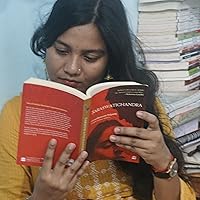
April 8, 2026
A Solo Act is a deeply emotional and thought-provoking play that explores grief, loneliness, and the journey of healing. The story revolves around John, who has recently lost his wife, Sylvia. Unable to accept her absence, he struggles intensely with his emotions. His grief leads him to moments of hallucination, anger, and even thoughts of not wanting to continue living.
John, as the central character, is portrayed with great depth. His internal conflict and emotional turmoil feel raw and real. The play beautifully captures how a person copes with loss not in a perfect or linear way, but in a way that is messy, painful, and human. It also highlights family dynamics and how relationships shift during difficult times.
What I particularly appreciated is how the play reflects different stages of life and the bond between parents and children. It shows that, despite misunderstandings and emotional distance, there is always an underlying connection that holds a family together.
Initially, I felt that reading a play after a long time might be challenging, and the first few pages did seem a bit difficult to follow. However, as I continued, I gradually connected with the story and the author’s perspective. The narrative became more engaging, and I found myself deeply involved in John’s journey.
This book is not just John’s story it feels like a reflection of our own lives. It reminds us how difficult it is to cope with the loss of someone close and how grief works in unexpected ways. Yet, it also gently conveys an important message: life goes on, and we must learn to believe in ourselves and find our own sense of peace and solitude.
John, as the central character, is portrayed with great depth. His internal conflict and emotional turmoil feel raw and real. The play beautifully captures how a person copes with loss not in a perfect or linear way, but in a way that is messy, painful, and human. It also highlights family dynamics and how relationships shift during difficult times.
What I particularly appreciated is how the play reflects different stages of life and the bond between parents and children. It shows that, despite misunderstandings and emotional distance, there is always an underlying connection that holds a family together.
Initially, I felt that reading a play after a long time might be challenging, and the first few pages did seem a bit difficult to follow. However, as I continued, I gradually connected with the story and the author’s perspective. The narrative became more engaging, and I found myself deeply involved in John’s journey.
This book is not just John’s story it feels like a reflection of our own lives. It reminds us how difficult it is to cope with the loss of someone close and how grief works in unexpected ways. Yet, it also gently conveys an important message: life goes on, and we must learn to believe in ourselves and find our own sense of peace and solitude.
Displaying 1 - 30 of 98 reviews