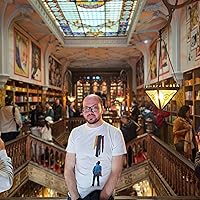
Biografska knjiga Izvod iz knjige rođenih - priča o Danilu Kišu, koju je napisao britanski esejista Mark Tompson, objavljena je ovih dana u SAD.
Studiju o Kišu, jednom od najznačajnijih jugoslovenskih pisaca dvadesetog veka, objavila je američka izdavačka kuća Kornel juniverziti pres.
Šetajući se Kalemegdanom jednog davnog zimskog dana pomislio sam da bih mogao da oblikujem knjigu kao seriju eseja zasnovnih na Izvodu iz knjige rođenih, Kišovom sopstvenom autobiografskom tekstu, rekao je Tompson agenciji Beta.
Takođe je rekao da je poželeo da tako oda i poštovanje eksperimentalizmu u Kišovom delu.
Tompson je rekao da je počeo da čita Kišova dela 1987. godine i da objavljuje njihove prikaze, kao i da je knjiga Peščanik, štampana na engleskom jeziku 1990. godine, na njega ostavila posebno dubok utisak.
Boraveći u jesen 1993. godine u Beogradu, poželeo sam da pišem o Kišu. Od tada sam počeo da skupljam sve o Kišu i da koristim svaku mogućnost da se sretnem s ljudima koji su ga poznavali, objasnio je autor.
Tompson je napisao više studija među kojima su Kuća od papira: Kraj Jugoslavije, Proizvodnja rata: Mediji u Srbiji, Hrvatskoj i Bosni i Hercegovini kao i Beli rat: Život i smrt na italijanskom frontu 1915-1919, koja je prodata u oko 50. 000 primeraka.
Izuzetno pozitivne prikaze Tompsonove biografije Danila Kiša već su došle iz pera Nadin Gordimer, Adama Zagajevskog, Dušana Makavejeva, Dubravke Ugrešić i nekoliko drugih autora.
Librarian Note: There is more than one author by this name in the Goodreads data base.
Mark Thompson is an award winning British historian. He has written three books including The White War (2008), an account of the travesties of the Italian army on the Austrian front during World War I, which discussed restoring the Roman practice of decimation, the random execution of troops in order to enforce the discipline of the remaining troops. Forging War (1999) is an account of the media manipulation that took place during the Bosnian War. A Paper House (1992) describes the dissolution of Yugoslavia. Thompson has also edited, with Louis Mackay, Something in the Wind: Politics after Chernobyl (1998).
In 2009 he was the winner of the Hessell-Tiltman Prize for The White War: Life & Death on the Italian Front 1915-1919.
Обавезно штиво за све љубитеље Киша и његове књижевности. Полу-биографија, полу-есеј, полу-анализа и коментар његових дела. За подтекст је узет Кишов аутопоетски-аутобиографски текст под насловом „Извод из књиге рођених“, у коме он на свега једној куцаној страници прича целокупан свој живот. Кратко али веома ефектно. Види се да је Марк Томпсон подробно упознат са Кишом, његовим делом и животом. Иако не доноси неке посебно нове информације (бар за нас Кишове обожаваоце), увек је добро подсетити се и освежити памћење. Једино што ми је сметало јесте учитавање Кишових ставова у грађански рат у Југославији и поједини беспотребни ауторови коментари, који никакве везе са Кишом немају. Али добро, књига је превасходно писана за „западну“ публику, па је вероватно до тога.
Literatura ima moć da nas vrati u život, da nas dovede u život, da nas probudi i da nas spremi za život. Ova knjiga dostojna je dela Danila Kiša, gotovo da predstavlja totalitet njegovog života i njegove poetike, osvetljenih sa mnogo autentičnih strana, autor je uspeo da stvori monumentalno delo, ali monumentalno na sasvim suptilan način, u smislu osećajnosti i posvećenosti. Ova knjiga više je od omaža i puke biografije, ona zaista predstavlja totalitet jednog života i to totalitet u onoj meri u kojoj moguće spoznati tuđ život.
Tompson je kao podtekst ove priče uzeo Kišov tekst iz 1983. godine, ako se ne veram, koji nosi naslov Izvod iz knjige rođenih ( https://www.youtube.com/watch?v=4lifr...), a predstavlja poetizovan biografksi dokument samog pisca. Taj tekst podrobno je analiziran, tako što je svaka rečenica iskorišćena kao naslov pojedinačnog poglavlja, kojih ima 33 ukupno. Tako je Tomsonov pristup u biti oređen biografskim postupkom, ali i ne samo njim. Ono što čini ovu knjigu živom, intrigantnom i zanimljivom, jeste nebrojano mnogo direktnih i ličnih svedočanstava, dokumenata koji su široj javnosti nedostupni, ali i Tomsonovo neumorno i strastveno istraživanja Danilovog porekla, rekonstrukcija njegovog detinjstva, studentskih dana, veza sa Mirjanom Miočinović i Paskal Depeš, poslednjih dana života u Parizu... Svako poglavlje ispisano je prozaičnim tonom, koji baca svetlo u dubinu Kišovog postojanja, predstavlja nam događaje iz njegovog ličnog života, koji međutim ni na koji način ne dopiru do vulgarne intime, niti do bilo čega banalnog. Najveća lepota ove knjige, međutim, leži u tome što je Tomson uspeo da poveže sva Kišova dela sa događajima koje je ovaj doživeo, pa je pokazao kako je Kiš najpre pisac iskustva, neko ko se neupitno oslanjao na metafiziku kao na izvesnost i ko je događaje iz svog života (svoju sudbinu?) poetizovao, transponujući gotovo sve što ima u literaturu, u poetiku. Poznata je i Kišova ideja o čoveku kao homo poeticusu.
Ovu vezu, između literature i života, Tomson je povezao sa sedam interludija u kojima analizira Kišove romane i to po redu nastanka, od Ranih jada, do Enciklopedije mrtvih. Analize počivaju na unutrašnjem pristupu, pa tako dobijamu uporedni prikaz Kišovog života kao takvog i tog života poetizovanog, fikcionalizovanog u njegovim delima. Ove granice često su maglovite, što je samo pečat na nerazlučivost života i dela, bar onda kada govorimo o Kišu. Tomson je, pored svega, dao i jednu uporednu analizu pojedinih Kišovih romana i njegovih uzora, ovde pre svega mislim na analizu uticaja Džojsa i Džojsove poetike na Kišovo shvatanje književnosti. Na kraju, autor nam osvetljava i književne veze sa drugim piscima, bile one poetičke ili ma kakve druge prirode.
Takođe, Mark Tomson pokazuje zavidno poznavanje društvenog i političkog konteksta Jugoslavije, tačno mapira Kišovo mesto na književnoj sceni, koju takođe izvrsno poznaje i donosi tačne zaključke kada se radi o političkim zibavnjima koja su prethodila burnim devedesetim godinama na Balkanu. Tako se njegovo istraživanje širi od jednog biografskog dokumenta ka kontekstu jednog života, ali i odnosa tog života spram društvenih i političkih zbivanja. Autor se takođe bavi i vezom, uzrocima i posledicama, koji su Kiša dovodili do određenih položaja i moglo bi se reći, određenih stanja. Sam Kiš je neka svoja dela bazirao na dokumentima (Grobnica za B.D., Peščanik, Enicklopedija mrtvih), pokušavajući da se udalji od pozicije sveznajućeg naratora, Kiš je nastojao da stvori autentičnu literaturu. Tomson je učinio upravo istu stvar, ali je izostavio fikciju, njegovi usputni komentari, umereno pristrasni, odaju i nekakvu žal zbog ishoda Kišove sudbine, što je naročito uočljivo kako se knjiga bliži kraju.
Treba pohvaliti i prevod Muharema Bazdulja, koji je odličan. Pored toga, dodajem da se u ovoj knjizi može naći gotovo sve što neko koga život i delo Danila Kiša privlače. Od života samog pisca, do kritičara koji su se bavili njegovim delom, pisaca koji su na njega uticali, ljudi sa kojima se družio itd.
Na kraju, zaista ostaje neka tuga, kada se zna šta se sve događalo Danilu Kišu i kako je javnost reagovala na njegove knjige, kako su se prema njemu ophodili i na šta su sve pokušali da svedu njegov rad (ovo ne prestaje do današnjih dana.) Ostaje i neka tužna nota i zbog duboke svesnosti ovog pisca o svetu u kojem je živeo, koje je paradoksalno, bilo praćeno ekstatičkim i etičkim poletima ka istini, doslednosti, nezavisnosti, nepotkupljivosti.
Na kraju ipak: "Istoriju pišu pobednici. Predanja ispreda puk. Književnici fantaziraju. Izvesna je samo smrt."
BIRTH CERTIFICATE. THE STORY OF DANILO KIŠ (2013) is an extraordinary and engrossing biography of Danilo Kiš (1935-89), the renowned Yugoslav novelist, poet, essayist and translator.
Kiš’s father was a Hungarian Jew. His mother was a Montenegrin Christian. Born in 1935, Kiš spent the first years of his life in the Yugoslav town Novi Sad. One day in January 1942 when Danilo was six years old, a day in which the temperature dropped to -30 degrees Celsius, the Nazis and Hungarian military controlling Novi Sad took hundreds of Jews and Serbs to the bank of the Danube, forced them to strip naked, and then shot them, pushing the corpses through holes blasted in the ice. The corpses clogged the holes so they were forced to pause the shooting. Kiš’s father, called Eduard, miraculously survived because of this pause. Danilo believed his father never quite recovered from this traumatic experience.
Eduard fled Novi Sad with his wife, daughter and son, Danilo. They traveled for days by sleigh through what Kiš described as “a snowy wasteland, blank as the ocean.” They fled to a remote, poor village in Hungary where Eduard was born: the Hungarian Catholic village called Kerkabarabás. Some of his relatives still lived there. Danilo and his family lived in a two-room shack. They were extremely poor, and even Danilo, who was a child, worked cleaning henhouses and minding the cattle for farmers. Eduard drank a lot and in 1944, he was finally deported to Auschwitz. Like so many, he never made it back.
Kiš was obsessed with his father's decline and death and he attempted to retrieve him through literature. Some of his books tell this tragic story in a very elliptical way. Kiš was a brilliant modernist, influenced by Borges and Joyce. His writing is original, playful and innovative, but it can be challenging for readers who are not very knowledgeable about the history and literature of Central and Eastern Europe.
Mark Thompson, his biographer, is a British historian of Yugoslavia. His area of expertise is very fortunate because he is able to explore Kiš’s complex world with an erudition which offers many insights into the history and culture of the region. He interweaves biography and literary analysis seamlessly and the depth of his research is impressive. I believe this biography is indispensable for readers captivated by Kiš’s elusive and mesmerizing writing and undoubtedly, it is a book I will return to again and again.
Thompson structures his complete and illuminating biography on the life of Yugoslav novelist, Danilo Kiš, in a creative and unexpected manner. The starting point is Kiš's own fictionalised 'Birth Certificate (A Short Autobiography)', which has already been published in English multiple times: for example, in Kiš's collected essays and interviews edited by Susan Sontag (Homo Poeticus: Essays and Interviews), and at the end of the English translation of Early Sorrows: For Children and Sensitive Readers. Kiš's text begins:
My father came into the world in western Hungary...
Thompson then builds each chapter from this text, so: - Chapter 1 = My Father - Chapter 2 = came into the world - Chapter 3 = in Western Hungary - and so forth until the end of the text.
This intriguing structure highlights one of the defining elements in Kiš's work: his reliance on the relationship between reality and fiction.
Every so often the chapters are interrupted by an "interlude", which study, in more depth, each one of Kiš's major works. I skipped the interludes on The Encyclopedia of the Dead and A Tomb for Boris Davidovich, and will return to read them once I have read those books in full myself. The interludes on Kiš's Family Trilogy were fantastic, though, as was the rest of the biography that links Kiš's work and life with the history, geography and politics of the region. As a side note, I would highly recommend anyone wanting to read this biography make sure they complete the trilogy beforehand, as the trilogy is pseudo-autobiographical and borrows extensively from Kiš's own life. This biography certainly helped me to clarify the trilogy and come away with much better understanding.
The books also concludes with a complete and up-to-date bibliography, which I now must work my through...
Thompson begins with Kiš's traumatic childhood in Hungary, as a Jewish survivor to the Holocaust, which perhaps triggered his need to write, and then moves on to his his later years of liberation in Belgrade, and his years abroad in places such as Paris and Bordeaux. Thompson also gives an overview on Kiš's literary methods, aims and techniques, such as his experimental use of form, multiple perspectives and representations, "hybrid" narrators, and the role of literature in both aiding rememberance and understanding, while also giving the persecuted the "right to oblivion" or to forget. Finally, the biography offers solid historical and political contexts of different eras in Kiš's life: for example, the trauma suffered by child Holocaust survivors, the "Central European" problem, Yugoslav nationalism and issues on state unity, the region's reliance on mythic heroism and traditionalism, and the exploitation of literature for political purposes.
This is a really solid book, not only as a much needed English language insight into the Yugoslav writer, but also as an engaging and satisfying read in its own right. Highly recommended!
S obzirom koliko Kiš, pošteno govoreći, i nije baš tako čitan pisac, ovo je odličan uvod u život i delo koji umnogome može da pojednostavi i olakša publici pristup njegovom književnom radu.
Марк Томпсон је невјероватно добро упознат са животом и дјелом Данила Киша. Сам концепт биографије је маестралан. У том смислу, не знам да сам читао боље биографско штиво. Али, с друге стране коментари аутора везани за рат на подручју Југославије су имбецилни (апсолутно знам коју сам ријеч употријебио): аутор перципира рат искључиво кроз призму западноевропске штампе, некритички преузимајући њене изразито пристрасне и инструментализоване наративе. Дакле, озбиљност при приступу животу и дјелу Киша је невјероватна. Да је само малим дјелом такав приступ и овој другој теми...
such a great premise, base the biography on kis' 2 page 'birth certificate', a fictionalized 'short autobiography'. and away we go, from danilo's childhood to sad, early death with stops at all his novels and short stories. mark thompson has almost out kised kis. i wanted to read this becuase of the uneasiness and delight of reading A Tomb for Boris Davidovich lots of pics, index, end and page notes, wonderful up-to-date bibliography (that really could have been better with goldstein's [he published 'tomb' when no one else would touch it] autobio 1941: The Year That Keeps Returning and zupan's incredible fiction autobio [becuase kis so loved playing guitar and singing, and historical context] Minuet for Guitar )
Čudesna biografija čudesnog, a meni omiljenog pisca. Odmah se vidi da ju je napisao neko ko se Kišu divi snagom čitaoca, makar ijedne njegove knjige. Svedočenja ljudi iz najbližeg okruženja nude nam uvid u Kišova intimna razmišljanja i osećanja, tako da ga od samog početka doživljavamo kao bliskog prijatelja. Uz izuzetno poznavanje i dokumentovanje istorijskog konteksta i političke situacije, Thompson podiže pisanje biografije na jedan viši nivo. Ako uz to dodamo da ju je preveo maestralni Bazdulj, nekako je nemoguće imati bilo kakvu zamerku na celokupno iskustvo.
Rare treat! Normally I don't like people pinning down Biographies, connecting the life and the work of an artist 1 to 1. But Thompson is passionate and engaging about DaniloKis, his writing and what inspired him in this. Along comes a brief description of the post-war years behind the iron curton, the lovebond Stalin and Tito, the other sattelite states of the soviets, growing up in Yugoslavia and how a sensitive young aspiring writer deals with all this - well, he died in Exile, in Paris, ne c'est pas?! I was surprised I found it enlightening and well written, too.