

What do you think?

Photocopies
This is a collection of portraits of a shepherd, a farmer, a painter and blind man, a sylph of Byzantine arrogance and a vagabond cyclist with primroses growing in her basket. The backgrounds range from Prague, Paris, Athens, Lahore and countrysides and mountainscapes.
180 pages, Paperback
First published September 28, 1996
About the author
John Berger
290 books2,854 followersJohn Peter Berger was an English art critic, novelist, painter and author. His novel G. won the 1972 Booker Prize, and his essay on art criticism Ways of Seeing, written as an accompaniment to a BBC series, is often used as a college text.
Later he was self exiled to continental Europe, living between the french Alps in summer and the suburbs of Paris in winter. Since then, his production has increased considerably, including a variety of genres, from novel to social essay, or poetry. One of the most common themes that appears on his books is the dialectics established between modernity and memory and loss,
Another of his most remarkable works has been the trilogy titled Into Their Labours, that includes the books Pig Earth (1979), Once In Europa (1983) Lilac And Flag (1990). With those books, Berger makes a meditation about the way of the peasant, that changes one poverty for another in the city. This theme is also observed in his novel King, but there his focus is more in the rural diaspora and the bitter side of the urban way of life.
Later he was self exiled to continental Europe, living between the french Alps in summer and the suburbs of Paris in winter. Since then, his production has increased considerably, including a variety of genres, from novel to social essay, or poetry. One of the most common themes that appears on his books is the dialectics established between modernity and memory and loss,
Another of his most remarkable works has been the trilogy titled Into Their Labours, that includes the books Pig Earth (1979), Once In Europa (1983) Lilac And Flag (1990). With those books, Berger makes a meditation about the way of the peasant, that changes one poverty for another in the city. This theme is also observed in his novel King, but there his focus is more in the rural diaspora and the bitter side of the urban way of life.
Ratings & Reviews
Friends & Following
Create a free account to discover what your friends think of this book!
Community Reviews
Displaying 1 - 30 of 71 reviews

July 31, 2022
جایی از کتاب برجر گفته است :«این فتوکپی کلامی را از این عکس میگیرم تا اگر کسی دلتنگ عکسی روی نسخهی سهشنبه، پنجم اکتبر 1993 روزنامههای فرانسه شد، بتواند تو را ببیند». بله درست است این 29 فتوکپیای که برجر از لحظهها و چیزهایی گرفته که از نظرش دیدنی بودهاند مانند آلبومی از عکس هستند برای من.
آلبومی چسبی که در هر صفحهش یک عکس نصب شده است، ورقش میزنی و روی هرکدام چنددقیقهای میایستی و بعد رد میشوی. به این فکر میکنم که هر فتوکپیای که جان برجر از دیدهها و چیزهایی که دوست داشته میگیرد توصیف محض هستند. چهکسی گفته اینکه متنی فقط توصیف کند ارزشی کم دارد؟ اینجا توصیف ابزاریست برای خودش، فقط برای اینکه ما هم بتوانیم آن چیزهایی را ببینیم که برجر دیده. ایدهی جالبی است.
بماند که من به چشمهای او اعتماد دارم، چیزهایی که میبیند دیدنیاند، نحوهای که جهان را شهود میکند بهم میچسبد.
آلبومی چسبی که در هر صفحهش یک عکس نصب شده است، ورقش میزنی و روی هرکدام چنددقیقهای میایستی و بعد رد میشوی. به این فکر میکنم که هر فتوکپیای که جان برجر از دیدهها و چیزهایی که دوست داشته میگیرد توصیف محض هستند. چهکسی گفته اینکه متنی فقط توصیف کند ارزشی کم دارد؟ اینجا توصیف ابزاریست برای خودش، فقط برای اینکه ما هم بتوانیم آن چیزهایی را ببینیم که برجر دیده. ایدهی جالبی است.
بماند که من به چشمهای او اعتماد دارم، چیزهایی که میبیند دیدنیاند، نحوهای که جهان را شهود میکند بهم میچسبد.
June 1, 2021
«Vejo e fixo os rostos de todos os que viveram e um dia viverão, desde Adão até ao fim dos tempos…»
Ibn Arabi
São 29 histórias que captam o instante e a sua eternidade através de fotocópias verbais, duplicação de fotografias, que preservam a memória.
Encontros com velhos amigos e outros com quem ocasionalmente se cruza são pretextos para reflexões pessoais, histórias de vida, amizade, cumplicidade, arte, morte, amor e dor ambientadas em geografias distintas.
O que mais chamou a minha atenção foi o modo como capta o mundo em flashes que imortalizam grandes acontecimentos e pequenos momentos.
«Nada se perde, tudo o que vemos permanece connosco.»
«Desta vez chorei, quase sufocado com o desgosto de um cão. O desgosto é animal. Os antigos gregos sabiam-no.»
«Há dois almoços na minha vida que guardo, lado a lado, na memória. As duas ocasiões podem parecer contrastantes, mas duvido de que seja por isso que a minha imaginação insiste em juntá-las. De qualquer modo, as duas fotocópias ficam para sempre na mesma página.»
«Todos se vestiram bem e subiram a colina até à tasca. Mais um ano se passou, mais um Verão, todos vieram todos continuam aqui neste mundo, todos têm o seu palito para o festim.»
John Berger, crítico de arte, pintor e escritor inglês, exilou-se durante mais de 50 anos na França rural.
Ibn Arabi
São 29 histórias que captam o instante e a sua eternidade através de fotocópias verbais, duplicação de fotografias, que preservam a memória.
Encontros com velhos amigos e outros com quem ocasionalmente se cruza são pretextos para reflexões pessoais, histórias de vida, amizade, cumplicidade, arte, morte, amor e dor ambientadas em geografias distintas.
O que mais chamou a minha atenção foi o modo como capta o mundo em flashes que imortalizam grandes acontecimentos e pequenos momentos.
«Nada se perde, tudo o que vemos permanece connosco.»
«Desta vez chorei, quase sufocado com o desgosto de um cão. O desgosto é animal. Os antigos gregos sabiam-no.»
«Há dois almoços na minha vida que guardo, lado a lado, na memória. As duas ocasiões podem parecer contrastantes, mas duvido de que seja por isso que a minha imaginação insiste em juntá-las. De qualquer modo, as duas fotocópias ficam para sempre na mesma página.»
«Todos se vestiram bem e subiram a colina até à tasca. Mais um ano se passou, mais um Verão, todos vieram todos continuam aqui neste mundo, todos têm o seu palito para o festim.»
John Berger, crítico de arte, pintor e escritor inglês, exilou-se durante mais de 50 anos na França rural.

April 20, 2020
Herbiri yazarın hayatına bir şekilde dokunmuş kimi bilinen kimi bilinmeyen hatta bilinmeyecek olan 29 insanı anlatıyor J. Berger. Bence okuduğum en zayıf Berger kitabı, Cevat Çapan çevirisine rsğmen. Kişiler yazar üzerinde iz bırakmış ki kitabın adını “FOTOKOPİLER, izler, yazılar” koymuş. Şimdiye kadar yazdıklarının aksine ben de iz bırakmadı yazdıkları.
İki buçuktan üç.
İki buçuktan üç.
June 4, 2021
«ما خالصانه به دنبال درهایی بودیم که برای پذیرش نور ضعیفمان باز شوند.»

July 17, 2021
این کتاب راست کار اوناییه که عاشق توصیفات زیاد، تجربه لحظههای insignificant زندگی و people watch کردن و داستان ساختن از زندگیشون برای خودشون هستن.
که خب من جز این دسته از آدما نیستم:)))
که خب من جز این دسته از آدما نیستم:)))

July 1, 2022
‘Sometimes it seems that, like an ancient Greek, I write mostly about the dead and death. If this is so, I can only add that it is done with a sense of urgency which belongs uniquely to life.’
An inventory of characters – each wrapped up in a story (as if) captured at the moment they were being 'seen' and then written down right after – (for the lack of a better phrase) frozen in time, preserved in Berger’s beautiful writing; immortalised in/through it all. And the entire execution of the concept of the writing (pieces) makes the title so, very, appropriate; it is as if Berger is assuming the role of a photocopier (which (in my opinion at least) is much too humble a ‘role’ as he is no less an artist, but I ‘get’ why referring to himself as a ‘photocopier’ might seem more comfortable to him – as it is the perfect position to be – to be able to introduce the ‘characters’ in the book with the most sincere form of respect; and that would ultimately be counter-effective if per say, Berger had done otherwise like presenting himself as the ‘writer’, ‘artist’ and/or ‘creator’ of those characters).
‘What is special about her handwriting? It is patient, conscientious – like a student’s – but each letter – whether Roman or Greek – has been formed (almost drawn) like an Egyptian hieroglyph, so much did she want each letter of each word to have a body.
She travelled to many places and she wrote wherever she was lodged, yet everything she wrote might have been written here. Whenever she had a pen in her hand, she returned in her mind to this table in order to begin thinking. Then she forgot the table.
If you ask me how I know this, I have no answer.
I sat at the table and read a poem which had marked a turning point in her life. In her hieroglyphic handwriting she had copied out the poem in English and learnt it by heart. At moments when she was overcome by despair or the pain of a migraine behind her eyes, she used to recite it out loud, like a prayer.’
Most, if not all seem to be inspired by real-life stories and real-life people with direct and indirect connections to Berger. I can’t decide if it’s a 3 (only thinking of a 3 because I personally didn’t find some of the characters interesting (and since each chapter is dedicated to one or two of the characters, if I didn’t find ‘one’ interesting enough, that would ultimately be a significant loss – in terms of my reading experience/pleasure)) or a 4 – but will gladly leave it as a 4 for now. I really like that Berger didn’t feel the need to ‘over’ introduce the characters, and/but instead, he simply showed the readers a side of them that is personal to him. For instance, the excerpts directly above this chunk of text is (albeit vaguely) about ‘Simone Weil’, but I wouldn’t/couldn’t have guessed it until it was revealed in the concluding lines of that particular chapter of the book.
‘When I was sixteen years old a tram depot in London – was it south of the river in New Cross? – made a deep impression on me. First because of the number of trams – there were a hundred or more – and, secondly, because of how close together they stood to one another, their lines having converged closer than they ever did outside in the street. The trams stood there at night, silent, empty, with only the width of a man’s shoulders between them. They were long, double-decker trams with steep turning staircases at each end and their large windows, aft and stern, were rounded. Before it was light, one by one, the trams would leave the depot for the four corners of the city, each following the rails of its own route.’
‘In the London underground stations a number of platform benches have recently been replaced by a new piece of public furniture. A kind of perch – which allows waiting passengers to take the weight off their feet and thus lean back a little. Its notable advantage is that no tramp can lie down on it to sleep. At night when the woman with the chapka lies down on a piece of cardboard which she places on the station asphalt, she doesn’t take off her white shoes but just loosens the laces so they don’t pinch her feet, which swell up at night like my mother’s did.’
The ‘magical’ subtleties and acutely sensitive elegance of Berger’s writing in this collection rest along the blurred lines/borders of it being neither ‘true’ essays nor fictitious shorts. It is not exactly clear to the readers what these pieces of writing are, but if I had to choose one way to describe them, I’d say it’s some kind of ‘auto-fiction’, but if so, it’s surely one of the least self-indulgent sorts – quite detached to be precise (but the ‘selfless-ness’ of the writer is ultimately very effective in portraying the ‘characters’ with the sincerest forms of respect). The speaker/narrator is rarely (and when/if he is, then is barely) present in any of the stories; he is merely a spectator of the world around him, telling the readers what he sees carefully, and pairing those experiences with some of his private thoughts. These short pieces of writing are instilled with ‘slice-of-life’ vibes – and usually wrapped up with light existential musings and tender thoughts about mortality, the delicate impermanence of life (be it human/animal), and all the precious in betweens.
“On these islands, Aeschylus said, there’s nothing but marble and goats and kings. In the mid-afternoon the ship puts us down on Sifnos. On Sifnos there are also olive trees, bitter laurel, vines, hibiscus, cacti.
Along a mule track, near a small cemetery where there is a white chapel, the size of a cart, with candles burning in it, three men are working together under an acacia tree and they are skinning two goats whose hind legs have been tied to one of the lower branches. Their dog, smelling the blood, whimpers. Tomorrow is the feast of Pentecost – the fiftieth day after Easter. In the churches sprigs of eucalyptus will be distributed and later the goats will be eaten.
Then suddenly as the light goes and I look over the cemetery towards the sea, I ask myself: What can flesh mean here? Sarka in Greek. All over the world women and men picture their bodies to themselves differently, for this picturing is influenced by the local terrain, the climate, and the surrounding natural risks. Like local crops, mental images of the flesh are regional. What is the Aegean image? It has, I think, little to do with scuba diving.
Flesh here is the only soft thing, the only substance that can suggest a caress; everything else visible is sharp or mineral, shattered or gnarled. Flesh here is like the small exposed painted parts of those ikons which otherwise are entirely covered with unyielding and engraved metal. (You see them in every church.) Flesh is simultaneously wound and healing. Look at us, said the old woman to the ship’s officer, all of us!
Consequently the body is aware of a cruelty even before it is aware of pleasure, for its own existence is cruel. Thus for everybody, not just philosophers and theologians, the physical lurches constantly towards the metaphysical. The lurch doesn’t require words, a glance is sufficient. There’s nobody here who isn’t an expert in longing, in the long drawn-out desire for a life a fraction less cruel. And oddly, this co-exists with the beauty and is part of it.’
This is only the second(?) book I’ve read by Berger. And/but the more I read him, the less I think of him as just a staple/novelty writer in the gift shops of most great art museums. Despite having passed by Bergers books countless times in those gift shops, I’ve never thought of carting any, or even cared to read a page from one of the copies displayed. But not long ago, I gave in to my own sudden curiosity, and finally read Confabulations; and I was very quickly mesmerised. Judging from my own reading patterns/habit, I’ll probably read some more of his less popular writing/work before actually/finally giving Ways of Seeing some proper attention. Berger’s brilliant, and his writing’s brilliant, and I want to read everything he’s ever written – if not soon than later but surely at some point.
‘I’m looking for a whet stone to sharpen knives with. (Simple pleasures: to gather flowers in the morning and bring them into a room and place them in a vase. To cut with a sharp knife. To splash cold water on the face after sleep. To receive a letter from a loved one.) I go from stall to stall. Nobody is beautiful. Everyone is second-hand and powdered with dust. Everyone has at least one joke. And some have a pride which outdoes beauty.’
March 20, 2023
«جسم اینجا تنها چیز لطیف است، تنها مادهای که دعوت به نوازش میکند؛ هرچیز دیگری که میبینی تیز و معدنی است، زبر و شکسته. جسم اینجا مثل قسمتهای کوچک نقاشیشدهی شمایلهاست که بقیهاش کاملا با فلزی سخت و کندهکاریشده پوشیده میشد. جسم در عین زخمیبودن، التیامبخش است. همان حرفی که پیرزن به مامور کشتی گفته بود، «به ما نگاه کن، به همهمون!»
بدن حتی قبل از آگاهی از لذت، از ظلم آگاه میشود، چرا که وجود خودش ظالمانه است. »
(از جزیرهی سیفنوس، داستان محبوبم)
بدن حتی قبل از آگاهی از لذت، از ظلم آگاه میشود، چرا که وجود خودش ظالمانه است. »
(از جزیرهی سیفنوس، داستان محبوبم)
November 1, 2017
I can't remember how many reviews this had, not many at all, but I urge you, friends, to look into it and Berger in general. His trenchantly socialist/anti-capitalist leanings may not be for everyone, but fuck those who are unwilling to look beyond the trifling and into the substantial. Translation: if that's all you're getting, please move to the back of the line. Each story here, each "photocopy," is of a real person that touched Berger's life. O, how they ache so. These brief episodes, 2-pages on average, are the emotionally-devastating counterparts Robbe-Grillet's Snapshots.
For three-bucks, you can buy a copy on Lord Amazona, or buy a third of a pack of cigarettes in the late, great State of California. I did both, but only because I want to seem mature and older than my age.
For three-bucks, you can buy a copy on Lord Amazona, or buy a third of a pack of cigarettes in the late, great State of California. I did both, but only because I want to seem mature and older than my age.

April 27, 2024
John Berger hem fotoğraf sanatı üzerine düşüncelerini resim sanatını siyasi görüşünü vb düşünceleri hayatı boyunca karşılaştığı ( Abidin Dino ile dost olmaları mesela ) kişiler ile beraber harmanlayarak yazdığı denemeler diyebiliriz. Bazı hikayeler daha sönük kalsa da genel anlamda beğendim diyebilirim .
Read
April 6, 2024For me, Berger is up there with Proust, Munro, Nabokov, and Ishiguro in capturing the texture of memory. I especially love his short fiction for this. I hadn’t gotten to read a whole collection before, but “Woven, Sir” in the New Yorker always captivated me. I read this and wished I could better memorialize everyone who has touched my life. I wondered why I had learned to write if not to do just that.

July 17, 2021
برجر چنان «فتوکپی»هایی دقیق و ظریف از لحظههایی که خودش تجربه کرده یا حتی از دیگران شنیده بوده ارائه میداد، که حقیقتش تمام این مدت حس میکردم من هم مثل برجر، تمام اون لحظهها و روایتها رو دارم میبینم، تمامشون رو دارم تجربه میکنم. انگار که اگر دستم رو دراز میکردم میتونستم آدمهاش رو لمس کنم.
یکی از زیباییهای دیگهاش هم اینه که هیچوقت از توصیفاتاش خسته نمیشی یا حس نمیکنی که زیاد از حد داره توضیح میده، به حدی که اون لحظه ارزش خودش رو از دست بده.
نظر شخصی: گمون میکنم هدف برجر فقط یاد دادن اینکه چه شکلی ظاهر اشیاء و اتفاقات پیرامون رو ببینیم نیست؛ اون میخواد از ارزش هر لحظه بگه؛ کم یا زیاد فرقی نداره . از لحظههایی که هر روز میبینیم گرفته تا تولد. تا مرگ. تلاش برای پیدا کردن (معنی؟)زندگی از دل این لحظههای ساده یا مهم.
یکی از زیباییهای دیگهاش هم اینه که هیچوقت از توصیفاتاش خسته نمیشی یا حس نمیکنی که زیاد از حد داره توضیح میده، به حدی که اون لحظه ارزش خودش رو از دست بده.
نظر شخصی: گمون میکنم هدف برجر فقط یاد دادن اینکه چه شکلی ظاهر اشیاء و اتفاقات پیرامون رو ببینیم نیست؛ اون میخواد از ارزش هر لحظه بگه؛ کم یا زیاد فرقی نداره . از لحظههایی که هر روز میبینیم گرفته تا تولد. تا مرگ. تلاش برای پیدا کردن (معنی؟)زندگی از دل این لحظههای ساده یا مهم.

March 20, 2017
Berger okumak bana hep iyi geliyor; hayatı fazlalıklarından, çapaklarından nasıl ayıklayabileceğimizi ince ince hatırlatıyor..

May 28, 2021
«...من صورت تمام آنها را که زندگی کردهاند و روزی زندگی خواهند کرد، دیدهام، از آدم تا آخر الزمان»
از متن کتاب، نقل قولی از ابنعربی
برجر در ابتدای زندگی حرفهایاش نقاش بود و بعد مورخ و منتقد هنر و نویسنده شد. در همه نوشتههایش تصویرسازی (کار نقاش) و توصیف و
تحلیل تصویر (کار مورخ هنر) ویژگی اصلی هستند. در فوتوکپیها هم همینطور است؛ داستانهای بسیار کوتاهی که احتمالا همهشان واقعی هستند و برجر تصویرهایی از کسانی که میشناخته یا دیده را ترسیم کرده.
هر داستانِ دو سه صفحهای را که میخواندم نمیتوانستم بروم به داستان بعدی. مدت زمانی طولانی نیاز داشتم تا شخصیتی که برجر ساخته و فقط
تصویر کوتاه و فتوکپی از آن نشانم داده است هضم کنم و جایی دور ببرم. برجر آنقدر در ترسیم تصاویر این آدمها ماهر است که فکر میکردم
واقعا به بعضی از آن آدمها علاقهمند شدهام و ترک گفتنشان سخت است. برای همین سختی راستش یک نمره کم کردم
البته همین میتواند حسن هم باشد. چون کتاب برای آن وقتهایی که نه میخواهی داستانها وقت و احساست را برای مدت طولانی در مشت خود بگیرند، نه حوصله پند و نصیحت داری و نه توان ماجراهای پیچیده را، خیلی مناسب است؛ نیز برای خواندن در کافهها، مکانهای عمومی، در طبیعت و در جاهایی از این دست که دامنه تمرکزت کم است. چون داستانها خیلی کوتاهاند و بعد از هرکدام میشود سر از کتاب برآورد و به جهان نگاه کرد و اندکی آرام گرفت.
از متن کتاب، نقل قولی از ابنعربی
برجر در ابتدای زندگی حرفهایاش نقاش بود و بعد مورخ و منتقد هنر و نویسنده شد. در همه نوشتههایش تصویرسازی (کار نقاش) و توصیف و
تحلیل تصویر (کار مورخ هنر) ویژگی اصلی هستند. در فوتوکپیها هم همینطور است؛ داستانهای بسیار کوتاهی که احتمالا همهشان واقعی هستند و برجر تصویرهایی از کسانی که میشناخته یا دیده را ترسیم کرده.
هر داستانِ دو سه صفحهای را که میخواندم نمیتوانستم بروم به داستان بعدی. مدت زمانی طولانی نیاز داشتم تا شخصیتی که برجر ساخته و فقط
تصویر کوتاه و فتوکپی از آن نشانم داده است هضم کنم و جایی دور ببرم. برجر آنقدر در ترسیم تصاویر این آدمها ماهر است که فکر میکردم
واقعا به بعضی از آن آدمها علاقهمند شدهام و ترک گفتنشان سخت است. برای همین سختی راستش یک نمره کم کردم
البته همین میتواند حسن هم باشد. چون کتاب برای آن وقتهایی که نه میخواهی داستانها وقت و احساست را برای مدت طولانی در مشت خود بگیرند، نه حوصله پند و نصیحت داری و نه توان ماجراهای پیچیده را، خیلی مناسب است؛ نیز برای خواندن در کافهها، مکانهای عمومی، در طبیعت و در جاهایی از این دست که دامنه تمرکزت کم است. چون داستانها خیلی کوتاهاند و بعد از هرکدام میشود سر از کتاب برآورد و به جهان نگاه کرد و اندکی آرام گرفت.
August 1, 2024
başka bölümlerin öğle arası varmış ☕️ ama berger’e dair ilk hayal kırıklığı 3.5/5

August 26, 2024
آخرین بندها رو گسستم و یک فتوکپی گرفتم از غم لحظههایی که خوندم و شنیده نشدم :(

June 6, 2008
i do not own a copy of this book, but i surely wish i did. a friend gave me a copy of two chapters from it and i was immediately in love. i use the essay called "Street Theatre" to illustrate how focusing on the details in your writing is a way of combating any anxiety you might be feeling about the theme of your writing (for instance: a loved one dying). this is one of those hypothesis that i kind of made up and, yet, the more i think about it, the more i really believe that it's true. either that, or i'm really good at bullshitting. try it out: instead of writing about something very difficult, just list out the details you might include in your writing. now write about it, focusing on the details. and let me know if it helps/works. of course, first you must read John Berger. just to see how it's done.
UPDATE:
i've read much of this book now, and it's very good. it's not the kind of thing you need to, or probably even want to, read in one sitting. i assigned it in a college writing II class and it went over many of the students' heads. yet, several really got something out of it, and wrote great papers to boot. so, i think i'd use it again.
UPDATE:
i've read much of this book now, and it's very good. it's not the kind of thing you need to, or probably even want to, read in one sitting. i assigned it in a college writing II class and it went over many of the students' heads. yet, several really got something out of it, and wrote great papers to boot. so, i think i'd use it again.
July 30, 2021
«فتوکپیها» یکجور خاطرهنگاری در قالب پرترههای نوشتاری کوتاه است؛ پرترههایی -عمدتا- دو، سه صفحهای از افراد و مکانهایی که اثری بر جان برجر -استاد نگریستن و هنرشناس - داشته اند.
یکی از نوشتهها در توصیف عکسی از زنی است در مسکو. زنی که برجر او را نمیشناسد اما با دیدن عکسش در روزنامه، درباره او خیال میبافد و در انتها مینویسد: «این فتوکپی کلامی را از این عکس میگیرم تا اگر کسی دلتنگ عکس روی نسخه سهشنبه، پنجم اکتبر ۱۹۹۳ روزنامههای فرانسه شد، بتواند تو را ببیند». به گمانم شاید نسبت خودِ فتوکپیها و عکسها با اثر واقعی یا اصلی، مخصوصا پس از آنکه دیر زمانی از ثبتشان میگذرد، بیش از این خیالپردازیِ برجر نباشد.
یکی از نوشتهها در توصیف عکسی از زنی است در مسکو. زنی که برجر او را نمیشناسد اما با دیدن عکسش در روزنامه، درباره او خیال میبافد و در انتها مینویسد: «این فتوکپی کلامی را از این عکس میگیرم تا اگر کسی دلتنگ عکس روی نسخه سهشنبه، پنجم اکتبر ۱۹۹۳ روزنامههای فرانسه شد، بتواند تو را ببیند». به گمانم شاید نسبت خودِ فتوکپیها و عکسها با اثر واقعی یا اصلی، مخصوصا پس از آنکه دیر زمانی از ثبتشان میگذرد، بیش از این خیالپردازیِ برجر نباشد.

December 11, 2019
My mother believed birds carried messages from the dead
Sometimes I think everything is a question of aim
With each transfer the little sticks of one’s identity were scattered or broken and had to be reassembled or mended
It’s all a question of time
The instant of taking a picture, I persist, ‘the decisive moment’ as you’ve called it, can’t be calculated or predicted or thought about
But it can easily be lost
Forever
Drawing is a form of meditation
In a drawing you add line to line, bit to bit
A drawing is an always unfinished journey towards a whole
Taking a photograph is the opposite
You feel the moment of a whole when it comes, without even knowing what all the parts are!
Photography seizes the instant and its eternity
I’m no longer at all sure where to draw the line between art and nature
Becoming and Origin
The streets are full of dreams of being on a small island somewhere else
Surrounded by the metal of the mountains he knew a kind of peace
What I foolishly call happiness
After a week or two alone in the alpage, the soul goes naked
There are nights when the Milky Way looks as close as a mosquito net
I stood there, stood there, till I heard in the silence his voice shouting
With independence, India was being partitioned
Twelve million people were on the roads, going in both directions, seeking safety
Flesh here is the only soft thing, the only substance that can suggest a caress
Everything else visible is sharp or mineral, shattered or gnarled
A longing without end
Out of nothing is born our Paradise
I was handling the tubes with their exotic, distant names
Indian Red. Naples Yellow. Burnt Umber. Raw Sienna
And the mysteriously named Flake White – suggesting snowflakes in a blizzard
There is a natural alliance between truth and affliction
I see and note the faces of all who have lived and will one day live, from Adam until the end of time – Ibn al Arabi
Sometimes I think everything is a question of aim
With each transfer the little sticks of one’s identity were scattered or broken and had to be reassembled or mended
It’s all a question of time
The instant of taking a picture, I persist, ‘the decisive moment’ as you’ve called it, can’t be calculated or predicted or thought about
But it can easily be lost
Forever
Drawing is a form of meditation
In a drawing you add line to line, bit to bit
A drawing is an always unfinished journey towards a whole
Taking a photograph is the opposite
You feel the moment of a whole when it comes, without even knowing what all the parts are!
Photography seizes the instant and its eternity
I’m no longer at all sure where to draw the line between art and nature
Becoming and Origin
The streets are full of dreams of being on a small island somewhere else
Surrounded by the metal of the mountains he knew a kind of peace
What I foolishly call happiness
After a week or two alone in the alpage, the soul goes naked
There are nights when the Milky Way looks as close as a mosquito net
I stood there, stood there, till I heard in the silence his voice shouting
With independence, India was being partitioned
Twelve million people were on the roads, going in both directions, seeking safety
Flesh here is the only soft thing, the only substance that can suggest a caress
Everything else visible is sharp or mineral, shattered or gnarled
A longing without end
Out of nothing is born our Paradise
I was handling the tubes with their exotic, distant names
Indian Red. Naples Yellow. Burnt Umber. Raw Sienna
And the mysteriously named Flake White – suggesting snowflakes in a blizzard
There is a natural alliance between truth and affliction
I see and note the faces of all who have lived and will one day live, from Adam until the end of time – Ibn al Arabi

November 24, 2020
29 momentos, encuentros, recuerdos, visiones o como quieras llamarlo: Berger los llama “fotocopias”.
Escritas y descritas con su inigualable estilo, Berger traza, en pequeños capítulos, una serie de situaciones cotidianas que, aunque van mucho más allá de lo mundano gracias a su forma de mirar, no dejan de pertenecer a la esfera de la vida diaria.
Cómo convierte lo pequeño en grande y lo insignificante en trascendente es algo al alcance de muy pocos, y él lo consigue con una facilidad asombrosa.
Sinceramente, no sé qué lee esa gente que le da una puntuación por debajo de 5 a este libro.
Escritas y descritas con su inigualable estilo, Berger traza, en pequeños capítulos, una serie de situaciones cotidianas que, aunque van mucho más allá de lo mundano gracias a su forma de mirar, no dejan de pertenecer a la esfera de la vida diaria.
Cómo convierte lo pequeño en grande y lo insignificante en trascendente es algo al alcance de muy pocos, y él lo consigue con una facilidad asombrosa.
Sinceramente, no sé qué lee esa gente que le da una puntuación por debajo de 5 a este libro.

Read
May 26, 2022Impossible to rate for me. The intimacy these stories show is almost cruel. I felt like I was reading someone’s diary, I felt like I was trespassing someone else’s life. But Berger published these stories for a reason, I think for the reason of pure subjective feeling towards a place/time/person and the connected memory. But I can never tell in his novels if he is trying to convince me of something…
Had to read it very slowly… it became stretchy like gum on some parts, so i felt kind of weary of the book sometimes.
Had to read it very slowly… it became stretchy like gum on some parts, so i felt kind of weary of the book sometimes.


January 4, 2023
Se fosse possível, teríamos de ler de olhos fechados.
Read
January 26, 2023im a john berger stan till i die 🤝

December 16, 2024
دوسش داشتم از توصیفات برجر لذت بردم.
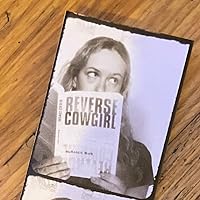
February 19, 2026
“De la fotografía he hecho esta fotocopia verbal para que quienes no la vieron cuando apareció en la prensa francesa, el 5 de octubre de 1993, puedan verte ahora”.
May 9, 2026
Yıllar önce Berger'in "Picasso'nun başarısı ve başarısızlığı" adlı kitabını almıştım. Okumaya başladığımda açıkçası kitap bana çok ağır gelmişti. 40-45 sayfa sonra Berger'i gereğinden fazla zorlama, karmaşık cümle yapıları kullanmakla suçlayarak okumayı bırakmış ve içten içe kendisine sinirlenmiştim...
Kısa bir süre önce ise şirketimde oluşturduğum kütüphanede bu kez yazarın bu kitabı ile karşılaştım. Genelde kütüphaneye alınacak veya personel tarafından bağışlanacak kitaplar benim onayımdan geçer; fakat bu kitabı gördüğümü hiç hatırlamıyordum. İnce bir kitap da olduğundan, kütüphanedeki kahve makinesinin bardağımı doldurmasını beklerken edindiğim alışkanlıkla kahve başına ikişer üçer sayfa okuyarak bu esere -daha doğrusu John Berger'e- bir şans daha vermeye karar verdim...
Birbirinden bağımsız sayılabilecek Berger'in 29 anı/gözleminden ilk 3'ünü okurken gözlerim belli belirsiz, dikkatimi daha da arttırmak için büyüyormuş gibi hissederek, sanki Berger'in iç sesini kendi iç sesim olarak duyuyormuşçasına bir hisle şaşkına döndüm. Berger yıllar önce onun için beynimde kodladığım yerden çıkmış, bir anda derin saygı uyandıran yeni -ve gerçek- kimliğine bürünmüştü.
Artık kahve hazırlama sürelerinin okumaya devam etme arzum karşısında yetersiz kalacağını anladım. Yine de son 7 "fotokopi"ye kadar her seferinde tadı damağımda kalarak kitabı raftaki yerine yüzümde bir tebessümle yerleştirdim. Arada birkaç gün rutinimi bozarak bir yerine iki kahve içtiğim de oldu...
Sonunda dayanamayarak kitabı bir iş dönüşü eve götürdüm. Ortaokul yıllarımda annemin meraklısı olduğu kabak çekirdeklerini tüm bir film boyunca o zamanlar bana dev gibi görünen 67 ekran renkli Sony Trinitron'un önünde dişlerimle ayıklayıp, tümünü filmin sonundaki yazılar başlayınca ağzıma tıkarak çiğnediğim zamanlarda aldığım hazza benzer bir duyguyla kitabın kalanını bir solukta bitiriverdim.
Aynı gece kütüphanemde, onun yıllar önce ilk aldığım kitabını arayıp buldum. Birinci baskı, 1989... aldığımda daha 15 yaşındaymışım!
Benim için kitap küçük sürprizler de içeriyordu; eminim okuyacakların önemli bir bölümü de aynı şeyi hissedecek...
Kısa bir süre önce ise şirketimde oluşturduğum kütüphanede bu kez yazarın bu kitabı ile karşılaştım. Genelde kütüphaneye alınacak veya personel tarafından bağışlanacak kitaplar benim onayımdan geçer; fakat bu kitabı gördüğümü hiç hatırlamıyordum. İnce bir kitap da olduğundan, kütüphanedeki kahve makinesinin bardağımı doldurmasını beklerken edindiğim alışkanlıkla kahve başına ikişer üçer sayfa okuyarak bu esere -daha doğrusu John Berger'e- bir şans daha vermeye karar verdim...
Birbirinden bağımsız sayılabilecek Berger'in 29 anı/gözleminden ilk 3'ünü okurken gözlerim belli belirsiz, dikkatimi daha da arttırmak için büyüyormuş gibi hissederek, sanki Berger'in iç sesini kendi iç sesim olarak duyuyormuşçasına bir hisle şaşkına döndüm. Berger yıllar önce onun için beynimde kodladığım yerden çıkmış, bir anda derin saygı uyandıran yeni -ve gerçek- kimliğine bürünmüştü.
Artık kahve hazırlama sürelerinin okumaya devam etme arzum karşısında yetersiz kalacağını anladım. Yine de son 7 "fotokopi"ye kadar her seferinde tadı damağımda kalarak kitabı raftaki yerine yüzümde bir tebessümle yerleştirdim. Arada birkaç gün rutinimi bozarak bir yerine iki kahve içtiğim de oldu...
Sonunda dayanamayarak kitabı bir iş dönüşü eve götürdüm. Ortaokul yıllarımda annemin meraklısı olduğu kabak çekirdeklerini tüm bir film boyunca o zamanlar bana dev gibi görünen 67 ekran renkli Sony Trinitron'un önünde dişlerimle ayıklayıp, tümünü filmin sonundaki yazılar başlayınca ağzıma tıkarak çiğnediğim zamanlarda aldığım hazza benzer bir duyguyla kitabın kalanını bir solukta bitiriverdim.
Aynı gece kütüphanemde, onun yıllar önce ilk aldığım kitabını arayıp buldum. Birinci baskı, 1989... aldığımda daha 15 yaşındaymışım!
Benim için kitap küçük sürprizler de içeriyordu; eminim okuyacakların önemli bir bölümü de aynı şeyi hissedecek...
August 17, 2018
İnsanı insan yapan o ufacık ayrıntılar değil midir? Bu bazen bir koku,
bazen bir duygu, bazen yaşanmışlıklar, bazen de bir el ya da acı değil
midir? Bu da illa bir kamera ya da resim ile değil bazen de bellek ile
fotoğraflanan anlardır. Hayatlarımızı da yaşanılır kılan bu anlardır.
John Berger Fotokopiler'de sözcüklerle çıktığı bu yolculuğa yanında
bizi de götürüyor.Kendisinde sevgi dolu izler bırakmış kişileri
bizlerle tanıştırıyor...
"Marcel'in aşınmış, çatlamış, eklemleri şişmiş elleri vardı. Hem
nasırlı, hem de duyarlı eller. Bugün artık kullanılmamaya başlayan
birtakım eski sözcükler gibi." / "Onu en son birlikte kutladığımız bir
yılbaşı gecesinden sonra arabayla evine götürürken görmüştüm..."S.65
Hele Abidin Dino'yu anlattığı bölüm bir güzelleme niteliğinde...
"Çoğu zaman, soylu bir insanın ölümünden sonra, bir ışık söndü derler.
Basmakalıp bir söz, ama ölümden sonraki alaca karanlık daha iyi
anlatılabilir mi? Gördüğüm beyaz kağıt kömür rengini almıştı. Siyah ve
kömür yokluğun rengidir. Yokluk Abidin' in bu yaz yaptığı bir dizi
başka resmi ve deseni hatırlattı . Bunlar kalabalıkların resimleriydi.
Sayısız yüzlerin imgeleri. Her biri öbüründen ayrı, ama enerjileri
onların moleküller gibi birlikte olmalarını sağlıyor. Oysa bu imgeler
ne ürkütücü ne simgesel . Abidin bunları bana ilk gösterdiğinde bu
yüzlerin çokluğu bana okunaksız bir yazıyla yazılmış mektupları
düşündürmüştü . Anlaşılmaz biçimde akıcı ve güzeldiler. Şimdi acaba
Abidin gene yolculuğa mı çıktı, bunlar da ölülerin resimleri mi, diye
soruyorum kendime. Ve Abidin hemen yanıtlıyor sorularımı; çünkü birden
onun İbn Arabi' den aktardığı şu sözleri hatırlıyorum :" Adem' den
zamanın sonuna kadar yaşamış ve bir gün yaşayacak olan herkesin yüzünü
görüyor ve bir yere kaydediyorum..."S.89
Ebedi gecesinde bu dönüşsüz seferin
Hep başka sahillere doğru sürüklenen biz
Zaman adlı denizde bir gün, bir lahza için
Demirleyemez miyiz?
Lamartine
bazen bir duygu, bazen yaşanmışlıklar, bazen de bir el ya da acı değil
midir? Bu da illa bir kamera ya da resim ile değil bazen de bellek ile
fotoğraflanan anlardır. Hayatlarımızı da yaşanılır kılan bu anlardır.
John Berger Fotokopiler'de sözcüklerle çıktığı bu yolculuğa yanında
bizi de götürüyor.Kendisinde sevgi dolu izler bırakmış kişileri
bizlerle tanıştırıyor...
"Marcel'in aşınmış, çatlamış, eklemleri şişmiş elleri vardı. Hem
nasırlı, hem de duyarlı eller. Bugün artık kullanılmamaya başlayan
birtakım eski sözcükler gibi." / "Onu en son birlikte kutladığımız bir
yılbaşı gecesinden sonra arabayla evine götürürken görmüştüm..."S.65
Hele Abidin Dino'yu anlattığı bölüm bir güzelleme niteliğinde...
"Çoğu zaman, soylu bir insanın ölümünden sonra, bir ışık söndü derler.
Basmakalıp bir söz, ama ölümden sonraki alaca karanlık daha iyi
anlatılabilir mi? Gördüğüm beyaz kağıt kömür rengini almıştı. Siyah ve
kömür yokluğun rengidir. Yokluk Abidin' in bu yaz yaptığı bir dizi
başka resmi ve deseni hatırlattı . Bunlar kalabalıkların resimleriydi.
Sayısız yüzlerin imgeleri. Her biri öbüründen ayrı, ama enerjileri
onların moleküller gibi birlikte olmalarını sağlıyor. Oysa bu imgeler
ne ürkütücü ne simgesel . Abidin bunları bana ilk gösterdiğinde bu
yüzlerin çokluğu bana okunaksız bir yazıyla yazılmış mektupları
düşündürmüştü . Anlaşılmaz biçimde akıcı ve güzeldiler. Şimdi acaba
Abidin gene yolculuğa mı çıktı, bunlar da ölülerin resimleri mi, diye
soruyorum kendime. Ve Abidin hemen yanıtlıyor sorularımı; çünkü birden
onun İbn Arabi' den aktardığı şu sözleri hatırlıyorum :" Adem' den
zamanın sonuna kadar yaşamış ve bir gün yaşayacak olan herkesin yüzünü
görüyor ve bir yere kaydediyorum..."S.89
Ebedi gecesinde bu dönüşsüz seferin
Hep başka sahillere doğru sürüklenen biz
Zaman adlı denizde bir gün, bir lahza için
Demirleyemez miyiz?
Lamartine

July 1, 2021
نوشتن از روایت هایی که با تمام وجود آن ها را فرا گرفته ای آسان نیست. نوشتن از روایت هایی که خودت دنبال آن ها نگشته ای و پیدا نکرده ای هم آسان نیستی. چند روز پیش، دوستی نتیجه ی جست و جوی چند ساعته اش در کتاب فروشی های مختلف شهر را نشانم داد. از رابین هود بگیر تا در ستایش عشقِ آلن بدیو. به فتوکپی ها که رسید، گفت: در عرض یک لحظه آن را دیدم و برداشتم. بدون اینکه بدونم چیه.
کتاب را ورق میزدم و مسحور ایده ی آن شده بودم. از من خواست که جملاتی که چشمم به آن میخورد را برایش بخوانم.
گفتم: جان برجر کاری را کرده که مدتی ست در تلاش انجام آنم. نوشتن جزئیات، دیدن و جای دوری نرفتن، صرف مشاهده گر بودن و قانع بودن به آنچه که در اطرافت رخ میدهد بی آنکه به تغییر دادن آن فکر کنی.
توجه به جزئیات کار سختی ست، چیزهایی را میبینی که شاید بهتر باشد از آن فرار کنی.
برجر از مرگ و فقدان مینویسد، از آدم هایی که حضورشان بعد از مرگ، از طریق کلماتِ نویسنده ی مشاهده گر ما ملموس میشود. امکان ندارد که شیفته ی این آدم ها نشوی، امکان ندارد که با گذشت زمان آن ها را در ذهن خود یادآوری نکنی.
در محیط کاری من، آدم های غریبه ی زیادی در رفت و آمدند. ارتباط من با آن ها عجیب است، من نقش فراهم کردن فضای امن برای آن ها را دارم. کاسنپت، میشود مأمنی برای ما. با خود فکر میکنم، حضور من در کانسپت دلیلی دارد. این آدم های در گذار هم همینطور.
برجر مرا از دلیلی که به آن پی برده بودم مطمئن کرد. درست مثل جاهلی که چشم هایش باز شده باشد.
کتاب را ورق میزدم و مسحور ایده ی آن شده بودم. از من خواست که جملاتی که چشمم به آن میخورد را برایش بخوانم.
گفتم: جان برجر کاری را کرده که مدتی ست در تلاش انجام آنم. نوشتن جزئیات، دیدن و جای دوری نرفتن، صرف مشاهده گر بودن و قانع بودن به آنچه که در اطرافت رخ میدهد بی آنکه به تغییر دادن آن فکر کنی.
توجه به جزئیات کار سختی ست، چیزهایی را میبینی که شاید بهتر باشد از آن فرار کنی.
برجر از مرگ و فقدان مینویسد، از آدم هایی که حضورشان بعد از مرگ، از طریق کلماتِ نویسنده ی مشاهده گر ما ملموس میشود. امکان ندارد که شیفته ی این آدم ها نشوی، امکان ندارد که با گذشت زمان آن ها را در ذهن خود یادآوری نکنی.
در محیط کاری من، آدم های غریبه ی زیادی در رفت و آمدند. ارتباط من با آن ها عجیب است، من نقش فراهم کردن فضای امن برای آن ها را دارم. کاسنپت، میشود مأمنی برای ما. با خود فکر میکنم، حضور من در کانسپت دلیلی دارد. این آدم های در گذار هم همینطور.
برجر مرا از دلیلی که به آن پی برده بودم مطمئن کرد. درست مثل جاهلی که چشم هایش باز شده باشد.

January 23, 2016
Denemelerinden oluşan bir kitaptı. John Berger bir sanat tarihi kuramcısıdır. Bir dönem adamı denilebilir. Birçok tanıdık isimle ilişki içerisinde olmuş. Bu kişilerle anılarından yola çıkmış anlatırken.

May 17, 2020
Que increíble este libro, sin dudas va a ser el mejor de este año.
Que increíble Berger, haberlo descubierto ahora y saber que tengo toda su bibliografía todavía para leer.
Este es un gran momento, este es un hermoso día
Que increíble Berger, haberlo descubierto ahora y saber que tengo toda su bibliografía todavía para leer.
Este es un gran momento, este es un hermoso día
Displaying 1 - 30 of 71 reviews