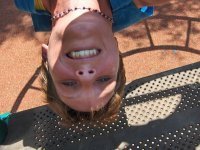
Mark Wilson nearly died at birth. He survived but suffered a severe brain injury, and at six months of age was diagnosed with Cerebral Palsy. Doctors warned his parents he would likely never walk or talk. ‘Best not to expect too much,’ they said. But Shirley and Glenn refused to give up.
Determined to defy the grim prognosis, Mark’s parents embarked on an intense, home-based therapy program—one with no guarantees, only relentless effort and hope. And against all odds, it worked.
Told with Mark’s signature self-deprecating humour, Wobbles is more than just his story. His parents, sister, and childhood therapist, Ian Hunter, share their own perspectives, revealing the immense challenges, sacrifices, and unexpected joys that shaped their journey. Moments of triumph sit alongside deep despair—a hilarious battle with his kitchen nemesis, the plastic bread clip, is followed by his mother’s heartbreaking contemplation of suicide.
Raw, uplifting, and deeply human, Wobbles is an emotional rollercoaster, offering not just inspiration but a real-life story demonstrating how, and explaining why, the brain can recover from catastrophic injury. This unforgettable memoir proves that resilience, love, and determination can rewrite even the bleakest of fates.
Librarian Note: There is more than one author in the Goodreads database with this name. This profile may contain books from multiple authors of this name.
I picked up this book because the woman who told me about it said that the author was a brain injury therapist who worked with people with brain injuries. I was curious about the neuroscience and how it could be applied to help people recover or adapt after a brain injury. I ended up getting far more than I expected.
The neuroscience was fascinating and explained complex concepts in a way that was easy to understand. But what really made this book memorable was hearing the story from so many different perspectives. By including Mark, his parents, his sister, and his therapist, the book paints a remarkably complete picture of what it's like to live with cerebral palsy—not just for the person with the disability, but for everyone who loves them.
Mark's sense of humor shines throughout the book. His chapter about battling a simple bread clip had me laughing out loud, while at the same time making me realize how many everyday objects are designed for people who never have to think about movements the rest of us take for granted. Moments like that gave me a perspective I simply couldn't have gained from reading a medical textbook.
The book is funny, honest, heartbreaking, and hopeful without ever becoming sentimental. It doesn't ask the reader for sympathy. Instead, it invites curiosity and understanding, and I think that's one of its greatest strengths.
Although this book would undoubtedly be valuable for families affected by cerebral palsy or brain injury, I think it has something to offer anyone. It challenged assumptions I didn't even realize I had and left me with a much deeper appreciation of both the complexity of the human brain and the everyday experiences of people living with physical disabilities.
Really enjoyed the read and I found my self proud of what the whole family has achieved. As I’ve never had any background in dealing with disabilities it was a positive eye opening and impactful read