

What do you think?

Star Wars: Visions (Star Wars: Visions
Collecting Star Visions, Star Visions - Peach Momoko, Star Visions - Takeshi Okazaki And Material From Star Darth Vader - Black, White & Red #1.
Two acclaimed Japanese creators reveal their incredible Visions of the galaxy far, far away! Manga legend Takashi Okazaki continues his storytelling from the acclaimed Star Visions "The Duel," featuring the Ronin - fusing the mythology of Star Wars with elements of Feudal Japan! We know the Ronin as a fearsome Sith slayer, but who was he before? Discover the early days of the fan-favorite character! Then, acclaimed creator Peach Momoko unleashes her own visionary storytelling! Centuries after the death of a great Sith Lord, a cult has grown worshipping them…and the Dark Side. Ankok believes she is the successor to this deadly legacy! But is she truly in tune with the Force? Or is she just exploiting the people in her village? Kako and Gel are about to come face-to-face with the truth - even if it kills them!
Two acclaimed Japanese creators reveal their incredible Visions of the galaxy far, far away! Manga legend Takashi Okazaki continues his storytelling from the acclaimed Star Visions "The Duel," featuring the Ronin - fusing the mythology of Star Wars with elements of Feudal Japan! We know the Ronin as a fearsome Sith slayer, but who was he before? Discover the early days of the fan-favorite character! Then, acclaimed creator Peach Momoko unleashes her own visionary storytelling! Centuries after the death of a great Sith Lord, a cult has grown worshipping them…and the Dark Side. Ankok believes she is the successor to this deadly legacy! But is she truly in tune with the Force? Or is she just exploiting the people in her village? Kako and Gel are about to come face-to-face with the truth - even if it kills them!
Kindle Edition
Published August 6, 2025
About the author
Takashi Okazaki
24 books29 followersTakashi Okazaki (岡崎 能士), born in the Kanagawa Prefecture in 1974, is a Japanese comic book artist, animation concept artist and graphic designer.
Okazaki is most notably known for writing and illustrating the manga Afro Samurai (1998-2002), also adapted into an anime series.
Okazaki has been a character designer for animation and video games, most notably the movies Summer Wars (2009), Garo: Vanishing Line (2017) and Batman Ninja (2018).
Since 2020, Takashi Okazaki has worked on a number of Marvel comic book series, as both writer and artist.
Okazaki is most notably known for writing and illustrating the manga Afro Samurai (1998-2002), also adapted into an anime series.
Okazaki has been a character designer for animation and video games, most notably the movies Summer Wars (2009), Garo: Vanishing Line (2017) and Batman Ninja (2018).
Since 2020, Takashi Okazaki has worked on a number of Marvel comic book series, as both writer and artist.
Ratings & Reviews
Friends & Following
Create a free account to discover what your friends think of this book!
Community Reviews
Displaying 1 - 22 of 22 reviews

August 19, 2025
A treasury sized collection of the Star Wars one-shots Star Wars: Visions #1 (2022), Star Wars: Visions - Peach Momoko #1, Star Wars: Visions - Takashi Okazaki #1 and Peach Momoko's "Inescapable" story from Darth Vader: Black, White & Red #1 released over the past few years.
Based on the same concept of the animated anthology television series of the same name, these are conceptual Star Wars stories that utilize unfamiliar characters and settings to really deliver something more fresh and innovative to the franchise. Okazaki's two issues are based on "The Duel" episode (the debut episode of the television series) that he himself wrote, and utilizes an art style familiar to the episode itself. Featuring the same lone ronin who wields a red lightsaber and hunts Sith lords and dark side practitioners in the far reaches of the galaxy, working only alongside a scruffy and beaten down astromech droid. The first issue feels very much in tone with the original episode - a personal favorite of mine in the clutch of episodes we have had so far. The second a little less able to capture the Kurosawa-esqe stillness of the original, but still an entertaining and exceedingly well drawn affair.
The two Peach Momoko stories here are effectively wordless pieces, meant to pretty much highlight the strength of her watercolor based artwork. The shorter story, as collected in the Darth Vader: Black, White & Red anthology series, features a girl living on a remote planet and haunted by dreaded visions of Lord Vader. It's a showcase of Momoko's art, since the concept itself is too thin to derive much plot. The longer piece was released as its own Star Wars: Visions one-shot and has a more discernable plot surrounding a Dark Side cult and another young girl in a remote planet in the galaxy. The lack of dialogue keeps things cryptic which works well enough as a standalone piece, but when both stories from Momoko lack any kind of prominently distinguishable plot, it does feel a little too light for a collected edition.
Really, you're getting this for the artwork if you are interested in the works of Okazaki and Momoko. The standalone issues are enjoyable enough on their own, but together there isn't much weight to the 3-4 stories here to justify the price tag of the collection.
Based on the same concept of the animated anthology television series of the same name, these are conceptual Star Wars stories that utilize unfamiliar characters and settings to really deliver something more fresh and innovative to the franchise. Okazaki's two issues are based on "The Duel" episode (the debut episode of the television series) that he himself wrote, and utilizes an art style familiar to the episode itself. Featuring the same lone ronin who wields a red lightsaber and hunts Sith lords and dark side practitioners in the far reaches of the galaxy, working only alongside a scruffy and beaten down astromech droid. The first issue feels very much in tone with the original episode - a personal favorite of mine in the clutch of episodes we have had so far. The second a little less able to capture the Kurosawa-esqe stillness of the original, but still an entertaining and exceedingly well drawn affair.
The two Peach Momoko stories here are effectively wordless pieces, meant to pretty much highlight the strength of her watercolor based artwork. The shorter story, as collected in the Darth Vader: Black, White & Red anthology series, features a girl living on a remote planet and haunted by dreaded visions of Lord Vader. It's a showcase of Momoko's art, since the concept itself is too thin to derive much plot. The longer piece was released as its own Star Wars: Visions one-shot and has a more discernable plot surrounding a Dark Side cult and another young girl in a remote planet in the galaxy. The lack of dialogue keeps things cryptic which works well enough as a standalone piece, but when both stories from Momoko lack any kind of prominently distinguishable plot, it does feel a little too light for a collected edition.
Really, you're getting this for the artwork if you are interested in the works of Okazaki and Momoko. The standalone issues are enjoyable enough on their own, but together there isn't much weight to the 3-4 stories here to justify the price tag of the collection.

August 30, 2025
Every once in a while, Star Wars, Disney, and Marvel manage to produce a genuinely good comic book—and Star Wars: Visions is one of those rare instances. This isn’t just a decent entry; it’s a bold and creative expansion of the Star Wars mythos, and both of the included stories absolutely deliver.
The “Ronin” storyline is an instant standout. It takes a completely fresh perspective on a galaxy far, far away, reimagining the Jedi and Sith through the lens of feudal Japan. The atmosphere is dripping with style—samurai-inspired lightsabers, kimonos, and weathered villages set against desolate, war-torn landscapes. The artwork nails that fusion of classic Star Wars aesthetics with Edo-period mystique, creating something that feels both familiar and otherworldly at the same time. It’s a true manga-inspired masterpiece that respects the source material while giving it an entirely new soul.
Then there’s Peach Momoko’s contribution, which is pure brilliance in its own right. Her story is darker, almost haunting, and makes a daring choice: no dialogue. Not a single word. Everything is told through her striking, surreal art, which speaks louder than any text could. The tone feels mythic and unsettling, like a grim folktale set in the Star Wars universe—a bold artistic move that completely pays off.
Honestly, this is what Star Wars comics should be—visionary, experimental, and willing to break free from the safe formula. We need more of this. Marvel and Lucasfilm should tap more creators like these two to bring fresh voices into the galaxy. Both Momoko and Takashi absolutely blow the doors off compared to the stagnant work of mainstay writers like Jody Houser. This is the kind of storytelling that reminds us why we fell in love with Star Wars in the first place.
The “Ronin” storyline is an instant standout. It takes a completely fresh perspective on a galaxy far, far away, reimagining the Jedi and Sith through the lens of feudal Japan. The atmosphere is dripping with style—samurai-inspired lightsabers, kimonos, and weathered villages set against desolate, war-torn landscapes. The artwork nails that fusion of classic Star Wars aesthetics with Edo-period mystique, creating something that feels both familiar and otherworldly at the same time. It’s a true manga-inspired masterpiece that respects the source material while giving it an entirely new soul.
Then there’s Peach Momoko’s contribution, which is pure brilliance in its own right. Her story is darker, almost haunting, and makes a daring choice: no dialogue. Not a single word. Everything is told through her striking, surreal art, which speaks louder than any text could. The tone feels mythic and unsettling, like a grim folktale set in the Star Wars universe—a bold artistic move that completely pays off.
Honestly, this is what Star Wars comics should be—visionary, experimental, and willing to break free from the safe formula. We need more of this. Marvel and Lucasfilm should tap more creators like these two to bring fresh voices into the galaxy. Both Momoko and Takashi absolutely blow the doors off compared to the stagnant work of mainstay writers like Jody Houser. This is the kind of storytelling that reminds us why we fell in love with Star Wars in the first place.

May 13, 2026
Two acclaimed Japanese creators reveal their incredible Visions of the galaxy far, far away!
Manga legend Takashi Okazaki continues his storytelling from the acclaimed Star Wars: Visions “The Duel,” featuring the Ronin – fusing the mythology of
Star Wars with elements of Feudal Japan! We know the Ronin as a fearsome Sith slayer, but who was he before? Discover the early days of the fan-favorite
character! Then, acclaimed creator Peach Momoko unleashes her own visionary storytelling! Centuries after the death of a great Sith Lord, a cult has grown
worshipping them…and the Dark Side. Ankok believes she is the successor to this deadly legacy! But is she truly in tune with the Force? Or is she just exploiting
the people in her village? Kako and Gel are about to come face-to-face with the truth – even if it kills them!
Collecting STAR WARS: VISIONS, STAR WARS: VISIONS – PEACH MOMOKO, STAR WARS: VISIONS – TAKESHI OKAZAKI and material from STAR WARS: DARTH VADER – BLACK, WHITE & RED #1.
Manga legend Takashi Okazaki continues his storytelling from the acclaimed Star Wars: Visions “The Duel,” featuring the Ronin – fusing the mythology of
Star Wars with elements of Feudal Japan! We know the Ronin as a fearsome Sith slayer, but who was he before? Discover the early days of the fan-favorite
character! Then, acclaimed creator Peach Momoko unleashes her own visionary storytelling! Centuries after the death of a great Sith Lord, a cult has grown
worshipping them…and the Dark Side. Ankok believes she is the successor to this deadly legacy! But is she truly in tune with the Force? Or is she just exploiting
the people in her village? Kako and Gel are about to come face-to-face with the truth – even if it kills them!
Collecting STAR WARS: VISIONS, STAR WARS: VISIONS – PEACH MOMOKO, STAR WARS: VISIONS – TAKESHI OKAZAKI and material from STAR WARS: DARTH VADER – BLACK, WHITE & RED #1.

July 5, 2025
"Que legal! Star Wars com samurais! Deve ser muito bom!", me disse o atendente do caixa da banca em que comprei essa revista. Para os mais desavisados, sim, seria Star Wars com samurais, mas também uma extensão da animação realizada no Japão principalmente produzida e executada por Takashi Okazaki. Ele foi criador do Afro Samurai que também é um mangá e um animê. Aqui ele traz alguns dos personagens que criou em aventuras no universo dessa animação de Star Wars. Eu li Afro Samurai e, sinceramente, não me encantou, assim como as histórias em quadrinhos que Okazaki bolou para Star Wars passaram incólumes por mim. O que eu gostei mesmo foi da história sem palavras de Peach Momoko, usando todo o seu lado gore e visceral oscilando entre criaturas humanas e órgãos animais, trazendo criaturas indefiníveis em sua arte. Mas ainda assim, a história nem sempre é inteligível. Uma HQ que tinha tanto potencial, tão desperdiçada.

June 19, 2025
I just knocked this out this morning. I don't have this edition yet, I just read the individual 1-shots. Probably my favorite here is the third installment: "The Ronin and the Droid." The storytelling is somewhat hard to follow, especially in Peach Momoko's offering, as there is no dialogue in that one. Still, all three of these books are visually stunning. Fans of the animated Star Wars Visions shorts will need this in their collection.
My rating: 3.5 Stars
My rating: 3.5 Stars
November 11, 2025
A must-read for samurai action fans. The art is breathtaking with familiar stories from this genre adapted with Star Wars x Samurai sensibilities. My only complaint is that it's just too short.
Peach Momoko continues her wordless stories in the Star Wars Universe which are psychological-body horror in nature, pretty esoteric and creepy yet beautifully rendered.
Peach Momoko continues her wordless stories in the Star Wars Universe which are psychological-body horror in nature, pretty esoteric and creepy yet beautifully rendered.
August 29, 2025
It was ok
Nice art. But that's it. The stories were a bit soulless. It would have been better as a complete picture book, no words. At least that way, I can put my imagination to use.
Nice art. But that's it. The stories were a bit soulless. It would have been better as a complete picture book, no words. At least that way, I can put my imagination to use.

August 12, 2025
Worth reading for the incredible art alone.

October 5, 2025
cool expansion and short stories to the universe, only thing is that they are way too short, I want more
September 17, 2026
Graphically very powerful comic collection. Story wise ..... not so, but then again I was attracted to th art so I got what I was asking for :)
First two stories are beautifully drawn by Takashi Okazaki, who manages to paint a very impressive Star Wars universe mixed with Japanese Samurai motifs. These are stories of The Ronin, his hunt of the Sith and crossing paths with other lone, wandering heroes. Again themes will be familiar to anyone who ever watched Japanese action movies or comic books - stoic, wandering swordsman with mysterious and unknown history on the quest. It reminded m so much of the original Dark Horse KOTOR comics, especially conclusion of Ulic Qel Droma story arc and his redemption. I just love this post-apocalyptic-like-far-future world view. Pure joy.
Then we have visually striking, but narrative-wise completely deaf two stories by Peach Momoko. These are right out of the Lovecraft's playbook. Lurking, tentacled horrors acting through people and using them as portals. Not to mention that Vader nightmare first story - this was so much Dark Horizon.
So to summarize - if you aim for action oriented, beautifully drawn comics look no further. If you want more story, Ronin comics are good, but relatively short episodes, while for Momoko's work I guess you will need to scream in your head to add some sound effects :)
I liked it, not gonna lie :) Recommended to fans of Star Wars ..... lets say alternative universes :)
First two stories are beautifully drawn by Takashi Okazaki, who manages to paint a very impressive Star Wars universe mixed with Japanese Samurai motifs. These are stories of The Ronin, his hunt of the Sith and crossing paths with other lone, wandering heroes. Again themes will be familiar to anyone who ever watched Japanese action movies or comic books - stoic, wandering swordsman with mysterious and unknown history on the quest. It reminded m so much of the original Dark Horse KOTOR comics, especially conclusion of Ulic Qel Droma story arc and his redemption. I just love this post-apocalyptic-like-far-future world view. Pure joy.
Then we have visually striking, but narrative-wise completely deaf two stories by Peach Momoko. These are right out of the Lovecraft's playbook. Lurking, tentacled horrors acting through people and using them as portals. Not to mention that Vader nightmare first story - this was so much Dark Horizon.
So to summarize - if you aim for action oriented, beautifully drawn comics look no further. If you want more story, Ronin comics are good, but relatively short episodes, while for Momoko's work I guess you will need to scream in your head to add some sound effects :)
I liked it, not gonna lie :) Recommended to fans of Star Wars ..... lets say alternative universes :)

September 17, 2026
This was hard to give only three stars to. Individually, each story really does stand on it own, yet for some reason, collected they feel… less than.
Takashi Okazaki gives us two tales featuring The Ronin from the first episode of the amazing animated Visions series. Each one works on its own with amazing artwork, but each one is also drastically different in style and tone. So much so that it feels like they were created by different artists working with different characters. The first story is almost zen like and introspective, matching the animation. The second story is bold and frenetic, and the opening scene feels out of order.
Peach Momoko creates two beautifully painted tales. They may both be wordless, but they also say so much. The first deals with internal terror, the second external. The first is easy to follow, the second is vague, bordering on abstract. Marvel’s own description of the second story doesn’t really help, providing names and basic plot, but the the reader must attempt to piece all of it together. Perhaps if I were more familiar with Momoko’s narrative style it would make more sense.
I wanted this collection to feel more intentional, but the lack of consistency between both of the Okazaki and both of the Momoko tales makes it feel thrown together.
Takashi Okazaki gives us two tales featuring The Ronin from the first episode of the amazing animated Visions series. Each one works on its own with amazing artwork, but each one is also drastically different in style and tone. So much so that it feels like they were created by different artists working with different characters. The first story is almost zen like and introspective, matching the animation. The second story is bold and frenetic, and the opening scene feels out of order.
Peach Momoko creates two beautifully painted tales. They may both be wordless, but they also say so much. The first deals with internal terror, the second external. The first is easy to follow, the second is vague, bordering on abstract. Marvel’s own description of the second story doesn’t really help, providing names and basic plot, but the the reader must attempt to piece all of it together. Perhaps if I were more familiar with Momoko’s narrative style it would make more sense.
I wanted this collection to feel more intentional, but the lack of consistency between both of the Okazaki and both of the Momoko tales makes it feel thrown together.

June 21, 2026
As a matter of principle, I really like other narrative and artistic takes on established franchises. I think it’s one of few worthwhile ways to inject something new into something well-worn, though sometimes that “newness” is just pulling in other old, trite conventions. Maybe I’m just not so deeply steeped in samurai/shogun stories to find Okazaki’s content exhausting. Instead, I found his paired stories about a wandering Sith encountering others of his ilk as well as Jedi in an alternative feudal Japan-influenced Star Wars universe to be pretty fun. Peach on the other hand…I want to like their stuff more because it at times reminds me of some of the offshoots and artists that worked with Jodorowsky, but sometimes I struggle to find the connection to the original work. I can see the Star Wars elements here, but I’m not fully understanding why this shift bodily abjection is meant to work — I love something that’s interpretive, but this felt either a little too on the nose and simultaneously a little too opaque for me. Similar to their X-Men run — I think I get it, but sometimes I’m sure I’m not getting it.
June 22, 2026
Jag blev lite förvirrad men med lite hjälp av google så lyckades jag ta reda på att det finns en kortfilm/avsnitt som heter Star Wars: Visions The Duel och som, i likhet med denna, blandar Star Wars och samurai Action. Det är alltså Star Wars i en fantasyvärld baserad på feudala japan.
Det är givetvis asnice och skitcoolt (obs ej ironi) och hade gärna sett lite mer. Nu är det här mer en teaser för för kortfilmen (eller vad det nu är).
Det är egentligen så mycket till handling. Kanske borde det vara två stjärnor men teckningarna är fantastiska. Det är nästan mer en konstbok än en serie så ... är man intresserad av det så är det bara att låna den på bibblan.
Det är givetvis asnice och skitcoolt (obs ej ironi) och hade gärna sett lite mer. Nu är det här mer en teaser för för kortfilmen (eller vad det nu är).
Det är egentligen så mycket till handling. Kanske borde det vara två stjärnor men teckningarna är fantastiska. Det är nästan mer en konstbok än en serie så ... är man intresserad av det så är det bara att låna den på bibblan.

June 30, 2026
Visually appealling and the first two stories were a treat, especially as a fan of Afro Samurai but the others left me somewhat bewildered.
Let me be clear they were not unjoyable as the art was very beautiful but with a lack of storytelling, due to absolute zero dialogue or any description on the back of the graphic novel, I still have no real understanding of what I read 😅
Let me be clear they were not unjoyable as the art was very beautiful but with a lack of storytelling, due to absolute zero dialogue or any description on the back of the graphic novel, I still have no real understanding of what I read 😅

April 25, 2026
This is the best looking comic I’ve ever read.
I’m also a sucker for a good ronin story. Unsettling, epic, gorgeous, and a lot of fun. I’d love more of those anthologies, and this just reminds me why I need to finish watching the series.
I’m also a sucker for a good ronin story. Unsettling, epic, gorgeous, and a lot of fun. I’d love more of those anthologies, and this just reminds me why I need to finish watching the series.

August 10, 2026
The Ronin is my favourite Visions character and for good reason. I will always enjoy reading more of his adventures, no matter the medium. The other stories included here are fascinating and wordless. In fact, words would make them less brilliant.

September 12, 2025
In a not unpleasant surprise, the art tends to be better than the script...except for the one story with out words, where the art someone still manages to be worse.

September 26, 2025
Interesting episodic vignettes along a Star Wars/Japanese Samauri arc of stories - with some violent swings in quality (2-4-2 stars)

April 10, 2026
🔥 🔥 🔥

April 18, 2026
Works great as an artwork (especially Peach Monoko's story) but not as an star wars comic wich looks like its part of the canon.

May 3, 2026
Four short stories, including two featuring "The Ronin" from the Visions anime anthology.
Beautiful manga-style art, in two different styles, help create both exciting and meditative stories.
Beautiful manga-style art, in two different styles, help create both exciting and meditative stories.
December 28, 2025
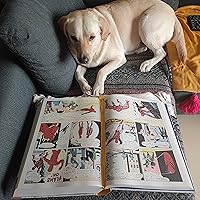
This might be the best art in any Star Wars comic. Its cool how huge the format is though it doesn't fit on the shelf. The two ronin stories were good, better expansions of the original episode then Payback, which I thought was disappointing. I do feel like this is only scratching the surface of this world and character. It feels like set up to a longer series. The two wordless comics were really cool and genuinely disturbing. The super short vader story was bonkers I could've read a whole book of just that. I want more of all this, this is amazing, I really hope we get more. Only four stars because its way too short. We need more.
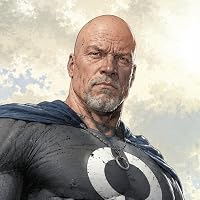
Wait a second, was the Jedi in the ronin comic supposed to be a post order 66 Mace Windu?
Wait a second, was the Jedi in the ronin comic supposed to be a post order 66 Mace Windu?
Displaying 1 - 22 of 22 reviews