

What do you think?

Win a free print copy of this book!
28 days and 09:05:52
20 copies available
U.S. only
El círculo de los días
Win a free print copy of this book!
28 days and 09:05:52
20 copies available
U.S. only
Ken Follett se adentra en su épica nueva novela en uno de los mayores misterios de la la construcción de Stonehenge.
UN MINERO DEL SÍLEX CON UN DON
Seft, un extractor de sílex con un talento único, recorre la Gran Llanura en pleno calor estival para presenciar los rituales que señalan el comienzo de un nuevo año. Está allí para intercambiar sus piedras en las celebraciones del solsticio y encontrarse con Neen, la chica a la que ama. La próspera familia de Neen le ofrece además una forma de escapar de la brutalidad de su padre y sus hermanos acogiéndolo en su comunidad de ganaderos.
UNA SACERDOTISA QUE CREE EN LO IMPOSIBLE
Joia, la hermana de Neen, es una sacerdotisa idealista y con una increíble capacidad de liderazgo. De niña, asiste cautivada a la Ceremonia del Solsticio de Verano y sueña con un nuevo y espectacular monumento levantado con las piedras más imponentes del mundo. Pero la agitación está creciendo en las colinas y bosques de la Gran Llanura.
UN MONUMENTO QUE DEFINIRÁ A UNA CIVILIZACIÓN
La visión de Joia de un enorme círculo de piedras, reunidas por las divididas tribus de la Gran Llanura, inspirará a Seft y se convertirá en la obra de su vida. Sin embargo, a medida que la sequía arrase la tierra, la desconfianza crecerá entre los ganaderos, los cultivadores y los habitantes de los bosques..., y un acto de violencia salvaje provocará una guerra abierta.
«Follett da vida de forma rica y vibrante a esta épica saga familiar... Una historia adictiva... Apasionante».
The Sunday Post
«No podría haber una mejor combinación entre un autor y un tema que Ken Follett escribiendo sobre Stonehenge. Su característica mezcla entre lo intensamente humano y lo monumentalmente épico funciona aquí a la perfecció una novela magnífica».
Lee Child
«Una proeza literaria. Follett nos sumerge de forma brillante y cautivadora en un mundo y una sociedad, en la época de la construcción de Stonehenge, que resulta por completo real. Es absolutamente absorbente y fascinante, y me hizo darme cuenta de que, al margen de la tecnología, muy poco ha cambiado entre entonces y ahora en la forma en la que nos comportamos».
Peter James
«Follett es un maestro».
The Washington Post
UN MINERO DEL SÍLEX CON UN DON
Seft, un extractor de sílex con un talento único, recorre la Gran Llanura en pleno calor estival para presenciar los rituales que señalan el comienzo de un nuevo año. Está allí para intercambiar sus piedras en las celebraciones del solsticio y encontrarse con Neen, la chica a la que ama. La próspera familia de Neen le ofrece además una forma de escapar de la brutalidad de su padre y sus hermanos acogiéndolo en su comunidad de ganaderos.
UNA SACERDOTISA QUE CREE EN LO IMPOSIBLE
Joia, la hermana de Neen, es una sacerdotisa idealista y con una increíble capacidad de liderazgo. De niña, asiste cautivada a la Ceremonia del Solsticio de Verano y sueña con un nuevo y espectacular monumento levantado con las piedras más imponentes del mundo. Pero la agitación está creciendo en las colinas y bosques de la Gran Llanura.
UN MONUMENTO QUE DEFINIRÁ A UNA CIVILIZACIÓN
La visión de Joia de un enorme círculo de piedras, reunidas por las divididas tribus de la Gran Llanura, inspirará a Seft y se convertirá en la obra de su vida. Sin embargo, a medida que la sequía arrase la tierra, la desconfianza crecerá entre los ganaderos, los cultivadores y los habitantes de los bosques..., y un acto de violencia salvaje provocará una guerra abierta.
«Follett da vida de forma rica y vibrante a esta épica saga familiar... Una historia adictiva... Apasionante».
The Sunday Post
«No podría haber una mejor combinación entre un autor y un tema que Ken Follett escribiendo sobre Stonehenge. Su característica mezcla entre lo intensamente humano y lo monumentalmente épico funciona aquí a la perfecció una novela magnífica».
Lee Child
«Una proeza literaria. Follett nos sumerge de forma brillante y cautivadora en un mundo y una sociedad, en la época de la construcción de Stonehenge, que resulta por completo real. Es absolutamente absorbente y fascinante, y me hizo darme cuenta de que, al margen de la tecnología, muy poco ha cambiado entre entonces y ahora en la forma en la que nos comportamos».
Peter James
«Follett es un maestro».
The Washington Post
768 pages, Hardcover
First published September 23, 2025
About the author
Ken Follett
530 books61k followersKen Follett is one of the world’s most successful authors. Over 170 million copies of the 36 books he has written have been sold in over 80 countries and in 33 languages.
Born on June 5th, 1949 in Cardiff, Wales, the son of a tax inspector, Ken was educated at state schools and went on to graduate from University College, London, with an Honours degree in Philosophy – later to be made a Fellow of the College in 1995.
He started his career as a reporter, first with his hometown newspaper the South Wales Echo and then with the London Evening News. Subsequently, he worked for a small London publishing house, Everest Books, eventually becoming Deputy Managing Director.
Ken’s first major success came with the publication of Eye of the Needle in 1978. A World War II thriller set in England, this book earned him the 1979 Edgar Award for Best Novel from the Mystery Writers of America. It remains one of Ken’s most popular books.
In 1989, Ken’s epic novel about the building of a medieval cathedral, The Pillars of the Earth, was published. It reached number one on best-seller lists everywhere and was turned into a major television series produced by Ridley Scott, which aired in 2010. World Without End, the sequel to The Pillars of the Earth, proved equally popular when it was published in 2007.
Ken’s new book, The Evening and the Morning, will be published in September 2020. It is a prequel to The Pillars of the Earth and is set around the year 1,000, when Kingsbridge was an Anglo-Saxon settlement threatened by Viking invaders.
Ken has been active in numerous literacy charities and was president of Dyslexia Action for ten years. He was chair of the National Year of Reading, a joint initiative between government and businesses. He is also active in many Stevenage charities and is President of the Stevenage Community Trust and Patron of Home-Start Hertfordshire.
Ken, who loves music almost as much as he loves books, is an enthusiastic bass guitar player. He lives in Stevenage, Hertfordshire, with his wife Barbara, the former Labour Member of Parliament for Stevenage. Between them they have five children, six grandchildren and two Labradors.
Born on June 5th, 1949 in Cardiff, Wales, the son of a tax inspector, Ken was educated at state schools and went on to graduate from University College, London, with an Honours degree in Philosophy – later to be made a Fellow of the College in 1995.
He started his career as a reporter, first with his hometown newspaper the South Wales Echo and then with the London Evening News. Subsequently, he worked for a small London publishing house, Everest Books, eventually becoming Deputy Managing Director.
Ken’s first major success came with the publication of Eye of the Needle in 1978. A World War II thriller set in England, this book earned him the 1979 Edgar Award for Best Novel from the Mystery Writers of America. It remains one of Ken’s most popular books.
In 1989, Ken’s epic novel about the building of a medieval cathedral, The Pillars of the Earth, was published. It reached number one on best-seller lists everywhere and was turned into a major television series produced by Ridley Scott, which aired in 2010. World Without End, the sequel to The Pillars of the Earth, proved equally popular when it was published in 2007.
Ken’s new book, The Evening and the Morning, will be published in September 2020. It is a prequel to The Pillars of the Earth and is set around the year 1,000, when Kingsbridge was an Anglo-Saxon settlement threatened by Viking invaders.
Ken has been active in numerous literacy charities and was president of Dyslexia Action for ten years. He was chair of the National Year of Reading, a joint initiative between government and businesses. He is also active in many Stevenage charities and is President of the Stevenage Community Trust and Patron of Home-Start Hertfordshire.
Ken, who loves music almost as much as he loves books, is an enthusiastic bass guitar player. He lives in Stevenage, Hertfordshire, with his wife Barbara, the former Labour Member of Parliament for Stevenage. Between them they have five children, six grandchildren and two Labradors.
Ratings & Reviews
Friends & Following
Create a free account to discover what your friends think of this book!
Community Reviews
Displaying 1 - 30 of 3,952 reviews

September 26, 2025
Reviewing Ken Follett at this point is difficult because I feel like I've said it all before. This is another lovely pastoral historical that follows the everyday lives of characters in Neolithic Britain.
The formula works: we've got love stories, historical/technological developments (in this case, early carpentry and stonework), and shitty villains. Follett writes the best scumbags who you love to hate and here Troon was such a petty little tyrant that I enjoyed hating him so much.
Don't be put off by the blurb telling you this is about the building of Stonehenge. As with The Pillars of the Earth, you don't have to have any great interest in architecture to enjoy the stories about all the characters surrounding the central building project. There's plenty of human drama, betrayal and heartache.
In this time, there are three main groups of people: the herders who herd cattle, the farmers who grow crops, and the woodlanders who forage for nuts and berries. Each has their own ways and beliefs, and oftentimes they come into conflict with one another. When the land is hit by a devastating drought, some of them are willing to risk upsetting the others and clashes between the tribes become inevitable.
I love how Follett makes everyday life engaging. There are the bigger political struggles always in the periphery but the focus is on the people, their families, and how they can survive and feed themselves for another winter. His depiction of societies where sexuality is fluid and sexual revels are the norm are a fun blend of archaeological theory and imagination. I'll read whatever he writes next.
The formula works: we've got love stories, historical/technological developments (in this case, early carpentry and stonework), and shitty villains. Follett writes the best scumbags who you love to hate and here Troon was such a petty little tyrant that I enjoyed hating him so much.
Don't be put off by the blurb telling you this is about the building of Stonehenge. As with The Pillars of the Earth, you don't have to have any great interest in architecture to enjoy the stories about all the characters surrounding the central building project. There's plenty of human drama, betrayal and heartache.
In this time, there are three main groups of people: the herders who herd cattle, the farmers who grow crops, and the woodlanders who forage for nuts and berries. Each has their own ways and beliefs, and oftentimes they come into conflict with one another. When the land is hit by a devastating drought, some of them are willing to risk upsetting the others and clashes between the tribes become inevitable.
I love how Follett makes everyday life engaging. There are the bigger political struggles always in the periphery but the focus is on the people, their families, and how they can survive and feed themselves for another winter. His depiction of societies where sexuality is fluid and sexual revels are the norm are a fun blend of archaeological theory and imagination. I'll read whatever he writes next.
September 21, 2025
Ken Follett is a great story teller and I love reading his books. It's always something to look forward to, a new Ken Follett. Circle of Days is billed as an epic historical novel and from the description it sounds wonderful. Unfortunately it is not. I have been so disappointed whilst reading this book. I kept waiting for it to improve but it didn't. There is no depth to the story. It is mostly a series of events involving sex, killing and talking about sex and killing. The characters are flat and uninteresting. Stonehenge, which I thought would be up front and centre in the story is very much in the background and building work doesn't even start until long after half way through the book. It's slow-paced and mediocre.
I received a free review copy of the book from the publisher in exchange for my honest and unedited review.
I received a free review copy of the book from the publisher in exchange for my honest and unedited review.

October 14, 2025
Follett can always deliver an epic story in mammoth form.
This one isn’t about 🦣 mammoths- it is a little later, beginning in 2500 BC.
This is a fascinating story of the theory behind the building of Stonehenge. We meet the woodlanders, the herders, the priestesses, the farmers. The cultures of these different tribes - their traditions & values. Peace among them until one murders another and war breaks out because the gods demand a balance.
Violence where there was peace; the fight for land; the near extinction of a tribe and the means with which they survive. The once harmonious tribes now face a fallen civilization with the only hope of Stonehenge becoming the centre to reunite these people.
I did struggle with the some of the engineering details for which these rocks were moved.
I also didn't have that character connection which I have not encountered when reading Follett.
Yet, despite its shortfalls, it was still a riveting, rolling rock, kind of read.
4⭐️
This one isn’t about 🦣 mammoths- it is a little later, beginning in 2500 BC.
This is a fascinating story of the theory behind the building of Stonehenge. We meet the woodlanders, the herders, the priestesses, the farmers. The cultures of these different tribes - their traditions & values. Peace among them until one murders another and war breaks out because the gods demand a balance.
Violence where there was peace; the fight for land; the near extinction of a tribe and the means with which they survive. The once harmonious tribes now face a fallen civilization with the only hope of Stonehenge becoming the centre to reunite these people.
I did struggle with the some of the engineering details for which these rocks were moved.
I also didn't have that character connection which I have not encountered when reading Follett.
Yet, despite its shortfalls, it was still a riveting, rolling rock, kind of read.
4⭐️
May 20, 2025
⭐️⭐️1/2. Not one of his best. Childish tone. Simple one-dimensional characters. Didn’t really hold my attention at times. Disappointing.

October 4, 2025
Absolutely horrible. Other than bits about innovation for building like coppicing, this reads like a book Follett wrote in high school or something. It doesn’t even sound like him.
Also, the 688 pages in the hardcover version have an average of only 19 to 20 sentences per page. The print is huge with big spaces between the letters and words. The margins are large. This is a novella at best that was stretched out. I was upset about this, but I find that now I’m just glad there isn’t more to read. The paper is also poor quality. Also, the map at the front is practically illegible.
The story itself is sophomoric and flat. Over 45 characters introduced in the first few hundred pages. It’s as if Follett had an idea about coppicing etc and tried to start a book- fifty times… and then cobbled all those characters and stray bits together… It does not work.
Truly terrible in my estimation. My biggest regret is this will be the first book some people will read by this fantastic writer, and it will cause them to not want to read his other books... Such a loss to never read the genius that is Pillars of the Earth…
Also, the 688 pages in the hardcover version have an average of only 19 to 20 sentences per page. The print is huge with big spaces between the letters and words. The margins are large. This is a novella at best that was stretched out. I was upset about this, but I find that now I’m just glad there isn’t more to read. The paper is also poor quality. Also, the map at the front is practically illegible.
The story itself is sophomoric and flat. Over 45 characters introduced in the first few hundred pages. It’s as if Follett had an idea about coppicing etc and tried to start a book- fifty times… and then cobbled all those characters and stray bits together… It does not work.
Truly terrible in my estimation. My biggest regret is this will be the first book some people will read by this fantastic writer, and it will cause them to not want to read his other books... Such a loss to never read the genius that is Pillars of the Earth…

May 23, 2025
Set around 2500 BCE, Circle of Days explores the mysterious story of Stonehenge.
Seft comes from a family of flint miners. The work is grueling and his father is harsh. When Seft meets Neen, a girl from a family of herders, he notices something different within her family - love and kindness.
When the farmers secretly take over land traditionally used for herding animals, Neen’s mother fears the outrage could spark a war between the two communities. Though she has never experienced war herself, she remembers the stories her parents told about a past conflict between the herders and the woodlanders.
Joia, Neen’s younger sister, is fascinated by the priestesses who guard the secrets of the sky. When the High Priestess teaches her a new way of counting - using discs instead of body parts - Joia becomes deeply intrigued and begins to understand her true calling.
At this time, the Great Plain is divided among three tribes: herders, farmers, and woodlanders. Mistrust among them is growing and acts of savage violence threaten to escalate the conflict. A devastating drought forces even the most generous to reconsider their willingness to share. Survival becomes the driving force.
When a wooden monument dedicated to the priestesses is destroyed, the High Priestess orders it rebuilt in stone. The necessary heavy stones lie far away, and fifteen of them are needed. Transporting them could take years. Yet, as heavy and impossible as the task may seem, one person is driven by greater force – a vision of the stone monument rising. The bloodshed, the loss, the arguments, and the violence all fuel the determination to bring it to life and to bring peace.
The story of Pia and Han – two young people from different tribes – unfolds during a time when inter-tribal relationships are forbidden. Despite the rules, they find a way to be together. The forbidden love and the suspenseful search that follows add twists that keep readers on edge.
The detailed depiction of how the stones are transported, and how the monument is built stone by stone, makes Circle of Days a captivating read. With its intriguing elements of ancient history, the story feels remarkably authentic to its time period. It’s an absorbing novel that turns pages quickly.
Ken Follett is a master storyteller; with fascinating characters he weaves a mesmerizing tale rooted in the mysteries of the past - authentic, engaging, and utterly captivating.
Review originally posted at mysteryandsuspense.com
Source: ARC was provided by the publisher via NetGalley in exchange for an honest review.
Seft comes from a family of flint miners. The work is grueling and his father is harsh. When Seft meets Neen, a girl from a family of herders, he notices something different within her family - love and kindness.
When the farmers secretly take over land traditionally used for herding animals, Neen’s mother fears the outrage could spark a war between the two communities. Though she has never experienced war herself, she remembers the stories her parents told about a past conflict between the herders and the woodlanders.
Joia, Neen’s younger sister, is fascinated by the priestesses who guard the secrets of the sky. When the High Priestess teaches her a new way of counting - using discs instead of body parts - Joia becomes deeply intrigued and begins to understand her true calling.
At this time, the Great Plain is divided among three tribes: herders, farmers, and woodlanders. Mistrust among them is growing and acts of savage violence threaten to escalate the conflict. A devastating drought forces even the most generous to reconsider their willingness to share. Survival becomes the driving force.
When a wooden monument dedicated to the priestesses is destroyed, the High Priestess orders it rebuilt in stone. The necessary heavy stones lie far away, and fifteen of them are needed. Transporting them could take years. Yet, as heavy and impossible as the task may seem, one person is driven by greater force – a vision of the stone monument rising. The bloodshed, the loss, the arguments, and the violence all fuel the determination to bring it to life and to bring peace.
The story of Pia and Han – two young people from different tribes – unfolds during a time when inter-tribal relationships are forbidden. Despite the rules, they find a way to be together. The forbidden love and the suspenseful search that follows add twists that keep readers on edge.
The detailed depiction of how the stones are transported, and how the monument is built stone by stone, makes Circle of Days a captivating read. With its intriguing elements of ancient history, the story feels remarkably authentic to its time period. It’s an absorbing novel that turns pages quickly.
Ken Follett is a master storyteller; with fascinating characters he weaves a mesmerizing tale rooted in the mysteries of the past - authentic, engaging, and utterly captivating.
Review originally posted at mysteryandsuspense.com
Source: ARC was provided by the publisher via NetGalley in exchange for an honest review.
April 15, 2025
IMHO, Ken Follett is by far one of the best wielders of the heft that good historical fiction needs (see The Pillars of the Earth). Although, is it technically historical fiction if we're in prehistoric times? I cracked open (metaphorically, on a Kindle) this book with this question in mind, and it turns out it was an incredibly pertinent one.
This story is set in 2500 BCE, and revolves around the building of the Stonehenge. Prehistory implies the lack of written artifacts to accurately document the dominant societal beliefs, or the building of immense structures such as the Stonehenge. So, how does an author write an epic historical fiction around it? By keeping one foot grounded in historical research, and the other in some amount of speculation and creativity.
There are farmer, herder, woodlander and priestess communities in this setting, who mostly have disparate cultures and beliefs. The harmony between the tribes is fragile, and serves as the main source of tension in this book. I really rooted for the protagonists—Seft and Joia, but they read like young adults in a modern book. The characters herein were mostly all quite simplistic, with names of one to two syllables, and one to two qualities, a stylistic choice that I mostly appreciate. Back when life revolved around minimal constraints, it wouldn't be surprising to have minimal variance in people's thoughts, and slight divergence becoming major subversion. However, the book suffers from the fact that we don't know much about these times, so every story choice feels less like liberties taken with history, common in some historical fiction books, and more like alternate history or soft fantasy set up in a separate world.
This is a long book, and the pacing is slow, so it took a very long time to get to the building of Stonehenge. I did end up liking many of the characters and rooting for them by the end. It wasn't a perfect book, and I'm on the fence about it. This is the kind of book that is perfect at the right time, and for readers who can stomach some amount of speculative/alternate history rather than fastidious attention to historical accuracy. It feels like historical fiction for the modern sensibilities, but I like the fact that it makes me want to understand and learn more about this time period. Still conflicted about it, so I'd rate this as 3 stars.
Thanks Netgalley and Grand Central Publishing for the ARC!
This story is set in 2500 BCE, and revolves around the building of the Stonehenge. Prehistory implies the lack of written artifacts to accurately document the dominant societal beliefs, or the building of immense structures such as the Stonehenge. So, how does an author write an epic historical fiction around it? By keeping one foot grounded in historical research, and the other in some amount of speculation and creativity.
There are farmer, herder, woodlander and priestess communities in this setting, who mostly have disparate cultures and beliefs. The harmony between the tribes is fragile, and serves as the main source of tension in this book. I really rooted for the protagonists—Seft and Joia, but they read like young adults in a modern book. The characters herein were mostly all quite simplistic, with names of one to two syllables, and one to two qualities, a stylistic choice that I mostly appreciate. Back when life revolved around minimal constraints, it wouldn't be surprising to have minimal variance in people's thoughts, and slight divergence becoming major subversion. However, the book suffers from the fact that we don't know much about these times, so every story choice feels less like liberties taken with history, common in some historical fiction books, and more like alternate history or soft fantasy set up in a separate world.
This is a long book, and the pacing is slow, so it took a very long time to get to the building of Stonehenge. I did end up liking many of the characters and rooting for them by the end. It wasn't a perfect book, and I'm on the fence about it. This is the kind of book that is perfect at the right time, and for readers who can stomach some amount of speculative/alternate history rather than fastidious attention to historical accuracy. It feels like historical fiction for the modern sensibilities, but I like the fact that it makes me want to understand and learn more about this time period. Still conflicted about it, so I'd rate this as 3 stars.
Thanks Netgalley and Grand Central Publishing for the ARC!

October 10, 2025
Novela histórica de ficción al máximo nivel, con una prosa detallada y una ambientación magistral, como solo Ken Follett sabe crear. A pesar de lo que pueda parecer, la historia no se centra principalmente en la construcción de Stonehenge; de hecho, apenas se aborda ese tema hasta más o menos la mitad del libro. Me ha gustado y la he disfrutado mucho, aunque he sentido que está un poquito por debajo del nivel al que Follett nos tiene acostumbrados. Aun así, sigo considerándolo un genio: no hay nadie como él para dar vida a la historia de esta manera.
Mi opinión en YouTube sin spoilers:
https://youtu.be/kfMTrgD_cqg
Mi opinión en YouTube sin spoilers:
https://youtu.be/kfMTrgD_cqg

September 26, 2025
Terrible. Like another user stated, copied and pasted entire plot lines from Pillars of the Earth. Throw in some lesbians to be politically correct and you’ve got the new perfect recipe for a Ken Follett novel.

October 10, 2025
The Mystery Behind Stonehenge
How the heck did they build Stonehenge?!
Have you ever thought about it?!
Those sarsen stones in the outer circle are about 13 feet high (4 meters), seven feet wide (2.1 meters) and weight about 25 tons.
So… how on earth, 2500 BC, did they raise those colossal stones?!
https://www.instagram.com/reel/DO0TTw...
According to Ken Follett it was a product of a combo : dream, geniality and hard work. Well… how many impossibles have been turned into possibles by that miraculous trio?! As for me, it was a wise explanation but… since thousands of years BC men were strong enough to erect stones with tons of weight, my guess is that humans lost a lot of potential with pollution … 😜
The Creation of Stonehenge is a mystery buried thousands of years before Christ. In The Circle of Days, Ken Follett digs that grave to provide a feasible version of the event. Congratulations Mr. Follett 👏👏👏👏
————————————————-
Stonehenge — O Enigma da Criação
Stonehenge é um monumento megalítico em que algumas das pedras que o constituem atingem 4 metros de altura e pesam cerca de 25 toneladas.
O segredo da sua criação jaz soterrado num passado que remonta a alguns milhares de anos antes de Cristo. Em O Círculo dos Dias, Ken Follett escava a tumba do mistério presenteando-nos com uma versão credível do acontecimento
How the heck did they build Stonehenge?!
Have you ever thought about it?!
Those sarsen stones in the outer circle are about 13 feet high (4 meters), seven feet wide (2.1 meters) and weight about 25 tons.
So… how on earth, 2500 BC, did they raise those colossal stones?!
https://www.instagram.com/reel/DO0TTw...
According to Ken Follett it was a product of a combo : dream, geniality and hard work. Well… how many impossibles have been turned into possibles by that miraculous trio?! As for me, it was a wise explanation but… since thousands of years BC men were strong enough to erect stones with tons of weight, my guess is that humans lost a lot of potential with pollution … 😜
The Creation of Stonehenge is a mystery buried thousands of years before Christ. In The Circle of Days, Ken Follett digs that grave to provide a feasible version of the event. Congratulations Mr. Follett 👏👏👏👏
————————————————-
Stonehenge — O Enigma da Criação
Stonehenge é um monumento megalítico em que algumas das pedras que o constituem atingem 4 metros de altura e pesam cerca de 25 toneladas.
O segredo da sua criação jaz soterrado num passado que remonta a alguns milhares de anos antes de Cristo. Em O Círculo dos Dias, Ken Follett escava a tumba do mistério presenteando-nos com uma versão credível do acontecimento
September 23, 2025
if this was the first Ken follett book I read, I wouldn't read any more of his books. the characters were never built. very disappointed

September 28, 2025
Follett has long been a favorite, and whenever he writes historical fiction, I'm eager to devour the story. In this release, he travels farther back in time to the creation of the famous stones we've all come to know. Whether accurate or not, readers are engaged in the story from the beginning. Love. Treachery. Feminism. Diversity. And ruthless murder. So many side stories, your heart is gripped and your patience weary. But only because fate was cruel back then, and the value of a life wasn't as precious as it's viewed today. Another winner.

October 3, 2025
“Circle of Days”, by Ken Follett
4 stars ⭐️⭐️⭐️⭐️
Set in prehistoric Britain, specifically during the Neolithic period around 2500 BCE, and centers on the construction of the monument we know as Stonehenge. The story unfolds on the Great Plain, a landscape divided by the tribal groups.
This one was the most anticipated book of the year, for me (along with “My Friends”, by Fredrik Backman and “The Ekements”, by John Boyne).
I pre-ordered a copy and even purchased the audiobook narrated by Richard Armitage, which I paired with the ebook.
Listening and reading at the same time is quite an experience, especially with Armitage’s narration.
I was captivated from the beginning by the storytelling and I could have read this book in one sitting, if I had started reading it on a Saturday morning or Sunday.
As for the writing, I do not believe this was written by Follett, as the writing was too simplistic and even juvenile in some parts (but it wasn’t painful as in “Never” - the lowest rating I have ever given to Follett).
There were some similarities to “The Pillars of the Earth”, so I believe that this book was conceived by Follett, but perhaps written by a ghost writer.
Thanks to Armitage, I loved all the characters that I was supposed to love, and despised the ones I should.
The interactions and dynamics between the characters were well displayed.
I found the storyline to be very entertaining and interesting.
His narration brought everyone to life and I couldn’t have enough.
There are plenty of drama between the characters and tribes (woodlanders, herders, miners and farmers).
There are plenty moments of brutality and gory scenes, that perhaps is a bit too much for some readers.
As this is a work of fiction, I was not expecting any historical accuracy or evidence, but the creativity and speculation of the facts were quite interesting, although I thought that the language and even the attitude or way of thinking of some characters were way too modern.
The development of the story has a perfect pace, but the building of the Stonehenge happens very late in the book.
Yes, this book is not flawless, but I was completely enthralled, hence my ratings.
Hardcover (Grand Central Publishing): 704 pages
E-book (Kobo): 697 pages (default)
Audiobook narrated by Richard Armitage: 19.2 hours (unabridged) at normal speed
4 stars ⭐️⭐️⭐️⭐️
Set in prehistoric Britain, specifically during the Neolithic period around 2500 BCE, and centers on the construction of the monument we know as Stonehenge. The story unfolds on the Great Plain, a landscape divided by the tribal groups.
This one was the most anticipated book of the year, for me (along with “My Friends”, by Fredrik Backman and “The Ekements”, by John Boyne).
I pre-ordered a copy and even purchased the audiobook narrated by Richard Armitage, which I paired with the ebook.
Listening and reading at the same time is quite an experience, especially with Armitage’s narration.
I was captivated from the beginning by the storytelling and I could have read this book in one sitting, if I had started reading it on a Saturday morning or Sunday.
As for the writing, I do not believe this was written by Follett, as the writing was too simplistic and even juvenile in some parts (but it wasn’t painful as in “Never” - the lowest rating I have ever given to Follett).
There were some similarities to “The Pillars of the Earth”, so I believe that this book was conceived by Follett, but perhaps written by a ghost writer.
Thanks to Armitage, I loved all the characters that I was supposed to love, and despised the ones I should.
The interactions and dynamics between the characters were well displayed.
I found the storyline to be very entertaining and interesting.
His narration brought everyone to life and I couldn’t have enough.
There are plenty of drama between the characters and tribes (woodlanders, herders, miners and farmers).
There are plenty moments of brutality and gory scenes, that perhaps is a bit too much for some readers.
As this is a work of fiction, I was not expecting any historical accuracy or evidence, but the creativity and speculation of the facts were quite interesting, although I thought that the language and even the attitude or way of thinking of some characters were way too modern.
The development of the story has a perfect pace, but the building of the Stonehenge happens very late in the book.
Yes, this book is not flawless, but I was completely enthralled, hence my ratings.
Hardcover (Grand Central Publishing): 704 pages
E-book (Kobo): 697 pages (default)
Audiobook narrated by Richard Armitage: 19.2 hours (unabridged) at normal speed

November 23, 2025
3.5 stars
This novel is set on the Great Plain of England in the Neolithic period, around 2500 BCE. The story focuses on three tribes: herders - who raise cattle, sheep, goats; etc; farmers - who grow crops; and woodlanders - who hunt deer and eat nuts and berries.
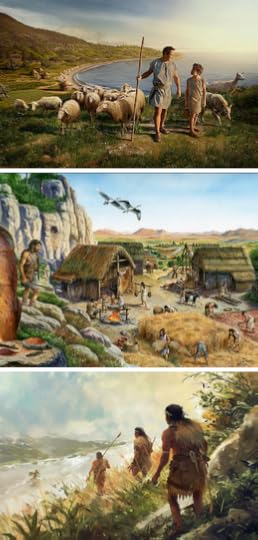
Other inhabitants of the Great Plain, like flint miners, carpenters, and craftsmen, travel around to trade their goods and services for food, baskets, animal skins, shoes, and other necessities.
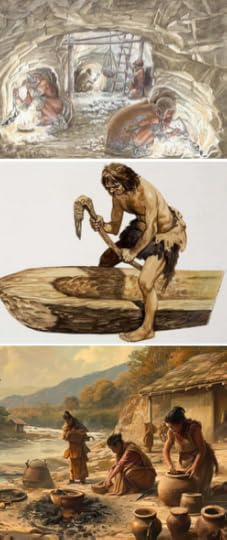
The story leads up to the building of Stonehenge, but is really about the tribes and their interactions.
Though the tale, necessarily, springs from author Ken Follett's imagination, it would appear Follett believes greed, self-interest, male entitlement, thirst for power, dishonesty, and other bad behavior was firmly entrenched by this time, at least in some groups.
The novel comes in at 700+ pages, so I'll just give a brief overview of the story.
The tribes of the Great Plain are generally insular, but meet four times a year, at the Spring Rite, Midsummer Rite, Autumn Rite, and Winter Rite. The Rite celebrations take place in Riverbend, at a sacred circle made of a ring of bluestones surrounding a ring of tree trunks.
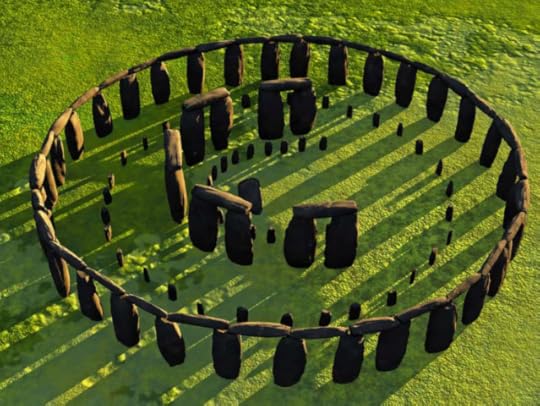
During the Rites, priestesses sing and dance, and traders set up outside to barter for goods.
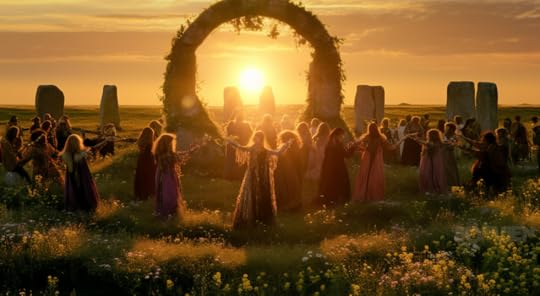
A major attraction of every Rite is the evening revel, when celebrants - single or married, from teenagers on up - go off to have sex with people from other tribes and places. This is done to avoid inbreeding, which is dangerous for both humans and animals.

The book contains a wealth of characters, but for brevity I'll focus on a few important members of each tribe.
❖❖ Herders - In the herder tribe, widow Ani is an elder with two daughters named Neen and Joia, and a son called Han.
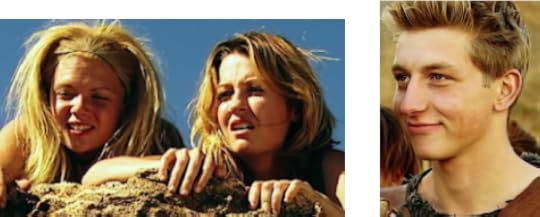
Ani tans hides to barter for other goods, and she's a peacemaker who tries to avoid conflict with neighboring tribes. Ani's chief adversary amongst the herder elders is Scagga, a loudmouth who's always spoiling for a fight. Scagga would like to arm every male herder with a bow and arrow, to be ready for battle.
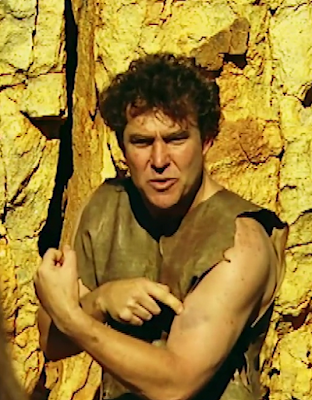
❖❖ Farmers - Troon, the dictatorial leader of the farmers, relishes and flaunts his power. In farmer society, women are the property of men, and may not leave the tribe for marriage or any other reason. In addition, Troon can force women to marry, even if the men are VERY unsuitable.
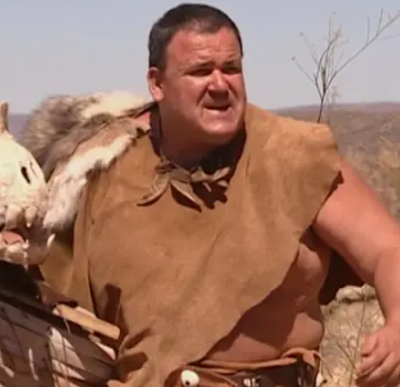
Troon's wife Katch fears him and his bullyboy son Stam adores him.
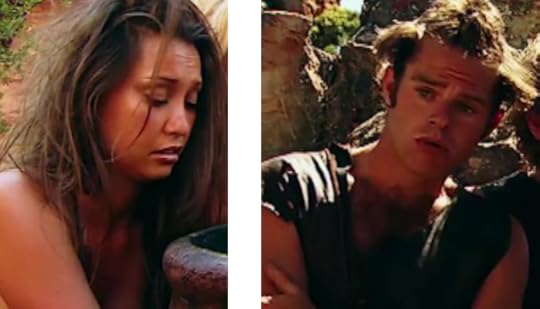
Troon's right hand man is Shen, a skinny creep who spies on everyone and reports back to Troon.
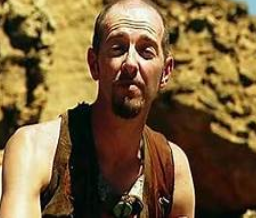
Troon is constantly scheming to enlarge the farmers' domain, and hopes to become the 'Big Man' of the entire Great Plain.
❖❖ Woodlanders - Bez, the leader of the woodlanders, has a woman named Gida and a daughter named Lali. The woodlanders are generally peaceable, and Bez likes to walk in the woods with Lali and teach her about nature.
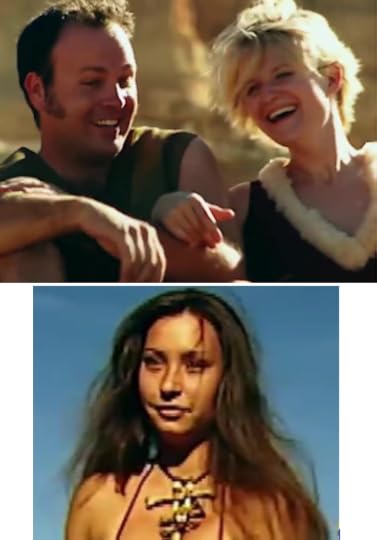
Bez doesn't usually seek clashes but has a strong sense of justice. In woodlander society, when a wrong is committed the gods demand a balance: what's stolen must be replaced; a lie demands a truth; and a murder requires a death. This differs from other tribes, who use shunning and expulsion to deal with crimes.
The three tribes are compelled to interact with each other, as well as outsiders, who come to the Rites to barter their goods and services. Communication can be sketchy since each tribe has its own language, but some inhabitants of the Great Plain are (at least somewhat) multilingual, which is necessary for commerce and negotiations.
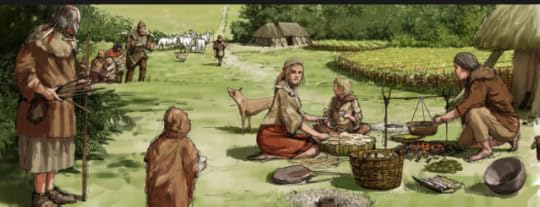
To get on with the story:
Some of the most valuable possessions in the Neolithic period are flints, because everything that has a cutting edge is made of flint - from axes, to arrowheads, to knives. Everybody needs flints.
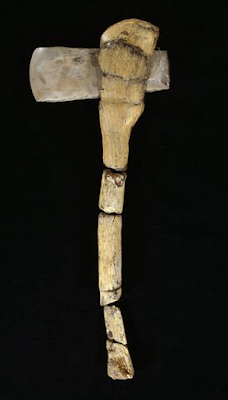
Seft is a teenager in a family of flint miners. Seft's mother is dead, his father is cruel and abusive, and his two brothers are mean, stupid oafs. Flint mining is hard, dirty, exhausting work, but worth the effort because flints can be traded for food, clothing, livestock, etc.
During a Midsummer Rite, Seft meets Ani's herder daughter Neen. Seft and Neen fall in love and want to marry and live with the herders.
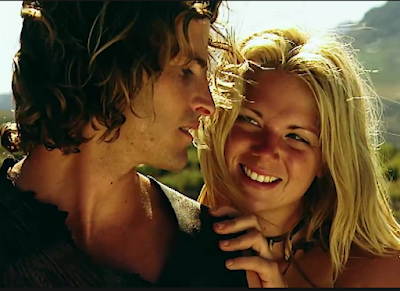
However Seft's horrible father would kill the boy before letting him go. There are beatings, an escape, and a lot of clashes, but in the end Seft and Neen wed and have a family.
In the meantime, Neen's younger sister Joia becomes an apprentice priestess. Most Neolithic people can't count above twenty, but the priestesses have songs and rituals that allow them to count all the days of the year, and to pass on the knowledge acquired by their forebears.
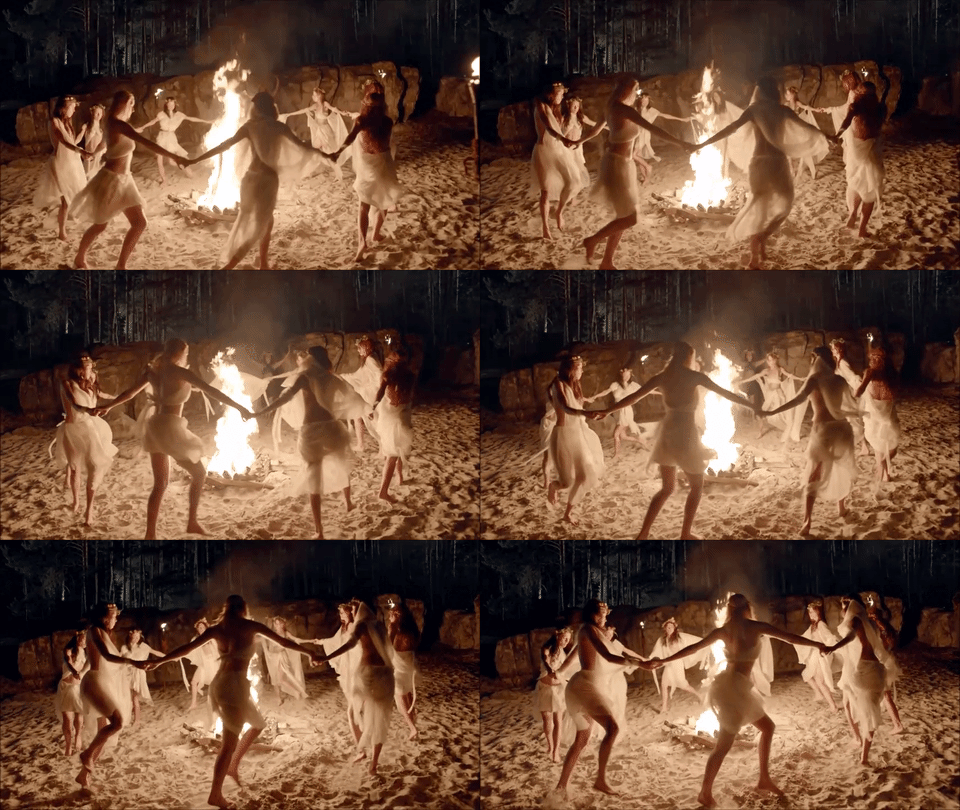
Thus priestesses are invaluable, because they know when the seasons will change, when the deer will migrate, when the crops should be planted, and so on. In exchange for their knowledge, the priestesses are provided with food and supplies.
A major conflict arises between farmers and herders when farm leader Troon plows up the Break, a swatch of land between the herder and farmer communities. The herders used the Break for grazing, as well as a pathway to the river, so their cattle could drink.
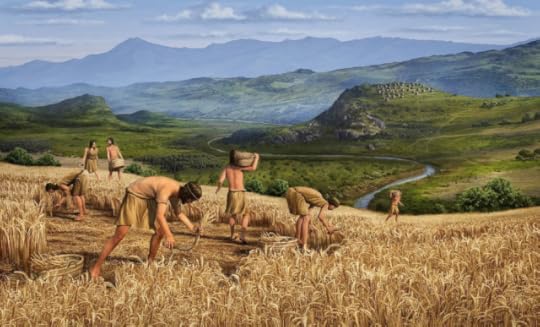
Troon's land grab, to grow more crops, could lead to war. But herder elder Ani advises against violence, despite the hardship of taking the cattle 'the long way round' to get water.
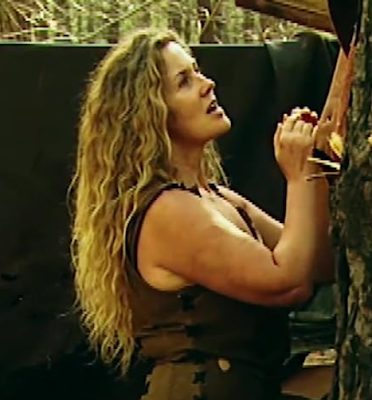
In the long run, the herders' forbearance just encourages Troon to become more and more grasping and avaricious. Unwisely, Troon even has designs on a piece of the woodlander's environment, and the woodlanders are a vengeful tribe.
The rivalry for space and resources on the Great Plain is always tense, but it becomes overwhelming during a years-long drought, when the cattle die, the crops don't grow, and food in the forest becomes scarce. All the inhabitants of the Great Plain are starving, and even the priestesses fear they'll be cast aside.
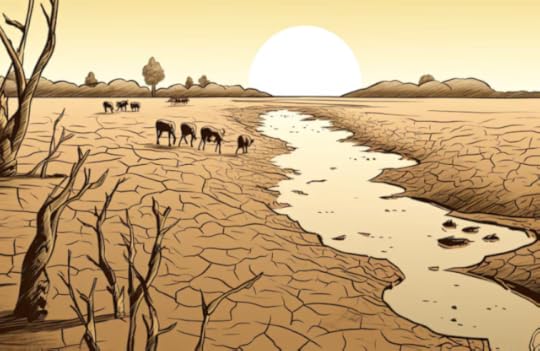
The dire situation leads to selfish deeds and a GIGANTIC disaster. The subsequent act of revenge destroys the sacred circle in Riverbend, which is so important for the Rites. Joia, who's become Second High Priestess by now, wants to rebuild the circle with large indestructible stones, which are far away in Stony Valley.
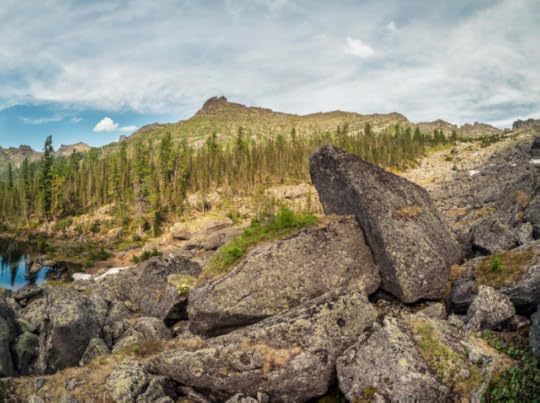
An old craftsman points out, 'We're talking about moving a giant stone a distance that takes all day to walk, up and down hills and over uneven fields. How many days, or weeks, or perhaps even years would that take?' Even more daunting, the sacred circle requires 80 stones.
Regardless, once the drought ends, Joia is determined to rebuild the sacred circle with stones. Luckily, Joia's brother-in-law Seft (the former flint miner) is a brilliant carpenter and craftsman. Seft devises a plan to relocate the stones, which requires sophisticated engineering and the assistance of hundreds of people.
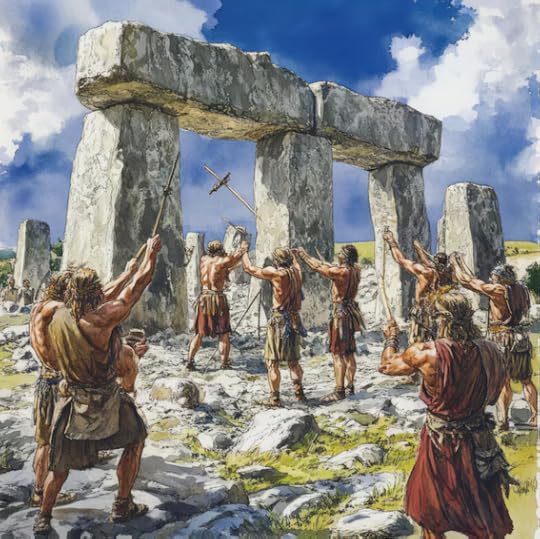
Many herders oppose the plan to rebuild the sacred circle with stones, and there are endless arguments and setbacks. Moreover, farm leader Troon is determined to stop the project, which would make Joia the 'Big Woman' of the Great Plain and derail his plan to be the 'Big Man.' Thus Troon plans for disruption, sabotage, and eventually an all-out war.
Still, as we know, Stonehenge got built (but probably not as described in this book.) 😊
My brief synopsis is the bare bones of this very long novel, which follows the lives of many characters as they work, attend Rites, fall in love, marry (or are forced to marry), have children, lose loved ones, experience grief, make friends, sow dissension, devise schemes, cook meals, build weapons, hunt food, and so on. There are slice-of-life scenes for each tribe, which demonstrates the diversity of their lives and ambitions.
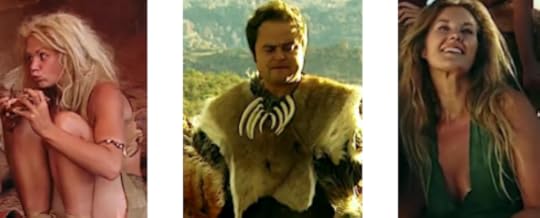
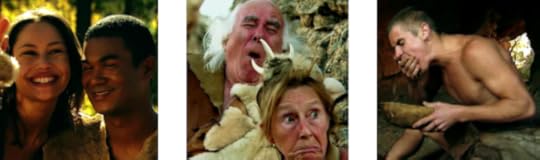
There's plenty of action and adventure in the novel as well. For example, when a farm woman runs off to be with her lover, she's hunted down by Troon's 'Young Dogs', who commit murder to get her back. Revenge for the heinous killing results in a perpetrator being tortured, then burned alive. The book has plenty more violence, as well as other misbehavior, and it's a lot to take in.
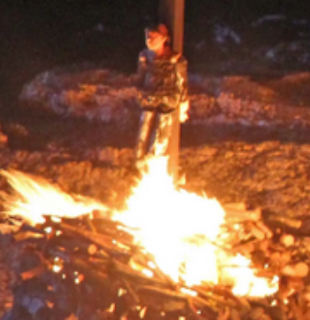
To me, this book feels a lot like a Young Adult novel, though I don't think author Ken Follett aimed for this audience with the orgy scenes. Overall, the novel presents an interesting picture of Neolithic times, and the descriptions of transporting the stones to Riverbend, and putting them in place, are enlightening.
Readers curious about prehistoric days and Stonehenge would probably enjoy this book.
Thanks to Netgalley, Ken Follett, and Grand Central Publishing for a copy of the book.
You can follow my reviews at https://reviewsbybarbsaffer.blogspot.com
September 19, 2025
"From a bestselling author of epic fiction comes the deeply human story of one of the world’s greatest mysteries: the building of Stonehenge.
A FLINT MINER WITH A GIFT
A PRIESTESS WHO BELIEVES THE IMPOSSIBLE
A MONUMENT THAT WILL DEFINE A CIVILIZATION"
It is 2500 BCE, and the tribes of the Great Plain are divided. Seth is a flint miner who is in love with Neen, a herder. Joia is Neen's sister, who becomes a priestess and has an extraordinary ability to lead and unite people.
There are woodlanders, herders, miners, and farmers. We are introduced to characters from each tribe and follow them throughout the story. Seft and Joia are central to the story as Joia has the vision of what it is, and Seft has the talent to execute and plan this massive project.
Ken Follett is a masterful storyteller, scholar, and historian. This project is massive in scope, and the ability to make something ancient come to life with relatable characters is remarkable. It does get somewhat bogged down in the minutiae of repetitive detail. The story would have benefitted from an edit as there were many similar situations repeated with characters. An author's note including Folett's resources and inspiration would have been appreciated after reading a 700-page saga. I really enjoyed the second half of the novel, where antagonists are stirring the pot to prevent unity and progress and encourage war among the tribes. The building of Stonehenge is absolutely spellbinding. There are many parallels to the present day regarding leadership, group dynamics, and women's rights. For historical fiction fans that enjoy detail and length, this one is for you.
Many thanks to NetGalley, Grand Central Publishing, and Ken Follett for an advance reader's copy in exchange for my honest review.
A FLINT MINER WITH A GIFT
A PRIESTESS WHO BELIEVES THE IMPOSSIBLE
A MONUMENT THAT WILL DEFINE A CIVILIZATION"
It is 2500 BCE, and the tribes of the Great Plain are divided. Seth is a flint miner who is in love with Neen, a herder. Joia is Neen's sister, who becomes a priestess and has an extraordinary ability to lead and unite people.
There are woodlanders, herders, miners, and farmers. We are introduced to characters from each tribe and follow them throughout the story. Seft and Joia are central to the story as Joia has the vision of what it is, and Seft has the talent to execute and plan this massive project.
Ken Follett is a masterful storyteller, scholar, and historian. This project is massive in scope, and the ability to make something ancient come to life with relatable characters is remarkable. It does get somewhat bogged down in the minutiae of repetitive detail. The story would have benefitted from an edit as there were many similar situations repeated with characters. An author's note including Folett's resources and inspiration would have been appreciated after reading a 700-page saga. I really enjoyed the second half of the novel, where antagonists are stirring the pot to prevent unity and progress and encourage war among the tribes. The building of Stonehenge is absolutely spellbinding. There are many parallels to the present day regarding leadership, group dynamics, and women's rights. For historical fiction fans that enjoy detail and length, this one is for you.
Many thanks to NetGalley, Grand Central Publishing, and Ken Follett for an advance reader's copy in exchange for my honest review.
October 27, 2025
Francamente decepcionado con esta última novela de Ken Follett. Es imposible que la haya escrito él. Ni la historia ni los personajes están a la altura del insigne autor. Responsabilizo la mala calidad del libro a la defectuosa traducción de la misma que al parecer ha sido realizada por un equipo de traductores bajo el seudónimo Anuvela. 768 páginas carentes de interés, con una prosa simple y ramplona. Estoy desolado con la redacción de este libro en que ni la historia ni los personajes justifican la amplitud del mismo. Como lamento no haberla abandonado al principio de su lectura, pero es que es ….Ken Follett!!!! Muy, pero que muy, mal!!

September 29, 2025
Never thought i would stop reading a Ken Follett book after 50 pages..???..Unbelievably poor book from Ken Follett . Written in an extremely childish prose presumably trying to pretend it is the language of time. Wooden characters. Not sure what I expected but have given up after almost 50 pages.
The prose and Narrative was far too simplistic and juvenile it was annoying and very boring I couldn't continue..
The prose and Narrative was far too simplistic and juvenile it was annoying and very boring I couldn't continue..

December 17, 2025
Speculation on how people with primitive tools and nearly no math or engineering skills could create the astronomically significant circle of megaliths on the great plain (of Salisbury) from stones weighing 25 tons each a day's walk away. It appears they did not even have the wheel, though the brilliant engineer within the story, Seft, seems to have spontaneously developed two or three simple machines (the lever, the pulley, and the ramp) to address needs at the moment.
The names England and Salisbury did not exist at the time of the building (2500 BC or so), and so Follett does not use them. Nor is there a name for the religion the people follow, and this was interesting to me. There is no priest in sight, but priestesses lead the people in their devotions and drive the effort to create their Monument to the Sun God.
We get social and cultural speculation as well, including the clash of social groups based on herding, farming, and the hunting/gathering of the people of the woodlands. The relations of men and women, leadership, and sexual license (beware of inbreeding!) are also brought into the story in interesting and plausible ways.
Follett gives us a good story with a large cast, but gives it something of a Hollywood feel when he compresses the duration of construction to about 20 years so that the priestess Joia and her engineer brother-in-law Seft get the satisfaction of seeing their idea come to completion. Anthropologists speculate the creation of what we know as Stonehenge actually took 200 years. That's okay. It's a good story that kept me reading.
The title comes from how the priestesses use each standing stone (originally built of wood) to count the days of the year. Their devotions and songs are numerical and calendrical and help keep the society organized over its annual course of seasons and festivals. In his theory, Follett supposes that numbers and true counting ability were the somewhat secret purview of the priestesses. Everyone else was limited to numbers that could be calculated from fingers and toes. We've come a long way, haven't we, baby?
Entertaining and thought provoking. Another good one from a good storyteller. 3 1/2 stars
The names England and Salisbury did not exist at the time of the building (2500 BC or so), and so Follett does not use them. Nor is there a name for the religion the people follow, and this was interesting to me. There is no priest in sight, but priestesses lead the people in their devotions and drive the effort to create their Monument to the Sun God.
We get social and cultural speculation as well, including the clash of social groups based on herding, farming, and the hunting/gathering of the people of the woodlands. The relations of men and women, leadership, and sexual license (beware of inbreeding!) are also brought into the story in interesting and plausible ways.
Follett gives us a good story with a large cast, but gives it something of a Hollywood feel when he compresses the duration of construction to about 20 years so that the priestess Joia and her engineer brother-in-law Seft get the satisfaction of seeing their idea come to completion. Anthropologists speculate the creation of what we know as Stonehenge actually took 200 years. That's okay. It's a good story that kept me reading.
The title comes from how the priestesses use each standing stone (originally built of wood) to count the days of the year. Their devotions and songs are numerical and calendrical and help keep the society organized over its annual course of seasons and festivals. In his theory, Follett supposes that numbers and true counting ability were the somewhat secret purview of the priestesses. Everyone else was limited to numbers that could be calculated from fingers and toes. We've come a long way, haven't we, baby?
Entertaining and thought provoking. Another good one from a good storyteller. 3 1/2 stars

August 26, 2025
4⭐️
I love Ken Follett’s books and this one was worth the read. I’ve always had a fascination with Stonehenge and visited the site in 2008.
While the characters didn’t grab hold like The Pilars of The Earth series or the Centuries Trilogy, they still captured my imagination! Set in 2500 BC in the plains of England, the story revolves around the Farmers, the Herders, and the Woodland folks.
Led by Joia, the head priestess, and her clever builder brother-in-law Seft, the pair plan to rebuild the woodhenge monument used for their solstice rites with giant stones. The tale contains all the trials and tribulations of the ancient people of the Plains and in true Follett fashion lots of history and some bad guys you love to hate!
The writing in this book is more simplistic and the characters just didn’t connect with me as previous Follett works, but it is still a good read that captures an unknown time and always mysterious ancient monument!
Thank you NetGalley and Grand Central Publishing for the eARC in exchange for my honest review.
I love Ken Follett’s books and this one was worth the read. I’ve always had a fascination with Stonehenge and visited the site in 2008.
While the characters didn’t grab hold like The Pilars of The Earth series or the Centuries Trilogy, they still captured my imagination! Set in 2500 BC in the plains of England, the story revolves around the Farmers, the Herders, and the Woodland folks.
Led by Joia, the head priestess, and her clever builder brother-in-law Seft, the pair plan to rebuild the woodhenge monument used for their solstice rites with giant stones. The tale contains all the trials and tribulations of the ancient people of the Plains and in true Follett fashion lots of history and some bad guys you love to hate!
The writing in this book is more simplistic and the characters just didn’t connect with me as previous Follett works, but it is still a good read that captures an unknown time and always mysterious ancient monument!
Thank you NetGalley and Grand Central Publishing for the eARC in exchange for my honest review.

June 9, 2025
No one makes me want to read 700 pages in one sitting quite like Ken Follett. When I found out this book was about Stonehenge I was even MORE excited.
I have always loved imagining the lives of people throughout history and the challenges they likely faced. With Follett’s rich cast of characters and vivid historical setting we can find comfort in knowing that while technology may have changed, the tenacity and indomitability of the human spirit likely has not.
I laughed, I cried, I celebrated with these characters. And while they are fictional, I feel the author has captured the truth in the strength of character that has echoed through time, and is evidenced in Stonehenge itself.
As always, thank you Ken Follett for writing this book, and thank you Grand Central Publishing and NetGalley for sending me a copy of this ARC. It was a treat to be able to read this early.
I have always loved imagining the lives of people throughout history and the challenges they likely faced. With Follett’s rich cast of characters and vivid historical setting we can find comfort in knowing that while technology may have changed, the tenacity and indomitability of the human spirit likely has not.
I laughed, I cried, I celebrated with these characters. And while they are fictional, I feel the author has captured the truth in the strength of character that has echoed through time, and is evidenced in Stonehenge itself.
As always, thank you Ken Follett for writing this book, and thank you Grand Central Publishing and NetGalley for sending me a copy of this ARC. It was a treat to be able to read this early.
May 14, 2025
This wasn’t my favorite of Ken Folletts historical fiction. The story idea was very intriguing-the building of Stonehenge and all the surrounded it.
For me it just didn’t have the richness that Pillars of the Earth and company had. It was very simplistic in language-now that could be because of the time period and a reflection of how that society would have spoken and interacted. But some of the wording used was very modern to my ear, but I am not an entomologist so I could be in the wrong here.
Either way, it wasn’t a bad book but it wasn’t my favorite. Thank you NetGalley and the publisher for the arc. All thoughts are my own:)
For me it just didn’t have the richness that Pillars of the Earth and company had. It was very simplistic in language-now that could be because of the time period and a reflection of how that society would have spoken and interacted. But some of the wording used was very modern to my ear, but I am not an entomologist so I could be in the wrong here.
Either way, it wasn’t a bad book but it wasn’t my favorite. Thank you NetGalley and the publisher for the arc. All thoughts are my own:)
October 4, 2025
Awful
I literally had to make myself finish this book. I can not fathom that this was written by the author of Pillars. No words.
I literally had to make myself finish this book. I can not fathom that this was written by the author of Pillars. No words.
November 24, 2025
Eager to delve into the historical fiction of Ken Follett, I turned to the latest novel that tackles the potential creation of Stonehenge. Seft has much talent as a flint miner. He makes his way through the summer to reach the Great Plain, home of the rituals that celebrate the new year at the Midsummer festival. Hoping to trade with others, Seft is also hoping to see Neen, the girl his heart yearns to love. As Seft has found a great deal of success selling flint, he is protected from a violent father who curses that he will not follow into becoming a herder. While Neen and Seft connect in many ways, Joia wants to make her own pathway. A sister of Neen, Joia is a priestess who has visions about the future. She seeks to lead, in hopes of being able to bring the community together. She hopes to make her play at the Midsummer festival, though there is trouble lurking, which could make leadership all the more important for Joia. She has visions of a great stone circle to harness power and inclusiveness. This triggers Seft to take up the task of working with others and ensuring the stones are placed in short order. However, a drought across the land sends differing groups to clash with one another for their own means. War is on the horizon, though perhaps the stones could intervene in some unique way. Ken Follett delivers a great story that keeps the reader hooked until the final page turn.
Ken Follett has never failed to impress me with his writing and story ideas. Using history as his backdrop, Follett weaves this story together with some ease. Fans of his work will know that Follett loves to delve into much detail as he builds on the core themes in the narrative. With each passing chapter, the story gets more intense and provides a stunning read about one of history's great mysteries. There is so much to learn here and I cannot help but want more, as Follett makes sure there is no end to the learning experience.
Characters under Follett tend to develop with ease, as he always has so much backstory to offer. Many of those who emerge have their own struggles and successes, which helps pave the way for many developments. While Seft and Joia have interactions that enrich their own storylines, they come together well at certain times. The protagonists do well keeping their own aspects of the story moving and make sure that secondary characters in their respective spheres help flavour the larger story for all.
The plot points of the book develop slowly and with much intensity. Follett is able to weave the story together with a few surprises as he crafts his own narrative about Stonehenge and all that it means. The build up is ever-present and there is little time for readers to ponder, as things keep moving in a forward direction. Surprises are plentiful and needed to keep the reader on the edge of their seat. I am so pleased to have explored this book, which has loose similarities to the Pillars of the Earth series, with its banter and localised businesses that prove important. Follet fans will surely enjoy this one and I cannot wait to see what's coming up next!
Kudos, Mr. Follett for another stellar piece!
Love/hate the review? An ever-growing collection of others appears at:
http://pecheyponderings.wordpress.com/
Ken Follett has never failed to impress me with his writing and story ideas. Using history as his backdrop, Follett weaves this story together with some ease. Fans of his work will know that Follett loves to delve into much detail as he builds on the core themes in the narrative. With each passing chapter, the story gets more intense and provides a stunning read about one of history's great mysteries. There is so much to learn here and I cannot help but want more, as Follett makes sure there is no end to the learning experience.
Characters under Follett tend to develop with ease, as he always has so much backstory to offer. Many of those who emerge have their own struggles and successes, which helps pave the way for many developments. While Seft and Joia have interactions that enrich their own storylines, they come together well at certain times. The protagonists do well keeping their own aspects of the story moving and make sure that secondary characters in their respective spheres help flavour the larger story for all.
The plot points of the book develop slowly and with much intensity. Follett is able to weave the story together with a few surprises as he crafts his own narrative about Stonehenge and all that it means. The build up is ever-present and there is little time for readers to ponder, as things keep moving in a forward direction. Surprises are plentiful and needed to keep the reader on the edge of their seat. I am so pleased to have explored this book, which has loose similarities to the Pillars of the Earth series, with its banter and localised businesses that prove important. Follet fans will surely enjoy this one and I cannot wait to see what's coming up next!
Kudos, Mr. Follett for another stellar piece!
Love/hate the review? An ever-growing collection of others appears at:
http://pecheyponderings.wordpress.com/

October 2, 2025
Circle of Days begins this magnificent sprawling and epic tale around 25,000 B.C.E as Ken Follett turns his attention to the Neolithic period and the construction of the mysterious Stonehenge monument. At the heart of the narrative are the stories of Seft, a flint miner and talented craftsman; and Joia, the sister of the woman he loves who aspires to become a high priestess. Joia becomes enraptured by the ritual songs and dances every midsummer at the Monument. However, there are warring factions between the farmers and the herders over the use of common land, and upon escalation, the Monument is destroyed. Seft commits himself to rebuilding the site, working on many engineering feats to be able to transport the large stones to be erected at the site we have come to know as Stonehenge. Joia is equally committed to this project and works tirelessly with Seft in this endeavor as she dreams of the mystery and rituals. Her prophetic vision inspires the construction of the stone circle. It was magical.
This is a book that vividly portrays the lives of early farming communities as well as hunters and gatherers. Their influence by archaeological discoveries impacting their coexistence with one another was an interesting facet throughout the book with the rise of tribal conflict. In an interview Ken Follett is quoted as saying, “Stonehenge is one of the world’s most iconic and recognizable monuments but, in reality, so little is known about it. How was it built? Why was it built? Who built it?” And Circle of Days answers many of those questions in this historical fiction narrative that holds one’s interest throughout the book by one of our contemporary master storytellers.
A special thanks to NetGalley and Grand Central Publishing for an advanced copy of this most interesting book.
This is a book that vividly portrays the lives of early farming communities as well as hunters and gatherers. Their influence by archaeological discoveries impacting their coexistence with one another was an interesting facet throughout the book with the rise of tribal conflict. In an interview Ken Follett is quoted as saying, “Stonehenge is one of the world’s most iconic and recognizable monuments but, in reality, so little is known about it. How was it built? Why was it built? Who built it?” And Circle of Days answers many of those questions in this historical fiction narrative that holds one’s interest throughout the book by one of our contemporary master storytellers.
A special thanks to NetGalley and Grand Central Publishing for an advanced copy of this most interesting book.

October 3, 2025
4,5 estrellas. Me enteré de que se publicaba este libro hace un poco más de un año cuando el autor lo anunció y estaba deseando tenerlo en mis manos. Por eso, en cuanto me hice con él lo empecé y una vez más, el autor no me defraudó.
En esta ocasión el autor me llevó a una parte de la historia de la que no sabía nada y de la que, después de buscar información, comprobé que casi no hay. El autor se centró en La Gran Llanura en el 2500 a.C y en cómo se pudo haber construido el Stonehenge, aunque no haya información sobre ello.
La historia gira entorno a varios personajes y en este caso me sorprendió que ninguno de ellos llevara el gran peso como protagonista. Sí que hay varios que son los más importantes por su relación con la construcción del monumento, como lo llaman los personajes, pero no por ello todo el libro se centra en ellos, sino que el protagonismo está bastante repartido, cosa que me gustó mucho.
Otro detalle que me sorprendió es que, aunque la premisa del libro gira entorno a la construcción del Stonehenge, no es casi hasta la parte final que empieza dicha construcción. Eso me molestó? La verdad es que no, ya que los personajes me tuvieron tan enganchada a sus historias que no le di demasiada importancia.
Me hubiese gustado que se centrase un poquito más en ello? Un poco sí, porque también me pareció muy interesante ver cómo los personajes iban haciendo frente a los problemas que podían ir surgiendo.
La ambientación me encantó. Me metí de lleno en ella, como si también pudiese estar allí y pese a la extensión del libro podría haberme pasado muchas más horas leyendo sin importarme nada más.
Sé que a muchos la forma de escribir de Ken Follet les parece un poco densa, en algunas ocasiones lo es, pero en mi caso siempre consigue que me olvide de todo lo demás y que me quede con muchas ganas de más libros suyos.
En esta ocasión el autor me llevó a una parte de la historia de la que no sabía nada y de la que, después de buscar información, comprobé que casi no hay. El autor se centró en La Gran Llanura en el 2500 a.C y en cómo se pudo haber construido el Stonehenge, aunque no haya información sobre ello.
La historia gira entorno a varios personajes y en este caso me sorprendió que ninguno de ellos llevara el gran peso como protagonista. Sí que hay varios que son los más importantes por su relación con la construcción del monumento, como lo llaman los personajes, pero no por ello todo el libro se centra en ellos, sino que el protagonismo está bastante repartido, cosa que me gustó mucho.
Otro detalle que me sorprendió es que, aunque la premisa del libro gira entorno a la construcción del Stonehenge, no es casi hasta la parte final que empieza dicha construcción. Eso me molestó? La verdad es que no, ya que los personajes me tuvieron tan enganchada a sus historias que no le di demasiada importancia.
Me hubiese gustado que se centrase un poquito más en ello? Un poco sí, porque también me pareció muy interesante ver cómo los personajes iban haciendo frente a los problemas que podían ir surgiendo.
La ambientación me encantó. Me metí de lleno en ella, como si también pudiese estar allí y pese a la extensión del libro podría haberme pasado muchas más horas leyendo sin importarme nada más.
Sé que a muchos la forma de escribir de Ken Follet les parece un poco densa, en algunas ocasiones lo es, pero en mi caso siempre consigue que me olvide de todo lo demás y que me quede con muchas ganas de más libros suyos.

January 6, 2026
Incredibly trite and too bored to finish.
May 20, 2025
Sorry, but I gave up at around the halfway mark. I have never been able to finish a Ken Follett and hoped this would be an exception. Sadly, it wasn't.
Stonehenge is fascinating; this story isn't. Not unlike Pillars of the Earth, Circle of Days promises a great journey--the creation of an awe-inspiring monument--and yet immediately inspires the exact opposite of awe. The pace plods. The characters are too numerous, and many are indistinguishable from one another. They eat, sleep, have sex, talk about sex, and kill each other. There is nothing romantic or uplifting about any of it. The description is bland and functional, more like the action beats of a movie script.
I'm not the right person to verify the historical accuracy of the world-building, but I got the impression much of it was invented from whole cloth, because little is known about the subject. That's understandable. Still, whether it is at least a plausible picture of the time and place, I somehow doubt. I didn't buy the generalization that "farmers represent patriarchy" and "herders are free spirits." It felt more like a fantasy than historical fiction.
Thanks to NetGalley and the publisher for the ARC.
Stonehenge is fascinating; this story isn't. Not unlike Pillars of the Earth, Circle of Days promises a great journey--the creation of an awe-inspiring monument--and yet immediately inspires the exact opposite of awe. The pace plods. The characters are too numerous, and many are indistinguishable from one another. They eat, sleep, have sex, talk about sex, and kill each other. There is nothing romantic or uplifting about any of it. The description is bland and functional, more like the action beats of a movie script.
I'm not the right person to verify the historical accuracy of the world-building, but I got the impression much of it was invented from whole cloth, because little is known about the subject. That's understandable. Still, whether it is at least a plausible picture of the time and place, I somehow doubt. I didn't buy the generalization that "farmers represent patriarchy" and "herders are free spirits." It felt more like a fantasy than historical fiction.
Thanks to NetGalley and the publisher for the ARC.

January 10, 2026
Ken Follet zabiera nas do roku mniej więcej 2500 p.n.e., na Wielką Równinę, na której żyją plemiona rolników, pasterzy, górników i leśnych ludzi. Czas odmierza się w przesileniach, a jego biegu pilnują kapłanki, które odliczają go dzięki MONUMENTOWI. Kiedy pada pomysł, by odbudować monument z KAMIENIA - wszyscy łączą siły i próbują wymyślić sposób, by spełnić to marzenie. Mijają lata, śledzimy dzieje naszych bohaterów i podziwiamy ich pomysłowość. W końcu to oni stworzyli Stonehenge taki, jakim widzimy go dzisiaj.
Coś wspaniałego! Ken Follet korzystał z pomocy specjalistów w dziedzinie, by najlepiej odtworzyć tamten czas, tamten moment historii. Stworzył wyjątkową opowieść, której bohaterowie są bliscy i na wyciągnięcie naszych dłoni. A budowa monumentu okazuje się wcale nie tak "magiczna", jak niektórzy wierzą. Czyta się zachłannie, niepowstrzymanie, a na koniec szkoda nam, że nie ma więcej.
Każdemu życzę właśnie takiej książki na początek roku!
Coś wspaniałego! Ken Follet korzystał z pomocy specjalistów w dziedzinie, by najlepiej odtworzyć tamten czas, tamten moment historii. Stworzył wyjątkową opowieść, której bohaterowie są bliscy i na wyciągnięcie naszych dłoni. A budowa monumentu okazuje się wcale nie tak "magiczna", jak niektórzy wierzą. Czyta się zachłannie, niepowstrzymanie, a na koniec szkoda nam, że nie ma więcej.
Każdemu życzę właśnie takiej książki na początek roku!

December 4, 2025
I am a big Ken Follett fan. Pillars of the Earth is one of my favorite reads of all time. Unlike that novel, the characters in this book lack depth. It makes sense, considering they existed 2500 years BCE when most of humanity was simply struggling to survive, but the novel is mostly about squabbles between herders, farmers, and woodsman. Beyond that, there are lots of scenes of people coupling and finally, in the background, is Stonehenge. I enjoyed some parts, but felt that 740 pages was too long overall.

December 24, 2025
Although this is a whopper-sized book of nearly 700 pages, Follett’s smooth writing and storytelling skills made it an enjoyable and quicker read than I anticipated. While this wouldn’t be a novel for anyone focused on the mysterious aura surrounding Stonehenge, it definitely provides a glimpse into the ancient civilization responsible for the creation of the stone monument.
Indeed, Follett takes the readers back to a time and place when technology was at not only at a very base level, but daily and ongoing survival was always given paramount consideration among the various communities in the area. From a 21st century perspective, much of the ancient society of the time (i.e., 2500 BC) was an eye-opener. For that matter, with people being divided up into tribes of woodlanders, farmers, herders, and miners, the customs and beliefs of each group were far different from life today. All in all, within this massive tome, Follett gives readers a fascinating peek into the lives of the men and women responsible for the building of Stonehenge.
Indeed, Follett takes the readers back to a time and place when technology was at not only at a very base level, but daily and ongoing survival was always given paramount consideration among the various communities in the area. From a 21st century perspective, much of the ancient society of the time (i.e., 2500 BC) was an eye-opener. For that matter, with people being divided up into tribes of woodlanders, farmers, herders, and miners, the customs and beliefs of each group were far different from life today. All in all, within this massive tome, Follett gives readers a fascinating peek into the lives of the men and women responsible for the building of Stonehenge.
Displaying 1 - 30 of 3,952 reviews