

What do you think?

Win a free print copy of this book!
0 days and 18:41:35
25 copies available
U.S. only
Raising Hare: A Memoir
Win a free print copy of this book!
0 days and 18:41:35
25 copies available
U.S. only
Goodreads Choice Award
Nominee for Readers' Favorite Memoir (2025)6 hours and 27 minutes
Imagine you could hold a baby hare and bottle-feed it. Imagine that it lived under your roof and lolloped around your bedroom at night, drumming on the duvet cover when it wanted your attention. Imagine that, over two years later, it still ran in from the fields when you called it and snoozed in your house for hours on end. This happened to me.
When lockdown led busy professional Chloe to leave the city and return to the countryside of her childhood, she never expected to find herself custodian of a newly born hare. Yet when she finds the creature, endangered, alone and no bigger than her palm, she is compelled to give it a chance at survival.
Raising Hare chronicles their journey together and the challenges of caring for the leveret and preparing for its return to the wild. We witness an extraordinary relationship between human and animal, rekindling our sense of awe towards nature and wildlife. This improbable bond of trust serves to remind us that the most remarkable experiences, inspiring the most hope, often arise when we least expect them.
Imagine you could hold a baby hare and bottle-feed it. Imagine that it lived under your roof and lolloped around your bedroom at night, drumming on the duvet cover when it wanted your attention. Imagine that, over two years later, it still ran in from the fields when you called it and snoozed in your house for hours on end. This happened to me.
When lockdown led busy professional Chloe to leave the city and return to the countryside of her childhood, she never expected to find herself custodian of a newly born hare. Yet when she finds the creature, endangered, alone and no bigger than her palm, she is compelled to give it a chance at survival.
Raising Hare chronicles their journey together and the challenges of caring for the leveret and preparing for its return to the wild. We witness an extraordinary relationship between human and animal, rekindling our sense of awe towards nature and wildlife. This improbable bond of trust serves to remind us that the most remarkable experiences, inspiring the most hope, often arise when we least expect them.
7 pages, Audiobook
First published March 4, 2025
Ratings & Reviews
Friends & Following
Create a free account to discover what your friends think of this book!
Community Reviews
Displaying 1 - 30 of 7,745 reviews

July 10, 2024
Winner of the Wainwright prize for nature writing 2025 😊😊😊
Over the years, there have been some classic autobiographical books that have celebrated the human connection with the natural world - in particular with different animals. Classics that spring to mind include : Ring of Bright Water by Gavin Maxwell; H for Hawk for Helen Mac Donald anreven My Family and Other Animals by Gerald Durrell.
Raising Hare deserves to join this illustrious group. Chloe Dalton has written a highly engaging and beautiful memoir/chronicle about her experiences of rescuing a baby hare /leveret and the ensuing years of their connection.
Abandoned by its mother on a footpath during Covid lockdown Chloe discovers this tiny creature - a new born hare- should she leave it or try to save it from an imminent death?
Decision made, the leveret is taken home but with constant understanding that this is a wild creature not to be domesticated; what follows is the moving story of Chloe's quest to help the hare, enable it to return to the wild and the incredible and mysterious connection that develops between the two of them. The Hare continues to live close to the house and take refuge in a most unexpected way.
Chloe Dalton shines a light on this enigmatic and rarely seen animal and uncovers through her observations the habits and wonderful qualities of Hare as it grows older and its offspring. The story also echoes the seasonal changes and its impact on wildlife as well as exploring the human impact of mass agriculture upon the natural world.
Told over three years, Raising Hare is a truly moving and wonderful read. This is a story about a unique bond -written with warmth - not sentimental- and compassion for an animal that is in decline as it has no legal protection. It also shows how the human /natural environment connection and just slowing down gives an improved quality of life and sense of being.
Maybe Chloe Dalton's book could change perception and highlight the need to save this beautiful creature.
Wildlife read of 2024/ 2025 superb!
Over the years, there have been some classic autobiographical books that have celebrated the human connection with the natural world - in particular with different animals. Classics that spring to mind include : Ring of Bright Water by Gavin Maxwell; H for Hawk for Helen Mac Donald anreven My Family and Other Animals by Gerald Durrell.
Raising Hare deserves to join this illustrious group. Chloe Dalton has written a highly engaging and beautiful memoir/chronicle about her experiences of rescuing a baby hare /leveret and the ensuing years of their connection.
Abandoned by its mother on a footpath during Covid lockdown Chloe discovers this tiny creature - a new born hare- should she leave it or try to save it from an imminent death?
Decision made, the leveret is taken home but with constant understanding that this is a wild creature not to be domesticated; what follows is the moving story of Chloe's quest to help the hare, enable it to return to the wild and the incredible and mysterious connection that develops between the two of them. The Hare continues to live close to the house and take refuge in a most unexpected way.
Chloe Dalton shines a light on this enigmatic and rarely seen animal and uncovers through her observations the habits and wonderful qualities of Hare as it grows older and its offspring. The story also echoes the seasonal changes and its impact on wildlife as well as exploring the human impact of mass agriculture upon the natural world.
Told over three years, Raising Hare is a truly moving and wonderful read. This is a story about a unique bond -written with warmth - not sentimental- and compassion for an animal that is in decline as it has no legal protection. It also shows how the human /natural environment connection and just slowing down gives an improved quality of life and sense of being.
Maybe Chloe Dalton's book could change perception and highlight the need to save this beautiful creature.
Wildlife read of 2024/ 2025 superb!

Read
November 25, 2025books like this are the exact reason why i will never stop talking about and recommending non-fiction! there are so many stories out there that are of course entertaining, but also educational at the same time, but in a fun way! i listed to this one on audio and loved the narrator + you get a bonus q&a at the end with the author

July 25, 2024
This is a tough one to review. I loved the subject matter but the execution left me wanting. Given the other reviews, I think this might be a case of the author’s style being a mismatch for my personal taste rather than anything else.
What worked for me:
🐇 The premise of this book was intriguing and I was keen to hear about Dalton’s experience. I liked that she didn’t just scoop up the baby but gave the mother opportunity to return for her without going all ‘free bun’ about it but some of her other actions did frustrate me later on.
🐇 Illustrations in the book were absolutely stunning!
🐇 As an enthusiastic planetary stewardship advocate, I am thrilled that Dalton has become more in tune with nature and has used this story to highlight the perils of wildlife at the hands of humans. Anything that increases the reach of this message and drives awareness is worth doing.
What I wasn’t so keen on:
🐇 Structure and style: Info dumpy fact sections and focus on hares in literature felt like filler. The experience the author had raising the hare was, particularly at the beginning, overpowered by pages and pages of fiction and history excerpts. We’d spend half a page on what felt like a random tangent - like on the difference between hares and cats - you know, that classic mix-up - which just added to the feeling of padding. The overwrought descriptions, the info dumping, copy-pasted quotes from literature, and tangents interrupted flow of the author’s experience (the reason we’re reading the book!). The writing style felt stilted and, at times, pompous which I didn’t gel with as a reader. It didn’t have the warmth of many of my favourite nature books but felt clinical in execution. Another element that I found distracting was how present the author was in the story: Early on, it becomes evident that the author has an alarming preoccupation with their job that bleeds into this story excessively. It’s evident that the job is the main priority and, while there’s a bit of acknowledgement of this mid-way through the book, I think a lot of the job stuff should have been cut - it doesn’t add anything. Your readers are here for the hares!
🐇 Author’s naïvety: As a reader who grew up rurally in Canada, none of the author’s revelations were news to me (prey animals don’t like feeling penned in! keeping nature away from your garden is probably not going to work! animals can be creatures of habit! human urbanization threatens the habitats of wild beings!). For someone who claimed to have a pet rabbit when they were younger, the author is very naïve when it comes to lagomorph care: trying to feed them bread, picking them up, not knowing they’re crepuscular critters, being surprised that they go for the spicy hay (power cords) and chew pretty much anything. “I was always troubled by the possibility that proximity to humans might have taken the edge of its natural instincts” says human who rushes to the rescue at every perceived threat and constantly scoops the hare up. 🙃 Real talk: I wanted to scream “stop interfering!” so many times during this read.
🐇 Dalton spends a lot of time describing actions, appearances, and places in great detail. As a reader, I would have valued more illustrations or photos over paragraphs of flowery descriptions.
Obligatory PSA: Have you found a baby animal? An injured bird or animal? Call your local wildlife rehab clinic for advice. The critter might not need help but if they do, leave it to the pros. Don’t try to “save” them, keep them as a pet, or raise them yourself. They’re living, wild beings with complex needs that may need specialist care. Good intentions can cause deep harm - please always get the advice of a wildlife expert before intervening with a young or injured wild animal.
⚠️ Content Caution: For humans who love or steward the care of lagomorphs, some of the hunting, farming, and consumption history may be distressing. There are a lot of grisly descriptions of hare cruelty and deaths within these pages. Be kind to yourself.
If you’ve spent time with lagomorphs, or spent time observing the natural world, you may not get much out of this. For readers who enjoy Katherine Rundell’s style or those new to the joy of lagomorphs, I heartily encourage you to check this out!
I was privileged to have my request to read this book accepted through NetGalley. Thank you, Canongate.
What worked for me:
🐇 The premise of this book was intriguing and I was keen to hear about Dalton’s experience. I liked that she didn’t just scoop up the baby but gave the mother opportunity to return for her without going all ‘free bun’ about it but some of her other actions did frustrate me later on.
🐇 Illustrations in the book were absolutely stunning!
🐇 As an enthusiastic planetary stewardship advocate, I am thrilled that Dalton has become more in tune with nature and has used this story to highlight the perils of wildlife at the hands of humans. Anything that increases the reach of this message and drives awareness is worth doing.
What I wasn’t so keen on:
🐇 Structure and style: Info dumpy fact sections and focus on hares in literature felt like filler. The experience the author had raising the hare was, particularly at the beginning, overpowered by pages and pages of fiction and history excerpts. We’d spend half a page on what felt like a random tangent - like on the difference between hares and cats - you know, that classic mix-up - which just added to the feeling of padding. The overwrought descriptions, the info dumping, copy-pasted quotes from literature, and tangents interrupted flow of the author’s experience (the reason we’re reading the book!). The writing style felt stilted and, at times, pompous which I didn’t gel with as a reader. It didn’t have the warmth of many of my favourite nature books but felt clinical in execution. Another element that I found distracting was how present the author was in the story: Early on, it becomes evident that the author has an alarming preoccupation with their job that bleeds into this story excessively. It’s evident that the job is the main priority and, while there’s a bit of acknowledgement of this mid-way through the book, I think a lot of the job stuff should have been cut - it doesn’t add anything. Your readers are here for the hares!
🐇 Author’s naïvety: As a reader who grew up rurally in Canada, none of the author’s revelations were news to me (prey animals don’t like feeling penned in! keeping nature away from your garden is probably not going to work! animals can be creatures of habit! human urbanization threatens the habitats of wild beings!). For someone who claimed to have a pet rabbit when they were younger, the author is very naïve when it comes to lagomorph care: trying to feed them bread, picking them up, not knowing they’re crepuscular critters, being surprised that they go for the spicy hay (power cords) and chew pretty much anything. “I was always troubled by the possibility that proximity to humans might have taken the edge of its natural instincts” says human who rushes to the rescue at every perceived threat and constantly scoops the hare up. 🙃 Real talk: I wanted to scream “stop interfering!” so many times during this read.
🐇 Dalton spends a lot of time describing actions, appearances, and places in great detail. As a reader, I would have valued more illustrations or photos over paragraphs of flowery descriptions.
Obligatory PSA: Have you found a baby animal? An injured bird or animal? Call your local wildlife rehab clinic for advice. The critter might not need help but if they do, leave it to the pros. Don’t try to “save” them, keep them as a pet, or raise them yourself. They’re living, wild beings with complex needs that may need specialist care. Good intentions can cause deep harm - please always get the advice of a wildlife expert before intervening with a young or injured wild animal.
⚠️ Content Caution: For humans who love or steward the care of lagomorphs, some of the hunting, farming, and consumption history may be distressing. There are a lot of grisly descriptions of hare cruelty and deaths within these pages. Be kind to yourself.
If you’ve spent time with lagomorphs, or spent time observing the natural world, you may not get much out of this. For readers who enjoy Katherine Rundell’s style or those new to the joy of lagomorphs, I heartily encourage you to check this out!
I was privileged to have my request to read this book accepted through NetGalley. Thank you, Canongate.

Want to Read
March 28, 2025Like Dalton with her hare, I found this book in the wild and brought it home with me. Unlike Dalton, I am not fit to nurture as an exceptionally leaky Pancheros burrito marinated my copy that same day. I now have Raising Hare Con Jugo de Frijol.
Having said that, I did, years ago, frequently feed a rabbit I saw every morning upon returning home from work. I named him Günter Grass.
Having said that, I did, years ago, frequently feed a rabbit I saw every morning upon returning home from work. I named him Günter Grass.

April 29, 2025
Could not handle how pretentious this author was. “I didn’t want to name The Hare because giving it a name would take away The Hare’s autonomy as a wild animal” Girl this thing is sleeping in your bed and giving birth in your house. Be serious

September 30, 2025
The connection we (humans) share with animals is something I’ve always been very passionate about.
I believe we have endless things to learn from the creatures that live among us, and we have a very special role in their lives as well. We have a responsibility to uphold, and that responsibility is to protect and respect these animals and the lands they inhabit.
Chloe Dalton is a perfect example of the kind of person the natural world needs.
In February 2021, Dalton stumbled upon a newborn hare—a leveret—that had been chased by a dog.
Fearing for its life, she brought it home, only to discover how difficult it is to *raise* a wild hare, most of whom perish in captivity from either shock or starvation. Through trial and error, she learned to feed and care for the leveret with every intention of returning it to the wilderness. Instead, it became her constant companion, wandering the fields and woods at night and returning to Dalton's house by day. Though Dalton feared that the hare would be preyed upon by foxes, weasels, feral cats, raptors, or even people, she never tried to restrict it to the house. Each time the hare left, Chloe knew she may never see it again. Yet she also understood that to confine it would be its own kind of death.
I admire Chloe Dalton’s kind heart and willingness to listen and tend to the hare’s needs. She respected the hare and the hare respected her. That is the truth of life and nature. Mutual respect (and love) is what we all deserve!
Thank you, Chloe Dalton, for sharing your (and hare’s) story with the world! It was an honor and a joy to read!
I believe we have endless things to learn from the creatures that live among us, and we have a very special role in their lives as well. We have a responsibility to uphold, and that responsibility is to protect and respect these animals and the lands they inhabit.
Chloe Dalton is a perfect example of the kind of person the natural world needs.
In February 2021, Dalton stumbled upon a newborn hare—a leveret—that had been chased by a dog.
Fearing for its life, she brought it home, only to discover how difficult it is to *raise* a wild hare, most of whom perish in captivity from either shock or starvation. Through trial and error, she learned to feed and care for the leveret with every intention of returning it to the wilderness. Instead, it became her constant companion, wandering the fields and woods at night and returning to Dalton's house by day. Though Dalton feared that the hare would be preyed upon by foxes, weasels, feral cats, raptors, or even people, she never tried to restrict it to the house. Each time the hare left, Chloe knew she may never see it again. Yet she also understood that to confine it would be its own kind of death.
I admire Chloe Dalton’s kind heart and willingness to listen and tend to the hare’s needs. She respected the hare and the hare respected her. That is the truth of life and nature. Mutual respect (and love) is what we all deserve!
Thank you, Chloe Dalton, for sharing your (and hare’s) story with the world! It was an honor and a joy to read!

May 17, 2025
This was an absolutely beautiful book, with a much needed message for all of us. Like everyone, this author was forced to slow down and reconsider things during the pandemic. She went to her converted barn in the countryside close to London. Finding a baby hare and raising it was completely foreign to her nature, but it ended up teaching her so much about herself and the natural world, and how important wildness is to all of us. I love that this has become a bestseller and has won so many awards, maybe there is hope for us yet.

February 2, 2025
My favorite chapter of this beautifully and sensitively written book is number three: “One Month Old: Little Hare” in which Chloe Dalton describes the difficulties she had finding any information on raising a hare. She searched especially for information on feeding and finally came upon poems William Cowper had written 250 years ago about raising a hare the neighbor’s children had gifted to him while recovering from a bad breakup! She began to experiment with the items included in the poems and found that her hare had particular tastes.
I loved the descriptions of how the hare would eat a raspberry or dandelion stalk, and my favorite of all was the description of the sounds the hare made after eating. The hare “would often produce a strange musical call as it ran away from me after feeding. Louder than a puff, sharper than a sigh, softer than a grunt and more musical than a snort […] like the faintest note the gentlest breath on a harmonica.”
As the hare grew and changed through adolescence and entered adulthood Dalton writes, “Its coat was a many-hued wonder: a tapestry of tawny red, ginger, coffee and caramel tones – all shifting in the light.
I noted and appreciated that Dalton never names the hare as she determines not to tame, domesticate or anthropomorphize it in anyway. Rather, she accommodates and adapts her care to support it as a wild creature that should remain wild.
She loved accommodating the hare and “having a reason to change [her] habits.” Dalton goes on to describe how the hare influenced her, “as its gaze travelled further, so did mine, drawing my mind, and increasingly my feet, outdoors.”
The hare changed Dalton’s life in other ways also. She writes, “I had rediscovered the pleasure of attachment to a place and the contentment that can be derived from exploring it fully, rather than constantly seeking ways to leave it and believing that satisfaction can only lie in novel experiences.”
I appreciated her observations of the differences on the nature of the deep bond humans create with animals versus with fellow humans. Dalton explains, “I had come to appreciate that affection for an animal is of a different kind entirely: untinged by the regret, complexities and compromises of human relationships. It has an innocence and purity all of its own.”
Then, she goes on to explain that “In the absence of verbal communication, we extend ourselves to comprehend and meet their needs and, in return, derive companionship and interest from their presence, while also steeling ourselves for inevitable pain, since their lives are for the most part shorter than ours.”
I have truly loved reading this book in the quiet of each morning as an antidote after first catching up on the world news. I loved how the hare never becomes tame but coexists with Dalton and comes and goes at will.
Finally, Dalton ends with sharing her awe as she writes of cherishing “the days she has given me of her own free will, when she lowered her species’ instinctive guard against humans, and shared the beauty and mystery of her presence in silent and graceful companionship. I will remember her leaving, but will know that before she did, she always, first, look backed.”
I loved the descriptions of how the hare would eat a raspberry or dandelion stalk, and my favorite of all was the description of the sounds the hare made after eating. The hare “would often produce a strange musical call as it ran away from me after feeding. Louder than a puff, sharper than a sigh, softer than a grunt and more musical than a snort […] like the faintest note the gentlest breath on a harmonica.”
As the hare grew and changed through adolescence and entered adulthood Dalton writes, “Its coat was a many-hued wonder: a tapestry of tawny red, ginger, coffee and caramel tones – all shifting in the light.
I noted and appreciated that Dalton never names the hare as she determines not to tame, domesticate or anthropomorphize it in anyway. Rather, she accommodates and adapts her care to support it as a wild creature that should remain wild.
She loved accommodating the hare and “having a reason to change [her] habits.” Dalton goes on to describe how the hare influenced her, “as its gaze travelled further, so did mine, drawing my mind, and increasingly my feet, outdoors.”
The hare changed Dalton’s life in other ways also. She writes, “I had rediscovered the pleasure of attachment to a place and the contentment that can be derived from exploring it fully, rather than constantly seeking ways to leave it and believing that satisfaction can only lie in novel experiences.”
I appreciated her observations of the differences on the nature of the deep bond humans create with animals versus with fellow humans. Dalton explains, “I had come to appreciate that affection for an animal is of a different kind entirely: untinged by the regret, complexities and compromises of human relationships. It has an innocence and purity all of its own.”
Then, she goes on to explain that “In the absence of verbal communication, we extend ourselves to comprehend and meet their needs and, in return, derive companionship and interest from their presence, while also steeling ourselves for inevitable pain, since their lives are for the most part shorter than ours.”
I have truly loved reading this book in the quiet of each morning as an antidote after first catching up on the world news. I loved how the hare never becomes tame but coexists with Dalton and comes and goes at will.
Finally, Dalton ends with sharing her awe as she writes of cherishing “the days she has given me of her own free will, when she lowered her species’ instinctive guard against humans, and shared the beauty and mystery of her presence in silent and graceful companionship. I will remember her leaving, but will know that before she did, she always, first, look backed.”
November 22, 2025
☆☆☆☆
Raising Hare was such a lovely read. I’m a big fan of British nature writing, and Chloe Dalton’s style really impressed me: calm, thoughtful, and beautifully observant without ever feeling overdone. I loved how her personal experiences and the landscape just naturally fit together on the page.
Also, shoutout to the interview at the end with the audiobook narrator, it was a really fun, unexpected extra and made me appreciate the book even more. If you enjoy quiet, reflective writing rooted in nature, this is definitely worth picking up.
Raising Hare was such a lovely read. I’m a big fan of British nature writing, and Chloe Dalton’s style really impressed me: calm, thoughtful, and beautifully observant without ever feeling overdone. I loved how her personal experiences and the landscape just naturally fit together on the page.
Also, shoutout to the interview at the end with the audiobook narrator, it was a really fun, unexpected extra and made me appreciate the book even more. If you enjoy quiet, reflective writing rooted in nature, this is definitely worth picking up.
March 6, 2025
Such a wonderful story and so much more than I expected. The anecdotes and the unexpected turn of events that occurred along the way make it even more pleasurable. I was so totally invested in this little hare that I could not read too much in one go as I was so worried about its survival but all ends well.
This is not just a straightforward story about saving a hare, it is about what the hare (who is purposefully never named or made a pet) gave back to the author. The overall message was about slowing down and becoming aware of our natural environment and our contribution to the local ecosystem. So many valuable lessons that made me more aware of my own surroundings as I was reading.
A worthy 5 * and thoroughly recommended to all my GR friends ☺️
This is not just a straightforward story about saving a hare, it is about what the hare (who is purposefully never named or made a pet) gave back to the author. The overall message was about slowing down and becoming aware of our natural environment and our contribution to the local ecosystem. So many valuable lessons that made me more aware of my own surroundings as I was reading.
A worthy 5 * and thoroughly recommended to all my GR friends ☺️

March 12, 2025
When the Covid pandemic resulted in a lockdown in Britain, Chloe Dalton, a political advisor and frequent international traveler, decided to leave her place in London and go to the farm she had in the country, nothing fancy but a place she vacationed. Little did she know that this was to be a life altering experience in unexpected ways.
One day, while walking near her home, she happened upon a very small animal that appeared to be a hare, a baby hare, alone. Concerned about this susceptible creature, but also wary of interfering in a wild animal’s life, she waited to see if the mother would return. When she didn’t, Dalton’s adventure began and the seed of this delightful, insightful, often profound memoir was born.
The beauty of this book is watching as Dalton begins her experience of aiding a hare’s survival while trying not to interfere with its life as a hare. She uses instinct, book learning, the local vet. Instinct often seems the best. Her thoughts on coexistence of species continue to develop over time.
I highly recommend this book for its capture of the lives of the author and hare in an unusual co-existence, the descriptions of the natural world around Dalton’s farm, the life and activities of hares. I had no idea about hares!
Thanks to the author, NetGalley, and Pantheon for an eARC of this book. This review is my own.
One day, while walking near her home, she happened upon a very small animal that appeared to be a hare, a baby hare, alone. Concerned about this susceptible creature, but also wary of interfering in a wild animal’s life, she waited to see if the mother would return. When she didn’t, Dalton’s adventure began and the seed of this delightful, insightful, often profound memoir was born.
The beauty of this book is watching as Dalton begins her experience of aiding a hare’s survival while trying not to interfere with its life as a hare. She uses instinct, book learning, the local vet. Instinct often seems the best. Her thoughts on coexistence of species continue to develop over time.
I highly recommend this book for its capture of the lives of the author and hare in an unusual co-existence, the descriptions of the natural world around Dalton’s farm, the life and activities of hares. I had no idea about hares!
Thanks to the author, NetGalley, and Pantheon for an eARC of this book. This review is my own.
January 23, 2025
I loved the design of the cover, jacket and chapter ends of this book. However, the writing was lacking something. This authors style of writing might just not be for me. I enjoyed reading about the hare itself but felt a disconnect with all the info dumping. The information was good but didn’t blend in well with the memoir style that this was aiming for. It picked up pace and interest for me when the hare had her own leverets. I’m just disappointed in the writing overall as the premise was so intriguing but so surface level.

February 12, 2025
A lovely little tribute to the world we share with animals (especially hares).🐰
👉 Check out my 2025 Women's Prize reads on BookTube. 📚🐛

"Each day brought new aspects of the growing leveret's behaviour at which to marvel, and I found myself drawn, against all my previous interests and inclinations, into the desire to discover everything I could about it."
Chloe Dalton's life was upended when she stumbled upon an orphaned baby animal. She loves city life, and her career as a political advisor often sees her traveling the globe for work. During the COVID pandemic, however, she retreated to the countryside. While there, she discovered an abandoned leveret (aka a baby hare, also known as a jackrabbit in the States).
Dalton had reason to believe the leveret's mother had been killed, and it was huddled in the road, unwilling to move, where it would surely be run over, so she decided to bring it home with her. She soon learned that leverets raised by humans have a very low survival rate. This woman who loved being able to travel at a moment's notice suddenly found herself housebound and latched to a small, vulnerable animal whose life depended on her.
Much to Dalton's dismay, she discovered there’s plenty of information out there on how to hunt, kill or, cook hares. But there’s very little on how to keep them alive. In Raising Hare, she charts her experience raising the hare, shares what she learned about these marvelous little animals, and reveals how her time with the hare changed her perception of the natural world. Effectively, she wrote the book that she desperately needed when she was struggling to help the leveret survive.
While raising the hare, Dalton remained firm in her understanding that it was a wild animal, so she did not name it. It remains "it" or "the hare" until it's gender is revealed, after which other pronouns are used, but still no name. I understand why Dalton chose not to name the hare and would even argue that she made the right move, but I found that it created a sense of detachment for me while reading.
It's fine to read that a hare ran around her living room yesterday and is running around her living room today, and tomorrow she will read how far hares travel in a day and share that information with us, but I think I would have cared more if Aayla had been running around the living room, or Bernard sniffed hesitantly at the oats, or Quill looked back at Dalton with soul-filled eyes. That's probably just a me problem though.
Overall, Dalton gives a tender, moving account of her time raising the hare, and she beautifully conveys her growing appreciation for our connection with animals. She also urges us to consider the myriad ways humans disrupt the natural world and inevitably hurt wildlife. When you pair that with the books lovely end pages and charming illustrations, the result is a book that would make a wonderful gift for someone who appreciates the natural world.
👉 Check out my 2025 Women's Prize reads on BookTube. 📚🐛
"Each day brought new aspects of the growing leveret's behaviour at which to marvel, and I found myself drawn, against all my previous interests and inclinations, into the desire to discover everything I could about it."
Chloe Dalton's life was upended when she stumbled upon an orphaned baby animal. She loves city life, and her career as a political advisor often sees her traveling the globe for work. During the COVID pandemic, however, she retreated to the countryside. While there, she discovered an abandoned leveret (aka a baby hare, also known as a jackrabbit in the States).
Dalton had reason to believe the leveret's mother had been killed, and it was huddled in the road, unwilling to move, where it would surely be run over, so she decided to bring it home with her. She soon learned that leverets raised by humans have a very low survival rate. This woman who loved being able to travel at a moment's notice suddenly found herself housebound and latched to a small, vulnerable animal whose life depended on her.
Much to Dalton's dismay, she discovered there’s plenty of information out there on how to hunt, kill or, cook hares. But there’s very little on how to keep them alive. In Raising Hare, she charts her experience raising the hare, shares what she learned about these marvelous little animals, and reveals how her time with the hare changed her perception of the natural world. Effectively, she wrote the book that she desperately needed when she was struggling to help the leveret survive.
While raising the hare, Dalton remained firm in her understanding that it was a wild animal, so she did not name it. It remains "it" or "the hare" until it's gender is revealed, after which other pronouns are used, but still no name. I understand why Dalton chose not to name the hare and would even argue that she made the right move, but I found that it created a sense of detachment for me while reading.
It's fine to read that a hare ran around her living room yesterday and is running around her living room today, and tomorrow she will read how far hares travel in a day and share that information with us, but I think I would have cared more if Aayla had been running around the living room, or Bernard sniffed hesitantly at the oats, or Quill looked back at Dalton with soul-filled eyes. That's probably just a me problem though.
Overall, Dalton gives a tender, moving account of her time raising the hare, and she beautifully conveys her growing appreciation for our connection with animals. She also urges us to consider the myriad ways humans disrupt the natural world and inevitably hurt wildlife. When you pair that with the books lovely end pages and charming illustrations, the result is a book that would make a wonderful gift for someone who appreciates the natural world.

March 22, 2025
A short, sweet, meditative sort of memoir by a woman who, unexpectedly stuck in the English countryside during the pandemic, rescued(?) a newborn leveret from the side of the road. She learned that hares have never been domesticated and generally do not survive under human care, but with no going back now, resolved to care for the leveret and return it to the wild. Happily, she succeeded, and since “the wild” in this case meant “just beyond my garden fence,” the hare did not go far and regularly returned for food and to raise its own young. This left the author with ample opportunity to learn more about hares and gain a new respect for the natural world.
I enjoyed this. It’s well-written, and Dalton is thoughtful, owns her mistakes, and is committed to doing right by the hare without trying to own it. Sometimes her commitment goes impressively far (leaving a door to her home open, permanently? While crime and insects don’t seem to be problems in her area and she doesn’t mind the occasional intrusion of other wildlife, what about the electricity usage?). But a memoir about your relationship with an animal is the place where everyone is rooting for you to take it as far as possible. With the help of some great illustrations, she brings the hare to life as an adorable and impressive creature, and the reader learns a lot about them.
Hares, as it turns out, are quite different from rabbits, and can’t interbreed with them—though they are called jackrabbits in the U.S. (where they apparently only live in western states), further adding to the confusion. Most startling perhaps is that they have no nests or burrows, but simply give birth to their leverets in places of moderate shelter such as grassy fields or under a bush, then immediately leave them behind (though tending to stay close by to scare off predators). The leverets will hide all day, at some distance from one another, while the mother comes to feed them at night and then leaps away to avoid leaving a scent trail.
At any rate, generous margins and spacing make a very quick read of an already slim page count. And it’s a nice book, making for pleasant, engaging and educational reading. Well worth the time I spent with it.
I enjoyed this. It’s well-written, and Dalton is thoughtful, owns her mistakes, and is committed to doing right by the hare without trying to own it. Sometimes her commitment goes impressively far (leaving a door to her home open, permanently? While crime and insects don’t seem to be problems in her area and she doesn’t mind the occasional intrusion of other wildlife, what about the electricity usage?). But a memoir about your relationship with an animal is the place where everyone is rooting for you to take it as far as possible. With the help of some great illustrations, she brings the hare to life as an adorable and impressive creature, and the reader learns a lot about them.
Hares, as it turns out, are quite different from rabbits, and can’t interbreed with them—though they are called jackrabbits in the U.S. (where they apparently only live in western states), further adding to the confusion. Most startling perhaps is that they have no nests or burrows, but simply give birth to their leverets in places of moderate shelter such as grassy fields or under a bush, then immediately leave them behind (though tending to stay close by to scare off predators). The leverets will hide all day, at some distance from one another, while the mother comes to feed them at night and then leaps away to avoid leaving a scent trail.
At any rate, generous margins and spacing make a very quick read of an already slim page count. And it’s a nice book, making for pleasant, engaging and educational reading. Well worth the time I spent with it.

October 17, 2024
This extraordinary book took my breath away at times. It's more than a memoir, it's a masterful reflection on the place human beings occupy in the world, the fragility of the natural world and the wild animals who inhabit it, and the relationships we build with ourselves and those around us (including animals) in the quiet moments. It's right up there with my favourite books this year. And the writing, oh the writing: it is flawless.
Chloe Dalton is a political advisor and speechwriter (she thanks William Hague in the acknowledgements) who, during the pandemic, returns to the English countryside of her childhood. While there, she finds a leveret (a baby hare) injured after being chased by a dog. She takes in the leveret, but doesn't cage it, giving it freedom to roam in and out of the house.
The book chronicles their time together and the challenges faced preparing the leveret for life in the wild as it grows into a hare. This might sound plodding to anyone not into nature memoirs (I can't say I'm particularly into them myself), but I promise Raising Hare is full of thrilling moments, tension and beauty. I absolutely loved it and plan to pick up a physical copy. This will surely win prizes. Comfortably a 5/5 stars for me. A thing of dazzling beauty.
Favourite reads so far this year: The Axeman's Carnival, The Safekeep, The Coast Road and Raising Hare.
*Many thanks to the author, publisher @canongatebooks and Netgalley for the arc. As always, this is an honest review.
Chloe Dalton is a political advisor and speechwriter (she thanks William Hague in the acknowledgements) who, during the pandemic, returns to the English countryside of her childhood. While there, she finds a leveret (a baby hare) injured after being chased by a dog. She takes in the leveret, but doesn't cage it, giving it freedom to roam in and out of the house.
The book chronicles their time together and the challenges faced preparing the leveret for life in the wild as it grows into a hare. This might sound plodding to anyone not into nature memoirs (I can't say I'm particularly into them myself), but I promise Raising Hare is full of thrilling moments, tension and beauty. I absolutely loved it and plan to pick up a physical copy. This will surely win prizes. Comfortably a 5/5 stars for me. A thing of dazzling beauty.
Favourite reads so far this year: The Axeman's Carnival, The Safekeep, The Coast Road and Raising Hare.
*Many thanks to the author, publisher @canongatebooks and Netgalley for the arc. As always, this is an honest review.

February 22, 2025
Having just finished this, I can say that I liked but didn’t love it. I felt a disconnect from the writer and didn’t feel she invited us the reader in to her world quite so readily as she does the hare. I guess I wanted more of a nature memoir but this book remains focused on the hare’s comings and goings, studies of its appearance and behaviour. While the facts and excerpts about hares were ok and added an extra layer of detail everything just felt…impersonal and closed off. I also found myself glossing over at times and that there was some repetition. I liked her endearing descriptions of the hare’s behaviour in and around the house and I loved the drawings dotted throughout and the beautifully illustrated cover. Just lacking something for me and written from a guarded, privileged position.

March 4, 2026
When in her absolutely wonderful 2025 Raising Hare: A Memoir British political advisor Chloe Dalton during the 2021 Covid lockdown (after leaving London for the British countryside) discovers a newborn leveret who had been chased out of her hide into the open by some unleashed dog, Dalton at first waits to see if the mother hare might come back and hide the young hare away again. But since this does not not happen in Raising Hare: A Memoir (and well, I sadly also did not really expect the mother hare to come back since newborn wild animal babies who are meant to remain hidden from predators are if they are chased from their hides, their nests etc., if they are flooded out and the like or if they are handled by humans often if not even generally never retrieved by their parents as they are then considered to be tainted and to be a potentially dangerous attraction for predators) Chloe Dalton takes the young animal home and sets herself to learning how to raise a wild hare. And yes, after caring for the leveret through her infancy (all of which is delightfully presented in Raising Hare: A Memoir) Dalton also ensures that the hare she has been caring for and raising is free to make her own choices (with Raising Hare: A Memoir showing how the hare comes and goes, roaming the English countryside at nighttime but generally returning to Chloe Dalton's garden came morning and even going into her home to rest, eat and play).
Yes, Dalton in and throughout Raising Hare: A Memoir, she tries her best to both not anthropomorphise this wild animal and to also not make the hare into a pet (although I do not tend to agree with Chloe Dalton not giving the leveret a name, since for one simply naming a wild animal would not in my opinion automatically make this something that is anthropomorphising and for two that in many wildlife television shows, the wild animals being filmed and recorded are actually given names and always remain wild, are always considered to be wild). But be that as it may, Raising Hare: A Memoir does show how the hare Dalton has raised is as an adult so comfortable with her human associate and with her presence that she even gives birth to one of her litters in Chloe Dalton's home and keeps her babies hidden away safely there while she forages at night (so while Dalton has tried to keep the leveret and later the hare as a wild animal, this has in Raising Hare: A Memoir I guess only been partially successful, and just to point out that this is not meant to be a criticism on my part either, just a casual and non judgmental observation).
And while the main focus of Raising Hare: A Memoir is of course first and foremost the interactions and the relationship between Chloe Dalton and her hare, Raising Hare: A Memoir also has Dalton demonstrate how changing her life to accommodate this animal and also watching her thrive has made her, has made the author learn and internalise a new appreciation for nature and for life itself (slowing down, observing more, living in and for the moment, developing mindfulness as well as an increased environmental consciousness and becoming more aware of how we, how humans often negatively affect habitats and also the wildlife that depends on them), that Raising Hare: A Memoir is not just about Chloe Dalton raising her hare but that in many ways her hare has (at least for me) also been raising and for the positive changing Dalton as well.
Finally, Raising Hare: A Memoir is filled with fascinating information gleaned by Dalton from both close observation and from research, that for example although rabbits and hares belong to the same order of animals, to the Lagomorpha, hares are generally twice the size of rabbits and that the two species also never interbreed (so that hares and rabbits are thus not as close genetically as are for example horses, zebras and asses as they can and do interbreed). And while children’s literature is filled with anthropomorphised rabbits (such as for example Beatrix Potter’s Peter Rabbit, Margery Williams’ Velveteen Rabbit and Margaret Wise Brown’s Runaway Bunny) hares are much rarer and are also often more negatively depicted, with Chloe Dalton in Raising Hare: A Memoir pointing out the March Hare in Lewis Carroll’s Alice’s Adventures in Wonderland and Mark Twain’s Jackass Rabbit from Roughing It (although I do wish Dalton would also be mentioning in Raising Hare: A Memoir how fable and fairy tales hares are both common and also generally negative, being considered arrogant, but relatively easy to trick and that in German tradition, the Easter Bunny is actually called der Osterhase and is in fact a European hare, is not ever meant to be a rabbit).
An excellent book that has made me smile with both joy and appreciation is Raising Hare: A Memoir (and that my original four star rating for what Chloe Dalton textually provides in Raising Hare: A Memoir is being upped to five stars since Dalton not naming her hare is pretty hugely minor an issue and that I also do not really expect her to know that the German Easter Bunny, that der Osterhase is in fact a European hare and not a rabbit).
Yes, Dalton in and throughout Raising Hare: A Memoir, she tries her best to both not anthropomorphise this wild animal and to also not make the hare into a pet (although I do not tend to agree with Chloe Dalton not giving the leveret a name, since for one simply naming a wild animal would not in my opinion automatically make this something that is anthropomorphising and for two that in many wildlife television shows, the wild animals being filmed and recorded are actually given names and always remain wild, are always considered to be wild). But be that as it may, Raising Hare: A Memoir does show how the hare Dalton has raised is as an adult so comfortable with her human associate and with her presence that she even gives birth to one of her litters in Chloe Dalton's home and keeps her babies hidden away safely there while she forages at night (so while Dalton has tried to keep the leveret and later the hare as a wild animal, this has in Raising Hare: A Memoir I guess only been partially successful, and just to point out that this is not meant to be a criticism on my part either, just a casual and non judgmental observation).
And while the main focus of Raising Hare: A Memoir is of course first and foremost the interactions and the relationship between Chloe Dalton and her hare, Raising Hare: A Memoir also has Dalton demonstrate how changing her life to accommodate this animal and also watching her thrive has made her, has made the author learn and internalise a new appreciation for nature and for life itself (slowing down, observing more, living in and for the moment, developing mindfulness as well as an increased environmental consciousness and becoming more aware of how we, how humans often negatively affect habitats and also the wildlife that depends on them), that Raising Hare: A Memoir is not just about Chloe Dalton raising her hare but that in many ways her hare has (at least for me) also been raising and for the positive changing Dalton as well.
Finally, Raising Hare: A Memoir is filled with fascinating information gleaned by Dalton from both close observation and from research, that for example although rabbits and hares belong to the same order of animals, to the Lagomorpha, hares are generally twice the size of rabbits and that the two species also never interbreed (so that hares and rabbits are thus not as close genetically as are for example horses, zebras and asses as they can and do interbreed). And while children’s literature is filled with anthropomorphised rabbits (such as for example Beatrix Potter’s Peter Rabbit, Margery Williams’ Velveteen Rabbit and Margaret Wise Brown’s Runaway Bunny) hares are much rarer and are also often more negatively depicted, with Chloe Dalton in Raising Hare: A Memoir pointing out the March Hare in Lewis Carroll’s Alice’s Adventures in Wonderland and Mark Twain’s Jackass Rabbit from Roughing It (although I do wish Dalton would also be mentioning in Raising Hare: A Memoir how fable and fairy tales hares are both common and also generally negative, being considered arrogant, but relatively easy to trick and that in German tradition, the Easter Bunny is actually called der Osterhase and is in fact a European hare, is not ever meant to be a rabbit).
An excellent book that has made me smile with both joy and appreciation is Raising Hare: A Memoir (and that my original four star rating for what Chloe Dalton textually provides in Raising Hare: A Memoir is being upped to five stars since Dalton not naming her hare is pretty hugely minor an issue and that I also do not really expect her to know that the German Easter Bunny, that der Osterhase is in fact a European hare and not a rabbit).

July 14, 2024
This is really stirring nonfiction about how a singular hare changed the author’s life for the better.
When Dalton found a leveret, a newborn hare, chased out of its hide into the open, she first waited to see if its mother would find it and hide it away safely once again. When that doesn’t happen, she sets herself to learning how to raise a wild hare. After caring for the animal through its infancy, she ensures it is free to make its own choices. The hare comes and goes, roaming the English countryside at nighttime and returning to the author’s garden and even into her home to rest, eat, and play. Dalton tries her best to not anthropomorphize the wild animal, or to make it into a pet. Regardless, the hare is so comfortable with her human associate, she even gives birth to one of her litters inside her home, and keeps her babies hidden away safely there while she forages at night.
A focus of this book, besides the story of the interactions and relationship between woman and hare, is how changing her life to accommodate this animal and watching it thrive led the author to learn a new appreciation for nature and life itself. She slowed down, observed more, lived in the moment, and developed mindfulness that allowed her to take more joy in the small realities of life. Additionally, she became more conscious of how human endeavors affect the habitat around them, as well as the wildlife that depends on it. She was able to effect some change to help alleviate some of these environmental harms.
Beyond being educational about hares, their behaviors and natural habitats (a subject that has apparently historically been somewhat neglected), this was an emotional, meditative and reflective book that was a pleasure to read.
My thanks to NetGalley, Knopf, Pantheon, Vintage and Anchor for the ARC in exchange for my honest review.
Bookshop.org
Blog
Bookstagram
When Dalton found a leveret, a newborn hare, chased out of its hide into the open, she first waited to see if its mother would find it and hide it away safely once again. When that doesn’t happen, she sets herself to learning how to raise a wild hare. After caring for the animal through its infancy, she ensures it is free to make its own choices. The hare comes and goes, roaming the English countryside at nighttime and returning to the author’s garden and even into her home to rest, eat, and play. Dalton tries her best to not anthropomorphize the wild animal, or to make it into a pet. Regardless, the hare is so comfortable with her human associate, she even gives birth to one of her litters inside her home, and keeps her babies hidden away safely there while she forages at night.
A focus of this book, besides the story of the interactions and relationship between woman and hare, is how changing her life to accommodate this animal and watching it thrive led the author to learn a new appreciation for nature and life itself. She slowed down, observed more, lived in the moment, and developed mindfulness that allowed her to take more joy in the small realities of life. Additionally, she became more conscious of how human endeavors affect the habitat around them, as well as the wildlife that depends on it. She was able to effect some change to help alleviate some of these environmental harms.
Beyond being educational about hares, their behaviors and natural habitats (a subject that has apparently historically been somewhat neglected), this was an emotional, meditative and reflective book that was a pleasure to read.
My thanks to NetGalley, Knopf, Pantheon, Vintage and Anchor for the ARC in exchange for my honest review.
Bookshop.org
Blog
Bookstagram

February 25, 2026
“It had never occurred to me that wild animals could be so predictable in their habits. Seeing a flutter of wings, I would note in passing that there was “a bird” in the garden. I hadn’t thought that it might be the same bird, coming at the same time, to do the same things, day after day, and I felt a greater sense of connection to the wildlife around me. I wondered how much of the nature of animals is obscured from us simply because of the limitations of our senses and powers of observation.”
This is an account that Dalton has written about an occurrence during the Covid pandemic and the working from home that came as a result for many. Dalton worked in London and lived in the countryside. She found a leveret one day in the road near her home. This is the story, as the title suggests of the rather hit and miss raising of said leveret. There is a great deal of detail about the life and behaviour of the hare as it grew. It was semi wild and came and went from Dalton’s house and garden. It also raised its own leverets as it grew older and Dalton charts it all. She also reflects on nature and her relationship with it:
“I felt a new spirit of attentiveness to nature, no less wonderful for being entirely unoriginal, for as old as it is as a human experience, it was new to me.”
Reviews have been almost universally positive which words like “deeply moving”, lyrical”, “engaging”, and “wonderful” to name but a few.
I did appreciate the information about hares and the highlighting of their plight in relation to modern agriculture, human activity and hunting. There was also some snippets of poetry and folklore about the hare which was illuminating.
Whilst it was interesting at times, it was also rather repetitive and read a little like a wiki page. For me the reflection was somewhat limited. Dalton couldn’t have done what she did if her work had not involved sitting in computer meetings for hours on end. It’s all a little middle class and Kes it very much isn’t. However I did enjoy it and Dalton has clearly done her homework on hares.
This is an account that Dalton has written about an occurrence during the Covid pandemic and the working from home that came as a result for many. Dalton worked in London and lived in the countryside. She found a leveret one day in the road near her home. This is the story, as the title suggests of the rather hit and miss raising of said leveret. There is a great deal of detail about the life and behaviour of the hare as it grew. It was semi wild and came and went from Dalton’s house and garden. It also raised its own leverets as it grew older and Dalton charts it all. She also reflects on nature and her relationship with it:
“I felt a new spirit of attentiveness to nature, no less wonderful for being entirely unoriginal, for as old as it is as a human experience, it was new to me.”
Reviews have been almost universally positive which words like “deeply moving”, lyrical”, “engaging”, and “wonderful” to name but a few.
I did appreciate the information about hares and the highlighting of their plight in relation to modern agriculture, human activity and hunting. There was also some snippets of poetry and folklore about the hare which was illuminating.
Whilst it was interesting at times, it was also rather repetitive and read a little like a wiki page. For me the reflection was somewhat limited. Dalton couldn’t have done what she did if her work had not involved sitting in computer meetings for hours on end. It’s all a little middle class and Kes it very much isn’t. However I did enjoy it and Dalton has clearly done her homework on hares.
April 3, 2025
City woman gets excited about nature after taking in a hare to her country home. Goes down internet rabbit hole. Writes about every detail of the hare's life.
Her big conclusion? "There is nothing original in finding consolation and inspiration in nature."
I'm not sure I've ever read a book where the author's big revelation was that she had nothing original to share, but it's definitely not my thing.
Her big conclusion? "There is nothing original in finding consolation and inspiration in nature."
I'm not sure I've ever read a book where the author's big revelation was that she had nothing original to share, but it's definitely not my thing.

January 2, 2025
Honestly, I'm glad this is my first book of the year to review as it is a stunning read.
Whatever your thoughts on the rights or wrongs of the situation Chloe Dalton found herself in, there is no denying the absolutely magical experience she was exposed to by nurturing a hare to adulthood. What a privilege to encounter such beauty, mysticism and elusiveness. I was completely mesmerised and captivated by the writing and totally invested in Hare's survival.
This book restored my faith in humanity and it warmed my soul at a very difficult time.
Thank you Chloe for your honest, tender writing and I have to say, had I found the leveret that day, I'd have done exactly the same.
Whatever your thoughts on the rights or wrongs of the situation Chloe Dalton found herself in, there is no denying the absolutely magical experience she was exposed to by nurturing a hare to adulthood. What a privilege to encounter such beauty, mysticism and elusiveness. I was completely mesmerised and captivated by the writing and totally invested in Hare's survival.
This book restored my faith in humanity and it warmed my soul at a very difficult time.
Thank you Chloe for your honest, tender writing and I have to say, had I found the leveret that day, I'd have done exactly the same.

April 15, 2025
This is such a heartwarming and sweet book of how humans often overlook things in the natural world, but the wonder and joy we can find when we slow down. During the pandemic lockdown, the author Chloe Dalton decides to stay at her country cottage. One day while on a walk she finds a newborn hare (leveret) that has been lost and without its mother.
Chloe can’t bear to leave it to die so she wraps it up and takes it home. She researches how to feed it… it is so tiny she is certain it will die. But with her care, it grows. Chloe is determined not to make it a pet, but return it to the wild once it’s old enough. Hares cannot be domesticated the way rabbits can.
Over time the leveret explores her house, and she starts to take it outside for short periods. They develop a relationship. Not as pet and owner, but as two living together in harmony. Chloe allows the hare to take the lead and at times it will wander further afield, but it returns.
The author lets us share in this beautiful relationship and you can’t help but imagine yourself in this cottage with hares hopping around! It’s a fairly gentle and slower paced book, but it is perfect to absorb this wonderful debut book. I listened to the audiobook, and at the end is a discussion between author and narrator.
Chloe can’t bear to leave it to die so she wraps it up and takes it home. She researches how to feed it… it is so tiny she is certain it will die. But with her care, it grows. Chloe is determined not to make it a pet, but return it to the wild once it’s old enough. Hares cannot be domesticated the way rabbits can.
Over time the leveret explores her house, and she starts to take it outside for short periods. They develop a relationship. Not as pet and owner, but as two living together in harmony. Chloe allows the hare to take the lead and at times it will wander further afield, but it returns.
The author lets us share in this beautiful relationship and you can’t help but imagine yourself in this cottage with hares hopping around! It’s a fairly gentle and slower paced book, but it is perfect to absorb this wonderful debut book. I listened to the audiobook, and at the end is a discussion between author and narrator.

May 11, 2025
What a lovely book. Dalton is a busy professional brought up short by the enforced slowing of the pandemic. Relocated to the country, she rescues an abandoned baby hare she finds on a pathway, having waited several hours to see if its mother would return for it. Anxiously, she tries to optimize her environment for the hare’s survival. This includes seeking out as much information as she can find, but most information on hares available in the books she orders is about hunting them and cooking them - though she learns some invaluable tips about what to feed the hare from William Cowper, the eighteenth century poet, who kept hares. I loved how conscientiously she strove not to force her will on the hare, instead trying to discern its needs and do it no harm.
Dalton’s relationship with and coexistence with the hare comes to reshape her perception of the world around her, as well as to enhance her powers of observation and understanding. And what a bounty results for the reader. Such beautiful, touching finely drawn observations of the hare and of the natural world, and such a powerful way of turning the reader’s attention to the hidden marvels of the landscape that we run roughshod over with our road-building and intensive agriculture. Really stirring.
Dalton’s relationship with and coexistence with the hare comes to reshape her perception of the world around her, as well as to enhance her powers of observation and understanding. And what a bounty results for the reader. Such beautiful, touching finely drawn observations of the hare and of the natural world, and such a powerful way of turning the reader’s attention to the hidden marvels of the landscape that we run roughshod over with our road-building and intensive agriculture. Really stirring.

January 4, 2026
**Copy of this book provided by publisher in exchange for an honest review**
Rarely books compel me to do as much soul searching as this one did. I've spent many hours pondering my existence in the futile search for something that will help me understand why I disliked Raising Hare this much.
At it's core it is a very fluffy memoir - COVID pandemic is forcing career-oriented city dweller to slow down and move to the countryside. There she finds a baby hare and discovers the joys of simpler living and caring for something helpless. The book is published exquisitely with beautiful illustrations and minimalist design that makes it a joy to leaf through. Unfortunately when it comes to the written part I found it terribly bloated and very surface level. The hare is adorable and there are some astute observations being made but there are pages upon pages recounting the hare hopping about only to be followed by descriptions of more hopping. Author shows how caring for the hare made her think a bit more about coexistence of humans and wildlife, about the harm the agriculture does to the wild animals and how we should be more respectful of nature and its resources. All valid points but since there is absolutely no nuance there it sounds more like a mandatory lesson that author felt she should learn from her experience with the hare than something really felt.
It should have been an article.
Rarely books compel me to do as much soul searching as this one did. I've spent many hours pondering my existence in the futile search for something that will help me understand why I disliked Raising Hare this much.
At it's core it is a very fluffy memoir - COVID pandemic is forcing career-oriented city dweller to slow down and move to the countryside. There she finds a baby hare and discovers the joys of simpler living and caring for something helpless. The book is published exquisitely with beautiful illustrations and minimalist design that makes it a joy to leaf through. Unfortunately when it comes to the written part I found it terribly bloated and very surface level. The hare is adorable and there are some astute observations being made but there are pages upon pages recounting the hare hopping about only to be followed by descriptions of more hopping. Author shows how caring for the hare made her think a bit more about coexistence of humans and wildlife, about the harm the agriculture does to the wild animals and how we should be more respectful of nature and its resources. All valid points but since there is absolutely no nuance there it sounds more like a mandatory lesson that author felt she should learn from her experience with the hare than something really felt.
It should have been an article.

April 6, 2026
Everything you ever wanted to know about hares but hadn’t thought to ask! A remarkable story about a woman who provides a safe place for an orphaned leveret, treating it with respect and care, never trying to domesticate it or control its behaviour, and being rewarded by being given the opportunity to observe hares at very close quarters. The experience changed the author’s outlook on her own life and, more broadly, it brought her a greater appreciation of the natural environment.
As the friend who loaned this book to me said, “it’s a gentle read”. It’s also funny at times, moving at others, and very educational. I have learned a great deal about hares, their lives, behaviour and environment, and the devastating effects on wildlife caused by the modernisation of farming methods over the last hundred years or so. I found the book a bit repetitive, particularly towards the end, but I’m glad I read it. It was a very enjoyable experience.
As the friend who loaned this book to me said, “it’s a gentle read”. It’s also funny at times, moving at others, and very educational. I have learned a great deal about hares, their lives, behaviour and environment, and the devastating effects on wildlife caused by the modernisation of farming methods over the last hundred years or so. I found the book a bit repetitive, particularly towards the end, but I’m glad I read it. It was a very enjoyable experience.

June 12, 2026
In un giorno d'inverno l'autrice del memoir si trova davanti a un neonato di lepre durante una passeggiata in campagna. Incautamente lo raccoglie per difenderlo dai predatori e scopre così quanto sia difficile allevare un leprotto. Tuttavia non si dà per vinta e cerca di farsi largo tra una miriade di informazioni lacunose.
Ma la fortuna l'assiste e il leprotto è attaccato alla vita: non solo sopravvive, ma cresce, cambia sotto gli occhi dell'autrice in una maniera che lei descrive con commovente precisione e delicatezza. Non c'è il lei il desiderio di addomesticarla: non solo non le dà un nome, ma non si sforza di capirne il sesso e la lascia libera di andarsene quando è il momento. Il legame però si è creato e la lepre saprà ripagarla con una serie di dimostrazioni di fiducia che mi hanno emozionata e commossa.
La scrittura è poetica e attenta e non si sofferma solo sulla lepre, ma sul paesaggio circostante, sulle altre forme viventi che abitano il contesto, compresi i pericolosi predatori. Il testo è corredato inoltre da una selezione delle informazioni che l'autrice ricava dai libri: storie di cacciatori, superstizioni, credenze vere o false. Questa convivenza cambia il suo modo di vedere la natura e la spinge a voler creare, per quanto possibile, un habitat più sicuro per la fauna selvatica, nonostante i pericoli causati dall'uomo e dalla meccanizzazione dell'agricoltura.
Un memoir dolce, poetico e ciononostante perfettamente calato nei nostri tempi con riflessioni attente e profonde su chi siamo e come ci comportiamo nel mondo.
Finora il libro più bello letto nel 2026.
Ma la fortuna l'assiste e il leprotto è attaccato alla vita: non solo sopravvive, ma cresce, cambia sotto gli occhi dell'autrice in una maniera che lei descrive con commovente precisione e delicatezza. Non c'è il lei il desiderio di addomesticarla: non solo non le dà un nome, ma non si sforza di capirne il sesso e la lascia libera di andarsene quando è il momento. Il legame però si è creato e la lepre saprà ripagarla con una serie di dimostrazioni di fiducia che mi hanno emozionata e commossa.
La scrittura è poetica e attenta e non si sofferma solo sulla lepre, ma sul paesaggio circostante, sulle altre forme viventi che abitano il contesto, compresi i pericolosi predatori. Il testo è corredato inoltre da una selezione delle informazioni che l'autrice ricava dai libri: storie di cacciatori, superstizioni, credenze vere o false. Questa convivenza cambia il suo modo di vedere la natura e la spinge a voler creare, per quanto possibile, un habitat più sicuro per la fauna selvatica, nonostante i pericoli causati dall'uomo e dalla meccanizzazione dell'agricoltura.
Un memoir dolce, poetico e ciononostante perfettamente calato nei nostri tempi con riflessioni attente e profonde su chi siamo e come ci comportiamo nel mondo.
Finora il libro più bello letto nel 2026.
October 14, 2025
I found it a boring and repetitive rambling about a hare and her anxious worries. Would be better suited as a video documentary, there are only so many times you can read a description of a hare hopping and looking around. I was not able to finish the book.
January 12, 2026
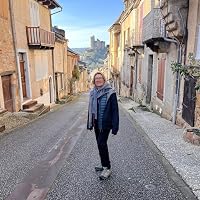
An absolutely gorgeous memoir celebrating the natural world and our relationship with it. The writing is exquisite - I was totally immersed in the details of the hares: how they moved, how they ate, how they engaged with the world around them. It was the best kind of writing for me: lyrical without ever ever being over the top or pretentious or inauthentic. I loved reading about Dalton’s own journey, understated as she made it. She left so much space in her own story which was perfect, because in the end it was primarily a story about the world around us.
I was reading it while on my annual yoga retreat in Najac, France (www.yoganajac.com). It was the first book I have held in my hands and read rather than listened to for a long time apart from books I teach. That in itself was interesting and showed me that I can go back to reading hard copies, something I had feared I might not be able to do again. It was also perfect thematically with my retreat. Slow. Renewal. Cycles of life. Acceptance. The importance of the natural world.
Beyond 6 stars.
I was reading it while on my annual yoga retreat in Najac, France (www.yoganajac.com). It was the first book I have held in my hands and read rather than listened to for a long time apart from books I teach. That in itself was interesting and showed me that I can go back to reading hard copies, something I had feared I might not be able to do again. It was also perfect thematically with my retreat. Slow. Renewal. Cycles of life. Acceptance. The importance of the natural world.
Beyond 6 stars.

June 26, 2025
What does it mean to be wild and free? For an animal, we will never know that answer due to lack of speech. But I feel that this book comes close to capturing the awe of observing something wild, and achieving a fragment of understanding of what it means to be free.
Raising Hare is a memoir by the author who found herself home-bound during COVID in the English countryside. She stumbles upon a newborn hare (aka leveret) and unknowing what to do with the poor creature, she takes it home. What ensues is tenderness and care, diligence in her desire to keep it as wild as possible. She doesn't name it, she touches it minimally. She adjusts her entire life to care for this hare and to not disturb its natural patterns and habits. What a feat of generosity and love for a wild creature. There are comical moments, tense moments and sadness. A wide range of emotions are felt as we observe what happens.
This book treads the line between leaving a wild thing wild and imposed domesticity. I think Chloe Dalton succeeded in keeping her hare as wild as possible. I appreciated the detailed account of her daily life with this creature; the ups and downs involved in caring for it, the struggle she underwent with the morality of pseudo-domestication of the leveret, and all of the autodidactism she undertook to learn about the breed and it's place in history.
One of my favorite phrases to use is "quiet and unassuming" and this book is that. It is gentle in its approach, however there does lie a thread of anticipation and expectancy, as the escalation of the fate of the hare is slow and meandering. A fine balance occurs here in this book, and I think that the author pulled it off exceedingly well.
Recommended for those who will appreciate : nature and wildlife, memoirs, the history of hares, rural England, the impacts of farming on wildlife
Raising Hare is a memoir by the author who found herself home-bound during COVID in the English countryside. She stumbles upon a newborn hare (aka leveret) and unknowing what to do with the poor creature, she takes it home. What ensues is tenderness and care, diligence in her desire to keep it as wild as possible. She doesn't name it, she touches it minimally. She adjusts her entire life to care for this hare and to not disturb its natural patterns and habits. What a feat of generosity and love for a wild creature. There are comical moments, tense moments and sadness. A wide range of emotions are felt as we observe what happens.
This book treads the line between leaving a wild thing wild and imposed domesticity. I think Chloe Dalton succeeded in keeping her hare as wild as possible. I appreciated the detailed account of her daily life with this creature; the ups and downs involved in caring for it, the struggle she underwent with the morality of pseudo-domestication of the leveret, and all of the autodidactism she undertook to learn about the breed and it's place in history.
One of my favorite phrases to use is "quiet and unassuming" and this book is that. It is gentle in its approach, however there does lie a thread of anticipation and expectancy, as the escalation of the fate of the hare is slow and meandering. A fine balance occurs here in this book, and I think that the author pulled it off exceedingly well.
Recommended for those who will appreciate : nature and wildlife, memoirs, the history of hares, rural England, the impacts of farming on wildlife
January 12, 2025
This book is about a lady rearing a Hare. That's it. I thought there may be more to it, but there isn't. No deep insight into anything other than rearing a Hare. I guess the clue is in the title.
Displaying 1 - 30 of 7,745 reviews